

Fish That Start With B - Page 3 of 5
Browse all aquarium fish species with common names beginning with "B". Each profile includes care requirements, water parameters, tank size recommendations, and compatibility information for freshwater, marine, and brackish species.
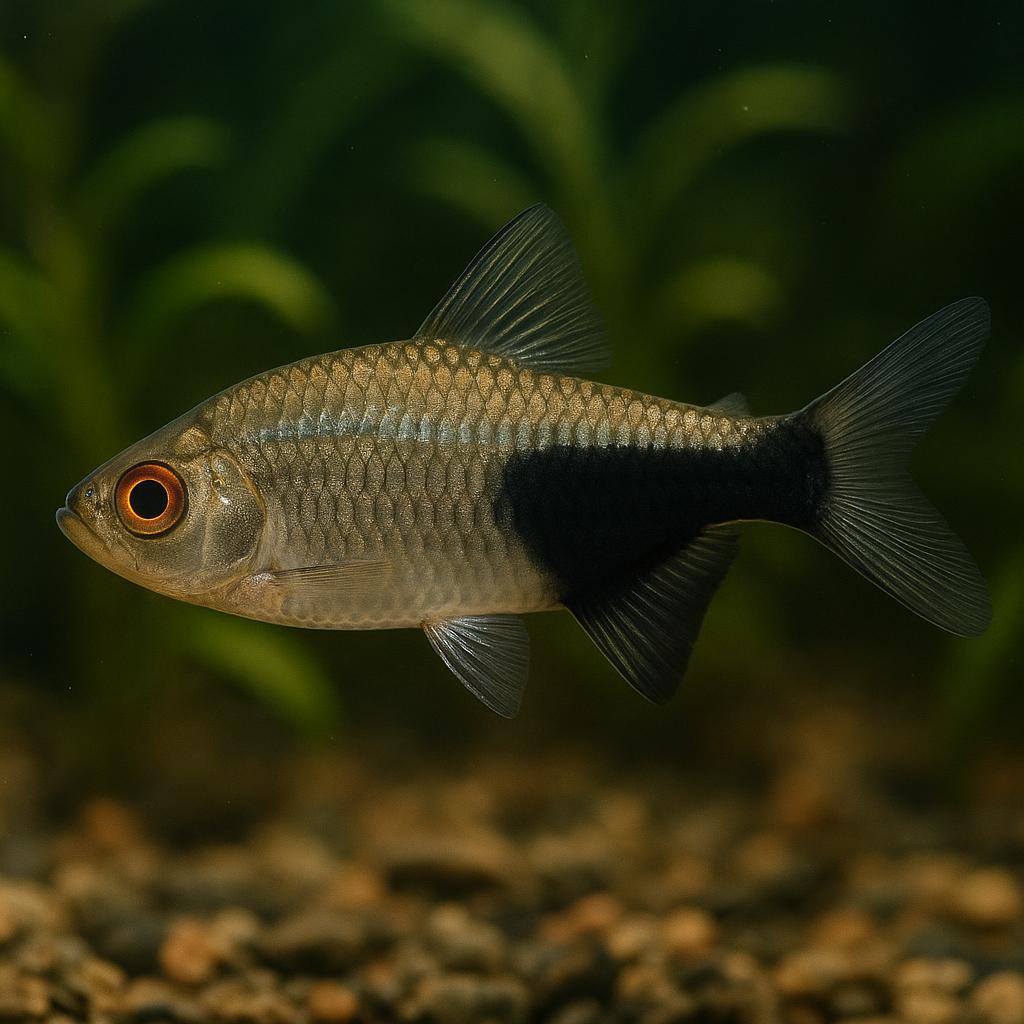
Black-chest cardinalfish
Xeniamia atrithorax
A tiny deep-reef cardinalfish described in 2016 that reaches about 3.0 cm SL. It has a distinctive dark melanophore patch on the chest/isthmus region and shows male mouthbrooding (brooding eggs reported in males). Recorded from the South China Sea off central Vietnam, with later records from Taiwan; reported from ~40–119 m depth (often ~70–119 m).
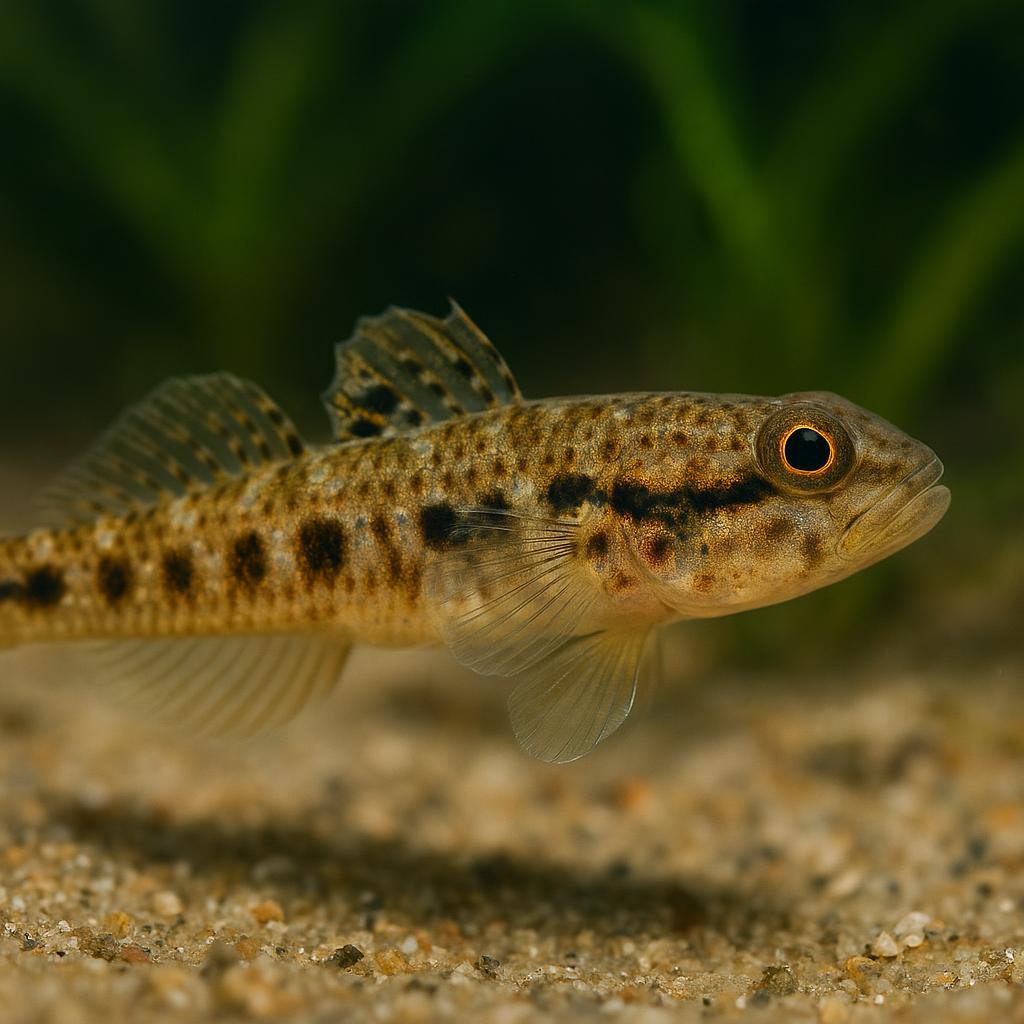
Black-edge cabillus
Cabillus nigromarginatus
Cabillus nigromarginatus is a very small marine goby (to about 3 cm) described from Rodrigues in the Western Indian Ocean, with records including Seychelles; it is known as the black-edge cabillus.
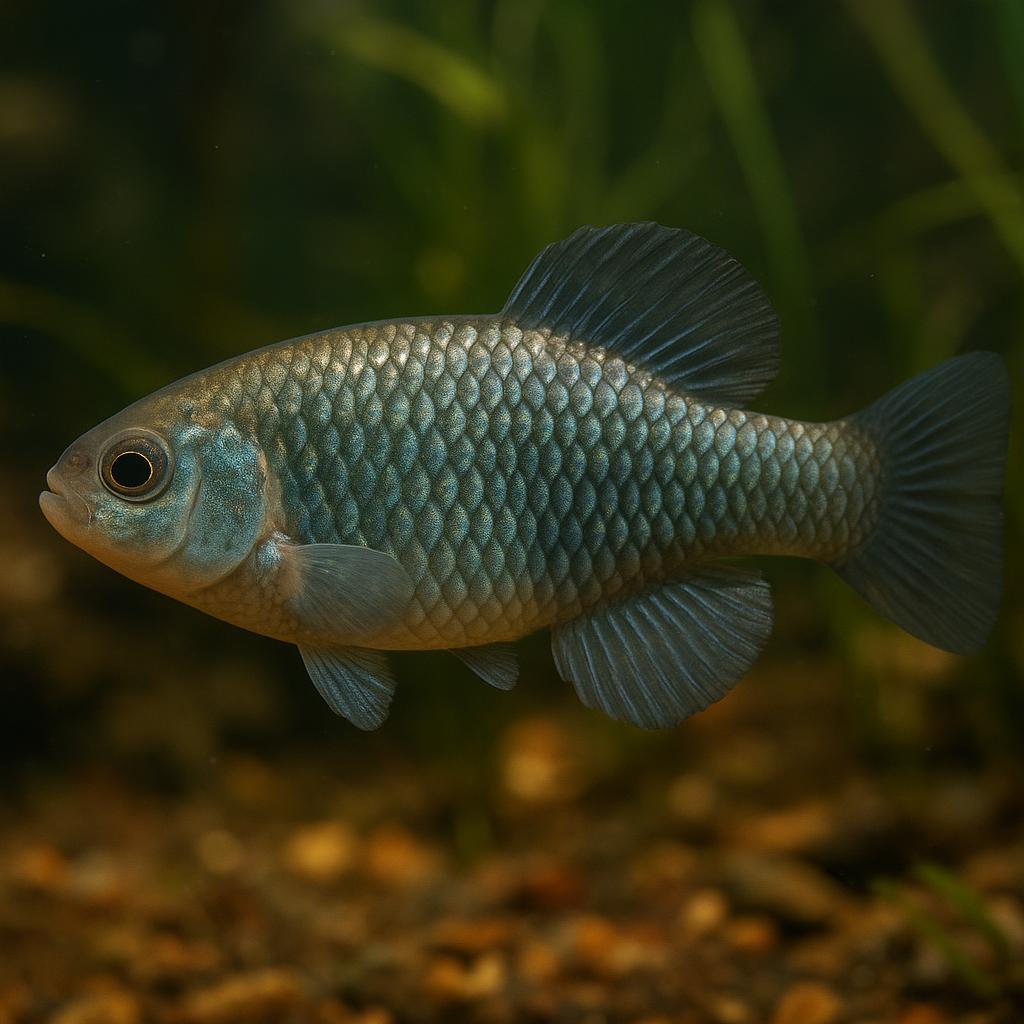
Blackfin pupfish
Cyprinodon beltrani
Cyprinodon beltrani is a tiny Mexican pupfish from Lake Chichancanab, and the males get those dark fin accents that make them look way tougher than their size. These busy little substrate-pickers consume detritus and other tiny bits, and surprisingly, they can be feisty with each other, especially during male-to-male interactions.
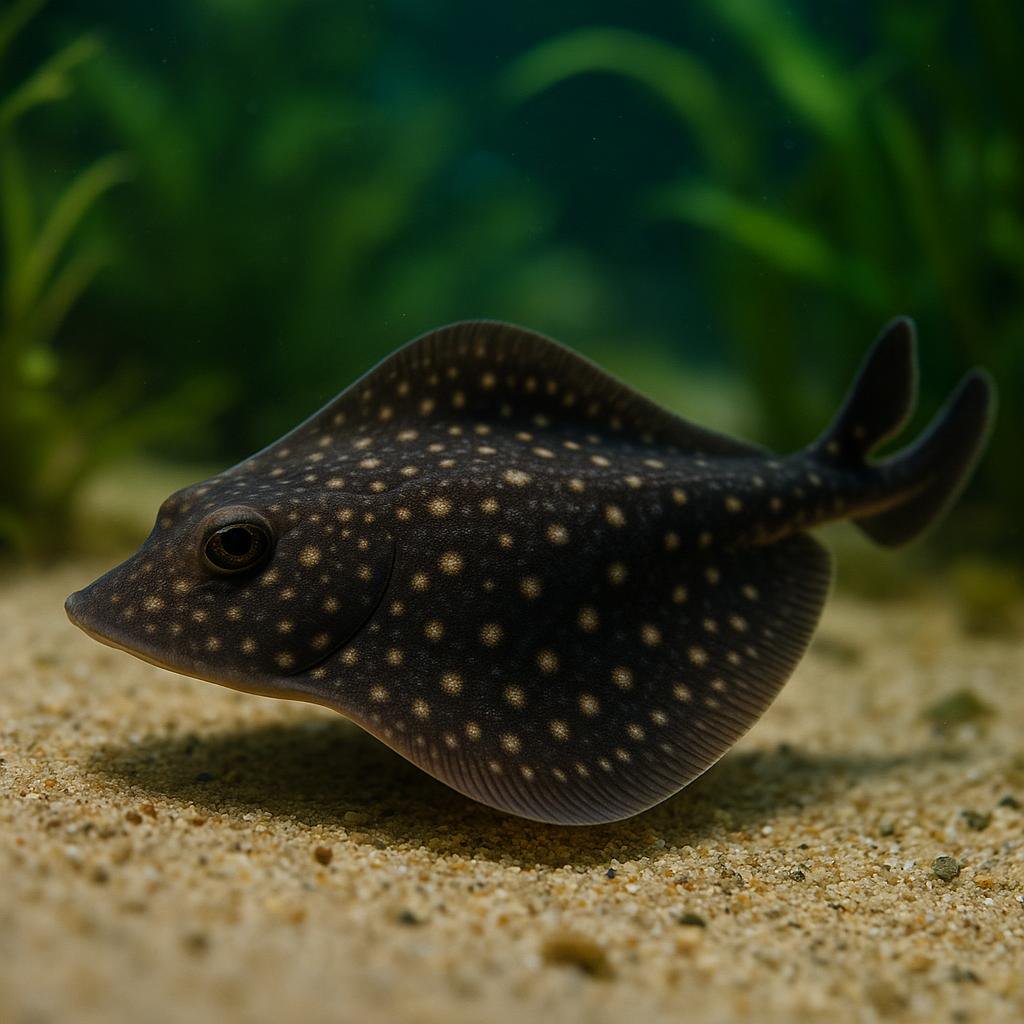
Blackfin pygmy skate
Fenestraja atripinna
Fenestraja atripinna is a small, deepwater (upper slope) bathydemersal pygmy skate from the Western Central Atlantic (e.g., Bahamas/Cuba/Florida region) reported from ~310–870 m (often deeper than ~440 m). Biology is poorly known; like other skates it is oviparous (egg cases).
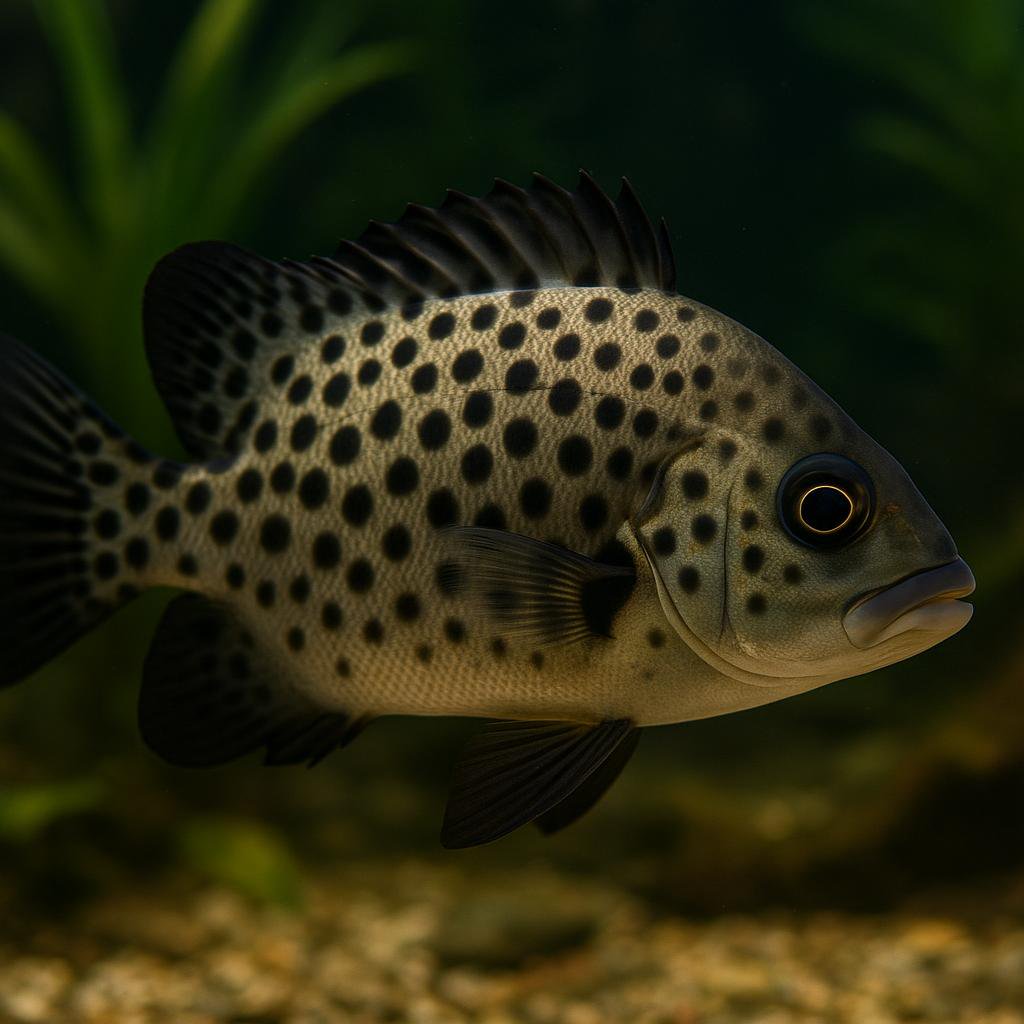
Blackfin slatey
Diagramma melanacrum
This is a big Indo-West Pacific sweetlips/grunt that cruises reefs and hangs in caves, and it gets that cool yellow-and-silver look sprinkled with dark spots plus the really obvious black on the lower tail and the pelvic/anal fins. Juveniles show up in murkier estuary and silty reef areas, then the adults shift deeper and often sit in small groups until they go hunting at night. In aquariums its size is the whole story - it is a public-aquarium kind of fish once grown.
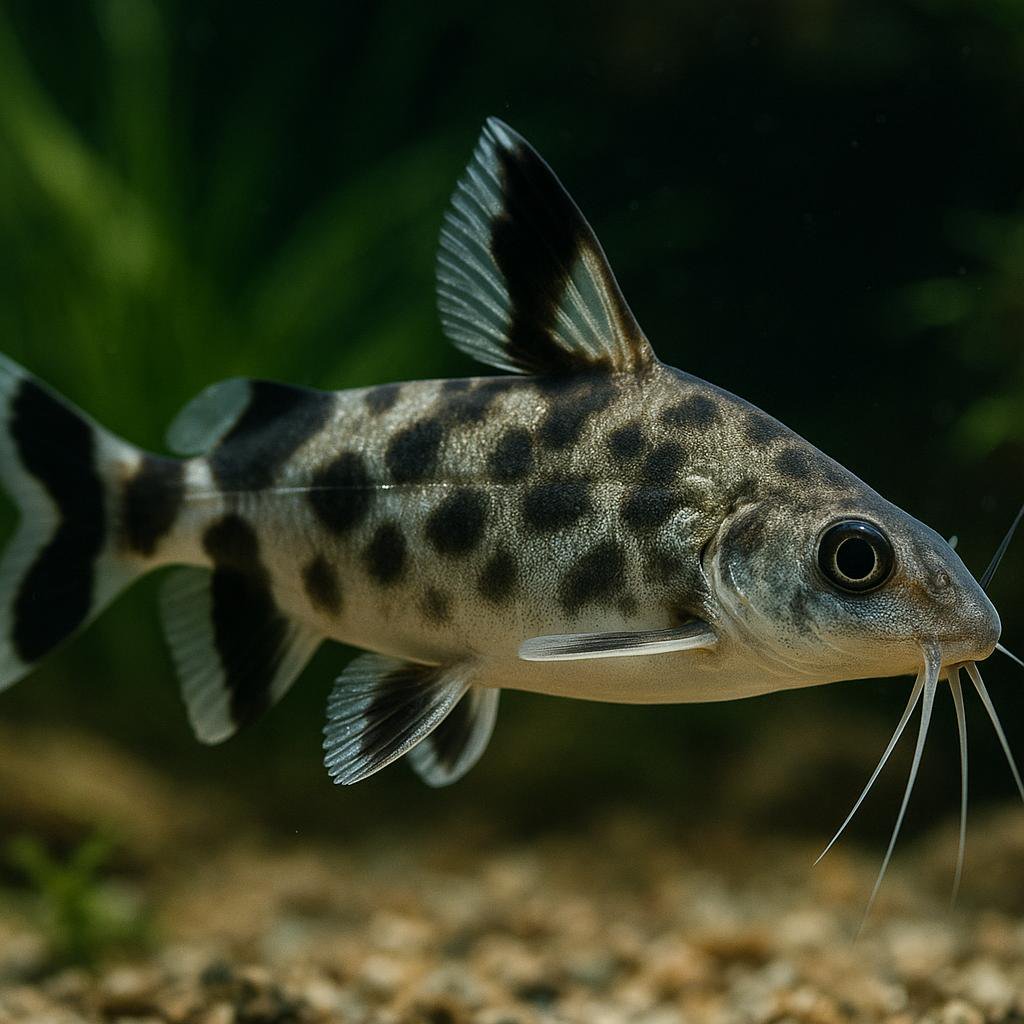
Blackfin squeaker
Synodontis melanopterus
Synodontis melanopterus is a West African mochokid (squeaker/upside-down catfish) described as uniformly dark in coloration. Like other Synodontis, it has robust fin spines and is a bottom-associated fish that will use shelter; provide hiding places and be cautious when netting due to spine entanglement risk.
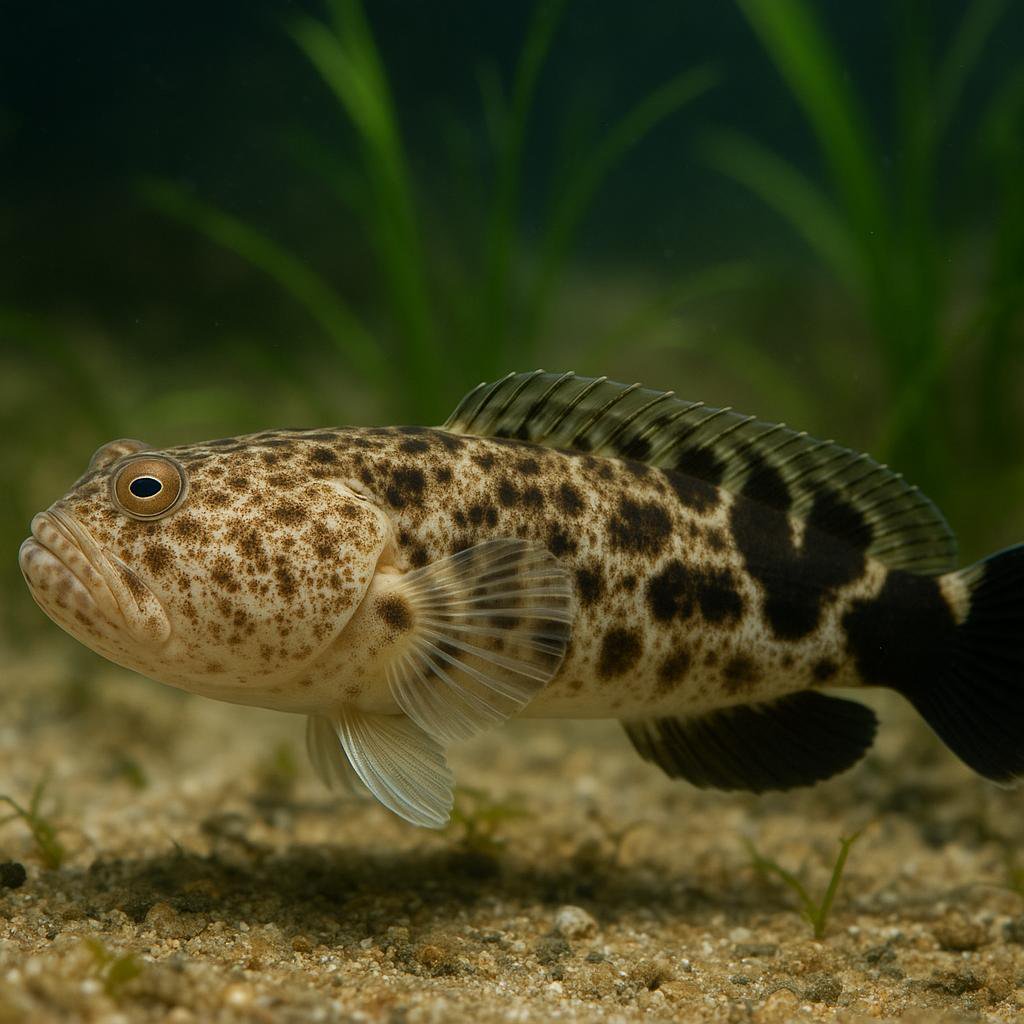
Blackfin stargazer
Ichthyscopus nigripinnis
This is a little sand-sitting stargazer from Australia that likes to lie in wait with its eyes up top and nail passing prey. That black mark on the front part of the dorsal fin is basically its signature. Cool fish, but its more of a wild marine predator than something you set up in a typical home aquarium.
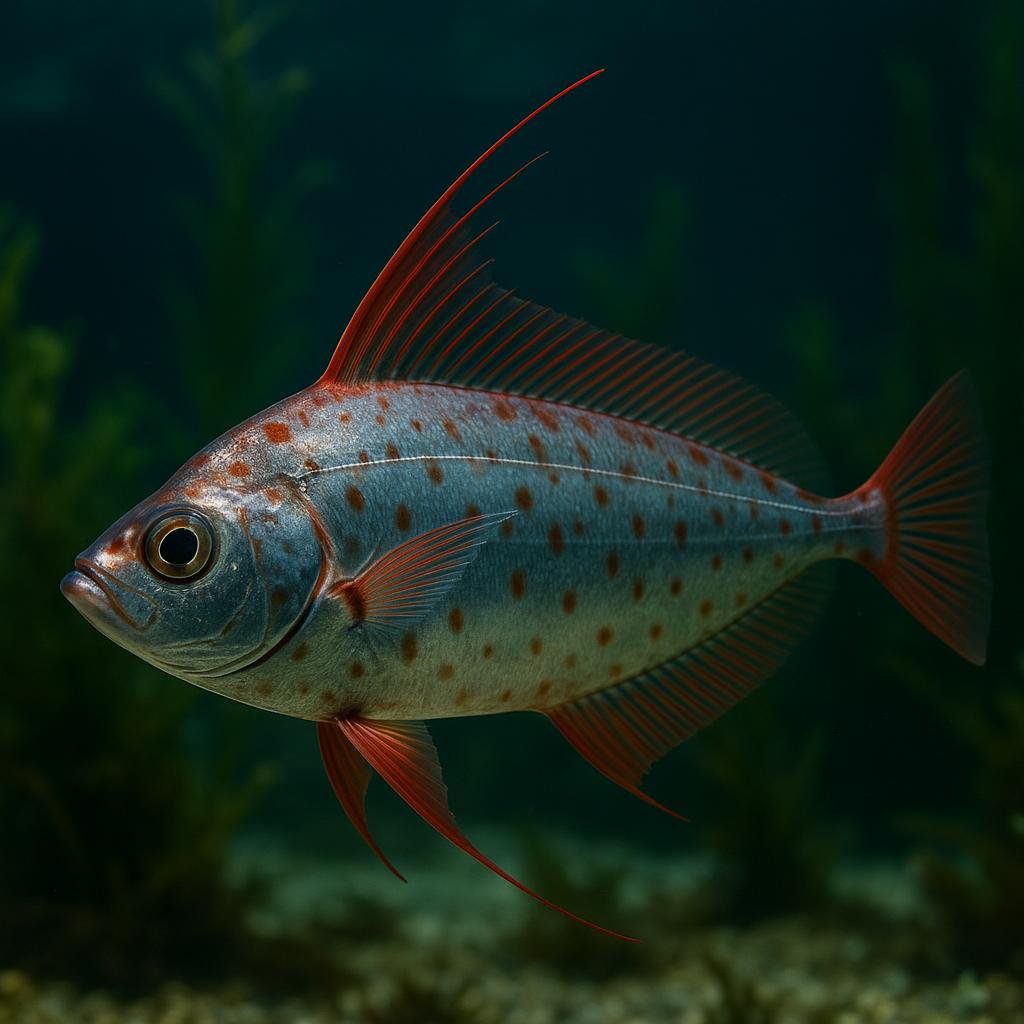
Blackflash ribbonfish
Trachipterus jacksonensis
This is one of those true open-ocean ribbonfish - long, silvery, and super weird-looking in the best way, with a tall red dorsal fin when its in good shape. Its a deepwater, roaming marine species that occasionally turns up nearshore or even in estuaries, but its not something you can realistically keep in a home aquarium.
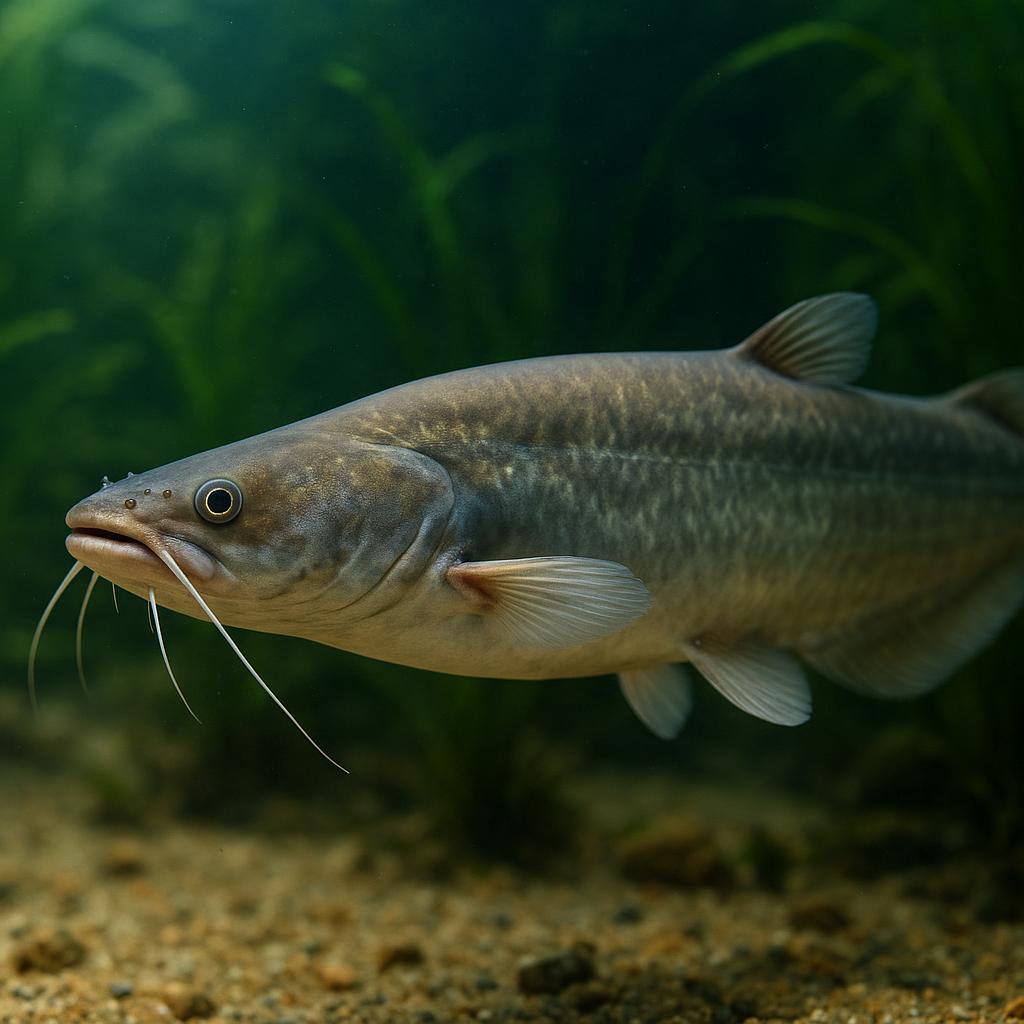
Blackhawk catfish
Wallago micropogon
Wallago micropogon is one of those true monster Mekong catfish - long, dark, and built like a living vacuum cleaner with an absurdly big mouth. In the wild it is a straight-up fish eater that cruises flooded forests and river edges, and in an aquarium it is basically a predator display animal that needs pond-level space.
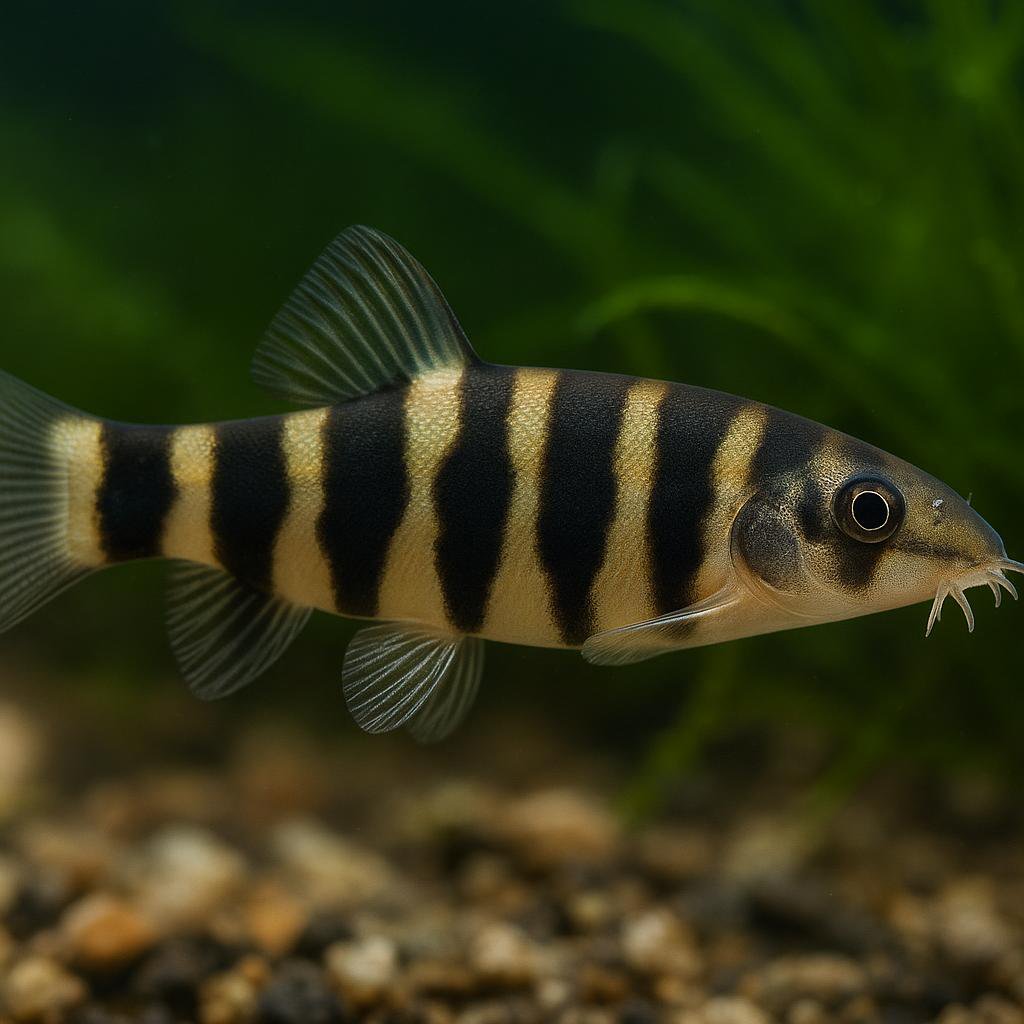
Black-Lined Loach
Ambastaia nigrolineata
Ambastaia nigrolineata is a little river-loach with two clean black stripes that turns into a really cool barred pattern as it grows. Keep it in a proper gang and you will see all the fun loach stuff - shadowing, clicking, and the occasional goofy "greying out" dominance squabble. It likes clean, well-oxygenated water and lots of nooks to cram into.
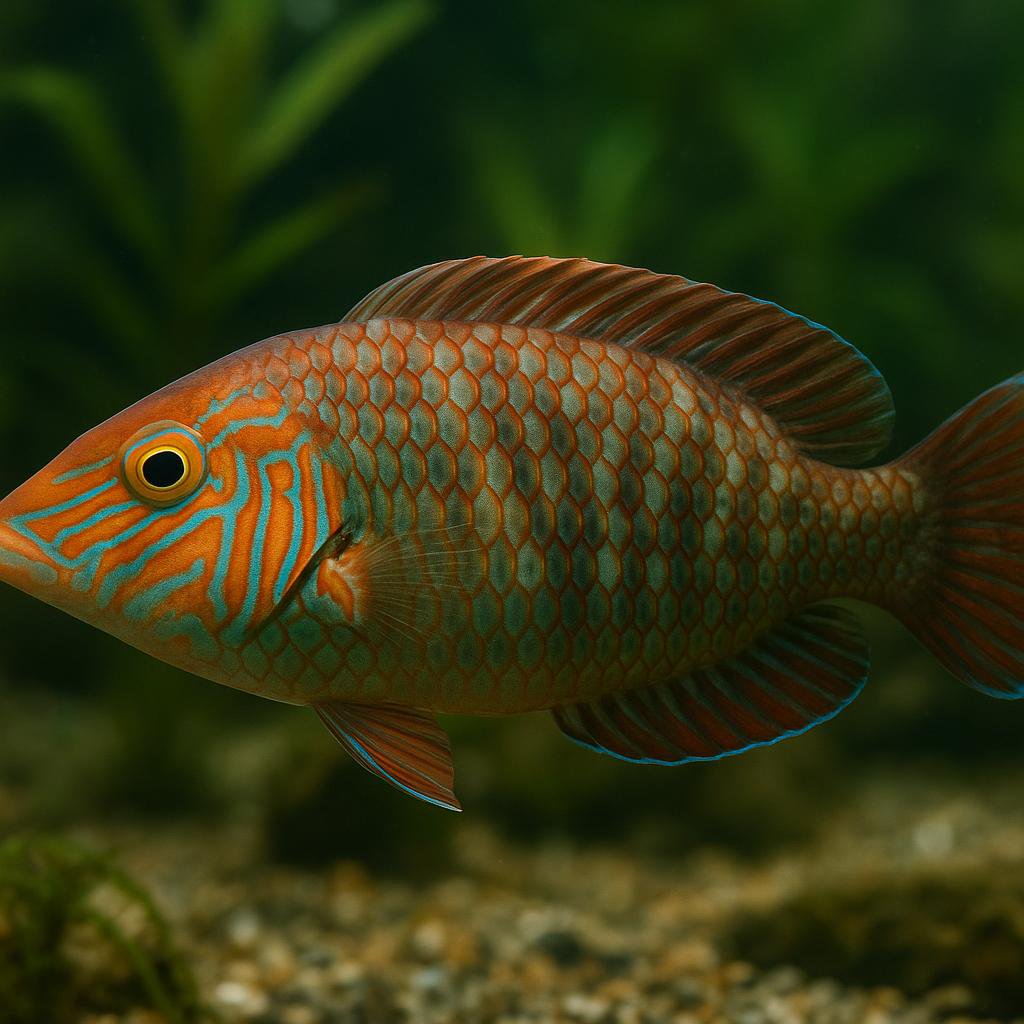
Blackspot razorfish
Iniistius dea
This is one of the coolest "knife-bodied" wrasses - it hangs over open sand and, when it gets spooked or wants to sleep, it literally torpedoes straight into the sand. Give it a deep, fine sand bed and it will act totally different (and way more natural) than a typical rock-hugging reef wrasse. Adults are usually shy and cruisy with tankmates, but they are not forgiving about rough handling or sketchy setups.
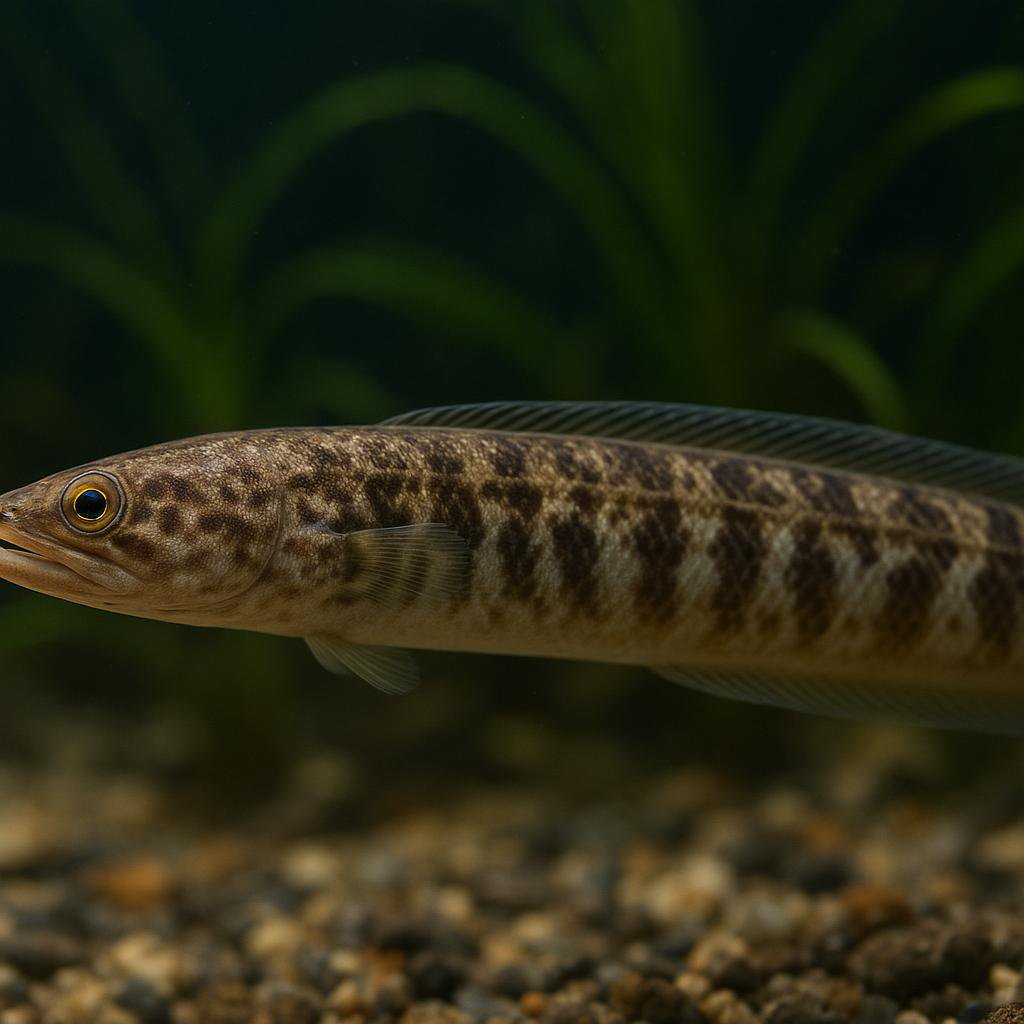
Blackspotted snake eel
Quassiremus ascensionis
A tropical marine snake eel that buries in soft substrates (sand/mud/gravel) with only the head exposed to ambush prey. Recorded to 71 cm TL and occurs mainly in the western Atlantic (also Brazil) and at Ascension Island; typically found in shallow inshore habitats to ~12 m, including sand and seagrass (turtle grass) areas.
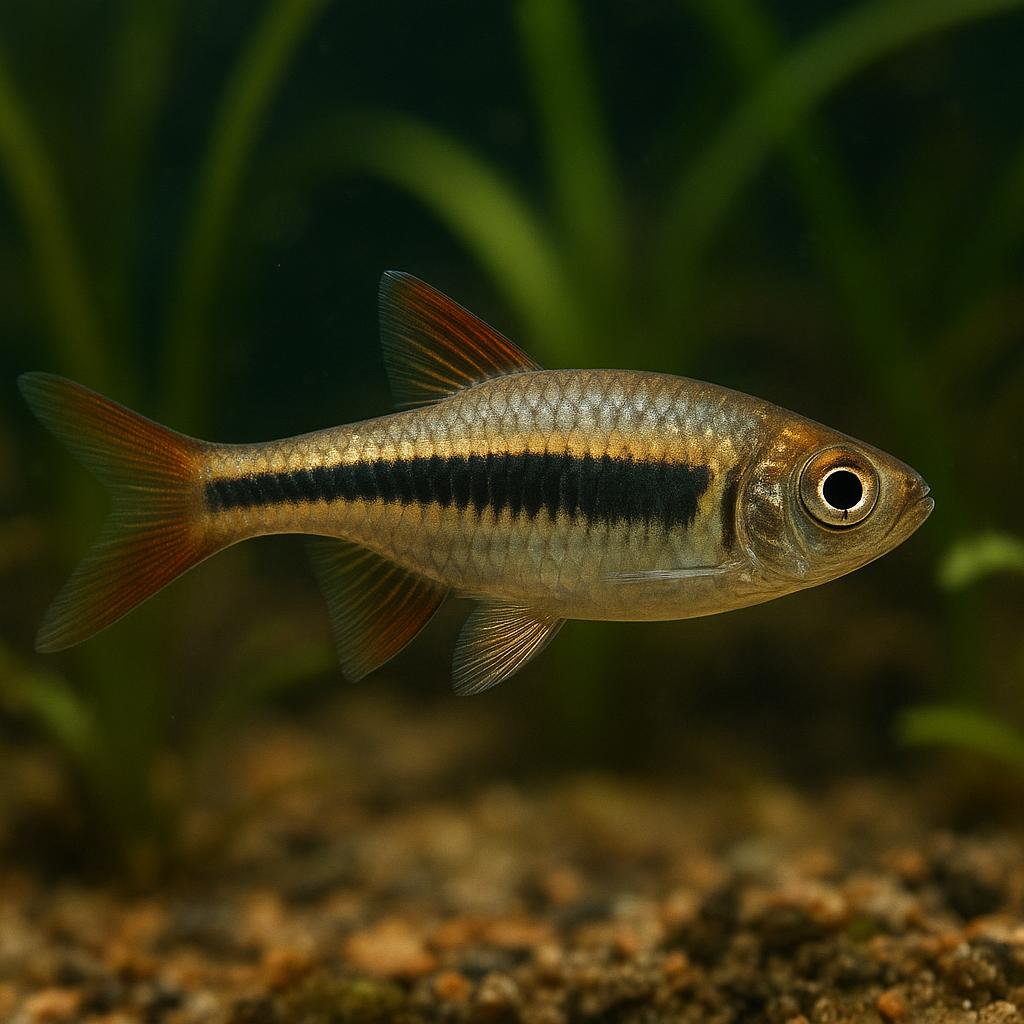
Blacktip rasbora
Rasbora dorsinotata
This is a slim little Southeast Asian rasbora with a clean dark lateral stripe and a neat black tip on the dorsal fin. In a group it gets way more confident and you will see that tight midwater schooling behavior, especially in a planted tank with some flow.
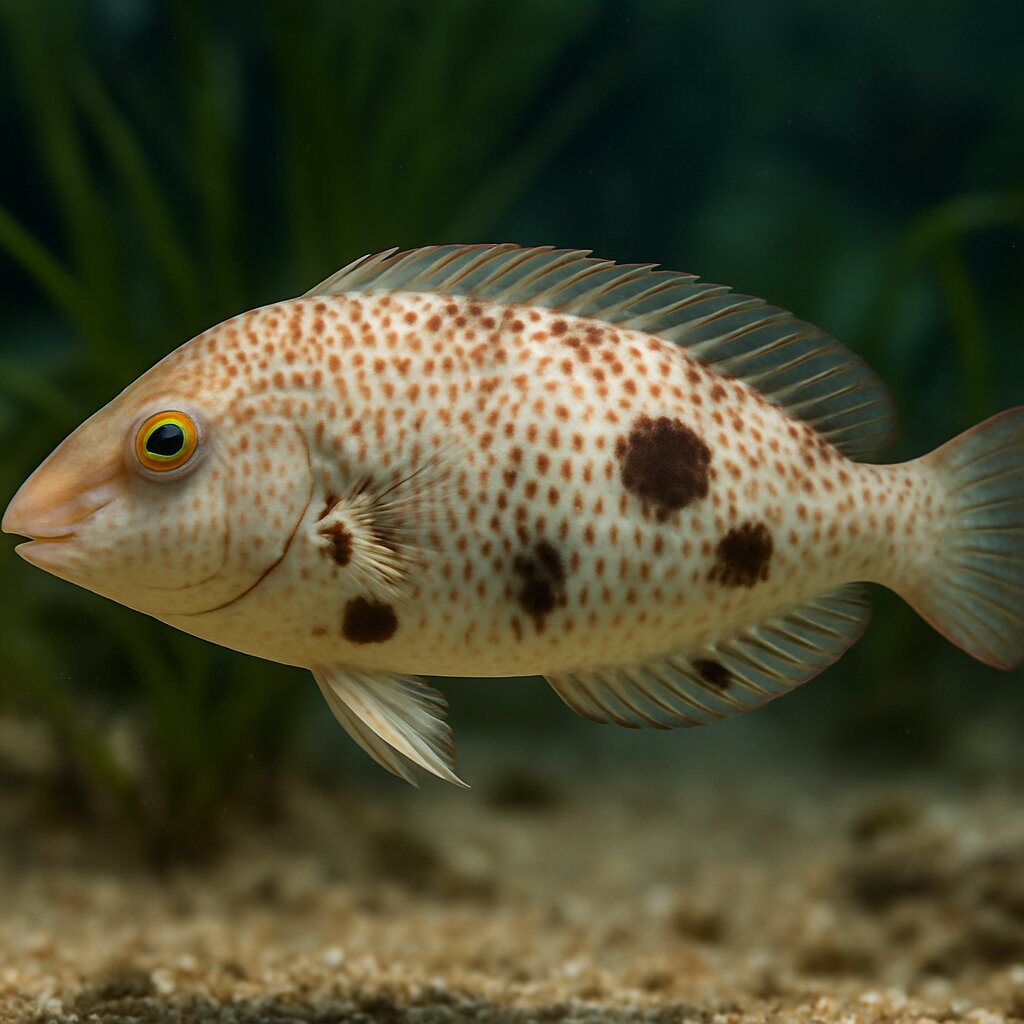
Blemished razorfish
Iniistius naevus
A small razor wrasse with that classic knife-edge profile and a pale body marked with dark blotches, it zips over open sand and then vanishes head-first into it the second it feels spooked. It lives on gentle sand slopes in the Eastern Indian Ocean and sleeps buried, so in a tank it really needs a fine, deep sand bed and a tight lid. ([fishbase.se](https://fishbase.se/summary/SpeciesSummary.php?ID=66868&genusname=Iniistius&speciesname=naevus))
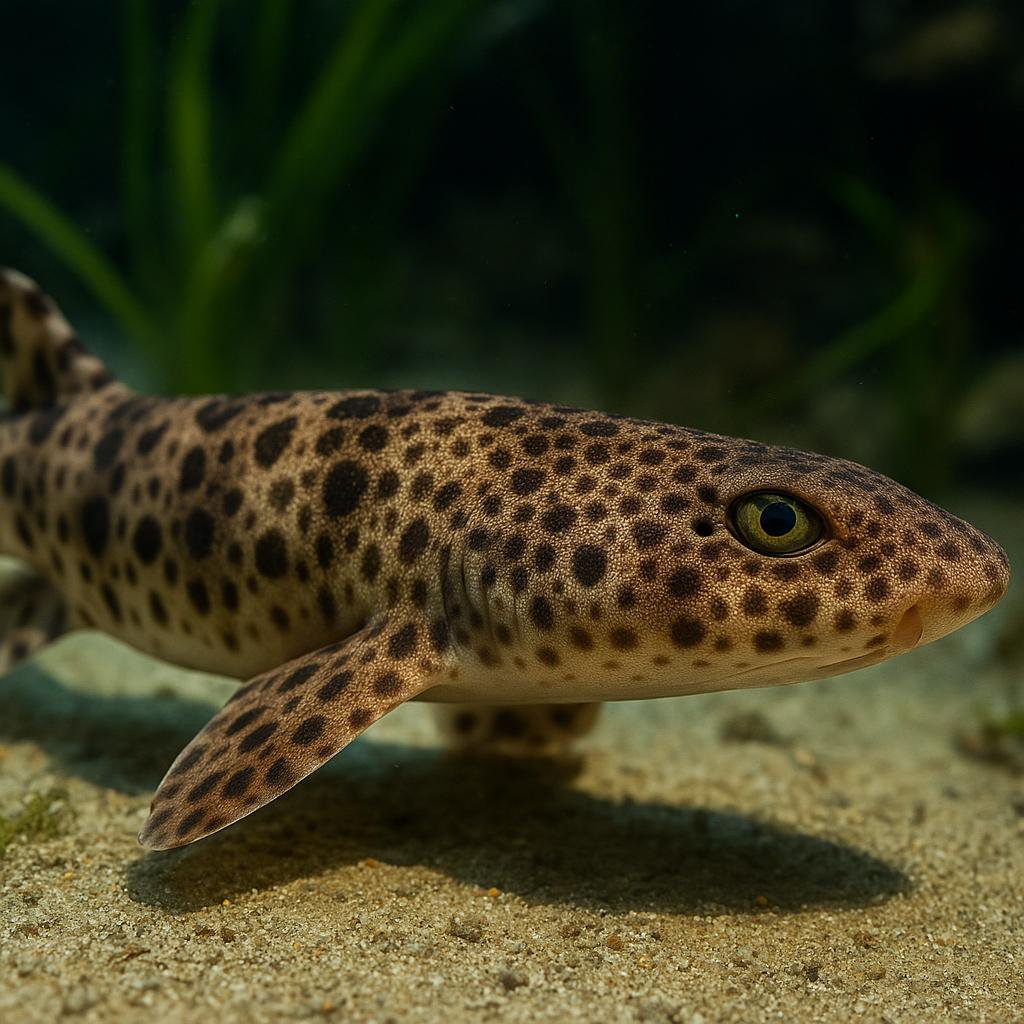
Blotched catshark
Scyliorhinus meadi
Scyliorhinus meadi is a deepwater little catshark from the western central Atlantic that hangs out way down on the continental slope around 300-600 m. It is got those dark saddle-like blotches and even has tiny spots that can fluoresce yellow under blue light, which is pretty wild for a shark. This is not really an aquarium fish - it is a cold, deepwater species with specialized needs and basically no normal hobby availability.
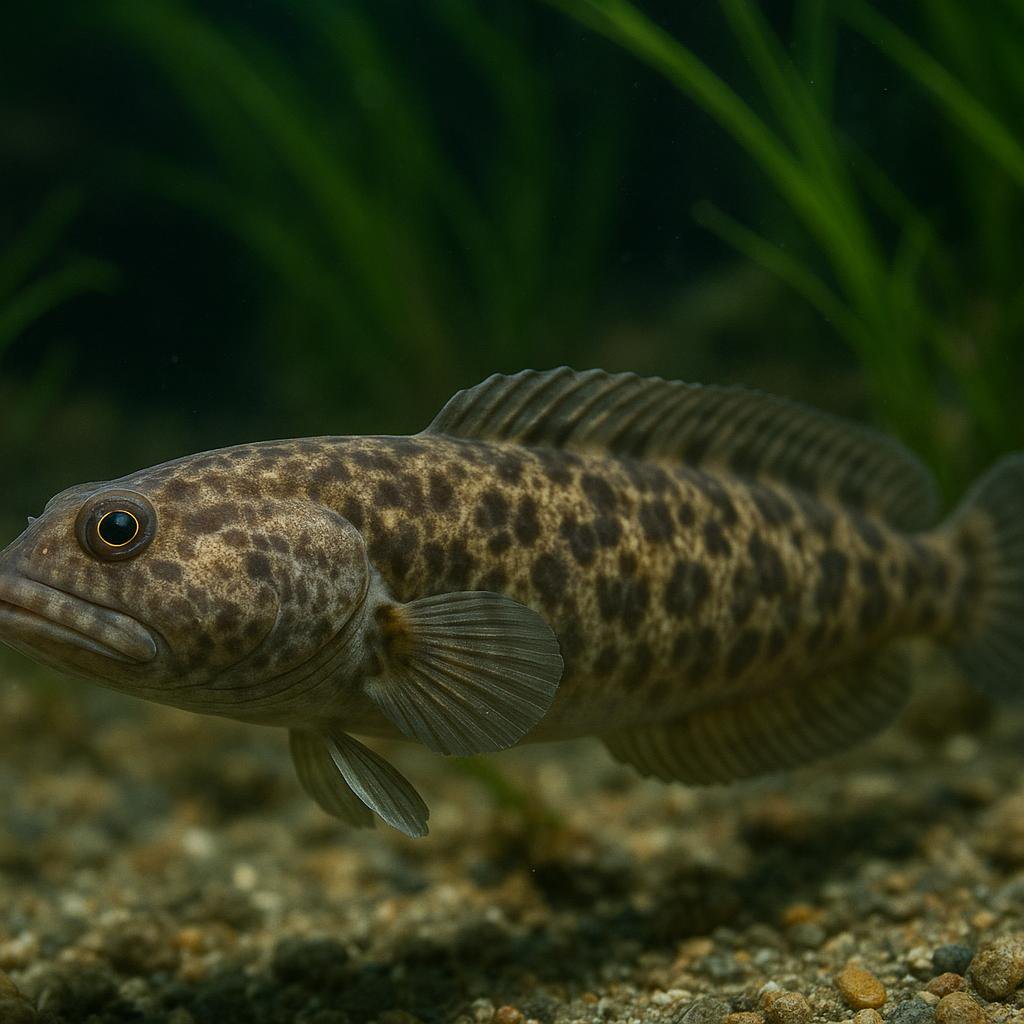
Blotched eelpout
Zoarces gillii
Zoarces gillii is a cold-temperate eelpout from the Northwest Pacific that hugs the bottom over sandy-mud inshore areas and even pushes into estuaries. It's got that long, eel-like body and a sneaky, sit-on-the-bottom predator vibe - very much a cool-water, brackish-to-marine oddball rather than a typical tropical aquarium fish.
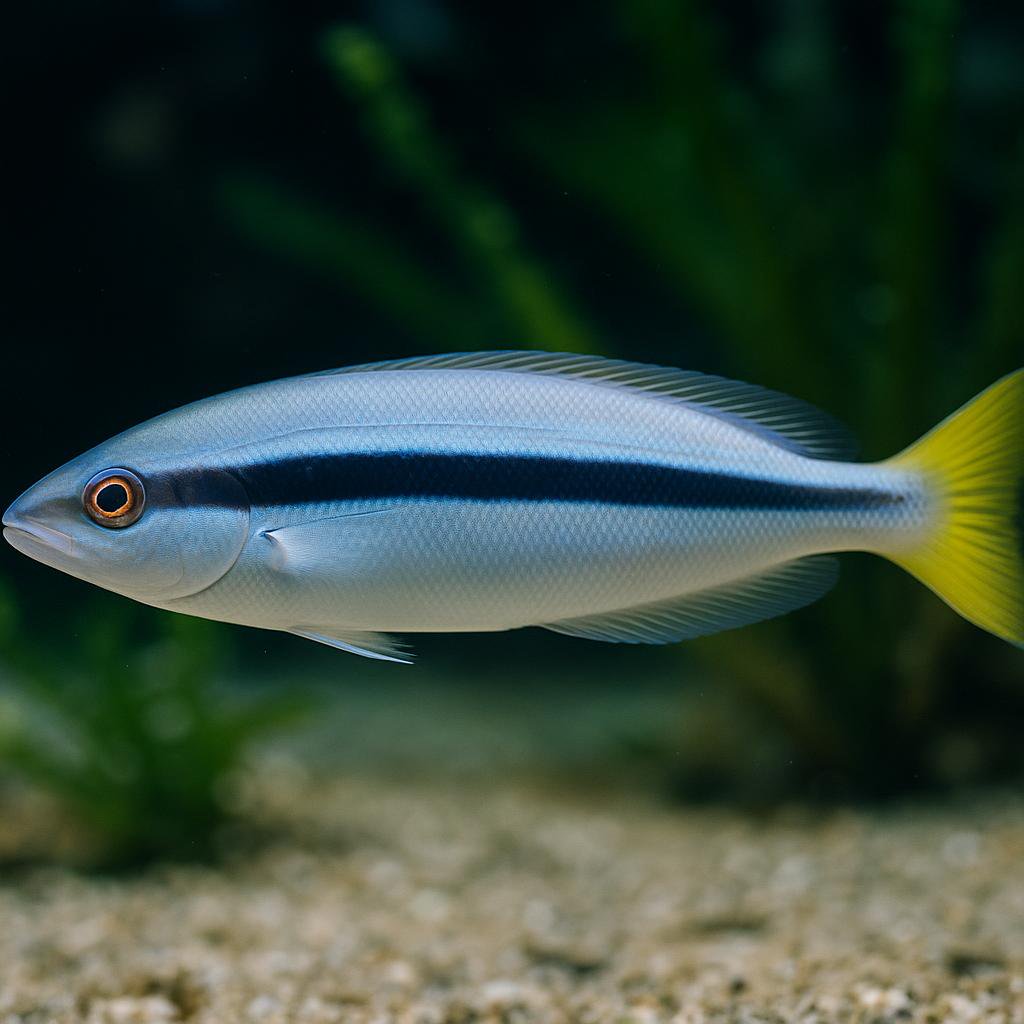
Blue blanquillo
Malacanthus latovittatus
This is the long, torpedo-shaped tilefish with the blue front end and that bold black stripe down the side. In the wild it hangs over outer reef slopes and will also claim a burrow area, so in a tank you are basically keeping a cruise-missile that also wants a safe "home base" and a tight lid.
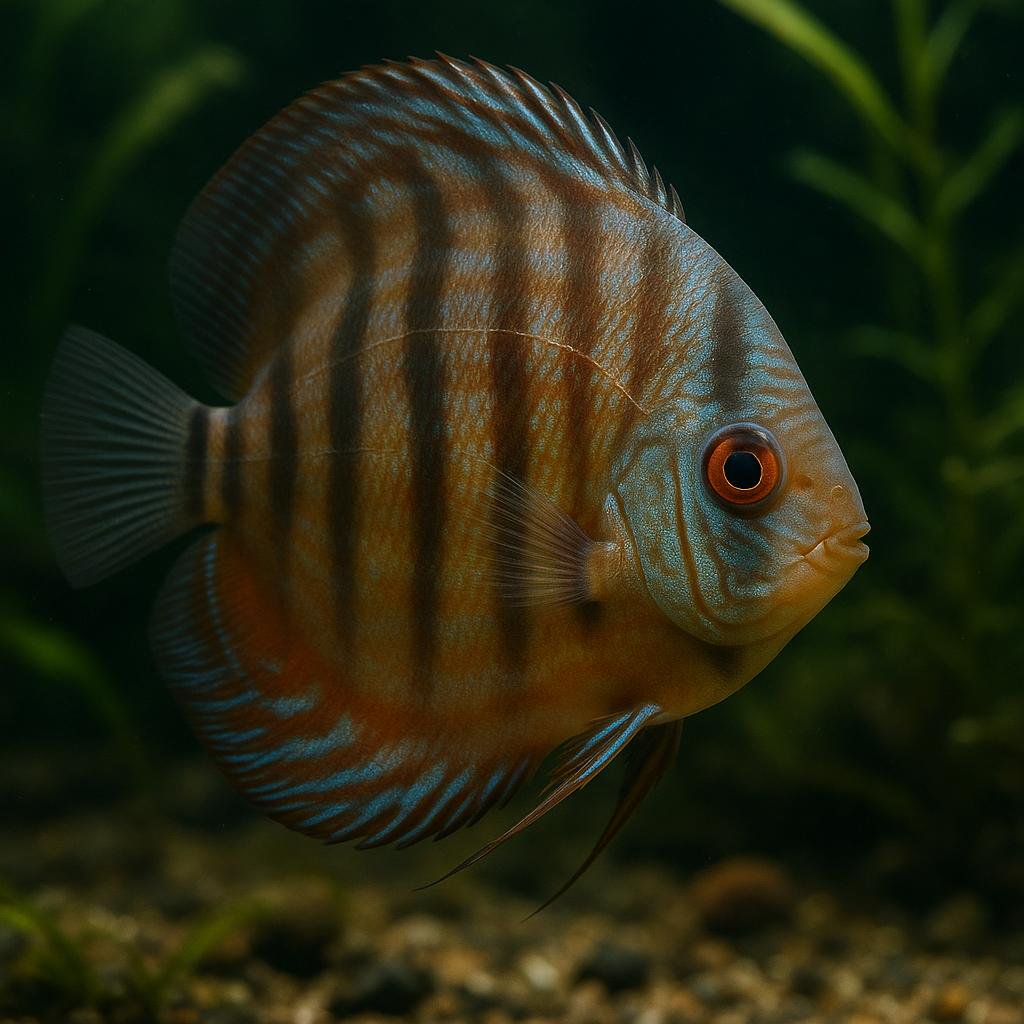
Blue discus
Symphysodon aequifasciatus
This is one of the classic wild discus from the Amazon-big, round, and super "cichlid-smart," but way more chill than most cichlids. The coolest part to me is the parenting: the fry actually feed off a mucus layer from the parents' skin for a while, which is just wild to see if you ever breed them.
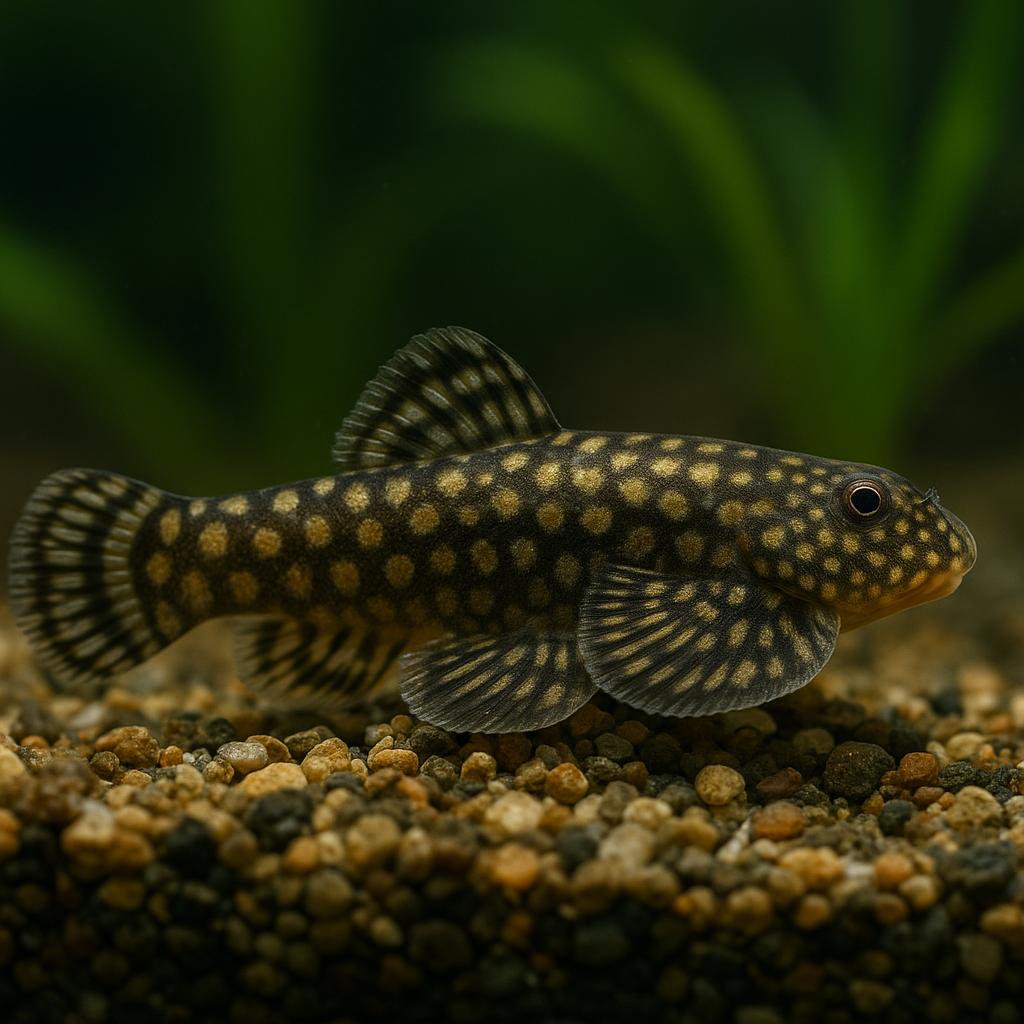
Blue dorsal Borneo sucker
Gastromyzon ctenocephalus
This is one of the little Borneo hillstream loaches that scoots around like a tiny living suction cup, spending most of its day grazing on biofilm off smooth rocks. The cool part is the fin patterning - the caudal fin has bold pale-blue striping, and they do those quick little territorial "flaring" displays with each other without usually doing real damage. Keep it in a high-oxygen, high-flow setup and it just settles in and does its thing.
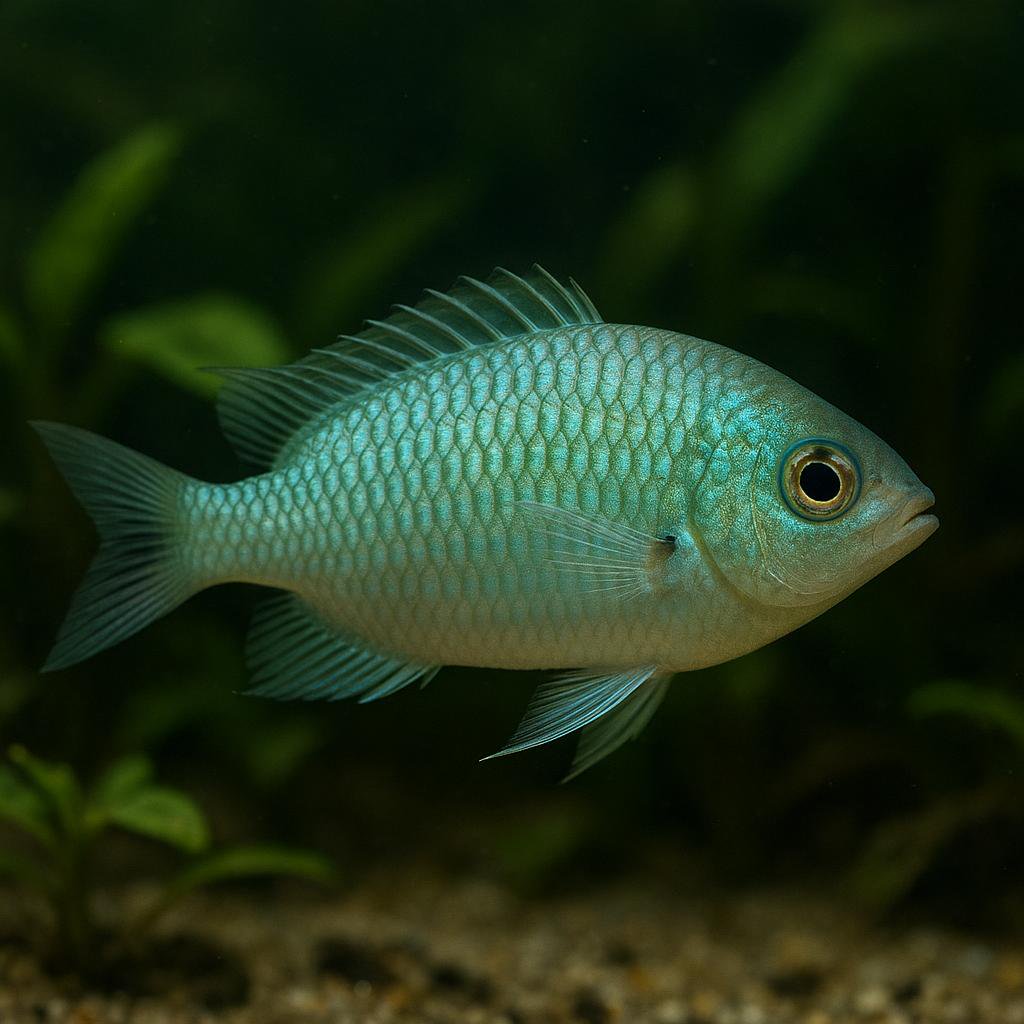
Blue Green Chromis (Green Chromis)
Chromis viridis
Blue Green Chromis are those shimmery little green-blue darts you'll see zipping around the top of a reef tank, always looking like they're catching the light just right. They're super fun in a group because they hover and cruise together, but they've got a bit of a "pecking order" thing going on if the tank's tight or the group's too small.
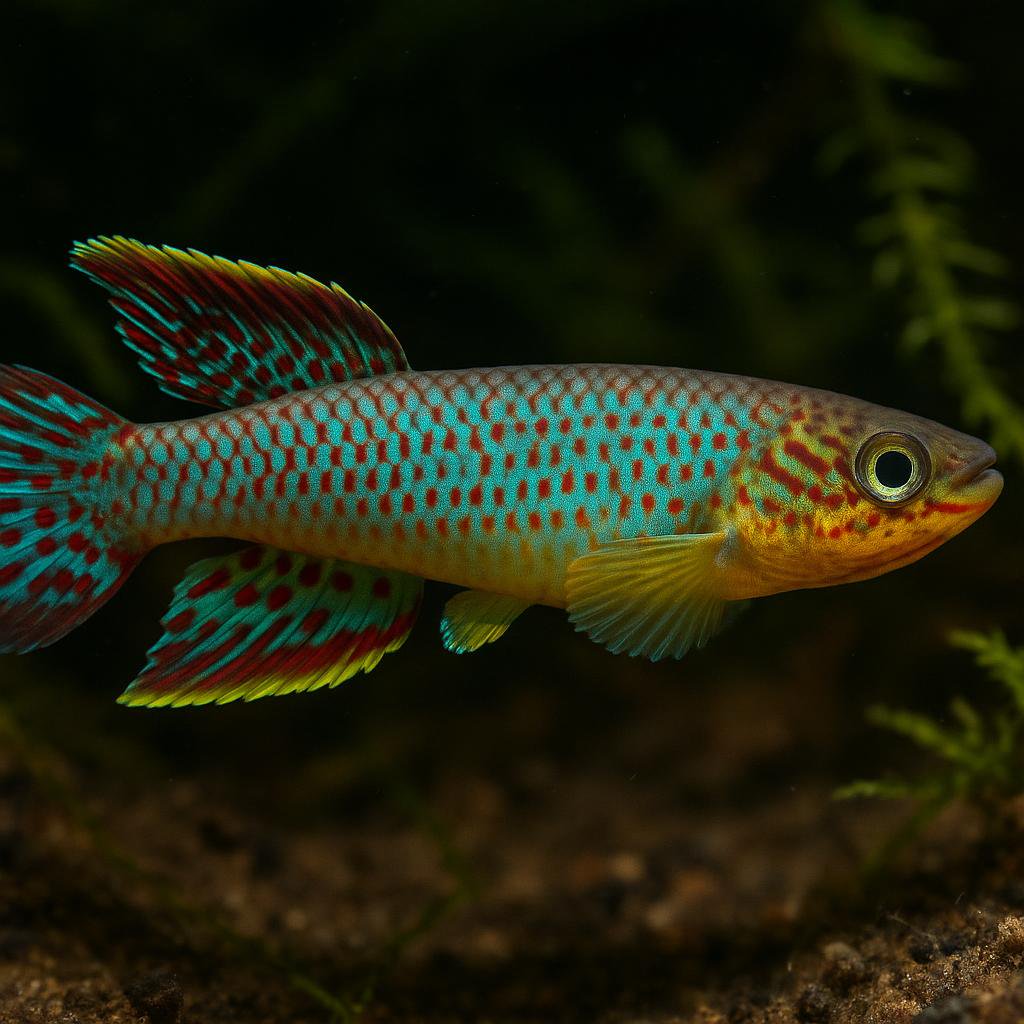
Blue gularis
Fundulopanchax sjostedti
This is the big, flashy West African killifish with the ridiculous triple-point tail and electric blue-green body covered in red spotting. Males can be real attitude machines with each other, but if you give them room, cover, and a tight lid, they make an awesome centerpiece fish that will absolutely demolish live and frozen foods.
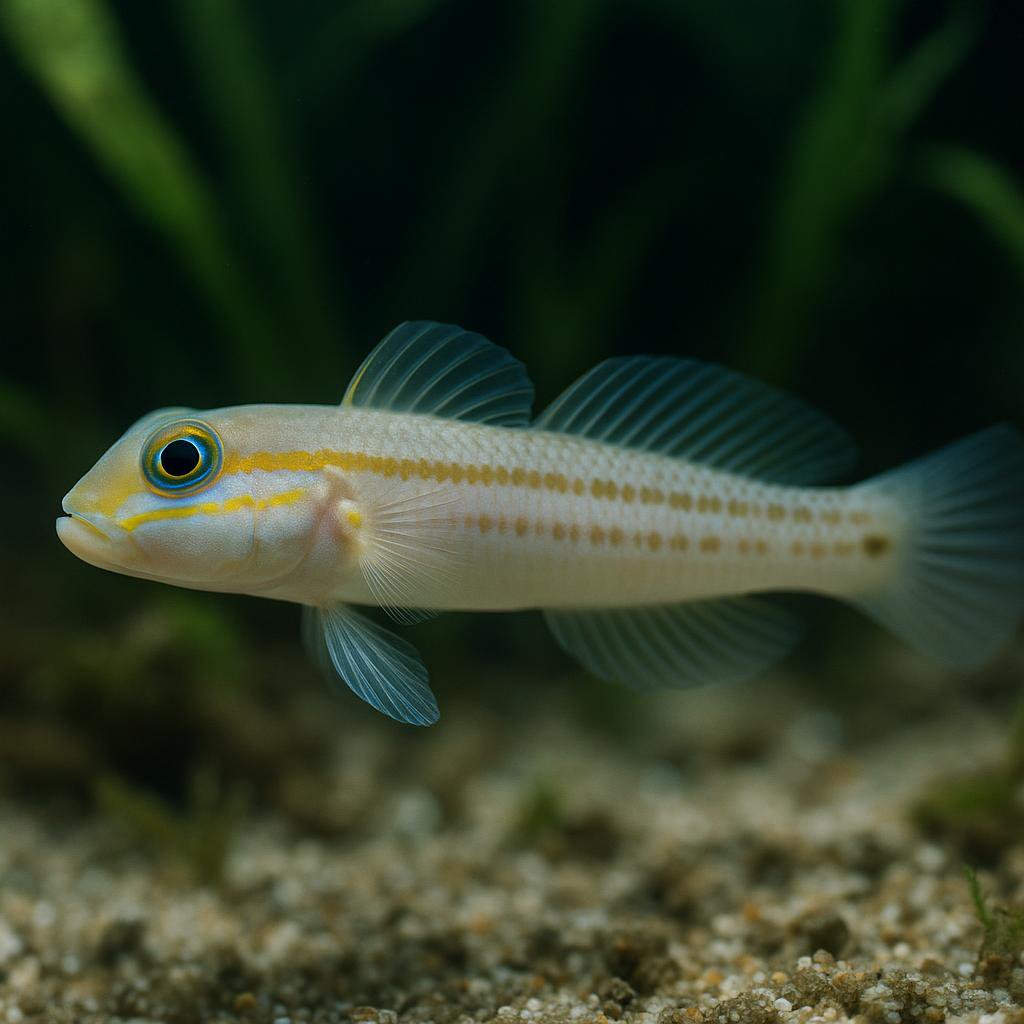
Blueband goby
Valenciennea strigata
This is that classic gold/yellow-headed sand-sifting goby with the little blue cheek stripe-always busy, always rearranging your sandbed. In a reef tank it'll spend the day taking mouthfuls of sand, filtering out tiny critters/foods, then "snowing" clean sand back out, and it'll usually claim a burrow area (often as a pair in the wild). It's super cool behavior-wise, but you really do need a mature tank with a proper sandbed and a lid because they can jump.
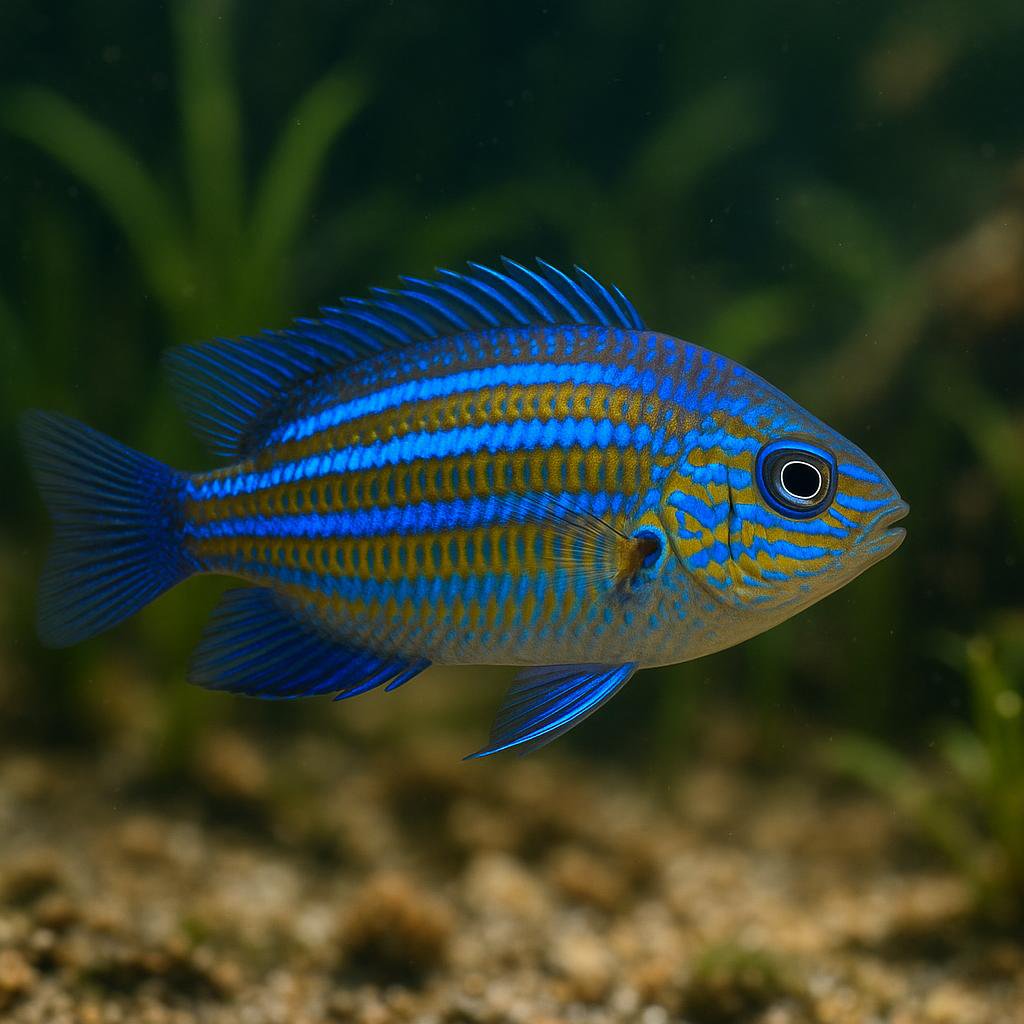
Blueline demoiselle
Chrysiptera caeruleolineata
This is one of those damsels that looks like it should be a little terror, but its vibe is way more chill than the classic blue devils. You get that bright blue body with a clean line detail, and it spends a lot of time zipping low around the rockwork like it owns a tiny little neighborhood.
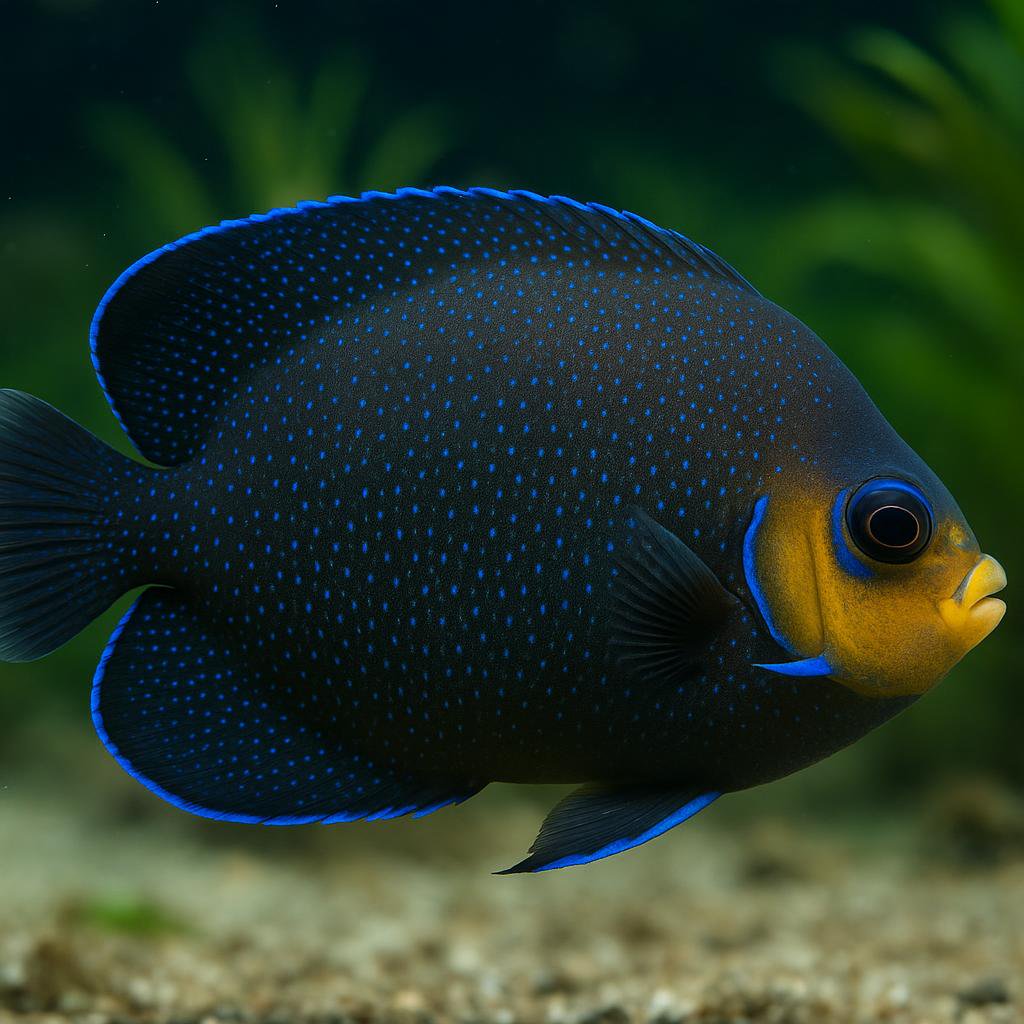
Bluespotted angelfish
Chaetodontoplus caeruleopunctatus
This is one of those super underrated Chaetodontoplus angels - dark body absolutely peppered with electric-blue spots and a bright yellow tail that pops under reef lighting. Its also a Philippines endemic, so you do not see them every day, and they tend to be a bit shy until they settle in and start cruising the rockwork looking for snacks.