

Fish That Start With B - Page 2 of 5
Browse all aquarium fish species with common names beginning with "B". Each profile includes care requirements, water parameters, tank size recommendations, and compatibility information for freshwater, marine, and brackish species.
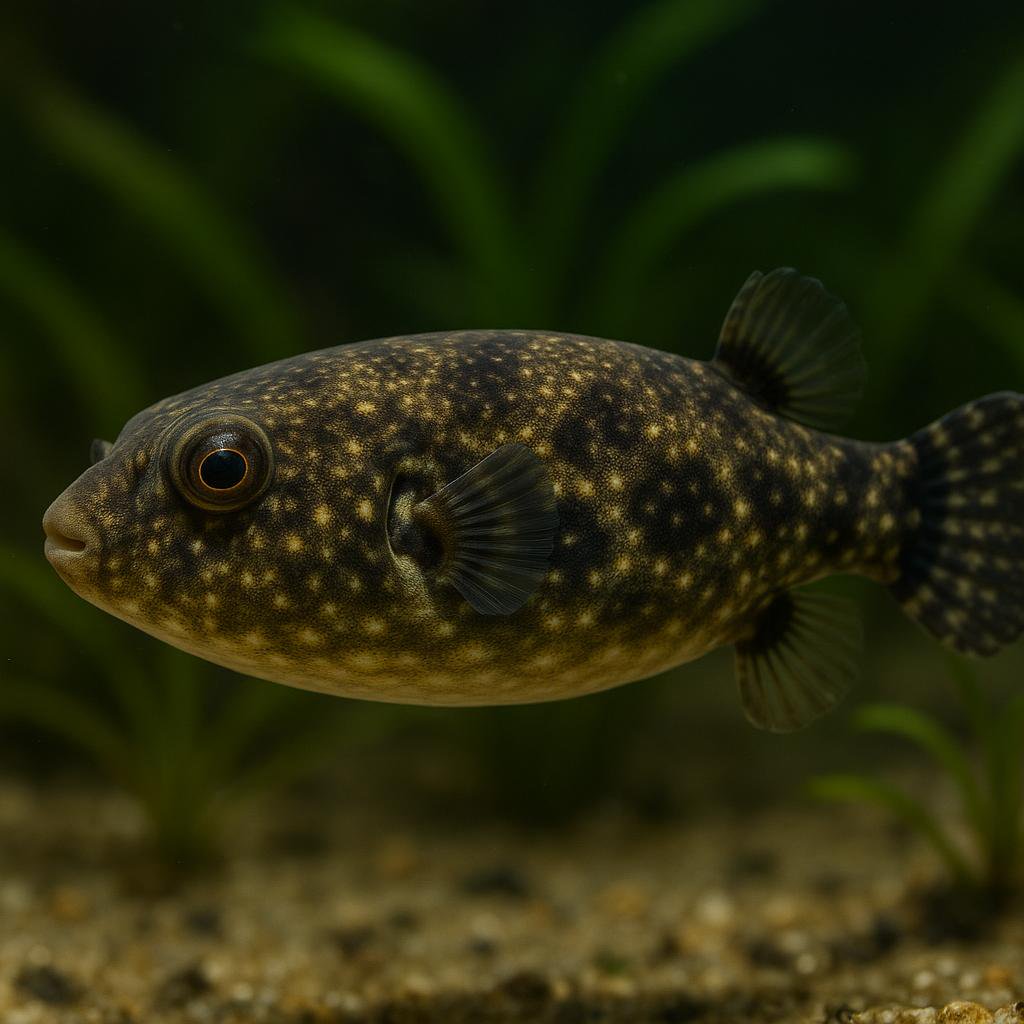
Bearded puffer
Pao barbatus
This is a chunky little Mekong River puffer that gets a cool "bearded" look from the dark spotting around the lips. It is one of those puffers that acts like a tiny water-dog - always watching you, always investigating, and always ready to crunch something shelled. Not a great community fish though, because puffers are basically curious biters with a beak.
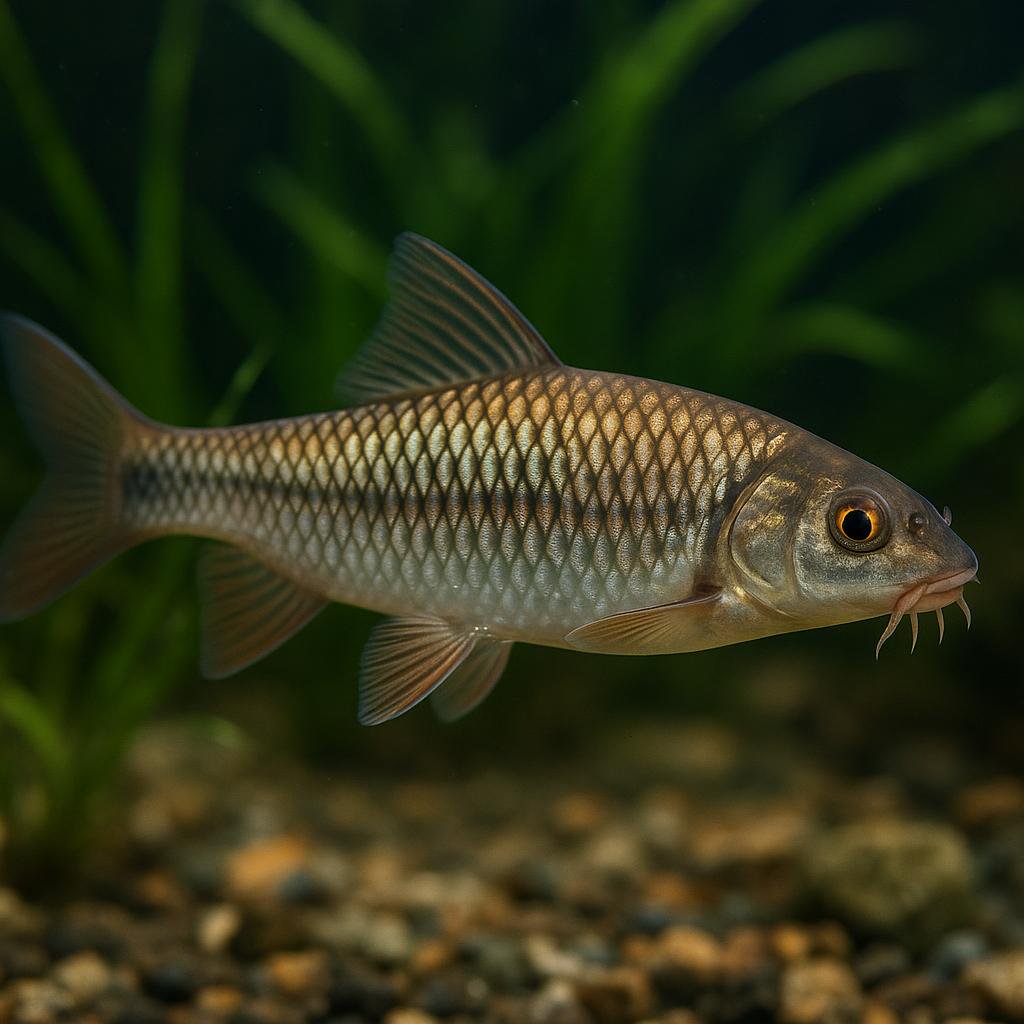
Bearded shoveljaw carp
Onychostoma barbatum
Onychostoma barbatum is a freshwater cyprinid from China. Adults inhabit streams with gravel bottoms and reach about 17.6 cm standard length; aquarium care should emphasize high water quality and strong oxygenation typical of stream-dwelling cyprinids.
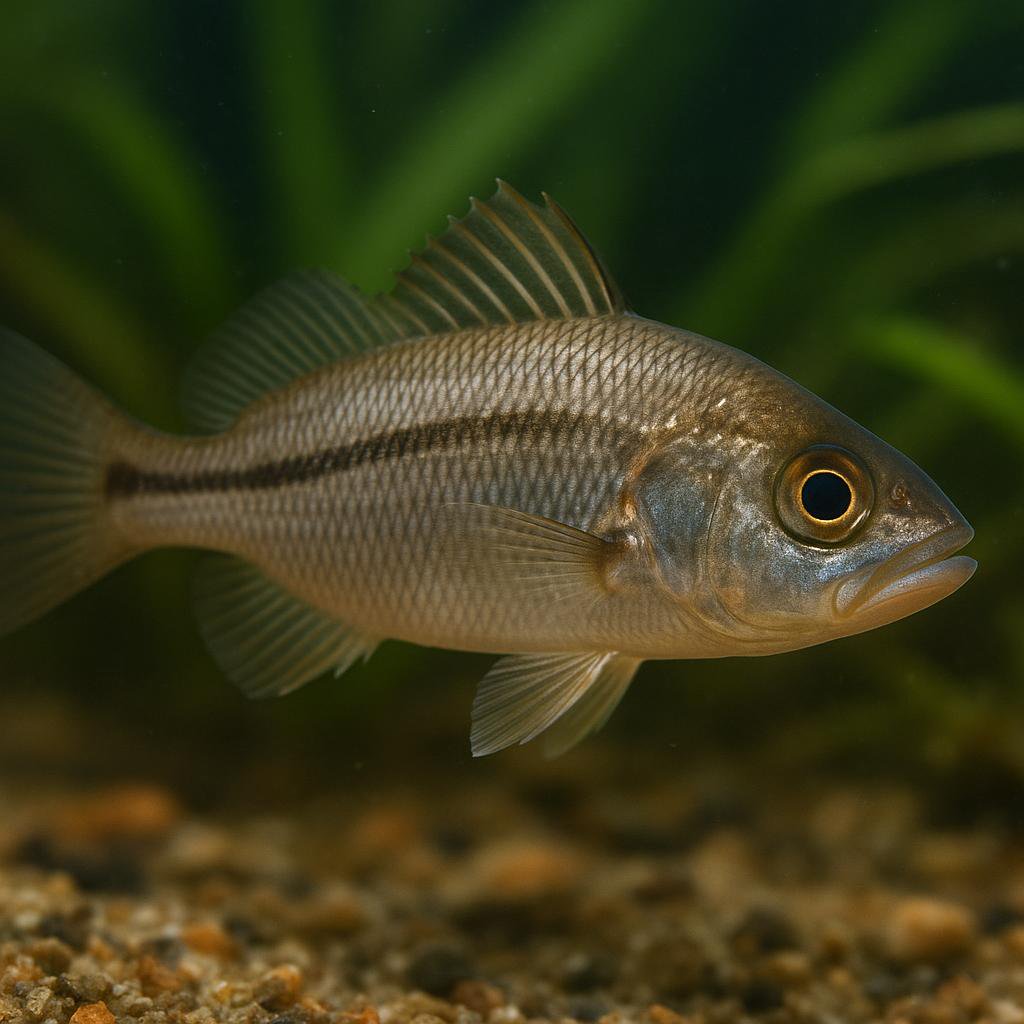
Bellfish
Johnius fuscolineatus
Johnius fuscolineatus (Bellfish/African bearded croaker) is a small coastal sciaenid from the southwestern/western Indian Ocean (Mozambique, South Africa, Madagascar), occurring in shallow marine waters (reported 0–50 m) and also associated with coastal/estuarine habitats.
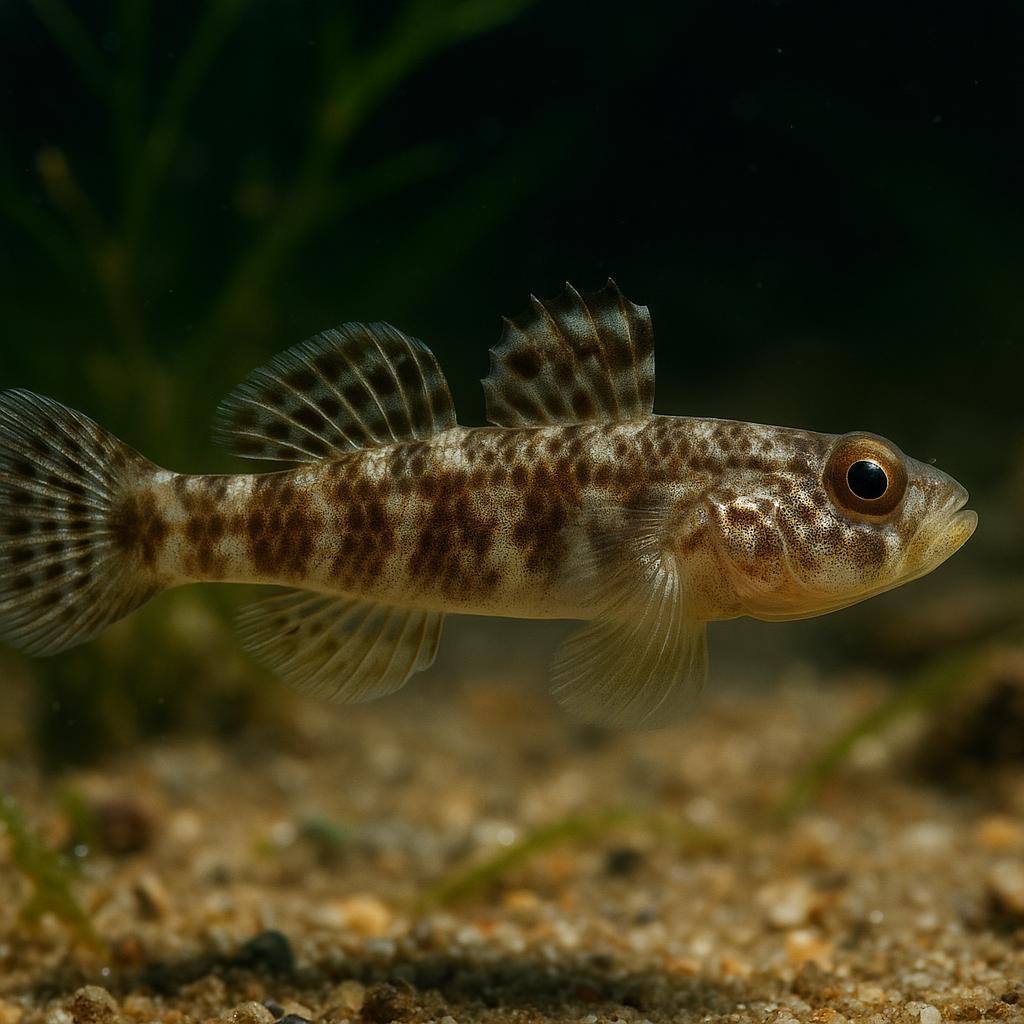
Ben-Tuvia's goby
Didogobius bentuvii
This is a tiny little Mediterranean goby from the Israeli coast that lives down on the bottom over muddy-sand, and it is likely a burrower. In other words, it is a blink-and-you-miss-it kind of fish - super small, demersal, and more about sneaky bottom-dweller vibes than flashy swimming.
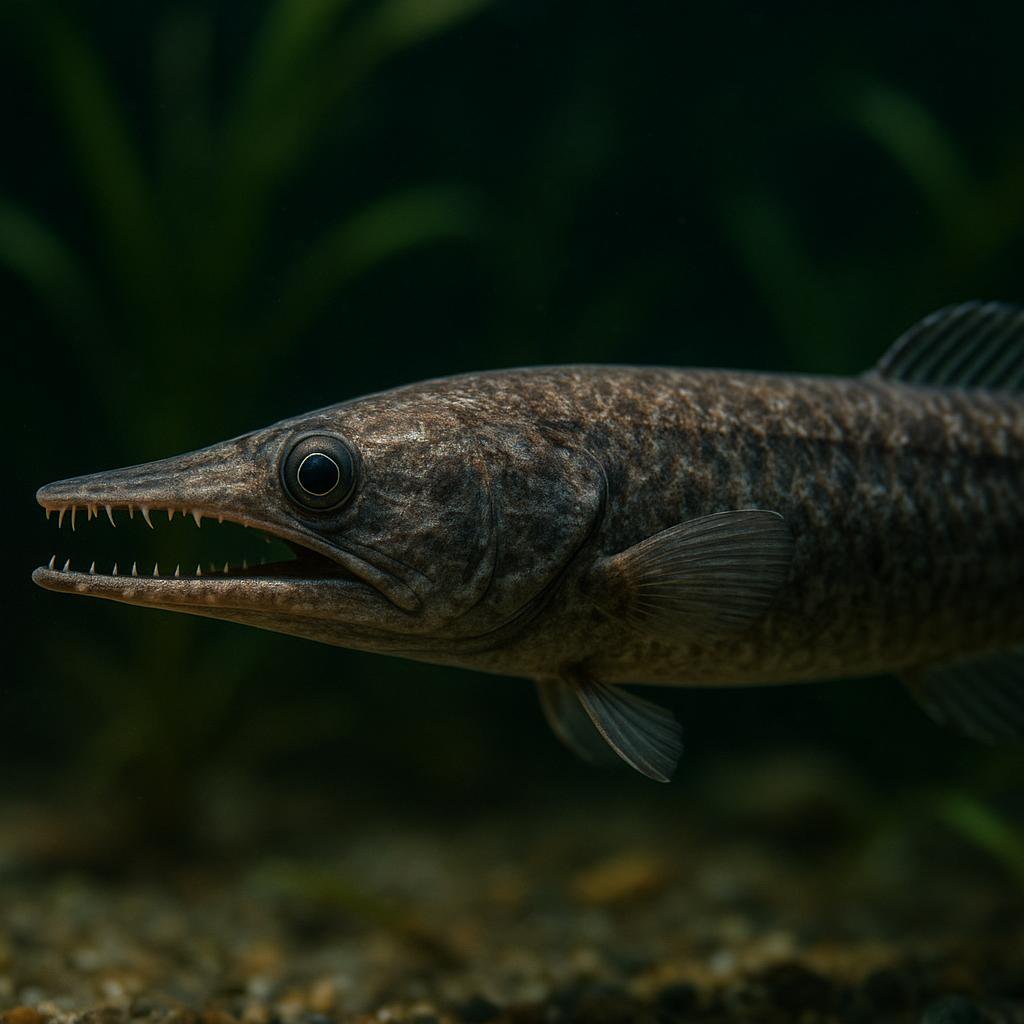
Bertelsen's duckbill conger
Gavialiceps bertelseni
Deepwater marine conger eel from off western/southwestern Madagascar (western Indian Ocean), reported from roughly 670–1200 m depth; maximum length about 84 cm TL (reported for males). Not a typical aquarium species due to deepwater habitat.
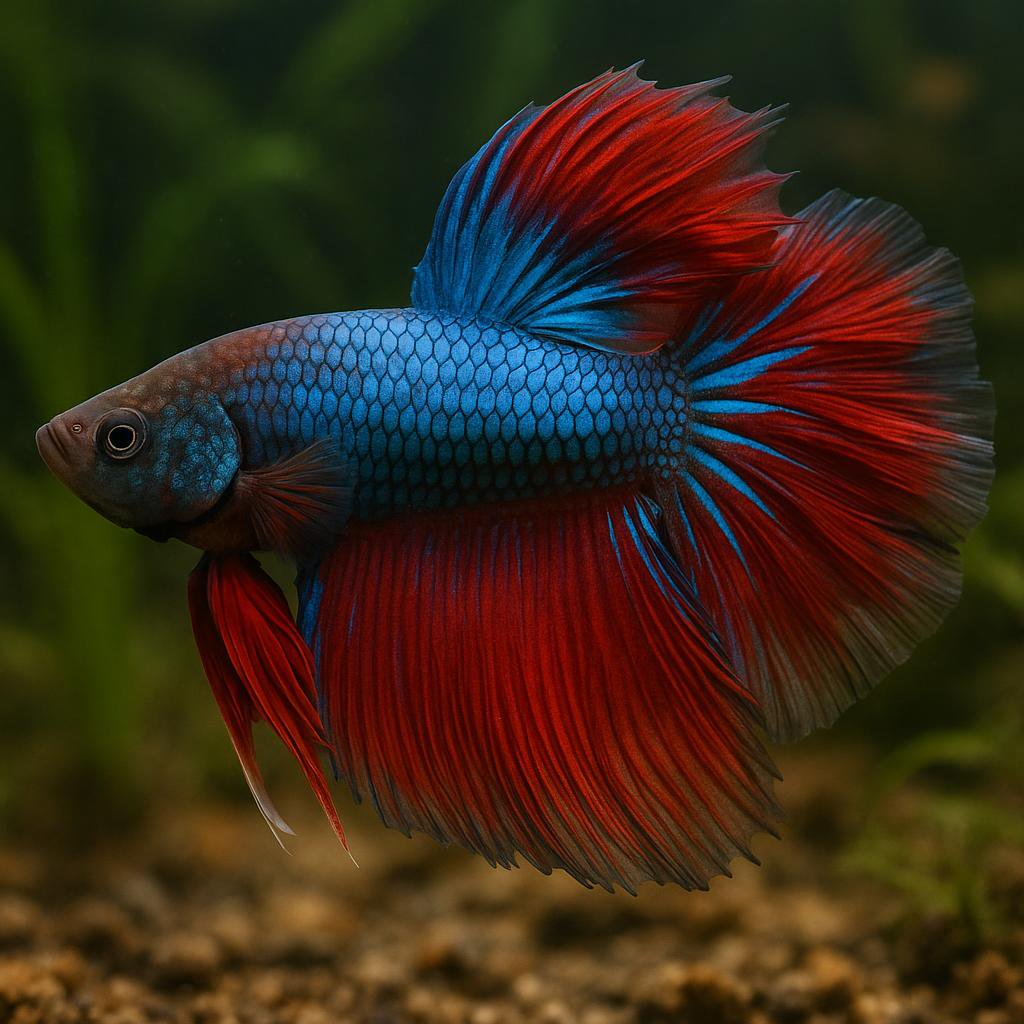
Betta
Betta splendens
Betta fish, also known as Siamese fighting fish, are popular for their striking colors and flowing fins. They are known for their territorial nature, especially males, which can display aggressive behavior towards each other.
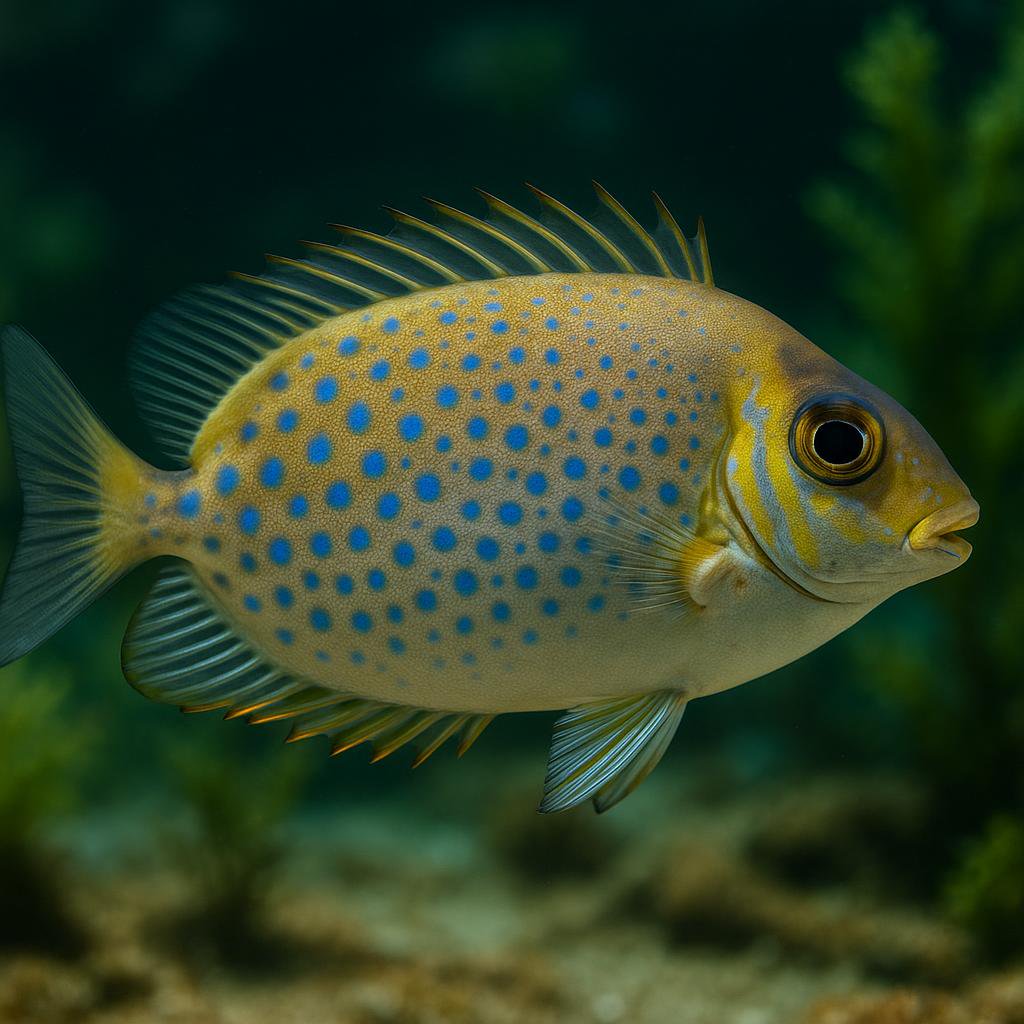
Bicolored foxface
Siganus uspi
Siganus uspi is that super sharp-looking Fiji rabbitfish with the hard two-tone split - dark front half, bright yellow rear half. It is an algae-grazer that tends to cruise calmly, but it has venomous fin spines, so you treat it with respect any time you are netting or working in the tank.
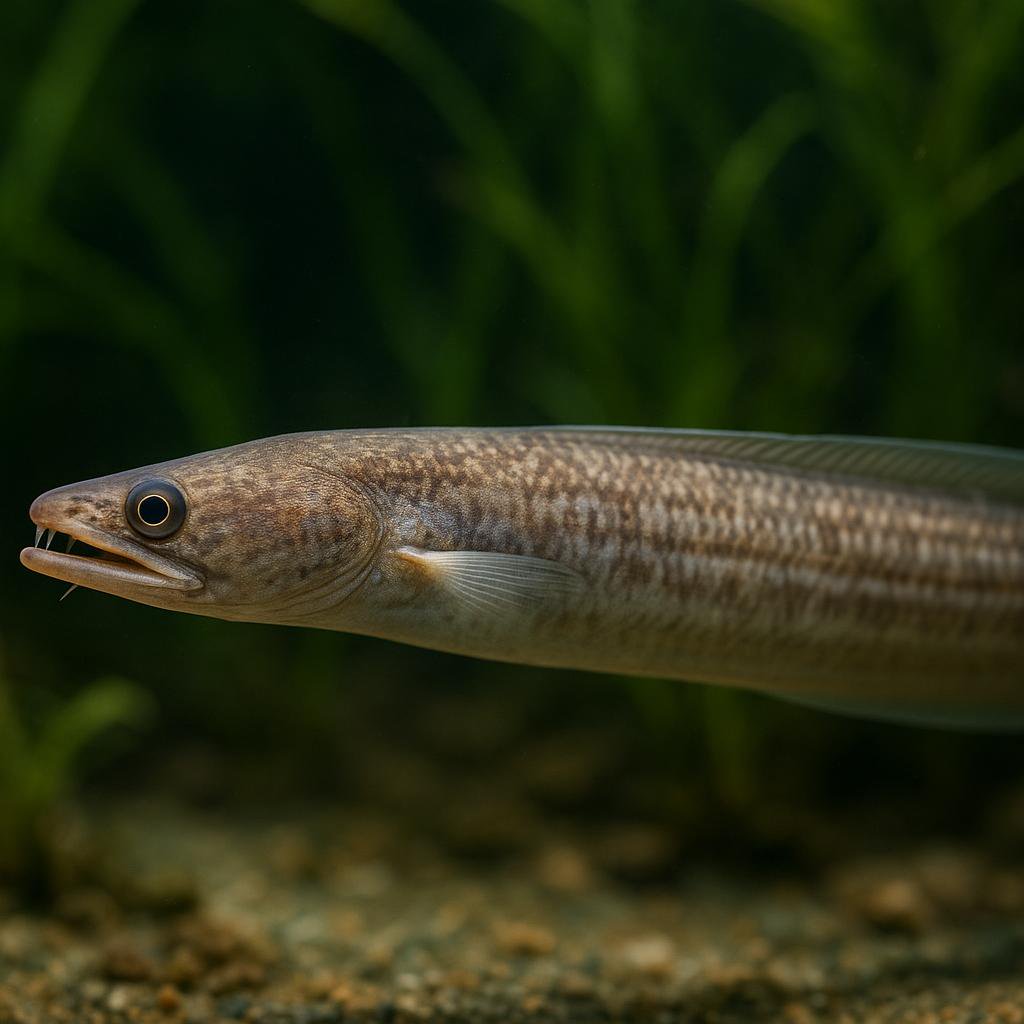
Bidentate conger
Xenomystax bidentatus
A deepwater conger eel (family Congridae) from the tropical western central Atlantic off northern South America, reported from roughly 494–604 m depth; not a species typically encountered in the aquarium trade.
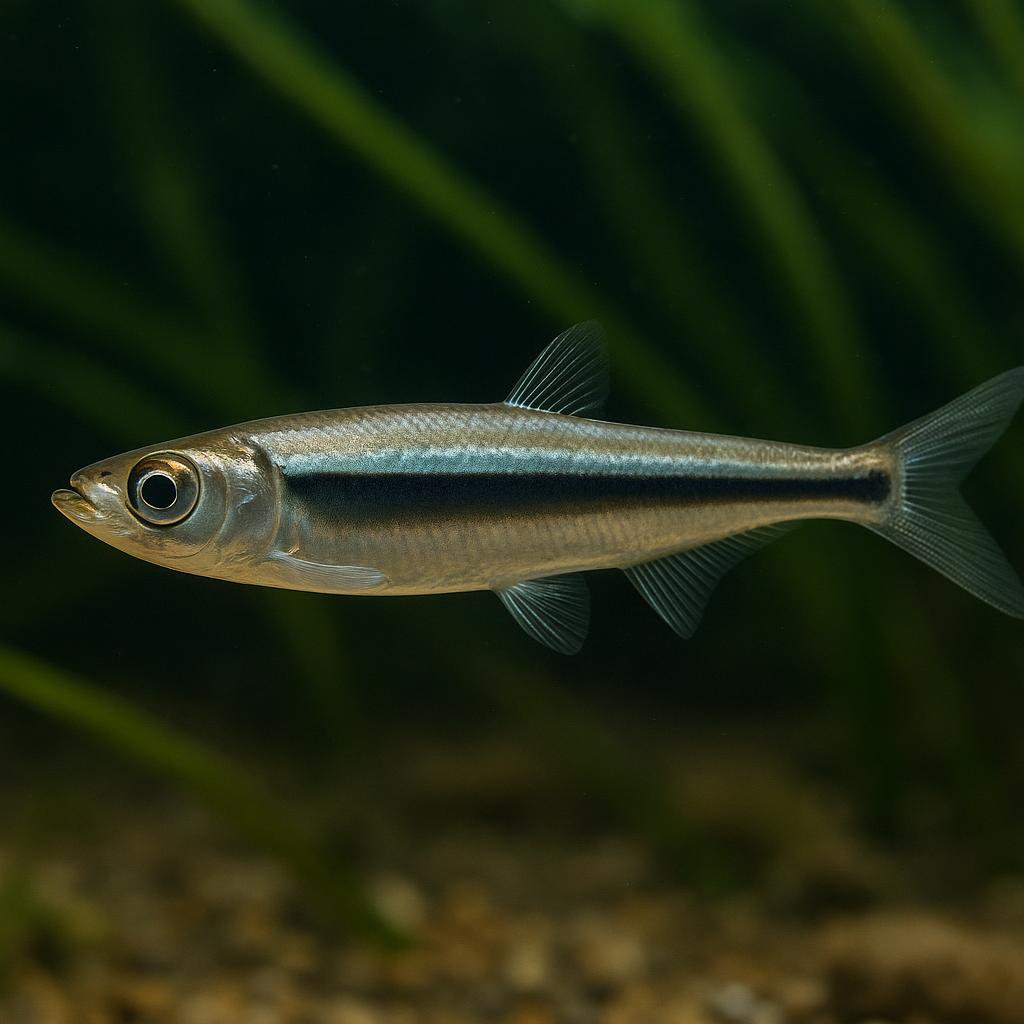
Big-eye anchovy
Anchoa lamprotaenia
Anchoa lamprotaenia is a slim, silvery little anchovy from warm western Atlantic coastal waters, with that clean silver side stripe and big eyes that make it look extra sharp. It is a pelagic, open-water schooling fish that spends its life cruising near the surface and picking zooplankton out of the water column. In practice its not really an aquarium species, because it wants constant swimming room, high oxygen, and a steady supply of tiny foods.
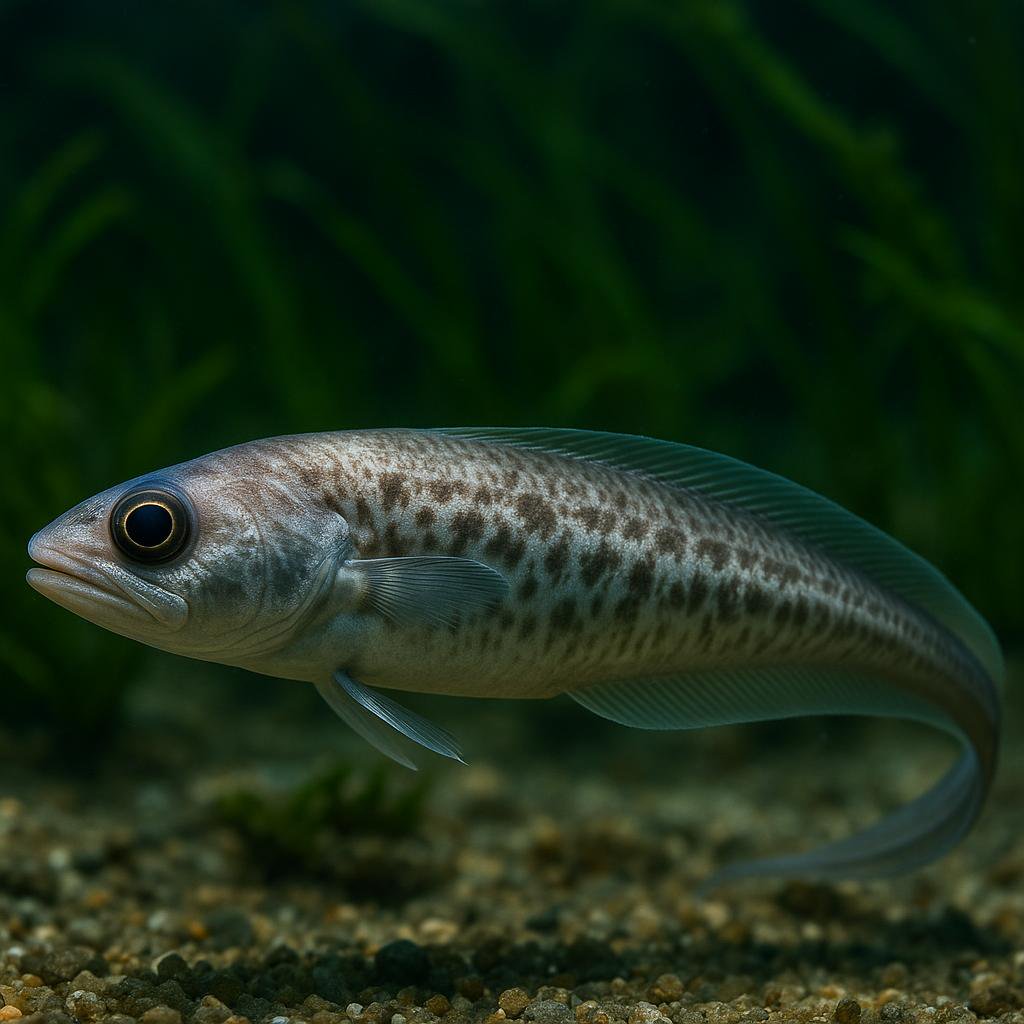
Bigeye brotula
Glyptophidium longipes
Glyptophidium longipes is a deepwater cusk-eel (brotula) from the western Indian Ocean - a slender, eel-ish fish with oversized eyes and long ventral-fin rays. It is a bathyal slope species from a few hundred meters down, so its real-world needs (cold, dark, high-pressure habitat) make it essentially an observation-only "research" animal rather than a practical aquarium fish.
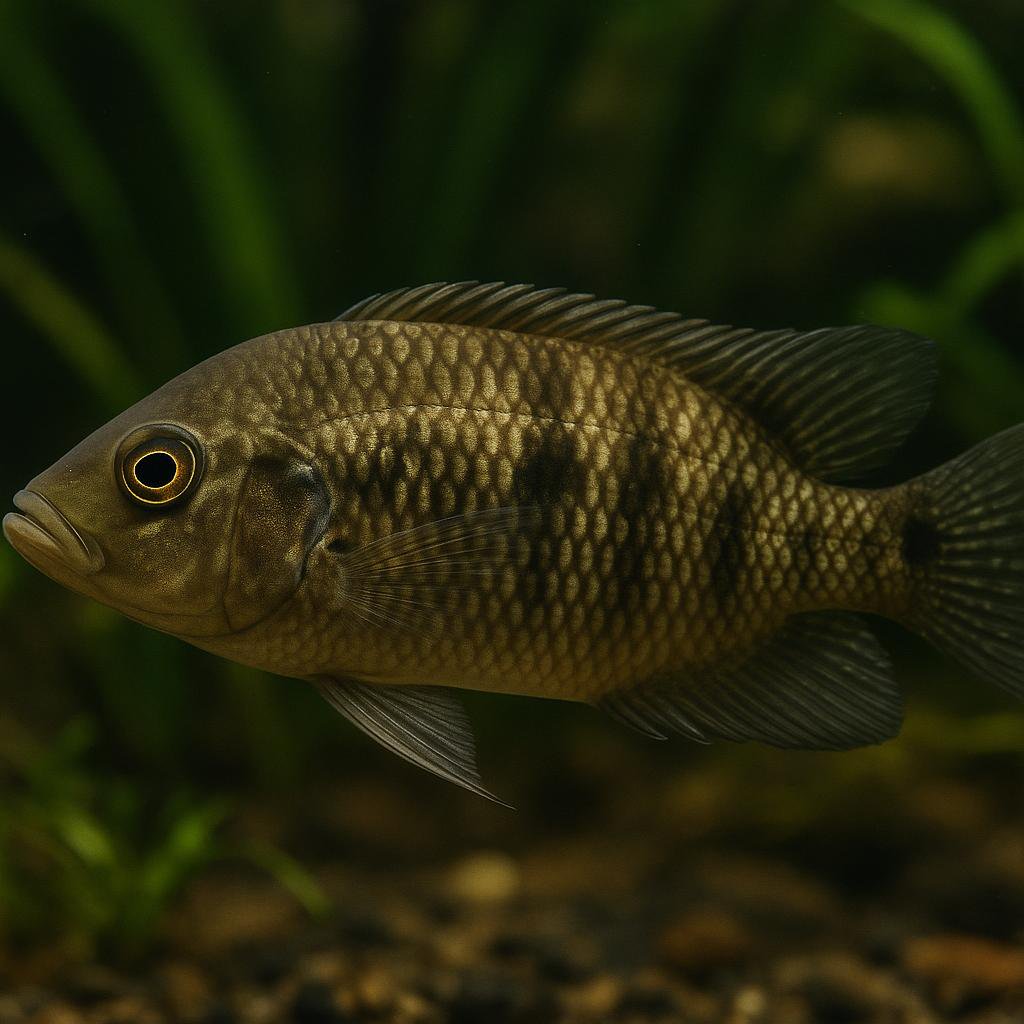
Bigeye cichlid
Acaronia nassa
Acaronia nassa is that oddball Amazon cichlid with the huge eyes and a big, suction-style mouth - it is built to ambush little fish in dim, tannin-stained water. In the tank it is usually more chill than its predator vibe suggests, but anything that fits in its mouth is absolutely on the menu.
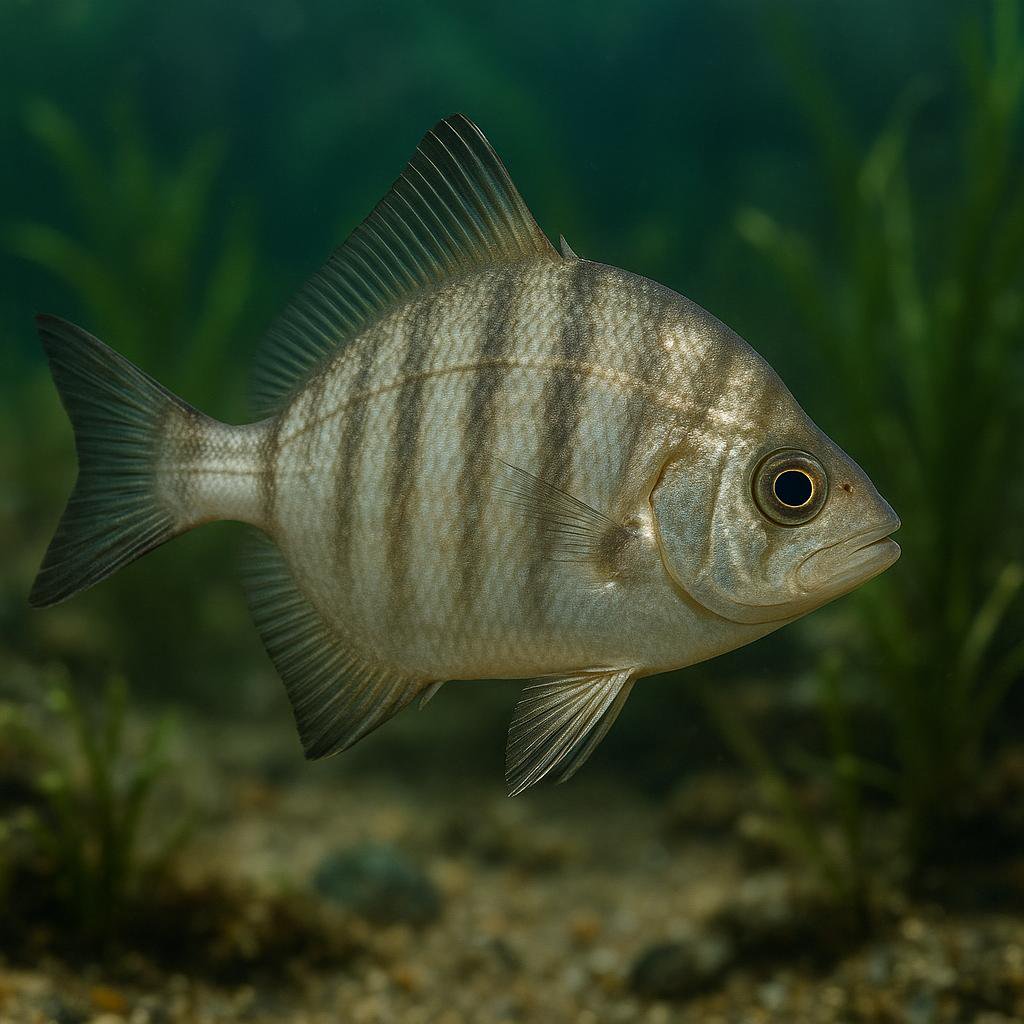
Bigeye clingfish
Kopua nuimata
Kopua nuimata is a tiny deepwater clingfish with big eyes and a neat pink-and-orange banded pattern. It lives way down on reefy slopes (roughly 160-337 m), so its "care" is mostly academic - its natural habitat is cold, dark, high-pressure water that we just do not replicate in home aquariums.
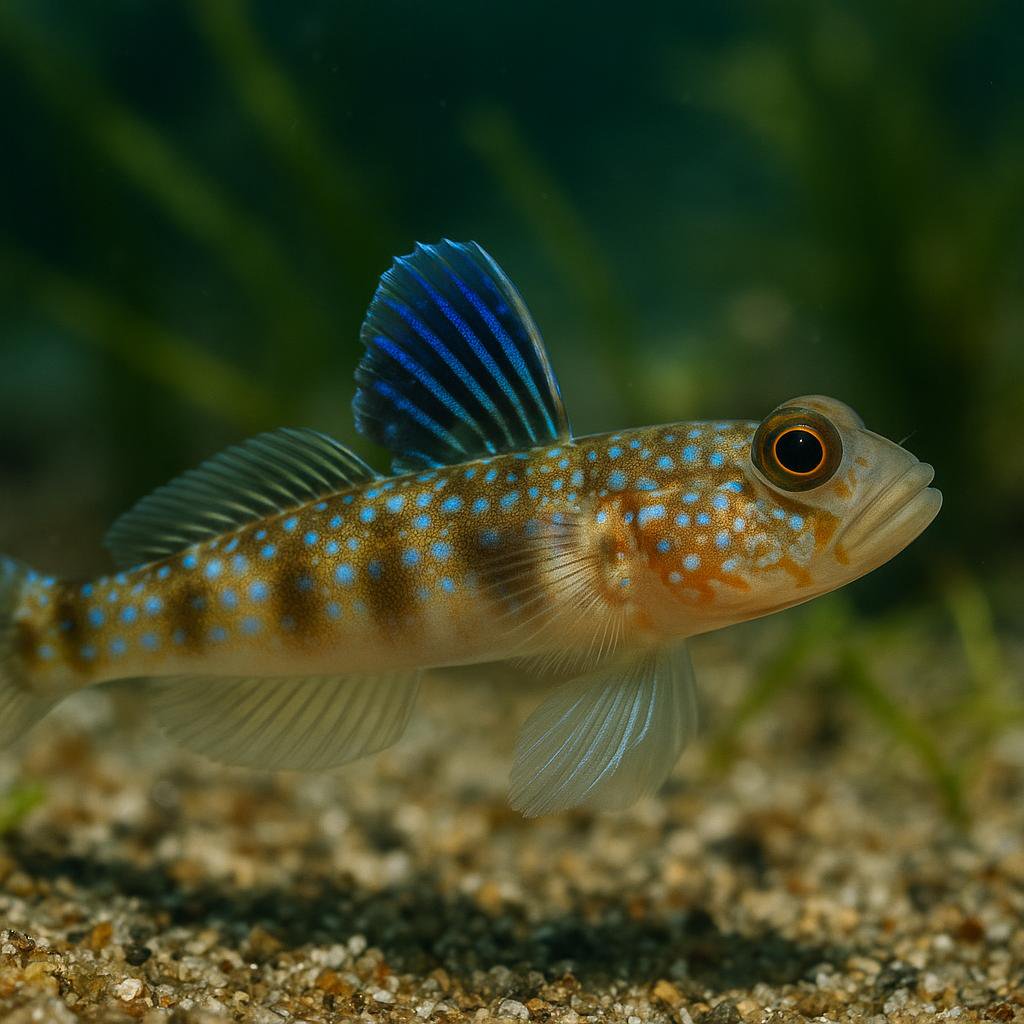
Bigfin shrimpgoby
Vanderhorstia macropteryx
This is one of those classic sand-dwelling shrimp gobies that posts up at a burrow entrance and keeps watch while its pistol shrimp roommate does the digging. In the tank its vibe is basically "little sentinel" - calm, bottom-oriented, and super fun to observe if you give it sand and a secure lid (they can jump).
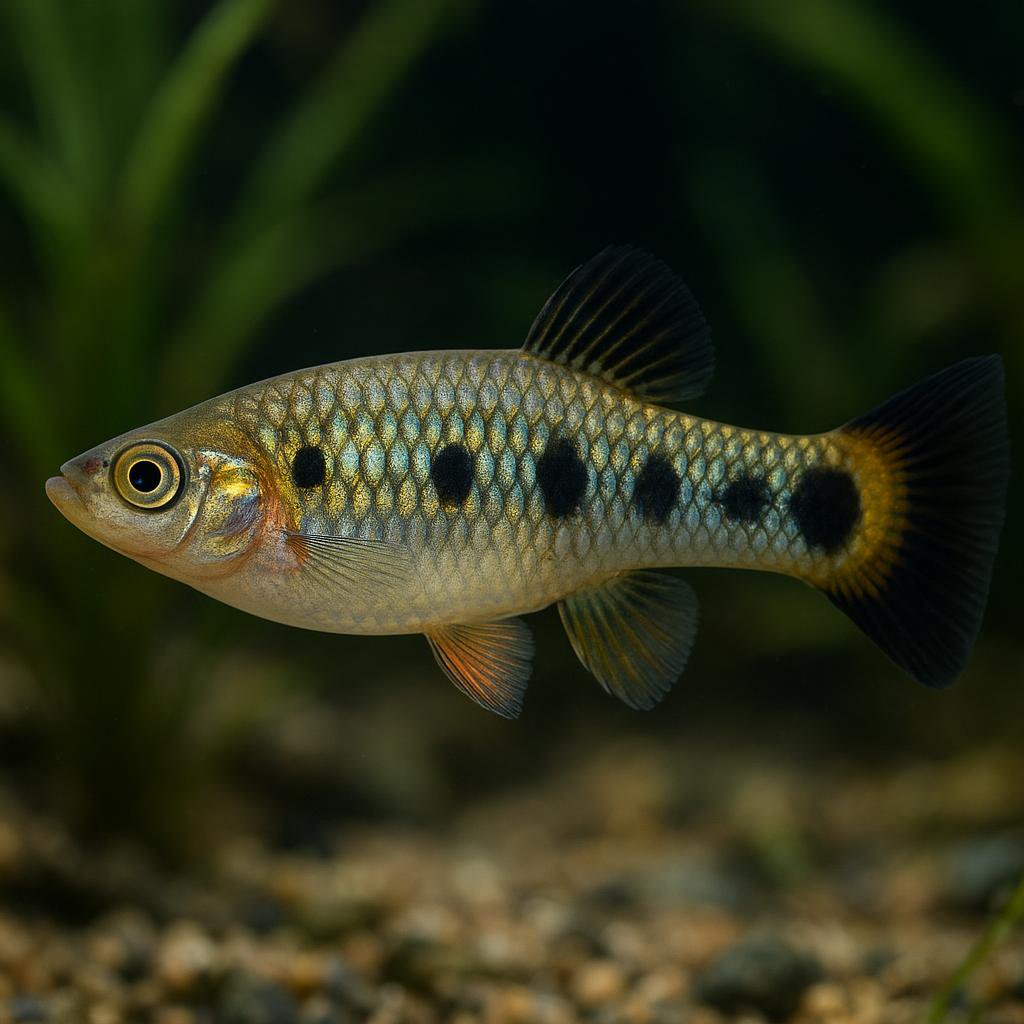
Bishop toothcarp
Brachyrhaphis episcopi
This is a tiny Panamanian livebearer that does best when you treat it more like a shy wild fish than a fancy guppy-lots of cover, calm vibes, and really clean water. The fun part is watching the males posture and spar while the females cruise around dropping fully-formed fry about once a month.
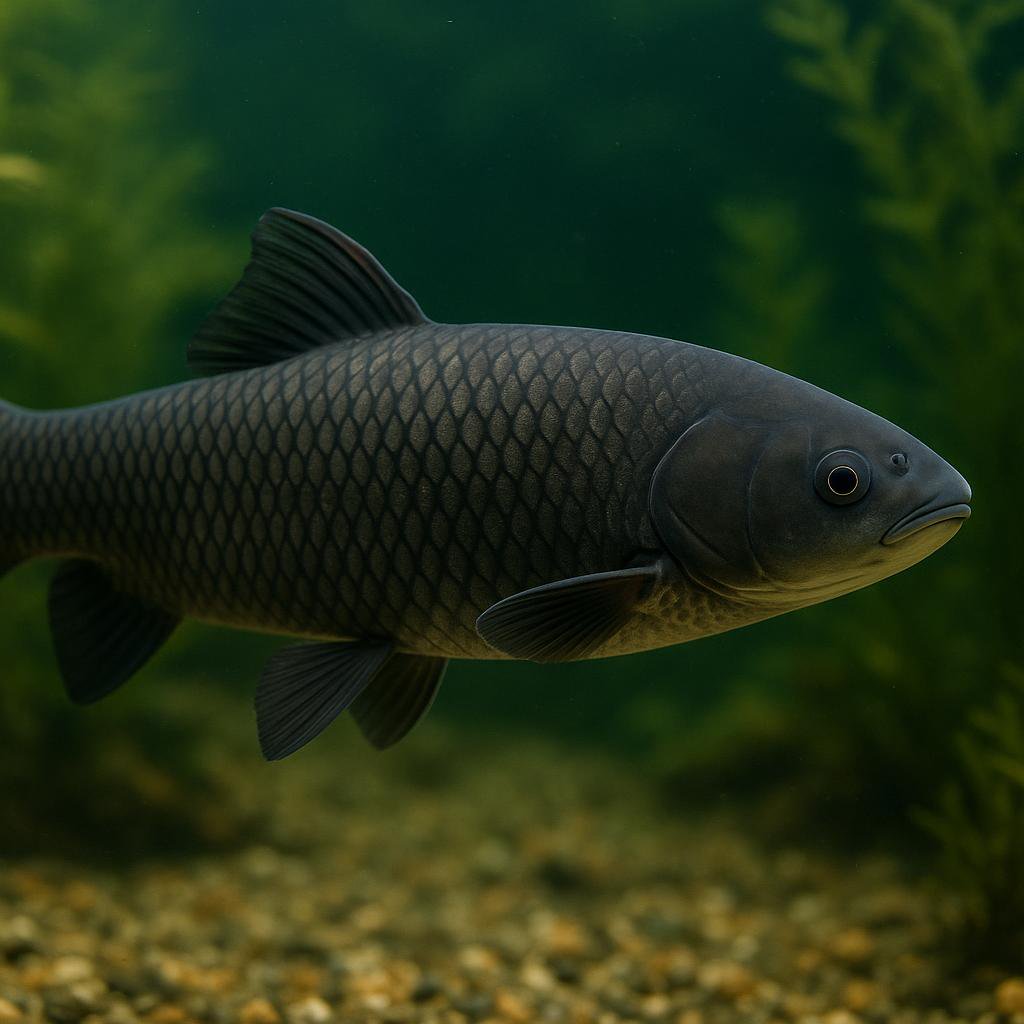
Black carp
Mylopharyngodon piceus
This is the big mollusk-crushing carp with the crazy pharyngeal teeth - once it hits juvenile size it starts hunting snails and clams and, as an adult, it is basically built to eat shells. It gets absolutely enormous (think pond/lake fish, not aquarium fish), and it tends to cruise low and feed near the bottom.
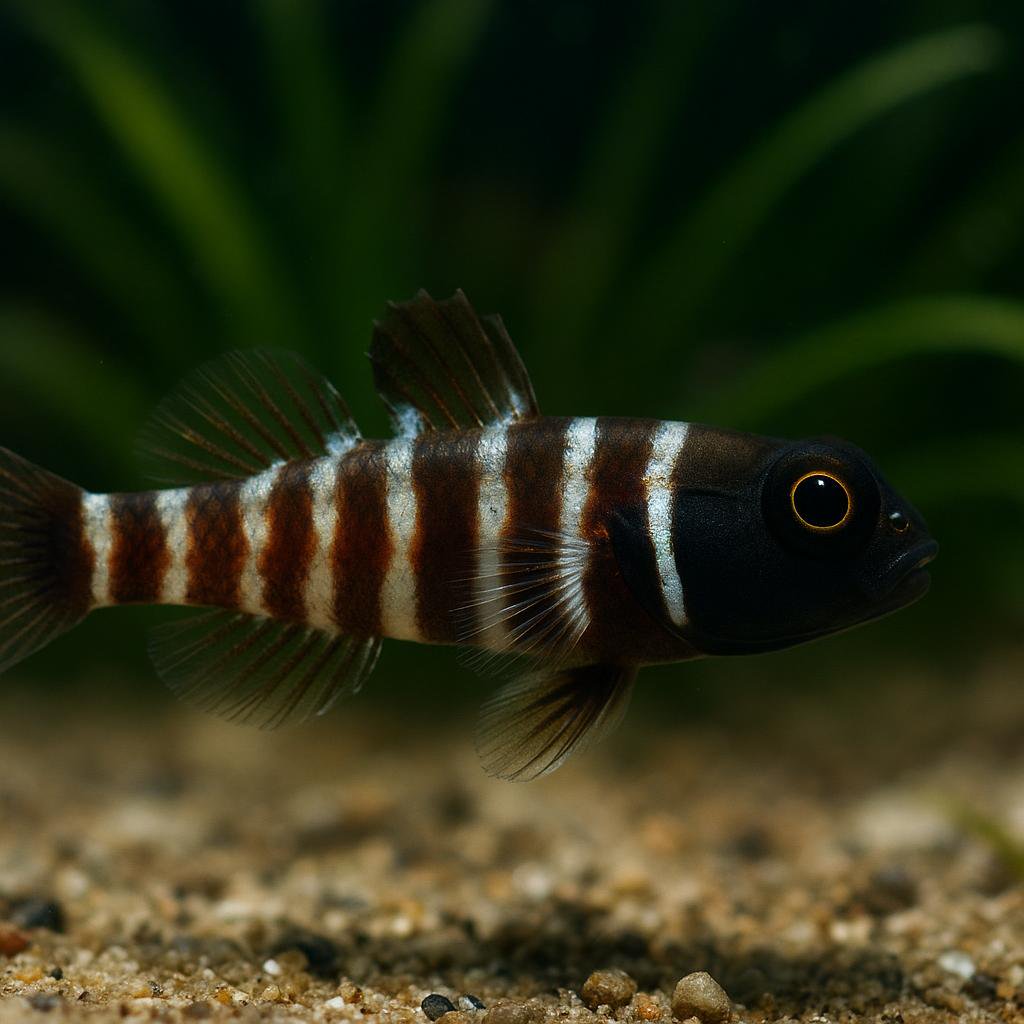
Black dwarfgoby
Eviota vader
Eviota vader is a truly tiny, purplish-black little reef goby from Papua New Guinea that was only described in 2025. It was named after Darth Vader because the whole fish is basically dark purple-black, which is wild for an Eviota. Its size is the big story here - at barely over 1 cm, its main challenge in aquariums would be making sure it actually gets enough to eat.
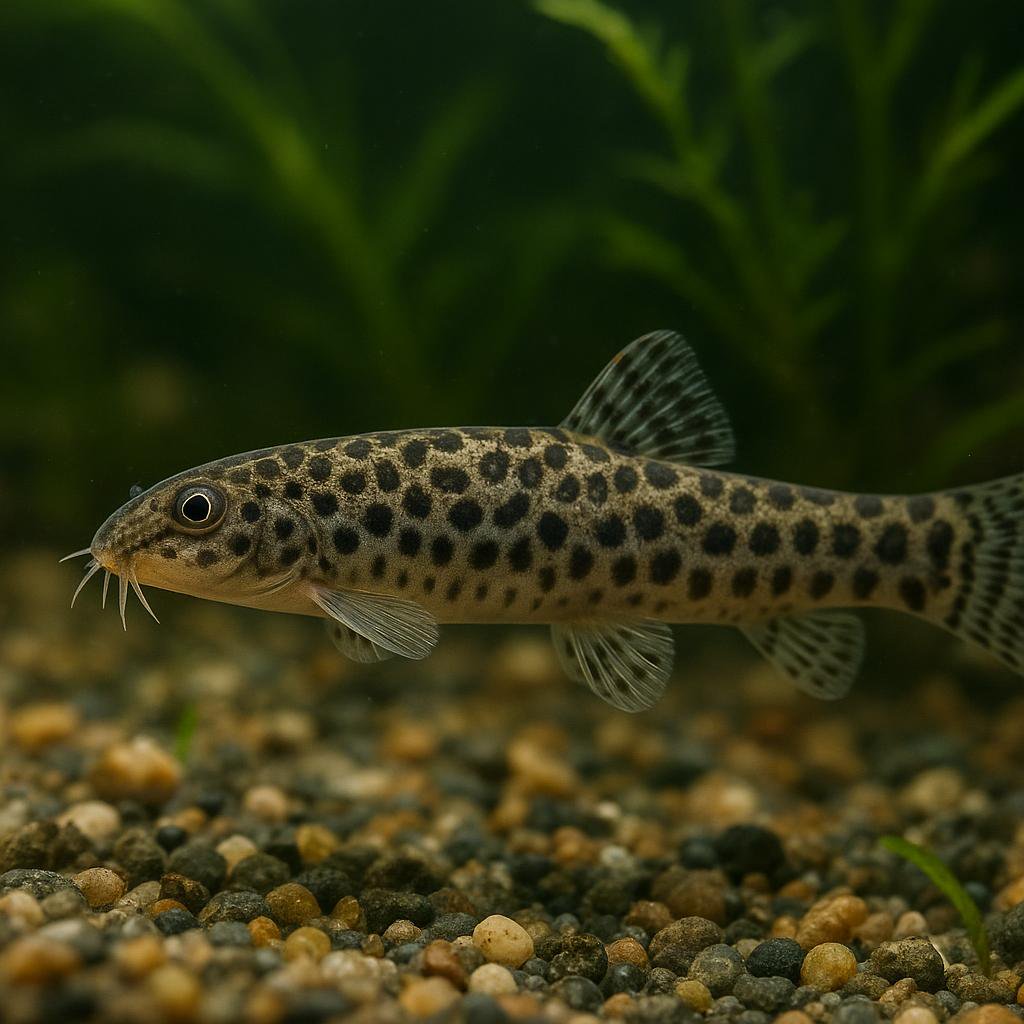
Black loach
Eonemachilus niger
This is a tiny, deep-velvet-black stone loach from Yunnan, China, with the odd detail that the tail fin is not black like the rest of the fish. Its wild range is extremely limited, so its aquarium presence is basically nil - this is more of a conservation-interest species than something you will actually see for sale.
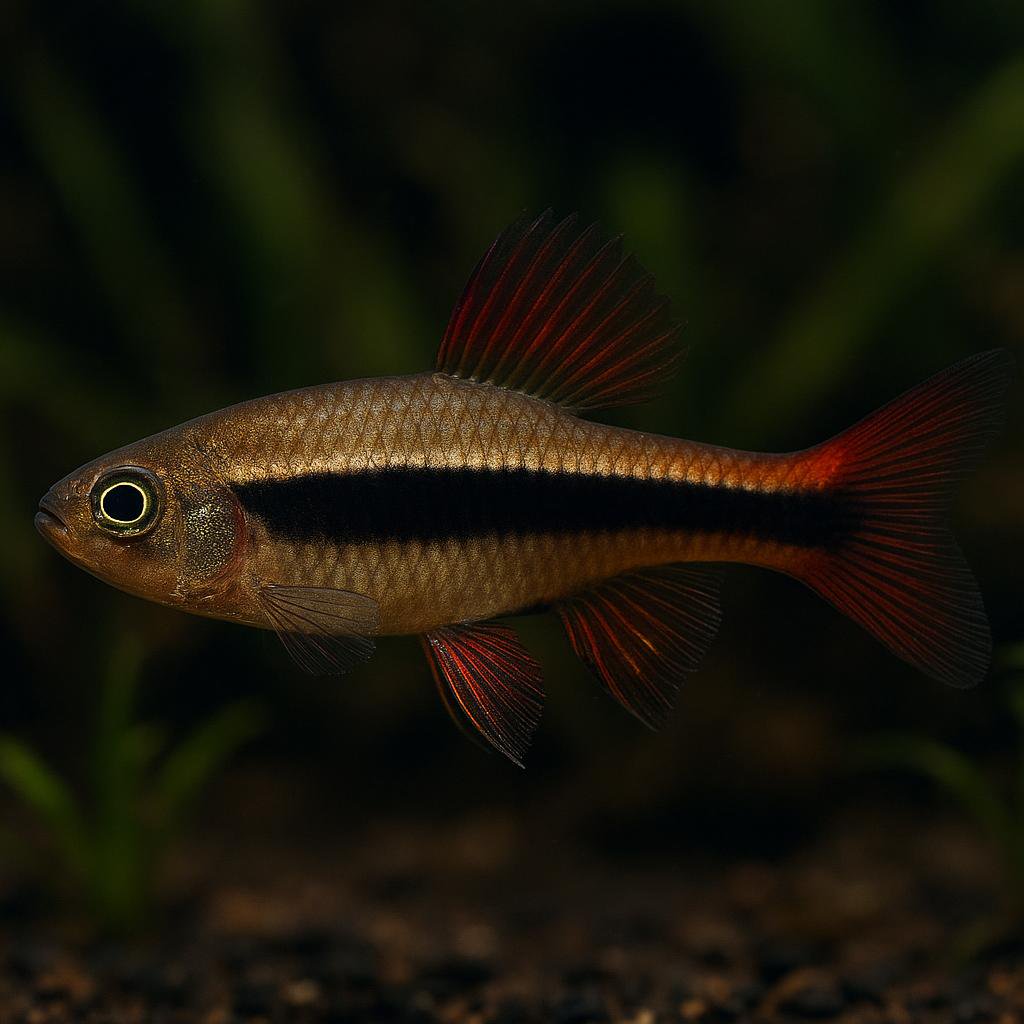
Black morpho tetra
Poecilocharax weitzmani
Poecilocharax weitzmani is one of those tiny blackwater oddballs that acts more like a little darter than a typical tetra - it hangs low, darts between cover, and the males can get pretty showy with fin-flares. The really cool part is they are cave breeders with male brood care, which is not what most people expect from a small characin. Give them very soft, acidic, super-clean water and lots of leaf litter and hidey holes, and they settle in and start showing their best colors.
Black mouth conger
Bathycongrus melanostomus
This is a deepwater congrid eel described from eastern Taiwan. It is marine and bathydemersal (reported to ~300 m). Diagnostic features include a much reduced caudal fin and blackish mouth cavity and gill chamber; the pectoral fin is yellowish with a black margin. Aquarium availability and behavior/husbandry are not well documented for the species.
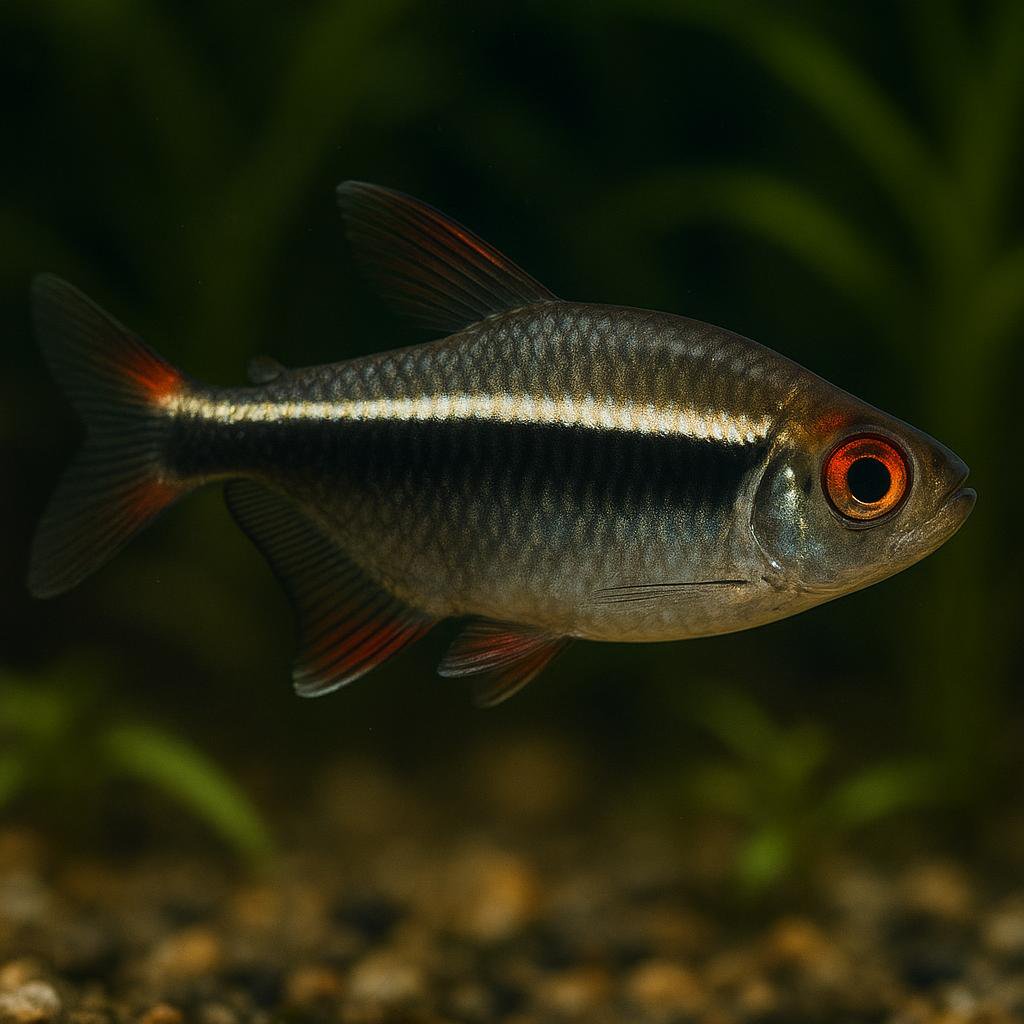
Black Neon Tetra
Hyphessobrycon herbertaxelrodi
Black neons are one of those little tetras that look kinda understated until the light hits them-then that bright stripe pops and they shimmer when the school turns together. They're super chill, always cruising mid-water, and they make a tank feel "alive" without being hectic. If you keep a nice group, they get bolder and you'll see way more of their personality.
Black redhorse
Moxostoma duquesnei
Black redhorse are sleek river suckers that really come alive in clean, fast-flowing runs and riffles - they are basically a living indicator that the water quality is good. They cruise the bottom in little groups and pick at insect larvae and tiny crustaceans, and in spring the males can show pink and dark striping when they are in spawning mode.
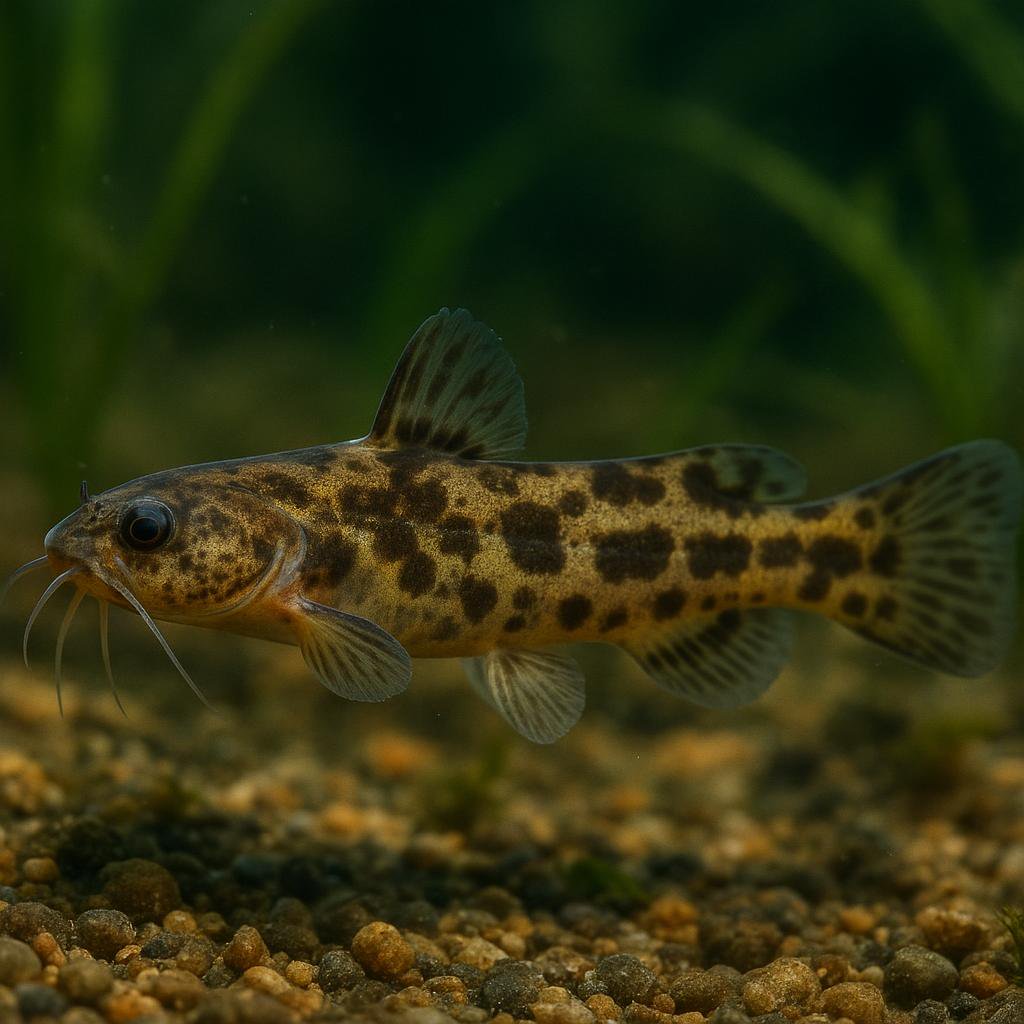
Black River madtom
Noturus maydeni
Noturus maydeni is a tiny little riffle catfish from the Ozarks that lives tucked into cool, clear, fast water over gravel and rocks. Its claim to fame is being super range-limited (Black and St. Francis river drainages), and like other madtoms its pectoral spines can give you a nasty poke if you grab it wrong.
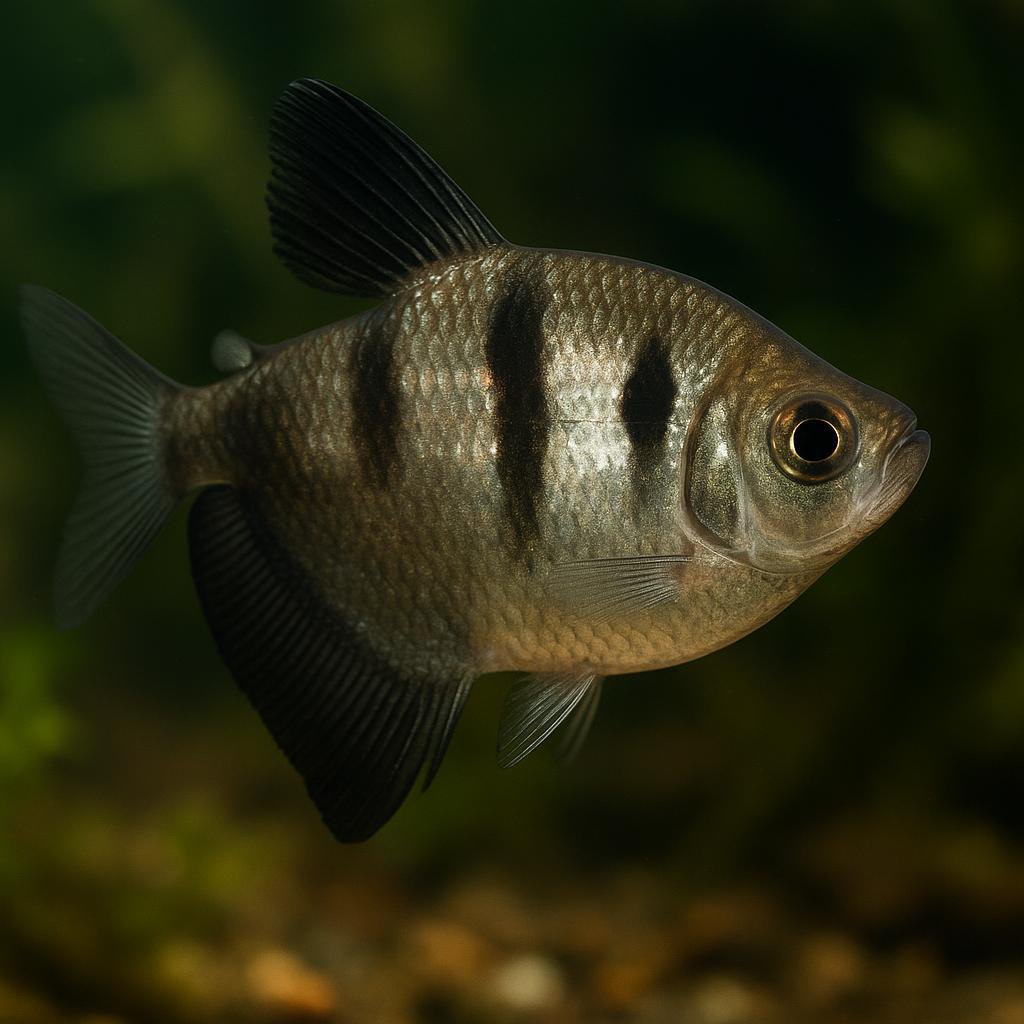
Black Skirt Tetra (Black Widow Tetra)
Gymnocorymbus ternetzi
Black skirts are those little "suit-and-tie" tetras with the dark bands and flowing fins that look way fancier than they should for how tough they are. They're super active midwater fish, and when you keep a proper group they do that tight, zippy schooling thing that makes the whole tank feel alive. Just give them enough buddies and finny tankmates they won't be tempted to nip.
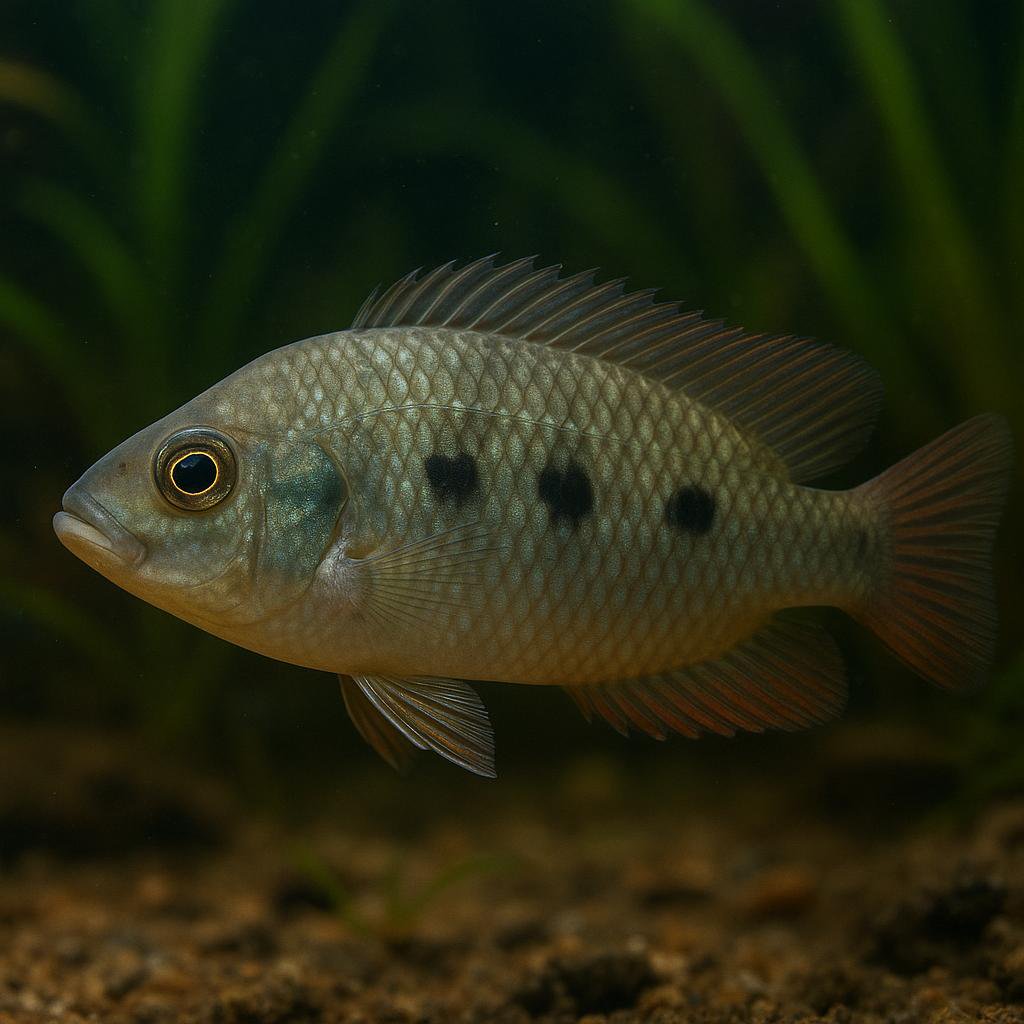
Black verilus
Verilus sordidus
Verilus sordidus (the black verilus) is a deep-reef Caribbean ocean bass with a big eye and a seriously toothy mouth for its size. It is not really an aquarium fish - it is a deeper-water marine species that shows up around rocky bottoms and is rarely seen in the trade.