

Fish That Start With B - Page 4 of 5
Browse all aquarium fish species with common names beginning with "B". Each profile includes care requirements, water parameters, tank size recommendations, and compatibility information for freshwater, marine, and brackish species.
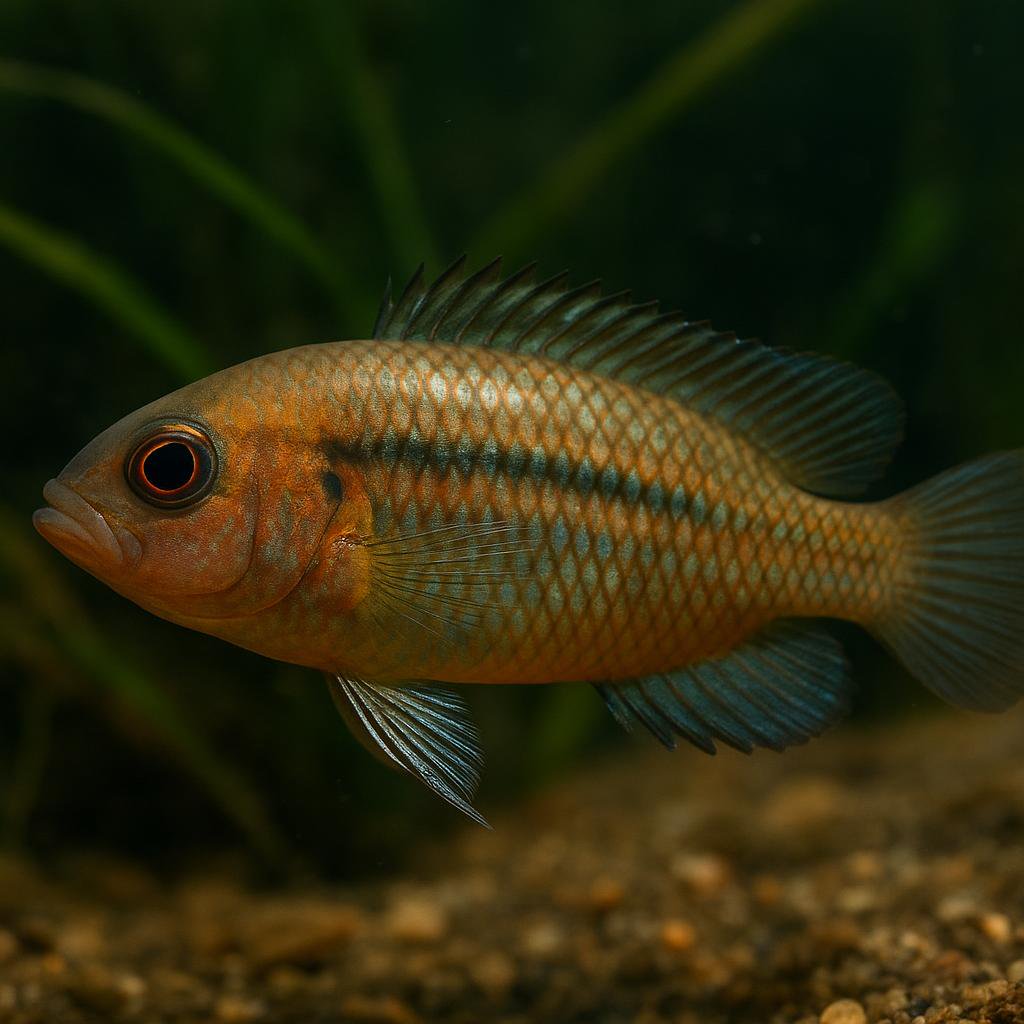
Bluespotted dottyback
Pseudochromis persicus
This is a bigger dottyback from the Persian Gulf area that lives tight to rocky reef crevices and will absolutely claim a little cave as its home. Gorgeous dark body with bright blue spotting, but it has that classic dottyback attitude - tough, alert, and a bit territorial once it settles in.
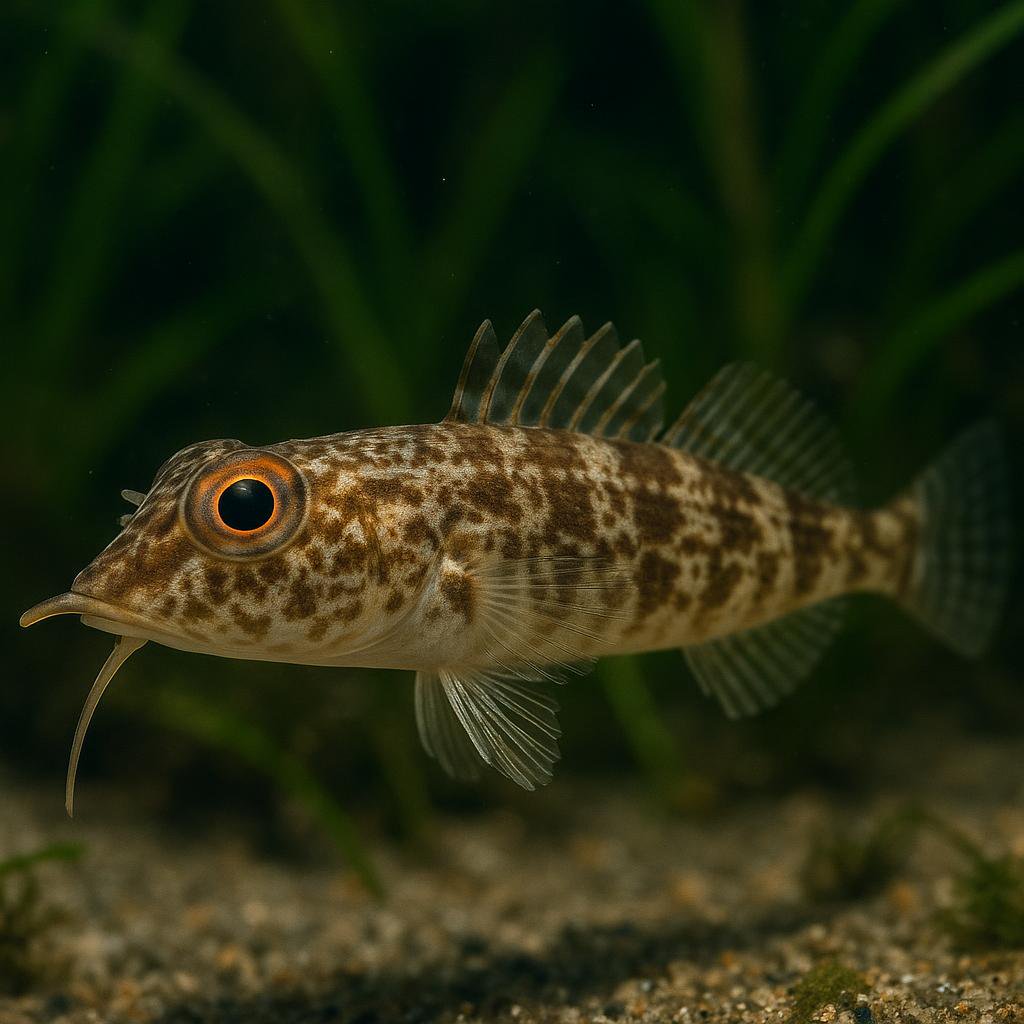
Bluespotted stargazer
Xenocephalus elongatus
This is a deepwater stargazer that likes to sit on sand and basically "look up" for a meal, with those classic top-mounted eyes and a big ambush-predator mouth. It is a wild-caught marine fish from the Indo-West Pacific, and while it shows up in the aquarium trade sometimes, it is really more of a specialty oddball than something most home tanks can sensibly house long-term.
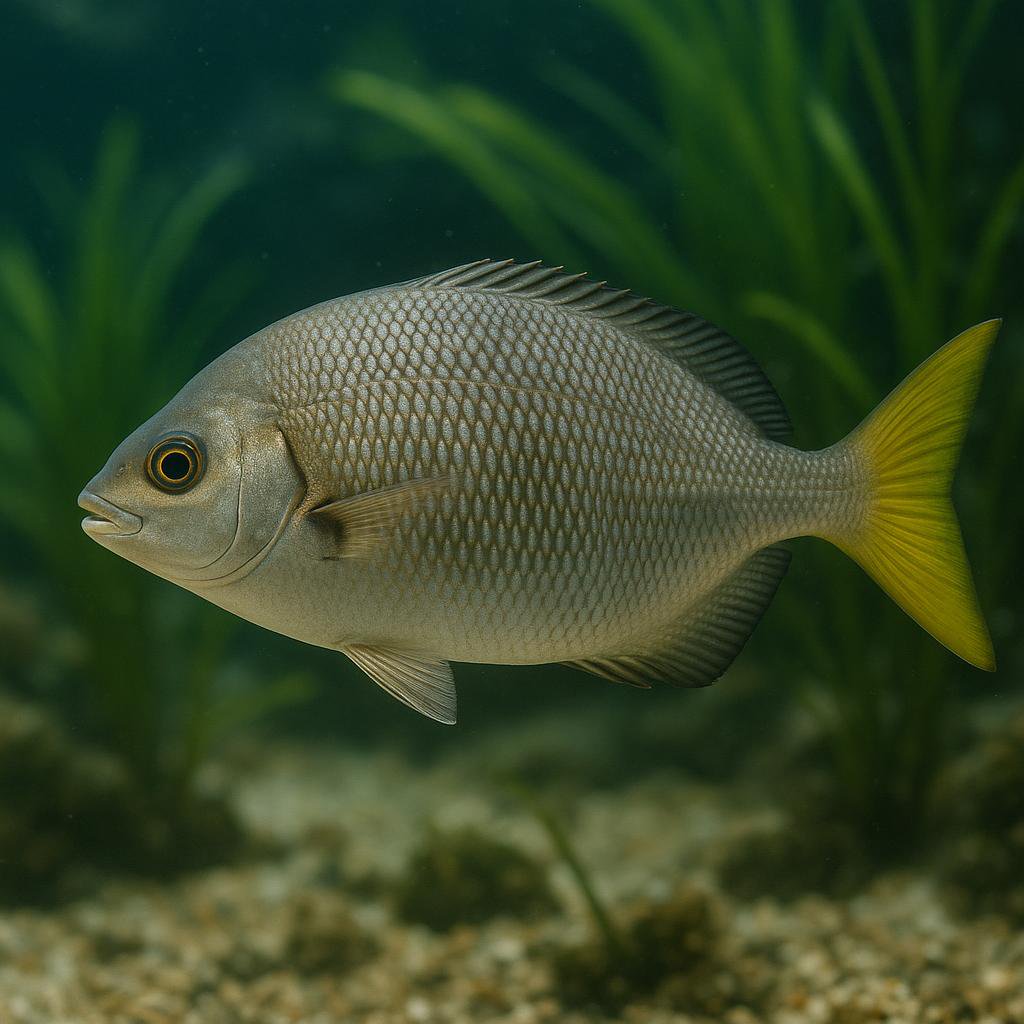
Bluestriped chub
Kyphosus ocyurus
Kyphosus ocyurus is that slick-looking sea chub with the wavy blue and yellow stripes that make it look like it was painted on. It cruises rocky shorelines and reefs and will also show up in little schools (sometimes mixed with other chubs), especially around drop-offs or even floating debris offshore. It gets way too big and too active for normal home tanks, but it is a really cool fish to spot in the wild.
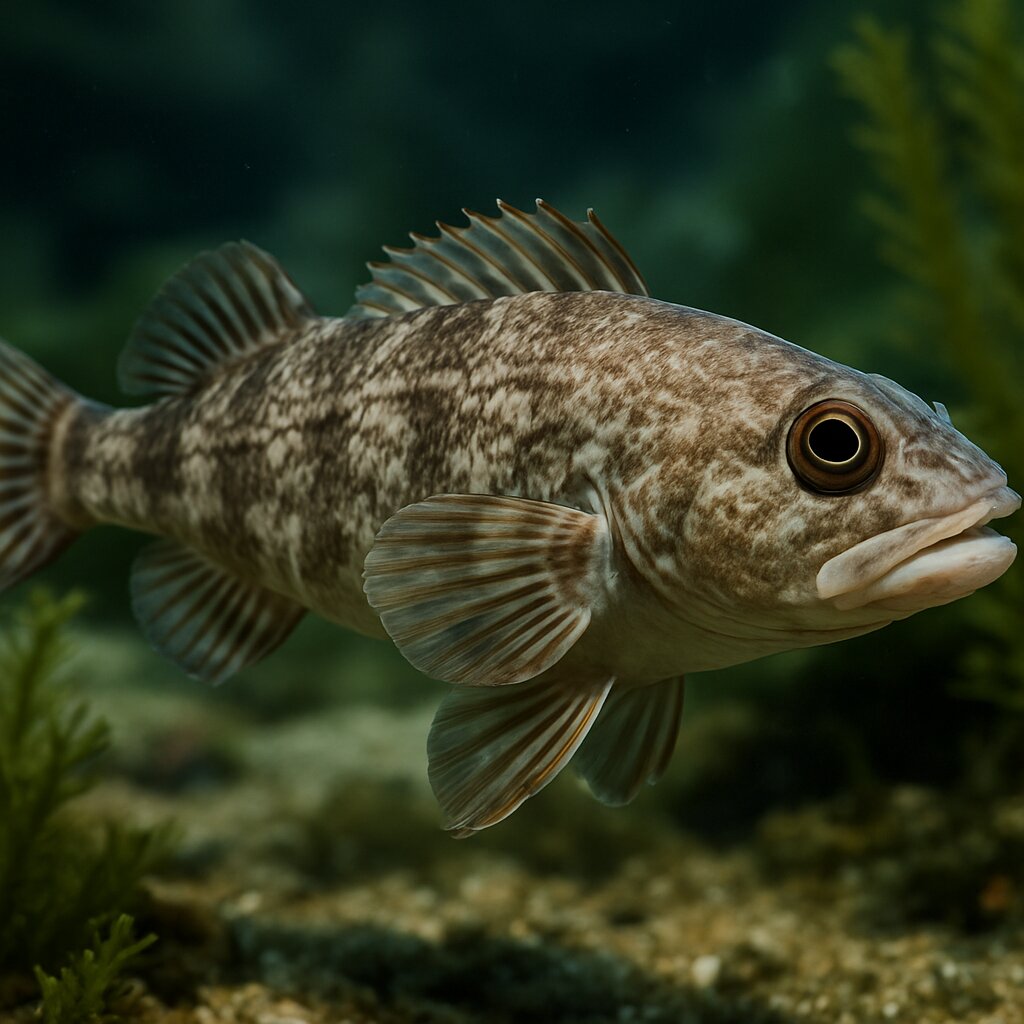
Blunt scalyhead
Trematomus eulepidotus
Blunt scalyhead is an Antarctic nototheniid that cruises the Southern Ocean continental shelf, and its youngsters even hang around surface krill swarms when food is thick. It lives in near-freezing seawater (-1.8 to 0.9 C), so this is a public-aquarium cold-room fish, not something for a home tank. ([fishbase.se](https://www.fishbase.se/summary/Trematomus-eulepidotus.html))
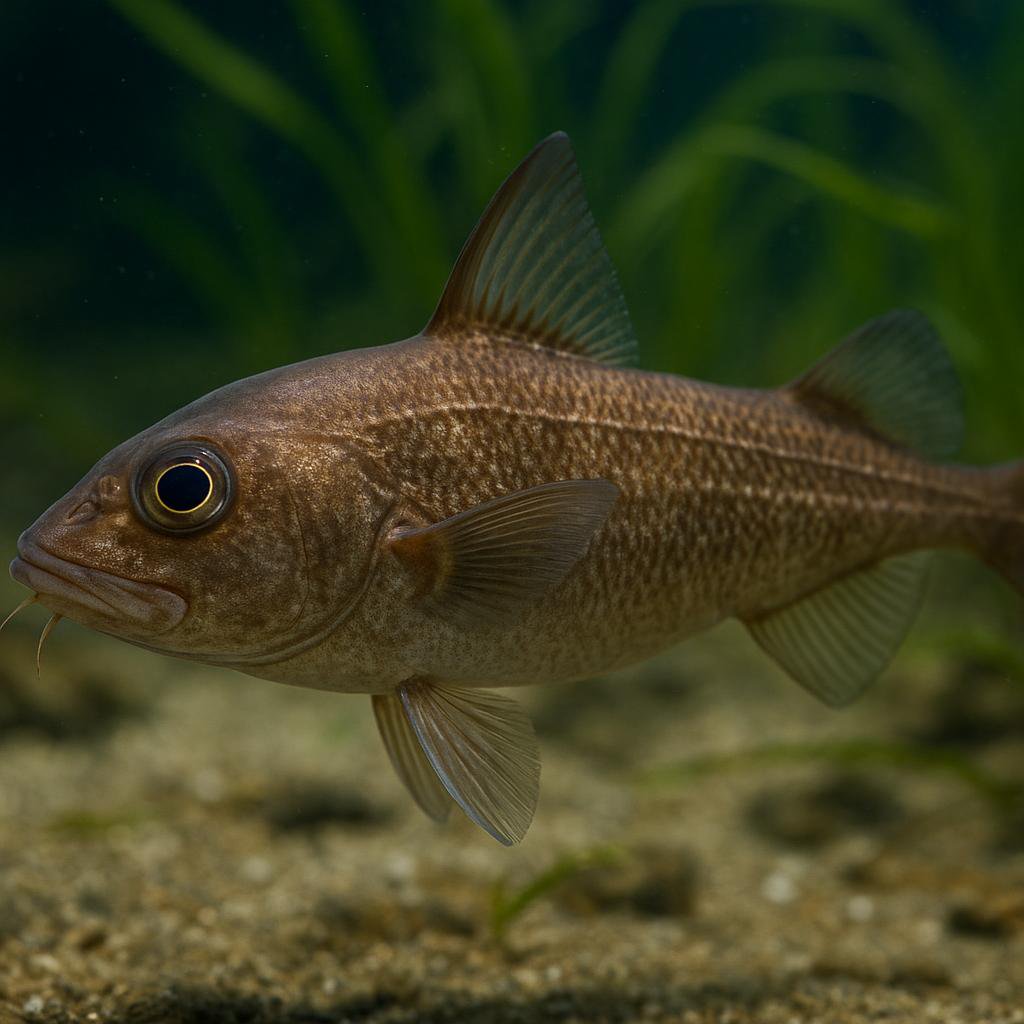
Blunt-snouted grenadier
Ventrifossa obtusirostris
This is a deep-sea rattail (grenadier) from the southeastern Pacific, living way down on the slope around 750-800 m deep. It is a long, tapering, big-headed macrourid that tops out around 30 cm, and its short, blunt snout is basically the whole idea behind the species name.
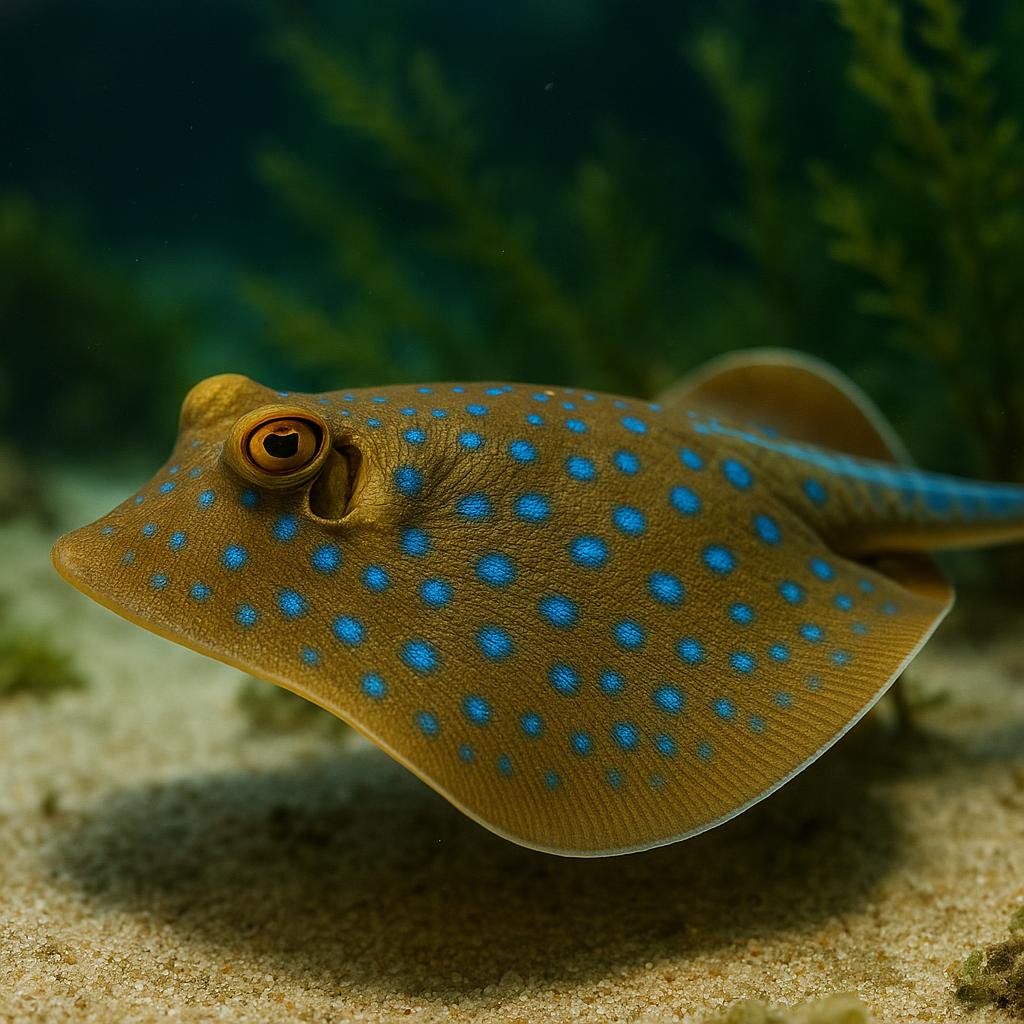
Bob Ward's bluespotted maskray
Neotrygon bobwardi
A bluespotted maskray (Neotrygon bobwardi) described as part of the former Neotrygon kuhlii species complex, reported from Indonesia in the eastern Indian Ocean (notably western Sumatra).
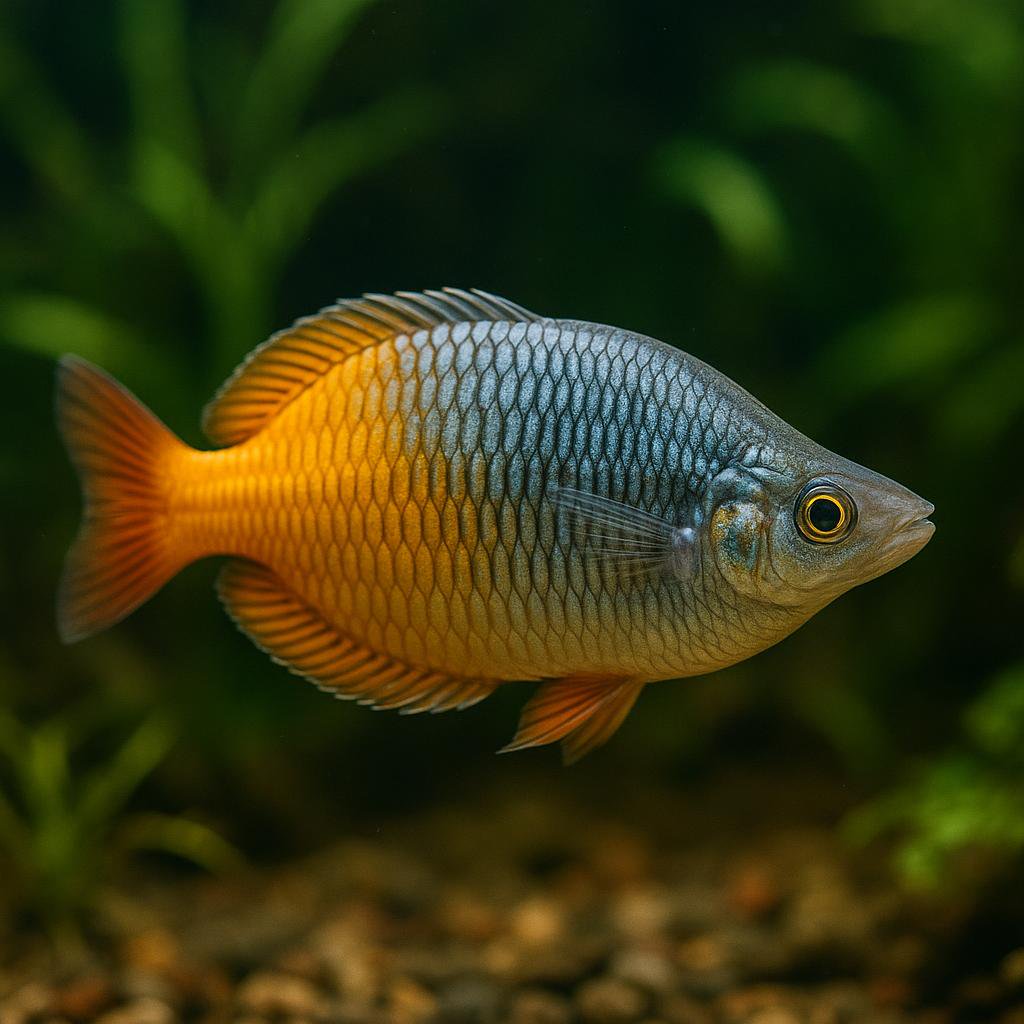
Boeseman's rainbowfish
Melanotaenia boesemani
Boesemani rainbows are basically little swimming fireworks once they settle in-males get that wild split-color look (blue up front, orange in back) and they'll flash and posture at each other all day. They're super active and way happier in a real group with a long tank to cruise, not a cramped setup where they can't stretch out.
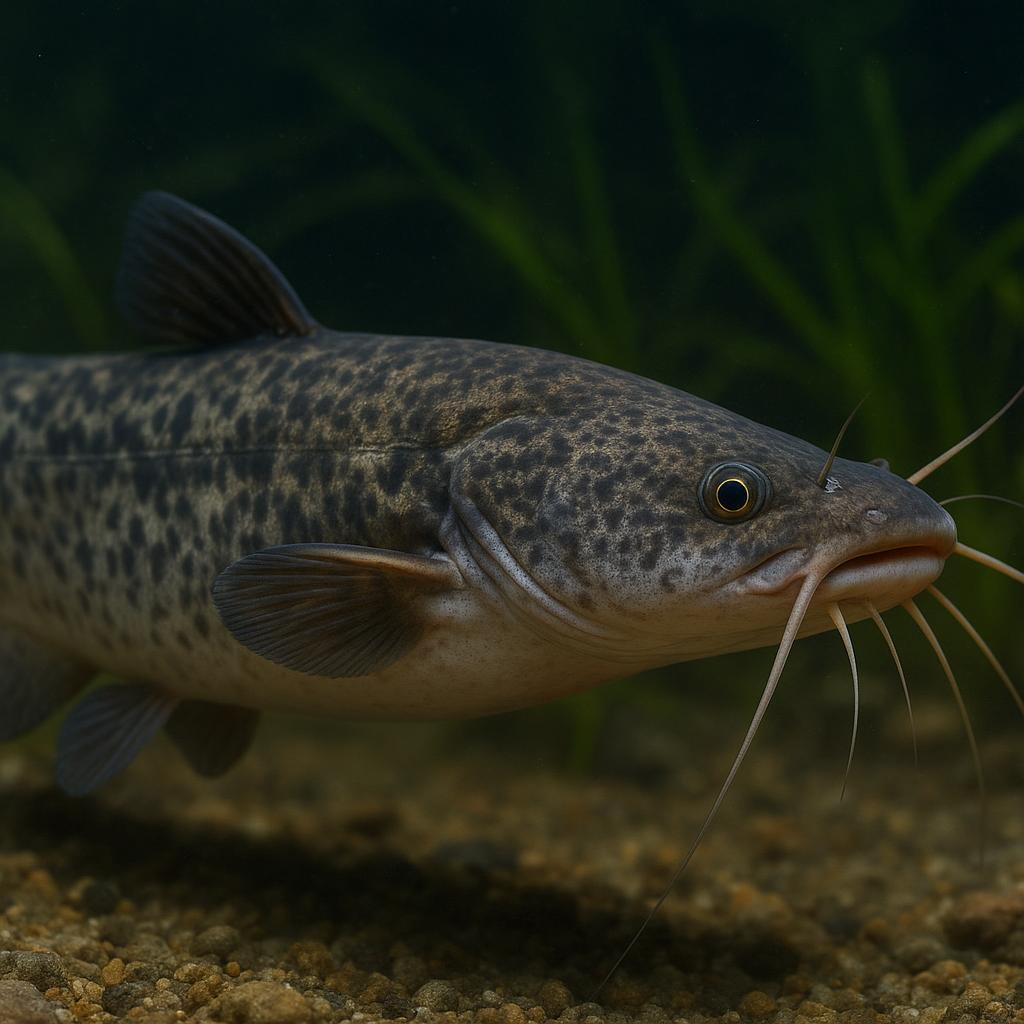
Bombe (Lake Malawi deepwater clariid catfish)
Bathyclarias nyasensis
This is one of Lake Malawi's big, weird deepwater air-breathing catfish, and it lives out in deeper open water (not the rocky cichlid zones everyone thinks of). What I love about it is the behavior - it actually cruises in groups and filter-feeds zooplankton like a giant catfish vacuum, but it will still snack on small fish and insect larvae when it feels like it.
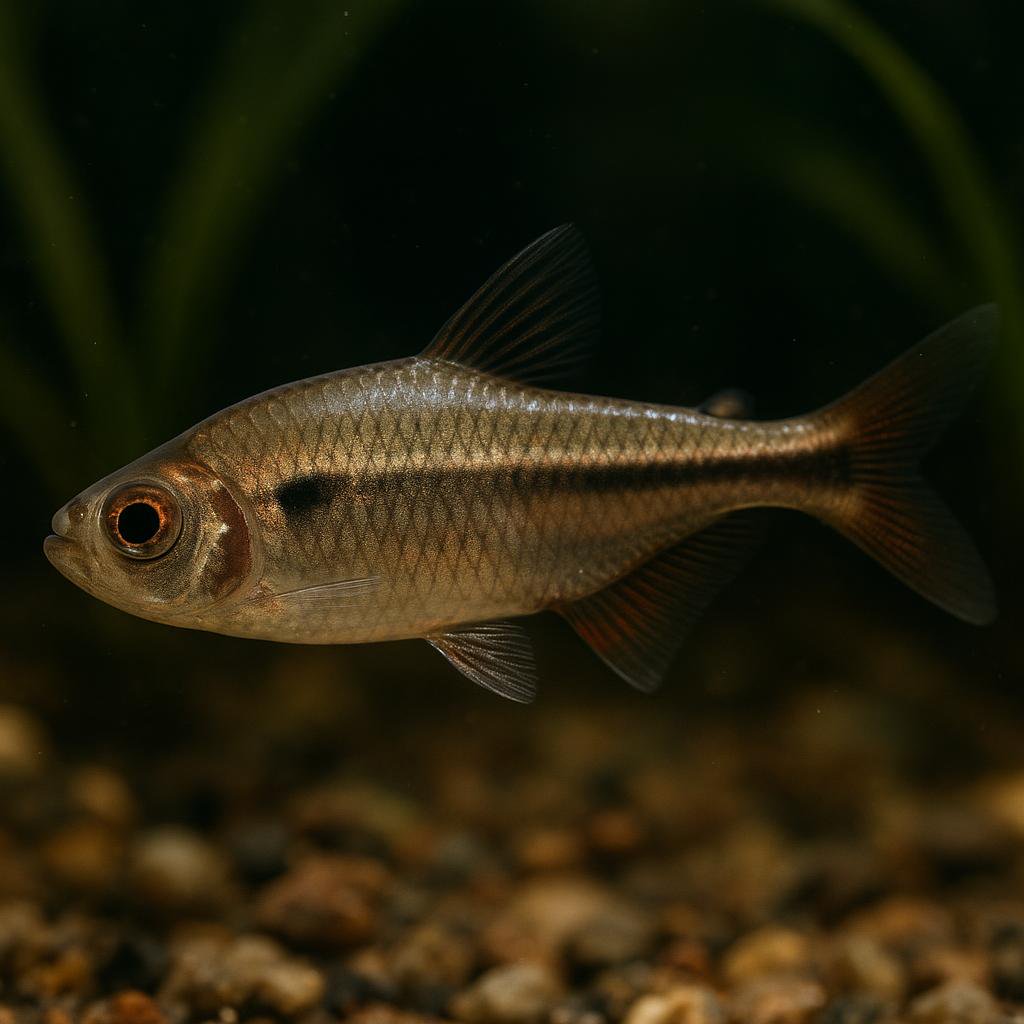
Borari knodus tetra
Knodus borari
Knodus borari is a tiny, brand-new-to-science (described in 2023) little characin from Brazil's lower Rio Tapajos area. Its wild habitat is a moderately fast stream over rock-gravel-sand, so I'd treat it like an active small schooling tetra that appreciates clean, oxygen-rich water and some current.
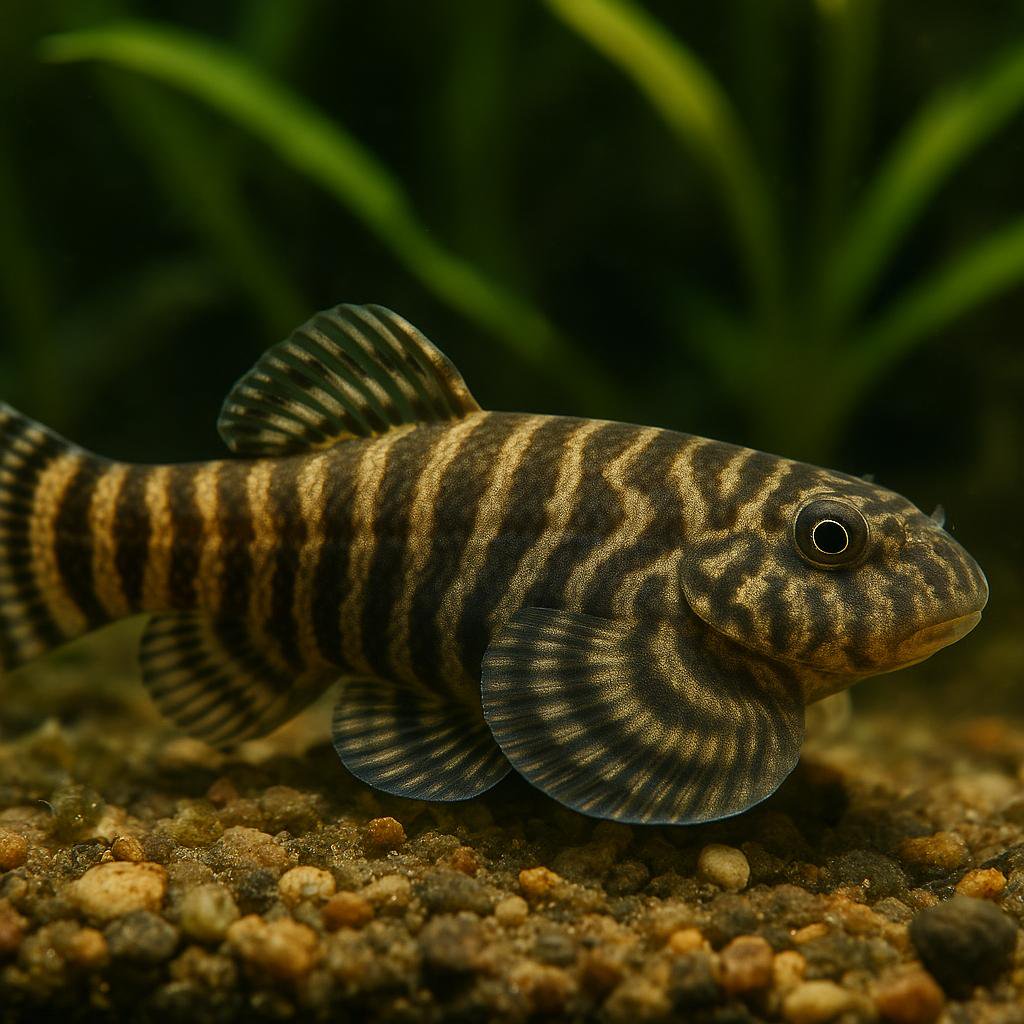
Borneo sucker
Gastromyzon fasciatus
Gastromyzon fasciatus is one of those super-cool little Borneo hillstream loaches that scoots around rocks like a tiny stingray and parks itself in the current. It really shines in a river-style setup with lots of smooth stones to graze on and high oxygen - they look busy all day and have a neat, banded pattern.
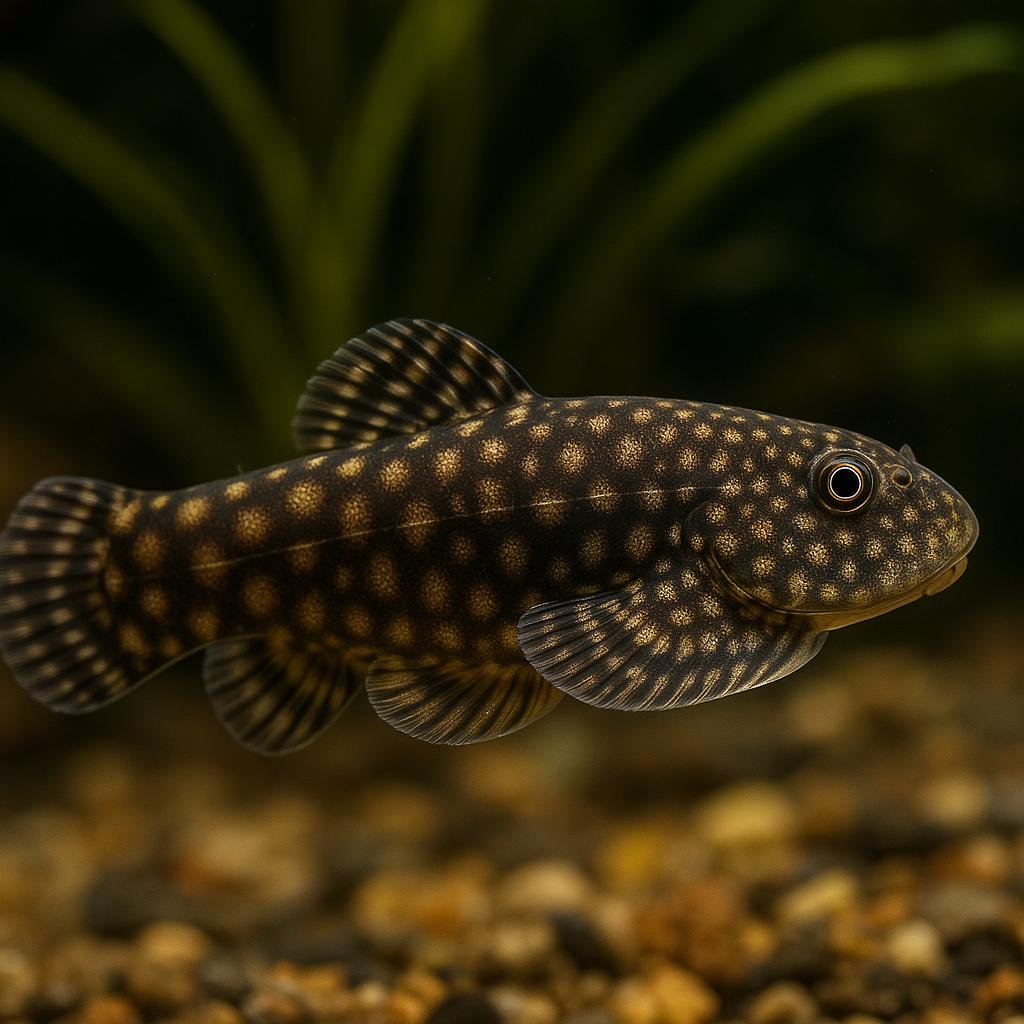
Borneo sucker (Segama River gastromyzon)
Gastromyzon spectabilis
This is one of the true Borneo "suckers" from fast, rocky streams - the kind that park themselves on stones and graze biofilm like a little living coaster. FishBase notes its distinctive live coloration/patterning (the whole reason it got named spectabilis), and it stays small, so its whole vibe is more "stream tank grazer" than "loach that cruises around." If you give it clean, oxygen-rich water and lots of algae-covered rock, it will reward you with nonstop weird, cool hillstream behavior.
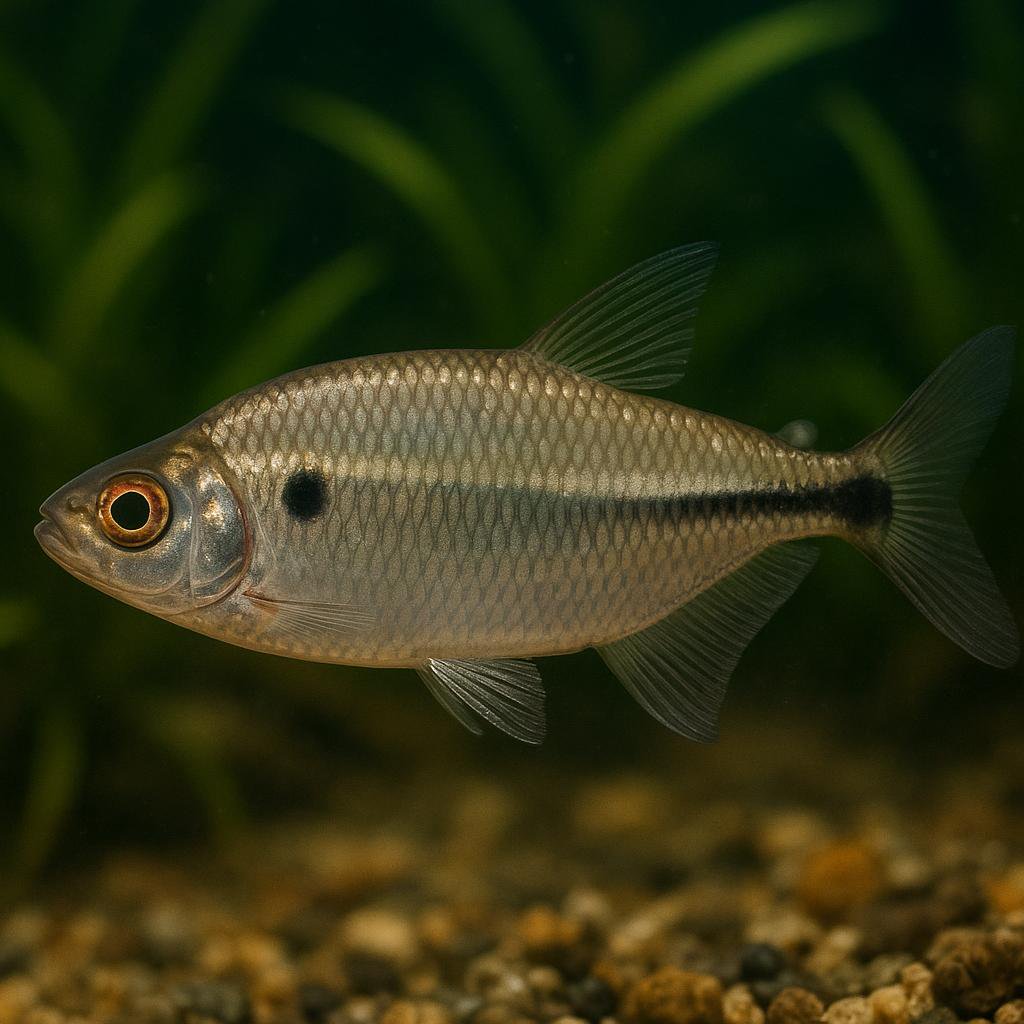
Boulenger's featherfin tetra
Bryconaethiops boulengeri
This is a big, super-active African tetra from the Congo basin that really wants open swimming room and a group of its own kind. It cruises the mid-to-upper water and will absolutely chase down insects at the surface, so a tight lid is smart if you keep it.
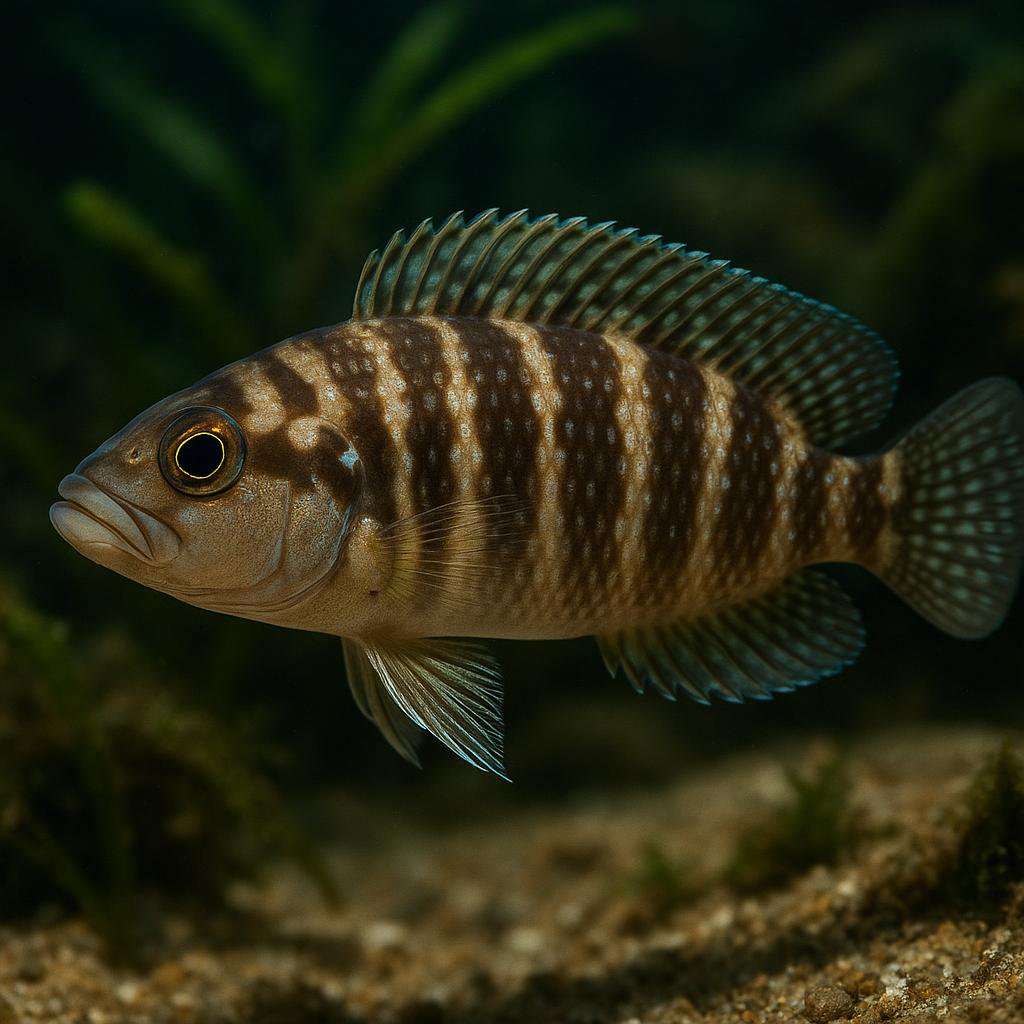
Boulenger's lamprologine (shell-dwelling Tanganyika cichlid)
Lepidiolamprologus boulengeri
This is one of those really fun Lake Tanganyika shell-and-sand lamprologines that lives as a pair, digs a little pit, and then the female hangs out in snail shells like its a tiny fortress. Give them fine sand and a pile of shells and you will get to watch legit, purposeful cichlid home-building and territory behavior in a small-bodied fish.
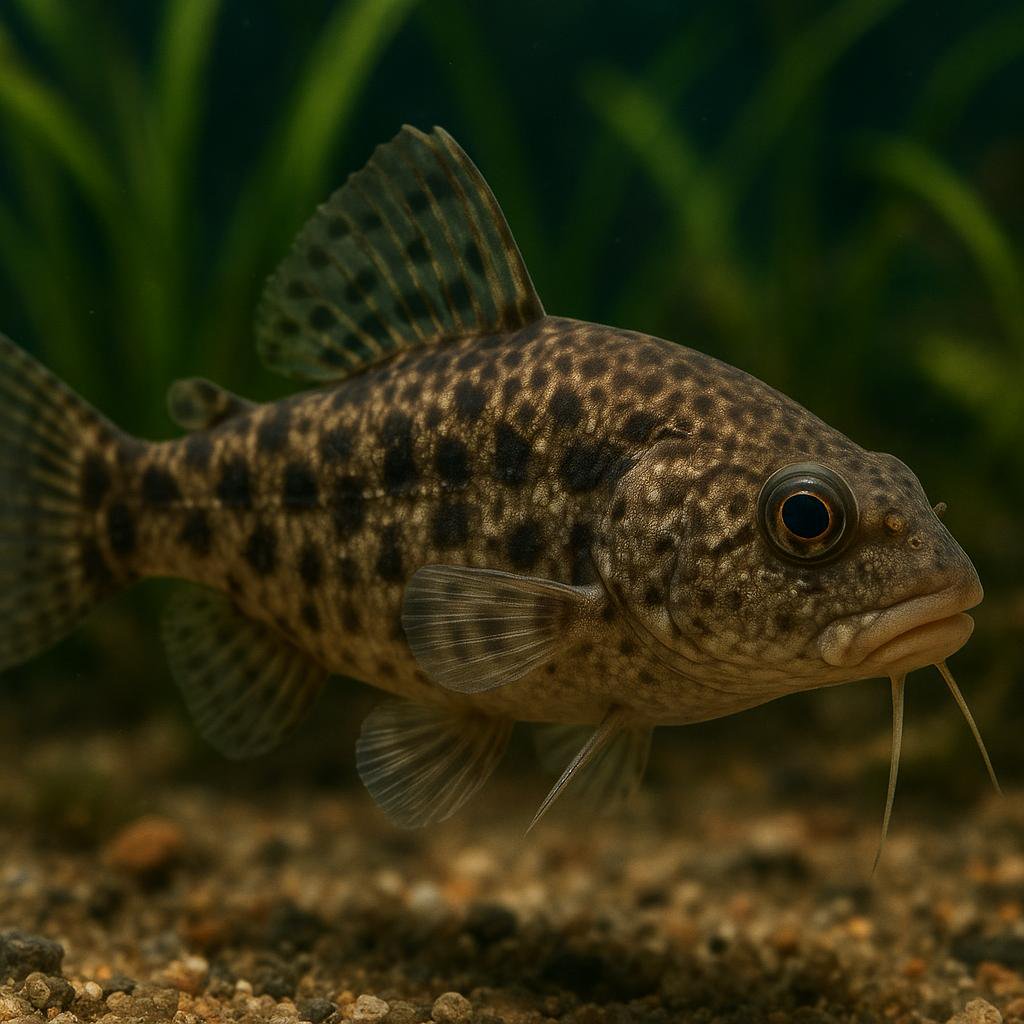
Bradbury's batfish
Coelophrys bradburyae
A tiny deep-sea batfish (family Ogcocephalidae) known from deep water off Japan; the original description was based on a single specimen collected at 557–595 m, and the species remains poorly known.
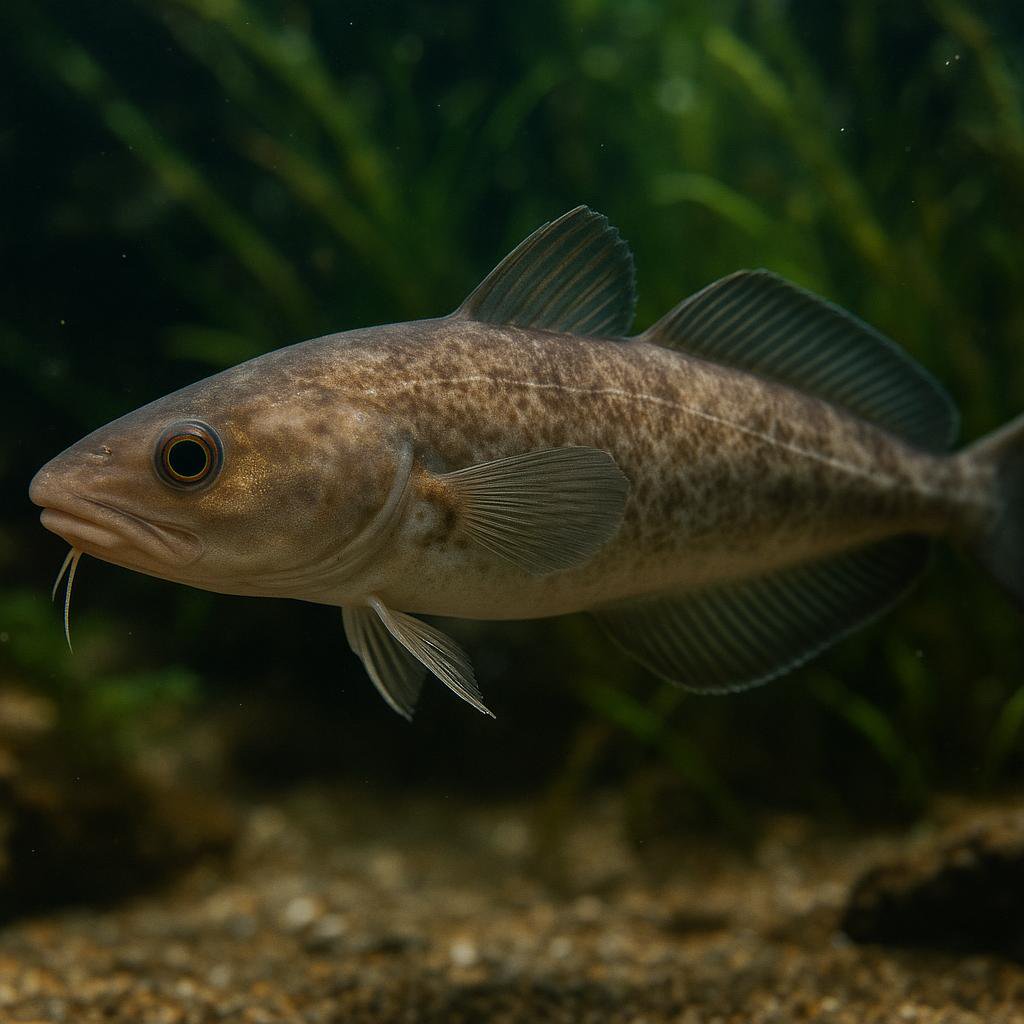
Brazilian codling
Urophycis brasiliensis
This is a demersal (bottom-loving) marine codling from the Southwest Atlantic that hangs around the continental shelf and cruises sandy/rocky bottoms looking for food. It is basically a cool, mottled little gadiform with that classic codling vibe - elongated body and a chin barbel - and it is mostly of interest as a food/fishery species rather than something you would ever see in home aquariums.
-1771032879.jpg)
Brilliant rummy-nose tetra
Petitella bleheri (syn. Hemigrammus bleheri)
This is the rummy-nose with the really "full-face" red that runs back past the gill plate, plus that crisp black-and-white tail that flashes when the whole group turns together. When they're happy and the water's clean, they school tight and look like one living fish-when they're stressed, that red head fades fast, so they're basically your tank's mood ring.
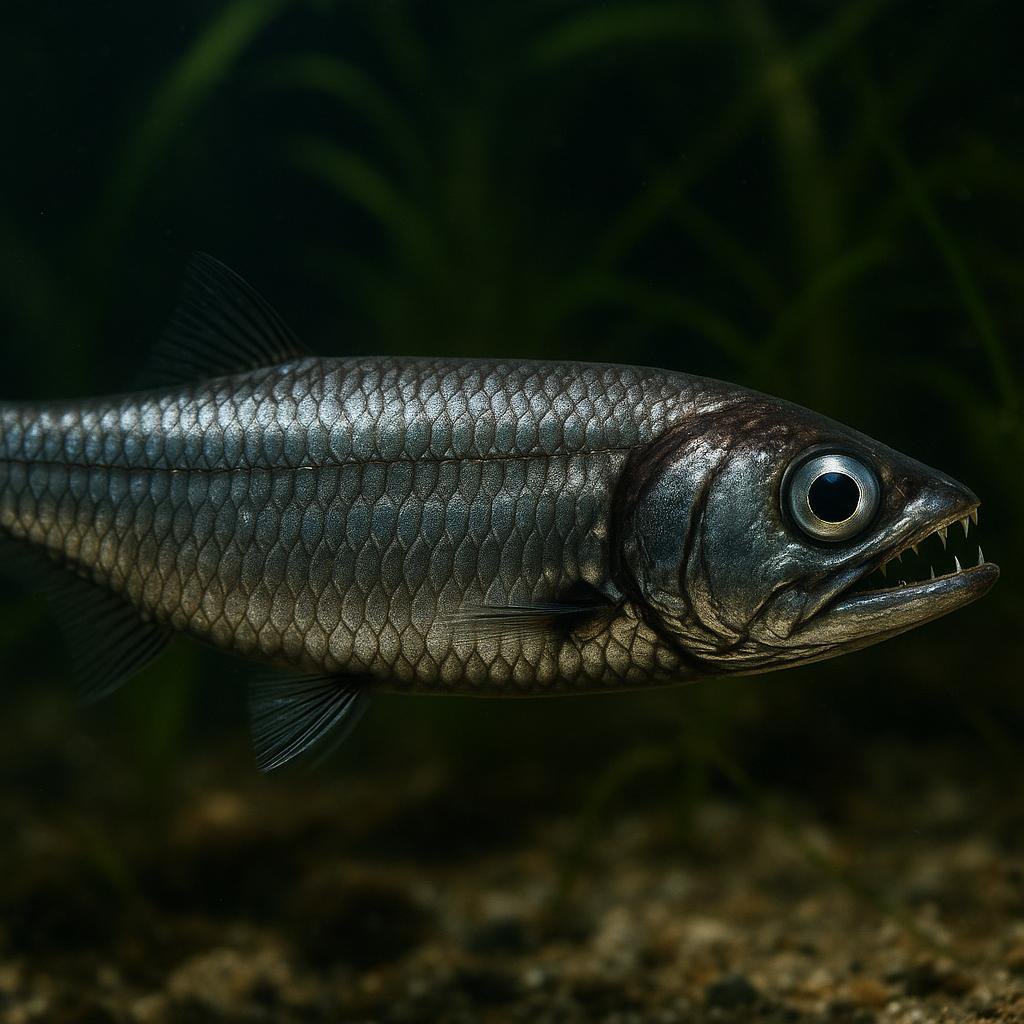
Bristlemouth
Gonostoma denudatum
Gonostoma denudatum is a deep-sea bristlemouth that spends its life out in the dark, open ocean and does that classic daily up-and-down migration (deeper in the day, shallower at night). It has silvery flanks, a darker back, and light-producing photophores that start showing up as it grows - super cool biology, but not something you would ever realistically keep in a home aquarium.
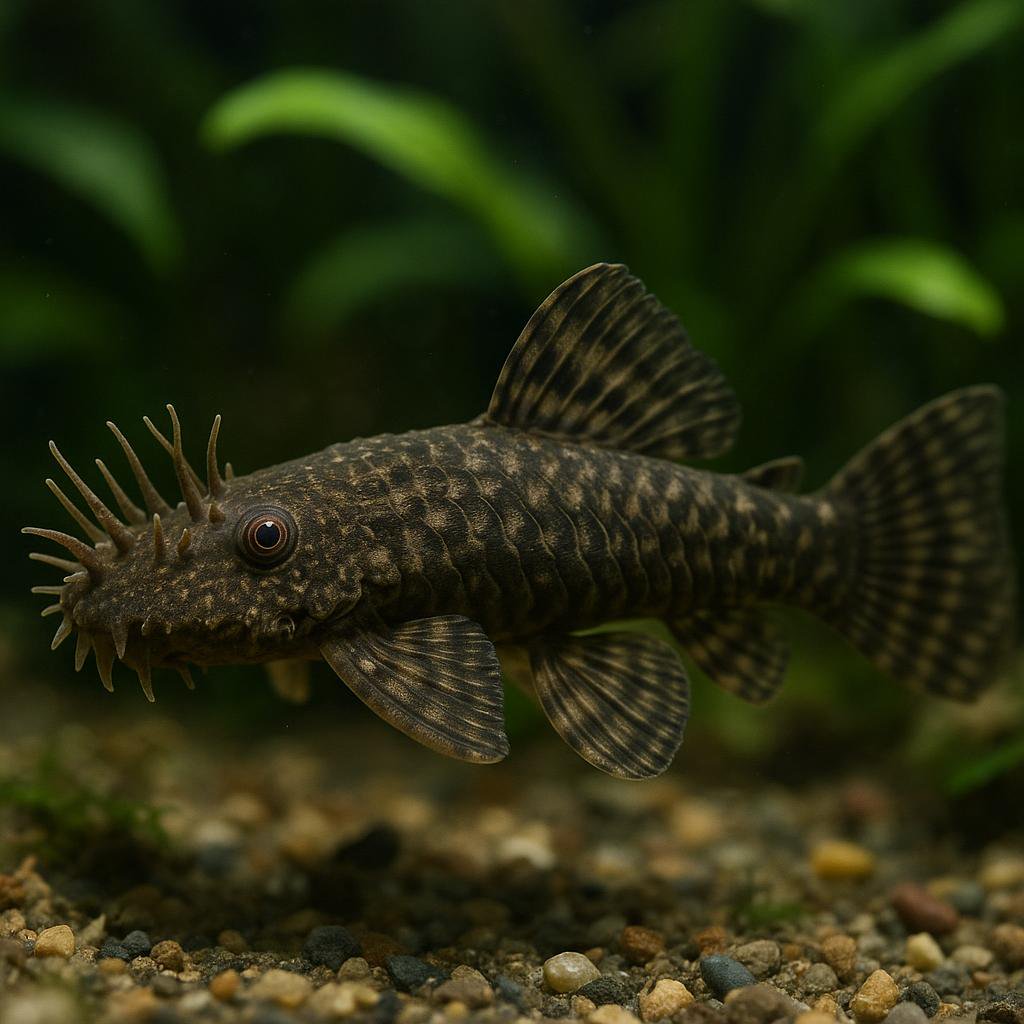
Bristlenose Pleco (Common Bristlenose)
Ancistrus cirrhosus
The Bristlenose Pleco is a small catfish with a sucker mouth, armored body, and distinctive bristles on its face, especially in males. It is primarily nocturnal and spends much of its time grazing on biofilm and algae from surfaces, making it a popular, hardy "algae-eater" in community aquariums.
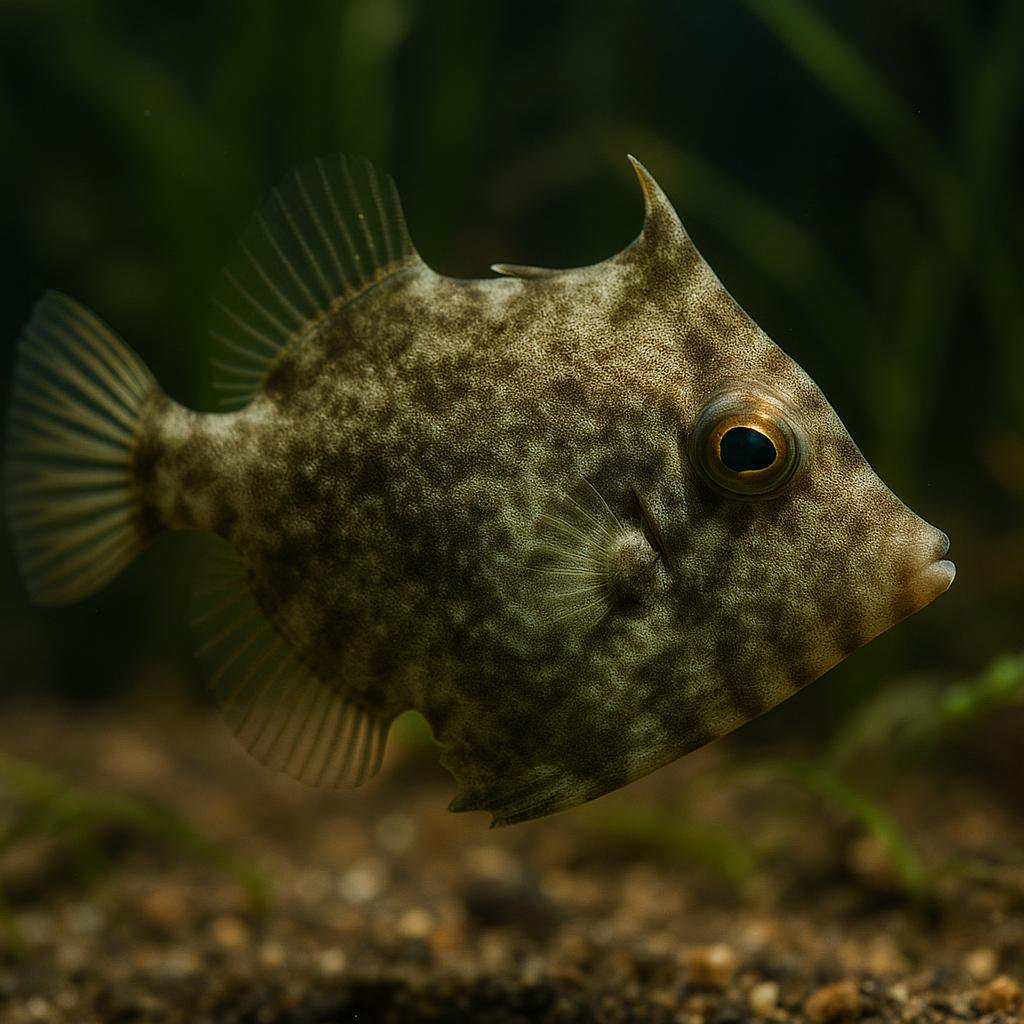
Bristletail Filefish (Aiptasia-Eating Filefish)
Acreichthys tomentosus
This little weirdo is one of my favorites because it's got that goofy filefish "face," a knack for wedging itself into rockwork, and a ton of personality once it settles in. People love them for the chance they'll snack on nuisance Aiptasia, but even when they're not on pest patrol they're just fun to watch cruise around and pick at stuff all day.
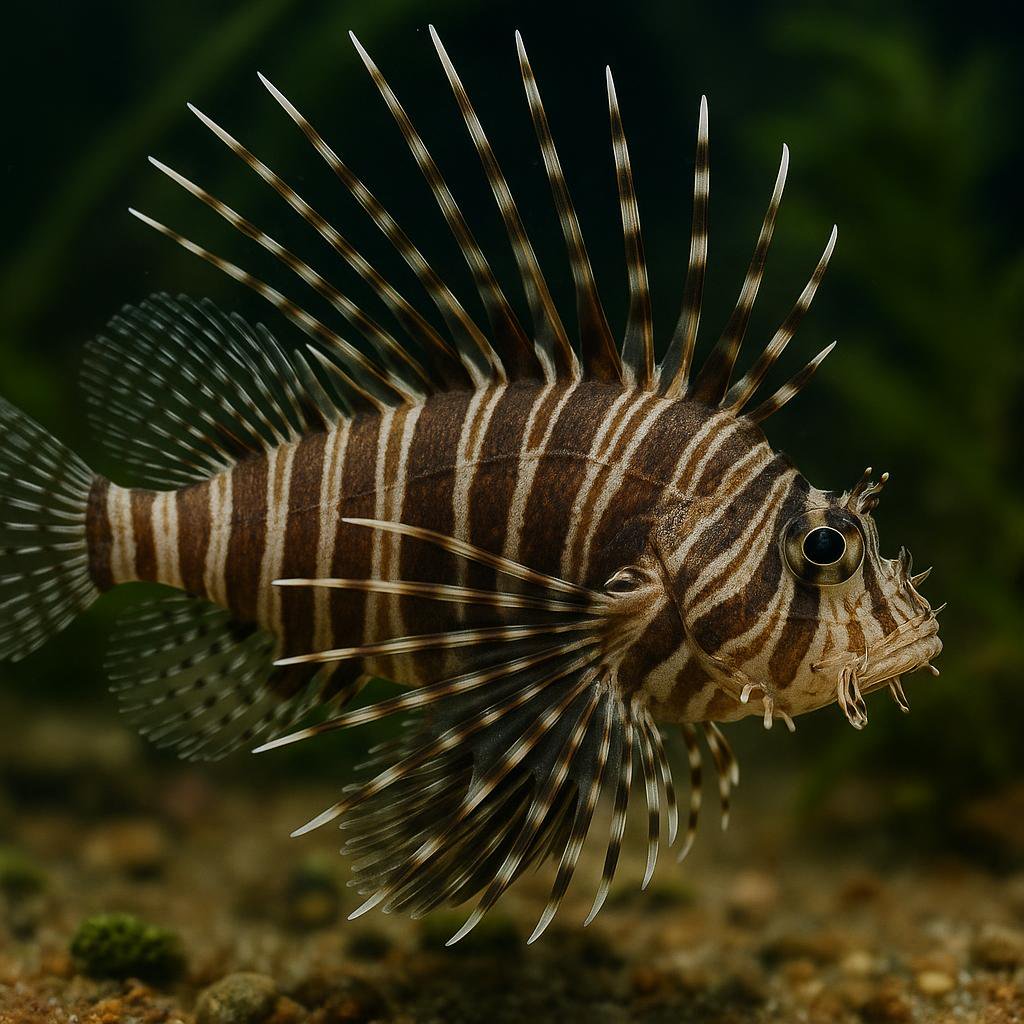
Broadbarred firefish
Pterois antennata
This is the lionfish with the long "antennae" (those banded tentacles above the eyes) and the ragged, spotty fins that make it look extra dramatic under reef lighting. It'll spend the day tucked under ledges and then cruise out at dusk to ambush shrimp, crabs, and any small fish it can fit in its mouth-also worth remembering it's venomous, so you treat it with respect when you're in the tank.
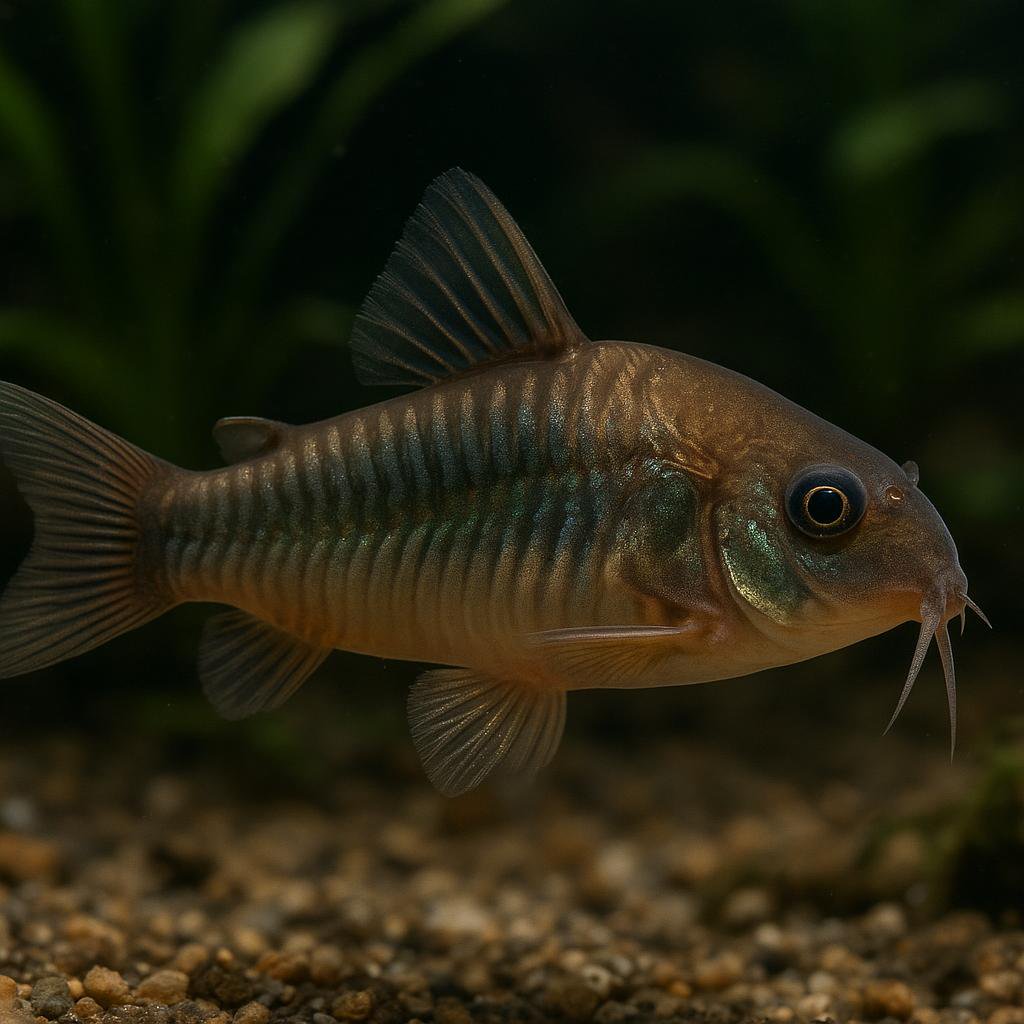
Bronze Corydoras
Corydoras aeneus
The Bronze Corydoras is a charming and highly popular freshwater fish known for its peaceful nature and striking bronze coloration. It has a stout body with barbels around its mouth, allowing it to forage effectively on the substrate. Often seen in schools, this species is well-loved for its social behavior and bottom-dwelling habits.
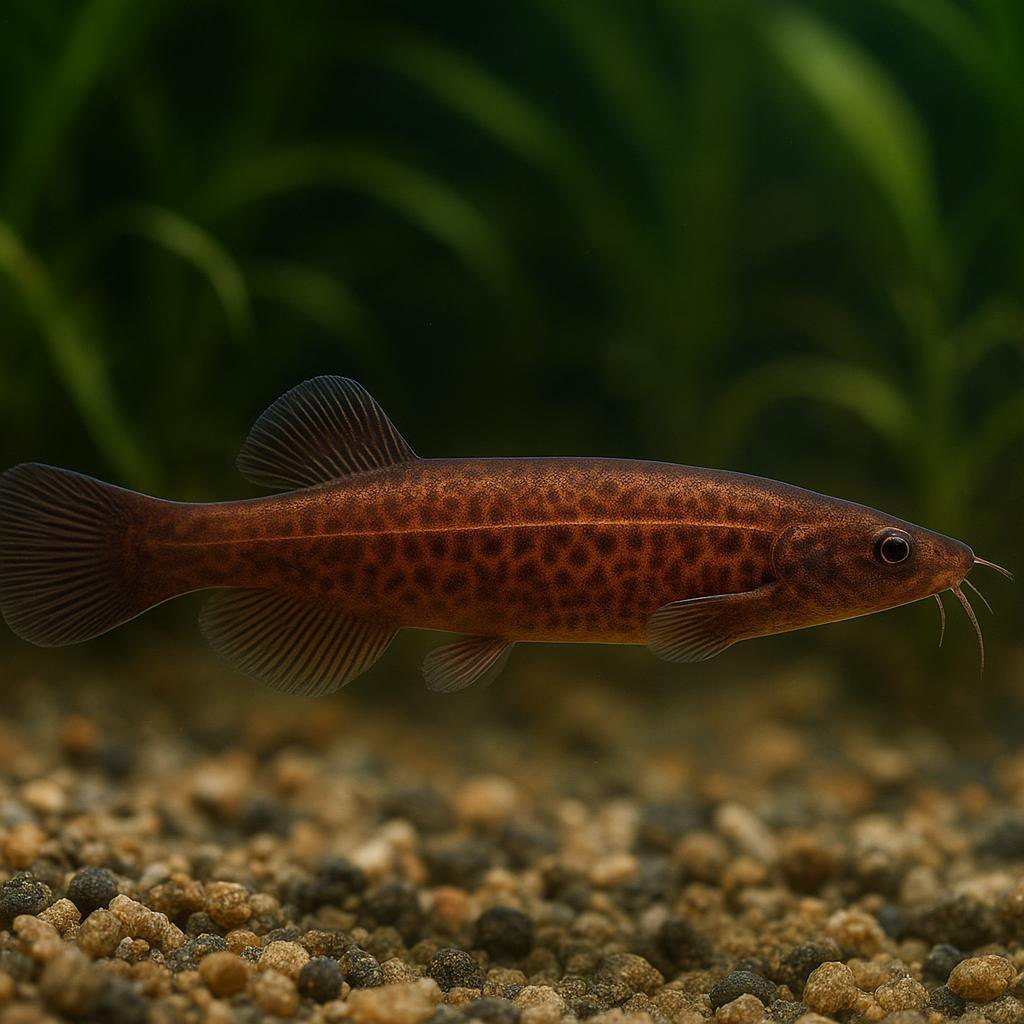
Brown Fork-Tail Loach
Vaillantella cinnamomea
Vaillantella cinnamomea is a slim little Borneo loach with that cool forked tail and a subtle cinnamon-brown body with a dark eye stripe. It spends most of its time hugging the bottom and weaving through leaf litter and roots, then suddenly darts like a tiny torpedo when food hits the sand. Keep the tank covered tight - these forktails are famous for surprise launches.
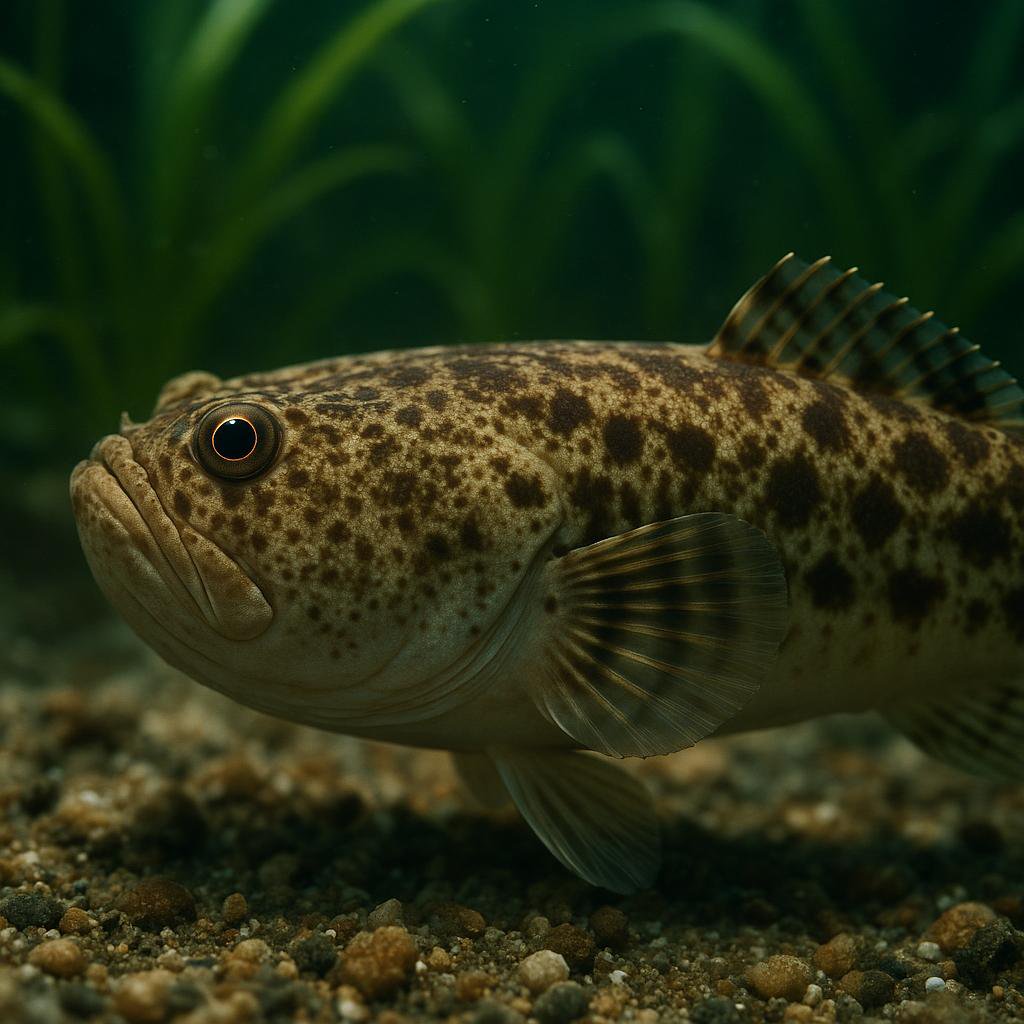
Brownspotted stargazer
Uranoscopus fuscomaculatus
This is a deepwater stargazer that spends its life on the bottom, usually buried in sand or mud with just the eyes showing, waiting to ambush anything edible that wanders close. Super cool predator behavior, but its a wild marine fish from hundreds of meters down, so it is basically not an aquarium species in any normal sense.
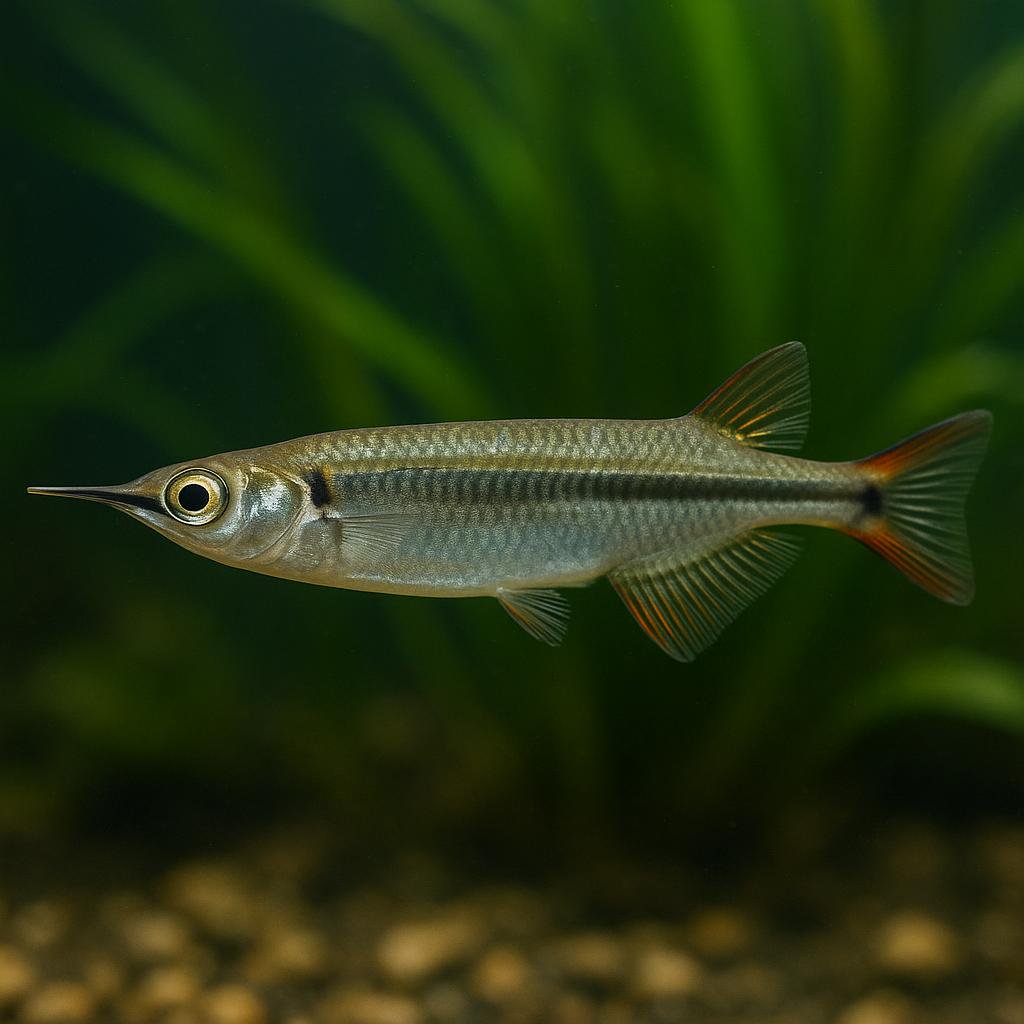
Buffon's river-garfish
Zenarchopterus buffonis
This sleek, surface-dwelling halfbeak has a distinct dark stripe along the snout and is typically found at the surface in coastal waters, estuaries, and rivers where it feeds on terrestrial insects. In aquaria it does best with floating/surface foods and a secure cover, and it requires brackish (or marine) conditions long-term. Reproduction is internally fertilized; FishBase lists the species as ovoviviparous.