

Shorthead sole
Brachirus breviceps
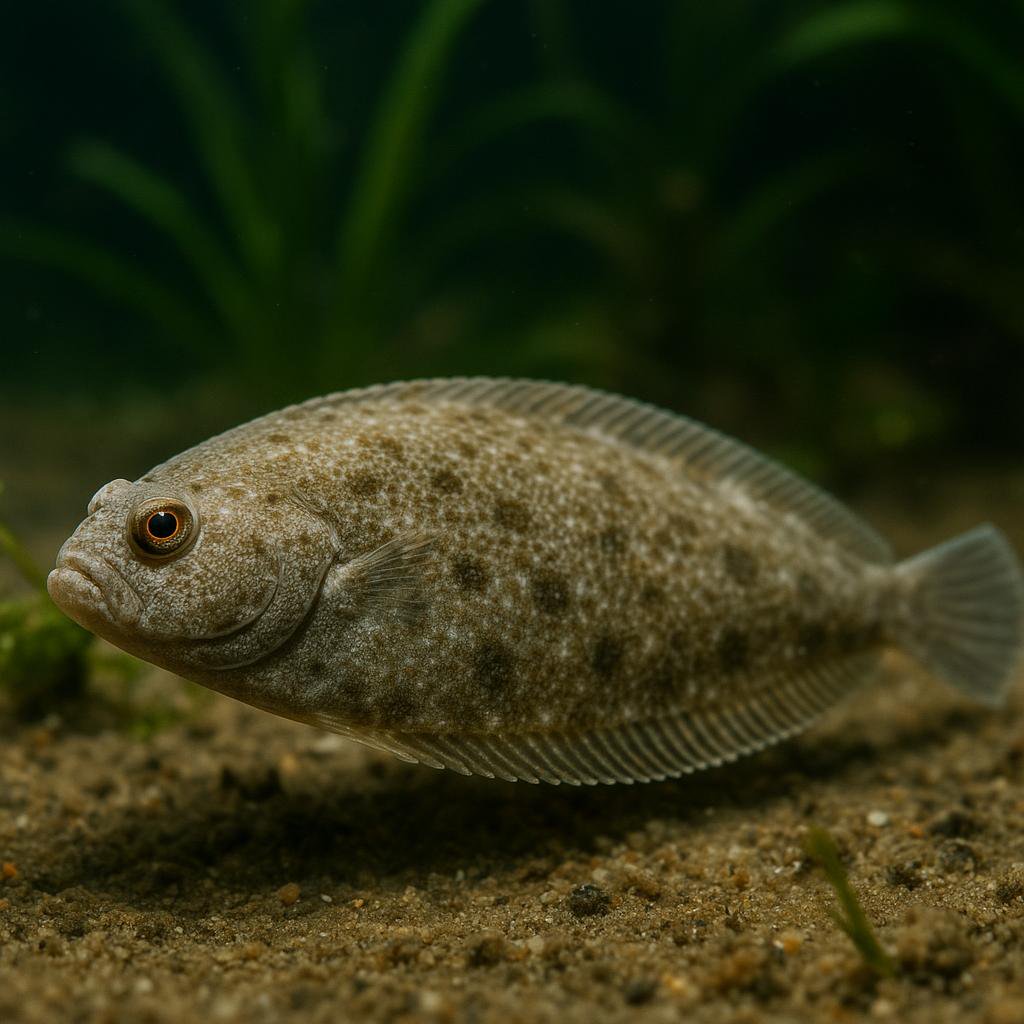
The Shorthead sole features a flattened, oval body with a pale brown coloration and distinctive small eyes positioned on the upper side.
This page includes AI-generated images. Why am I seeing AI images?
About the Shorthead sole
Brachirus breviceps (the shorthead sole) is a little bottom-hugging flatfish from Australia that lives right on soft sand or mud in shallow coastal water. Its whole thing is staying camouflaged and half-buried, so it is more of a "you spot it and smile" fish than a constant swimmer. Also worth knowing up front: there is basically no solid aquarium-care info published specifically for this exact species, so any tank recommendations are best treated as cautious, general "small sole" guidelines.
Also known as
Quick Facts
Size
unknown
Temperament
Peaceful
Difficulty
Advanced
Min Tank Size
30 gallons
Lifespan
unknown
Origin
Australia (Western Pacific)
Diet
Carnivore - small benthic invertebrates (worms/crustaceans), frozen meaty foods in captivity
Water Parameters
22-28°C
8-8.4
8-12 dGH
Need a heater for this species?
This species needs 22-28°C in a 30 gallon tank. Use our heater calculator to find the right wattage.
Calculate heater sizeCare Notes
- Give it a wide footprint tank, not a tall one - think 40 breeder or bigger for a single fish, with lots of open bottom space so it can settle and hunt.
- Use a deep, fine sand bed (2-4 inches, sugar-fine) and skip sharp gravel; these guys bury and scrape themselves up fast if the substrate is rough.
- Keep salinity steady around 1.024-1.026 and temp 74-78F; they hate swings, and quick salinity changes are a straight ticket to stress and bacterial issues.
- Feed after lights-out or at least at dusk - mine ignored food in bright light. Start with live blackworms/ghost shrimp if it's picky, then wean onto thawed mysis, chopped shrimp, and small strips of squid on tongs.
- Target-feed so faster fish do not steal everything; if it is not getting chunky within a couple weeks, it is losing the food race.
- Tankmates: calm, non-nippy fish only (gobies, blennies, small wrasses that do not harass the bottom). Avoid triggers, puffers, big wrasses, and anything that pecks at sand or fins.
- Cover intakes and overflows - soles love hugging the bottom and will plaster onto a strong intake. Also watch for sand getting into powerheads if the fish is constantly digging.
- Breeding in home tanks is basically a lottery - they are pelagic spawners and the larvae need tiny live foods. If you ever see them doing evening rises together, enjoy the show but do not plan on raising babies.
Compatibility
Good Tankmates
- Peaceful sand-sifters that mind their own business, like diamond watchman gobies (just give both plenty of sand and a few hiding spots so they are not constantly in each other's face)
- Small, chill gobies that perch and don't pick fights, like clown gobies or neon gobies - they stay up in the rockwork and usually ignore a sole cruising the sand
- Blennies with a calm vibe, like tailspot blennies or midas blennies - they hang around holes and ledges, and the sole is mostly a night prowler on the bottom
- Peaceful dartfish and firefish (Nemateleotris) - quick enough to not get bothered, and they keep to the water column while the sole does its own thing down low
- Calm wrasses that are not bullies, like a possum wrasse or a flasher wrasse - active midwater types that typically leave bottom fish alone
- Small, mellow reef fish like ocellaris/percula clownfish - as long as the clowns are not the psycho territory-guarding type in a tiny tank
Avoid
- Triggerfish - they love to test-bite anything odd-shaped on the sand, and a sole is basically a moving target
- Aggressive dottybacks (like orchid or especially bicolor dottybacks) - they will claim caves and then dive-bomb anything that comes near the bottom
- Big hawkfish (like longnose or arc-eye) - perch hunters that can harass bottom fish and will absolutely go after the same meaty foods the sole needs
- Large, pushy wrasses (many Halichoeres and the really boisterous types) - they can outcompete the sole at feeding time and sometimes flip or peck at flatfish resting in the sand
Where they come from
Shorthead soles (Brachirus breviceps) are little bottom-hugging flatfish from Indo-West Pacific coastal areas. Think shallow sand and silt flats, seagrass edges, and murky zones where they can disappear in a blink. They are built for ambush life: bury, wait, inhale something that wanders too close.
If you have only kept "easy" sand-sifters like gobies, this is a different game. A sole is a predator that happens to live in the sand, not a cleanup crew member.
Setting up their tank
Give them floor space more than height. I would not keep one in a tiny cube. A 40 breeder sized footprint is a good starting point for a single fish, and bigger is better if you want tankmates. They spend their whole life on the bottom, so every extra inch of footprint matters.
Sand is non-negotiable. They want to bury, and they will scrape themselves raw on coarse stuff. Go with fine aragonite (sugar-sized) and give it a couple inches so they can settle in. I keep rockwork stable and up off the sand where possible, because a digging fish can undermine things over time.
- Tank size: prioritize footprint (40 breeder or larger for one)
- Substrate: fine sand, 2-3 inches
- Flow: moderate overall, but create a calm "rest zone" on the bottom
- Lighting: they do fine under reef lights, but shaded areas help them feel secure
- Filtration: strong biological filtration and a skimmer help because they are messy eaters
Cover the intakes on powerheads and overflows. A buried sole can pop up and get pinned, and it happens faster than you would think.
Stable salinity matters a lot with flatfish. I keep mine at typical reef salinity (around 1.025-1.026) and focus on keeping it steady. Big swings from top-off neglect or sloppy water changes are a quick way to end up with a stressed fish that stops eating.
What to feed them
This is the make-or-break part. Shorthead soles do not graze algae or sift sand for snacks. They want meaty foods, and many arrive picky or half-starved because they were eating live prey in the wild.
I have the best luck starting with foods that smell strong and move a little in the flow: live blackworms (if you can get them clean), live ghost shrimp, or enriched live brine to get a response. Once it is hunting reliably, transition to frozen.
- Best staples: frozen mysis, chopped clam, chopped shrimp, scallop, squid strips
- Treats/boosters: live ghost shrimp, blackworms (rinsed), enriched brine shrimp
- Feeding tools: long tweezers or a feeding stick to place food right in front of them
- Schedule: small portions 4-6 days a week (new arrivals may need daily feedings at first)
Target feed near the sand in low flow. If you drop food in the water column, the other fish will steal it and the sole will sit there looking confused. I use tongs to wiggle a piece of shrimp right on the sand, then back off.
Watch the belly. A healthy sole looks pleasantly filled-out, not pinched behind the head. If you keep seeing a hollow look, step up frequency and consider live foods again.
How they behave and who they get along with
They are calm, shy, and kind of "invisible" most of the day. Mine would bury with just the eyes showing, then suddenly slide out at feeding time like a little carpet with attitude. They can and will eat small fish and shrimp if it fits, so plan around that.
The biggest issue is not aggression, it is competition. Fast, pushy feeders make it hard for a sole to get meals. If the sole is always late to dinner, it slowly wastes away.
- Good tankmates: calm fish that do not hunt the sand constantly (some cardinals, gentle wrasses that sleep in rockwork, peaceful reef fish that are not food-obsessed)
- Use caution: sand-sifting gobies, dragonets, hawkfish, larger wrasses, dottybacks (either compete or may harass)
- Avoid: triggers, puffers, big hawkfish, large wrasses, anything that nips fins or hunts bottom fish
- Inverts: assume decorative shrimp are on the menu; snails and most crabs are usually ignored if not tiny
Do not mix with fish that might mistake it for a snack or a rug. Fin-nippers can shred a sole fast, and a stressed sole often stops eating.
Breeding tips
Breeding them in home aquariums is basically a long shot. Marine soles often have pelagic larvae that need specialized plankton cultures and careful rearing setups. I have never seen a confirmed hobbyist breeding chain for this species.
If you somehow end up with a male/female pair and see courtship, your best "tip" is to document everything and be ready with live foods (rotifers, copepods, phytoplankton) and separate larval gear. Expect a steep learning curve.
Common problems to watch for
Most losses come from two things: starvation (especially after import) and injuries/infections from rough substrate or bullying. They hide problems well because they hide in general, so you have to actively check on them.
- Not eating: very common at first; try live foods, dim the tank, reduce competition, and target feed
- Sand abrasions and fin edge damage: usually from coarse substrate, sharp rock contact, or nipping tankmates
- Internal parasites: weight loss despite eating, stringy poop; consider a vet/fish med plan and a proper quarantine routine
- Marine ich/velvet: they are not magically immune because they bury; quarantine is your friend
- Getting sucked into intakes: cover pumps and overflow teeth
Quarantine is worth the effort with this fish. They are advanced mostly because they come in weak, and you need to get them eating without chaos from a display tank.
One last practical habit: take a quick "head count" at lights-out with a flashlight. Soles often come out more at dusk, and it is the easiest time to confirm it is moving normally, not scraped up, and still interested in food.
Similar Species
Other marine peaceful species you might be interested in.
Abe's eelpout
Japonolycodes abei
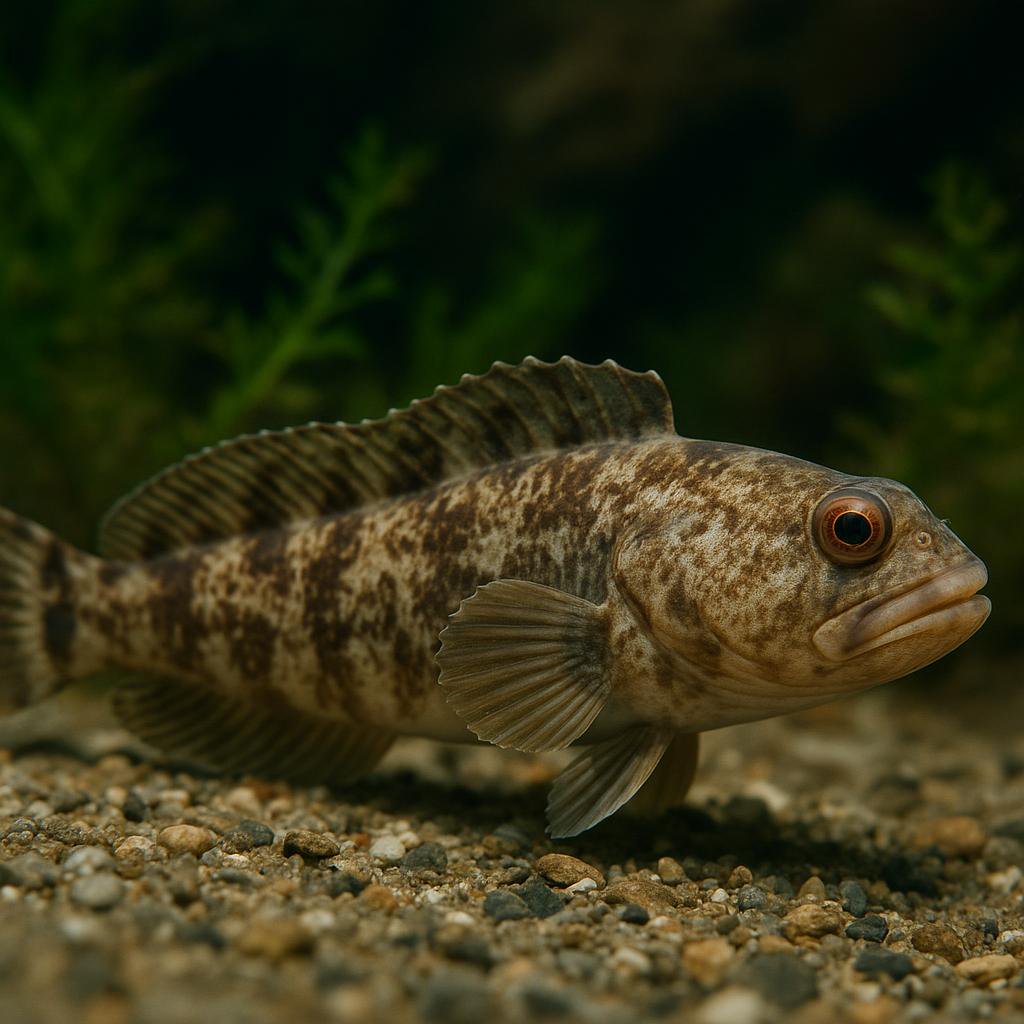
Japonolycodes abei is a temperate, deepwater demersal eelpout (family Zoarcidae) endemic to Japan (Kumano-nada Sea reported; other sources also report Sagami Bay and Tosa Bay). It is the only species in the genus Japonolycodes and occurs roughly 40-300 m depth, making it an uncommon/atypical aquarium species.
Affinis blind cusk-eel
Barathronus affinis
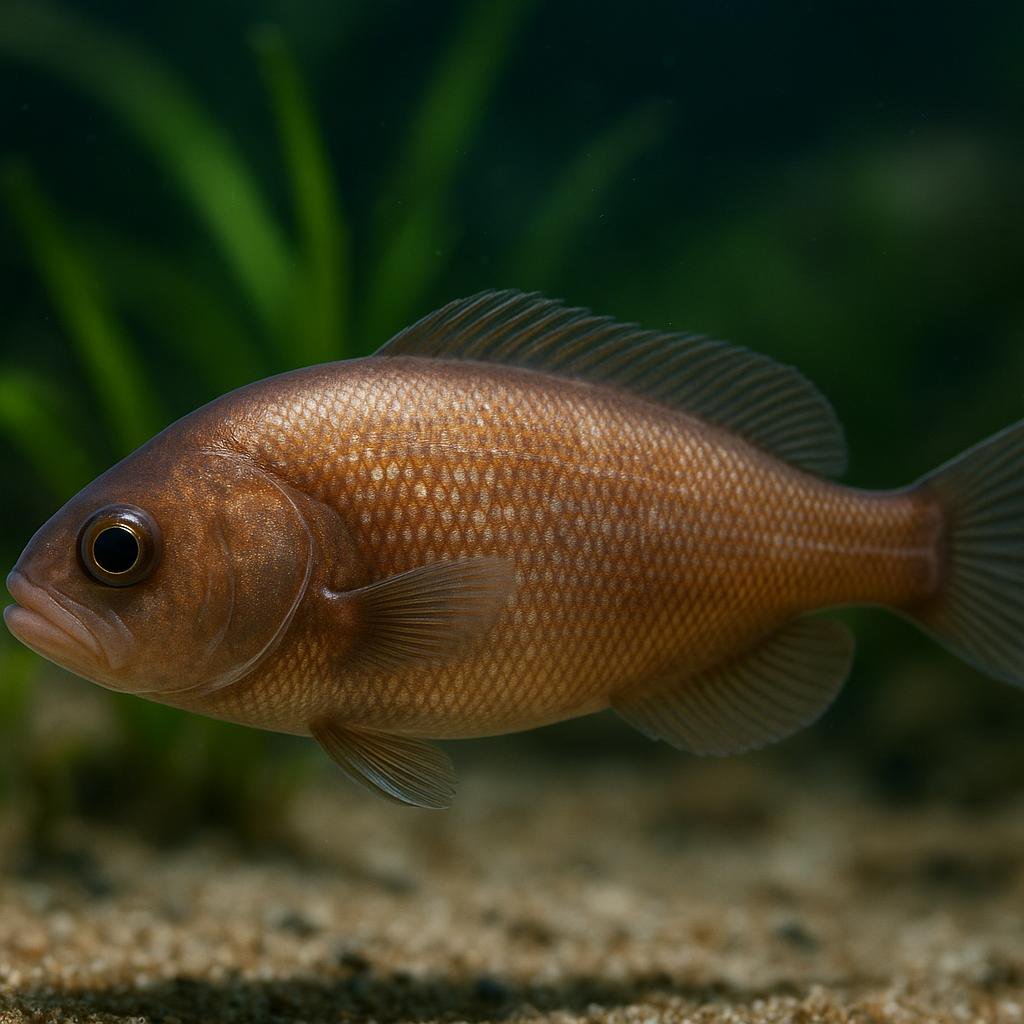
Barathronus affinis is a tiny, super-weird deep-sea blind cusk-eel from the western-central Indian Ocean. It is one of those gelatinous, loose-skinned brotula-type fishes that live way down in the dark and are basically never seen alive, so almost everything we know comes from preserved specimens and taxonomic work.
Allis shad
Alosa alosa
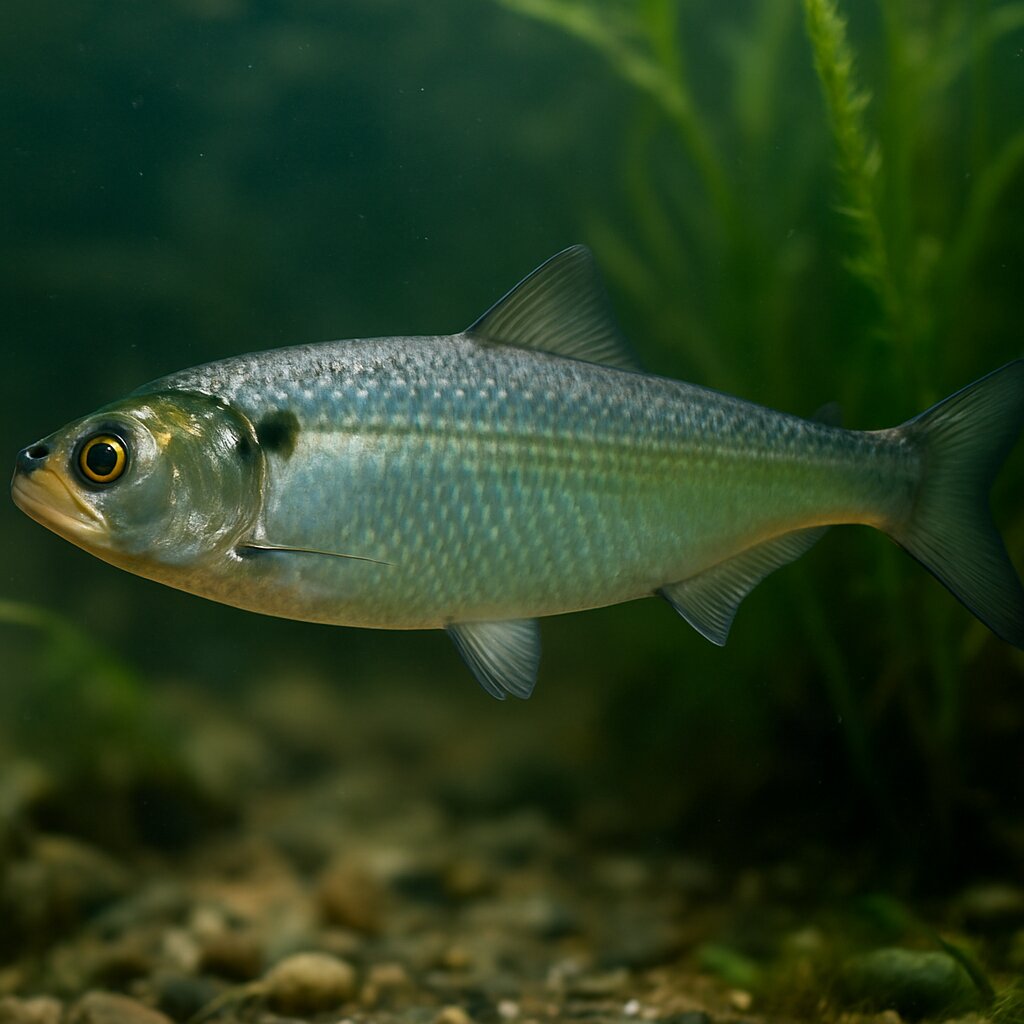
Gorgeous silver, fast-swimming shad that spends most of its life in the sea and then surges up big rivers in noisy, surface-spawning schools. It grows huge for a herring-type fish and needs cool, ultra-oxygenated water and tons of open space, so it is a public-aquarium species rather than a home tank fish.
Annandale's zebra sole
Zebrias annandalei
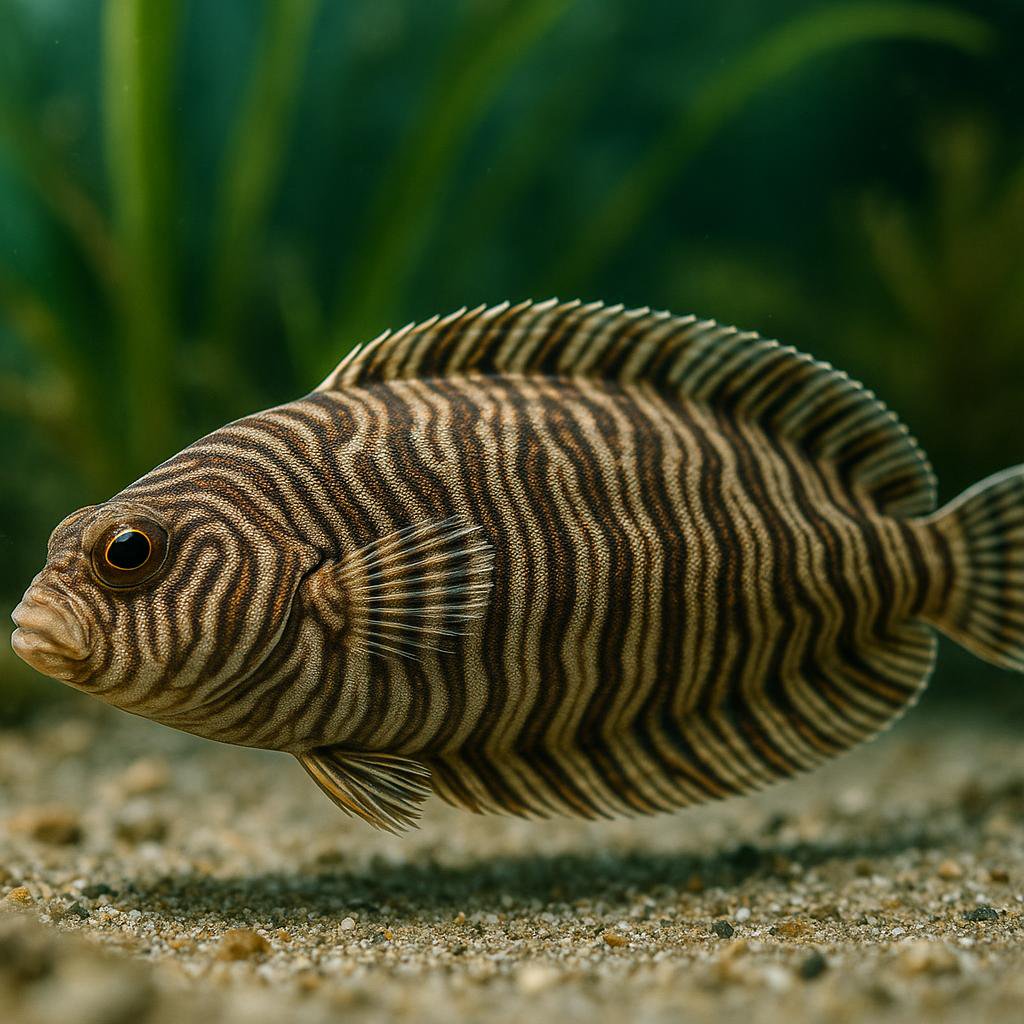
Zebrias annandalei is a small demersal sole from coastal India that inhabits sandy or muddy bottoms and buries for camouflage. It is rarely kept in home aquaria and would require a specialized marine sand-bottom setup and appropriate feeding.
Banggai Cardinalfish
Pterapogon kauderni
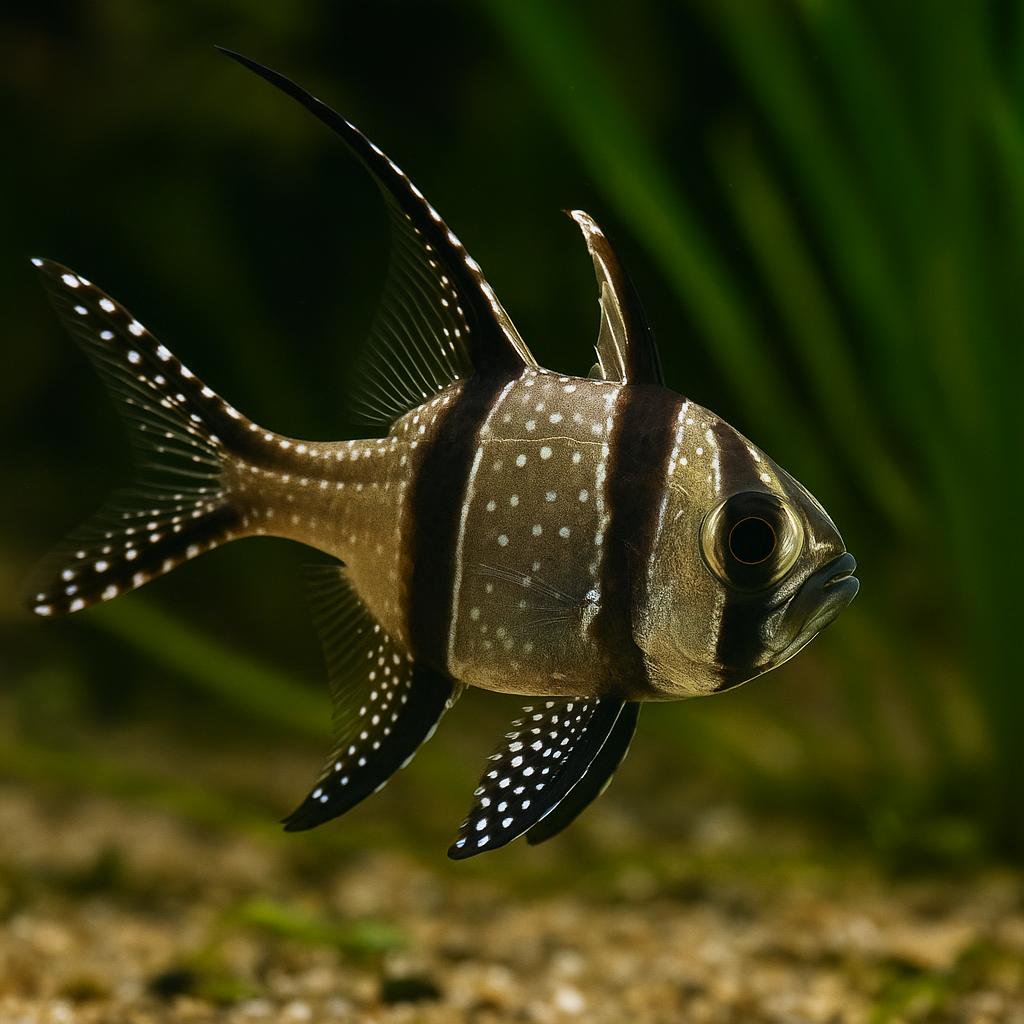
Banggai cardinals just sort of hover like little underwater satellites, and the bold black bars with those long, polka-dotted fins look unreal under reef lighting. They're super chill most of the time, but once a pair forms you'll see real "fish drama," and the male will even mouthbrood the babies like a champ.
Barbedwire-tailed skate
Notoraja martinezi
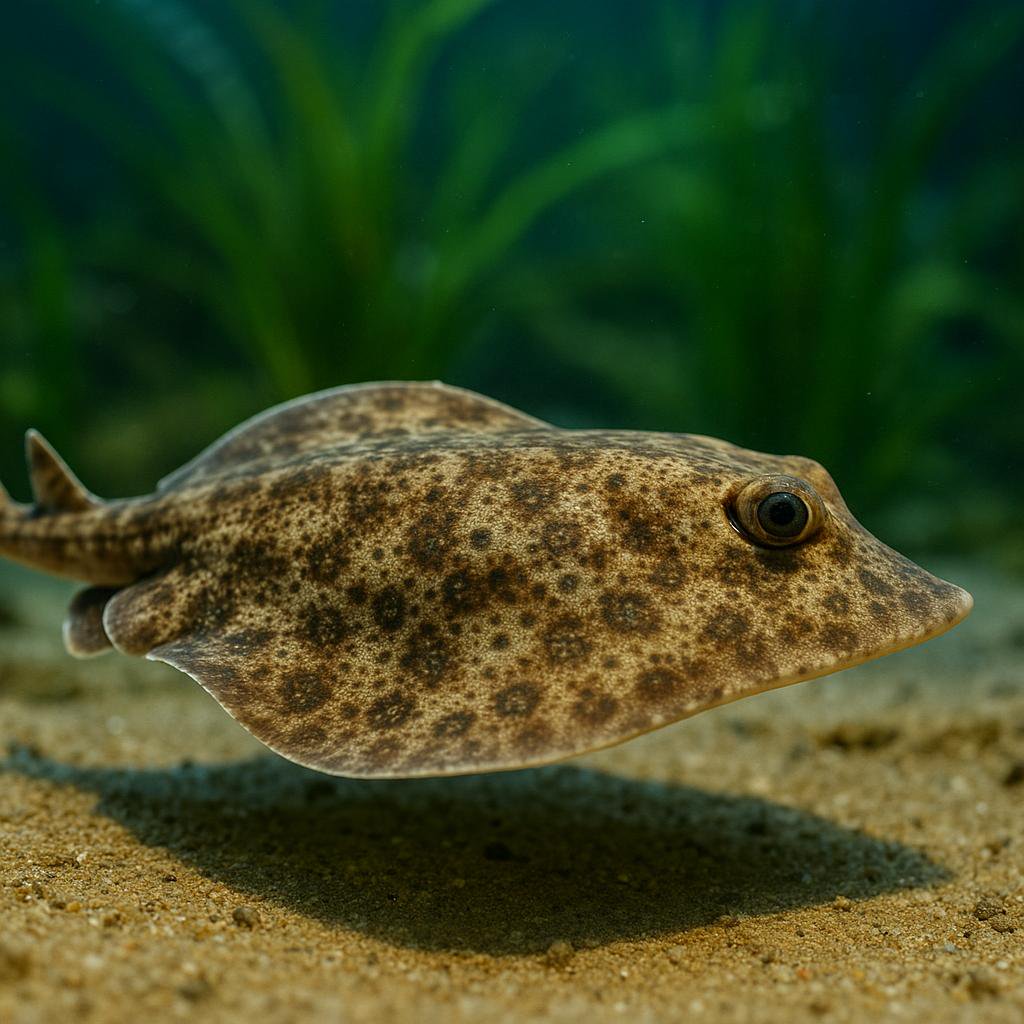
Notoraja martinezi is a deepwater skate from the eastern Pacific (Costa Rica down to Ecuador) that lives way down on soft bottoms. The tail is the giveaway - it is lined with strong, hooked thorns that really do look like barbed wire. This is absolutely not an aquarium fish; it is a cold, high-pressure deep-sea animal with basically no practical home care info because it is not kept in the hobby.
More to Explore
Discover more marine species.
African red snapper
Lutjanus agennes
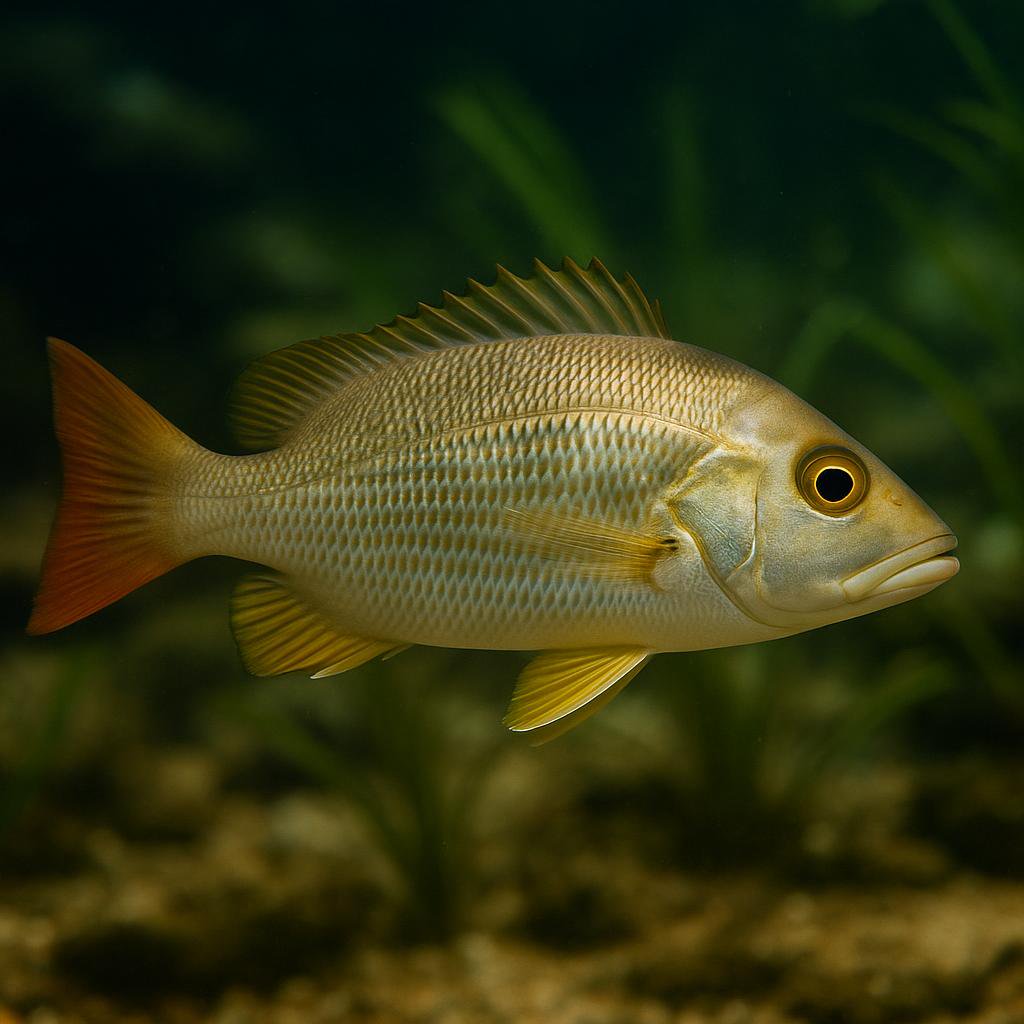
This is a true snapper from West Africa - a big, fast-growing predator that goes from coastal reefs to brackish lagoons and estuaries (especially as a juvenile). Super cool fish in the wild, but it gets absolutely huge and will eat smaller tankmates once it has the mouth for it, so its really more of a public-aquarium scale animal than a home-aquarium fish.
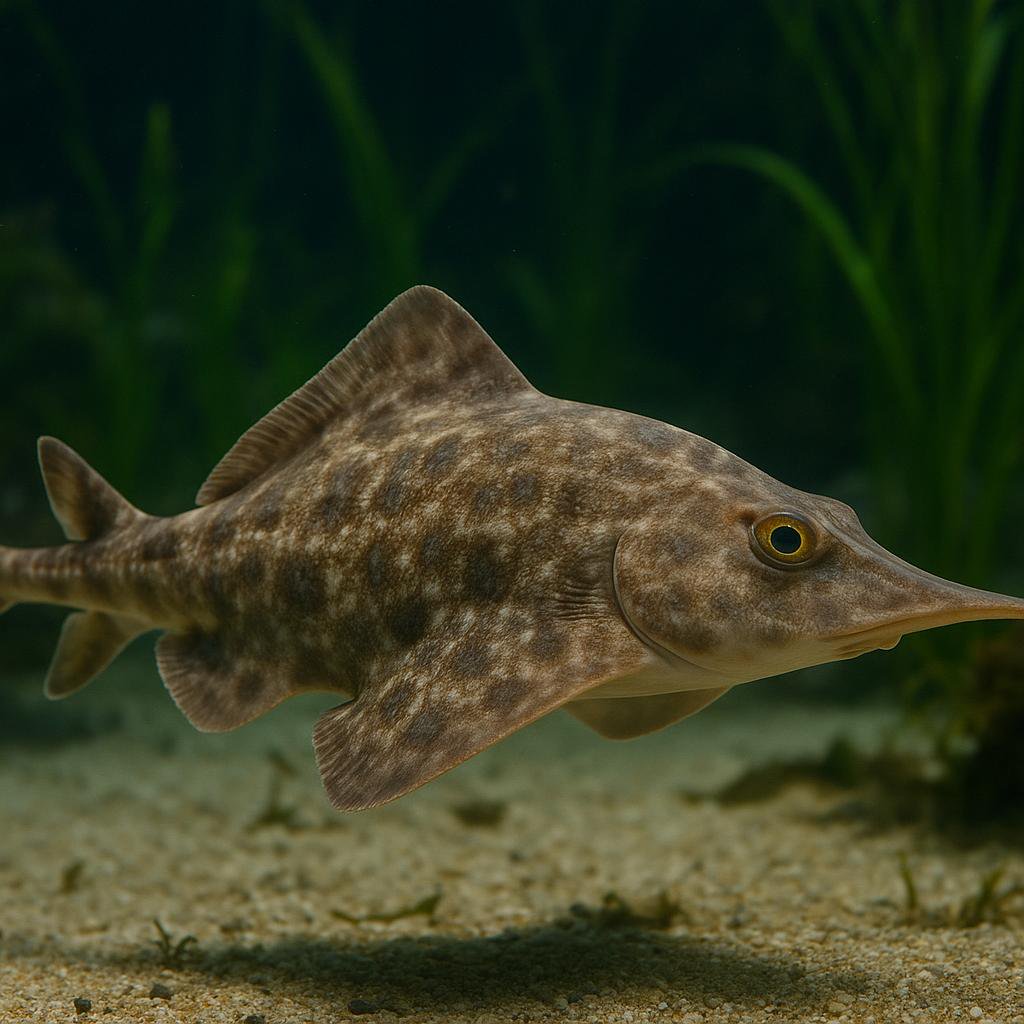
Aleutian skate
Bathyraja aleutica
This is a big, cold-water deep-slope skate from the North Pacific that cruises muddy bottoms and eats chunky benthic prey like crabs and shrimp. The really cool bit is its egg-laying skate life - it does distinct pairing (the classic skate "embrace") and drops those tough egg cases on the seafloor. Not an aquarium fish at all unless you're basically running a public-aquarium-style chilled system.
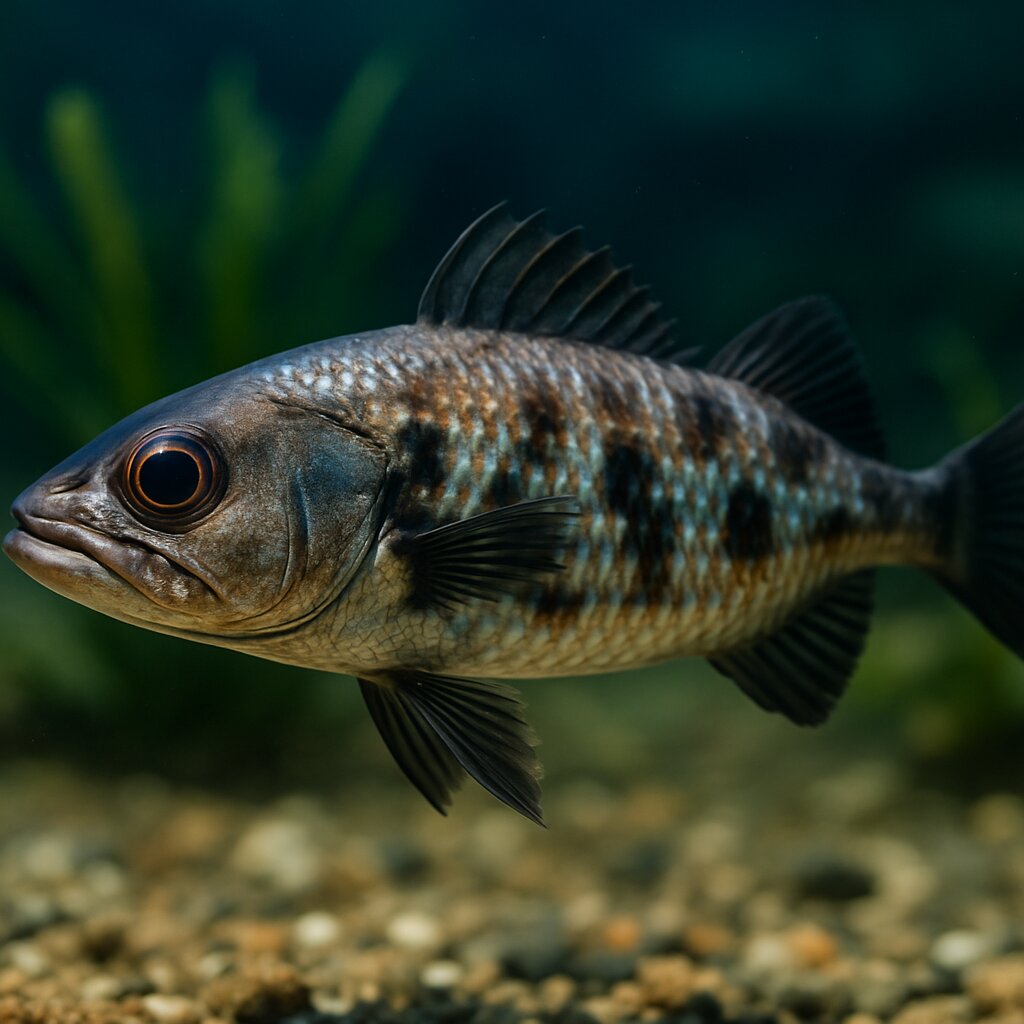
Antarctic dragonfish
Vomeridens infuscipinnis
Deep down around Antarctica, this sleek dragonfish cruises the water column like a little submarine, nearly neutrally buoyant so it can hover above the seafloor. It munches almost exclusively on Antarctic krill and lives in near-freezing water 500-800 m down, so it is a cool species to read about, not one for home tanks.
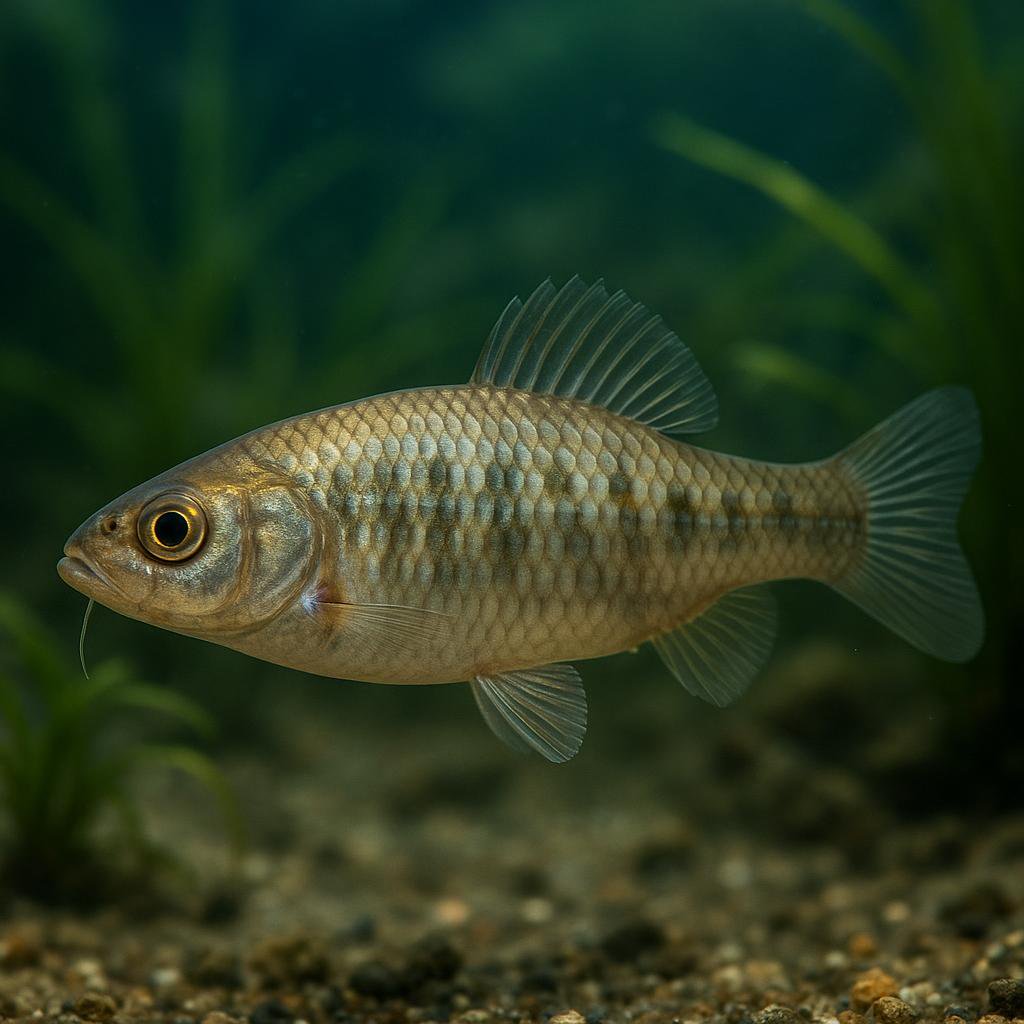
Arabian spiny eel
Notacanthus indicus
Notacanthus indicus is a deep-sea spiny eel (family Notacanthidae; not a true eel) known from the Arabian Sea on the continental slope at roughly ~960–1,046 m depth, with reported maximum length around 20 cm TL; it is a deep-water bycatch species and not established in the aquarium trade.
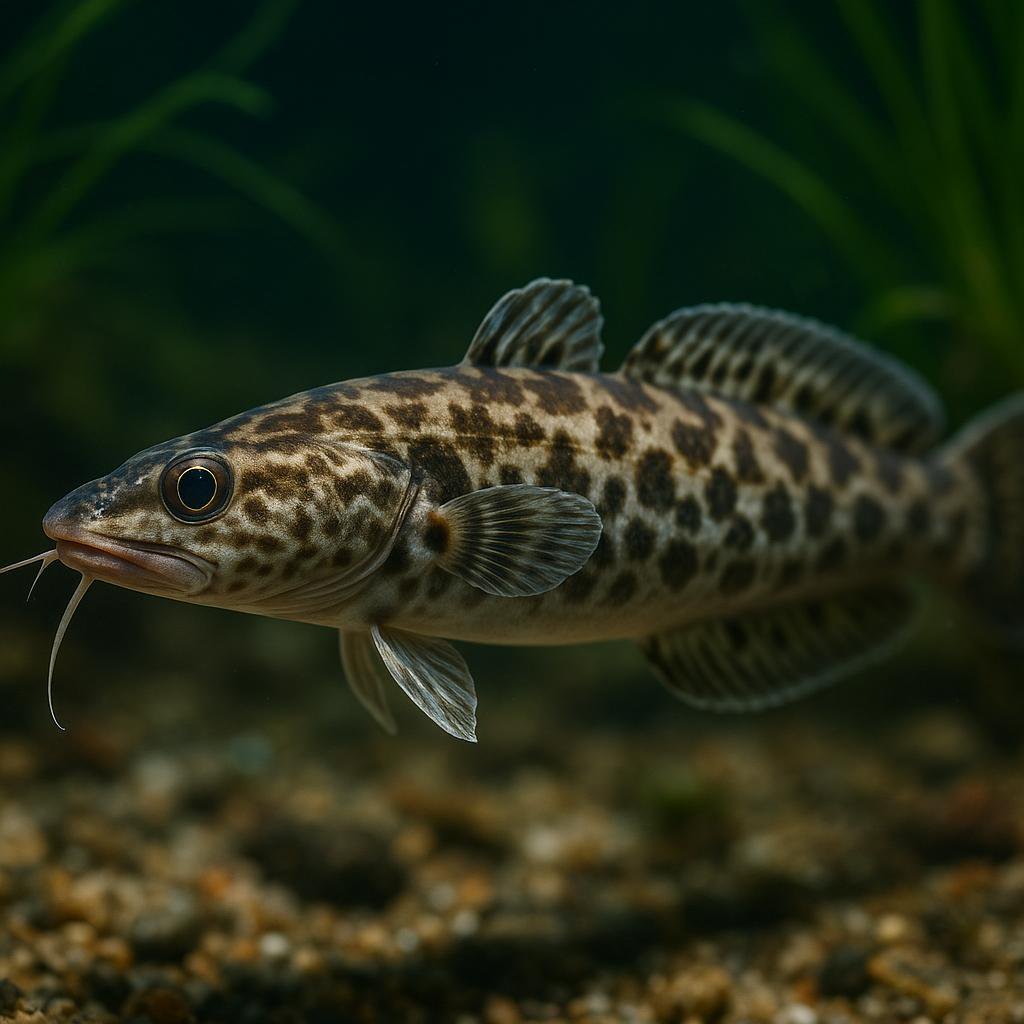
Arctic rockling
Gaidropsarus argentatus
This is a deepwater North Atlantic rockling (a cod relative) that hangs out on soft bottoms way down the slope. It is a cold-water, bottom-hugging predator that snoots around for crustaceans and will also take small fish when it gets the chance.
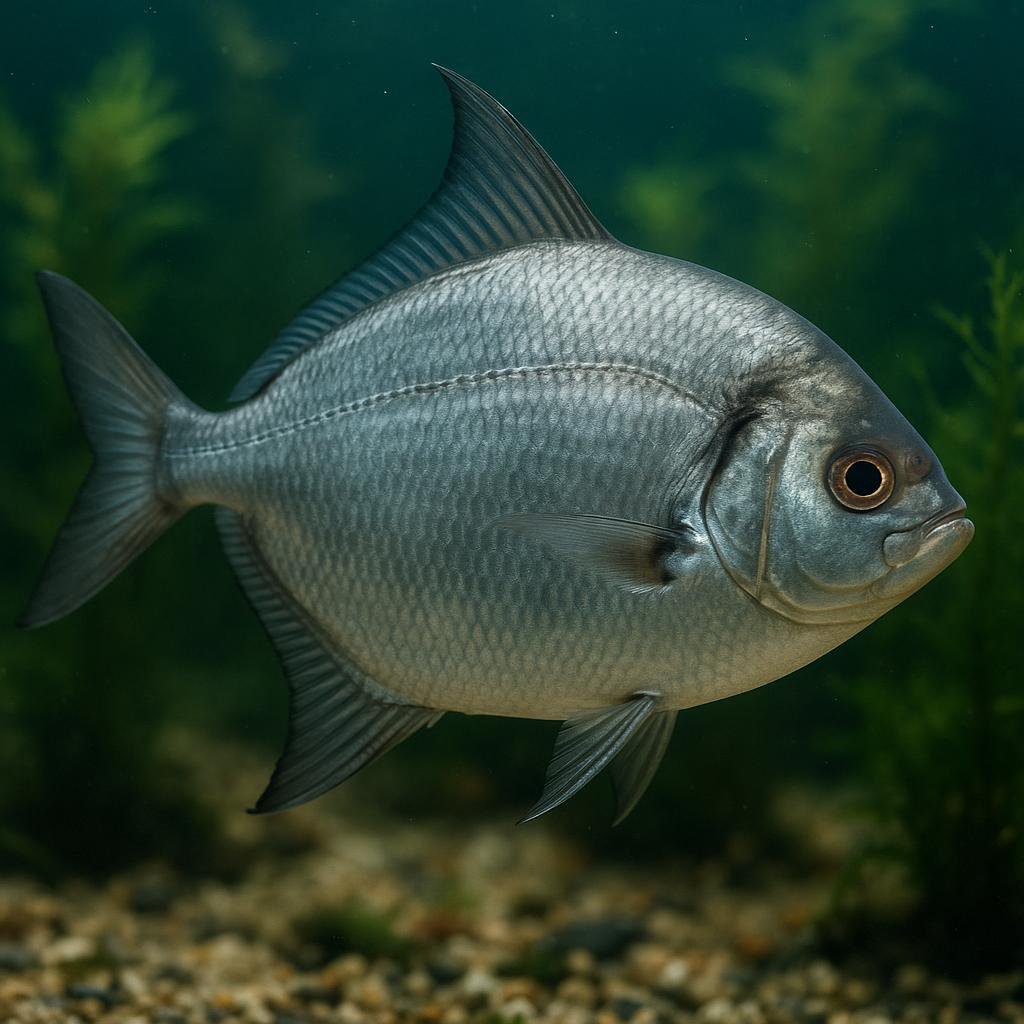
Atlantic pomfret
Brama brama
Brama brama is the Atlantic pomfret (aka Ray's bream) - a deep-bodied, open-ocean pelagic fish that cruises around in small schools and follows water temps. It is a legit big, wild marine species (not an aquarium fish) that eats other small sea critters like fish and squid, and it ranges across a huge chunk of the Atlantic plus parts of the Indian and South Pacific.
Looking for other species?