

African red snapper
Lutjanus agennes
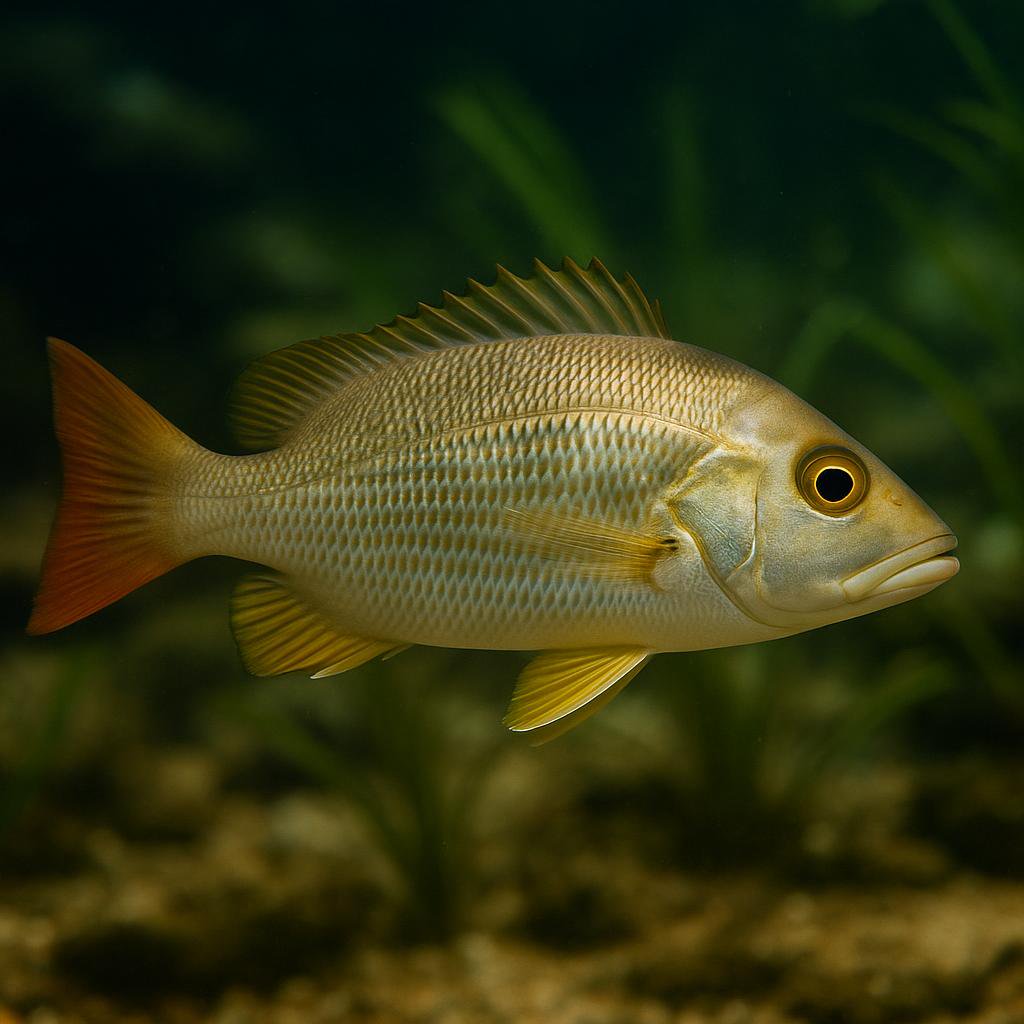
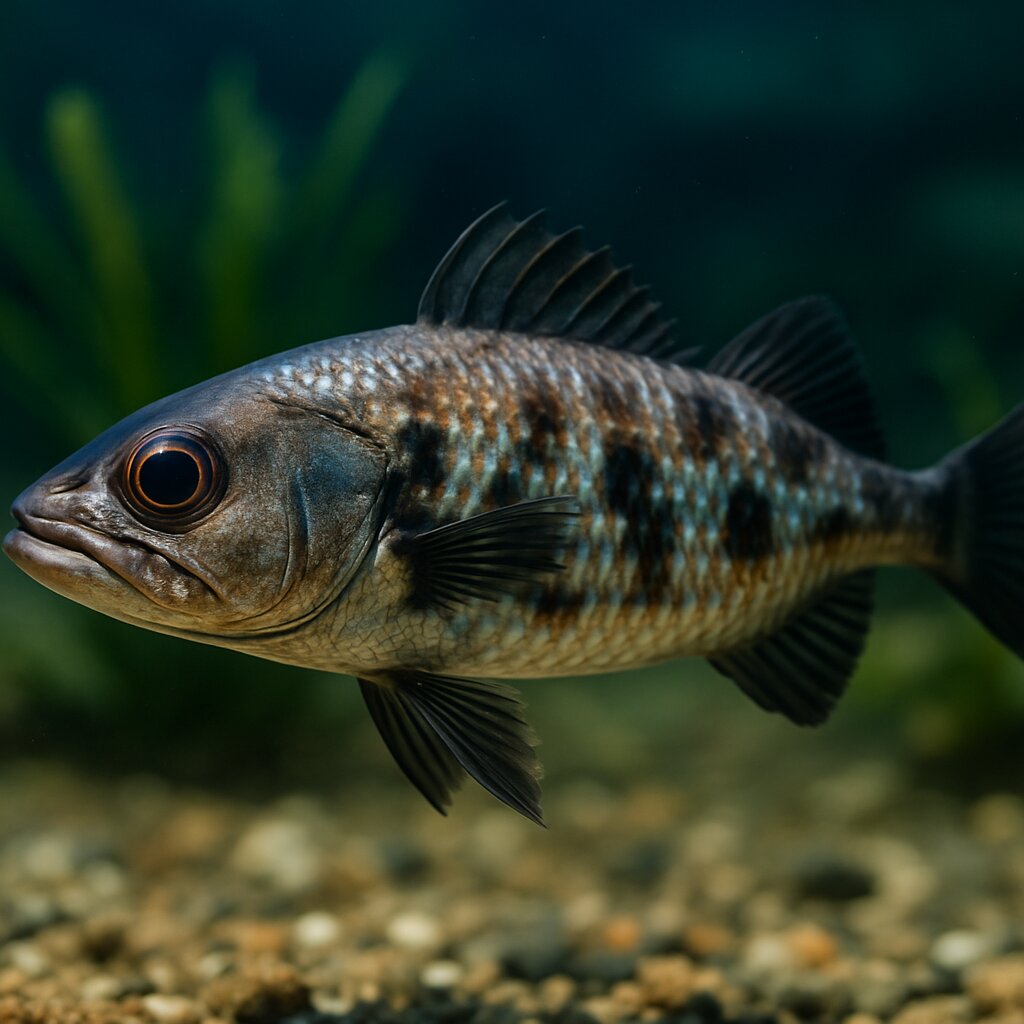
The African red snapper features a distinctive reddish-pink body with a prominent dorsal fin and large, bright blue eyes.
This page includes AI-generated images. Why am I seeing AI images?
About the African red snapper
This is a true snapper from West Africa - a big, fast-growing predator that goes from coastal reefs to brackish lagoons and estuaries (especially as a juvenile). Super cool fish in the wild, but it gets absolutely huge and will eat smaller tankmates once it has the mouth for it, so its really more of a public-aquarium scale animal than a home-aquarium fish.
Also known as
Quick Facts
Size
139 cm
Temperament
Aggressive
Difficulty
Expert
Min Tank Size
300 gallons
Lifespan
20+ years
Origin
Eastern Atlantic (West Africa)
Diet
Carnivore - fish and crustaceans (meaty frozen foods in captivity)
Water Parameters
25.8-28°C
8-8.4
8-12 dGH
Need a heater for this species?
This species needs 25.8-28°C in a 300 gallon tank. Use our heater calculator to find the right wattage.
Calculate heater sizeCare Notes
- Plan on a big, stable marine system - think 300+ gallons for a juvenile that will grow, with lots of open swimming room and a few heavy rock caves it can retreat to.
- Keep salinity around 1.025-1.026 and temp about 75-79F; they sulk hard when pH drifts, so aim for roughly 8.1-8.4 and keep alkalinity steady (around 8-10 dKH).
- They are messy predators, so run an oversized skimmer and strong mechanical filtration, and do regular water changes before nitrate starts creeping up (try to keep nitrate under ~20 ppm).
- Feed like a hunter: chunks of marine fish, shrimp, squid, clams, plus quality carnivore pellets; smaller meals 1-2 times a day beats huge dumps that foul the water.
- Do not make it a feeder-fish project - freshwater feeders are a parasite/nutrition trap; if you want live food, use saltwater-safe options and quarantine them first.
- Tankmates need to be big, tough, and not food-sized: groupers, large tangs, big wrasses can work; avoid small fish, ornamental shrimp/crabs, and slow picky eaters that get outcompeted.
- Give it structure that will not topple - they hit rockwork like a linebacker when startled, so epoxy/zip-tie key pieces and leave clear lanes so it is not scraping itself up.
- Watch for marine ich/velvet and mouth injuries (they slam into glass and rocks); quarantine is basically non-negotiable, and keep dissolved oxygen high with strong surface agitation.
Compatibility
Good Tankmates
- Other robust marine predators about the same size and attitude - think similar-sized snappers or hardy groupers in a big tank. They tend to respect equals once everyone has a pecking order.
- Big, tough wrasses (like a lunare-type or other bruiser wrasse) that can handle themselves and eat fast. They usually do fine as long as the snapper is not massively larger.
- Moray eels (snowflake/chainlink style) if the tank is roomy and you keep them well fed. They mostly keep to themselves, and the snapper learns quick not to mess with the eel's face.
- Bigger tangs and surgeonfish (yellow tang size and up) in a large setup with lots of swimming room and rock breaks. Not a cuddle buddy situation, but they can coexist if neither is tiny.
- Large triggerfish that are not total psychos (more on the balanced side, not the super mean ones). In my experience they work if introduced carefully and everyone has space and heavy feeding.
Avoid
- Lionfish, scorpionfish, and other slow, floaty ambush fish. African red snapper will absolutely harass, bite, or just eat them when it can. Even if it cannot swallow them, it will stress them out.
- Small community-style reef fish like clownfish, chromis, dartfish, firefish, small gobies, small wrasses - basically anything that can fit in its mouth or looks like a snack.
- Fancy-finned or slow swimmers like batfish or bannerfish. They are easy targets for an aggressive snapper and end up shredded or pinned in a corner.
- Tiny cleaner crews as 'tank mates' (cleaner shrimp, small crabs) - if you were hoping they will live with this fish, odds are they turn into expensive snacks.
Where they come from
African red snapper (Lutjanus agennes) is a West African fish from the eastern Atlantic - think Senegal down through the Gulf of Guinea. In the wild they hang around reefs, rocky areas, and mixed bottom zones where there is structure and food moving past. That background explains most of what you will see in the tank: built for hunting, built for cruising, and always interested in whatever smells like food.
This is not a "reef fish" in the hobby sense. It is a predatory snapper that gets big and throws its weight around. Plan like you would for a small-to-mid public-aquarium predator, just scaled to your space.
Setting up their tank
The big challenge with these is not some fussy parameter - it is space, filtration, and the fish's attitude. You want a long tank with open swimming room, plus a few solid pieces of rockwork arranged like "walls" or bommies so the fish can break line of sight and feel like it owns a zone.
If you are thinking "I'll start it in a smaller tank and upgrade later," be honest about your upgrade timeline. Snappers grow and they are powerful. Once they outgrow the tank, they do not politely wait for you to find a bigger one.
- Tank size: think hundreds of gallons for anything long-term. Juveniles can be started smaller, but the clock is ticking.
- Footprint matters more than height. Give it length to cruise.
- Rockwork: stable and pinned down. They can slam into things during feeding or spooking.
- Lid: tight. A startled snapper can launch.
- Flow and oxygen: strong circulation and aggressive gas exchange. Big predators burn oxygen fast, especially after meals.
- Filtration: oversized skimmer, heavy bio, and a plan for nitrate control (water changes, big refugium, or both).
Aquascape like you have a bulldozer with fins. If your rocks are balanced instead of supported, the fish will eventually find that weak spot.
Typical marine numbers work fine as long as you keep them steady: salinity around 1.024-1.026, stable temp in the mid-70s F, and low ammonia/nitrite always. The part people underestimate is waste. A snapper eats like a predator and produces like one too.
What to feed them
They are enthusiastic, and that is putting it mildly. Mine learned the feeding routine fast and would patrol the front glass the moment anyone walked by. The trick is to use that appetite without turning the fish into a fat, vitamin-deficient pig on one or two foods.
- Main foods: chunks/strips of marine seafood (shrimp, squid, clam, mussel), quality frozen carnivore blends, and fish flesh from marine sources.
- Pellets: many will take big marine predator pellets once trained. Pellets are great for vitamins and consistency.
- Variety: rotate foods through the week instead of hammering the same thing every day.
- Soaks: I like occasional vitamin/HUFA soaks on frozen foods, especially if the fish was wild-caught and skinny.
Skip feeder goldfish/rosies. Besides disease risk, freshwater feeders are a great way to mess up a marine predator long-term. If you use live foods at all, stick to marine options and treat it like an occasional enrichment, not a staple.
Feeding frequency depends on size. Small fish can handle smaller meals more often. Big adults do better with fewer, heavier meals, but do not get carried away. A snapper will beg like it is starving even when it is absolutely not.
How they behave and who they get along with
Picture a confident ambush hunter that also likes to cruise. They are not "mean" for sport, but they are opportunistic and they do not tolerate being pushed around. Anything that fits in the mouth is food. Anything that does not fit might still get body-checked at feeding time.
Tankmates need to be large, tough, and not easily stressed by a fast-moving predator. You also want fish that can eat confidently, because snappers can vacuum up food before slower fish get a chance.
- Good candidates: large groupers (careful with size/temperament), big tangs, large angels, robust wrasses, some triggerfish with the right mix.
- Usually bad ideas: small wrasses, gobies, blennies, cardinals, chromis, small damsels - basically "snack sized" fish.
- Inverts: shrimp and crabs are typically expensive snacks. Even big ones are not safe.
- Corals: this is more a "fish-only with rock" kind of animal. The fish may not eat coral, but the feeding and waste load make reefing a headache.
Use a feeding stick or tongs and spread food out. It reduces the snapper's "ram the pile" behavior and lets tankmates eat without taking hits.
Breeding tips
Real talk: breeding African red snapper in home aquariums is basically not a thing. In the wild, many snappers spawn in groups in open water, often seasonally, and the larvae are tiny and demanding. Between tank size, conditioning, and larval rearing, it is way beyond normal hobby setups.
If you ever see courtship-like behavior (circling, color shifts, paired swimming), enjoy the show, but do not expect viable fry without a dedicated large system and serious plankton culture.
Common problems to watch for
Most problems trace back to three things: rough collection/shipping, quarantine shortcuts, and water quality falling behind the feeding. A big predator can look fine right up until it does not, so you want to stay ahead of issues.
- External parasites (ich/velvet): wild-caught snappers can arrive with baggage. Quarantine is your friend, and observation-only QT is often not enough.
- Bacterial infections after shipping damage: frayed fins, cloudy eyes, red patches, or swollen areas can show up if the fish got banged around.
- Mouth injuries: they hit glass, rocks, or tankmates during feeding. Watch for torn lips/jaw issues that make it miss food.
- Nitrate creep and oxygen dips: heavy feeding plus big fish equals big waste and high O2 demand, especially in warm water.
- Nutritional problems: feeding only one seafood (like straight shrimp) can lead to deficiencies over time.
If the snapper suddenly stops eating, take it seriously. Check oxygenation and ammonia first, then look hard for velvet/ich signs (fast breathing, flashing, "dust" look). Predators often crash fast once respiratory issues start.
Last thing: respect the teeth. Even a smaller snapper can do real damage if you hand-feed or try to move it without planning. I use big nets or better yet a container, keep hands out of the feeding zone, and I never underestimate how fast they can strike.
Similar Species
Other marine aggressive species you might be interested in.
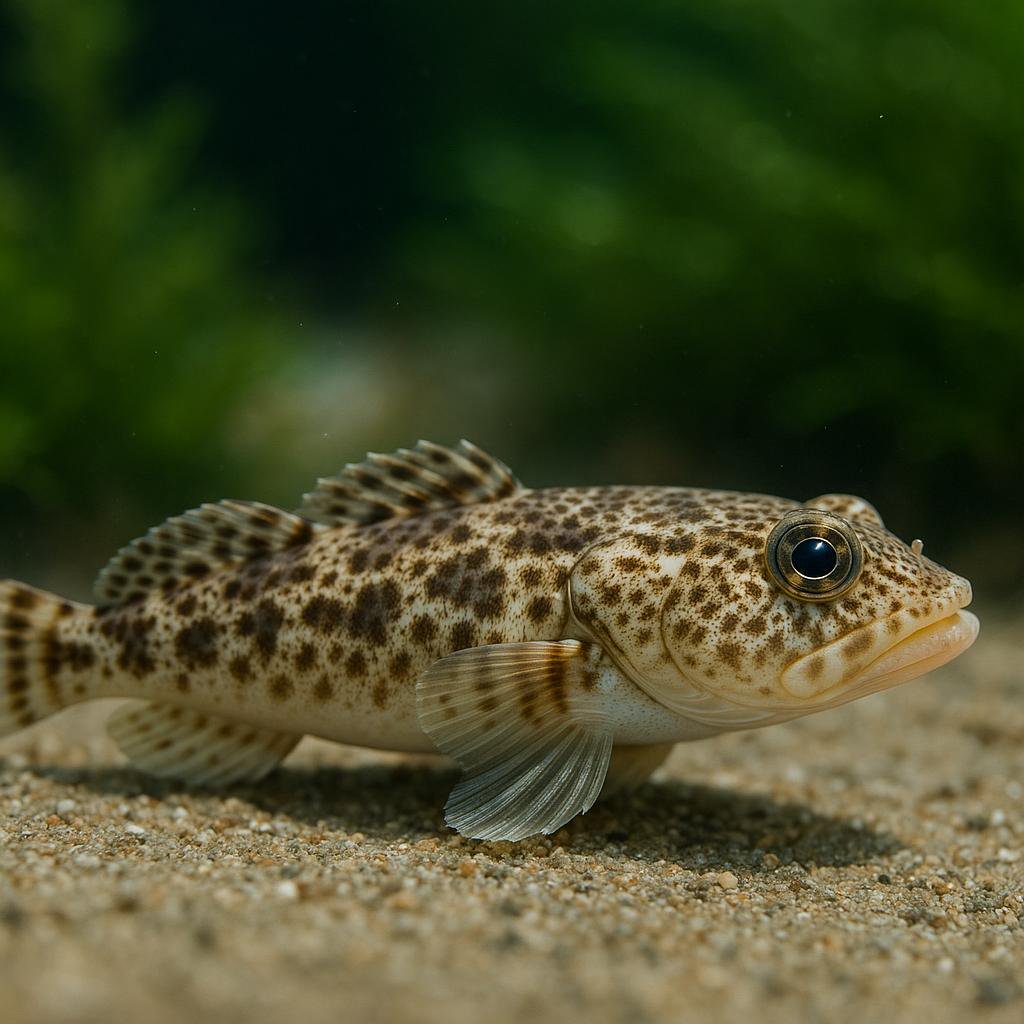
Banded stargazer
Kathetostoma binigrasella
This is a New Zealand stargazer that lives half-buried in sand or mud with its eyes pointed up, waiting to rocket upward and nail passing prey. It has those neat dark saddle-bands across the back (especially as a juvenile), and like other stargazers it is venomous with spines near the gill cover/pectoral area - definitely a look-dont-touch fish.
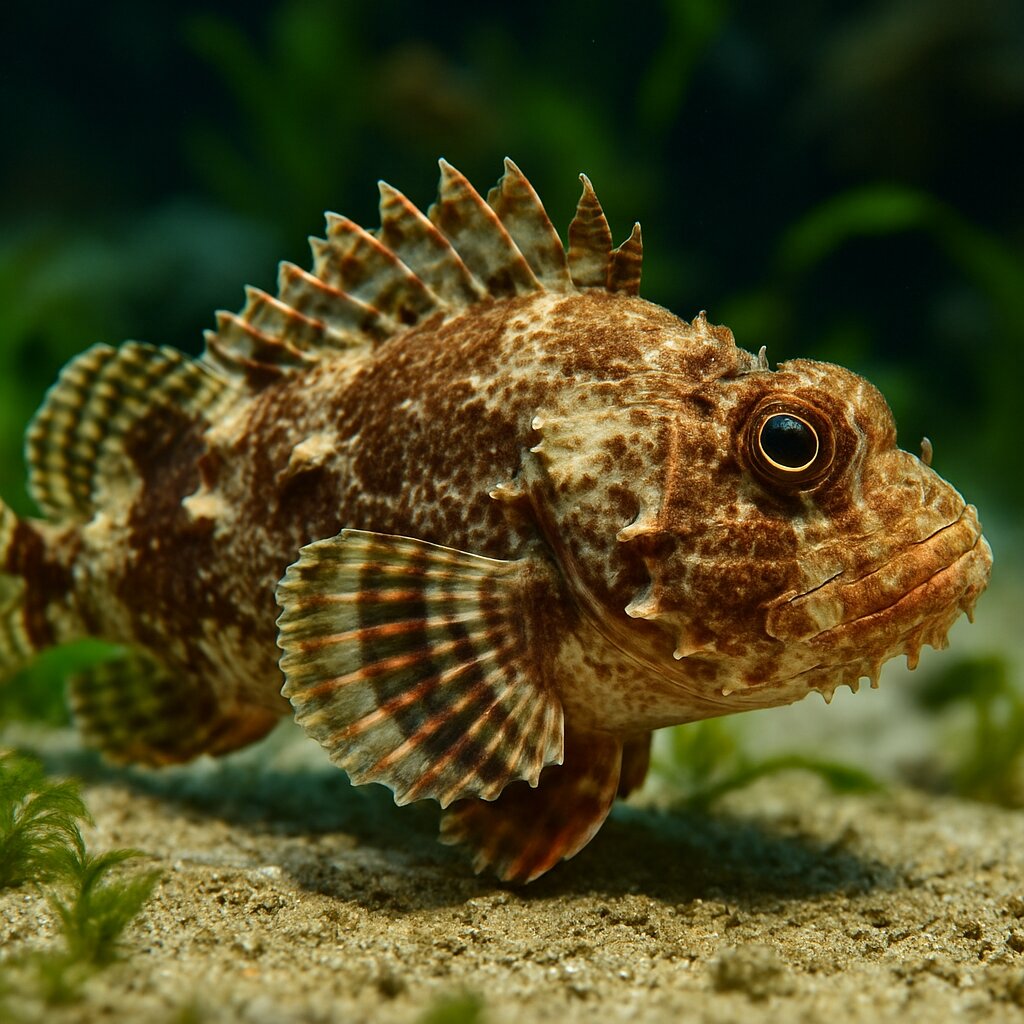
Bandfin scorpionfish
Scorpaenopsis vittapinna
Think tiny ambush predator that vanishes into rubble and coral bits, then flashes a dark band on its pelvic and anal fins when it shifts. It tops out around 3 inches, packs venomous spines, and loves to gulp unsuspecting shrimp and small fish. Super cool to watch once it settles, but it absolutely demands careful handling and smart tankmate choices.
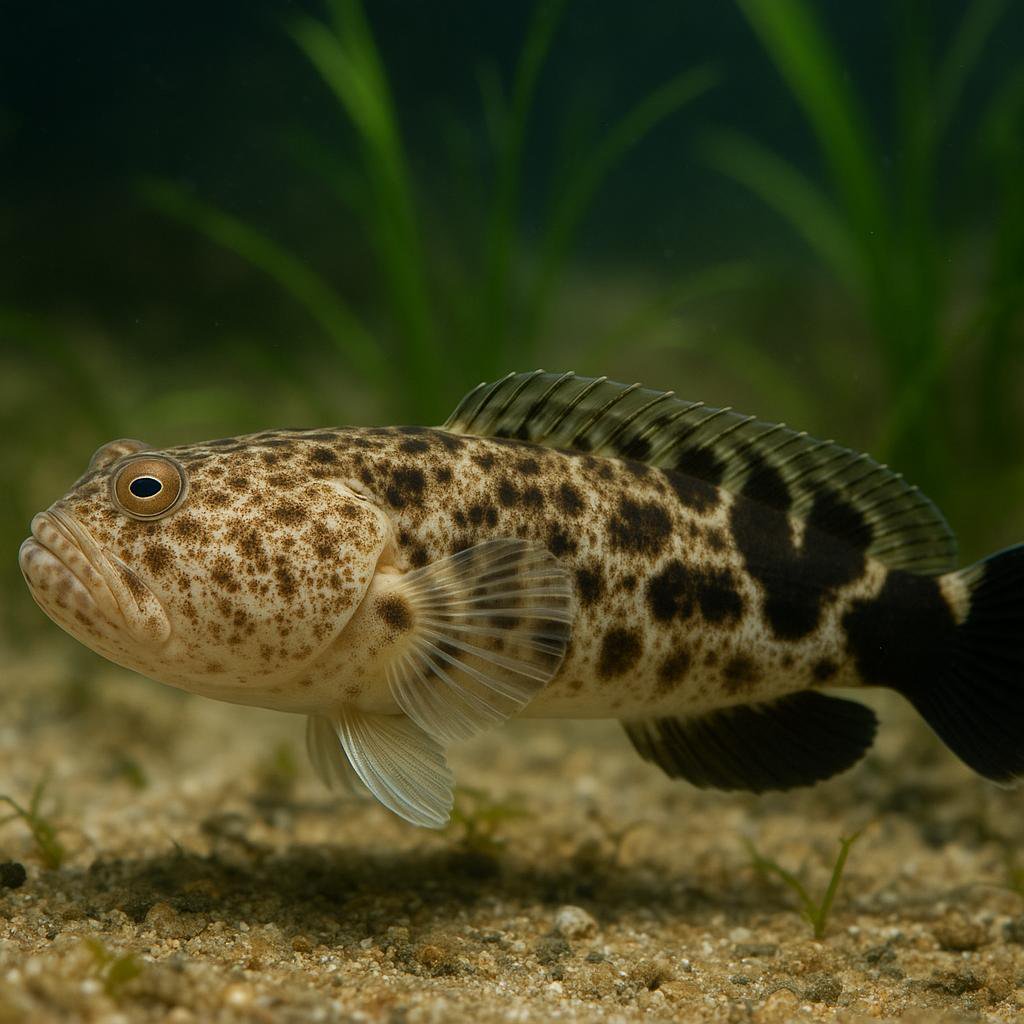
Blackfin stargazer
Ichthyscopus nigripinnis
This is a little sand-sitting stargazer from Australia that likes to lie in wait with its eyes up top and nail passing prey. That black mark on the front part of the dorsal fin is basically its signature. Cool fish, but its more of a wild marine predator than something you set up in a typical home aquarium.
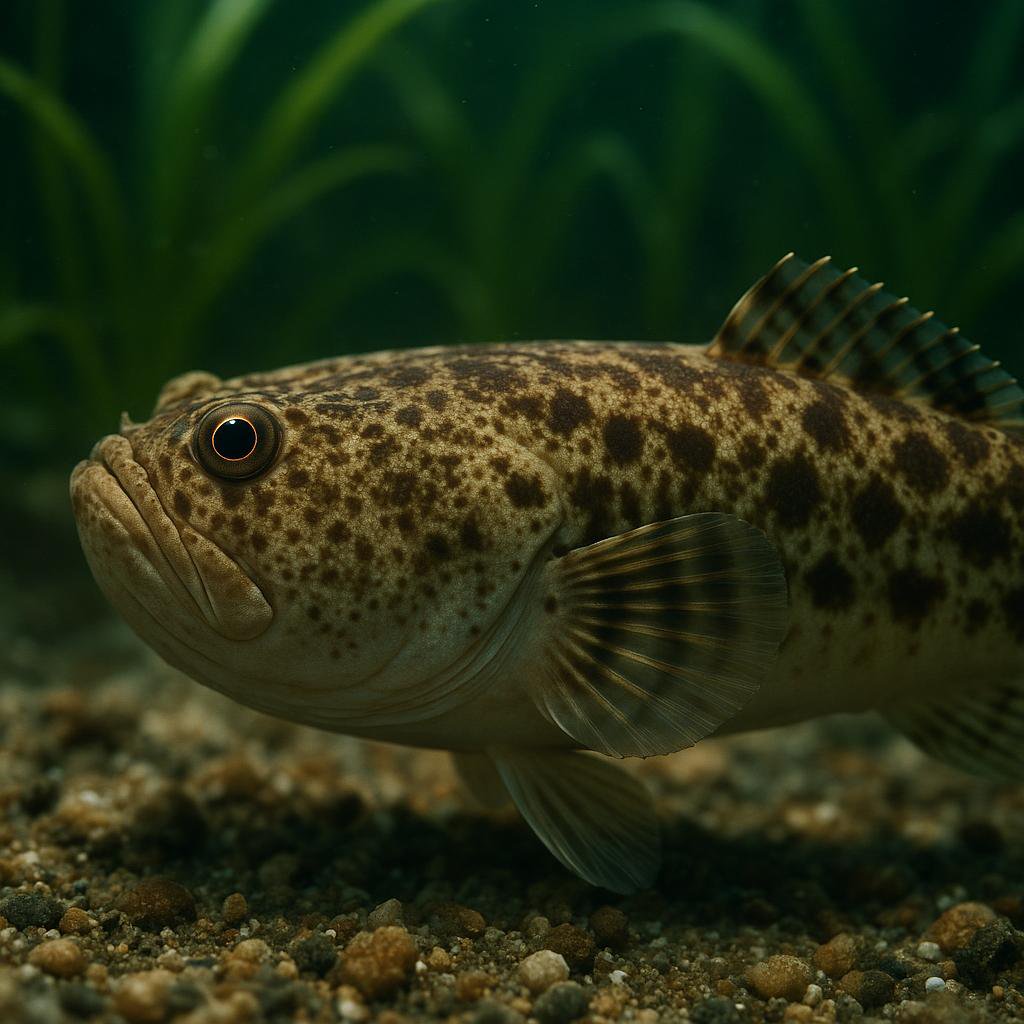
Brownspotted stargazer
Uranoscopus fuscomaculatus
A deep demersal stargazer recorded at 366–389 m that lies buried in sand or mud to ambush prey. Distribution is Southwestern Pacific (Vanuatu and Fiji). Given its deep, cold habitat and specialized requirements, it is not a practical aquarium species.
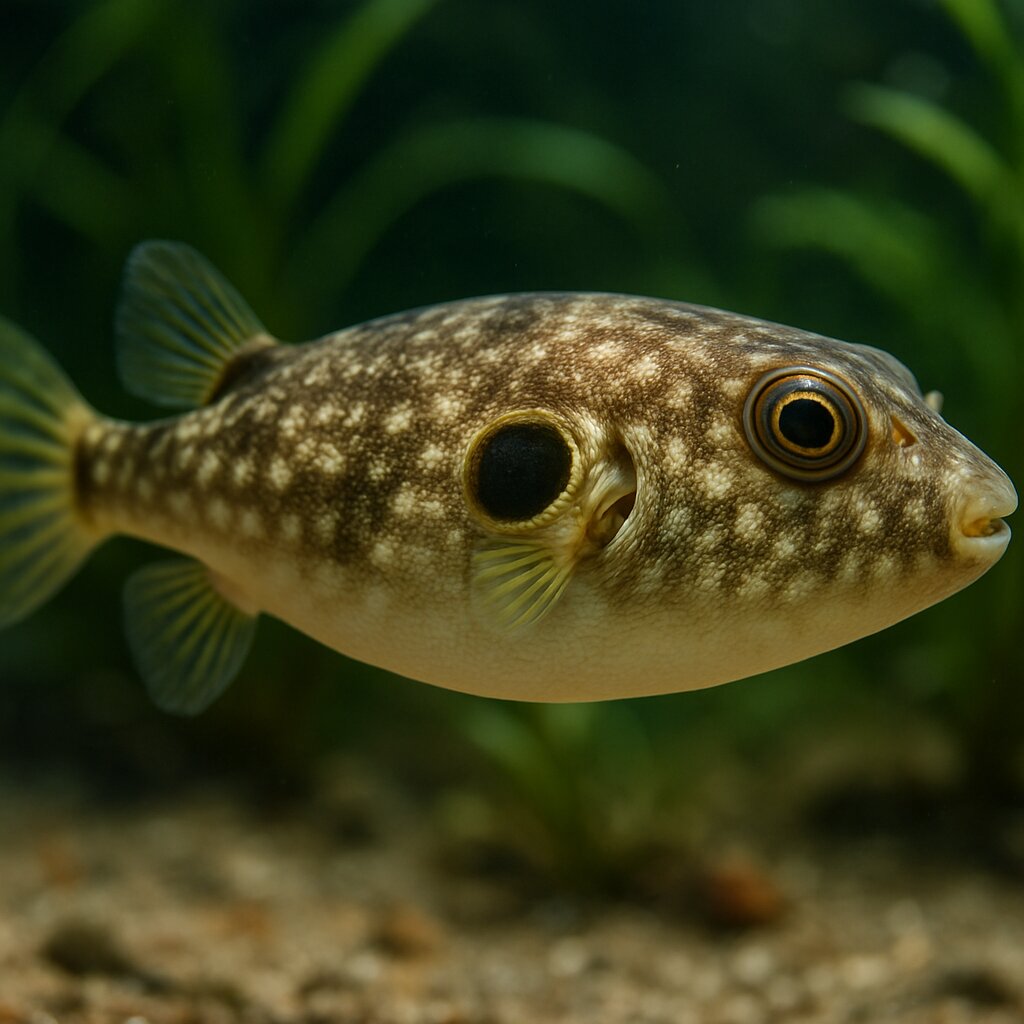
Bullseye puffer
Sphoeroides annulatus
Big personality in a football-shaped body with pale rings along the back that make a bullseye pattern. This is a stout Eastern Pacific puffer that crunches snails and crabs with ease and needs true saltwater and lots of room. Super cool to watch, but it turns nippy with tankmates and grows into a serious, messy eater.
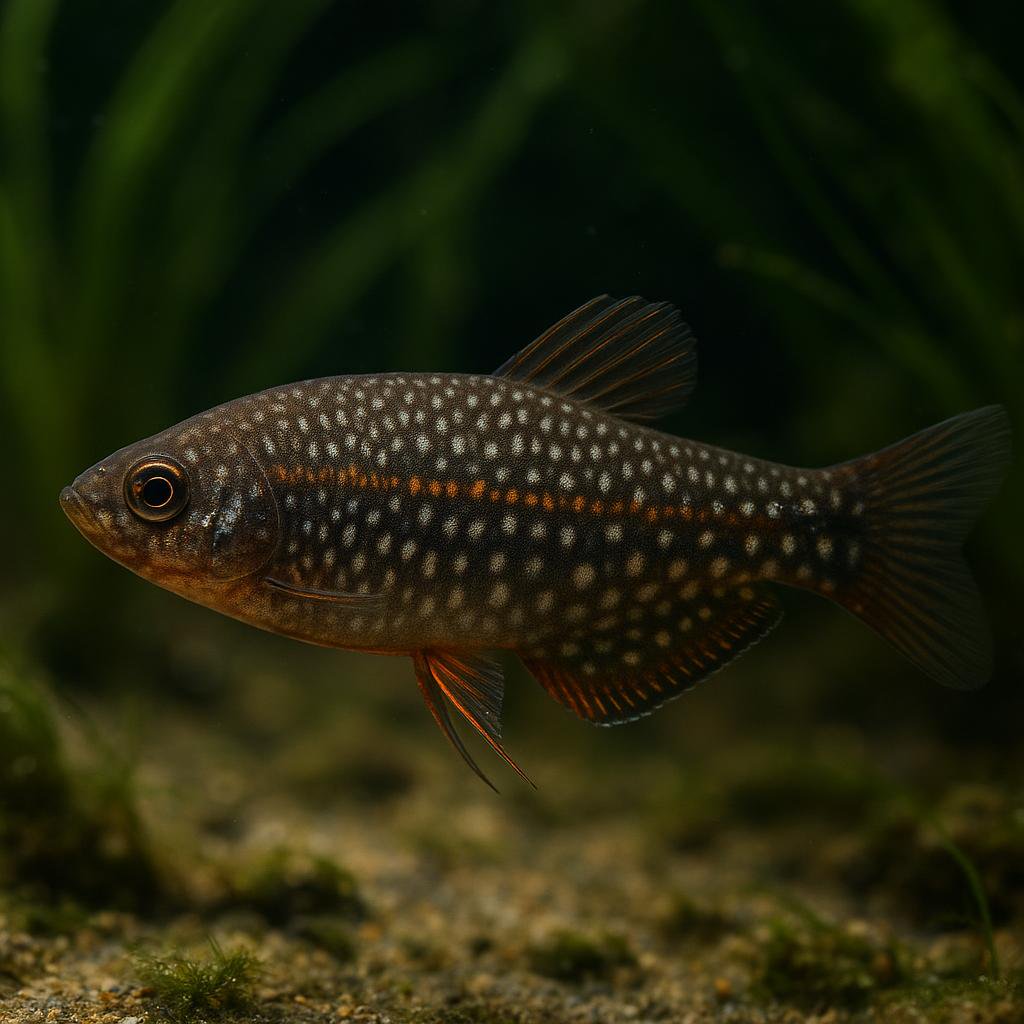
Decorated dragonfish
Eustomias decoratus
Eustomias decoratus is a deep-sea dragonfish (family Stomiidae) from the western central Atlantic around Bermuda. Like other Eustomias, it is a pelagic predator built for the dark - long body, big mouth, and a chin barbel used in hunting and signaling. This is absolutely not an aquarium species in any normal sense, since its real habitat is open ocean at depth and it will not tolerate typical captive conditions.
More to Explore
Discover more marine species.
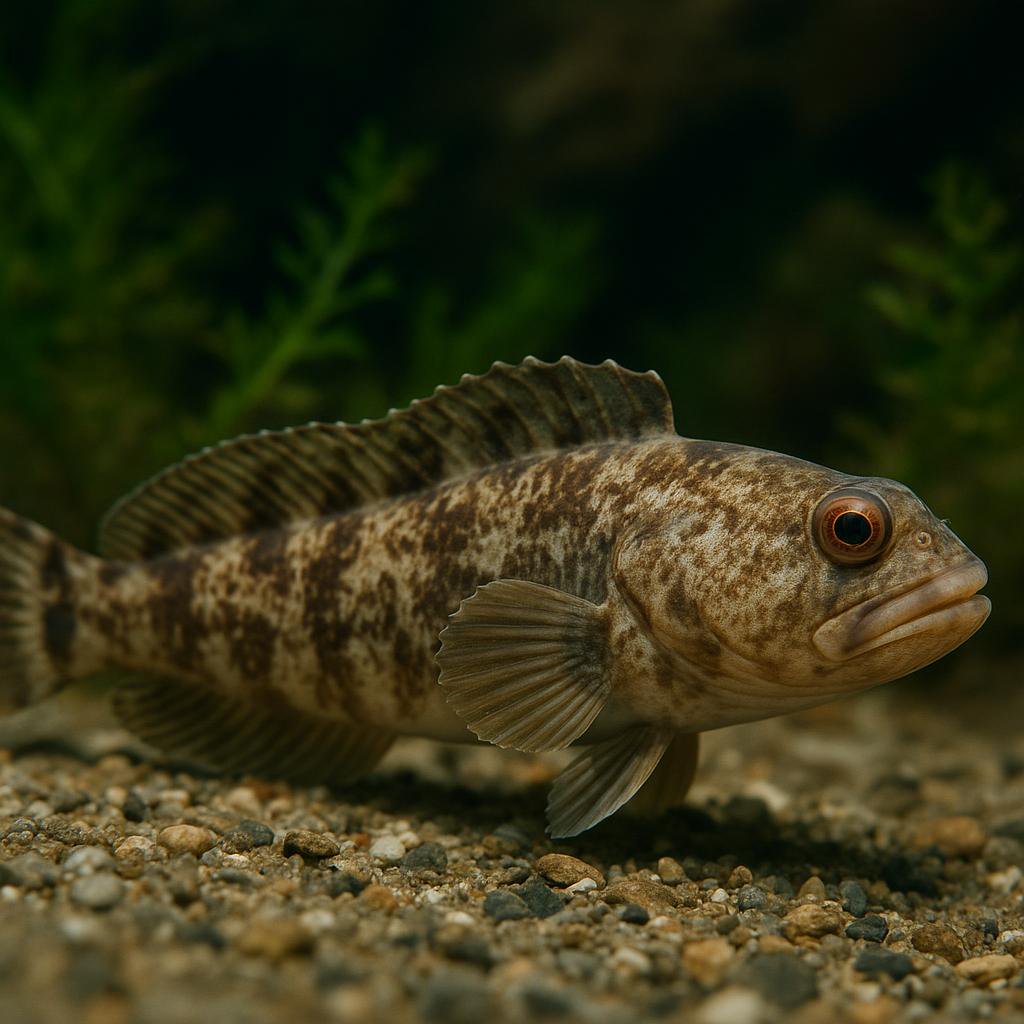
Abe's eelpout
Japonolycodes abei
Japonolycodes abei is a temperate, deepwater demersal eelpout (family Zoarcidae) endemic to Japan (Kumano-nada Sea reported; other sources also report Sagami Bay and Tosa Bay). It is the only species in the genus Japonolycodes and occurs roughly 40-300 m depth, making it an uncommon/atypical aquarium species.
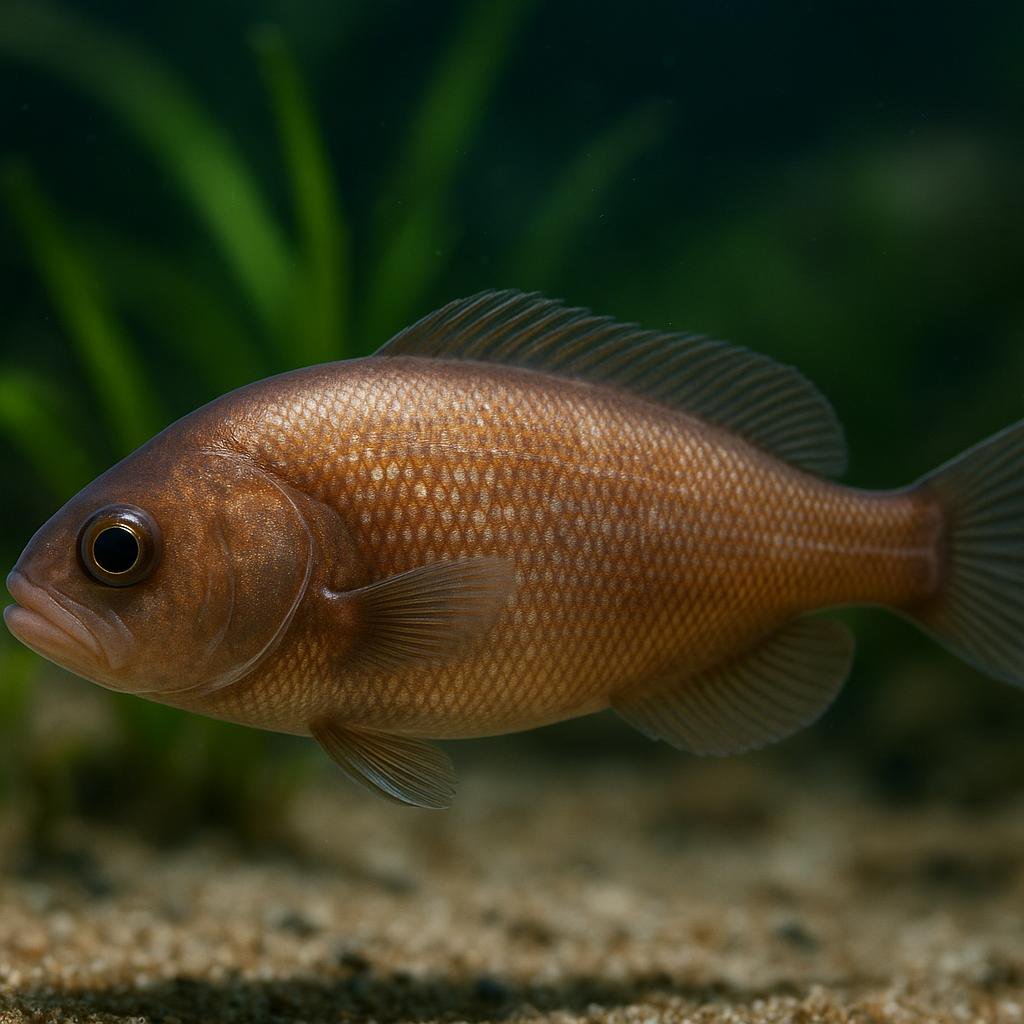
Affinis blind cusk-eel
Barathronus affinis
Barathronus affinis is a tiny, super-weird deep-sea blind cusk-eel from the western-central Indian Ocean. It is one of those gelatinous, loose-skinned brotula-type fishes that live way down in the dark and are basically never seen alive, so almost everything we know comes from preserved specimens and taxonomic work.
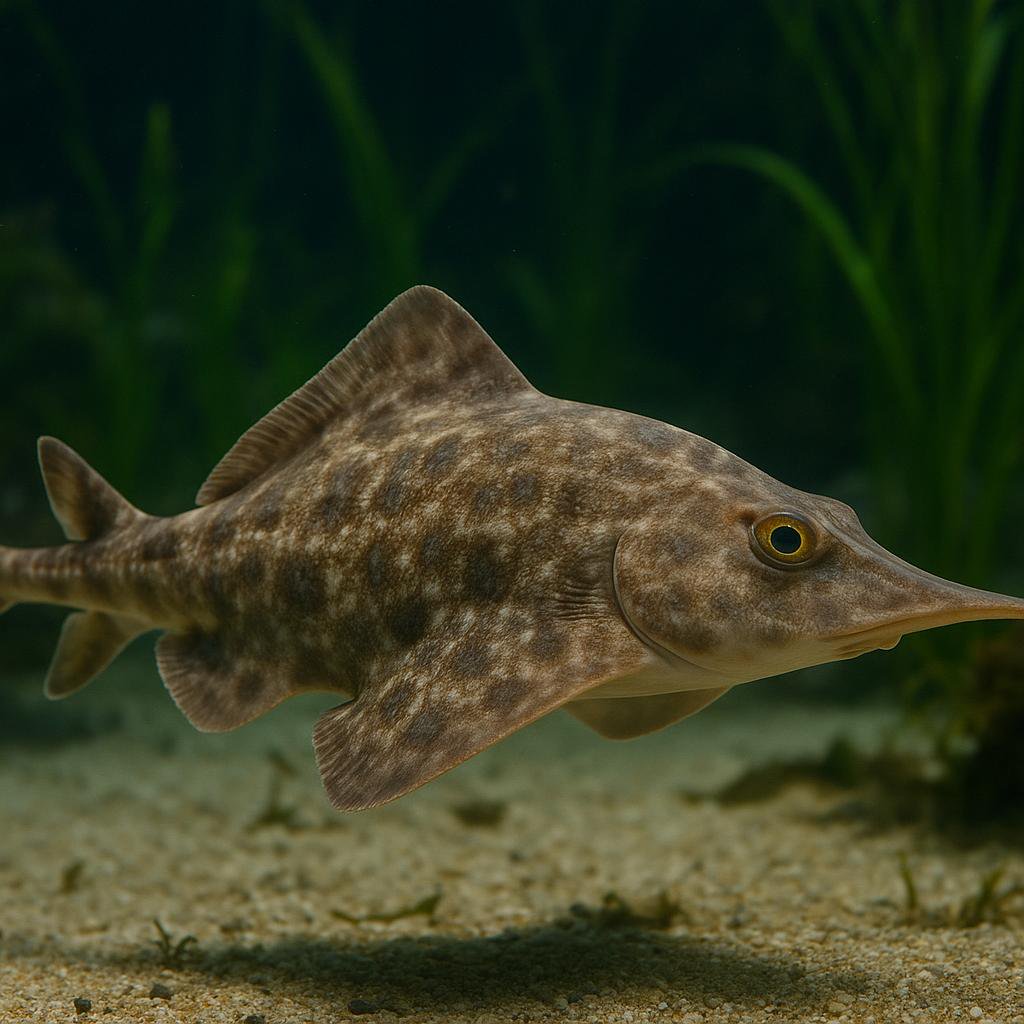
Aleutian skate
Bathyraja aleutica
This is a big, cold-water deep-slope skate from the North Pacific that cruises muddy bottoms and eats chunky benthic prey like crabs and shrimp. The really cool bit is its egg-laying skate life - it does distinct pairing (the classic skate "embrace") and drops those tough egg cases on the seafloor. Not an aquarium fish at all unless you're basically running a public-aquarium-style chilled system.
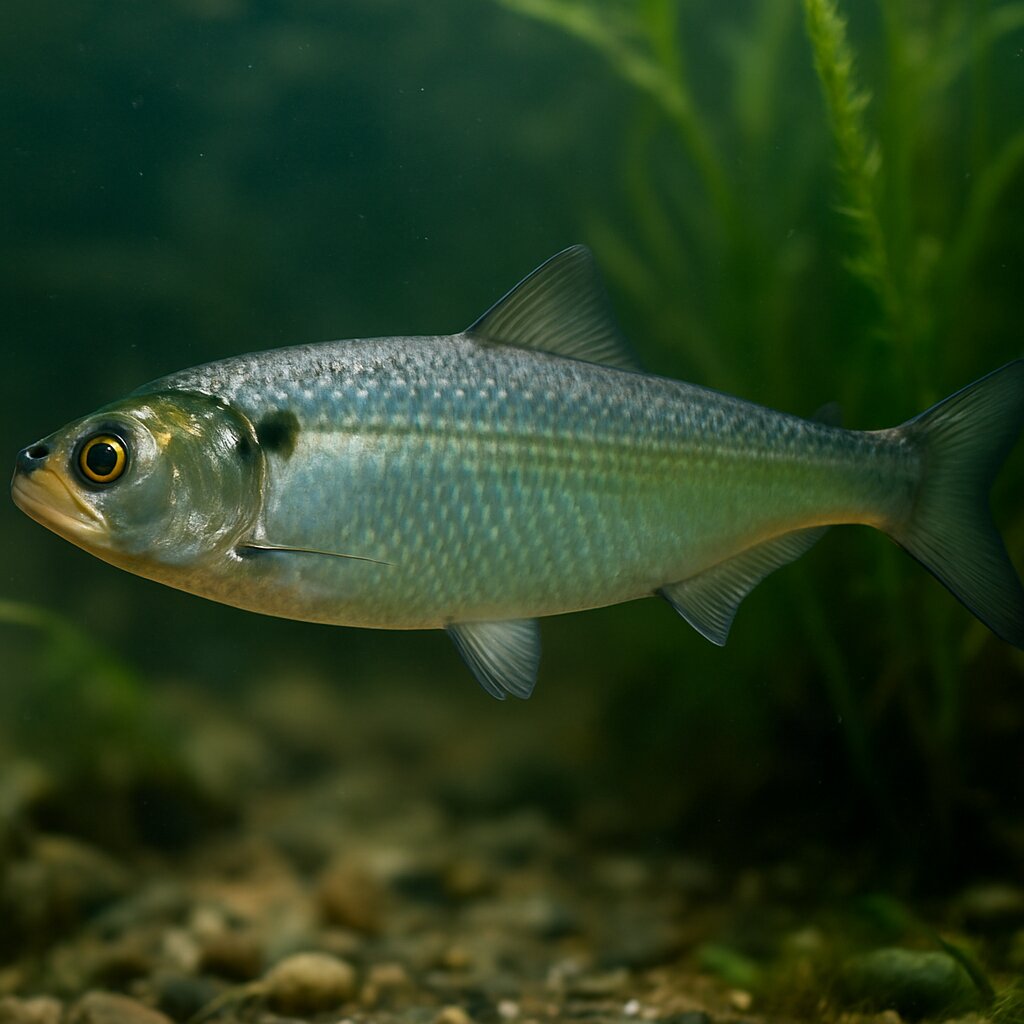
Allis shad
Alosa alosa
Gorgeous silver, fast-swimming shad that spends most of its life in the sea and then surges up big rivers in noisy, surface-spawning schools. It grows huge for a herring-type fish and needs cool, ultra-oxygenated water and tons of open space, so it is a public-aquarium species rather than a home tank fish.
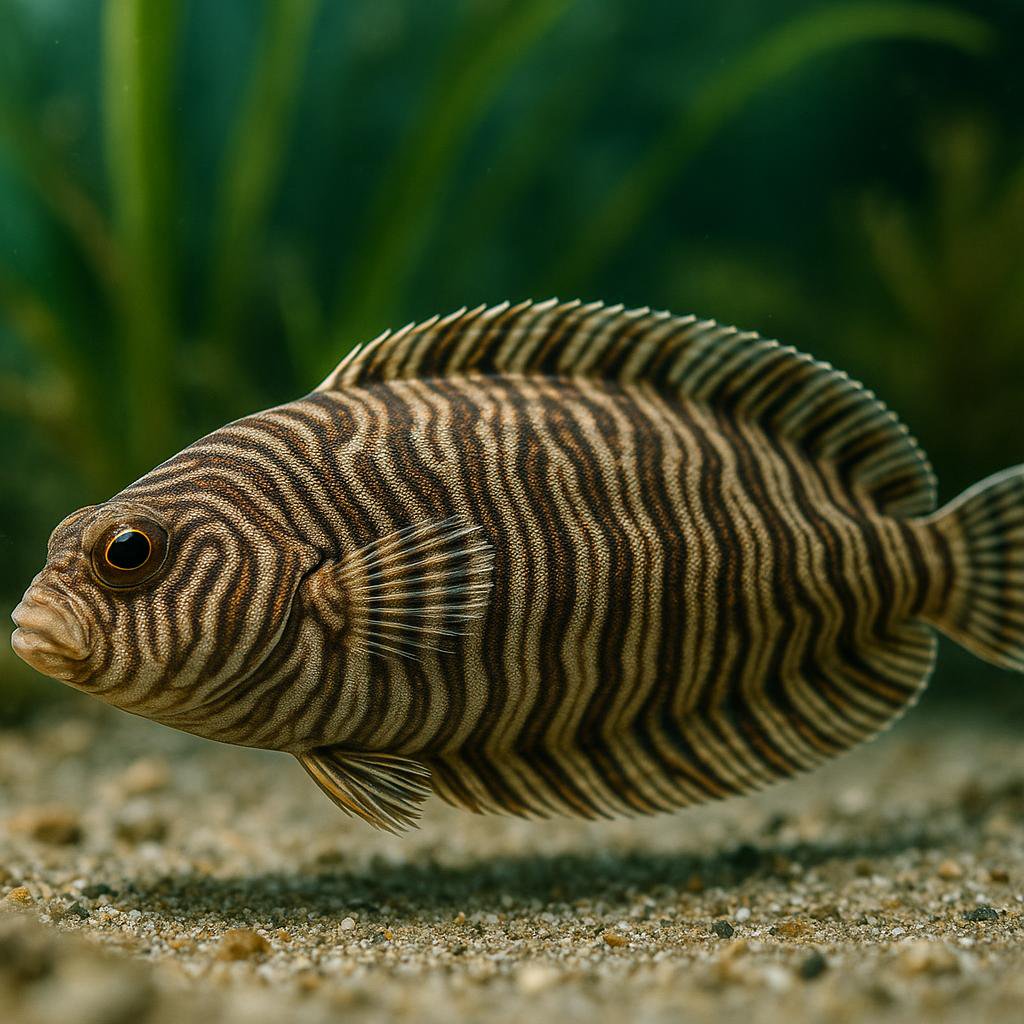
Annandale's zebra sole
Zebrias annandalei
Zebrias annandalei is a small demersal sole from coastal India that inhabits sandy or muddy bottoms and buries for camouflage. It is rarely kept in home aquaria and would require a specialized marine sand-bottom setup and appropriate feeding.
Antarctic dragonfish
Vomeridens infuscipinnis
Deep down around Antarctica, this sleek dragonfish cruises the water column like a little submarine, nearly neutrally buoyant so it can hover above the seafloor. It munches almost exclusively on Antarctic krill and lives in near-freezing water 500-800 m down, so it is a cool species to read about, not one for home tanks.
Looking for other species?