

Narrowhead catshark
Bythaelurus tenuicephalus
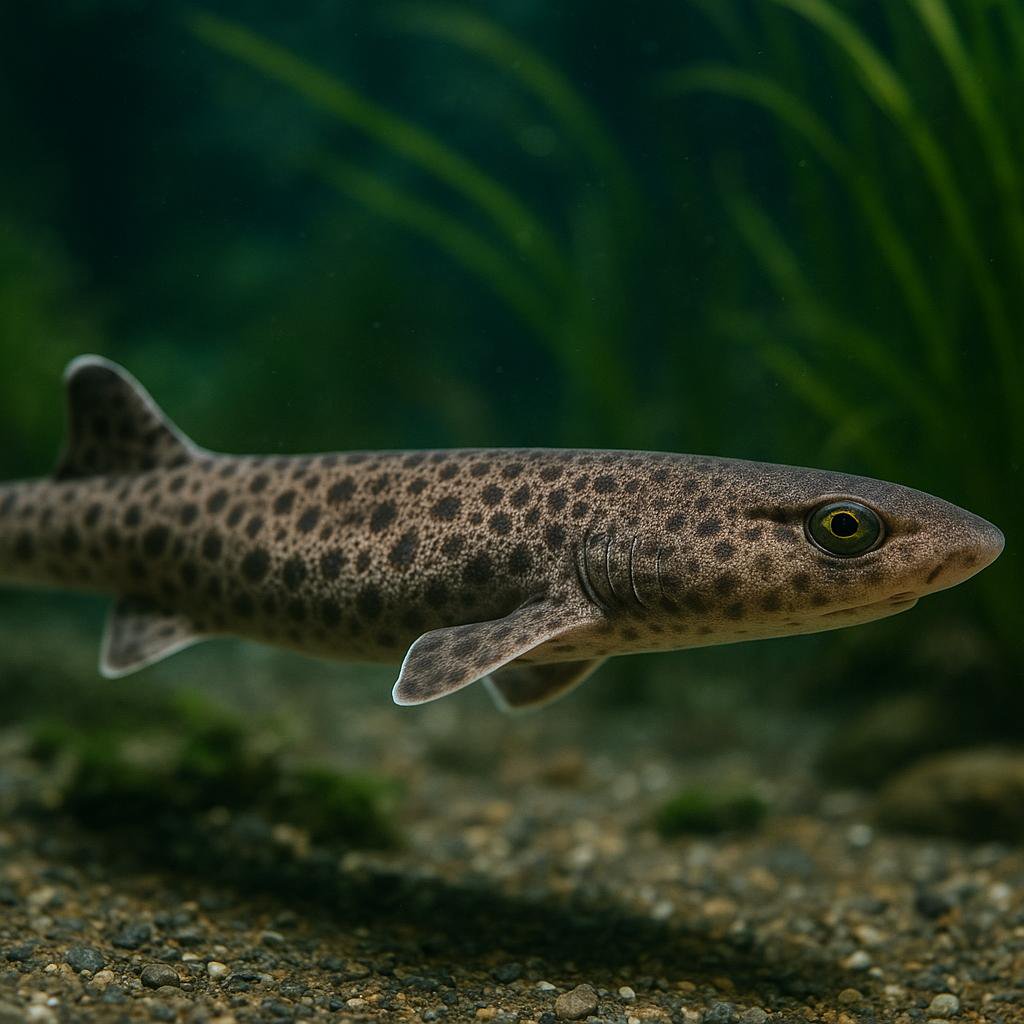
The Narrowhead catshark has a slender, elongated body with a distinctive narrow head and a pattern of small dark spots on a light background.
This page includes AI-generated images. Why am I seeing AI images?
About the Narrowhead catshark
Bythaelurus tenuicephalus is a tiny deepwater catshark from the western Indian Ocean with a really narrow head and snout (the name is basically calling it out for that). It lives way down around 463-550 m, so its "normal" world is cold, dark, and stable - definitely not something that fits typical home aquarium life.
Also known as
Quick Facts
Size
29 cm
Temperament
Peaceful
Difficulty
Expert
Min Tank Size
1000 gallons
Lifespan
unknown
Origin
Western Indian Ocean (off Tanzania and Mozambique)
Diet
Carnivore - likely small fishes and invertebrates (specific diet not well documented)
Water Parameters
6-12°C
8-8.4
7-12 dGH
Need a heater for this species?
This species needs 6-12°C in a 1000 gallon tank. Use our heater calculator to find the right wattage.
Calculate heater sizeCare Notes
- This is a deepwater catshark, so think big footprint and low stress: a wide, long tank with lots of open bottom and a couple dark caves beats a tall show tank.
- Keep it cool and stable (roughly 50-60F / 10-16C), marine salinity around 1.024-1.026, and crank oxygenation - warm water and lazy surface movement are where these go downhill fast.
- Run heavy filtration and plan around shark-level waste: oversized skimmer, big bio media, and strong turnover without blasting the shark with direct jets.
- Feed meaty marine stuff 2-4 times a week (silversides, squid, shrimp, clam, chunks of marine fish) and use tongs or a feeding stick so it actually gets the food and you can watch it eat.
- Soak food in vitamins occasionally and watch the belly line - if it starts looking pinched or the shark gets listless, it is usually underfed or getting outcompeted.
- Tankmates need to be calm and not bitey: avoid triggers, big wrasses, puffers, and anything that goes for fins; also skip tiny fish and crustaceans unless you are fine with them becoming snacks.
- Use fine sand, not crushed coral - rough substrate chews up the belly and fins and you will end up fighting infections.
- Breeding biology in captivity is not well documented for this deepwater species; while many catsharks are oviparous (egg-laying), do not assume captive breeding is feasible or that egg cases will be encountered in aquarium conditions.
Compatibility
Good Tankmates
- Species-specific tankmate compatibility is not well documented; if kept at all, avoid aggressive/nippy fishes and any predators large enough to harass or consume the shark.
- Peaceful, non-nippy midwater fish that keep to themselves and are not bite-sized - stuff like larger cardinals, calm deepwater-type anthias, or other mellow marine fish that do not harass a resting shark
- Bigger, laid-back benthic fish that will not steal every bite - things like a calm, appropriately sized toadfish/frogfish-style tank mate can work if it is not small enough to get eaten and not big enough to eat the shark
- Cleaner-type inverts that are not snack-sized - big cleaner shrimp can sometimes work if the shark is well-fed and the shrimp is not tiny (expect some risk, but it is one of the few 'invert' options people actually try)
- Tough, non-stinging cleanup crew that stays out of the shark's way - larger snails and some larger hermits (avoid tiny ones) are usually fine in practice, just do not expect a deep sand bed full of little critters to last
- Peaceful rays and skates in very large, properly designed systems - only if you can meet the space and feeding needs, and you are not mixing a pushy feeder with a shy shark
Avoid
- Aggressive/nippy fish that pick on resting sharks - triggers, large wrasses, puffers, and especially anything that likes to bite fins or eyes
- Big groupers, large morays, or any serious predator that can see the shark as food or competition - they either eat them or stress them out nonstop at feeding time
- Fast, food-competitive bruisers that bulldoze feeding - big jacks, some tangs in 'hyper' mode, or anything that turns every feeding into a mosh pit (the shark ends up underfed)
- Small fish and small crustaceans you are attached to - if it fits in the mouth, it is on the menu sooner or later, even with a 'peaceful' catshark
Where they come from
Narrowhead catsharks (Bythaelurus tenuicephalus) are a deepwater catshark. Think continental slope, cold, dark, and a lot more stable than a typical reef tank. That background explains basically every headache and every success story with this species in captivity.
If youre shopping for one, ask for collection depth and holding temperature history. A shark that was yanked up fast and then warmed up is already starting the race with ankle weights on.
Setting up their tank
This is not a "big marine tank" fish. Its a coldwater, oxygen-hungry, bottom-dwelling shark that wants stable parameters and room to cruise without scraping its face on rockwork.
- Tank size: plan like you would for a large benthic shark, with a big footprint more than tall height. Long and wide beats tall every time.
- Temperature: you are almost certainly looking at a chilled system. Warm reef temps are a slow-motion disaster for deepwater catsharks.
- Filtration: oversized mechanical plus serious biofiltration. They eat meaty foods and the waste load is real.
- Flow and oxygen: strong gas exchange and redundancy (two returns, backup air). These sharks do not like low O2.
- Aquascape: keep it simple. Sand bottom, rounded decor, and wide open lanes. No sharp rock, no tight caves.
- Lighting: dim. Bright lights stress them out and make them hide and refuse food.
Do not put this shark in a standard tropical reef setup. Heat plus lower dissolved oxygen is a common one-two punch that ends badly even if the shark eats at first.
Use a fine sand bed. Ive seen abrasions from coarse substrates and crushed coral, especially if the shark does a lot of "settling" and repositioning. Also, cover every intake. They will find the one unguarded slot at 2 a.m.
I like building the tank around maintenance: easy access to vacuum waste, easy to swap filter socks, and nothing that forces you to pin the shark in a corner with a net later.
What to feed them
These are meat eaters, and in captivity the goal is consistent, varied seafood without turning the tank into a nutrient soup. If you can get them onto tongs, your life gets easier fast.
- Staples: pieces of marine fish, squid, shrimp, scallop, clam, and other clean seafood.
- Variety: rotate items week to week. A single-food diet catches up with them over time.
- Enrichment: occasional whole items (like small whole shrimp) can help keep feeding response strong.
- Supplements: I use a quality marine vitamin soak periodically, especially if the diet leans heavy on one or two foods.
Avoid freshwater feeder fish. Theyre messy, encourage bad habits, and the fatty acid profile is not what marine predators are built around.
Feeding frequency depends on size and temperature, but dont treat them like a reef fish that pecks all day. I had the best results with smaller, measured meals and watching body condition. You want a filled-out shark, not a balloon.
How they behave and who they get along with
Narrowhead catsharks are mostly nocturnal and pretty low-drama if the tank is set up for them. Daytime: parked on the bottom, tucked near cover. Nighttime: slow cruising and hunting behavior.
- Temperament: generally calm, but they will eat what fits in their mouth.
- Tankmates: choose coldwater-compatible species that wont nip fins or pester the shark.
- Avoid: aggressive pickers, trigger-like personalities, and anything small enough to become food.
- Shark-on-shark: mixing benthic sharks sounds fun, but competition and bumping can lead to injuries. Space and hiding spots have to scale up a lot.
Most "compatible" reef fish are not compatible because of temperature. Compatibility is more about matching the thermal zone than personality.
Handle stress shows up as hiding nonstop, refusing food, or weird, restless laps during the day. Bright light, too much rockwork, and pushy tankmates are the usual culprits.
Breeding tips
In home aquariums, breeding is rare. Deepwater species tend to need a very stable, cool system and time. If you ever do end up with a male and female that settle in, focus on long-term conditioning rather than forcing anything.
- Sexing: not always obvious unless youre comfortable looking for claspers (males).
- Conditioning: consistent cool temps, stable salinity, and varied meaty foods over months.
- Egg cases: if you ever see them, protect them from scavengers and strong intakes. Gentle, well-oxygenated flow is your friend.
If someone offers you captive-bred narrowhead catsharks, ask a lot of questions. Theyre uncommon, so verify the chain of custody and how they were raised.
Common problems to watch for
Most losses I hear about trace back to three things: temperature, oxygen, and physical damage. If you keep those under control, youre already ahead of the curve.
- Heat stress: rapid breathing, lethargy, poor appetite, sudden decline. Chiller issues are an emergency.
- Low oxygen: gulping at the surface, hanging near returns, listlessness. Boost aeration and surface agitation fast.
- Abrasions and sores: from rough substrate, sharp rock, or bullying. These can snowball into infections.
- Ammonia/nitrite spikes: they produce a lot of waste. New tanks and undersized biofilters get overwhelmed quickly.
- Feeding problems: refusal after shipping is common. Dim the lights, reduce traffic, offer small scented pieces (squid works well), and be patient.
- Intake accidents: uncovered pumps and overflows can trap or scrape them. Guard everything.
Have a backup plan for the chiller and power outages. For a coldwater shark, losing temperature control or oxygen for a few hours can be enough to turn into a fatal event.
If youre already experienced with big marine systems and youre willing to run a chilled, shark-safe setup, this species can be really rewarding. Just go into it knowing its an expert-level animal, not a "bigger clean-up crew with fins."
Similar Species
Other marine peaceful species you might be interested in.
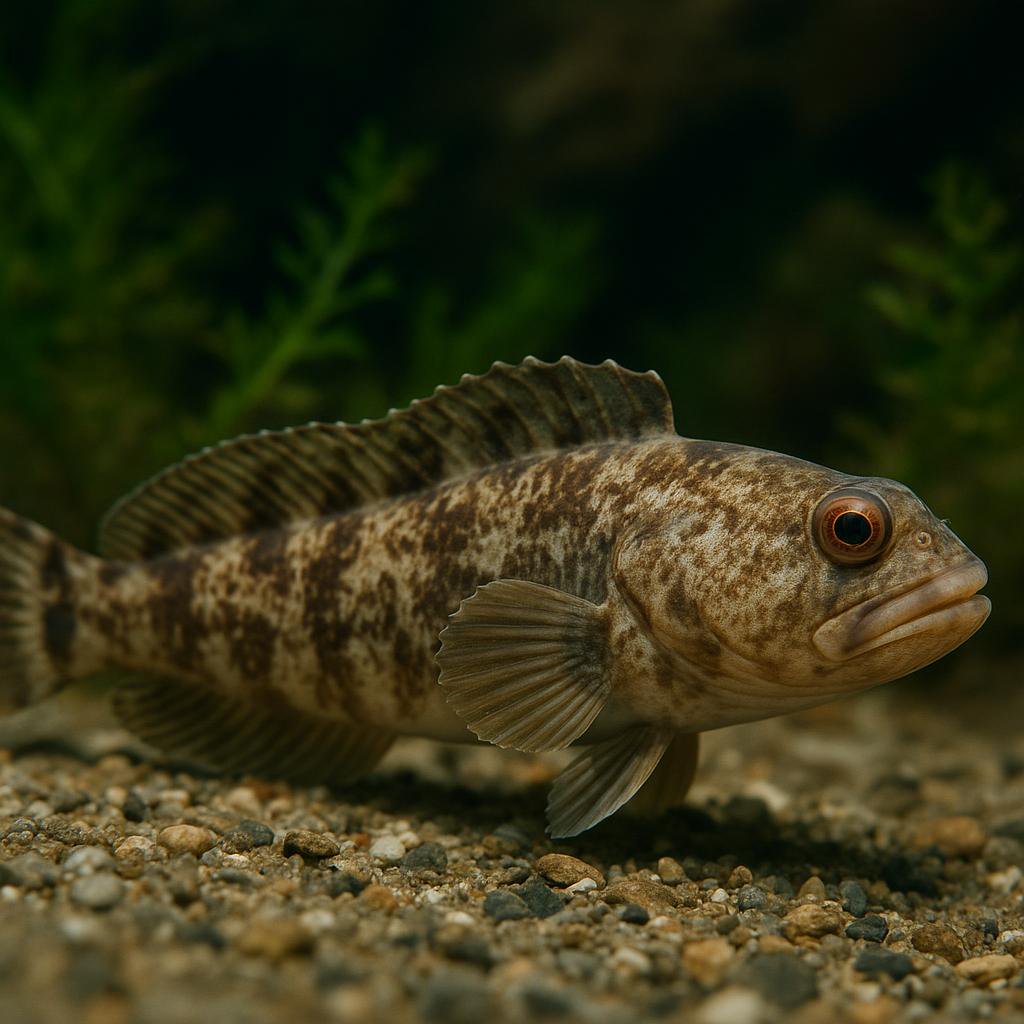
Abe's eelpout
Japonolycodes abei
Japonolycodes abei is a temperate, deepwater demersal eelpout (family Zoarcidae) endemic to Japan (Kumano-nada Sea reported; other sources also report Sagami Bay and Tosa Bay). It is the only species in the genus Japonolycodes and occurs roughly 40-300 m depth, making it an uncommon/atypical aquarium species.
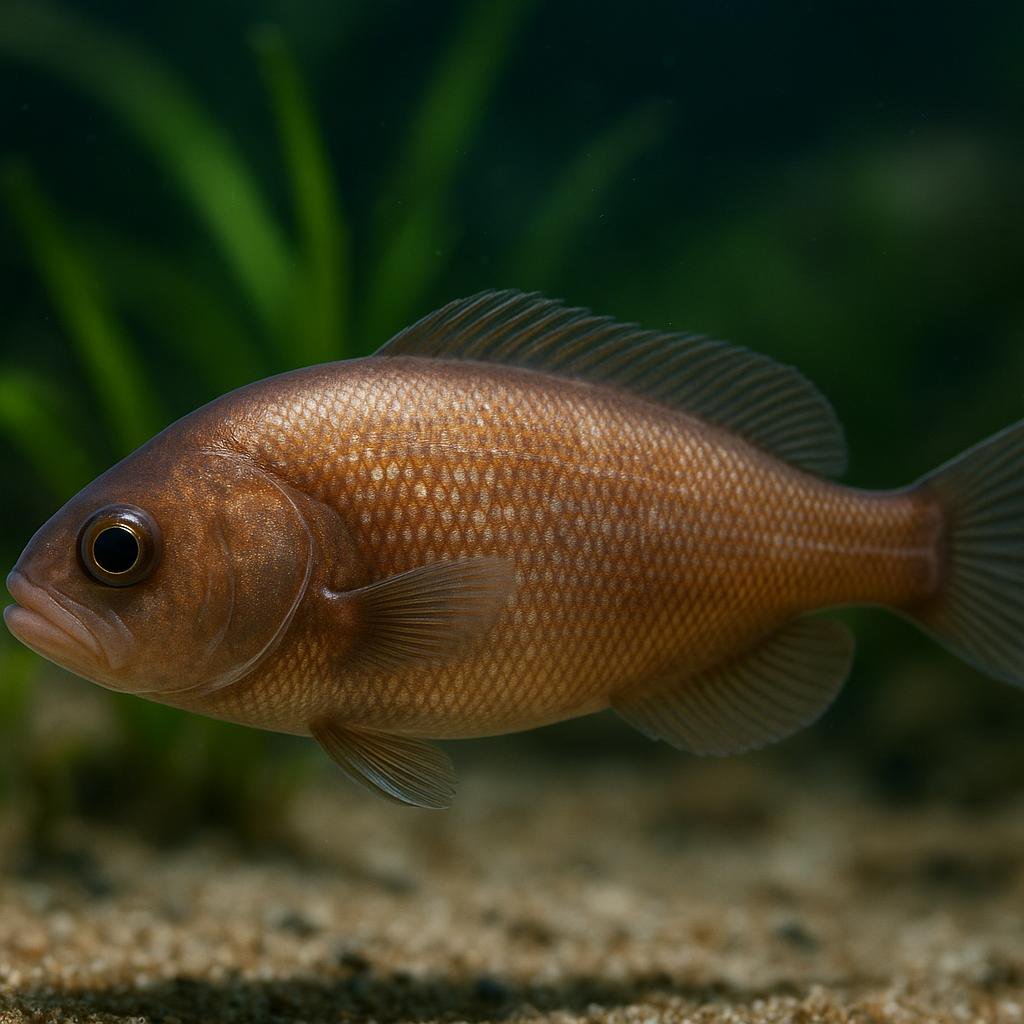
Affinis blind cusk-eel
Barathronus affinis
Barathronus affinis is a tiny, super-weird deep-sea blind cusk-eel from the western-central Indian Ocean. It is one of those gelatinous, loose-skinned brotula-type fishes that live way down in the dark and are basically never seen alive, so almost everything we know comes from preserved specimens and taxonomic work.
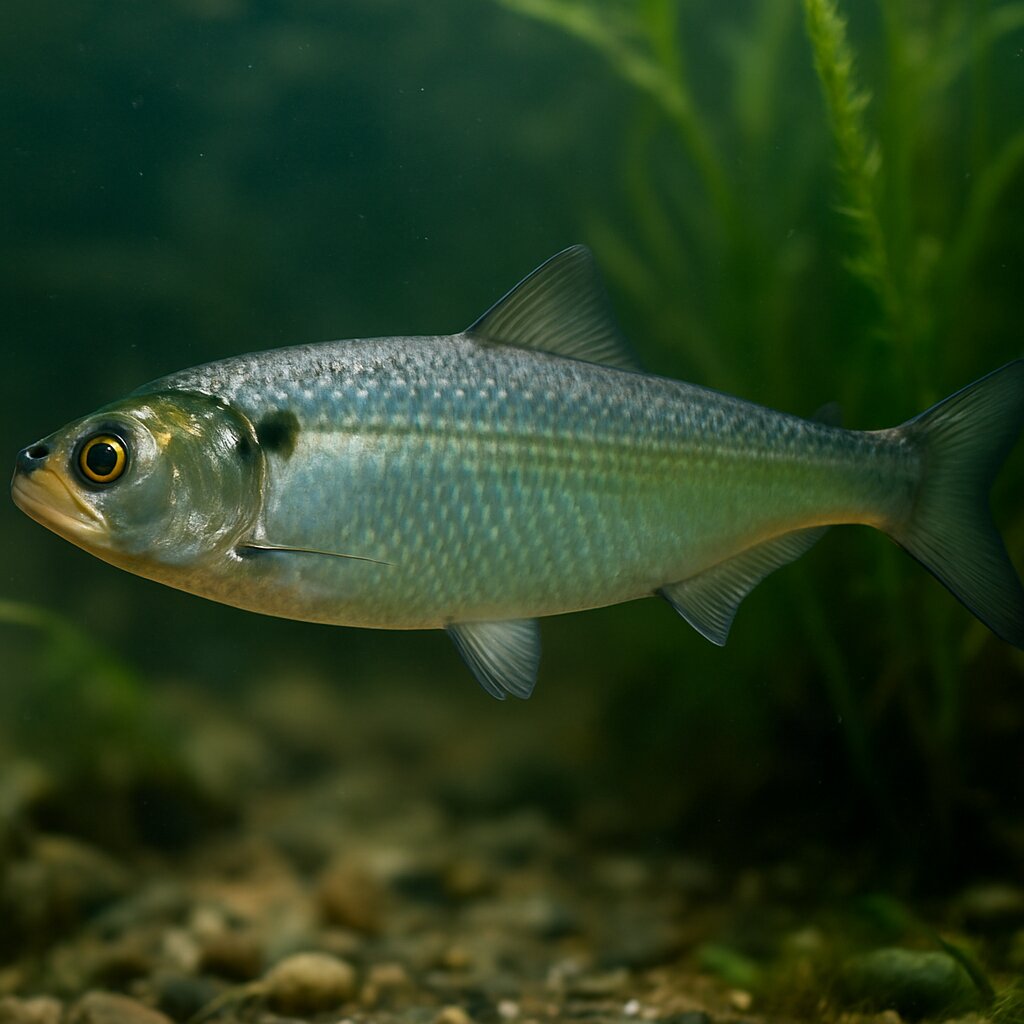
Allis shad
Alosa alosa
Gorgeous silver, fast-swimming shad that spends most of its life in the sea and then surges up big rivers in noisy, surface-spawning schools. It grows huge for a herring-type fish and needs cool, ultra-oxygenated water and tons of open space, so it is a public-aquarium species rather than a home tank fish.
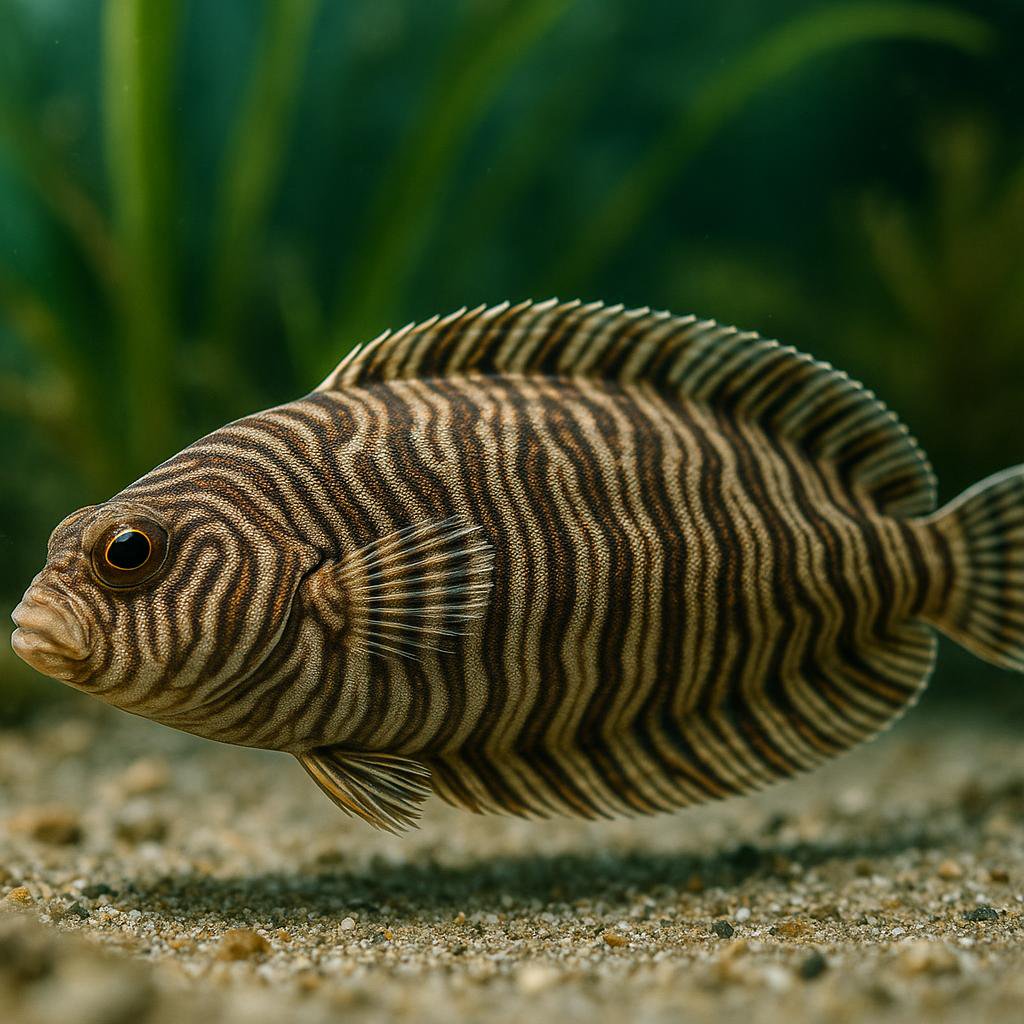
Annandale's zebra sole
Zebrias annandalei
Zebrias annandalei is a small demersal sole from coastal India that inhabits sandy or muddy bottoms and buries for camouflage. It is rarely kept in home aquaria and would require a specialized marine sand-bottom setup and appropriate feeding.
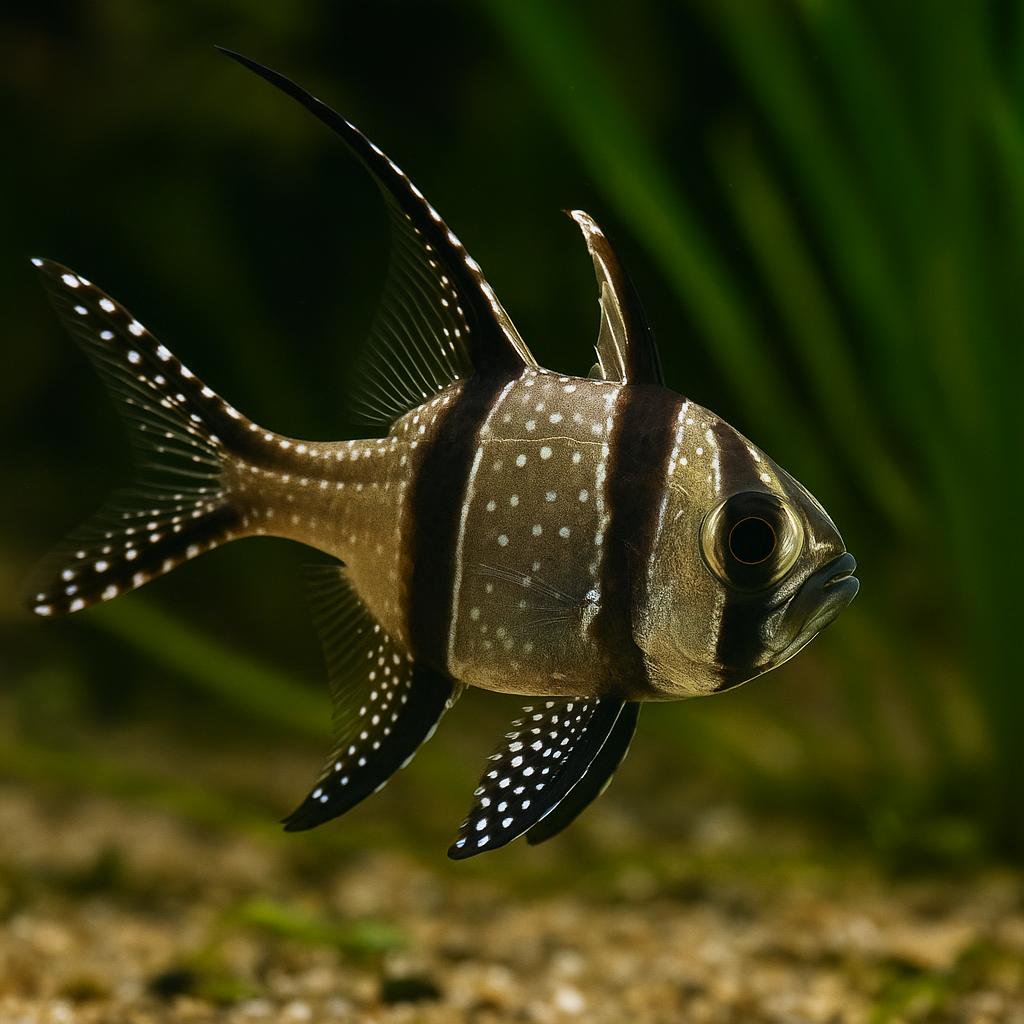
Banggai Cardinalfish
Pterapogon kauderni
Banggai cardinals just sort of hover like little underwater satellites, and the bold black bars with those long, polka-dotted fins look unreal under reef lighting. They're super chill most of the time, but once a pair forms you'll see real "fish drama," and the male will even mouthbrood the babies like a champ.
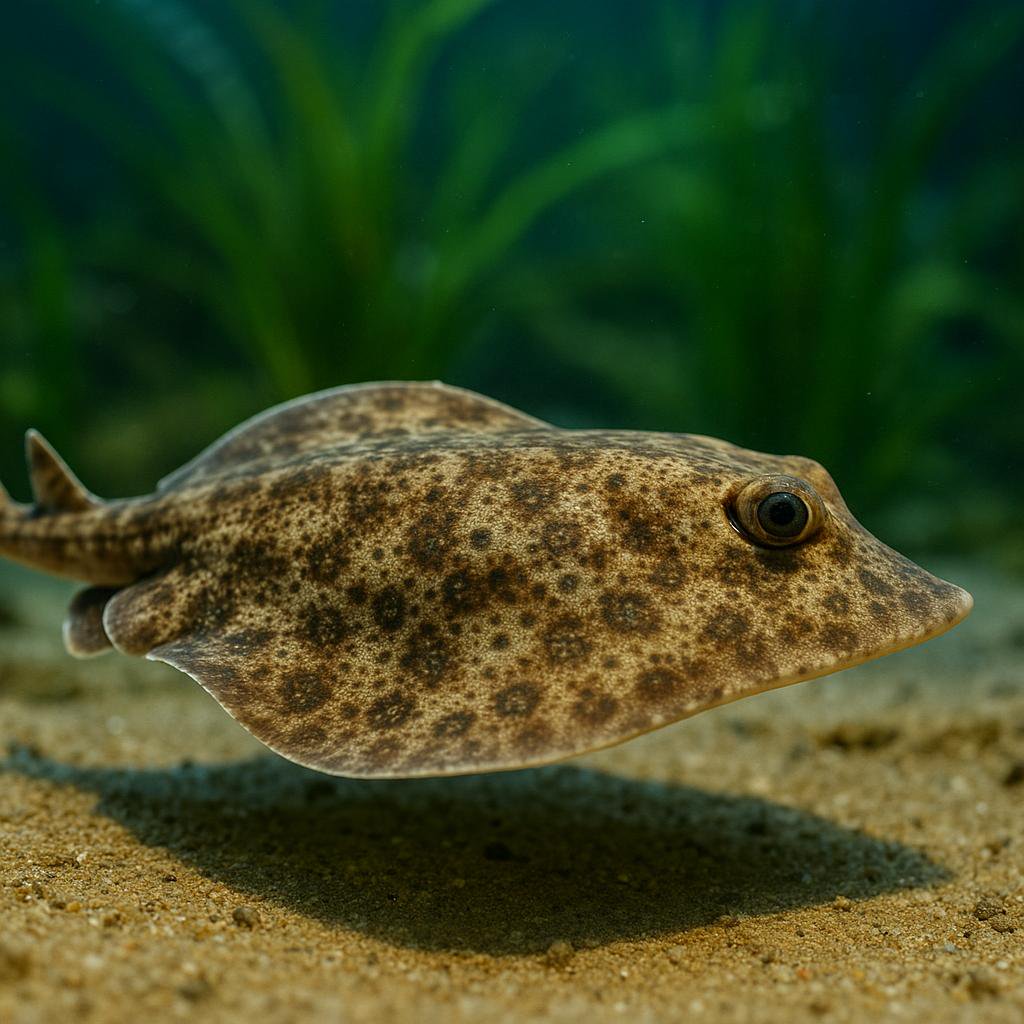
Barbedwire-tailed skate
Notoraja martinezi
Notoraja martinezi is a deepwater skate from the eastern Pacific (Costa Rica down to Ecuador) that lives way down on soft bottoms. The tail is the giveaway - it is lined with strong, hooked thorns that really do look like barbed wire. This is absolutely not an aquarium fish; it is a cold, high-pressure deep-sea animal with basically no practical home care info because it is not kept in the hobby.
More to Explore
Discover more marine species.
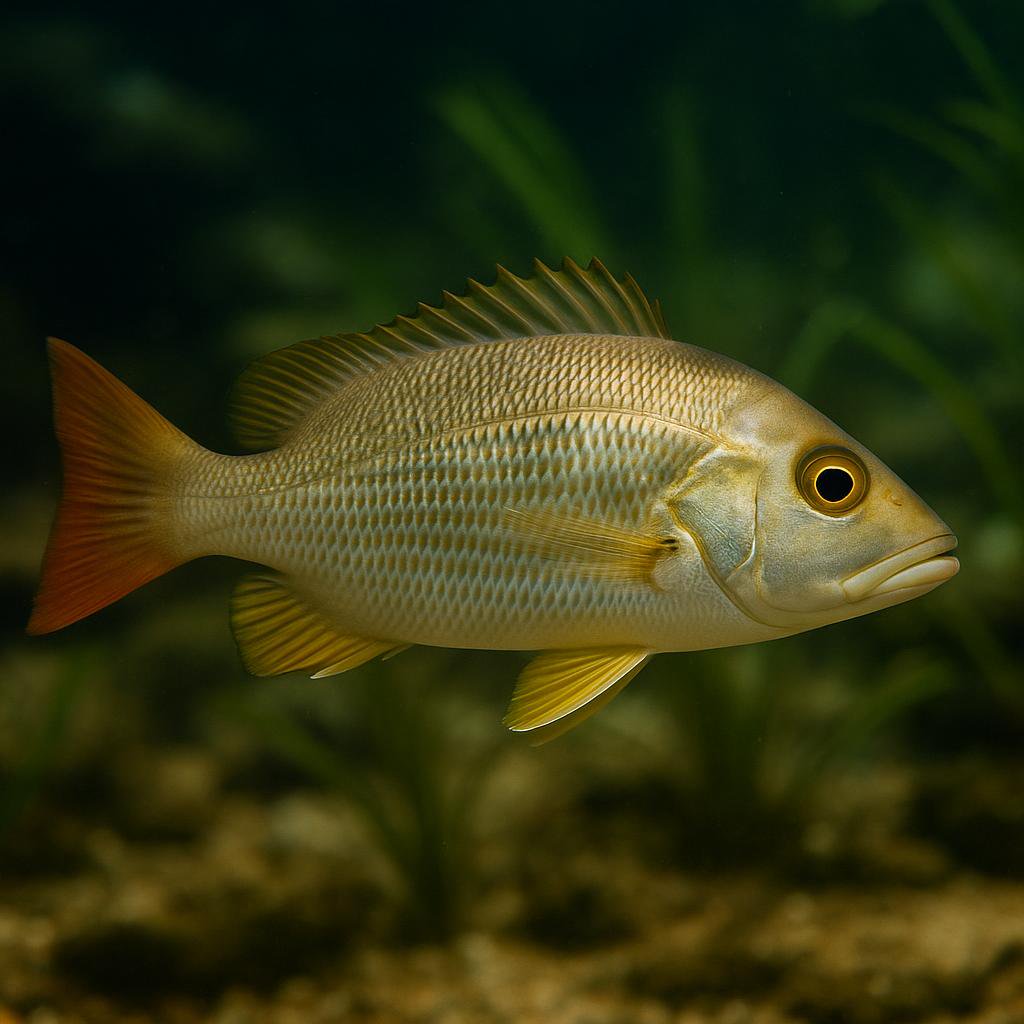
African red snapper
Lutjanus agennes
This is a true snapper from West Africa - a big, fast-growing predator that goes from coastal reefs to brackish lagoons and estuaries (especially as a juvenile). Super cool fish in the wild, but it gets absolutely huge and will eat smaller tankmates once it has the mouth for it, so its really more of a public-aquarium scale animal than a home-aquarium fish.
Aleutian skate
Bathyraja aleutica
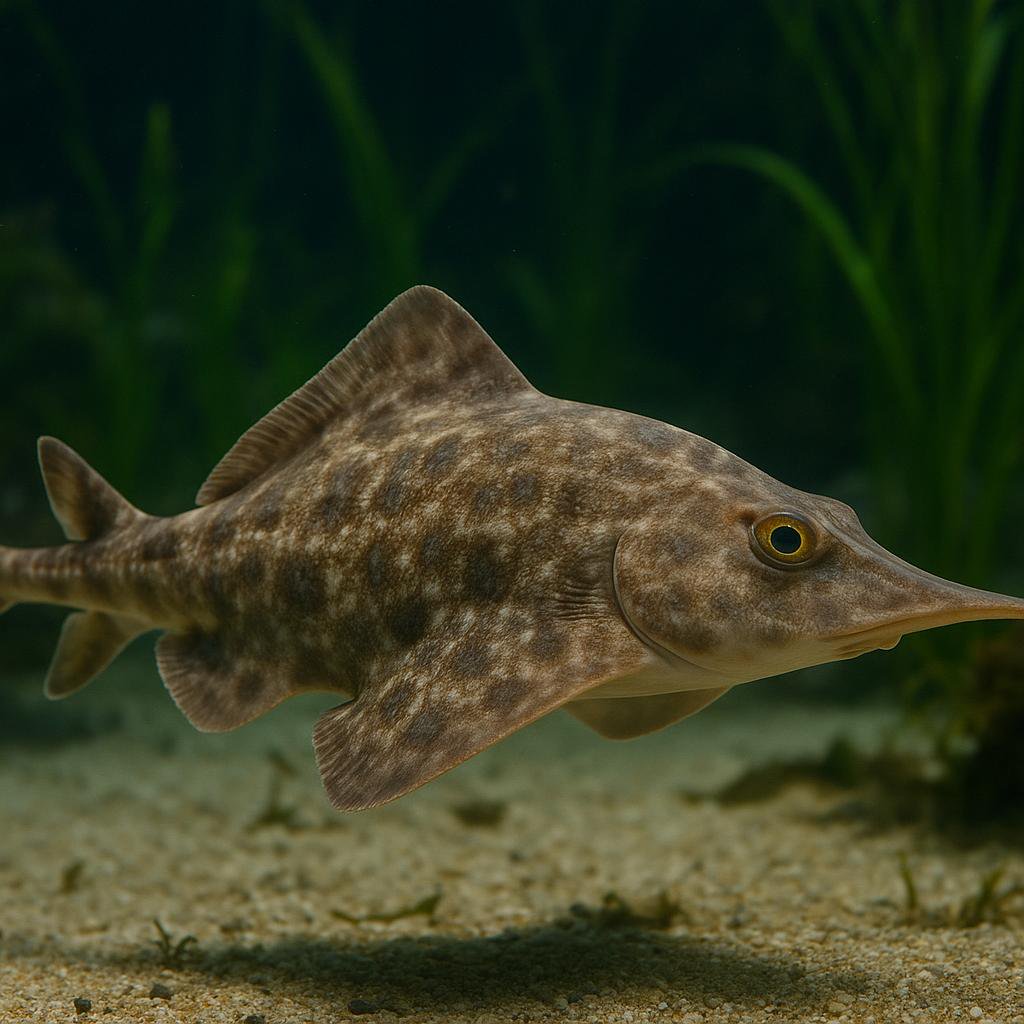
This is a big, cold-water deep-slope skate from the North Pacific that cruises muddy bottoms and eats chunky benthic prey like crabs and shrimp. The really cool bit is its egg-laying skate life - it does distinct pairing (the classic skate "embrace") and drops those tough egg cases on the seafloor. Not an aquarium fish at all unless you're basically running a public-aquarium-style chilled system.
Antarctic dragonfish
Vomeridens infuscipinnis
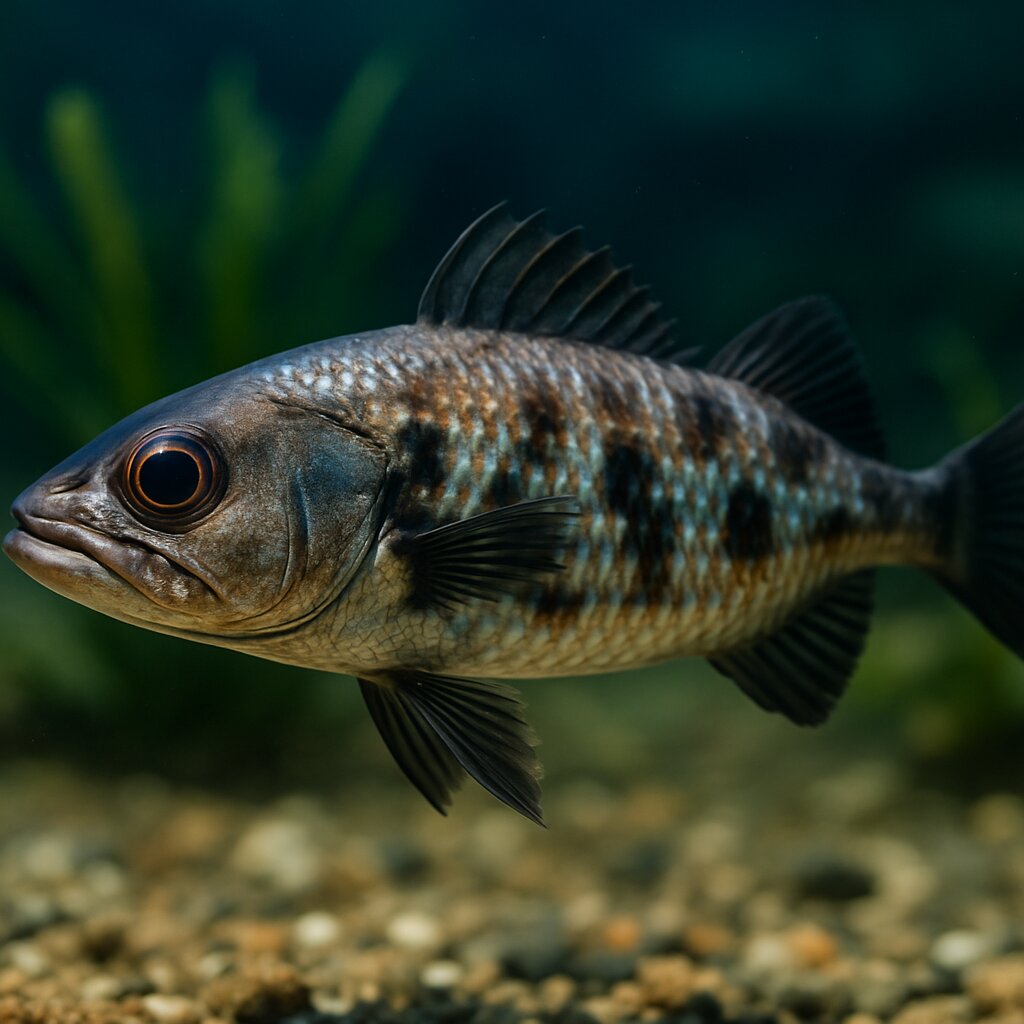
Deep down around Antarctica, this sleek dragonfish cruises the water column like a little submarine, nearly neutrally buoyant so it can hover above the seafloor. It munches almost exclusively on Antarctic krill and lives in near-freezing water 500-800 m down, so it is a cool species to read about, not one for home tanks.
Arabian spiny eel
Notacanthus indicus
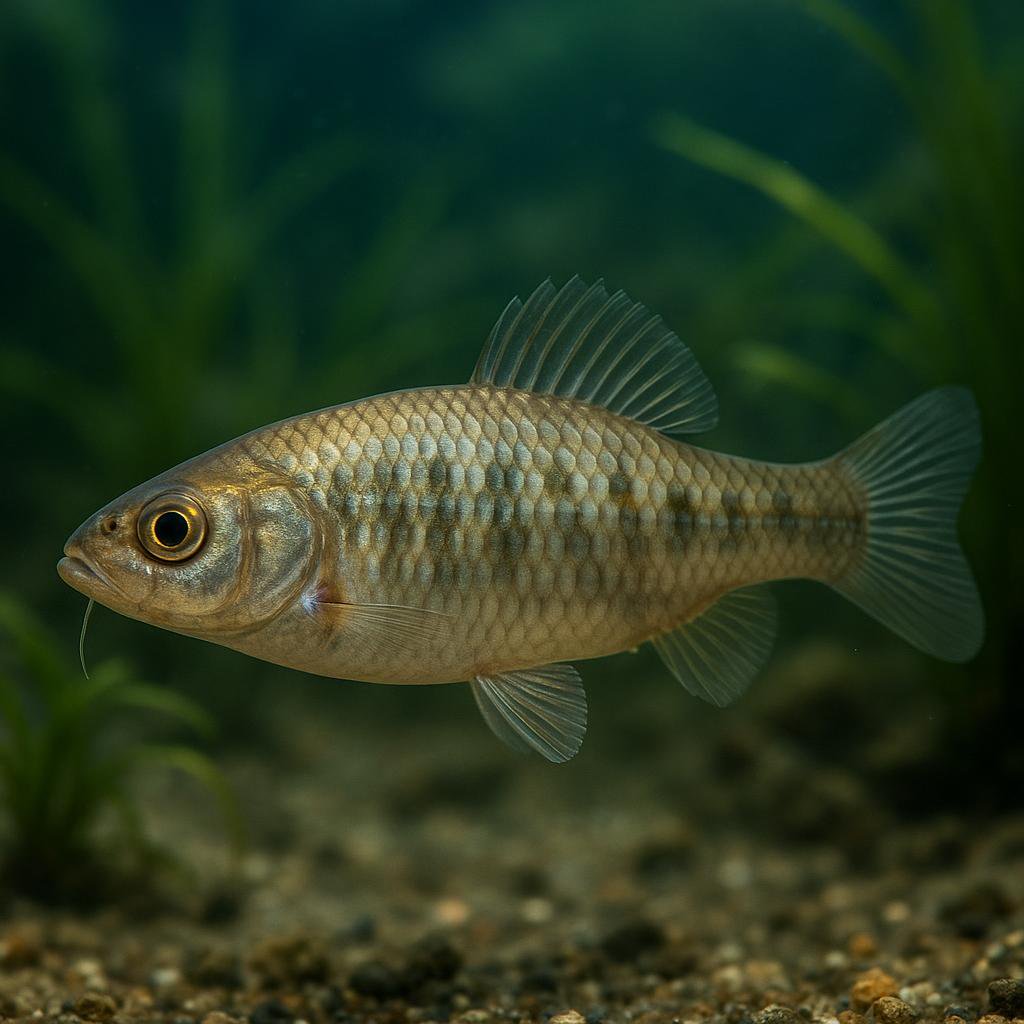
Notacanthus indicus is a deep-sea spiny eel (family Notacanthidae; not a true eel) known from the Arabian Sea on the continental slope at roughly ~960–1,046 m depth, with reported maximum length around 20 cm TL; it is a deep-water bycatch species and not established in the aquarium trade.
Arctic rockling
Gaidropsarus argentatus
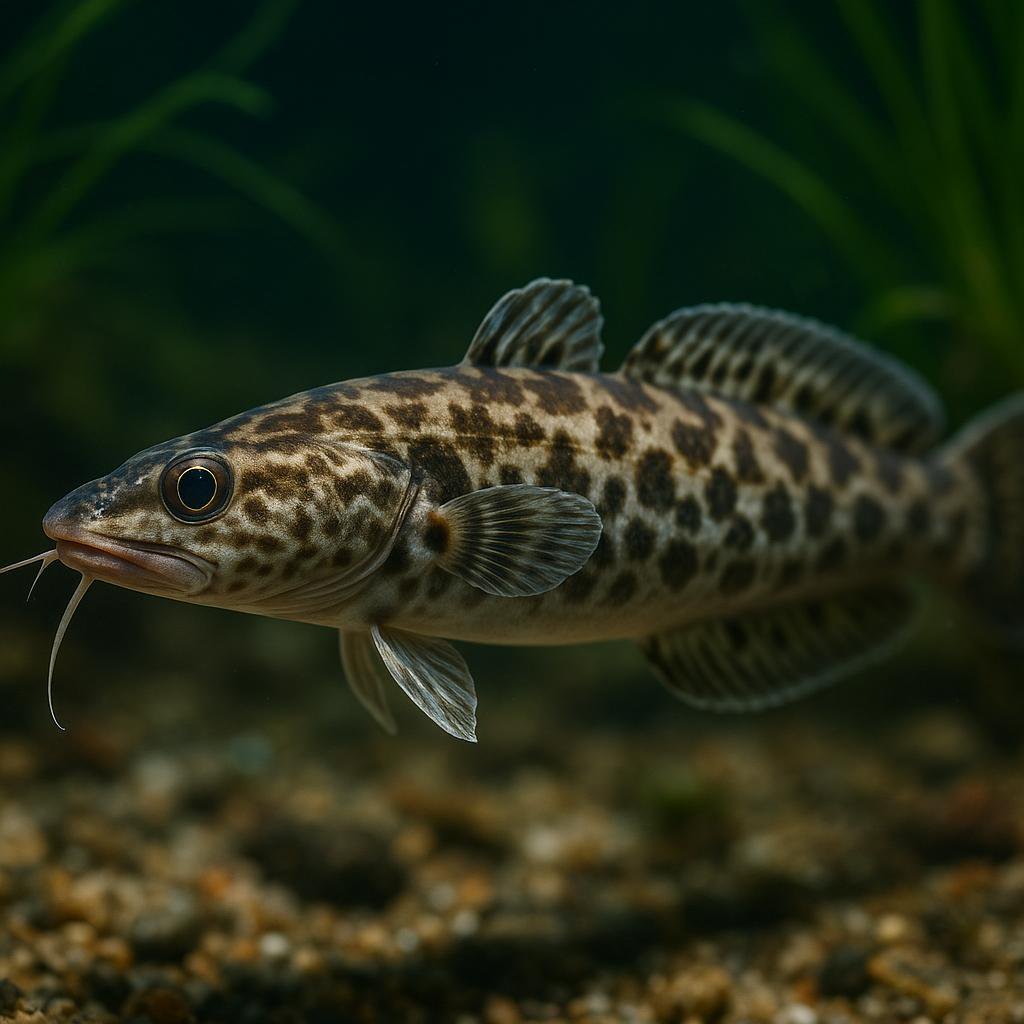
This is a deepwater North Atlantic rockling (a cod relative) that hangs out on soft bottoms way down the slope. It is a cold-water, bottom-hugging predator that snoots around for crustaceans and will also take small fish when it gets the chance.
Atlantic pomfret
Brama brama
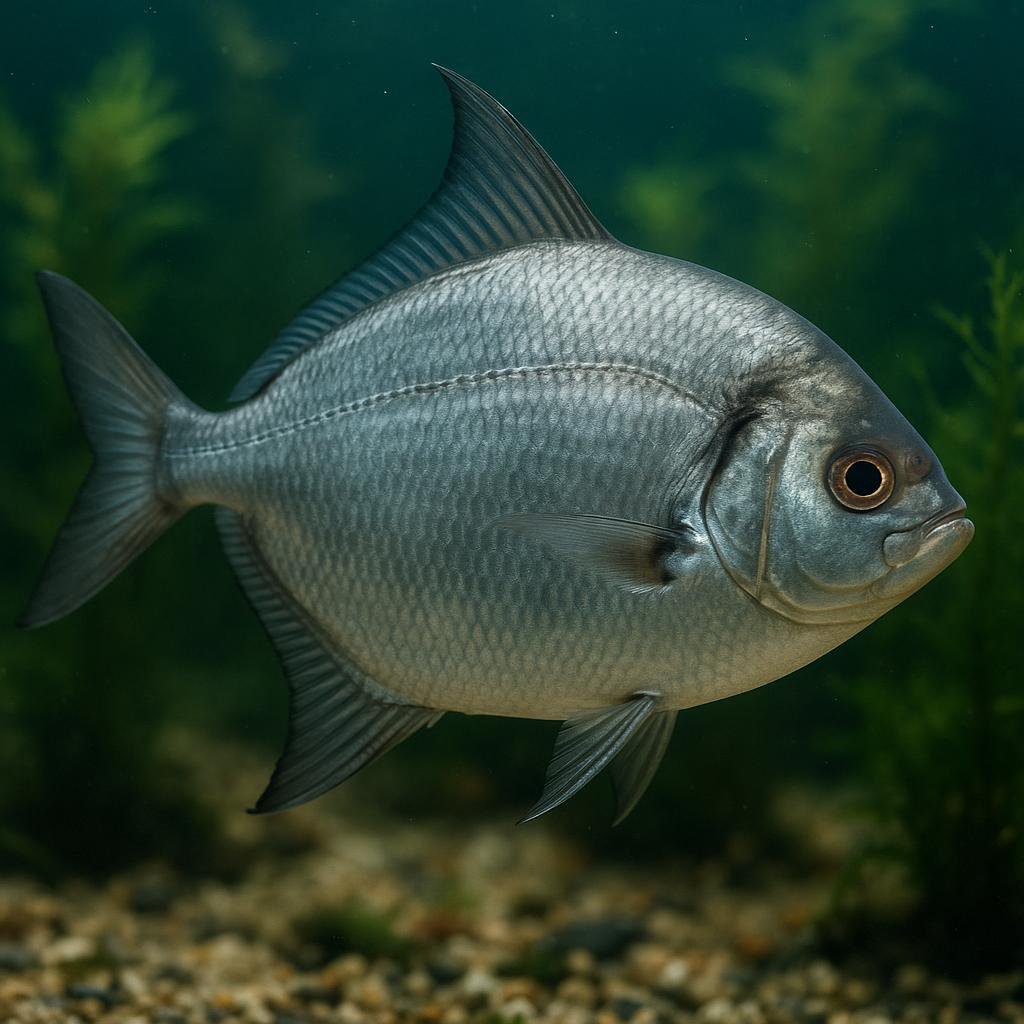
Brama brama is the Atlantic pomfret (aka Ray's bream) - a deep-bodied, open-ocean pelagic fish that cruises around in small schools and follows water temps. It is a legit big, wild marine species (not an aquarium fish) that eats other small sea critters like fish and squid, and it ranges across a huge chunk of the Atlantic plus parts of the Indian and South Pacific.
Looking for other species?