

Wry snailfish
Careproctus staufferi
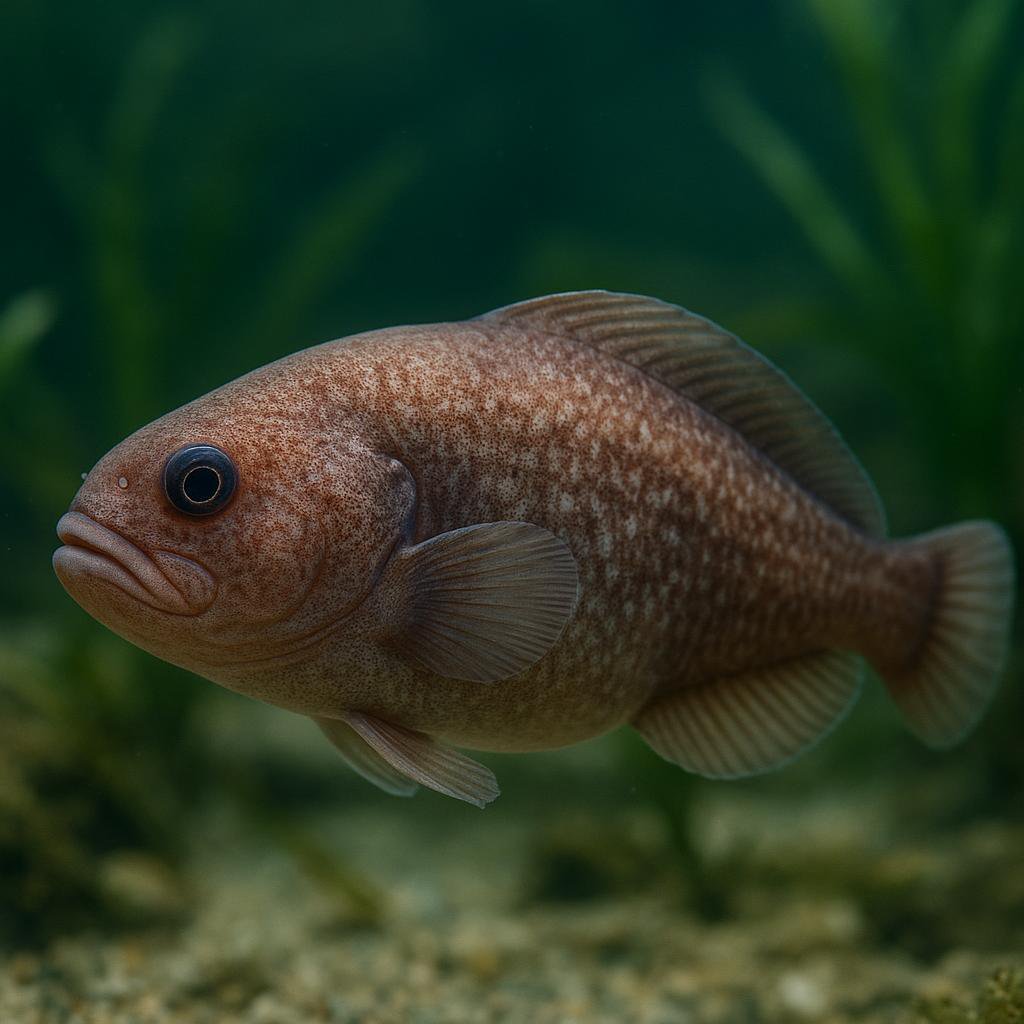
The Wry snailfish has a slender, elongated body with a pale, translucent hue and distinctive, large pectoral fins.
This page includes AI-generated images. Why am I seeing AI images?
About the Wry snailfish
Careproctus staufferi is a deepwater snailfish (family Liparidae) described from the central Aleutian Islands, Alaska (North Pacific) in 2016. The original description notes an overall red/pale coloration and a distinct lateral yellow slash across the dorsal part of the abdomen and posterior. It is a bathydemersal deep-sea species and is not a typical aquarium fish.
Quick Facts
Size
9.0 cm SL
Temperament
Peaceful
Difficulty
Expert
Min Tank Size
180 gallons
Lifespan
unknown
Origin
North Pacific (Aleutian Islands, Alaska)
Diet
Carnivore - likely small benthic invertebrates (not well documented in hobby terms)
Water Parameters
2-6°C
7.8-8.4
8-12 dGH
Need a heater for this species?
This species needs 2-6°C in a 180 gallon tank. Use our heater calculator to find the right wattage.
Calculate heater sizeCare Notes
- Deepwater Aleutian species described from cold North Pacific waters; if ever maintained in captivity, it would require coldwater systems and careful temperature control. Species-specific captive temperature requirements are not well published—avoid presenting a precise range without a dedicated husbandry source.
- No species-specific aquarium husbandry guidance is established for Careproctus staufferi; if attempted, provide shelter and minimize stressors, but avoid definitive claims about lighting/flow responses without published captive observations.
- Marine deepwater species; if kept, maintain appropriate marine salinity and high dissolved oxygen. Avoid asserting specific salinity numbers or mortality claims without a species-specific husbandry reference.
- Diet and feeding in captivity are not well documented for Careproctus staufferi; avoid listing specific aquarium foods unless you can cite a public aquarium or documented captive husbandry source for this species (or clearly label the advice as general for deepwater carnivorous benthic fishes/snailfishes).
- Do not mix with fast, nippy, or boisterous fish (wrasses, damsels, dottybacks); stick to other coldwater, mellow bottom dwellers that will not steal every bite.
- Use a soft sand or fine rubble bottom and skip sharp rock piles where they wedge themselves; they love to press into tight spots and can scrape up their skin if the scape is rough.
- Watch for fin rot and skin damage after shipping, plus rapid breathing from low oxygen; quarantine is worth it, but match the cold temp in QT or you will just cook them.
- Breeding is rare in home tanks, but if you ever see eggs tucked under a rock, leave the area alone and keep the tank extra calm; the adults do not handle repeated disturbances well.
Compatibility
Good Tankmates
- Tiny, peaceful coldwater gobies (blackeye goby type vibe) - they share the bottom without turning it into a turf war, as long as there are lots of caves and line-of-sight breaks
- Small, non-predatory coldwater blennies that are more 'sit and watch' than 'charge and bite' - good match if they are well fed and you have extra rockwork so nobody has to share a single favorite hole
- Peaceful coldwater rockfish juveniles only if they stay small and chill (and you are ready to separate if they start acting like a predator) - workable short term in roomy setups with lots of structure
- Non-fish cleanup crew like snails, small hermits, and coldwater-leaning brittle stars - the snailfish is usually a total 'whatever' about them
- Small, peaceful coldwater shrimp (spot shrimp/grass shrimp types) if the snailfish is well fed - still keep an eye out, because anything shrimp-shaped can become 'maybe food' depending on size
Avoid
- Nippy or territorial fish that pick at slow bottom sitters - many wrasses, larger dottybacks, and similar 'busy' bullies will stress it out and can rip fins and skin
- Crabs with attitude (bigger shore crabs, some 'decorator' crabs that turn predatory) - they love grabbing slow fish at night, and snailfish are not fast getaway artists
Where they come from
Wry snailfish (Careproctus staufferi) are deep, cold-water marine fish from the North Pacific. Think slope habitat, low light, high pressure, and water that would make most reef tanks look like a hot tub.
They are one of those species that sounds simple on paper (small, slow, not aggressive) but the environment they come from is the whole game.
This is an expert-only fish because of temperature and collection realities. If you cannot run a reliable coldwater system 24/7 (with backup power plans), do not attempt it.
Setting up their tank
The tank is basically a chilled, dim, low-stress coldwater setup with very steady water quality. I would treat them more like a coldwater benthic fish than a "display" fish. They do not want bright lights, strong blasting flow, or a busy community vibe.
- Temperature: cold. Most people fail here. You are looking at true chilled marine temps (roughly mid-30s to mid-40s F / low single digits C to around 7 C). Pick a target and hold it steady.
- Chiller: oversize it. Add a controller with alarms. Plan for summer heat and heat from pumps.
- Tank size: bigger than the fish "needs" just for stability. A small group or single in 30-75 gallons is reasonable if the system is mature and the chiller is serious.
- Filtration: strong biofiltration, oversized skimmer, and mechanical filtration you can clean often. Coldwater tanks still produce waste, and these fish are messy eaters.
- Flow: moderate with calm zones. Give them a place where food can settle and they can hover without getting pushed around.
- Lighting: subdued. Ambient room light or low LEDs. Bright reef lighting stresses them and encourages nuisance growth.
- Hardscape: smooth rockwork, caves, and shaded overhangs. Avoid sharp rubble - snailfish are soft-bodied and can get scraped up.
- Substrate: sand or bare bottom both work. If you go sand, keep it clean because uneaten food will sit and rot fast.
Build in redundancy. Two smaller return pumps instead of one, spare heater unplugged (for emergencies only), battery/UPS for circulation, and a plan for what happens if the chiller fails while you are at work.
One more thing people overlook: gas exchange. Cold water holds oxygen well, but a tight canopy, weak surface agitation, or a skimmer that is off half the day can still bite you. Keep the surface moving and the skimmer consistent.
What to feed them
They are carnivores and they usually accept meaty frozen foods once settled, but you have to get food to them in a way that matches how they feed: slow, close to the bottom, and not in competition with fast fish.
- Staples: mysis, chopped shrimp, clam, scallop, squid, krill (sparingly), and good quality marine carnivore blends.
- Great "get them started" foods: enriched live or freshly hatched items for smaller individuals (if you can source appropriate marine options), and very small chopped meaty foods presented right in front of them.
- How to feed: target feed with tongs or a feeding stick, or gently baste food into their sheltered area. Let it land near them.
- Frequency: small portions more often beats dumping a big cube. Uneaten food in cold tanks still fouls water, just sometimes more slowly so you do not notice until you do.
- Supplements: occasional vitamin/HUFA soaks can help, especially if you rely heavily on one or two frozen foods.
Do not leave a lot of meaty food to "let them find it later." It turns into a nutrient bomb and can snowball into bacterial issues or oxygen dips overnight.
How they behave and who they get along with
Wry snailfish are generally calm and kind of quirky to watch. They perch, hover, and move in short bursts. They are not built for chasing food in the water column or for defending themselves from pushy tankmates.
Tankmates are where most people mess up. Even if another fish is "peaceful," if it is faster at feeding or likes the same cold temps, it can still outcompete or stress the snailfish.
- Best kept: species-only or with very calm, coldwater-compatible inverts.
- OK companions (with caution): slow, non-nippy coldwater fish that will not rush food. In practice, I still prefer species-only.
- Avoid: anything aggressive, nippy, or fast at feeding (most fish), and anything that will pick at fins/skin.
- Inverts: some coldwater shrimp/crabs can be risky if they are opportunistic, especially at night. Watch closely.
If you see the snailfish hanging in the open and breathing hard while tankmates cruise around like nothing is wrong, treat that as a stress signal. Either the environment is off (temp, oxygen, ammonia) or the social setup is not working.
Breeding tips
Breeding is not common in home aquariums. Getting adults conditioned is only half the battle - you also need the seasonal cues (temperature shifts, photoperiod changes) and a stable, low-stress environment over a long stretch of time.
If you ever do end up with a pair showing interest, give them plenty of secure caves and keep disturbances low. Eggs (if produced) would likely be placed in a protected spot, and the biggest challenge becomes keeping water quality high while feeding heavily.
If your goal is breeding, document everything: weekly temps, day length, feeding amounts, and behavior notes. With rare fish, your logbook becomes the most valuable piece of equipment you own.
Common problems to watch for
Most issues trace back to three things: temperature swings, food/waste management, and physical damage. These fish do not shrug off mistakes the way hardy reef fish sometimes do.
- Temperature creep: the tank slowly warms over weeks, and the fish declines. Put the temp readout where you will actually notice it, and set alarms.
- Chiller failure: sudden warming can be fatal fast. Have a plan (fans, ice bottles in sump, backup chiller access, emergency holding tub).
- Ammonia/nitrite spikes: cold tanks still need a mature cycle. Do not add the fish to a new system and assume "cold = safe."
- Low oxygen at night: overfeeding + bacterial bloom + weak surface agitation can cause overnight losses.
- Skin damage and infections: sharp rock, rough nets, or being pinned against intakes. Use soft nets (or better, a container), cover intakes, and keep hardscape smooth.
- Refusal to eat after introduction: common if lighting is bright or the tank is too active. Dim the tank, provide shelter, and target feed quietly.
- Parasites/pathogens from wild collection: quarantine is tricky at cold temps but worth doing. At minimum, observe in a separate chilled system if you can.
Do not medicate blindly. Many meds are tested around typical tropical temps, and behavior of drugs and pathogens can shift in cold water. If you have to treat, research coldwater dosing experiences and go slow.
If you want a quick reality check: if you cannot keep a coldwater marine tank stable through a heat wave and a power blip, you are not ready for this species yet. But if you can, they are one of the more interesting deepwater fish you can keep - just very unforgiving of sloppy setups.
Similar Species
Other marine peaceful species you might be interested in.
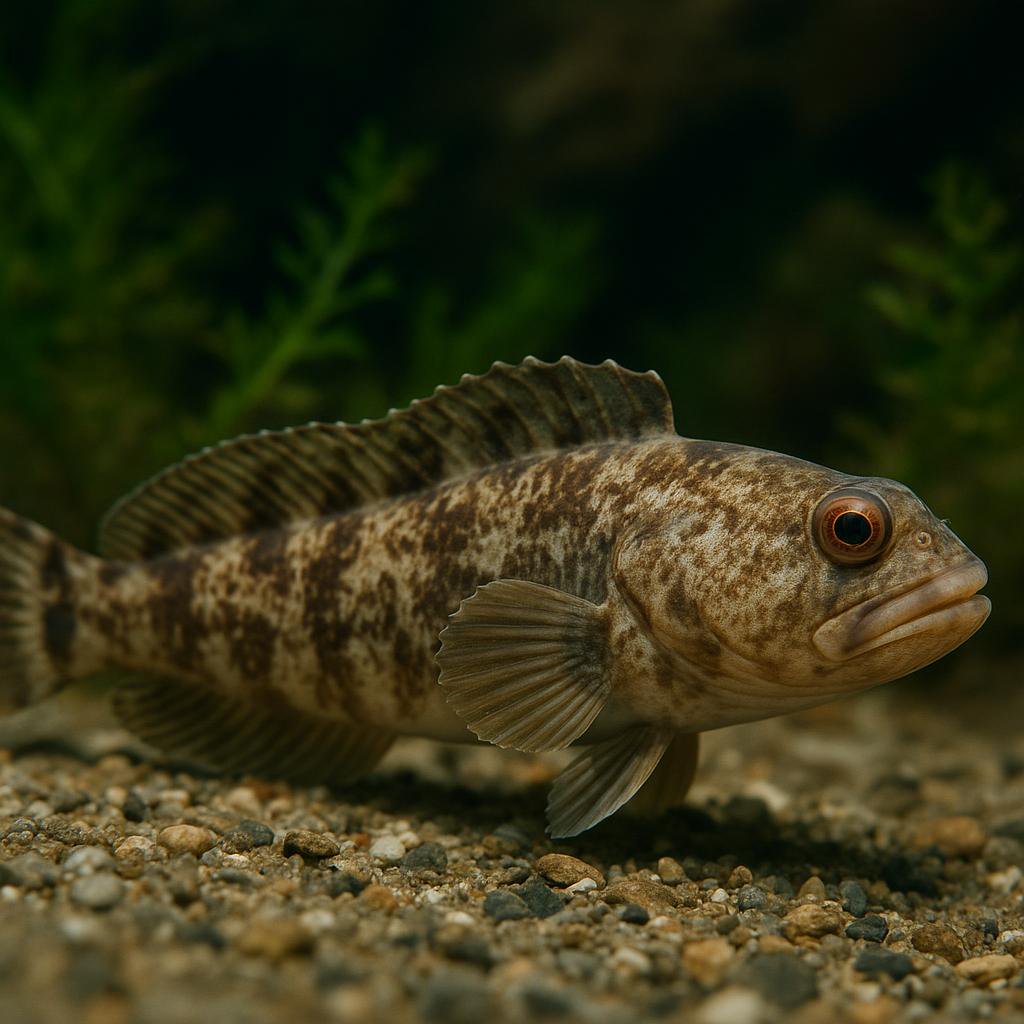
Abe's eelpout
Japonolycodes abei
Japonolycodes abei is a temperate, deepwater demersal eelpout (family Zoarcidae) endemic to Japan (Kumano-nada Sea reported; other sources also report Sagami Bay and Tosa Bay). It is the only species in the genus Japonolycodes and occurs roughly 40-300 m depth, making it an uncommon/atypical aquarium species.
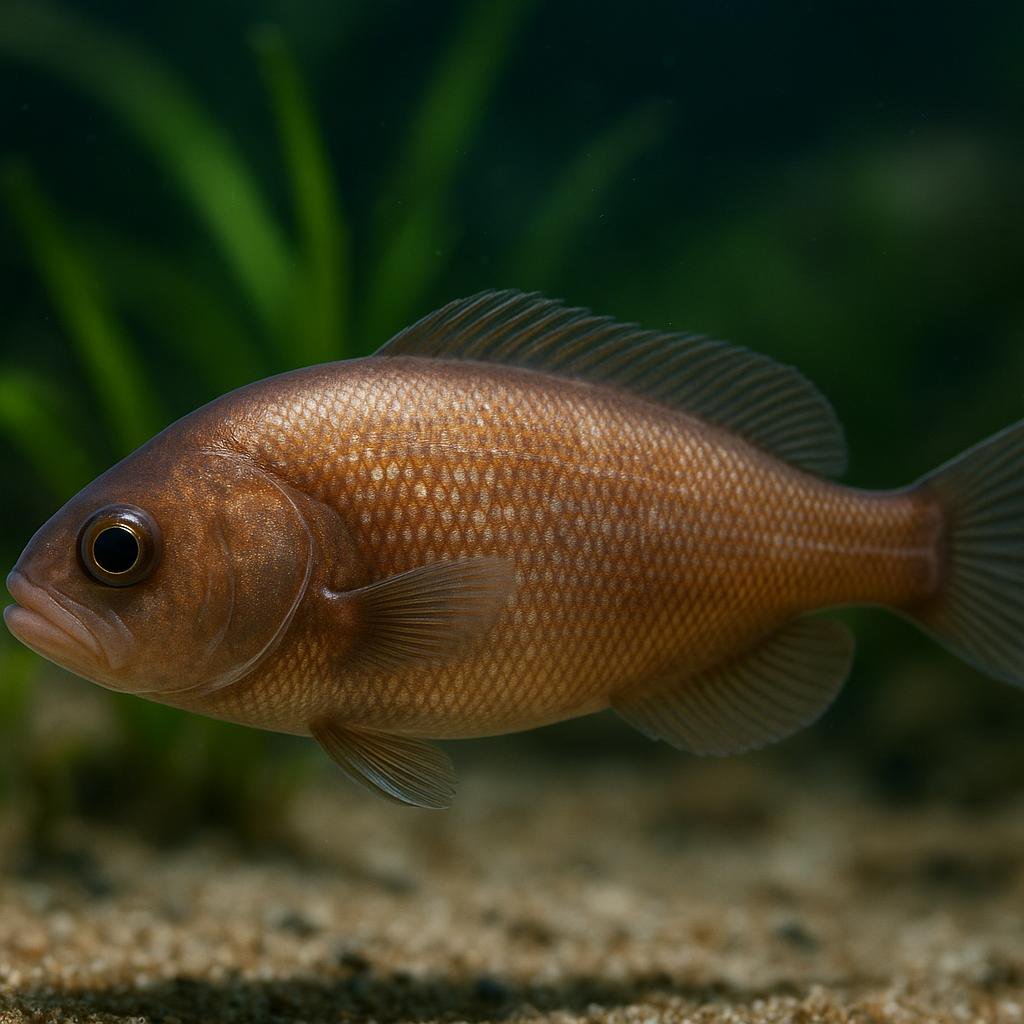
Affinis blind cusk-eel
Barathronus affinis
Barathronus affinis is a tiny, super-weird deep-sea blind cusk-eel from the western-central Indian Ocean. It is one of those gelatinous, loose-skinned brotula-type fishes that live way down in the dark and are basically never seen alive, so almost everything we know comes from preserved specimens and taxonomic work.
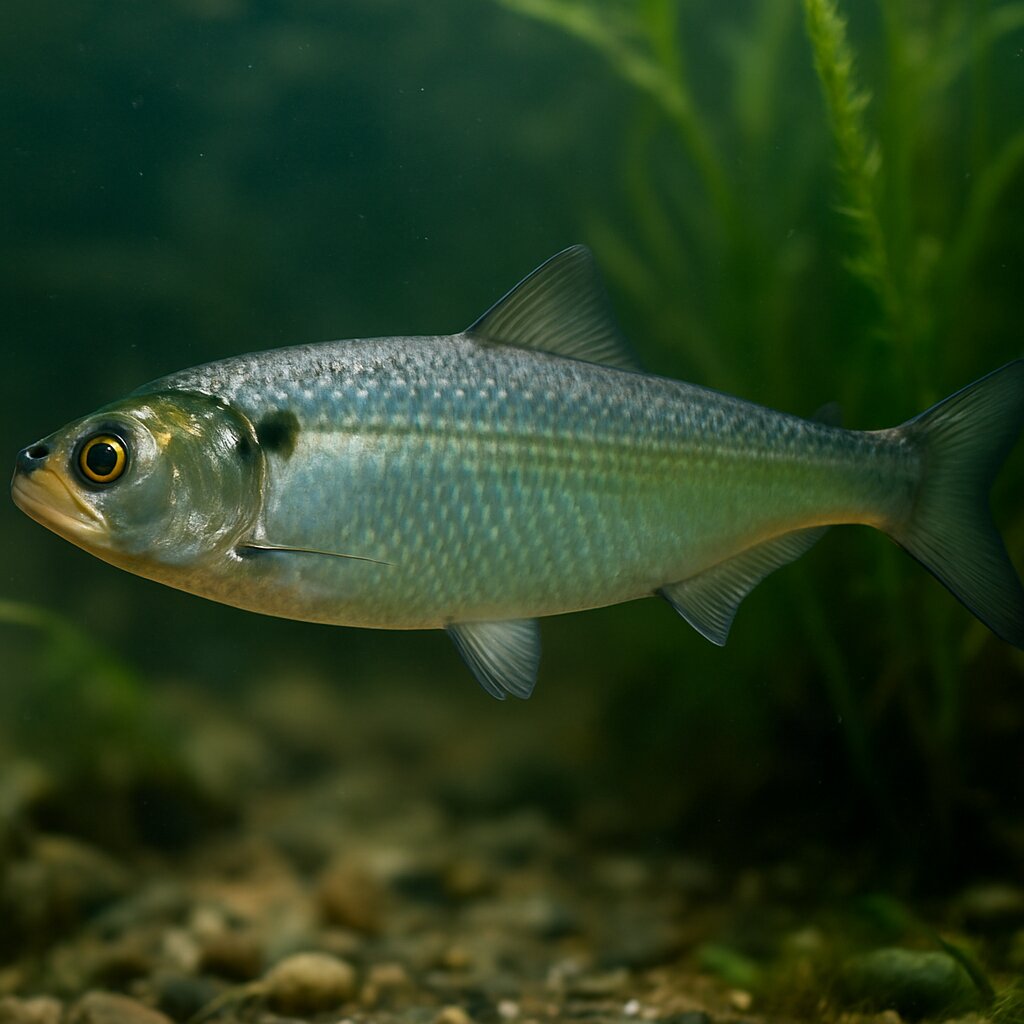
Allis shad
Alosa alosa
Gorgeous silver, fast-swimming shad that spends most of its life in the sea and then surges up big rivers in noisy, surface-spawning schools. It grows huge for a herring-type fish and needs cool, ultra-oxygenated water and tons of open space, so it is a public-aquarium species rather than a home tank fish.
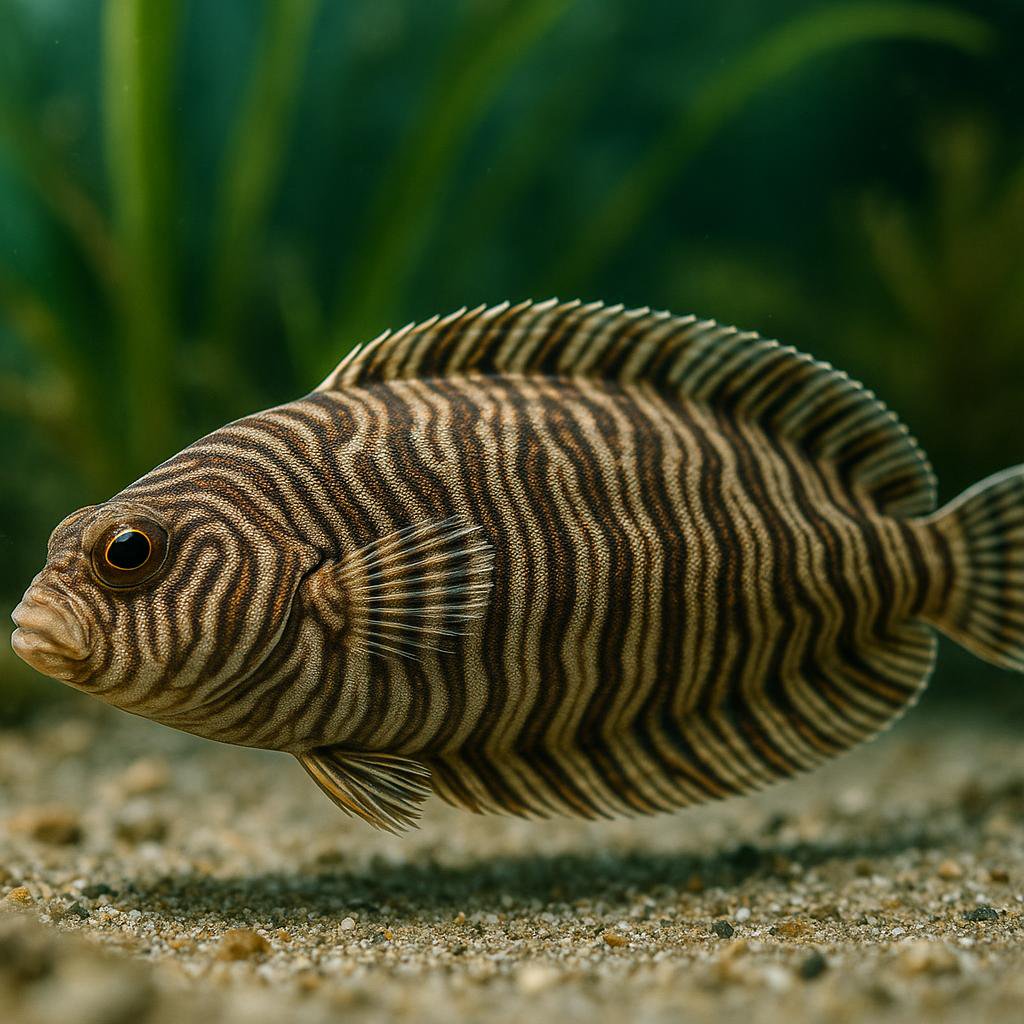
Annandale's zebra sole
Zebrias annandalei
Zebrias annandalei is a small demersal sole from coastal India that inhabits sandy or muddy bottoms and buries for camouflage. It is rarely kept in home aquaria and would require a specialized marine sand-bottom setup and appropriate feeding.
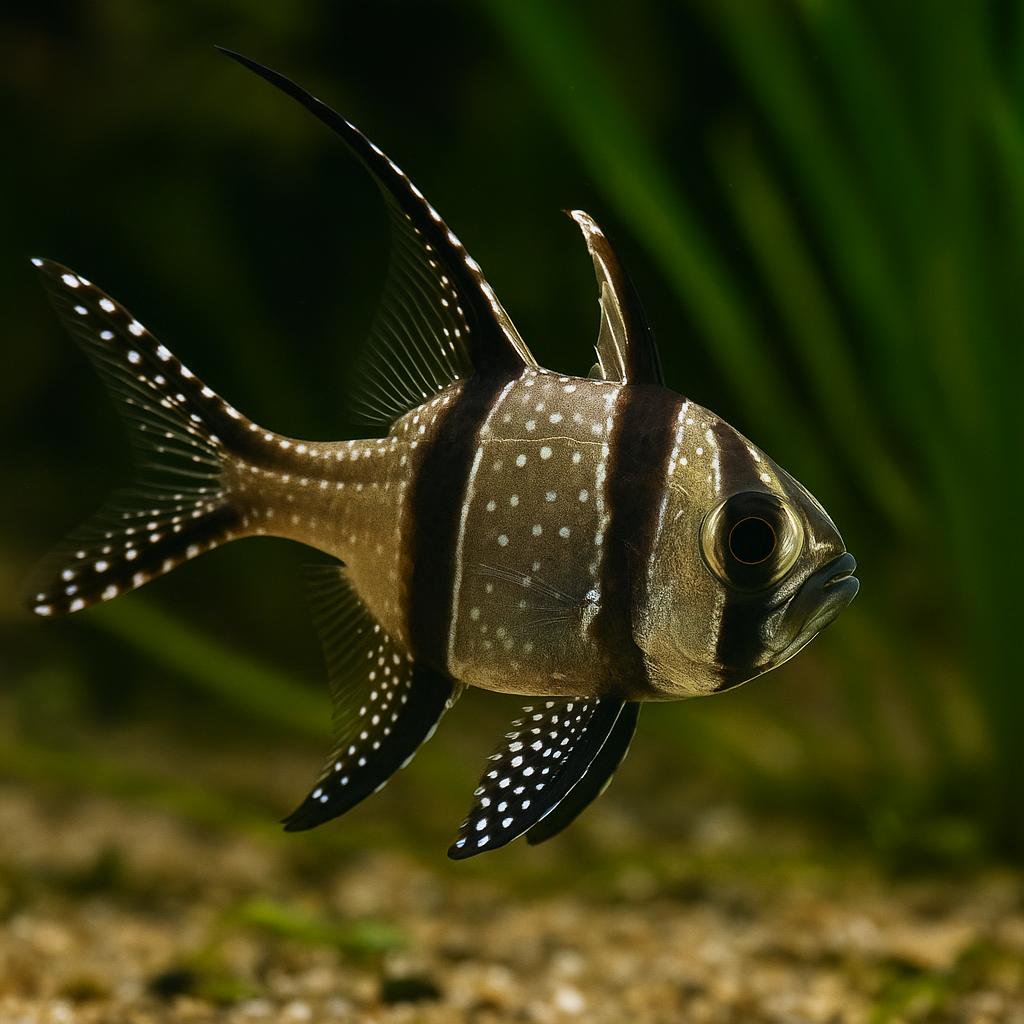
Banggai Cardinalfish
Pterapogon kauderni
Banggai cardinals just sort of hover like little underwater satellites, and the bold black bars with those long, polka-dotted fins look unreal under reef lighting. They're super chill most of the time, but once a pair forms you'll see real "fish drama," and the male will even mouthbrood the babies like a champ.
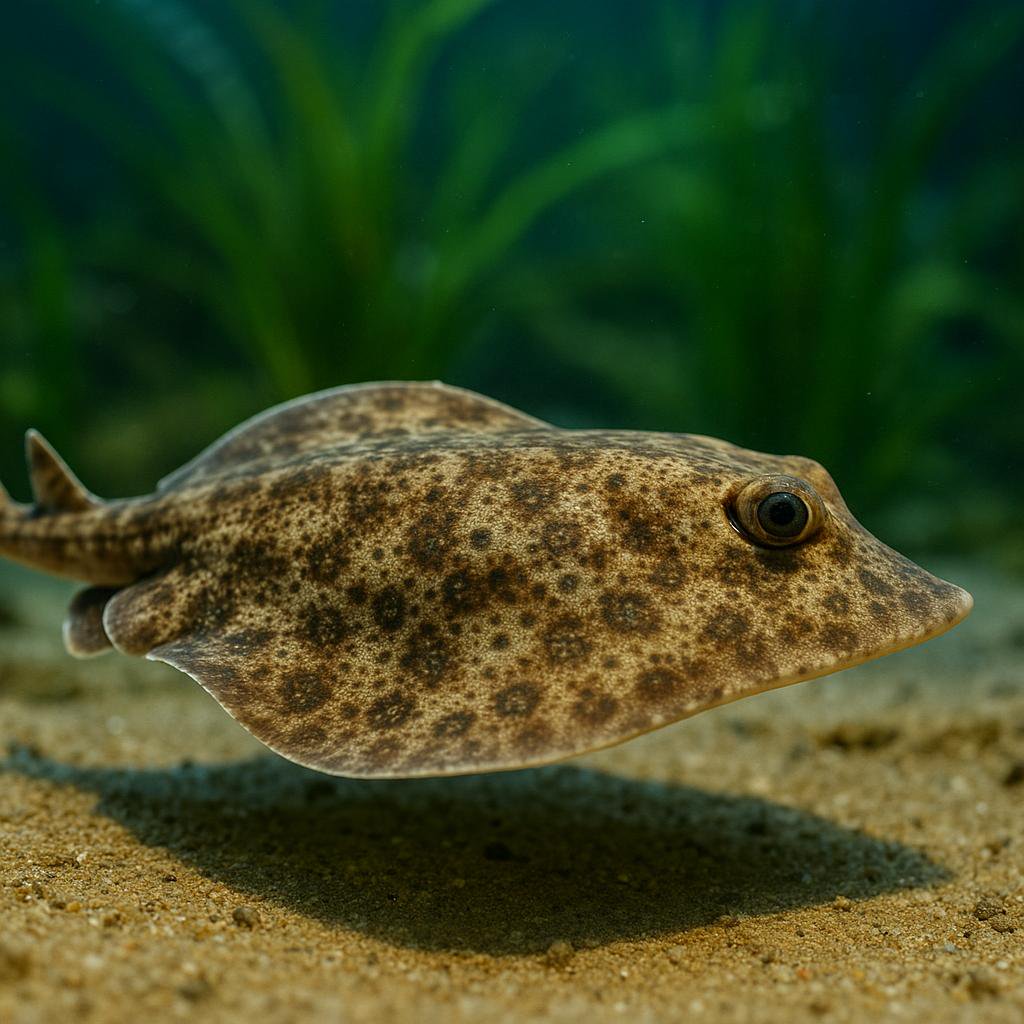
Barbedwire-tailed skate
Notoraja martinezi
Notoraja martinezi is a deepwater skate from the eastern Pacific (Costa Rica down to Ecuador) that lives way down on soft bottoms. The tail is the giveaway - it is lined with strong, hooked thorns that really do look like barbed wire. This is absolutely not an aquarium fish; it is a cold, high-pressure deep-sea animal with basically no practical home care info because it is not kept in the hobby.
More to Explore
Discover more marine species.
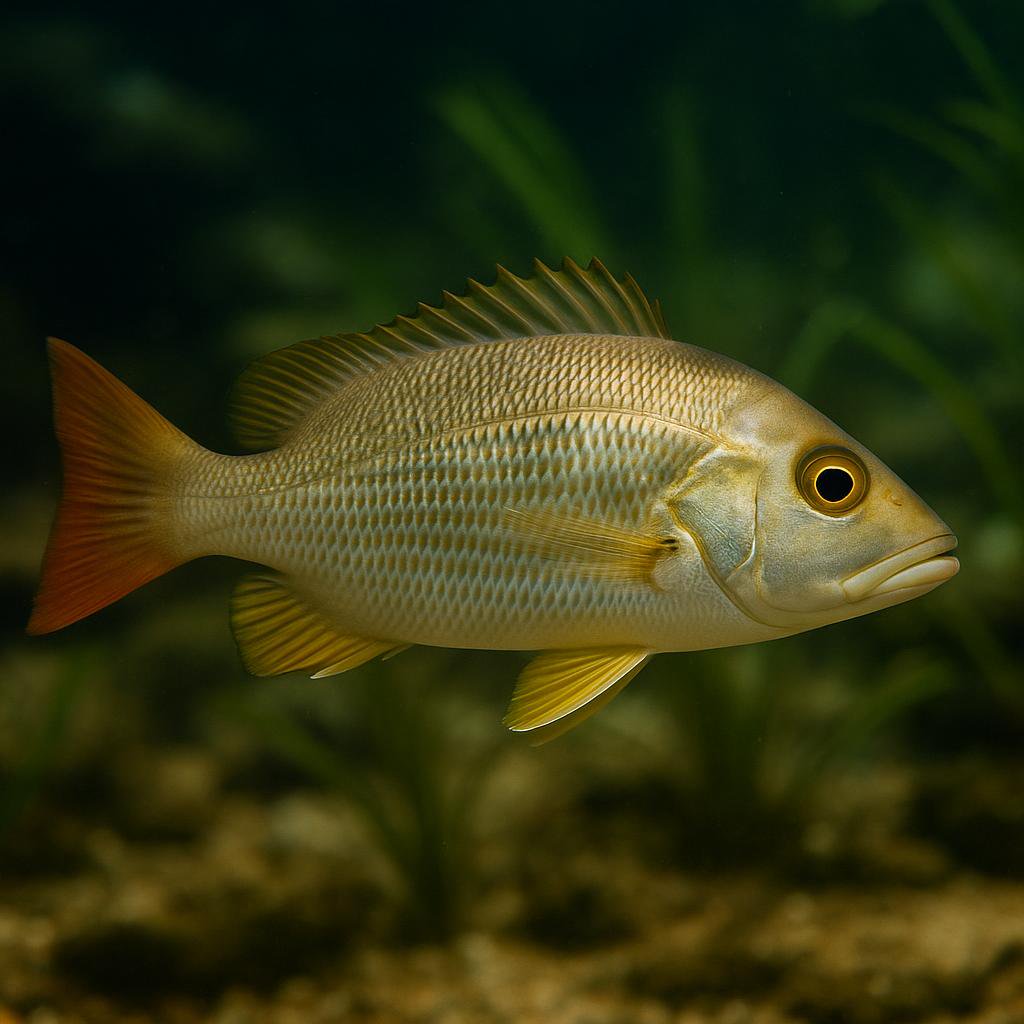
African red snapper
Lutjanus agennes
This is a true snapper from West Africa - a big, fast-growing predator that goes from coastal reefs to brackish lagoons and estuaries (especially as a juvenile). Super cool fish in the wild, but it gets absolutely huge and will eat smaller tankmates once it has the mouth for it, so its really more of a public-aquarium scale animal than a home-aquarium fish.
Aleutian skate
Bathyraja aleutica
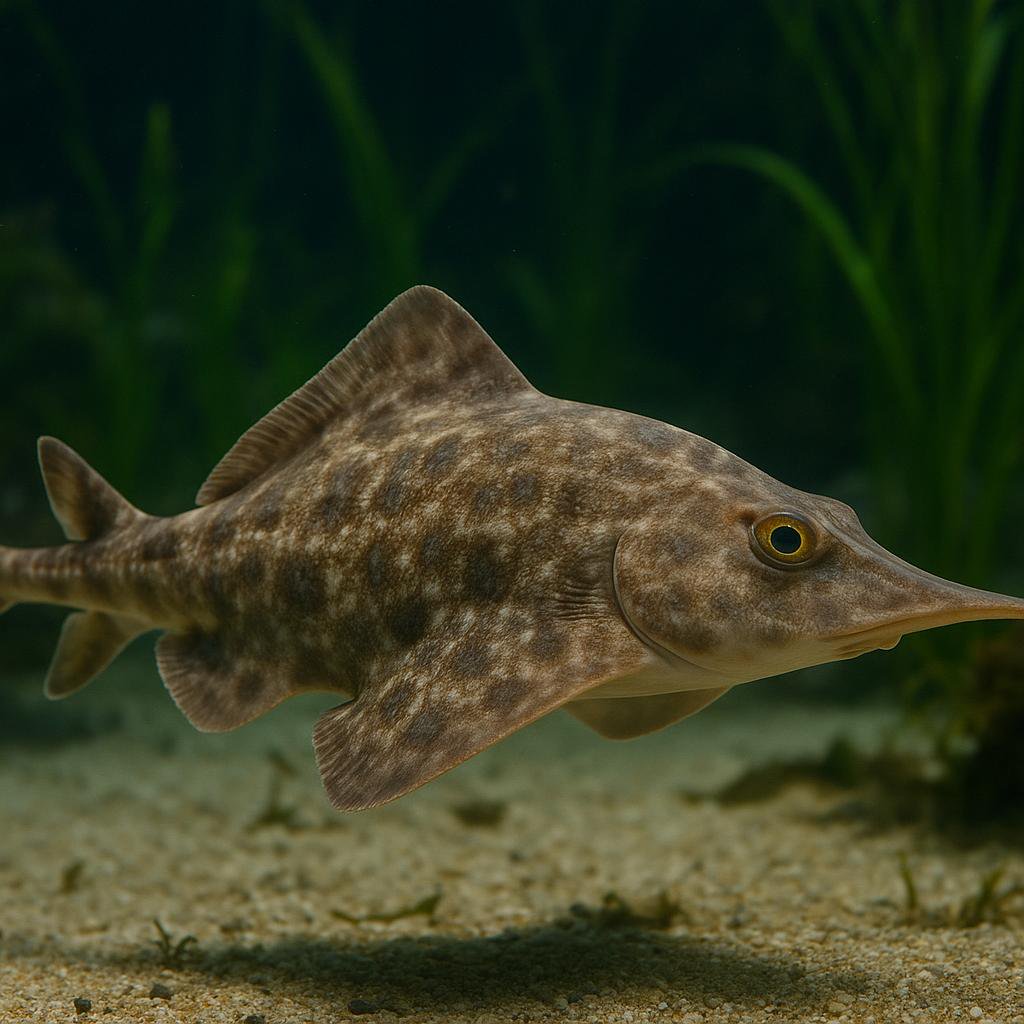
This is a big, cold-water deep-slope skate from the North Pacific that cruises muddy bottoms and eats chunky benthic prey like crabs and shrimp. The really cool bit is its egg-laying skate life - it does distinct pairing (the classic skate "embrace") and drops those tough egg cases on the seafloor. Not an aquarium fish at all unless you're basically running a public-aquarium-style chilled system.
Antarctic dragonfish
Vomeridens infuscipinnis
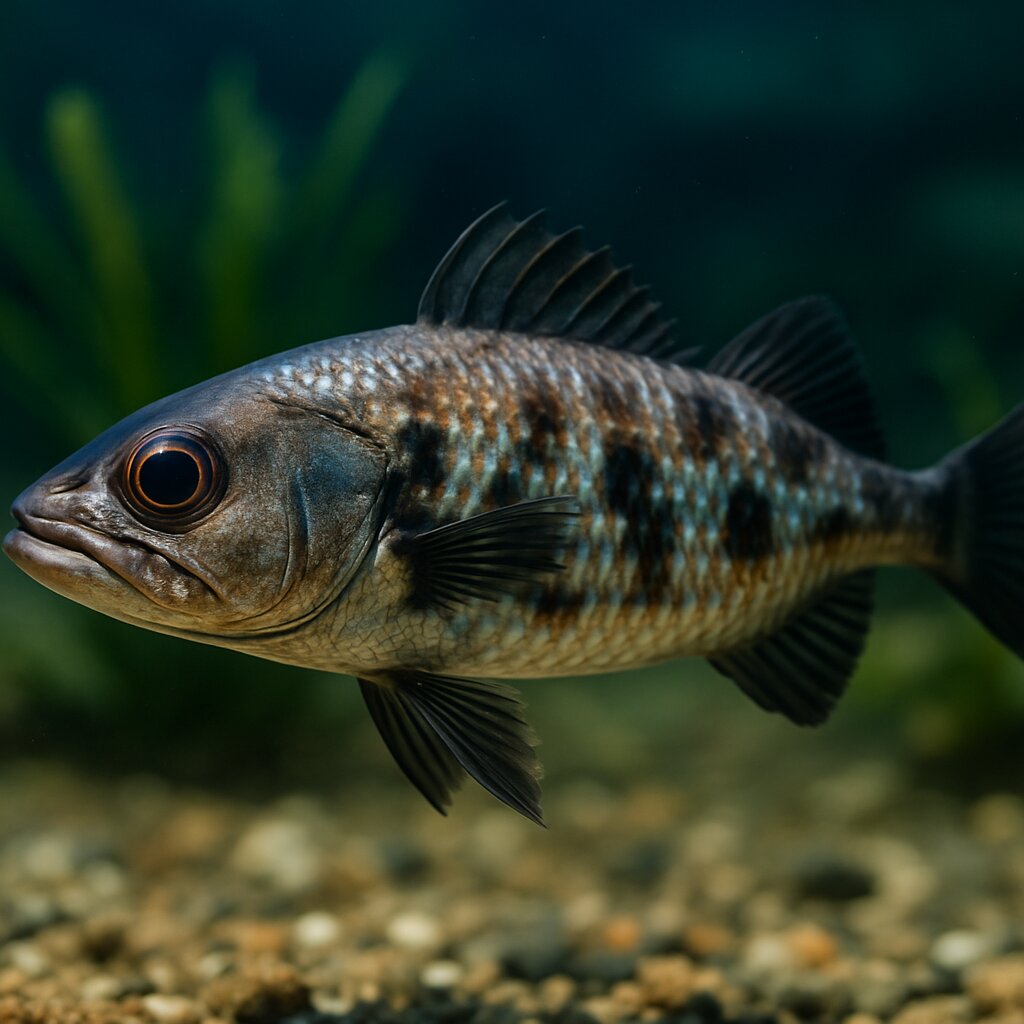
Deep down around Antarctica, this sleek dragonfish cruises the water column like a little submarine, nearly neutrally buoyant so it can hover above the seafloor. It munches almost exclusively on Antarctic krill and lives in near-freezing water 500-800 m down, so it is a cool species to read about, not one for home tanks.
Arabian demoiselle
Neopomacentrus sindensis
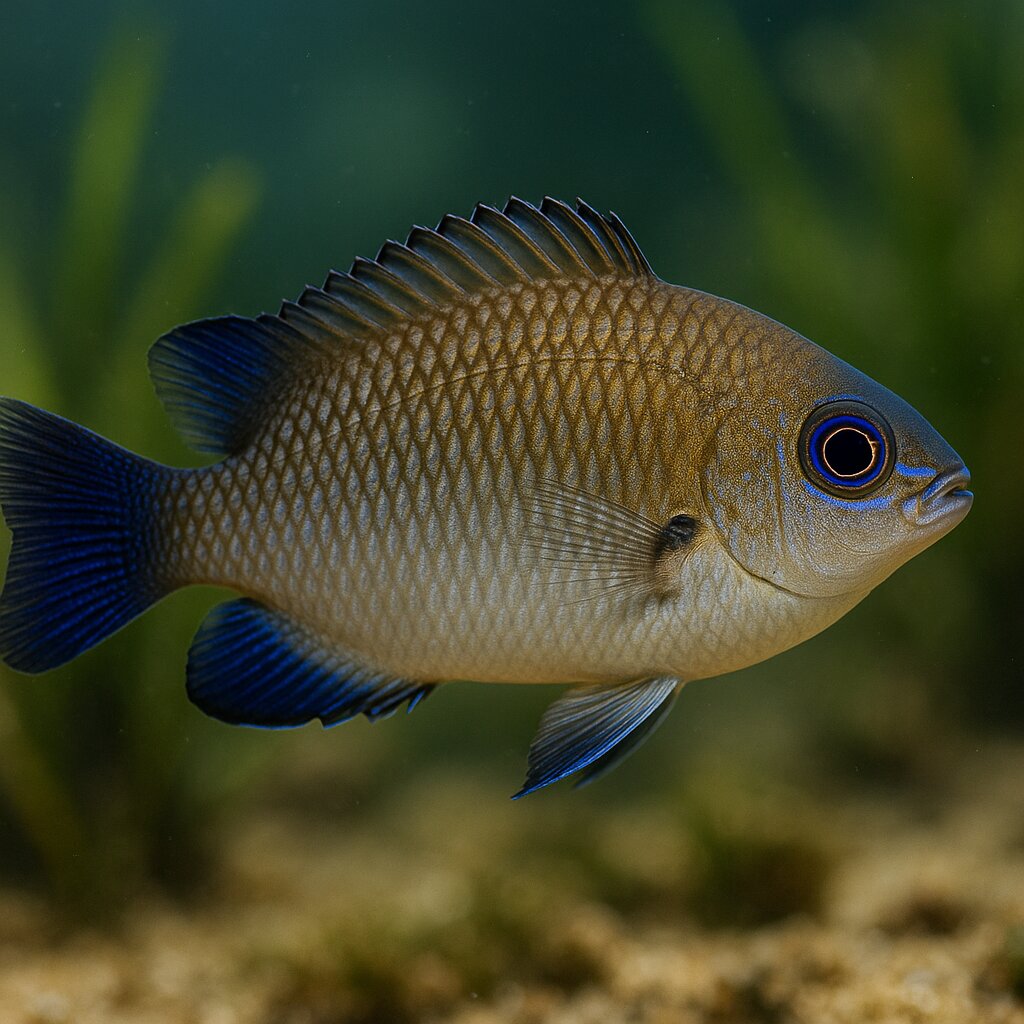
A small lyretail damsel from the Persian Gulf and Arabian Sea, it hangs in loose groups around coral heads, rocks, and even pier pilings picking zooplankton from the flow. Think classic damsel toughness with a slightly milder attitude than the real bruisers, plus subtle yellow tail accents. Males clean a patch, get a mate to lay eggs there, and then stand guard fanning the clutch.
Arabian spiny eel
Notacanthus indicus
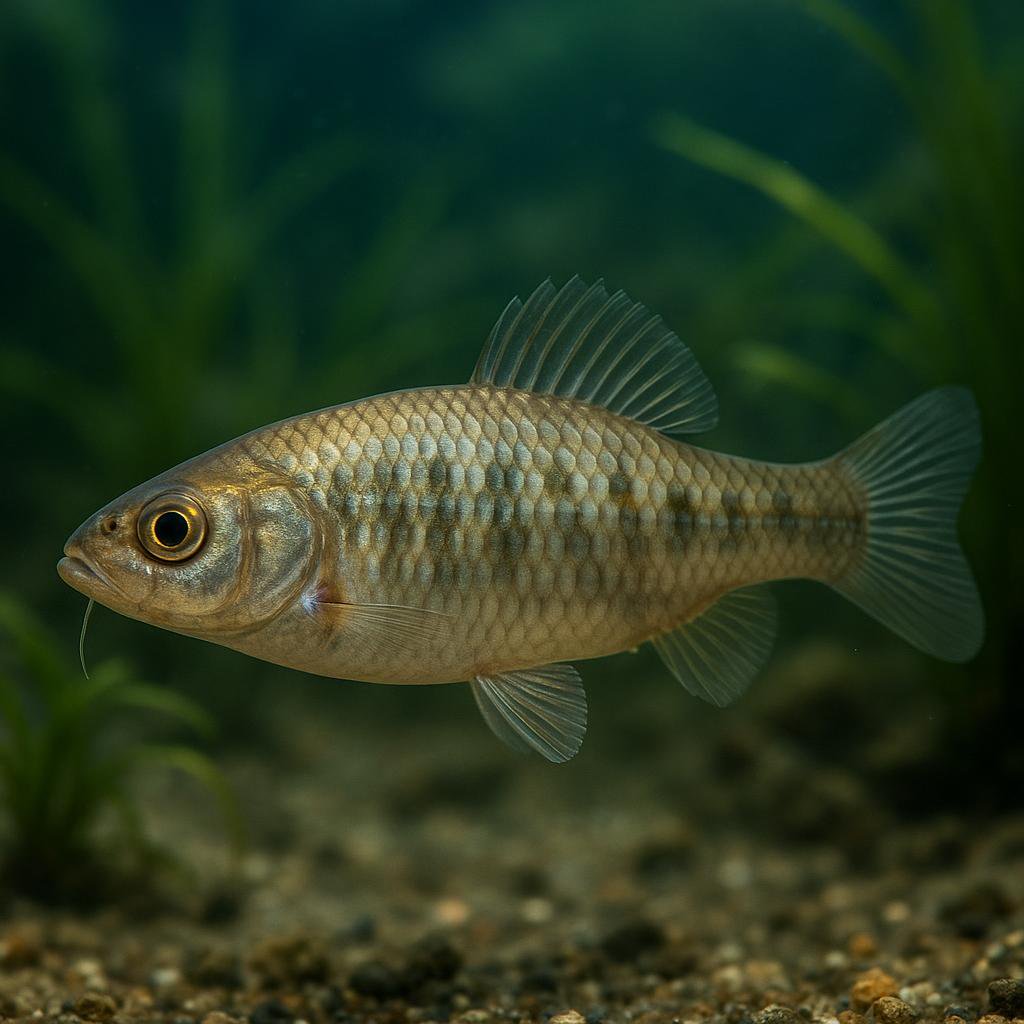
Notacanthus indicus is a deep-sea spiny eel (family Notacanthidae; not a true eel) known from the Arabian Sea on the continental slope at roughly ~960–1,046 m depth, with reported maximum length around 20 cm TL; it is a deep-water bycatch species and not established in the aquarium trade.
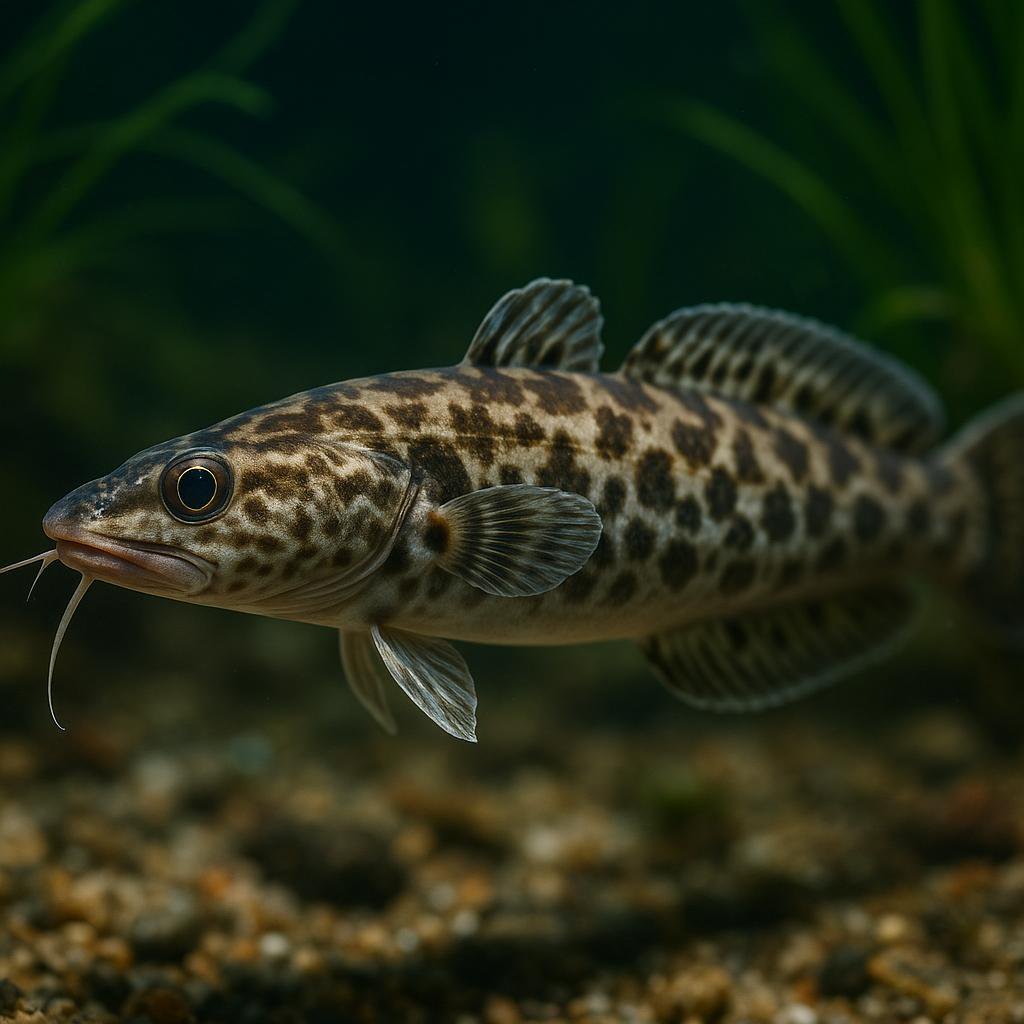
Arctic rockling
Gaidropsarus argentatus
This is a deepwater North Atlantic rockling (a cod relative) that hangs out on soft bottoms way down the slope. It is a cold-water, bottom-hugging predator that snoots around for crustaceans and will also take small fish when it gets the chance.
Looking for other species?