

Faustino's lanternfish
Diaphus faustinoi
About the Faustino's lanternfish
Diaphus faustinoi is a marine lanternfish (family Myctophidae) reported from the Philippines and the western-central Pacific. Like other myctophids it is a deep/mesopelagic open-ocean fish with photophores and diel vertical migration behavior, and it is not a practical home-aquarium species.
Also known as
Quick Facts
Size
3.4 cm TL
Temperament
Peaceful
Difficulty
Expert
Min Tank Size
0 gallons
Lifespan
unknown
Origin
Western Central Pacific (Philippines)
Diet
Carnivore/planktivore - small crustaceans and other zooplankton
Care Notes
- Plan for a deepwater-style setup: dim/blue lighting, lots of overhangs, and a big shaded zone - they freak out under bright reef lights and will smash their snout on the glass.
- Not a practical aquarium species: wild-caught individuals are deep/mesopelagic and may experience severe collection-related stress/pressure trauma; no reliable, species-specific aquarium temperature/salinity targets are established for home care in authoritative references.
- They are night hunters, so feed after lights-out: live copepods/ampipods, mysis, and small enriched brine at first; once settled, many will take chopped krill or small marine pellets if you train them slowly.
- Go small and frequent on food (2-4 tiny feeds) because they burn energy fast and get skinny quick; a fat lanternfish is a stable lanternfish.
- Tankmates: stick to other calm, cool-water planktivores and small benthic fish; skip anything boisterous or grabby (wrasses, triggers, hawkfish) and anything big enough to treat it like a snack.
- Use covered intakes and gentle flow - they love hovering and will get pinned to a strong intake, especially at night when they roam.
- Watch for barotrauma and swim issues if it was collected deep: buoyancy problems, floating, or refusal to eat usually means it came up too fast and may never fully recover.
- Breeding in home tanks is basically a lottery - they are pelagic spawners with tiny drifting larvae, so focus on keeping the adult stable and feeding well rather than chasing a spawn.
Compatibility
Good Tankmates
- Small, mellow midwater fish like firefish (Nemateleotris) - they mind their own business and will not hassle a shy lanternfish
- Small dartfish and assessors (yellow assessor, etc.) - calm personalities and they do fine in lower light, so everyone is on the same vibe
- Peaceful gobies that stick to the bottom (neon gobies, clown gobies, watchman types) - different zone in the tank, basically zero drama
- Docile blennies like tailspot or bicolor blenny - generally ignore open-water fish and just graze and perch
- Other small, peaceful planktivores like chalk bass (only the calmer small basslets) - if they are not pushy at feeding time, it can work in a roomy tank
Avoid
- Anything boisterous or aggressive like dottybacks, damsels, and bigger hawkfish - they will chase, stress, or straight up pick on a lanternfish
- Predators and big mouths like groupers, large wrasses, and lionfish - if it fits, it is food, especially since lanternfish act shy and hover
- Nippy, hyper feeders like larger anthias groups or surgeonfish in small tanks - they outcompete hard at feeding time and the lanternfish loses weight fast
Where they come from
Faustino's lanternfish (Diaphus faustinoi) is a mesopelagic lanternfish - one of those deep-ocean, glow-in-the-dark types that spends its life in the dim "twilight zone" of the sea. They do daily vertical migrations in the wild (up at night, down in the day), and that single fact drives almost everything about keeping them.
These are deepwater fish. If one shows up in the trade, it usually comes with a lot of hidden baggage: rough collection, pressure change stress, and a short window to get it eating. This is why I only call them "expert" if you already have chilled marine experience.
Setting up their tank
Think "cold, dark, quiet, and stable" more than "reef showcase." A standard warm reef tank is a fast track to a dead lanternfish. You want a dedicated system where you control temperature and light and you are not fighting the rest of a mixed community.
- Tank size: I would not bother under 40-55 gallons for a single fish, bigger if you want a small group. They are midwater cruisers, not perchers.
- Temperature: chilled. Aim roughly 50-60F (10-16C) unless you have confirmed collection depth/region data. Warm water knocks them out fast.
- Salinity: normal marine range (around 1.024-1.026), but keep it steady more than "perfect."
- Lighting: very low. I use dim ambient room light or heavily shaded LEDs. Bright reef lighting keeps them stressed and pinned to corners.
- Flow and filtration: gentle, even flow. Strong jets make them burn energy and slam into glass. Oversize filtration helps because you will be feeding small, messy foods often.
- Aquascape: open water with a few dark "edges" (caves/overhangs or black background) so they feel they have somewhere to fade back into. Avoid sharp rockwork they can spook into.
- Cover: tight lid. Spooked deepwater fish can jump, and you will not get a second chance.
If you can give them a long dawn/dusk ramp (even just a dimmer), do it. Sudden lights on/off is a classic "panic lap" trigger.
Acclimation is where most attempts fall apart. Go slow on temp and salinity, keep the bucket dark, and avoid blasting them with a flashlight. If the fish is floating oddly or rolling, stop fussing and get it into stable, oxygen-rich water quickly - endless drip acclimation can be worse than a controlled, shorter one for a fish that is already stressed.
What to feed them
They are micro-predators. In my experience, the biggest hurdle is getting consistent feeding response under aquarium lighting. Once they recognize food, they tend to be steady eaters, but you have to meet them where they are: small items drifting in the water column, mostly at "night."
- Best starter foods: live enriched baby brine (not as a long-term staple), live copepods, live mysis if you can get small ones.
- Frozen foods that often work after training: PE calanus, finely chopped mysis, chopped krill (tiny bits), cyclops, fish eggs/roe.
- Enrichment: soak in HUFA (Selco, etc.) and add vitamins occasionally. Deepwater fish seem to crash faster when nutrition is skinny.
- Feeding schedule: small amounts 2-4 times a day is better than one big dump. I do most feedings in low light or after lights out.
Use a feeding pipette and "mist" the food into the current so it looks like drifting plankton. If you blast a cube worth of food in one spot, they often ignore it and you just foul the water.
Do not assume they will compete at the surface. If you keep them with faster fish, the lanternfish usually loses and slowly starves while still looking "fine" for weeks.
How they behave and who they get along with
Lanternfish are shy, midwater fish that spend a lot of time hovering and making short, careful darts. They spook easily. A calm tank and predictable routine matters more than people expect.
Tankmates are where most hobby setups go sideways. You are basically choosing between "species-only" or "very carefully selected coldwater, low-light companions." Anything boisterous, territorial, or fast at feeding time will stress them or outcompete them.
- Good idea: species-only, or a small group of the same lanternfish if your tank is large and you can keep up with feeding.
- Maybe: other peaceful, chilled-water planktivores with similar feeding speed (rare in the hobby).
- Bad idea: aggressive fish, most wrasses, damsels, dottybacks, triggers, big hawkfish, and anything that treats small fish like snacks.
- Also bad: bright reef setups with bustling tangs and anthias. The lanternfish will act like a ghost and waste away.
If you try a group, add them together and give them space. Mixing a single new lanternfish into an established group can lead to constant chasing in the first days, especially in a tank that is too bright.
Breeding tips
Realistically, breeding Diaphus in home aquariums is in the "nice dream" category. In the wild they spawn in open water, larvae are planktonic, and their life cycle is tied to depth, light cues, and probably seasonal rhythms we do not replicate.
If you ever did want to take a swing at it, you would be looking at a chilled, dim system with extremely stable parameters, a well-fed group, and a way to collect pelagic eggs/larvae (think gentle overflow to a collector). But I have not seen reliable reports of home-bred lanternfish for a reason.
Common problems to watch for
- Heat and bright light stress: rapid breathing, hiding constantly, refusing food, frantic swimming when lights change.
- Starvation in disguise: they may look "normal" while slowly losing weight. Watch the belly line and overall fullness, not just whether they peck once in a while.
- Shipping/collection damage: poor buoyancy control, rolling, head-up or tail-up floating, sudden crashes in the first week.
- Bacterial issues after rough import: frayed fins, red patches, cloudy eyes. Quarantine is tricky because they hate bright bare tanks, so plan a dark, chilled QT with lots of oxygen.
- Water quality swings: because you feed small planktonic foods often, nutrients creep up fast. If you let ammonia/nitrite appear even briefly, they tend to spiral.
- Mechanical injuries: they spook into glass or rock. Sharp aquascape edges and strong flow make this more likely.
Temperature creep kills deepwater fish quietly. A chiller failure overnight can look like "mystery death" in the morning. If you keep lanternfish, put the chiller on an alarmed controller and have a backup plan.
If you are determined to keep Faustino's lanternfish, the biggest wins are: keep it cold, keep it dim, keep it calm, and get it eating early. Everything else is details. If you want, tell me your tank size and what temps you can realistically hold, and I can suggest a setup that matches your gear.
Similar Species
Other marine peaceful species you might be interested in.
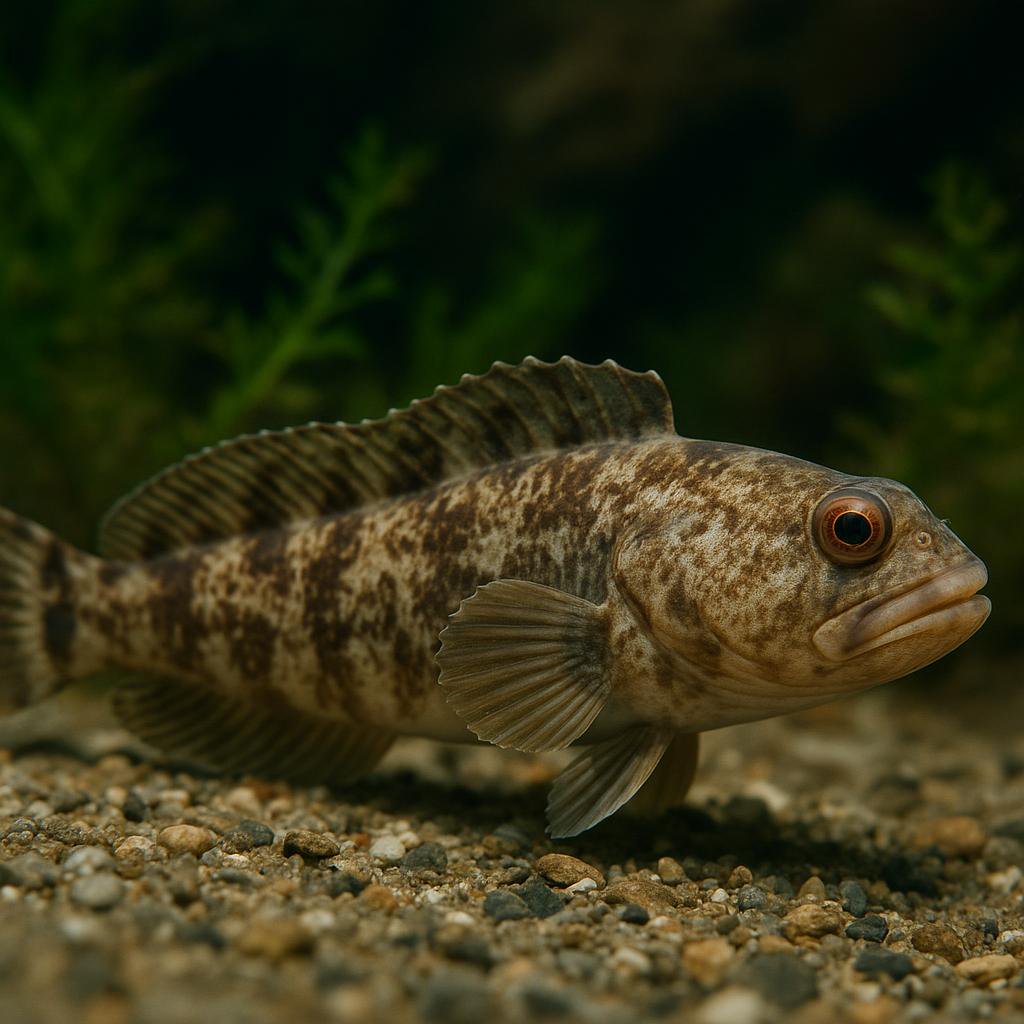
Abe's eelpout
Japonolycodes abei
Japonolycodes abei is a temperate, deepwater demersal eelpout (family Zoarcidae) endemic to Japan (Kumano-nada Sea reported; other sources also report Sagami Bay and Tosa Bay). It is the only species in the genus Japonolycodes and occurs roughly 40-300 m depth, making it an uncommon/atypical aquarium species.
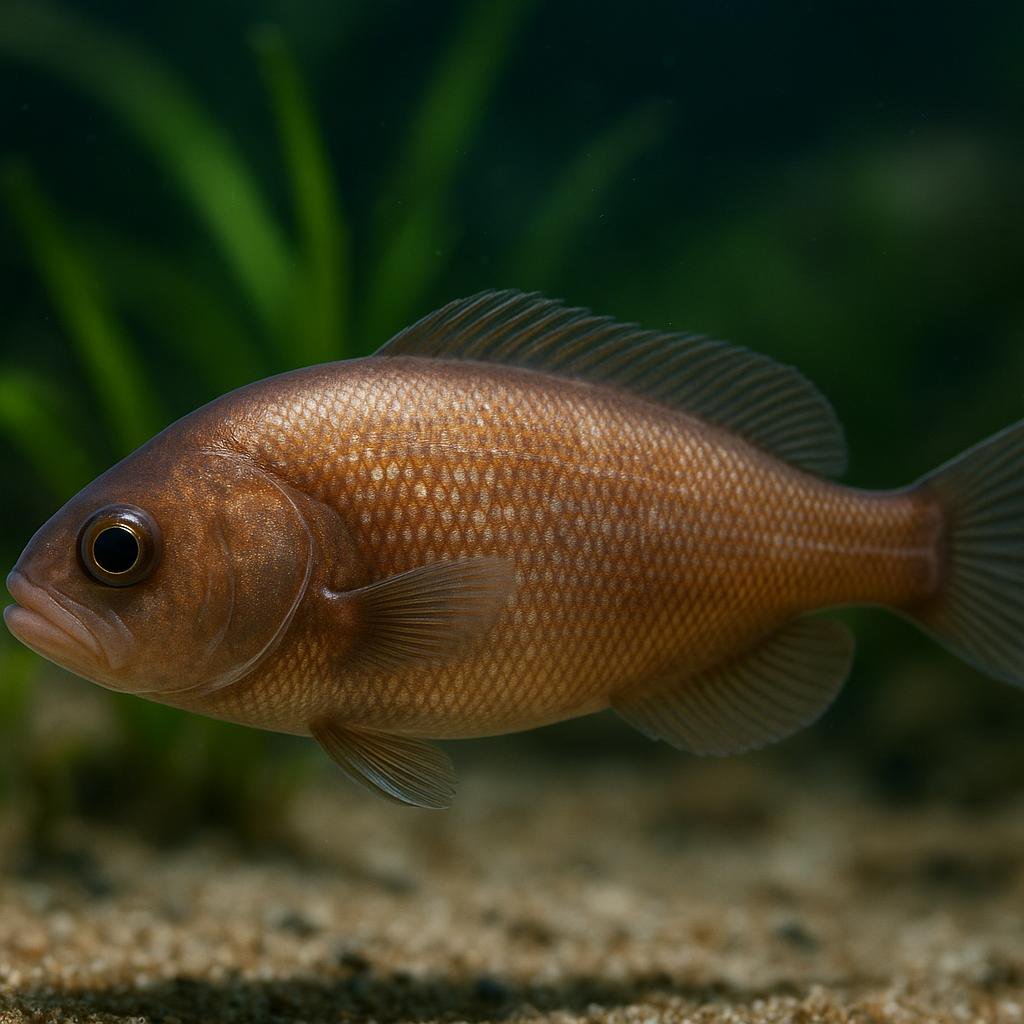
Affinis blind cusk-eel
Barathronus affinis
Barathronus affinis is a tiny, super-weird deep-sea blind cusk-eel from the western-central Indian Ocean. It is one of those gelatinous, loose-skinned brotula-type fishes that live way down in the dark and are basically never seen alive, so almost everything we know comes from preserved specimens and taxonomic work.
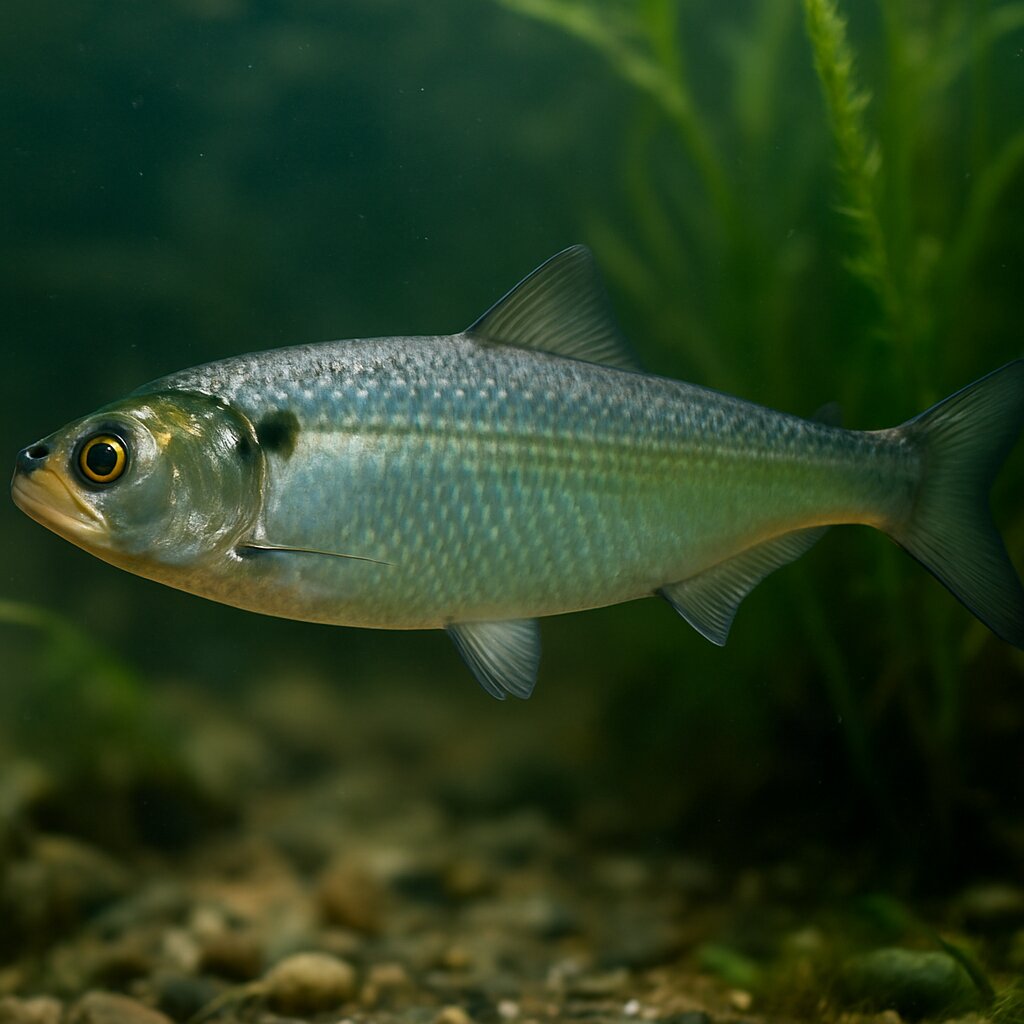
Allis shad
Alosa alosa
Gorgeous silver, fast-swimming shad that spends most of its life in the sea and then surges up big rivers in noisy, surface-spawning schools. It grows huge for a herring-type fish and needs cool, ultra-oxygenated water and tons of open space, so it is a public-aquarium species rather than a home tank fish.
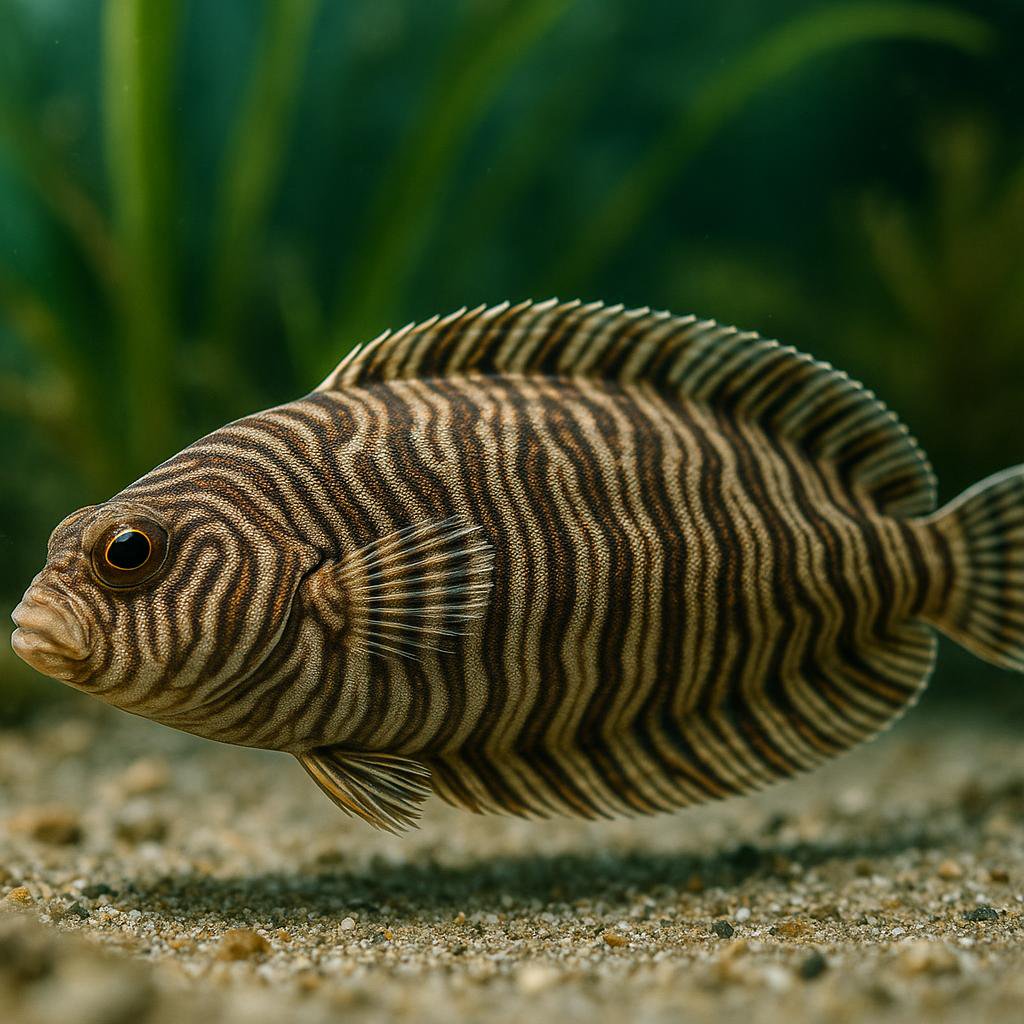
Annandale's zebra sole
Zebrias annandalei
Zebrias annandalei is a small demersal sole from coastal India that inhabits sandy or muddy bottoms and buries for camouflage. It is rarely kept in home aquaria and would require a specialized marine sand-bottom setup and appropriate feeding.
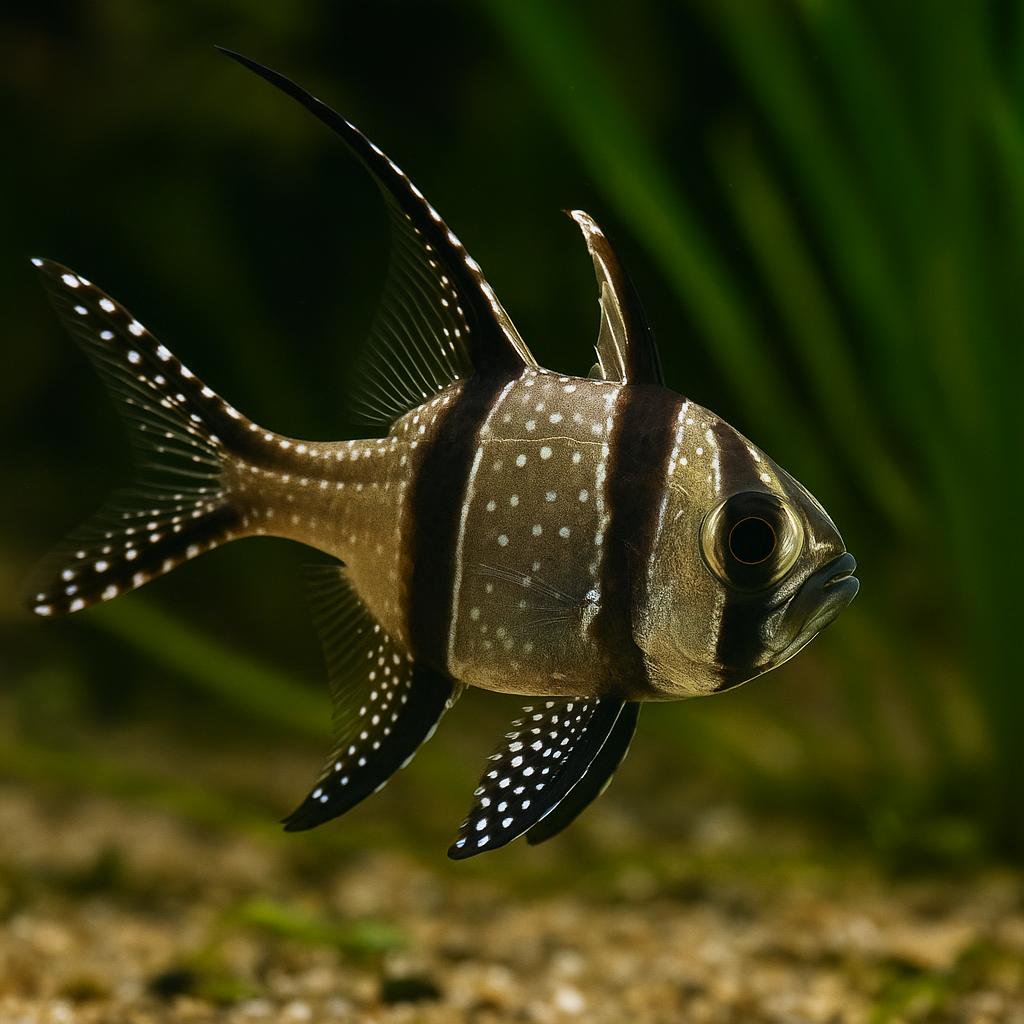
Banggai Cardinalfish
Pterapogon kauderni
Banggai cardinals just sort of hover like little underwater satellites, and the bold black bars with those long, polka-dotted fins look unreal under reef lighting. They're super chill most of the time, but once a pair forms you'll see real "fish drama," and the male will even mouthbrood the babies like a champ.
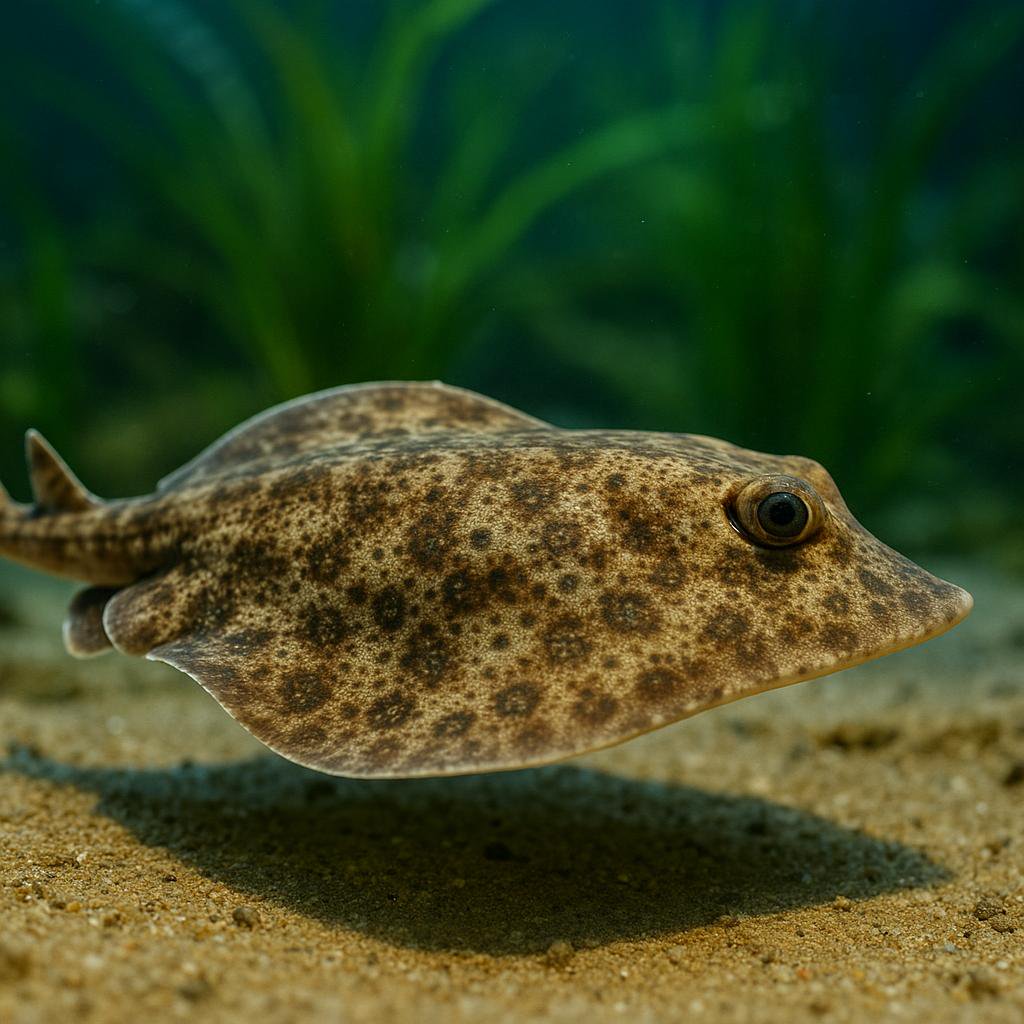
Barbedwire-tailed skate
Notoraja martinezi
Notoraja martinezi is a deepwater skate from the eastern Pacific (Costa Rica down to Ecuador) that lives way down on soft bottoms. The tail is the giveaway - it is lined with strong, hooked thorns that really do look like barbed wire. This is absolutely not an aquarium fish; it is a cold, high-pressure deep-sea animal with basically no practical home care info because it is not kept in the hobby.
More to Explore
Discover more marine species.
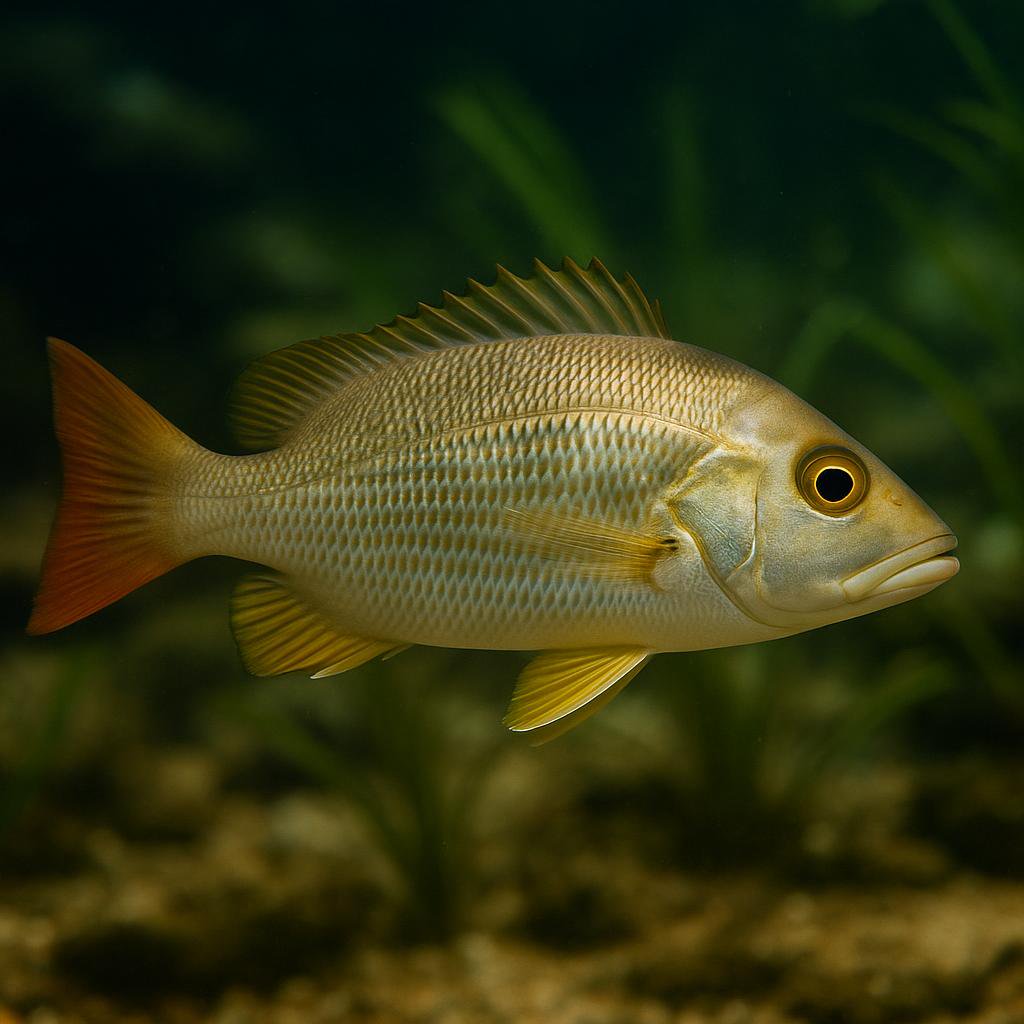
African red snapper
Lutjanus agennes
This is a true snapper from West Africa - a big, fast-growing predator that goes from coastal reefs to brackish lagoons and estuaries (especially as a juvenile). Super cool fish in the wild, but it gets absolutely huge and will eat smaller tankmates once it has the mouth for it, so its really more of a public-aquarium scale animal than a home-aquarium fish.
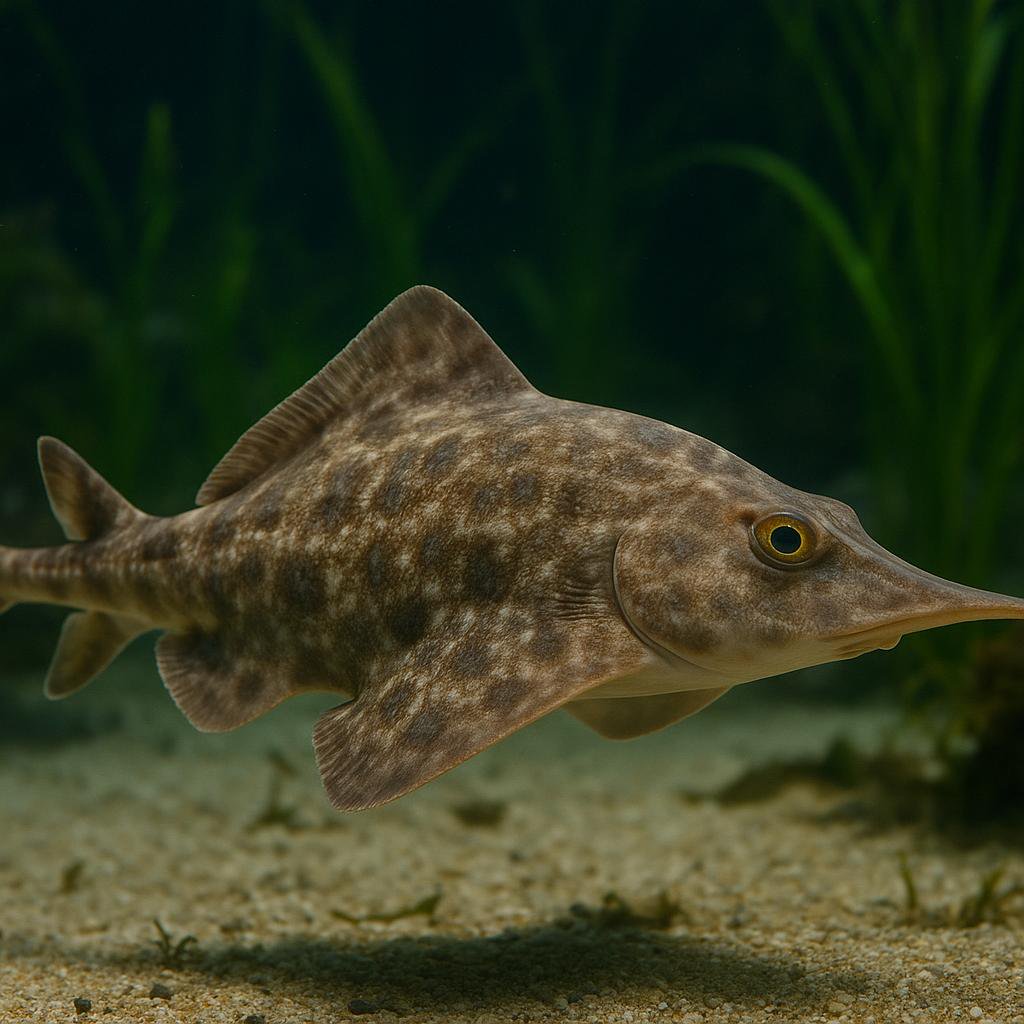
Aleutian skate
Bathyraja aleutica
This is a big, cold-water deep-slope skate from the North Pacific that cruises muddy bottoms and eats chunky benthic prey like crabs and shrimp. The really cool bit is its egg-laying skate life - it does distinct pairing (the classic skate "embrace") and drops those tough egg cases on the seafloor. Not an aquarium fish at all unless you're basically running a public-aquarium-style chilled system.
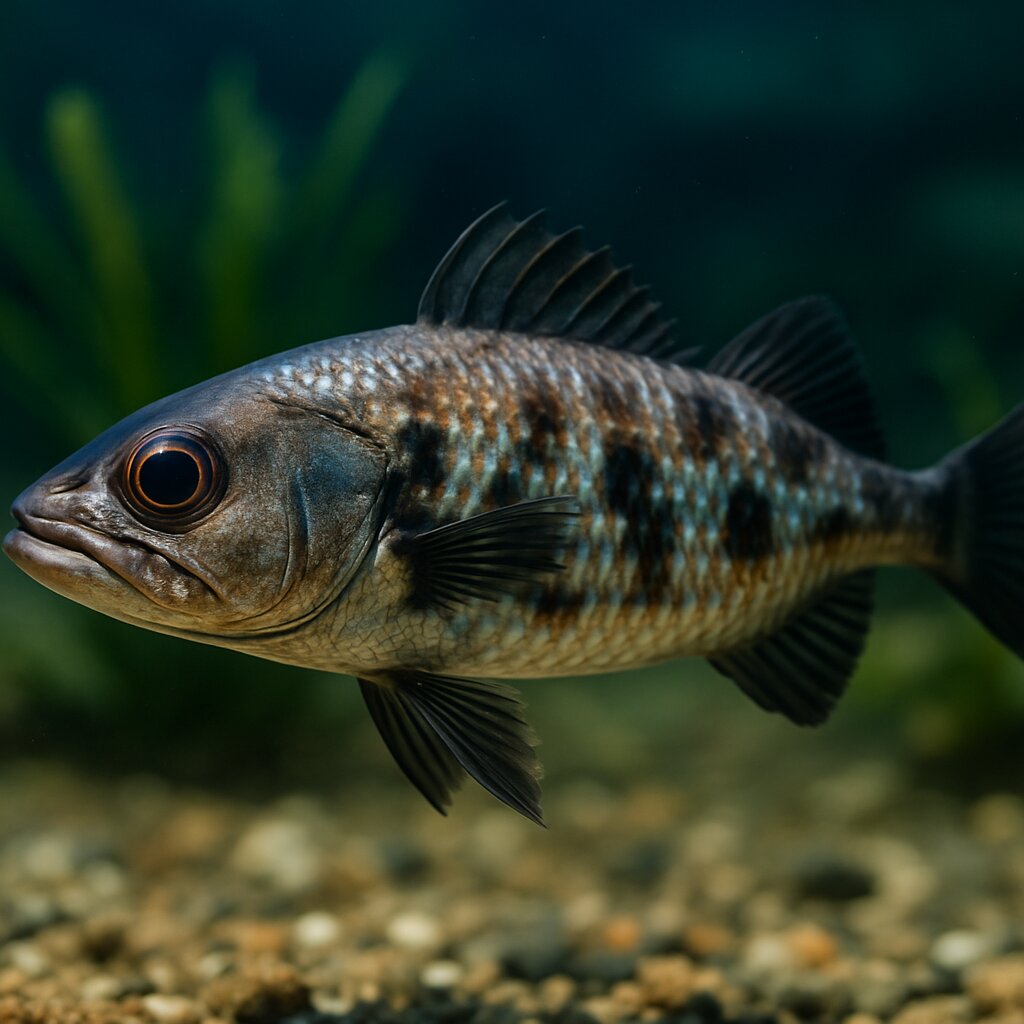
Antarctic dragonfish
Vomeridens infuscipinnis
Deep down around Antarctica, this sleek dragonfish cruises the water column like a little submarine, nearly neutrally buoyant so it can hover above the seafloor. It munches almost exclusively on Antarctic krill and lives in near-freezing water 500-800 m down, so it is a cool species to read about, not one for home tanks.
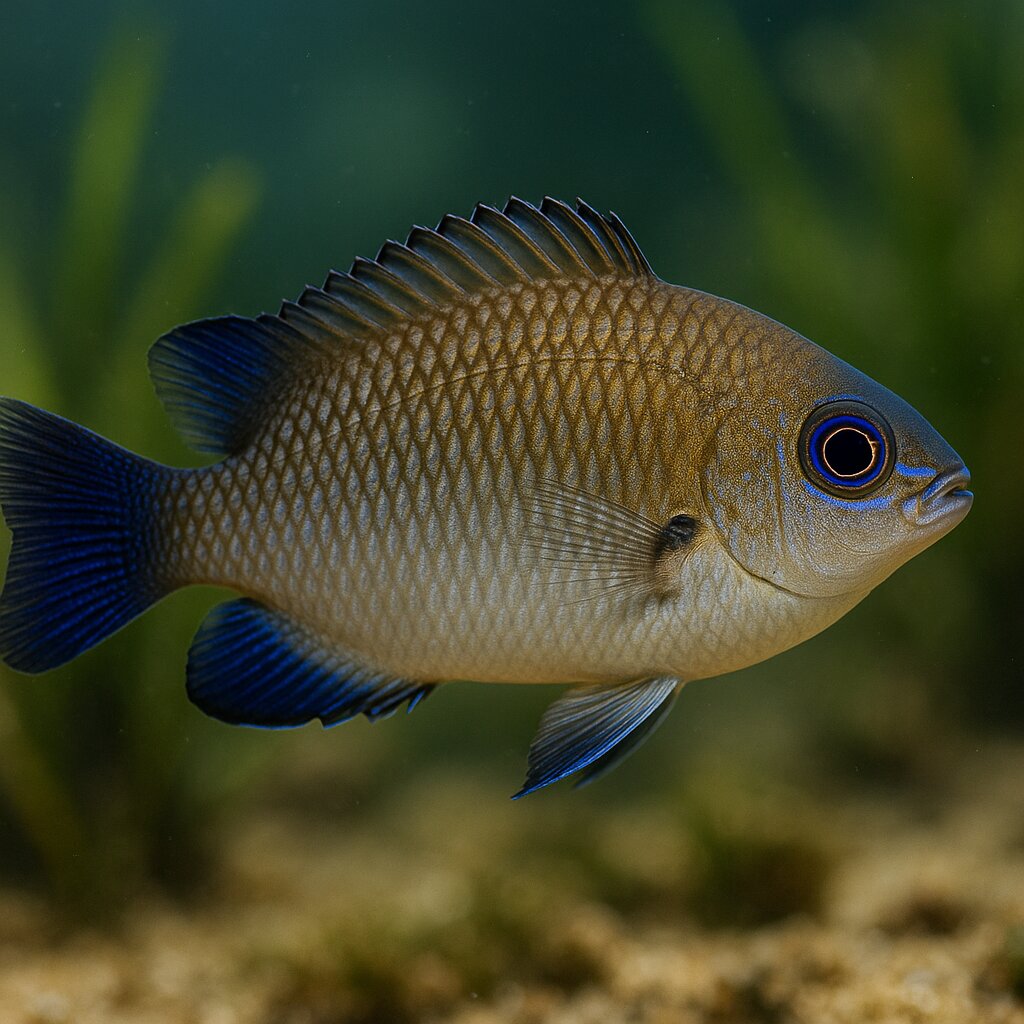
Arabian demoiselle
Neopomacentrus sindensis
A small lyretail damsel from the Persian Gulf and Arabian Sea, it hangs in loose groups around coral heads, rocks, and even pier pilings picking zooplankton from the flow. Think classic damsel toughness with a slightly milder attitude than the real bruisers, plus subtle yellow tail accents. Males clean a patch, get a mate to lay eggs there, and then stand guard fanning the clutch.
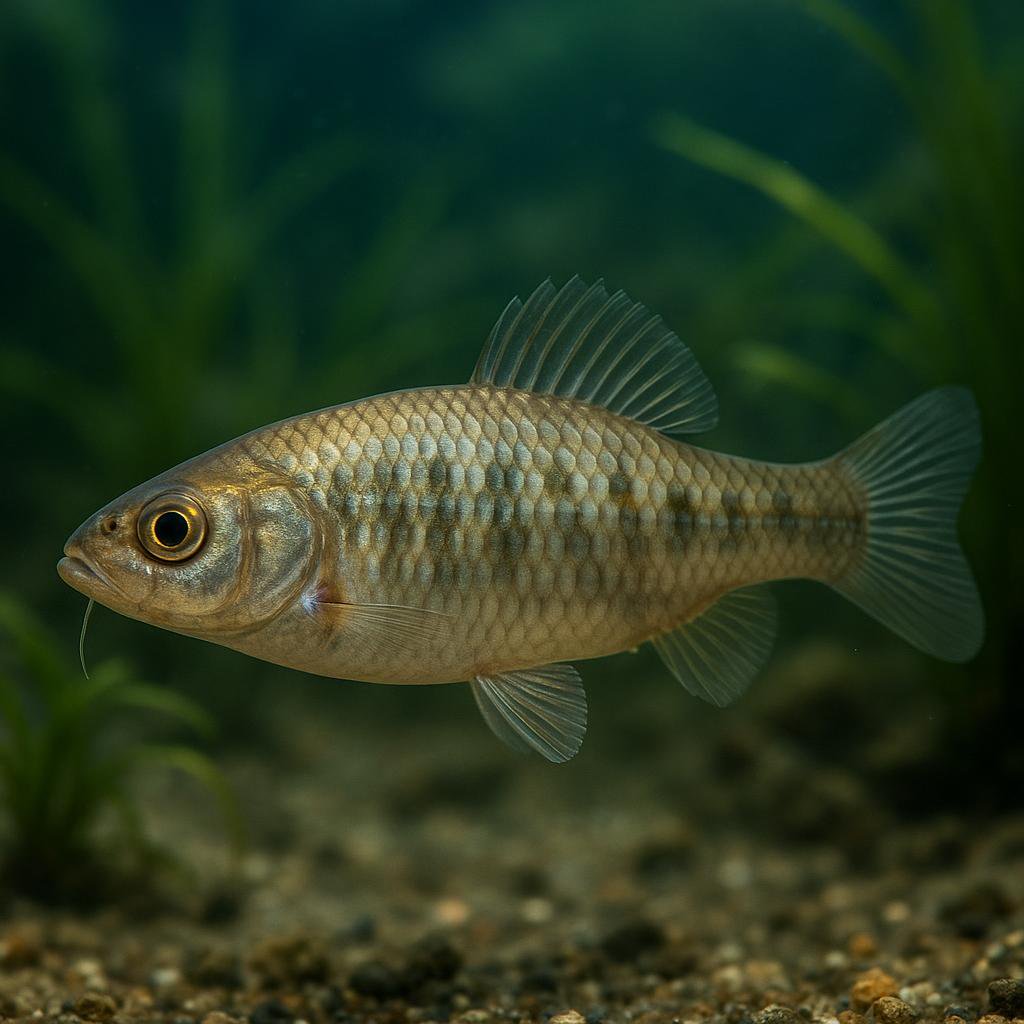
Arabian spiny eel
Notacanthus indicus
Notacanthus indicus is a deep-sea spiny eel (family Notacanthidae; not a true eel) known from the Arabian Sea on the continental slope at roughly ~960–1,046 m depth, with reported maximum length around 20 cm TL; it is a deep-water bycatch species and not established in the aquarium trade.
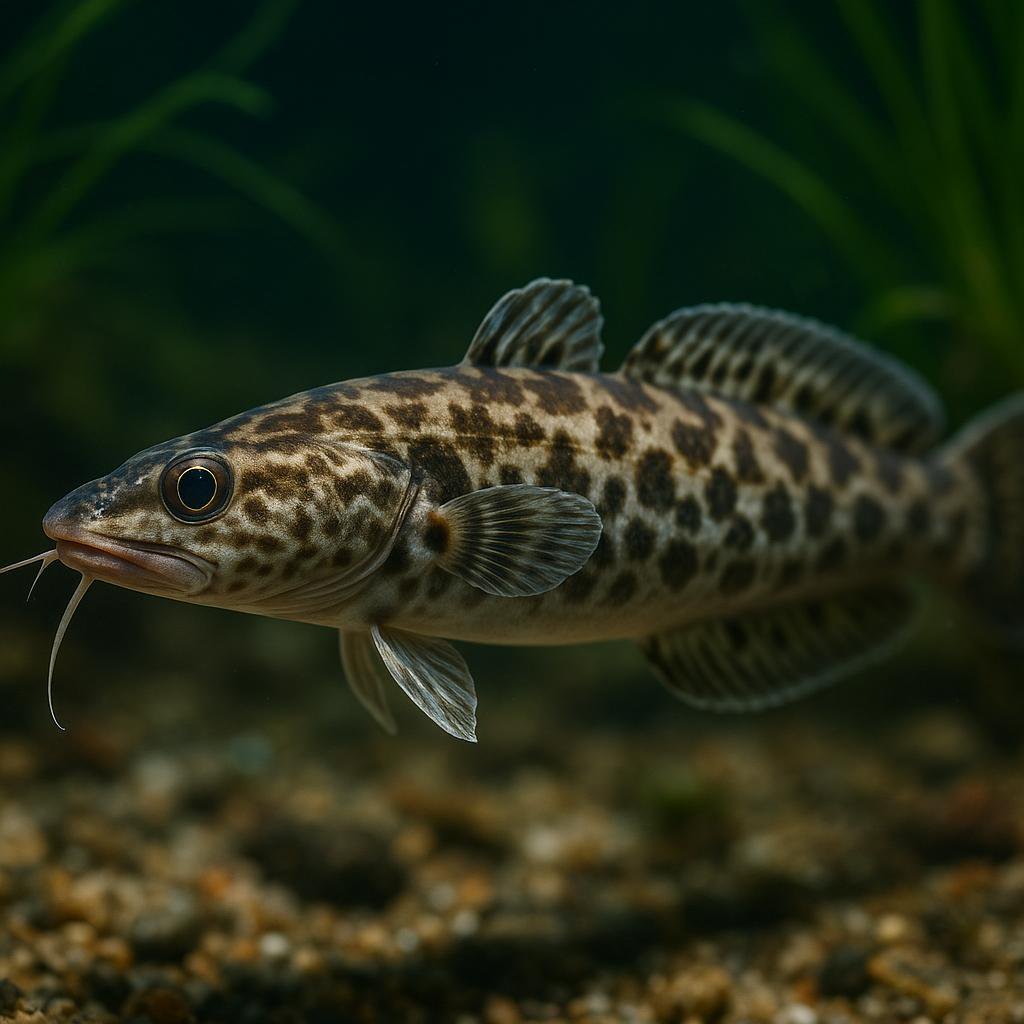
Arctic rockling
Gaidropsarus argentatus
This is a deepwater North Atlantic rockling (a cod relative) that hangs out on soft bottoms way down the slope. It is a cold-water, bottom-hugging predator that snoots around for crustaceans and will also take small fish when it gets the chance.
Looking for other species?