

Decorated dragonfish
Eustomias decoratus
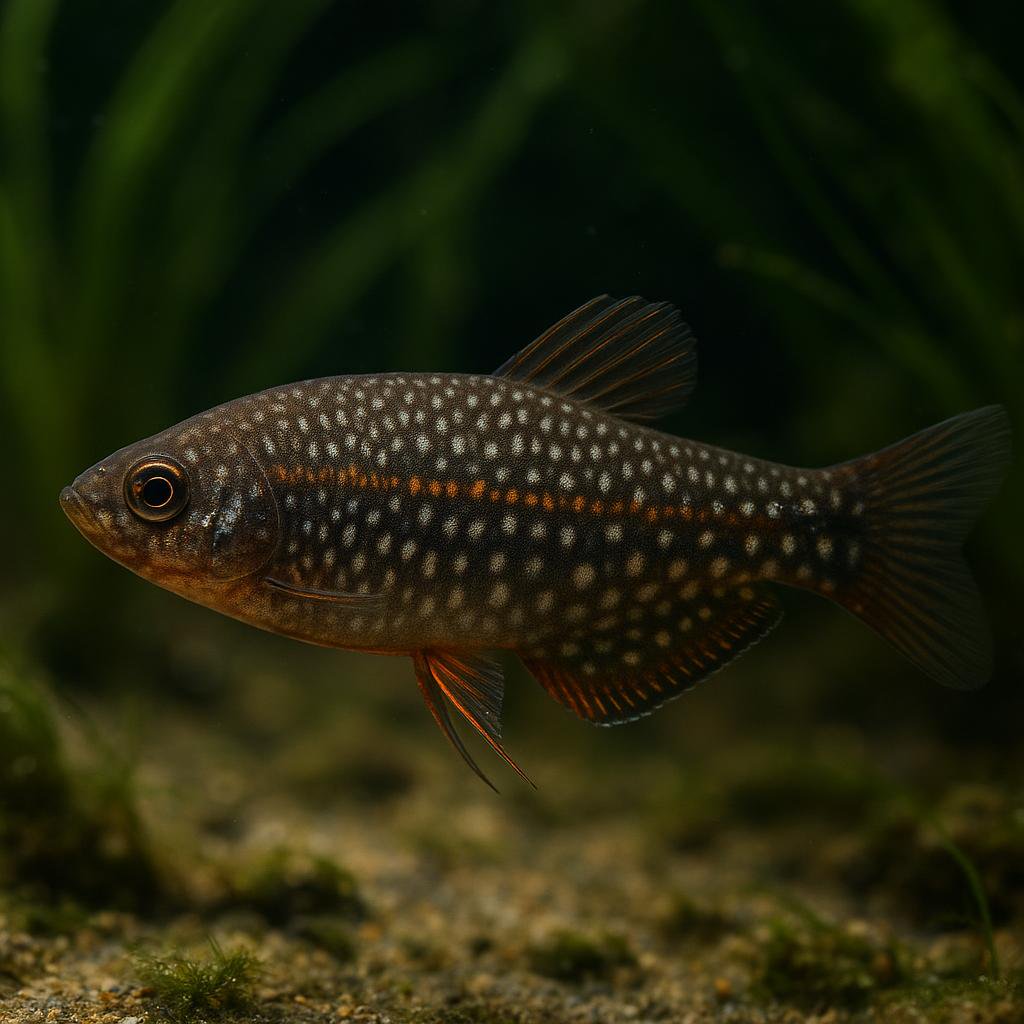
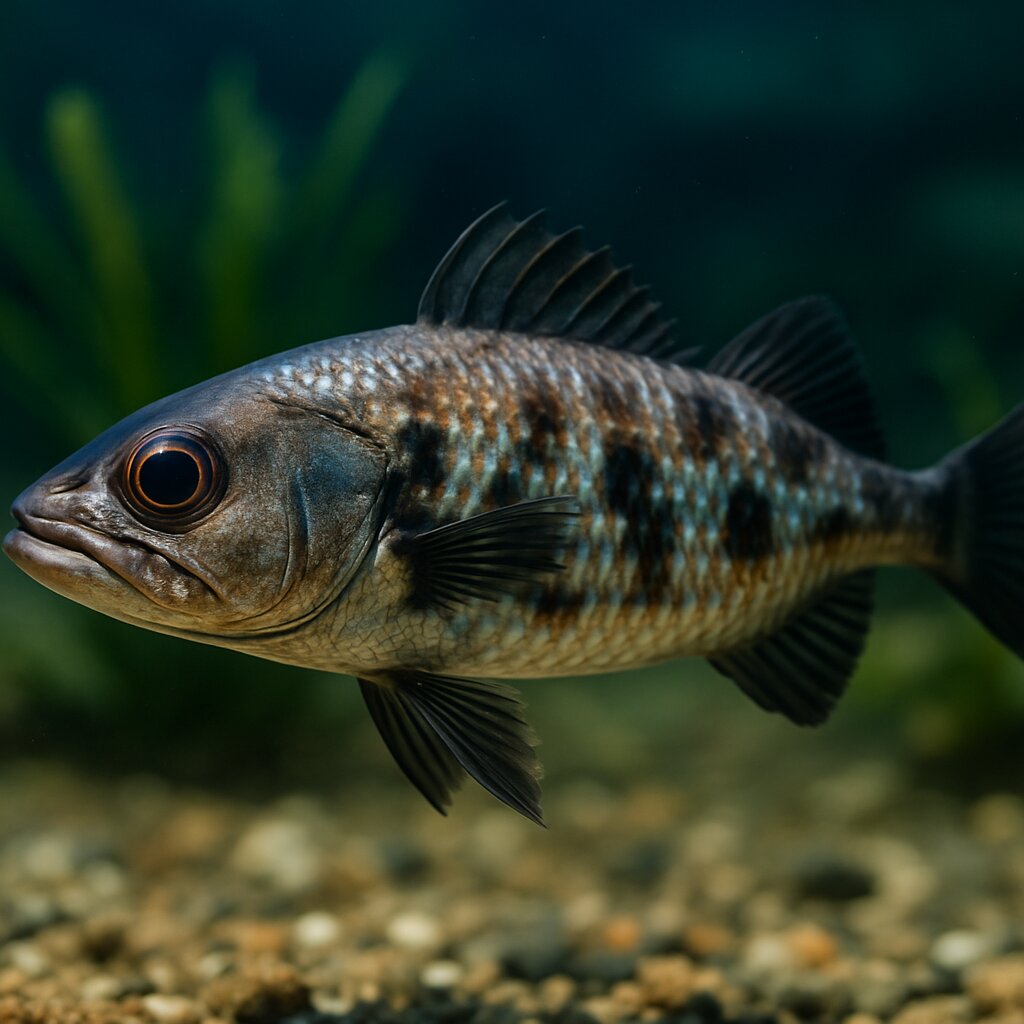
The Decorated dragonfish features a slender body with bioluminescent photophores and iridescent, dark brown to black coloration.
This page includes AI-generated images. Why am I seeing AI images?
About the Decorated dragonfish
Eustomias decoratus is a deep-sea dragonfish (family Stomiidae) from the western central Atlantic around Bermuda. Like other Eustomias, it is a pelagic predator built for the dark - long body, big mouth, and a chin barbel used in hunting and signaling. This is absolutely not an aquarium species in any normal sense, since its real habitat is open ocean at depth and it will not tolerate typical captive conditions.
Quick Facts
Size
12.9 cm SL
Temperament
Aggressive
Difficulty
Expert
Min Tank Size
0 gallons
Lifespan
unknown
Origin
Western Central Atlantic (Bermuda area)
Diet
Carnivore - pelagic predator on smaller fishes and crustaceans
Care Notes
- Plan around their lifestyle: a dark, quiet, deepwater-style tank with lots of overhangs and caves, zero sudden light changes, and big open water for slow cruising.
- Keep it cold and stable: 39-50 F (4-10 C), salinity 1.025-1.026, pH around 7.8-8.1, and keep nitrate low because they go downhill fast in dirty water.
- High oxygen is non-negotiable - heavy aeration plus serious filtration, and keep surface agitation strong without blasting them with direct flow.
- Feeding is the whole game: start with live marine prey (small shrimp, ghost/glass shrimp acclimated to salt, or small fish) and slowly transition to thawed silversides, krill, or large mysis on feeding tongs right in front of the mouth.
- Feed at night or in near-dark; they key on movement, so wiggle the food and be patient - missed strikes and food rot are your enemy, so siphon leftovers immediately.
- Tankmates: basically none, unless it's a much larger, non-competitive deepwater predator that won't bully it; anything that fits in its mouth becomes food, and fast feeders will starve it out.
- Watch for barotrauma and shipping damage - these deep-sea fish hate rapid pressure/temp changes, and a fish that can't hold depth or has buoyancy issues usually doesn't recover.
- Breeding in captivity is a long shot: they are open-ocean spawners and larvae are pelagic, so don't buy one expecting a breeding project - focus on keeping it eating consistently first.
Compatibility
Good Tankmates
- Other deepwater predators kept with lots of space and a heavy feeding routine - think similar size or bigger viperfish/other dragonfish types, so nobody fits in anyone's mouth (and you are ready for mouthy, nighttime drama anyway)
- Large, tough, midwater hunters that do not freak out in low light - stuff like adult barracudina or big lanternfish types, only if they are clearly too large to be swallowed
- Big, slow cruising fish that are not finny or bite-sized - like larger deepwater cod/rockfish type builds (thick-bodied, not flashy), again the rule is simple: too big to eat, too boring to chase
- Rugged, larger benthic fish that keep to themselves and can handle a rough neighbor - think bigger eelpout/cusk-eel type fish that stay on the bottom and are not snack-sized
- Hardy scavengers and cleanup inverts that will not get hunted as easily - big serpent stars and larger shrimp that are not tiny (you will still lose small ones, so go larger than you think)
Avoid
- Anything small enough to fit in that oversized mouth - anthias, chromis, small wrasses, small damsels, most "community" marine fish are just expensive live food here
- Nippy or feisty tankmates that will harass it or steal food all night - triggers, large aggressive damsels, or pushy wrasses (you end up with constant stress and feeding chaos)
- Slow, fancy-finned fish or delicate show fish - lionfish, longfin bannerfish, anything that drifts around looking easy to grab (or gets shredded in the commotion at feeding time)
Where they come from
Decorated dragonfish (Eustomias decoratus) are deep-sea stomiids - real deal midwater predators from the dark ocean. Think hundreds to thousands of meters down, cold water, high pressure, and basically no light except bioluminescence. That's why you almost never see them in the hobby, and why keeping one alive is firmly in "expert, specialty build" territory.
If you're picturing a normal marine aquarium with live rock and bright LEDs, this fish is going to have a rough time. They are built for darkness, cold, and calm water, not a typical reef setup.
Setting up their tank
I'll be straight with you: the tank is the easy part compared to sourcing a healthy specimen and getting it to eat. But if you do get one, you want to make the environment as low-stress as possible.
Go with a species tank. Dim lighting, lots of open water, and gentle, laminar-ish flow. Skip rock piles that the fish can slam into at feeding time. These are fragile-bodied fish with a "built for the void" vibe, not for bouncing around a busy aquascape.
- Tank size: bigger is better for stability, but prioritize footprint and open swimming space over tall rock structures
- Lighting: very dim, ideally adjustable; avoid sudden on-off transitions
- Flow: moderate and smooth, not chaotic; avoid blasting them with powerheads
- Filtration: oversized and quiet; you want high oxygen and very stable water with minimal turbulence
- Aquascape: sparse; a couple of dark PVC elbows or low-profile structures is plenty
Temperature is the deal-breaker for most people. Eustomias are deep, cold-water fish. A typical 75-78F reef tank is not a good match. Plan on a chiller and a system designed around cold marine temps.
Keep parameters boring and consistent. Stable salinity matters more than chasing numbers. Also, cover every intake. A curious or startled dragonfish can end up plastered to a strainer in seconds, and their skin and fins do not forgive it.
What to feed them
These are ambush predators that eat fish and large zooplankton in the wild. In captivity, the whole game is getting them onto food you can provide repeatedly, without fouling the water.
If you ever keep one, expect live food at the start. Many deep-sea predators will ignore dead offerings until they're settled, and some never convert. Once they're eating, you can try to transition to frozen by mixing, scenting, and using feeding tools.
- Starter foods: live ghost shrimp, live marine shrimp, small live fish only if you can source disease-free (and even then, be cautious)
- Transition foods: thawed silversides, lancefish, pieces of shrimp or squid, enriched mysis for smaller individuals
- How to feed: long feeding tongs or a feeding stick; keep your hands out and movements slow
- Frequency: small meals more often beat one huge meal; big meals can lead to regurgitation and water quality issues
Feed with the lights low and keep the room calm. I've had deepwater predators refuse food just because someone walked past the tank too fast or the lights were ramped up.
Do not use random feeder fish. Parasites and bacteria are common, and a dragonfish that stops eating is hard to bring back.
How they behave and who they get along with
They are sit-and-wait hunters and they spook easily. Expect long periods of stillness, then sudden strikes. If you're expecting an active display fish, you'll be disappointed. If you're into weird, subtle behavior, you'll be glued to the glass.
Tankmates are mostly a bad idea. Anything small enough will be treated as food. Anything large and pushy will stress them out or outcompete them. Even "peaceful" community fish can be a problem just from constant motion and feeding frenzy vibes.
- Best setup: alone
- Avoid: aggressive fish, fast feeders, bright reef fish, and anything nippy
- Also avoid: strong stinging corals and anemones if you were thinking reef (they will blunder into them)
Deep-sea stomiids use bioluminescence for hunting and signaling. In a home tank you won't recreate the real light environment, but keeping things dim and predictable seems to reduce stress behaviors.
Breeding tips
Realistically, breeding Decorated dragonfish in a home aquarium is not on the table. Their natural breeding and early life stages happen in open ocean conditions we can't mimic well, and just keeping an adult stable is already a major project.
If you ever hear a claim of captive breeding here, I'd treat it as "needs strong proof." The best you can do is keep detailed notes: temps, photoperiod, feeding, and any seasonal behavior changes. Those logs are actually useful to the tiny number of people attempting deep-sea husbandry.
Common problems to watch for
Most losses happen in the first stretch: shipping trauma, refusal to feed, or a slow slide from stress. These fish are not forgiving, and they don't bounce back like hardier marine predators.
- Not eating: the big one; often tied to bright light, too much flow, or too much activity around the tank
- Mouth and jaw damage: can happen from striking glass, rock, or hard feeding tools
- Intake injuries: uncovered overflows and powerhead intakes are a common, ugly end
- Rapid breathing: can mean low oxygen, temp issues, or ammonia - check the basics immediately
- Wasting away: looks like "they eat sometimes" but still get thinner; can be internal parasites or just not enough calories
If water quality slips, you often don't get a second chance. Keep ammonia and nitrite at zero, keep nitrate low, and do small, frequent water changes instead of big swings.
Quarantine is tricky with a fish like this, but skipping it is how people import problems into a cold system that's expensive and slow to stabilize. If you can, run a dim, chilled QT with mature biofiltration and minimal handling.
Similar Species
Other marine aggressive species you might be interested in.
African red snapper
Lutjanus agennes
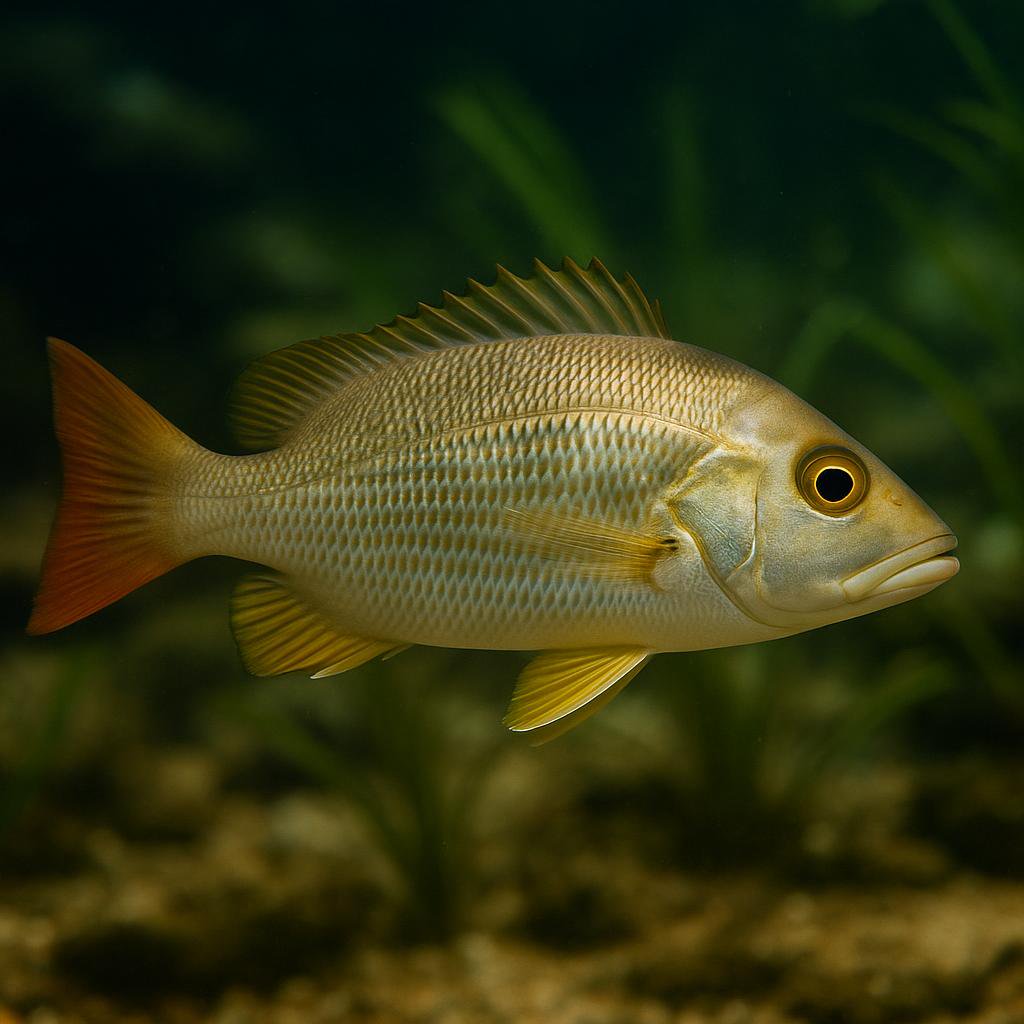
This is a true snapper from West Africa - a big, fast-growing predator that goes from coastal reefs to brackish lagoons and estuaries (especially as a juvenile). Super cool fish in the wild, but it gets absolutely huge and will eat smaller tankmates once it has the mouth for it, so its really more of a public-aquarium scale animal than a home-aquarium fish.
Banded stargazer
Kathetostoma binigrasella
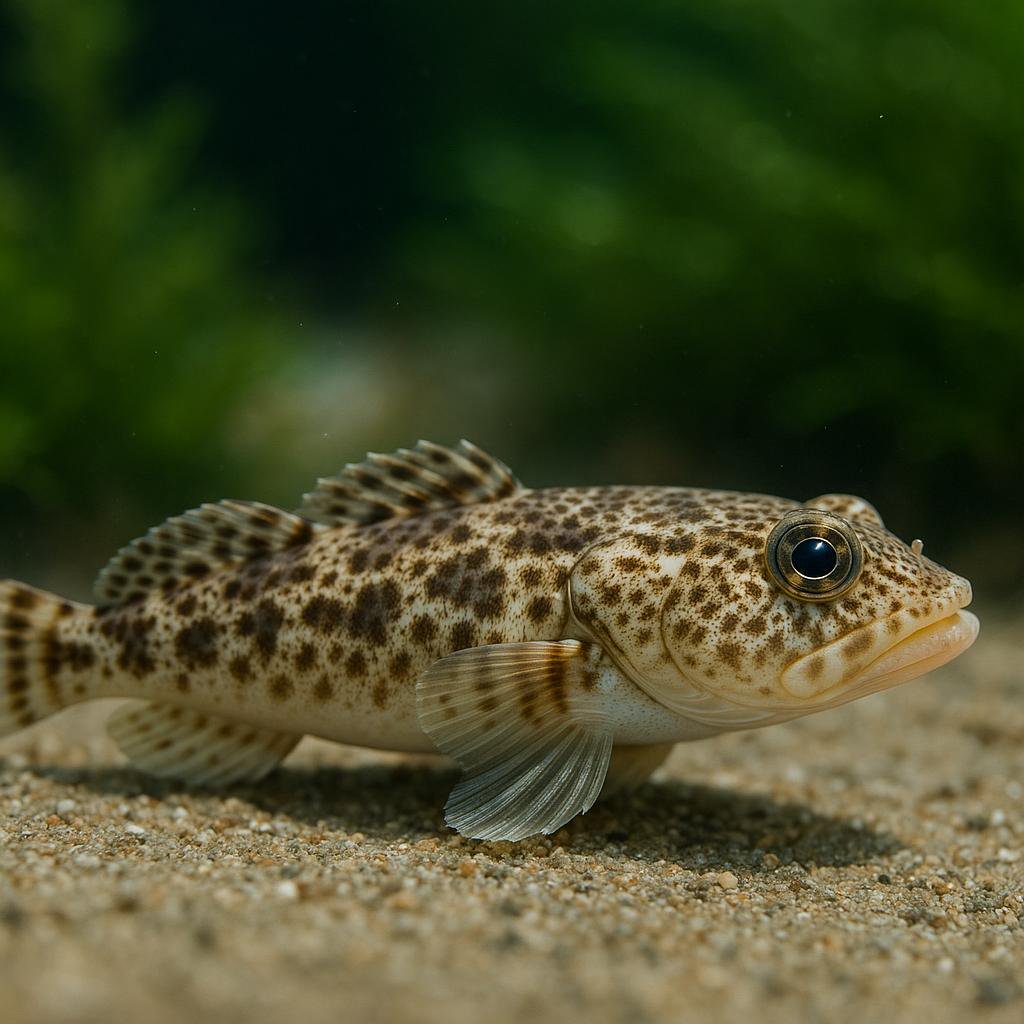
This is a New Zealand stargazer that lives half-buried in sand or mud with its eyes pointed up, waiting to rocket upward and nail passing prey. It has those neat dark saddle-bands across the back (especially as a juvenile), and like other stargazers it is venomous with spines near the gill cover/pectoral area - definitely a look-dont-touch fish.
Bandfin scorpionfish
Scorpaenopsis vittapinna
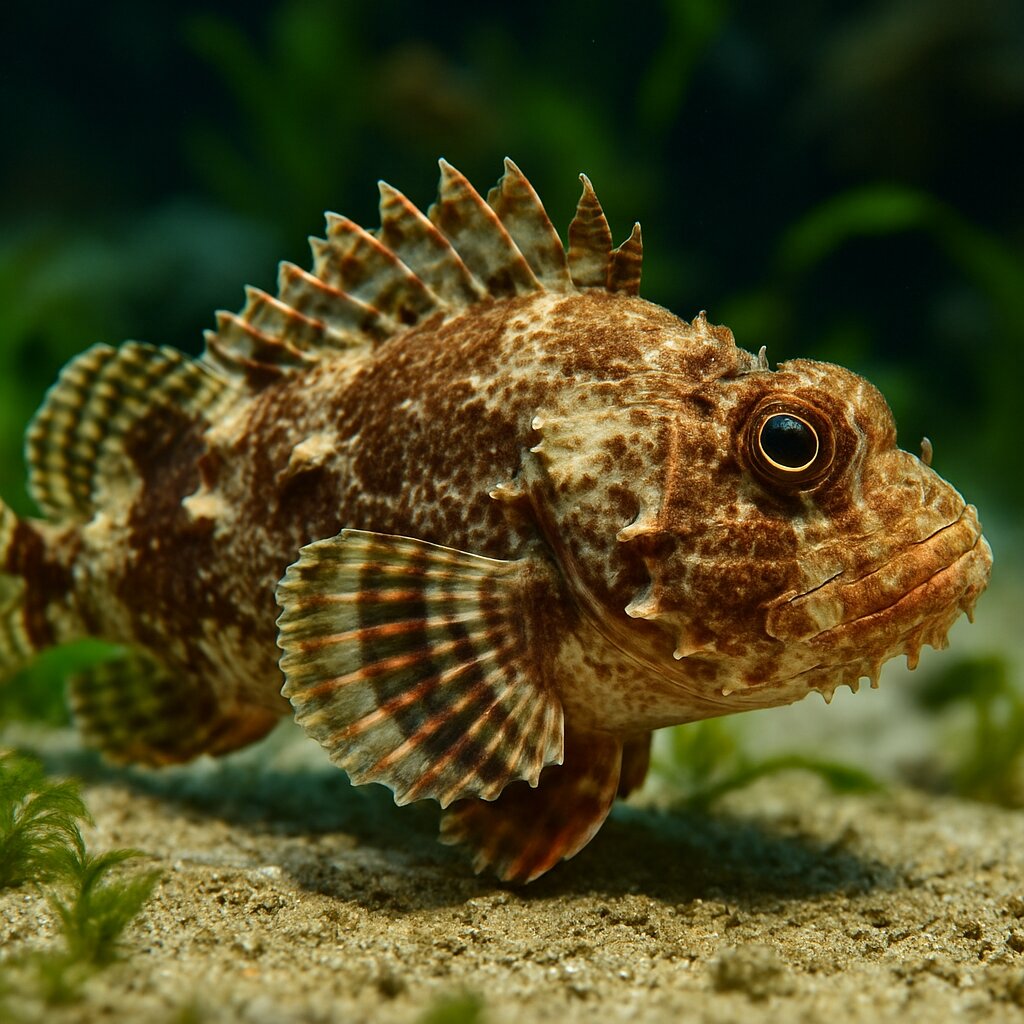
Think tiny ambush predator that vanishes into rubble and coral bits, then flashes a dark band on its pelvic and anal fins when it shifts. It tops out around 3 inches, packs venomous spines, and loves to gulp unsuspecting shrimp and small fish. Super cool to watch once it settles, but it absolutely demands careful handling and smart tankmate choices.
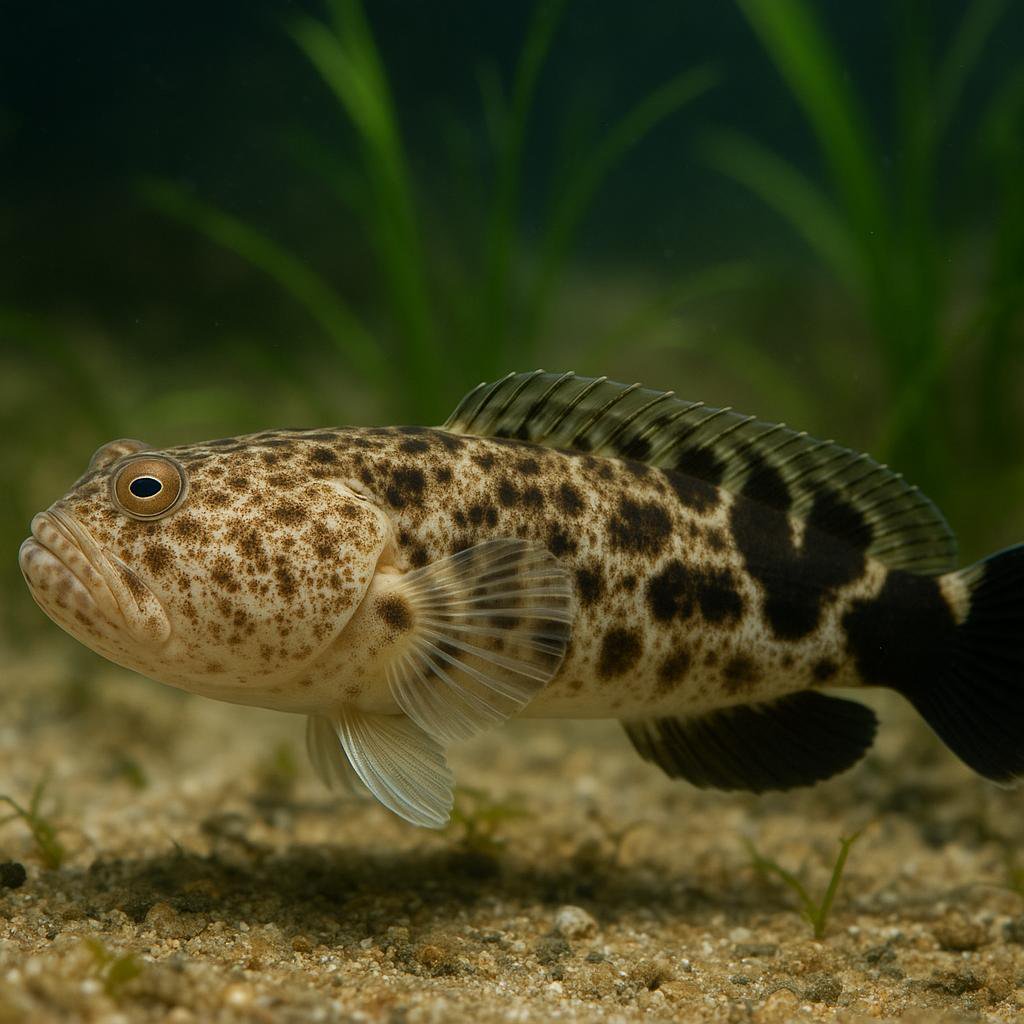
Blackfin stargazer
Ichthyscopus nigripinnis
This is a little sand-sitting stargazer from Australia that likes to lie in wait with its eyes up top and nail passing prey. That black mark on the front part of the dorsal fin is basically its signature. Cool fish, but its more of a wild marine predator than something you set up in a typical home aquarium.
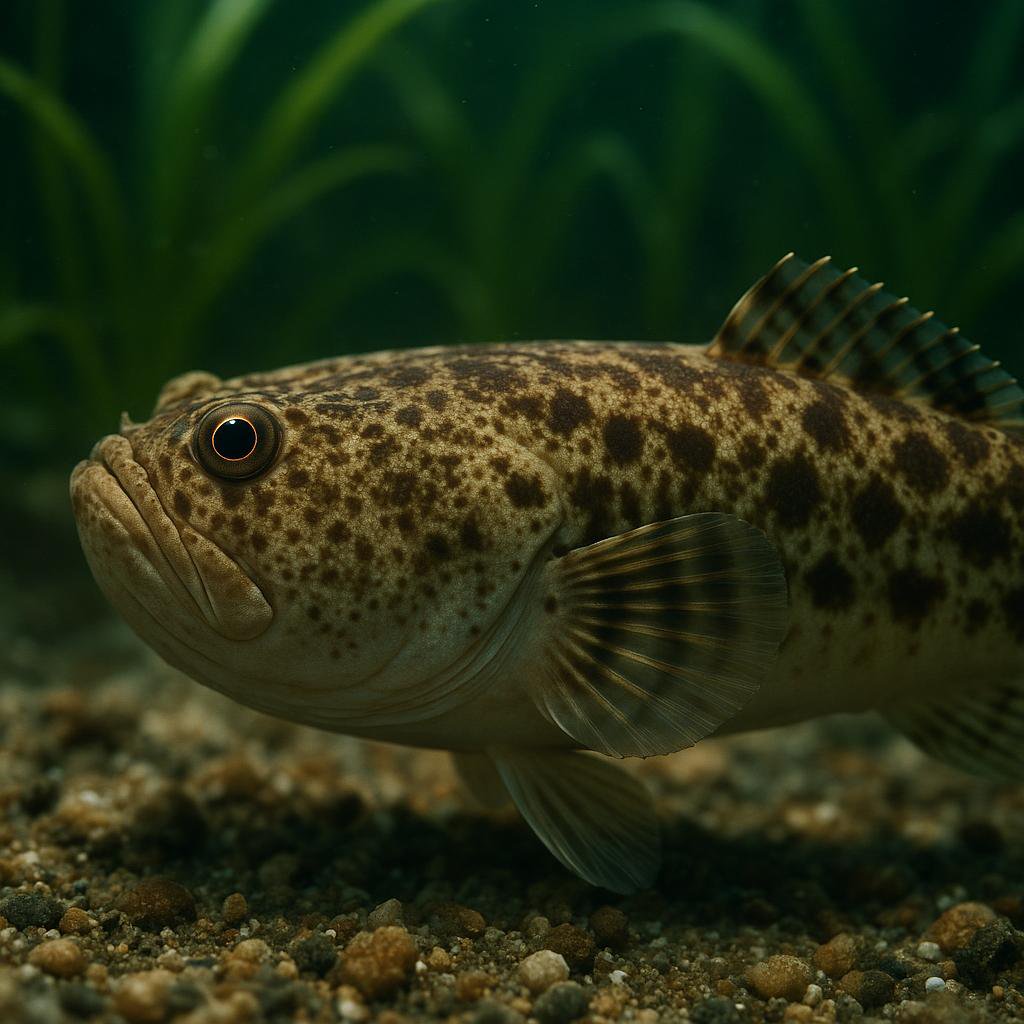
Brownspotted stargazer
Uranoscopus fuscomaculatus
A deep demersal stargazer recorded at 366–389 m that lies buried in sand or mud to ambush prey. Distribution is Southwestern Pacific (Vanuatu and Fiji). Given its deep, cold habitat and specialized requirements, it is not a practical aquarium species.
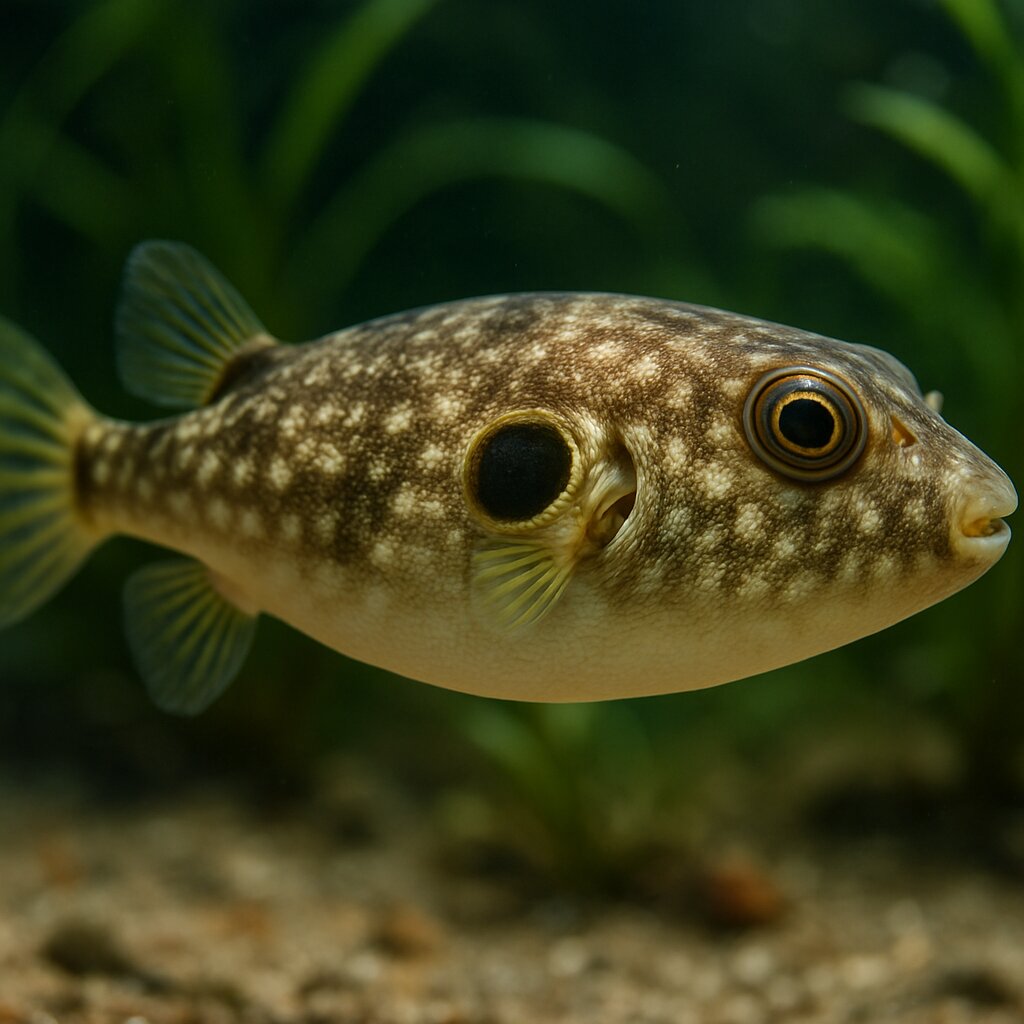
Bullseye puffer
Sphoeroides annulatus
Big personality in a football-shaped body with pale rings along the back that make a bullseye pattern. This is a stout Eastern Pacific puffer that crunches snails and crabs with ease and needs true saltwater and lots of room. Super cool to watch, but it turns nippy with tankmates and grows into a serious, messy eater.
More to Explore
Discover more marine species.
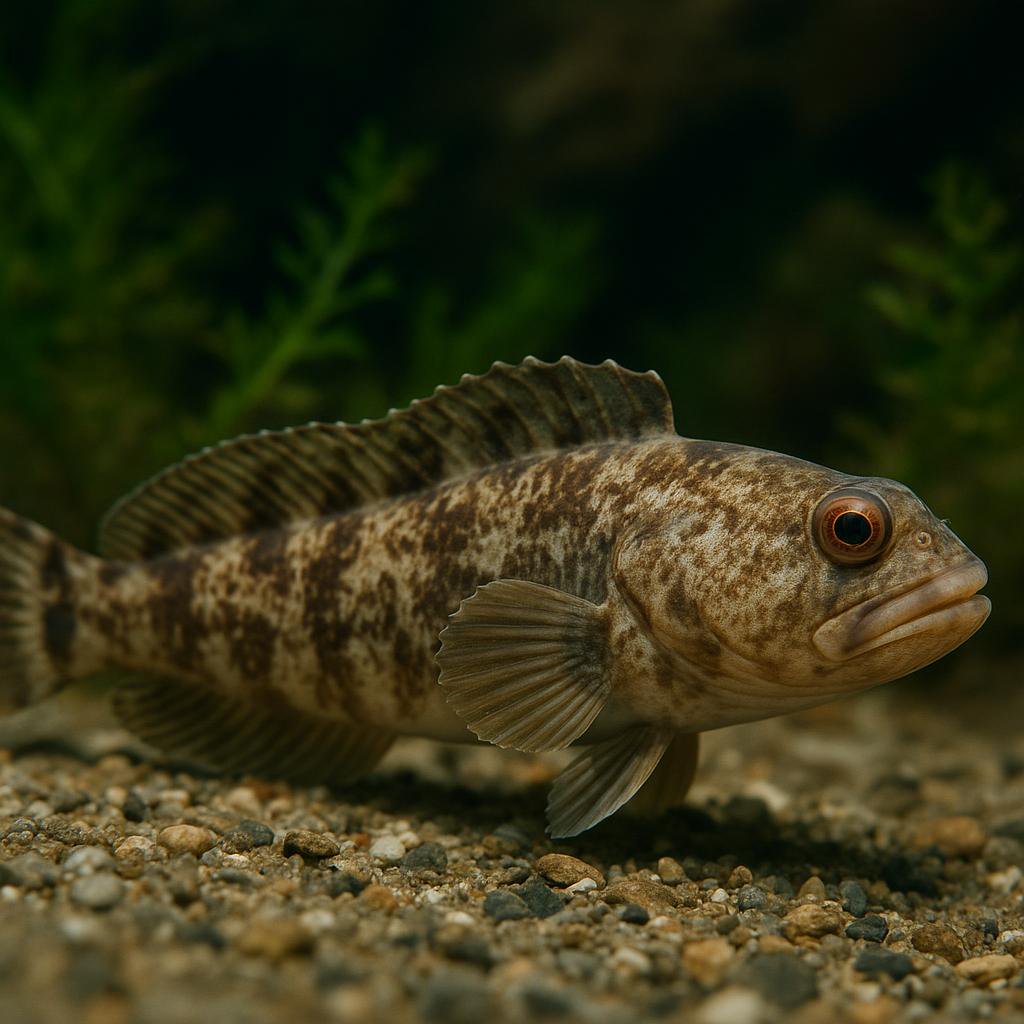
Abe's eelpout
Japonolycodes abei
Japonolycodes abei is a temperate, deepwater demersal eelpout (family Zoarcidae) endemic to Japan (Kumano-nada Sea reported; other sources also report Sagami Bay and Tosa Bay). It is the only species in the genus Japonolycodes and occurs roughly 40-300 m depth, making it an uncommon/atypical aquarium species.
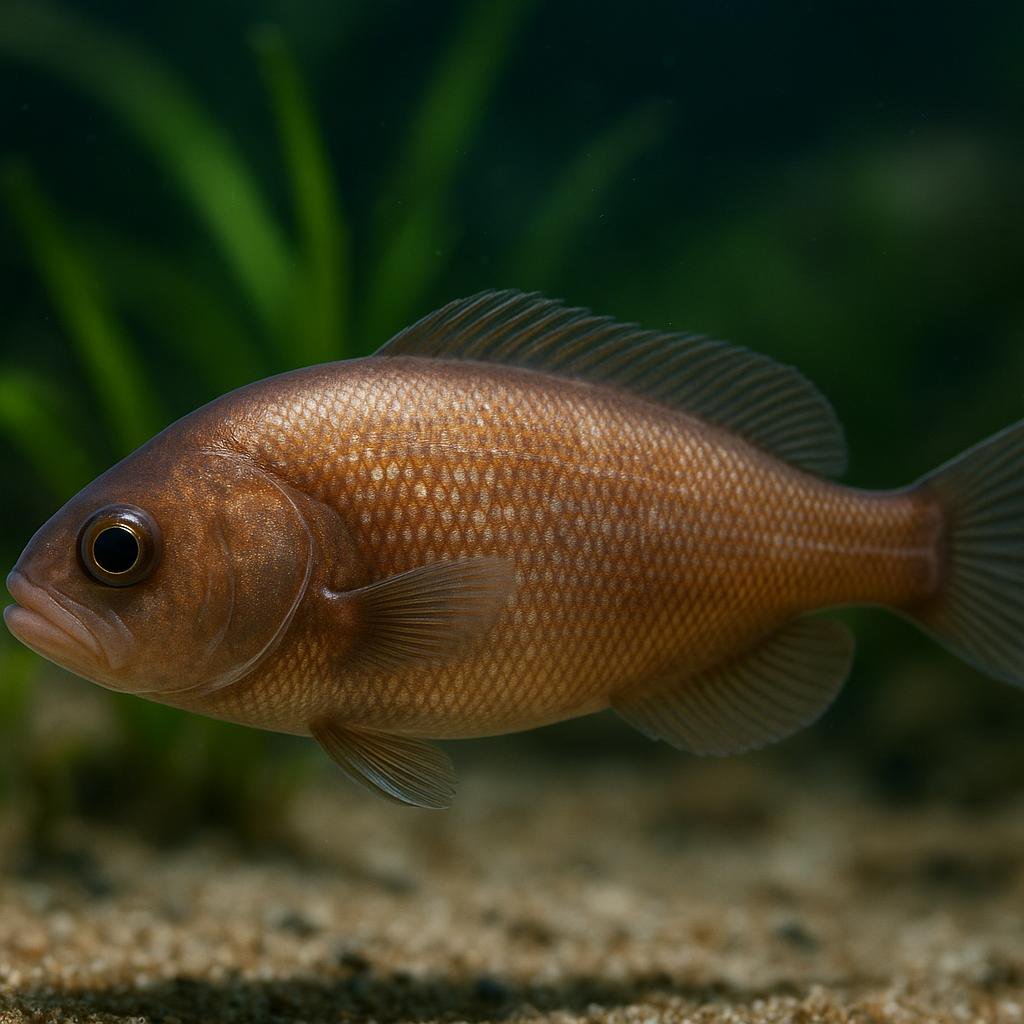
Affinis blind cusk-eel
Barathronus affinis
Barathronus affinis is a tiny, super-weird deep-sea blind cusk-eel from the western-central Indian Ocean. It is one of those gelatinous, loose-skinned brotula-type fishes that live way down in the dark and are basically never seen alive, so almost everything we know comes from preserved specimens and taxonomic work.
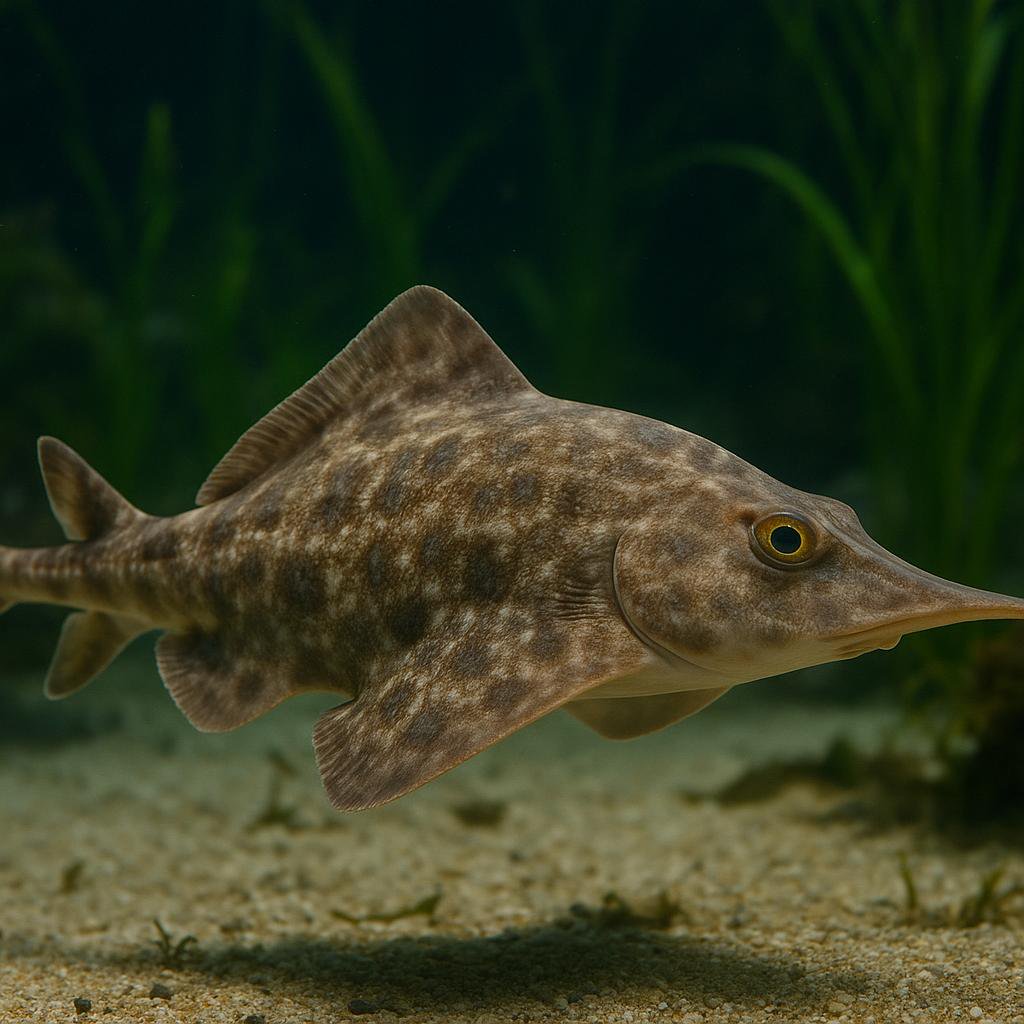
Aleutian skate
Bathyraja aleutica
This is a big, cold-water deep-slope skate from the North Pacific that cruises muddy bottoms and eats chunky benthic prey like crabs and shrimp. The really cool bit is its egg-laying skate life - it does distinct pairing (the classic skate "embrace") and drops those tough egg cases on the seafloor. Not an aquarium fish at all unless you're basically running a public-aquarium-style chilled system.
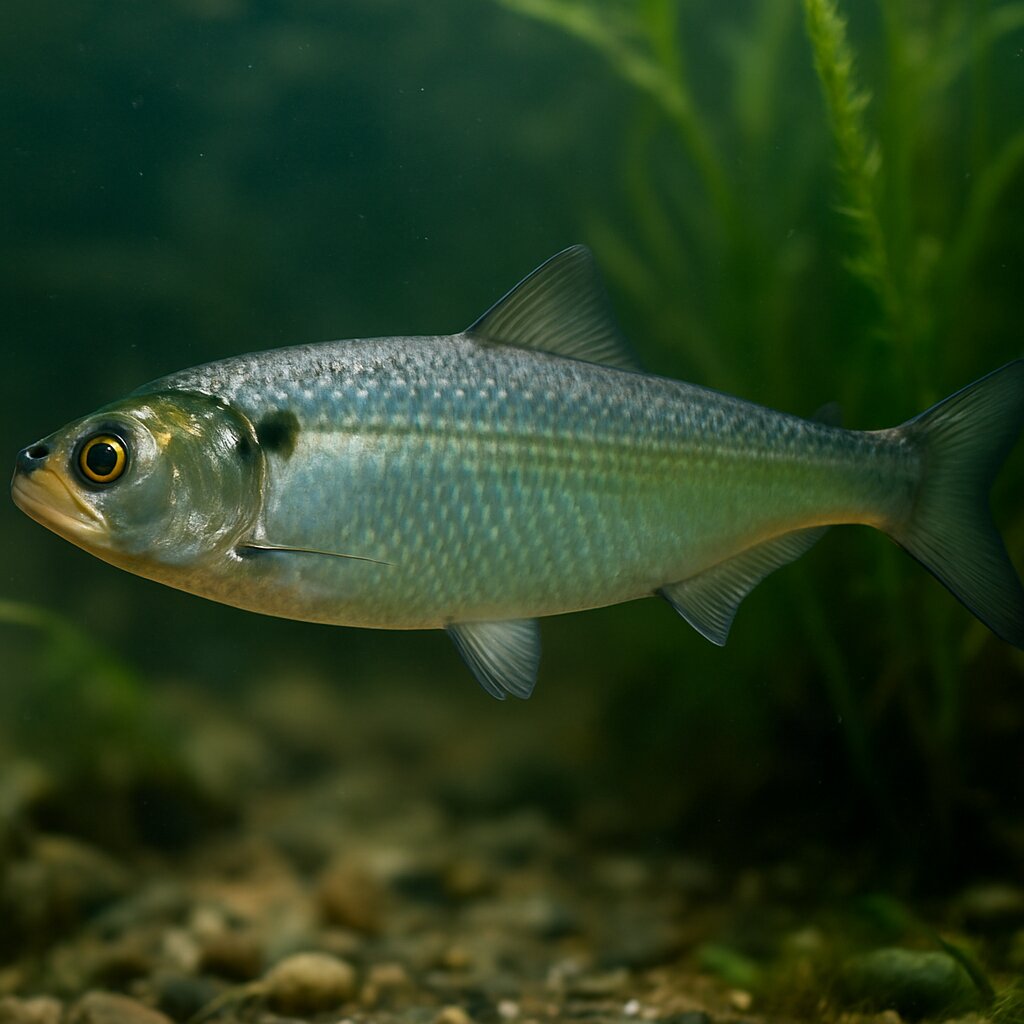
Allis shad
Alosa alosa
Gorgeous silver, fast-swimming shad that spends most of its life in the sea and then surges up big rivers in noisy, surface-spawning schools. It grows huge for a herring-type fish and needs cool, ultra-oxygenated water and tons of open space, so it is a public-aquarium species rather than a home tank fish.
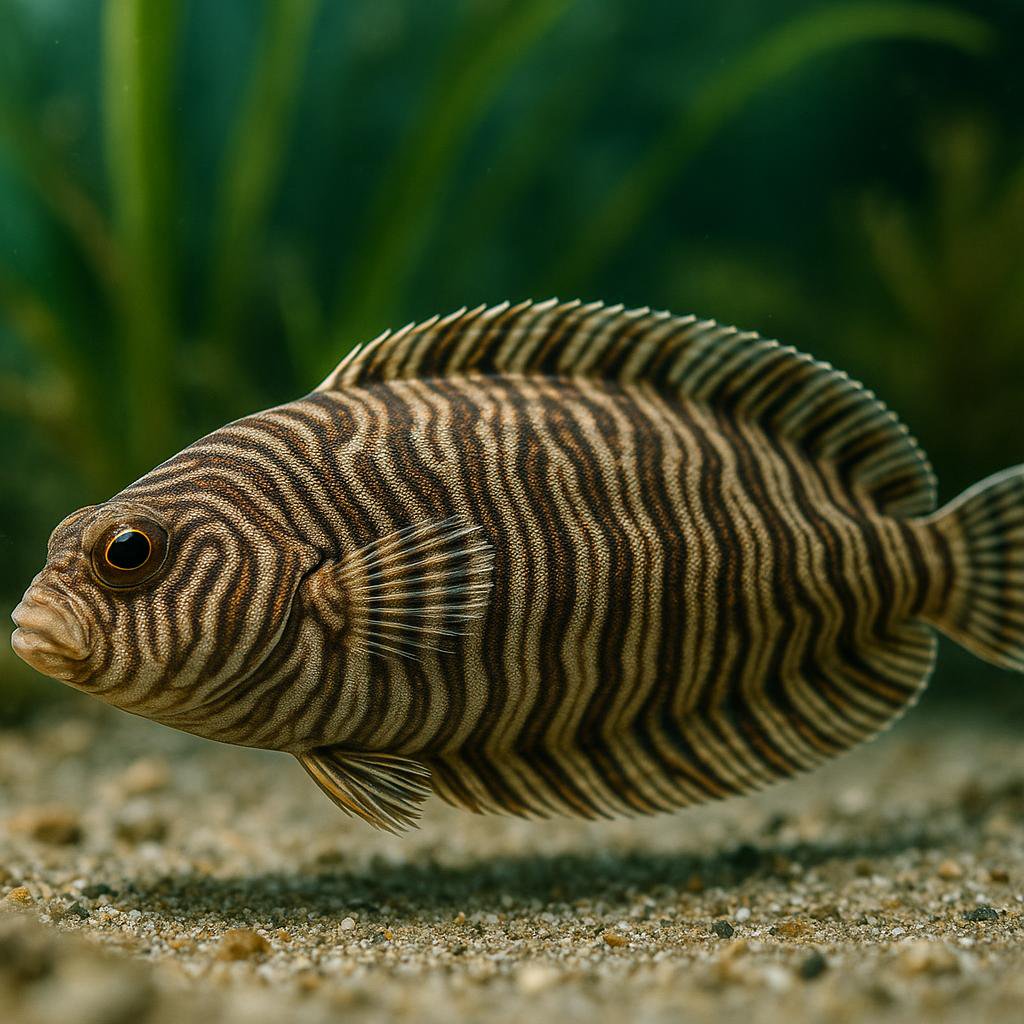
Annandale's zebra sole
Zebrias annandalei
Zebrias annandalei is a small demersal sole from coastal India that inhabits sandy or muddy bottoms and buries for camouflage. It is rarely kept in home aquaria and would require a specialized marine sand-bottom setup and appropriate feeding.
Antarctic dragonfish
Vomeridens infuscipinnis
Deep down around Antarctica, this sleek dragonfish cruises the water column like a little submarine, nearly neutrally buoyant so it can hover above the seafloor. It munches almost exclusively on Antarctic krill and lives in near-freezing water 500-800 m down, so it is a cool species to read about, not one for home tanks.
Looking for other species?