

Compressed ilisha
Ilisha compressa
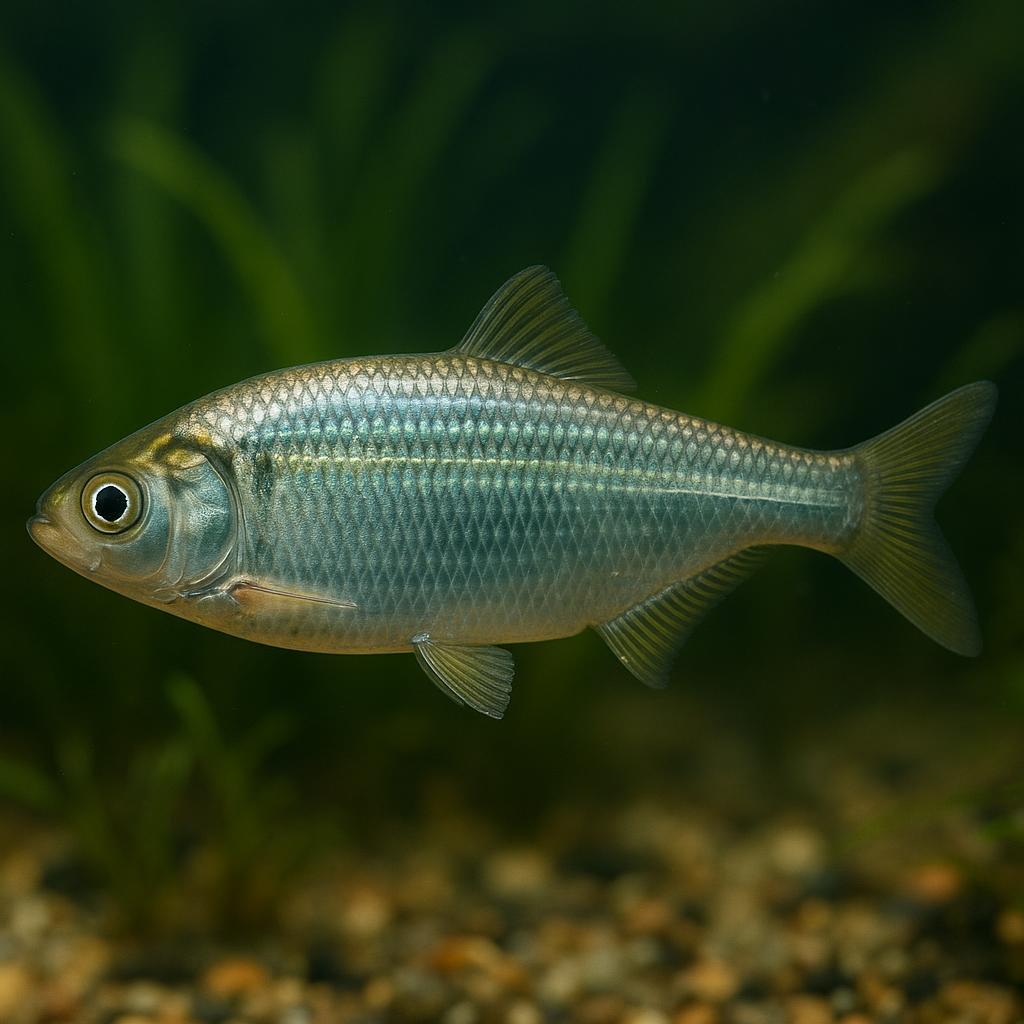
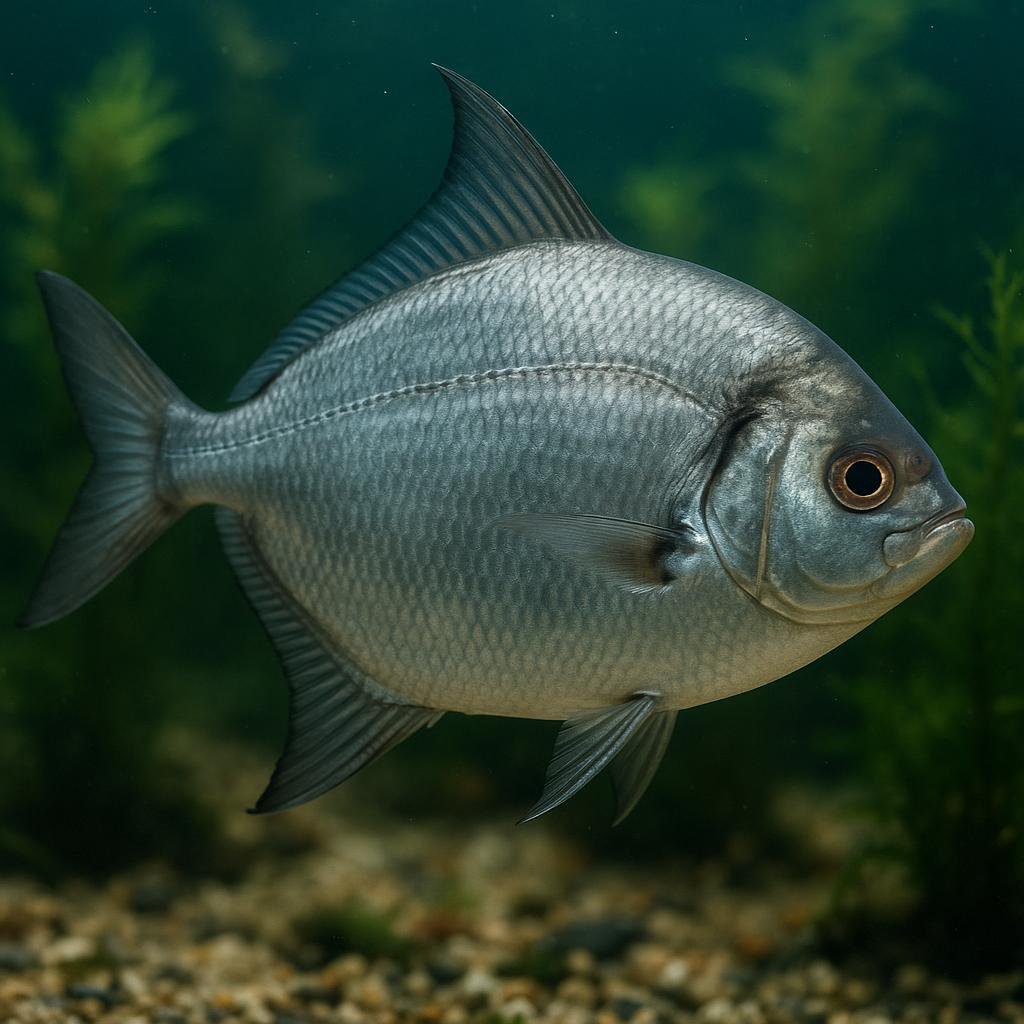
Compressed ilisha is identified by its laterally compressed body, silver sheen, and prominent, forked tail fin.
This page includes AI-generated images. Why am I seeing AI images?
About the Compressed ilisha
Ilisha compressa (compressed ilisha) is a Persian Gulf pristigasterid (longfin herring relative) described from the Persian Gulf and generally associated with coastal pelagic/neritic habitats.
Quick Facts
Size
23.8 cm SL
Temperament
Peaceful
Difficulty
Expert
Min Tank Size
300 gallons
Lifespan
3-6 years
Origin
Western Indian Ocean (Persian/Arabian Gulf)
Diet
Carnivore/planktivore - small crustaceans, tiny fishes/zooplankton; in captivity would require frequent small frozen/live planktonic foods
Water Parameters
22-30°C
8-8.4
8-20 dGH
Need a heater for this species?
This species needs 22-30°C in a 300 gallon tank. Use our heater calculator to find the right wattage.
Calculate heater sizeCare Notes
- These are fast, nervous schooling clupeids - keep them in a big, long tank (6 ft+ is where they stop pinballing), with lots of open water and strong, smooth flow they can swim into. Tight lid is non-negotiable because they launch when startled.
- Maintain stable marine conditions appropriate for a Persian Gulf clupeiform fish; avoid sudden changes in salinity/temperature and ensure high oxygenation and excellent water quality. (Species-specific salinity/parameter ranges for Ilisha compressa are not well documented in aquarium references.)
- Do low, even lighting and avoid sudden on-off changes; a ramping light or room light first keeps them from slamming the glass. Add some tall rockwork or artificial structure to break lines of sight, but leave the front and middle open for cruising.
- Feed like a pelagic planktivore: small foods, often - enriched brine, mysis, copepods, finely chopped seafood, and good marine micro-pellets once they recognize them. Target 2-4 small feedings a day, and use a powerhead to keep food suspended so they can chase it naturally.
- Keep them in a group (6+ if your tank can handle it); singles get skittish and beat themselves up. Tankmates should be calm, midwater-friendly fish - avoid aggressive feeders and anything big enough to gulp a slender herring-shaped fish.
- Watch the intake guards on overflows and pumps - they will ride currents and can get pinned, especially at night. Use strainers and foam guards, and keep oxygen high with good surface agitation.
- Common problems: nose and scale damage from startle dashes, and rapid weight loss if they are not eating multiple times a day. If you see clamped fins or hovering in corners, check ammonia right away and back off on chasing them with nets - use a big container to move them.
- Breeding in home marine tanks is basically a unicorn - they are open-water spawners and seem to need seasonal cues and big groups. If you ever see them get plump and chase in the current, keep the flow up and run fine filter socks because eggs would be tiny and pelagic.
Compatibility
Good Tankmates
- Other small, peaceful schooling fish (think similar-sized sardines/anchovies/other clupeid-type open-water fish) - they do best when nobody is trying to claim territory and the whole group feels safe
- Small, peaceful dartfish/firefish (Nemateleotris spp.) - gentle, water-column fish that are not pushy at feeding time
- Peaceful blennies like tailspot blennies (Ecsenius stigmatura) - perch-and-graze types that stay out of the schooling fish lane
- Small, calm wrasses like possum wrasses (Wetmorella spp.) - they cruise the rockwork and usually do not bully timid midwater fish
- Non-aggressive bottom scavengers like small serpent stars - good cleanup crew vibe and they are not competing in the same space
Avoid
- Anything aggressive or territorial like dottybacks (Pseudochromis) - they may not eat them, but the constant chasing keeps ilisha stressed and hiding
- Big, boisterous eaters like many damsels and larger clownfish pairs - they can outcompete them hard at feeding time and turn every meal into a brawl
- Predators with a big mouth for their size (lionfish, groupers, big hawkfish) - if it fits, it is food, and these guys look like perfect bite-sized snacks
- Fin nippers and punchy wrasses (bigger Halichoeres, sixline-type attitudes) - not always deadly, but they love to harass timid schooling fish
Where they come from
Compressed ilisha (Ilisha compressa) is a small coastal clupeid - basically a herring/sardine type fish - that shows up in marine and brackish edges around the Indo-West Pacific. Think bays, estuaries, and nearshore water where the current brings food to them. They are built to cruise and pick plankton out of moving water, not to sit around a rock pile.
This is an expert fish because it is a pelagic, fast-moving feeder that stresses easily in small tanks, hates unstable water, and can go downhill fast if it is not eating hard right away.
Setting up their tank
Give them space and flow first, decorations second. These fish do best in a long tank where they can keep swimming without constantly turning. A short, tall tank usually ends in nose rubs and panic laps.
- Tank size: bigger than you think. I would not bother under 180-240 cm (6-8 ft) length for a small group, and longer is better.
- Group size: they calm down in a group. Aim for 6+ if you can support it, otherwise skip them.
- Flow and oxygen: strong surface agitation, big skimmer, and high dissolved oxygen. These fish act "fine" right up until they are not.
- Aquascape: keep the middle open. Put rockwork tight to the back/sides so they have a clear racetrack.
- Lighting: moderate is fine. What matters more is that they can see food in the water column.
Use a tight-fitting lid. Startle jumps are real with schooling clupeids, especially the first month.
For water, I keep them in full marine salinity and stable temps. They will tolerate some variation in nature, but in a glass box swings just add stress. If you are mixing saltwater, match salinity and temperature during water changes instead of "close enough".
Avoid new tanks. They do poorly in systems that are still bouncing around with nutrients, bacterial swings, or random microbubbles from new plumbing.
What to feed them
They are water-column feeders. If food is not drifting past them, they often ignore it even if they are hungry. The first goal is getting a strong feeding response. Once they are taking food confidently, everything gets easier.
- Best starters: enriched live or frozen copepods, small mysis, finely chopped krill, cyclops, calanus, and artemia (better enriched than plain).
- Prepared foods: small marine pellets and flakes can work, but introduce them mixed in with frozen so they learn the "shape".
- Feeding style: multiple small feedings beats one big dump. Think 2-4 times a day if you want them to hold weight.
- Technique: feed into the current so it suspends. If it drops straight to the bottom, they miss half of it.
I have the best luck using a turkey baster or pipette to put a cloud of food into the flow, then a second smaller feed 5-10 minutes later once they are chasing.
Watch bellies and backs. A fish that is eating but still getting pinched behind the head is not actually getting enough. These guys burn calories just by being themselves.
How they behave and who they get along with
They are nervous, schooling, open-water fish. In a good setup they cruise steadily and snap at food. In a bad setup they ping-pong, hide in corners, or slam the glass.
- Temperament: peaceful. They are not looking for trouble.
- Best tankmates: other calm midwater fish that will not harass them and will not outcompete them at feeding time.
- Avoid: aggressive fish, nippy fish, and anything predatory enough to view them as snacks.
- Feeding competition: fast, bold eaters (many damsels, some wrasses) can starve them out even without aggression.
Stress shows up as pale color, clamped fins, glass surfing, and refusing food. If you see that, fix the environment and routine first before you start throwing meds at them.
Breeding tips
Realistically, breeding Compressed ilisha in home aquaria is not a common win. They are schooling, likely broadcast spawners, and cues are tied to seasonal shifts and large-scale water movement. That said, you can at least get them into "spawning condition" by keeping a big group, feeding heavy on planktonic foods, and maintaining pristine oxygen-rich water.
If you ever see chasing with tight schooling, sudden bursts, and eggs in the water column, you will need plankton-level rearing gear (greenwater, rotifers, copepods) ready immediately. Larvae from pelagic spawners do not wait around for you to culture food.
Common problems to watch for
- Not eating after import: the big killer. Dim the lights, give them a group, and offer small drifting foods (copepods/calanus) in the flow.
- Injury from spooking: split fins, nose rubs, missing scales. Fix reflections, reduce sudden movement near the tank, and keep the aquascape from creating dead-end corners.
- Low oxygen events: they breathe hard at the surface or hang in high-flow areas. Increase aeration and surface agitation, clean clogged filters, and watch nighttime O2 dips.
- Wasting away: usually underfeeding or being outcompeted. Add feeding sessions, change food particle size, and separate bully eaters.
- Parasites from wild-caught fish: flashing, excess slime, rapid breathing. Quarantine is worth the effort, but use medications carefully because stressed pelagic fish can crash quickly.
Do not "wing it" on acclimation. Match salinity and temperature closely, keep handling minimal, and avoid chasing them with nets. A rough transfer can turn into days of refusal to feed.
If you are set on keeping them, build the tank around their needs: long swimming room, steady marine water, lots of oxygen, and a feeding routine that keeps food in the water column. Get those right and they go from "impossible" to just plain demanding.
Similar Species
Other marine peaceful species you might be interested in.
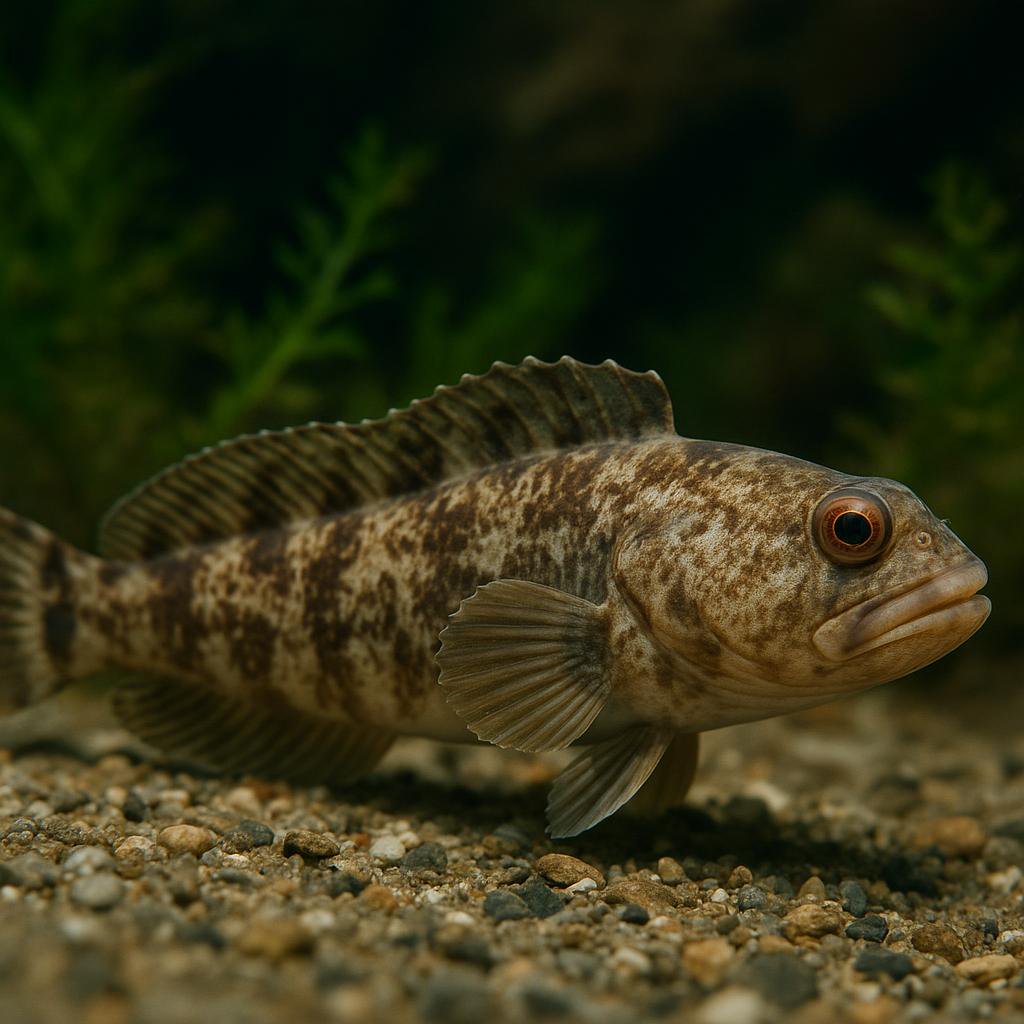
Abe's eelpout
Japonolycodes abei
Japonolycodes abei is a temperate, deepwater demersal eelpout (family Zoarcidae) endemic to Japan (Kumano-nada Sea reported; other sources also report Sagami Bay and Tosa Bay). It is the only species in the genus Japonolycodes and occurs roughly 40-300 m depth, making it an uncommon/atypical aquarium species.
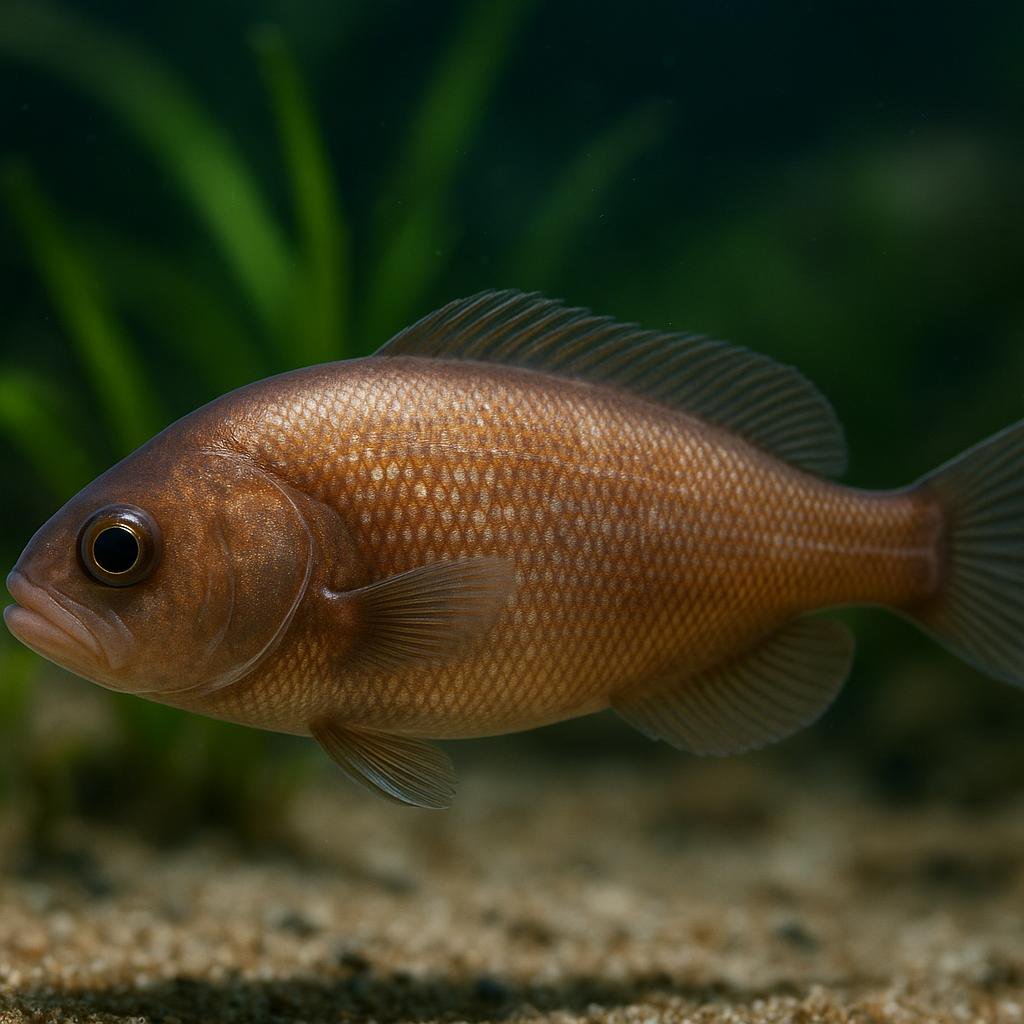
Affinis blind cusk-eel
Barathronus affinis
Barathronus affinis is a tiny, super-weird deep-sea blind cusk-eel from the western-central Indian Ocean. It is one of those gelatinous, loose-skinned brotula-type fishes that live way down in the dark and are basically never seen alive, so almost everything we know comes from preserved specimens and taxonomic work.
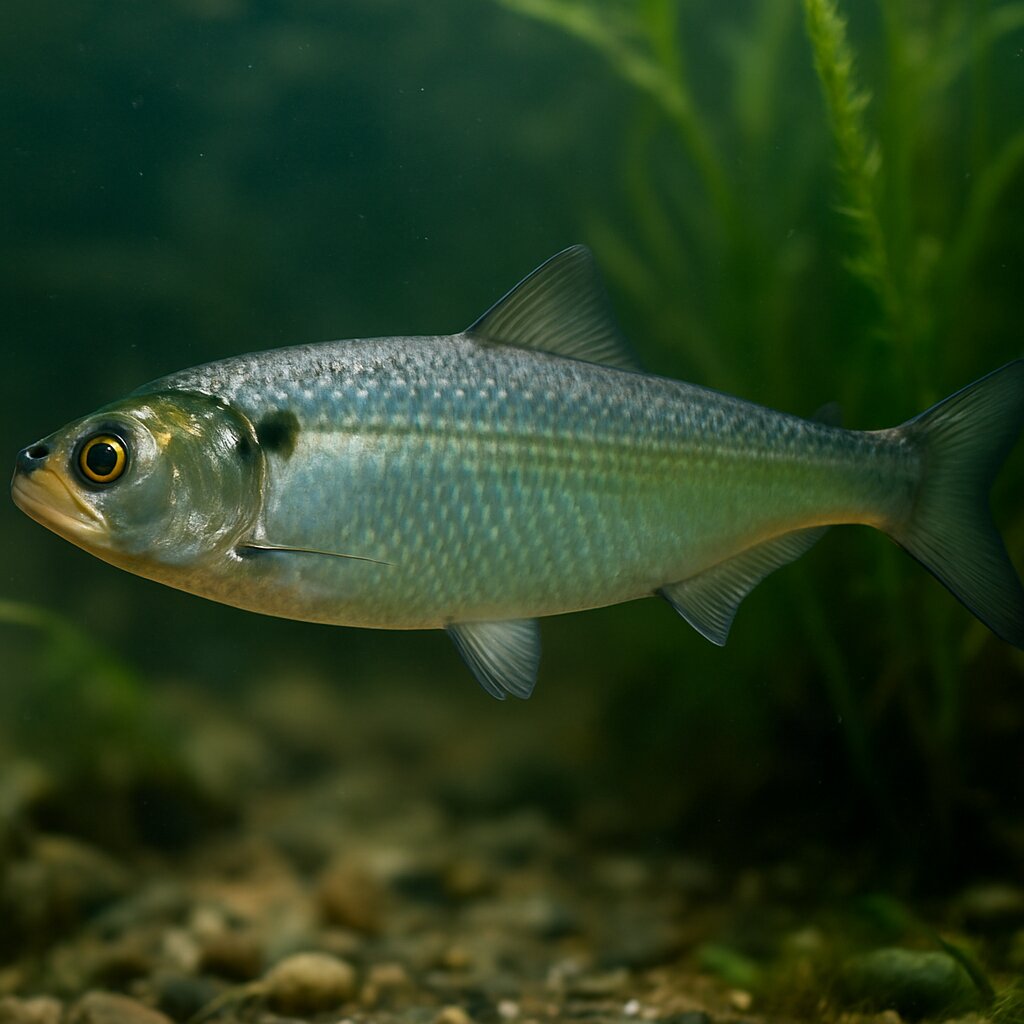
Allis shad
Alosa alosa
Gorgeous silver, fast-swimming shad that spends most of its life in the sea and then surges up big rivers in noisy, surface-spawning schools. It grows huge for a herring-type fish and needs cool, ultra-oxygenated water and tons of open space, so it is a public-aquarium species rather than a home tank fish.
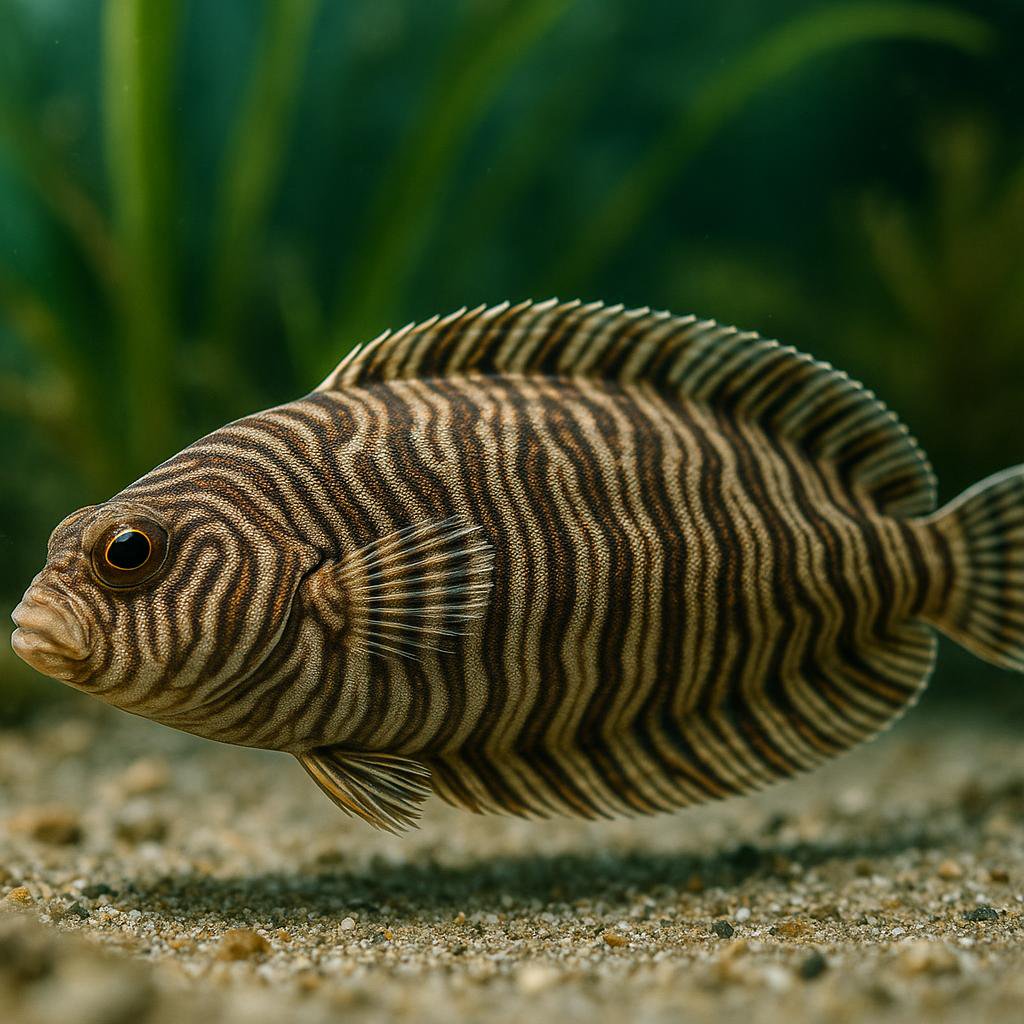
Annandale's zebra sole
Zebrias annandalei
Zebrias annandalei is a small demersal sole from coastal India that inhabits sandy or muddy bottoms and buries for camouflage. It is rarely kept in home aquaria and would require a specialized marine sand-bottom setup and appropriate feeding.
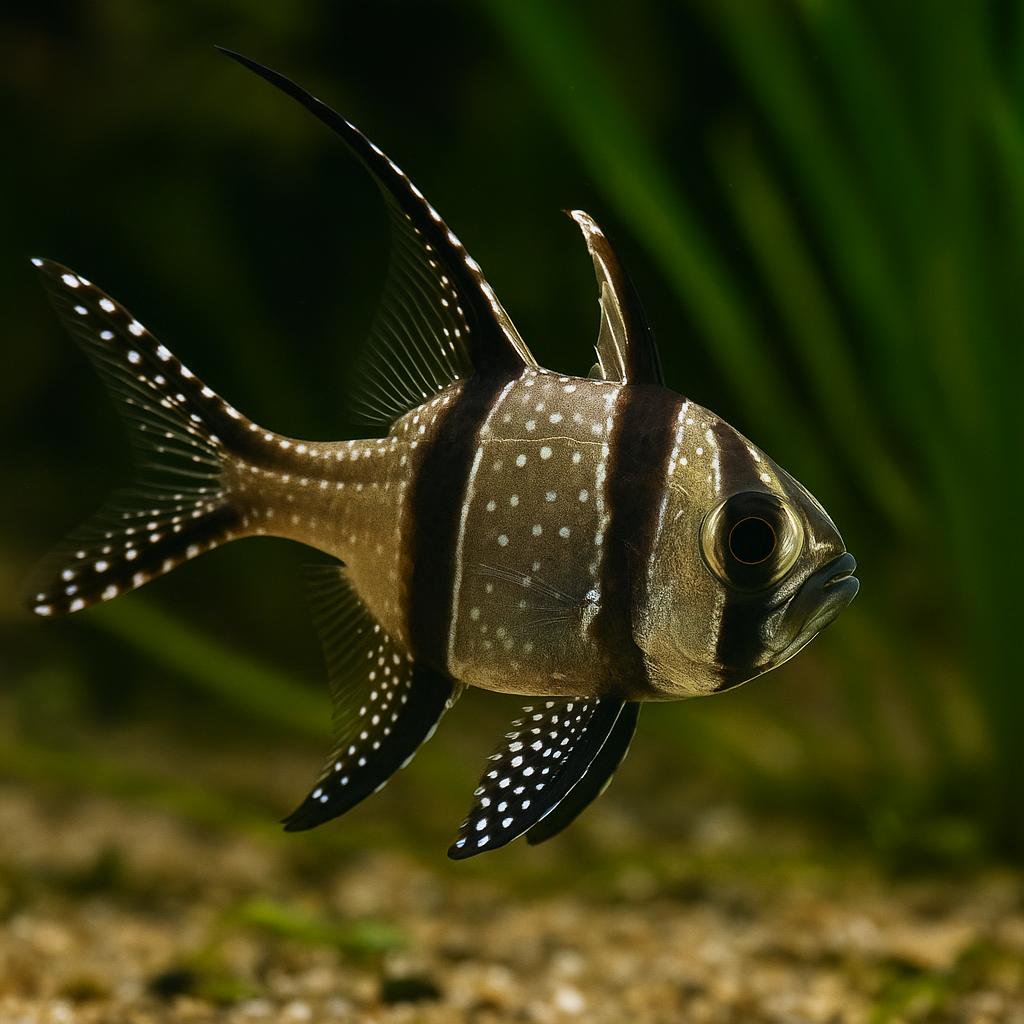
Banggai Cardinalfish
Pterapogon kauderni
Banggai cardinals just sort of hover like little underwater satellites, and the bold black bars with those long, polka-dotted fins look unreal under reef lighting. They're super chill most of the time, but once a pair forms you'll see real "fish drama," and the male will even mouthbrood the babies like a champ.
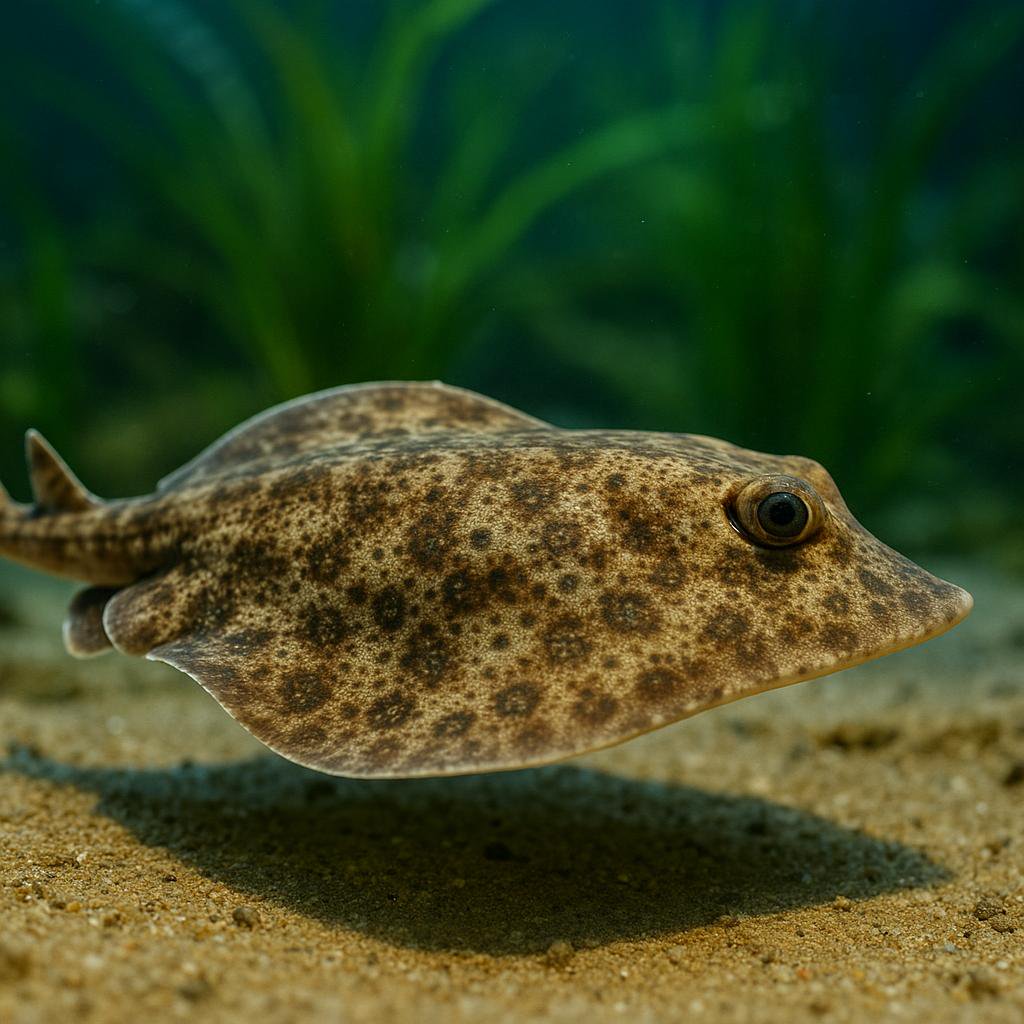
Barbedwire-tailed skate
Notoraja martinezi
Notoraja martinezi is a deepwater skate from the eastern Pacific (Costa Rica down to Ecuador) that lives way down on soft bottoms. The tail is the giveaway - it is lined with strong, hooked thorns that really do look like barbed wire. This is absolutely not an aquarium fish; it is a cold, high-pressure deep-sea animal with basically no practical home care info because it is not kept in the hobby.
More to Explore
Discover more marine species.
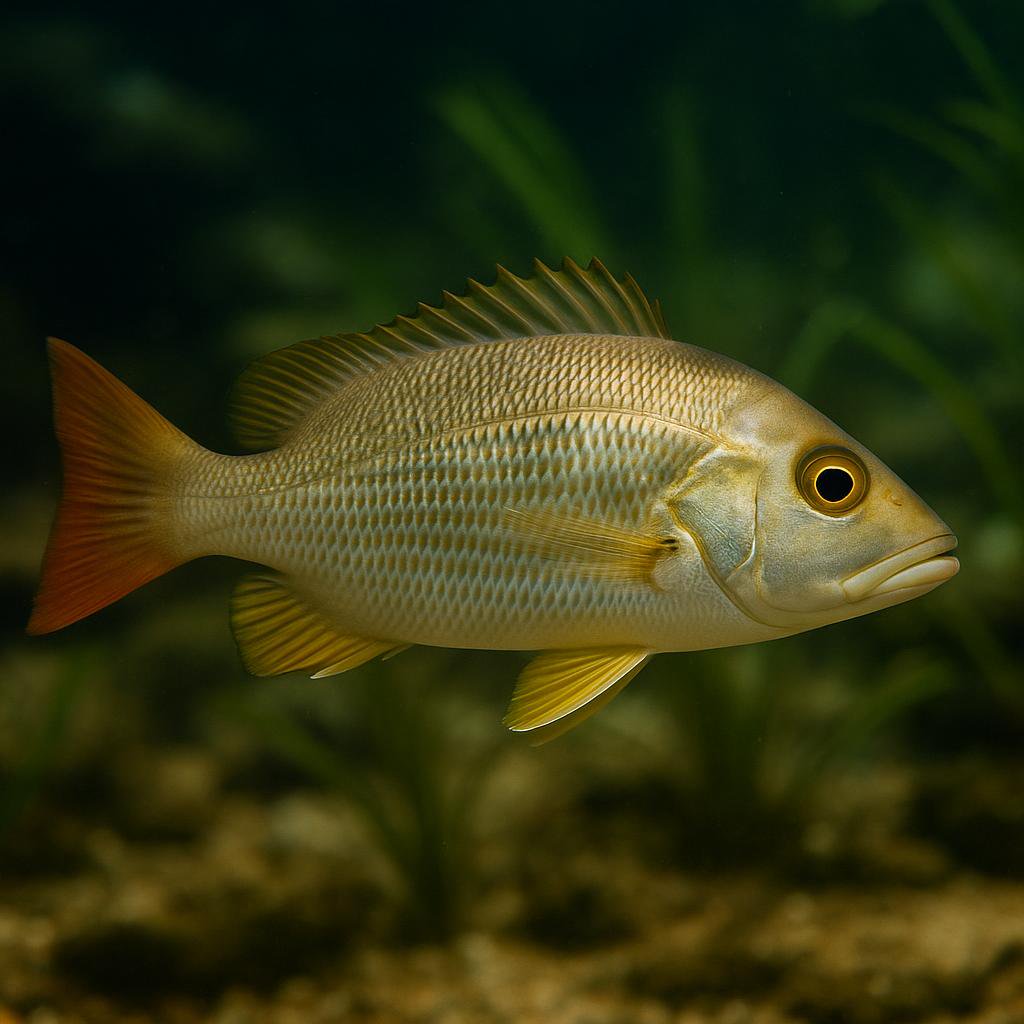
African red snapper
Lutjanus agennes
This is a true snapper from West Africa - a big, fast-growing predator that goes from coastal reefs to brackish lagoons and estuaries (especially as a juvenile). Super cool fish in the wild, but it gets absolutely huge and will eat smaller tankmates once it has the mouth for it, so its really more of a public-aquarium scale animal than a home-aquarium fish.
Aleutian skate
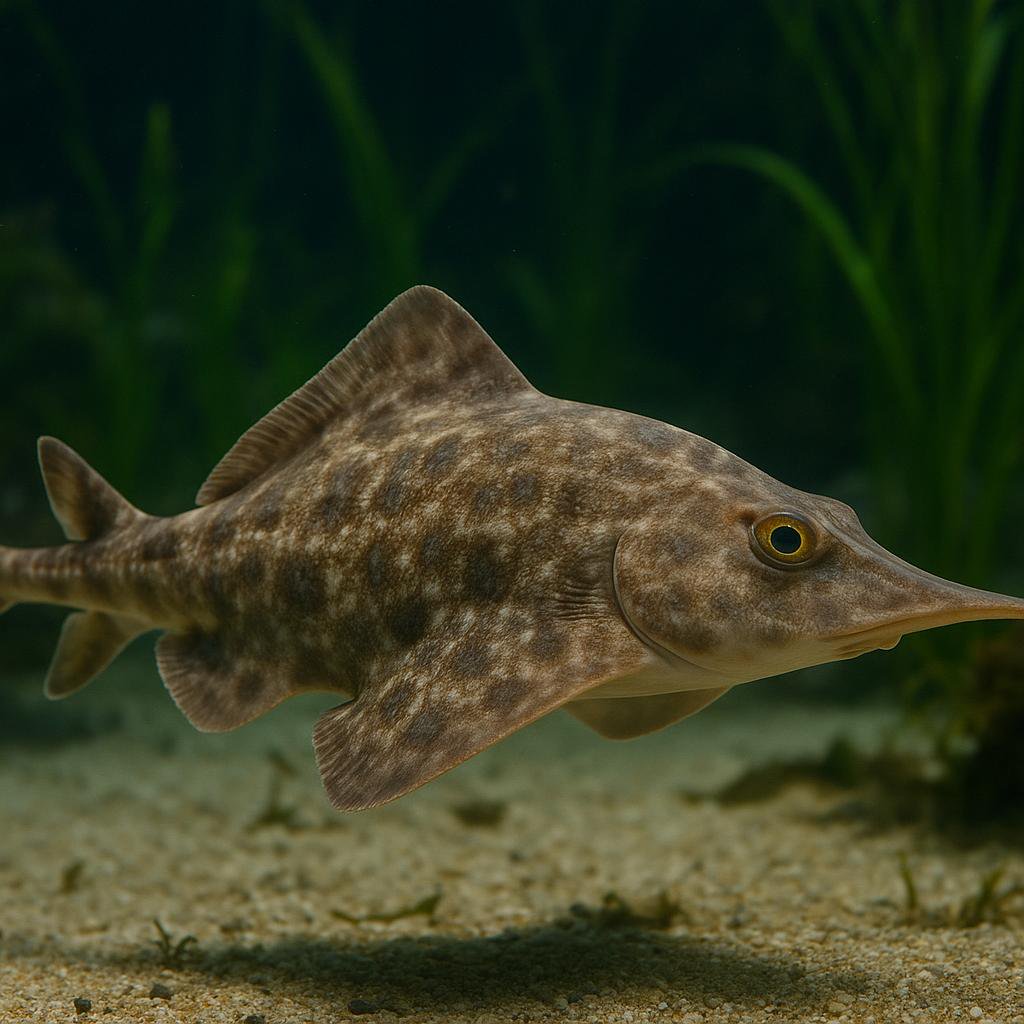
Bathyraja aleutica
This is a big, cold-water deep-slope skate from the North Pacific that cruises muddy bottoms and eats chunky benthic prey like crabs and shrimp. The really cool bit is its egg-laying skate life - it does distinct pairing (the classic skate "embrace") and drops those tough egg cases on the seafloor. Not an aquarium fish at all unless you're basically running a public-aquarium-style chilled system.
Antarctic dragonfish
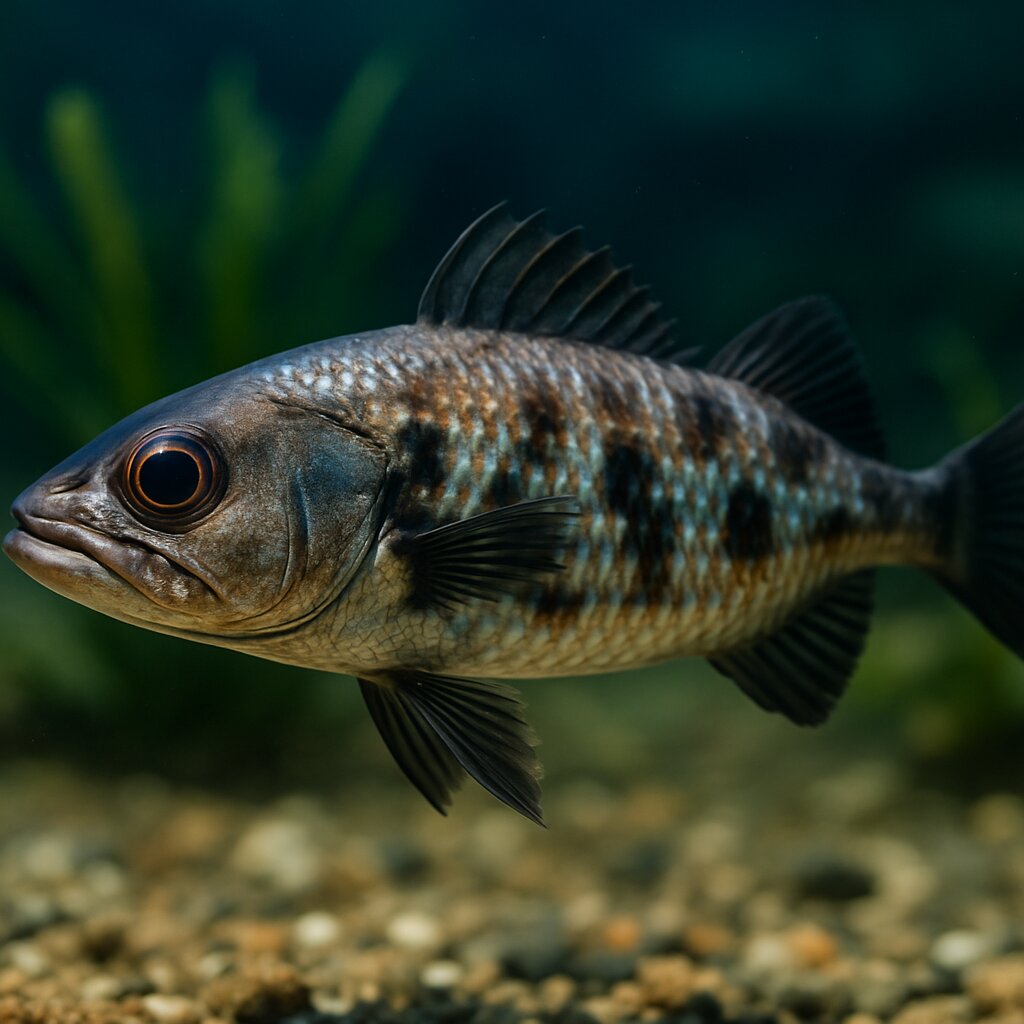
Vomeridens infuscipinnis
Deep down around Antarctica, this sleek dragonfish cruises the water column like a little submarine, nearly neutrally buoyant so it can hover above the seafloor. It munches almost exclusively on Antarctic krill and lives in near-freezing water 500-800 m down, so it is a cool species to read about, not one for home tanks.
Arabian spiny eel
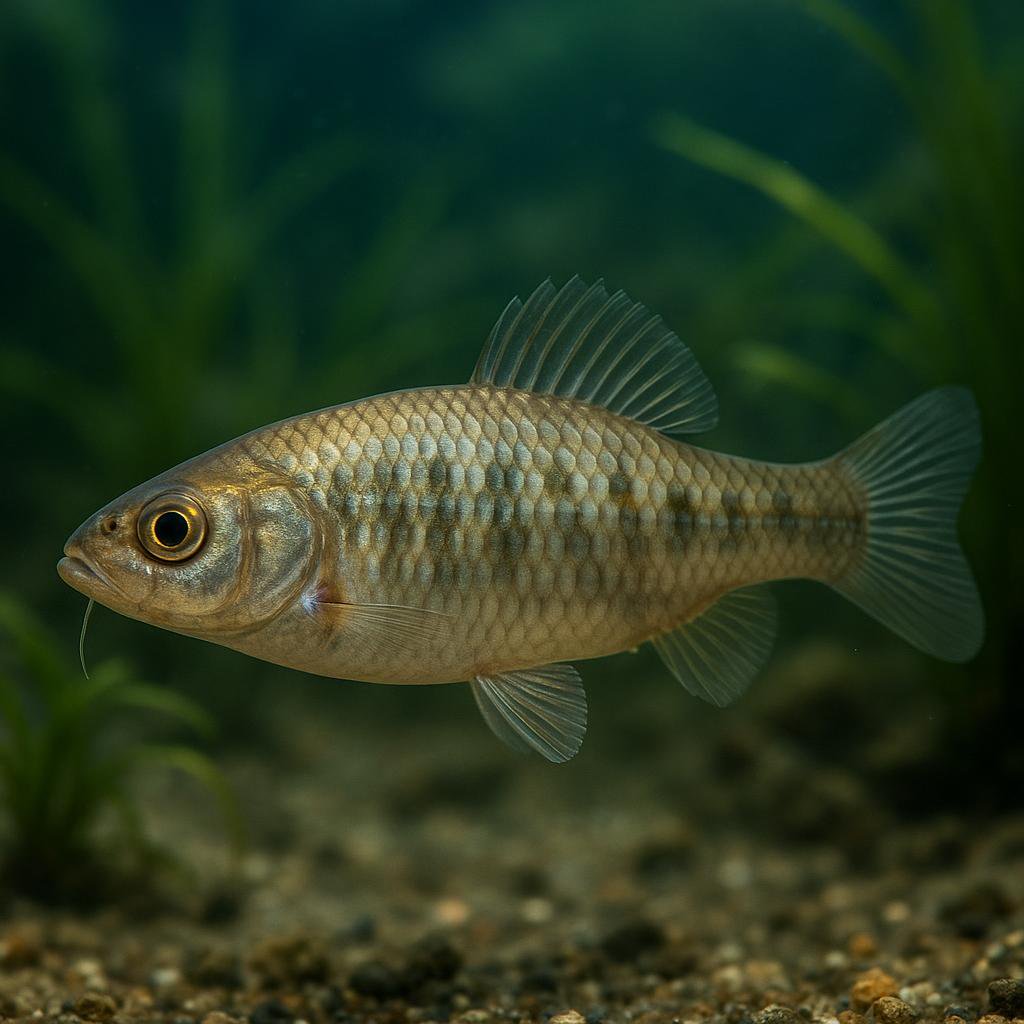
Notacanthus indicus
Notacanthus indicus is a deep-sea spiny eel (family Notacanthidae; not a true eel) known from the Arabian Sea on the continental slope at roughly ~960–1,046 m depth, with reported maximum length around 20 cm TL; it is a deep-water bycatch species and not established in the aquarium trade.
Arctic rockling
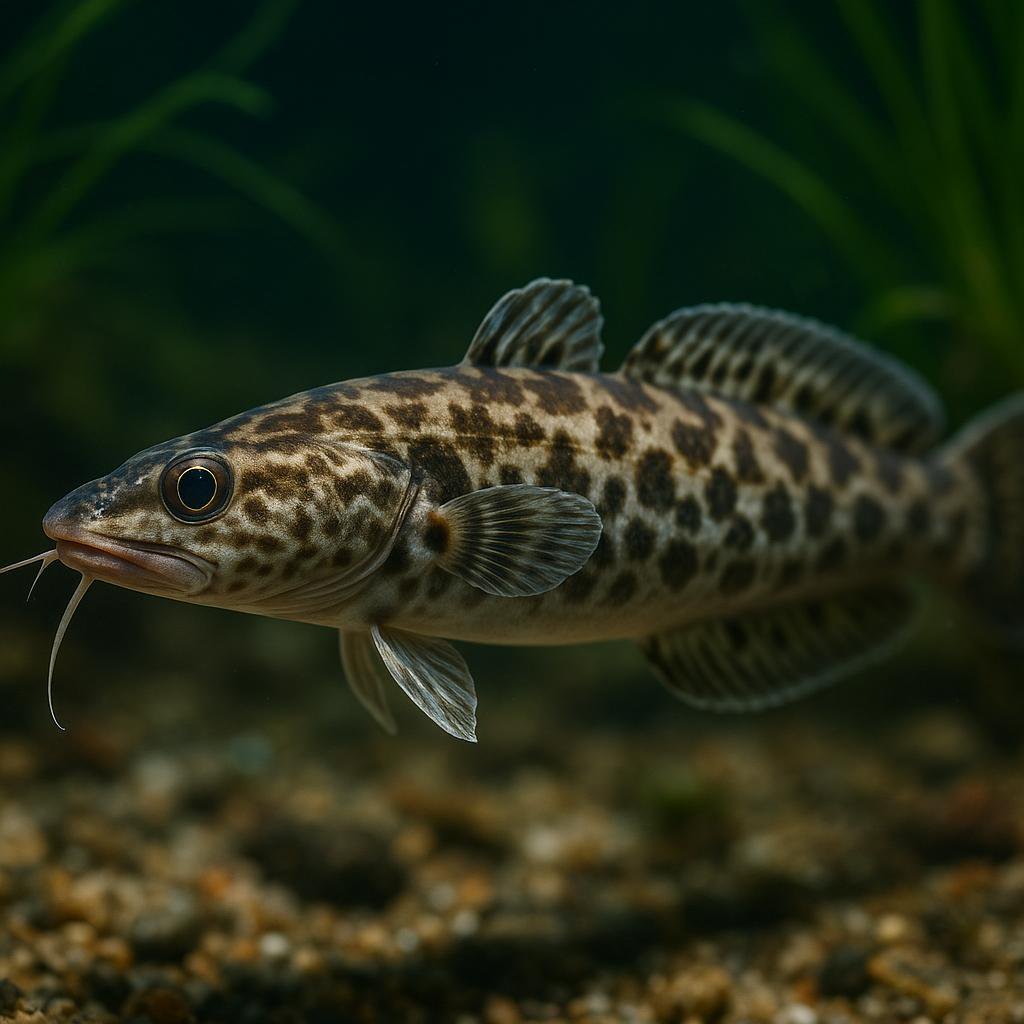
Gaidropsarus argentatus
This is a deepwater North Atlantic rockling (a cod relative) that hangs out on soft bottoms way down the slope. It is a cold-water, bottom-hugging predator that snoots around for crustaceans and will also take small fish when it gets the chance.
Atlantic pomfret
Brama brama
Brama brama is the Atlantic pomfret (aka Ray's bream) - a deep-bodied, open-ocean pelagic fish that cruises around in small schools and follows water temps. It is a legit big, wild marine species (not an aquarium fish) that eats other small sea critters like fish and squid, and it ranges across a huge chunk of the Atlantic plus parts of the Indian and South Pacific.
Looking for other species?