

Hawaiian surf sardine
Iso hawaiiensis
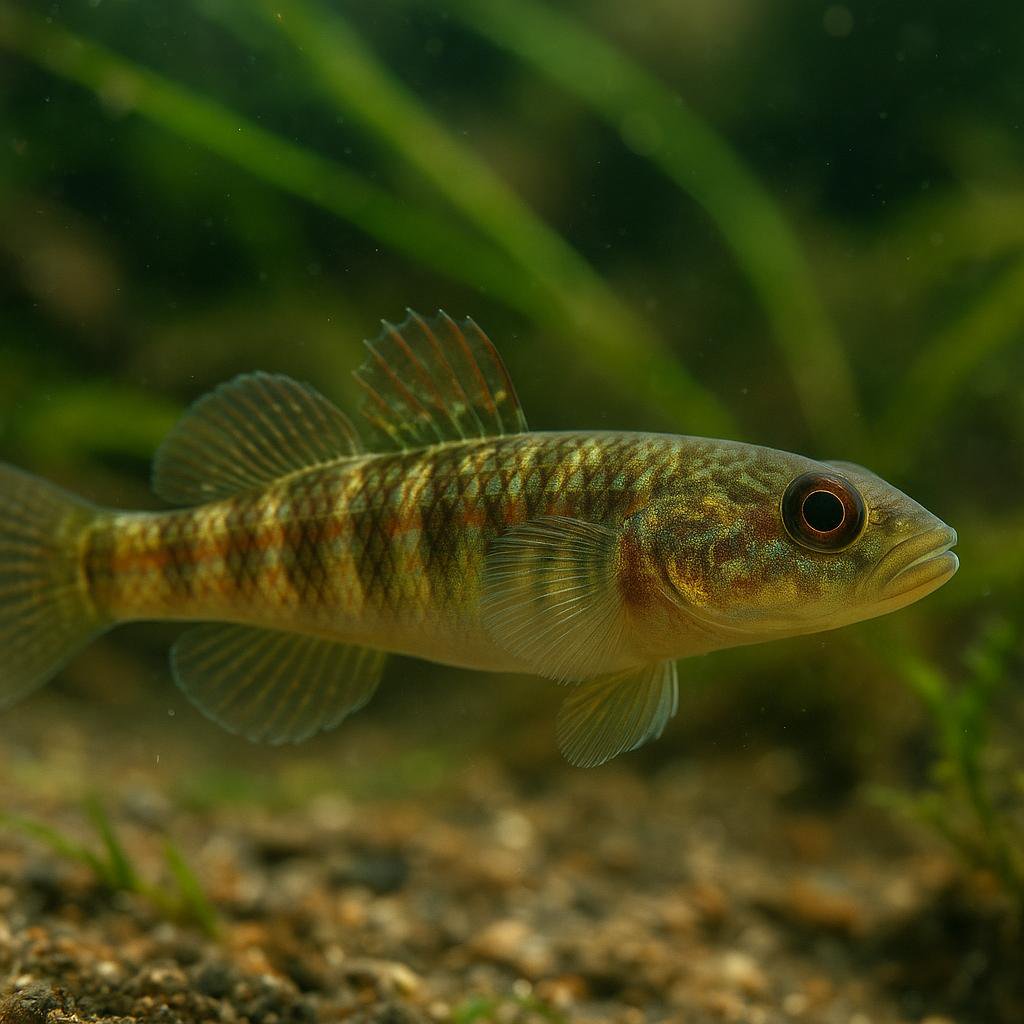
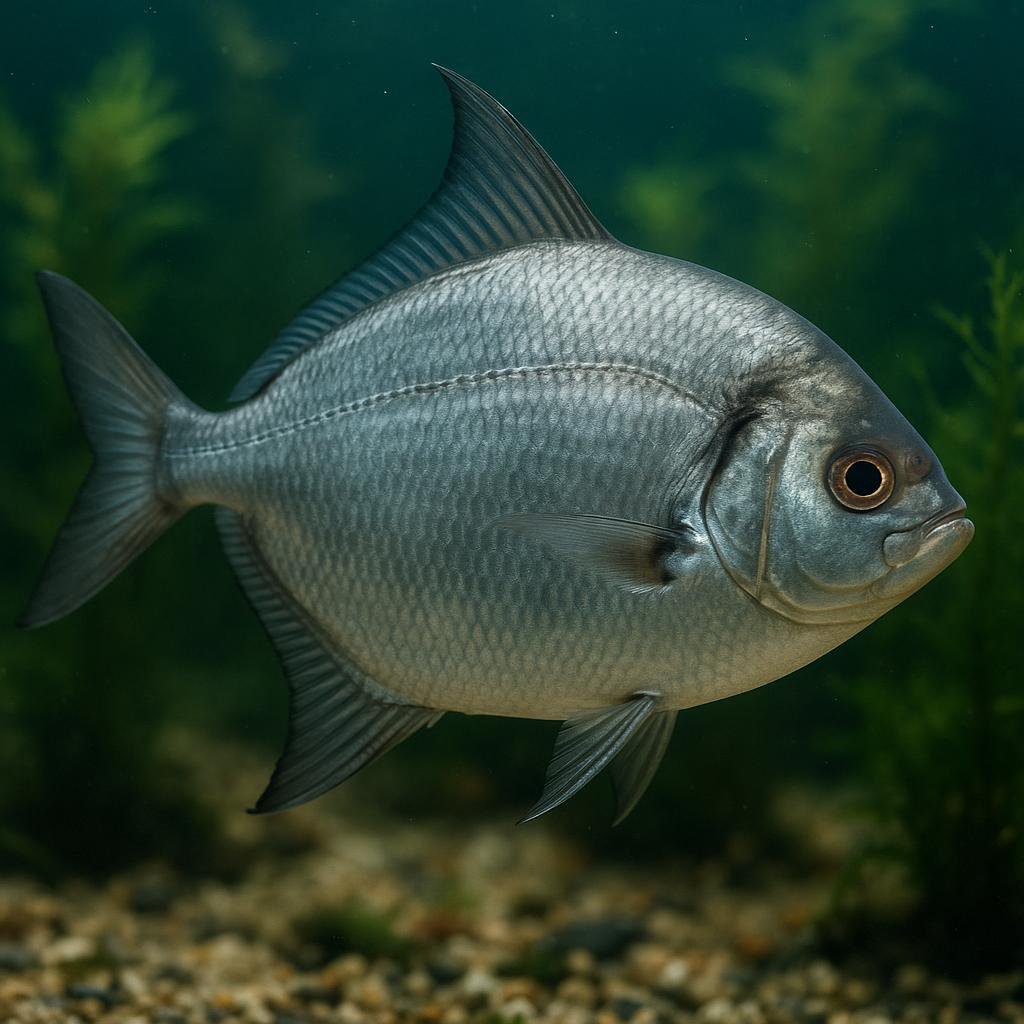
The Hawaiian surf sardine exhibits a streamlined body with metallic silver scales and a distinctively bright blue lateral line.
This page includes AI-generated images. Why am I seeing AI images?
About the Hawaiian surf sardine
Iso hawaiiensis is a tiny surf-zone silverside that lives right in the splashy, wave-battered edge of rocky headlands and reefs. Its whole vibe is fast, nervous, and built for rough water, so it is way more of a cool natural-history fish than a typical home-aquarium resident.
Also known as
Quick Facts
Size
5 cm
Temperament
Peaceful
Difficulty
Expert
Min Tank Size
30 gallons
Lifespan
1-3 years
Origin
Central Pacific (Hawaii, Marshall Islands, Rapa)
Diet
Carnivore/planktivore - small live/frozen foods (copepods, baby brine, finely chopped meaty foods)
Water Parameters
24-28°C
8-8.4
8-12 dGH
Need a heater for this species?
This species needs 24-28°C in a 30 gallon tank. Use our heater calculator to find the right wattage.
Calculate heater sizeCare Notes
- These are open-water schooling fish - keep a real group (8-12+) in a long tank (6 ft/180 cm footprint or bigger) with hard flow across the length so they can cruise without smashing into rockwork.
- Run reef-level salinity (1.025-1.026 SG) and keep oxygen high with heavy surface agitation; if you see them hanging near returns or gulping at the top, you do not have enough gas exchange.
- They are jumpers when spooked - tight lid, cover every gap around plumbing, and keep lights from snapping on suddenly (use a ramp or room light first).
- Feed like a planktivore: small foods often (3-6x/day) - enriched baby brine, copepods, finely chopped mysis, and tiny pellets; big chunks just get spit out and foul the water.
- Skip slow, long-finned fish and timid feeders - they will outcompete them and panic-slam them in a rush; good tankmates are other fast, midwater marine schoolers and sturdy reef fish that do not mind current.
- Acclimate slowly and quarantine if you can - they crash fast from shipping stress and low oxygen, and they are magnet fish for external parasites; flashing and clamped fins usually show up before you see spots.
- Watch for mouth/nose damage from glass-bonking - dim the first few days, keep the front clear of bright reflections, and do not chase them with nets (use a large container to corral).
- Breeding in home tanks is basically a lottery - they spawn in the water column, and even if eggs appear they get eaten and the larvae need live plankton cultures and pristine, high-oxygen rearing tubs.
Compatibility
Good Tankmates
- Other small, peaceful schooling fish that stay in the water column - think chromis (Chromis viridis) or other mild damsels that are not the territorial bruiser types. Surf sardines are a shoal fish and do best when the vibe is calm and group-oriented.
- Peaceful wrasses that are not bullies - like fairy or flasher wrasses (Cirrhilabrus, Paracheilinus). They cruise around and do their own thing, and they are quick enough that feeding time is not a disaster.
- Reef-safe gobies and blennies that stick to the bottom or rocks - watchman gobies, small sand gobies, tailspot blennies. They do not compete much for the same space, so everybody relaxes.
- Cardinalfish (like banggai or pajama cardinals) if your setup is not a nonstop feeding frenzy. They are mellow and generally ignore sardines, and they like similar peaceful community tanks.
- Small, peaceful rabbitfish or bristletooth tangs only if the tank is big and you are not crowding the open-water lane. In roomy tanks they are fine neighbors and mostly herbivore-focused, so they are not out hunting sardines.
- Cleaner crews and reef inverts - shrimp, snails, urchins, and corals. Surf sardines are typically just out in the flow picking at tiny foods, and they do not go around wrecking inverts.
Avoid
- Aggressive or territorial damselfish and dottybacks - like three-stripe damsels or spicy pseudochromis. They love to claim a corner and will chase a peaceful schooling fish until it stays pinned or stops eating.
- Predators that see small, slim fish as snacks - lionfish, groupers, larger hawkfish. If it can fit a surf sardine in its mouth, it will eventually try, usually right after you think everyone is getting along.
- Big, trigger-happy feeders and fin nippers - triggers and larger wrasses that get pushy. Even if they do not outright eat them, they can turn every feeding into a stress test and the sardines lose weight.
Where they come from
Hawaiian surf sardines (Iso hawaiiensis) are a nearshore, open-water schooling fish from Hawaii. You see their cousins in big flashing bait balls, and thats basically the vibe: constant motion, tight schooling, and a whole lot of oxygen demand.
They are built for surge zones and open water, not rock-hugging reef life. If you try to keep them like a typical marine community fish, they dont just get stressed - they crash.
This is an expert fish because of space, flow, oxygen, and feeding frequency. If your system cant handle heavy feeding and high gas exchange, pick a different schooling fish.
Setting up their tank
Think of these like little saltwater greyhounds. The tank needs length and open swim lanes more than it needs fancy aquascaping. A tall cube full of rocks is the opposite of what they want.
- Tank size: Id start at 180 gallons minimum for a small group, and bigger is better. Length matters more than depth.
- Footprint: aim for 6 feet long if you can. They pace and turn constantly.
- Open water: keep rockwork low and off to the sides. Give them a clear runway.
- Flow: strong, but not a blender. Broad laminar flow plus random gyre works well.
- Oxygen: oversized skimmer, lots of surface agitation, and no lids that choke gas exchange.
- Filtration: you will be feeding like crazy, so plan for nutrient export (skimmer, refugium, roller mat, or big water changes).
Ive had the best results using two big powerheads or gyres aimed to create a circular racetrack current. The school settles down when they can just cruise without constantly fighting dead spots.
Cover the tank. Not a maybe - a must. Startle response is real, especially in new arrivals, and they can clear the rim fast.
Tight-fitting lid or net top is non-negotiable. Most losses Ive heard of are carpet surfing in the first couple of weeks.
Keep lighting moderate. Super bright reef lighting can keep them edgy unless they have shaded areas. If its a reef system, give them some darker zones or overhangs so they dont feel exposed all day.
What to feed them
They are planktivores and micro-predators. In captivity they do best on small meaty foods offered often. If you feed once a day like its a tang, you will watch condition slide.
- Staples: enriched frozen mysis, finely chopped krill, calanus, copepod blends, roe.
- Small foods: baby brine (enriched), cyclops, small pellet/flake only if they accept it.
- Enrichment: soak foods in HUFA/vitamin supplements a few times a week.
- Feeding schedule: 3-6 small feedings a day beats one big dump.
- Target: feed into the flow so food stays suspended and the school can pick it off naturally.
If they will take a quality small pellet, celebrate. It makes life way easier. Mix pellets with frozen while the pumps are running so they learn to snap at particles in the water column.
Watch bellies and the line behind the head. These fish can look fine one week, then get pinched and weak the next if they arent getting enough calories. They burn fuel nonstop.
How they behave and who they get along with
They are nervous by default, but a decent sized group calms them down. One or two alone usually just panic-lap the tank and beat themselves up.
- Group size: 6+ is where you start seeing real schooling. More is better if you have the tank for it.
- Temperament: peaceful, but easily spooked.
- Best tankmates: other calm open-water fish that wont chase (some anthias-type behavior can work if food is plentiful).
- Avoid: aggressive feeders, fast bullies, and anything that treats them like bait (big wrasses, large groupers, big jacks, many triggers).
- Also avoid: fin nippers and fish that constantly rush the school at feeding time.
They read the room. A calm tank with predictable lighting and flow makes them act like a school. A chaotic tank makes them act like a fleeing bait ball.
Acclimation is half the battle. Dim the lights, keep the room quiet, and give them flow and oxygen from minute one. I like a long drip acclimation for salinity, but I do not drag it out for hours if ammonia is building in the shipping water.
Breeding tips
In home aquariums, breeding is basically a lottery ticket. These are pelagic spawners with tiny eggs and larvae that need live plankton and a lot of space and stability. Ive never seen a hobbyist raise them consistently.
If you ever see spawning behavior (tight circling, quick dashes, milky water), run mechanical filtration and skimming carefully so you dont strip everything instantly. But realistically, raising the larvae would mean a dedicated live-food setup and a separate larval system.
Common problems to watch for
Most issues with surf sardines come from stress and physics: not enough room, not enough oxygen, not enough food, or getting spooked into glass and lids.
- Jumping: especially the first 1-3 weeks, after lights flip on/off, or during sudden room movement.
- Nose and scale damage: from frantic laps and hitting corners. Rounded corners and open swim space help.
- Wasting away: from underfeeding or food competition. You want frequent small meals and calm tankmates.
- Low oxygen events: heavy feeding plus warm water plus weak surface agitation can wipe a school overnight.
- External parasites: they are wild-caught more often than not, so assume parasites are on the table and plan a quarantine strategy you are comfortable with.
- Ammonia spikes: big feeding schedules can overwhelm a system that was fine for a reef. Watch nutrients and dont be shy about water changes.
They can look perfectly healthy right up until the moment they dont. If you see rapid gilling, hanging at the surface, or the school breaking apart, treat it like an emergency: check oxygen, temperature, and ammonia immediately.
If you can give them space, flow, oxygen, and lots of small meals, they are actually pretty rewarding. Watching a tight school flash and turn in a big open tank is one of those things that reminds you why you got into saltwater in the first place.
Similar Species
Other marine peaceful species you might be interested in.
Abe's eelpout
Japonolycodes abei
Japonolycodes abei is a temperate, deepwater demersal eelpout (family Zoarcidae) endemic to Japan (Kumano-nada Sea reported; other sources also report Sagami Bay and Tosa Bay). It is the only species in the genus Japonolycodes and occurs roughly 40-300 m depth, making it an uncommon/atypical aquarium species.
Affinis blind cusk-eel
Barathronus affinis
Barathronus affinis is a tiny, super-weird deep-sea blind cusk-eel from the western-central Indian Ocean. It is one of those gelatinous, loose-skinned brotula-type fishes that live way down in the dark and are basically never seen alive, so almost everything we know comes from preserved specimens and taxonomic work.
Allis shad
Alosa alosa
Gorgeous silver, fast-swimming shad that spends most of its life in the sea and then surges up big rivers in noisy, surface-spawning schools. It grows huge for a herring-type fish and needs cool, ultra-oxygenated water and tons of open space, so it is a public-aquarium species rather than a home tank fish.
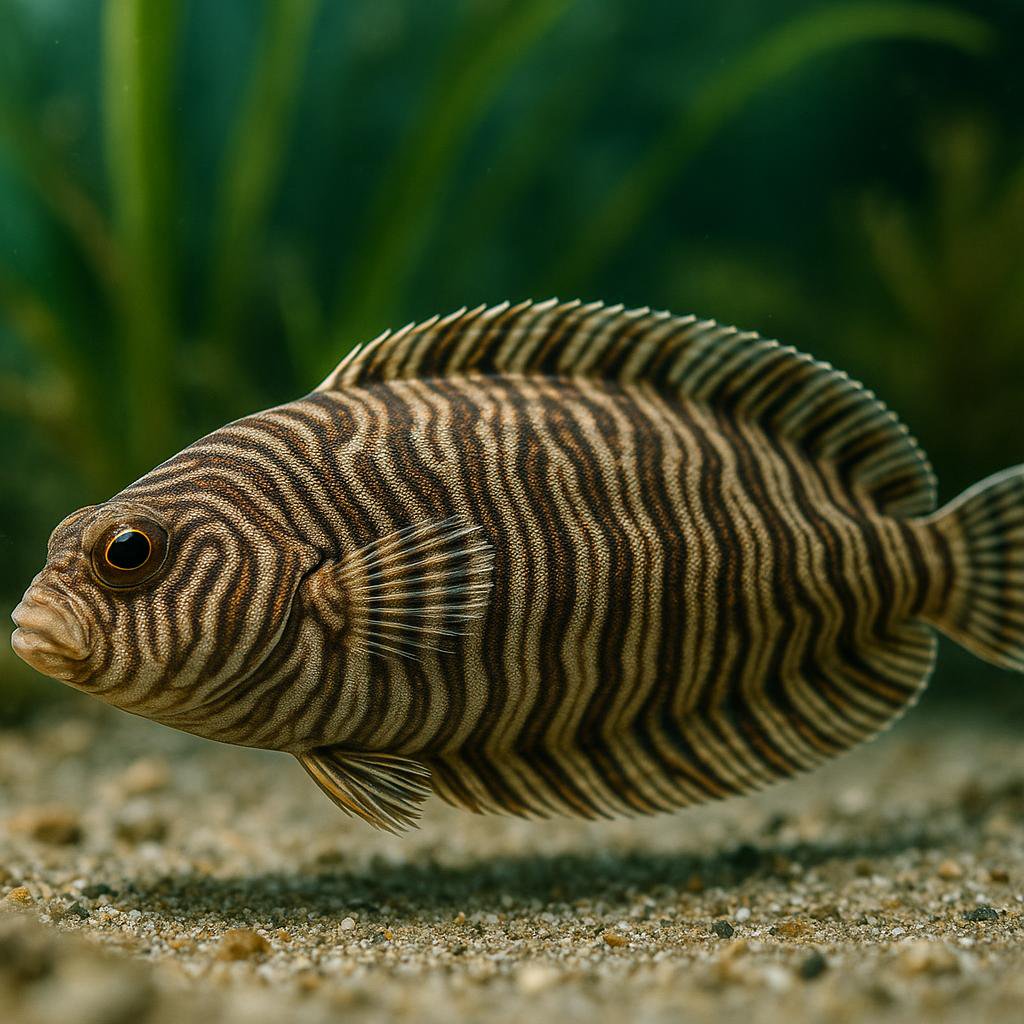
Annandale's zebra sole
Zebrias annandalei
Zebrias annandalei is a small demersal sole from coastal India that inhabits sandy or muddy bottoms and buries for camouflage. It is rarely kept in home aquaria and would require a specialized marine sand-bottom setup and appropriate feeding.
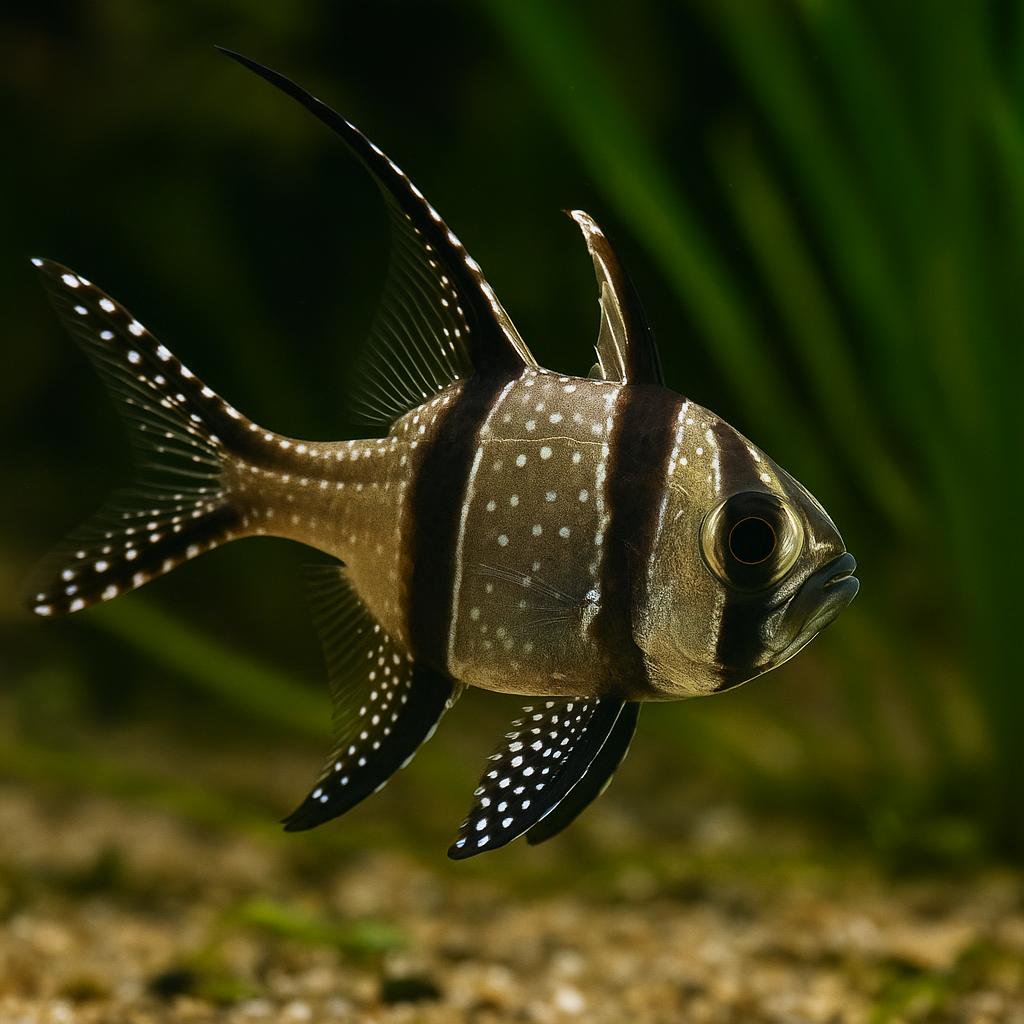
Banggai Cardinalfish
Pterapogon kauderni
Banggai cardinals just sort of hover like little underwater satellites, and the bold black bars with those long, polka-dotted fins look unreal under reef lighting. They're super chill most of the time, but once a pair forms you'll see real "fish drama," and the male will even mouthbrood the babies like a champ.
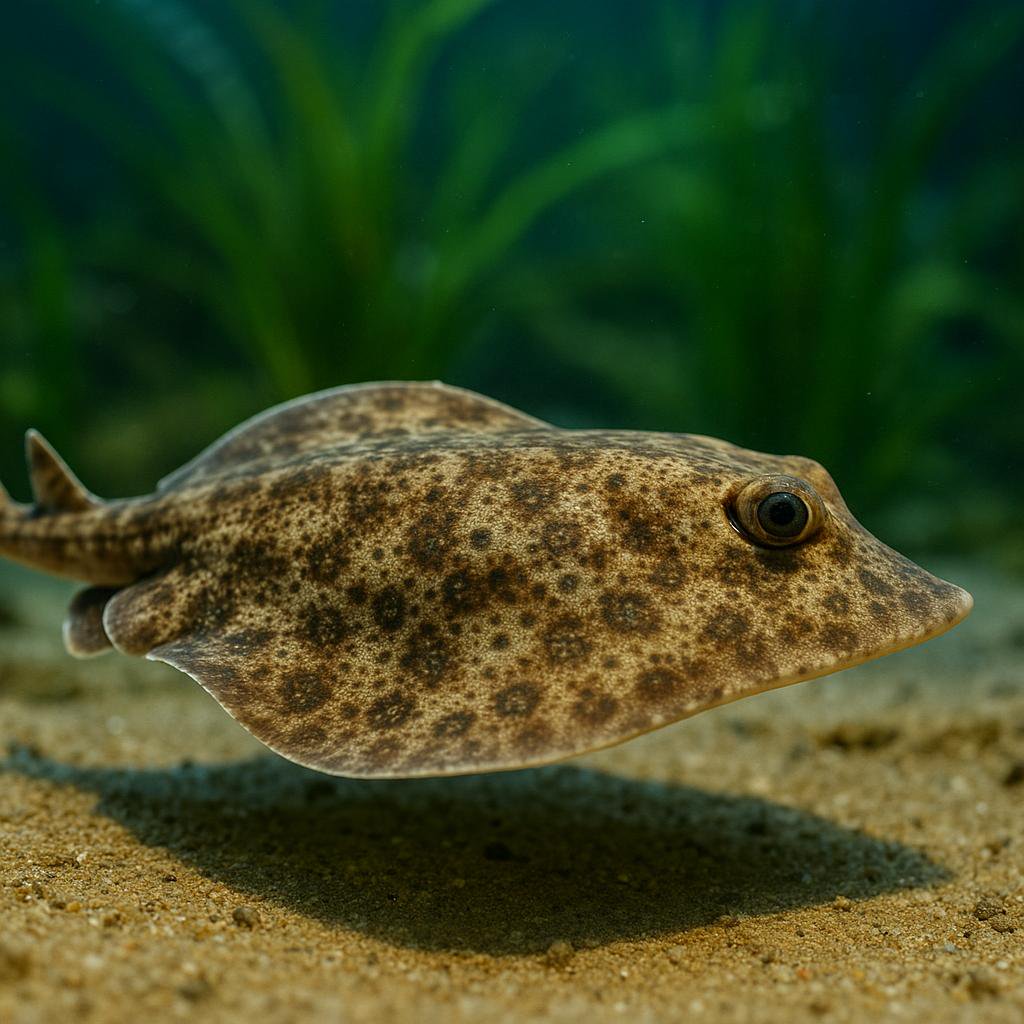
Barbedwire-tailed skate
Notoraja martinezi
Notoraja martinezi is a deepwater skate from the eastern Pacific (Costa Rica down to Ecuador) that lives way down on soft bottoms. The tail is the giveaway - it is lined with strong, hooked thorns that really do look like barbed wire. This is absolutely not an aquarium fish; it is a cold, high-pressure deep-sea animal with basically no practical home care info because it is not kept in the hobby.
More to Explore
Discover more marine species.
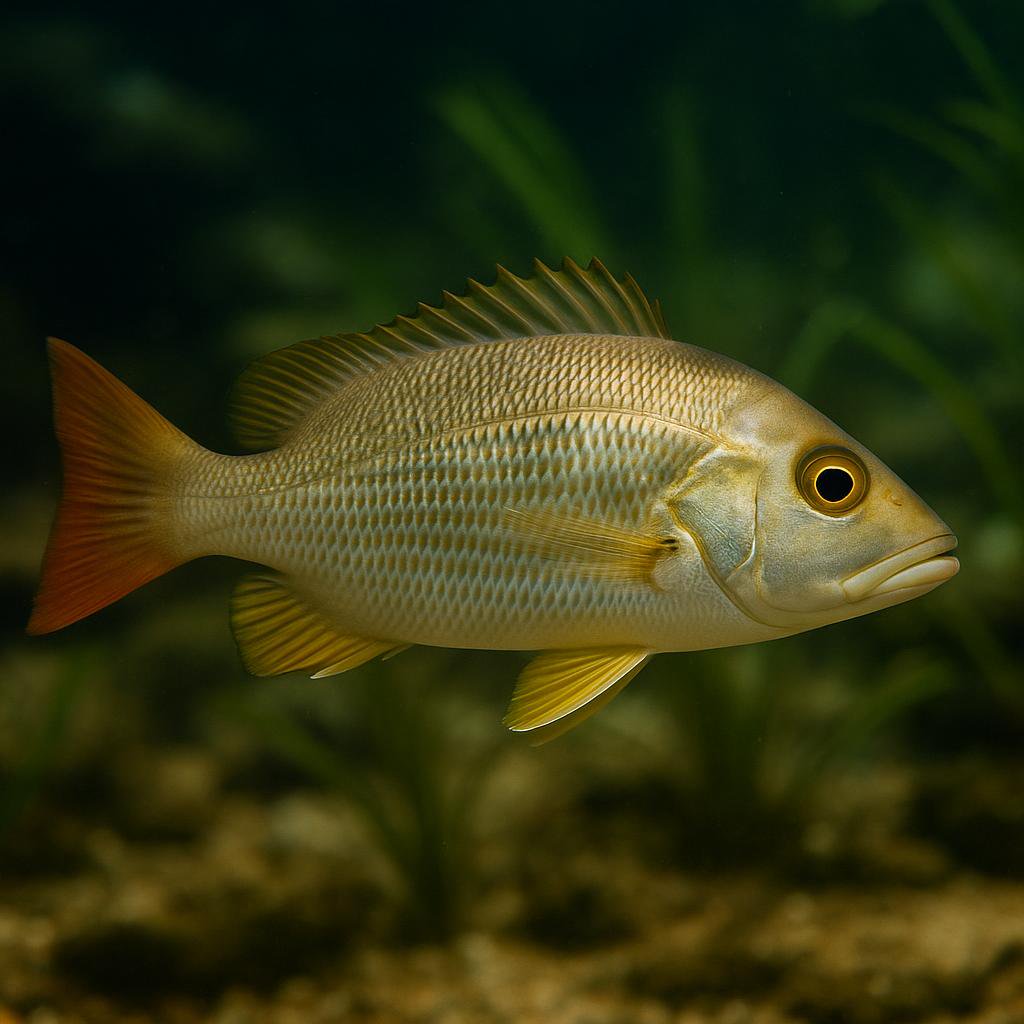
African red snapper
Lutjanus agennes
This is a true snapper from West Africa - a big, fast-growing predator that goes from coastal reefs to brackish lagoons and estuaries (especially as a juvenile). Super cool fish in the wild, but it gets absolutely huge and will eat smaller tankmates once it has the mouth for it, so its really more of a public-aquarium scale animal than a home-aquarium fish.
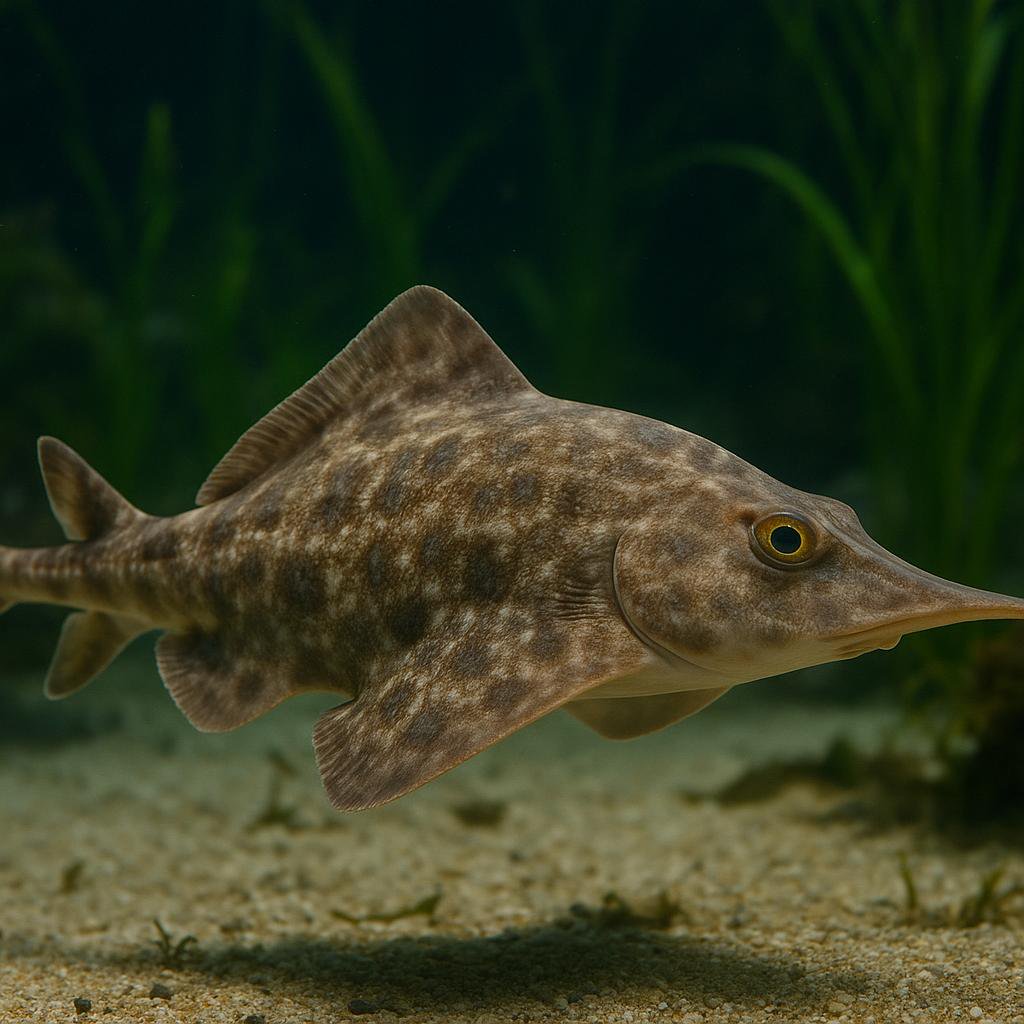
Aleutian skate
Bathyraja aleutica
This is a big, cold-water deep-slope skate from the North Pacific that cruises muddy bottoms and eats chunky benthic prey like crabs and shrimp. The really cool bit is its egg-laying skate life - it does distinct pairing (the classic skate "embrace") and drops those tough egg cases on the seafloor. Not an aquarium fish at all unless you're basically running a public-aquarium-style chilled system.
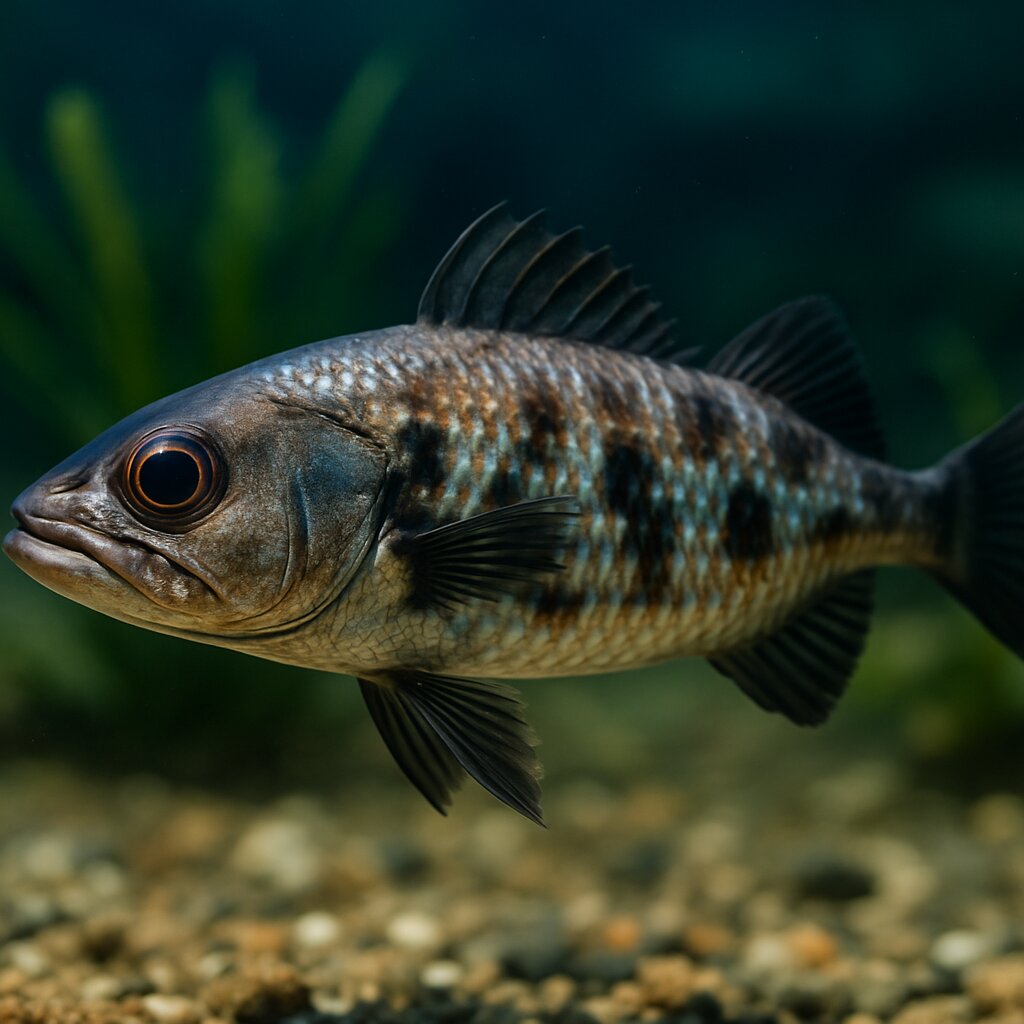
Antarctic dragonfish
Vomeridens infuscipinnis
Deep down around Antarctica, this sleek dragonfish cruises the water column like a little submarine, nearly neutrally buoyant so it can hover above the seafloor. It munches almost exclusively on Antarctic krill and lives in near-freezing water 500-800 m down, so it is a cool species to read about, not one for home tanks.
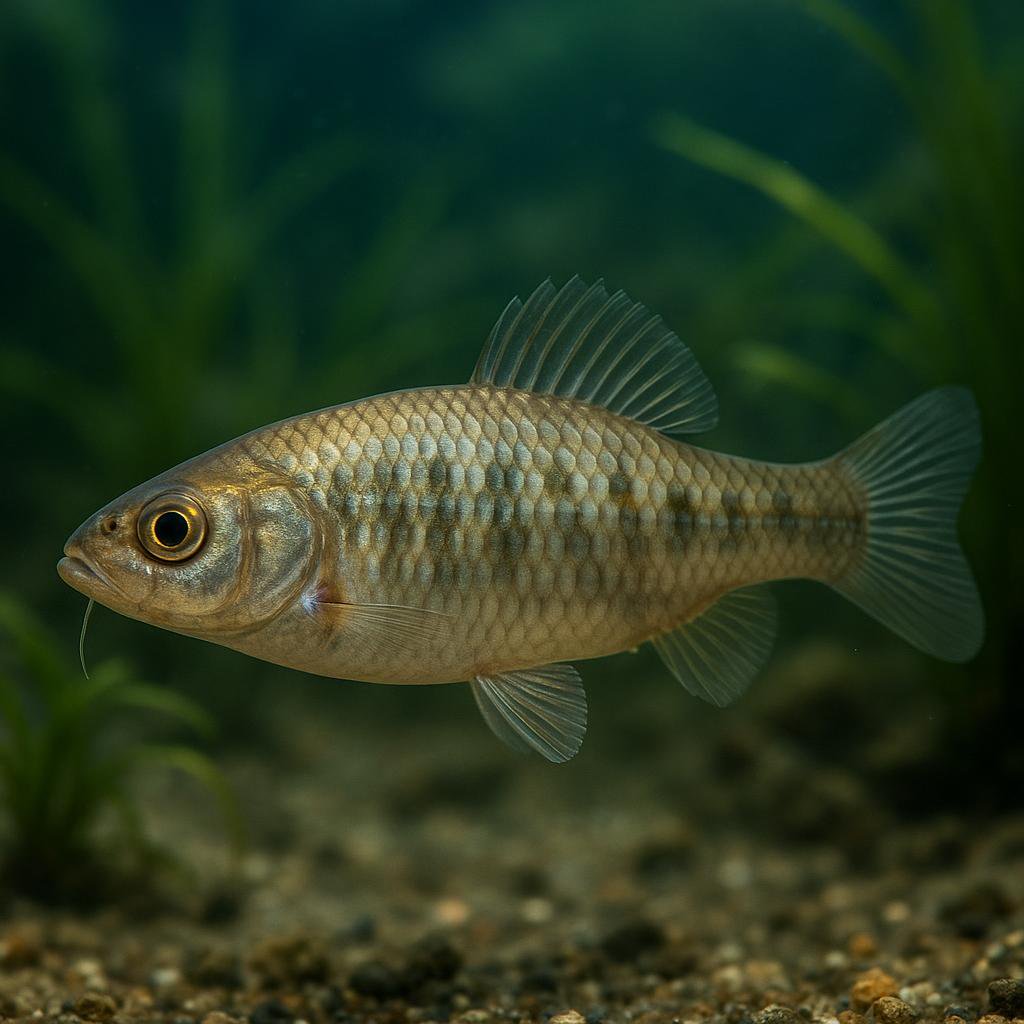
Arabian spiny eel
Notacanthus indicus
Notacanthus indicus is a deep-sea spiny eel (family Notacanthidae; not a true eel) known from the Arabian Sea on the continental slope at roughly ~960–1,046 m depth, with reported maximum length around 20 cm TL; it is a deep-water bycatch species and not established in the aquarium trade.
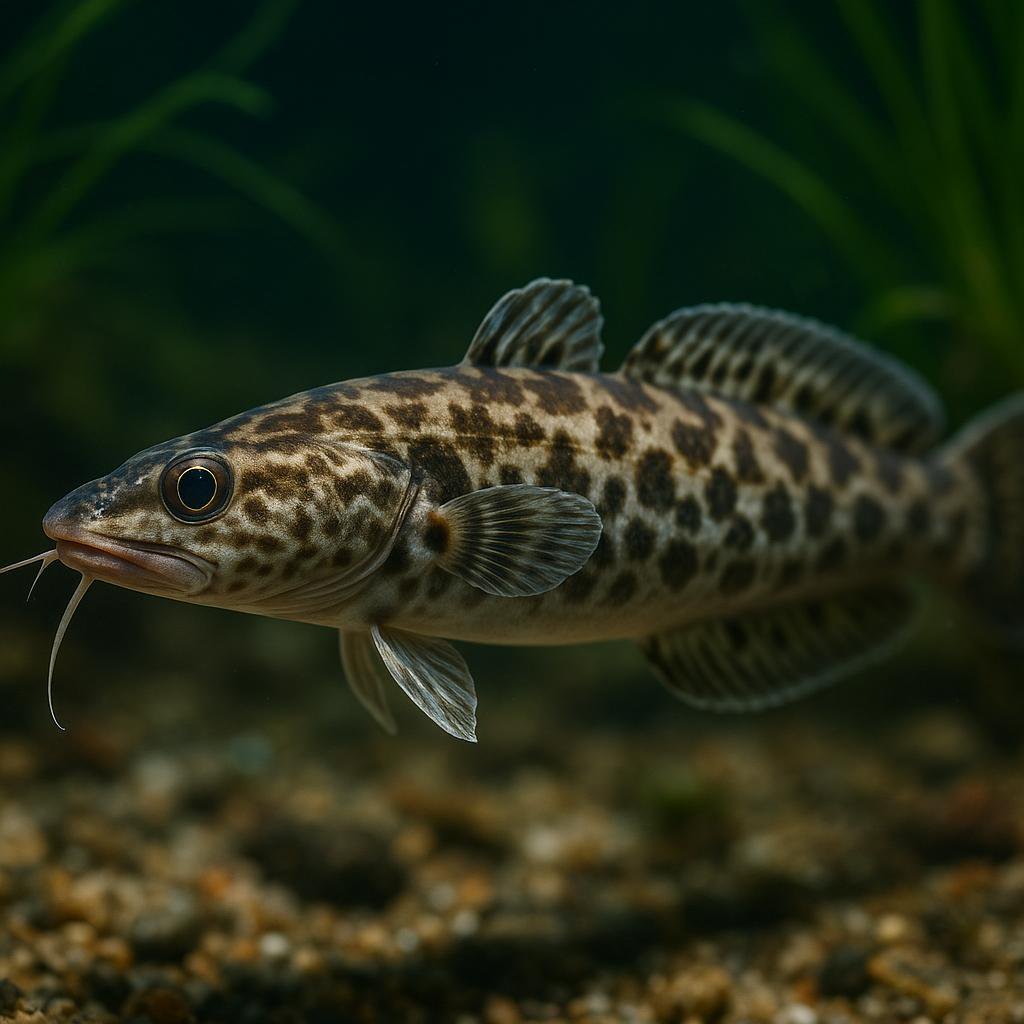
Arctic rockling
Gaidropsarus argentatus
This is a deepwater North Atlantic rockling (a cod relative) that hangs out on soft bottoms way down the slope. It is a cold-water, bottom-hugging predator that snoots around for crustaceans and will also take small fish when it gets the chance.
Atlantic pomfret
Brama brama
Brama brama is the Atlantic pomfret (aka Ray's bream) - a deep-bodied, open-ocean pelagic fish that cruises around in small schools and follows water temps. It is a legit big, wild marine species (not an aquarium fish) that eats other small sea critters like fish and squid, and it ranges across a huge chunk of the Atlantic plus parts of the Indian and South Pacific.
Looking for other species?