

Dofleini's lanternfish
Lobianchia dofleini
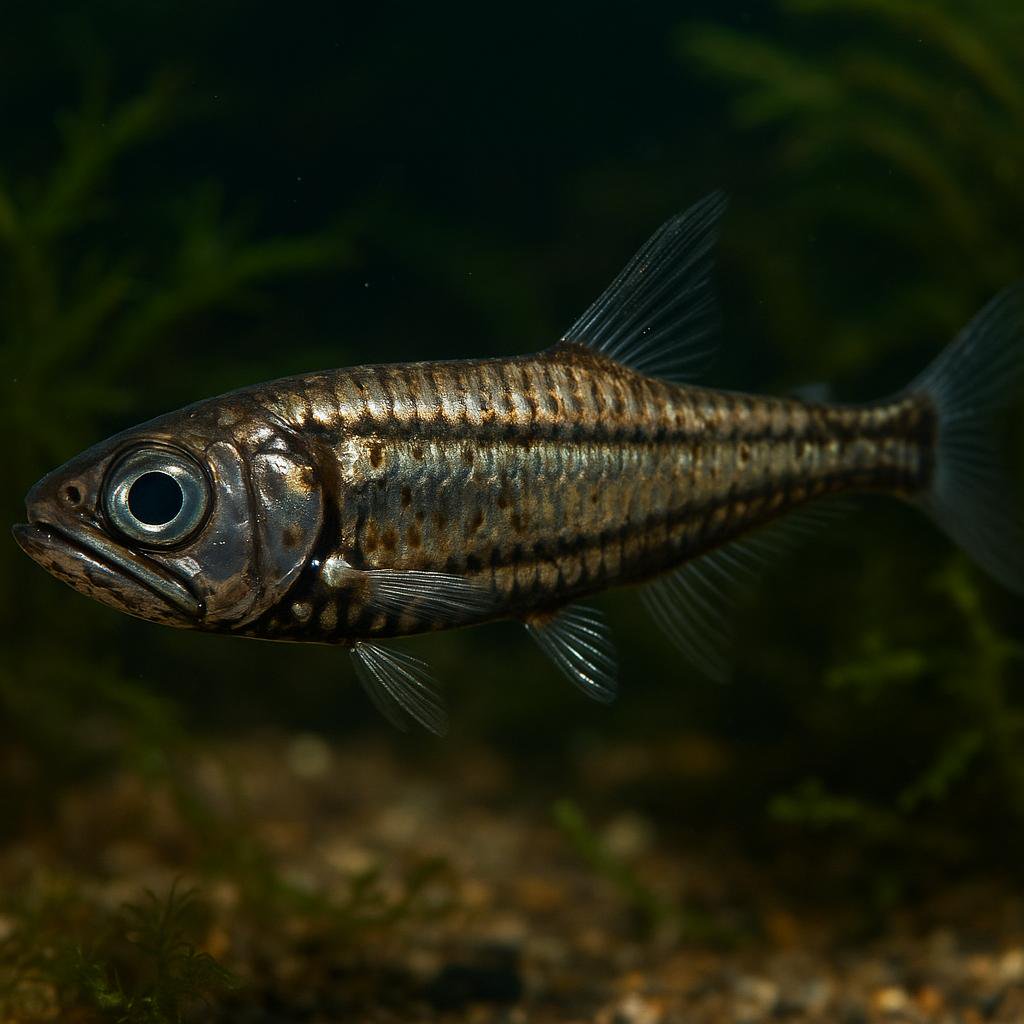
Dofleini's lanternfish features a slender body, bioluminescent ventral patches, and a distinctive dark blue to greyish coloration.
This page includes AI-generated images. Why am I seeing AI images?
About the Dofleini's lanternfish
This is a small mesopelagic lanternfish (Myctophidae) with photophores and diel vertical migration behavior. It occurs in the Atlantic Ocean, including the Mediterranean Sea, and is not a realistic home-aquarium species due to deep-pelagic habitat requirements.
Also known as
Quick Facts
Size
6 cm TL
Temperament
Peaceful
Difficulty
Expert
Min Tank Size
1 gallons
Origin
Atlantic (including Mediterranean Sea) and mostly southern circumglobal
Diet
Planktivore - mainly zooplankton (e.g., copepods) and other tiny midwater prey
Care Notes
- Run low-to-moderate flow and keep the surface well-oxygenated; these deepwater-ish lanternfish crash fast in stale, low-oxygen water even if your test kits look fine.
- Use a tight lid and cover overflow teeth - they spook and jump, and they also love to ride the current into weirs and pumps.
- Tankmates: stick with calm, non-predatory midwater fish; avoid anything that will outcompete at feeding time (anthias gangs, pushy wrasses) or anything that can swallow it (groupers, big hawkfish, lionfish).
- Watch for mouth and snout damage from smashing into glass when startled; keep reflections down (dark background, no spotlighting) and give it shaded lanes to cruise.
- Breeding in home tanks is basically a unicorn - pelagic spawners with tiny larvae - so if you ever see tiny eggs in the water column, plan on a separate larval setup with rotifers/copepod nauplii and very gentle flow.
Where they come from
Dofleini's lanternfish (Lobianchia dofleini) is a deepwater mesopelagic fish - one of those classic "night shift" animals that spends the day down in the dark and then moves up in the water column after lights-out to feed. You mostly see them referenced from offshore Pacific/Indo-Pacific deep pelagic surveys rather than reef collecting.
Real talk: this is not a standard aquarium species. Most losses happen because people treat it like a small reef fish. It's built for cold, dark, high-oxygen open water, not bright, warm, rock-and-coral displays.
Setting up their tank
If you try one, think "deepwater holding system" more than "display reef." The biggest make-or-break factors are temperature control, oxygen, and low-stress lighting. You want the fish eating within days, not burning calories panic-swimming and fading out.
- Tank size: bigger is easier. I would not bother under 75-120 gallons, and longer tanks beat tall cubes because they cruise.
- Temperature: cool. Aim roughly 50-65 F (10-18 C) depending on source. Pick a target and keep it steady.
- Lighting: dim. Use a ramped schedule and keep bright white light off the tank. Blue-only, shaded areas, and lots of dark time help.
- Flow: gentle but constant. You want turnover and oxygenation without blasting them into a corner.
- Filtration: oversized bio + aggressive mechanical. These fish need frequent small feedings and that means nutrients.
- Oxygen: high. Strong surface agitation, skimmer, and/or oxygen injection if you know what you're doing.
- Decor: minimal. Open water with a few dark shelters or vertical structures for security. Avoid sharp rock piles they can smack into.
Warm water is a slow killer with deepwater lanternfish. They may look "fine" for a bit, then you get rapid decline: heavy breathing, refusing food, and sudden death. Cooling is not optional.
Quarantine is tricky because a bare, bright 10 gallon is basically a stress box for a lanternfish. If you quarantine (you should), set it up like the main system: dim, cool, covered sides, stable salinity, and mature filtration. I like blacking out three sides and giving them a calm corner with a piece of PVC.
What to feed them
These are micro-predators that pick off small drifting animals. Getting them onto prepared food is the whole game. Newly imported fish often only respond to moving prey at first, and they usually feed best at dusk and after lights-out.
- Best starters: live copepods, enriched adult brine (as a bridge food), small live mysids if you can get them.
- Frozen that often works (once settled): small mysis, chopped krill (tiny bits), calanus, enriched brine, finely chopped seafood mixes.
- Pellets/flakes: sometimes possible long term, but don't count on it. If they do take pellets, use tiny sinking marine pellets and feed after dimming lights.
- Feeding rhythm: 2-4 small feedings per day is better than one big dump. They are built to graze in the water column.
If the fish is ignoring frozen, try this: turn off flow, use a pipette, and gently "rain" small pieces so they drift like plankton. Feed under very low light. Once they connect "drifting bits = food," things get easier.
Watch the belly line. A lanternfish that is eating looks subtly fuller behind the pectorals. If it stays pinched for a week, you are on borrowed time. Also keep an eye on your nutrient levels - frequent feeding means you need to export waste like you mean it.
How they behave and who they get along with
They are shy, schooling-leaning fish that do best with calm tankmates and a predictable environment. In bright tanks they tend to hide, glass-surf, or just burn themselves out. At night they get bolder and will cruise midwater looking for food.
- Good tankmates: other coolwater, non-aggressive species that won't outcompete them for food.
- Avoid: fast pigs at feeding time (tangs, many wrasses), nippy fish, anything that will treat them like a snack, and anything that demands warm reef temps.
- Group vs single: if you can source multiple in good condition, a small group can settle better. But only if your system can handle extra feeding and you can verify everyone is getting food.
Competition is brutal with lanternfish. They are not built to fight at a feeding frenzy. If a bolder fish steals all the food, your lanternfish will slowly starve even though you're feeding "a lot."
Cover the tank. Seriously. Deepwater fish can spook and launch, especially during acclimation or if a light snaps on. A tight lid saves lives.
Breeding tips
Breeding Lobianchia dofleini in home aquaria is basically in the "hasn't been done" category for hobbyists. They are pelagic spawners with a life cycle tied to deepwater cues, seasonal shifts, and larval stages that are not realistic to raise in a typical fish room.
If you ever see a claim of routine captive breeding for this species, be skeptical. What you might see instead is temporary courtship behavior in a settled group, but getting viable larvae to settlement would be a whole research project.
Common problems to watch for
Most issues are stress and starvation problems wearing a disease mask. A lanternfish can look "clean" and still be failing because it never really acclimated to captivity.
- Refusing food: usually lighting, flow, temperature, or competition. Fix the environment first, then work food options.
- Rapid breathing and hanging in high-flow zones: low oxygen, too warm, ammonia/nitrite, or gill irritation.
- Banged-up noses/fins: spooking into glass or rockwork. Dim the tank, add background/side covering, reduce sudden movements.
- Skin/gill parasites: wild pelagic fish can arrive with flukes or protozoans. Treat carefully - they can be sensitive, and coldwater systems change medication behavior.
- Wasting away despite eating: internal parasites or the fish is burning too many calories from stress. Both happen.
Temperature swings and bright light shocks are the two fastest ways I've seen deepwater fish crash. No sudden room-light blasts at night, and no "my chiller failed for a day" moments. Use alarms if you can.
If you are serious about keeping this species, plan the system around the fish, not the other way around. Stable cool water, dim light, high oxygen, and lots of small feedings are what separates the rare successes from the common "they lasted a week" stories.
Similar Species
Other marine peaceful species you might be interested in.
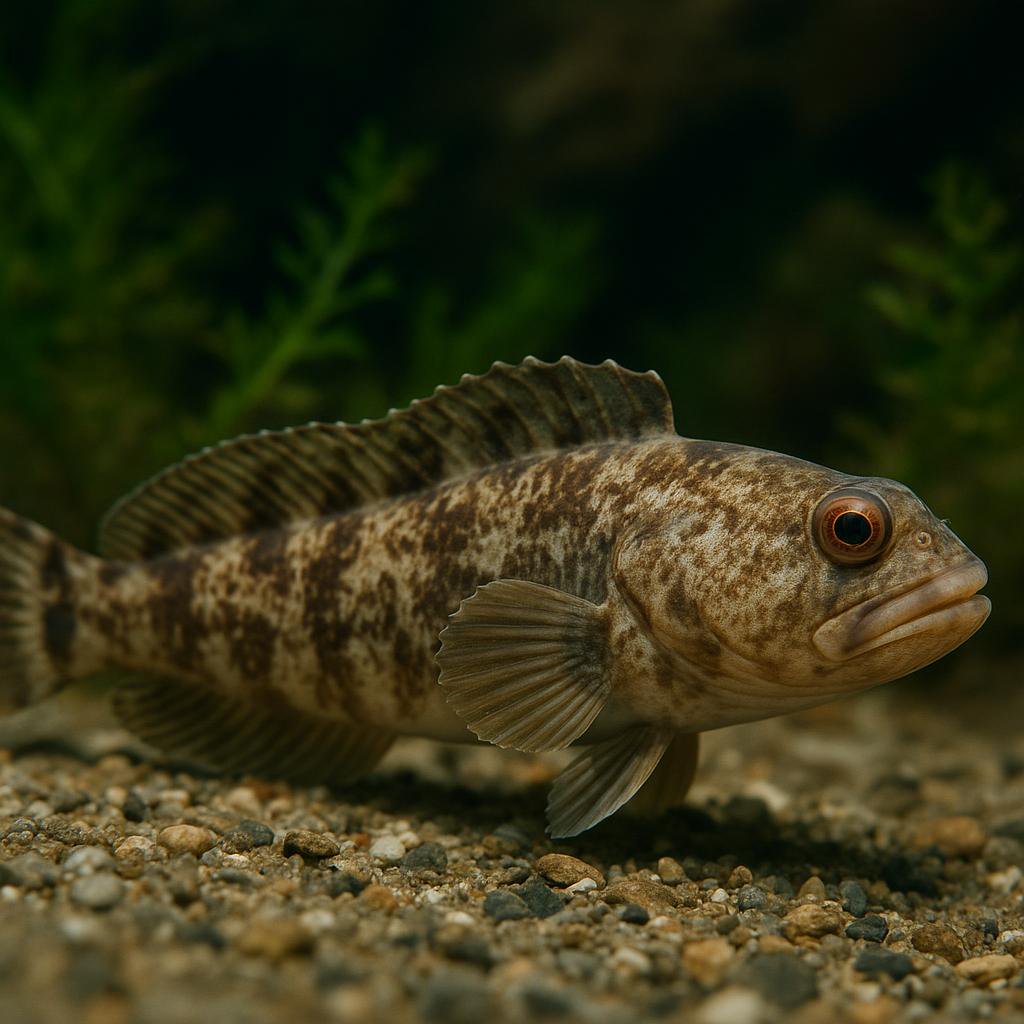
Abe's eelpout
Japonolycodes abei
Japonolycodes abei is a temperate, deepwater demersal eelpout (family Zoarcidae) endemic to Japan (Kumano-nada Sea reported; other sources also report Sagami Bay and Tosa Bay). It is the only species in the genus Japonolycodes and occurs roughly 40-300 m depth, making it an uncommon/atypical aquarium species.
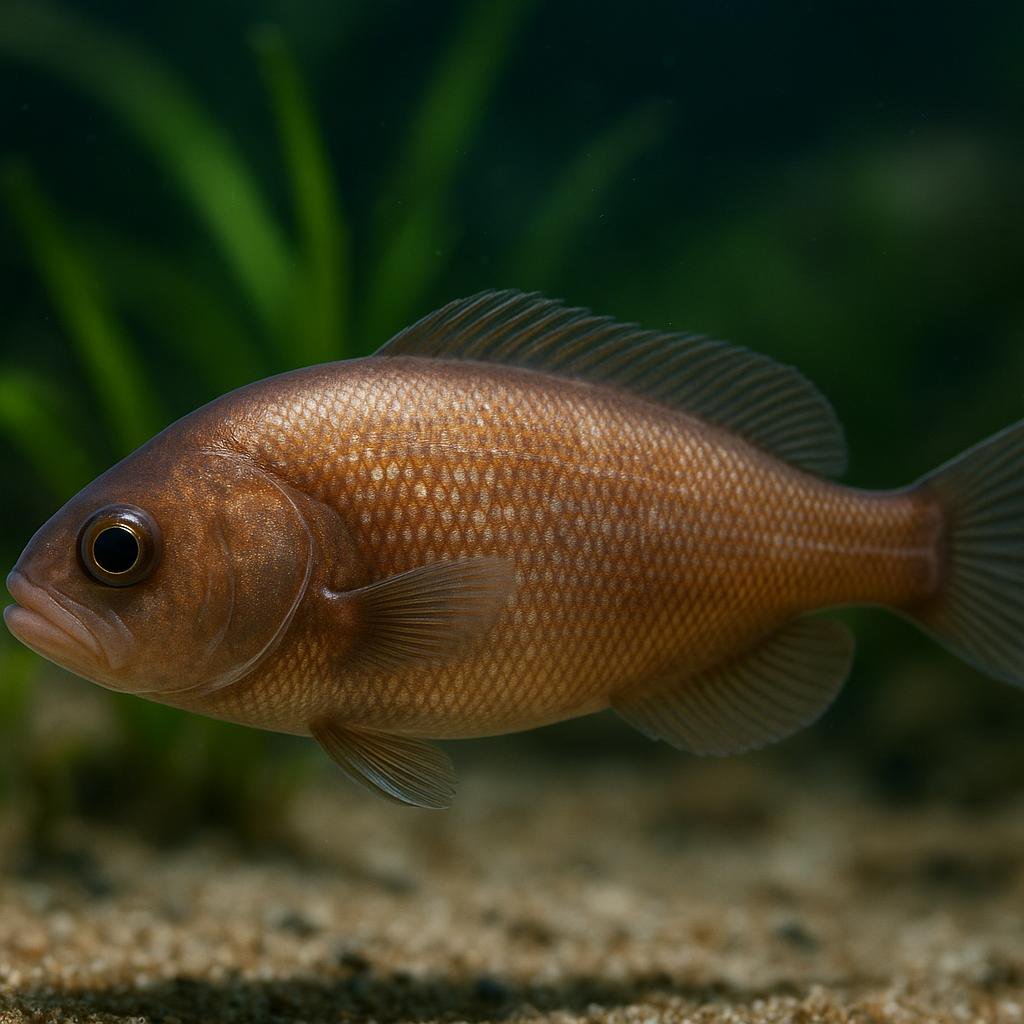
Affinis blind cusk-eel
Barathronus affinis
Barathronus affinis is a tiny, super-weird deep-sea blind cusk-eel from the western-central Indian Ocean. It is one of those gelatinous, loose-skinned brotula-type fishes that live way down in the dark and are basically never seen alive, so almost everything we know comes from preserved specimens and taxonomic work.
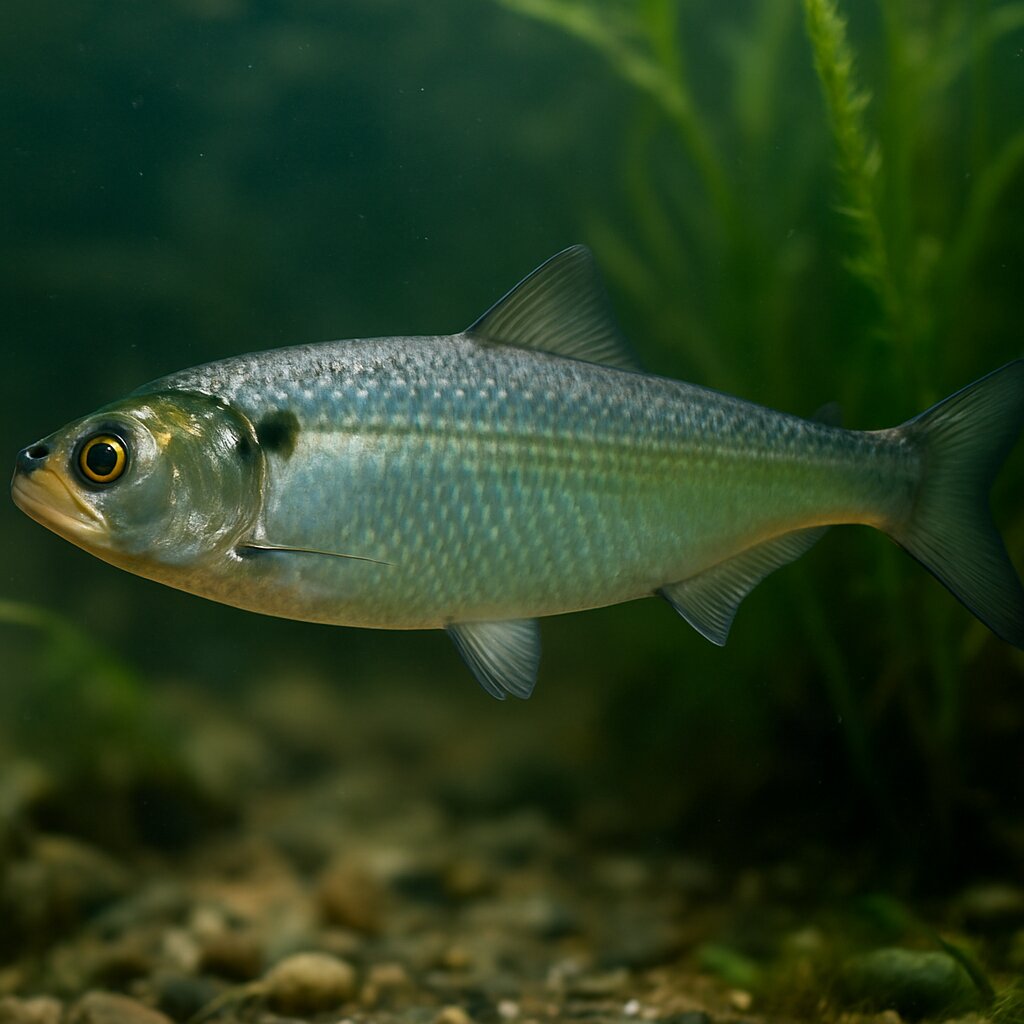
Allis shad
Alosa alosa
Gorgeous silver, fast-swimming shad that spends most of its life in the sea and then surges up big rivers in noisy, surface-spawning schools. It grows huge for a herring-type fish and needs cool, ultra-oxygenated water and tons of open space, so it is a public-aquarium species rather than a home tank fish.
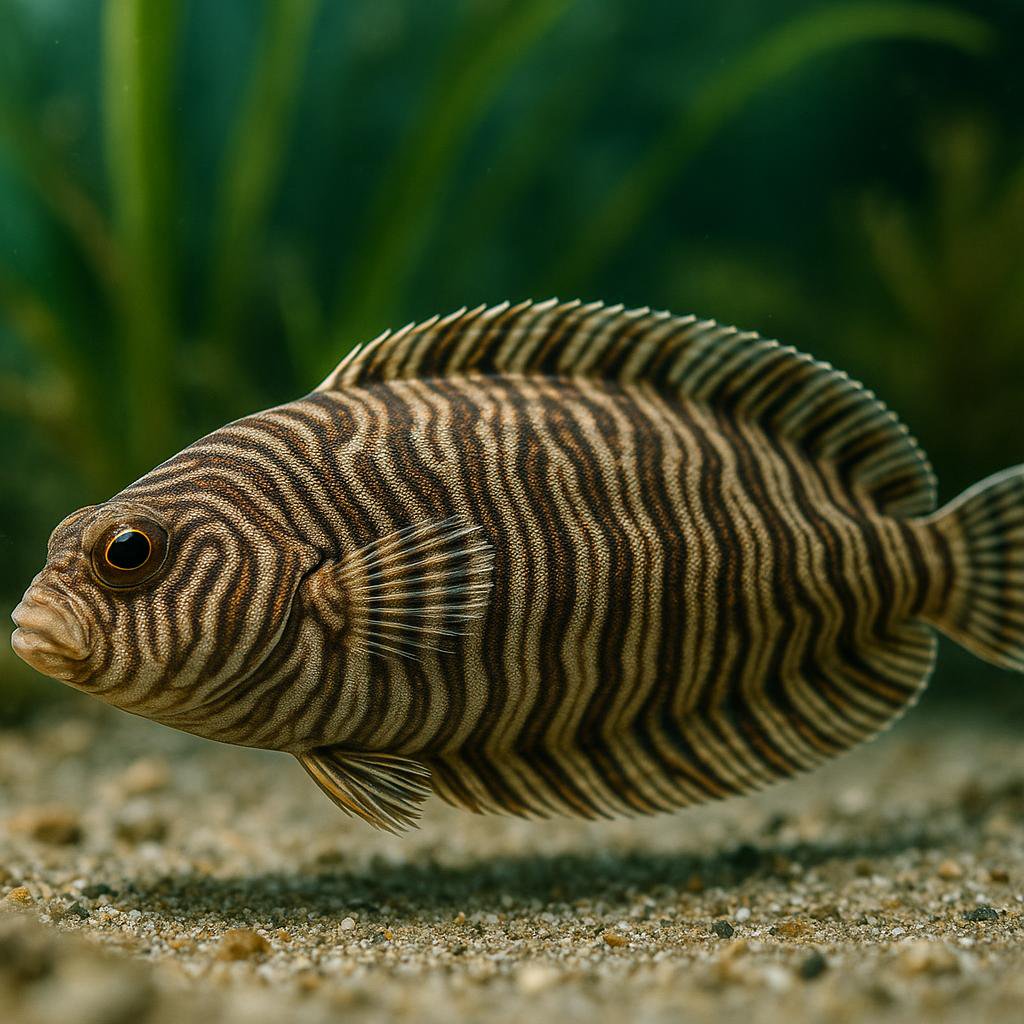
Annandale's zebra sole
Zebrias annandalei
Zebrias annandalei is a small demersal sole from coastal India that inhabits sandy or muddy bottoms and buries for camouflage. It is rarely kept in home aquaria and would require a specialized marine sand-bottom setup and appropriate feeding.
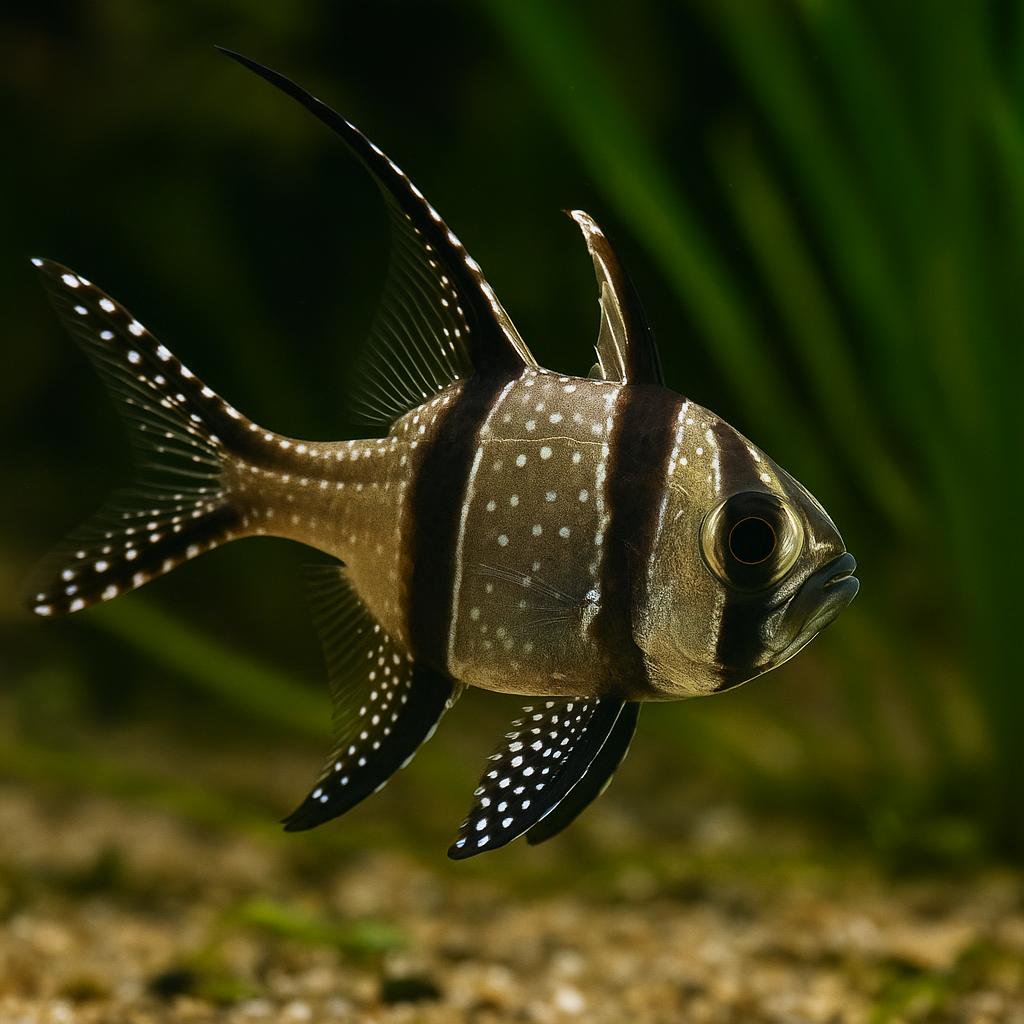
Banggai Cardinalfish
Pterapogon kauderni
Banggai cardinals just sort of hover like little underwater satellites, and the bold black bars with those long, polka-dotted fins look unreal under reef lighting. They're super chill most of the time, but once a pair forms you'll see real "fish drama," and the male will even mouthbrood the babies like a champ.
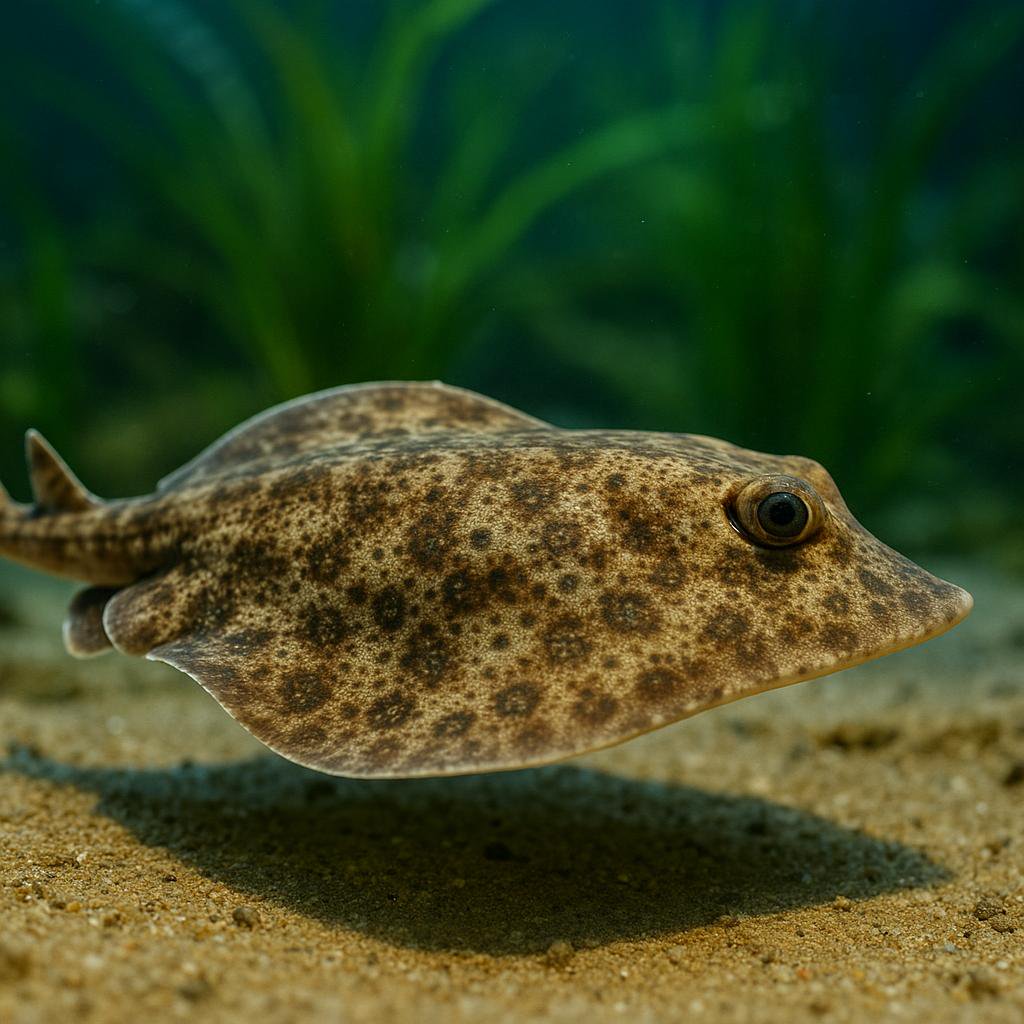
Barbedwire-tailed skate
Notoraja martinezi
Notoraja martinezi is a deepwater skate from the eastern Pacific (Costa Rica down to Ecuador) that lives way down on soft bottoms. The tail is the giveaway - it is lined with strong, hooked thorns that really do look like barbed wire. This is absolutely not an aquarium fish; it is a cold, high-pressure deep-sea animal with basically no practical home care info because it is not kept in the hobby.
More to Explore
Discover more marine species.
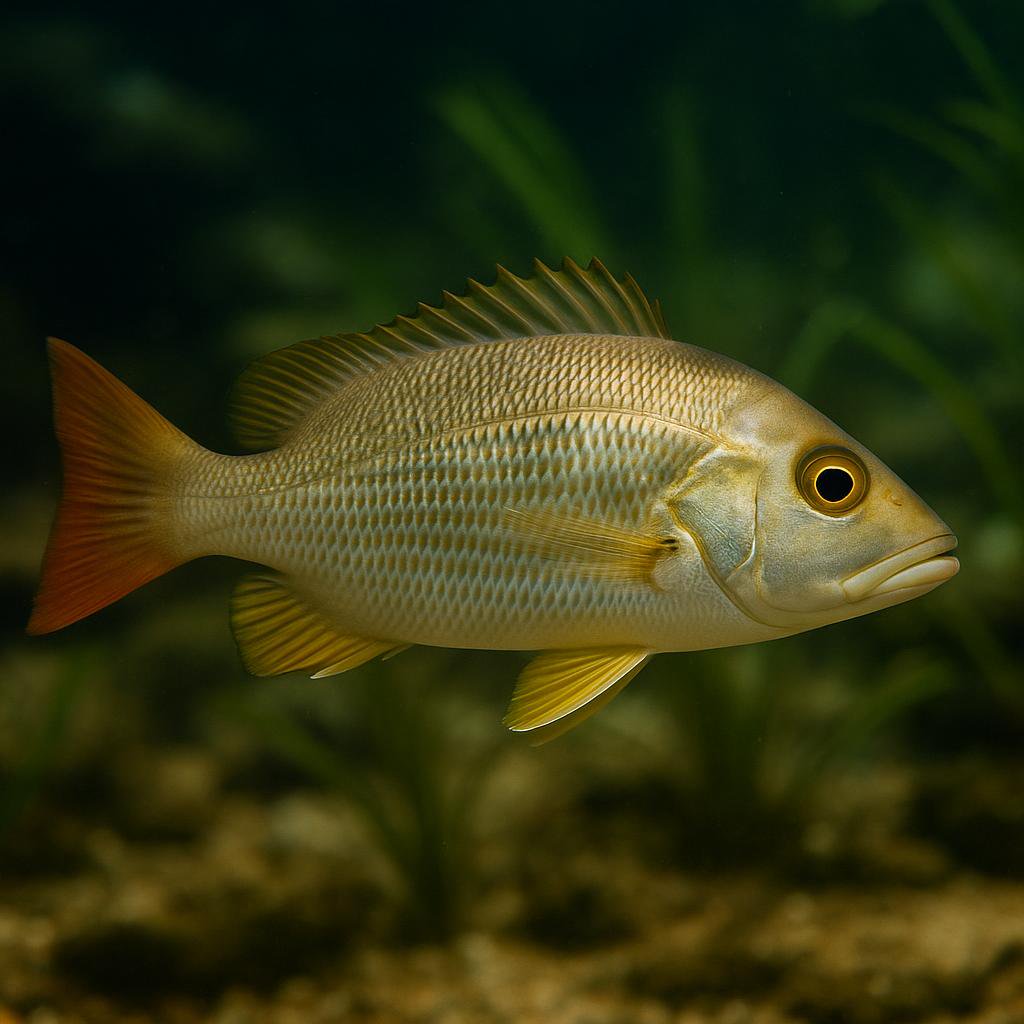
African red snapper
Lutjanus agennes
This is a true snapper from West Africa - a big, fast-growing predator that goes from coastal reefs to brackish lagoons and estuaries (especially as a juvenile). Super cool fish in the wild, but it gets absolutely huge and will eat smaller tankmates once it has the mouth for it, so its really more of a public-aquarium scale animal than a home-aquarium fish.
Aleutian skate
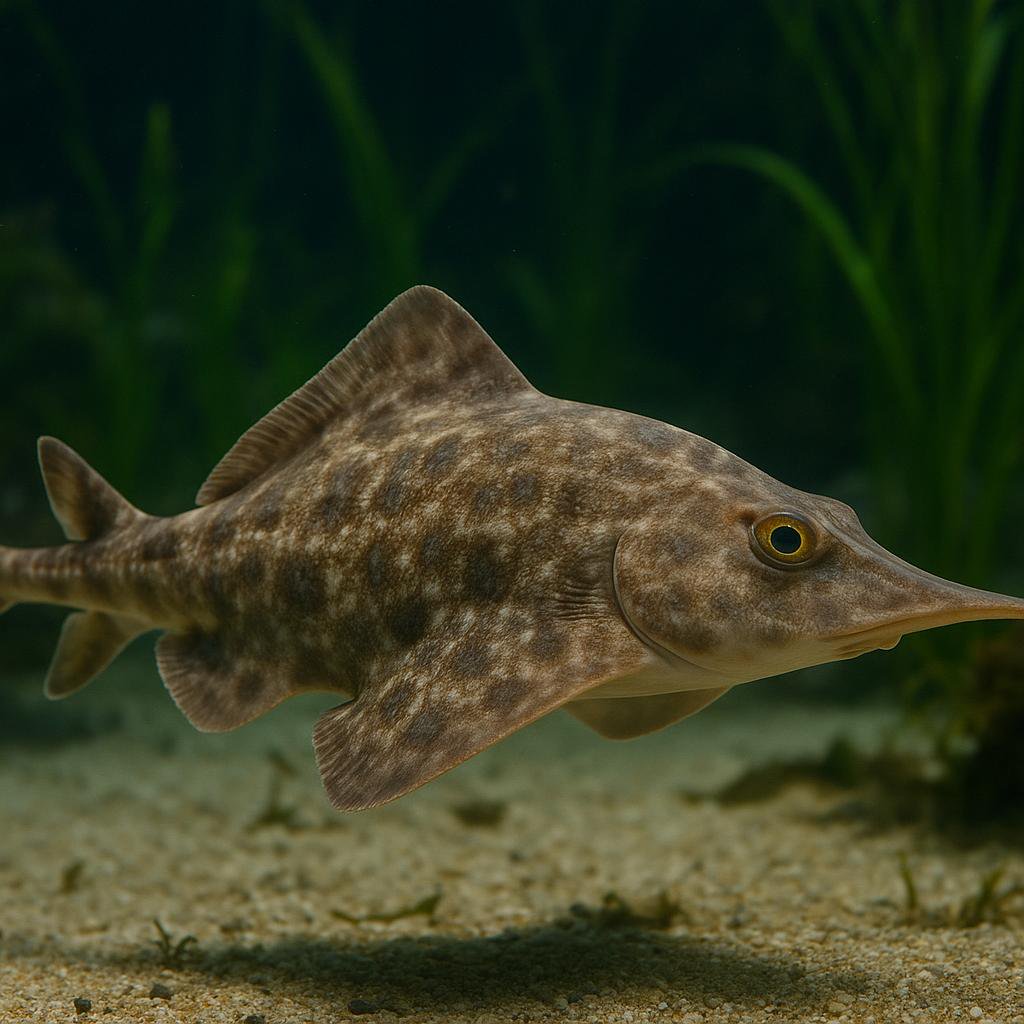
Bathyraja aleutica
This is a big, cold-water deep-slope skate from the North Pacific that cruises muddy bottoms and eats chunky benthic prey like crabs and shrimp. The really cool bit is its egg-laying skate life - it does distinct pairing (the classic skate "embrace") and drops those tough egg cases on the seafloor. Not an aquarium fish at all unless you're basically running a public-aquarium-style chilled system.
Antarctic dragonfish
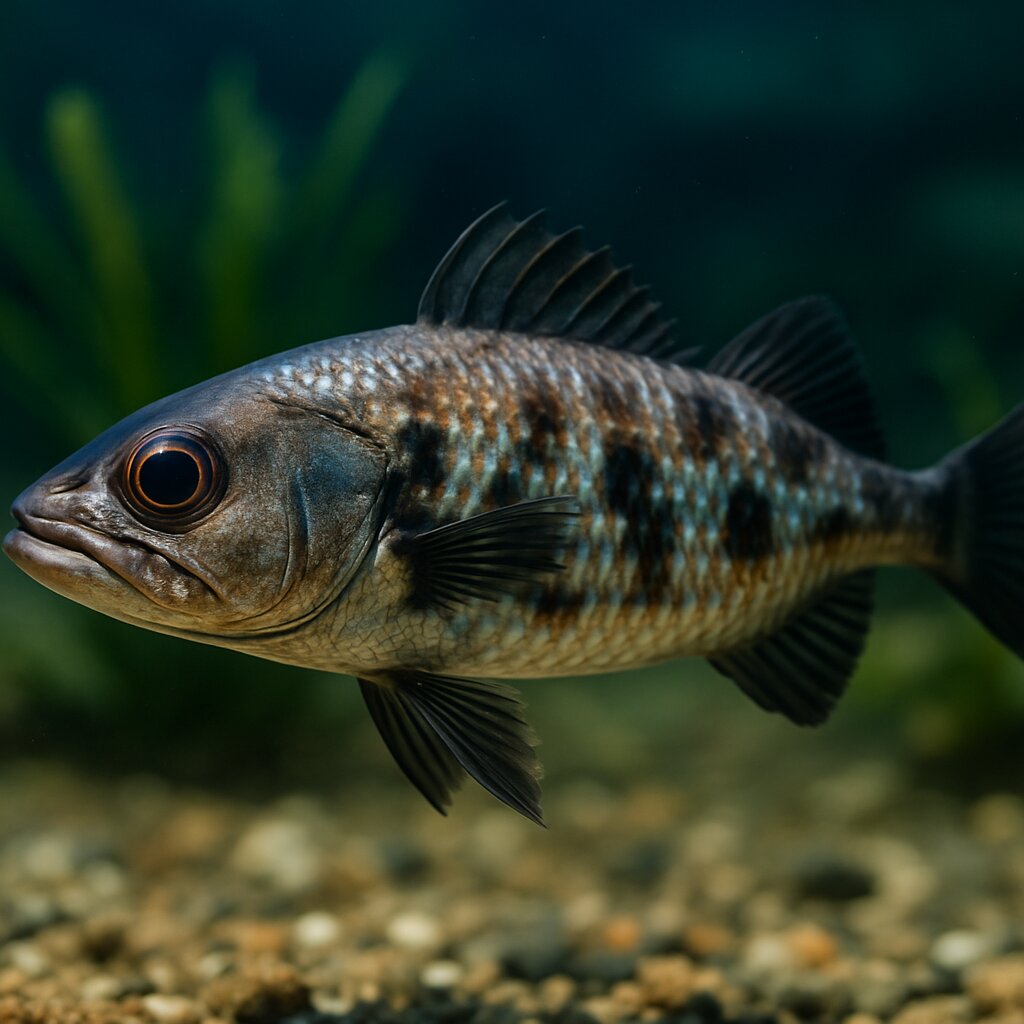
Vomeridens infuscipinnis
Deep down around Antarctica, this sleek dragonfish cruises the water column like a little submarine, nearly neutrally buoyant so it can hover above the seafloor. It munches almost exclusively on Antarctic krill and lives in near-freezing water 500-800 m down, so it is a cool species to read about, not one for home tanks.
Arabian spiny eel
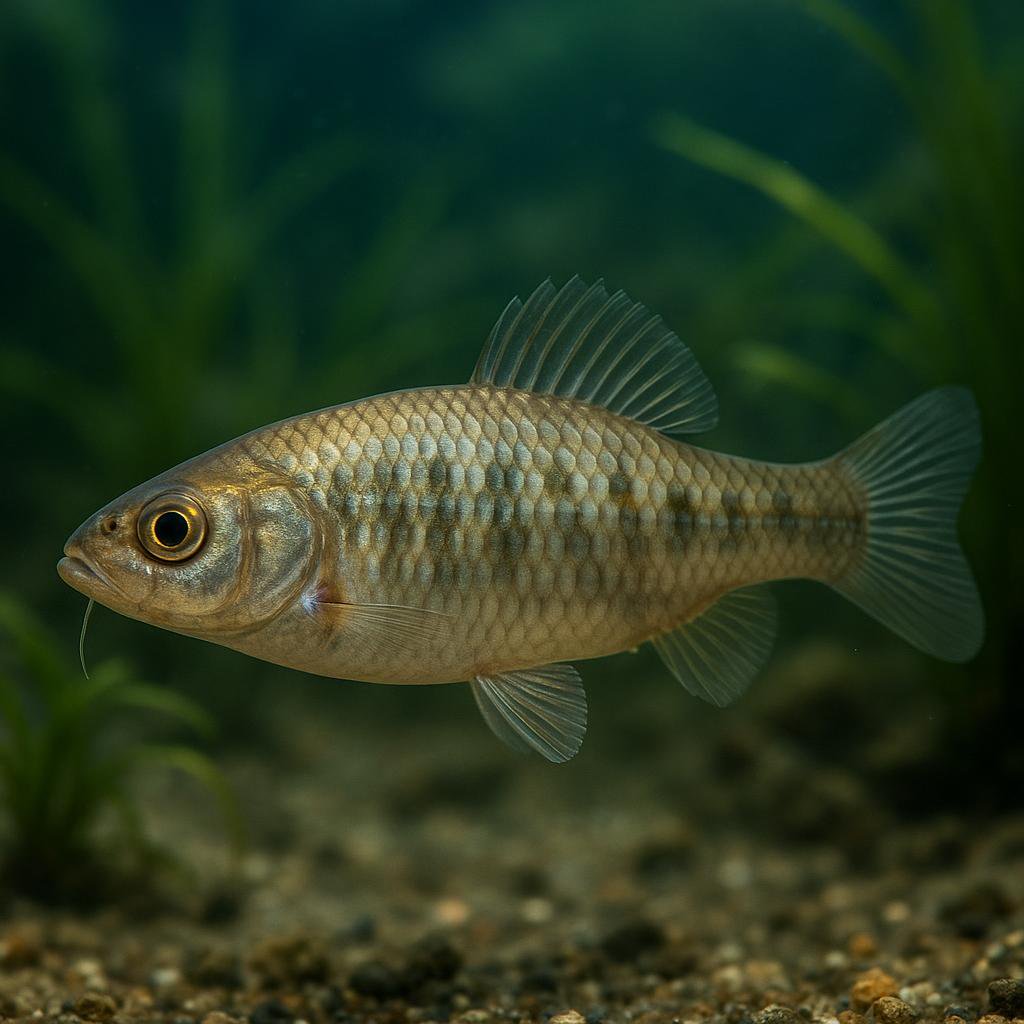
Notacanthus indicus
Notacanthus indicus is a deep-sea spiny eel (family Notacanthidae; not a true eel) known from the Arabian Sea on the continental slope at roughly ~960–1,046 m depth, with reported maximum length around 20 cm TL; it is a deep-water bycatch species and not established in the aquarium trade.
Arctic rockling
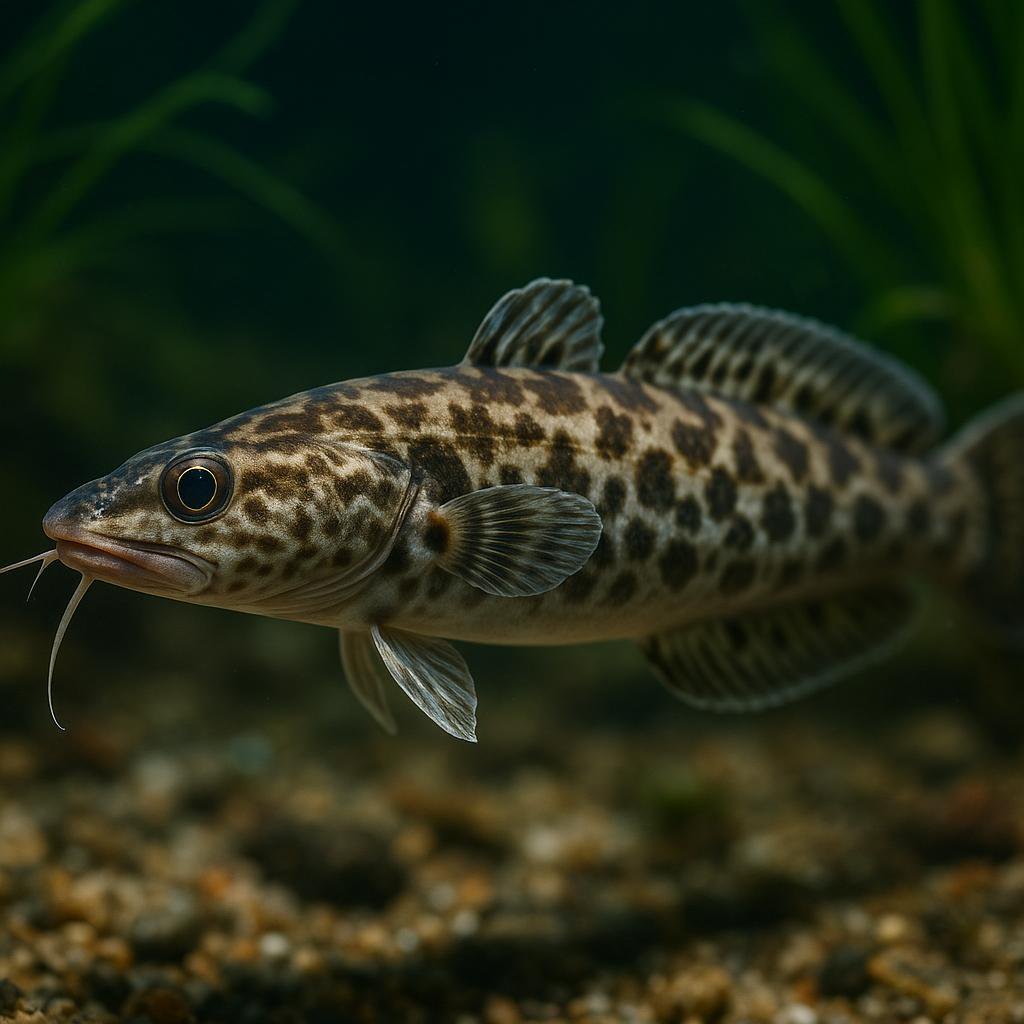
Gaidropsarus argentatus
This is a deepwater North Atlantic rockling (a cod relative) that hangs out on soft bottoms way down the slope. It is a cold-water, bottom-hugging predator that snoots around for crustaceans and will also take small fish when it gets the chance.
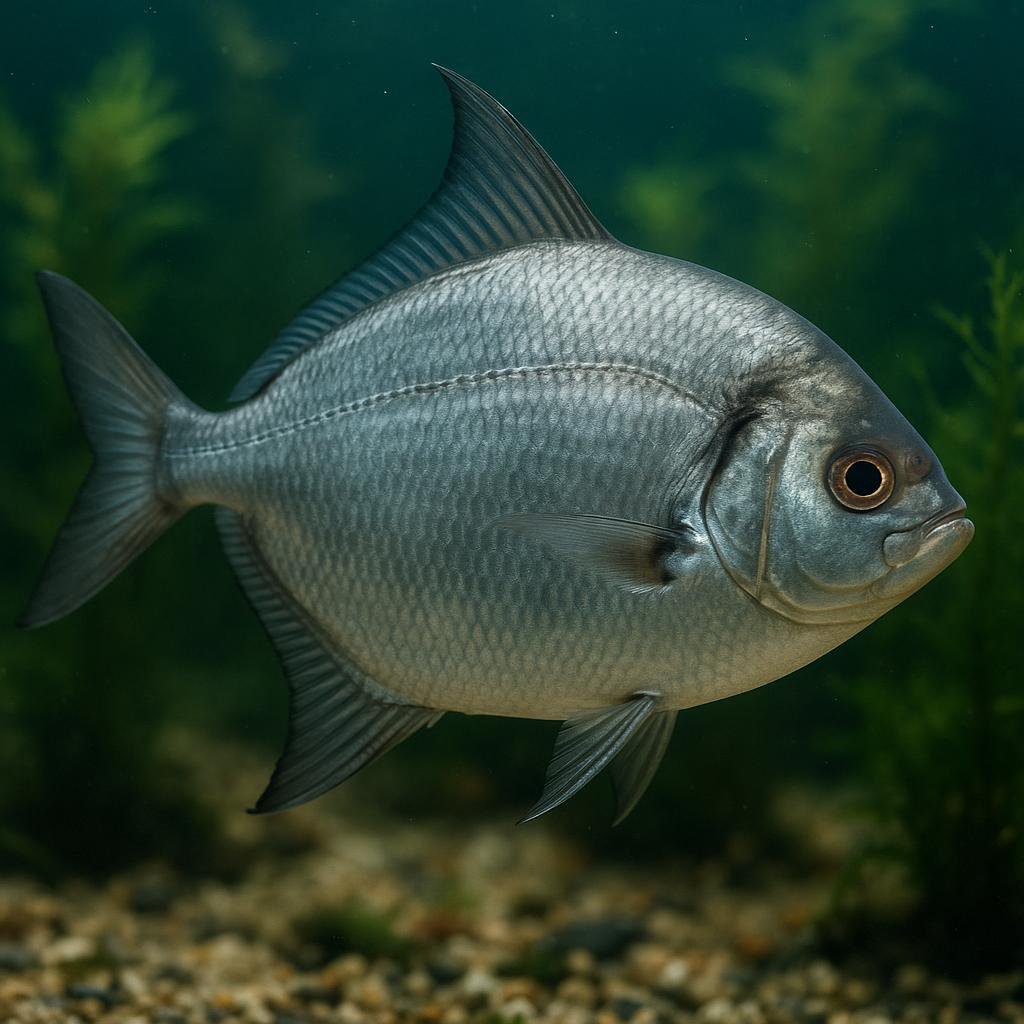
Atlantic pomfret
Brama brama
Brama brama is the Atlantic pomfret (aka Ray's bream) - a deep-bodied, open-ocean pelagic fish that cruises around in small schools and follows water temps. It is a legit big, wild marine species (not an aquarium fish) that eats other small sea critters like fish and squid, and it ranges across a huge chunk of the Atlantic plus parts of the Indian and South Pacific.
Looking for other species?