

Hoki
Macruronus novaezelandiae
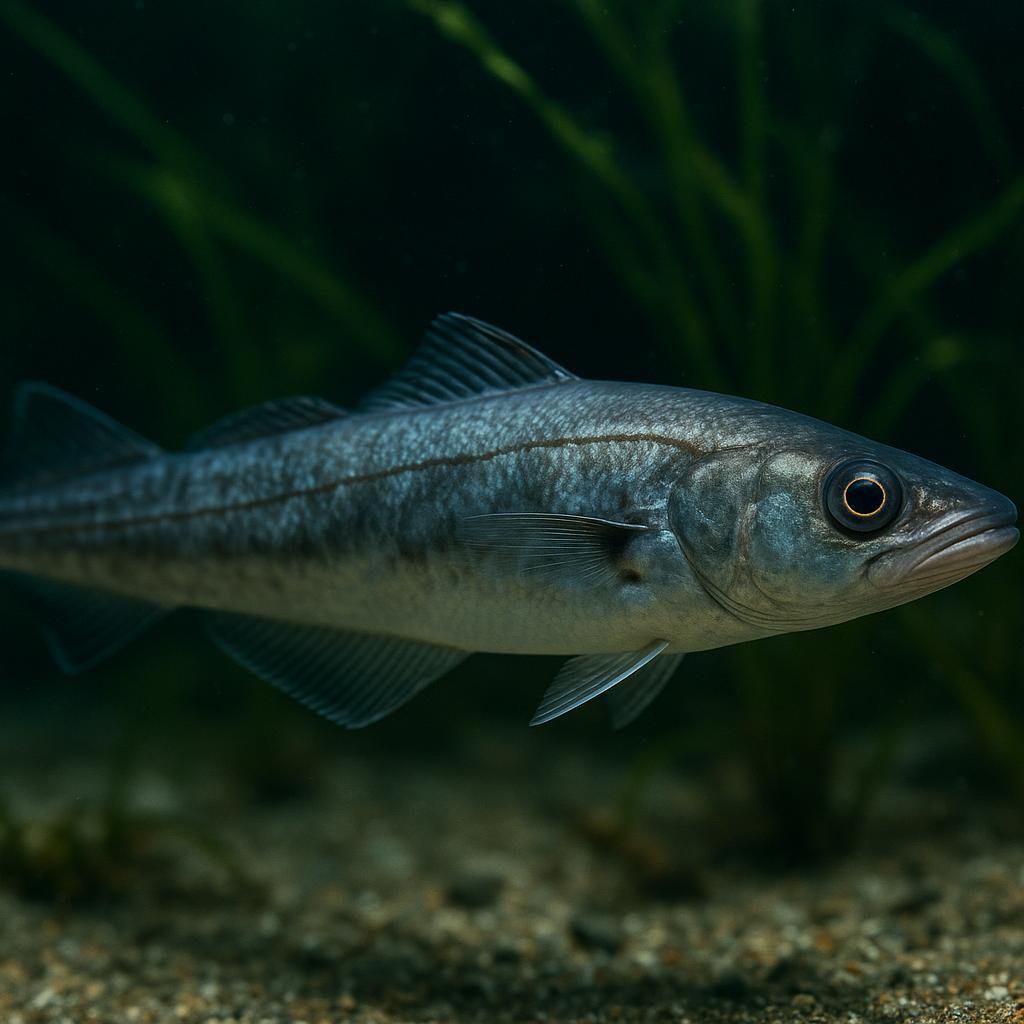
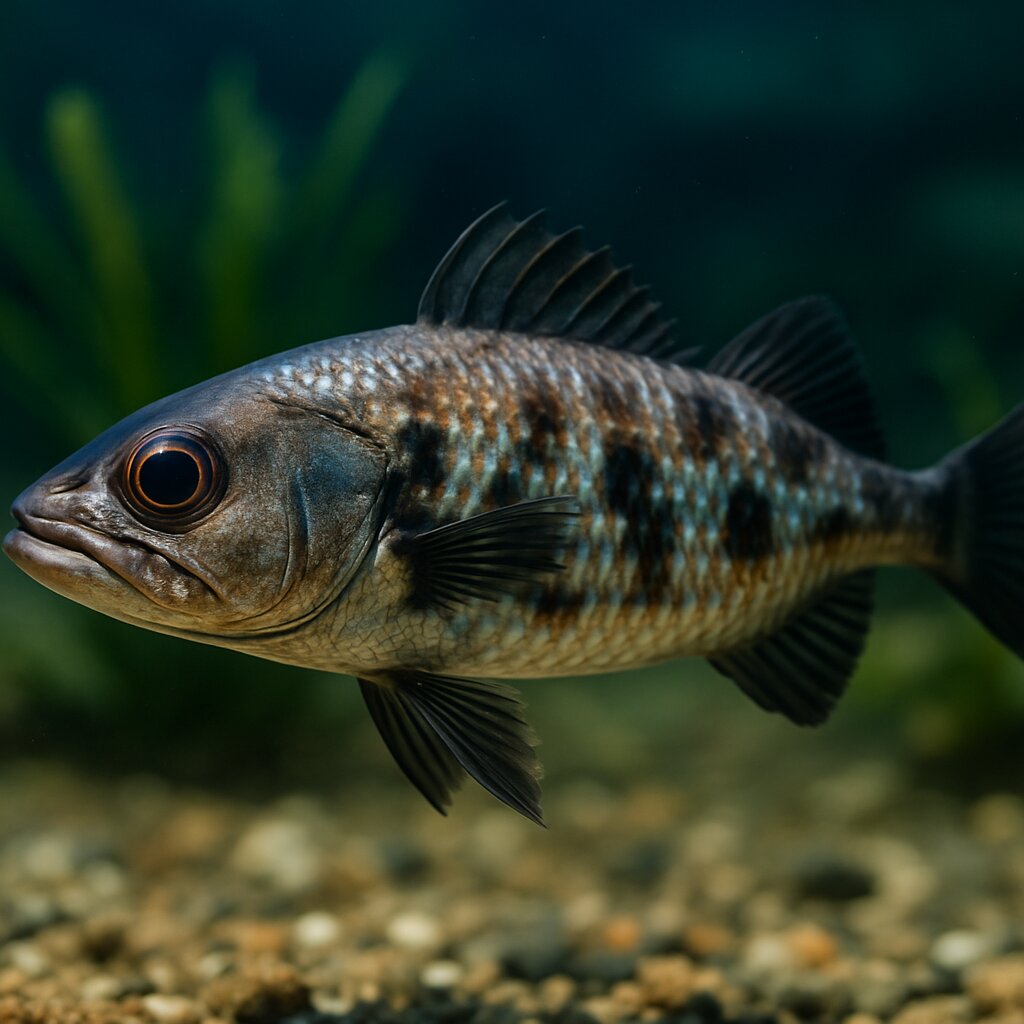
Hoki (Macruronus novaezelandiae) features a streamlined body with a silvery-grey hue and a prominent, long dorsal fin.
This page includes AI-generated images. Why am I seeing AI images?
About the Hoki
This is hoki (also sold as blue grenadier) — a deepwater, slope-associated marine fish found around New Zealand and southern Australia (and also off South America). It reaches about 1.2–1.3 m and lives in deep, cool waters, making it unsuitable for home aquaria.
Also known as
Quick Facts
Size
130 cm TL
Temperament
Aggressive
Difficulty
Expert
Min Tank Size
10000 gallons
Lifespan
20-25 years
Origin
Southwest Pacific (New Zealand and southern Australia); also recorded off South America
Diet
Carnivore - fishes (incl. lanternfish), squid, crustaceans
Water Parameters
5.8-12.5°C
7.8-8.4
8-12 dGH
Need a heater for this species?
This species needs 5.8-12.5°C in a 10000 gallon tank. Use our heater calculator to find the right wattage.
Calculate heater sizeCare Notes
- Real talk: hoki are deepwater, cold pelagic fish, and they do terribly in typical home marine tanks - think chilled, high-flow, public-aquarium-scale systems (thousands of gallons) or do not try.
- Keep them in cold, stable, fully marine conditions (requires industrial-scale chilling and high oxygenation). Specific temperature and salinity targets should be based on capture location/depth and professional veterinary/aquarium protocols; avoid presenting a universal 6–12°C and 33–35 ppt as validated species-specific numbers.
- Give them length, not decor - long open swim lanes and rounded corners help, and skip sharp rockwork since they spook and slam into stuff when startled.
- Feed meaty marine foods like thawed smelt, herring, squid, and large shrimp, plus quality marine carnivore pellets if they will take them; small frequent feeds beat one huge dump that fouls the water.
- Tankmates need to be coldwater and non-nippy - avoid aggressive cods, fast-fin-biters, and anything small enough to be eaten, because hoki are swallowers when food mode kicks in.
- Watch for barotrauma and stress issues: if it came up from deep water, buoyancy problems and internal damage are common and sometimes you just cannot fix it in captivity.
- They are messy predators, so plan on oversized mechanical filtration and rapid waste export; if you see ammonia or nitrite at all, you are already behind and the fish will show it with heavy breathing and hanging in the current.
- Breeding is basically a non-starter in hobby setups - they are offshore spawners with seasonal cues and huge space needs, so focus on keeping one healthy rather than chasing fry.
Compatibility
Good Tankmates
- Other coldwater, open-water fish that can hold their own - think similar-sized hoki or other hardy temperate schooling predators (only if the tank is huge and theyre not tiny enough to be viewed as food)
- Bigger, sturdy coldwater sculpins or similar benthic bruisers that stay on the bottom and dont look like an easy snack
- Large, robust coldwater cod-like tank mates (not tiny ones) that match the same temp and feeding style - basically fish that eat meaty foods and wont get intimidated
- Big, armored bottom fish like larger temperate catsharks or dogfish (only if youre set up for sharks and the size difference makes sense) - they tend to ignore each other if theres room
- Thick-skinned temperate rays (again, specialty system only) - they usually keep to themselves, and hoki is more of a midwater hunter than a ray-pesterer
Avoid
- Most typical aquarium fish; any smaller fish will be eaten. Compatibility guidance for hoki is largely speculative because it is not a home-aquarium species.
- Any small fish that fits in its mouth - small schooling fish, juvenile anything, or bite-sized 'dither' fish. Hoki is a predator and will treat them like lunch sooner or later
- Slow, floaty fish or fancy-finned types that cant get out of the way at feeding time - they get stressed, outcompeted, and sometimes nipped just from the chaos
- Hot-temperate-to-tropical reef staples (clownfish, tangs, most reef wrasses) - not because theyre all fragile, but because the temperature and general setup is a mismatch for hoki long term
- Other semi-aggressive predators in cramped quarters (triggerfish-type attitude, big mean cods in a small tank) - you end up with constant posturing and shredded fins
Where they come from
Hoki (Macruronus novaezelandiae) are a cold-water, deep-living fish from the waters around New Zealand and southern Australia. In the wild they spend a lot of time down where its dark, cool, and there's steady current. That background matters, because they are basically the opposite of the typical reef fish most of us keep.
Real talk: hoki are a commercial deepwater species, not a normal home-aquarium fish. Keeping one long-term is a public-aquarium level project. If you are thinking a standard marine tank, this is not that.
Setting up their tank
If you try to keep hoki like a tropical marine fish, you'll lose it fast. Think cold, oxygen-rich, high-flow, and a ton of swimming room. They are built to cruise, not hover around rockwork.
Temperature is the big hurdle. You are looking at true coldwater conditions (roughly 6-12 C / 43-54 F). That means a serious chiller, insulation, and a plan for what happens during summer or a power outage.
- Tank size: very large, long footprint. For an adult-sized fish, you're realistically in "thousands of liters" territory, not hundreds.
- Temperature: 6-12 C (43-54 F). Stability matters more than chasing a perfect number.
- Oxygen: high. Oversize your gas exchange - big sump, strong surface agitation, and consider redundant aeration.
- Flow: steady, not a sandstorm. You want the whole water column moving, not one jet blasting the fish.
- Filtration: heavy-duty mechanical plus biological with lots of turnover. These fish eat meaty foods and the waste load adds up.
- Aquascape: keep it open. Use smooth, secure structures around the edges if you want cover, but leave a runway to swim.
If you want the vibe without the heartbreak, look at coldwater coastal species that actually show up in the hobby (depending on your local laws). Hoki are one of those fish that sound cool on paper and then crush you with logistics.
What to feed them
Hoki are predators that take fish and invertebrates. In captivity, they usually do best on a varied frozen meaty diet. The trick is keeping the food quality high and not turning the tank into a nutrient soup.
- Staples: frozen marine fish pieces (not fatty freshwater feeders), squid, prawns/shrimp, and mixed marine carnivore blends.
- Add variety: chopped clam, mussel, krill (as a treat, not the whole diet).
- Avoid: live goldfish/rosy reds, and anything that reeks of "feeder bin". That route brings disease and nutritional issues.
- Supplements: occasional vitamin soak can help, especially if your fish gets picky.
Feeding response can be strong, and they can ram into things if they get excited. I feed smaller portions more often rather than one huge dump. It keeps water quality calmer and the fish less frantic.
Old frozen seafood is a silent killer in cold systems. It breaks down fast once thawed, and coldwater tanks tend to run heavy on oxygen and flow - which spreads the mess everywhere. Thaw, rinse, feed, and remove leftovers.
How they behave and who they get along with
They are a roaming, open-water type fish. Not usually "aggressive" in the cichlid sense, but anything smaller that fits in the mouth is food, and anything that competes at feeding time can trigger rough behavior.
The biggest compatibility issue is temperature. A hoki tank is a coldwater system, so most common marine livestock is automatically out. If you mix fish at all, think similarly sized coldwater species that tolerate strong flow and meaty feeding.
- Best tankmates: honestly, none for most home setups. Single-specimen systems are the cleanest way to manage stress and feeding.
- If mixing: only with robust, cold-tolerant species of comparable size that won't be harassed or eaten.
- Skip: small fish, slow fish, and anything that needs warm reef temps.
Handling and transport are a big deal. They can beat themselves up in a cramped box, and warm swings on the way home can do damage you don't see until later.
Breeding tips
Breeding hoki in captivity is basically not a hobbyist thing. In the wild they spawn offshore and the whole life cycle involves a massive environment we just can't copy in a garage fish room.
If you ever see "captive bred" hoki being claimed in a retail context, I'd be skeptical and ask for real documentation. What you can do, though, is keep detailed notes on temperature, growth, and feeding - that kind of record keeping is the only way anyone learns anything with unusual species.
Common problems to watch for
Most issues come back to coldwater logistics and stress. A hoki that is too warm, under-oxygenated, or kept in a tank that's too small will go downhill in a way that looks mysterious until you connect the dots.
- Temperature creep: the tank slowly warms over days or weeks and the fish stops eating, breathes hard, then crashes.
- Low oxygen: rapid gilling, hanging near high-flow returns, acting "spaced out". Coldwater fish burn through oxygen fast.
- Collision injuries: scraped snout, damaged fins, cloudy eyes from spooking into glass or decor.
- Water quality swings: ammonia/nitrite after big feedings or filter disruption. Meaty diets punish weak filtration.
- Parasites and bacterial infections: often show up after transport stress or poor food quality.
Have a failure plan before you buy the fish: backup power for pumps and chiller, a way to keep water cold during outages, and quarantine space that can also run cold. Without that, you are gambling with a fish that has very little margin for error.
Similar Species
Other marine aggressive species you might be interested in.
African red snapper
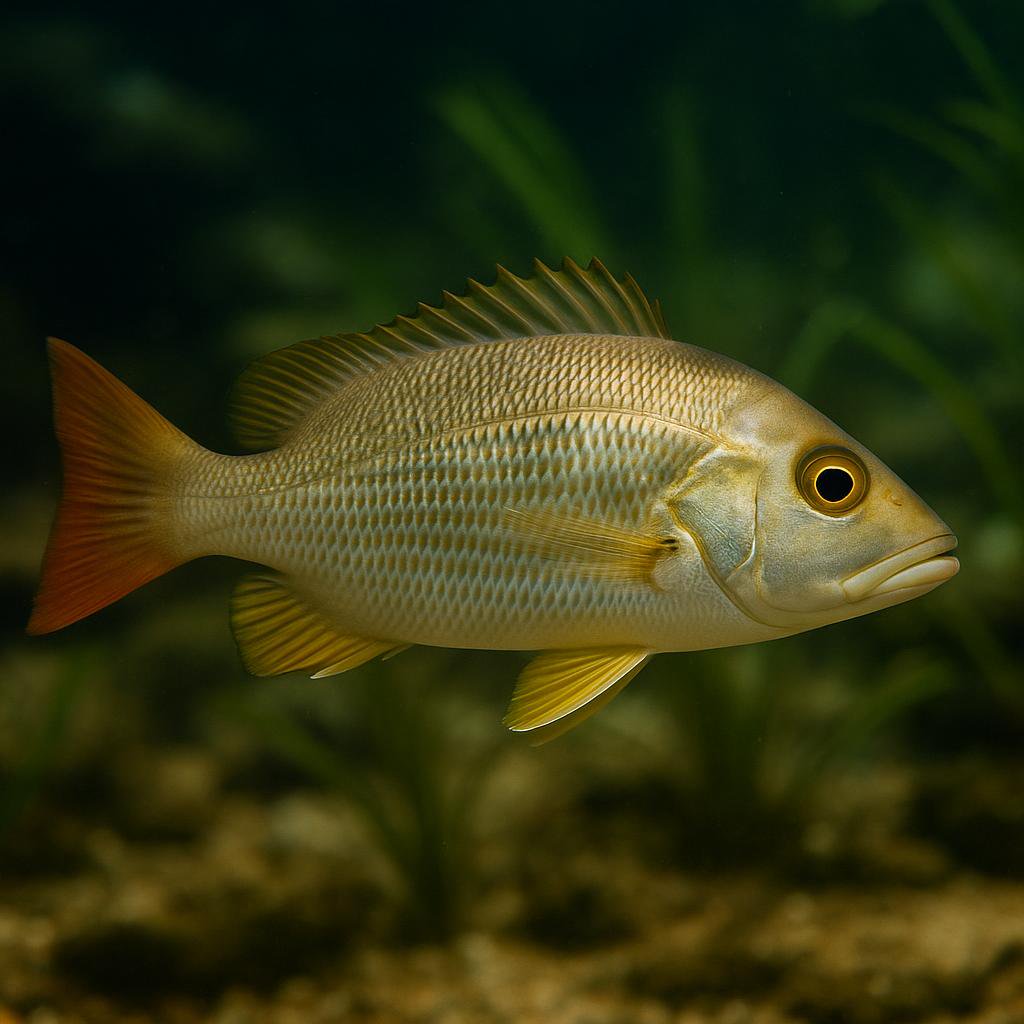
Lutjanus agennes
This is a true snapper from West Africa - a big, fast-growing predator that goes from coastal reefs to brackish lagoons and estuaries (especially as a juvenile). Super cool fish in the wild, but it gets absolutely huge and will eat smaller tankmates once it has the mouth for it, so its really more of a public-aquarium scale animal than a home-aquarium fish.
Banded stargazer
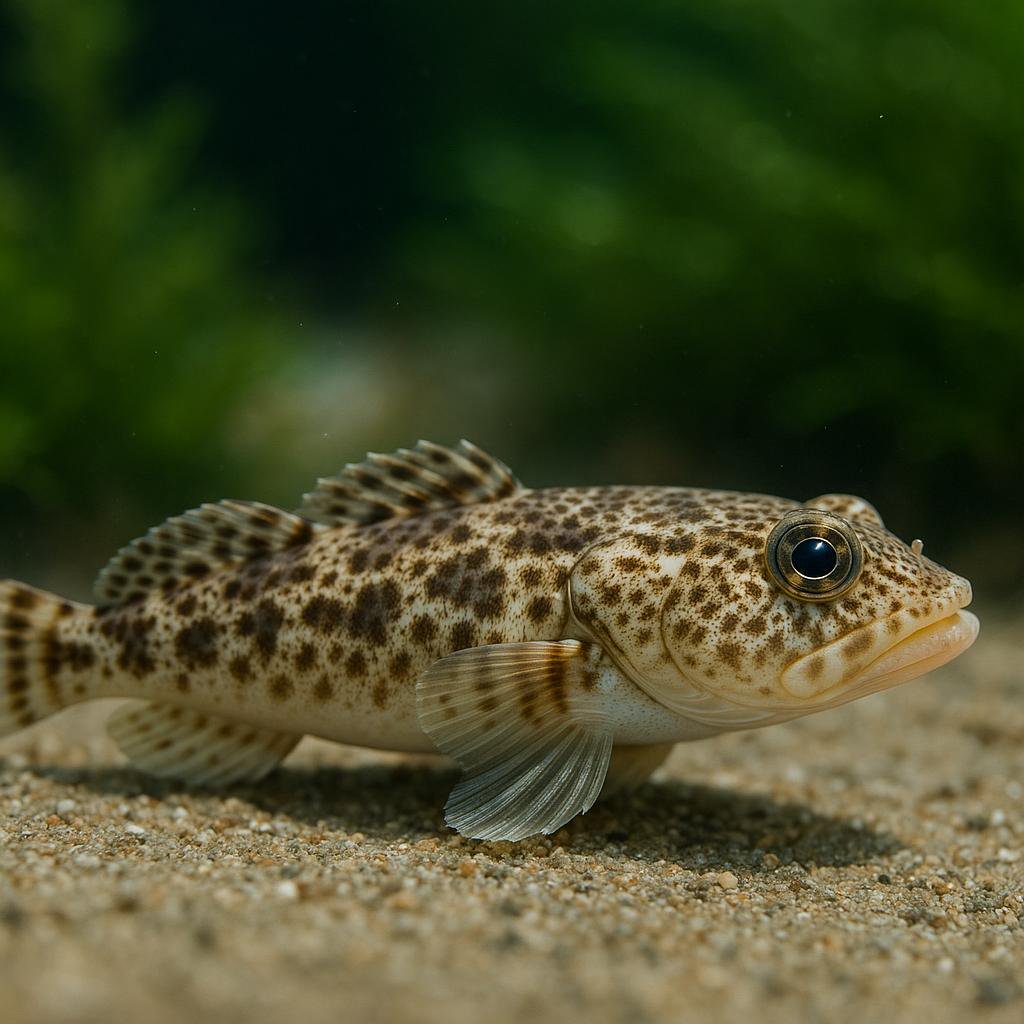
Kathetostoma binigrasella
This is a New Zealand stargazer that lives half-buried in sand or mud with its eyes pointed up, waiting to rocket upward and nail passing prey. It has those neat dark saddle-bands across the back (especially as a juvenile), and like other stargazers it is venomous with spines near the gill cover/pectoral area - definitely a look-dont-touch fish.
Bandfin scorpionfish
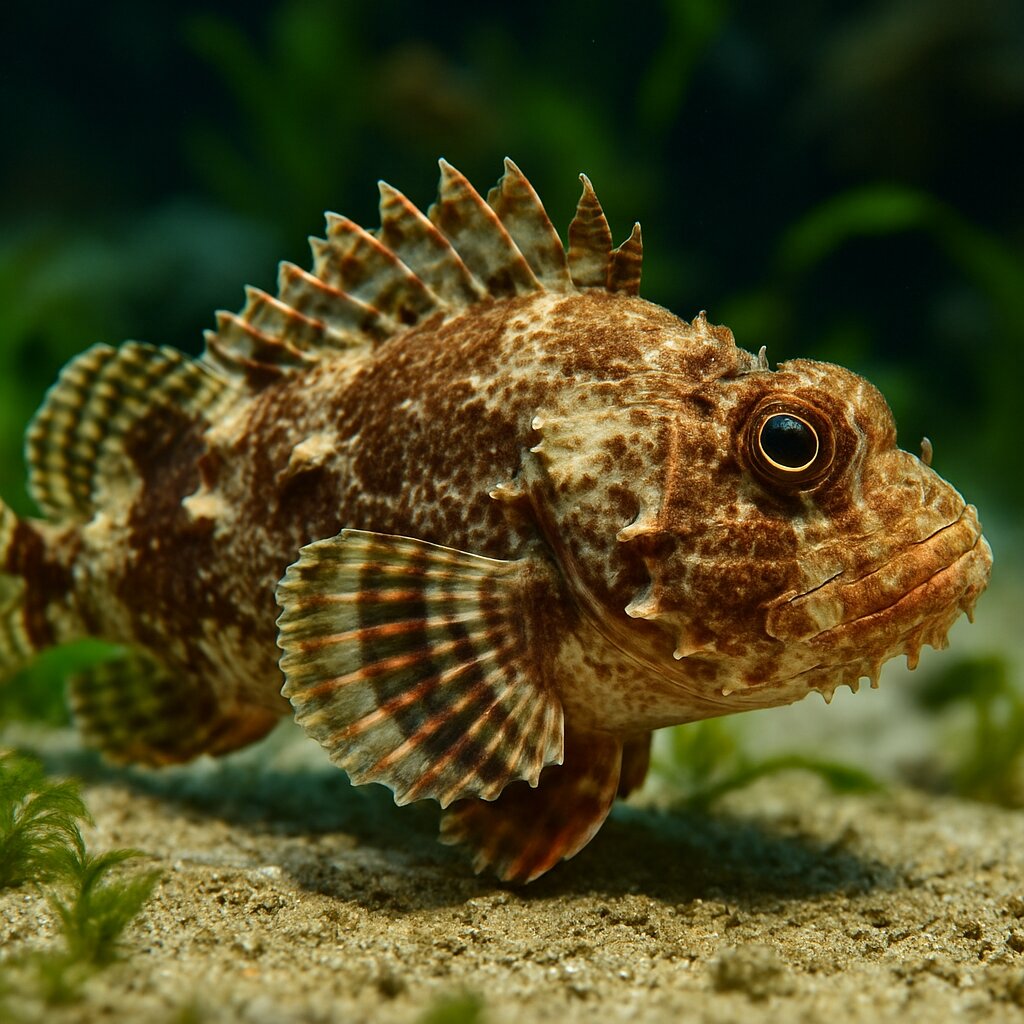
Scorpaenopsis vittapinna
Think tiny ambush predator that vanishes into rubble and coral bits, then flashes a dark band on its pelvic and anal fins when it shifts. It tops out around 3 inches, packs venomous spines, and loves to gulp unsuspecting shrimp and small fish. Super cool to watch once it settles, but it absolutely demands careful handling and smart tankmate choices.
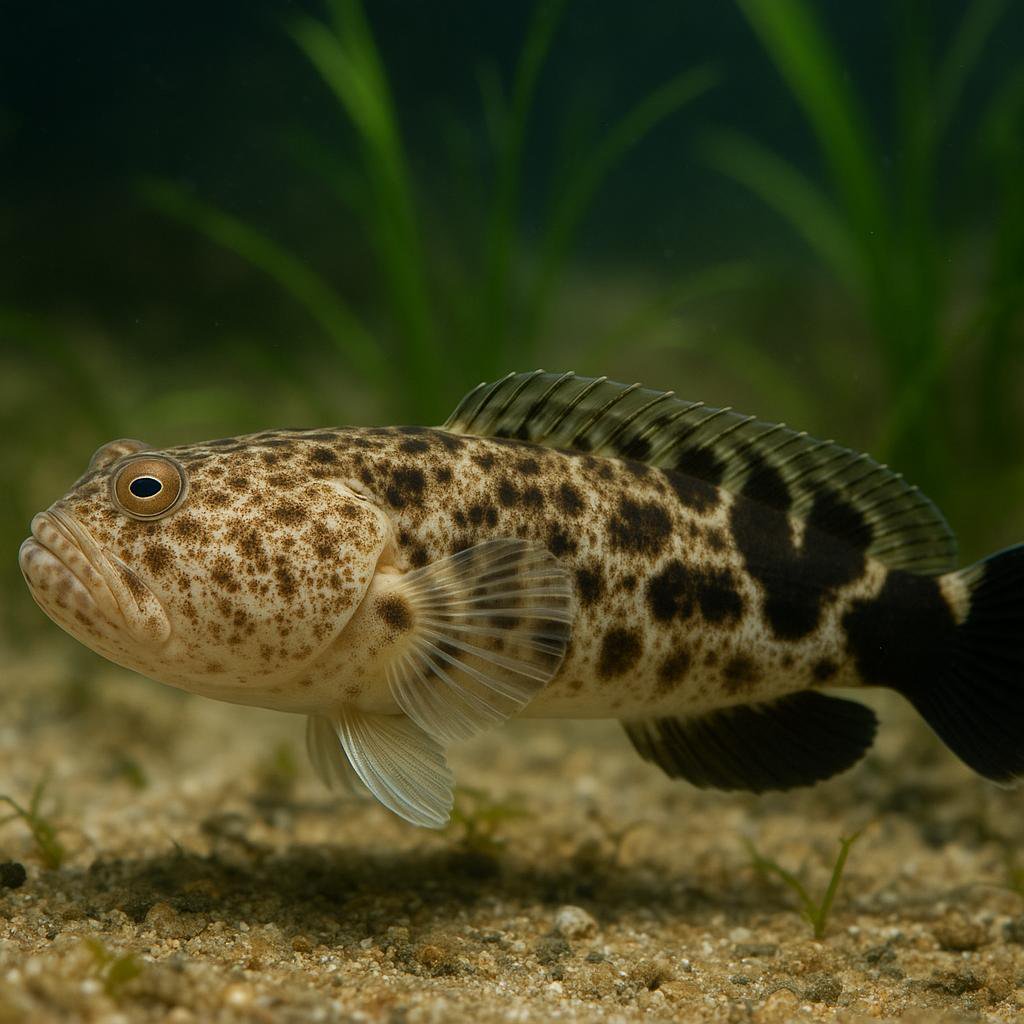
Blackfin stargazer
Ichthyscopus nigripinnis
This is a little sand-sitting stargazer from Australia that likes to lie in wait with its eyes up top and nail passing prey. That black mark on the front part of the dorsal fin is basically its signature. Cool fish, but its more of a wild marine predator than something you set up in a typical home aquarium.
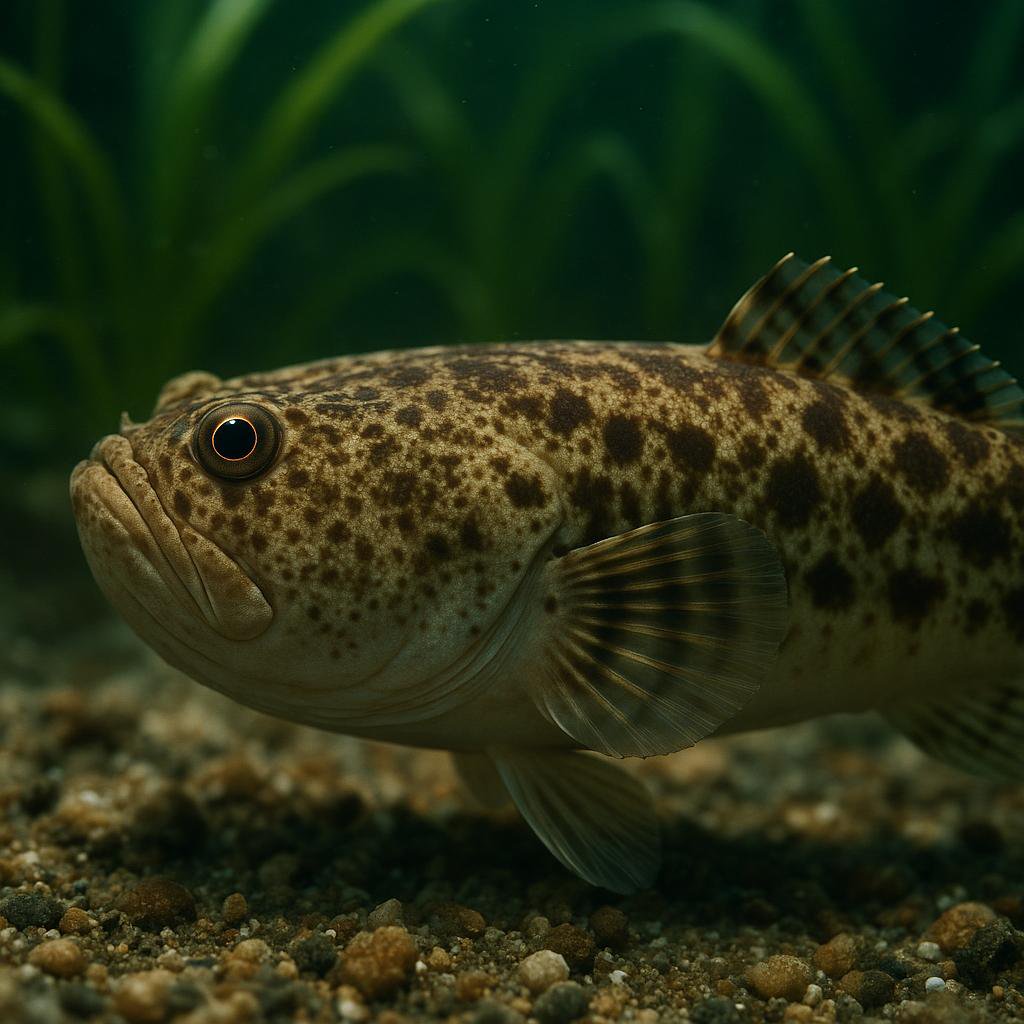
Brownspotted stargazer
Uranoscopus fuscomaculatus
A deep demersal stargazer recorded at 366–389 m that lies buried in sand or mud to ambush prey. Distribution is Southwestern Pacific (Vanuatu and Fiji). Given its deep, cold habitat and specialized requirements, it is not a practical aquarium species.
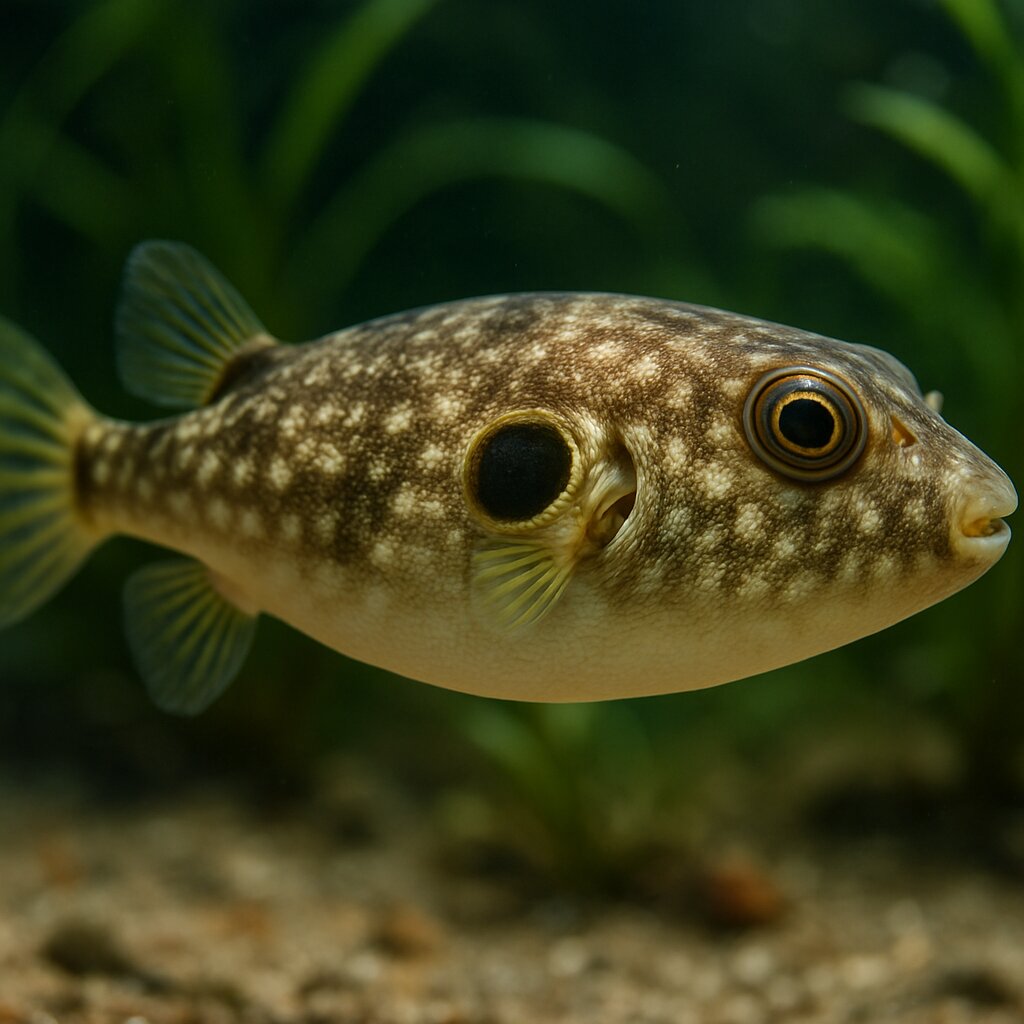
Bullseye puffer
Sphoeroides annulatus
Big personality in a football-shaped body with pale rings along the back that make a bullseye pattern. This is a stout Eastern Pacific puffer that crunches snails and crabs with ease and needs true saltwater and lots of room. Super cool to watch, but it turns nippy with tankmates and grows into a serious, messy eater.
More to Explore
Discover more marine species.
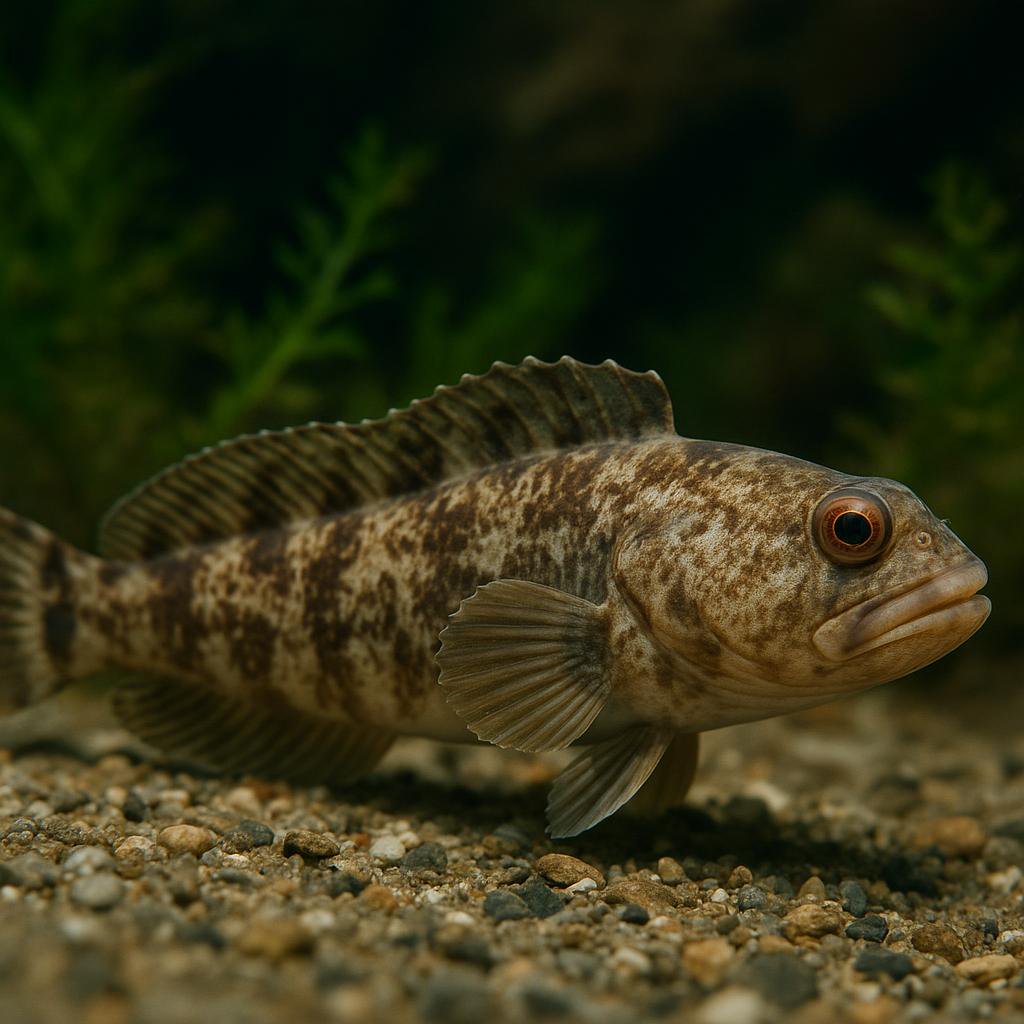
Abe's eelpout
Japonolycodes abei
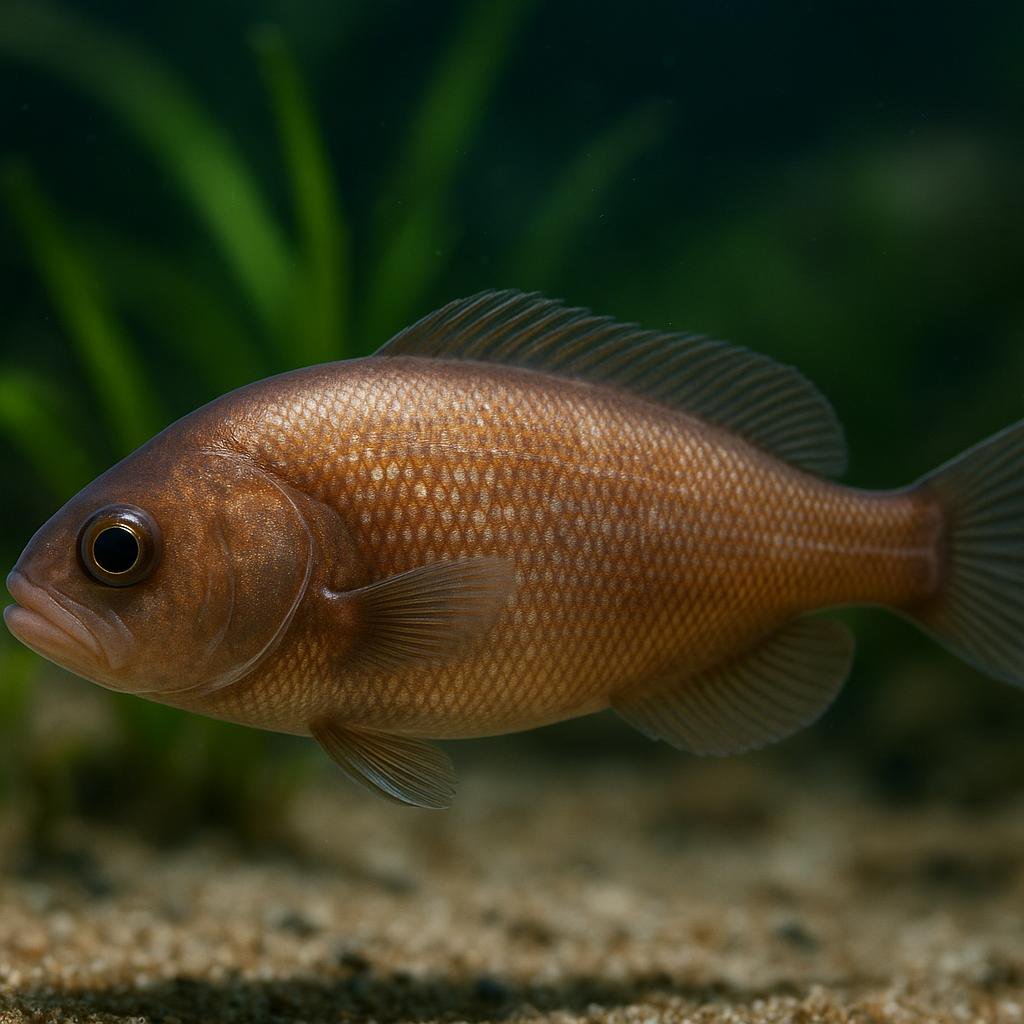
Japonolycodes abei is a temperate, deepwater demersal eelpout (family Zoarcidae) endemic to Japan (Kumano-nada Sea reported; other sources also report Sagami Bay and Tosa Bay). It is the only species in the genus Japonolycodes and occurs roughly 40-300 m depth, making it an uncommon/atypical aquarium species.
Affinis blind cusk-eel
Barathronus affinis
Barathronus affinis is a tiny, super-weird deep-sea blind cusk-eel from the western-central Indian Ocean. It is one of those gelatinous, loose-skinned brotula-type fishes that live way down in the dark and are basically never seen alive, so almost everything we know comes from preserved specimens and taxonomic work.
Aleutian skate
Bathyraja aleutica
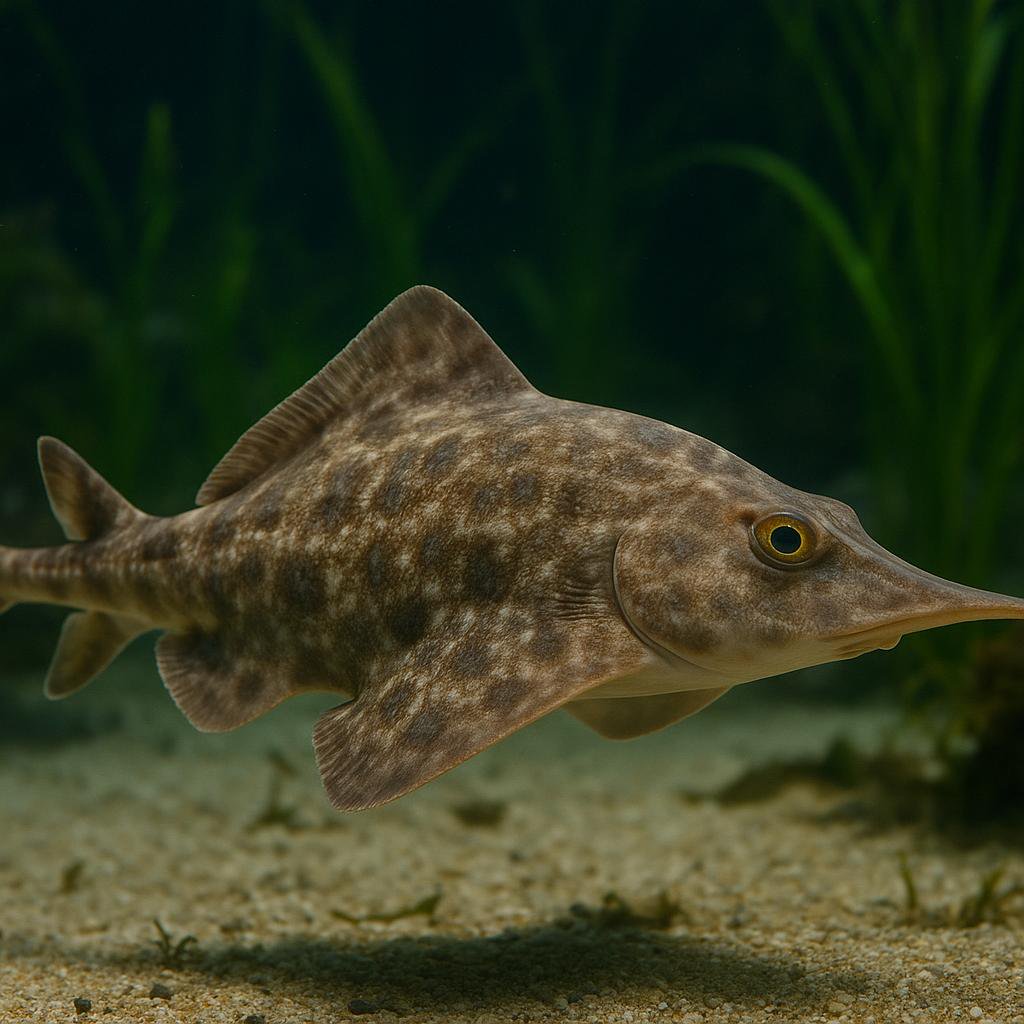
This is a big, cold-water deep-slope skate from the North Pacific that cruises muddy bottoms and eats chunky benthic prey like crabs and shrimp. The really cool bit is its egg-laying skate life - it does distinct pairing (the classic skate "embrace") and drops those tough egg cases on the seafloor. Not an aquarium fish at all unless you're basically running a public-aquarium-style chilled system.
Allis shad
Alosa alosa
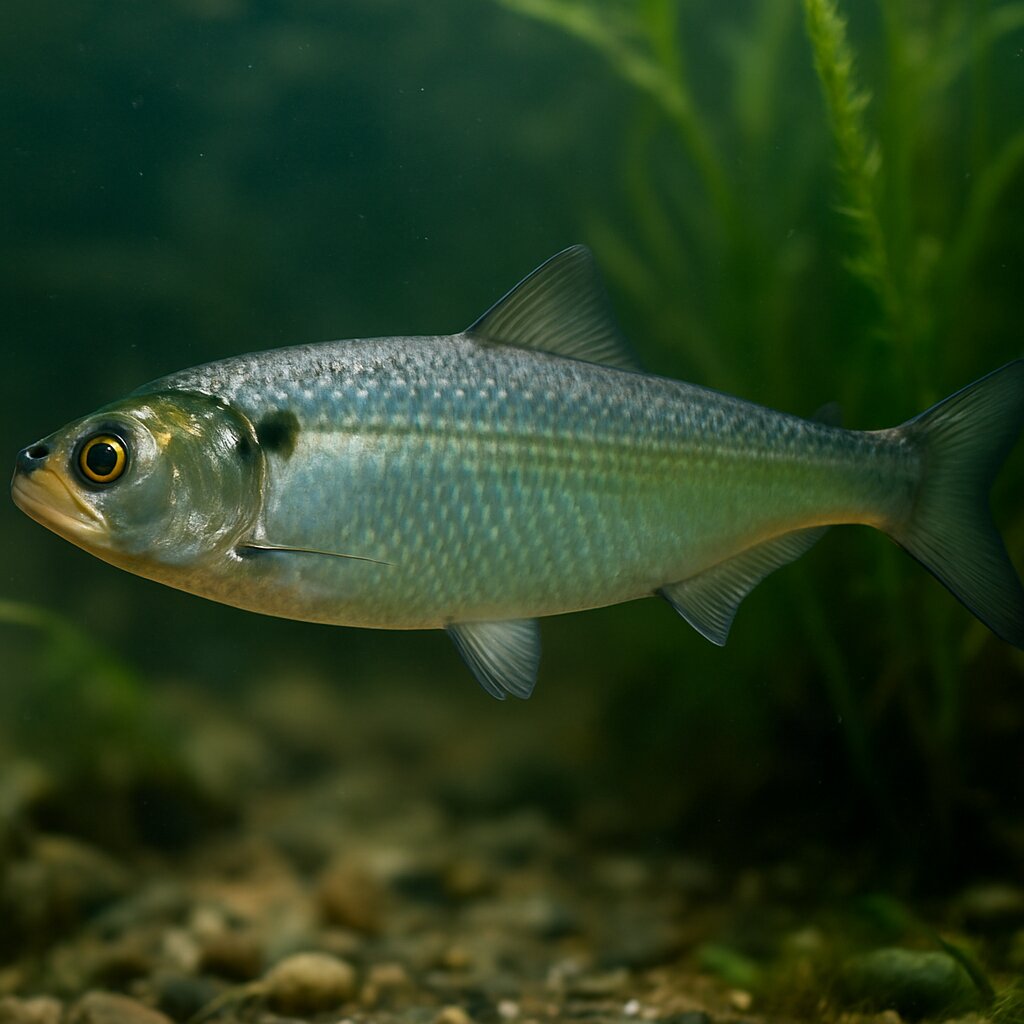
Gorgeous silver, fast-swimming shad that spends most of its life in the sea and then surges up big rivers in noisy, surface-spawning schools. It grows huge for a herring-type fish and needs cool, ultra-oxygenated water and tons of open space, so it is a public-aquarium species rather than a home tank fish.
Annandale's zebra sole
Zebrias annandalei
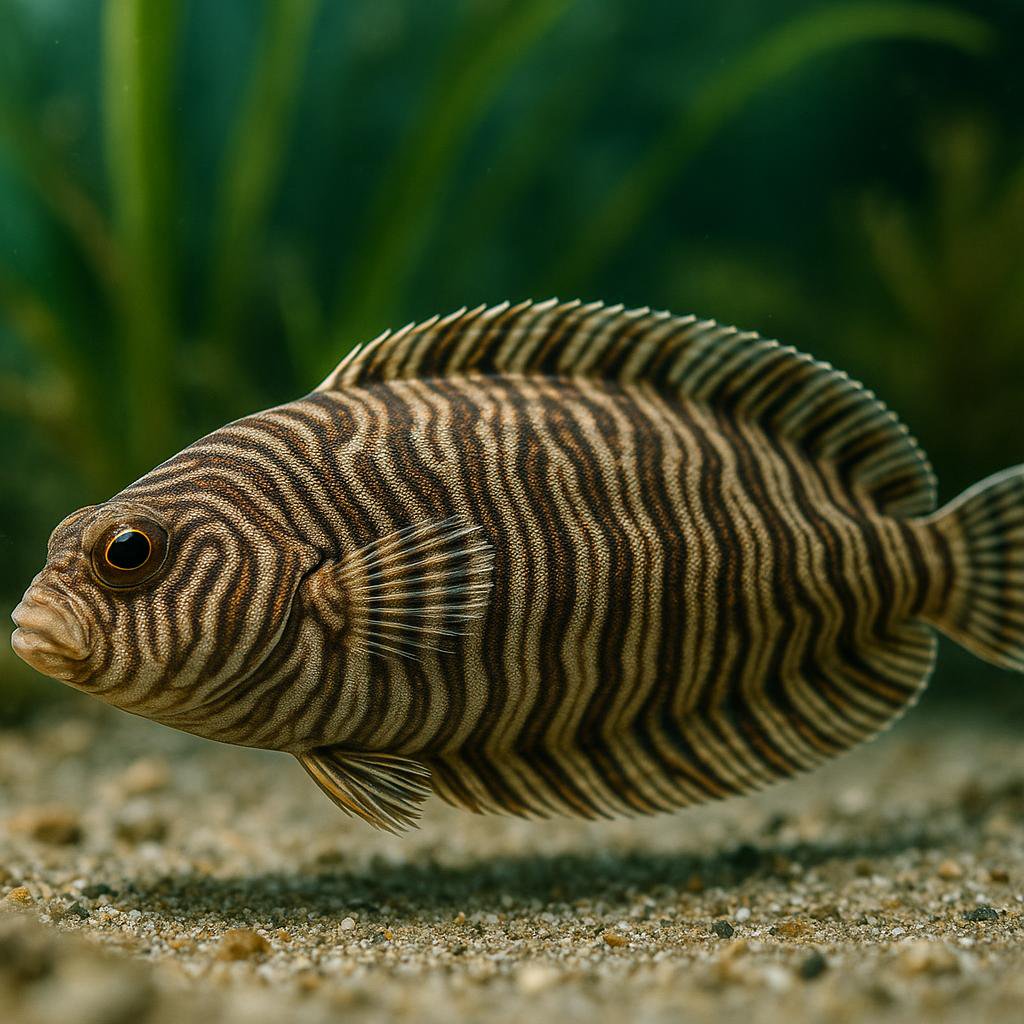
Zebrias annandalei is a small demersal sole from coastal India that inhabits sandy or muddy bottoms and buries for camouflage. It is rarely kept in home aquaria and would require a specialized marine sand-bottom setup and appropriate feeding.
Antarctic dragonfish
Vomeridens infuscipinnis
Deep down around Antarctica, this sleek dragonfish cruises the water column like a little submarine, nearly neutrally buoyant so it can hover above the seafloor. It munches almost exclusively on Antarctic krill and lives in near-freezing water 500-800 m down, so it is a cool species to read about, not one for home tanks.
Looking for other species?