

Jonathan's cusk-eel
Neobythites jonathan
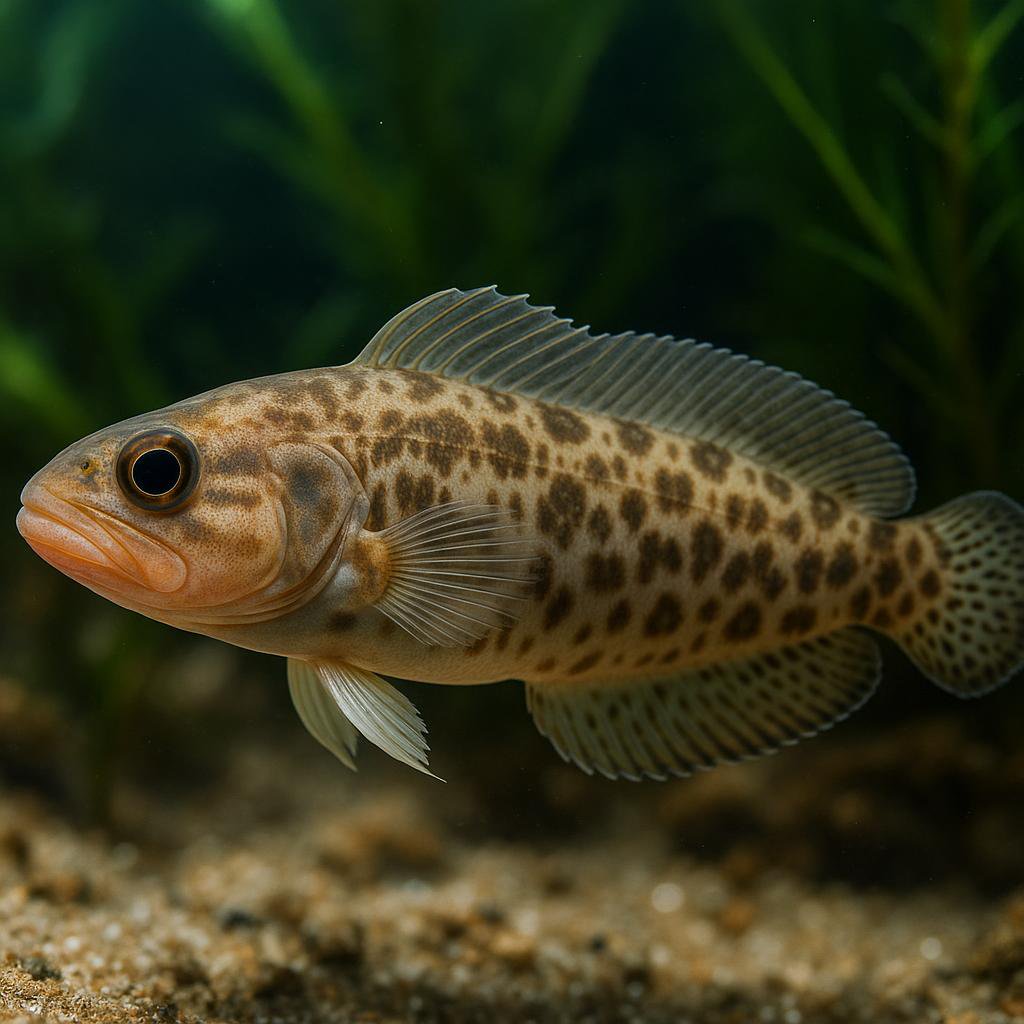
Jonathan's cusk-eel features a slender, elongated body with smooth, dark-brown skin and a distinctive, long dorsal fin.
This page includes AI-generated images. Why am I seeing AI images?
About the Jonathan's cusk-eel
Neobythites jonathan is a deepwater cusk-eel from the western Pacific (Solomon Sea) that lives way down on the lower shelf/upper slope. It is a small, slender bottom-associated fish with a bold ocellus (eye-spot) on the dorsal fin - cool little bit of "fake eye" patterning you see in a bunch of Neobythites.
Also known as
Quick Facts
Size
12.2 cm SL
Temperament
Peaceful
Difficulty
Expert
Min Tank Size
75 gallons
Lifespan
unknown
Origin
Western Pacific (Solomon Sea)
Diet
Carnivore - likely crustaceans and other small benthic invertebrates (deepwater predator); would take meaty frozen foods if it could be maintained
Water Parameters
4-10°C
7.8-8.4
8-12 dGH
Need a heater for this species?
This species needs 4-10°C in a 75 gallon tank. Use our heater calculator to find the right wattage.
Calculate heater sizeCare Notes
- Give it a dim, cave-heavy setup with lots of rubble and overhangs; they hate bright reef lighting and will stay wedged in the rocks if they feel exposed.
- Plan for a bigger footprint than you think (at least 75-120g) because they cruise at night and spook easily; tight lids are non-negotiable since they can launch when startled.
- Keep marine salinity steady around 1.024-1.026 and run high oxygen with strong surface agitation; they come from deeper water vibes and sulk fast in low-oxygen tanks.
- They are predators, so feed meaty foods after lights-out: small shrimp, chopped squid, clam, silversides, and quality sinking carnivore pellets once they recognize them; use feeding tongs and target feed so the food actually reaches the cave.
- Avoid tiny fish and shrimp you care about - they will disappear; also skip aggressive rock-pickers (big wrasses, dottybacks) that harass them in their holes.
- Best tankmates are calm, similarly sized fish that do not try to claim the same caves (bigger gobies, peaceful tangs, non-territorial angels); give everyone separate bolt-holes to cut down on stress.
- Watch for mouth and snout damage from ramming into rock when spooked and for weight loss from shy feeding; if it is getting skinny, move it to a quieter tank or do night target feeds until it bulks back up.
- Breeding in home tanks is basically a lottery - if you ever see them pair up, expect secretive cave spawning and planktonic larvae that need specialized rearing, so do not buy one expecting babies.
Compatibility
Good Tankmates
- Small, mellow sand-sifters like Yellow Watchman goby (Cryptocentrus cinctus) - they mostly mind their own business and wont hassle a cusk-eel that likes to lurk and chill
- Peaceful reef basslets like Royal Gramma (Gramma loreto) - similar vibe, holds a cave but usually keeps it to their side if you give enough rockwork
- Calm cardinalfish like Banggai or Pajama cardinals (Pterapogon kauderni, Sphaeramia nematoptera) - slow, non-aggressive midwater fish that dont compete hard for caves
- Peaceful blennies like Tailspot blenny (Ecsenius stigmatura) - perches and grazes, not a bully, and generally ignores secretive fish
- Small, chill wrasses that are not terrors, like Pink-streaked wrasse (Pseudocheilinops ataenia) - active but not usually a cave-thief or fin-nipper
- Docile clowns like Ocellaris or Percula (Amphiprion ocellaris, A. percula) - they stick to their corner/anemone area and usually dont mess with bottom cave dwellers
Avoid
- Dottybacks, especially the punchy ones like Orchid dottyback or any pseudochromis with an attitude - they love the same rock holes and will absolutely try to evict a shy cusk-eel
- Big, boisterous wrasses like many Thalassoma/Halichoeres that turn into food-mobs - they can outcompete a cusk-eel at feeding time and stress it into hiding all day
- Hawkfish (Flame hawkfish, Longnose hawkfish) - not always evil, but they can be pushy perch-predators and will harass anything that looks like an easy cave neighbor
- Aggressive damsels and similar little bruisers (Domino, Three-stripe, etc.) - constant chasing and pecking at the entrance of the cusk-eels hideout is a recipe for a fish you never see
Where they come from
Jonathan's cusk-eel (Neobythites jonathan) is one of those deepwater, tucked-away reef slope fish you almost never see in the average marine tank. They come from darker, deeper habitats where the light is low, the food shows up in bursts, and there are lots of little holes and overhangs to retreat into.
That deepwater background drives pretty much everything about how they act in captivity: shy by day, hunting by smell at night, and not interested in bright, busy reef life.
If you buy one that was collected deep, ask how it was decompressed and shipped. A lot of the 'mystery deaths' with deepwater fish trace back to collection/handling, not something you did in the tank.
Setting up their tank
Think of this fish like a nervous, nocturnal ambush predator that wants a bunker. Give it a tank that is stable, quiet, and built around hideouts. I would not put one in a brand-new system. Let the tank run long enough that your parameters stop swinging and the micro-life settles in.
Tank size depends on the individual and what you keep with it, but you will regret going small. They use the whole footprint at night, and you want options for caves so it can pick a spot and relax.
- Go for a wider footprint over a tall display. More bottom area makes a big difference.
- Rockwork with real caves: not just arches, but deep holes they can fully back into.
- Soft sand or fine gravel. They spend time on and in the bottom and you do not want abrasions.
- Lower light zones or shaded areas. They tolerate light, they just do not love being blasted by it.
- Moderate flow with calm pockets behind rock. Let it choose where it wants to sit.
- A tight lid. Cusk-eels can surprise you with an escape attempt, especially during acclimation.
Do not underestimate how much they wedge themselves into rock. Make your rockwork stable. If a fish can push into it, it will, and a rockslide is a real risk.
Water quality needs to be boring: steady salinity, steady temp, low nitrate, lots of oxygen. They are not forgiving of big swings. I run oversized skimming and strong surface agitation, and I keep a close eye on pH at night in systems with heavy rock.
What to feed them
Most of the time the challenge is not 'what do they eat' but 'will it eat where I can see it.' They are scent-driven and often feed after lights out. If you try to make them compete with bold fish at noon, you will think it is starving.
- Start with meaty, marine foods: chopped shrimp, clam, squid, scallop, and quality frozen carnivore blends.
- Enriched frozen mysis can work for smaller individuals, but I do better with chunkier items.
- Soak foods in a vitamin/HUFA supplement a couple times a week, especially early on.
- Use feeding tongs or a long pipette and place food right at the cave entrance.
- Feed after lights dim. A red flashlight helps you check that it actually ate.
Train it: pick one spot near its hide and feed there every time. After a couple weeks, many will poke out when they smell food, even with the lights on low.
Avoid freshwater feeder fish and unquarantined live foods. If you want to use live, go with saltwater ghost shrimp or captive-raised mollies transitioned to salt, and treat it like a temporary tool, not a staple.
Feeding schedule: smaller meals a few times a week works better than huge dumps of food. They will gorge if you let them, and then you get a messy tank and a fish with a stressed gut.
How they behave and who they get along with
They are shy, mostly nocturnal, and pretty stealthy. You will see a head peeking out of a crack, then later you will notice cleanup crew going missing. They are not 'mean' in the classic aggressive-fish way, but they are predators and will take what fits.
- Best tankmates: calm, non-competitive fish that will not harass it (think quiet deepwater-ish companions).
- Avoid: fast pigs at feeding time (big wrasses, aggressive damsels) that keep it pinned in its cave.
- Do not mix with small fish or tiny bottom dwellers you are attached to. If it fits, it is food.
- Shrimp and small crabs are a gamble. Some individuals ignore bigger cleaners, others do not.
- One per tank is the safe play unless you have a large system and a plan for territories.
If it stops coming out because tankmates bully it, it can waste away even though you are feeding. Shy predators do not 'fight for food' the way triggers or wrasses do.
A lot of success with this species is just respecting its vibe: dimmer zones, predictable routines, and no constant commotion around its hide. If you have to do major aquascape work, expect it to sulk for a while afterward.
Breeding tips
Breeding in home aquariums is basically a unicorn with this group. Even getting confirmed pairs is tough, and deepwater fish often have seasonal cues (temperature, day length, food pulses) that we do not naturally replicate.
If you ever did want to experiment, you would be looking at a dedicated, species-only setup with multiple hides, heavy feeding leading into a cooldown/warmup cycle, and a way to separate eggs/larvae. Cusk-eel larvae, like many marine larvae, would likely be tiny and demanding (live plankton, pristine water, round-the-clock attention).
If you hear of someone claiming easy captive breeding, ask for details on larval rearing. Spawning is only the first tiny step with marine fish like this.
Common problems to watch for
Most issues with Jonathan's cusk-eel come from stress, starvation-by-competition, and shipping damage rather than some weird mystery disease. Catch problems early and you will save yourself a lot of heartbreak.
- Refusing food: usually too much light, too much activity, or it is not finding food fast enough. Try night feeding and target feeding.
- Rapid breathing or hanging in high flow: check oxygen, ammonia, and pH. Deepwater fish can be touchy about low O2.
- Skin scrapes and infections: often from rough substrate or squeezing into sharp rock. Fine sand and smooth caves help a lot.
- Internal parasites: weight loss despite eating, stringy white feces. Quarantine and consider antiparasitic treatment with expert guidance.
- Barotrauma/shipping injury: odd buoyancy, trouble settling, lethargy from day one. Sometimes they recover, sometimes they do not.
Quarantine is not optional with a fish like this. The stress of capture and shipping can hide issues for weeks, and treating a sick cusk-eel in a busy display is a pain.
My biggest tell that something is off is a fish that never relaxes into a chosen hide. Once settled, they usually pick a home base. If yours is constantly roaming in daylight, breathing hard, or wedging into the strangest spots, take that as a sign to check the basics: stability, oxygen, aggression from tankmates, and whether it is actually getting food.
Similar Species
Other marine peaceful species you might be interested in.
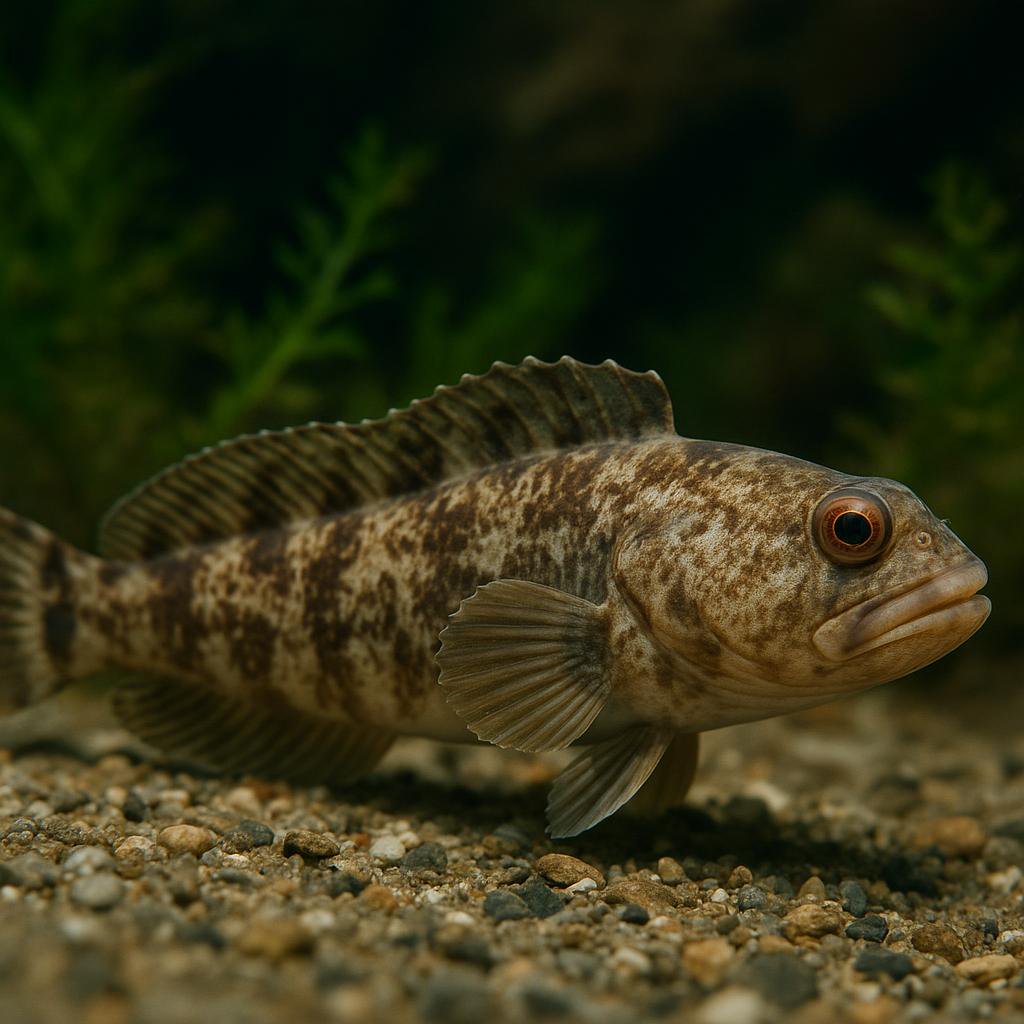
Abe's eelpout
Japonolycodes abei
Japonolycodes abei is a temperate, deepwater demersal eelpout (family Zoarcidae) endemic to Japan (Kumano-nada Sea reported; other sources also report Sagami Bay and Tosa Bay). It is the only species in the genus Japonolycodes and occurs roughly 40-300 m depth, making it an uncommon/atypical aquarium species.
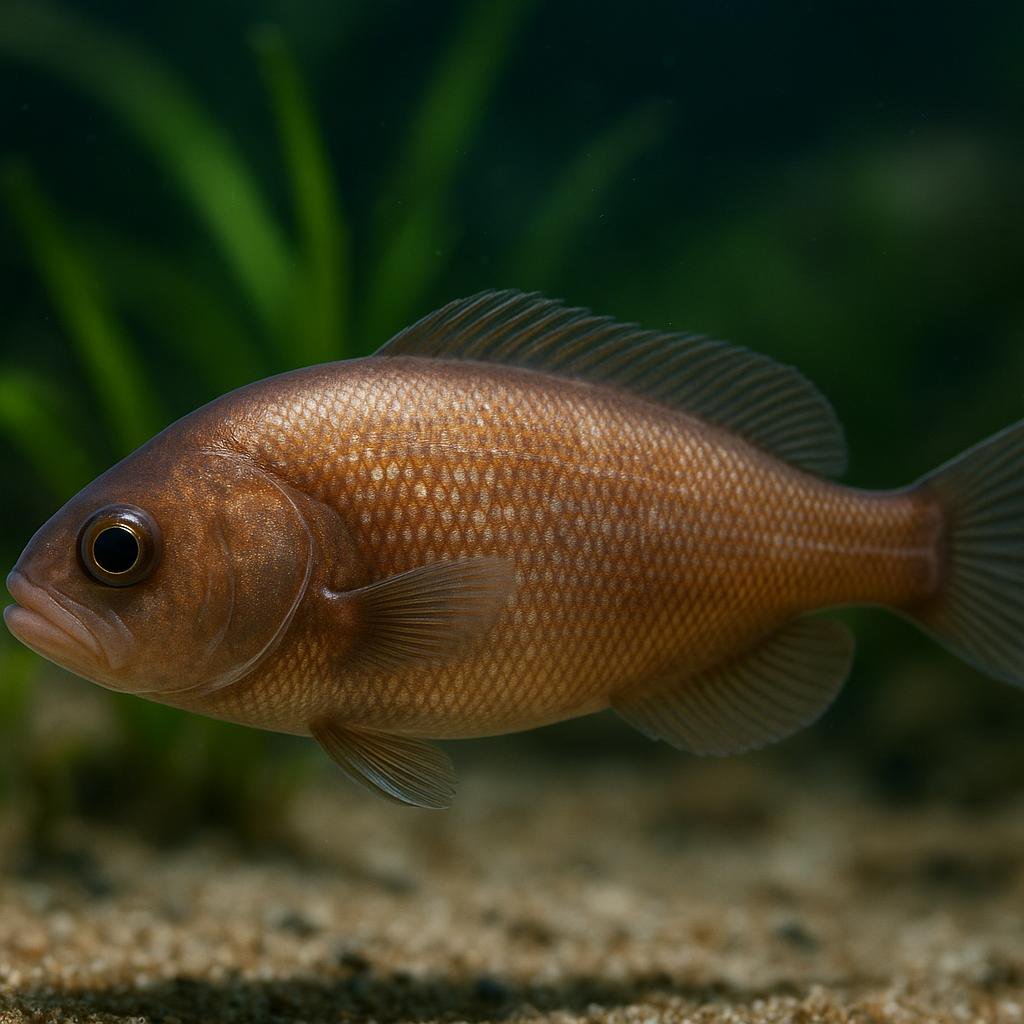
Affinis blind cusk-eel
Barathronus affinis
Barathronus affinis is a tiny, super-weird deep-sea blind cusk-eel from the western-central Indian Ocean. It is one of those gelatinous, loose-skinned brotula-type fishes that live way down in the dark and are basically never seen alive, so almost everything we know comes from preserved specimens and taxonomic work.
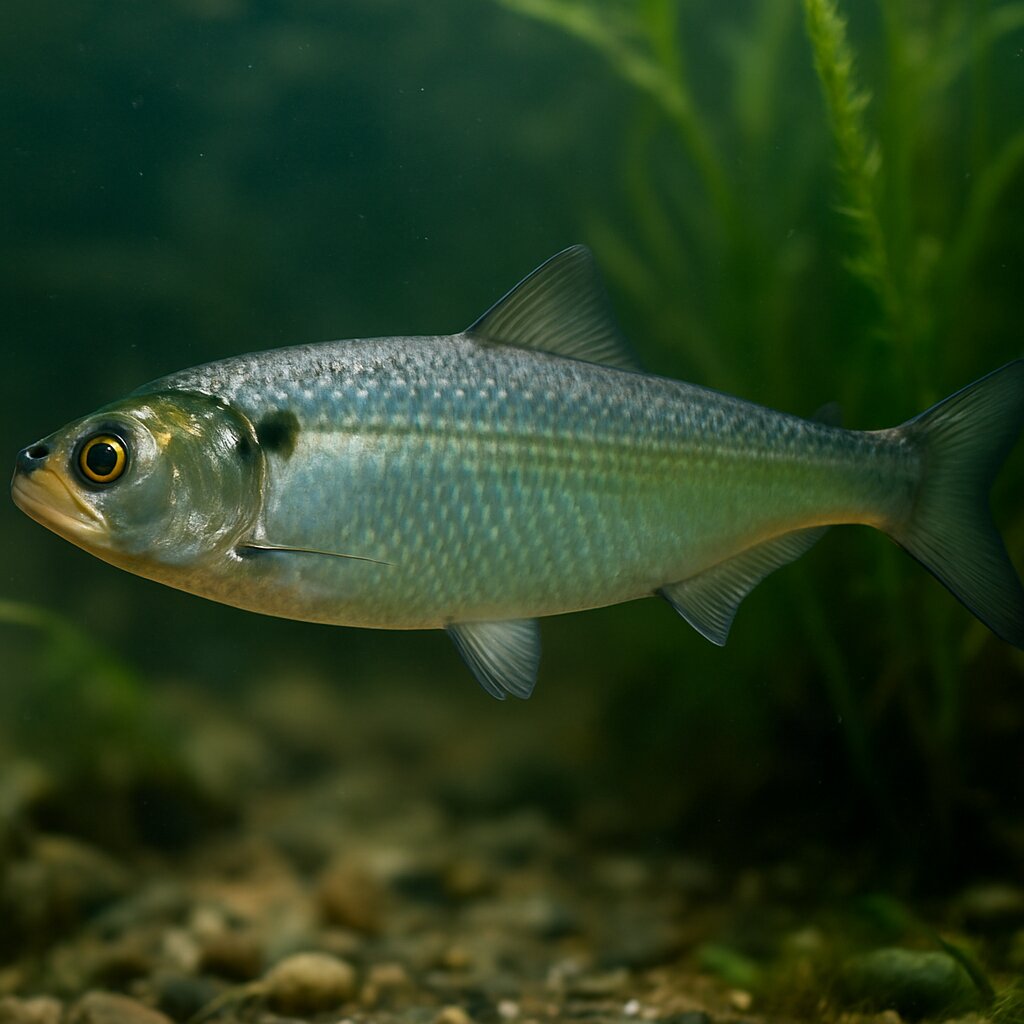
Allis shad
Alosa alosa
Gorgeous silver, fast-swimming shad that spends most of its life in the sea and then surges up big rivers in noisy, surface-spawning schools. It grows huge for a herring-type fish and needs cool, ultra-oxygenated water and tons of open space, so it is a public-aquarium species rather than a home tank fish.
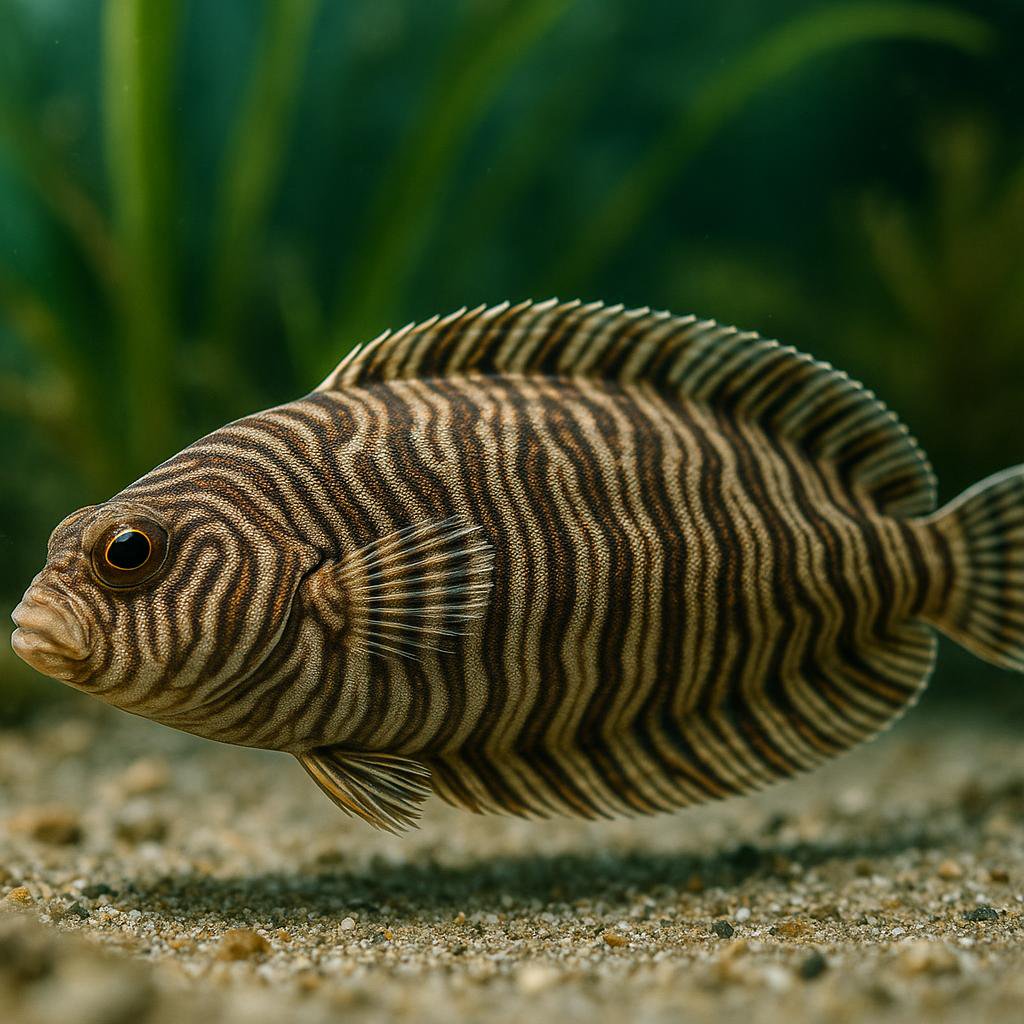
Annandale's zebra sole
Zebrias annandalei
Zebrias annandalei is a small demersal sole from coastal India that inhabits sandy or muddy bottoms and buries for camouflage. It is rarely kept in home aquaria and would require a specialized marine sand-bottom setup and appropriate feeding.
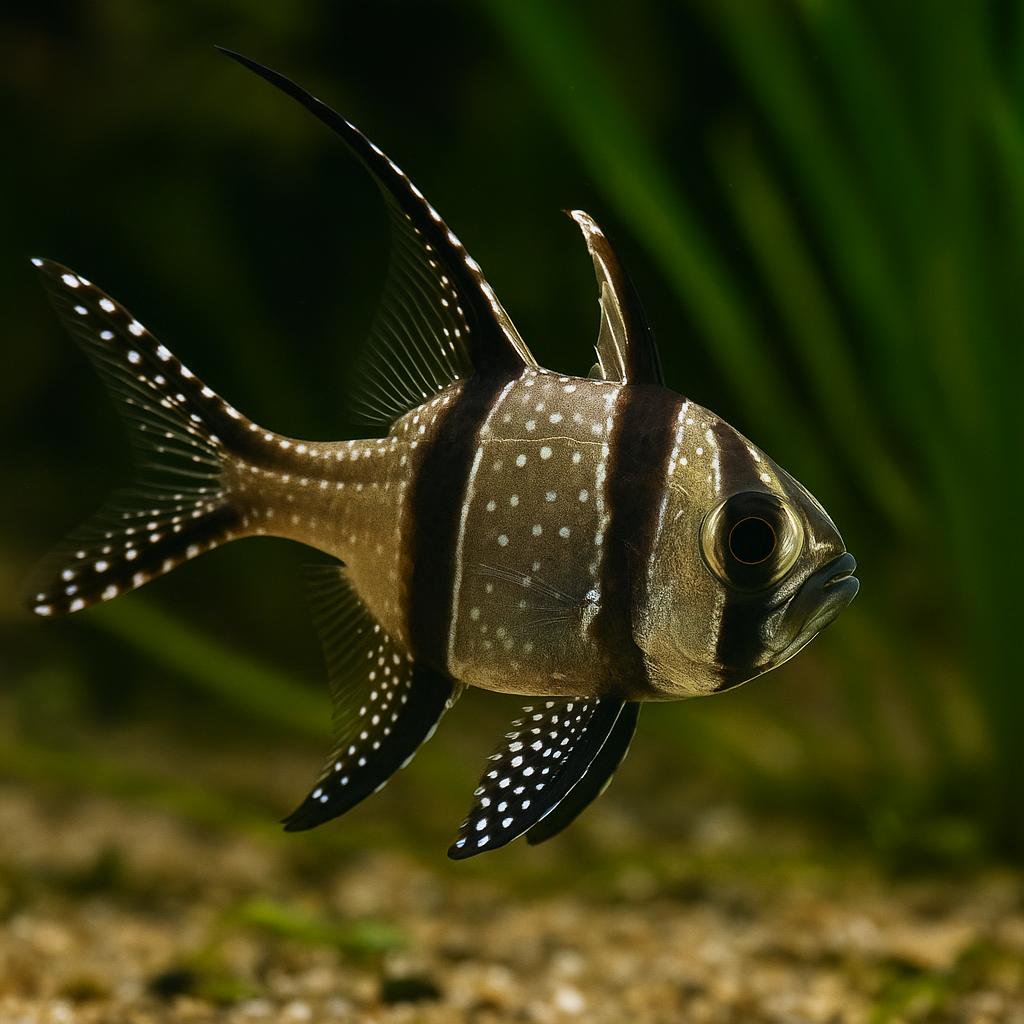
Banggai Cardinalfish
Pterapogon kauderni
Banggai cardinals just sort of hover like little underwater satellites, and the bold black bars with those long, polka-dotted fins look unreal under reef lighting. They're super chill most of the time, but once a pair forms you'll see real "fish drama," and the male will even mouthbrood the babies like a champ.
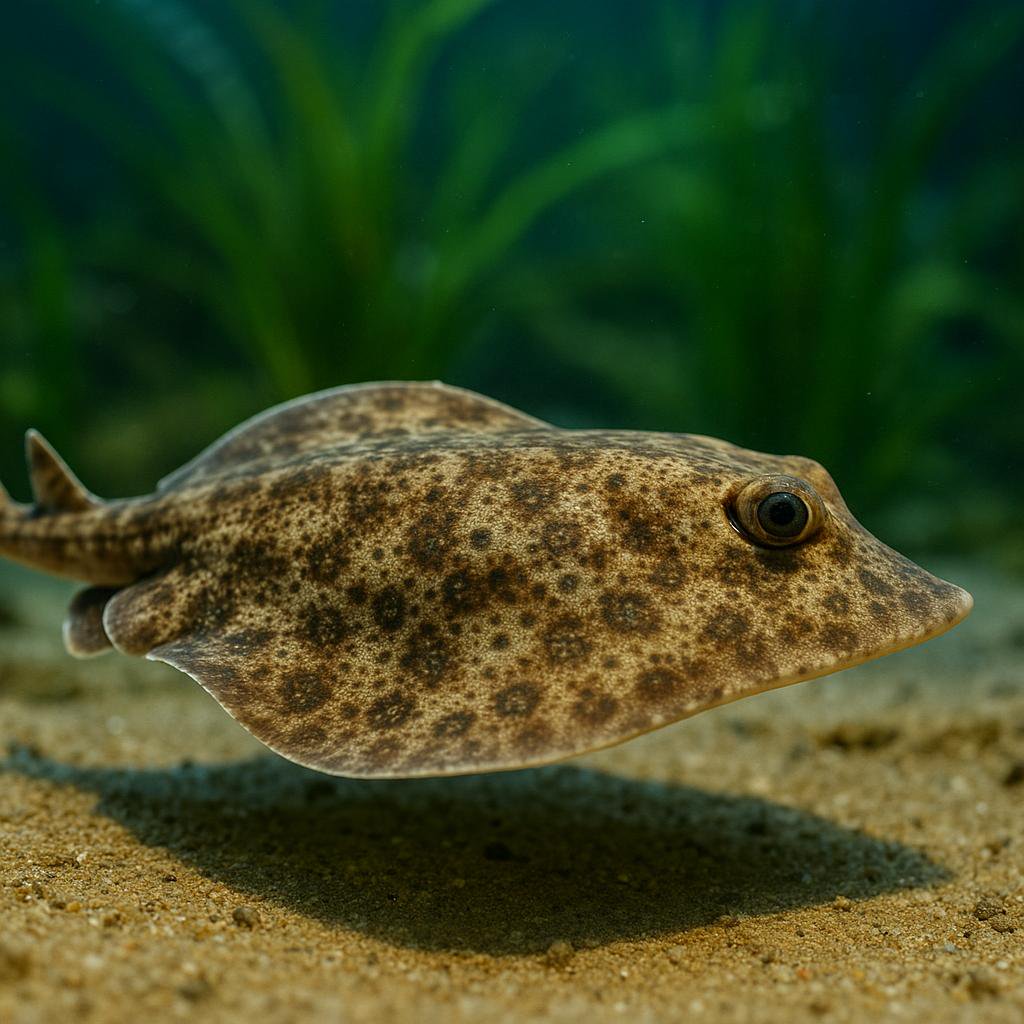
Barbedwire-tailed skate
Notoraja martinezi
Notoraja martinezi is a deepwater skate from the eastern Pacific (Costa Rica down to Ecuador) that lives way down on soft bottoms. The tail is the giveaway - it is lined with strong, hooked thorns that really do look like barbed wire. This is absolutely not an aquarium fish; it is a cold, high-pressure deep-sea animal with basically no practical home care info because it is not kept in the hobby.
More to Explore
Discover more marine species.
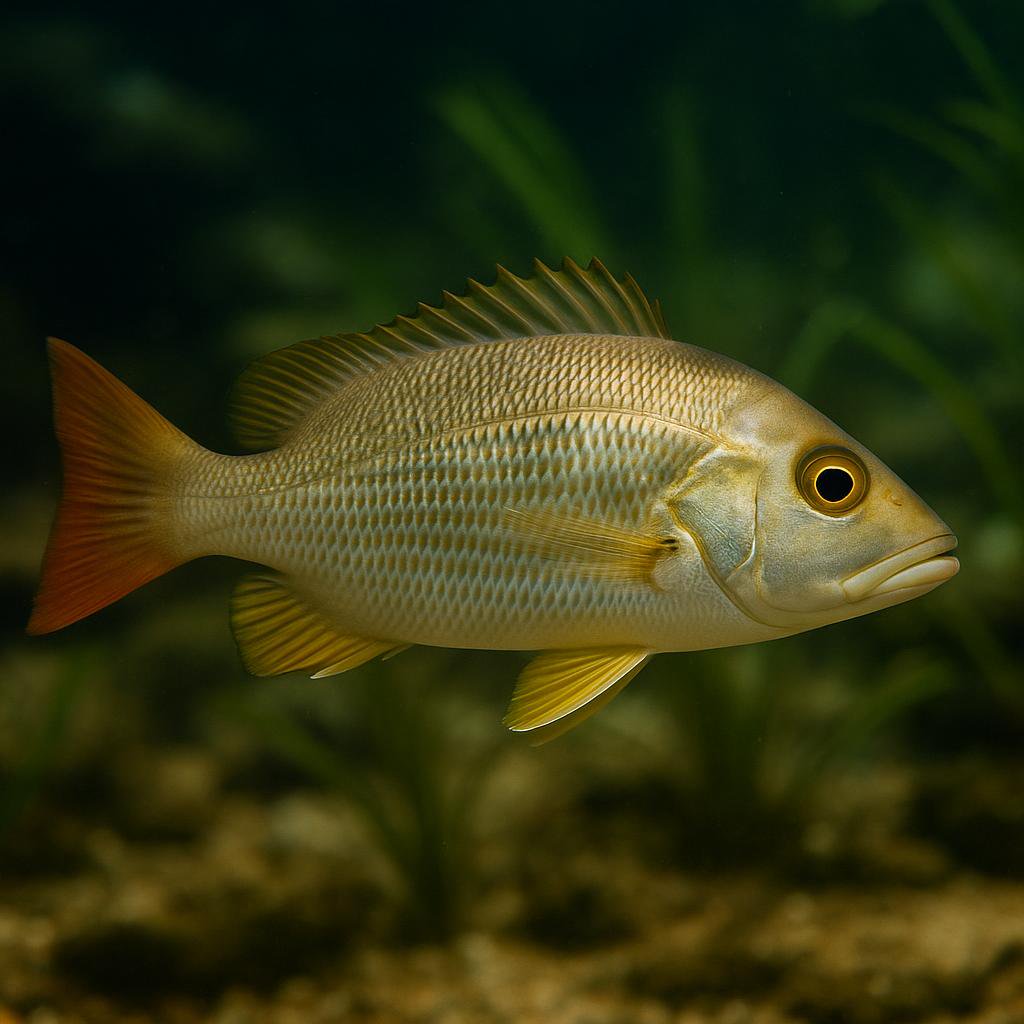
African red snapper
Lutjanus agennes
This is a true snapper from West Africa - a big, fast-growing predator that goes from coastal reefs to brackish lagoons and estuaries (especially as a juvenile). Super cool fish in the wild, but it gets absolutely huge and will eat smaller tankmates once it has the mouth for it, so its really more of a public-aquarium scale animal than a home-aquarium fish.
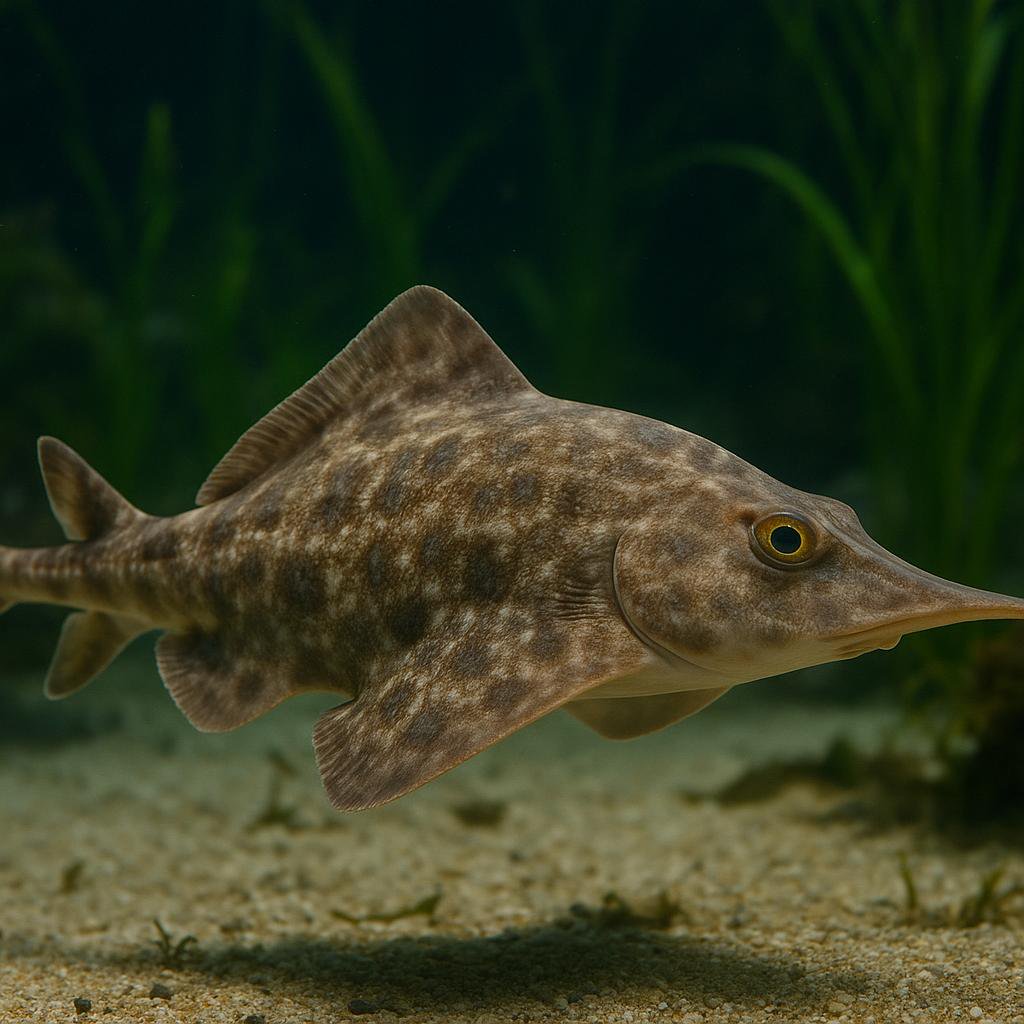
Aleutian skate
Bathyraja aleutica
This is a big, cold-water deep-slope skate from the North Pacific that cruises muddy bottoms and eats chunky benthic prey like crabs and shrimp. The really cool bit is its egg-laying skate life - it does distinct pairing (the classic skate "embrace") and drops those tough egg cases on the seafloor. Not an aquarium fish at all unless you're basically running a public-aquarium-style chilled system.
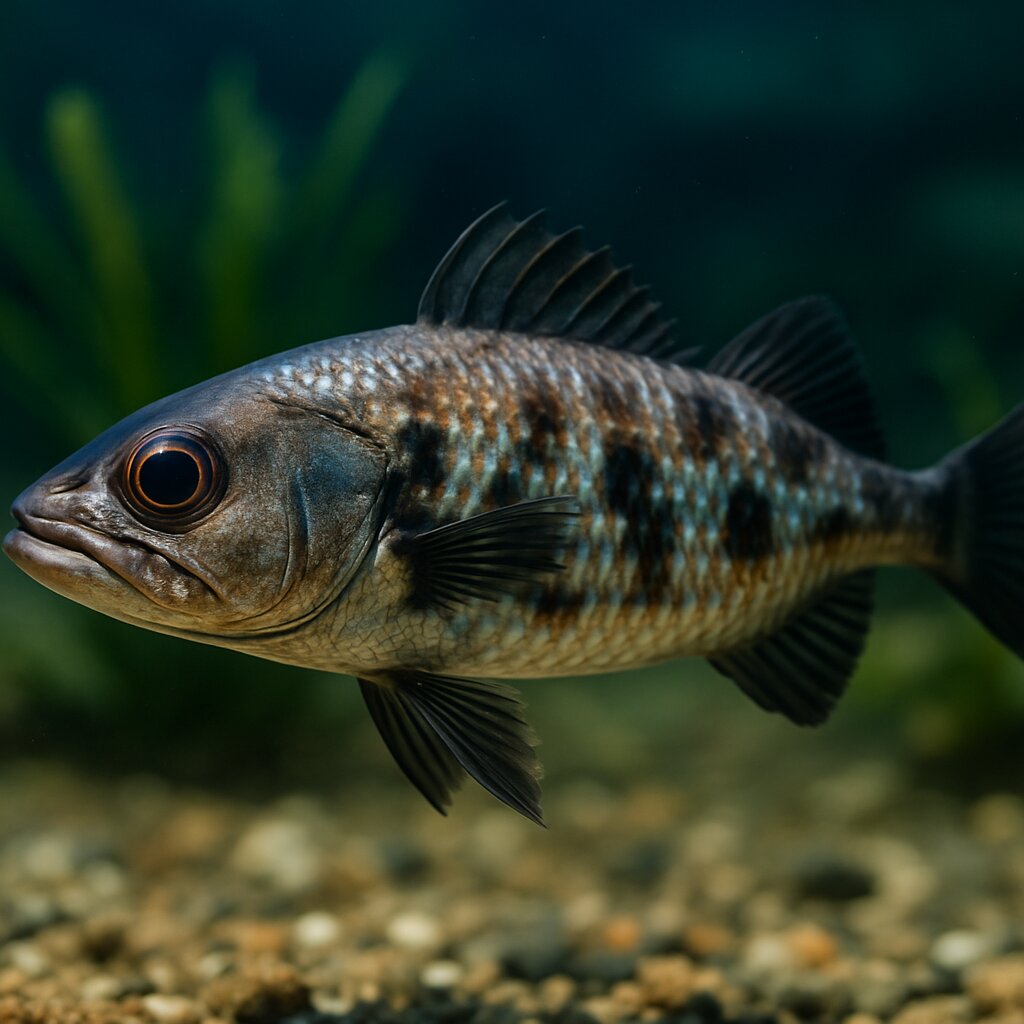
Antarctic dragonfish
Vomeridens infuscipinnis
Deep down around Antarctica, this sleek dragonfish cruises the water column like a little submarine, nearly neutrally buoyant so it can hover above the seafloor. It munches almost exclusively on Antarctic krill and lives in near-freezing water 500-800 m down, so it is a cool species to read about, not one for home tanks.
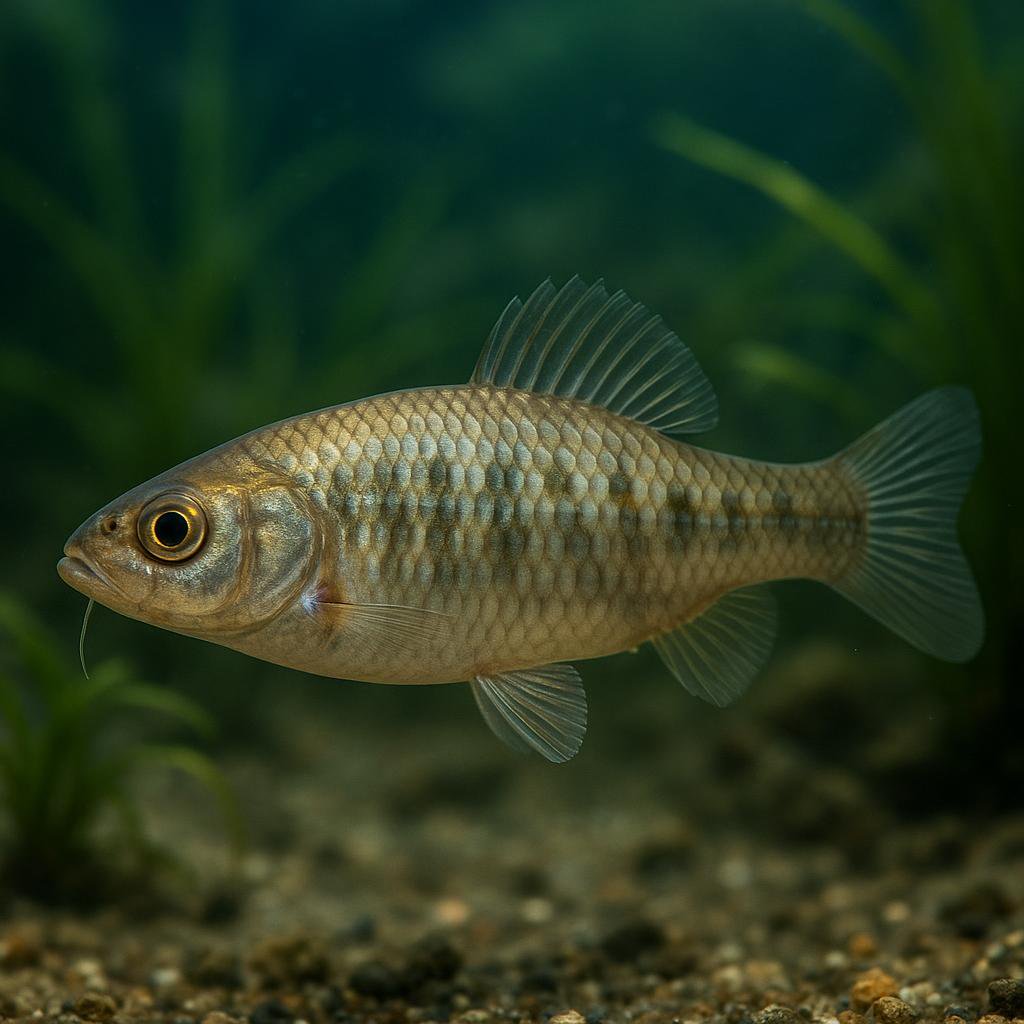
Arabian spiny eel
Notacanthus indicus
Notacanthus indicus is a deep-sea spiny eel (family Notacanthidae; not a true eel) known from the Arabian Sea on the continental slope at roughly ~960–1,046 m depth, with reported maximum length around 20 cm TL; it is a deep-water bycatch species and not established in the aquarium trade.
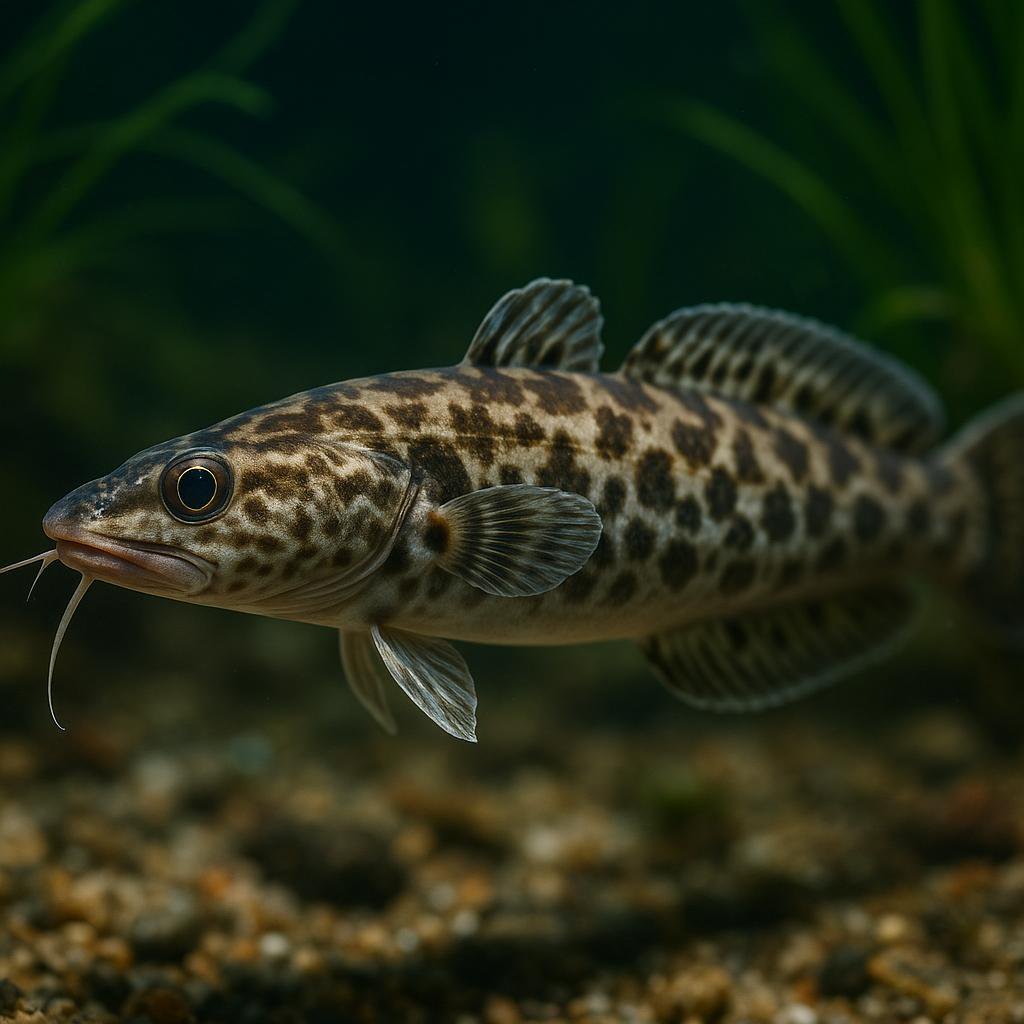
Arctic rockling
Gaidropsarus argentatus
This is a deepwater North Atlantic rockling (a cod relative) that hangs out on soft bottoms way down the slope. It is a cold-water, bottom-hugging predator that snoots around for crustaceans and will also take small fish when it gets the chance.
Atlantic pomfret
Brama brama
Brama brama is the Atlantic pomfret (aka Ray's bream) - a deep-bodied, open-ocean pelagic fish that cruises around in small schools and follows water temps. It is a legit big, wild marine species (not an aquarium fish) that eats other small sea critters like fish and squid, and it ranges across a huge chunk of the Atlantic plus parts of the Indian and South Pacific.
Looking for other species?