

Narrowbody handfish
Pezichthys compressus
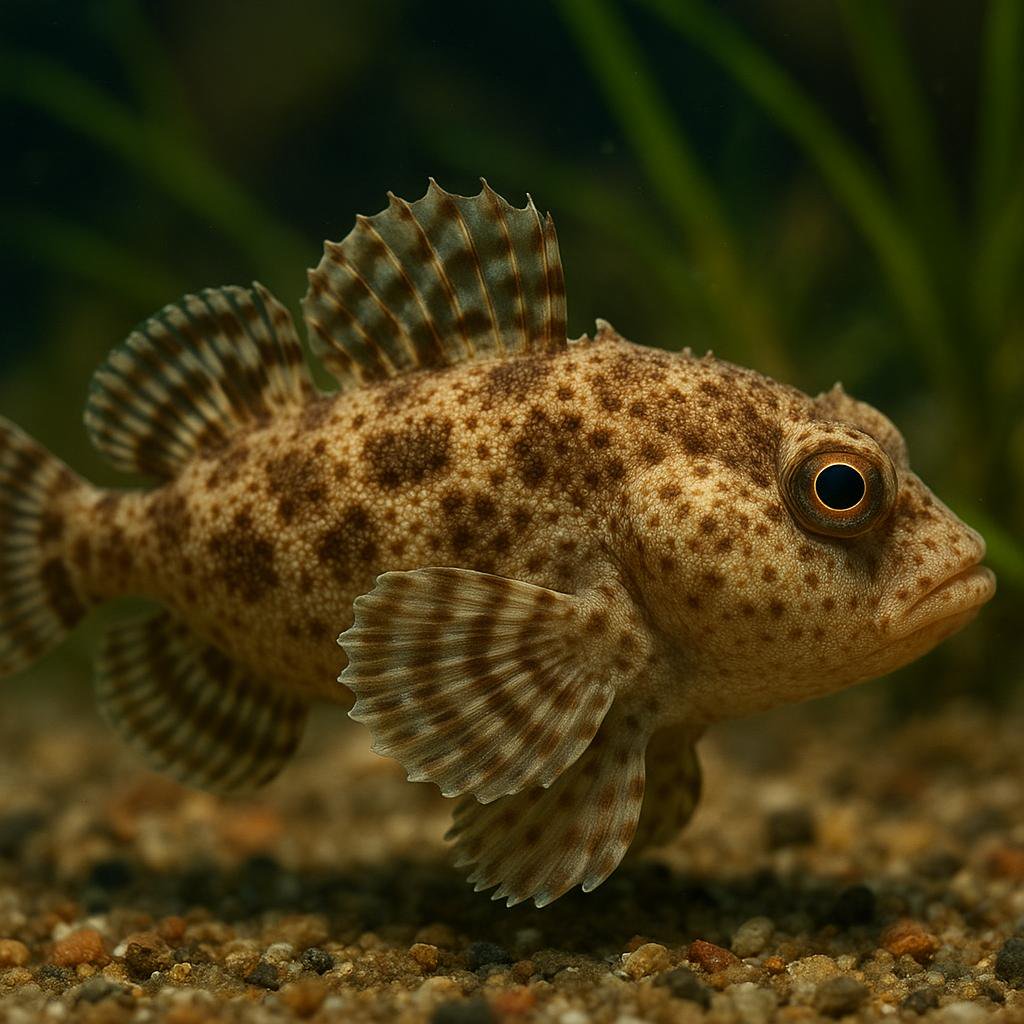
The Narrowbody handfish features a slender, elongated body with a pale pink hue and distinctive hand-like pectoral fins for maneuvering on the seafloor.
This page includes AI-generated images. Why am I seeing AI images?
About the Narrowbody handfish
A very small, demersal Australian handfish (family Brachionichthyidae) that uses its modified fins to move along the seafloor. It is an extremely rare deepwater species known from very few records, and it is not an established aquarium species.
Quick Facts
Size
4.2 cm SL
Temperament
Peaceful
Difficulty
Expert
Min Tank Size
30 gallons
Lifespan
unknown
Origin
Southeastern Australia
Diet
Carnivore - likely small benthic invertebrates (not well documented)
Water Parameters
8-15°C
8-8.4
7-12 dGH
Need a heater for this species?
This species needs 8-15°C in a 30 gallon tank. Use our heater calculator to find the right wattage.
Calculate heater sizeCare Notes
- Give it a species tank with a big, mature sand bed and lots of low "perches" (small rocks, rubble, sponge-like decor). They walk and ambush, so skip high-flow reef blasting and make calm zones where food can settle.
- Keep it cool and stable (temperate, not tropical). Species-specific captive parameters for P. compressus are not well established in the literature; avoid presenting exact temperature/salinity/pH targets as confirmed. Prioritize stability and matching new water parameters to the system to minimize stress.
- Feed like its a tiny sit-and-wait predator: live enriched mysids/grass shrimp are the easiest start, then wean to thawed mysis, chopped prawn, or small marine fish flesh offered right in front of it. Use tongs or a feeding pipette and target feed so faster fish do not steal everything.
- Do not keep it with aggressive feeders or anything that will harass it (wrasses, damsels, most dottybacks, hungry gobies). Best tankmates are basically none, or very slow, chill stuff that will not outcompete it for food.
- Watch the skin and fins: these guys get beat up easily from rough rockwork, strong suction, or being forced to "swim" in flow, and injuries can turn into nasty infections fast. Cover pump intakes and keep the layout smooth where it actually walks.
- Skip copper and be careful with meds in general - treat in a separate hospital tank if you can. A lot of handfish crash from stress plus meds, so focus on pristine, stable water and gentle handling first.
- Breeding ecology and early life history are poorly documented for P. compressus; avoid giving species-specific spawning/egg/larval-care instructions as established facts.
Compatibility
Good Tankmates
- Small, peaceful gobies (like neon gobies or other tiny reef gobies) - they stick to their own business and will not hassle a handfish that just wants to perch and hunt pods
- Calm blennies that are not territorial bruisers (think tailspot-style temperament) - a mellow perch-and-peck fish is usually fine as long as the rockwork has plenty of personal space
- Pipefish or other gentle, slow cruisers - similar vibe, and they are not into chasing or fin-nipping (just make sure food is getting to everyone)
- None recommended (species-only suggested) due to extreme rarity, specialized needs, and lack of established captive-care data for P. compressus
- None recommended (species-only suggested) due to extreme rarity, specialized needs, and lack of established captive-care data for P. compressus
- Chill shrimp and snail cleanup crew (peppermint cleaners, small hermits with caution) - generally fine, just do not expect baby shrimp to survive if the handfish can fit them in its mouth
Avoid
- Dottybacks - they are little tanks with attitude and will absolutely pick on a slow, bottom-walking fish
- Hawkfish - classic perch-and-pounce bullies, and they love to dominate the same perching spots a handfish uses
- Aggressive or food-crazy wrasses (and most 'always on the move' wrasses) - they outcompete at feeding time and can stress a handfish just by being too busy and too pushy
- Triggers, puffers, larger angelfish, and other big mouthy or nippy fish - anything that sees a weird little walker as a chew toy or a target is a hard no
Where they come from
Narrowbody handfish (Pezichthys compressus) are odd little bottom-walkers from temperate southern Australia. They are part of the handfish group - basically anglerfish relatives that use their fins like hands to scoot around instead of swimming much.
Most hobbyists will never see one offered, and for good reason: these are specialist, cold-water, low-stress fish with a very niche set of needs. If you are looking at one, you are already in public-aquarium territory.
Please double-check legality and sourcing. Handfish are conservation-sensitive, and collection/possession can be restricted. If you cannot verify the chain of custody, pass.
Setting up their tank
Think "chilled, calm, and boring" in the best way. A narrowbody handfish does not want a flashy reef with tons of flow and hot lights. It wants cool water, stable parameters, and lots of places to hunker down and hunt.
- Temperature: cold-temperate (aim roughly 50-59F / 10-15C). This usually means a chiller, not a fan.
- Tank size: bigger is easier for stability. I would not do less than 30-40 gallons for one, and more if you can.
- Flow: moderate overall, but create low-flow pockets near the bottom where it actually lives.
- Lighting: subdued. Bright reef lighting tends to stress them and encourages algae growth you will constantly fight in cool systems.
- Substrate: fine sand or very smooth small rubble. Avoid sharp crushed coral - these fish sit and crawl a lot.
- Structure: lots of low caves, overhangs, and "lean-to" rockwork. Keep it stable so nothing shifts when it bumps around.
- Filtration: oversized and quiet. They do better with very steady oxygen and very low nitrogen waste.
Build the habitat from the fish's eye level. If you look across the sandbed and see lots of little shaded zones, you are on the right track.
I also like to run a mature system with a refugium or some kind of nutrient export because you will be feeding meaty foods. That means leftover bits. In cold water, bacteria and cleanup crews can feel "slower," so you want extra margin.
Intakes need guards. Handfish are not strong swimmers, and they can get pinned to a pump intake or overflow comb if they wander up to it.
What to feed them
These are ambush hunters. They do not chase flakes around the water column. You are basically feeding a little sit-and-wait predator that expects prey to come to it.
- Staples: live foods like small shrimp and other appropriate live crustaceans (species depends on local availability and biosecurity).
- Trained foods (best case): thawed mysis, small pieces of prawn/shrimp, chopped clam, or other marine meaty items offered on tongs or a feeding stick.
- Feeding method: target feed near the fish, on the bottom, with flow turned down for a few minutes.
- Frequency: small meals. Many do better with frequent smaller feedings than one big dump.
If it will take frozen from a stick, protect that behavior like gold. Feed in the same spot, same tool, same routine. These fish learn patterns, and consistency makes your life way easier.
Watch the belly and overall "fullness" more than a calendar. A handfish that is missing meals will start looking pinched and will spend less time actively hunting. On the flip side, big fatty meals can foul water fast in a chilled tank.
Do not rely on scavenging. If you toss food in and hope it finds it later, you will mostly just feed your bacteria and algae, not the handfish.
How they behave and who they get along with
They are slow, deliberate, and pretty much glued to the bottom. You will see them "walk" from spot to spot, perch on rock, and do short lunges at prey. If you are expecting a fish that cruises the glass, this is not that.
- Temperament: generally non-aggressive, but they are predators of small crustaceans and tiny fish.
- Tankmates: keep it species-only or with very calm, cold-water compatible fish that will not outcompete them for food.
- Avoid: fast feeders, nippy fish, anything that will perch on them, and anything that will stress them with constant movement.
- Inverts: most small shrimp and crabs will end up as food or will steal food from the handfish. Choose carefully.
The biggest "compatibility" issue is feeding. Even a peaceful tankmate that eats quickly can starve a handfish just by being faster at mealtime.
They also do poorly with constant rearranging, loud pumps, and high traffic around the tank. If you have a busy family room tank that gets bumped and tapped, you are setting yourself up for stress-related problems.
Breeding tips
Breeding handfish in home setups is not common, and with narrowbody handfish specifically, you are dealing with a fish that should really be in a serious, dedicated program. That said, the general pattern in handfish is demersal eggs (laid on something) with parental attention varying by species.
- Give them egg-laying surfaces: small vertical structures, branching decor, and stable rock faces in low flow.
- Keep a seasonal mindset: slight temperature and photoperiod shifts can be cues in temperate species, but do not swing things fast.
- If you ever see egg masses: protect them from flow and from curious tankmates. Many eggs fail from fungus or being blasted around.
- Plan for tiny live foods if anything hatches: you will need appropriate planktonic prey ready, not after the fact.
If your goal is breeding, start by mastering long-term feeding and stability first. These fish do not forgive "learning curve" mistakes.
Common problems to watch for
Most issues with handfish come from three things: temperature swings, stress, and food (either not enough, or too messy). Catching problems early is the whole game here.
- Starvation: fish looks thin, ignores food, or gets pushed off feeding spots by tankmates.
- Bacterial infections and fin damage: from rough substrate, unstable rockwork, or being sucked onto intakes.
- External parasites: can show as flashing, excess mucus, or rapid breathing. Quarantine is a must if you are bringing in anything new.
- Poor water quality from meaty foods: cloudy water, rising nitrate, film on the surface, cyanobacteria or nuisance algae.
- Heat events: chiller failure or warm-room spikes. Temperate fish can go downhill fast if you creep into tropical temps.
Temperature is the silent killer with this species. Put the chiller on an alarmed controller, and have a backup plan for power outages.
One more practical thing: do not net them if you can avoid it. Use a container to move them. They are awkward in nets, and fin or skin damage is an easy way to invite infection.
Similar Species
Other marine peaceful species you might be interested in.
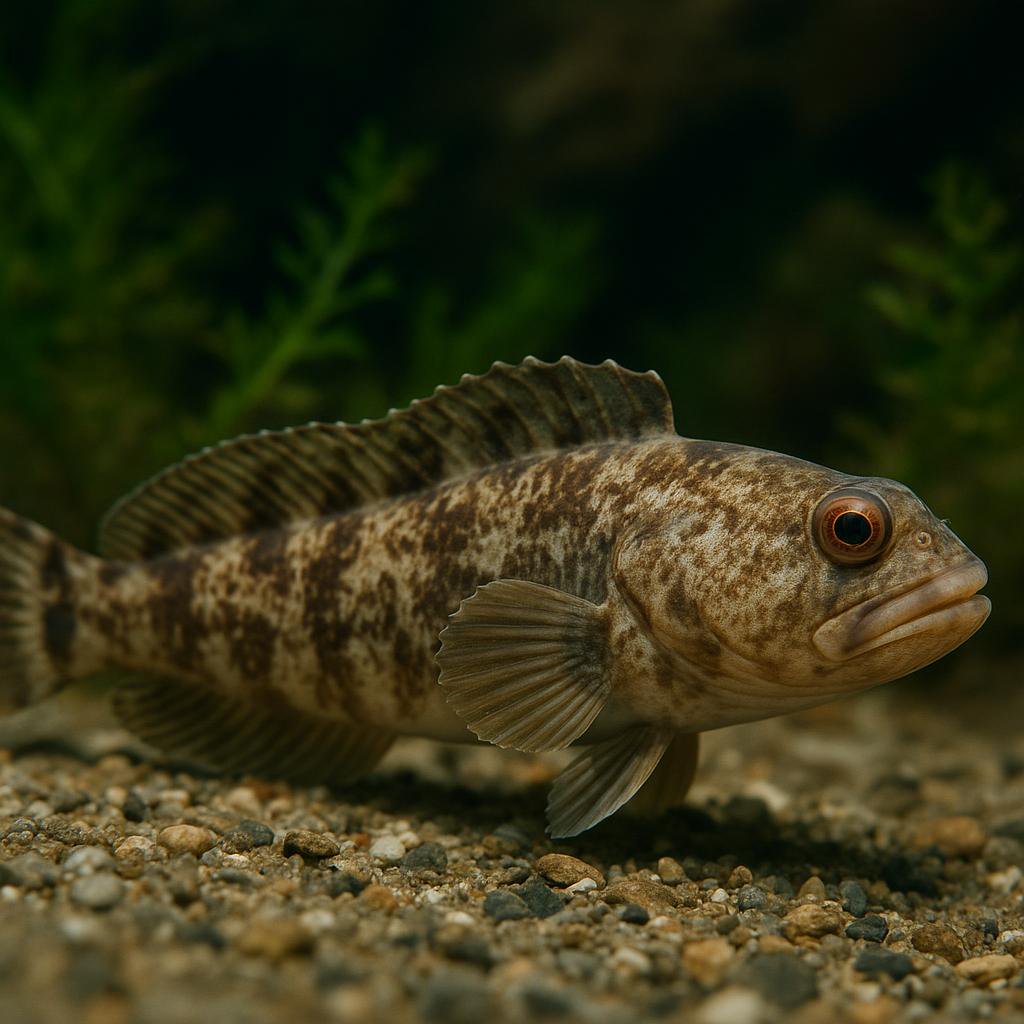
Abe's eelpout
Japonolycodes abei
Japonolycodes abei is a temperate, deepwater demersal eelpout (family Zoarcidae) endemic to Japan (Kumano-nada Sea reported; other sources also report Sagami Bay and Tosa Bay). It is the only species in the genus Japonolycodes and occurs roughly 40-300 m depth, making it an uncommon/atypical aquarium species.
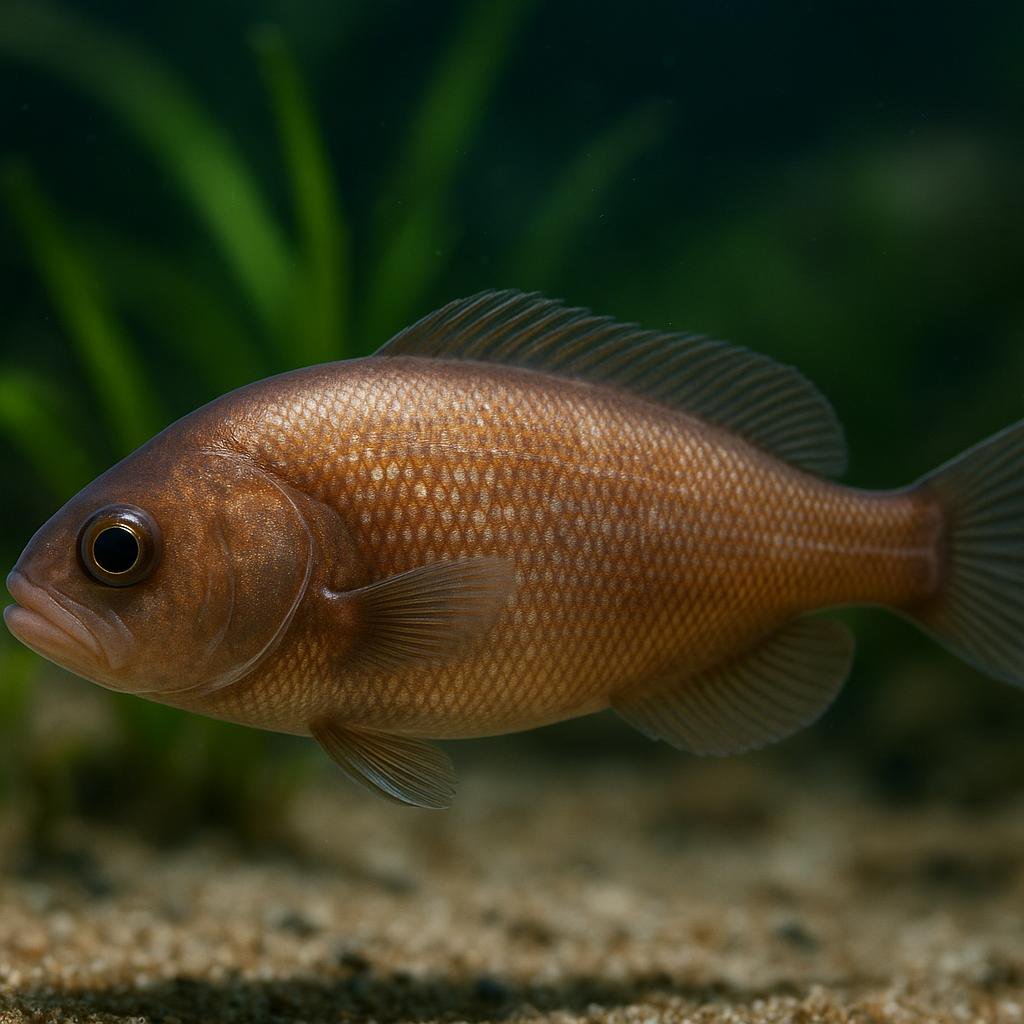
Affinis blind cusk-eel
Barathronus affinis
Barathronus affinis is a tiny, super-weird deep-sea blind cusk-eel from the western-central Indian Ocean. It is one of those gelatinous, loose-skinned brotula-type fishes that live way down in the dark and are basically never seen alive, so almost everything we know comes from preserved specimens and taxonomic work.
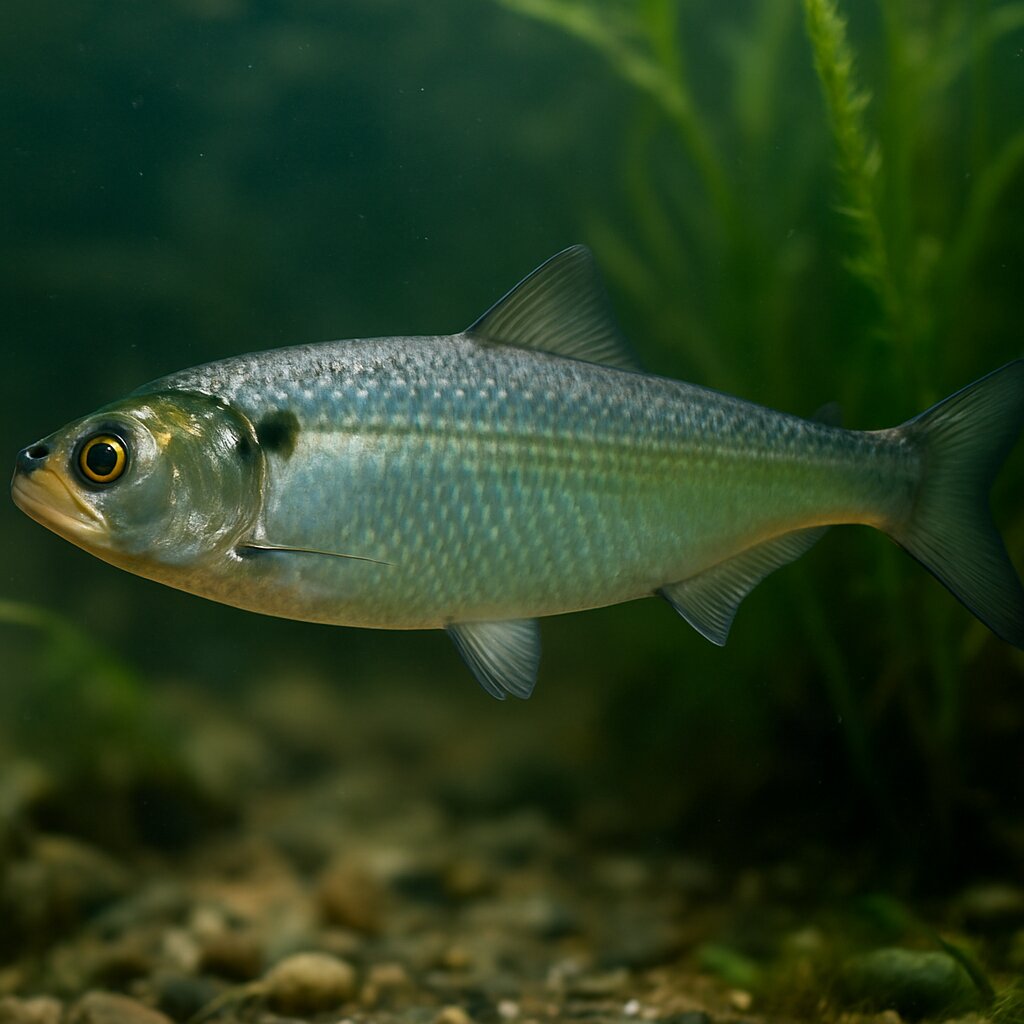
Allis shad
Alosa alosa
Gorgeous silver, fast-swimming shad that spends most of its life in the sea and then surges up big rivers in noisy, surface-spawning schools. It grows huge for a herring-type fish and needs cool, ultra-oxygenated water and tons of open space, so it is a public-aquarium species rather than a home tank fish.
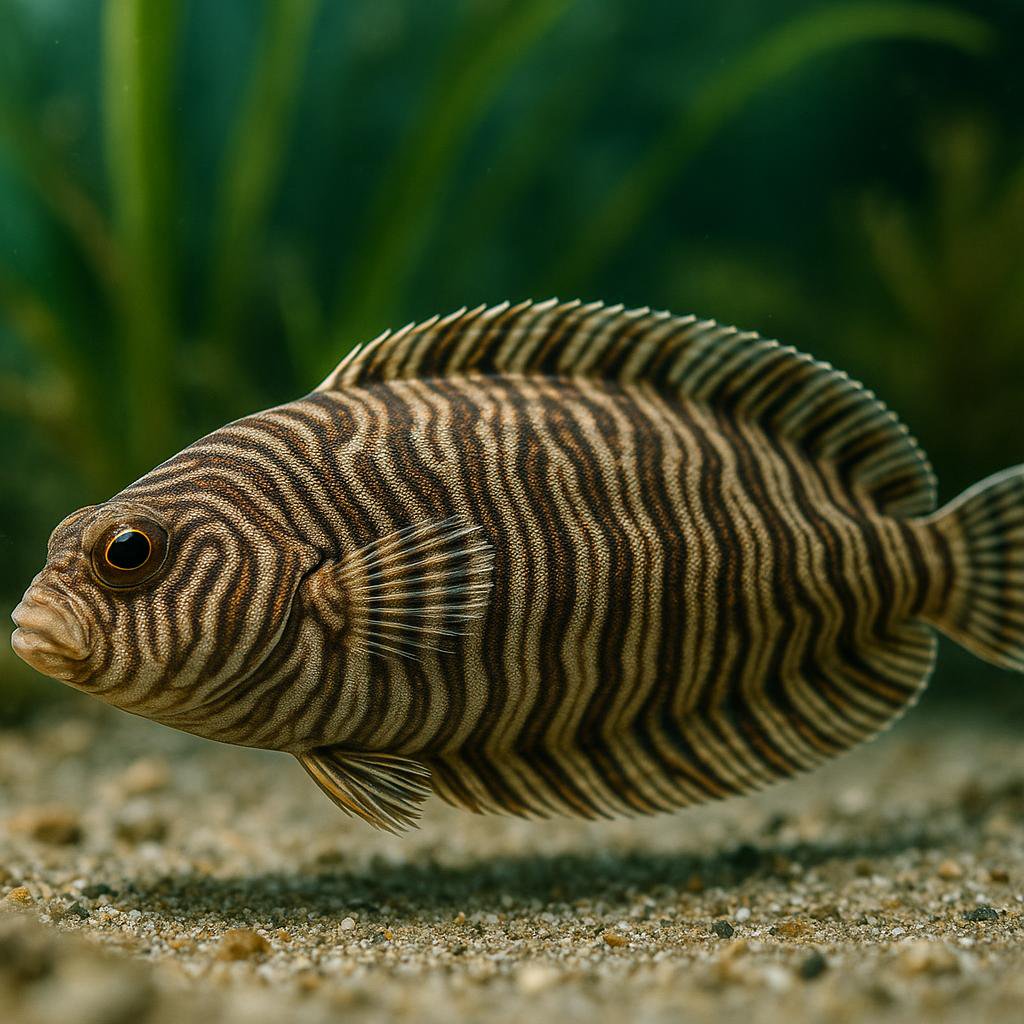
Annandale's zebra sole
Zebrias annandalei
Zebrias annandalei is a small demersal sole from coastal India that inhabits sandy or muddy bottoms and buries for camouflage. It is rarely kept in home aquaria and would require a specialized marine sand-bottom setup and appropriate feeding.
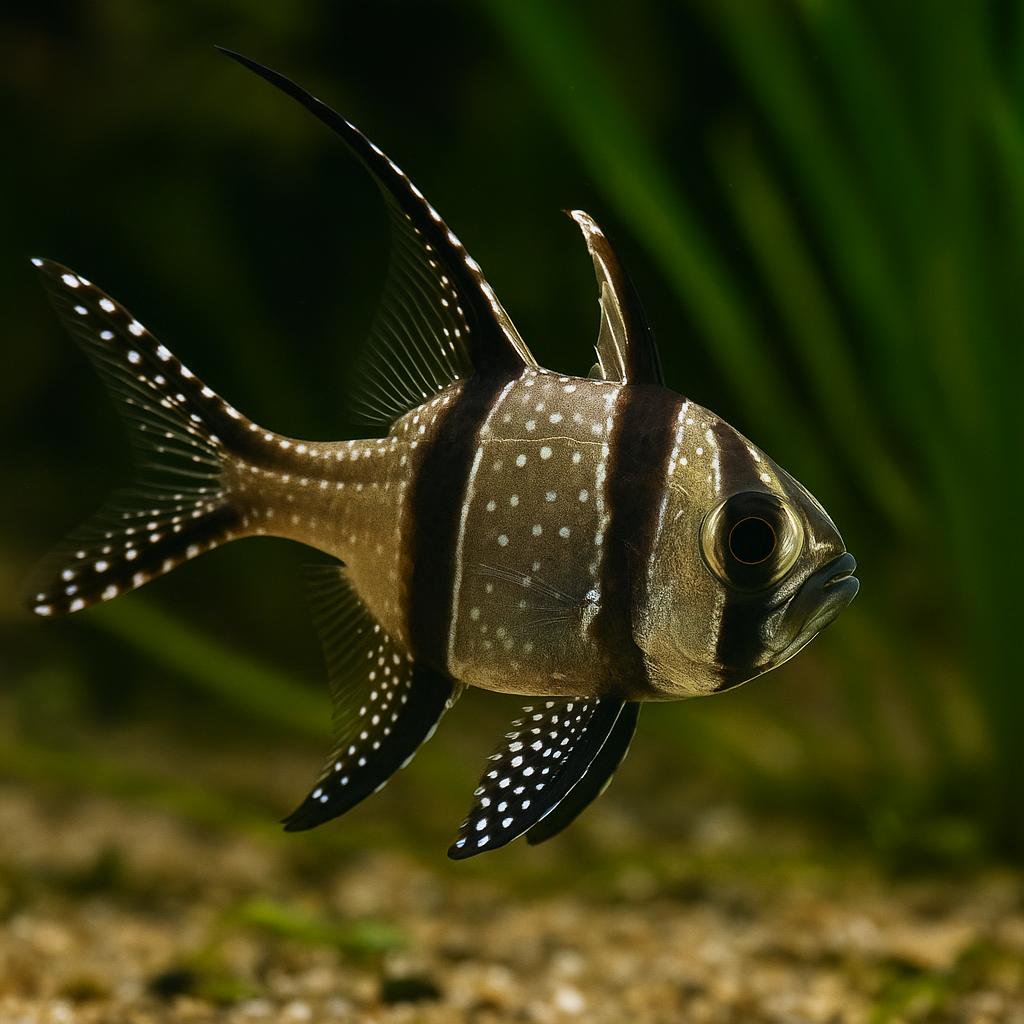
Banggai Cardinalfish
Pterapogon kauderni
Banggai cardinals just sort of hover like little underwater satellites, and the bold black bars with those long, polka-dotted fins look unreal under reef lighting. They're super chill most of the time, but once a pair forms you'll see real "fish drama," and the male will even mouthbrood the babies like a champ.
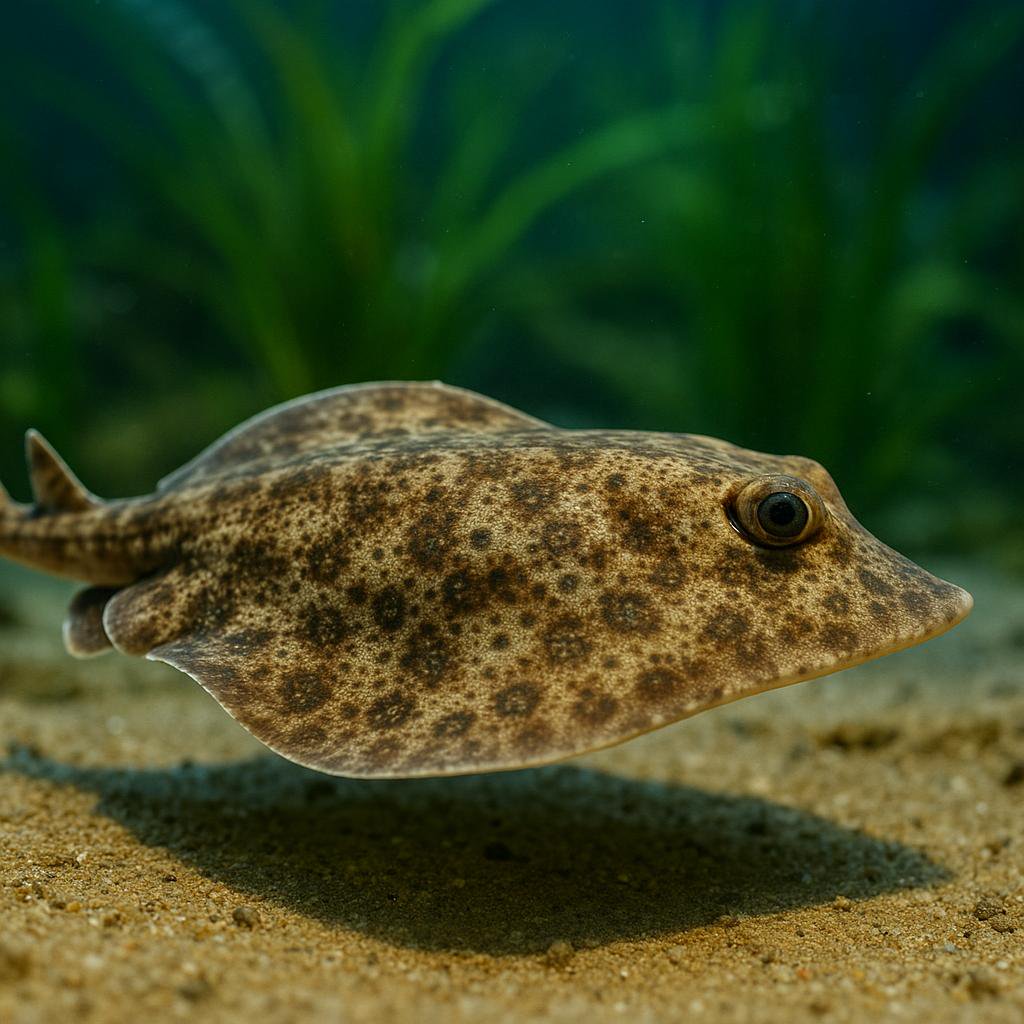
Barbedwire-tailed skate
Notoraja martinezi
Notoraja martinezi is a deepwater skate from the eastern Pacific (Costa Rica down to Ecuador) that lives way down on soft bottoms. The tail is the giveaway - it is lined with strong, hooked thorns that really do look like barbed wire. This is absolutely not an aquarium fish; it is a cold, high-pressure deep-sea animal with basically no practical home care info because it is not kept in the hobby.
More to Explore
Discover more marine species.
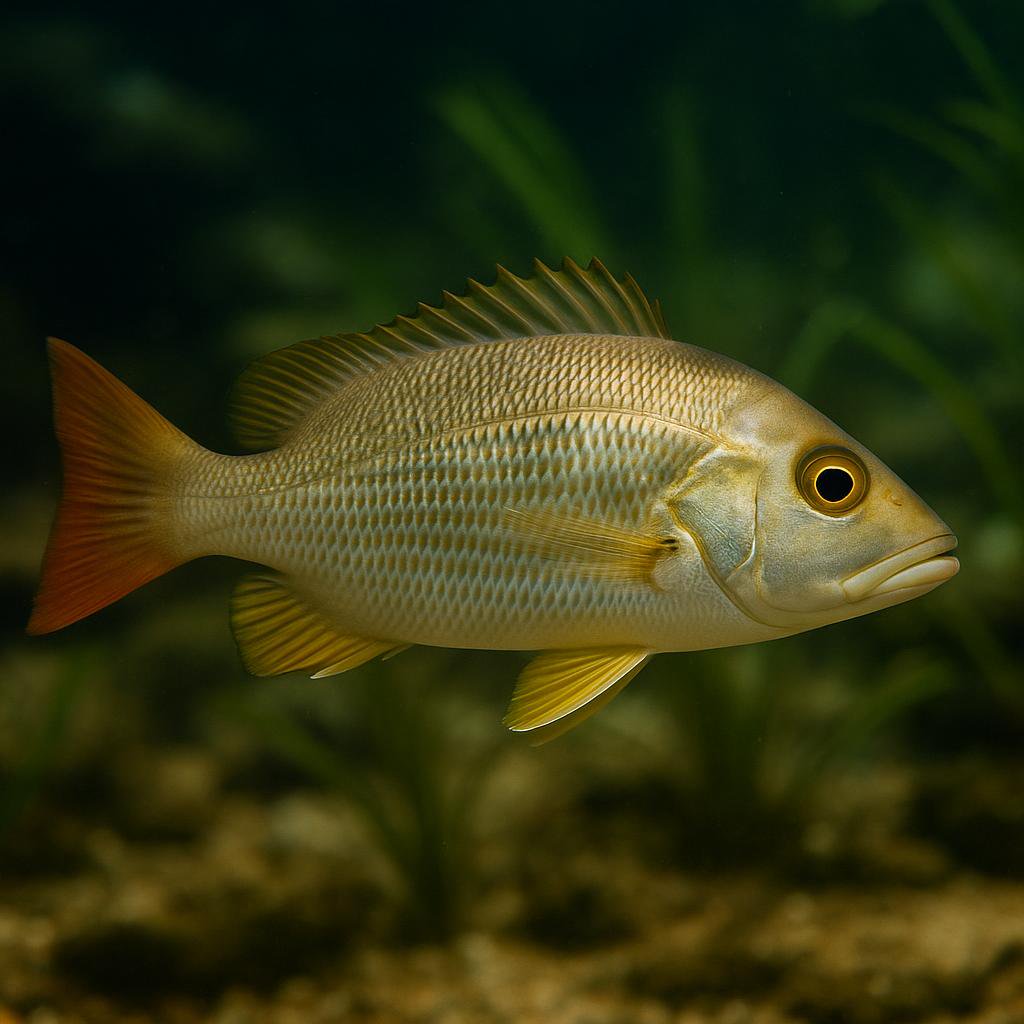
African red snapper
Lutjanus agennes
This is a true snapper from West Africa - a big, fast-growing predator that goes from coastal reefs to brackish lagoons and estuaries (especially as a juvenile). Super cool fish in the wild, but it gets absolutely huge and will eat smaller tankmates once it has the mouth for it, so its really more of a public-aquarium scale animal than a home-aquarium fish.
Aleutian skate
Bathyraja aleutica
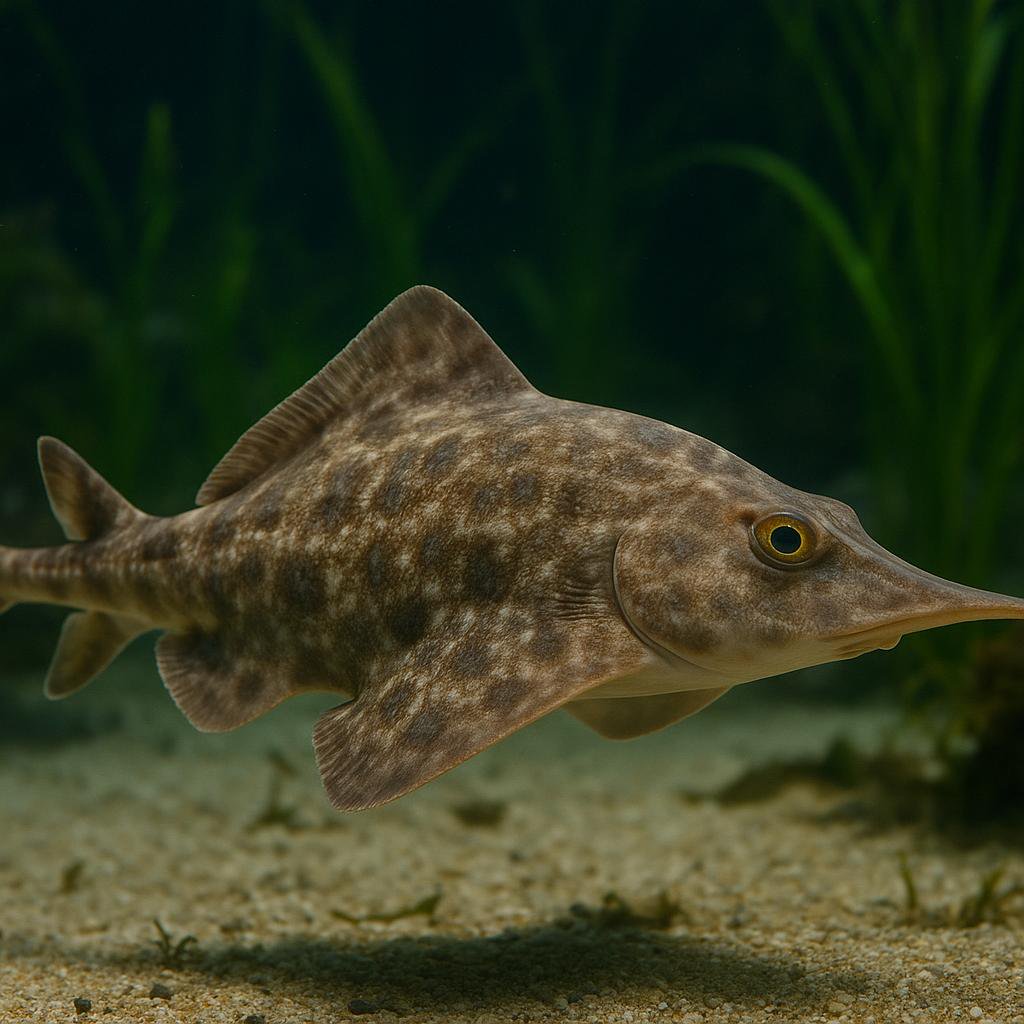
This is a big, cold-water deep-slope skate from the North Pacific that cruises muddy bottoms and eats chunky benthic prey like crabs and shrimp. The really cool bit is its egg-laying skate life - it does distinct pairing (the classic skate "embrace") and drops those tough egg cases on the seafloor. Not an aquarium fish at all unless you're basically running a public-aquarium-style chilled system.
Antarctic dragonfish
Vomeridens infuscipinnis
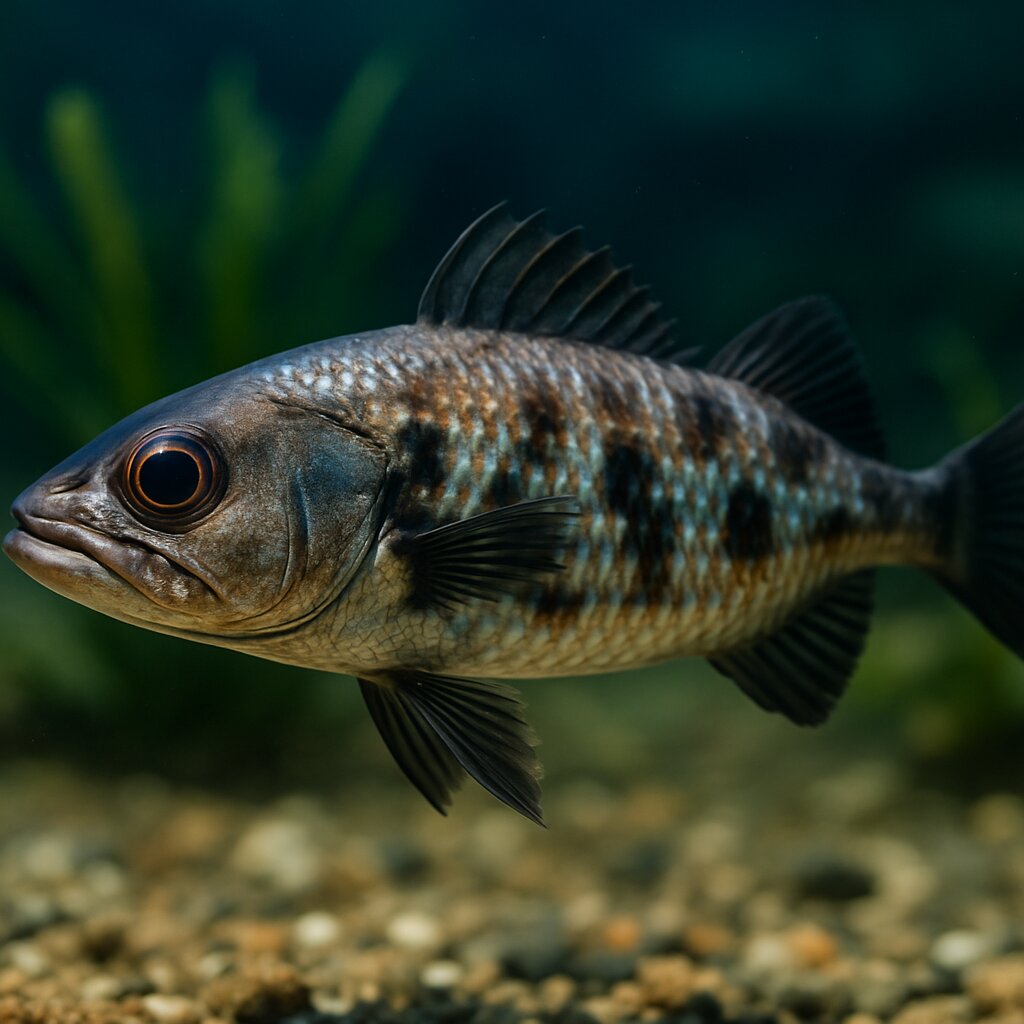
Deep down around Antarctica, this sleek dragonfish cruises the water column like a little submarine, nearly neutrally buoyant so it can hover above the seafloor. It munches almost exclusively on Antarctic krill and lives in near-freezing water 500-800 m down, so it is a cool species to read about, not one for home tanks.
Arabian spiny eel
Notacanthus indicus
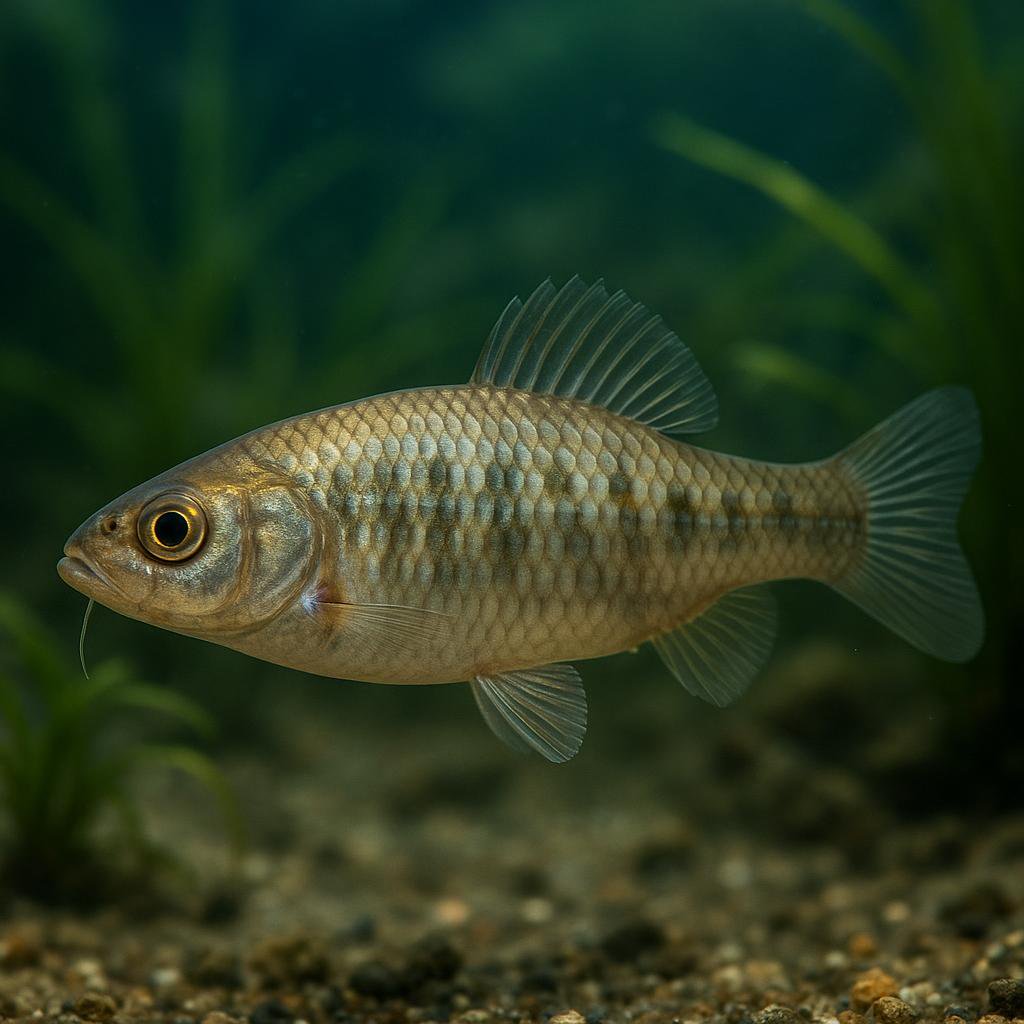
Notacanthus indicus is a deep-sea spiny eel (family Notacanthidae; not a true eel) known from the Arabian Sea on the continental slope at roughly ~960–1,046 m depth, with reported maximum length around 20 cm TL; it is a deep-water bycatch species and not established in the aquarium trade.
Arctic rockling
Gaidropsarus argentatus
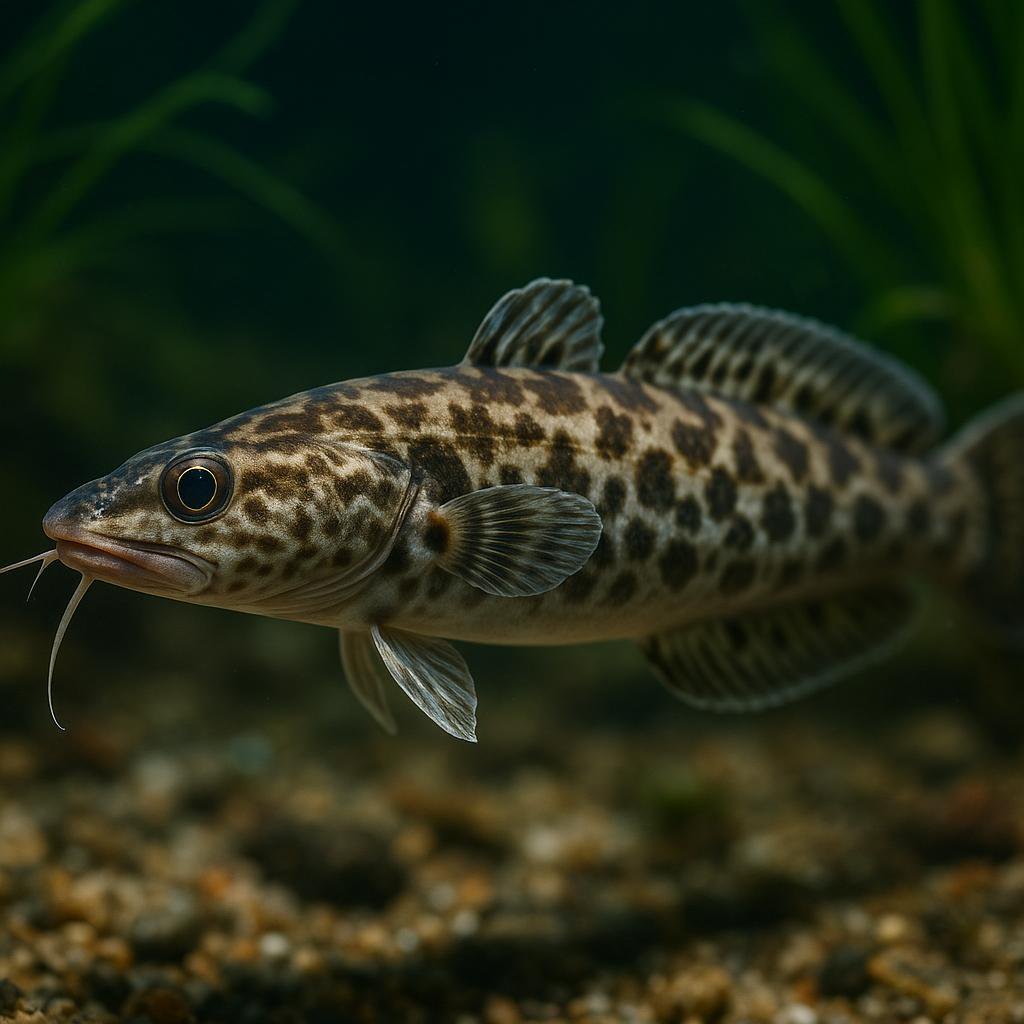
This is a deepwater North Atlantic rockling (a cod relative) that hangs out on soft bottoms way down the slope. It is a cold-water, bottom-hugging predator that snoots around for crustaceans and will also take small fish when it gets the chance.
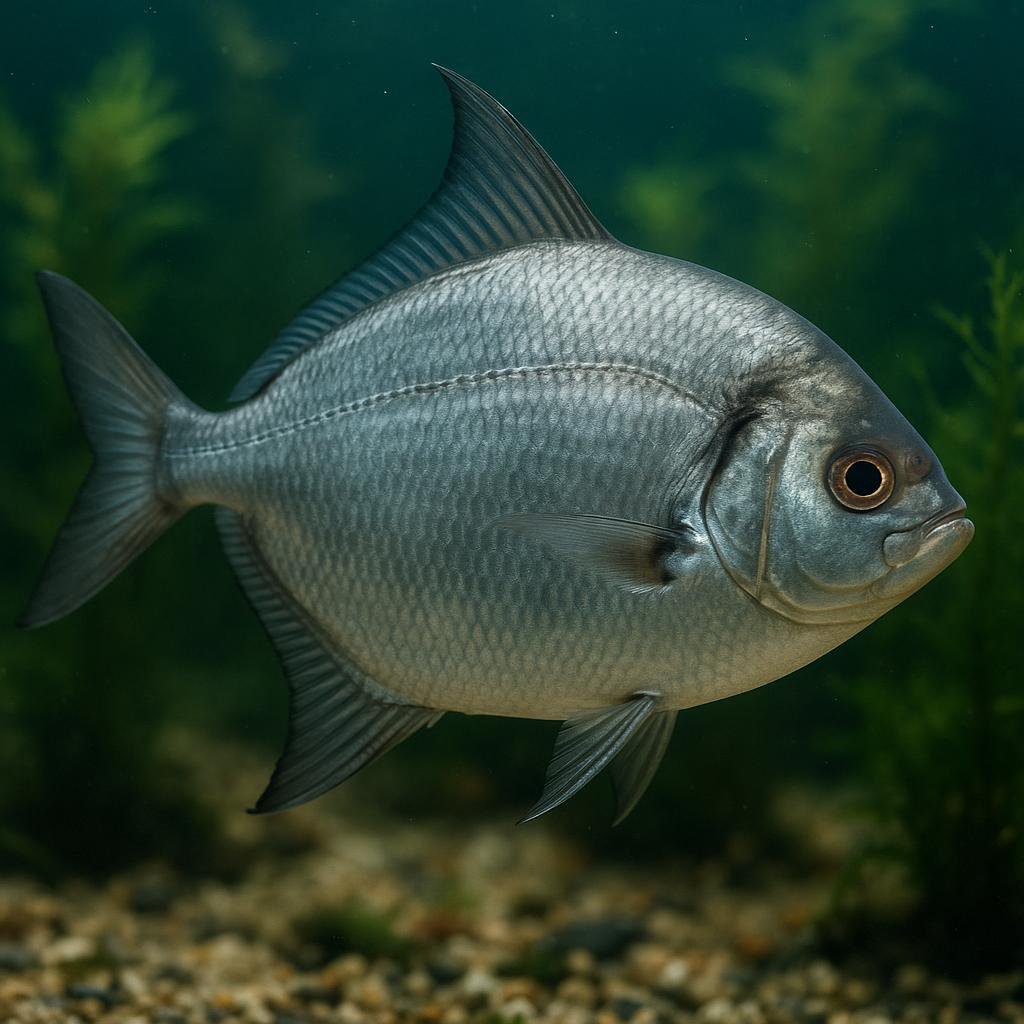
Atlantic pomfret
Brama brama
Brama brama is the Atlantic pomfret (aka Ray's bream) - a deep-bodied, open-ocean pelagic fish that cruises around in small schools and follows water temps. It is a legit big, wild marine species (not an aquarium fish) that eats other small sea critters like fish and squid, and it ranges across a huge chunk of the Atlantic plus parts of the Indian and South Pacific.
Looking for other species?