

Unknown (name appears invalid for a fish)
Unknown (invalid scientific name; no authoritative record found)
Major databases (FishBase, ITIS, and taxonomic checklists) do not list any fish species named Quassiremus polyzona. The entry likely reflects a typo or a mix-up with a different species (e.g., Echidna polyzona or another “polyzona” epithet in a different genus). Confirm identity with photos and collection locality before assigning care requirements.
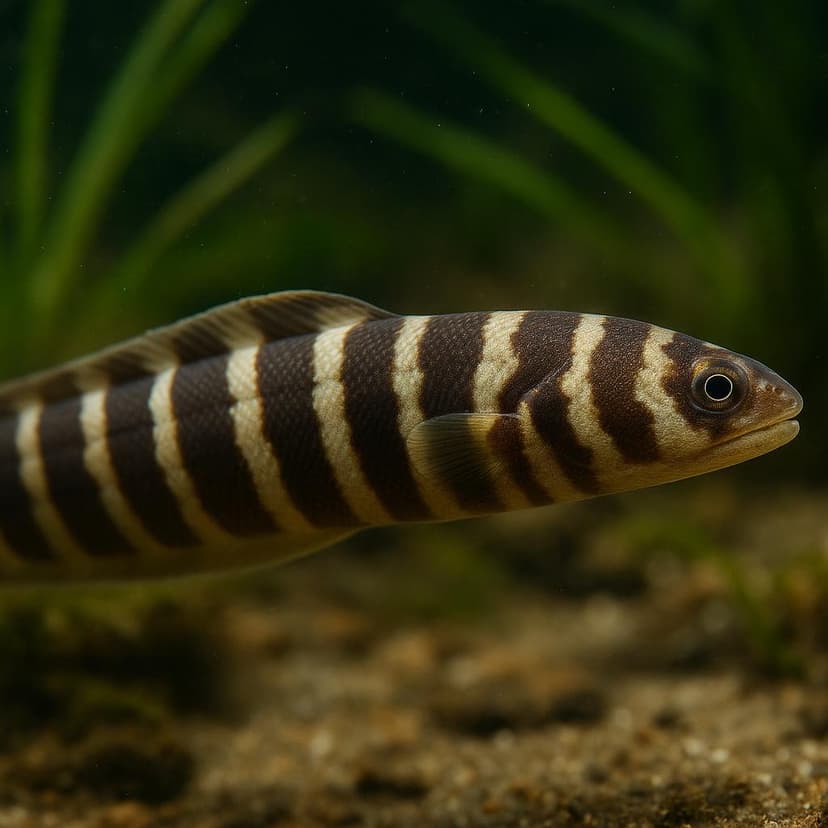
Quassiremus polyzona exhibits a slender body, distinctive banding patterns, and vibrant orange-yellow coloration with dark spots.
This page includes AI-generated images. Why am I seeing AI images?
Quick Facts
Size
Unknown
Temperament
Semi-aggressive
Difficulty
Expert
Min Tank Size
180 gallons
Lifespan
Unknown
Origin
Unknown
Diet
Carnivore - unknown (species validity unclear)
Care Notes
- No authoritative taxonomic database located lists "Quassiremus polyzona" as a valid fish species. Treat this entry as an unknown/unverified ID until you can confirm the organism with clear photos and collection locality; note that "polyzona" exists as an epithet in other fish genera (e.g., Echidna polyzona, Stenogobius polyzona), so the current name may be a mix-up.
- Run it in a covered tank with zero escape gaps (overflow teeth, lid corners, plumbing) - if it can fit its head through, it will be on the floor by morning.
- Build a maze of tight caves and PVC elbows in the rockwork and keep the sandbed stable; these kinds of mystery predators get stressed when they cannot wedge into a secure hole.
- Keep salinity steady around 1.025-1.026 and do not let ammonia or nitrite show up at all; they crash fast in "new tank" swings, so only add to a mature, stable marine system.
- Feed meaty foods with tongs (silversides, shrimp, squid, clam) 2-3 times a week rather than tiny daily snacks; if it ignores food, try feeding at lights-out and reduce competition.
- Assume anything shrimp-sized or small-fish-sized will become food, and avoid delicate tankmates; go with larger, calm fish that will not harass it or steal every bite.
- Watch for mouth/nose damage from charging rockwork, and for rapid breathing after feeding (can mean it swallowed sand or got a spine stuck); keeping the feeding spot bare and using tongs helps a lot.
- Do not count on breeding in a home tank without a confirmed ID - focus on keeping it eating and stress-free first, and document it with photos in case it is a misnamed species.
Compatibility
Good Tankmates
- Unknown (species identity not validated; compatibility cannot be reliably stated)
Where they come from
Quick heads-up: I cannot find a real marine fish that matches the name Quassiremus polyzona. It might be a misspelling, an old trade name, or something that got mangled in a list somewhere.
That said, the care questions people ask under names like this usually end up being about an eel-like reef predator (often a moray, snake eel, or worm eel) that shows up as a rare import. If that is what you have, the advice below is the kind of stuff that keeps these oddballs alive long-term.
If you can share a photo or a couple details (body shape, length, where the dorsal fin starts, any visible teeth, and whether it buries in sand), I can help pin down the real ID and tighten the care advice.
Setting up their tank
Treat this like setting up for a secretive, escape-prone ambush predator that wants a bolt-hole and low stress. A lot of the failures with mystery eels are not water chemistry, its the tank being too open, too bright, or too easy to slip out of.
- Tank size: I would not bother under 40-55 gallons for most eel-like marine oddballs, and bigger is easier if it gets past 18-20 inches.
- Lid: Tight. No gaps around plumbing, cords, or overflows. If a pencil fits, an eel can fit.
- Hiding spots: PVC elbows, rock caves, and a couple deep crevices. Give it at least two choices so it can relocate without feeling exposed.
- Substrate: If it buries, use fine sand and keep sharp rubble out. If it does not bury, sand still helps with comfort and reduces reflected light.
- Flow and filtration: Moderate flow, strong biological filtration, and a skimmer that can handle messy meals.
- Lighting: Dimmer zones matter. Even in reef tanks, build shaded areas with overhangs.
Skip open-top tanks. People underestimate how far these fish can launch themselves at night. Most escapes happen in the first month.
For parameters, keep things boring-stable: normal reef salinity (around 1.025), steady temperature (mid-70s F), and low nitrate. The bigger issue is oxygen and cleanliness after feedings. These fish can be hardy, but a dirty tank catches up with them fast.
What to feed them
Assume it is a carnivore that hunts by smell. New imports often ignore food for a bit, then suddenly switch on once they feel safe. The trick is offering the right foods in the right way, without polluting the tank.
- Best starters: fresh or frozen/thawed shrimp, squid, scallop, clam, and marine fish flesh (not oily freshwater stuff).
- Avoid: feeder fish, goldfish, and anything freshwater-based long term. It is a nutrition mess and can introduce problems.
- Feeding method: long tongs or a feeding stick. Hold the food near its cave entrance and let it grab, then stop. Do not wave it around like a toy.
- Frequency: juveniles 2-3 times a week, larger individuals often 1-2 solid meals a week. Overfeeding is the fastest way to wreck water quality.
- Vitamins: soak in a marine vitamin once or twice a week if it will take it.
If it will not eat, try feeding at lights-out with pumps paused for 10-15 minutes. Also try smaller strips of food. Big chunks can spook a shy fish.
How they behave and who they get along with
Most of these eel-shaped mystery predators are not mean in the "chase you around" way. They are mean in the "anything that fits in my mouth disappears" way. They also get bolder after dark, so what looks peaceful at noon can be a different story at 2 a.m.
- Good tankmates: larger, sturdy fish that do not sleep on the sand and are not bite-sized.
- Risky tankmates: gobies, blennies, small wrasses, tiny clowns, cardinals, and anything that wedges into the same caves.
- Inverts: shrimp and small crabs are usually snacks. Big cleaner shrimp sometimes last, sometimes do not. Urchins and snails are often fine, but expect "bulldozer" moments.
- Corals: usually ignored, but the fish can topple frags while it cruises.
Do not put your fingers in its cave. Even a "non-aggressive" eel can bite defensively, and they do not let go nicely.
Breeding tips
In home aquariums, breeding is basically a lottery for most eel-like marine predators, especially if you cannot confidently sex them. Some species spawn pelagic larvae that are extremely hard to raise. The best you can do is keep one well-fed and stress-free and watch for pairing behavior if you ever keep a confirmed male and female.
If you ever see two individuals "twining" or hanging in the same cave without fighting, that is the kind of clue people report before spawning events. Still, raising larvae is a whole other game.
Common problems to watch for
Most issues come down to shipping damage, starvation (they look fine until they do not), and tanks that are not secured. Keep a close eye during the first 4-6 weeks.
- Refusing food: often stress or too much light/traffic. Add more cover, feed at night, and do not keep changing foods every day.
- Rapid breathing or hanging at the surface: low oxygen or ammonia after a messy feeding. Increase aeration and clean up uneaten food fast.
- Skin issues: scrapes from sharp rock, especially if it wedges into tight holes. Smooth the caves and give wider PVC options.
- Ich and velvet: eels and scaleless fish can be touchy with meds. Quarantine is your friend, and copper can be risky depending on the actual species.
- Escapes: the #1 killer. Check the lid weekly and after any maintenance.
Do not assume you can treat it like a "normal" reef fish if disease shows up. Get the exact ID before dosing copper or other harsh meds. If you tell me what you are seeing and share a photo, I can suggest safer routes.
Similar Species
Other marine semi-aggressive species you might be interested in.
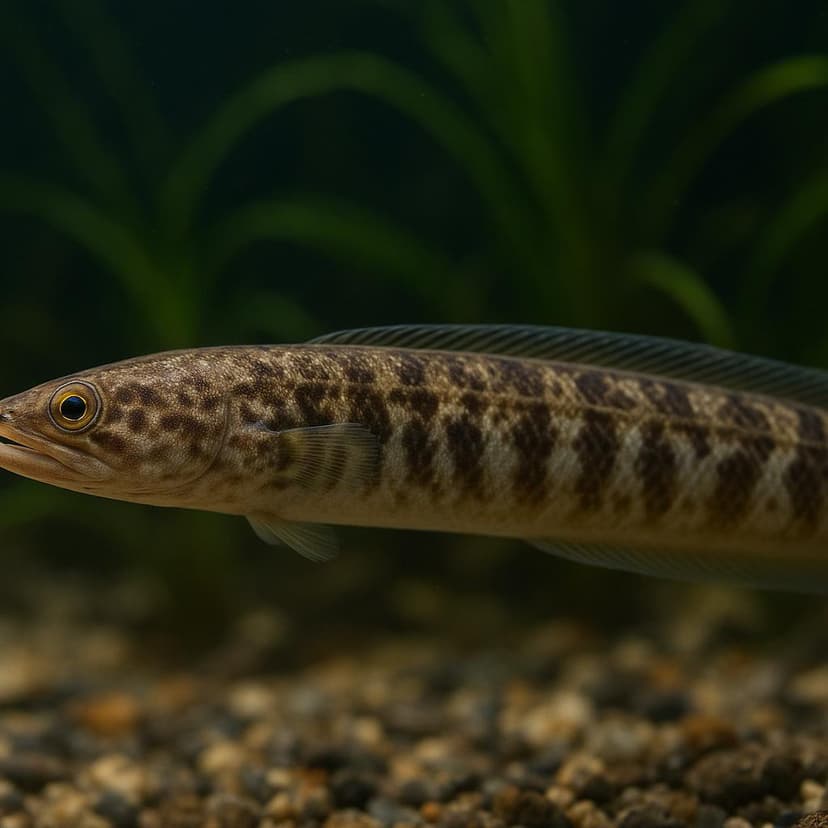
Blackspotted snake eel
Quassiremus ascensionis
This is a sand-burying snake eel from the tropical Atlantic that likes to sit with just its head poking out, waiting for food. It gets pretty big (around 70 cm) and needs a real marine setup with a deep, soft sand bed and a tight lid because eels are escape artists.
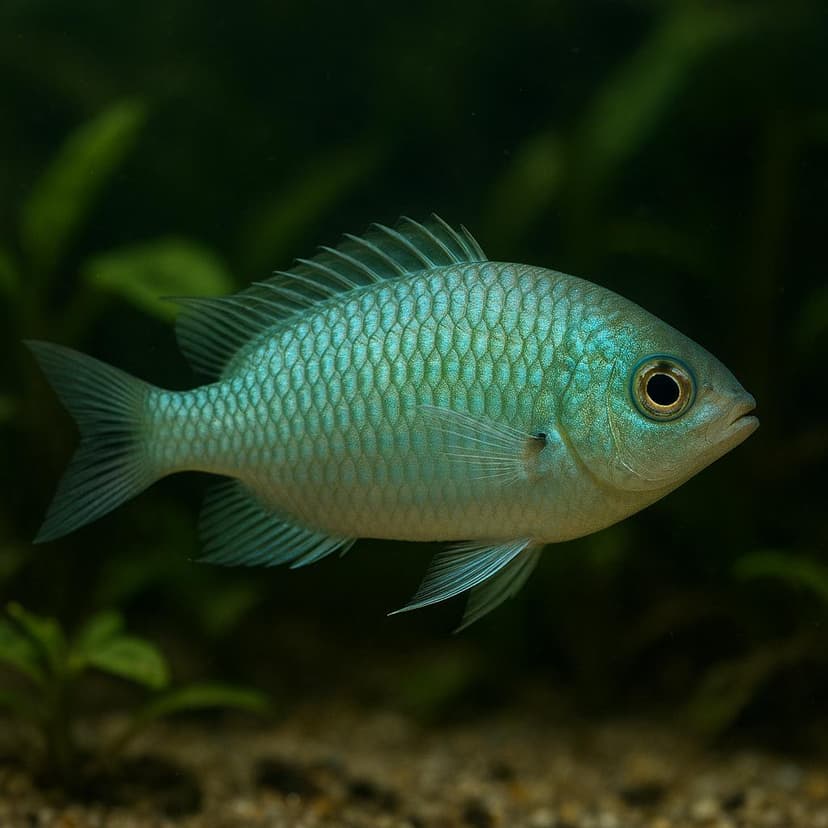
Blue Green Chromis (Green Chromis)
Chromis viridis
Blue Green Chromis are those shimmery little green-blue darts you'll see zipping around the top of a reef tank, always looking like they're catching the light just right. They're super fun in a group because they hover and cruise together, but they've got a bit of a "pecking order" thing going on if the tank's tight or the group's too small.
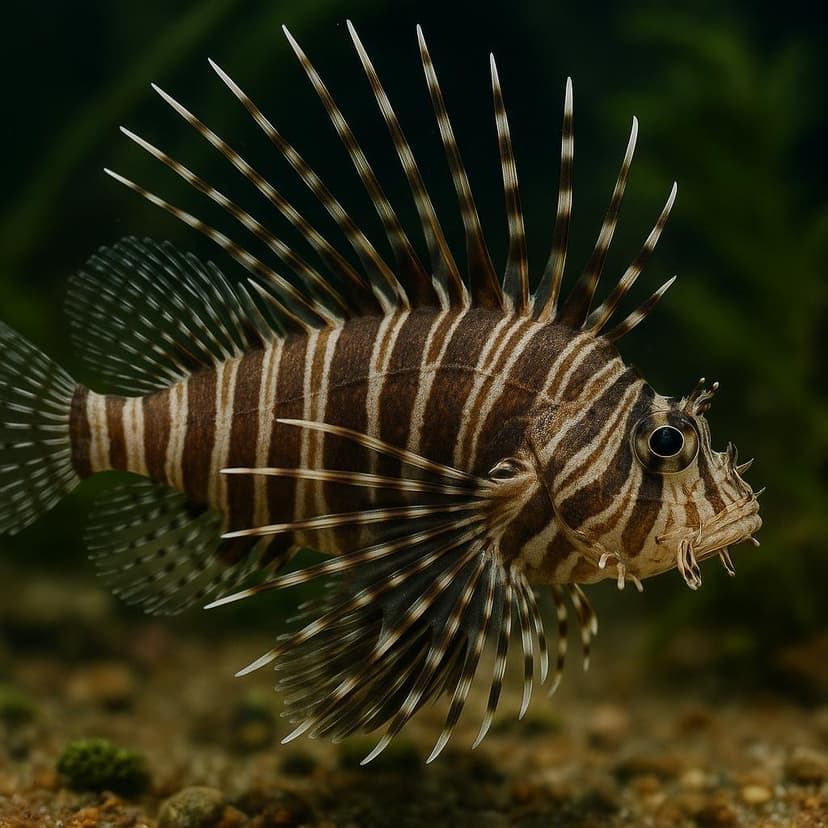
Broadbarred firefish
Pterois antennata
This is the lionfish with the long "antennae" (those banded tentacles above the eyes) and the ragged, spotty fins that make it look extra dramatic under reef lighting. It'll spend the day tucked under ledges and then cruise out at dusk to ambush shrimp, crabs, and any small fish it can fit in its mouth-also worth remembering it's venomous, so you treat it with respect when you're in the tank.
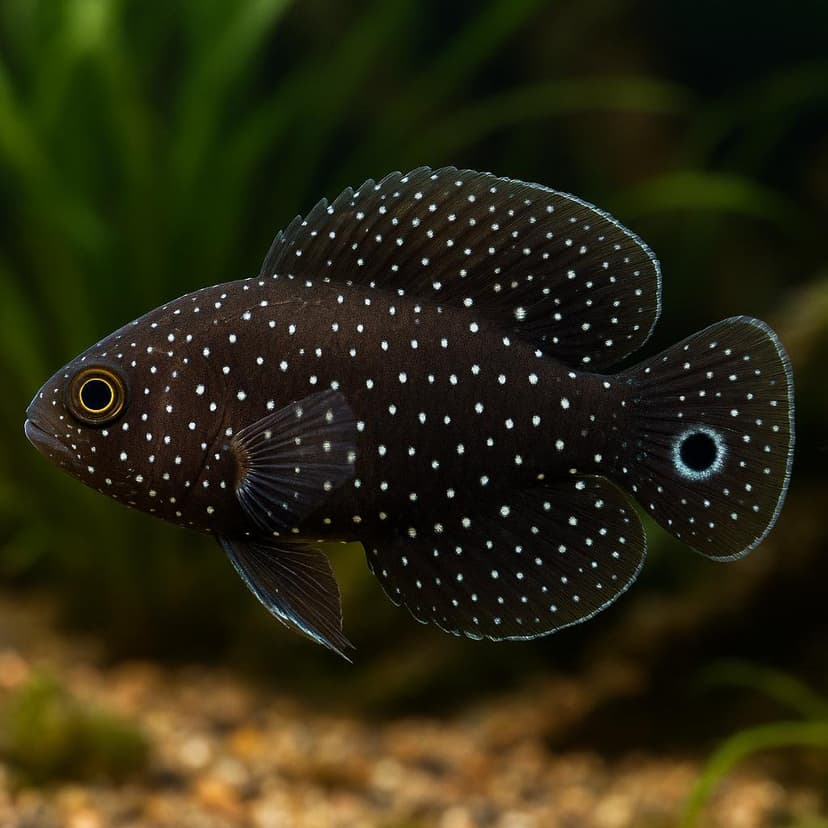
Comet
Calloplesiops altivelis
This is the famous "Marine Betta" look-alike: jet-dark with those starry spots, and that wild fake eye near the back that makes predators bite the wrong end. It's a super shy cave-dweller by day and then turns into a sneaky night hunter, cruising out for crustaceans and small fish.
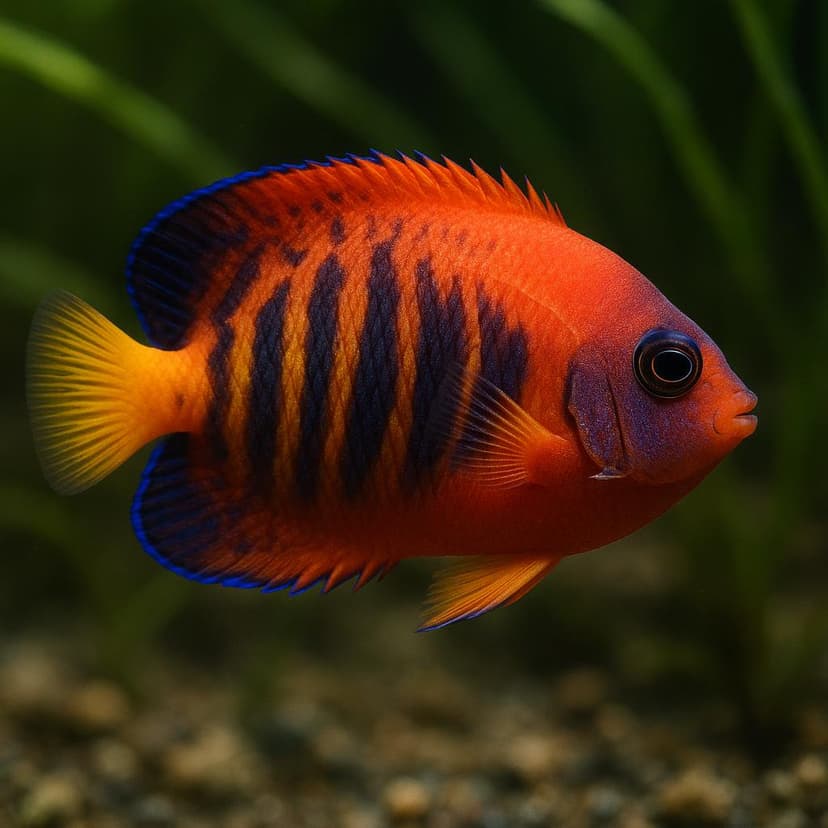
Coral Beauty Angelfish
Centropyge bispinosa
Coral Beauty is that classic little dwarf angel with the purple-blue body and orange striping that looks different from fish to fish. It spends a lot of the day weaving through rockwork and picking at algae and other bits, so a tank with mature live rock really brings out its best behavior. It can be a little bossy (especially with other dwarf angels) and some individuals will nip corals, so it is reef-safe with caution.
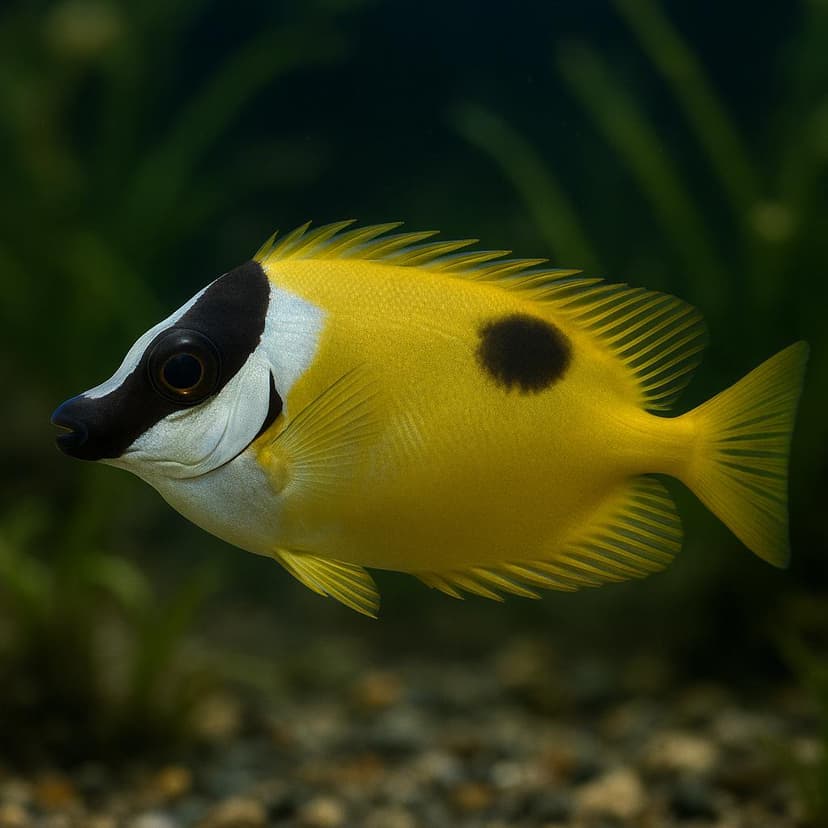
Foxface Rabbitfish
Siganus vulpinus
Siganus vulpinus is that bright yellow "fox-masked" rabbitfish you see cruising around picking at algae all day. It's generally chill with other fish, but it can get a little bossy with similar-shaped grazers-and those dorsal spines are venomous, so nets and hands need to be treated with respect.
More to Explore
Discover more marine species.
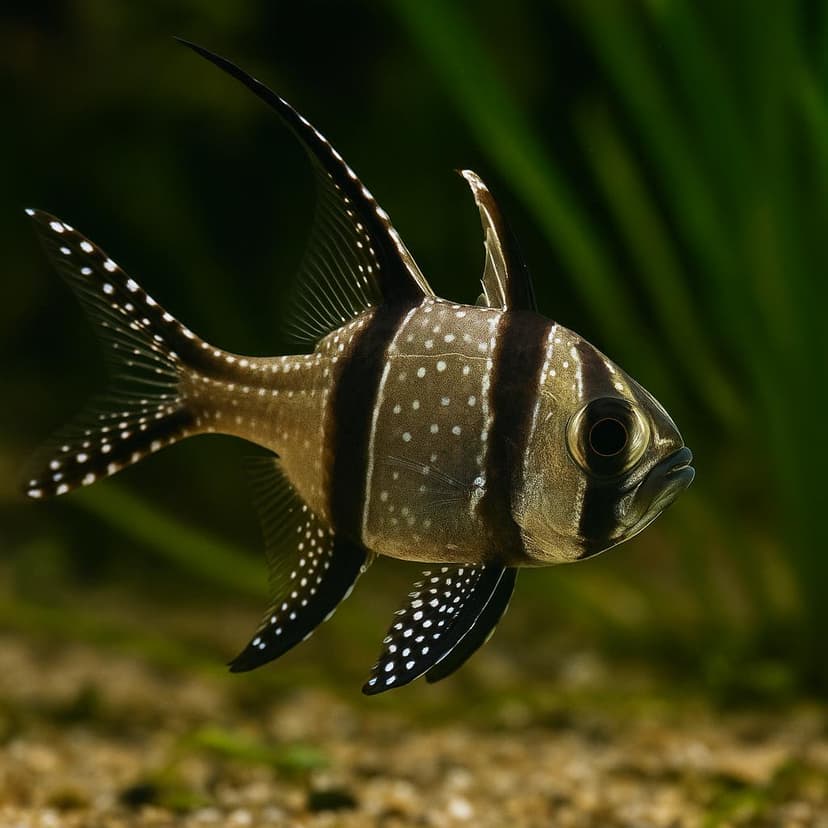
Banggai Cardinalfish
Pterapogon kauderni
Banggai cardinals just sort of hover like little underwater satellites, and the bold black bars with those long, polka-dotted fins look unreal under reef lighting. They're super chill most of the time, but once a pair forms you'll see real "fish drama," and the male will even mouthbrood the babies like a champ.
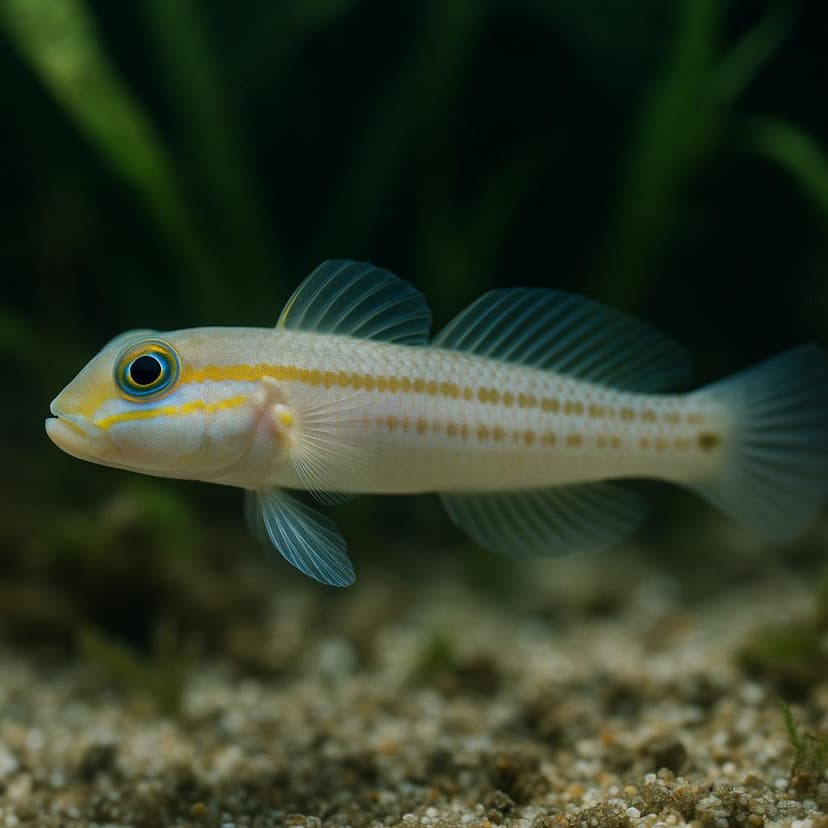
Blueband goby
Valenciennea strigata
This is that classic gold/yellow-headed sand-sifting goby with the little blue cheek stripe-always busy, always rearranging your sandbed. In a reef tank it'll spend the day taking mouthfuls of sand, filtering out tiny critters/foods, then "snowing" clean sand back out, and it'll usually claim a burrow area (often as a pair in the wild). It's super cool behavior-wise, but you really do need a mature tank with a proper sandbed and a lid because they can jump.
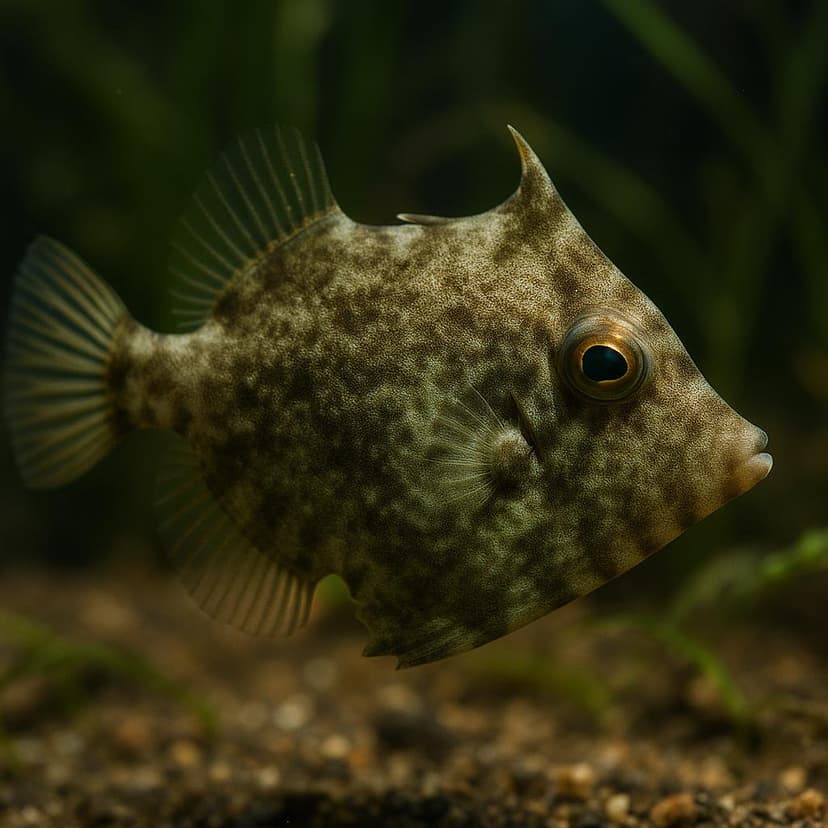
Bristletail Filefish (Aiptasia-Eating Filefish)
Acreichthys tomentosus
This little weirdo is one of my favorites because it's got that goofy filefish "face," a knack for wedging itself into rockwork, and a ton of personality once it settles in. People love them for the chance they'll snack on nuisance Aiptasia, but even when they're not on pest patrol they're just fun to watch cruise around and pick at stuff all day.
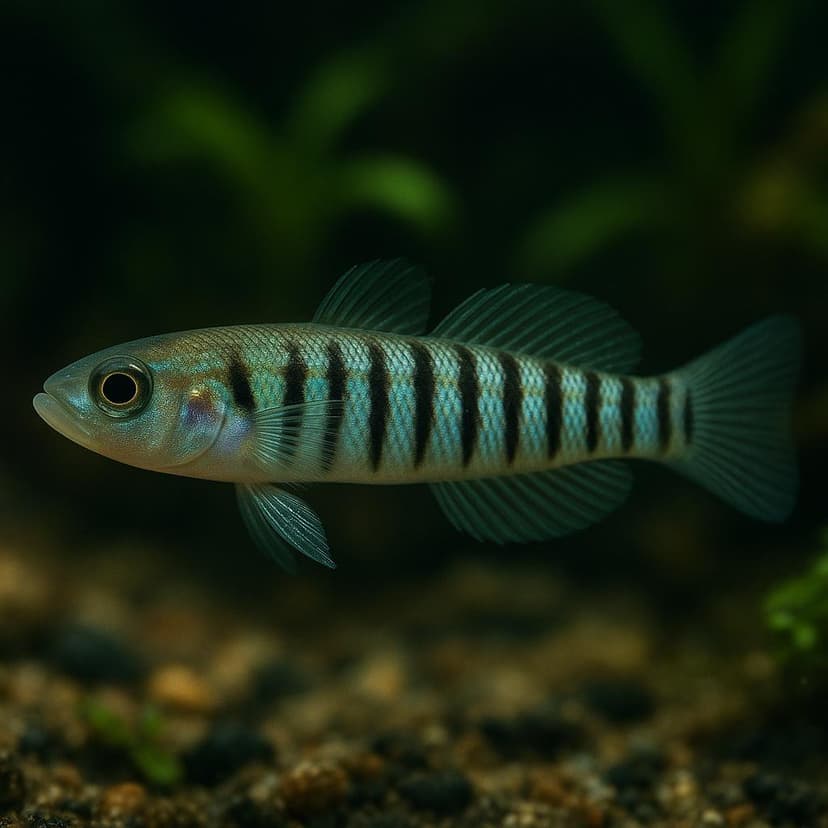
Chinese zebra goby
Ptereleotris zebra
Ptereleotris zebra is one of those slick, torpedo-shaped dartfish that likes to hover in the water column, then instantly zip back into a bolt-hole when it gets spooked. In the wild it hangs out on exposed seaward reefs in groups, often in current, and in a tank the big thing is giving it open swim room plus tight cover because it is absolutely a jumper.
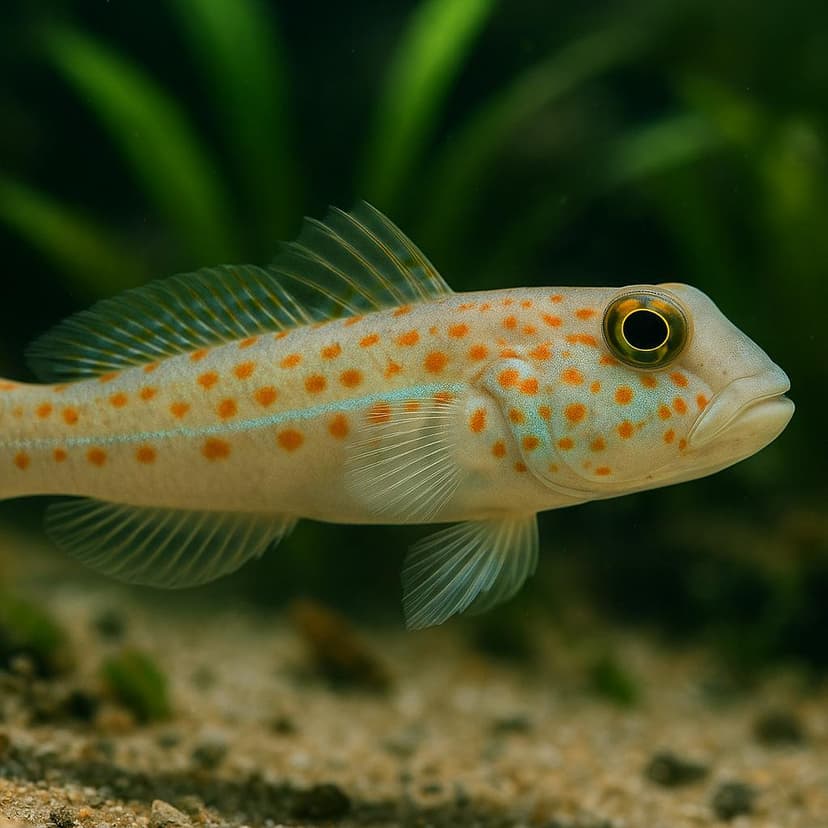
Diamond Watchman Goby
Valenciennea puellaris
This is that sand-sifting goby you'll see cruising the bottom, taking huge mouthfuls of sand and spitting it out like a little construction crew. It's awesome for keeping a sandy substrate looking clean, but it'll also redecorate-so anything sitting on the sand is gonna get buried or undermined sooner or later. Super cool personality too, especially once it picks a favorite burrow and starts "working" all day.
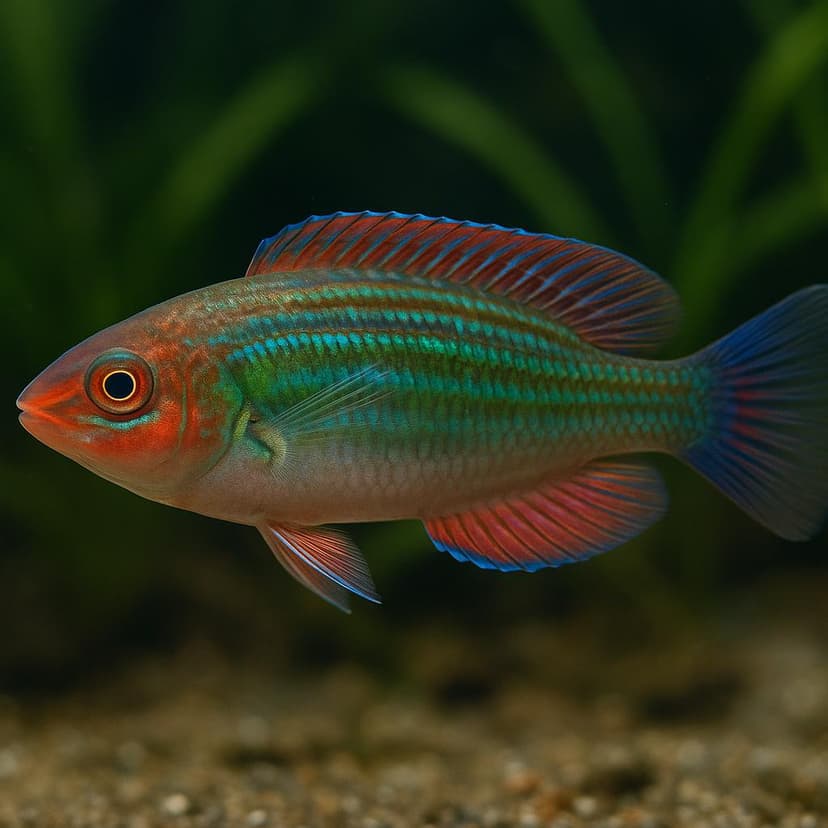
Exquisite wrasse
Cirrhilabrus exquisitus
This is one of those fairy wrasses that looks like it was painted with highlighters - males can shift through greens, reds, blues, and purples depending on mood and whether they are showing off. In a reef tank its usually out and cruising the water column, grabbing tiny meaty foods, and doing little display flare-ups at its own reflection or other wrasses. Biggest real-world gotcha is they are jumpers, so a tight lid or mesh top is basically mandatory.
Looking for other species?