

Threadfin seasnail
Rhodichthys regina
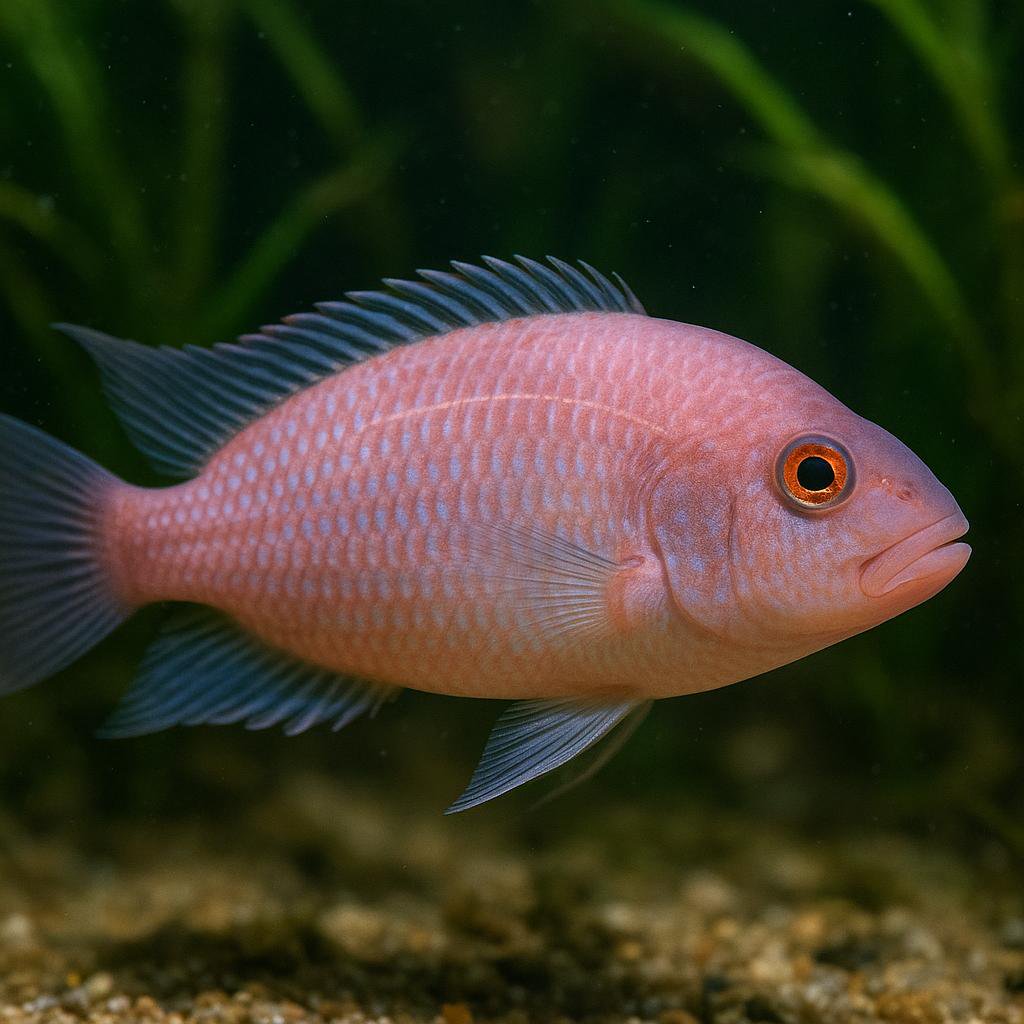
Threadfin seasnail features elongated pectoral fins and a distinctive mottled pattern of dark brown and pale spots along its body.
This page includes AI-generated images. Why am I seeing AI images?
About the Threadfin seasnail
This is a deep-sea snailfish from the Arctic and far North Atlantic - not an aquarium fish at all, but a really neat oddball from way down in the cold and dark. It lives on or right above the bottom and cruises around picking off crustaceans, and in life it can be bright red which is wild for something from 1000+ meters down.
Also known as
Quick Facts
Size
31 cm SL
Temperament
Peaceful
Difficulty
Expert
Min Tank Size
0 gallons
Origin
Arctic Ocean and Northeast Atlantic
Diet
Carnivore - mainly crustaceans (deep-water invertebrates)
Water Parameters
-0.9-4.2°C
7.8-8.4
7-12 dGH
Care Notes
- Give it a coldwater marine setup, not a tropical reef tank - shoot for 50-59F (10-15C) with a chiller, strong aeration, and high flow because warm, stale water wipes them out fast.
- Build the tank like a rocky kelp edge: lots of caves/overhangs, dim areas, and open lanes for drifting; keep sand fine and clean since they spend time near the bottom and hate gunk.
- Keep salinity steady at 1.024-1.026 and keep nitrate low (under ~10 ppm); they do way better with big, regular water changes than with chasing additives.
- Feeding is the make-or-break: start with live foods (mysids, enriched brine, small shrimp, amphipods) and transition slowly to frozen mysis/krill bits; target feed with a baster so faster fish do not steal everything.
- Avoid boisterous or nippy tankmates (wrasses, triggers, most damsels) and anything that outcompetes at feeding time; think slow coldwater companions like sculpins, small gunnels, or mellow temperate inverts.
- Watch for starvation and wasting - if its belly is pinched, you are already behind; they need frequent small meals and can crash after a few days of poor intake.
- Quarantine is non-negotiable and keep oxygen high during any treatment; they do not handle low O2 or harsh meds well, and shipping stress plus warm water is a common death combo.
- Breeding in home tanks is rare, but if you ever see pairing and egg deposition, keep flow moderate around the eggs and be ready with tiny live plankton foods for larvae - they will not take powdered substitutes.
Compatibility
Good Tankmates
- Small, peaceful gobies (neon gobies, clown gobies) - they tend to mind their own business and do not hassle slow movers like threadfin seasnails
- Banggai or pajama cardinals - calm midwater fish that usually ignore bottom oddballs, and they are not in a rush to steal every bite of food
- Firefish (Nemateleotris) - gentle, shy types that pair well in mellow reefs as long as you keep things low-stress
- Jawfish (like yellowhead jawfish) - peaceful burrowers that share the sand zone without turning it into a turf war
- Small, non-aggressive blennies (tailspot, bicolor in a roomy tank) - usually fine as long as the blenny is not a grumpy hole-guarder
- Gentle sand-sifters like a watchman goby with a pistol shrimp - they are busy with their little construction project and generally leave seasnails alone
Avoid
- Dottybacks and most hawkfish - they can be pushy and opportunistic, and a slow, peaceful seasnail is an easy target to bully or bite at
- Aggressive or territorial damsels (domino, three-stripe, etc.) - they love picking on mellow fish and will keep a threadfin seasnail pinned in a corner
- Big wrasses (especially the more boisterous ones) - too much speed and attitude at feeding time, and some will nip or harass odd-shaped fish
- Triggers and puffers - even the ones people call "reef safe-ish" can decide those threadlike fins look like snacks
Where they come from
Threadfin seasnails (Rhodichthys regina) show up in the Indo-Pacific, usually around deeper reef slopes and rubble where there is cover and a steady supply of tiny crustaceans drifting by. They are one of those fish that look like they belong in a field guide more than in a home tank, and honestly, they kind of do.
If you are seeing this species offered, it is often a deeper-water collection. That usually means they arrive stressed, picky, and less forgiving of warm, dirty water than your average reef fish.
Setting up their tank
This is an expert fish because the tank has to be built around the fish, not the other way around. Think calm, shaded, ultra-stable, and mature. If your tank swings in temperature or pH, this is not the species you use to "see if it works."
Give them a longer footprint rather than a tall show tank. They spend a lot of time hovering and making short dashes to pick food out of the water column. They also appreciate dim areas and overhangs where they can retreat and reset.
- Tank age: I would not try them in anything under 9-12 months old
- Tank size: 40+ gallons as a starting point, bigger is easier because parameters move slower
- Flow: moderate and laminar-ish, not a blender. They feed better when they are not fighting turbulence
- Lighting: subdued or at least plenty of shaded zones (caves, ledges, branching rock)
- Rockwork: lots of crevices and vertical faces, plus a few open hover lanes
- Filtration: strong export (skimmer, refugium, or both) because you will be feeding small foods often
Do yourself a favor and run a tight lid. Threadfin-type fish and oddballs like this can launch when startled, especially during the first couple weeks.
For water numbers, keep it boring and stable: reef salinity around 1.025-1.026, ammonia and nitrite at zero, nitrate low (single digits if you can), and avoid big daily temp swings. If this fish came from deeper water, I lean slightly cooler rather than pushing tropical-hot. Stability beats chasing a magic number.
What to feed them
Feeding is the make-or-break part. Many arrive trained on tiny live foods and will ignore chunky frozen. The ones that do switch over can do great, but you have to meet them where they are at first.
- Best starters: live copepods, live enriched brine (as a bridge food), live mysids if you can source them
- Frozen they often accept later: cyclops, calanus, small mysis, finely chopped krill or clam (tiny pieces)
- Prepared: some will take small pellets eventually, but I would not count on it
I have the best luck feeding small amounts 3-6 times a day at first. A big once-a-day dump usually just turns into nitrate and a hungry fish.
Target feeding helps. I like using a pipette to release a cloud of tiny foods just up-current of where they hover. Watch the fish, not the clock. If it is snapping at food and you see a slightly rounded belly after meals, you are on the right track.
Do not "starve them onto frozen" like you might with a hardier fish. With delicate deepwater types, they can fade fast and never recover.
How they behave and who they get along with
They are generally peaceful and a bit spooky. Expect them to spend the first days wedged near cover, then gradually start hovering in the open once they learn the tank is safe and the food shows up regularly.
Tankmates should be calm and not aggressive at feeding time. Fast, pushy fish will outcompete them and keep them stressed.
- Good choices: small gobies, peaceful blennies, assessors, firefish (if your tank is covered), tiny wrasses that are not food bullies
- Avoid: dottybacks, damsels, most hawkfish, larger wrasses, tangs that go feral at feeding time, anything that nips or harasses
- Inverts: generally reef-safe behavior-wise, but watch shrimp that steal food right out of their face
If you keep them with assertive eaters, you will think the seasnail is "picky" when it is really just getting outcompeted.
Breeding tips
Captive breeding is not common, and most hobbyists will not stumble into it by accident. If you ever get a confirmed pair and see spawning behavior, the hard part will be raising the larvae. Expect tiny planktonic fry that need live microfoods on a tight schedule.
If you are serious about breeding, plan on a separate rearing setup with rotifers, copepod nauplii, and the ability to keep water clean while feeding constantly. This is closer to "marine breeding project" than "bonus in the display tank."
Common problems to watch for
Most issues with this species come down to shipping stress, not eating enough, and tanks that are a little too chaotic. If you catch problems early, you have a chance. If you wait until they are pinched in the belly and hiding nonstop, it can be tough to turn around.
- Not eating: often competition, wrong food size, or too much flow during feeding
- Rapid weight loss: they need frequent micro-meals; check for bullying and internal parasites
- Hiding and darkening: stress from bright light, aggressive tankmates, or too much activity in the tank
- Disease after arrival: watch for marine ich/velvet signs (flashing, heavy breathing, dusting) and treat quickly in quarantine
- Mouth damage: can happen if they are bashing into rock or glass from startle responses
Quarantine is your friend here, not just for disease but for training them onto frozen foods without competition. A dim QT with lots of PVC hiding spots and gentle flow makes a huge difference.
If you see heavy breathing, hanging in the flow, or a "dusty" look, do not wait it out. Deepwater oddballs can crash fast under velvet.
Similar Species
Other marine peaceful species you might be interested in.
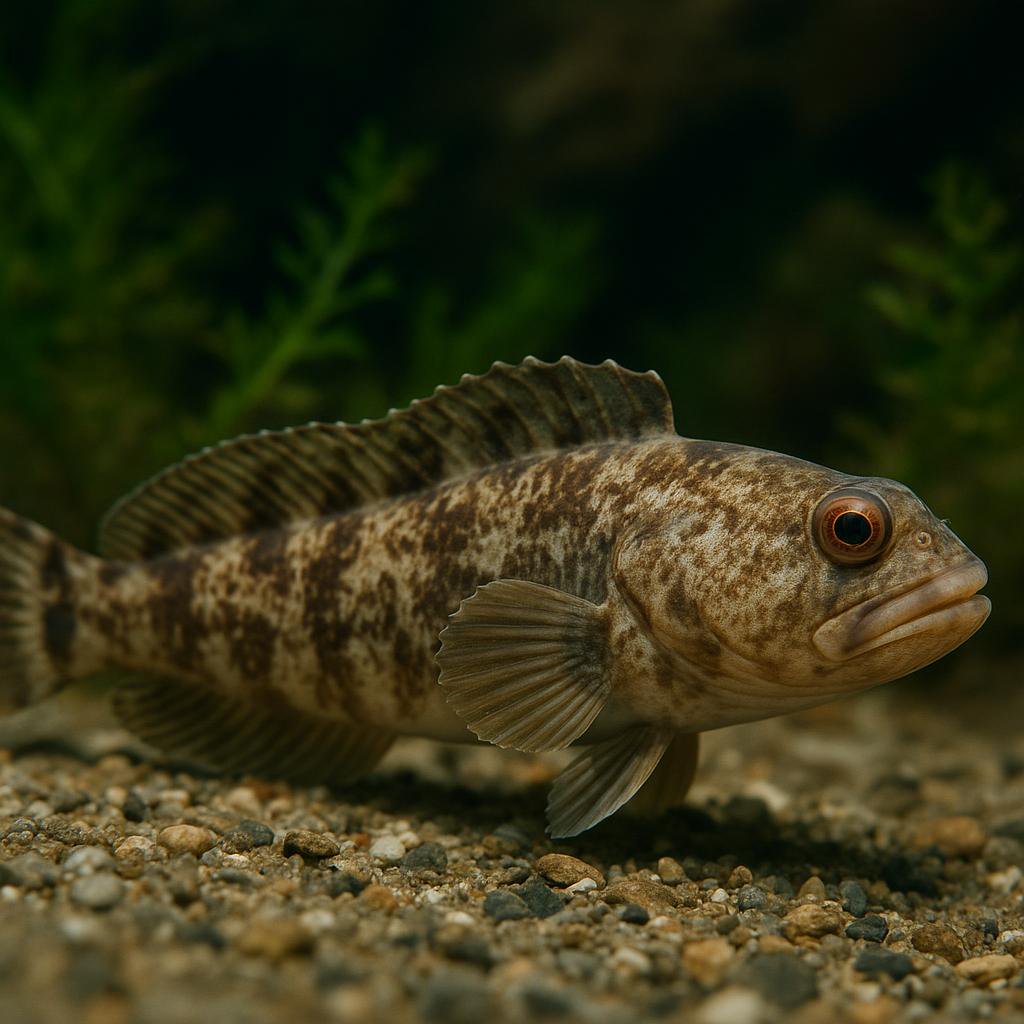
Abe's eelpout
Japonolycodes abei
Japonolycodes abei is a temperate, deepwater demersal eelpout (family Zoarcidae) endemic to Japan (Kumano-nada Sea reported; other sources also report Sagami Bay and Tosa Bay). It is the only species in the genus Japonolycodes and occurs roughly 40-300 m depth, making it an uncommon/atypical aquarium species.
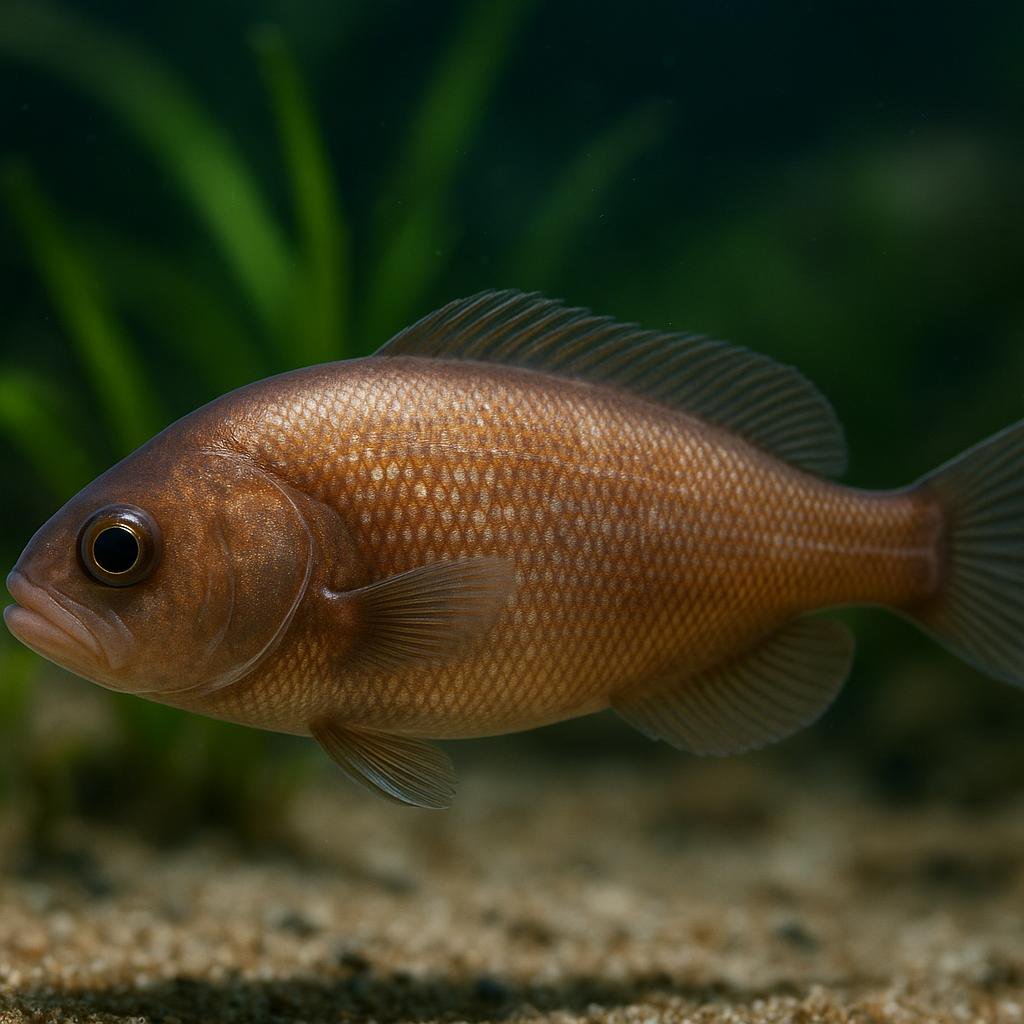
Affinis blind cusk-eel
Barathronus affinis
Barathronus affinis is a tiny, super-weird deep-sea blind cusk-eel from the western-central Indian Ocean. It is one of those gelatinous, loose-skinned brotula-type fishes that live way down in the dark and are basically never seen alive, so almost everything we know comes from preserved specimens and taxonomic work.
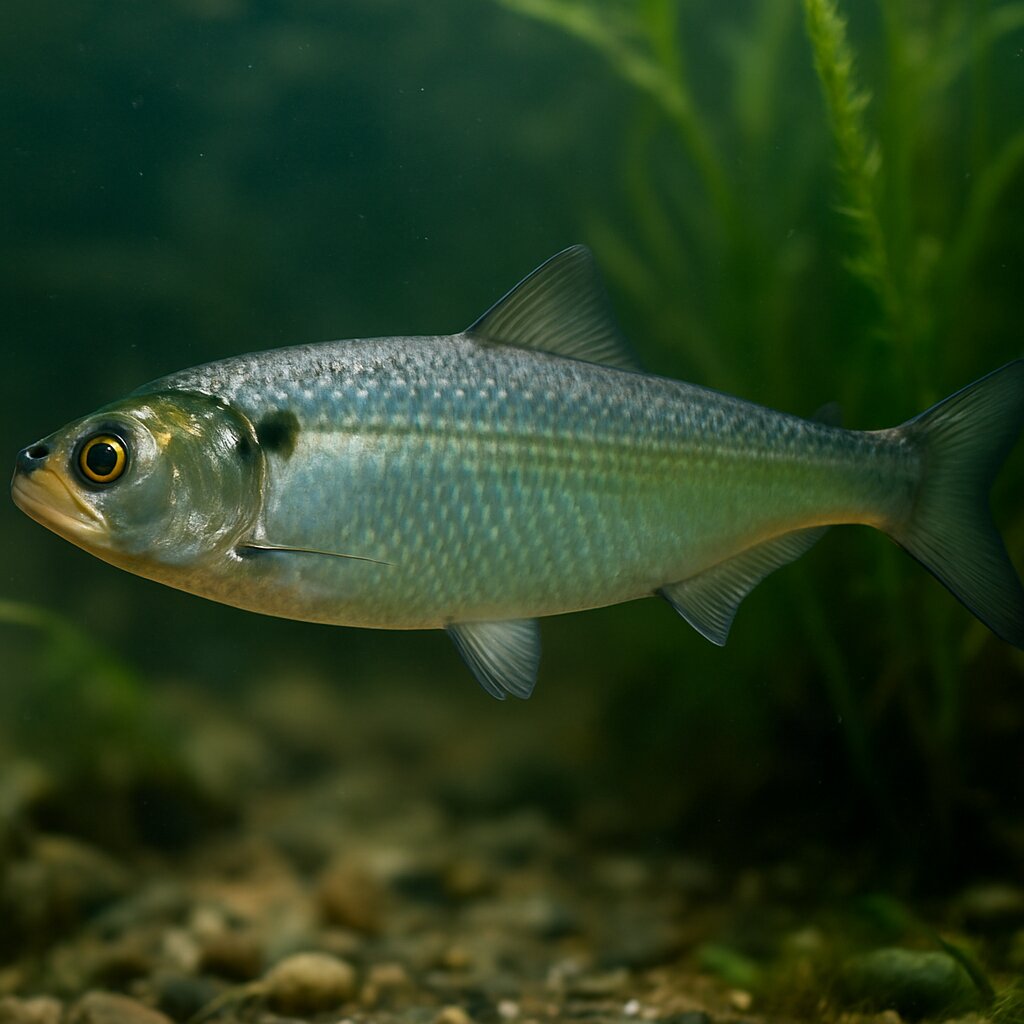
Allis shad
Alosa alosa
Gorgeous silver, fast-swimming shad that spends most of its life in the sea and then surges up big rivers in noisy, surface-spawning schools. It grows huge for a herring-type fish and needs cool, ultra-oxygenated water and tons of open space, so it is a public-aquarium species rather than a home tank fish.
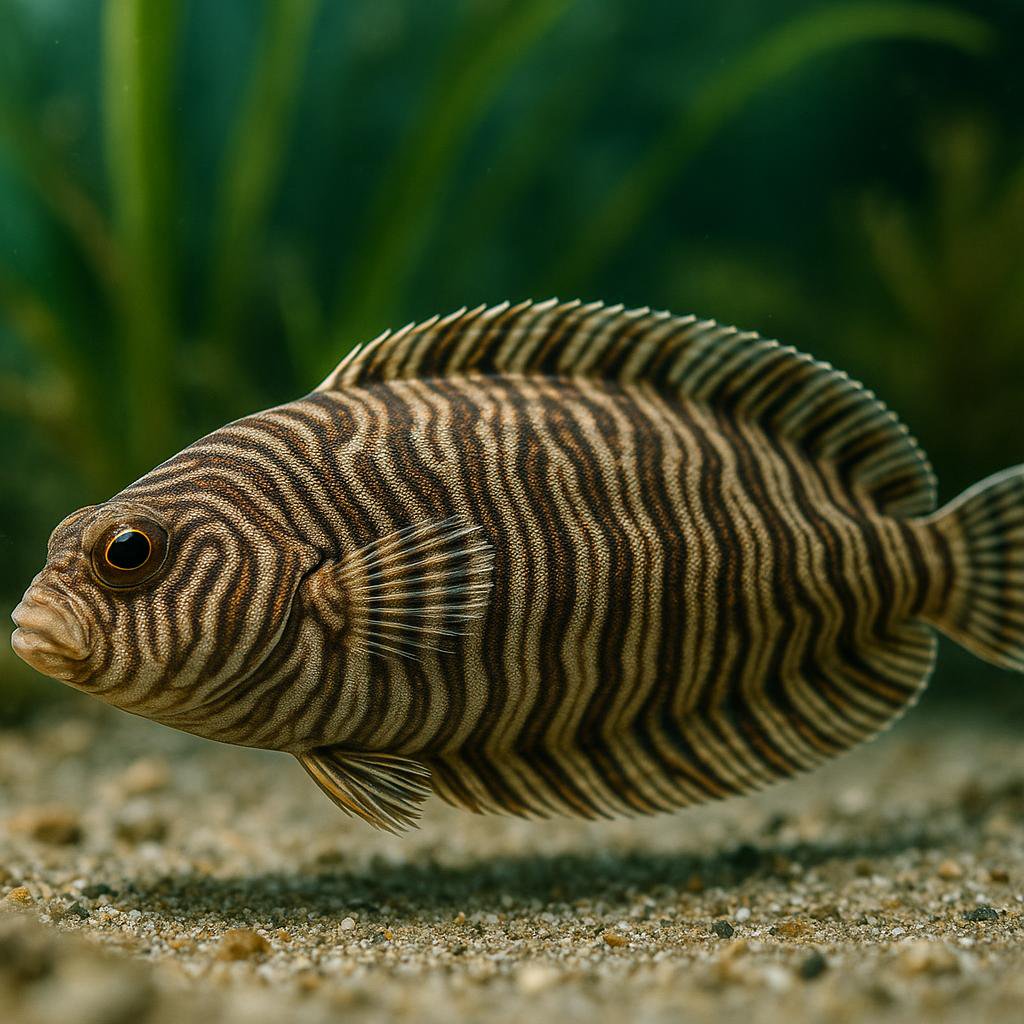
Annandale's zebra sole
Zebrias annandalei
Zebrias annandalei is a small demersal sole from coastal India that inhabits sandy or muddy bottoms and buries for camouflage. It is rarely kept in home aquaria and would require a specialized marine sand-bottom setup and appropriate feeding.
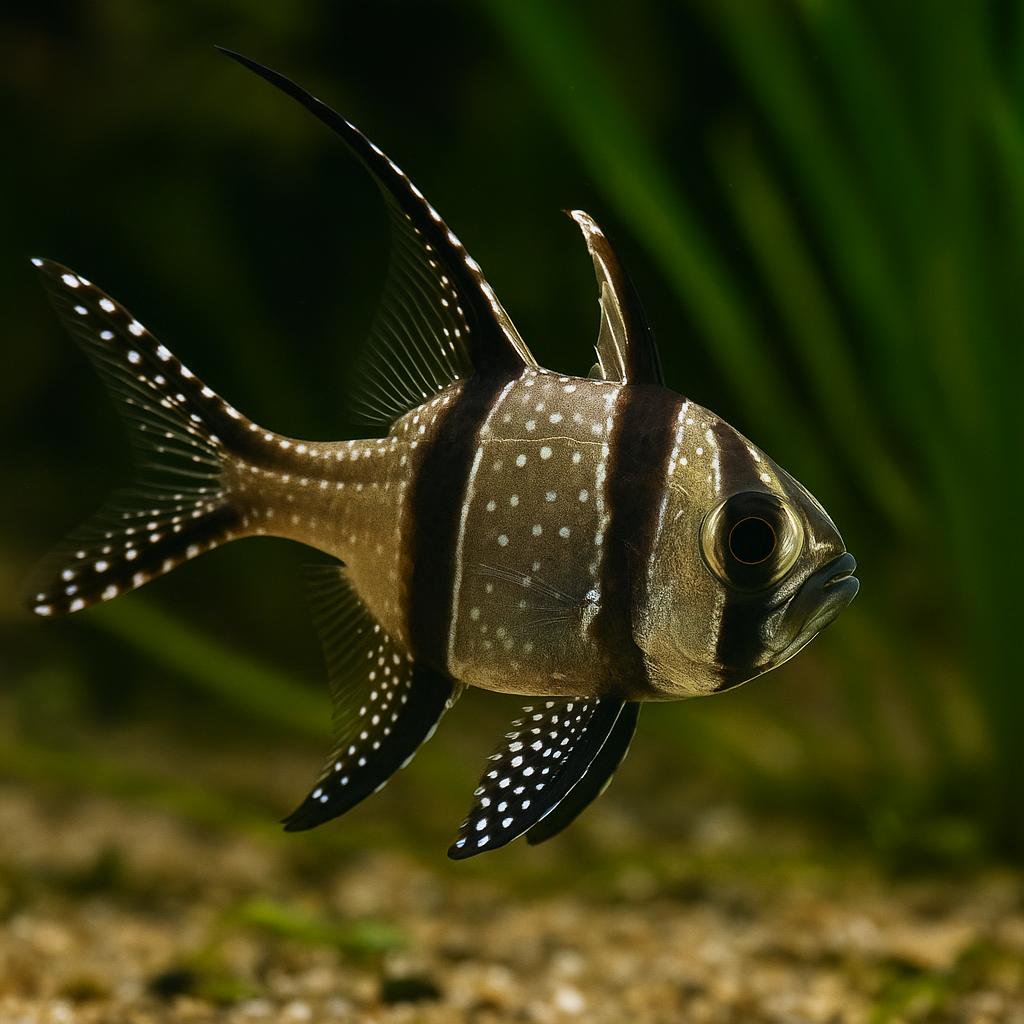
Banggai Cardinalfish
Pterapogon kauderni
Banggai cardinals just sort of hover like little underwater satellites, and the bold black bars with those long, polka-dotted fins look unreal under reef lighting. They're super chill most of the time, but once a pair forms you'll see real "fish drama," and the male will even mouthbrood the babies like a champ.
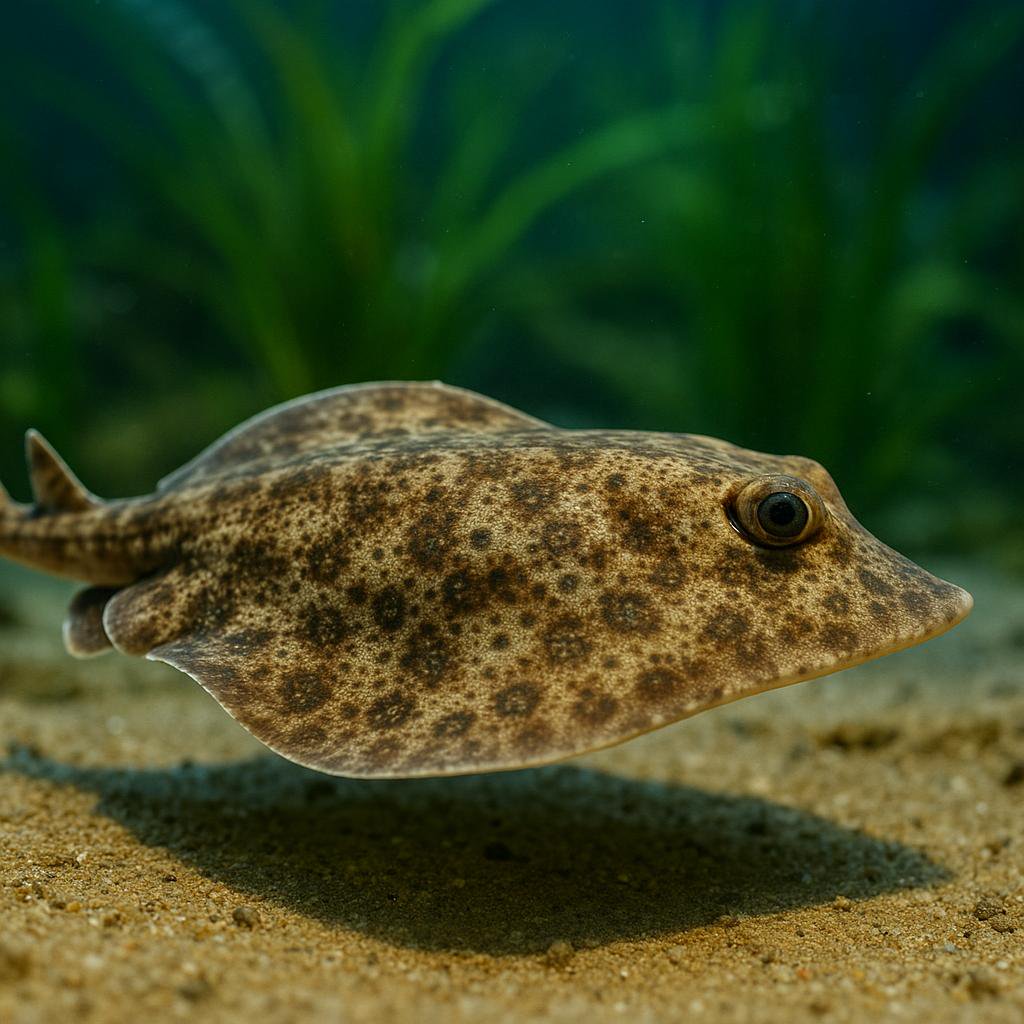
Barbedwire-tailed skate
Notoraja martinezi
Notoraja martinezi is a deepwater skate from the eastern Pacific (Costa Rica down to Ecuador) that lives way down on soft bottoms. The tail is the giveaway - it is lined with strong, hooked thorns that really do look like barbed wire. This is absolutely not an aquarium fish; it is a cold, high-pressure deep-sea animal with basically no practical home care info because it is not kept in the hobby.
More to Explore
Discover more marine species.
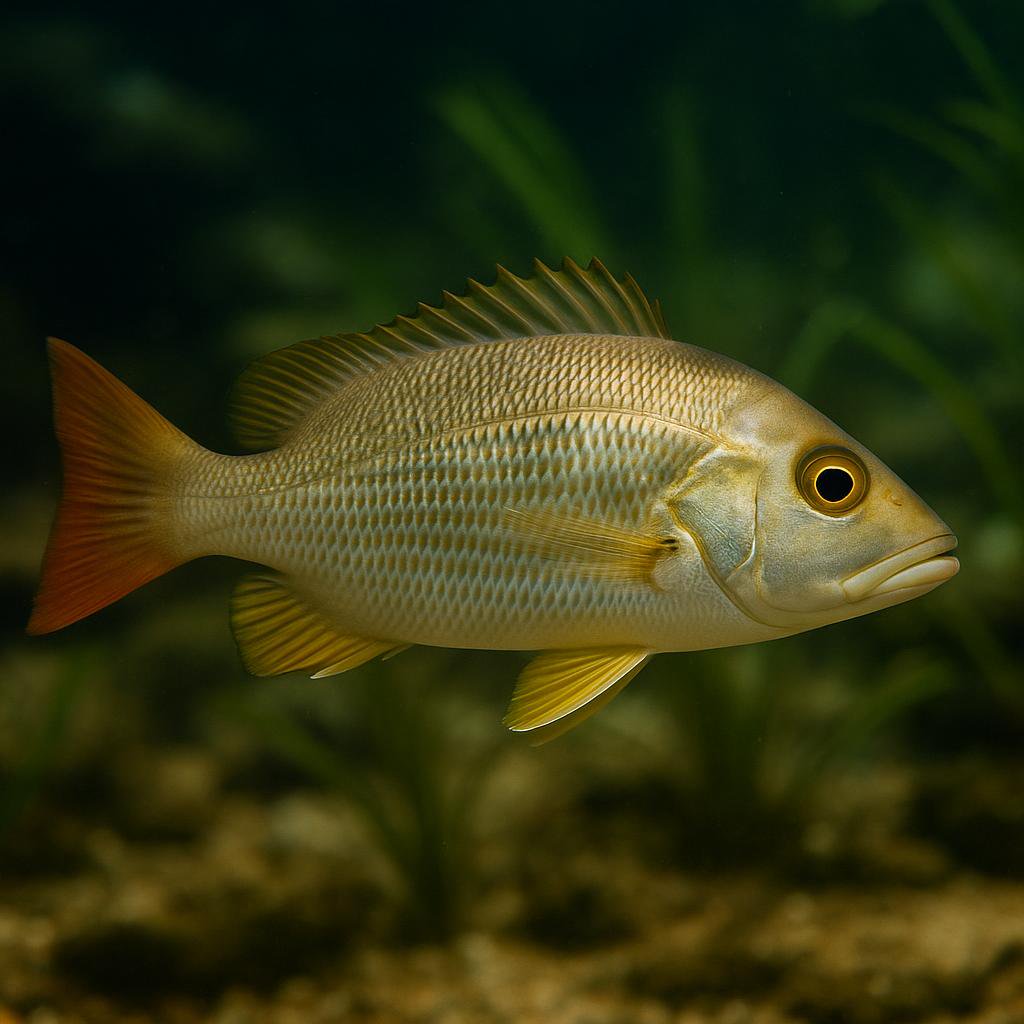
African red snapper
Lutjanus agennes
This is a true snapper from West Africa - a big, fast-growing predator that goes from coastal reefs to brackish lagoons and estuaries (especially as a juvenile). Super cool fish in the wild, but it gets absolutely huge and will eat smaller tankmates once it has the mouth for it, so its really more of a public-aquarium scale animal than a home-aquarium fish.
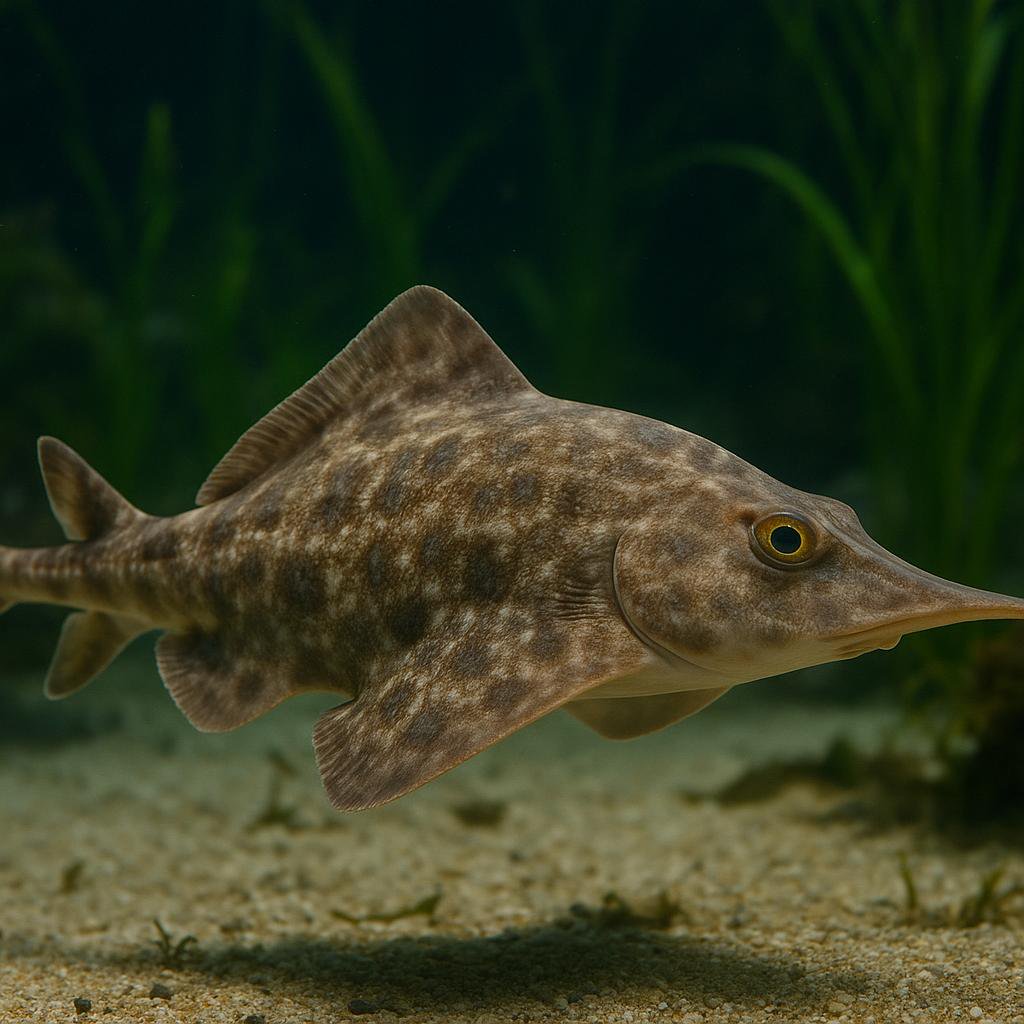
Aleutian skate
Bathyraja aleutica
This is a big, cold-water deep-slope skate from the North Pacific that cruises muddy bottoms and eats chunky benthic prey like crabs and shrimp. The really cool bit is its egg-laying skate life - it does distinct pairing (the classic skate "embrace") and drops those tough egg cases on the seafloor. Not an aquarium fish at all unless you're basically running a public-aquarium-style chilled system.
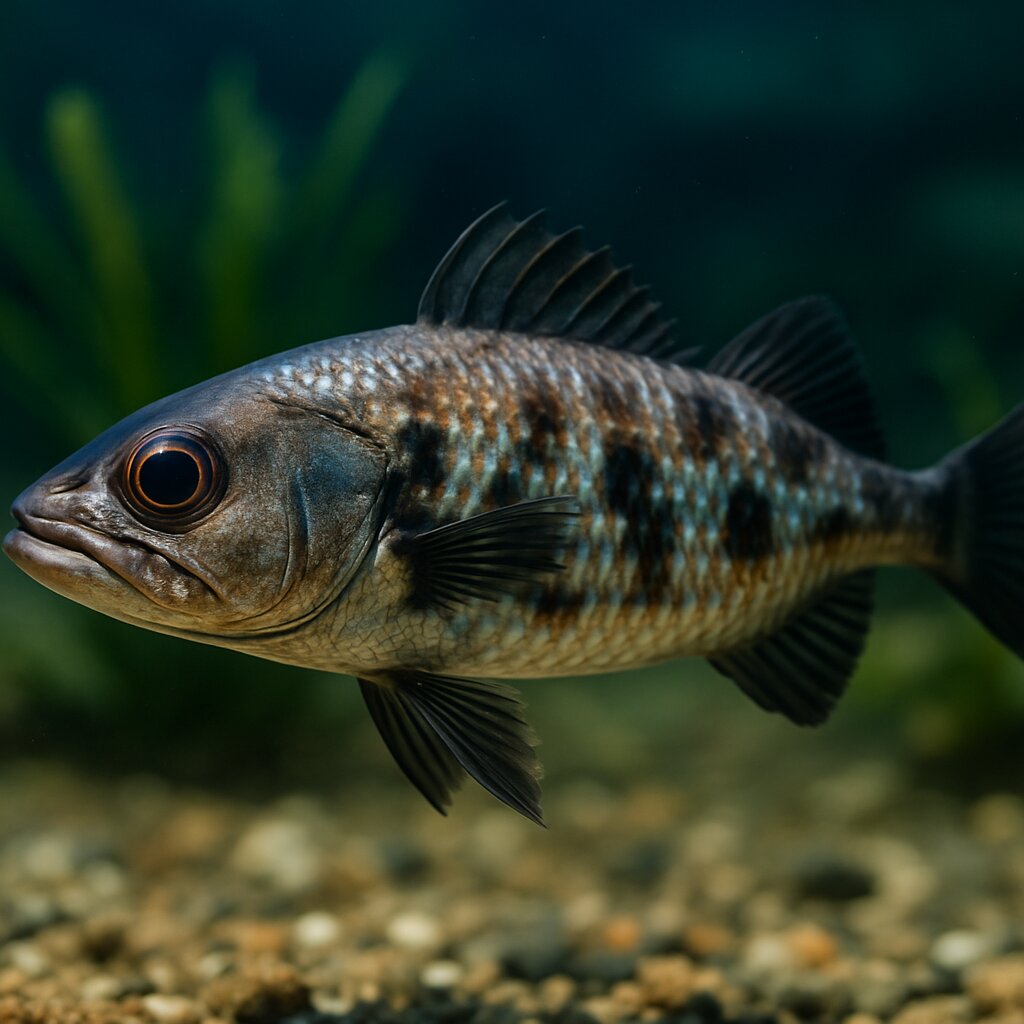
Antarctic dragonfish
Vomeridens infuscipinnis
Deep down around Antarctica, this sleek dragonfish cruises the water column like a little submarine, nearly neutrally buoyant so it can hover above the seafloor. It munches almost exclusively on Antarctic krill and lives in near-freezing water 500-800 m down, so it is a cool species to read about, not one for home tanks.
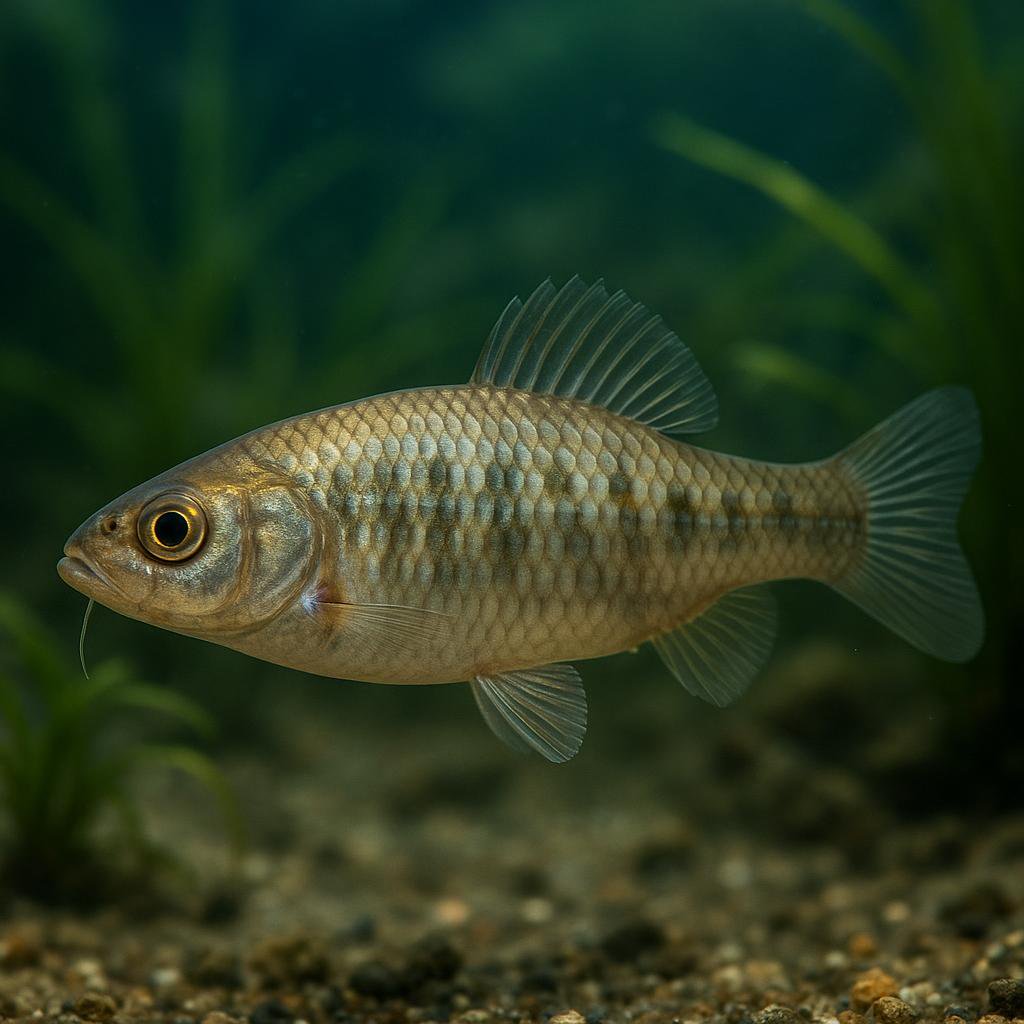
Arabian spiny eel
Notacanthus indicus
Notacanthus indicus is a deep-sea spiny eel (family Notacanthidae; not a true eel) known from the Arabian Sea on the continental slope at roughly ~960–1,046 m depth, with reported maximum length around 20 cm TL; it is a deep-water bycatch species and not established in the aquarium trade.
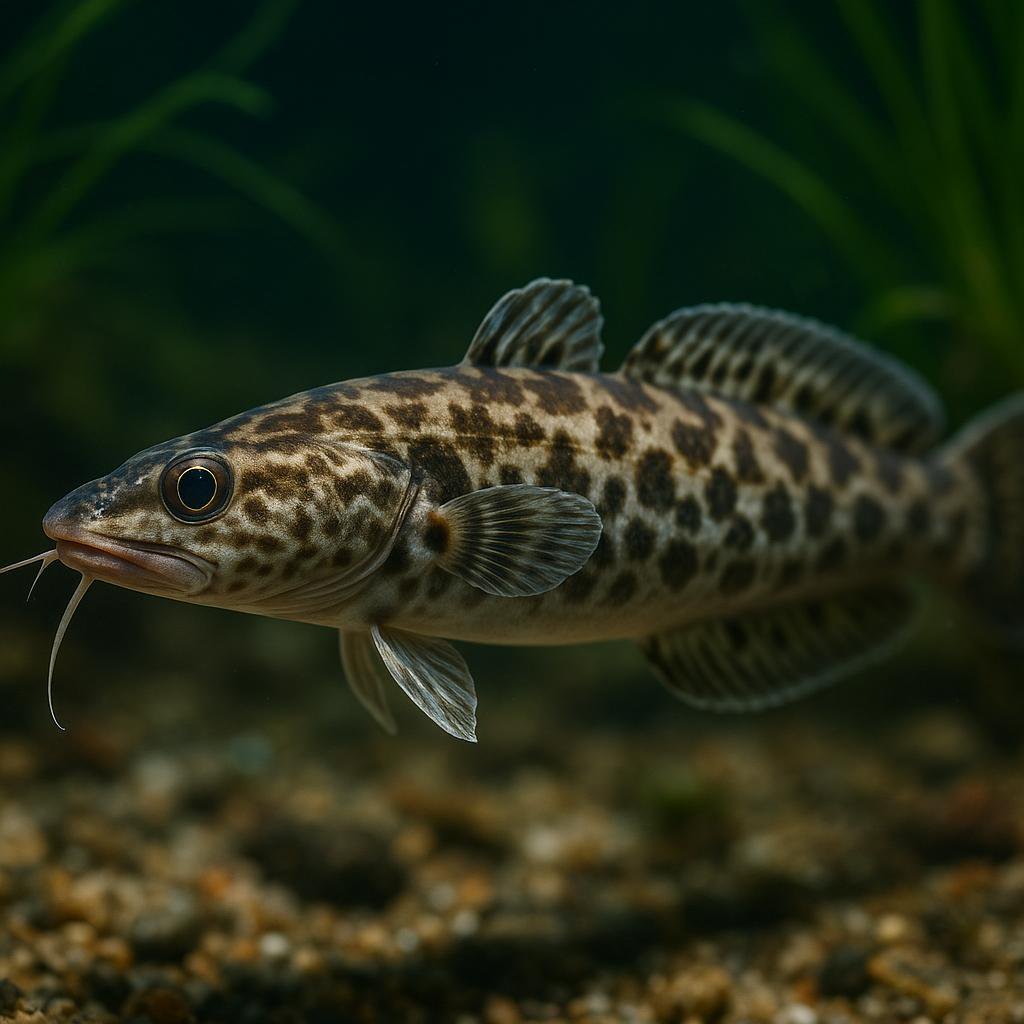
Arctic rockling
Gaidropsarus argentatus
This is a deepwater North Atlantic rockling (a cod relative) that hangs out on soft bottoms way down the slope. It is a cold-water, bottom-hugging predator that snoots around for crustaceans and will also take small fish when it gets the chance.
Atlantic pomfret
Brama brama
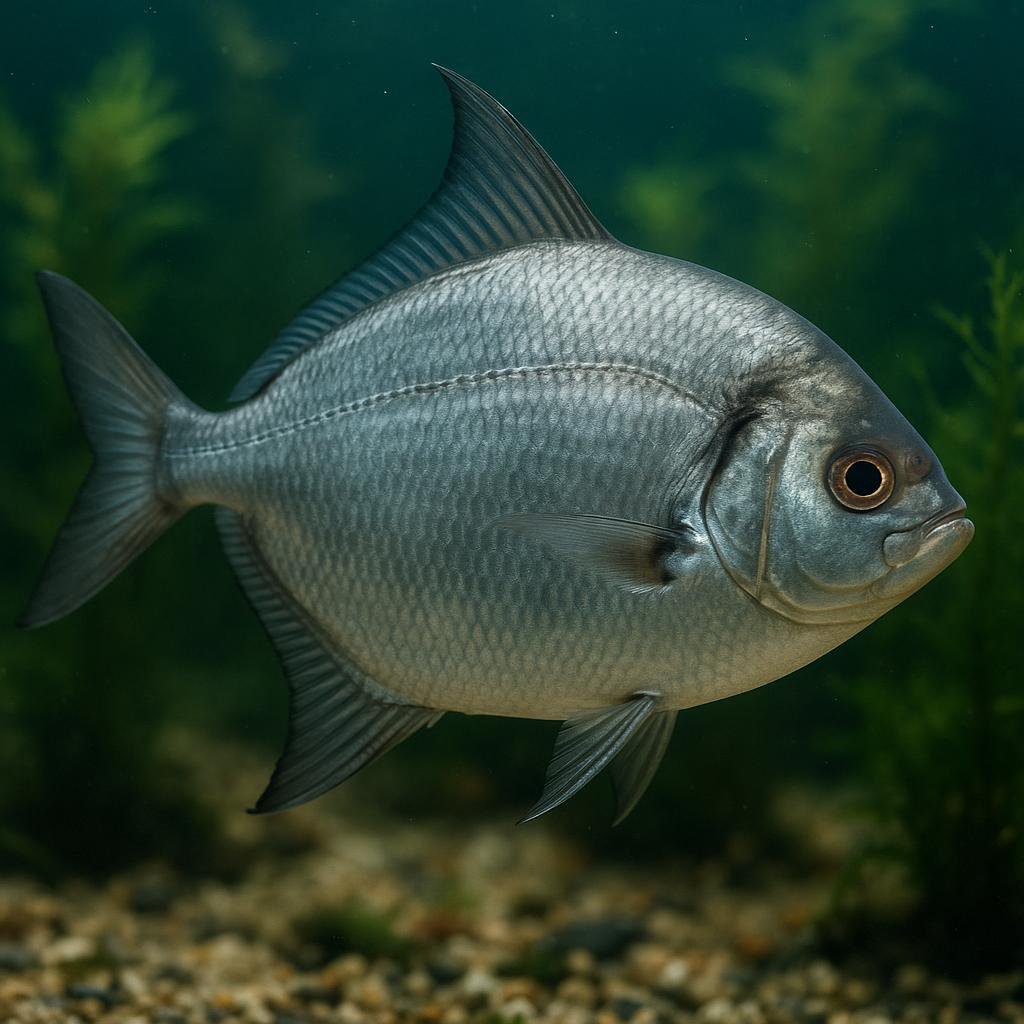
Brama brama is the Atlantic pomfret (aka Ray's bream) - a deep-bodied, open-ocean pelagic fish that cruises around in small schools and follows water temps. It is a legit big, wild marine species (not an aquarium fish) that eats other small sea critters like fish and squid, and it ranges across a huge chunk of the Atlantic plus parts of the Indian and South Pacific.
Looking for other species?