

Roule's smooth-head
Rouleina livida
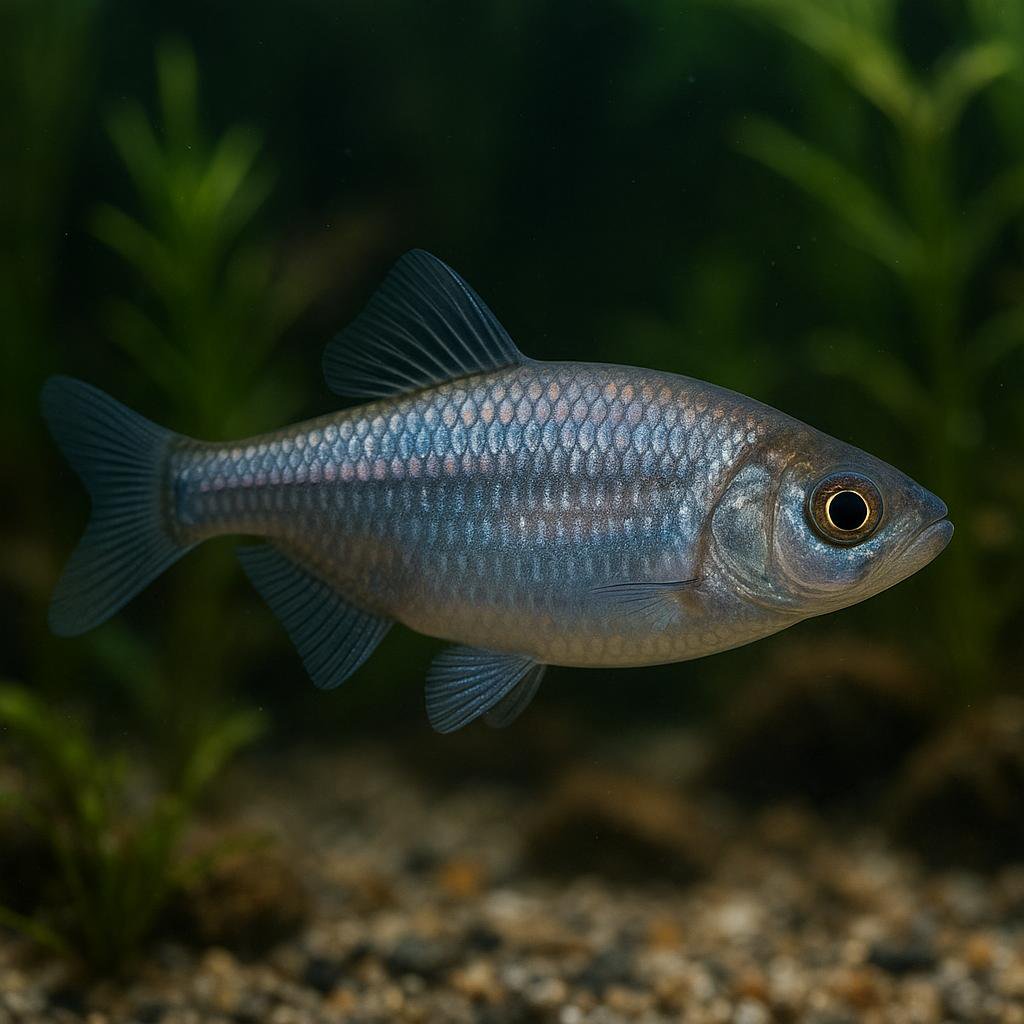
Roule's smooth-head exhibits a slender body with a distinctive elongated head, adorned in pale yellow-brown coloration and small, dark spots.
This page includes AI-generated images. Why am I seeing AI images?
About the Roule's smooth-head
Rouleina livida is a deep-sea slickhead (family Alepocephalidae) that lives way down in the bathypelagic zone, not something you will ever see in the aquarium trade. It tops out around 34 cm standard length and has those classic deep-sea vibes like huge eyes plus little light organs (photophores) around the head and jaw.
Quick Facts
Size
34 cm SL
Temperament
Peaceful
Difficulty
Expert
Min Tank Size
0 gallons
Origin
Indo-Pacific
Care Notes
- This is a deepwater fish - keep it in a chilled system, not a normal reef tank. Aim for 6-10 C (43-50 F) with a tight controller and a plan for power outages.
- Give it dim light and lots of shade (caves, overhangs, PVC tubes); bright reef lighting will stress it out and keep it hiding. A tall tank with open midwater space beats a shallow rock-packed scape.
- Keep salinity steady around 1.025-1.026, and do not let oxygen drop - cold water holds more O2, but you still want strong surface agitation and a skimmer. Nitrate needs to stay low (think under ~10 ppm) because these deepwater types go downhill fast in dirty water.
- Feeding is the make-or-break: start with meaty frozen like mysis, krill bits, chopped shrimp, and squid, then train to sinking pellets if you can. Feed small amounts 1-2x daily and make sure food actually reaches it if it is shy.
- Tankmates: avoid fast, boisterous feeders and anything nippy - they will outcompete it and keep it pinned. Stick with other coldwater, calm species and inverts that tolerate the same temps.
- Quarantine it and watch for barotrauma and shipping damage (floaty, can not stay down, swollen belly) - deepwater fish often arrive with issues. If it is having buoyancy trouble, keep lights low, reduce stress, and get an experienced vet/collector involved rather than poking it yourself.
- Breeding in home tanks is basically a non-event; even if you get a pair, you are fighting temperature cues, pressure history, and tiny larvae. Focus on long-term stability and feeding response instead of chasing spawning.
Compatibility
Good Tankmates
- Other small, mellow deepwater fish that just hover and mind their own business - think other slick, non-territorial midwater types from similar cool, dim setups
- Peaceful small eels and eel-like fish (like spaghetti/worm eels) that stay tucked in the sand and are not out to scrap
- Calm bottom sitters that are not bulldozers - small, non-aggressive deepwater codlets/rockfish-type perchers that will not try to claim the whole cave
- Non-predatory, non-nippy schooling fish that handle low light and cooler marine temps - if they fit in the mouth, they do not fit as tank mates
- Passive inverts and cleanup crew (snails, small hermits, brittle stars) in a species-appropriate deep tank - they usually get ignored if the fish is well fed
- Other Roule's smooth-heads or similar-sized smooth-heads in a big tank with lots of open water - best added together so nobody gets picked on during settling in
Avoid
- Anything big and pushy that likes to throw its weight around (triggers, big wrasses, larger angels) - they will harass a peaceful deepwater fish nonstop
- Predators with a big mouth (groupers, large scorpionfish, lizardfish) - if they can inhale it, they will, especially at feeding time
- Fast, nippy hunters (dottybacks, some damsels) - they do not always kill, but they keep Rouleina stressed and hiding
Where they come from
Roule's smooth-head (Rouleina livida) is a deep-sea fish. Think cold, dark water, lots of pressure, and food that shows up unpredictably. Thats why they look a bit otherworldly and why theyre so unforgiving in home setups.
This is an expert-only animal for a reason. Most losses come from temperature, decompression/collection trauma, and starvation from not accepting prepared foods.
Setting up their tank
If youre picturing a normal reef tank, toss that idea. Youre trying to mimic a cold, dim, low-stimulation environment with very steady water. Warm water and bright light stack the deck against you fast.
- Tank type: chilled marine system, more like a coldwater fish room setup than a reef
- Temperature: cold and stable (chiller is not optional)
- Lighting: low, subdued, lots of shaded areas
- Flow: moderate, not blasting. Enough to keep oxygen high without pinning the fish
- Filtration: oversized bio + strong mechanical, because meaty foods foul water quickly
- Aquascape: open swimming lanes plus dark retreats. PVC caves actually work great
Ive had the best results keeping the tank pretty simple: bare bottom or a very thin substrate, a few rock structures for breaks in line of sight, and a bunch of removable hides. Removable is key because you may need to pull the fish for a health check without tearing the whole tank apart.
Treat oxygen like your best friend. Cold water helps, but you still want aggressive surface agitation and a skimmer thats not undersized.
What to feed them
These are not pellet eaters out of the box. Expect a long, picky transition. Your goal is to get consistent intake on clean, marine-based frozen foods, then maybe (maybe) onto something more convenient later.
- Best starters: small marine fish flesh, chopped shrimp, squid, clam, krill (sparingly)
- Great staples: PE mysis, enriched brine (as a bridge food, not the main diet), chopped mixed seafood blends
- Soaks: HUFA/vitamin soak can help, especially early on
- Feeding schedule: small portions, more often, and siphon leftovers right away
Use a feeding stick or long tweezers. If you can get them taking food from a stick, you can control portions and keep food out of rockwork where it rots.
Watch body shape more than you watch your feelings. A fish that looks thin behind the head or has a pinched belly needs action now. Deepwater fish can go downhill quietly and then its suddenly too late.
How they behave and who they get along with
Theyre generally not a showy, interactive fish. A lot of the time theyll hang in the dim zones and make short, deliberate moves. Stress shows up as frantic pacing, constant hiding, or refusing food.
- Temperament: usually calm, but dont count on them being "community" fish
- Best tankmates: other coldwater, non-aggressive species that wont outcompete at feeding time
- Avoid: fast, pushy feeders, nippy fish, anything that needs warm water, and anything that can swallow or harass them
- Stocking approach: understock the tank. Give them space and quiet
Food competition is a big deal. If another fish is stealing every bite, Rouleina will just fade out. You want a setup where you can target feed without chaos.
Breeding tips
Realistically, breeding Rouleina livida in home aquaria is not something youll see documented often, if at all. Deepwater species tend to have environmental triggers (temperature shifts, seasonal cues, depth-related factors) that are hard to replicate.
If you ever do end up with two that condition up well, focus on stability and heavy feeding first. In my experience with other tough marine species, spawning talk is meaningless until theyre eating like champs for months.
Common problems to watch for
- Temperature creep: a chiller that cant keep up will slowly cook a deepwater fish without you noticing until they stop eating
- Shipping/collection trauma: barotrauma-like issues can show up as buoyancy problems or weakness
- Starvation: the most common slow killer - they look "fine" until they suddenly dont
- Bacterial infections after stress: cloudy eyes, red sores, frayed fins
- Water quality swings from meaty feeding: ammonia spikes, greasy surface film, nasty skimmer break-in cycles
If one thing is going to save you headaches, its this: keep the system boring. Stable salinity, stable cold temp, stable oxygen, and clean water. Then put your effort into getting a reliable feeding response and keeping stress low.
Dont try to "tough it out" if the fish isnt eating. Deepwater fish can burn through reserves fast. If you arent getting food in reliably, adjust the environment (dimmer, quieter, fewer tankmates), switch foods, and try target feeding immediately.
Similar Species
Other marine peaceful species you might be interested in.
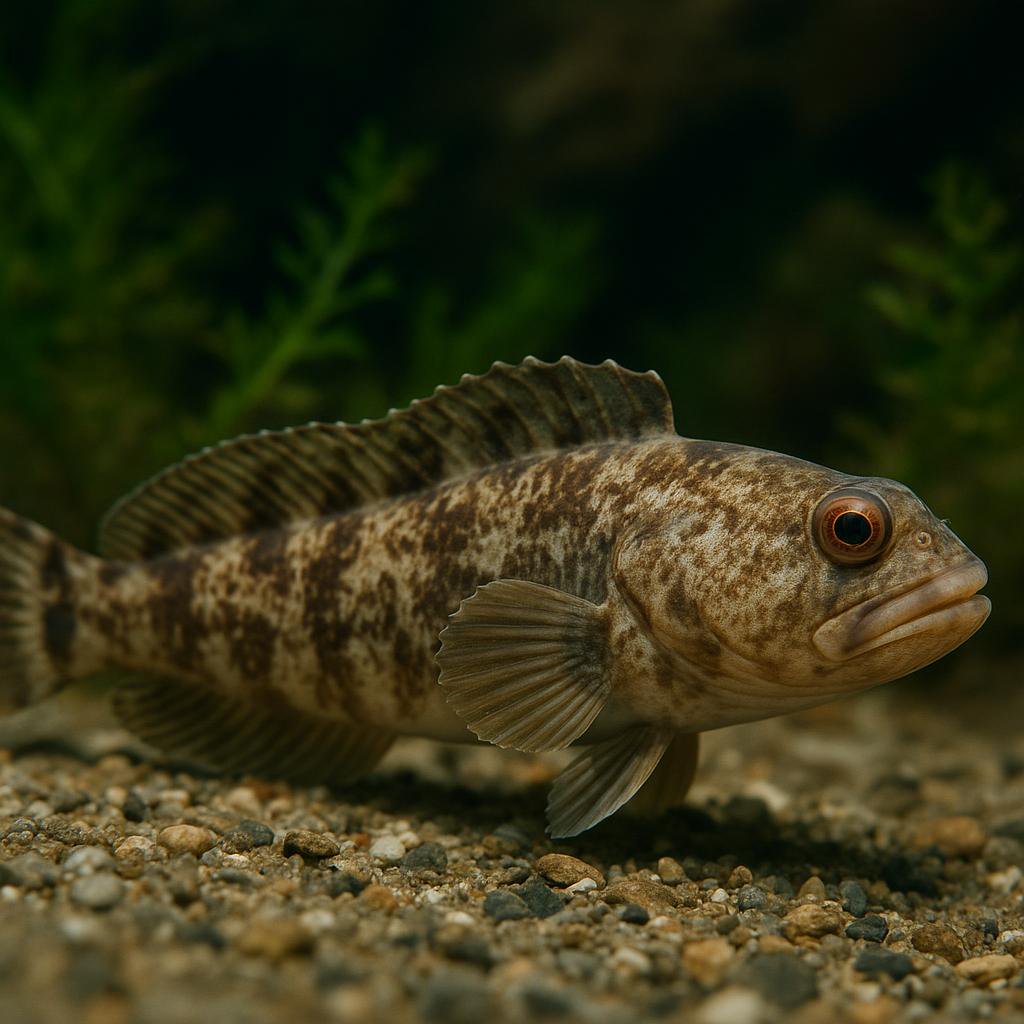
Abe's eelpout
Japonolycodes abei
Japonolycodes abei is a temperate, deepwater demersal eelpout (family Zoarcidae) endemic to Japan (Kumano-nada Sea reported; other sources also report Sagami Bay and Tosa Bay). It is the only species in the genus Japonolycodes and occurs roughly 40-300 m depth, making it an uncommon/atypical aquarium species.
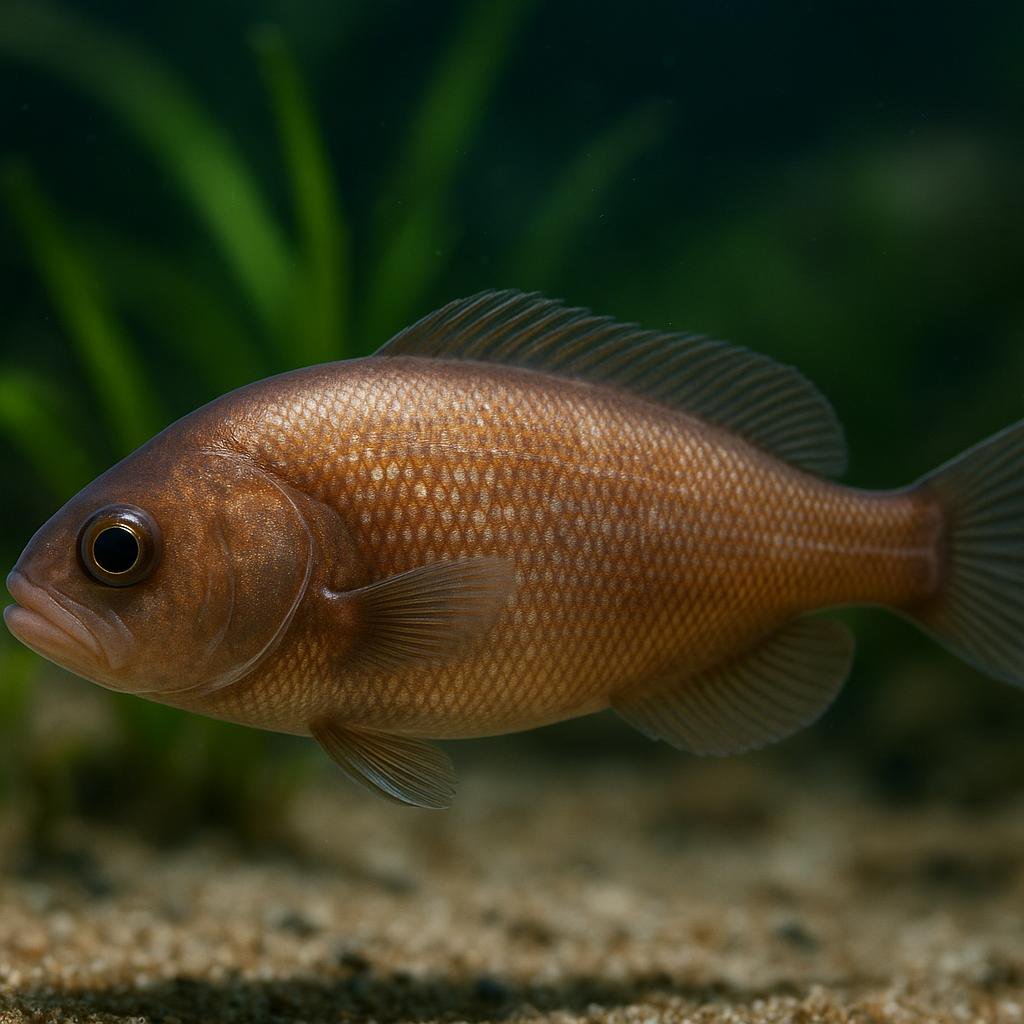
Affinis blind cusk-eel
Barathronus affinis
Barathronus affinis is a tiny, super-weird deep-sea blind cusk-eel from the western-central Indian Ocean. It is one of those gelatinous, loose-skinned brotula-type fishes that live way down in the dark and are basically never seen alive, so almost everything we know comes from preserved specimens and taxonomic work.
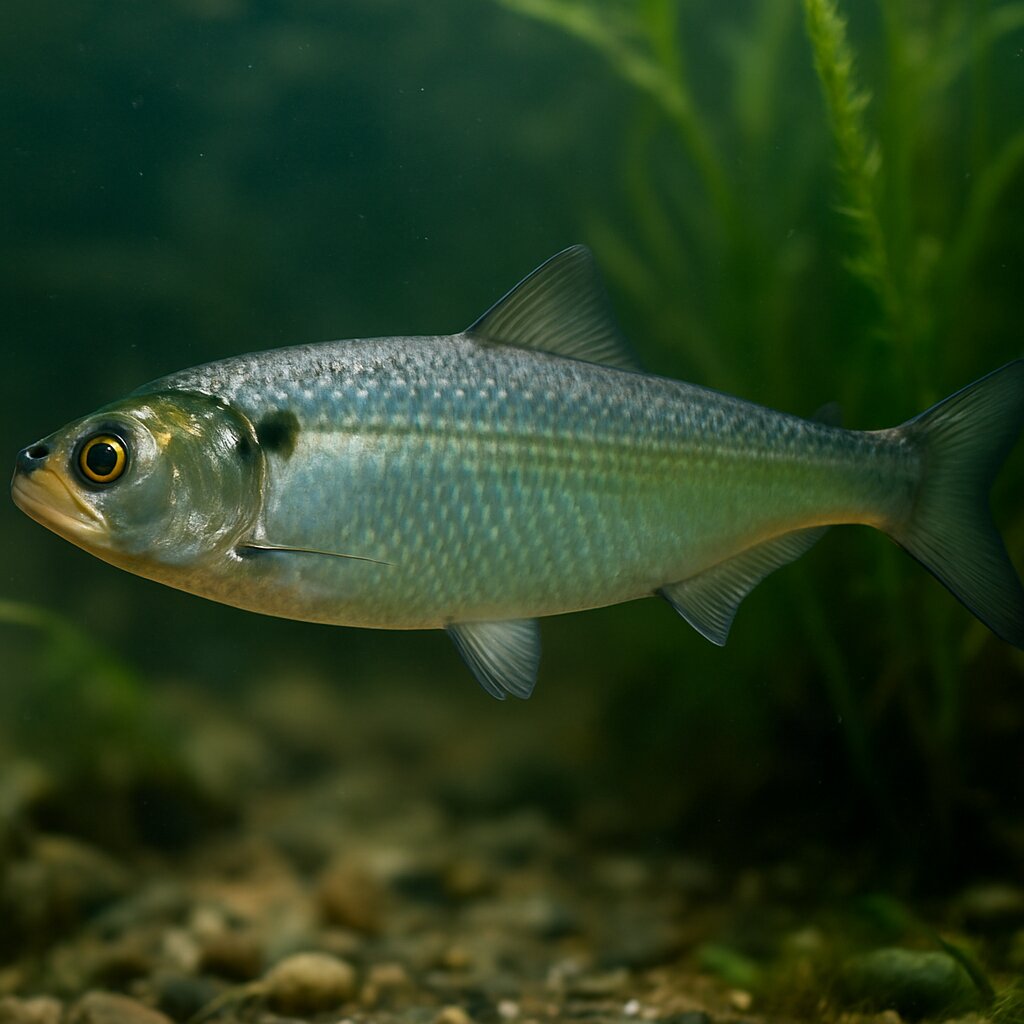
Allis shad
Alosa alosa
Gorgeous silver, fast-swimming shad that spends most of its life in the sea and then surges up big rivers in noisy, surface-spawning schools. It grows huge for a herring-type fish and needs cool, ultra-oxygenated water and tons of open space, so it is a public-aquarium species rather than a home tank fish.
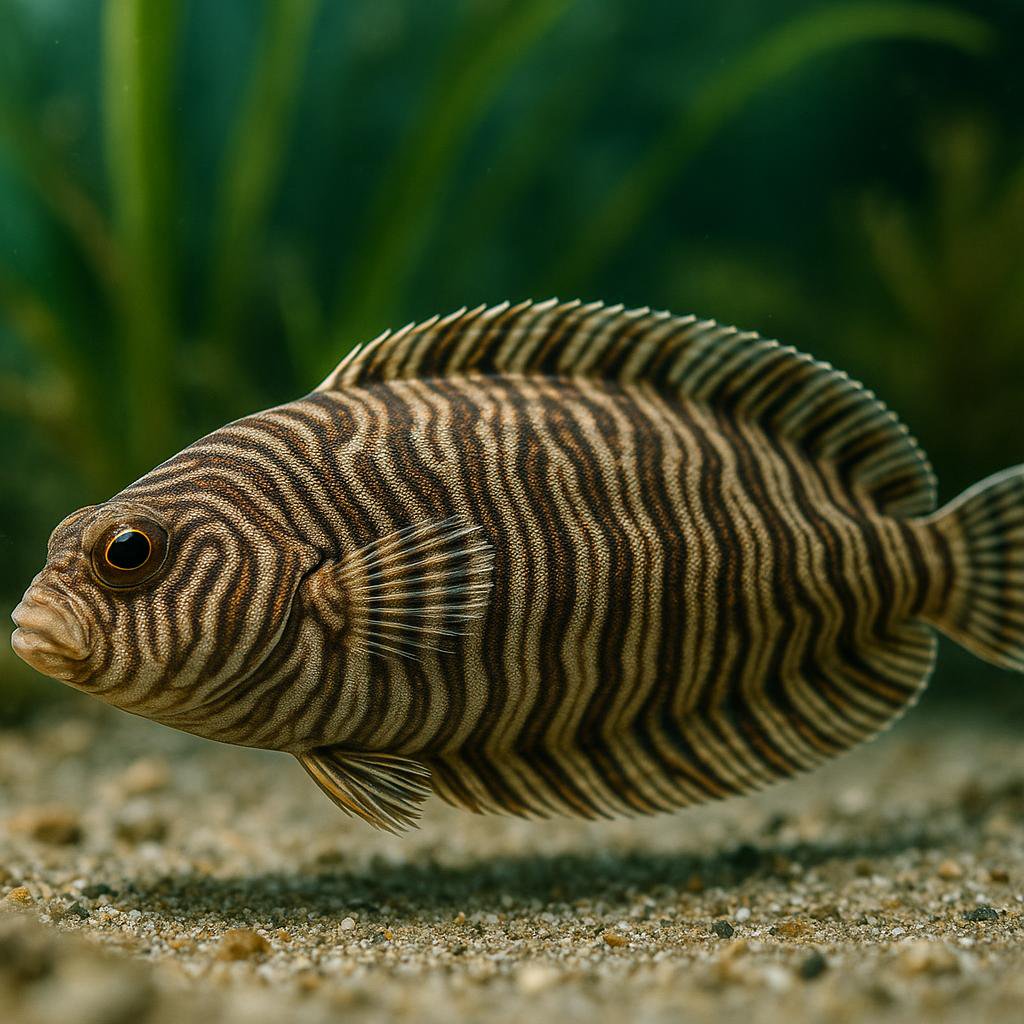
Annandale's zebra sole
Zebrias annandalei
Zebrias annandalei is a small demersal sole from coastal India that inhabits sandy or muddy bottoms and buries for camouflage. It is rarely kept in home aquaria and would require a specialized marine sand-bottom setup and appropriate feeding.
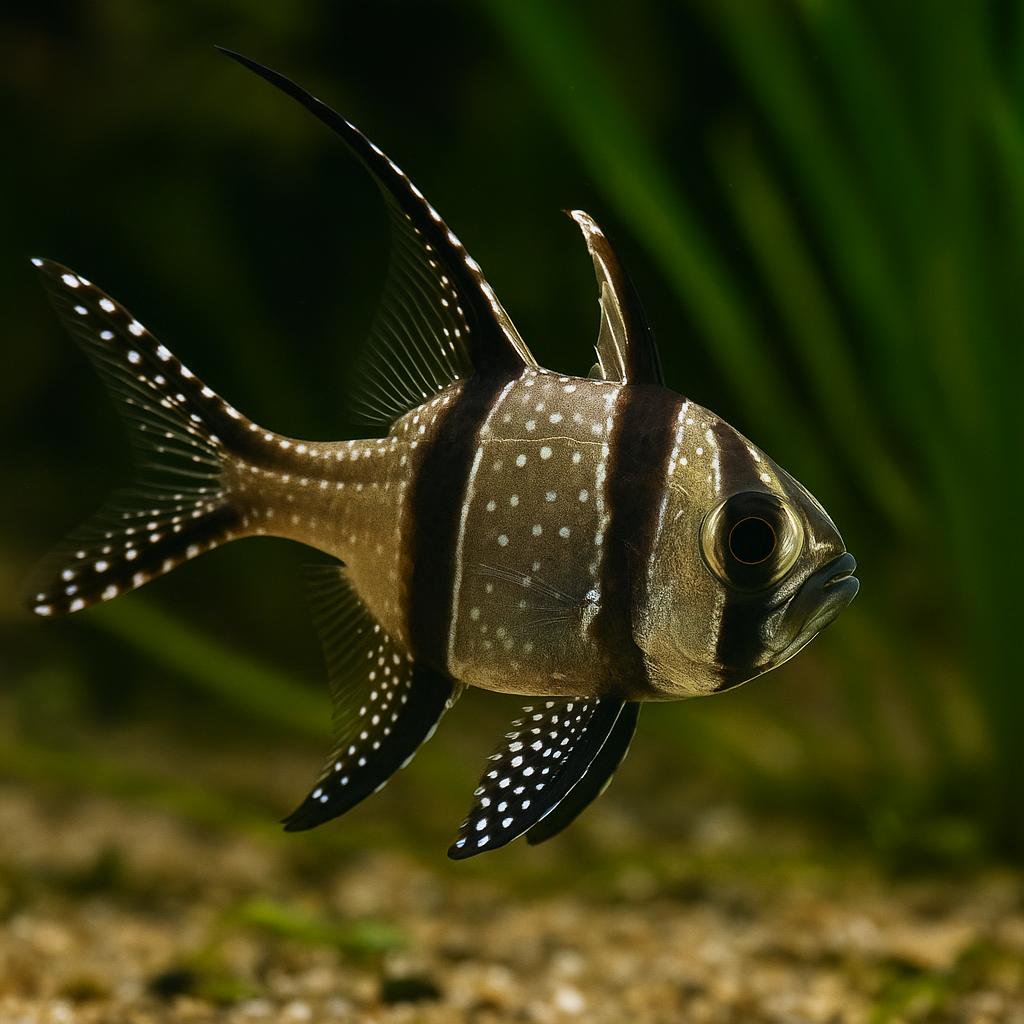
Banggai Cardinalfish
Pterapogon kauderni
Banggai cardinals just sort of hover like little underwater satellites, and the bold black bars with those long, polka-dotted fins look unreal under reef lighting. They're super chill most of the time, but once a pair forms you'll see real "fish drama," and the male will even mouthbrood the babies like a champ.
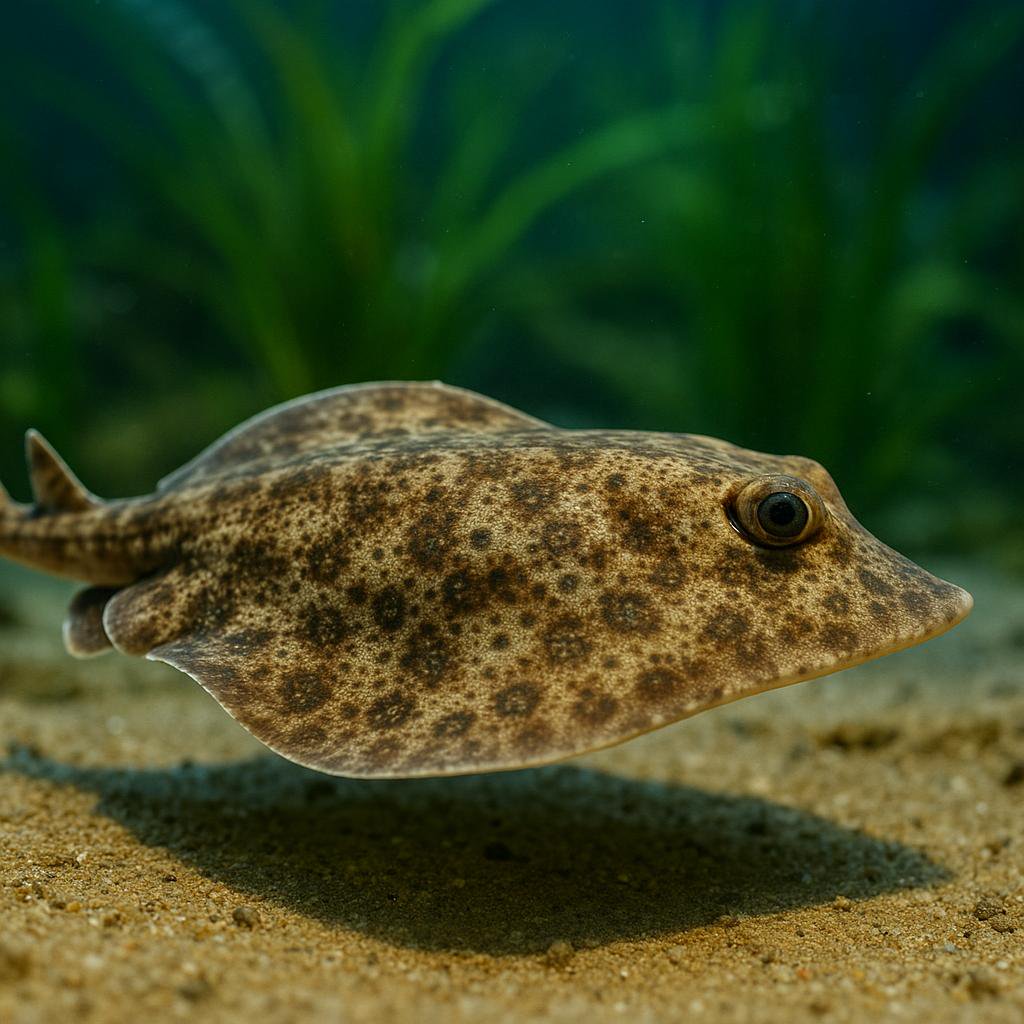
Barbedwire-tailed skate
Notoraja martinezi
Notoraja martinezi is a deepwater skate from the eastern Pacific (Costa Rica down to Ecuador) that lives way down on soft bottoms. The tail is the giveaway - it is lined with strong, hooked thorns that really do look like barbed wire. This is absolutely not an aquarium fish; it is a cold, high-pressure deep-sea animal with basically no practical home care info because it is not kept in the hobby.
More to Explore
Discover more marine species.
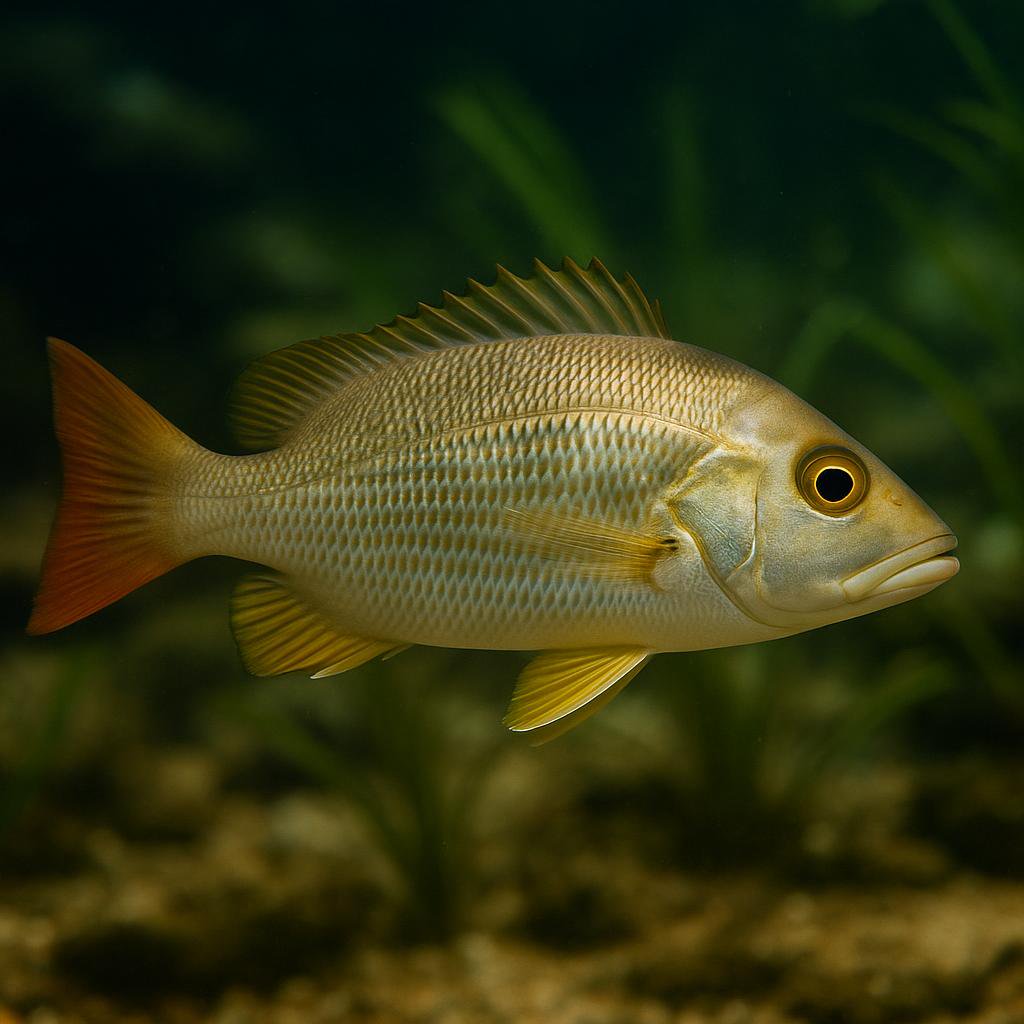
African red snapper
Lutjanus agennes
This is a true snapper from West Africa - a big, fast-growing predator that goes from coastal reefs to brackish lagoons and estuaries (especially as a juvenile). Super cool fish in the wild, but it gets absolutely huge and will eat smaller tankmates once it has the mouth for it, so its really more of a public-aquarium scale animal than a home-aquarium fish.
Aleutian skate
Bathyraja aleutica
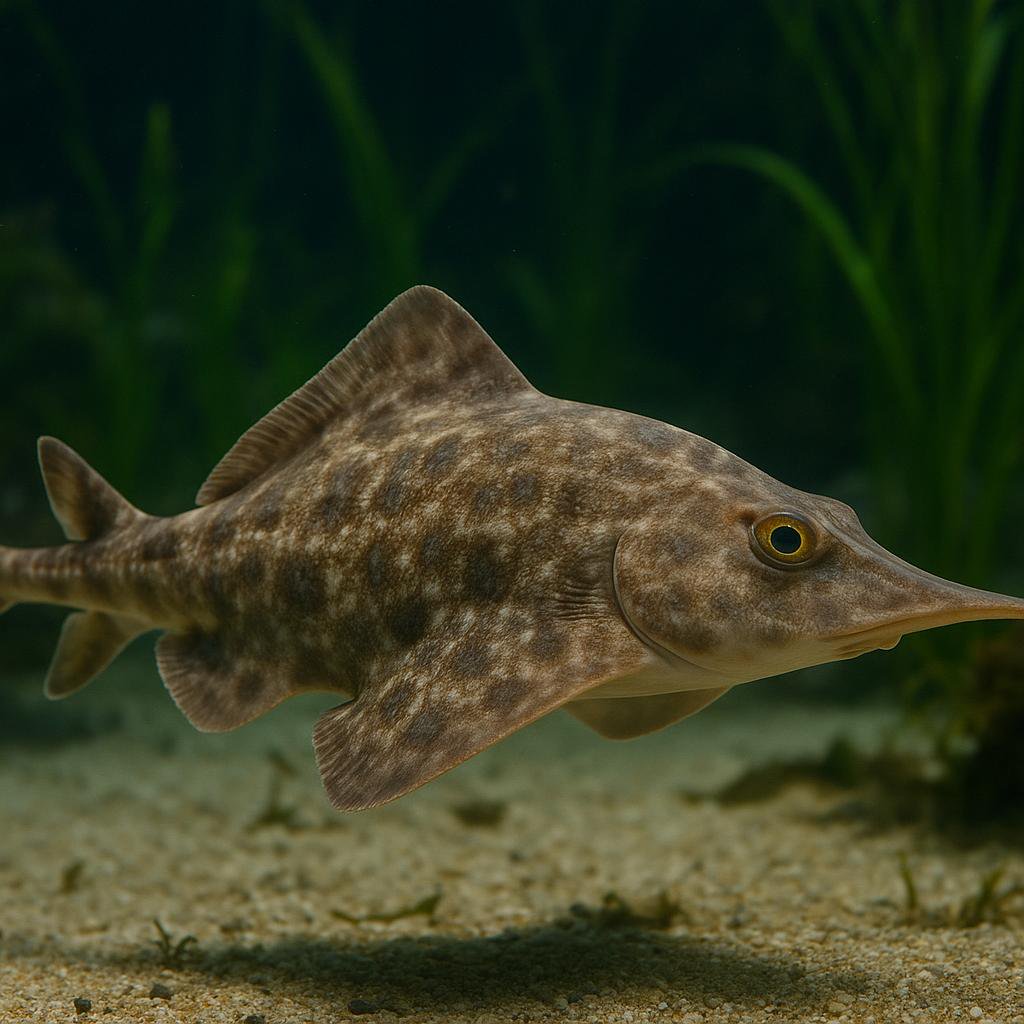
This is a big, cold-water deep-slope skate from the North Pacific that cruises muddy bottoms and eats chunky benthic prey like crabs and shrimp. The really cool bit is its egg-laying skate life - it does distinct pairing (the classic skate "embrace") and drops those tough egg cases on the seafloor. Not an aquarium fish at all unless you're basically running a public-aquarium-style chilled system.
Antarctic dragonfish
Vomeridens infuscipinnis
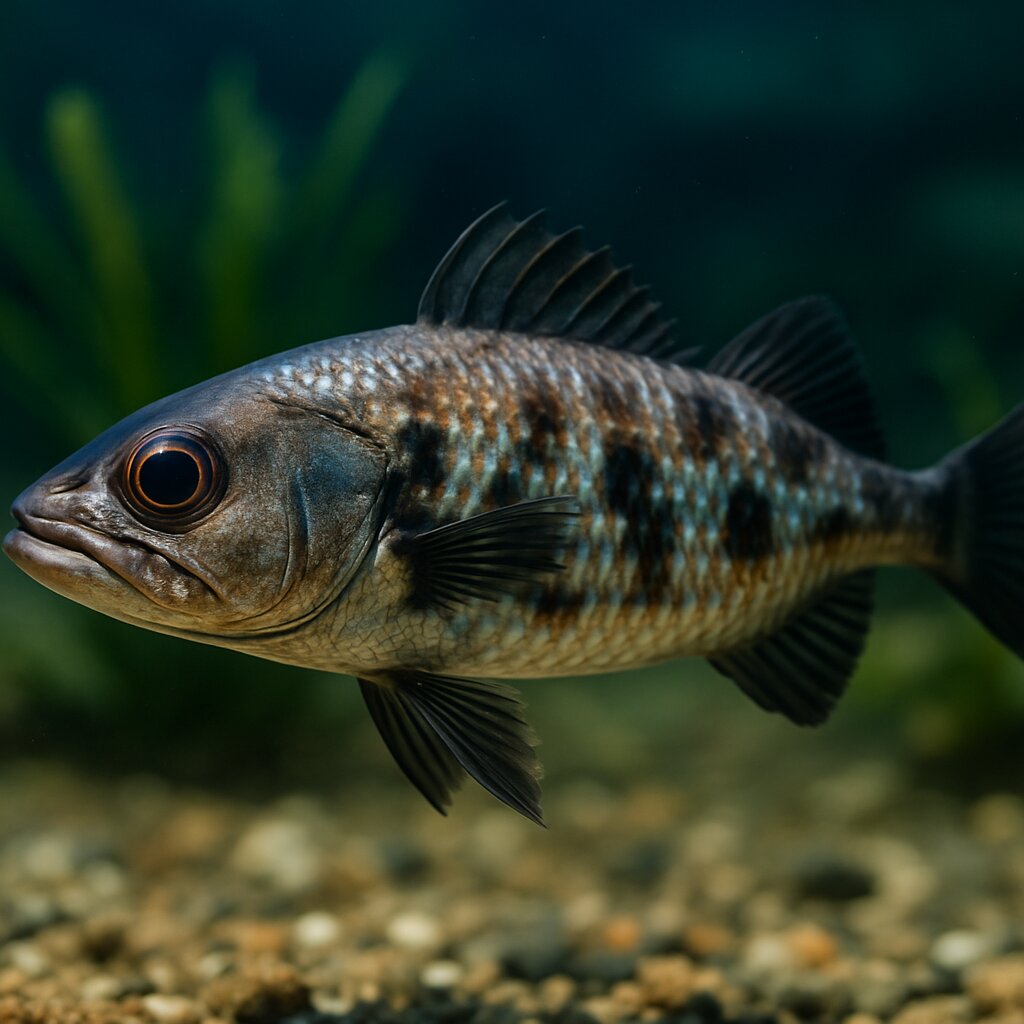
Deep down around Antarctica, this sleek dragonfish cruises the water column like a little submarine, nearly neutrally buoyant so it can hover above the seafloor. It munches almost exclusively on Antarctic krill and lives in near-freezing water 500-800 m down, so it is a cool species to read about, not one for home tanks.
Arabian spiny eel
Notacanthus indicus
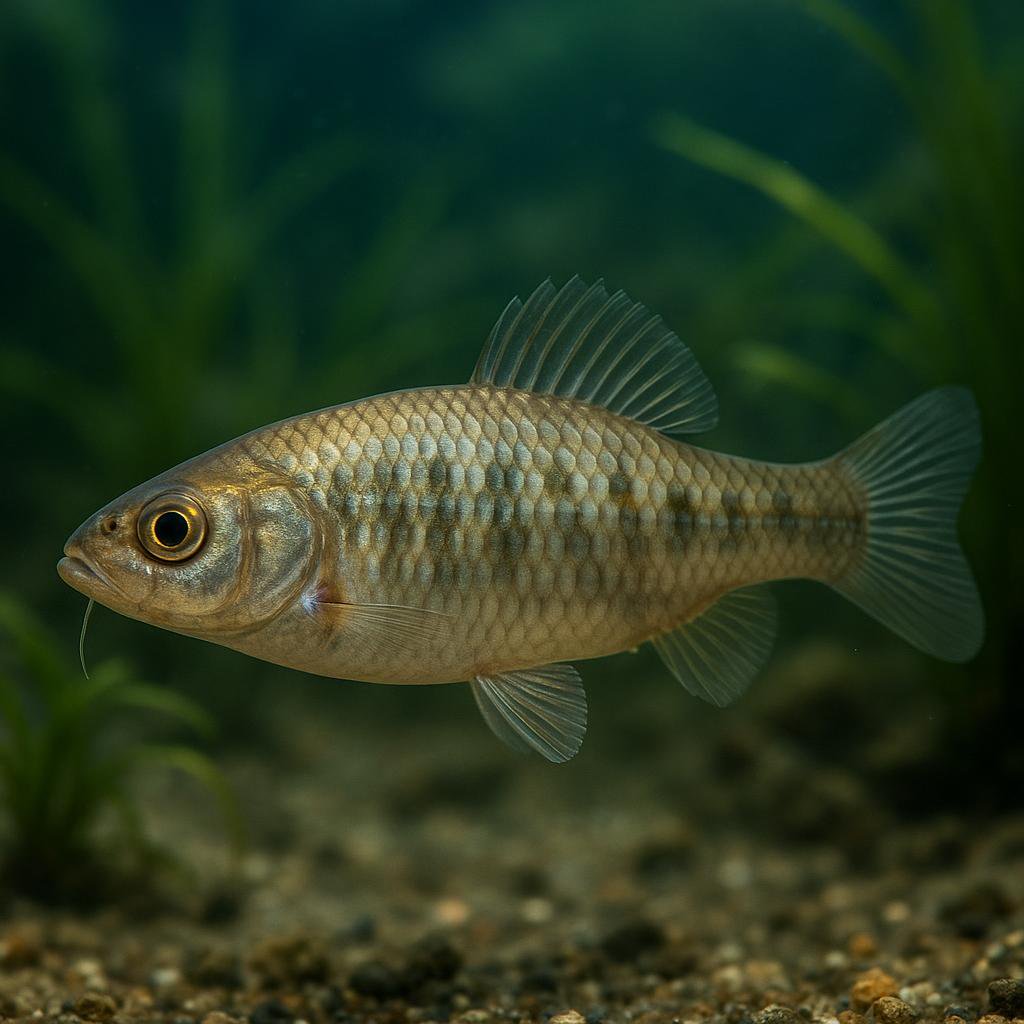
Notacanthus indicus is a deep-sea spiny eel (family Notacanthidae; not a true eel) known from the Arabian Sea on the continental slope at roughly ~960–1,046 m depth, with reported maximum length around 20 cm TL; it is a deep-water bycatch species and not established in the aquarium trade.
Arctic rockling
Gaidropsarus argentatus
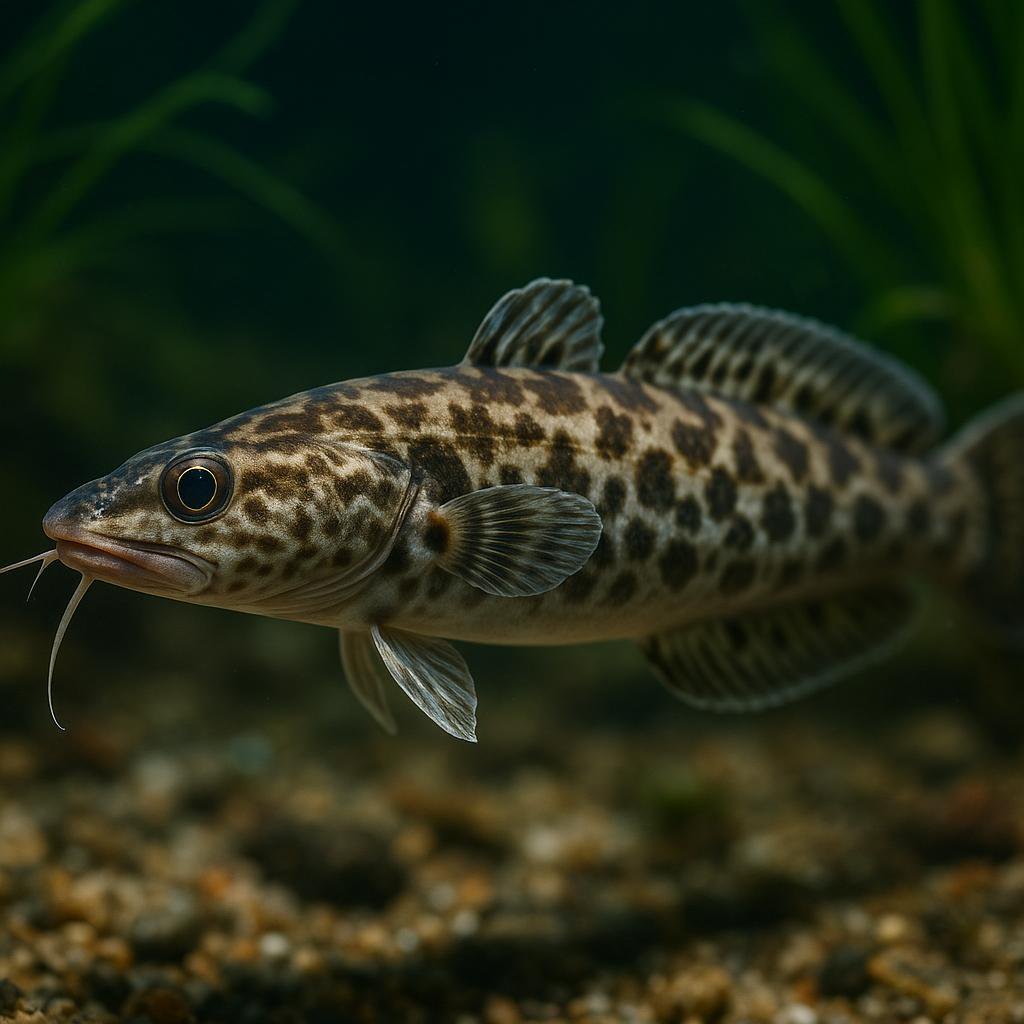
This is a deepwater North Atlantic rockling (a cod relative) that hangs out on soft bottoms way down the slope. It is a cold-water, bottom-hugging predator that snoots around for crustaceans and will also take small fish when it gets the chance.
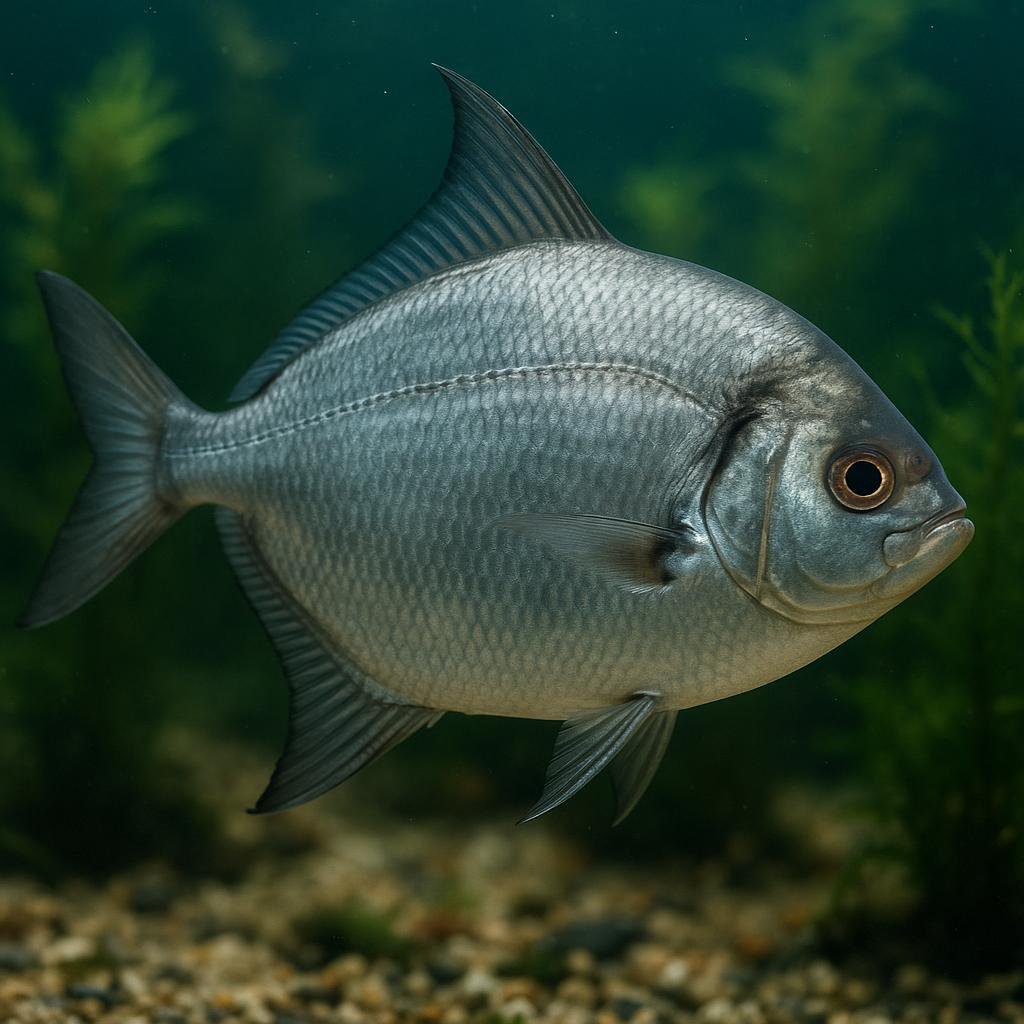
Atlantic pomfret
Brama brama
Brama brama is the Atlantic pomfret (aka Ray's bream) - a deep-bodied, open-ocean pelagic fish that cruises around in small schools and follows water temps. It is a legit big, wild marine species (not an aquarium fish) that eats other small sea critters like fish and squid, and it ranges across a huge chunk of the Atlantic plus parts of the Indian and South Pacific.
Looking for other species?