

Circular stingaree
Urolophus circularis
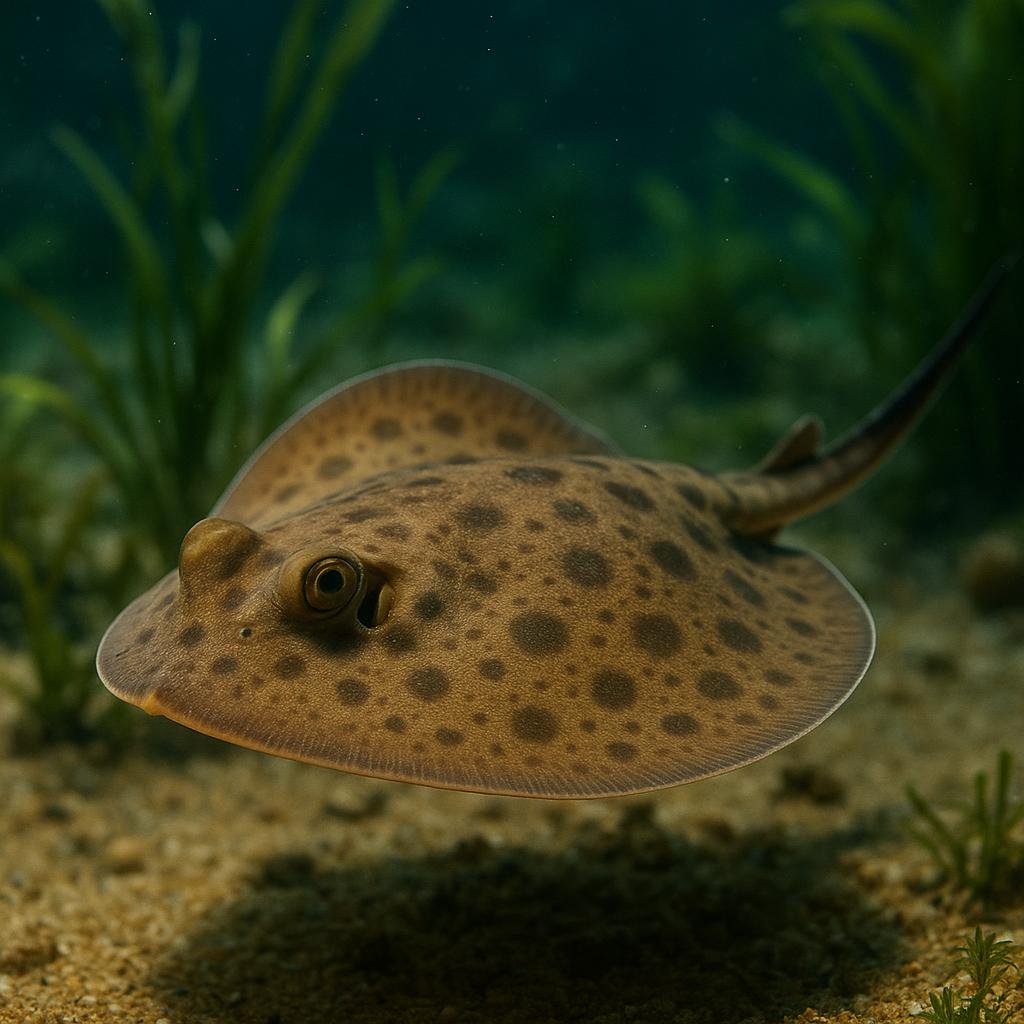
The Circular stingaree features a disc-shaped body, smooth brown dorsal coloration, and a distinctive venomous spine at the tail's base.
This page includes AI-generated images. Why am I seeing AI images?
About the Circular stingaree
This is a small-ish temperate Australian stingray that likes rocky reef and kelp zones, so it tends to stay tucked in and out of sight. The really cool bit is the dorsal pattern - pale spots and rings plus a dark central circle of spots - it looks like someone hand-painted it. Also worth respecting: it has a venomous tail spine, so its "hands-off" by nature.
Also known as
Quick Facts
Size
60 cm (24 in) total length
Temperament
Peaceful
Difficulty
Expert
Min Tank Size
300 gallons
Lifespan
unknown
Origin
Southwestern Australia
Diet
Carnivore - bottom-dwelling invertebrates (crustaceans/worms), plus meaty marine foods in captivity
Water Parameters
16-22°C
8-8.4
8-12 dGH
Need a heater for this species?
This species needs 16-22°C in a 300 gallon tank. Use our heater calculator to find the right wattage.
Calculate heater sizeCare Notes
- Give it a big, wide footprint tank, not a tall one - think 180-300+ gallons with lots of open sand and just a few rock islands so it can cruise without scraping its disc.
- Run a deep, fine sand bed (no crushed coral) and keep flow gentle along the bottom; they love to bury and rough substrate will chew up the underside fast.
- Keep temps in the cooler marine range (around 60-68F / 16-20C) with steady salinity around 1.024-1.026 and strong oxygenation; warm water and low O2 is where they go downhill.
- Feed meaty marine stuff on tongs right on the sand - pieces of squid, prawn, scallop, and marine fish; start daily for new arrivals, then 3-5x a week once it is eating hard.
- Soak food in a vitamin/HUFA supplement a couple times a week and rotate the menu; stingarees can look fine while slowly getting fatty-liver or deficiencies from a one-food diet.
- Tankmates need to be calm and not nippy - avoid triggers, puffers, big wrasses, and anything that picks at fins; also skip fast food-stealers unless you are ready to target-feed every time.
- Watch for ammonia/nitrite spikes and copper exposure - they do not forgive either; run a mature biofilter and never use copper meds in their system.
- Breeding is livebearer style (pups), but do not plan on it in a mixed display; if you ever see a gravid female, extra space and heavy feeding matter because stress and missed meals hit them hard.
Compatibility
Good Tankmates
- Other mellow rays - like similarly sized stingarees or small, peaceful benthic rays. If everybody is well-fed and the tank has lots of open sand, they mostly ignore each other. Watch size differences so nobody gets bullied at feeding time.
- Chill, non-nippy midwater fish - think smaller, peaceful reef-safe types that stay up in the water column and do not pester the bottom (some fairy wrasses or calmer anthias-type fish, depending on temp and setup). They just cruise around and leave the ray alone.
- Peaceful rabbitfish (Siganus spp.) - good algae grazers and usually pretty polite. They tend to mind their own business and do not pick on a ray. Just give them room and keep feeding consistent so they do not get pushy.
- Calm, non-aggressive angels (the more laid-back, medium types) - not the holy terror ones. In bigger systems they generally coexist fine as long as the angel is not a fin-picker and you are not crowding the bottom.
- Non-predatory, sand-friendly inverts - cleaner shrimp and tougher snails can work if they are not tiny. The ray is not out hunting them on purpose, but anything snack-sized can disappear, especially at night.
- Peaceful, open-water tangs in big tanks - the calmer zebrasoma-type personalities usually work. They keep to the rock and midwater and do not have much interest in a ray buried in the sand.
Avoid
- Triggerfish (most triggers) - way too beaky and curious. They will nip the ray's disc and eyes, and once a trigger learns it can bully a ray, it just does not stop.
- Large aggressive groupers and big predatory wrasses - anything that treats the ray as food or competition. Even if they cannot swallow it, they will harass it and steal every bite at feeding time.
- Puffers and porcupinefish - notorious for tasting everything. Rays get chewed up fast by puffers, especially around the edges of the disc and the tail.
- Nippy damselfish and especially territorial dottybacks in smaller setups - not because they can kill a ray, but because constant pecking and stress keeps the ray hiding and refusing food.
Where they come from
Circular stingarees (Urolophus circularis) are temperate-water stingarees from southern Australia and around Tasmania. They hang out on sandy and silty bottoms, often half-buried, cruising for worms and small crustaceans.
That origin story matters because most people try to treat them like a tropical reef ray. They are not that. Think cool, clean, oxygen-rich water and a big, calm footprint.
This is an expert animal for a reason: they need a large system, tight temperature control (usually cooler than typical reef tanks), and they do not tolerate sloppy water quality or rough handling.
Setting up their tank
Footprint beats height every time. These rays live on the bottom and do laps, so give them floor space and gentle, predictable flow. I always plan the aquascape like a skate park with no sharp edges - open sand, wide turns, and nothing they can wedge under.
- Tank size: realistically a very large, wide tank. Think public-aquarium scale if you want long-term success, not a standard 6-foot reef.
- Substrate: fine sand, deep enough for them to bury (a few inches). Skip crushed coral and anything sharp.
- Rockwork: minimal, stable, and sealed off so there are no caves they can jam into. Epoxy and zip ties are your friends.
- Filtration: oversized mechanical + biological + heavy export (big skimmer, large sump, frequent water changes). Rays are messy.
- Flow and oxygen: moderate flow with lots of gas exchange. They like clean, oxygen-rich water, especially in cooler systems.
- Temperature: keep it in the temperate range appropriate for the species and collection location. A chiller is usually part of the deal.
- Lighting: they do not care. Set it for you and any non-stinging tankmates, but avoid blasting them with reef-level intensity if it makes them hide nonstop.
Use a tight-fitting lid. Rays can launch if startled, especially during acclimation or if they get spooked at night.
Never net a stingaree. Use a large tub or stretcher-style transfer. And treat the spine with respect - plan your maintenance so your hands are not blindly reaching under ledges.
Acclimation is where a lot of attempts fall apart. Go slow, keep the lights low, and do not let them sit in a small bag of cooling, oxygen-poor water any longer than necessary. I prefer a temperature-stable bucket or tub with strong aeration for drip acclimation.
What to feed them
They are bottom hunters. If the ray is eating aggressively, you are already ahead of the game. The trick is getting them onto reliable, clean foods and making sure tankmates do not steal everything before the ray finds it.
- Staples: pieces of squid, prawn/shrimp, scallop, marine fish flesh (sparingly), and quality frozen crustacean mixes
- Natural-style options: live or fresh marine worms and small crustaceans (great for new arrivals if you can source them safely)
- How I feed: target feed with long tongs or a feeding stick, placing food right in front of the ray on the sand
- Frequency: smaller meals more often beats one big dump of food. New arrivals may need daily attention until they settle
Avoid freshwater feeder fish and fatty freshwater meats. They can lead to nutrition problems and are a fast way to foul the water.
Watch the body shape. A healthy ray should look filled out behind the head and across the disc, not sunken. If it is eating but slowly losing weight, assume competition, parasites, or food quality issues and act early.
How they behave and who they get along with
Most of the time they are calm, curious in their own way, and spend a lot of time buried with just the eyes and spiracles showing. They will bulldoze sand, so anything loose on the bottom will get rearranged.
Tankmates are where people get into trouble. You want peaceful fish that will not nip the ray, will not compete too hard at feeding time, and will not freak the ray out with constant zooming.
- Better choices: mellow temperate fish that stay midwater and do not pick at fins or eyes
- Avoid: aggressive triggers, large puffers, big wrasses that harass or steal food, anything known for fin-nipping
- Also avoid: small bottom fish and inverts you care about - many will eventually be considered food
If you see the ray constantly swimming the glass, not burying, or refusing to rest, something is off (flow, temperature, tankmates, or general stress). They should have long calm periods.
Breeding tips
In home aquariums, breeding circular stingarees is not something most hobbyists will pull off. They are livebearers (aplacental viviparous, like many stingarees), and successful reproduction usually means a very stable, spacious system and a compatible pair over a long time.
If you ever do keep more than one, give them a lot of space and watch for chasing or cornering. Mating can involve biting, and in a tight setup that turns into injuries fast.
Do not attempt to breed them in a tank that is already borderline on size. Crowding plus mating behavior is a recipe for stress, abrasions, and infections.
Common problems to watch for
Most stingaree problems start as small stuff you could easily miss: a tiny scrape that turns into a nasty infection, a slow appetite drop, or a ray that stops burying. Daily observation is your best tool.
- Abrasions on the disc: usually from coarse substrate, sharp rock, or bumping glass during stress
- Bacterial infections: often follow scrapes or poor water quality, show up as red patches, ulcers, or fraying edges
- Refusing food: common in new arrivals, also happens with bullying tankmates or temperature swings
- Parasites: weight loss despite eating, excess mucus, or odd breathing can point this way
- Ammonia/nitrite sensitivity: rays react fast - rapid breathing, lethargy, and sudden decline
Copper medications and many common reef treatments can harm rays. Always confirm a med is elasmobranch-safe before it goes anywhere near the system.
Keep a hospital tub plan ready (heated/chilled as needed, strong aeration, matched salinity). If a ray gets a wound, moving it to a clean, bare-bottom treatment setup can be the difference between a quick recovery and a slow crash.
If you take one thing from this: stability and space do most of the work. A circular stingaree can be an amazing animal to keep, but it will punish shortcuts. If your system is built like a ray system first and a display second, you will have a much better time.
Similar Species
Other marine peaceful species you might be interested in.
Abe's eelpout
Japonolycodes abei
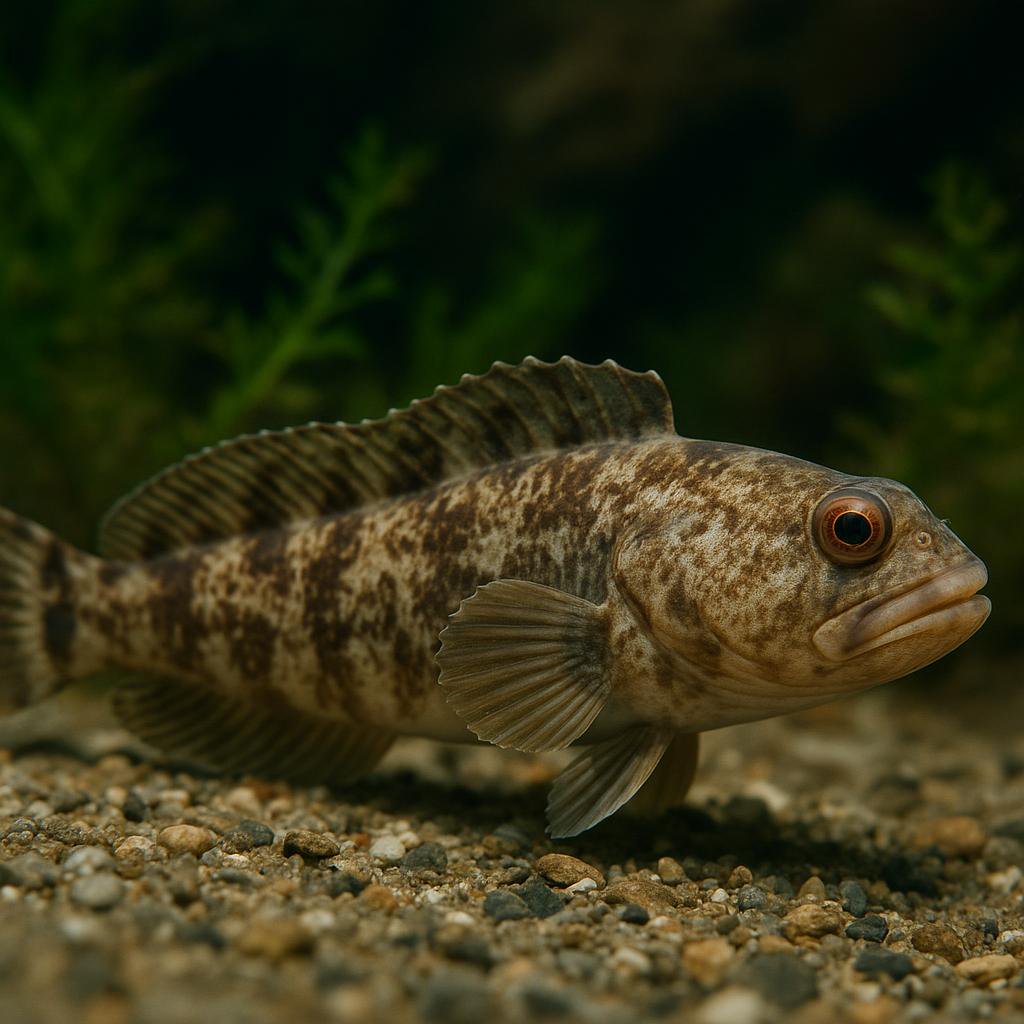
Japonolycodes abei is a temperate, deepwater demersal eelpout (family Zoarcidae) endemic to Japan (Kumano-nada Sea reported; other sources also report Sagami Bay and Tosa Bay). It is the only species in the genus Japonolycodes and occurs roughly 40-300 m depth, making it an uncommon/atypical aquarium species.
Affinis blind cusk-eel
Barathronus affinis
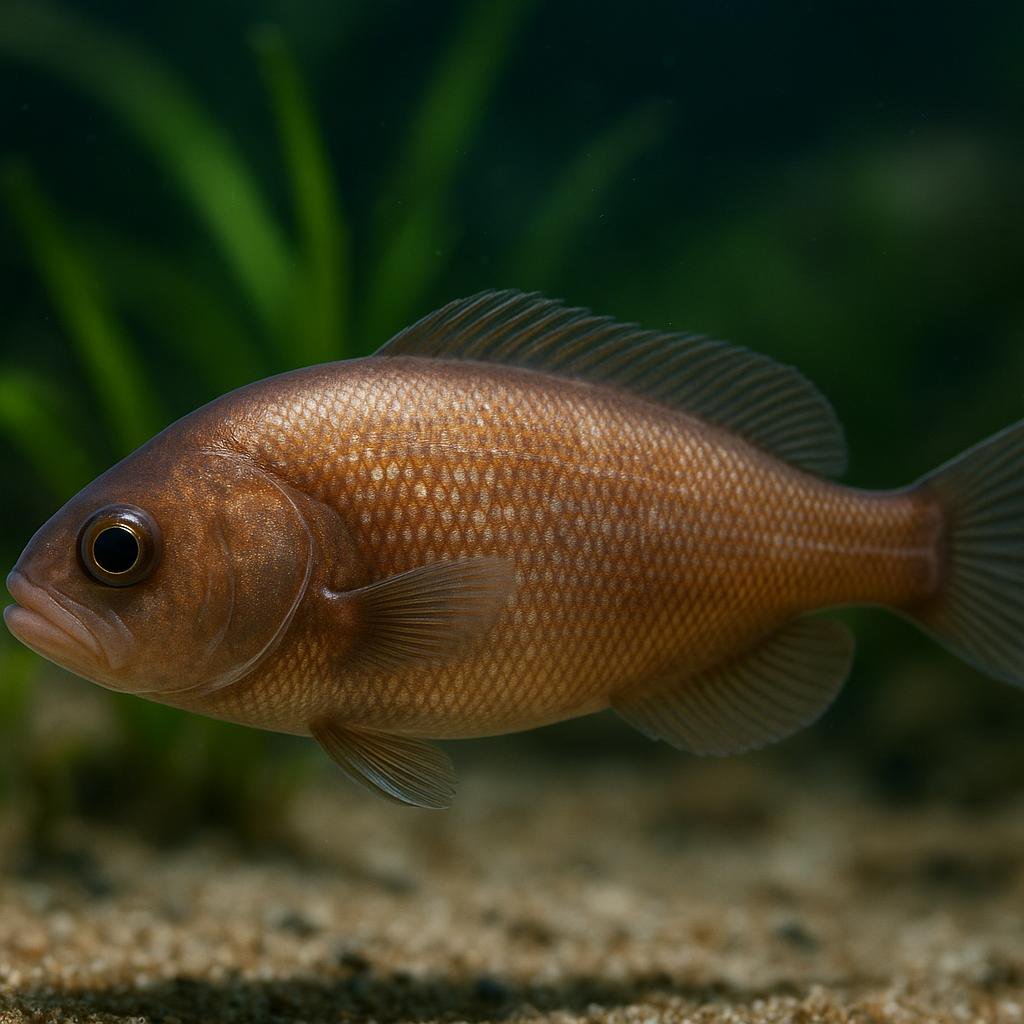
Barathronus affinis is a tiny, super-weird deep-sea blind cusk-eel from the western-central Indian Ocean. It is one of those gelatinous, loose-skinned brotula-type fishes that live way down in the dark and are basically never seen alive, so almost everything we know comes from preserved specimens and taxonomic work.
Allis shad
Alosa alosa
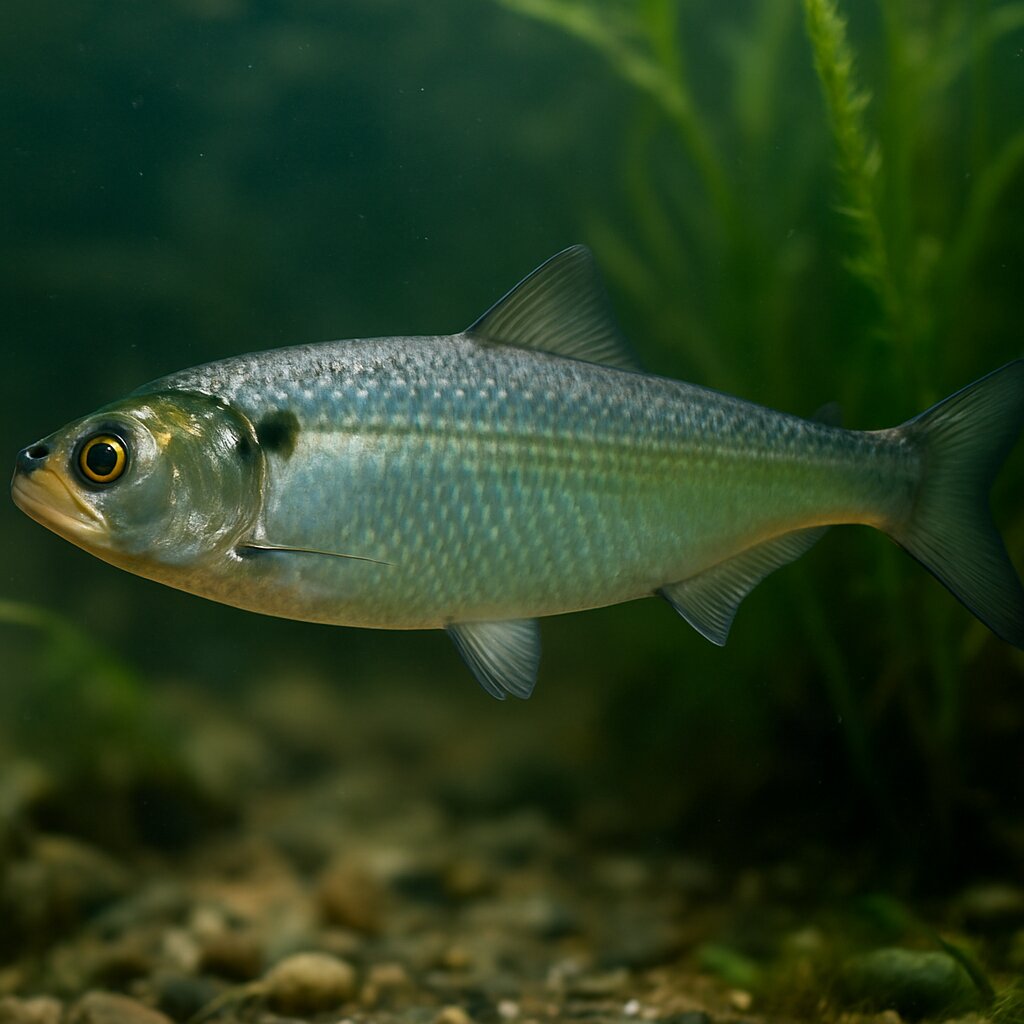
Gorgeous silver, fast-swimming shad that spends most of its life in the sea and then surges up big rivers in noisy, surface-spawning schools. It grows huge for a herring-type fish and needs cool, ultra-oxygenated water and tons of open space, so it is a public-aquarium species rather than a home tank fish.
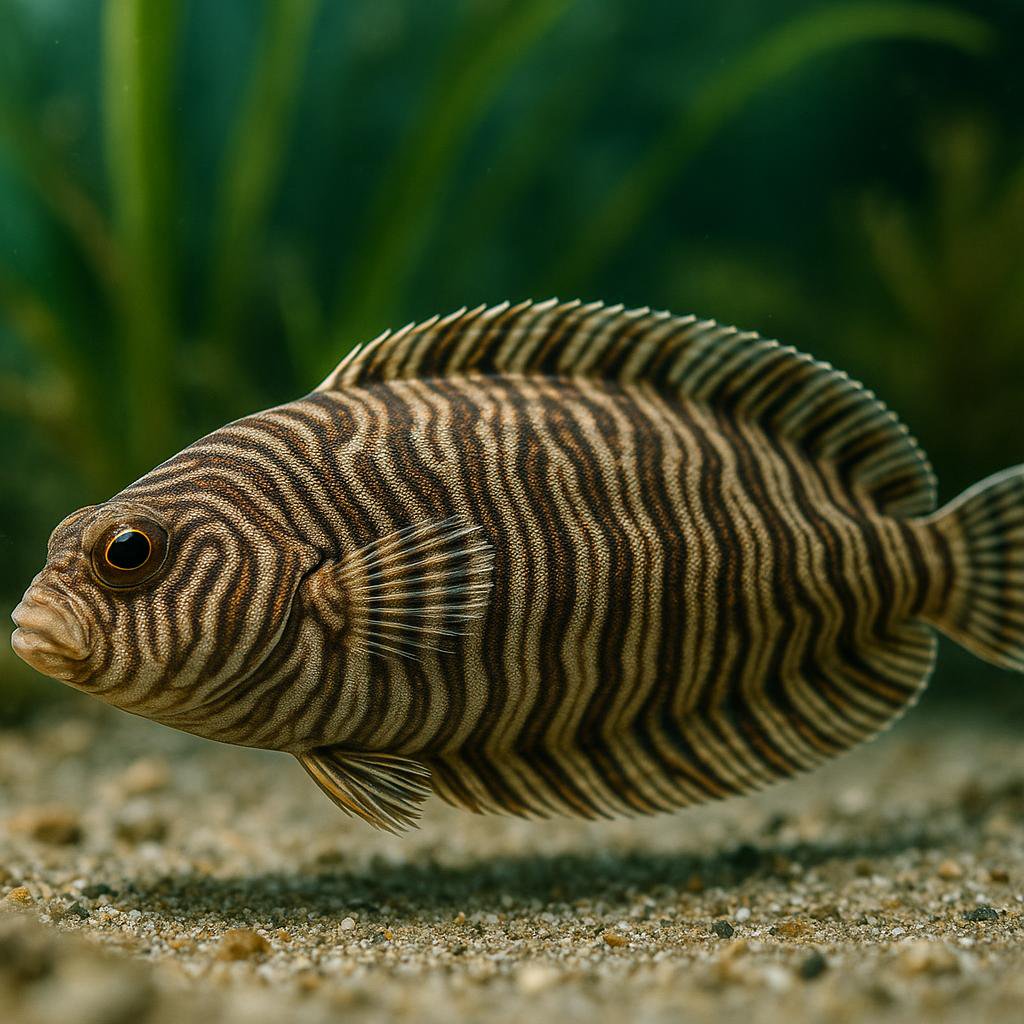
Annandale's zebra sole
Zebrias annandalei
Zebrias annandalei is a small demersal sole from coastal India that inhabits sandy or muddy bottoms and buries for camouflage. It is rarely kept in home aquaria and would require a specialized marine sand-bottom setup and appropriate feeding.
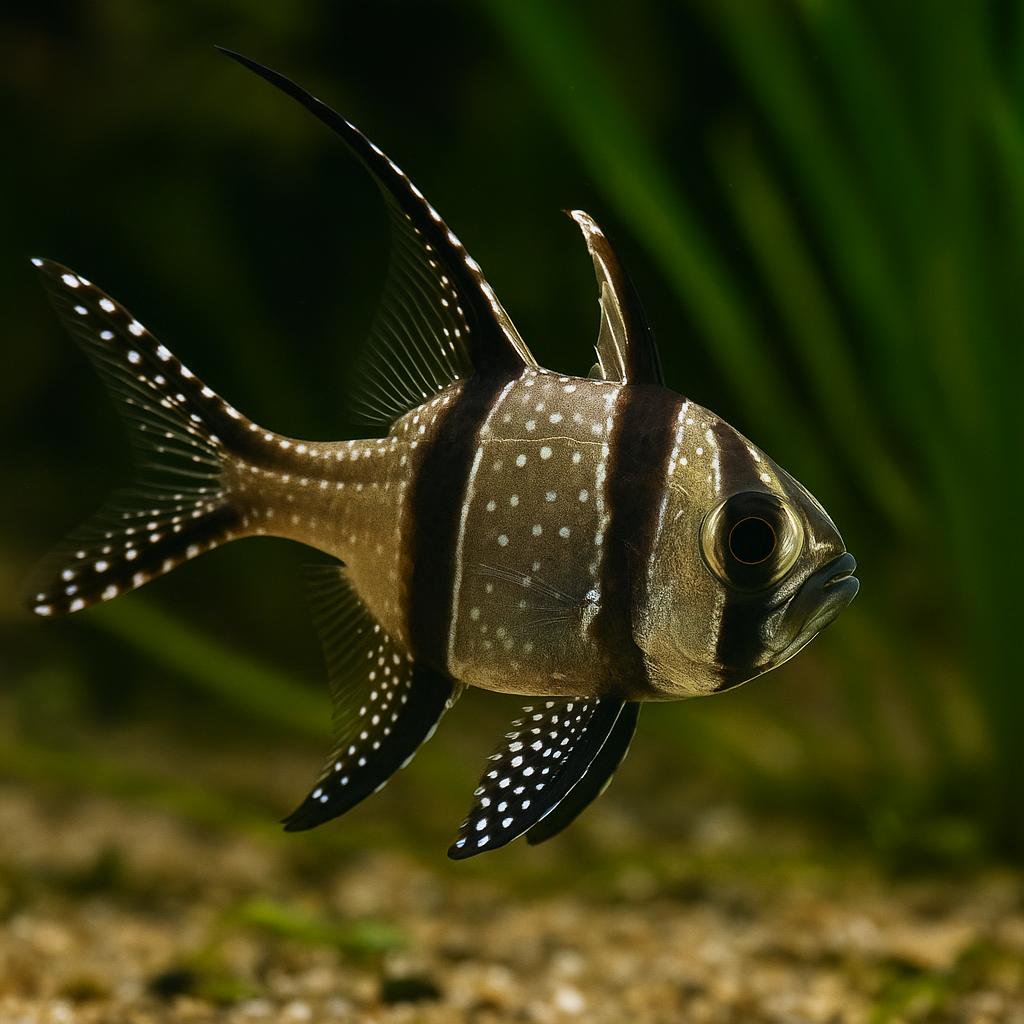
Banggai Cardinalfish
Pterapogon kauderni
Banggai cardinals just sort of hover like little underwater satellites, and the bold black bars with those long, polka-dotted fins look unreal under reef lighting. They're super chill most of the time, but once a pair forms you'll see real "fish drama," and the male will even mouthbrood the babies like a champ.
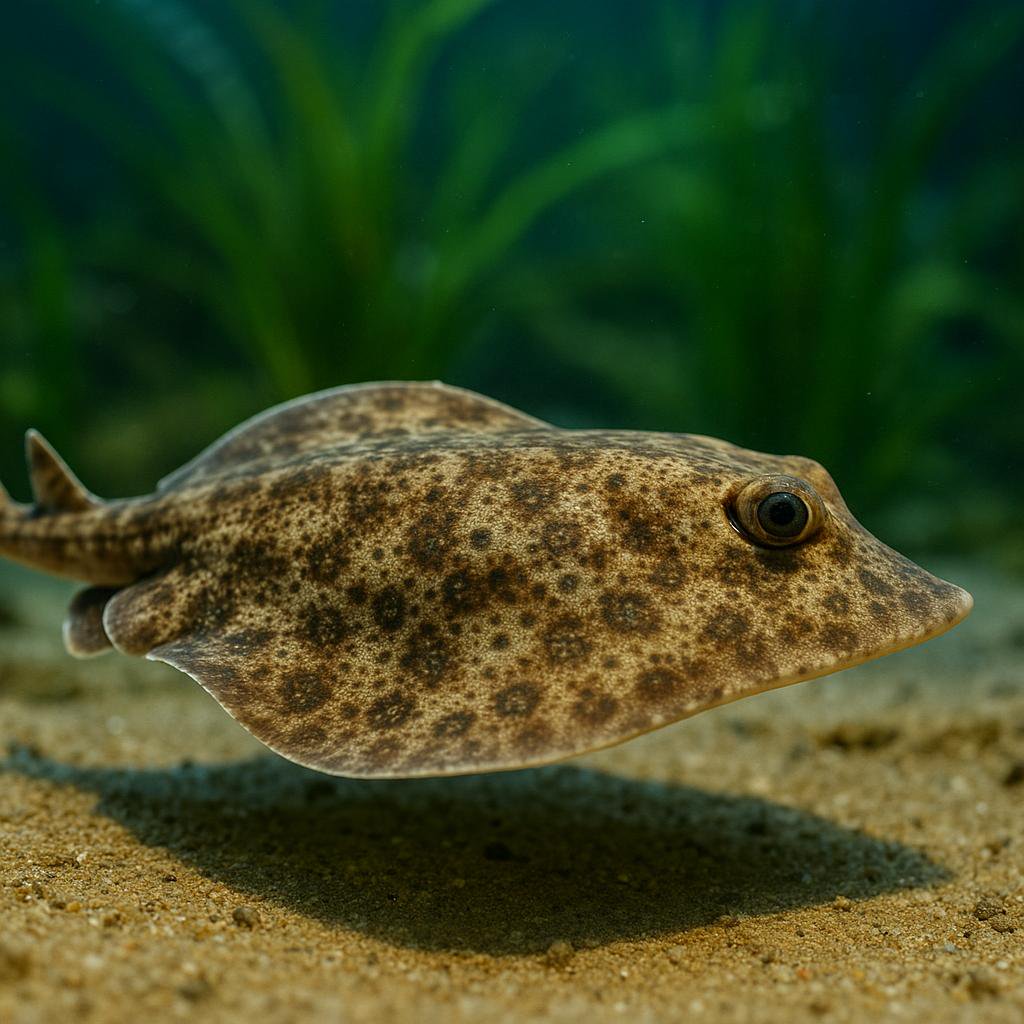
Barbedwire-tailed skate
Notoraja martinezi
Notoraja martinezi is a deepwater skate from the eastern Pacific (Costa Rica down to Ecuador) that lives way down on soft bottoms. The tail is the giveaway - it is lined with strong, hooked thorns that really do look like barbed wire. This is absolutely not an aquarium fish; it is a cold, high-pressure deep-sea animal with basically no practical home care info because it is not kept in the hobby.
More to Explore
Discover more marine species.
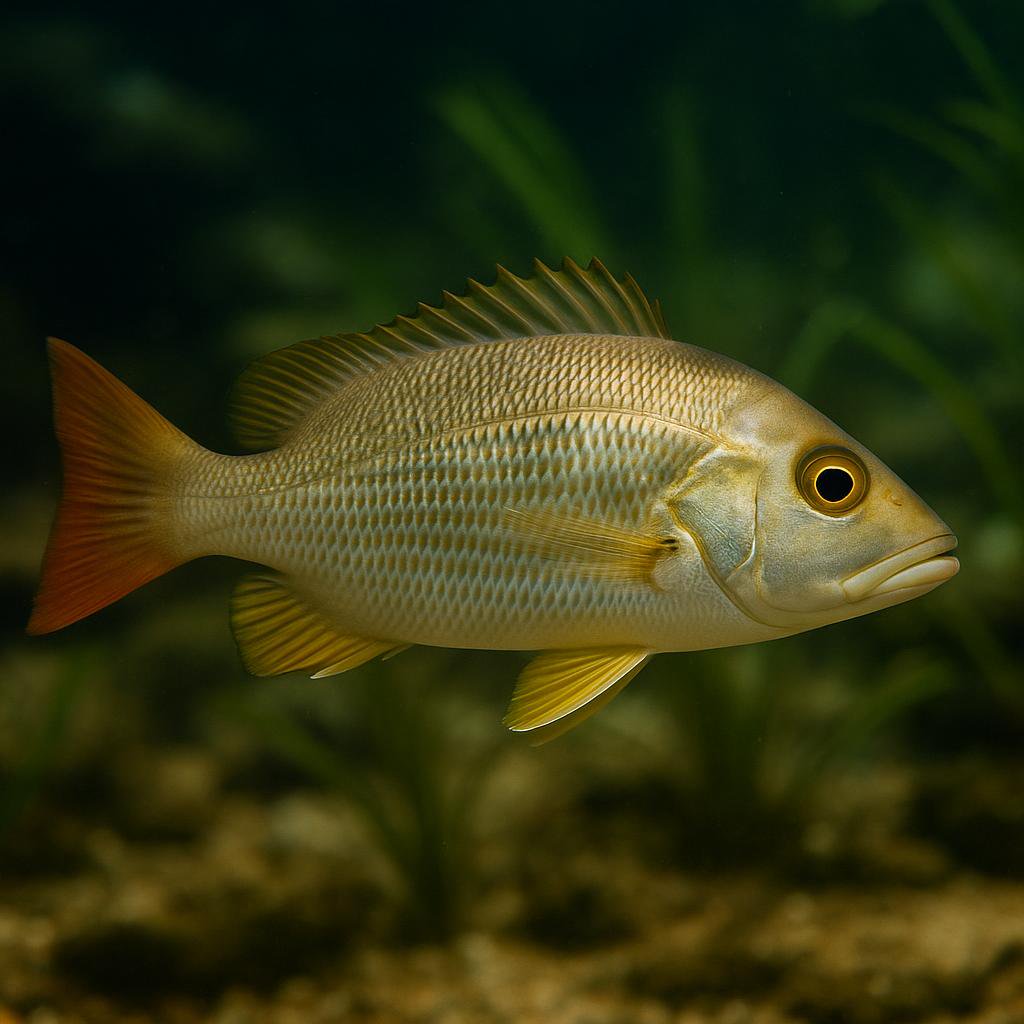
African red snapper
Lutjanus agennes
This is a true snapper from West Africa - a big, fast-growing predator that goes from coastal reefs to brackish lagoons and estuaries (especially as a juvenile). Super cool fish in the wild, but it gets absolutely huge and will eat smaller tankmates once it has the mouth for it, so its really more of a public-aquarium scale animal than a home-aquarium fish.
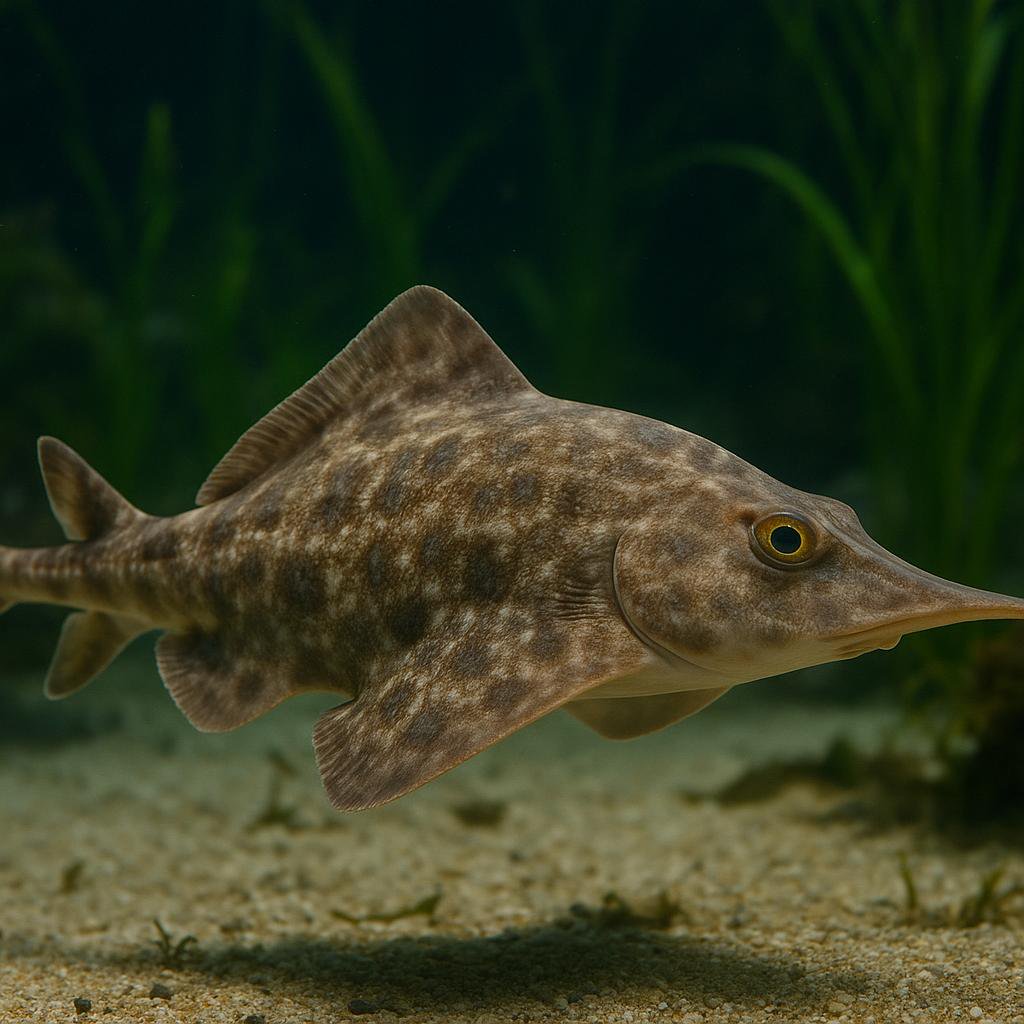
Aleutian skate
Bathyraja aleutica
This is a big, cold-water deep-slope skate from the North Pacific that cruises muddy bottoms and eats chunky benthic prey like crabs and shrimp. The really cool bit is its egg-laying skate life - it does distinct pairing (the classic skate "embrace") and drops those tough egg cases on the seafloor. Not an aquarium fish at all unless you're basically running a public-aquarium-style chilled system.
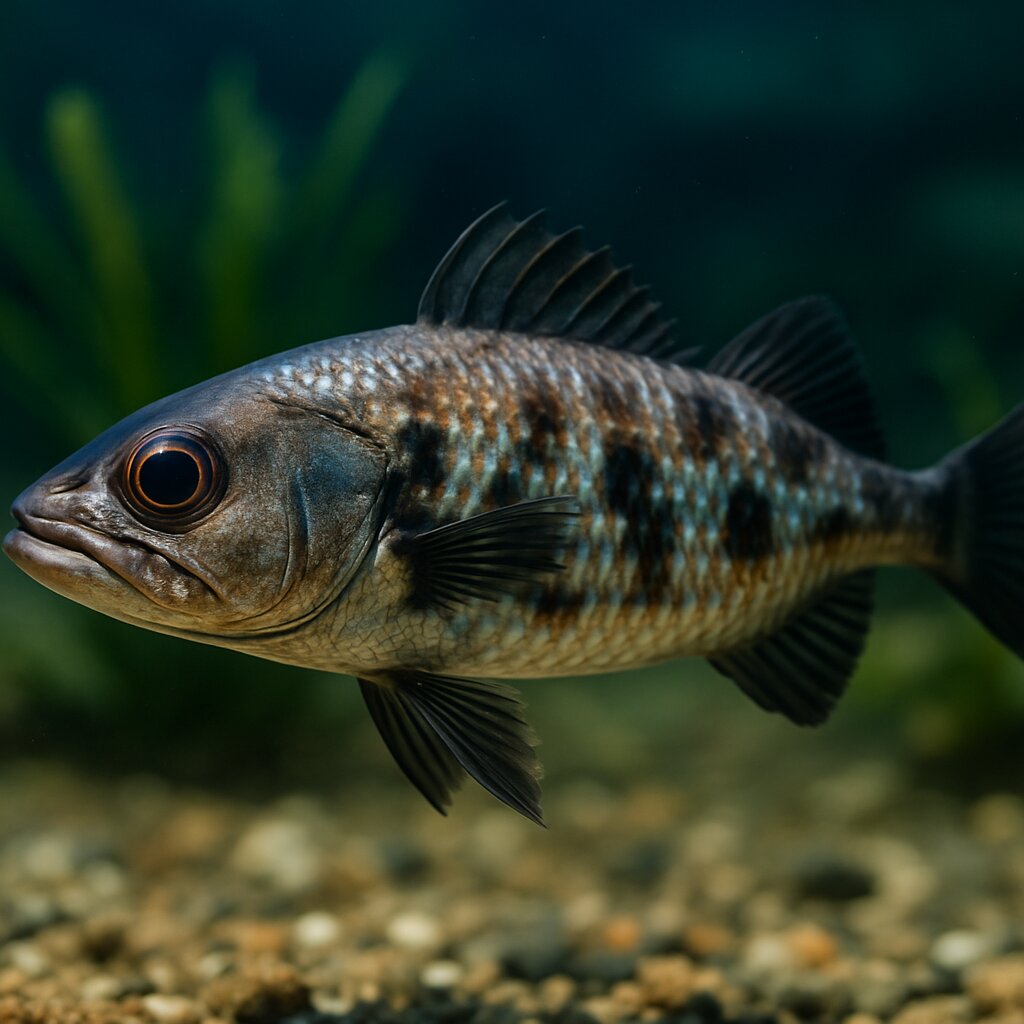
Antarctic dragonfish
Vomeridens infuscipinnis
Deep down around Antarctica, this sleek dragonfish cruises the water column like a little submarine, nearly neutrally buoyant so it can hover above the seafloor. It munches almost exclusively on Antarctic krill and lives in near-freezing water 500-800 m down, so it is a cool species to read about, not one for home tanks.
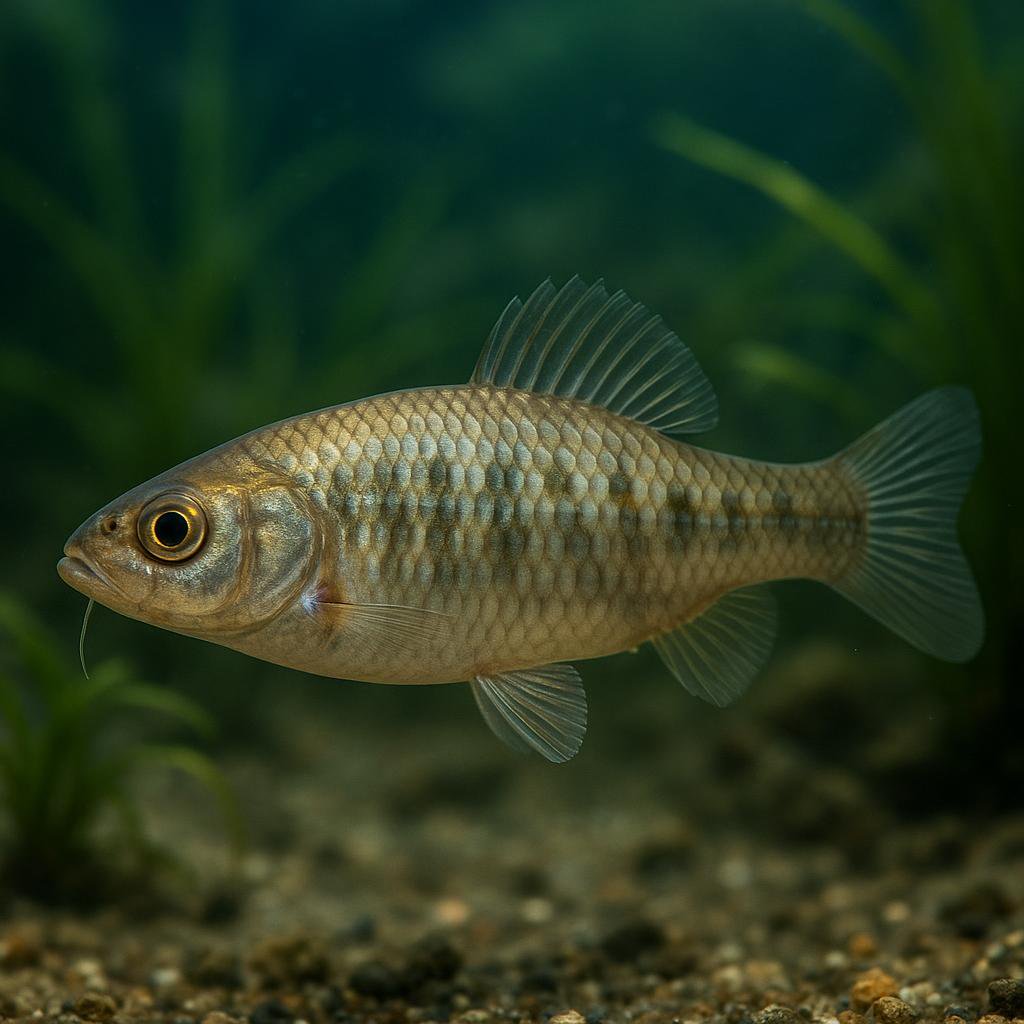
Arabian spiny eel
Notacanthus indicus
Notacanthus indicus is a deep-sea spiny eel (family Notacanthidae; not a true eel) known from the Arabian Sea on the continental slope at roughly ~960–1,046 m depth, with reported maximum length around 20 cm TL; it is a deep-water bycatch species and not established in the aquarium trade.
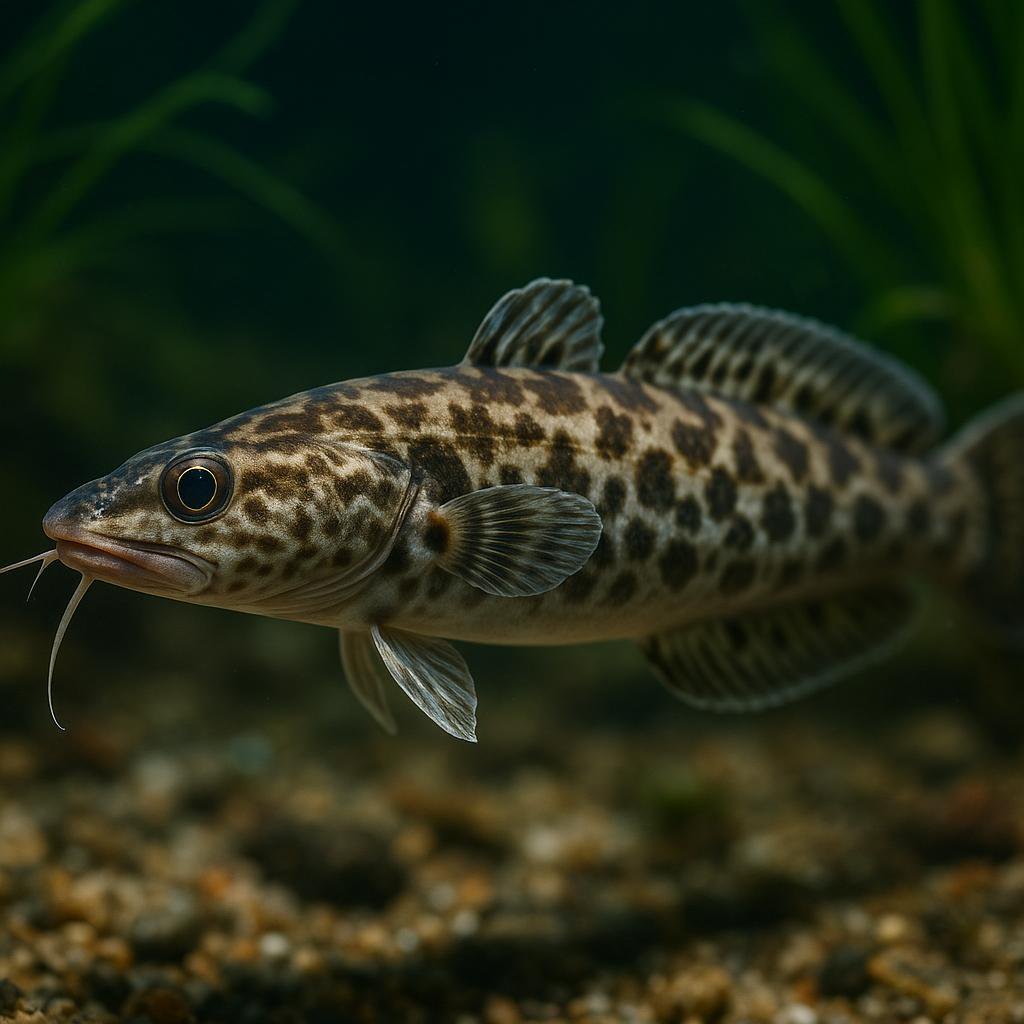
Arctic rockling
Gaidropsarus argentatus
This is a deepwater North Atlantic rockling (a cod relative) that hangs out on soft bottoms way down the slope. It is a cold-water, bottom-hugging predator that snoots around for crustaceans and will also take small fish when it gets the chance.
Atlantic pomfret
Brama brama
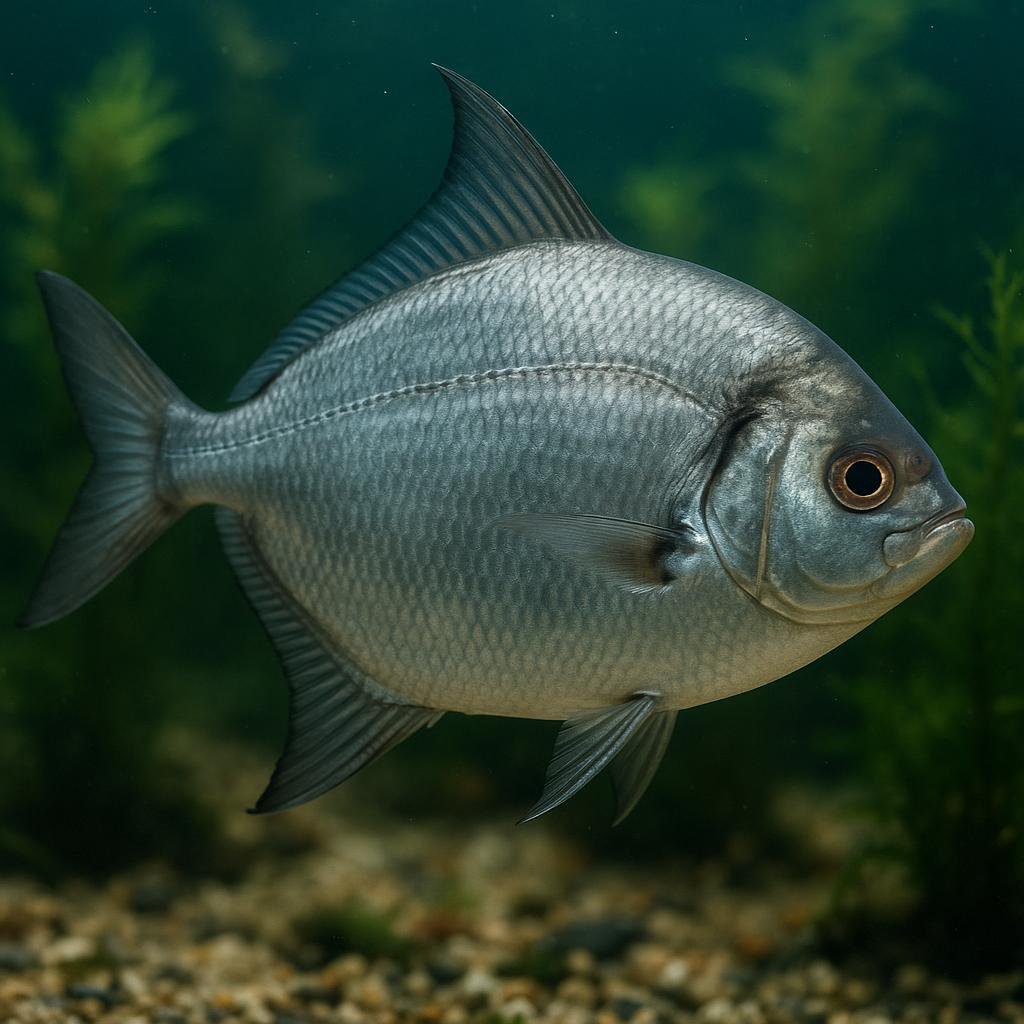
Brama brama is the Atlantic pomfret (aka Ray's bream) - a deep-bodied, open-ocean pelagic fish that cruises around in small schools and follows water temps. It is a legit big, wild marine species (not an aquarium fish) that eats other small sea critters like fish and squid, and it ranges across a huge chunk of the Atlantic plus parts of the Indian and South Pacific.
Looking for other species?