

Dusky sand eel
Yirrkala fusca
About the Dusky sand eel
Yirrkala fusca is a little snake eel (worm eel) from the Ophichthidae family that spends its life nosing around sandy or silty bottoms and basically wants to stay hidden. It is not really an aquarium fish - it is small, cryptic, and super prone to escaping unless the tank is built like a fortress.
Also known as
Quick Facts
Size
15.3 cm
Temperament
Peaceful
Difficulty
Expert
Min Tank Size
30 gallons
Lifespan
5-10 years
Origin
Western Indian Ocean
Diet
Carnivore - small crustaceans/worms; in captivity would need meaty frozen foods (mysis, finely chopped shrimp, clam) and/or live foods to start
Water Parameters
24-28°C
8-8.4
8-12 dGH
Need a heater for this species?
This species needs 24-28°C in a 30 gallon tank. Use our heater calculator to find the right wattage.
Calculate heater sizeCare Notes
- Give it a long footprint tank and a deep sand bed (4-6 in) of fine sand so it can bury without scraping itself up; PVC tubes under the sand help it feel secure and stop constant glass surfing.
- Keep the water boring-stable: 1.025-1.026 SG, 24-26 C (75-79 F), pH 8.1-8.4, and keep nitrate low because they get twitchy and stop eating when the tank gets dirty.
- Tight lid is non-negotiable - they launch like rockets at night or when spooked, and they can find gaps around cords you did not know existed.
- Feed like a predator that hunts from ambush: small meaty stuff (PE mysis, chopped shrimp, enriched brine, silverside slivers) and use tongs to drop food right at the burrow until it learns the routine.
- They are not a 'community fish' - avoid tiny gobies, ornamental shrimp, and anything that can fit in its mouth; also avoid pushy wrasses and dottybacks that will harass it into hiding.
- Run strong oxygenation and flow but keep a calm zone over the sand where it sits; if the sand is blasting around, it will stay buried and you will think it vanished.
- Watch for sand-related injuries and bacterial infections (red patches, cloudy skin) if the substrate is too coarse or dirty; quarantine helps because treating a buried fish in a reef is a headache.
Compatibility
Good Tankmates
- Other mellow sand-burrowers like watchman gobies (Cryptocentrus spp.) - they mind their own business, and as long as you have plenty of sand and a few separate bolt-holes, everybody just does their thing
- Small, peaceful gobies and dartfish (firefish, small Amblyeleotris-type gobies) - they hang in the water column or hover near a spot while the sand eel stays low and shy
- Blennies with a calm vibe (tailspot-type, bicolor, similar) - lots of perching and algae picking, usually zero interest in a sand eel that is half-buried most of the day
- Peaceful wrasses that are not bullies (think flasher or fairy wrasses) - active but generally not out to harass a cryptic burrower, and they do not compete much for the same hiding spots
- Small, non-territorial reef fish like chromis or captive-bred ocellaris clownfish - as long as the tank is not a brawl zone, the sand eel just ignores them and they ignore it
- Shrimp and cleanup crew (peppermint shrimp, cleaner shrimp, snails, small hermits) - a dusky sand eel is usually all about tiny meaty foods and staying hidden, not hunting your CUC
Avoid
- Aggressive or pushy dottybacks and damsels - they love to claim rockwork and will pick on shy, secretive fish that do not stand up for themselves
- Big wrasses and other high-energy bruisers (sixline in a mean mood, large halichoeres, etc.) - they can constantly pester anything that moves near the sand and keep the sand eel stressed and hiding
- Predators and gulpers (groupers, large hawkfish, lionfish) - if it fits in a mouth, it is on the menu, and a slender sand eel shape is basically an invitation
Where they come from
Dusky sand eels (Yirrkala fusca) are one of those fish you almost never see unless you know exactly where to look. They come from Indo-West Pacific coastal areas and spend a lot of their life buried in sand or tucked into rubble, poking their head out when they feel safe. Think shallow, silty lagoon edges and sandy channels - not pristine reef tops with blasting flow.
If you are expecting an "eel" that swims around like a moray, this is the opposite. Most days you will see a head, a set of eyes, and a little snout in the sand. That is normal.
Setting up their tank
This is an expert fish because the tank has to be built around its whole "bury first, ask questions later" lifestyle. If your sand, rockwork, and intake protection are not dialed in, they either vanish forever, get hurt, or end up in a pump.
Go bigger than you think. A 40-75 gallon footprint gives you room for a real sand bed and stable rockwork. The fish itself is slender, but it uses space by cruising under the sand and darting between hideouts.
- Sand bed: fine sand, 3-6 inches deep. Sugar-sized aragonite works well. Coarse gravel is asking for scrapes and stress.
- Rockwork: put rocks on the glass or on a solid base, then add sand around them. They will undermine things.
- Cover: tight lid. They can launch if spooked, especially at night.
- Filtration: standard reef-style biofiltration works, but keep intakes and overflows screened. They fit through ridiculous gaps.
- Flow: moderate. You want enough turnover for water quality, but not a sandstorm that keeps the bed shifting all day.
- Lighting: they do not care. If you run bright reef lights, give them shaded zones with overhangs or macroalgae clumps.
Do not trust "reef-safe" overflows. Put mesh or foam guards on every intake. I have seen sand-buriers end up in the sump after months of being "fine".
Water parameters need to be stable like any marine predator: 1.025-1.026 salinity, steady temp (around 76-78F), low ammonia/nitrite always, and nitrate kept reasonable. The bigger deal is oxygen and cleanliness around the sand bed. Detritus piles up where they live.
I aim a small powerhead so it gently sweeps the sand surface in their area, not blasting it, just keeping mulm from settling. It makes a big difference in how "clean" their burrow zone stays.
What to feed them
This is where most people lose them. They are ambush predators and many arrive skinny or not recognizing prepared foods. You have to meet them halfway at first.
- Best starters: live blackworms (rinsed well), live ghost shrimp, live enriched brine (as a short-term tool), small live fish only if you know the risks.
- Once feeding: thawed mysis, chopped shrimp, chopped clam, fish flesh (sparingly), squid bits, PE mysis sized items if they can take it.
- Target feeding: use long tongs or a feeding stick and present food right at the burrow entrance. They often will not "hunt" across the tank at first.
- Frequency: smaller meals 3-5x/week beats one huge meal. They are built for frequent small prey.
Skip feeder goldfish/rosies. They foul water fast and the nutrition is junk. If you resort to live fish, use marine-safe options and wean off quickly.
Once they learn the routine, they get bold. Mine would recognize the feeding stick and rise higher out of the sand. Still, they can go on hunger strikes after big changes (rock moved, sand vacuumed, new tankmate). If that happens, back off, dim the lights, and offer a couple of small live items to restart the response.
How they behave and who they get along with
They are secretive, a little jumpy, and basically "sit and wait" predators. The main thing to understand is that anything that fits in their mouth is on the menu, and anything that harasses the sand bed will stress them out.
- Good tankmates: calm fish that ignore the substrate - many gobies that perch, cardinals, peaceful wrasses that do not dive-bomb the sand (use judgment), some tangs in larger tanks.
- Avoid: aggressive triggers, large dottybacks, boisterous damsels, hawkfish that pester, and most sand-sifting stars/sand-sifting gobies that constantly remodel their burrow.
- Cleanup crew: snails are usually fine, but very small hermits and tiny shrimp can disappear. Larger cleaner shrimp may be ignored or may be taken, depends on size and the individual.
- Corals: generally fine, but they can spit sand while shifting and can undermine rock that corals are attached to if your structure is not stable.
Do not pair them with fish that dive into sand to sleep (many wrasses) unless you have a lot of space and multiple sand zones. Competition for "safe sand" turns into stress fast.
You will see a few different "moods": head-only with just the eyes showing, head-and-neck up when watching, and full darting out for food. If yours stays completely buried for days after you get it, do not panic. Watch for sand movement and check at feeding time.
Breeding tips
Breeding in home aquariums is basically a unicorn. These eel-like fishes have larval stages that are not something you casually raise in a mixed reef tank. If you ever end up with two and see courtship, you will still hit the wall at larval rearing.
If your goal is breeding projects, pick a species with established captive breeding methods. For Yirrkala fusca, I would treat it as a display and behavior fish, not a breeding candidate.
Common problems to watch for
- Not eating after purchase: very common. Start with live foods, feed at dusk, and keep the area quiet. Do not chase them out of the sand.
- Jumping: happens during acclimation, after lights-out scares, or during tank maintenance. A lid fixes most tragedies.
- Getting shredded by pumps/overflows: screen everything, even "slow" intakes.
- Sand bed issues: dirty sand or shifting dunes can irritate skin and gills. Keep detritus under control and avoid coarse substrate.
- Tankmate stress: if they keep relocating burrows or stop showing at feeding time after adding a fish, that new fish is probably the reason.
- Parasites and bacterial issues: they can arrive with external parasites like many wild marines. Quarantine is hard because they want deep sand. Consider a dedicated QT with a sand tray (inert container of fine sand you can remove) and lots of PVC hide options.
Be careful vacuuming the sand. If you jab a siphon into their burrow, you can injure them. I only skim the surface and leave their main zone alone.
The biggest "pro move" with these is building the tank so the fish feels safe from day one: deep fine sand, stable rock, calm neighbors, and predictable feeding. Do that, and you will actually get to enjoy the little moments - the eyes tracking you from the sand, then the quick strike when food hits the zone.
Similar Species
Other marine peaceful species you might be interested in.
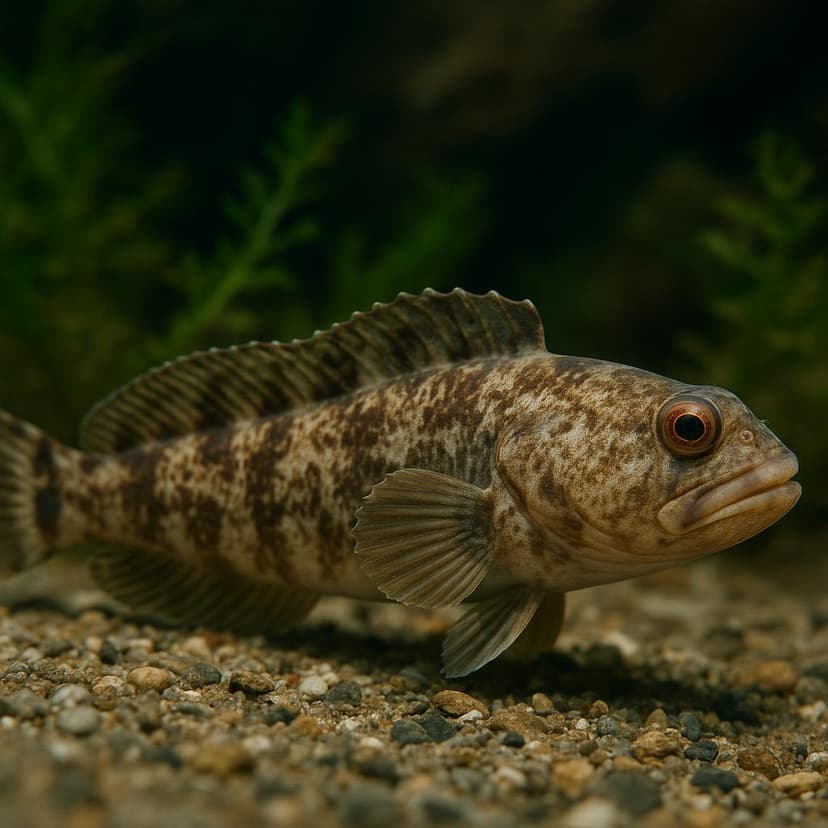
Abe's eelpout
Japonolycodes abei
Japonolycodes abei is a temperate, deepwater demersal eelpout (family Zoarcidae) endemic to Japan (Kumano-nada Sea reported; other sources also report Sagami Bay and Tosa Bay). It is the only species in the genus Japonolycodes and occurs roughly 40-300 m depth, making it an uncommon/atypical aquarium species.
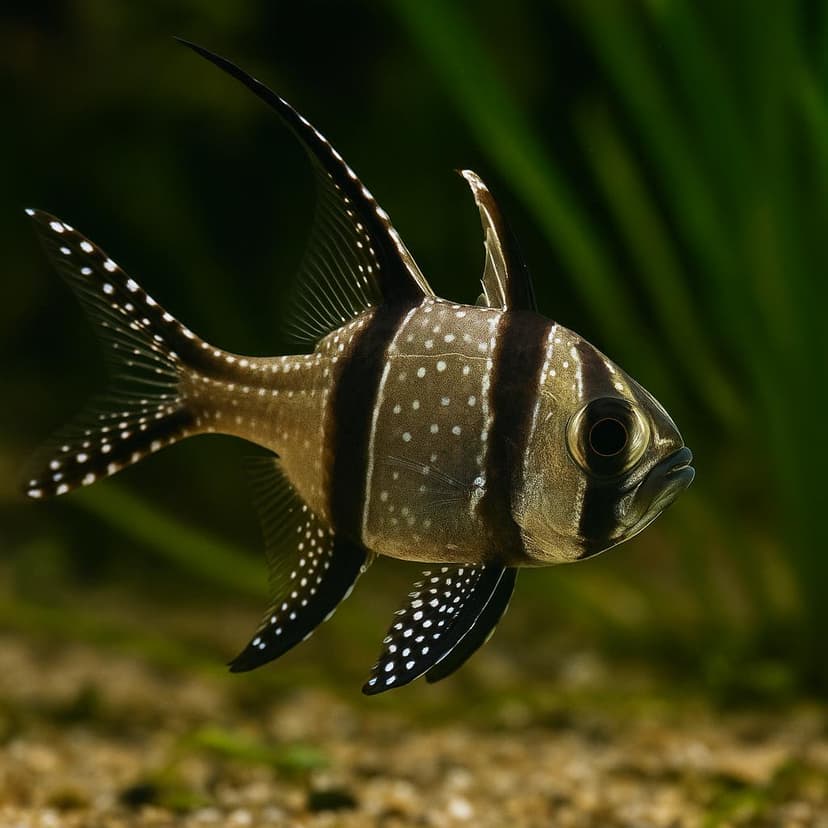
Banggai Cardinalfish
Pterapogon kauderni
Banggai cardinals just sort of hover like little underwater satellites, and the bold black bars with those long, polka-dotted fins look unreal under reef lighting. They're super chill most of the time, but once a pair forms you'll see real "fish drama," and the male will even mouthbrood the babies like a champ.
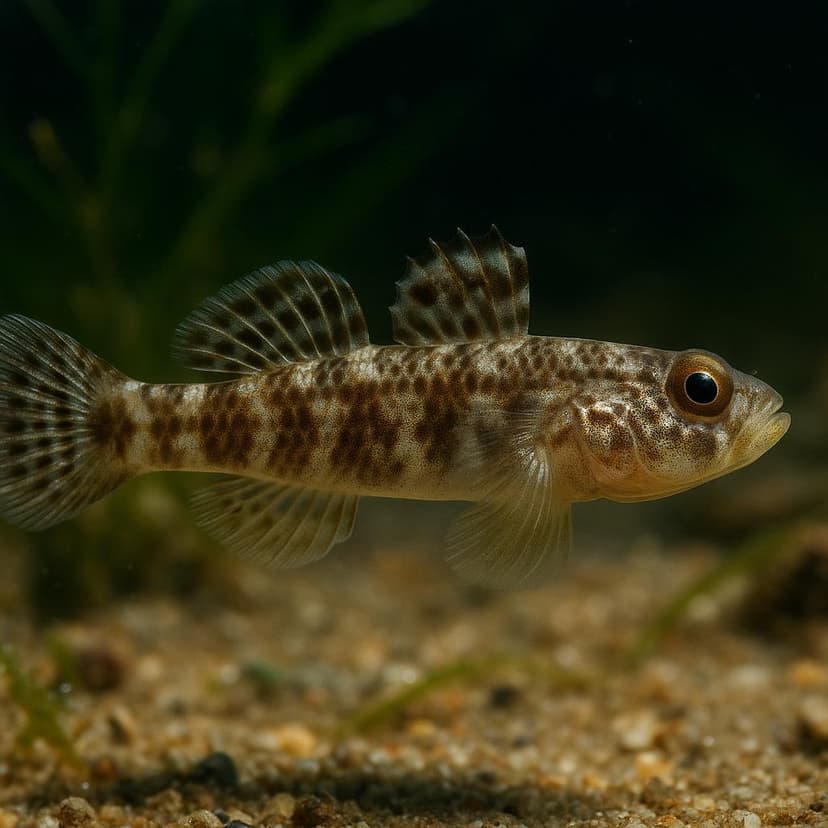
Ben-Tuvia's goby
Didogobius bentuvii
This is a tiny little Mediterranean goby from the Israeli coast that lives down on the bottom over muddy-sand, and it is likely a burrower. In other words, it is a blink-and-you-miss-it kind of fish - super small, demersal, and more about sneaky bottom-dweller vibes than flashy swimming.
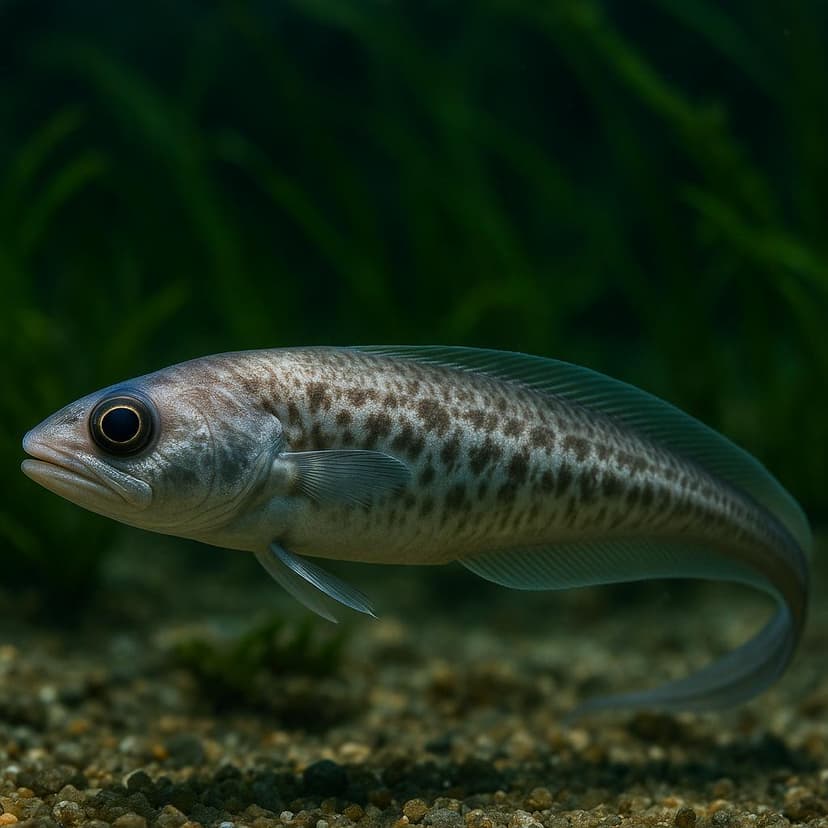
Bigeye brotula
Glyptophidium longipes
Glyptophidium longipes is a deepwater cusk-eel (brotula) from the western Indian Ocean - a slender, eel-ish fish with oversized eyes and long ventral-fin rays. It is a bathyal slope species from a few hundred meters down, so its real-world needs (cold, dark, high-pressure habitat) make it essentially an observation-only "research" animal rather than a practical aquarium fish.
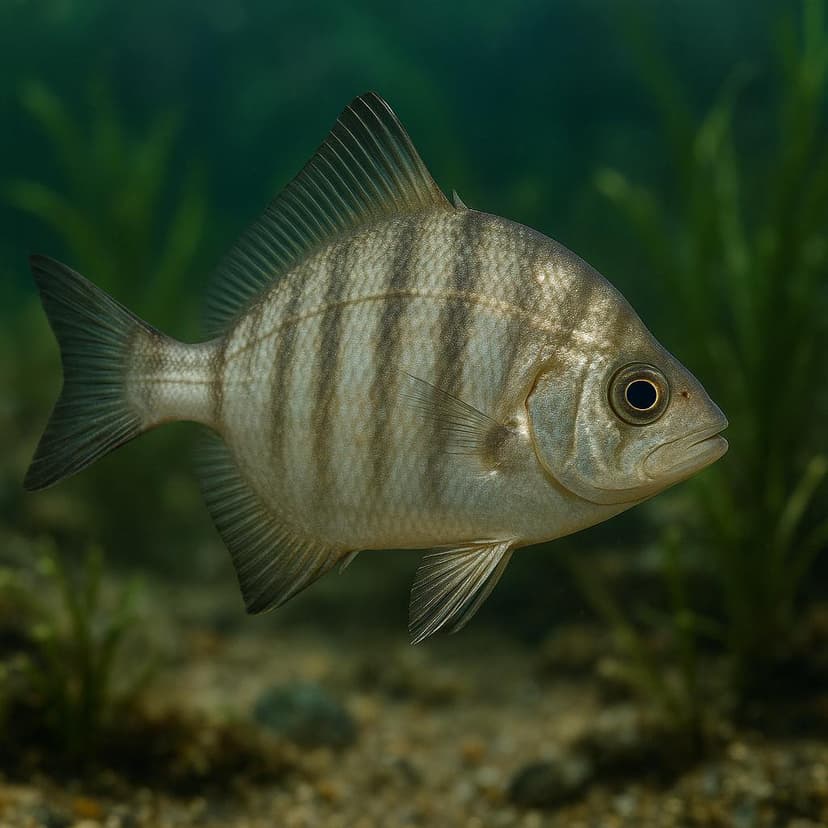
Bigeye clingfish
Kopua nuimata
Kopua nuimata is a tiny deepwater clingfish with big eyes and a neat pink-and-orange banded pattern. It lives way down on reefy slopes (roughly 160-337 m), so its "care" is mostly academic - its natural habitat is cold, dark, high-pressure water that we just do not replicate in home aquariums.
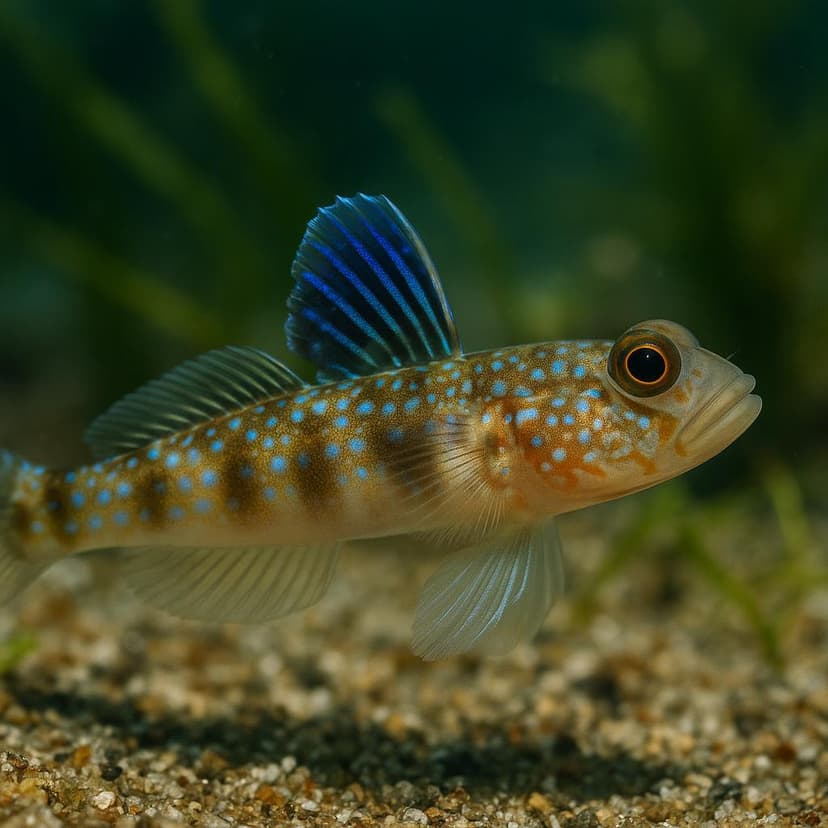
Bigfin shrimpgoby
Vanderhorstia macropteryx
This is one of those classic sand-dwelling shrimp gobies that posts up at a burrow entrance and keeps watch while its pistol shrimp roommate does the digging. In the tank its vibe is basically "little sentinel" - calm, bottom-oriented, and super fun to observe if you give it sand and a secure lid (they can jump).
More to Explore
Discover more marine species.
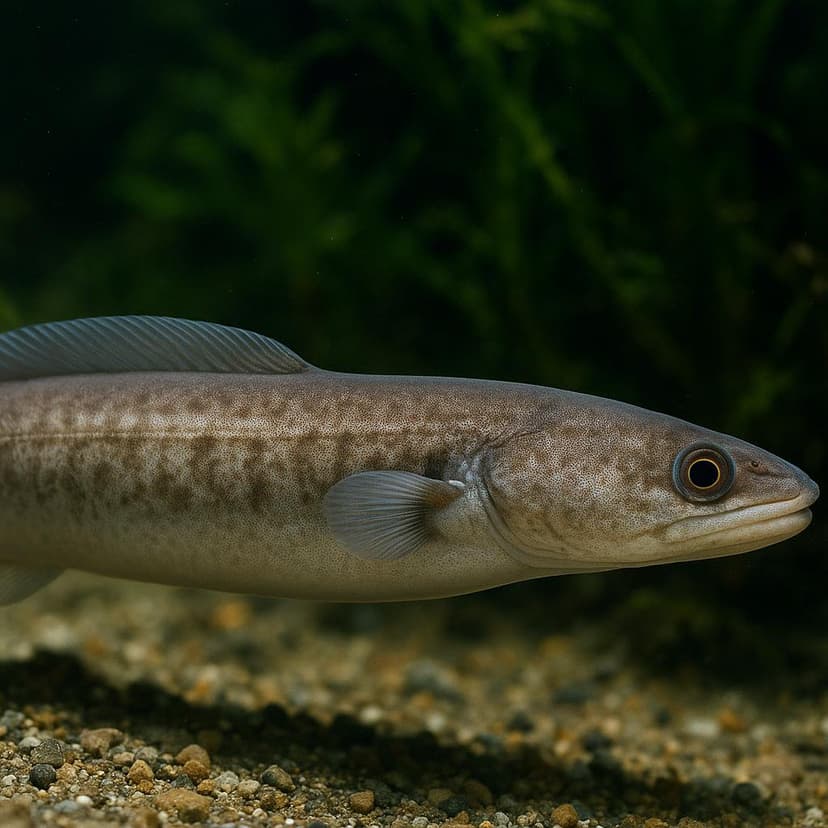
African conger (Japonoconger africanus)
Japonoconger africanus
This is a smallish deep-water conger eel from the eastern Atlantic (Gabon down to the Congo), and it lives way deeper than anything we normally keep at home. It is a predator that eats fish and crustaceans, and while it is a cool species on paper, it is basically not an aquarium fish in any normal sense due to its deep-water habitat and lack of established captive care info.
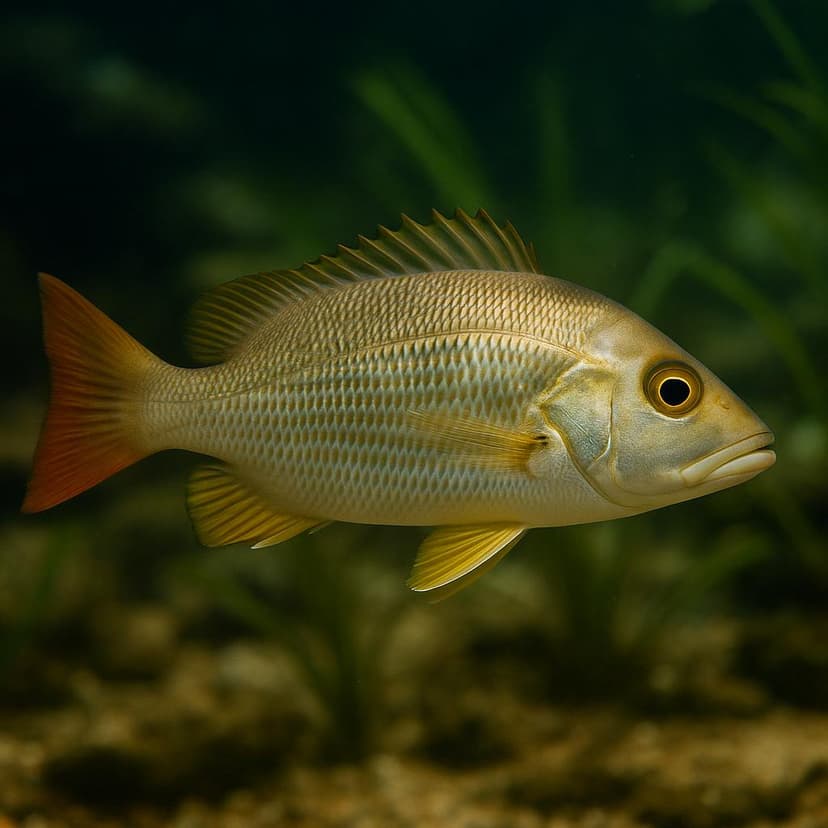
African red snapper
Lutjanus agennes
This is a true snapper from West Africa - a big, fast-growing predator that goes from coastal reefs to brackish lagoons and estuaries (especially as a juvenile). Super cool fish in the wild, but it gets absolutely huge and will eat smaller tankmates once it has the mouth for it, so its really more of a public-aquarium scale animal than a home-aquarium fish.
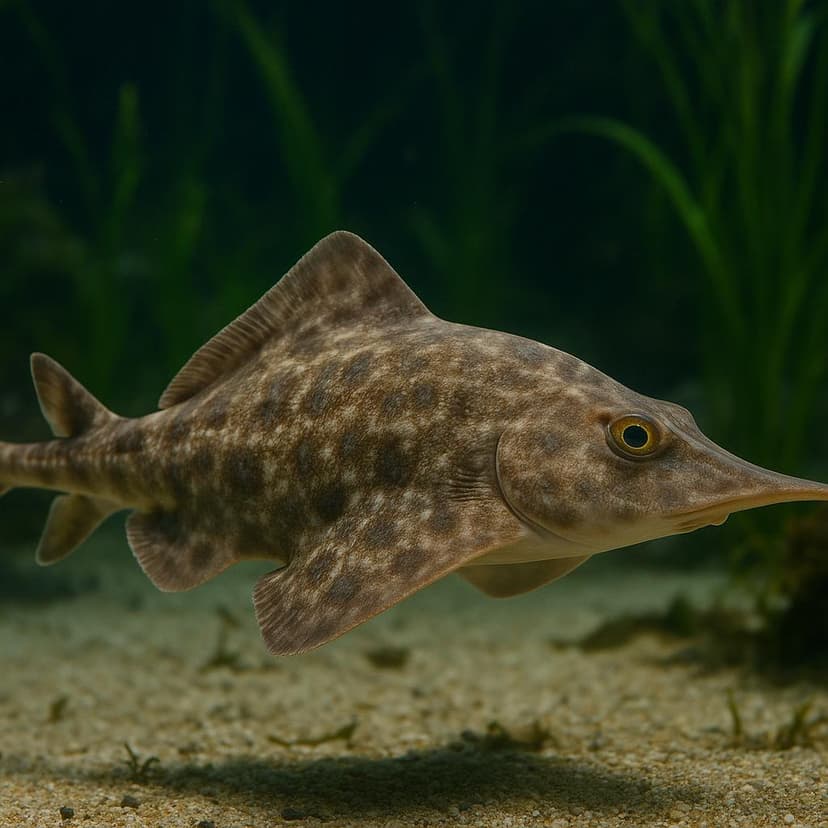
Aleutian skate
Bathyraja aleutica
This is a big, cold-water deep-slope skate from the North Pacific that cruises muddy bottoms and eats chunky benthic prey like crabs and shrimp. The really cool bit is its egg-laying skate life - it does distinct pairing (the classic skate "embrace") and drops those tough egg cases on the seafloor. Not an aquarium fish at all unless you're basically running a public-aquarium-style chilled system.
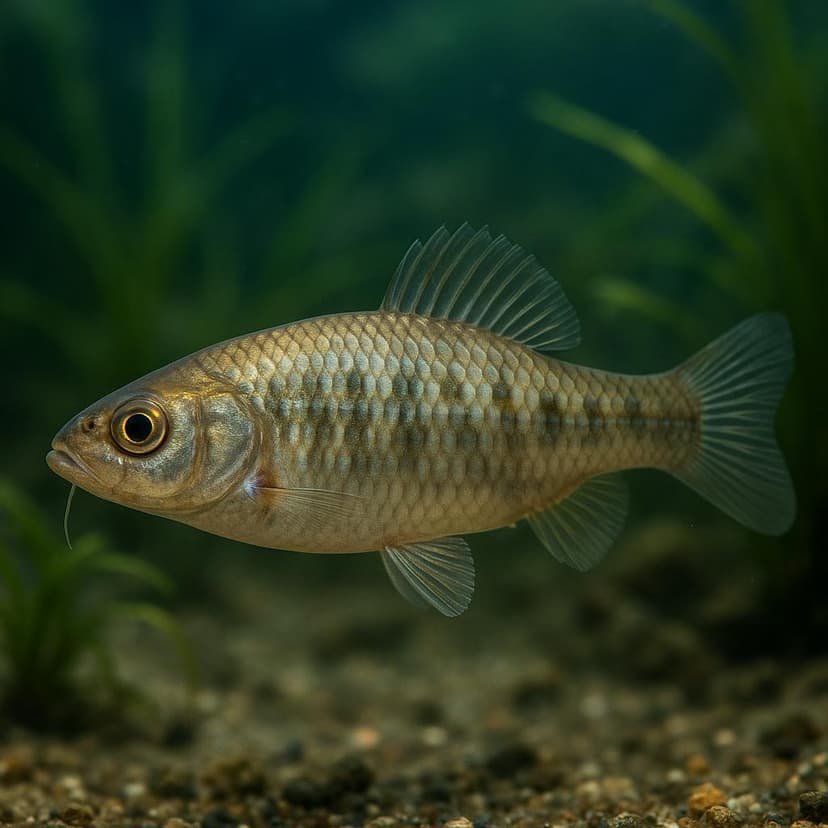
Arabian spiny eel
Notacanthus indicus
Notacanthus indicus is a deep-sea spiny eel (family Notacanthidae; not a true eel) known from the Arabian Sea on the continental slope at roughly ~960–1,046 m depth, with reported maximum length around 20 cm TL; it is a deep-water bycatch species and not established in the aquarium trade.
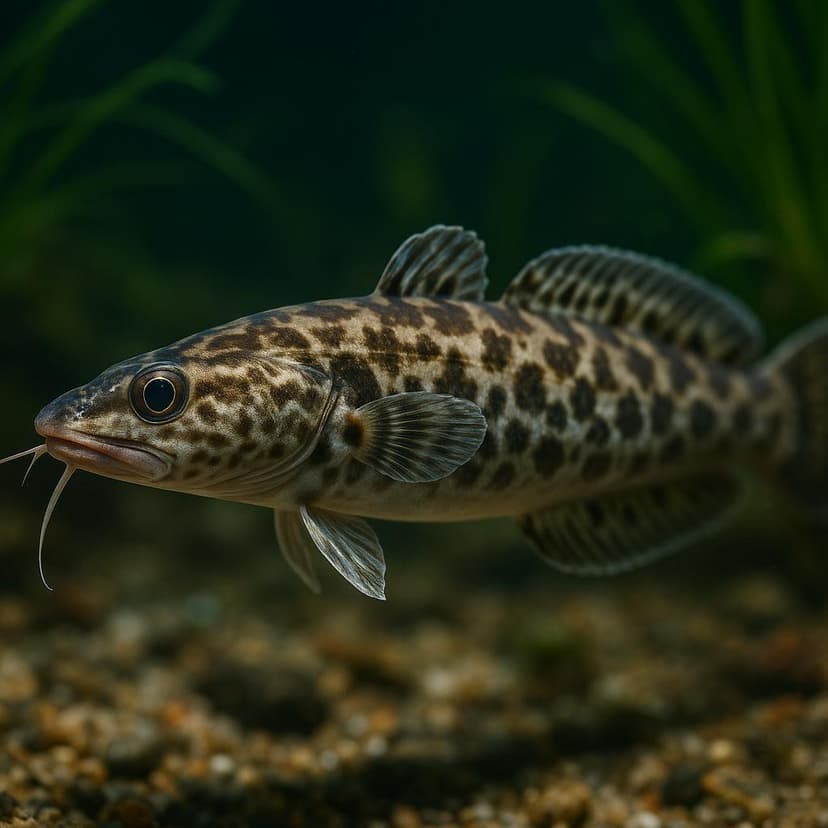
Arctic rockling
Gaidropsarus argentatus
This is a deepwater North Atlantic rockling (a cod relative) that hangs out on soft bottoms way down the slope. It is a cold-water, bottom-hugging predator that snoots around for crustaceans and will also take small fish when it gets the chance.
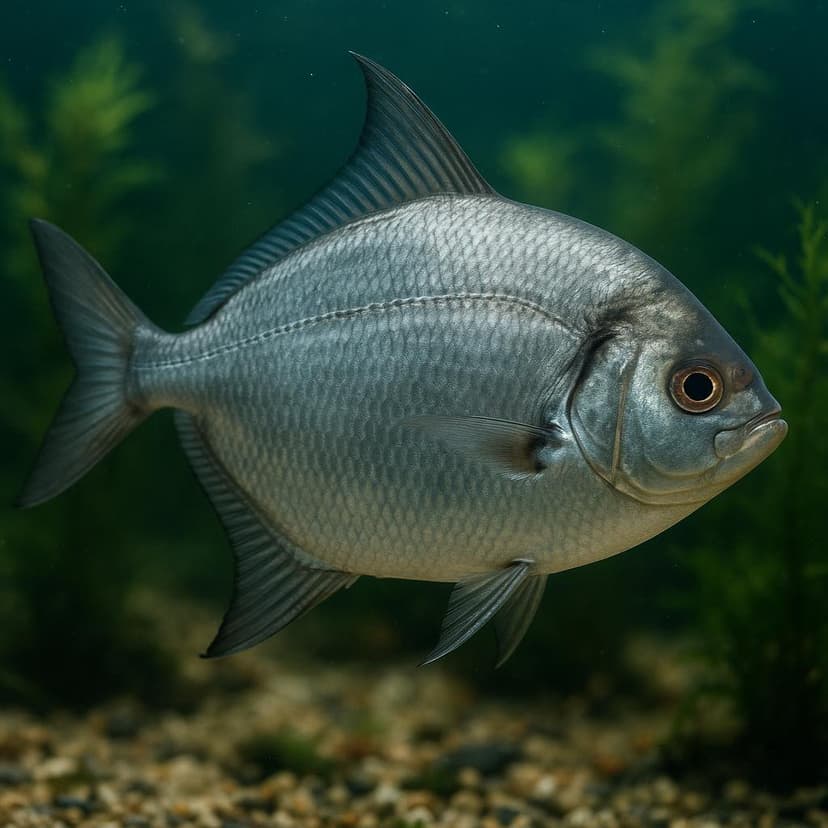
Atlantic pomfret
Brama brama
Brama brama is the Atlantic pomfret (aka Ray's bream) - a deep-bodied, open-ocean pelagic fish that cruises around in small schools and follows water temps. It is a legit big, wild marine species (not an aquarium fish) that eats other small sea critters like fish and squid, and it ranges across a huge chunk of the Atlantic plus parts of the Indian and South Pacific.
Looking for other species?