

Search Species
Search for fish species by common or scientific name, or use filters to browse by water type, size, temperament, and difficulty.
Found 148 species
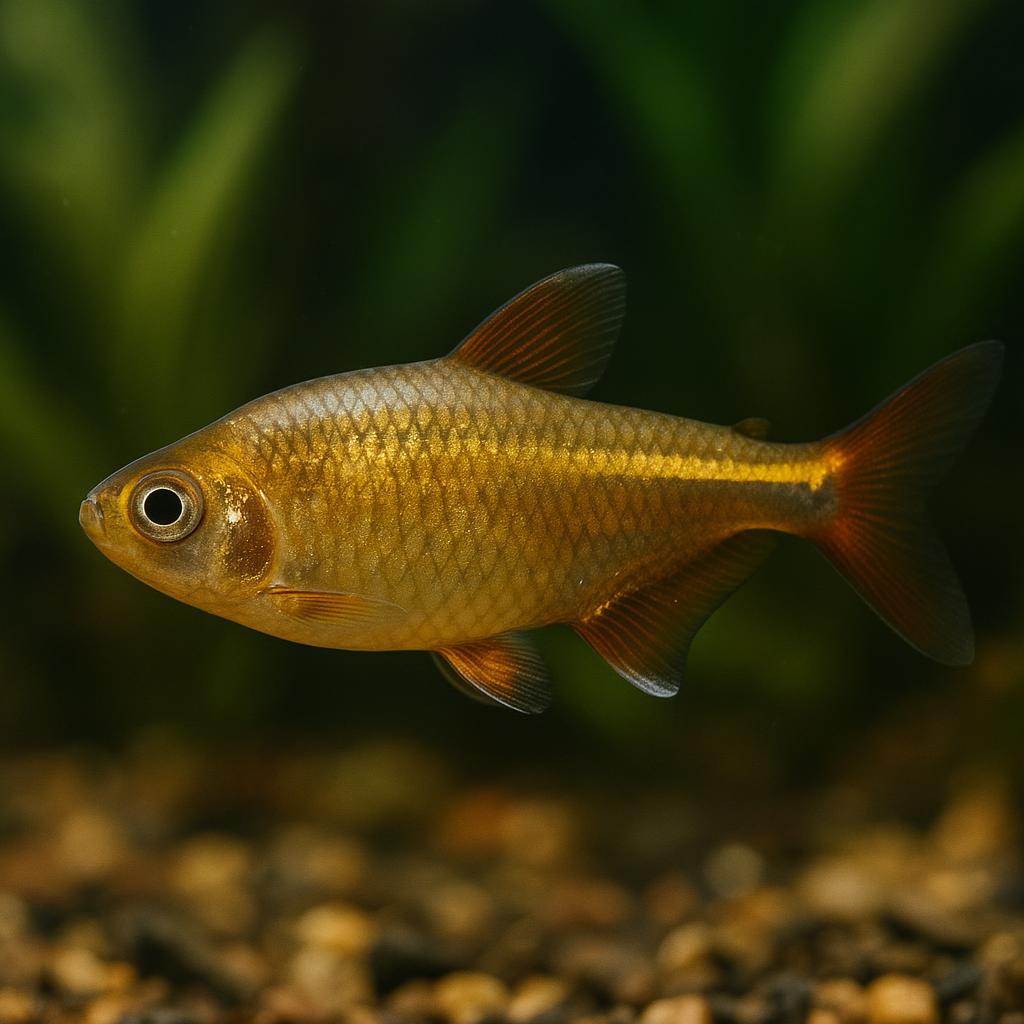
Silver Tip Tetra
Hasemania nana
These little guys are like tiny sparks in the tank-silvery bodies with those warm orange "copper" fins that really pop when they're happy and colored up. Keep them in a proper group and you'll see them cruise around together, doing that classic tetra "we're all going this way now" thing, and the males will sometimes flash at each other without it turning into real drama.
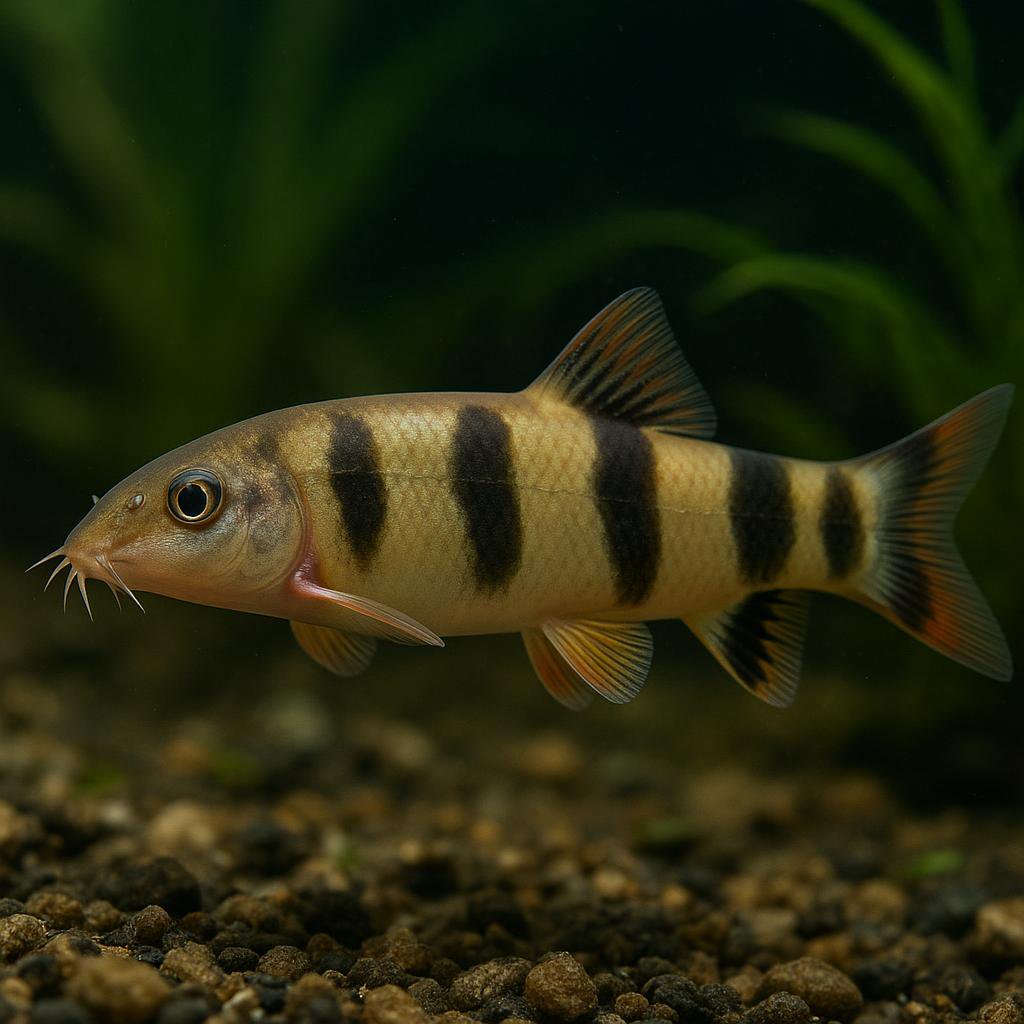
Silver loach
Yasuhikotakia lecontei
A sleek silver botiid from the Mekong and Chao Phraya rivers, often showing yellow- to red-tipped fins and a dark blotch at the tail base. It is social and boisterous at dusk, digging through sand and wedging into rock crevices, and it is frequently mistaken for the blue botia Y. modesta.
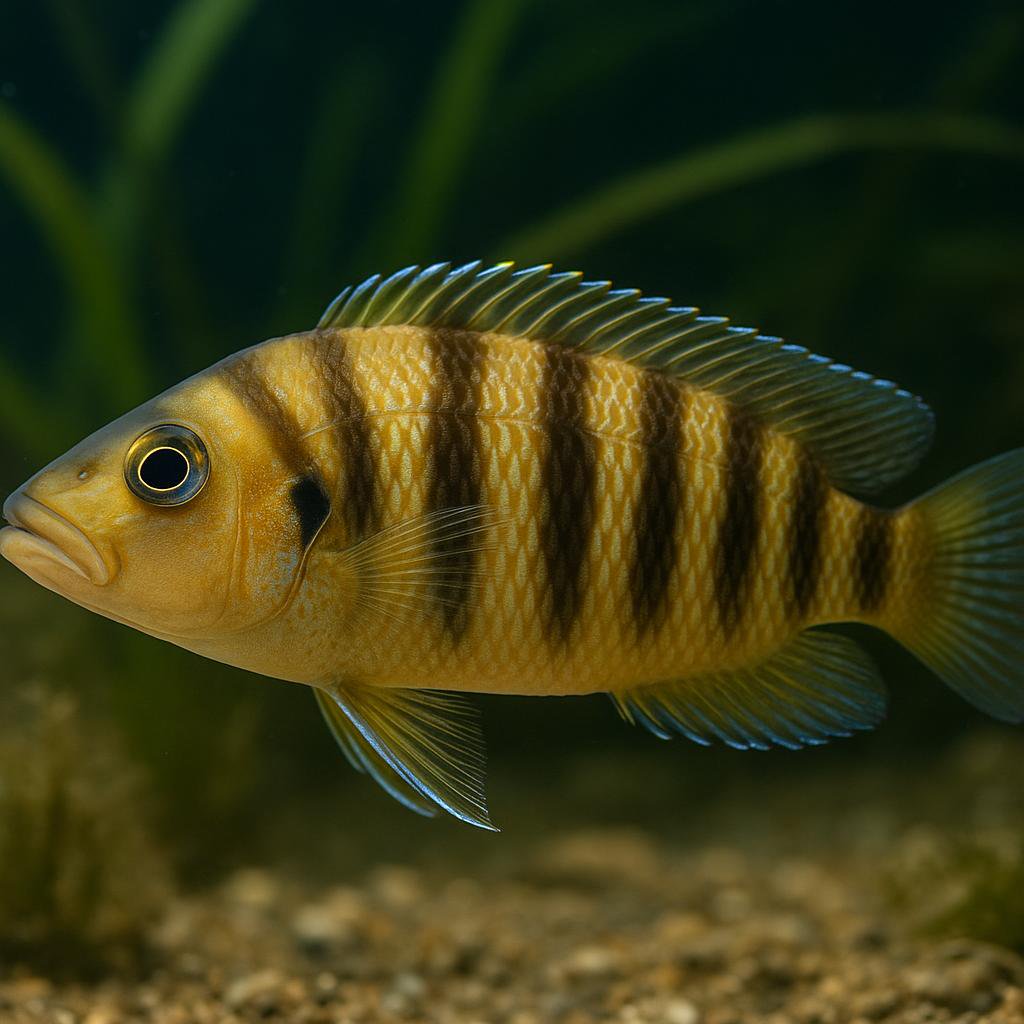
Six-bar Lamprologus
Neolamprologus sexfasciatus
This Tanganyikan cichlid wears six bold bars over a pale body, with some locales showing striking gold or white morphs. It prowls the rock-sand intermediate zone and uses powerful throat jaws to crunch snails, so it appreciates hard-alkaline water and solid rockwork with room to establish territory.
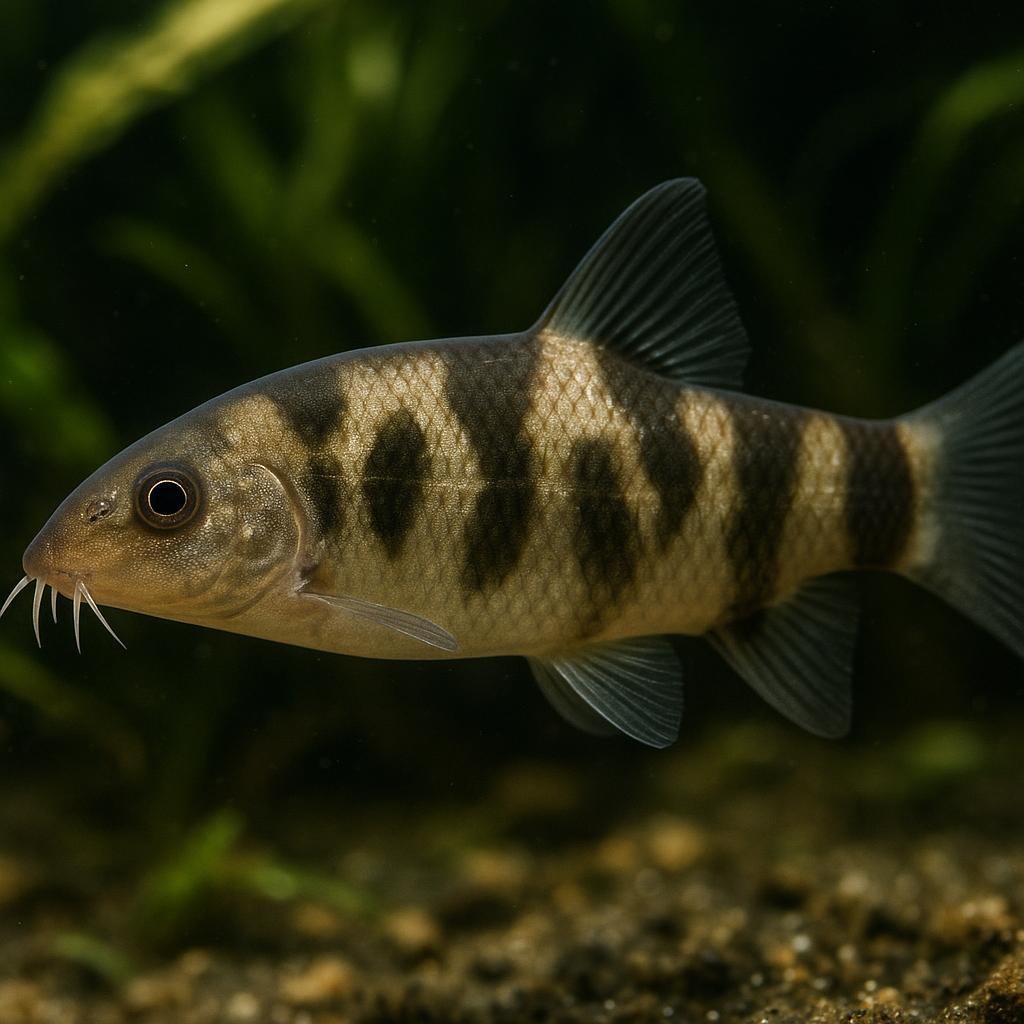
Skunk loach
Yasuhikotakia morleti
This is the little loach with the bold black "skunk stripe" down its back, and it acts just as sassy as it looks. Give it a group and a pile of caves and it turns into a busy, clicking, bottom-patrolling gremlin that will happily hunt snails. It stays fairly small, but it can get nippy if you try to keep just one or you pair it with slow, long-finned fish.
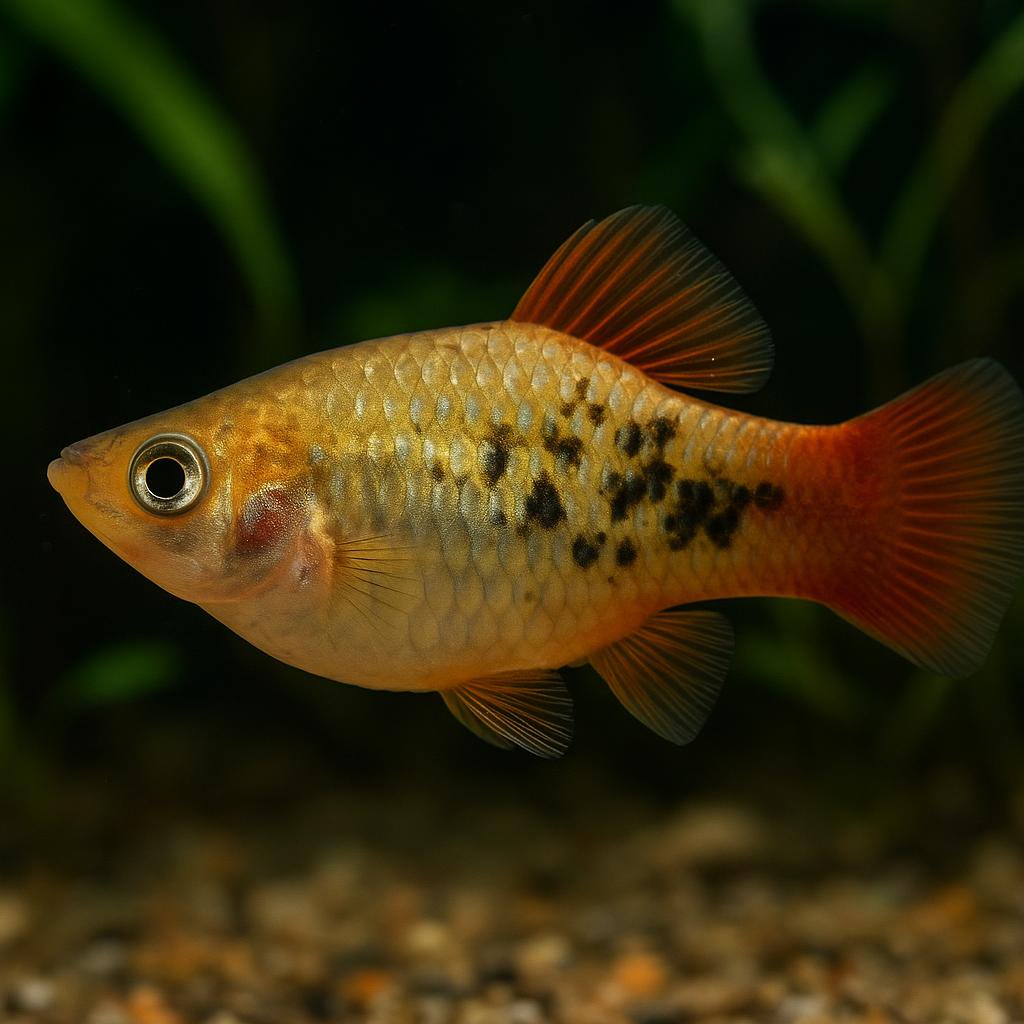
Southern platyfish
Xiphophorus maculatus
This is the classic platy-the little livebearer that's been bred into a ridiculous number of colors, but the wild-type is more of an olive-brown fish with dark blotches. They're super active, always cruising for snacks, and you'll see fun social behavior when you keep them in a small group. Also: if you mix males and females, you'll almost certainly end up with fry-these guys don't waste any time.
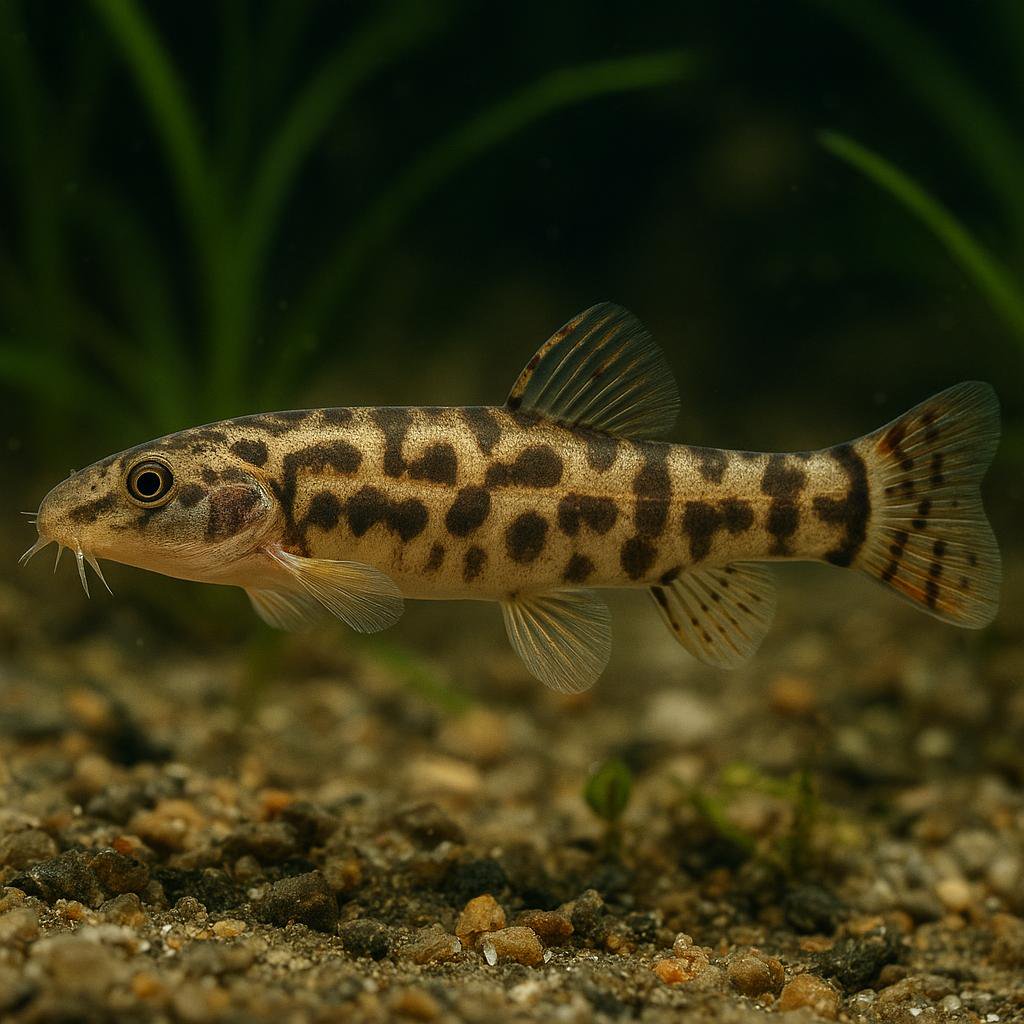
Spindle Yunnan loach
Yunnanilus elakatis
Yunnanilus elakatis is a nemacheilid (stone loach) endemic to Yunnan, China (type locality: Yiliang County). Aquarium-specific husbandry data for this exact species is scarce in major references; when kept, it should be maintained like other small stream-associated stone loaches: high water quality, good oxygenation, and a fine, smooth substrate with cover.
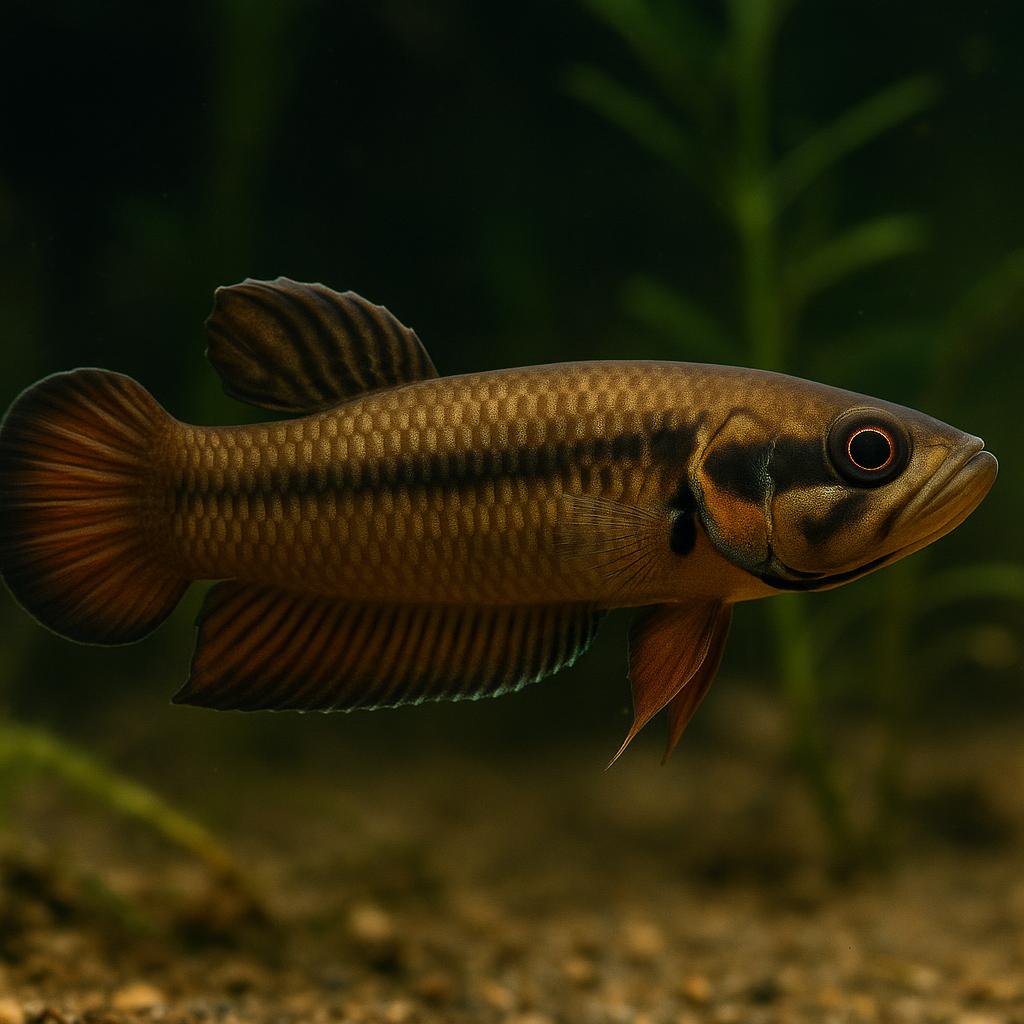
Spotfin betta
Betta macrostoma
This is the famous "Brunei beauty" wild betta - a chunky, orange-red fish with an awesome little eyespot on the dorsal fin and a big attitude-free personality (until you put two males together). The really cool part is breeding: the male is a paternal mouthbrooder, and the pair does that weird "kiss" egg transfer behavior people geek out over.
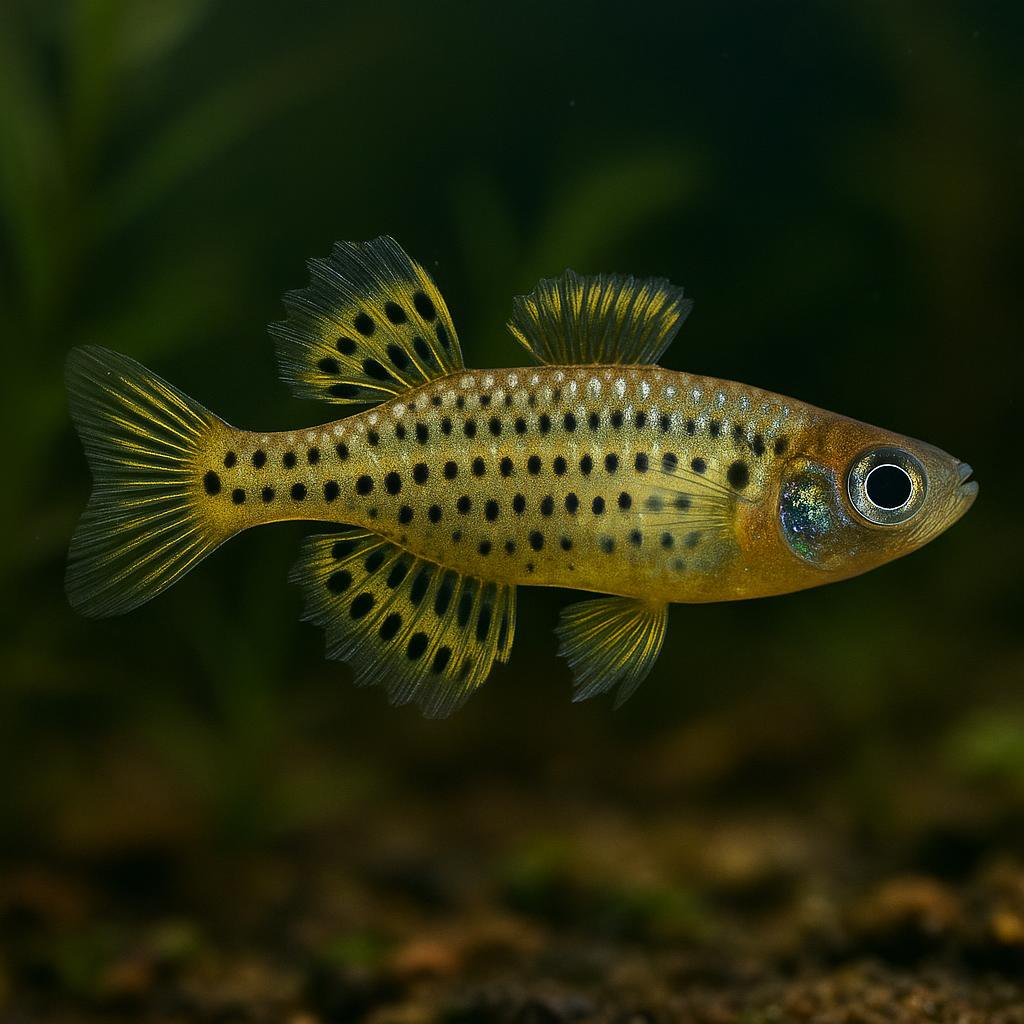
Spotted blue-eye
Pseudomugil gertrudae
This little blue-eye is one of those fish that looks "cute" at first glance, then you notice the electric-blue eyes and the males flashing those spotted fins at each other all day. They're happiest in a planted, kind of shady tank with gentle flow, where they'll cruise in a loose group and do constant mini courtship displays.
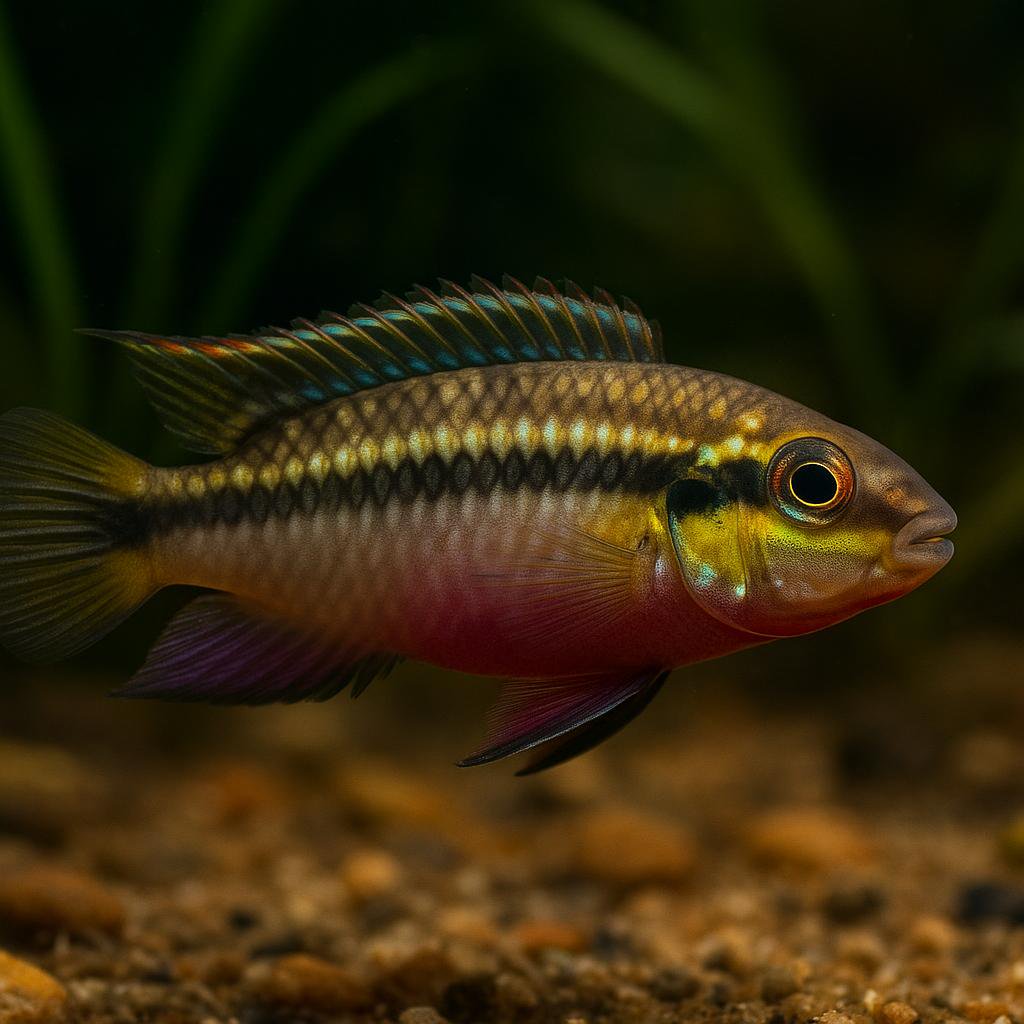
Striped Krib / Nigerian Red Krib
Pelvicachromis taeniatus
P. taeniatus is one of those West African dwarf cichlids that'll act totally chill most of the time, then flip the switch into "serious cave owner" the moment it wants to spawn. The fun part is the local color forms ("Nigeria Red", "Moliwe", etc.) and the pair-bonding-when they settle in, you really get to watch a little cichlid soap opera play out around their cave.
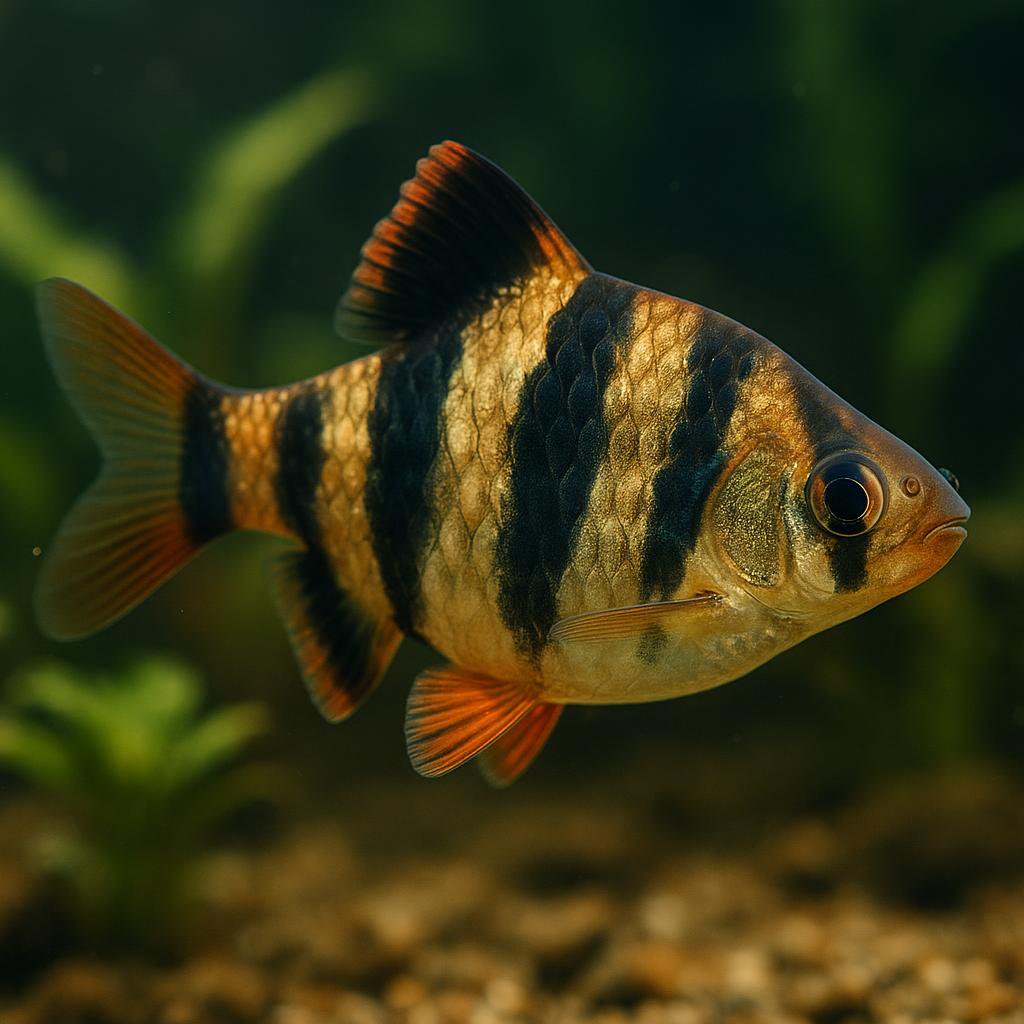
Sumatra barb (Tiger barb)
Puntigrus tetrazona
Tiger barbs are little chaos nuggets in the best way-super active, always zipping around, and they look awesome with those four bold black bars and orange fins. The big trick is keeping them in a proper-sized group so they roughhouse with each other instead of shredding a slow, long-finned tank mate's fins.
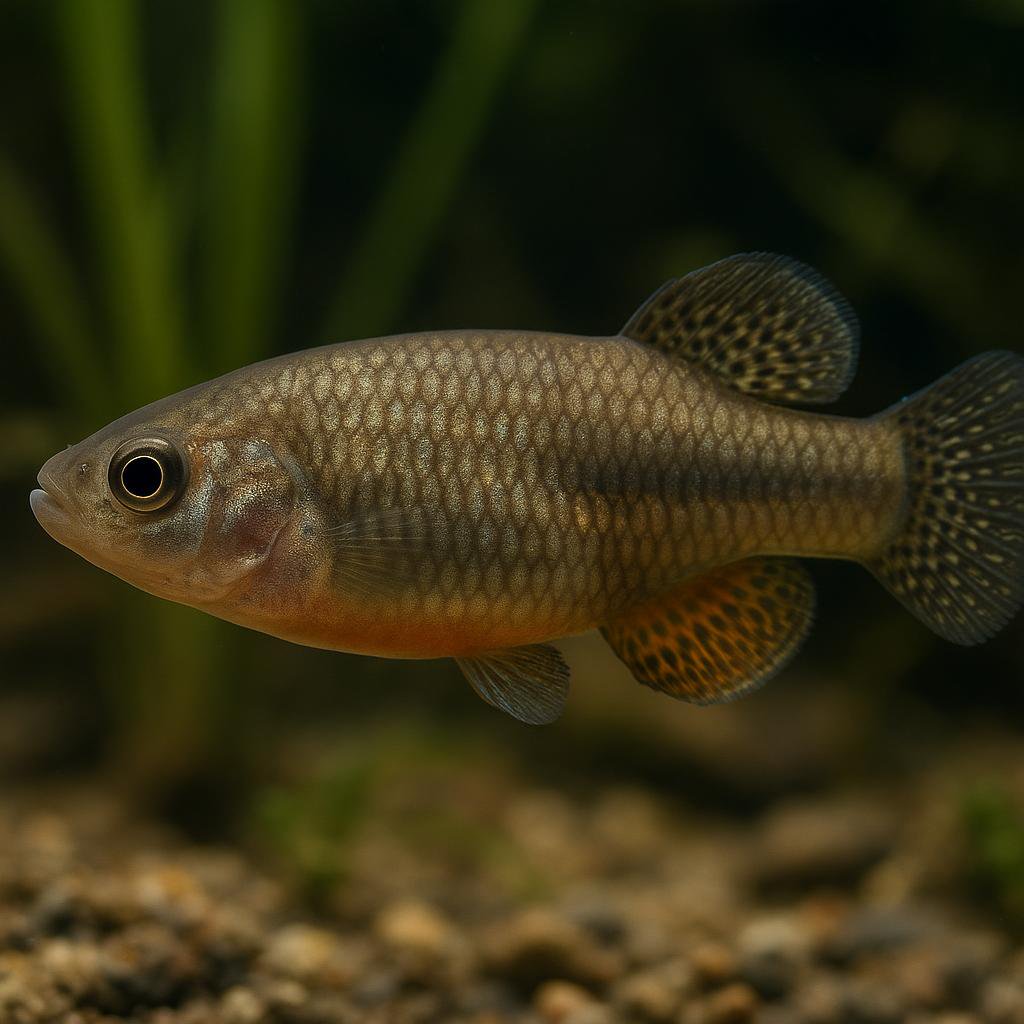
Tequila splitfin
Zoogoneticus tequila
This is a little Mexican goodeid livebearer where the males get that awesome orange crescent in the tail and will spar and posture like tiny cichlids. They do best in a planted tank where they can duck into roots and stems, and once they're settled they'll breed steadily and you'll see lots of interesting social behavior.
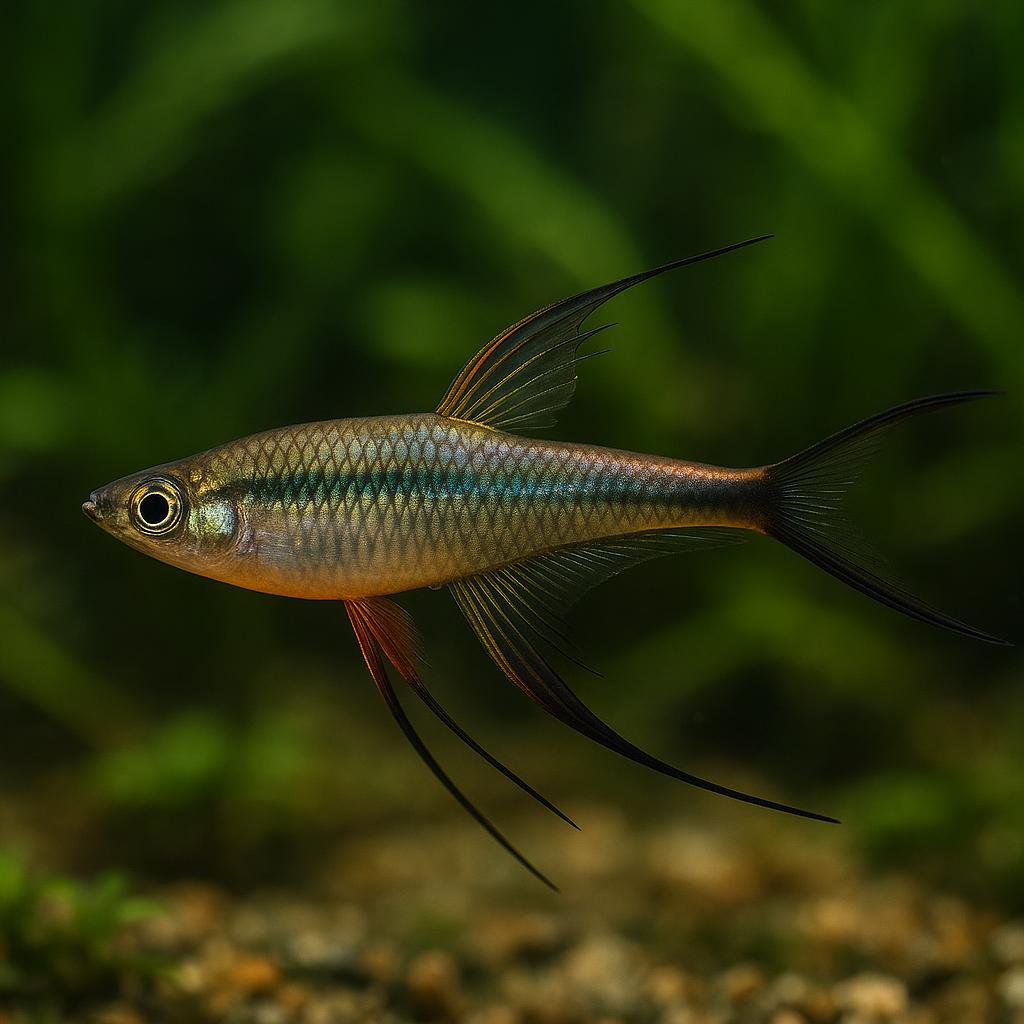
Threadfin rainbowfish
Iriatherina werneri
This is the little rainbowfish with the ridiculous, delicate streamers - especially on the males, who love to posture and "dance" at each other in a calm planted tank. Keep them in a real group and they get way braver, cruising the top/midwater under floaters and showing off those thread-like fins. They are peaceful, but they really hate fast flow and rough tankmates that shred fins or outcompete them at feeding time.