

Search Species
Search for fish species by common or scientific name, or use filters to browse by water type, size, temperament, and difficulty.
Found 42 species
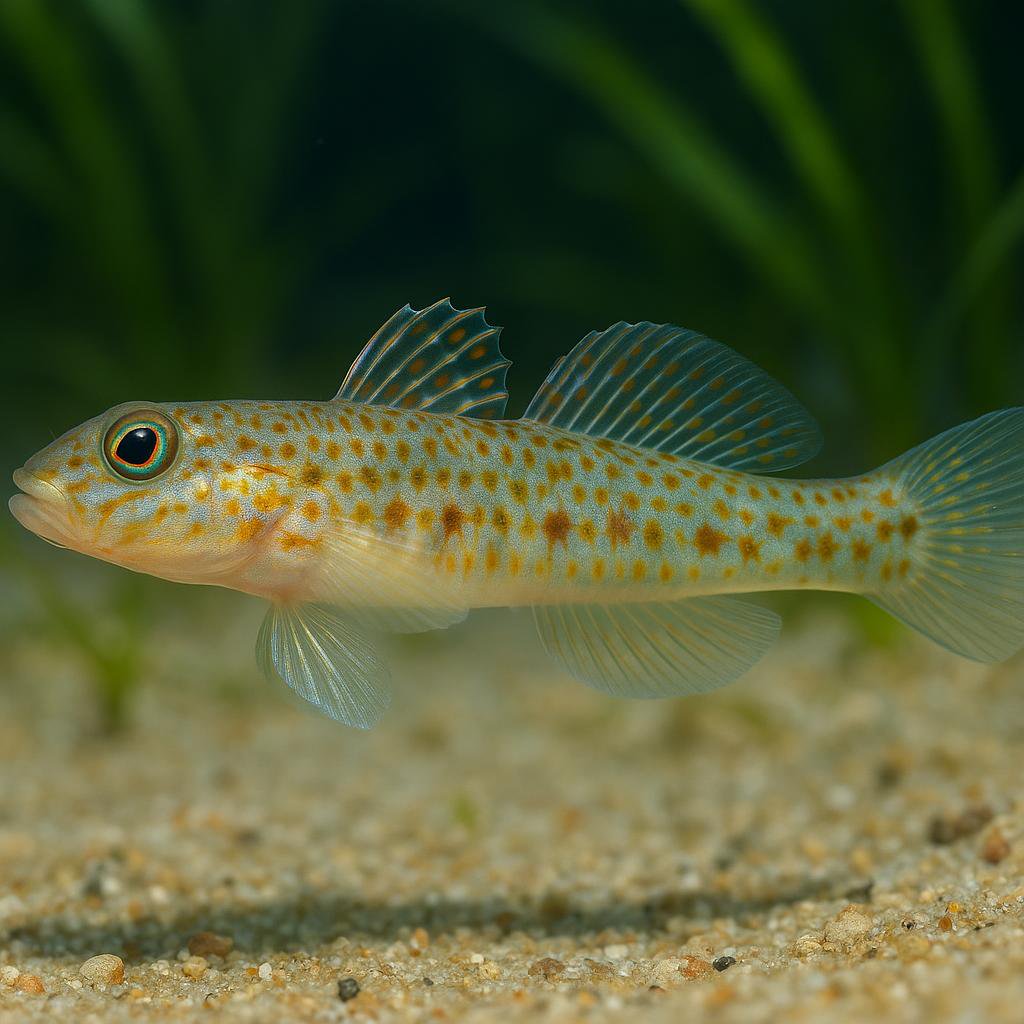
Exquisite sand-goby
Favonigobius exquisitus
This little sand-goby is a bottom-hugger from Aussie estuaries that likes to hang out on sandy flats (sometimes right in seagrass). Its whole vibe is "blend in, perch, and pounce" - a neat goby if you are into naturalistic brackish setups and watching tiny ambush-predator behavior.
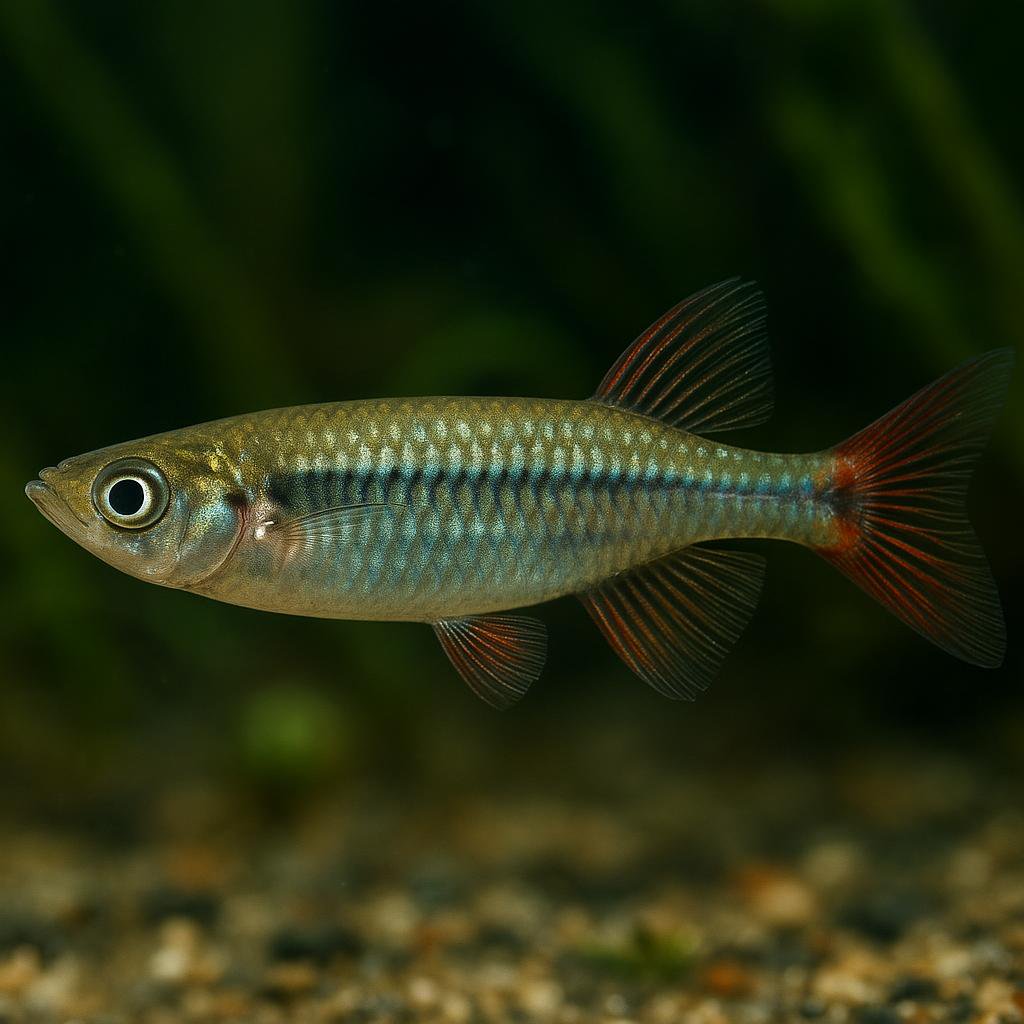
Feathered river-garfish
Zenarchopterus dispar
Zenarchopterus dispar is a surface-hanging halfbeak from mangroves and sheltered bays, with that classic long lower jaw for snapping up insects and other floaty foods. Males get those funky elongated fin rays (the "feathered" look), and they are livebearers, so once they settle in you can occasionally get surprise babies. Biggest thing with this fish is giving it calm water up top, room to cruise, and a tight lid because halfbeaks can rocket-jump.
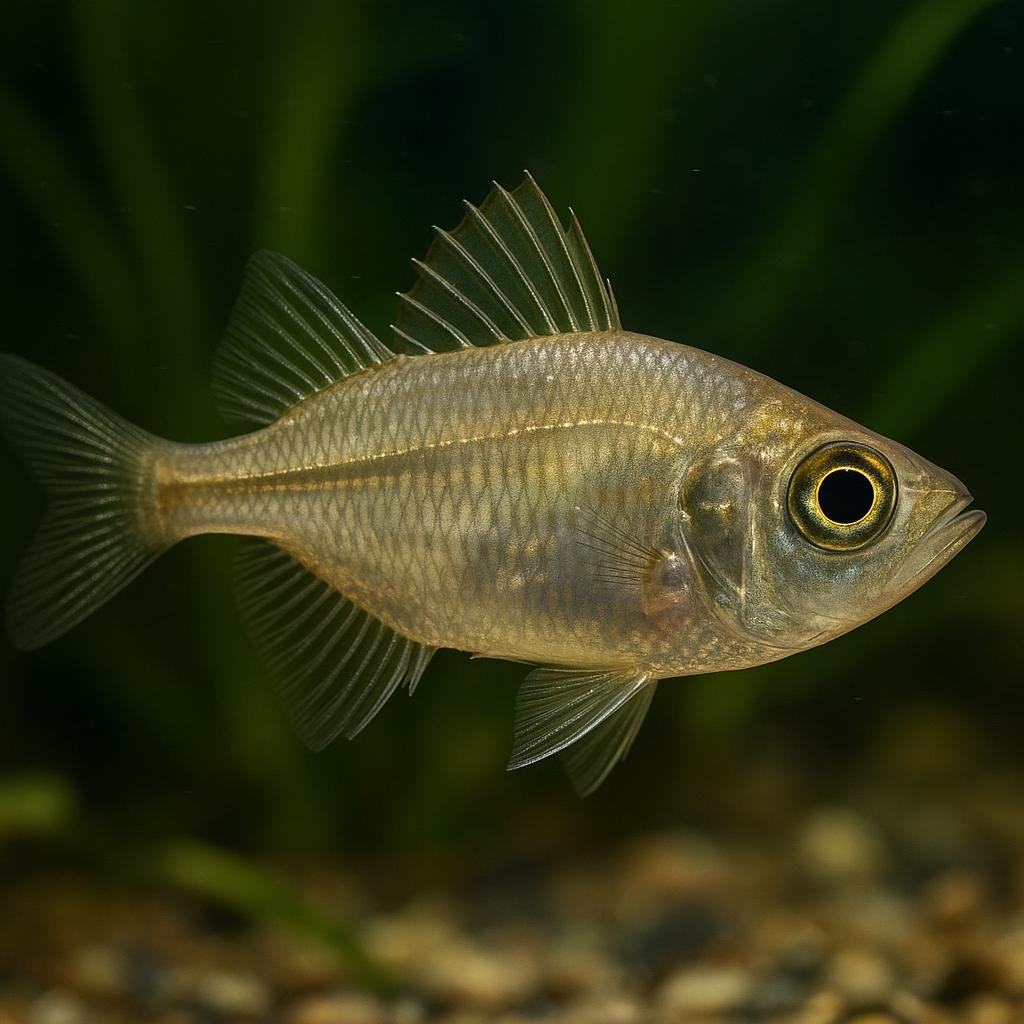
Flag-tailed glass perchlet
Ambassis miops
Ambassis miops is a small, see-through little perchlet from Indo-Pacific estuaries and river mouths - you can often see the silvery organs and spine line inside the body when it turns just right. They tend to hang out in loose groups along weedy edges in slow-to-moderate flow, and that flag-like tail pattern is the quick giveaway once you spot it.
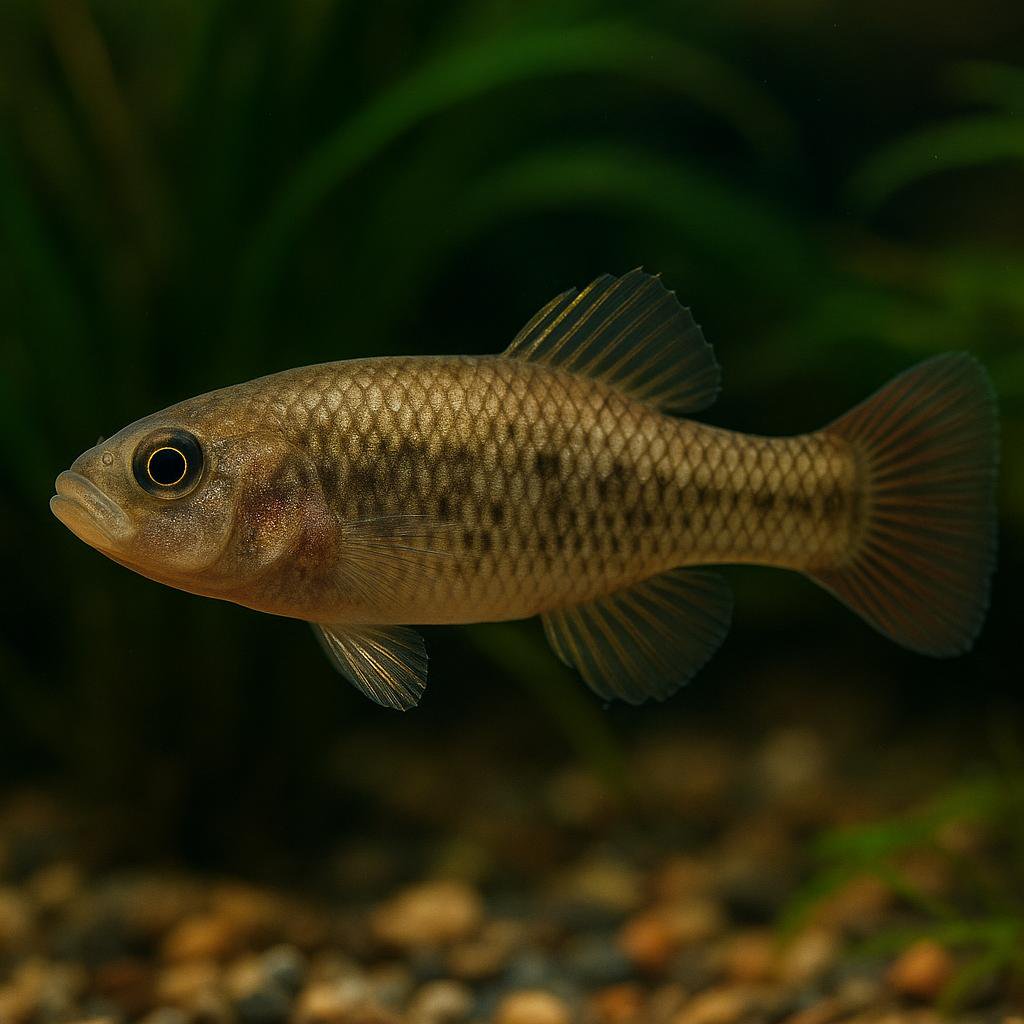
Guaymas goby
Quietula guaymasiae
This small estuarine goby is endemic to Mexico’s Gulf of California and is usually found in shallow lagoons and river mouths over sand or mud. It is a facultative air‑breather and tolerates warm, low‑oxygen conditions. It is not a typical community freshwater or reef fish—treat it as a brackish/estuarine species that prefers calm water and fine substrate.
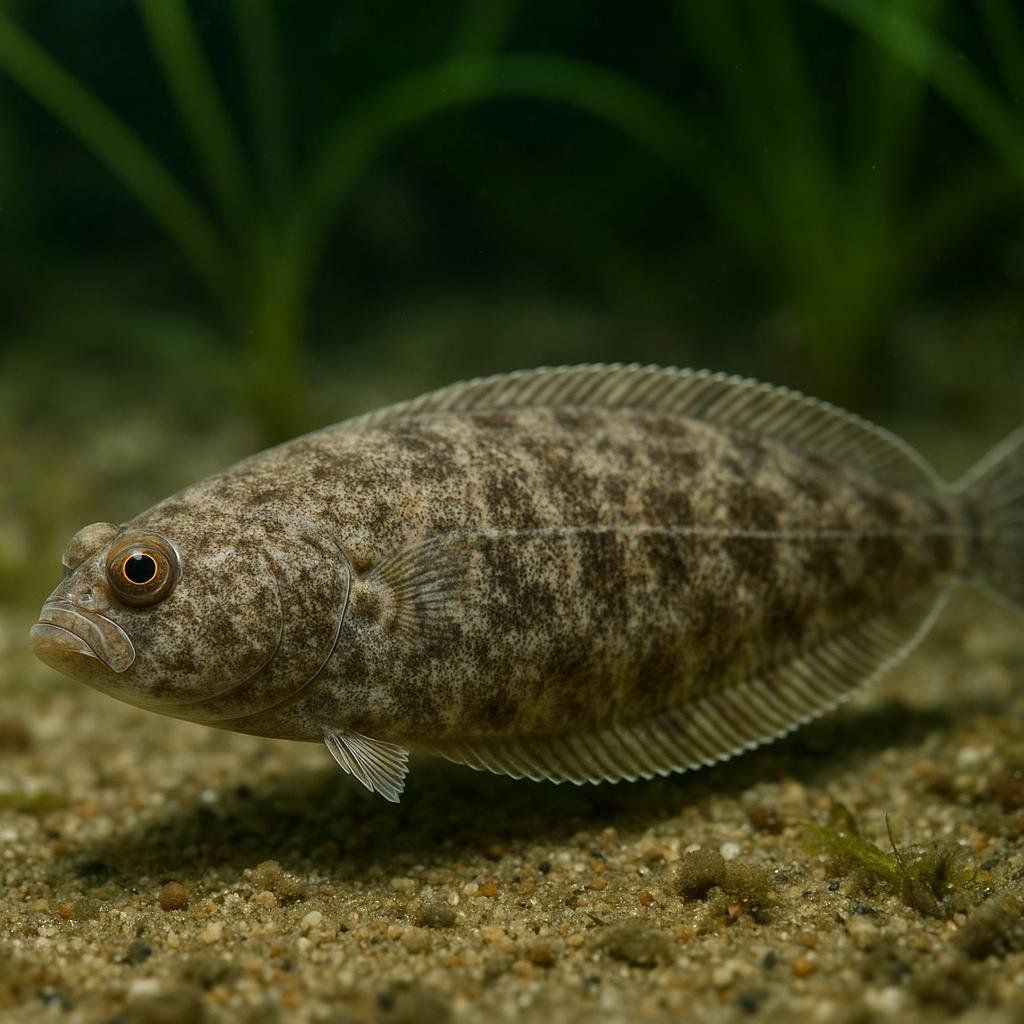
Guinean sole
Synaptura cadenati
Synaptura cadenati is a West African sole that lives right on the bottom over sand and mud, usually in shallow coastal water. It is a flatfish with little white spotting on the eyed side, and it tops out around 35 cm - more of a food-fish than something you will realistically see (or want) in a home aquarium.
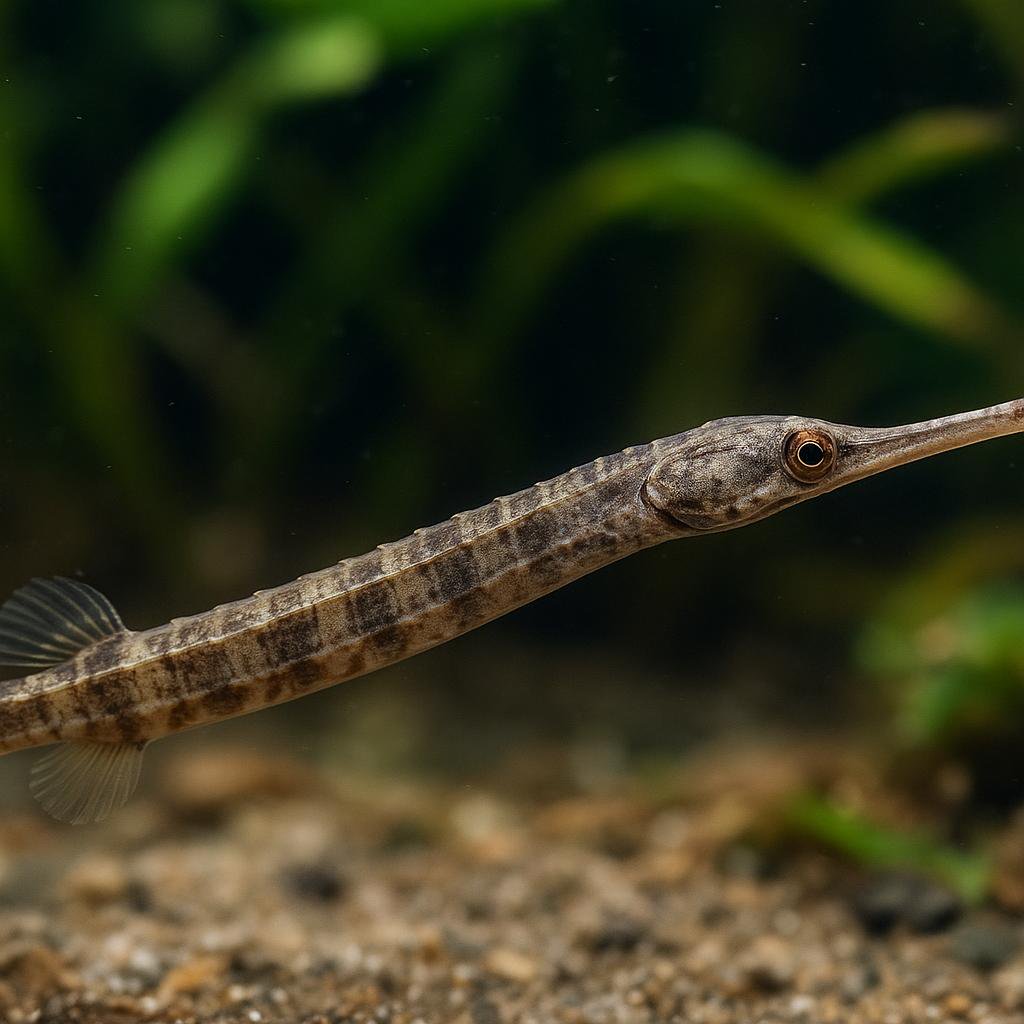
Hairy pipefish
Urocampus carinirostris
This is a tiny, stick-thin pipefish that lives in seagrass and algae beds and uses its prehensile tail to hang on like a little underwater chameleon. The coolest part is the "hairy" fringing (little filaments) all over the body that breaks up its outline, and like other syngnathids the male carries the eggs in a brood pouch under the tail.
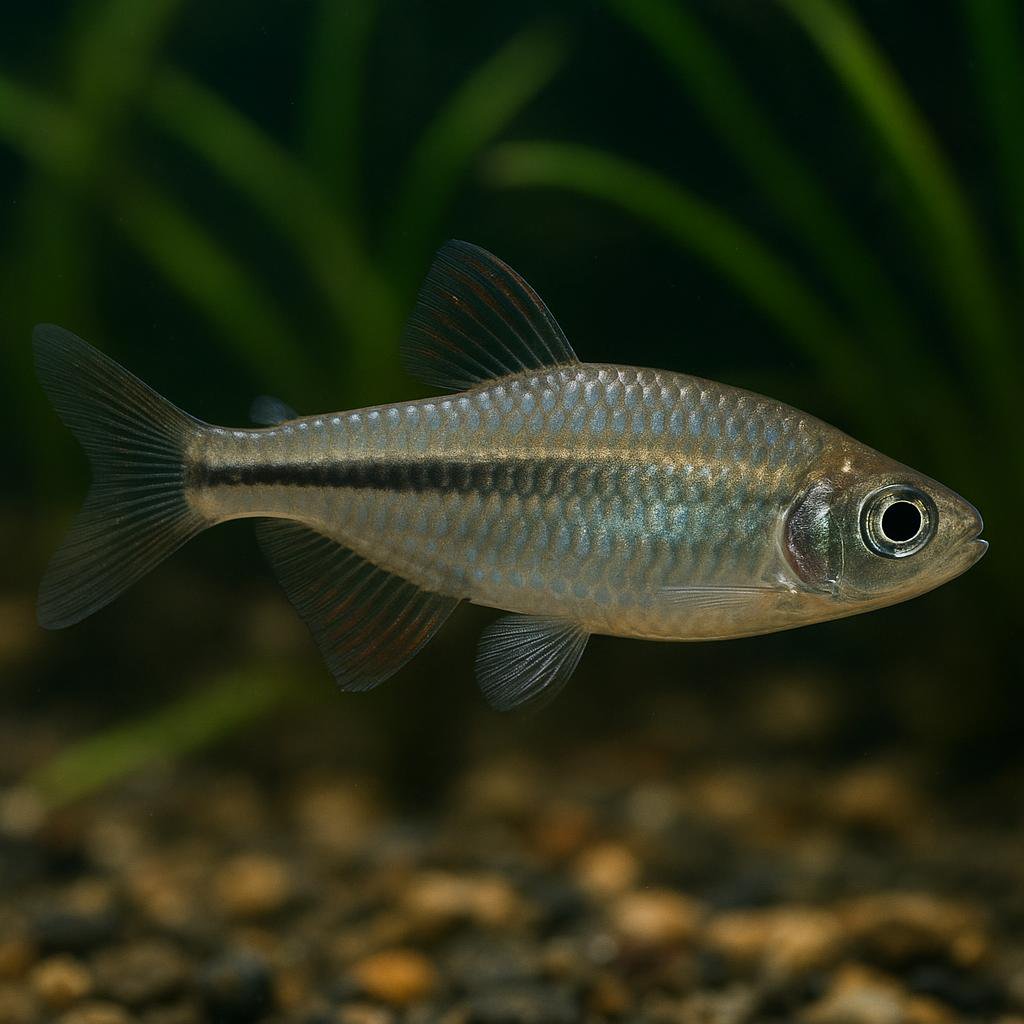
Humpbacked cardinalfish
Yarica hyalosoma
This is a chunky little cardinalfish that hangs out in mangrove creeks and river mouths, often in small groups in shallow, shady water. The look is super distinctive - pale/translucent body, and that bold black spot at the base of the tail - and like a lot of cardinalfish, the males mouthbrood the eggs.
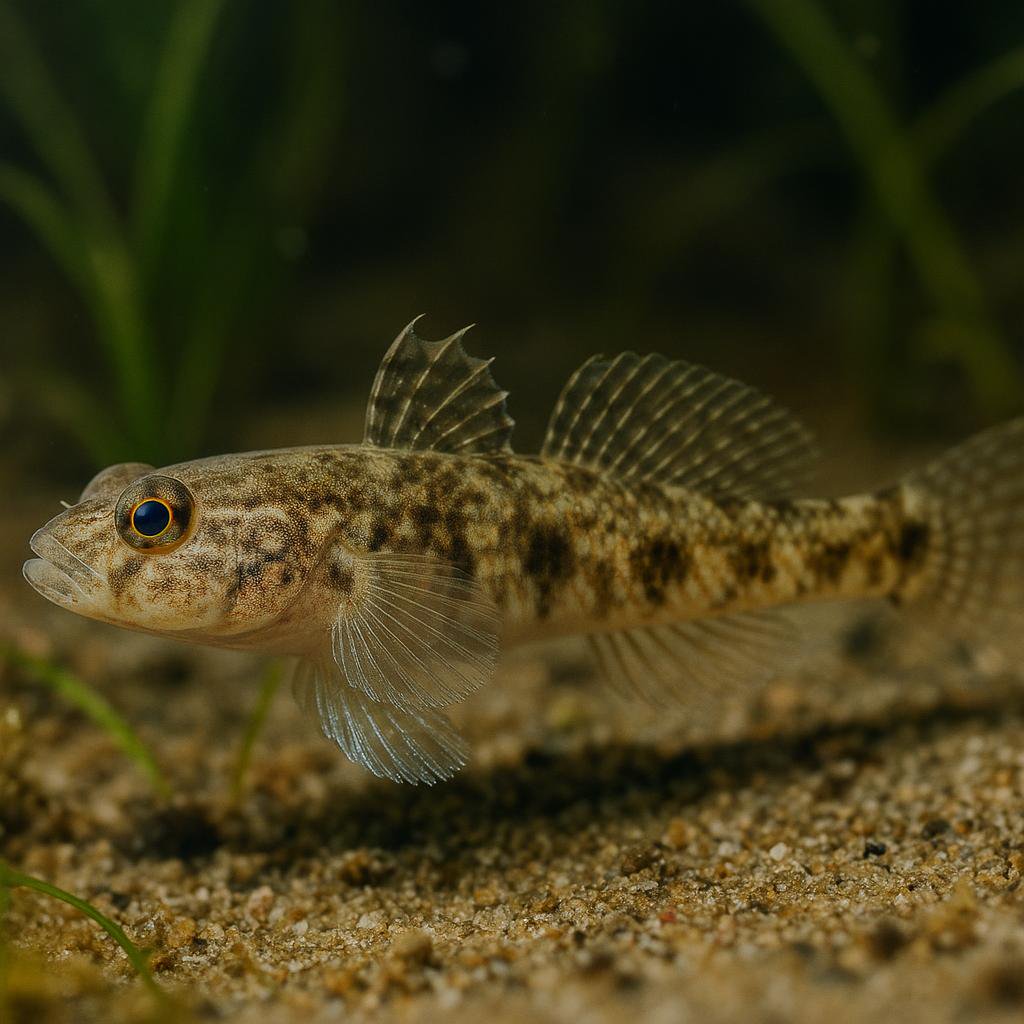
Ilyin goby
Knipowitschia iljini
A tiny, bottom-dwelling goby endemic to the Caspian Sea, recorded from the deeper mid/southern basins. It inhabits stable brackish water around 12–13 ppt and does not occur in fresh water. Because it is a deep, cool-water species, it is essentially absent from the aquarium trade.
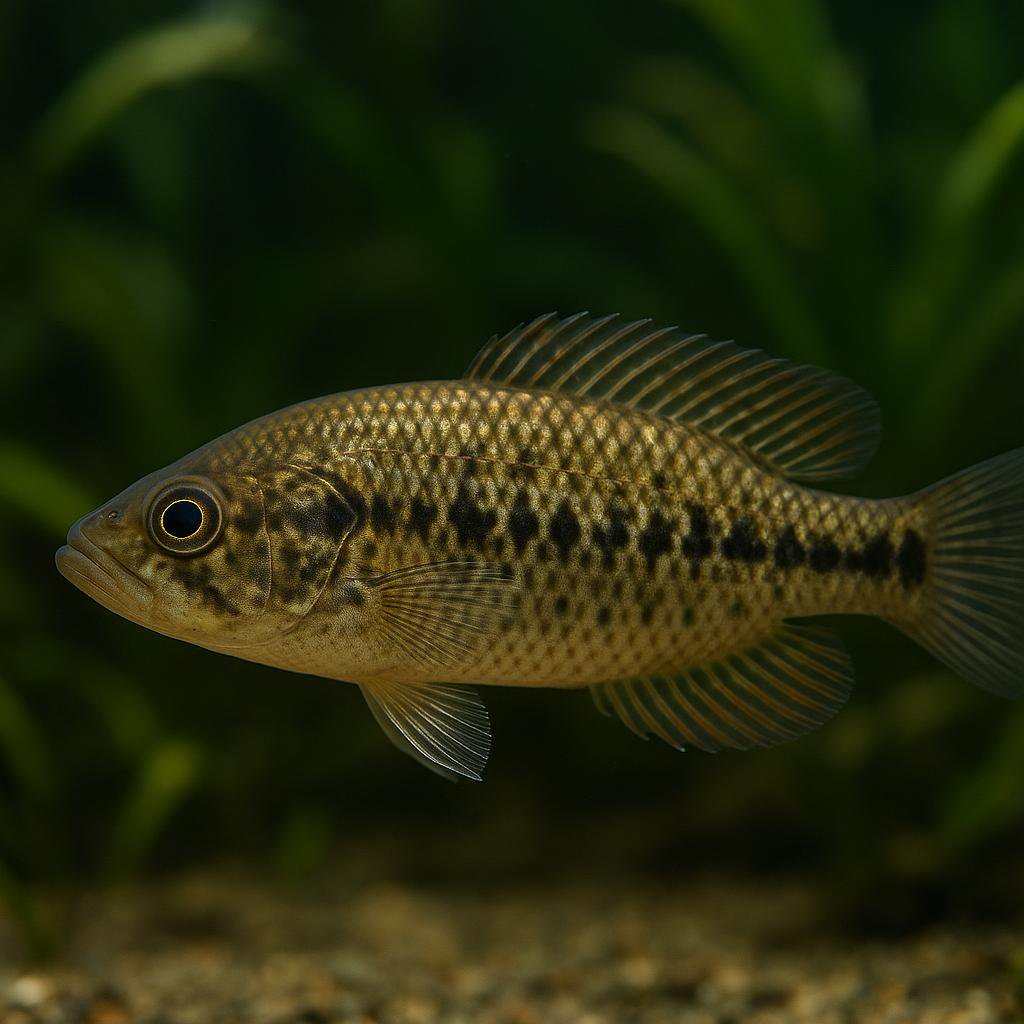
Indian ponyfish
Deveximentum indicium
This is a little ponyfish (slipmouth) from coastal seas and brackish edges, with that classic super-protrusible, upturned mouth they can shoot forward when they feed. Silvery body, some dark facial marking, and it tends to be a schooling, open-water kind of fish rather than a hide-in-the-rocks type.
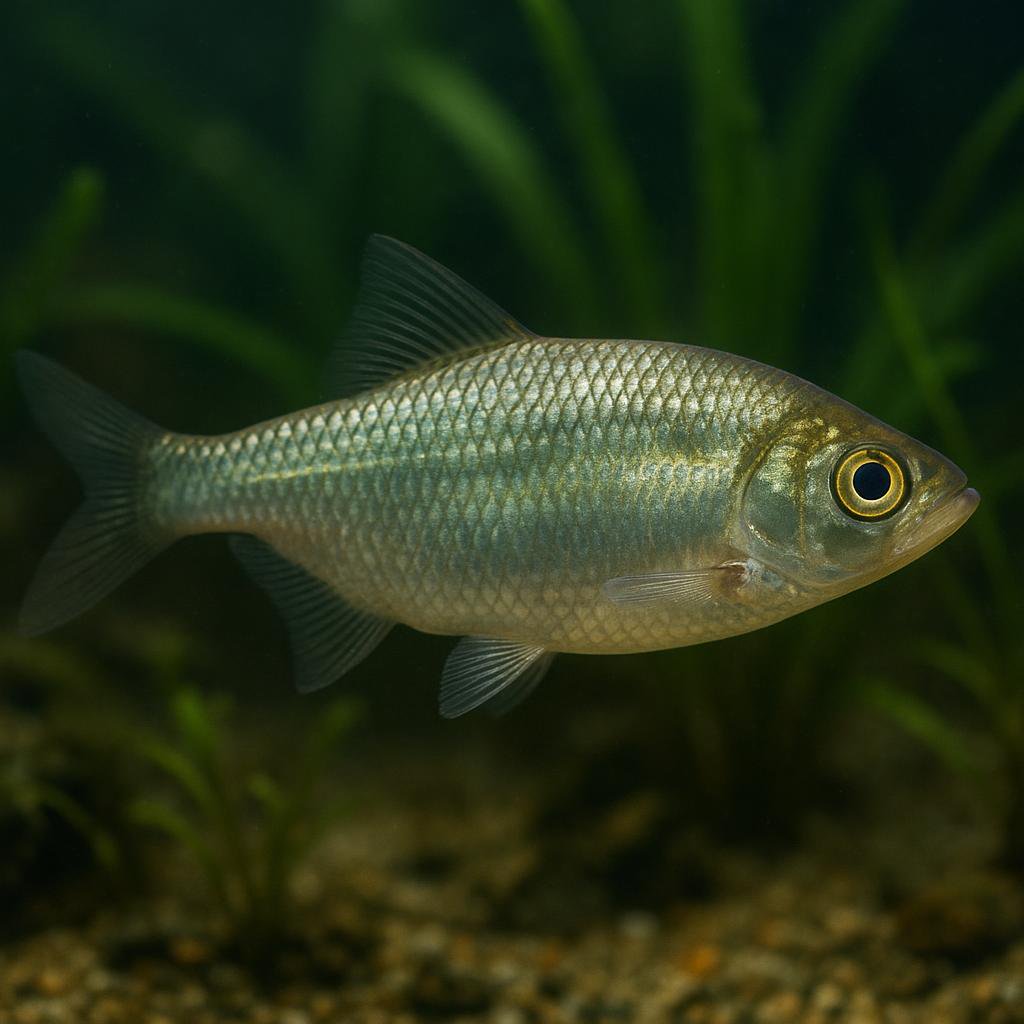
Kampen's ilisha
Ilisha kampeni
Kampen's ilisha is a small, silvery coastal herring-relative that cruises nearshore waters and will also push into rivers when it feels like it. Its whole vibe is fast, open-water, plankton-and-small-fish hunting - not really a cozy planted-tank fish, more like a little pelagic sprinter that wants room and current.
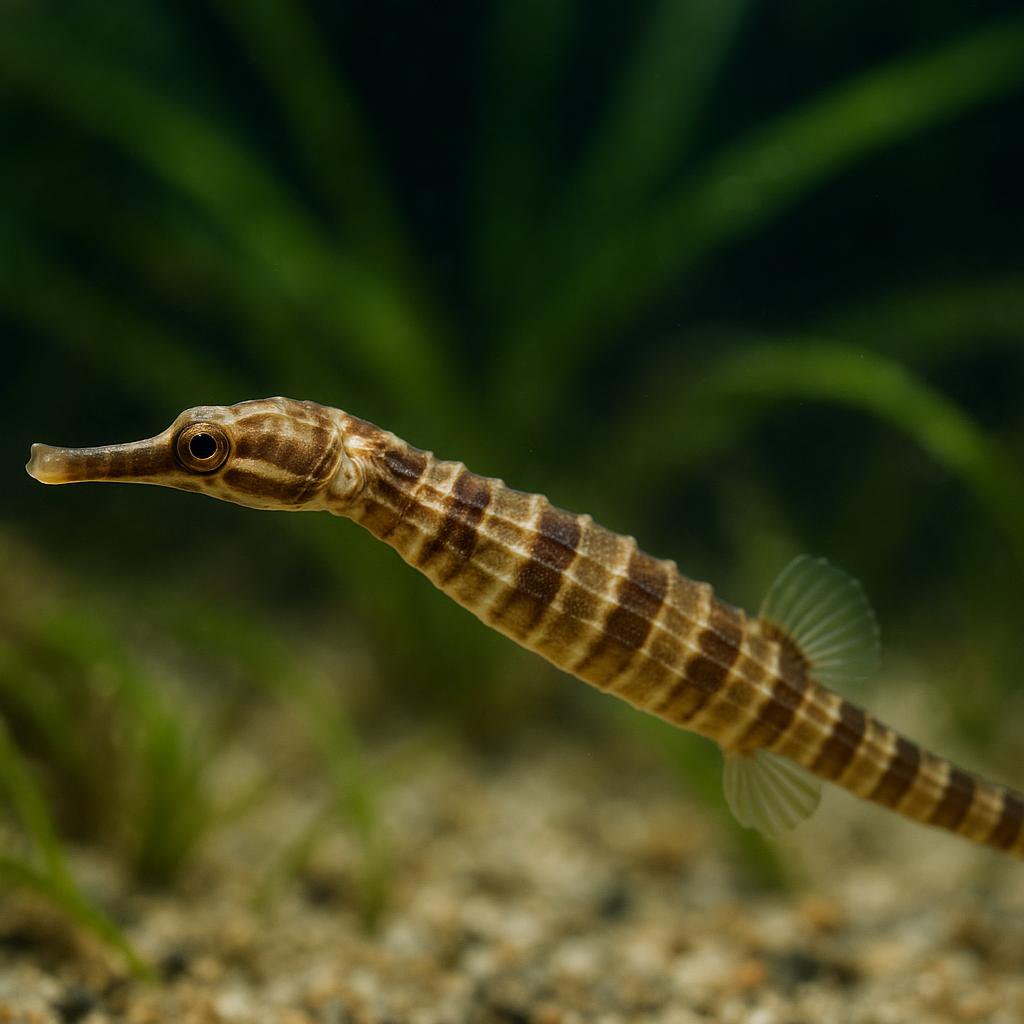
Kaup's pipefish
Enneacampus kaupi
Enneacampus kaupi is a skinny little West African pipefish that likes to lurk through algae and basically cosplay as a piece of vegetation. Its whole vibe is slow, sneaky, and ultra-picky at feeding time - super cool if you enjoy target-feeding and watching hunting behavior up close. It shows up from brackish estuaries and coastal rivers, so a slightly brackish setup is often the safest long-term direction.
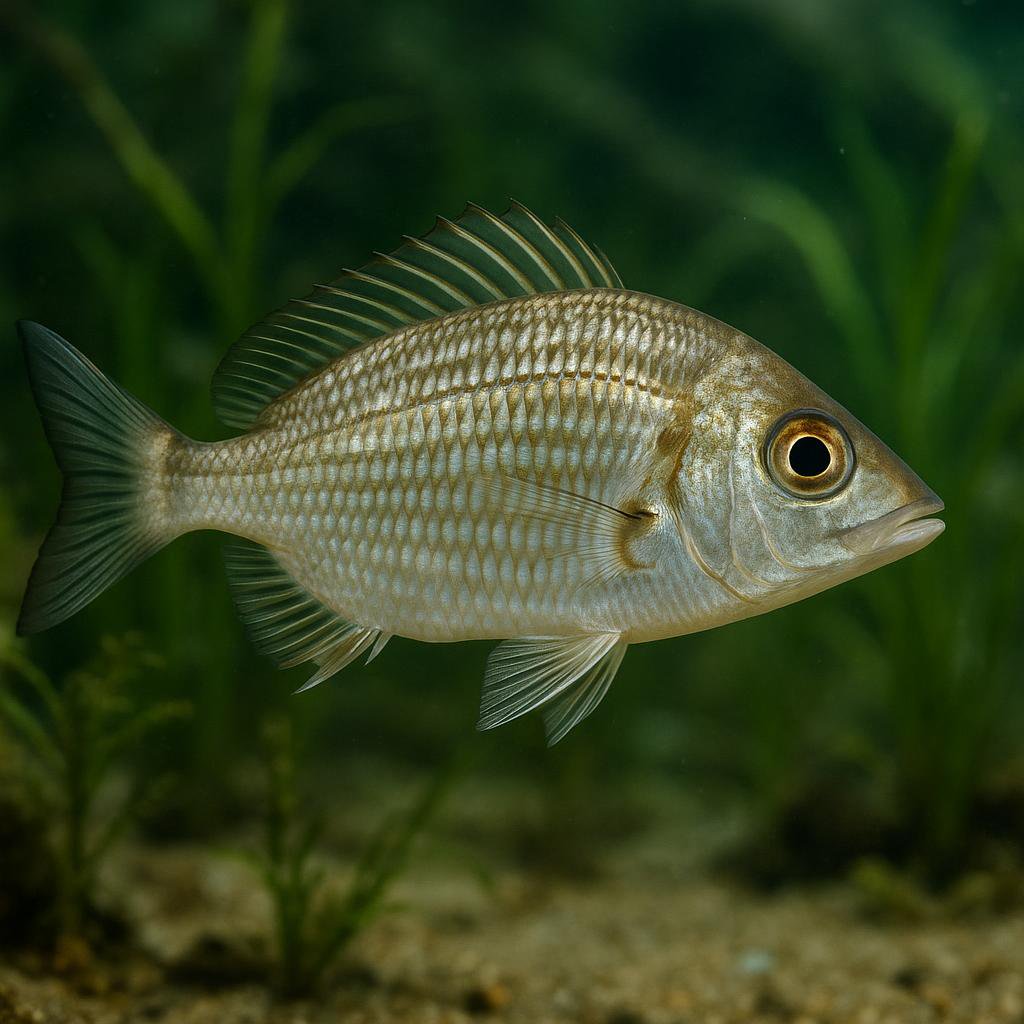
Mozambique silverbiddy
Gerres mozambiquensis
Small gerreid (silverbiddy/mojarra) described from Larde Estuary, Mozambique (holotype and paratype). Natural history details beyond the type locality are limited in readily available references; like other Gerreidae, it likely forages on benthic invertebrates in shallow estuarine/coastal habitats.