

Search Species
Search for fish species by common or scientific name, or use filters to browse by water type, size, temperament, and difficulty.
Found 528 species
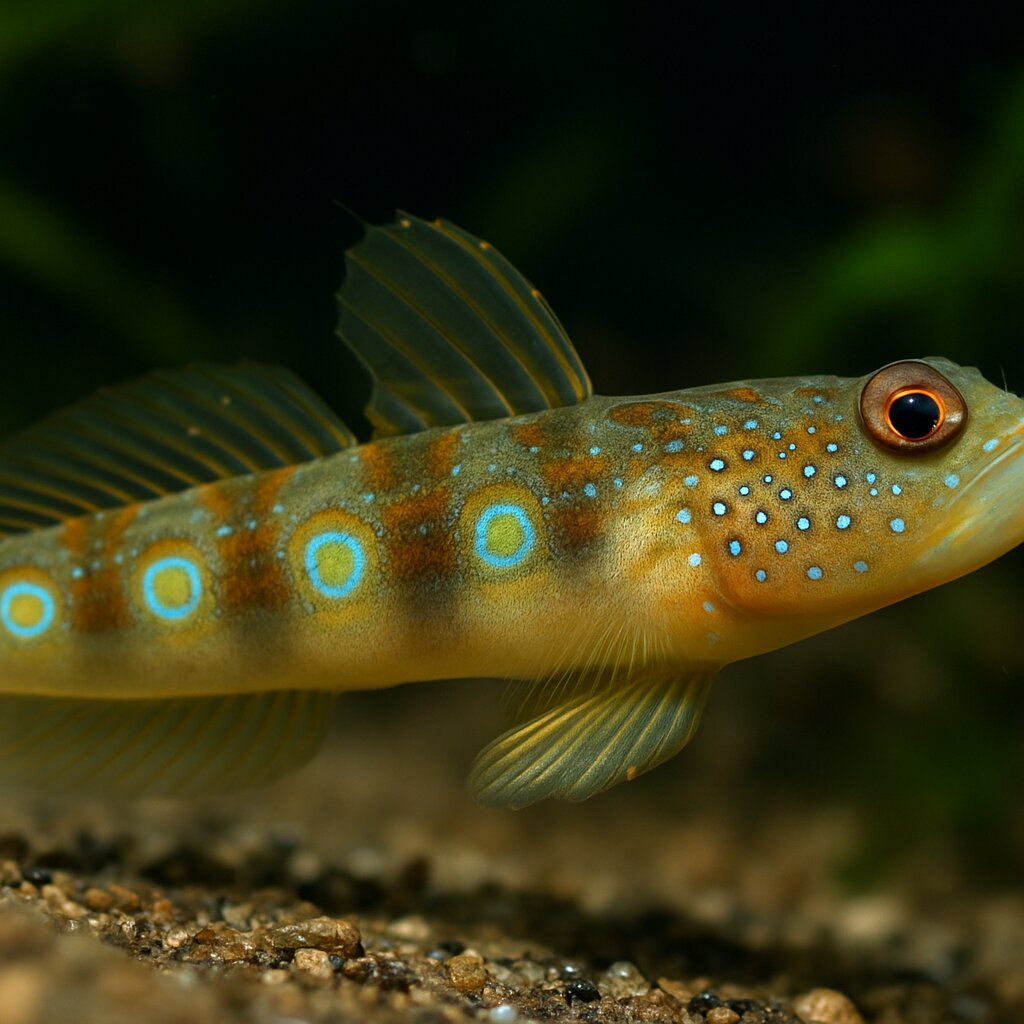
Moon-spotted shrimp goby
Vanderhorstia nannai
This little shrimp-goby rocks bright moon-yellow spots and loves living with a pistol shrimp, sharing a sand burrow and acting like the lookout. Give it a sandy bed and peaceful tankmates and it will perch at the entrance, dash for meaty bites, and show tons of personality. Use a snug lid - they can launch if startled.
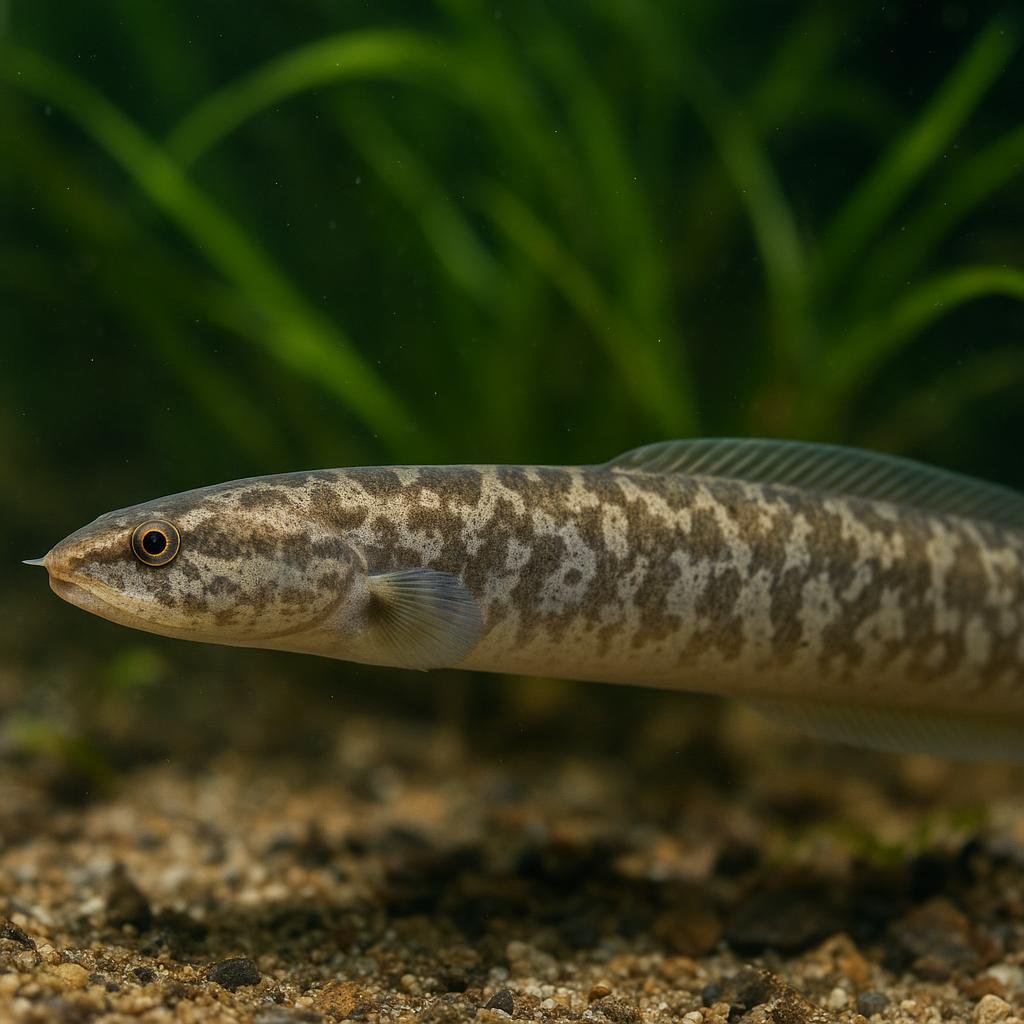
Moore's sand eel
Yirrkala moorei
Yirrkala moorei is a marine tropical snake eel (family Ophichthidae) known from the western central Pacific (Marquesas and American Samoa). It is reported from at least ~25 m depth and is known mainly from collected specimens; aquarium husbandry is not well documented.
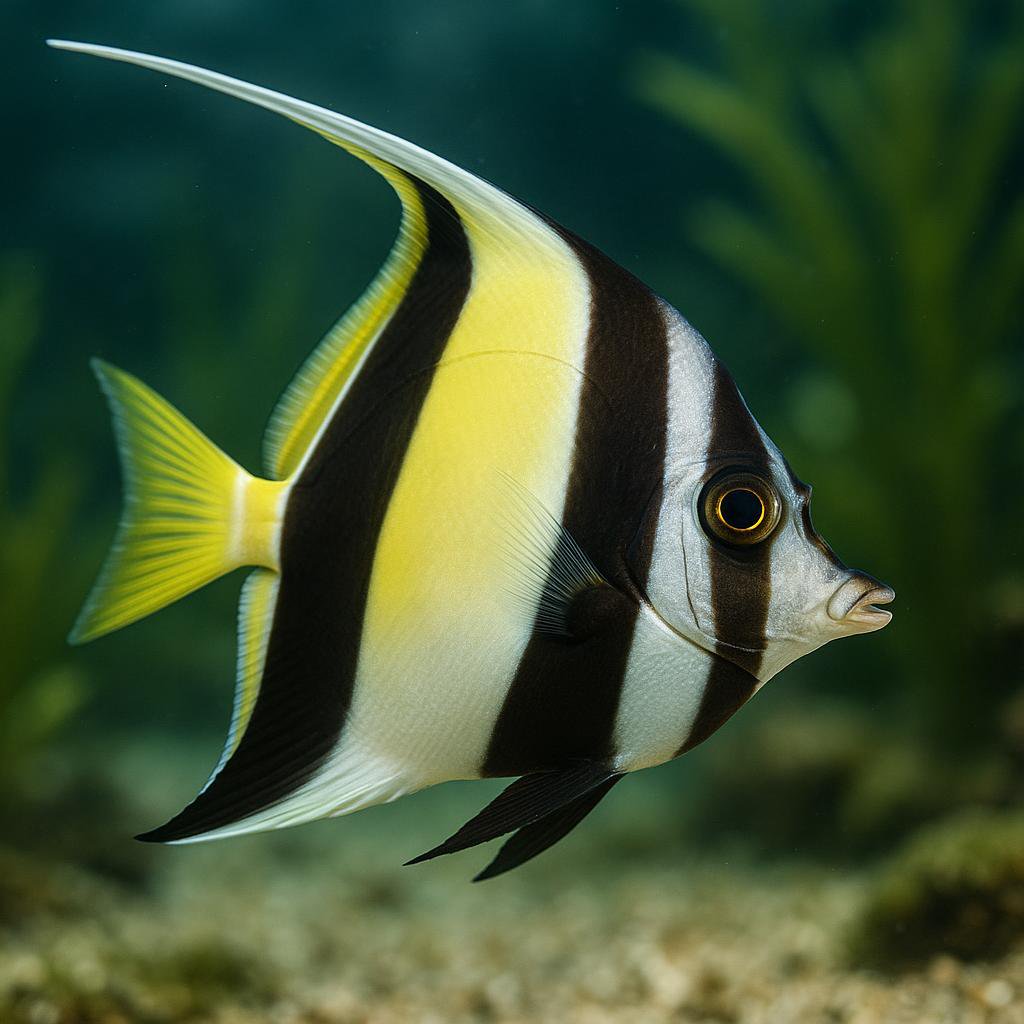
Moorish idol
Zanclus cornutus
Moorish idols are that black-white-yellow reef fish with the long streamer off the dorsal fin - they look like theyre floating more than swimming. In the wild they cruise reefs in pairs or little groups and pick at sponges and other encrusting critters all day. Theyre gorgeous, but the big challenge in aquariums is getting them eating well long-term.
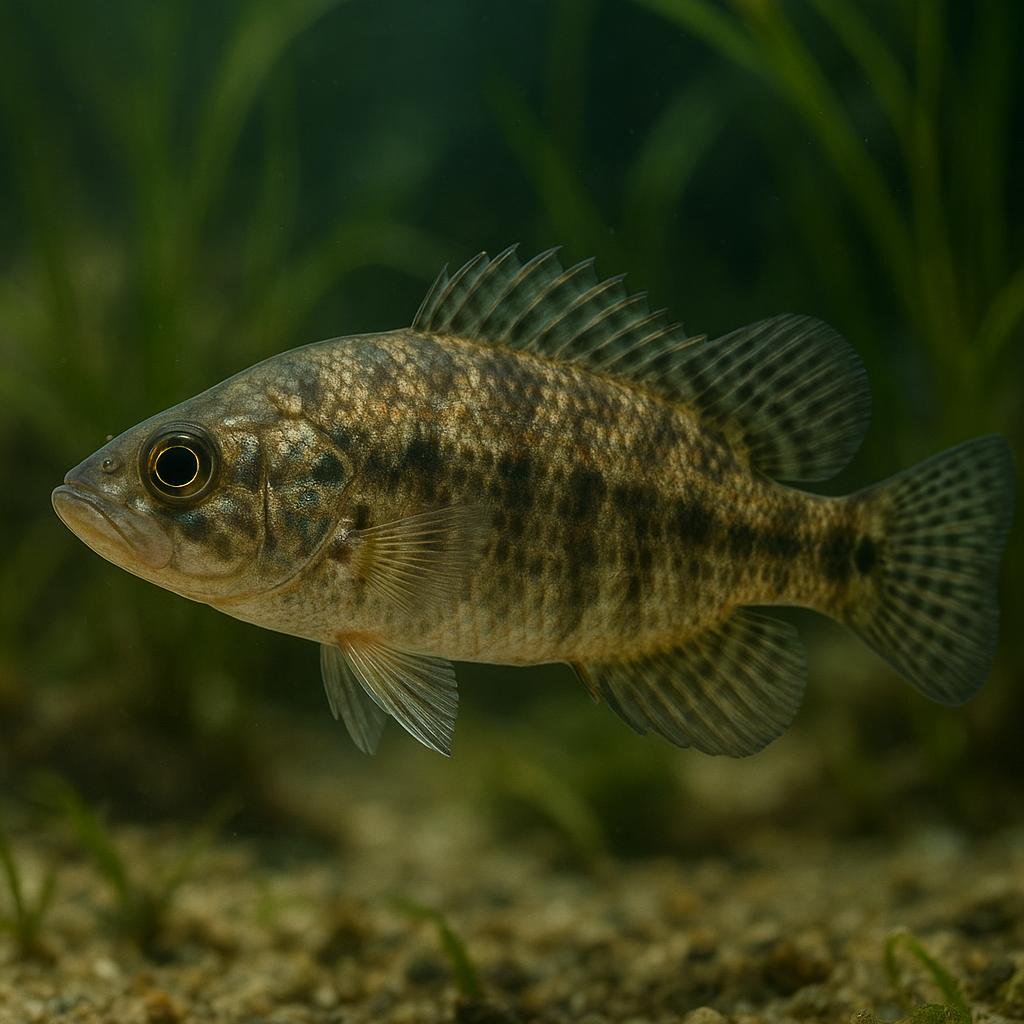
Mottled mojarra
Ulaema lefroyi
Ulaema lefroyi is that shiny silver beach mojarra with the crazy-protrusible mouth, always nosing around sandy bottoms for little critters. Adults hang out along sandy shores and inlets and they can show a neat mottled/banded look that helps them blend over sand. Its a true saltwater fish, so think marine setup, not a community freshwater tank.
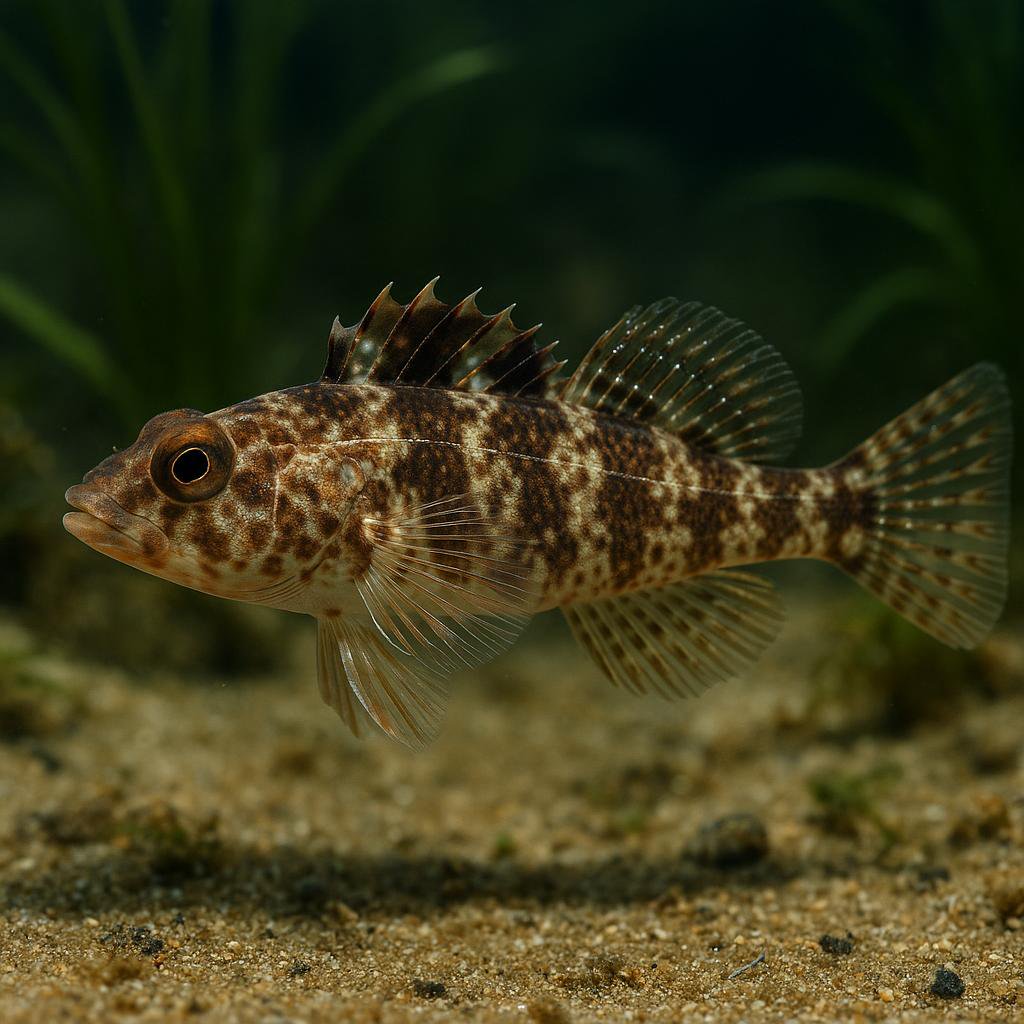
Mottled triplefin
Forsterygion malcolmi
This is a little New Zealand temperate reef triplefin that spends its time parked on rockwork, peeking out from overhangs and holes like a tiny goby-meets-blenny. It is a crustacean-and-snail picker in the wild, and its whole vibe is "hang close to cover and watch everything" - super cool if you like natural behavior more than flashy open-water swimming.
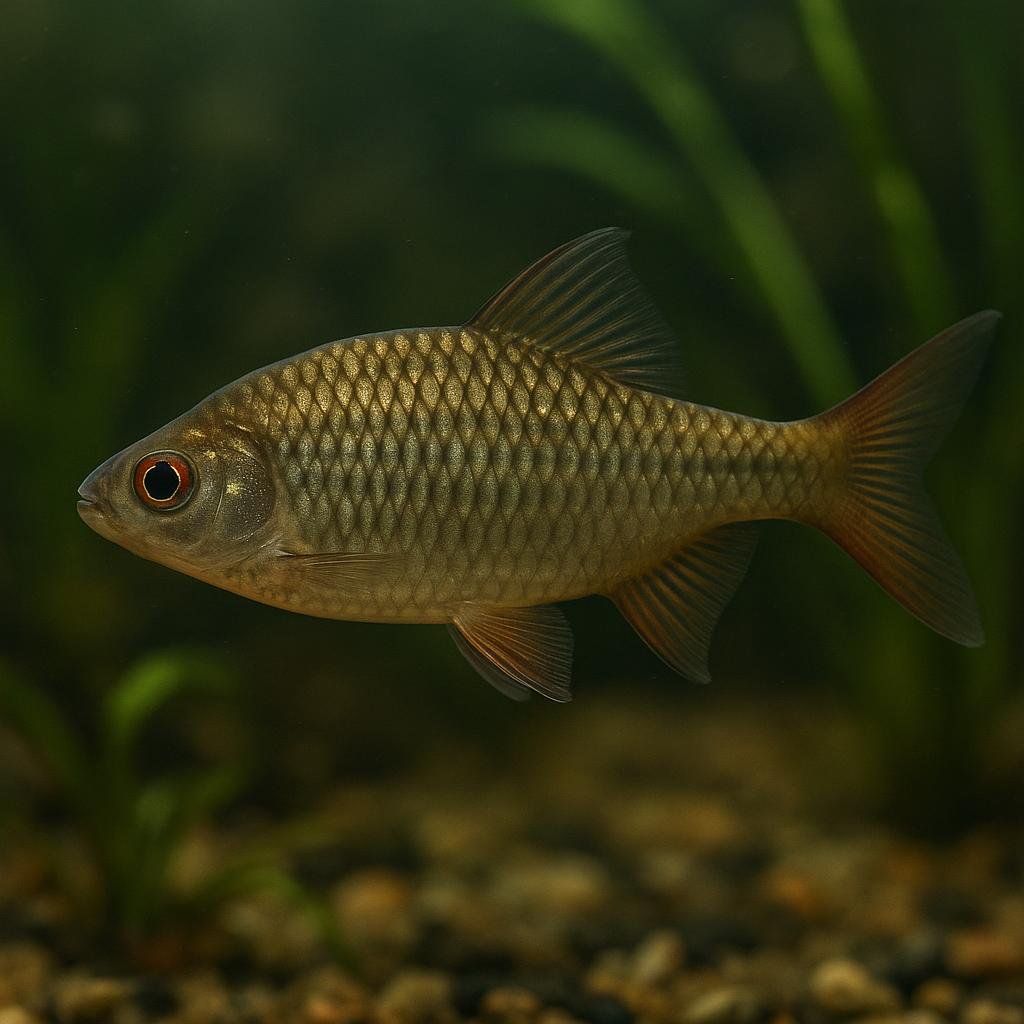
Mozambique large-eye bream
Wattsia mossambica
A deep‑water emperor bream (family Lethrinidae) inhabiting the outer edge of the continental shelf (about 100–300 m), reef‑associated and predatory on benthic invertebrates and small fishes. Reaches roughly 55–57 cm TL (~22 inches). Because of its depth, size, and predatory nature, it is not a realistic species for typical home aquaria.
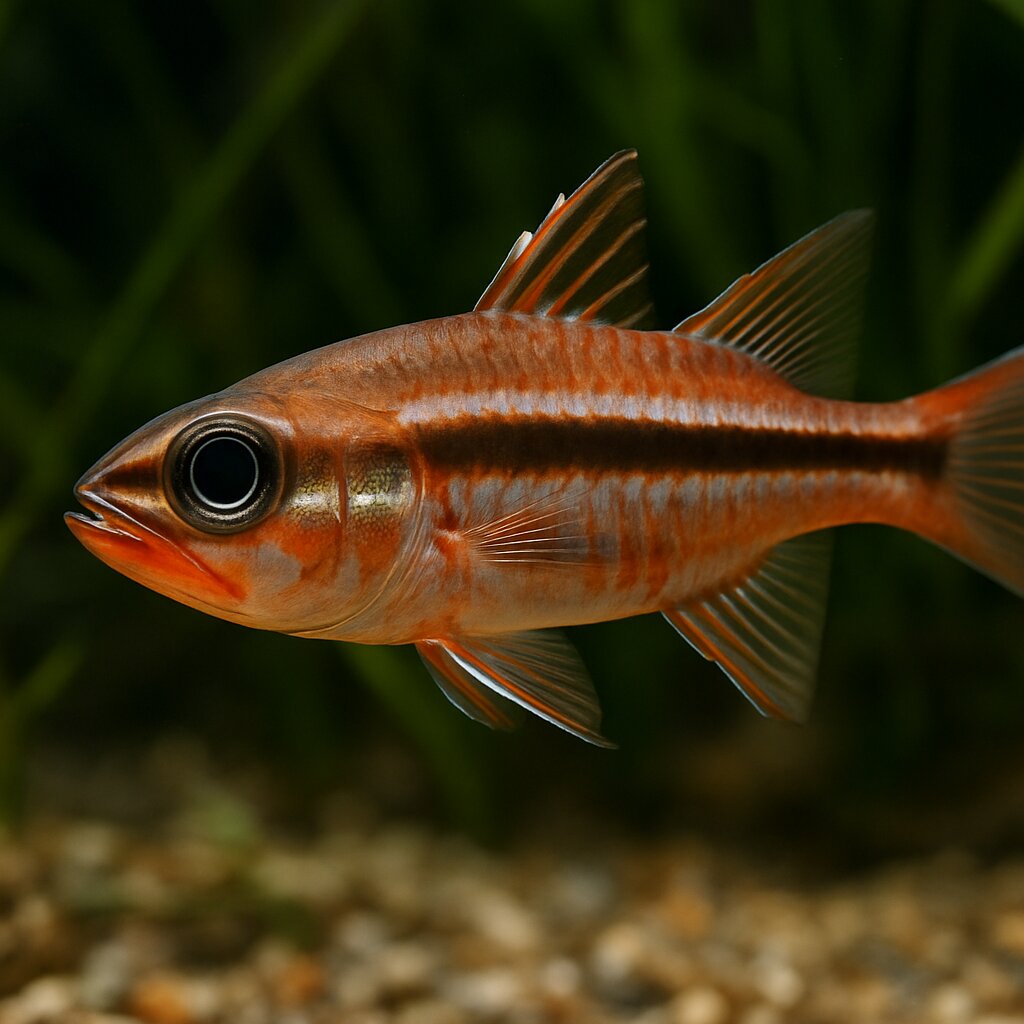
Munahosi cardinalfish
Ostorhinchus cheni
Think of a deepwater cardinalfish with a moody, reddish body, two slim dusky stripes, and a bold spot at the tail base. It hangs in the shadows, cruises slowly, and the male mouthbroods eggs, which is wild to watch if you ever see it happen. Super cool fish, but it comes from 70-100 m and prefers cooler marine temps, so it is definitely a specialist project.
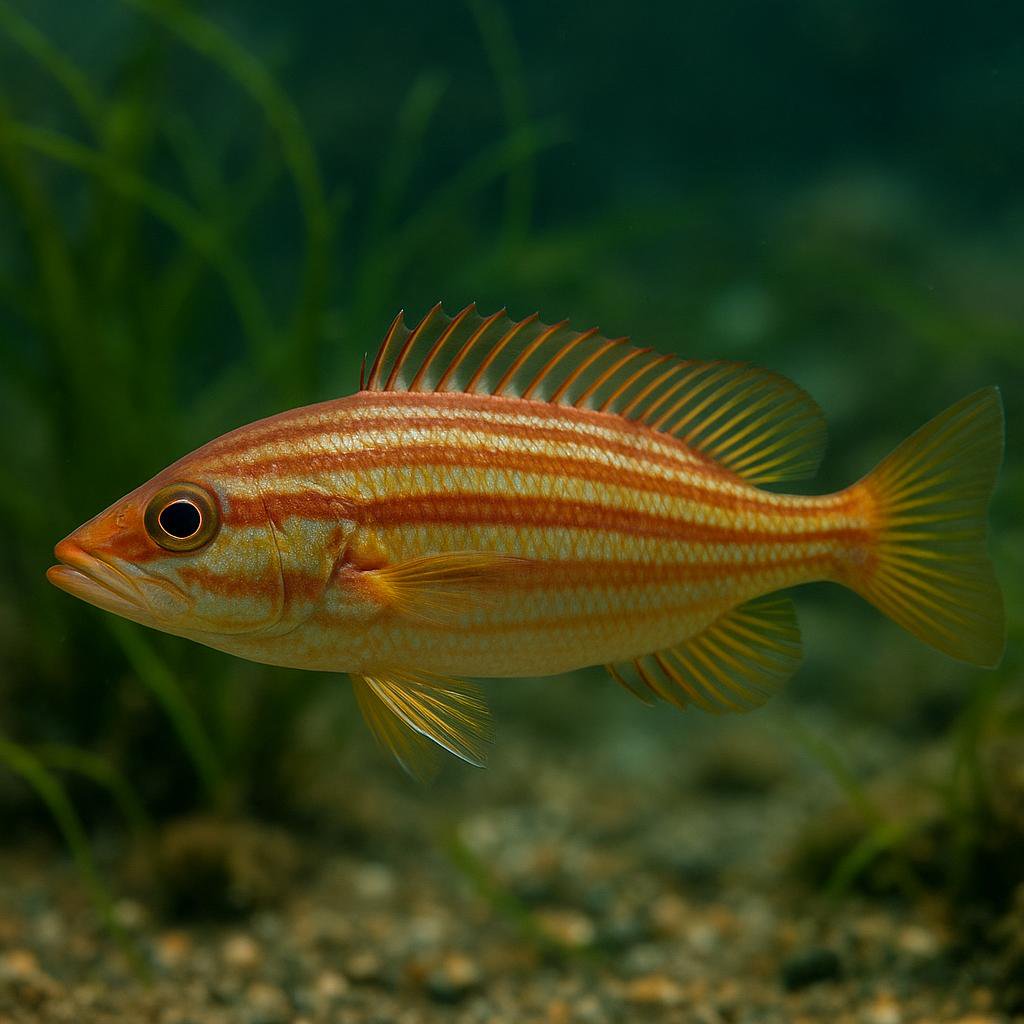
Murray Island bandfish
Owstonia merensis
Owstonia merensis is a tiny deepwater bandfish from the western Pacific - think slope/reef-edge trawl depths, not a reef tank fish. It stays small (around 5.7 cm standard length in the literature) and lives way down where water is cool, dark, and super stable, which is why it is basically never a realistic home-aquarium species.
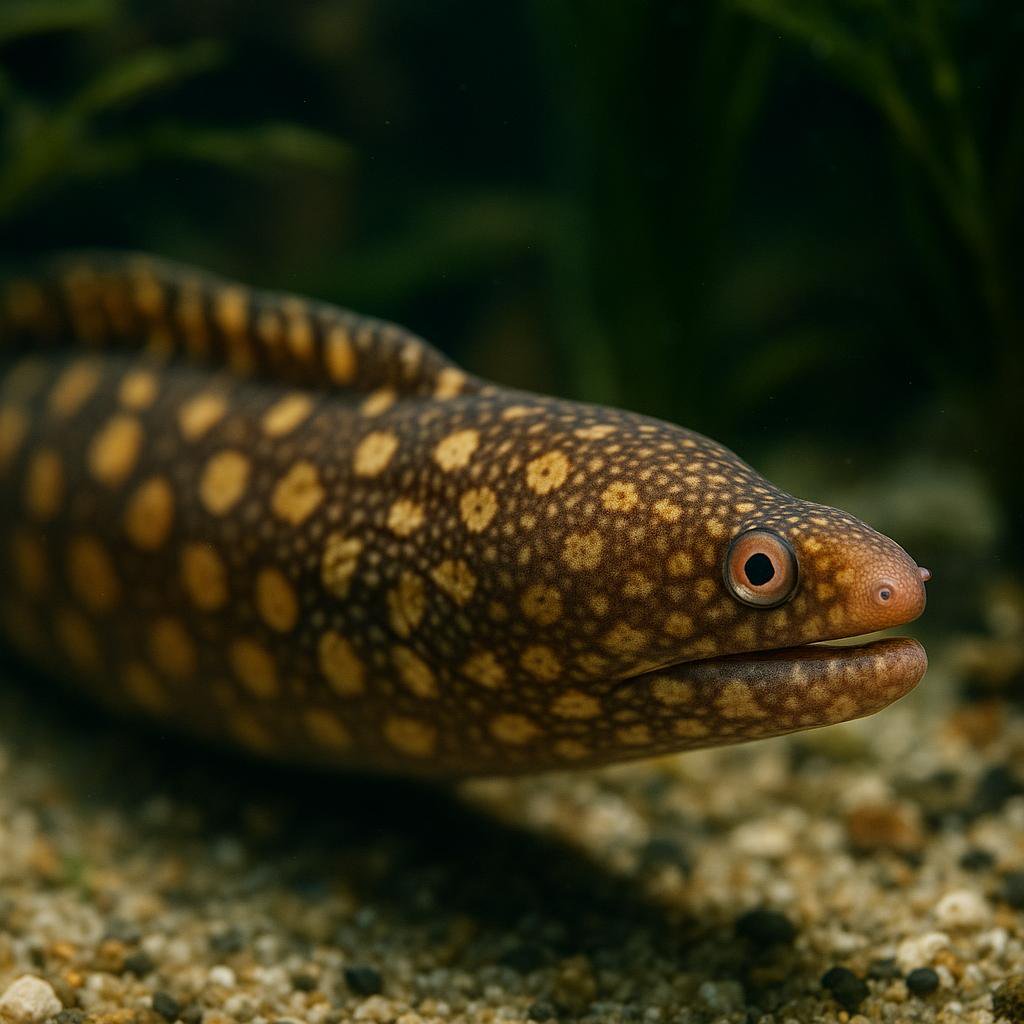
Nago snakemoray
Uropterygius nagoensis
This is a subtropical reef-dwelling snake moray that spends most of its life wedged into caves and crevices, with just the head poking out watching the world go by. It tops out around 80 cm and has that cool pale-brown, reticulated (net-like) spotting pattern with a whitish band across the top of the head. Not really something you see in the everyday hobby, but if you ever run into one, think escape-proof reef predator more than "pet fish".
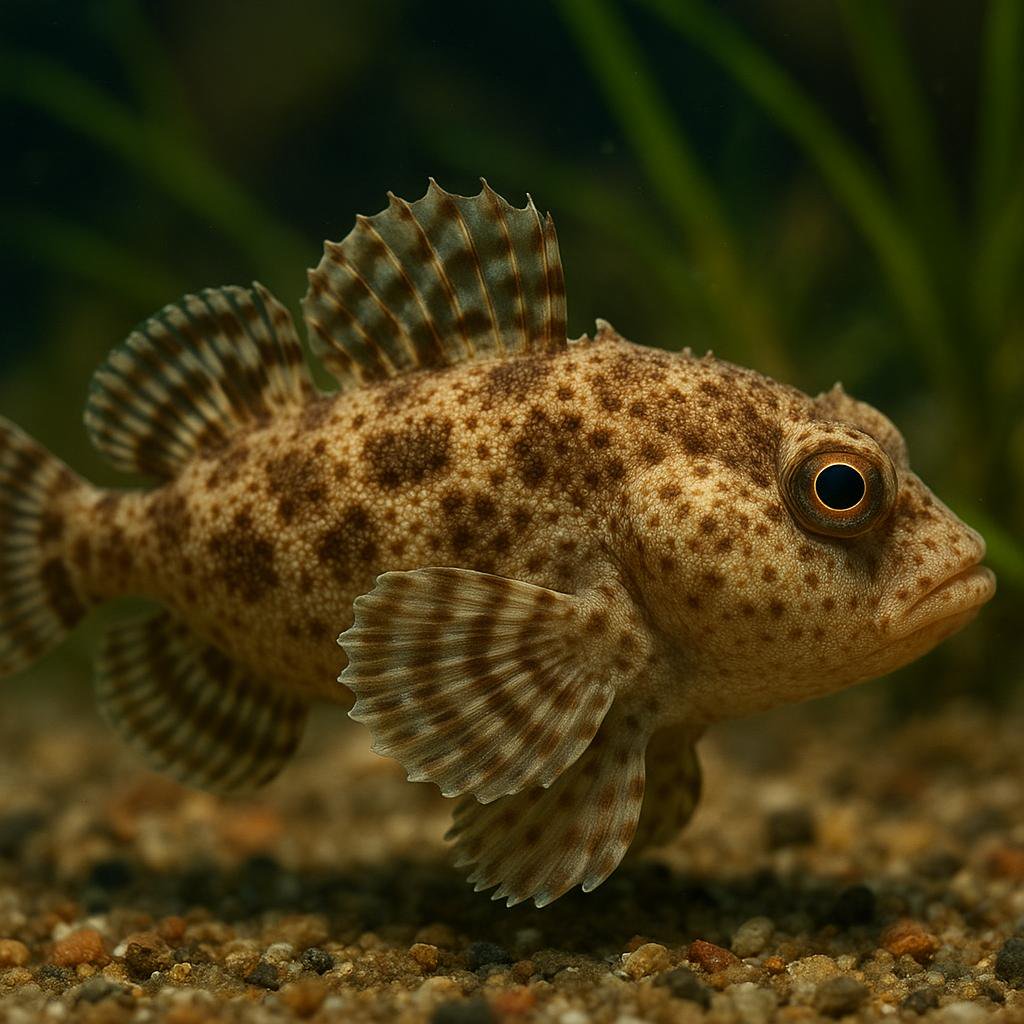
Narrowbody handfish
Pezichthys compressus
A very small, demersal Australian handfish (family Brachionichthyidae) that uses its modified fins to move along the seafloor. It is an extremely rare deepwater species known from very few records, and it is not an established aquarium species.
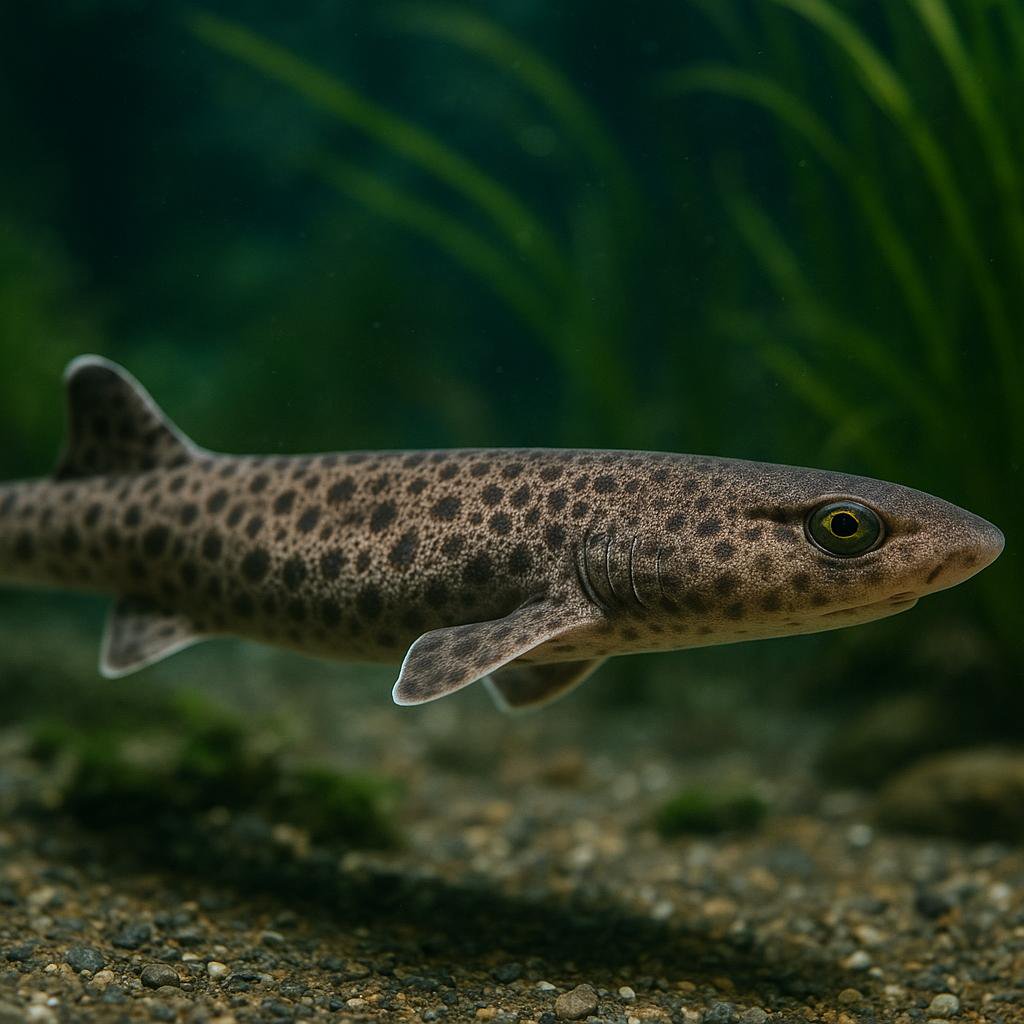
Narrowhead catshark
Bythaelurus tenuicephalus
Bythaelurus tenuicephalus is a tiny deepwater catshark from the western Indian Ocean with a really narrow head and snout (the name is basically calling it out for that). It lives way down around 463-550 m, so its "normal" world is cold, dark, and stable - definitely not something that fits typical home aquarium life.
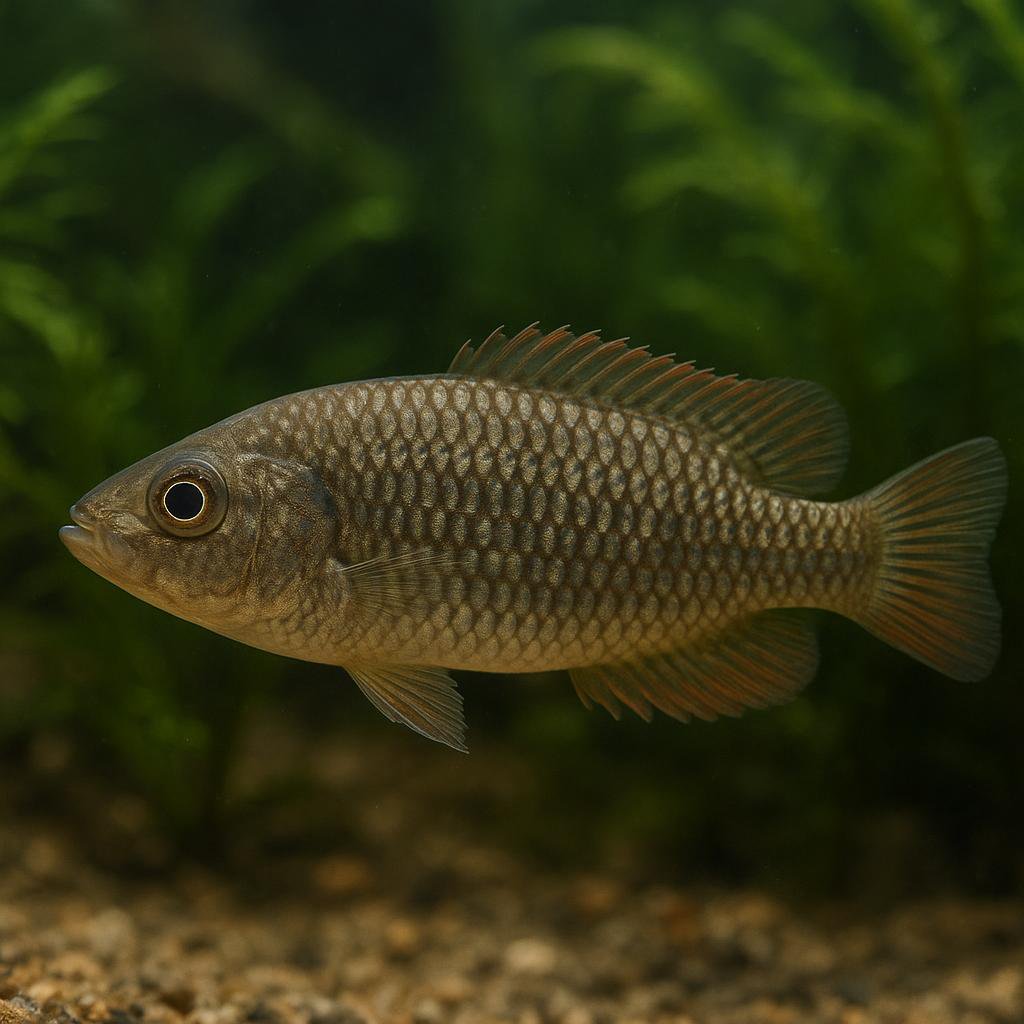
Nebulous snake eel
Xestochilus nebulosus
Xestochilus nebulosus is a demersal marine snake eel (Ophichthidae) from the Indo-Pacific that inhabits sand and weed bottoms (also tidepools). In aquaria it should be provided a soft sand substrate for burrowing and a tightly covered tank to prevent escapes.