

Moore's sand eel
Yirrkala moorei
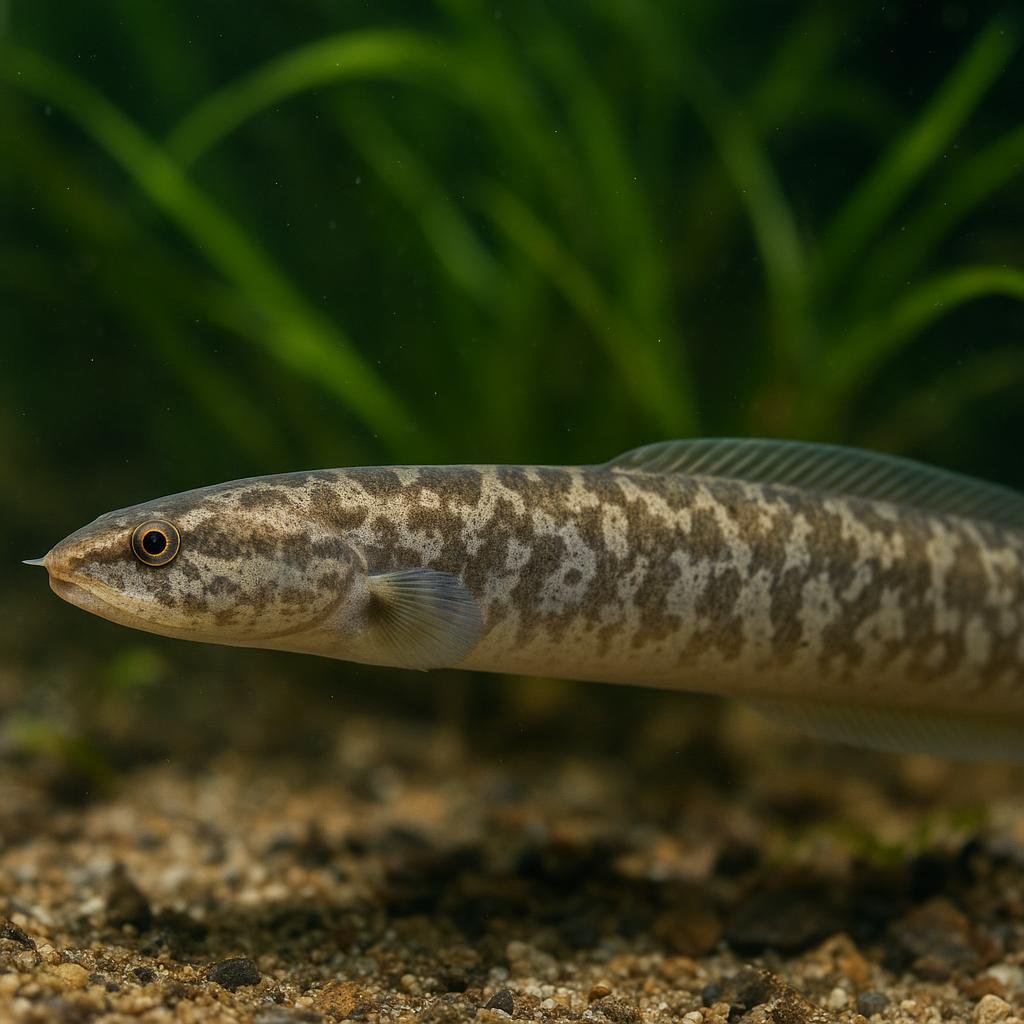
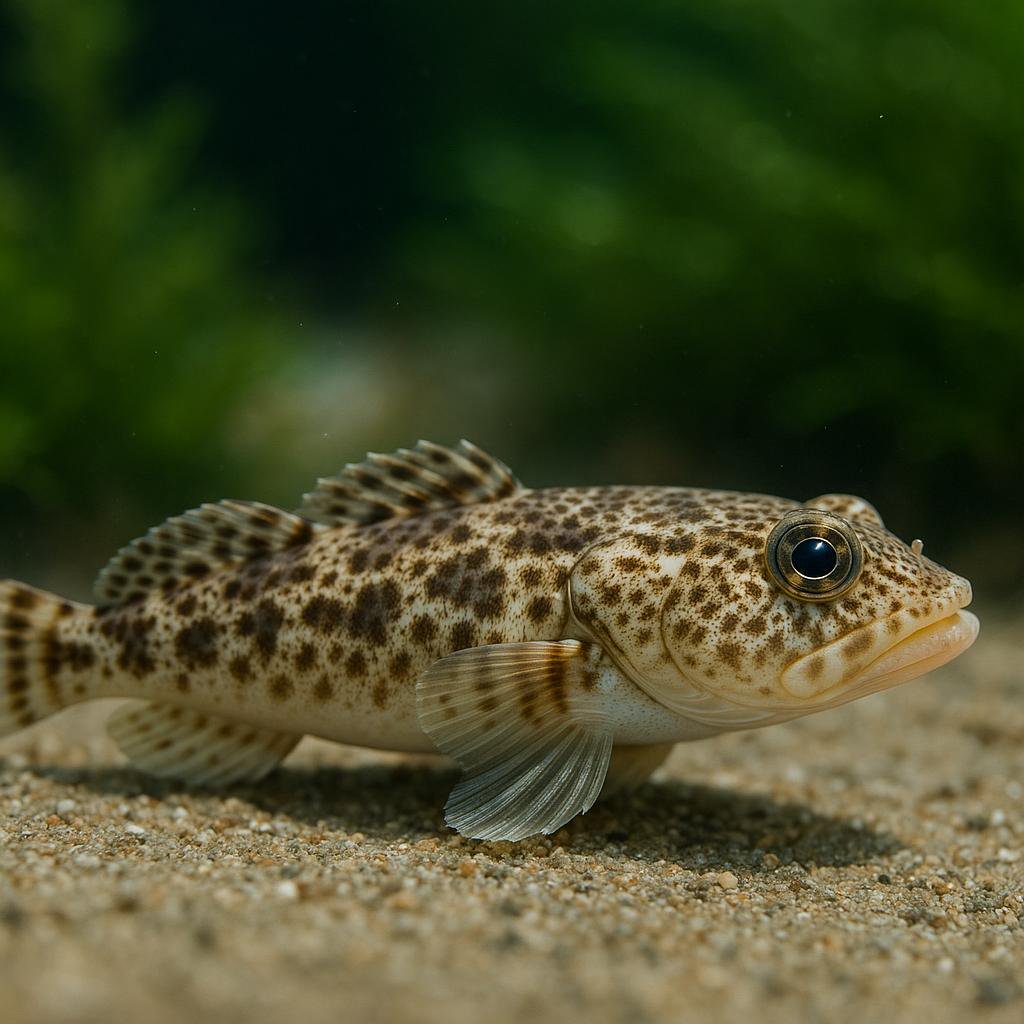
Moore's sand eel features a slim, elongated body with a bluish-green dorsal surface and a silver-white underside, marked by prominent dorsal fins.
This page includes AI-generated images. Why am I seeing AI images?
About the Moore's sand eel
Yirrkala moorei is a marine tropical snake eel (family Ophichthidae) known from the western central Pacific (Marquesas and American Samoa). It is reported from at least ~25 m depth and is known mainly from collected specimens; aquarium husbandry is not well documented.
Also known as
Quick Facts
Size
43.4 cm
Temperament
Semi-aggressive
Difficulty
Expert
Min Tank Size
75 gallons
Lifespan
unknown
Origin
Western Central Pacific (Marquesas and American Samoa)
Diet
Carnivore - likely small fishes and crustaceans (typical snake eel predator)
Water Parameters
24-28°C
8-8.4
8-12 dGH
Need a heater for this species?
This species needs 24-28°C in a 75 gallon tank. Use our heater calculator to find the right wattage.
Calculate heater sizeCare Notes
- This species is primarily known from collected specimens and taxonomic references; detailed aquarium husbandry is not well documented. If kept, provide a secure lid and appropriate soft substrate/hiding options consistent with burrowing ophichthid eels, and monitor closely for feeding and stress.
- Keep it like a reef fish, but clean and steady: 1.024-1.026 salinity, 24-26 C (75-79 F), pH 8.1-8.4, and low nitrate (try to stay under 10-20 ppm). They crash hard when ammonia or nitrite shows up, so this is a mature, cycled tank only.
- Flow should be moderate with calmer zones over the sand so it can settle; if the whole bottom is a sandstorm, it will stay stressed and stop eating. Run a skimmer and use a prefilter on intakes so it does not wedge itself into a pump.
- Feeding is the make-or-break: start with live blackworms or enriched live brine, then transition to frozen mysis, finely chopped shrimp, and small silversides. Use tongs or a feeding stick and target feed near its burrow at dusk - they are shy and get outcompeted.
- Do not keep it with boisterous pigs (big wrasses, dottybacks, triggers) that will steal food and harass it out of the sand. Best tankmates are calm, non-nippy fish and inverts; also avoid anything that can swallow an eel-shaped snack.
- Watch for abrasions and infections from rough substrate or sharp rock edges - they scrape up easily when they dive-bomb into hiding. If you see cloudy patches or red sores, think dirty sand, high organics, or bullying and fix that before you reach for meds.
- Quarantine is tricky because they hate bare-bottom tanks; if you QT, give a sand tray or a section of PVC packed with sand so it can hide. Copper is a last resort and can go sideways fast, so lean on observation, clean water, and targeted treatments if needed.
- Breeding in home tanks is basically a unicorn; if you ever see paired behavior, give them more sand and plenty of tight caves, but do not plan on raising larvae. Most of the time the win is just getting it to eat reliably and stay unspooked.
Compatibility
Good Tankmates
- Compatibility: Species-specific compatibility is not well documented in authoritative sources; treat as an opportunistic predatory ophichthid and avoid very small fish/invertebrates that may be eaten, and avoid aggressive tankmates that may harass it.
- Moderate-temperament wrasses that are not tiny and not bullies - like many Halichoeres or fairy wrasses. They cruise the water column and generally ignore a burrowing eel as long as it has sand and hiding spots.
- Dwarf angels (Centropyge) with similar attitude - they can be a little spicy, but typically its just posturing. In my experience they coexist fine if the eel has room to retreat and the rockwork breaks up sight lines.
- Bigger clownfish pairs (ocellaris/percula/maroons) that stay at their anemone or corner. They might act tough, but they usually do not spend the day digging the eel out of the sand.
- Hawkfish (like flame hawk) in a well-fed tank. They perch and watch the world go by, and they are generally not interested in a sand eel that is mostly head-out in the substrate.
- Larger, peaceful-ish gobies and blennies that are not bitey and are not tiny snack-sized - examples would be lawnmower blennies or bigger watchman-type gobies. Give them their own holes so they are not competing for the same real estate.
Avoid
- Tiny fish that can fit in its mouth - small gobies, small dartfish, tiny juvenile clowns. Moore's sand eels are opportunistic and will absolutely take a bite-sized roommate when the lights go down.
- Other eel-shaped or burrowing predators in the same zone - snake eels, aggressive sand-perchers, or multiple sand eels in a tight footprint. They tend to get territorial about sand patches and hiding holes.
- Big bullies that will harass and stress it out - triggerfish, large dottybacks, nasty damsels. The sand eel is tough but it is not built to take constant in-your-face aggression all day.
- Fin-nippers and pickers that cannot resist a head poking out of the sand - some puffers and large hawkfish types can get curious and start mouthing it, which turns into a problem fast.
Where they come from
Moore's sand eel (Yirrkala moorei) is one of those oddball marine eels that spends a lot of its life buried in sand with just the head poking out. They show up in the Indo-Pacific region and are tied to sandy flats and rubble zones where they can disappear fast when spooked.
If you are expecting a rock-cave moray vibe, this is a different animal. Think ambush hunter that wants a runway of sand more than a pile of rocks.
Setting up their tank
This is an expert fish mostly because of two things: escape risk and feeding. The tank itself is straightforward if you build it around their behavior - deep sand, stable water, and zero gaps in the lid.
- Tank size: I would not do this in less than 75 gallons, and 120+ is way less stressful long-term (more sand footprint, more stable water).
- Sand bed: 4-6 inches of fine sand. They want to bury, not wedge into rocks.
- Rockwork: Keep it stable and leave open sand lanes. Put rocks on the glass or on supports, not sitting on sand that can shift when the eel digs.
- Flow: Moderate, but avoid blasting the sand bed into dunes. Random flow is fine if you shield the sand a bit.
- Filtration: Oversize your skimmer and run mechanical filtration you will actually clean. These are messy, high-protein feeders.
- Lid: Tight. Every hole blocked. Plumbing cutouts, feeding doors, cable gaps - all of it.
Treat them like an escape artist from day one. If a credit card can fit through a gap, a sand eel can eventually find it. Cover overflows, lock down lids, and use mesh or acrylic anywhere you have openings.
I like to give them at least one or two "starter burrows" by placing a short section of PVC (like 1-1.5 inch) under the sand at an angle. Sometimes they ignore it, sometimes it becomes their favorite spot, but it helps them settle in during that first stressful week.
Quarantine is tricky with sand-buriers. If you QT, give them a sand tray (a plastic container with rinsed sand) and a tight lid. Bare-bottom + no hiding usually turns into a hunger strike.
What to feed them
Feeding is the make-or-break part. Many sand eels come in underfed and stressed, and they do not always recognize prepared food right away. You will likely need to train them onto frozen.
- Best starters: live or very fresh foods that move - small live fish only if you are experienced and can source safely, otherwise live ghost shrimp can work as a transition.
- Frozen staples once trained: silversides (appropriately sized), lancefish, mysis for smaller individuals, chopped shrimp, squid, and marine fish flesh.
- How to offer: feeding tongs near the burrow entrance, small movements to simulate life. Some will only strike if the food is "swimming".
- Frequency: smaller meals 3-4 times a week beats one giant feeding. Watch body condition and adjust.
- Vitamins: soak frozen food in a vitamin supplement a couple times a week. It helps when the diet is limited early on.
Skip freshwater feeder fish. They are a parasite risk and the fatty acid profile is not great for marine predators. If you must use live as a transition, be picky about source and keep it temporary.
A good sign you are on the right track is when the eel starts showing up predictably at feeding time. Mine learned the tongs meant dinner and would rise out of the sand instead of doing the lightning strike from a hidden position.
How they behave and who they get along with
Most of the day you will see a head sticking out of sand, watching everything. They can be shy at first, then surprisingly bold once they settle. They are still predators, though, and their whole setup is built around eating passing fish and crustaceans.
- Good tankmates: robust fish that will not fit in the eel's mouth (tangs, larger wrasses, rabbitfish, larger angels in big tanks).
- Avoid: tiny gobies, firefish, small blennies, ornamental shrimp, and basically any "cute small cleanup crew" you care about.
- Other eels: not my favorite mix unless you have a large system and know each animal well. Competition at feeding can get weird fast.
- Inverts: snails and larger hermits are usually ignored, but anything shrimp-shaped is a gamble.
They are not typically rock rearrangers like some morays, but they will move sand. If you have delicate sand-sitting corals, expect them to get dusted or undermined.
Breeding tips
Breeding Yirrkala moorei in home aquariums is basically in the "nice dream" category. Eels have complex larval stages (leptocephalus larvae) that drift in the plankton, and raising them is a whole specialty on its own.
If you ever end up with two that tolerate each other and you see pairing behavior, the best thing you can do is keep the system stable, feed well, and document it. But I would not buy them expecting breeding success.
Common problems to watch for
- Escape attempts: usually triggered by poor lid coverage, bullying, sudden light changes, or big swings in salinity/temperature.
- Hunger strikes: common after shipping. Give them sand to hide in, keep traffic low around the tank, and focus on enticing foods and calm feeding sessions.
- Injuries on the snout: happens when they launch into glass or try to push through lids. Fix the cause first, then keep water clean to prevent infection.
- Poor water quality from heavy feeding: expect nitrate to climb if you are not on top of skimming, water changes, and mechanical filtration maintenance.
- Parasites: wild-caught predators can bring baggage. If you see flashing, heavy breathing, or excess mucus, be ready with a plan (and remember many meds are not reef-safe).
Copper and many eel-like fish do not mix well, and sand makes medication tricky anyway. If you need to treat, a separate hospital setup with a sand tray and tight lid is usually the least painful route.
My general rule: if the eel is buried, breathing normally, and coming up for food on a routine, you are winning. Most problems start when they are stressed and roaming the glass at odd hours. That is your early warning to check tankmates, lid gaps, and your last few test results.
Similar Species
Other marine semi-aggressive species you might be interested in.
Aleutian skate
Bathyraja aleutica
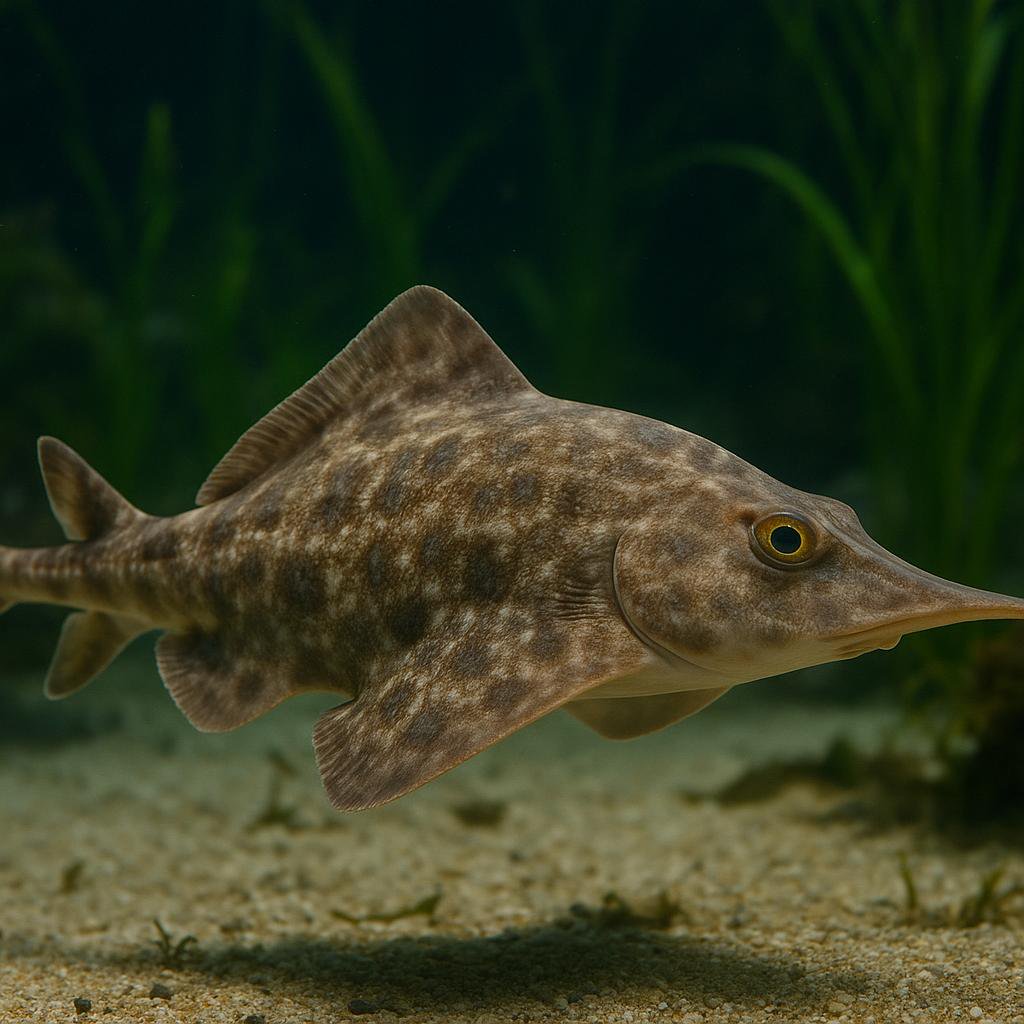
This is a big, cold-water deep-slope skate from the North Pacific that cruises muddy bottoms and eats chunky benthic prey like crabs and shrimp. The really cool bit is its egg-laying skate life - it does distinct pairing (the classic skate "embrace") and drops those tough egg cases on the seafloor. Not an aquarium fish at all unless you're basically running a public-aquarium-style chilled system.
Antarctic dragonfish
Vomeridens infuscipinnis
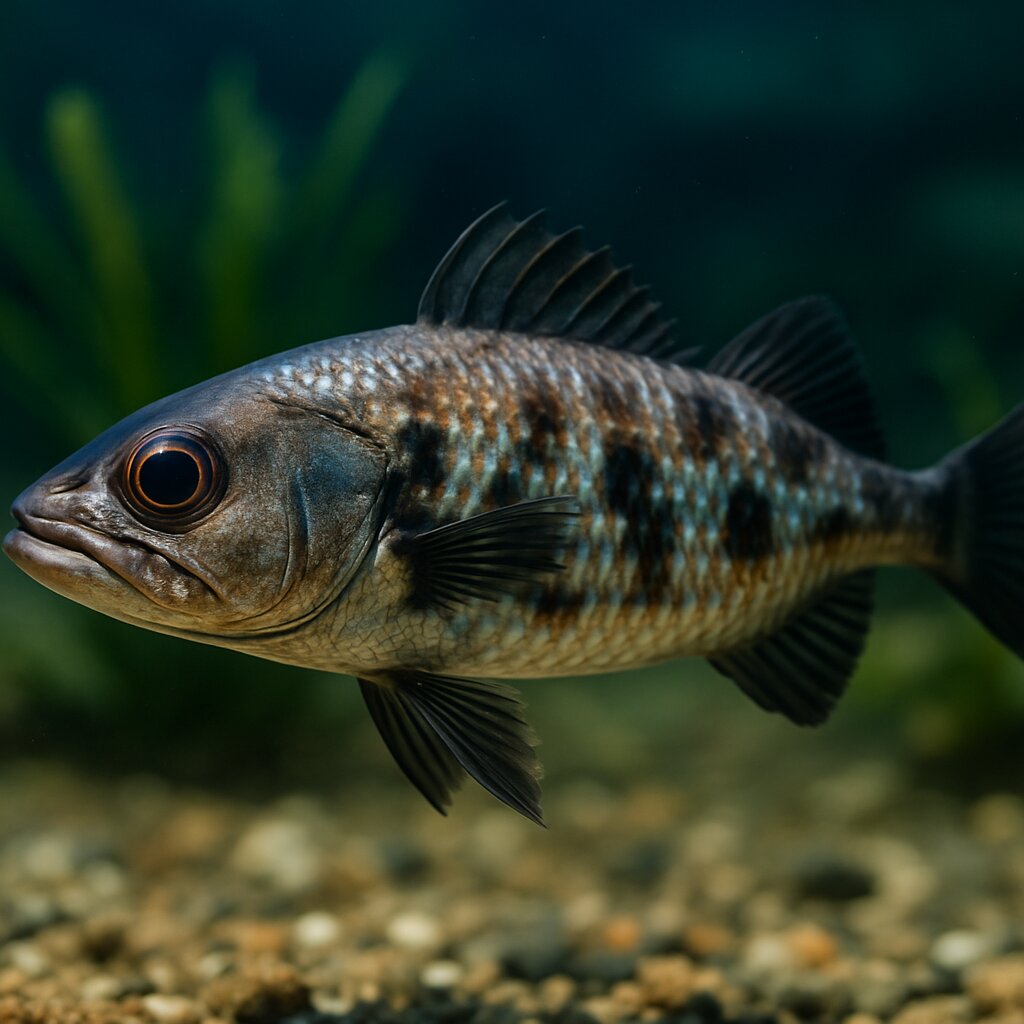
Deep down around Antarctica, this sleek dragonfish cruises the water column like a little submarine, nearly neutrally buoyant so it can hover above the seafloor. It munches almost exclusively on Antarctic krill and lives in near-freezing water 500-800 m down, so it is a cool species to read about, not one for home tanks.
Arabian spiny eel
Notacanthus indicus
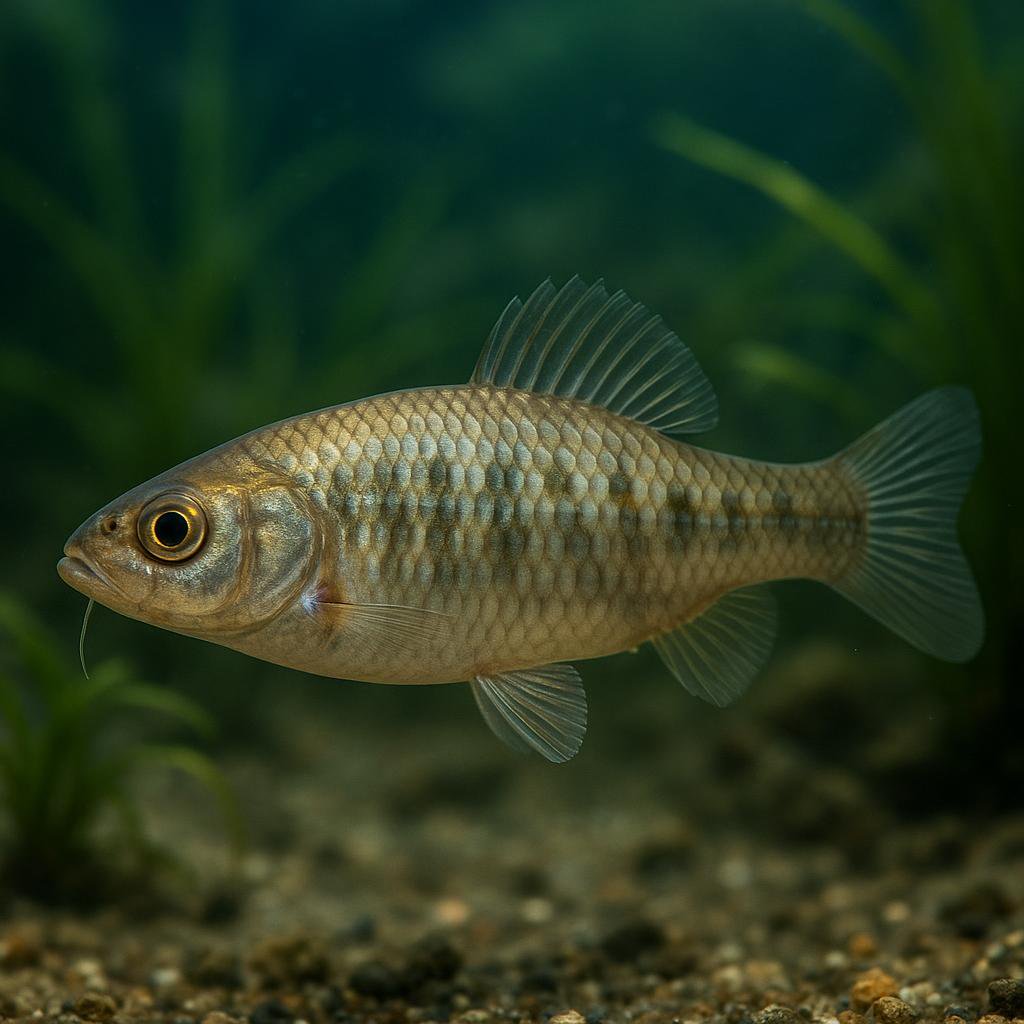
Notacanthus indicus is a deep-sea spiny eel (family Notacanthidae; not a true eel) known from the Arabian Sea on the continental slope at roughly ~960–1,046 m depth, with reported maximum length around 20 cm TL; it is a deep-water bycatch species and not established in the aquarium trade.
Arctic rockling
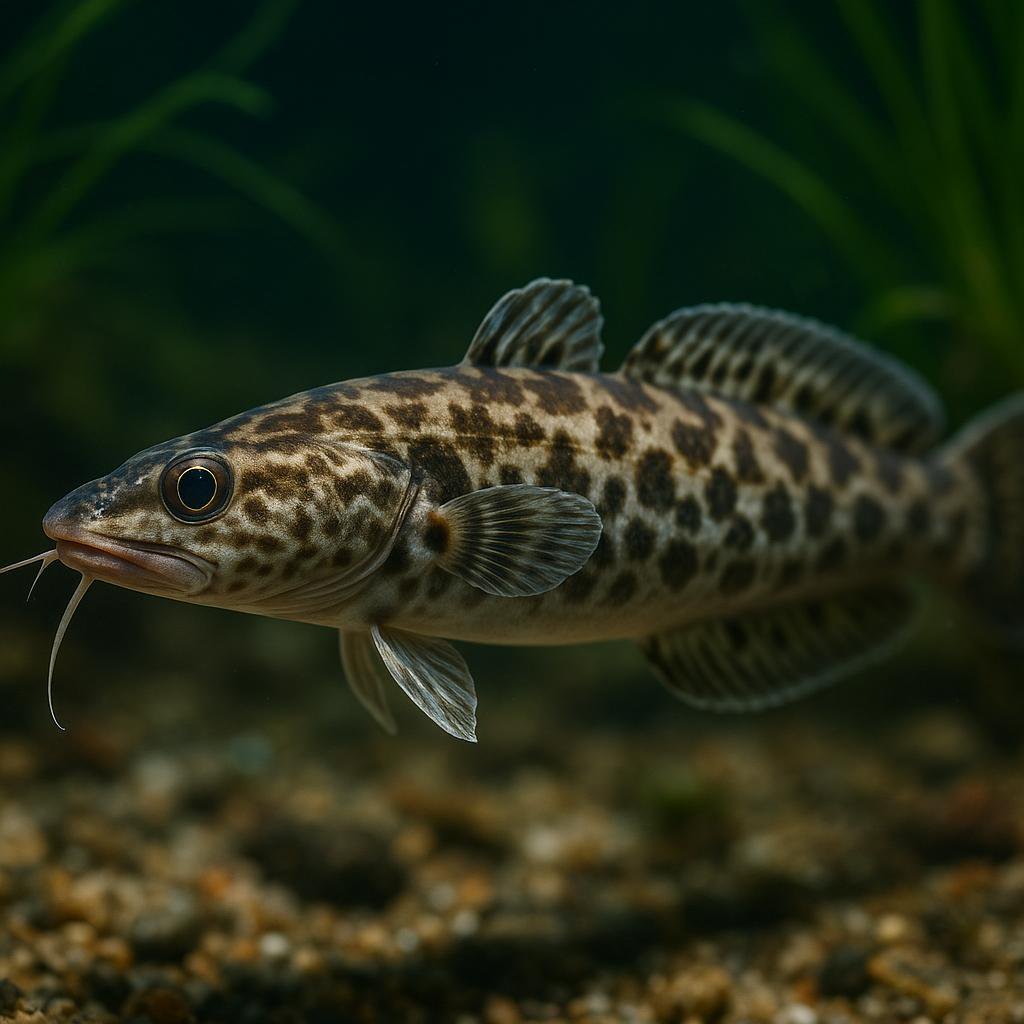
Gaidropsarus argentatus
This is a deepwater North Atlantic rockling (a cod relative) that hangs out on soft bottoms way down the slope. It is a cold-water, bottom-hugging predator that snoots around for crustaceans and will also take small fish when it gets the chance.
Atlantic pomfret
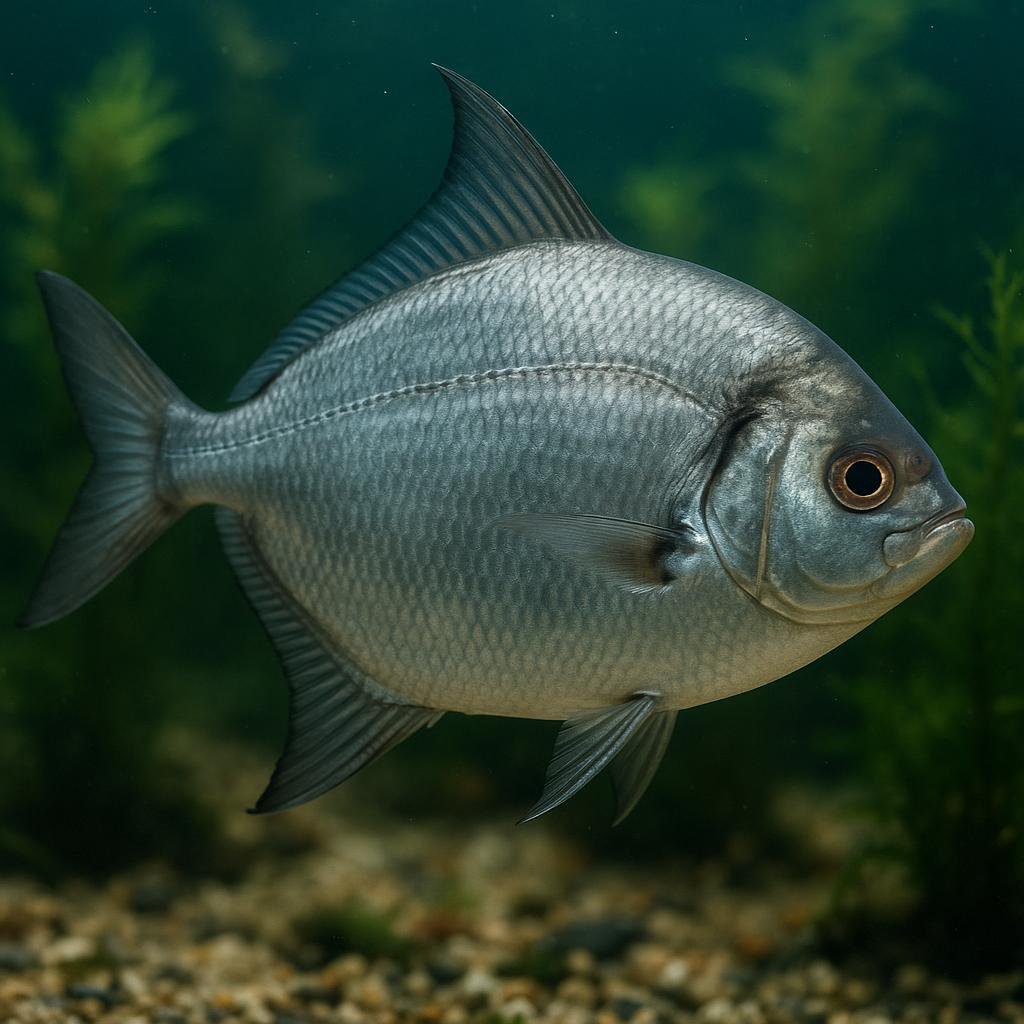
Brama brama
Brama brama is the Atlantic pomfret (aka Ray's bream) - a deep-bodied, open-ocean pelagic fish that cruises around in small schools and follows water temps. It is a legit big, wild marine species (not an aquarium fish) that eats other small sea critters like fish and squid, and it ranges across a huge chunk of the Atlantic plus parts of the Indian and South Pacific.
Australian sawtail catshark
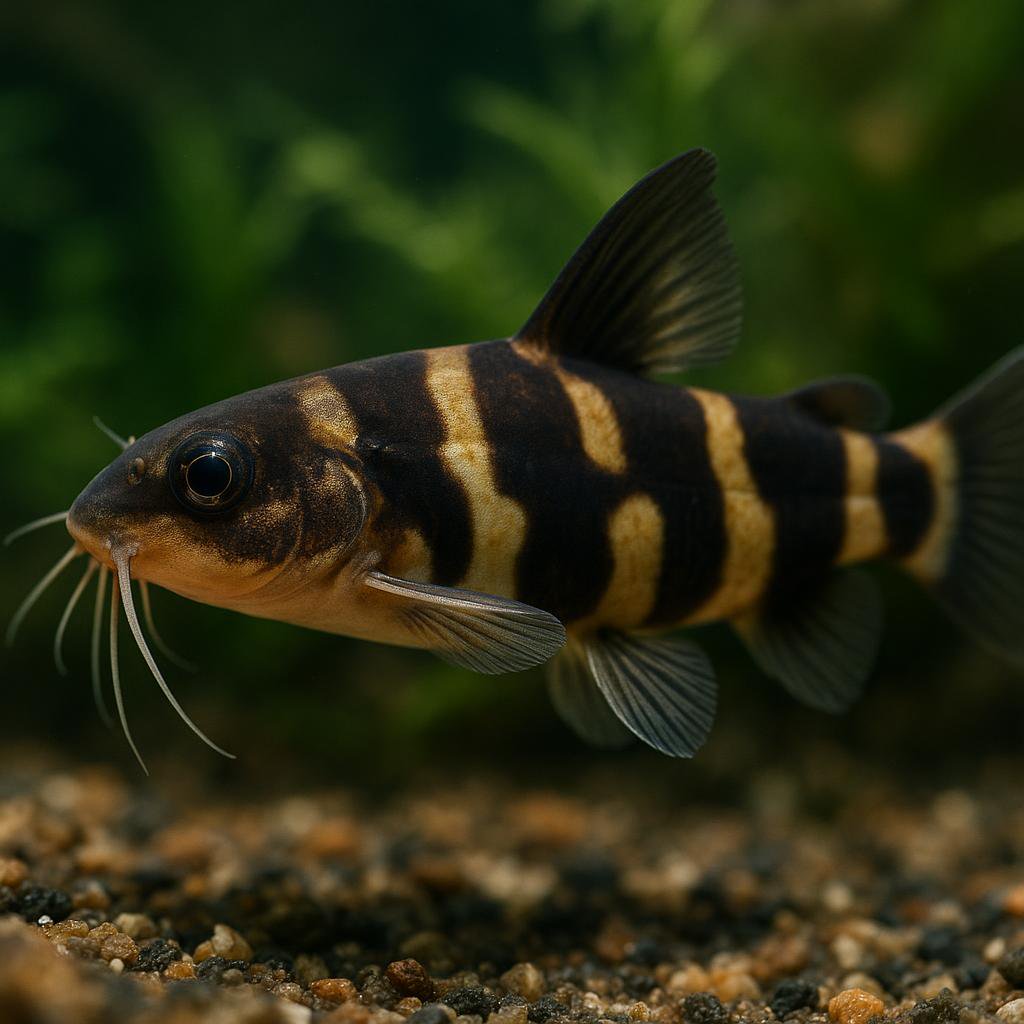
Figaro boardmani
Figaro boardmani is a small, deepwater Australian catshark with these cool saw-like ridges of spiny denticles along the tail and a neat pattern of dark saddle bands. It lives way down on the outer continental shelf and slope, so its natural water is cold, dim, and stable - totally not a typical home-aquarium fish. Diet-wise its a predator that goes after fish, crustaceans, and cephalopods.
More to Explore
Discover more marine species.
Abe's eelpout
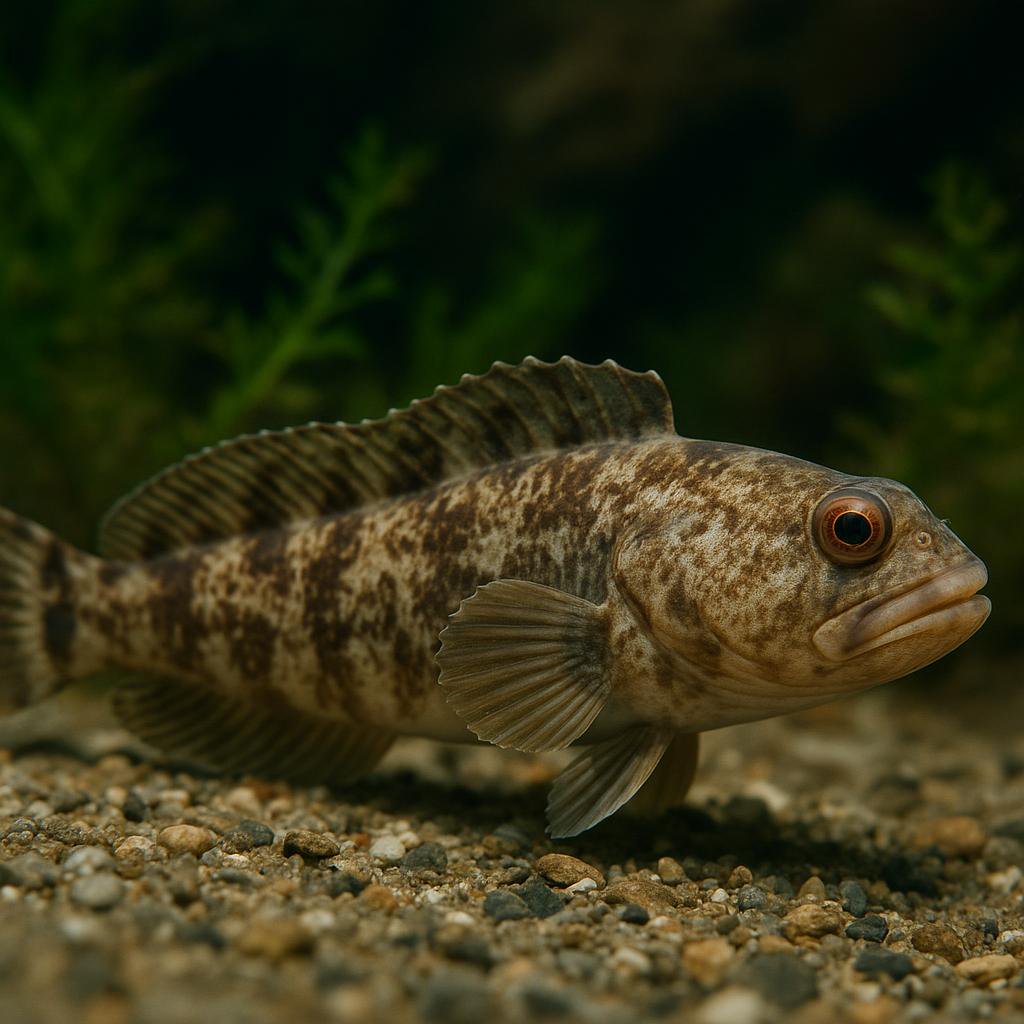
Japonolycodes abei
Japonolycodes abei is a temperate, deepwater demersal eelpout (family Zoarcidae) endemic to Japan (Kumano-nada Sea reported; other sources also report Sagami Bay and Tosa Bay). It is the only species in the genus Japonolycodes and occurs roughly 40-300 m depth, making it an uncommon/atypical aquarium species.
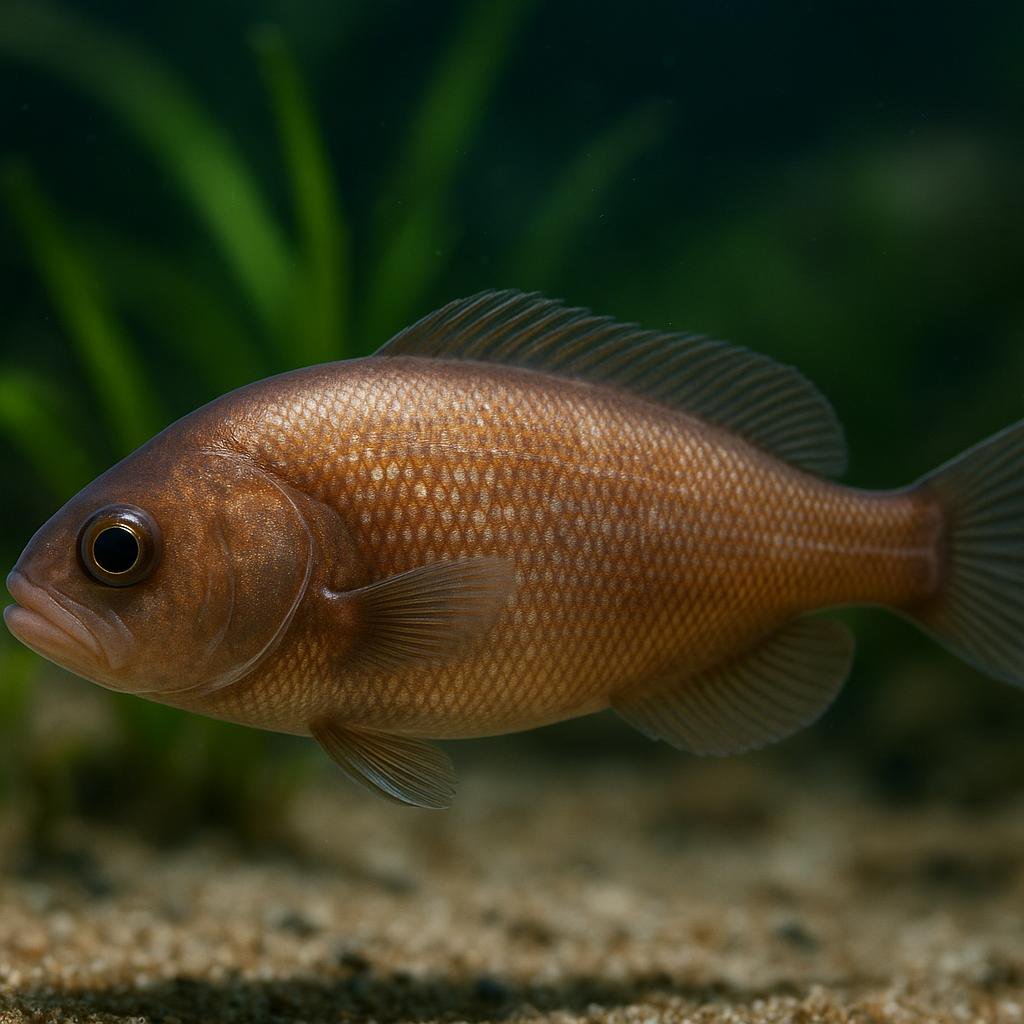
Affinis blind cusk-eel
Barathronus affinis
Barathronus affinis is a tiny, super-weird deep-sea blind cusk-eel from the western-central Indian Ocean. It is one of those gelatinous, loose-skinned brotula-type fishes that live way down in the dark and are basically never seen alive, so almost everything we know comes from preserved specimens and taxonomic work.
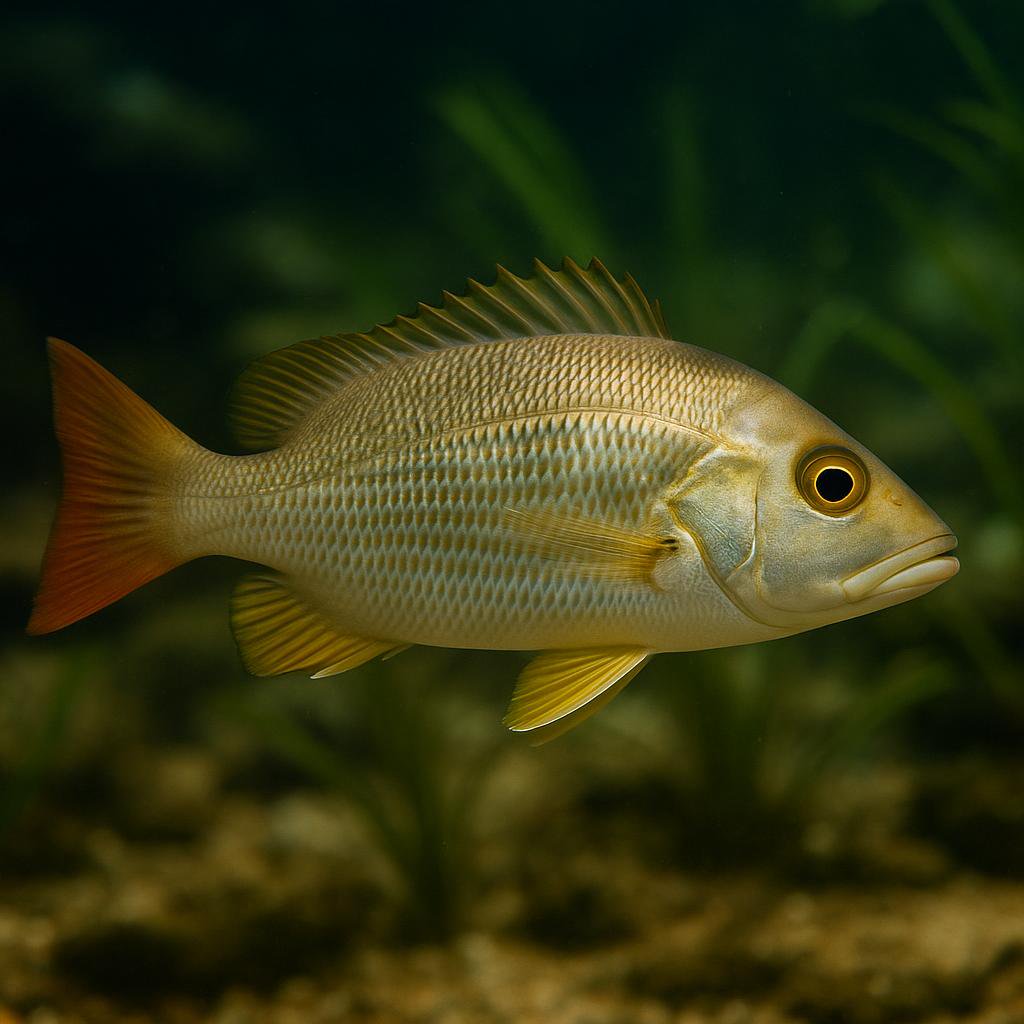
African red snapper
Lutjanus agennes
This is a true snapper from West Africa - a big, fast-growing predator that goes from coastal reefs to brackish lagoons and estuaries (especially as a juvenile). Super cool fish in the wild, but it gets absolutely huge and will eat smaller tankmates once it has the mouth for it, so its really more of a public-aquarium scale animal than a home-aquarium fish.
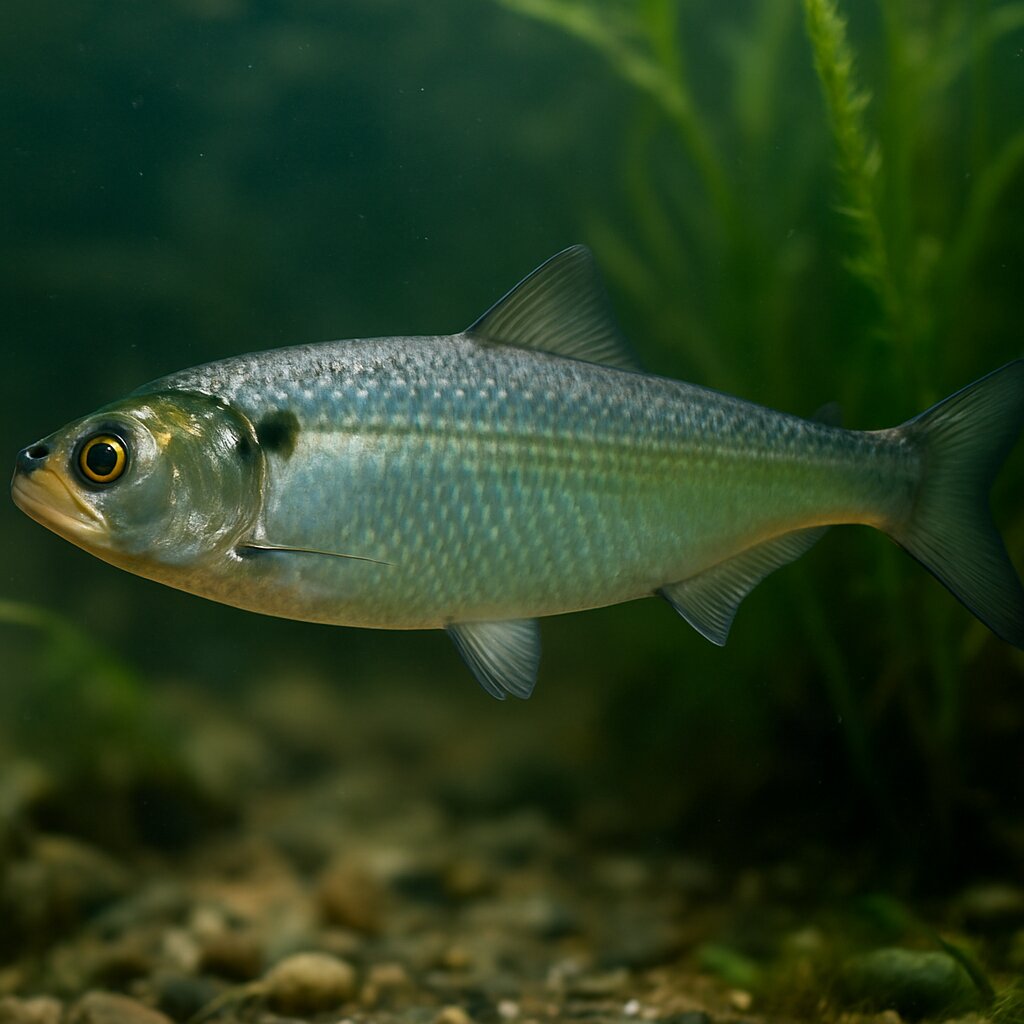
Allis shad
Alosa alosa
Gorgeous silver, fast-swimming shad that spends most of its life in the sea and then surges up big rivers in noisy, surface-spawning schools. It grows huge for a herring-type fish and needs cool, ultra-oxygenated water and tons of open space, so it is a public-aquarium species rather than a home tank fish.
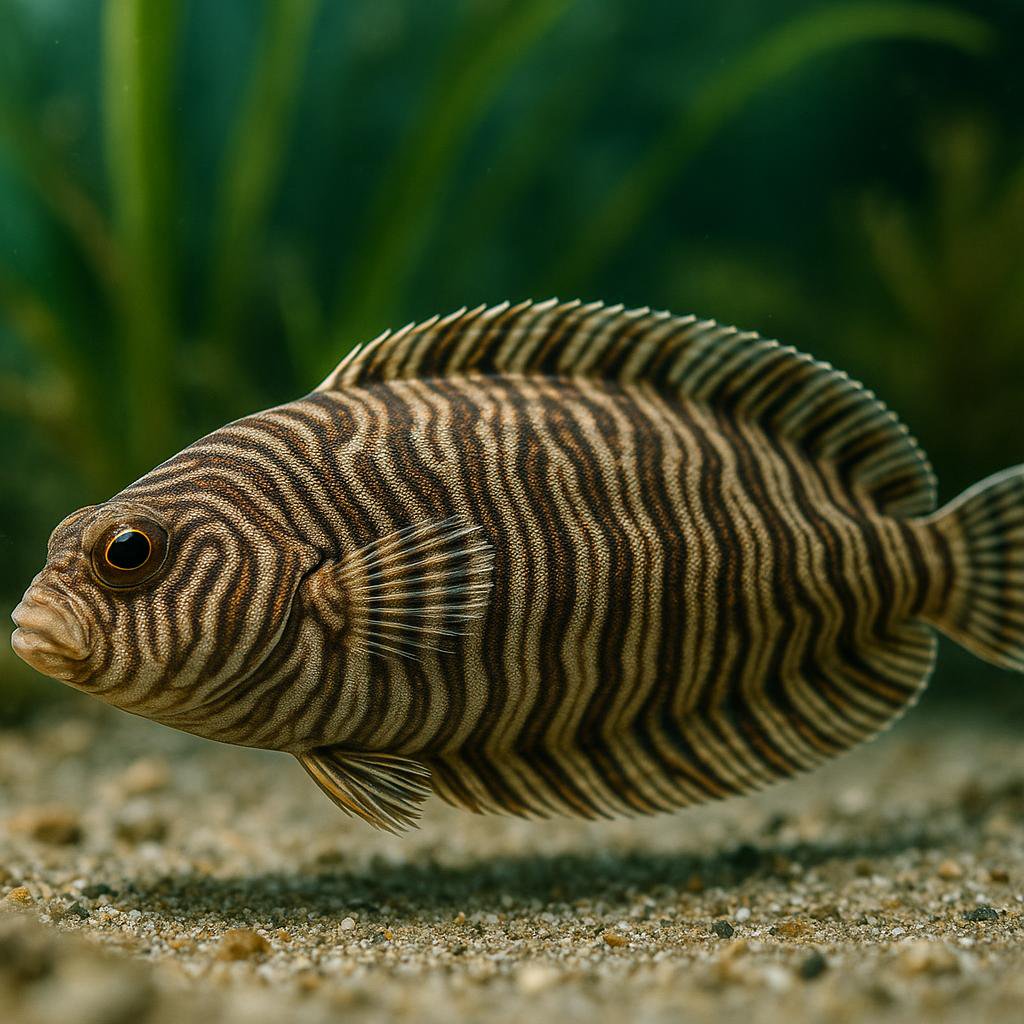
Annandale's zebra sole
Zebrias annandalei
Zebrias annandalei is a small demersal sole from coastal India that inhabits sandy or muddy bottoms and buries for camouflage. It is rarely kept in home aquaria and would require a specialized marine sand-bottom setup and appropriate feeding.
Banded stargazer
Kathetostoma binigrasella
This is a New Zealand stargazer that lives half-buried in sand or mud with its eyes pointed up, waiting to rocket upward and nail passing prey. It has those neat dark saddle-bands across the back (especially as a juvenile), and like other stargazers it is venomous with spines near the gill cover/pectoral area - definitely a look-dont-touch fish.
Looking for other species?