

Moon-spotted shrimp goby
Vanderhorstia nannai
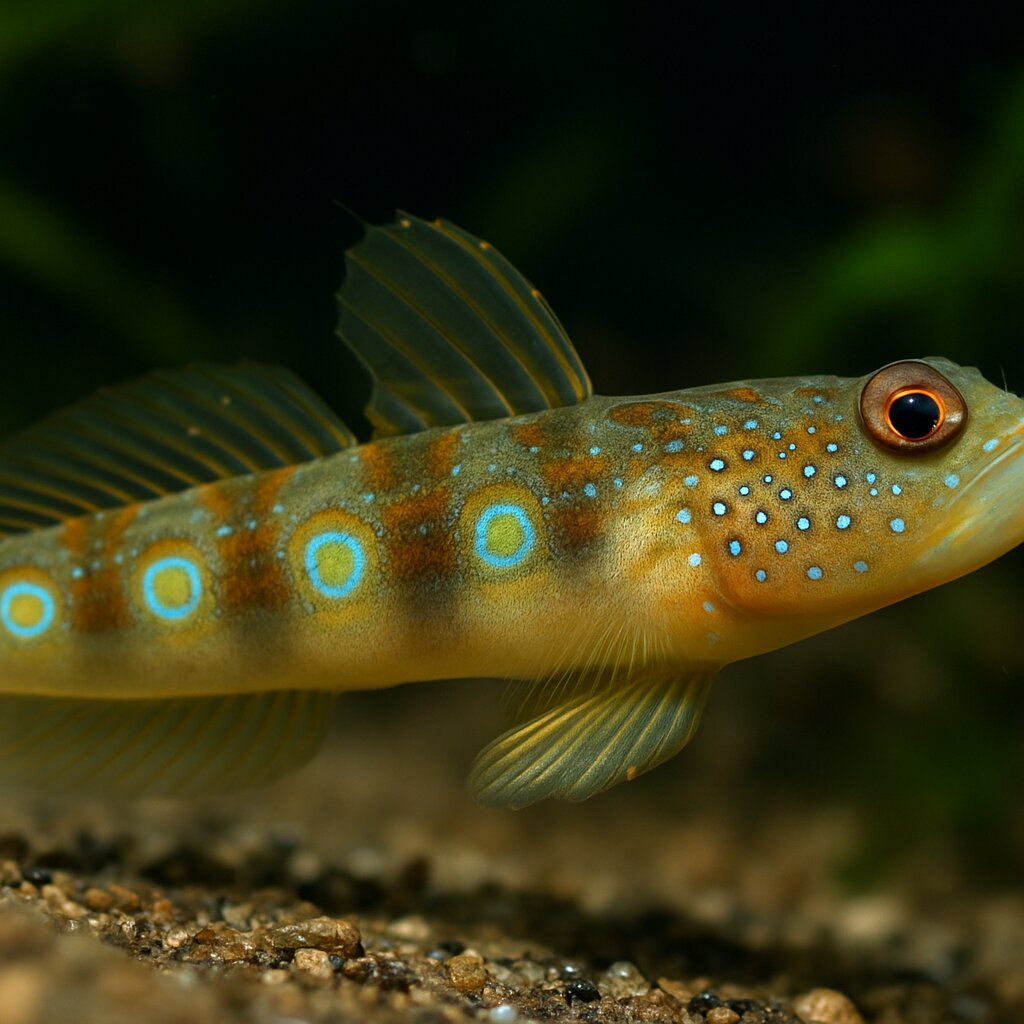
The Moon-spotted shrimp goby features a slender body with distinct dark spots and a pale to yellowish hue, enhancing its camouflage in sandy habitats.
This page includes AI-generated images. Why am I seeing AI images?
About the Moon-spotted shrimp goby
This little shrimp-goby rocks bright moon-yellow spots and loves living with a pistol shrimp, sharing a sand burrow and acting like the lookout. Give it a sandy bed and peaceful tankmates and it will perch at the entrance, dash for meaty bites, and show tons of personality. Use a snug lid - they can launch if startled.
Also known as
Quick Facts
Size
1.3 inches
Temperament
Peaceful
Difficulty
Intermediate
Min Tank Size
10 gallons
Lifespan
3-5 years
Origin
Western Pacific - Palau and Philippines
Diet
Carnivore - small meaty foods like mysis, enriched brine, finely crushed marine pellets
Water Parameters
24-27°C
8.1-8.4
320-420 dGH
Need a heater for this species?
This species needs 24-27°C in a 10 gallon tank. Use our heater calculator to find the right wattage.
Calculate heater sizeCare Notes
- Use a tight-fitting lid; these gobies are expert jumpers when startled.
- Give them a 30+ gallon tank with 2-3 inches of fine sand and a handful of small rubble; set rock on the glass or supports, not on sand, so their tunneling does not cause a rock slide.
- Pair with a peaceful pistol shrimp (Alpheus randalli or similar) to get the classic watchman-shrimp behavior and a more confident goby.
- Keep 75-79 F, 1.024-1.026 SG, pH 8.1-8.4, and alkalinity 8-10 dKH; ammonia and nitrite should be 0 and nitrate under about 20 ppm.
- Feed small meaty foods like mysis, enriched brine, copepods/calanus, finely chopped seafood, and small sinking pellets 1-2x daily; target the burrow entrance with a turkey baster.
- They are peaceful but get pushed around; skip dottybacks, larger wrasses, hawkfish, and aggressive damsels, and avoid mixing with other shrimp gobies unless you have a confirmed pair and space.
- If you end up with a pair, they may spawn in the burrow; larvae are planktonic and very hard to raise in a community tank, so do not expect fry to survive without a dedicated setup.
- Quarantine new arrivals if you can; many come in thin or with worms, and a round of praziquantel plus heavy feeding usually turns them around.
Compatibility
Good Tankmates
- Peaceful clowns like ocellaris/percula - they hang midwater and ignore a burrow goby.
- Firefish/dartfish (Nemateleotris) - shy but chill neighbors that wont muscle into the burrow.
- Cardinalfish (Banggai, pajama, threadfins) - slow, polite eaters that wont hassle sand dwellers.
- Small rock-perching gobies and blennies (neon gobies, clown gobies, tailspot blennies) - different niche, so no turf wars if the tank has hides.
- Reef-safe fairy or flasher wrasses that ignore crustaceans - active up top, not into stealing the burrow; skip the bruiser wrasses.
- Single blue-green chromis or a chilled-out group - midwater movement without bothering the shrimp-goby zone.
Avoid
- Aggressive damsels and big, bossy clowns (maroon, clarkii, tomato) - they claim the whole tank and will intimidate a shy goby.
- Dottybacks/pseudochromis and feisty basslets - cave bullies that harass anything near rock and sand openings.
- Hawkfish - ambush perchers that may pounce on a small goby and will eat pistol shrimp.
- Large or predatory wrasses (Halichoeres, Thalassoma, Coris) - diggers and shrimp hunters that stress or evict burrow dwellers.
Where they come from
Moon-spotted shrimp gobies hang out on sandy patches at the edges of coral reefs in the Indo-Pacific. Think gentle slopes with scattered rubble, right where a pistol shrimp can dig a safe burrow. They spend most of their day posted at the burrow entrance, watching the world and diving back in if anything sketchy cruises by.
They naturally pair with pistol shrimp (Alpheus spp.). The shrimp builds and maintains the tunnel, and the goby acts like the lookout. It is as cool as it sounds, and it works in home tanks too.
Setting up their tank
Give them a calm, sandy spot and a tight lid. I like a 20-30 gallon+ footprint tank for a goby-shrimp pair. They are small, but floor space matters more than height.
- Sand bed: 2-3 inches of fine aragonite. Sugar-size or oolite on top, a little coarser mix below helps the shrimp build.
- Rubble: A handful of small shells and broken coral pieces near the front glass makes great burrow entrances you can actually see.
- Rockwork: Set rocks on the bare bottom or egg crate, then add sand. Do not perch rocks on sand or the shrimp will undermine them.
- Flow and light: Moderate flow, not blasting the sand. Any reef lighting is fine; they do not need strong light themselves.
- Lid: They jump. Use tight mesh or a fitted lid with no gaps.
- Water: 1.024-1.026 SG, 75-80 F (24-27 C), pH 8.0-8.4, alkalinity 8-10 dKH, low nitrate (<20 ppm). Keep it steady.
Secure your rockwork. Pistol shrimp are tiny excavators. If your scape sits on sand, it can shift and topple.
What to feed them
They are micro-predators. Mine took frozen foods after a few days, but I had to feed right at the burrow. Small portions, twice a day, works well while they settle.
- Frozen mysis (chopped if large)
- Enriched brine shrimp (as a training food, not a sole diet)
- Calanus, copepods, and small marine zooplankton blends
- Finely chopped krill or clam meat on occasion
- High-quality nano carnivore pellets (1 mm or smaller) once they recognize them as food
Target feed with a turkey baster or pipette. Gently waft food to the burrow entrance. If they are shy, turn off flow for 5-10 minutes and stand back.
How they behave and who they get along with
They are cautious little sentries. With a pistol shrimp partner they gain a ton of confidence. Without one, they hide more and can be outcompeted at feeding time.
- Good tankmates: small peaceful fish like firefish, small wrasses (fairy/flasher), clownfish, cardinalfish, other non-burrowing gobies, and most inverts.
- Use caution: other shrimp gobies in small tanks (territory disputes), boisterous sand-sifters that might bulldoze their spot.
- Avoid: aggressive dottybacks, large hawkfish, big wrasses that hunt, predatory crabs, and anything that can swallow a goby whole.
Not every pistol shrimp will bond, but Alpheus randalli (candy cane) or Alpheus bellulus (tiger) have worked well for me and other keepers. Match sizes reasonably; a tiny goby with a huge shrimp can be a weird pairing.
Breeding tips
They will pair up and spawn in the burrow, but raising the larvae is a project. If you want to try, start by getting a known male-female pair and protect their burrow area from nosy neighbors.
- Watch for courtship: the pair stays close, the male fusses at the burrow, and you will see quick dashes and body quivers.
- Eggs are laid in the burrow; the male guards. Larvae are released at night and drift into the water column.
- If you are serious, set up a larval snagger at lights-out and have greenwater and rotifers ready. You will need small live foods for days before moving to Artemia nauplii and then copepods/fine prepared feeds.
- Keep flow gentle at night so larvae are not pureed by pumps; use foam covers on intakes.
Breeding is doable but not beginner-friendly. Most losses happen at the larval stage. If you are not set up for it, let the adults do their thing and enjoy the behavior.
Common problems to watch for
- Jumping: they spook easily. Lids stop heartbreaks.
- Going hungry: new imports may refuse pellets. Start with frozen mysis and live pods, then wean to prepared foods.
- Getting bullied: even mild harassment sends them underground. If they vanish, reassess tankmates and feeding spots.
- Burrow collapses: fine powdery sand alone can cave in. Mix grain sizes and add rubble for structure.
- Parasites: stringy white feces or sudden weight loss can point to internal worms or protozoa. I prophylactically feed a medicated food (e.g., praziquantel/metro) during quarantine.
- Cryptocaryon (marine ich): they are not immune. Quarantine and keep stable parameters to reduce stress.
Do not skip the lid. They will find the one-inch gap you forgot about.
Similar Species
Other marine peaceful species you might be interested in.
Abe's eelpout
Japonolycodes abei
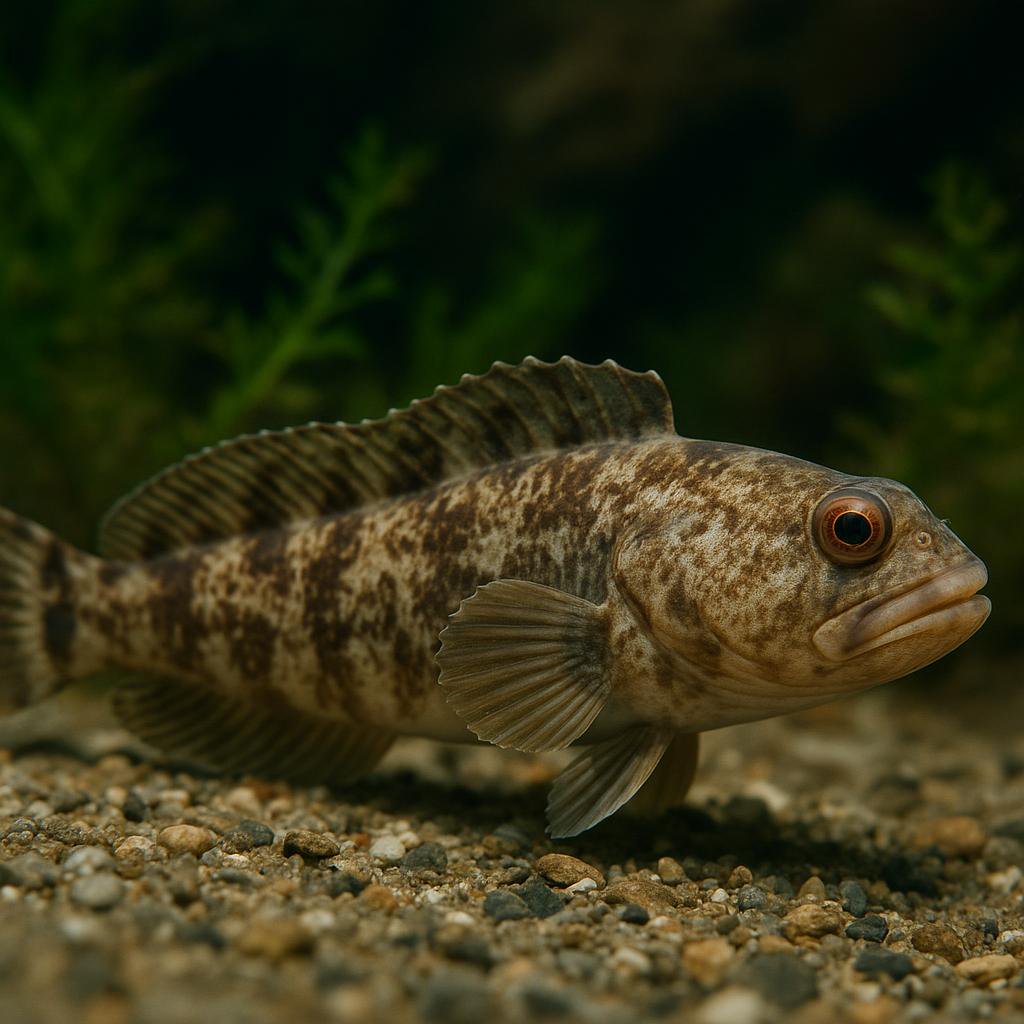
Japonolycodes abei is a temperate, deepwater demersal eelpout (family Zoarcidae) endemic to Japan (Kumano-nada Sea reported; other sources also report Sagami Bay and Tosa Bay). It is the only species in the genus Japonolycodes and occurs roughly 40-300 m depth, making it an uncommon/atypical aquarium species.
Affinis blind cusk-eel
Barathronus affinis
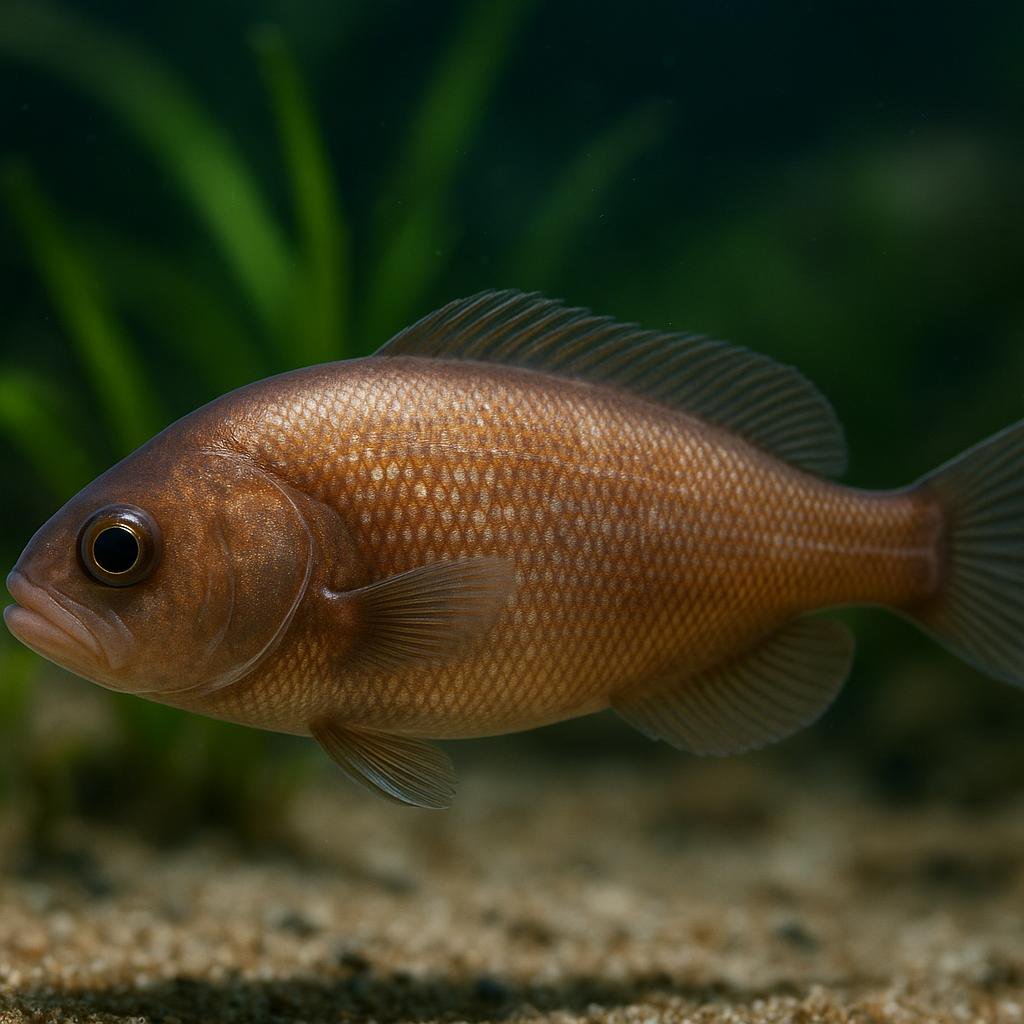
Barathronus affinis is a tiny, super-weird deep-sea blind cusk-eel from the western-central Indian Ocean. It is one of those gelatinous, loose-skinned brotula-type fishes that live way down in the dark and are basically never seen alive, so almost everything we know comes from preserved specimens and taxonomic work.
Allis shad
Alosa alosa
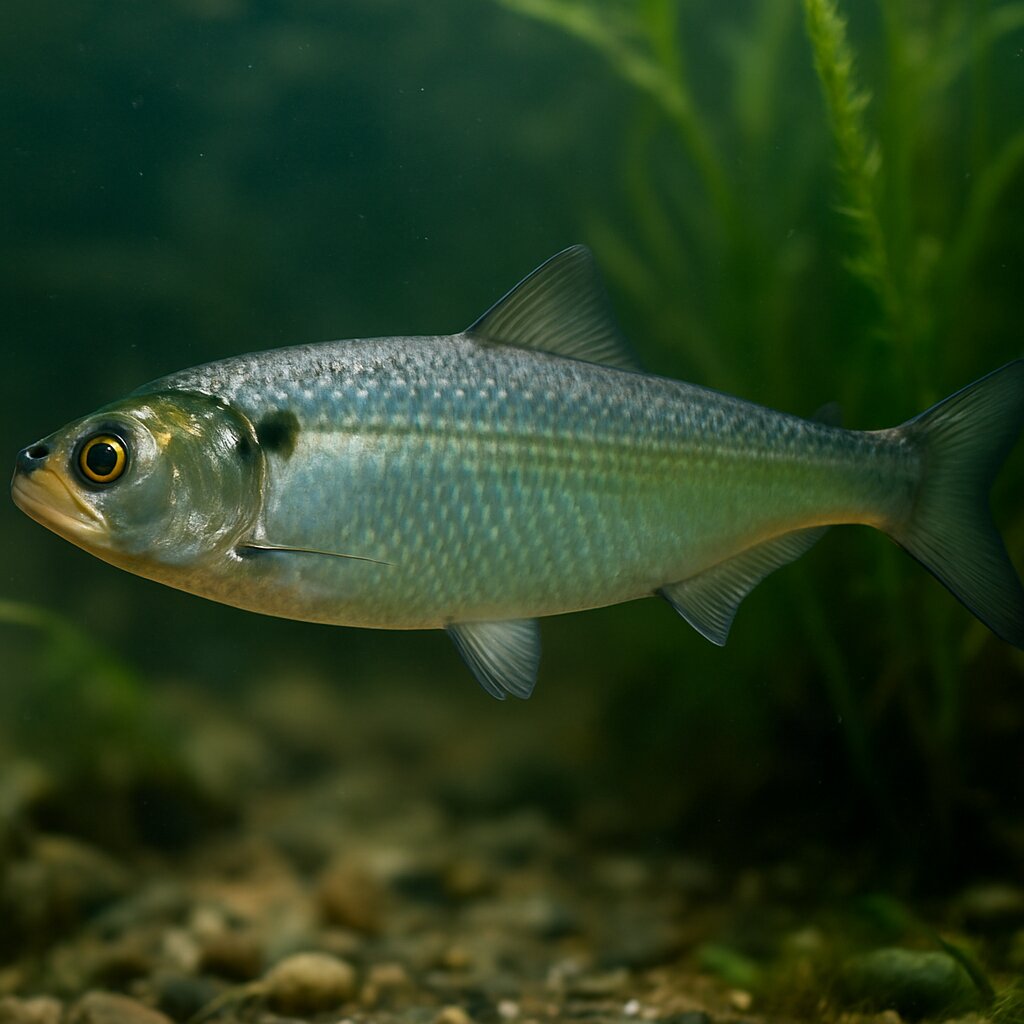
Gorgeous silver, fast-swimming shad that spends most of its life in the sea and then surges up big rivers in noisy, surface-spawning schools. It grows huge for a herring-type fish and needs cool, ultra-oxygenated water and tons of open space, so it is a public-aquarium species rather than a home tank fish.
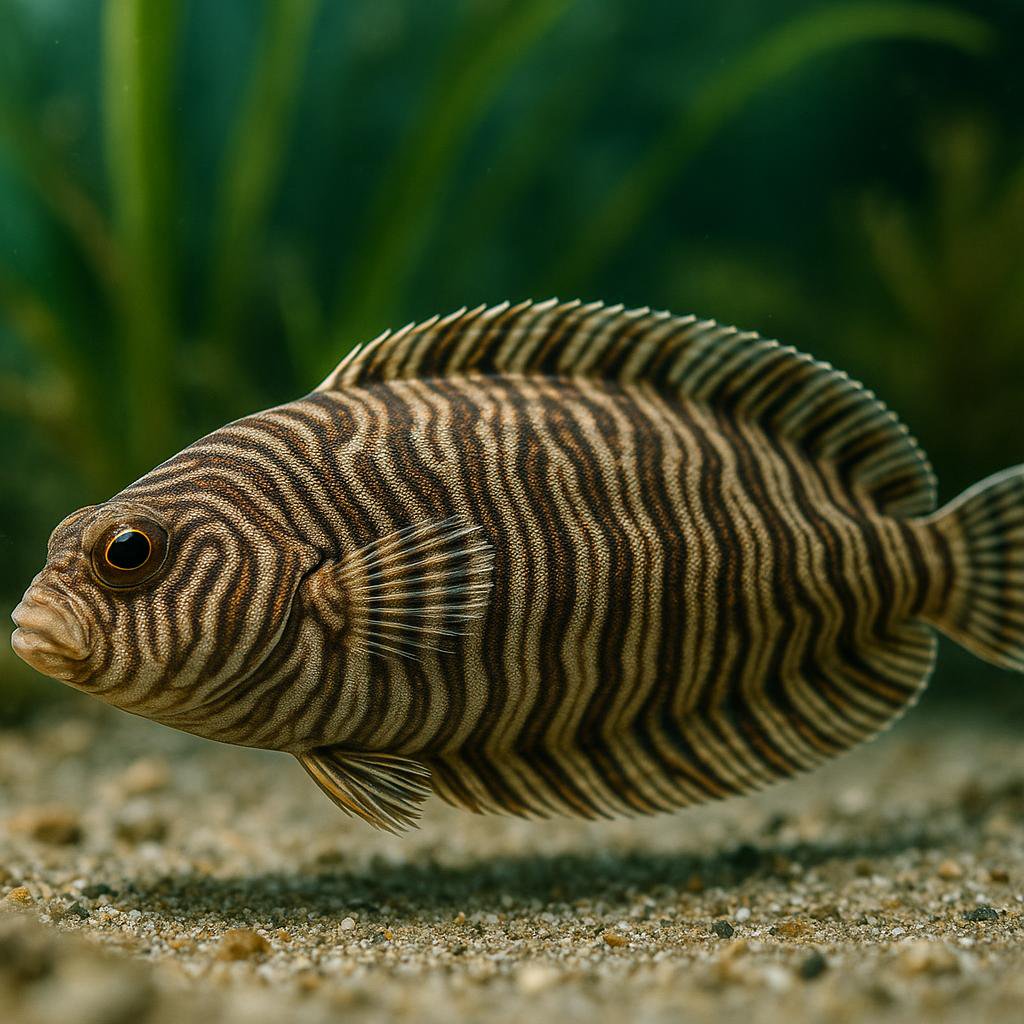
Annandale's zebra sole
Zebrias annandalei
Zebrias annandalei is a small demersal sole from coastal India that inhabits sandy or muddy bottoms and buries for camouflage. It is rarely kept in home aquaria and would require a specialized marine sand-bottom setup and appropriate feeding.
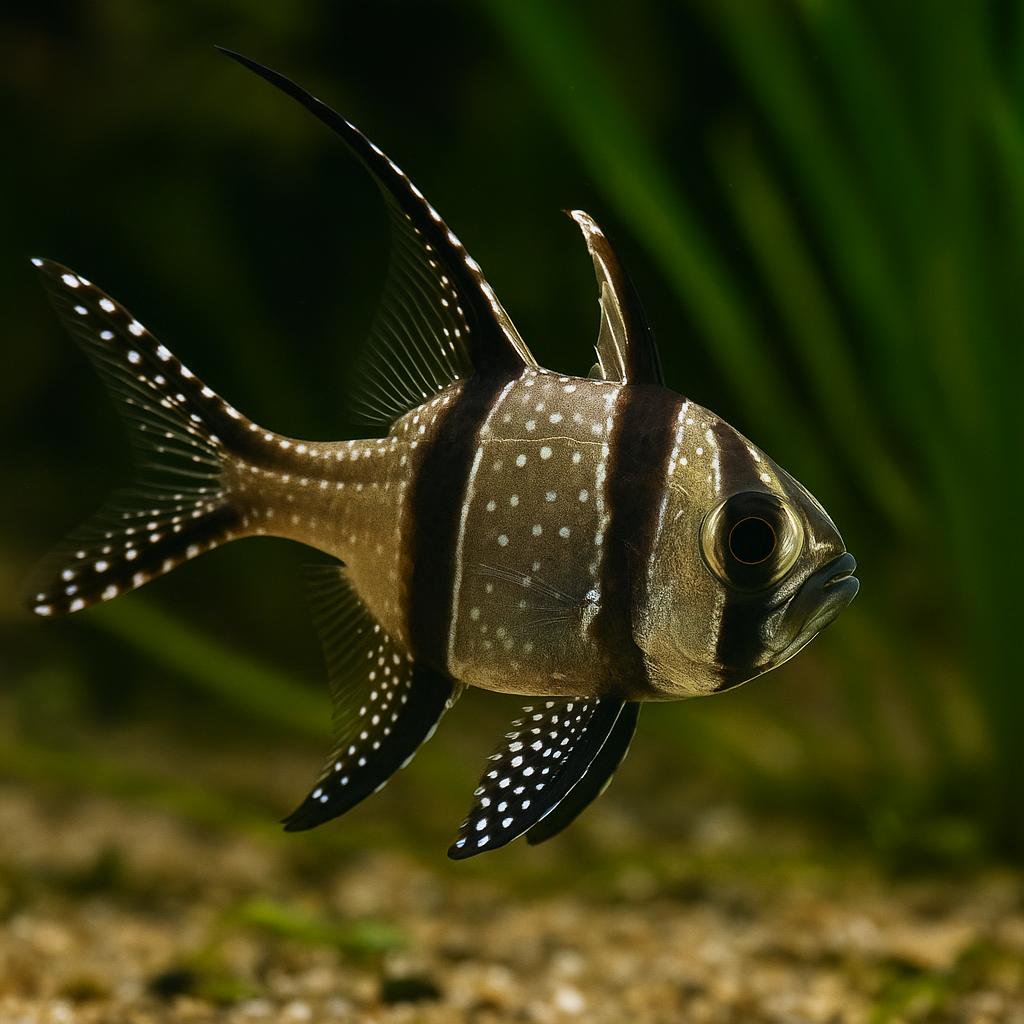
Banggai Cardinalfish
Pterapogon kauderni
Banggai cardinals just sort of hover like little underwater satellites, and the bold black bars with those long, polka-dotted fins look unreal under reef lighting. They're super chill most of the time, but once a pair forms you'll see real "fish drama," and the male will even mouthbrood the babies like a champ.
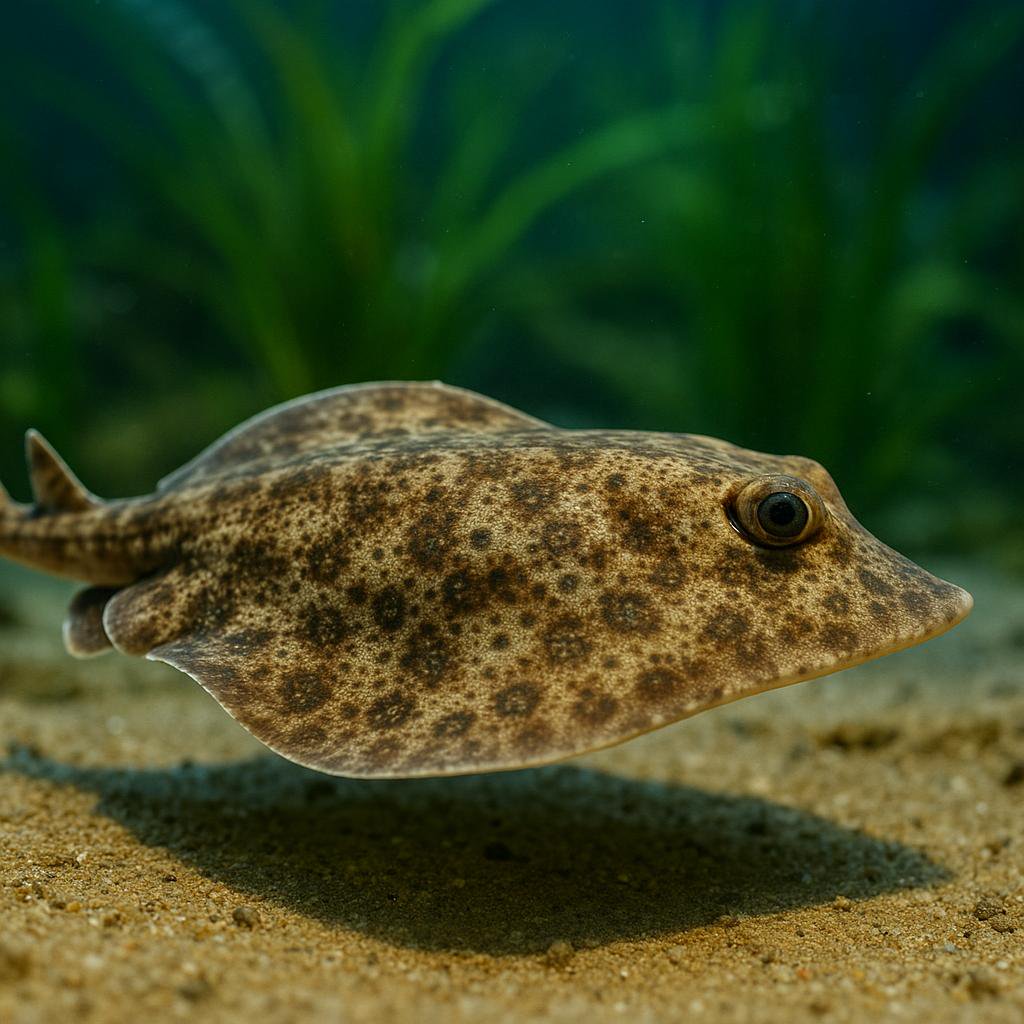
Barbedwire-tailed skate
Notoraja martinezi
Notoraja martinezi is a deepwater skate from the eastern Pacific (Costa Rica down to Ecuador) that lives way down on soft bottoms. The tail is the giveaway - it is lined with strong, hooked thorns that really do look like barbed wire. This is absolutely not an aquarium fish; it is a cold, high-pressure deep-sea animal with basically no practical home care info because it is not kept in the hobby.
More to Explore
Discover more marine species.
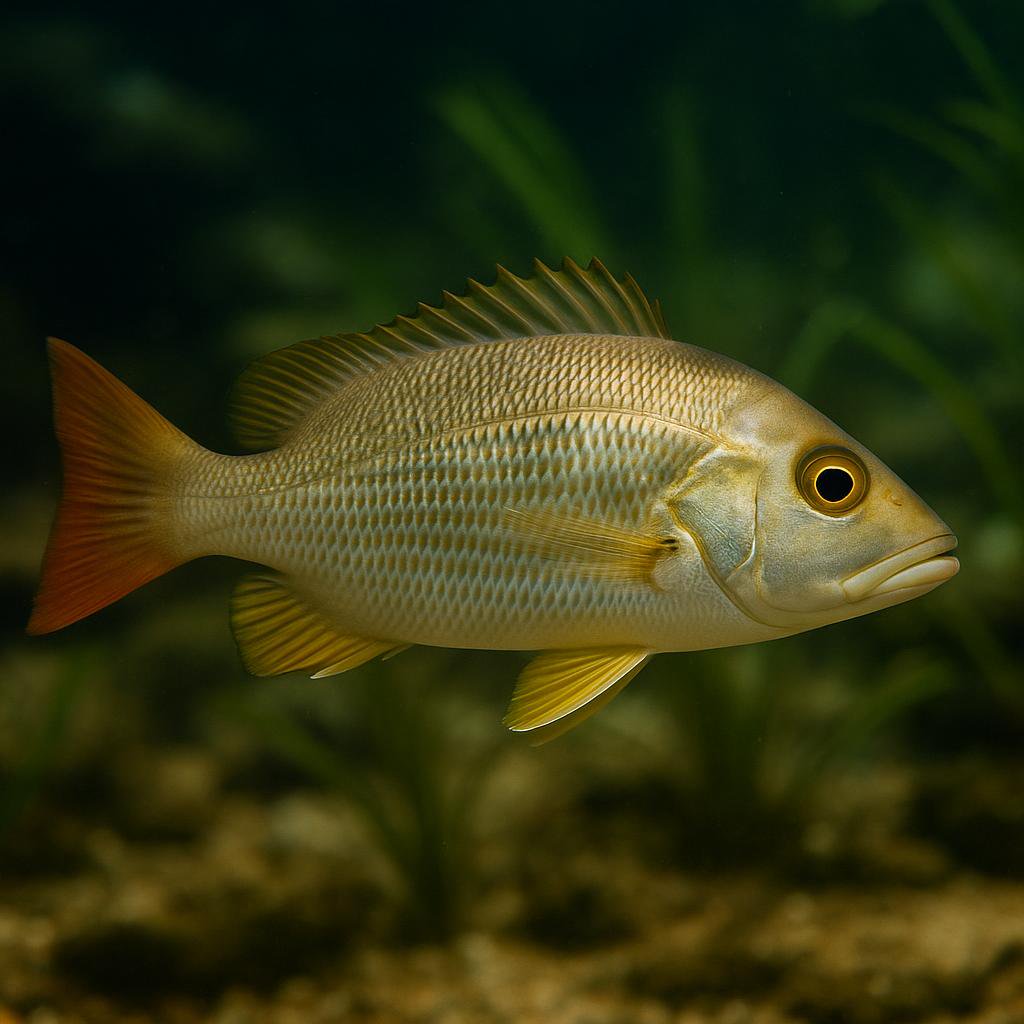
African red snapper
Lutjanus agennes
This is a true snapper from West Africa - a big, fast-growing predator that goes from coastal reefs to brackish lagoons and estuaries (especially as a juvenile). Super cool fish in the wild, but it gets absolutely huge and will eat smaller tankmates once it has the mouth for it, so its really more of a public-aquarium scale animal than a home-aquarium fish.
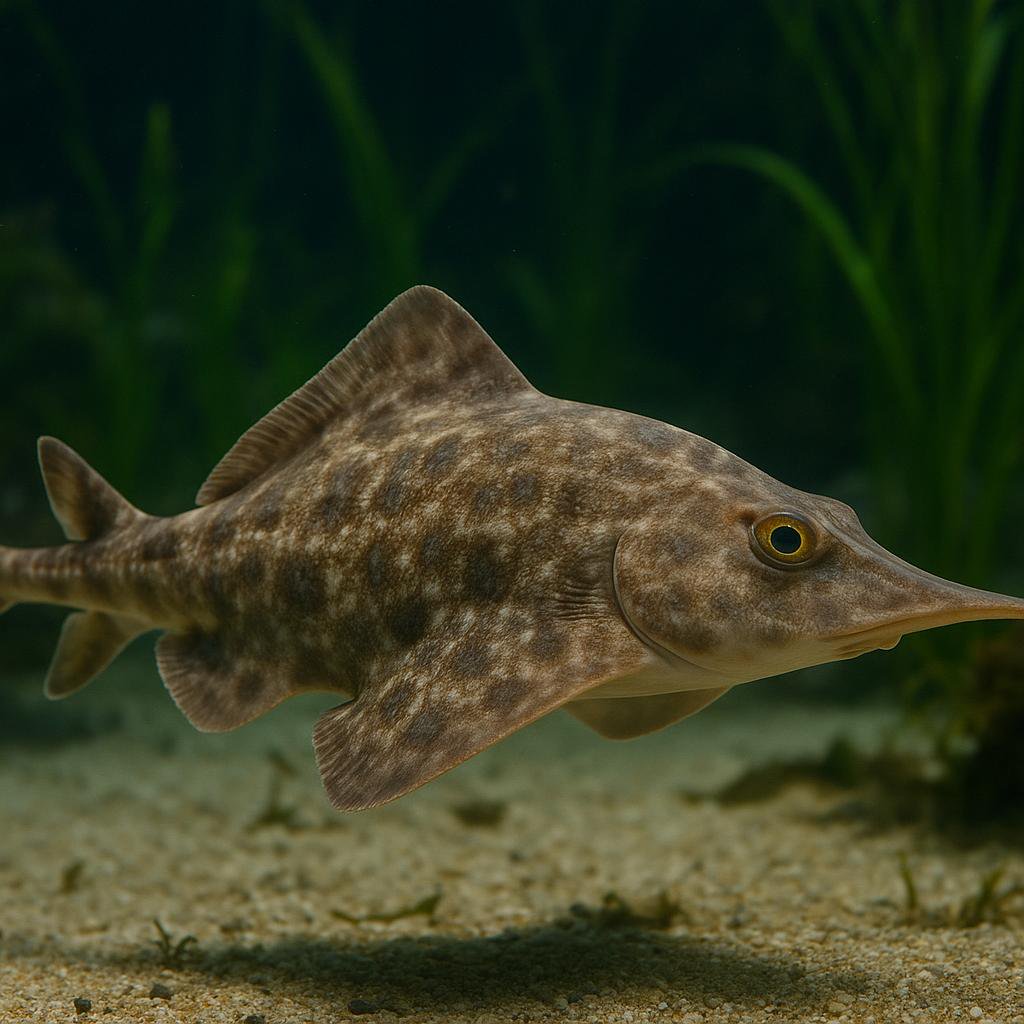
Aleutian skate
Bathyraja aleutica
This is a big, cold-water deep-slope skate from the North Pacific that cruises muddy bottoms and eats chunky benthic prey like crabs and shrimp. The really cool bit is its egg-laying skate life - it does distinct pairing (the classic skate "embrace") and drops those tough egg cases on the seafloor. Not an aquarium fish at all unless you're basically running a public-aquarium-style chilled system.
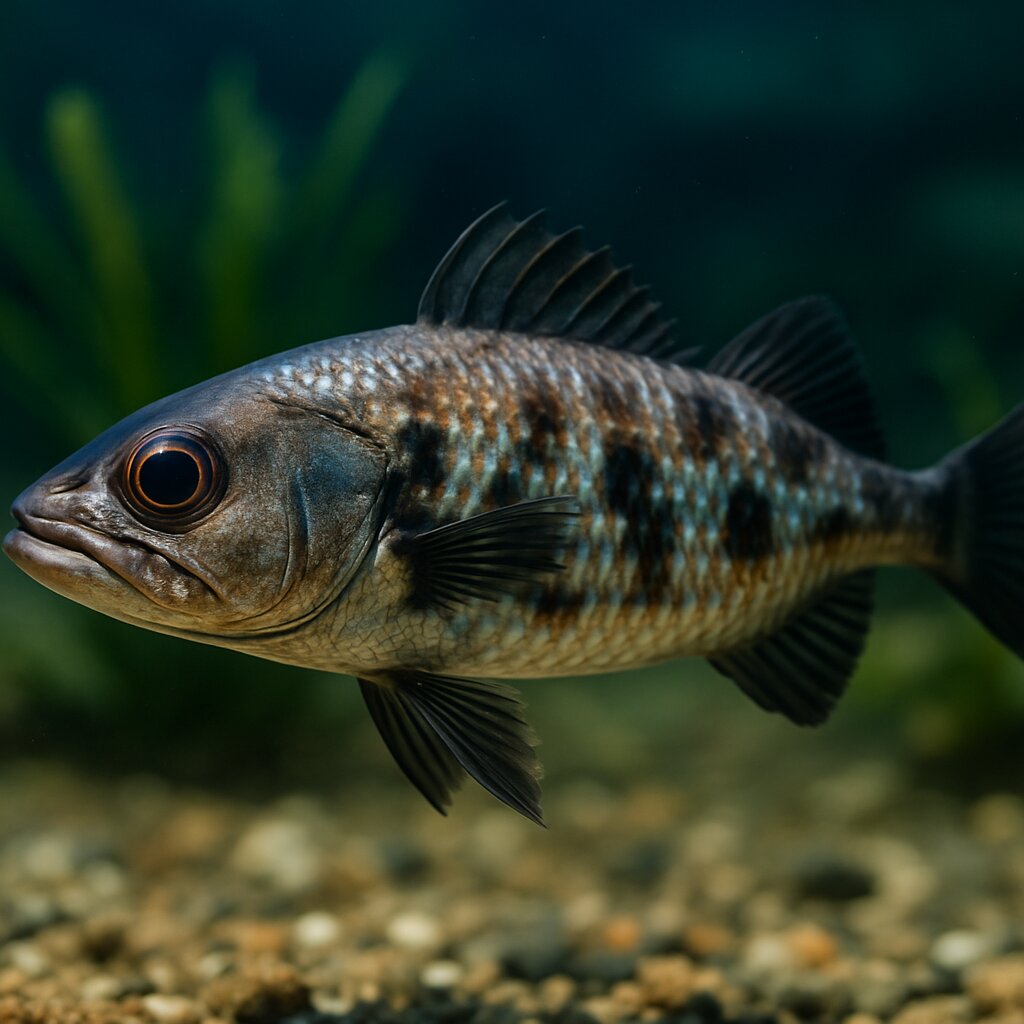
Antarctic dragonfish
Vomeridens infuscipinnis
Deep down around Antarctica, this sleek dragonfish cruises the water column like a little submarine, nearly neutrally buoyant so it can hover above the seafloor. It munches almost exclusively on Antarctic krill and lives in near-freezing water 500-800 m down, so it is a cool species to read about, not one for home tanks.
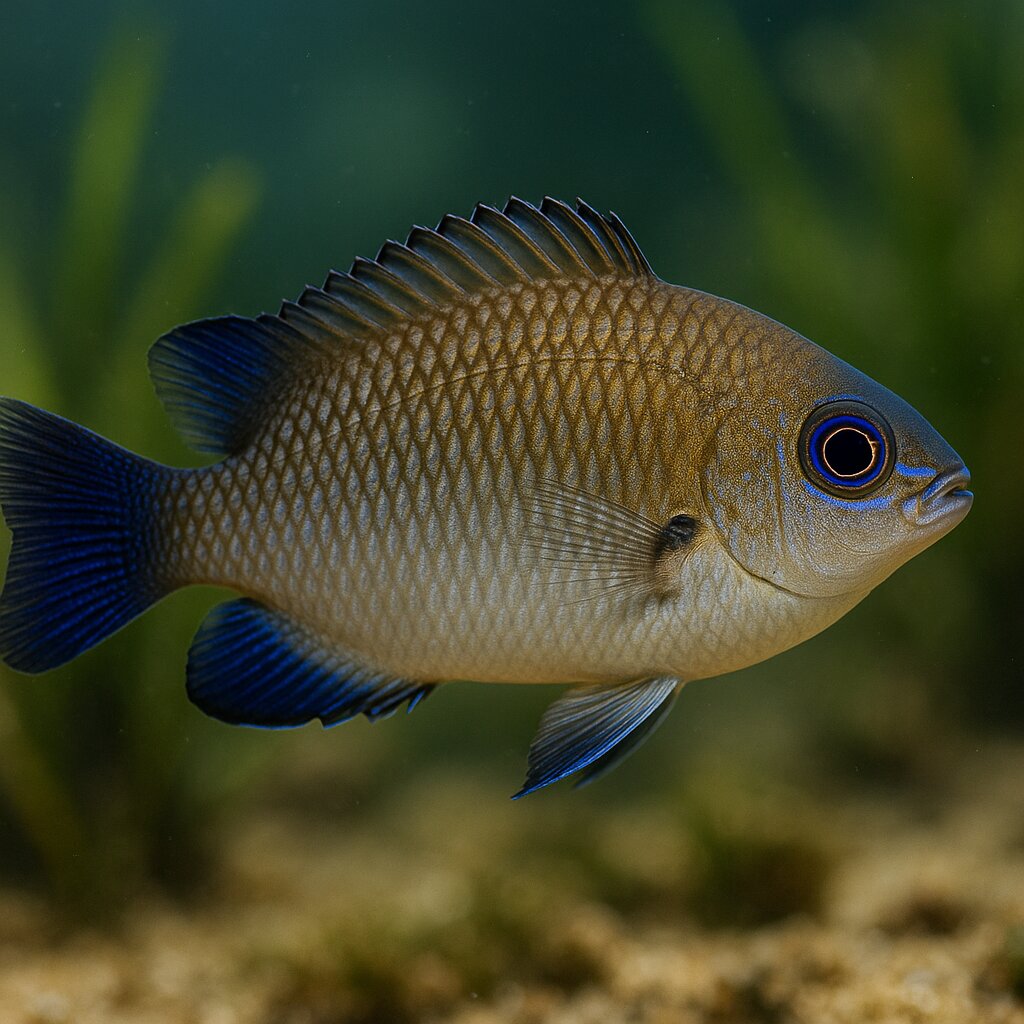
Arabian demoiselle
Neopomacentrus sindensis
A small lyretail damsel from the Persian Gulf and Arabian Sea, it hangs in loose groups around coral heads, rocks, and even pier pilings picking zooplankton from the flow. Think classic damsel toughness with a slightly milder attitude than the real bruisers, plus subtle yellow tail accents. Males clean a patch, get a mate to lay eggs there, and then stand guard fanning the clutch.
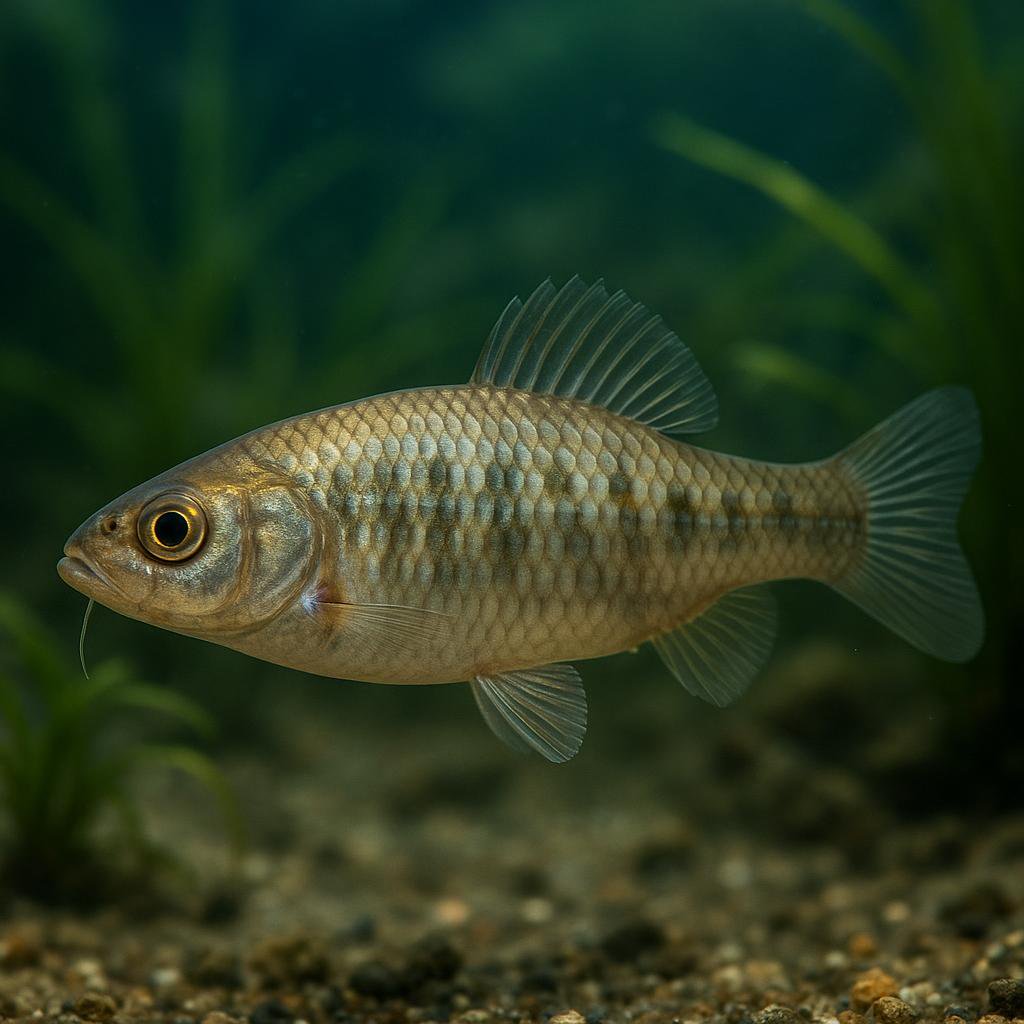
Arabian spiny eel
Notacanthus indicus
Notacanthus indicus is a deep-sea spiny eel (family Notacanthidae; not a true eel) known from the Arabian Sea on the continental slope at roughly ~960–1,046 m depth, with reported maximum length around 20 cm TL; it is a deep-water bycatch species and not established in the aquarium trade.
Arctic rockling
Gaidropsarus argentatus
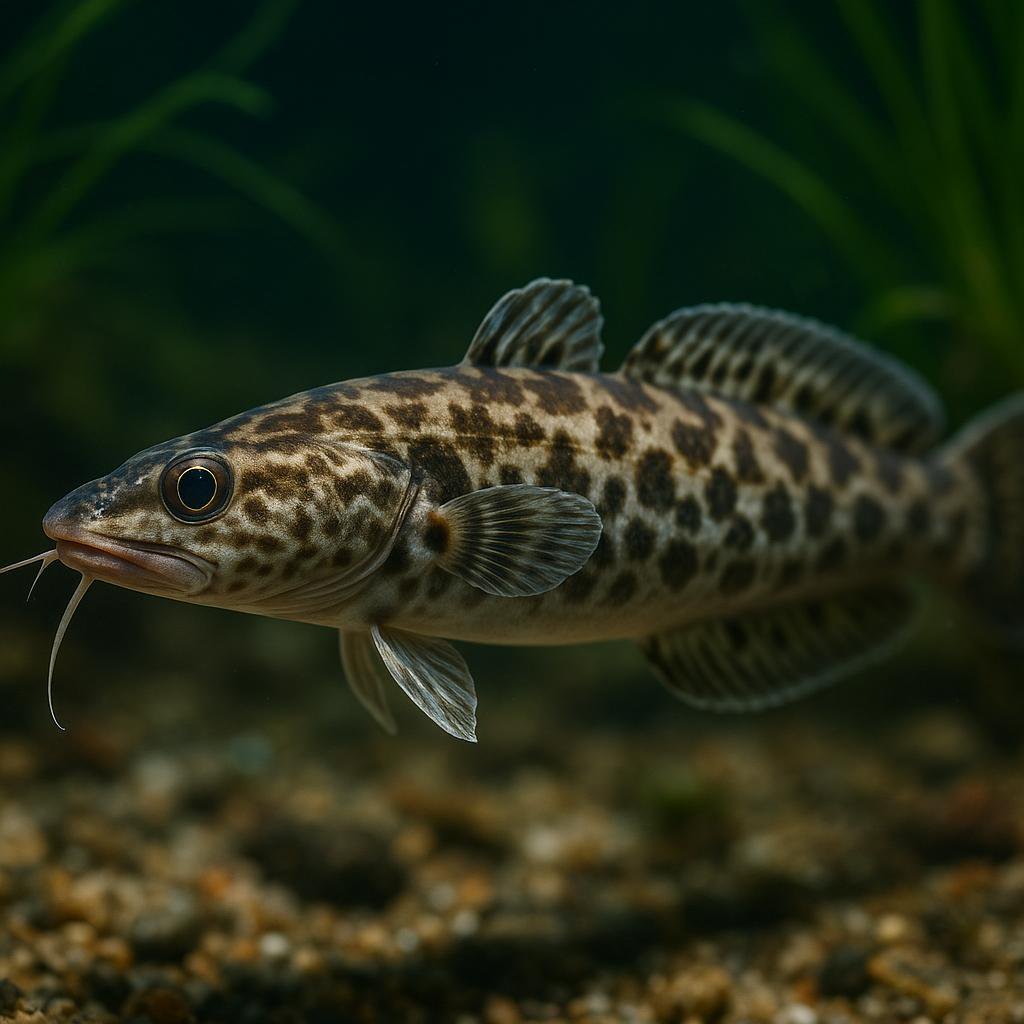
This is a deepwater North Atlantic rockling (a cod relative) that hangs out on soft bottoms way down the slope. It is a cold-water, bottom-hugging predator that snoots around for crustaceans and will also take small fish when it gets the chance.
Looking for other species?