

Search Species
Search for fish species by common or scientific name, or use filters to browse by water type, size, temperament, and difficulty.
Found 654 species
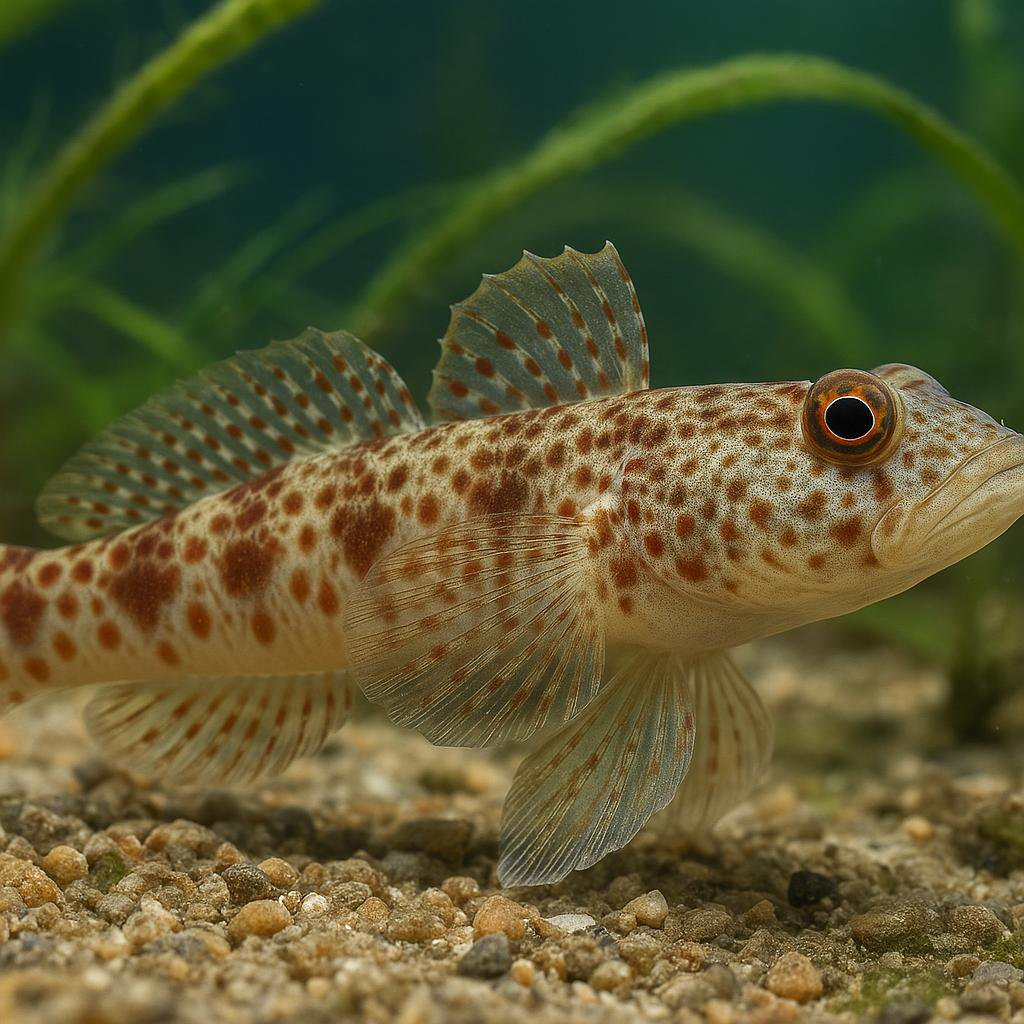
Lanceolate shrimpgoby
Tomiyamichthys lanceolatus
This is a little sand-bottom shrimp goby from sheltered lagoons and bays in the western Pacific. It hangs close to its burrow on fine sand or mud and does the classic goby thing of hovering and darting back to cover when spooked. The lance-shaped tail and the bold side blotches make it a really neat, understated fish if you are into sandbed micro-predators.
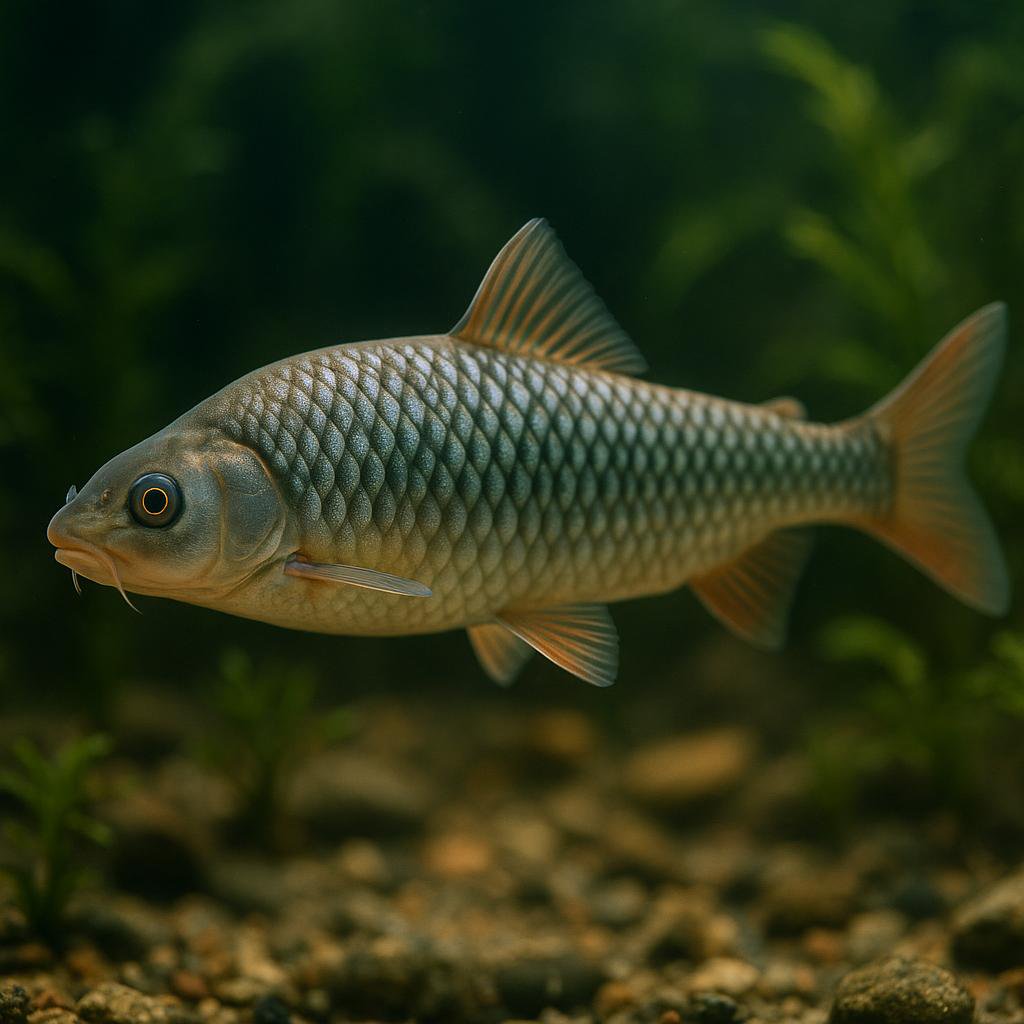
Lang Tso naked carp
Gymnocypris chui
Gymnocypris chui is a high-altitude Tibetan "naked carp" from cold endorheic lakes, and it gets that name because its body is largely scaleless. Its whole vibe is built for chilly, oxygen-poor plateau water - not your typical tropical aquarium fish, but super interesting if you're into oddball cyprinids.
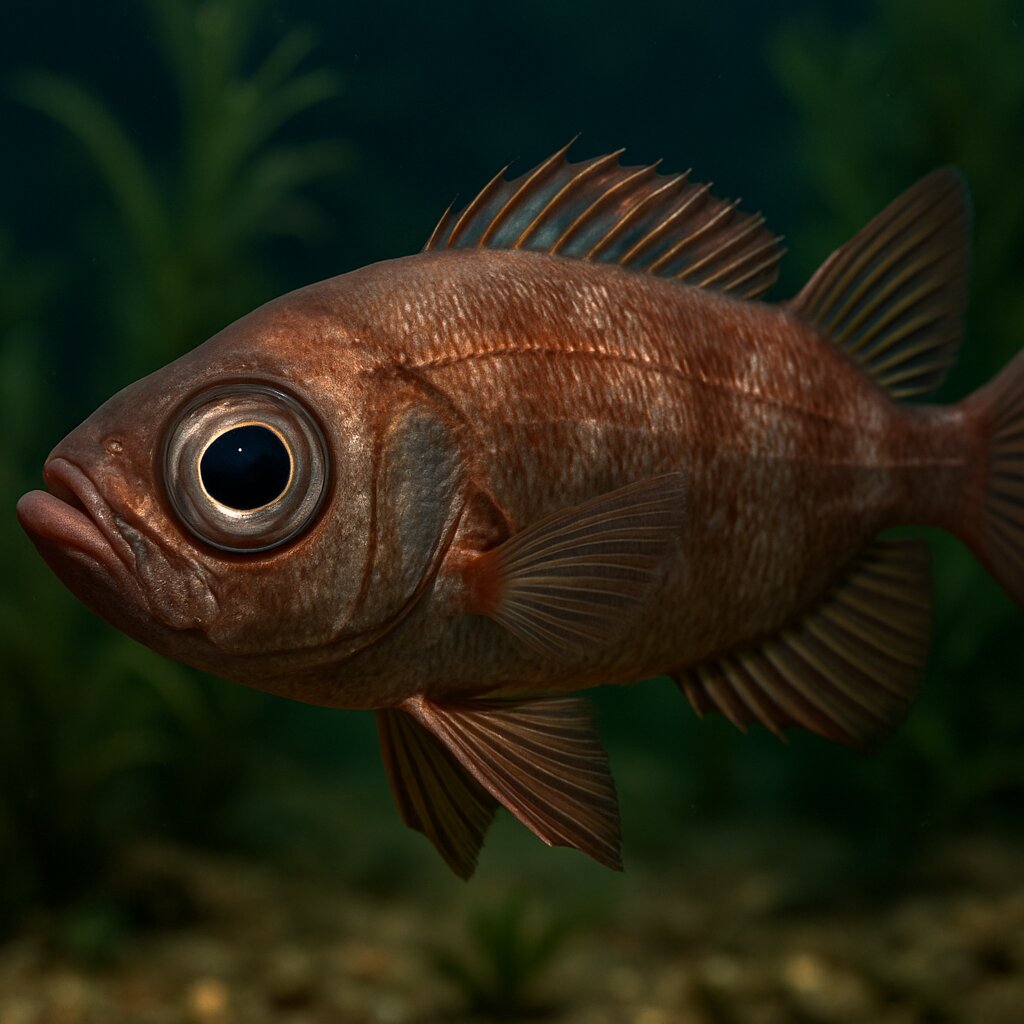
Large-eye bigscale
Poromitra megalops
Tiny deep-sea ridgehead from the Atlantic with huge eyes, living in cold, dark water hundreds of meters down. It tops out around two-and-a-half inches and hangs in the mesopelagic-bathypelagic zone, which is awesome to read about but not something you can realistically keep at home.
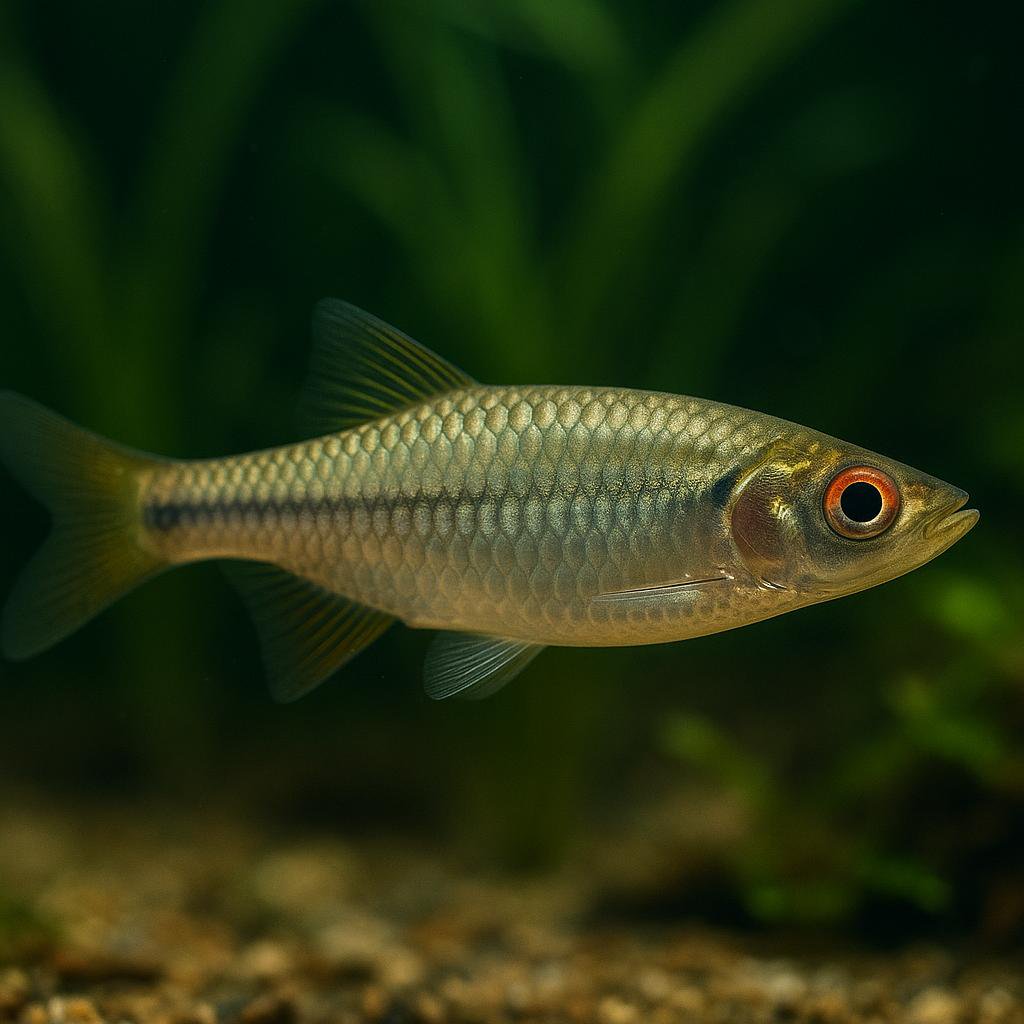
Largescale chela
Chela macrolepis
Chela macrolepis is a tiny, super-sleek Indian danionid from Chembarampakkam Lake near Chennai. Its whole claim to fame is right in the name - it has noticeably larger scales than close relatives, and it has that fast, open-water "minnow" vibe that makes these fish fun to watch in a group. Its wild range is extremely limited, so it is not something you should expect to see regularly in the aquarium trade.
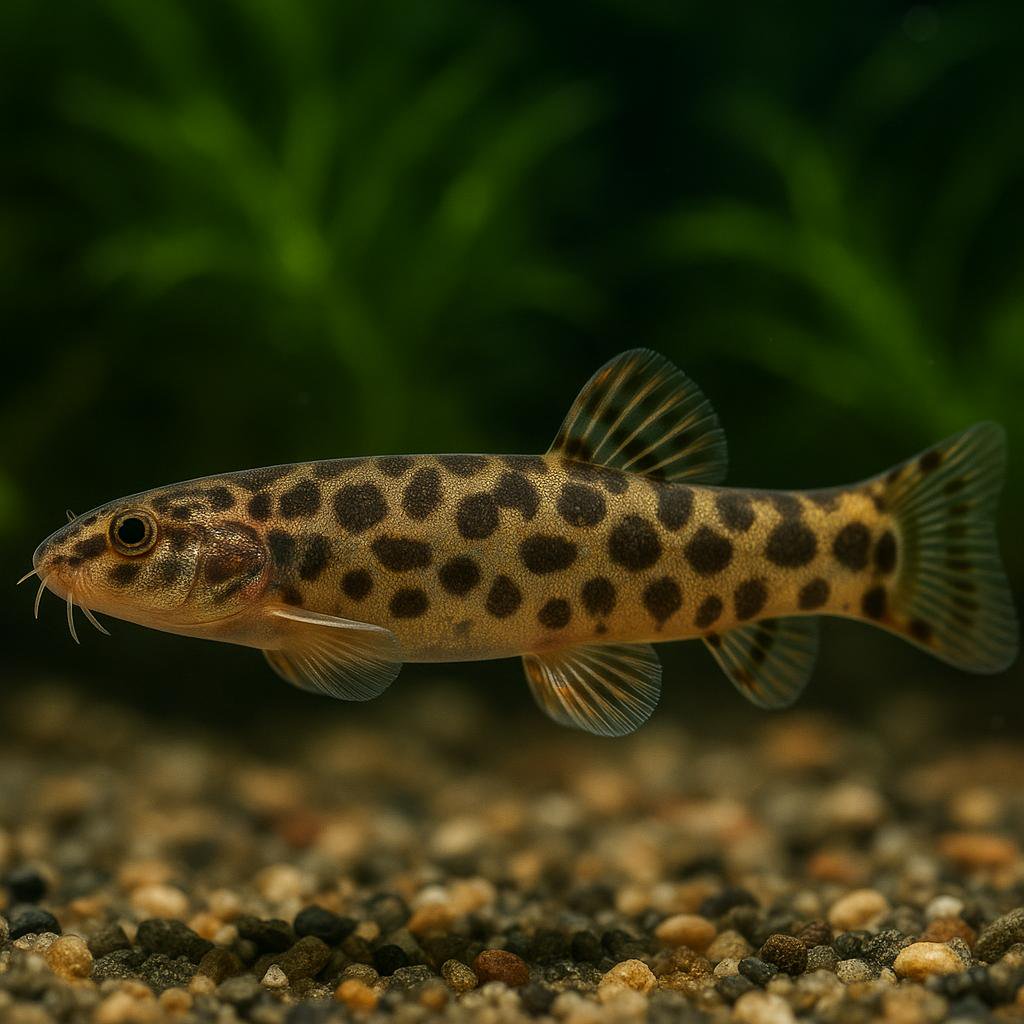
Large-scale Yunnan loach
Yunnanilus macrolepis
This is a little Chinese stream loach from Yunnan that spends its time down low, cruising the bottom and picking at tiny foods like a mini vacuum. It is not super common in the hobby, and it tends to get mixed up with close relatives (some references even treat it as the same species as Yunnanilus paludosus), so good ID matters if you ever see one for sale.
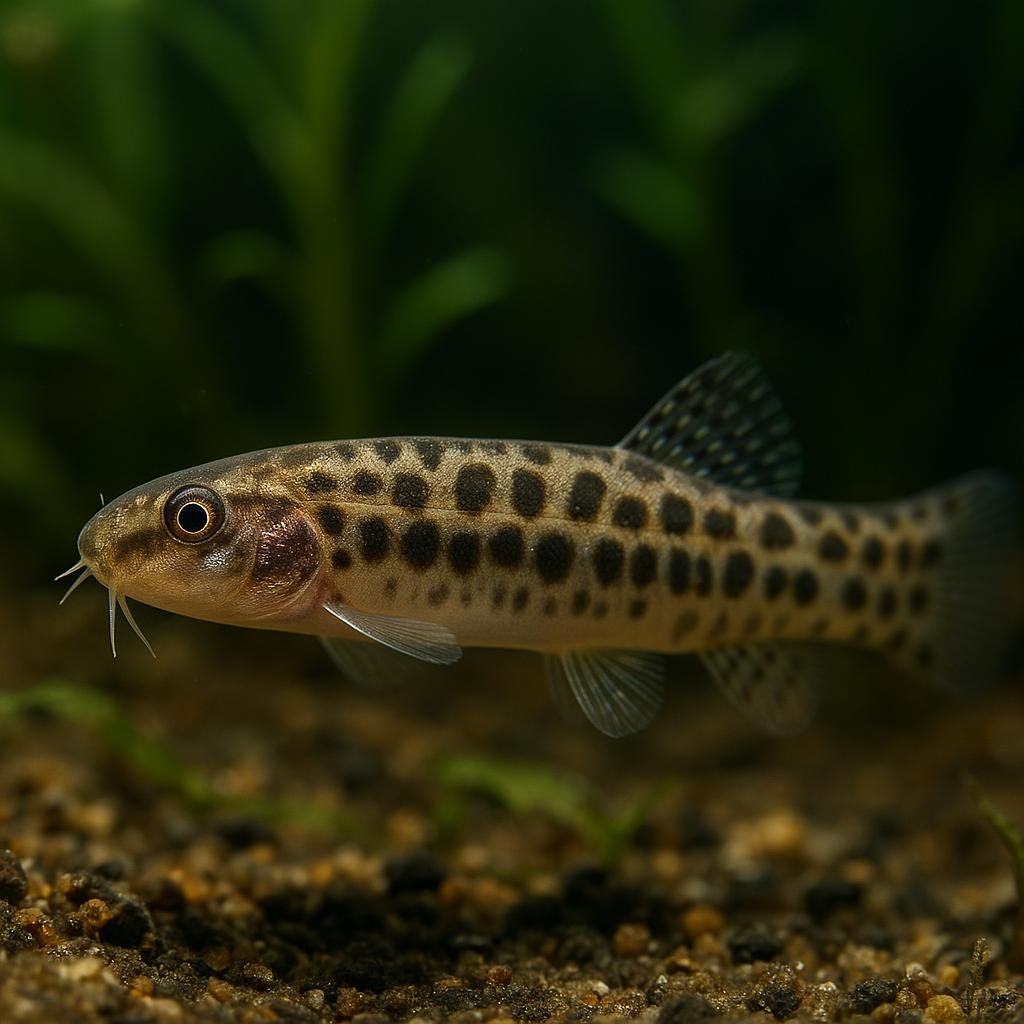
Large-spotted Yunnan loach
Yunnanilus macrositanus
Yunnanilus macrositanus is a little Chinese stone loach from the Heilongtan (Black Dragon Pool) area in Yunnan. Its wild biology is barely documented in the hobby, so I would treat it like a small, cool-water to mid-temp Nemacheilid: lots of oxygen, hiding spots, and a peaceful setup where it can poke around the bottom without getting bullied.
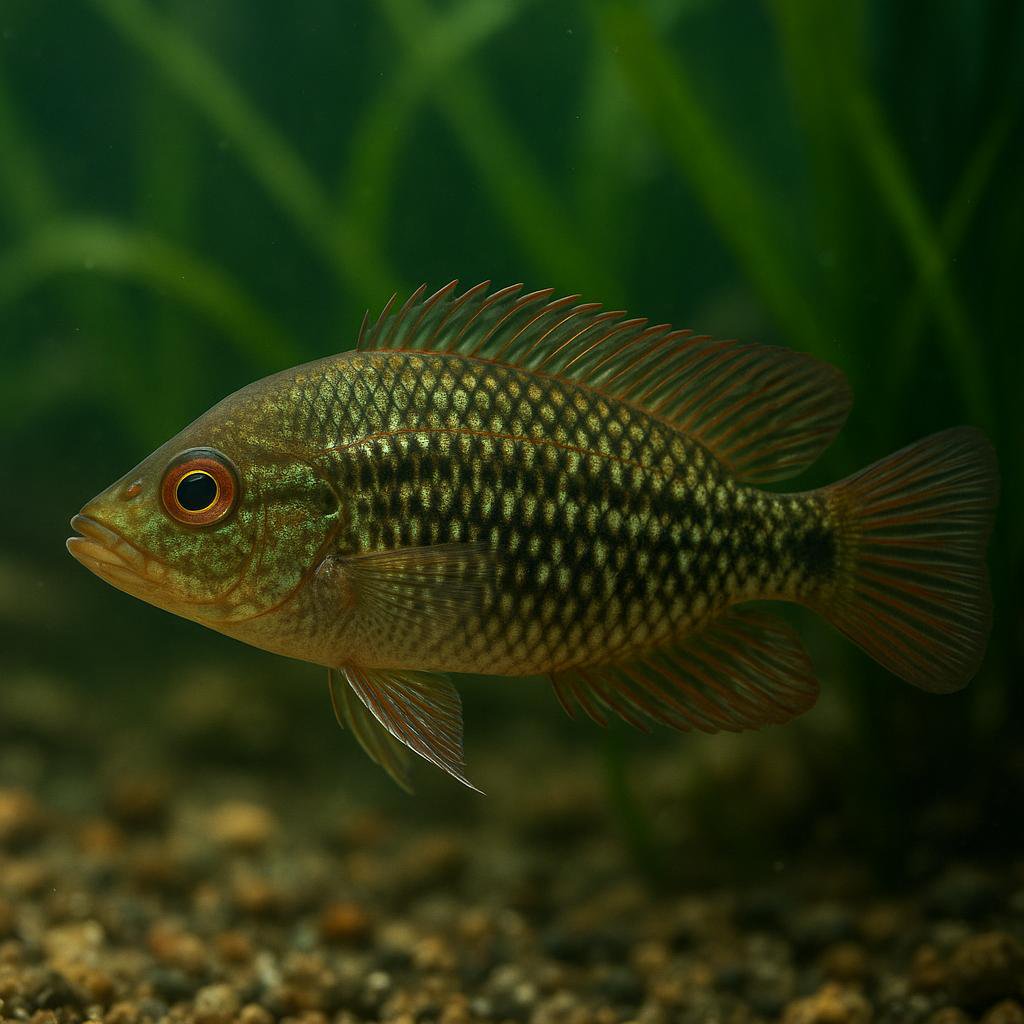
Leaf-nose legskate
Springeria folirostris
This is a deepwater skate from the Gulf of Mexico with a really funky leaf-like snout extension and those "leg-like" pelvic fins skates are famous for. It lives way down on soft mud/sand bottoms, so its whole vibe is slow, bottom-oriented, and built for cruising the seabed rather than darting around the water column.
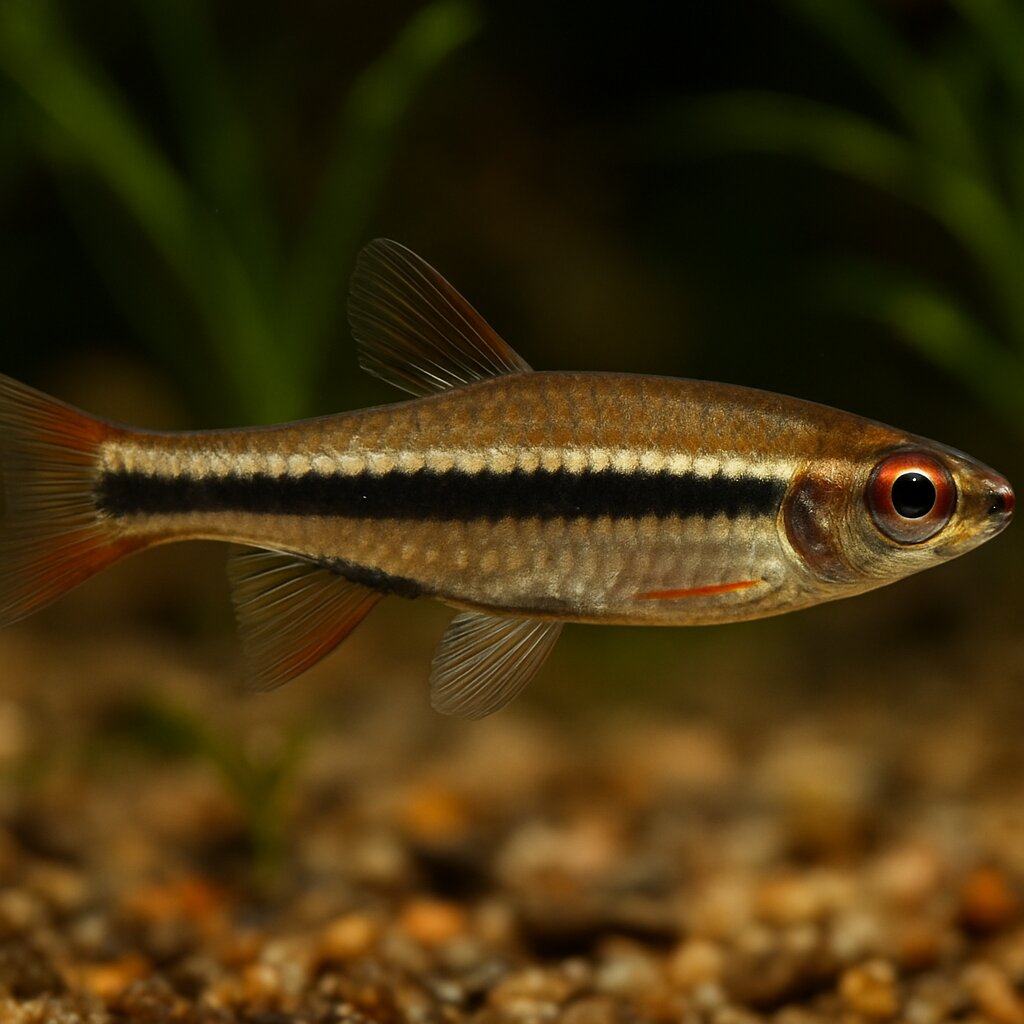
Least pencilfish
Nannostomus minimus
Think of these as tiny floating dashes of color that cruise just under the surface in a loose group. They stay under an inch, show a crisp dark stripe with little red flecks, and really come into their own in soft, tea-colored water with plants and leaves. Super chill, but they do best in a decent-sized group so they feel secure.
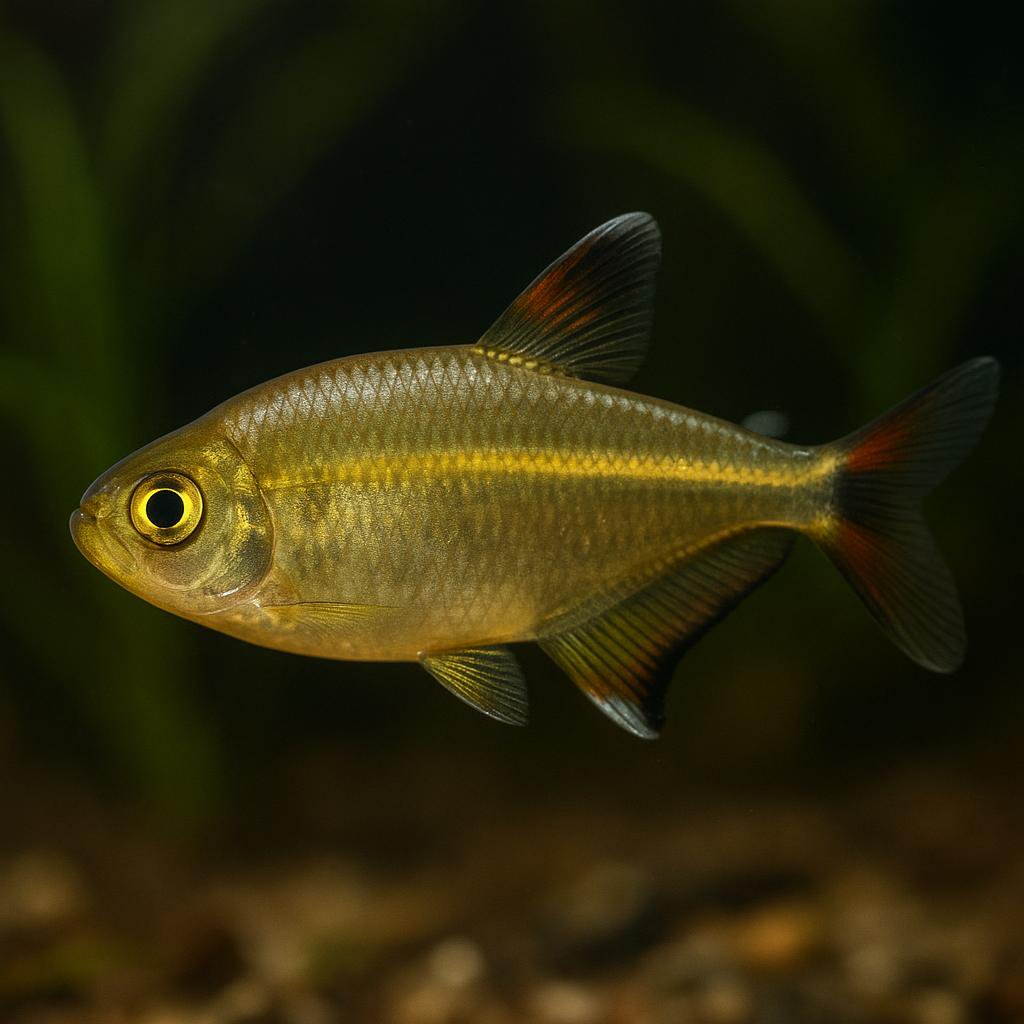
Lemon Tetra
Hyphessobrycon pulchripinnis
Lemon tetras are one of those fish that look kind of subtle at first, then you catch the light and the whole body glows yellow with those punchy black-and-yellow fins. Get them in a proper little group and they're constantly cruising together, super active but not obnoxious. I also love how their red eyes pop when they're settled in and feeling good.
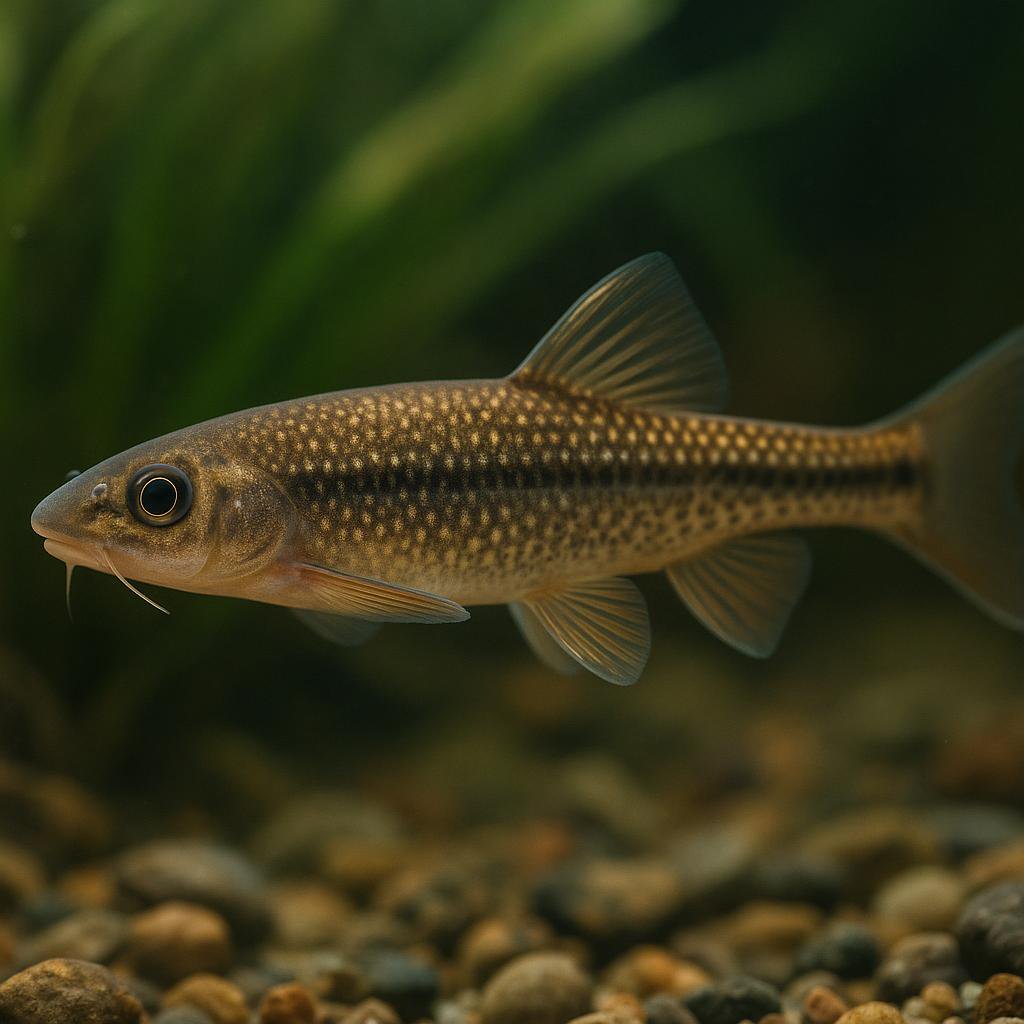
Leopard dace
Rhinichthys falcatus
Leopard dace is a little cool-water river minnow from the Pacific Northwest that hangs around gravel runs and flowing pools, and it spends a lot of its day picking at insect larvae. Its speckly, "leopard" look is subtle but really nice in person, and it does best in a tank that feels like a stream - lots of oxygen, clean water, and some current.
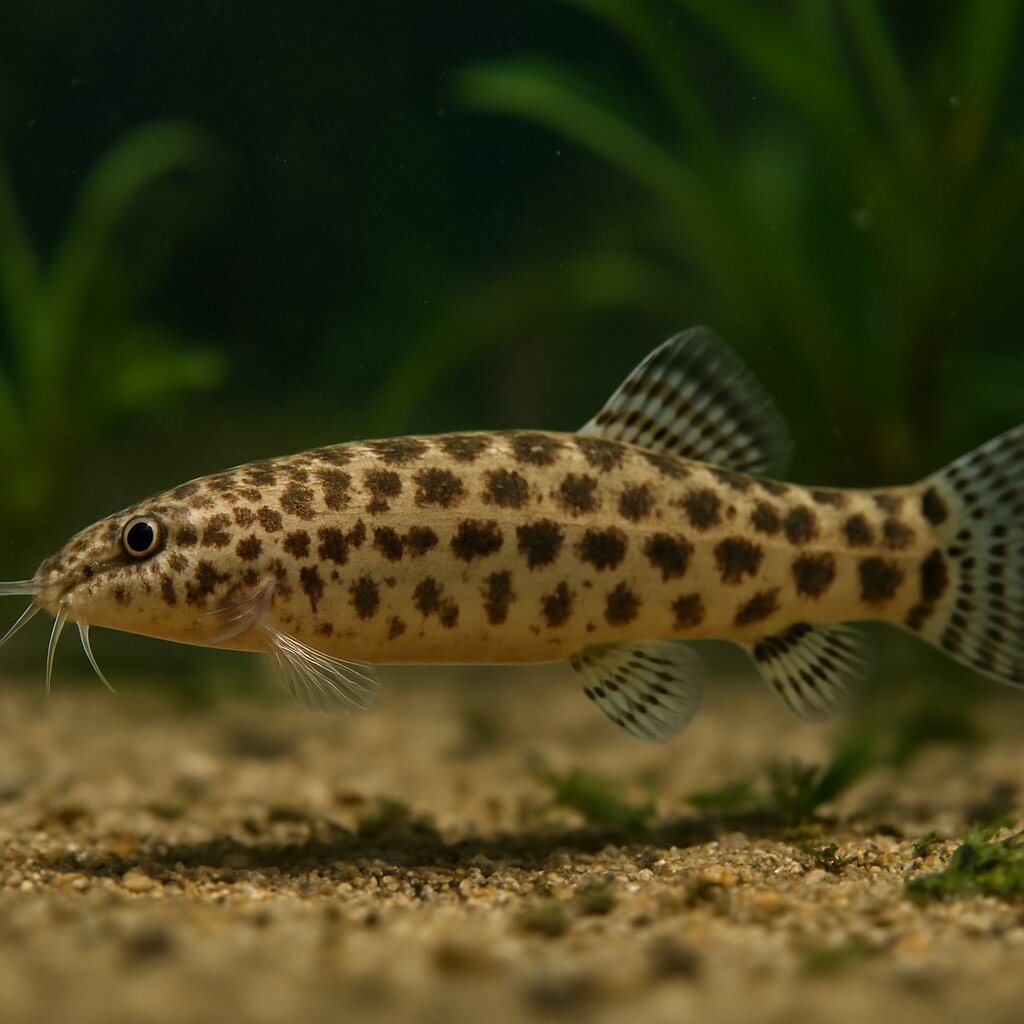
Lepidocephalichthys coromandelensis
Lepidocephalichthys coromandelensis
A tiny burrowing loach from hill streams in eastern India, it maxes out around two inches and spends a lot of time nosing through sand with just the eyes peeking out. Give it fine sand, leaf litter, and a calm group and it will show tons of character at feeding time.
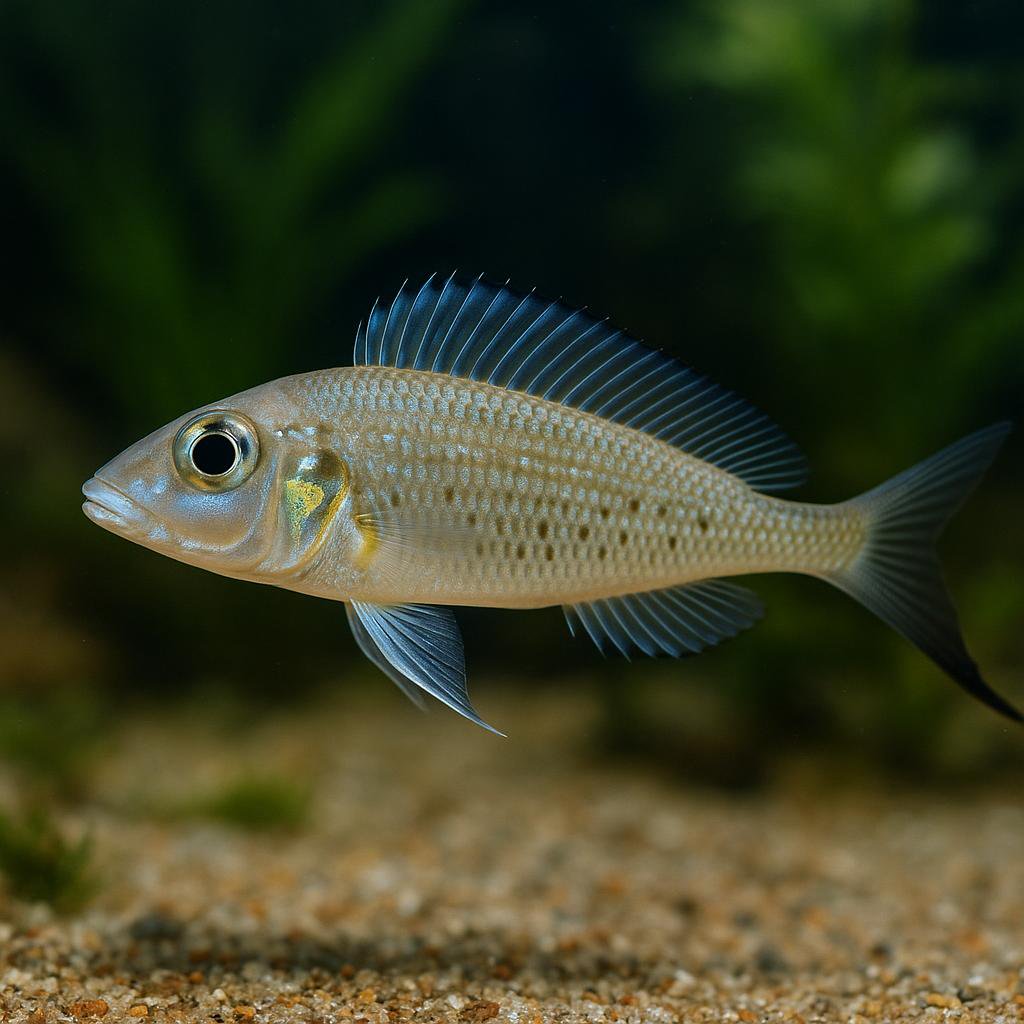
Leptura cichlid
Xenotilapia leptura
Xenotilapia leptura is a Lake Tanganyika ectodine cichlid that hangs around rocky areas and stays pretty small, topping out around 11 cm. What I love about these is the social vibe - females can school in big groups - and they do best when you keep the water hard, alkaline, and super stable.