

Large-eye bigscale
Poromitra megalops
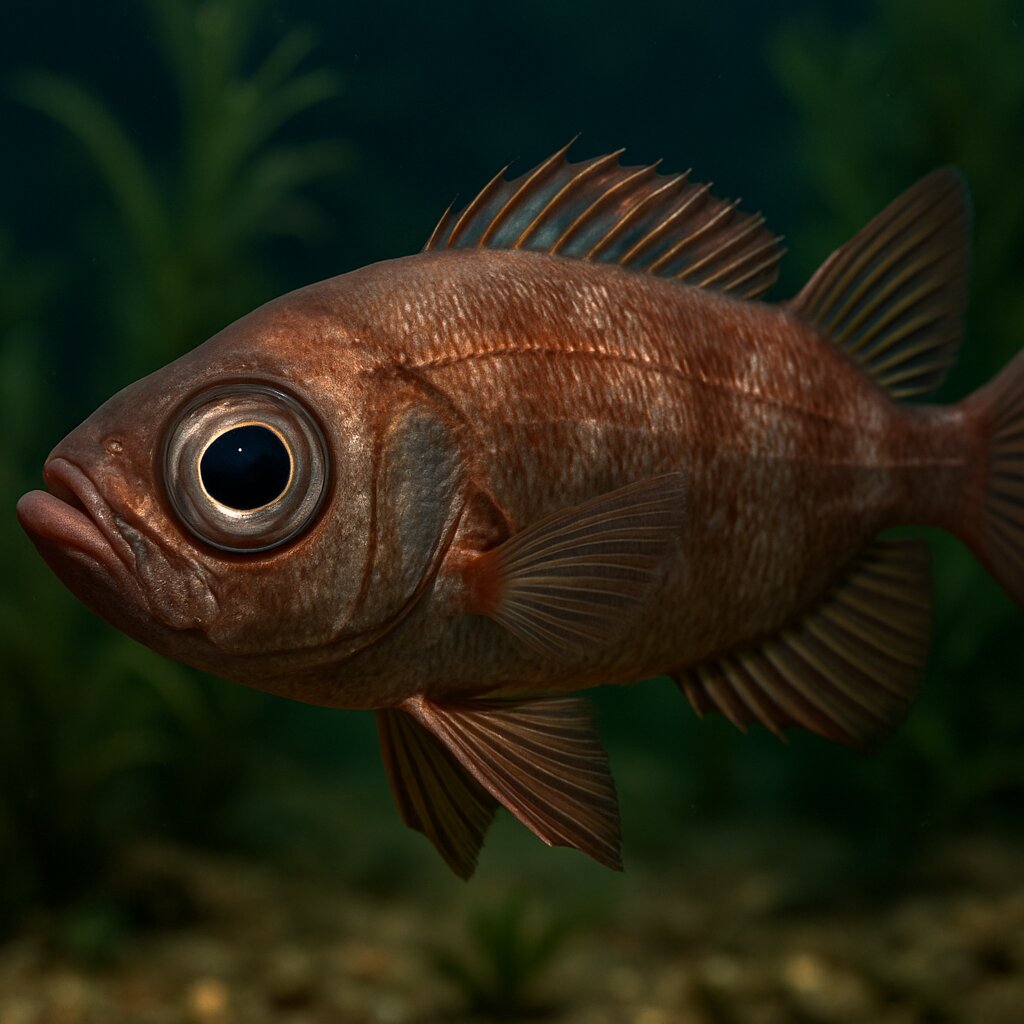
The Large-eye bigscale features a deep, elongated body with large eyes and a silvery sheen, distinguished by its long dorsal fin and small, forked tail.
This page includes AI-generated images. Why am I seeing AI images?
About the Large-eye bigscale
Tiny deep-sea ridgehead from the Atlantic with huge eyes, living in cold, dark water hundreds of meters down. It tops out around two-and-a-half inches and hangs in the mesopelagic-bathypelagic zone, which is awesome to read about but not something you can realistically keep at home.
Also known as
Quick Facts
Size
6.6 cm
Temperament
Peaceful
Difficulty
Expert
Min Tank Size
0 gallons
Lifespan
unknown
Origin
Atlantic Ocean
Diet
Planktivore - zooplankton and small crustaceans (e.g., copepods, ostracods)
Water Parameters
2.3-11.5°C
7.8-8.4
300-400 dGH
Care Notes
- Unless you have a chilled, near-dark, pressurized-capable system, skip this fish; unpressurized-caught ones crash from barotrauma within days. Run 4-6 C, 34-35 ppt, pH 7.9-8.1, rock steady and O2-saturated.
- Use a big round tank or kreisel 1000+ L with blacked-out sides and a dim red work light. Gentle laminar flow keeps it cruising midwater instead of slamming into walls.
- Handle in water only, never with a net. Keep moves in dark tubs and work under red light because they spook hard and scuff up fast.
- Feed at night, midwater. Start with live mysids, copepods, and small amphipods, then try enriched PE mysis, finely chopped krill, and gel plankton foods via a long tube; several small feeds beat one big dump.
- Tankmates: basically none. Only consider other coldwater, deepwater pelagics that ignore each other; no warmwater species, no brutes, and nothing that needs bright lighting.
- Water quality: ammonia and nitrite at 0, nitrate under 5-10 ppm. Run big bio, oversized skimmer, heavy aeration, and avoid gas supersaturation in very cold water.
- Breeding is a no-go in home setups; they are pelagic spawners with no captive records. No reliable sexing or pairing cues to work with.
- Watch for decompression damage and starvation early on (red blotches, odd buoyancy, refusal to chase food). If you see it, keep stress near zero and push live plankton, but be realistic about outcomes.
Compatibility
Good Tankmates
- Same-species Poromitra or other ridgeheads of similar size in a chilled, dim tank; they cruise midwater and mostly ignore each other
- Calm deep-sea midwater fish that like 2-6 C and low light, like slickheads or marine hatchetfish; no nippers or speed demons
- Slow, non-territorial coldwater bottom dwellers like brotulas or small cusk eels that stick to the substrate and leave the water column alone
- Gentle, similarly sized coldwater planktivores that do not outcompete them, such as small argentine smelts, kept in dim, high-oxygen water
- Species-only setups in public-aquarium style systems; they actually settle best without active neighbors buzzing around
Avoid
- Fast, boisterous reef fish that want bright lights and warm water, like tangs, wrasses, or anthias
- Nippy or gear-chewing fish like triggerfish and big damsels that will harass slow deepwater fish
- Large predators like groupers, snappers, or amberjacks that will treat them as food
- Anything bite-size, including tiny fish and shrimp; they will snap up small prey in the dark
Where they come from
Large-eye bigscale (Poromitra megalops) is a deep-sea, midwater fish from the cold, dark layers of the Atlantic and Indo-Pacific. Think hundreds to more than a thousand meters down, hovering in the twilight where the water is near 4-8 C and the light is barely there. They cruise for tiny crustaceans in slow motion and want nothing to do with reefs or bright light.
This species is for specialists only. Most do not survive capture and decompression. If you do not already run a chilled, dim, pelagic setup and have a reliable source of coldwater live foods, pass on this fish.
Setting up their tank
The only success I have had was in a dark, chilled, round-corner system with very gentle, circular flow. Straight edges and bright light make them panic and rub their nose. Treat this like a public-aquarium style pelagic display, not a home reef tank.
- Volume: 300-800 L for a single fish. Bigger is better for smooth flow and stability.
- Temperature: 5-8 C with an oversized chiller. Insulate the tank and plumbing.
- Light: very dim. Use red observation lights only. Black out room spill-light.
- Flow: soft, laminar, circular. A gyre on its lowest setting with guards works. No sharp jets.
- Shape: round or oval path if you can; black background and sides.
- Gas exchange: strong skimming or oxygenation. Keep O2 saturation high.
- Filtration: large biofilter, mechanical prefilters, and a serious skimmer. Nitrification is slower in cold water.
- Lid: tight. They spook and can launch.
- Backup: battery air pump and chiller fail-safe alerts. Temperature swings are deadly.
Acclimation is all about temperature and darkness. Float the bag in a dark tub of pre-chilled saltwater to match within 0.5 C, then very slow drip for 45-60 minutes. Keep everything covered, use a red headlamp, and transfer submerged with a wide container. Do not expose them to warm room air, and do not chase with a net.
Set up a dim red light on a smart plug. Turn it on only for feeding and checks. White light will make them bolt into the glass.
Targets for stability: salinity 34-35 ppt, pH 7.9-8.2, ammonia and nitrite 0, nitrate under 10 ppm, dissolved oxygen near saturation. Do 10-20% weekly water changes with pre-chilled, well-aerated saltwater.
What to feed them
They are zooplanktivores that key in on slow-drifting prey. New arrivals almost always take only live foods. Movement and buoyancy matter more than smell at first.
- Live marine mysids (coldwater if you can source them).
- Live or freshly thawed copepods and euphausiids (Calanus, krill).
- Frozen cyclops and Calanus that stay suspended; start by mixing with live foods.
- Finely shaved squid or whitefish, cut into neutrally buoyant slivers.
- Soft gel-bonded mix of minced seafood and copepods formed into tiny floating bits.
Feed small portions 3-5 times per day, biasing later hours. Deliver food into the circular flow with a long tube so it drifts past their face. Enrich frozen items with HUFA vitamins. If the belly profile flattens or the fish starts hugging corners, you are underfeeding or the flow pattern is off.
Cold fish digest slowly. Give them time between feedings and siphon out leftovers after 10-15 minutes to keep nutrients down.
How they behave and who they get along with
Expect a calm, hovering fish that startles fast. They spend most of the time midwater, facing into the flow, and they dislike commotion. They are not aggressive, but they lose out to faster feeders.
- Best kept alone in a species tank.
- If you try companions, choose other gentle, coldwater midwater fish of similar size and manners, introduced at the same time.
- Avoid anything fast, nippy, or warmwater. No reef mixes. No bright, active schooling fish.
Even with compatible species, mixed displays often fail because feeding styles and light needs do not line up. A single-specimen setup is the safest call.
Breeding tips
There are no credible reports of Poromitra megalops breeding in captivity. They are believed to be pelagic spawners with tiny drifting eggs and larvae that develop in open water. Sexing is not practical by eye. If your long-term goal is reproduction, document behavior carefully, run very stable, dim photoperiods, and be ready to rear tiny planktonic larvae. Realistically, focus on long-term holding and feeding.
Common problems to watch for
- Refusal to feed: usually needs live prey and ultra-dim light. Start there and wean slowly.
- Nose and jaw abrasions: caused by bright light or choppy flow. Soften flow and black out the room.
- Temperature creep: anything over 10 C for long stretches leads to rapid decline.
- Low oxygen: cold water holds more O2, but a clogged skimmer or power outage can drop it. Use redundancy.
- Gas supersaturation and microbubbles from chillers: add degassing before return, and watch for buoyancy oddities.
- Ammonia and nitrite spikes: biofiltration is slower at 6-8 C. Oversize the biofilter and go easy on feeding until it matures.
- Internal parasites and wasting in wild-caught fish: medications are tricky at low temps and with sensitive species. Focus on nutrition and minimal stress; medicate only with a solid diagnosis and vet guidance.
- Capture trauma: some arrive with decompression damage and never stabilize. Do not buy on arrival; only take individuals that have been held cold and feeding for several days.
Ethics check: deep-sea fishes like this have extremely low survival rates from capture to home tanks. If you do not already have a proven cold pelagic system, the kindest choice is to pass and leave these fish in the ocean or to institutions equipped to keep them long term.
Similar Species
Other marine peaceful species you might be interested in.
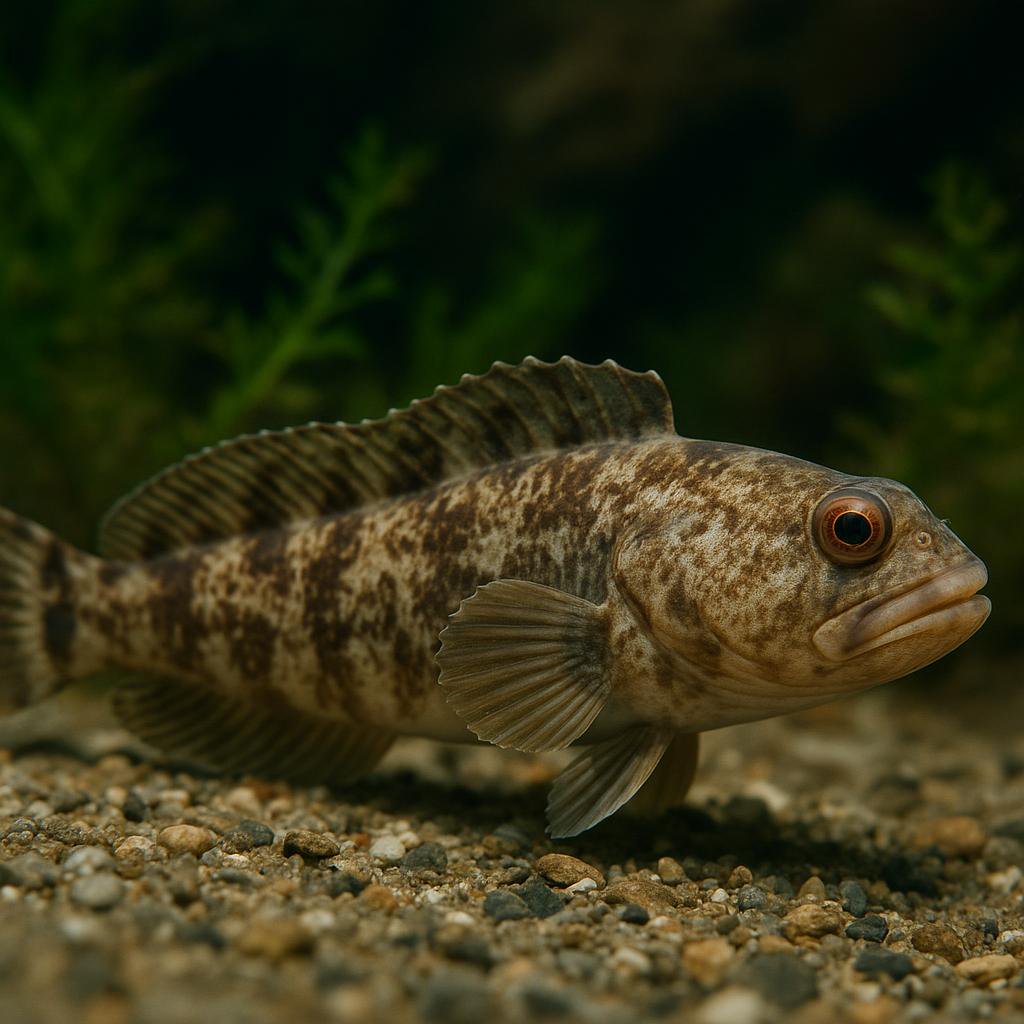
Abe's eelpout
Japonolycodes abei
Japonolycodes abei is a temperate, deepwater demersal eelpout (family Zoarcidae) endemic to Japan (Kumano-nada Sea reported; other sources also report Sagami Bay and Tosa Bay). It is the only species in the genus Japonolycodes and occurs roughly 40-300 m depth, making it an uncommon/atypical aquarium species.
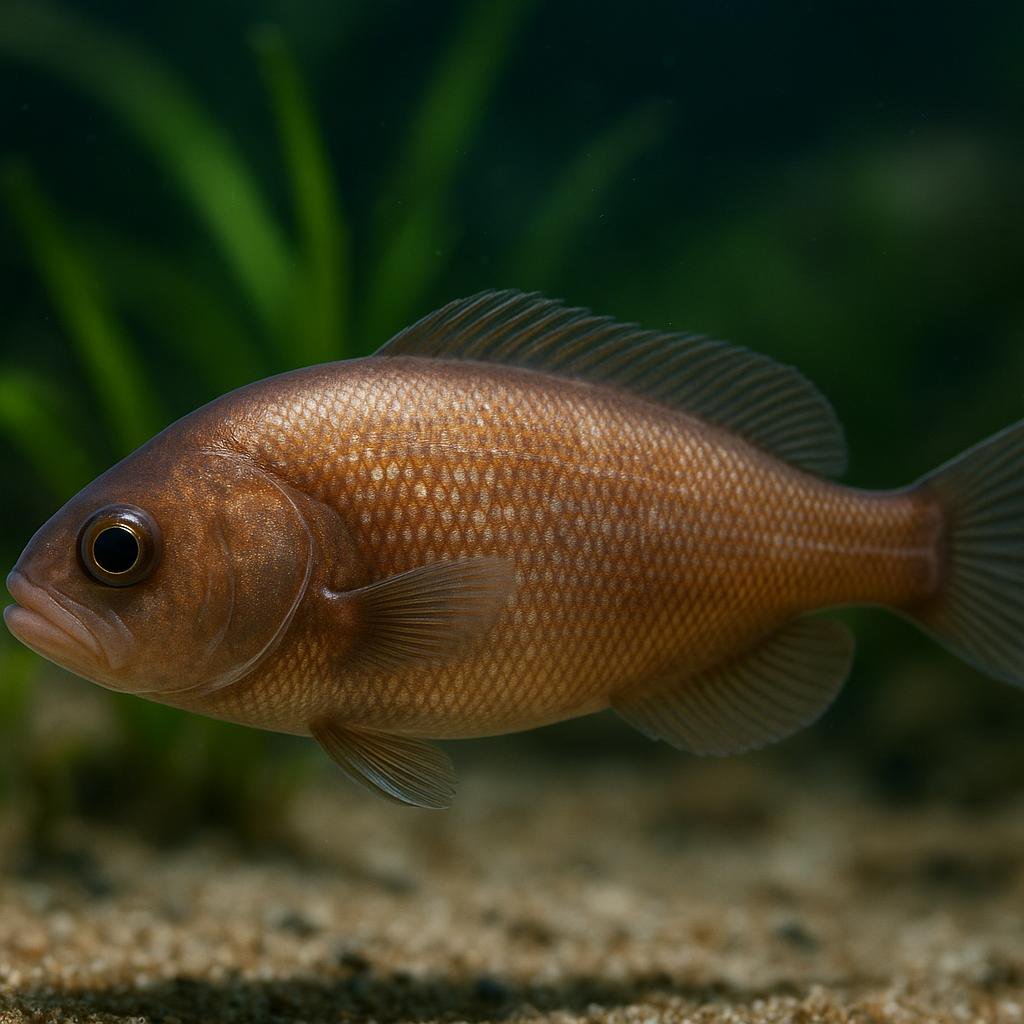
Affinis blind cusk-eel
Barathronus affinis
Barathronus affinis is a tiny, super-weird deep-sea blind cusk-eel from the western-central Indian Ocean. It is one of those gelatinous, loose-skinned brotula-type fishes that live way down in the dark and are basically never seen alive, so almost everything we know comes from preserved specimens and taxonomic work.
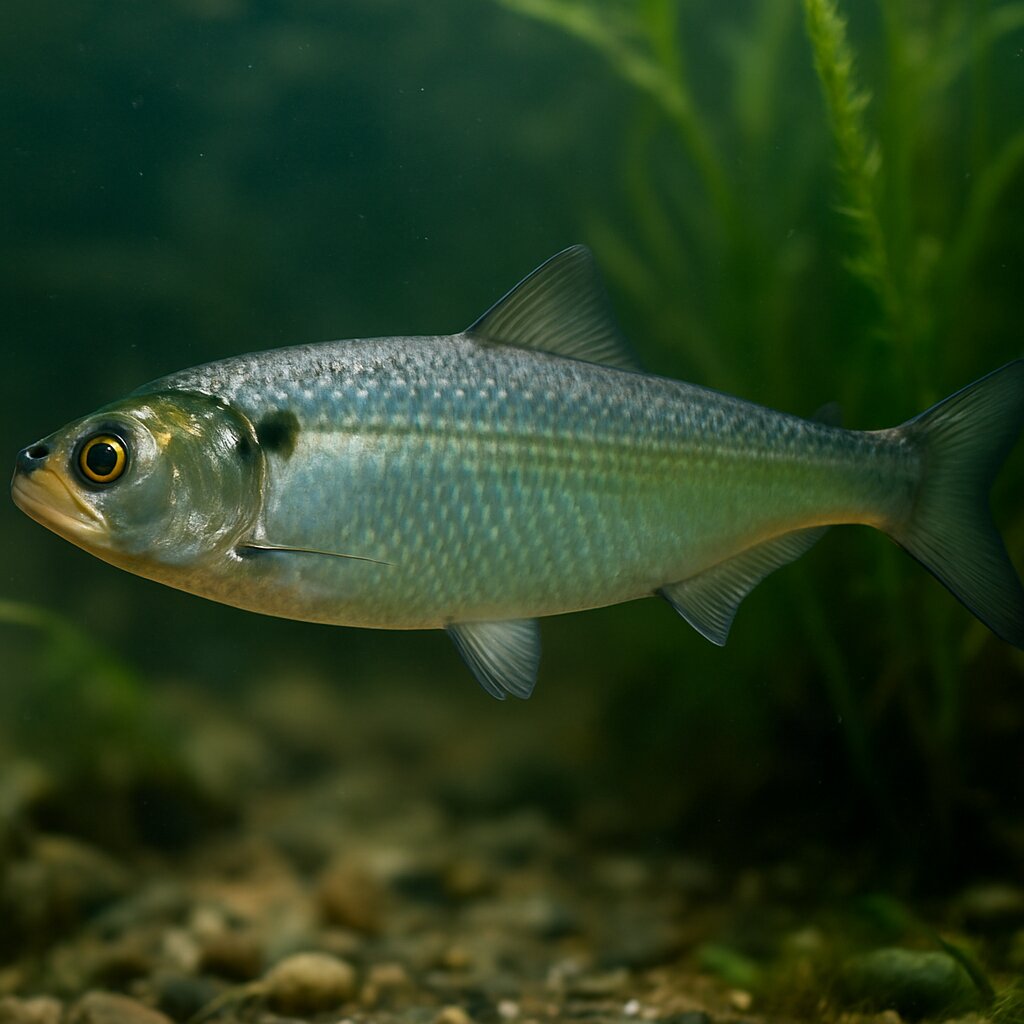
Allis shad
Alosa alosa
Gorgeous silver, fast-swimming shad that spends most of its life in the sea and then surges up big rivers in noisy, surface-spawning schools. It grows huge for a herring-type fish and needs cool, ultra-oxygenated water and tons of open space, so it is a public-aquarium species rather than a home tank fish.
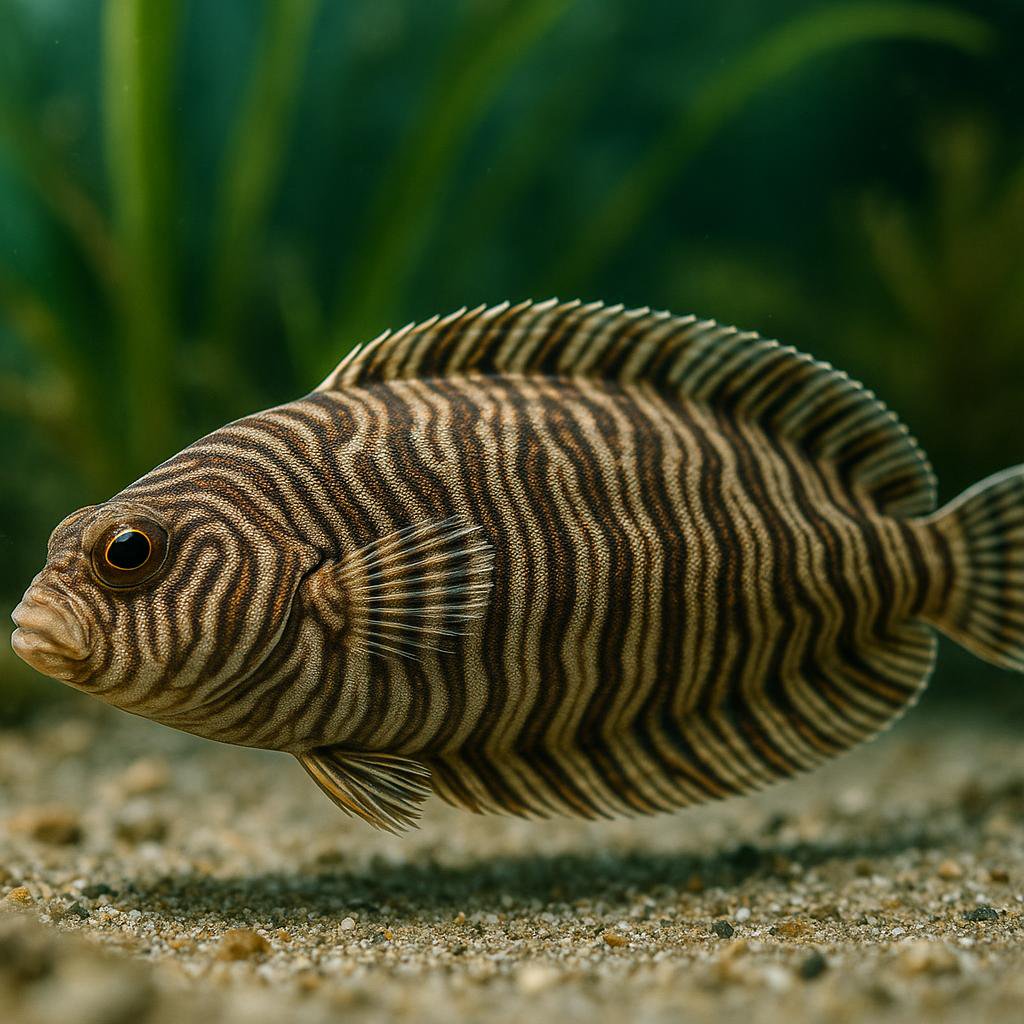
Annandale's zebra sole
Zebrias annandalei
Zebrias annandalei is a small demersal sole from coastal India that inhabits sandy or muddy bottoms and buries for camouflage. It is rarely kept in home aquaria and would require a specialized marine sand-bottom setup and appropriate feeding.
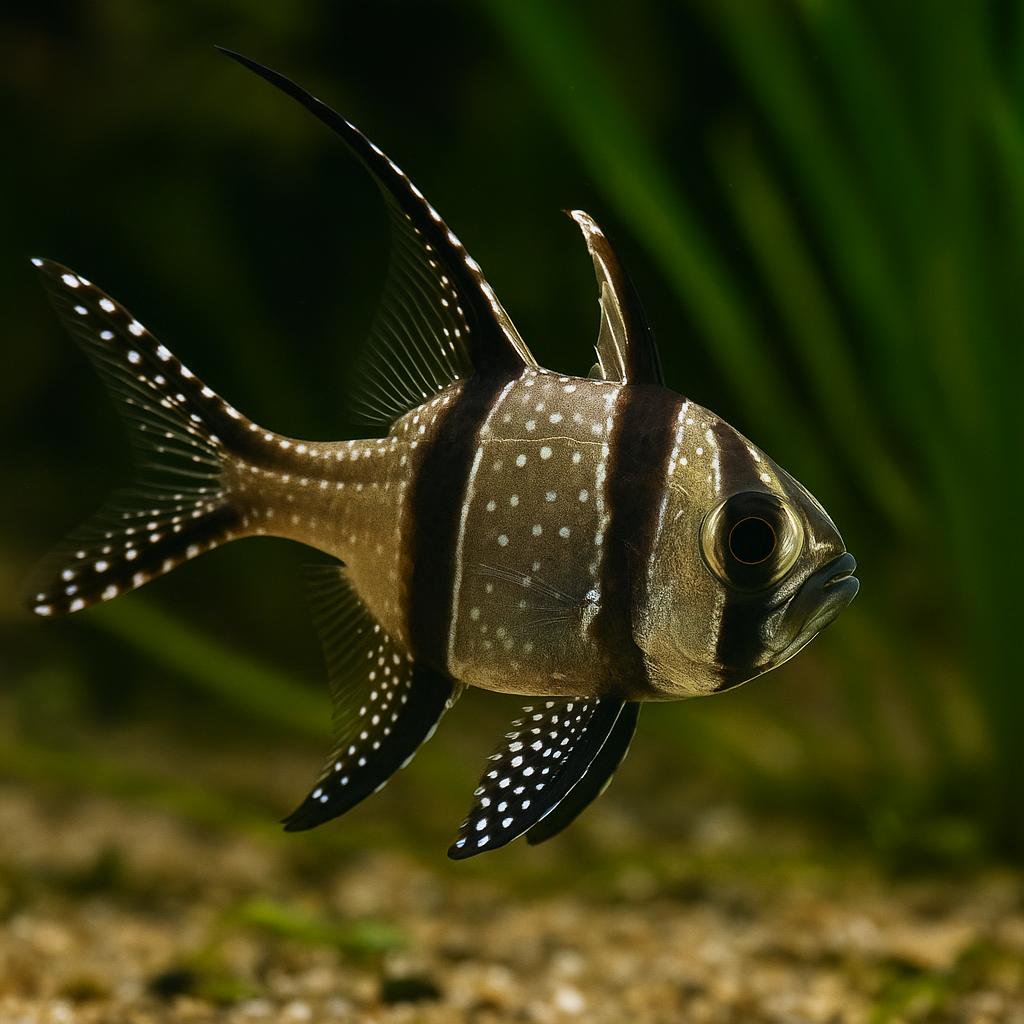
Banggai Cardinalfish
Pterapogon kauderni
Banggai cardinals just sort of hover like little underwater satellites, and the bold black bars with those long, polka-dotted fins look unreal under reef lighting. They're super chill most of the time, but once a pair forms you'll see real "fish drama," and the male will even mouthbrood the babies like a champ.
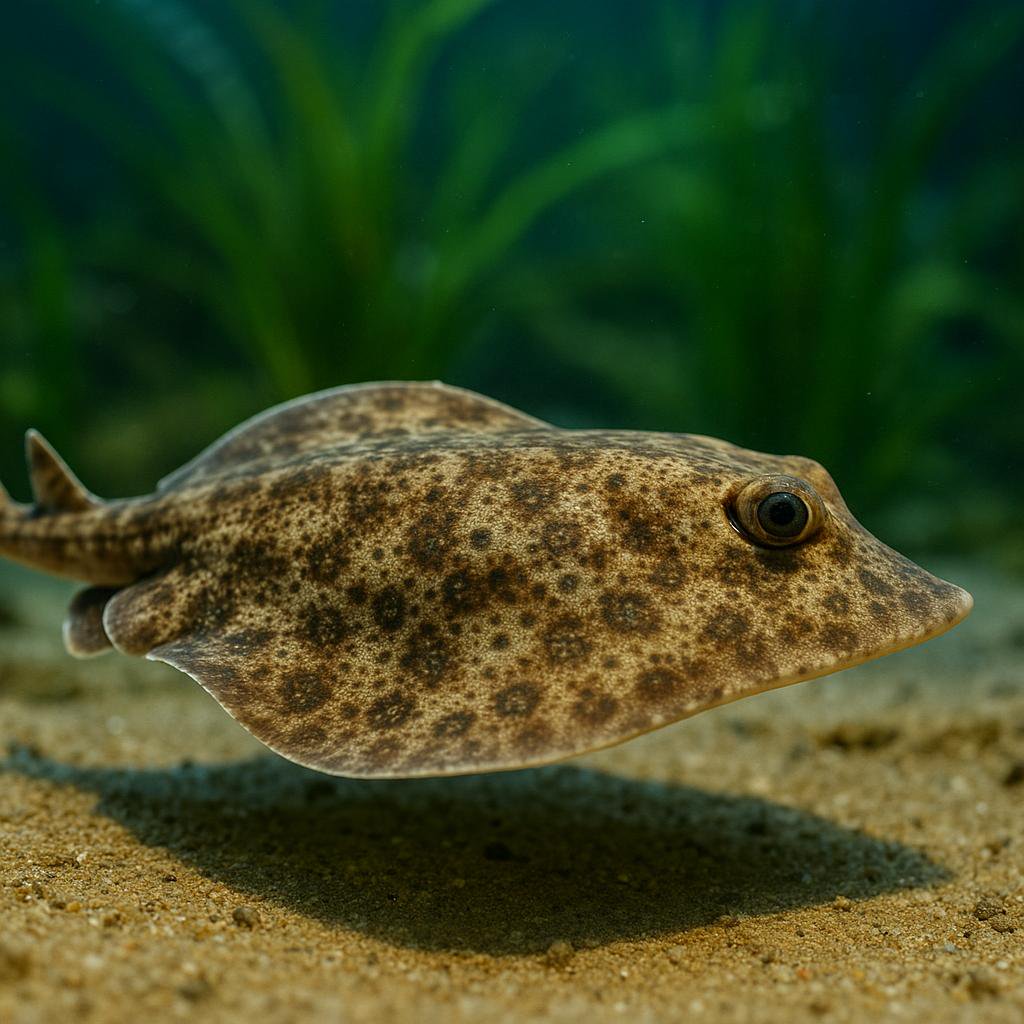
Barbedwire-tailed skate
Notoraja martinezi
Notoraja martinezi is a deepwater skate from the eastern Pacific (Costa Rica down to Ecuador) that lives way down on soft bottoms. The tail is the giveaway - it is lined with strong, hooked thorns that really do look like barbed wire. This is absolutely not an aquarium fish; it is a cold, high-pressure deep-sea animal with basically no practical home care info because it is not kept in the hobby.
More to Explore
Discover more marine species.
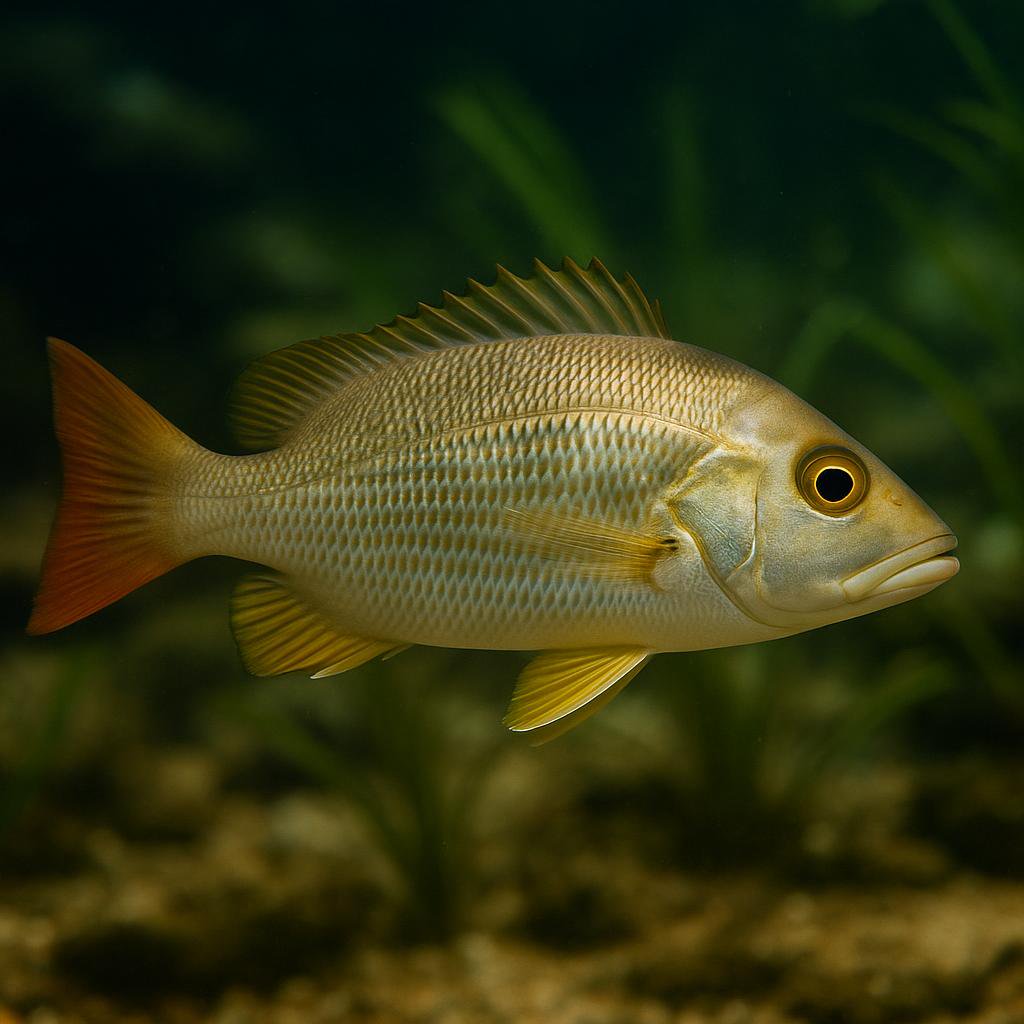
African red snapper
Lutjanus agennes
This is a true snapper from West Africa - a big, fast-growing predator that goes from coastal reefs to brackish lagoons and estuaries (especially as a juvenile). Super cool fish in the wild, but it gets absolutely huge and will eat smaller tankmates once it has the mouth for it, so its really more of a public-aquarium scale animal than a home-aquarium fish.
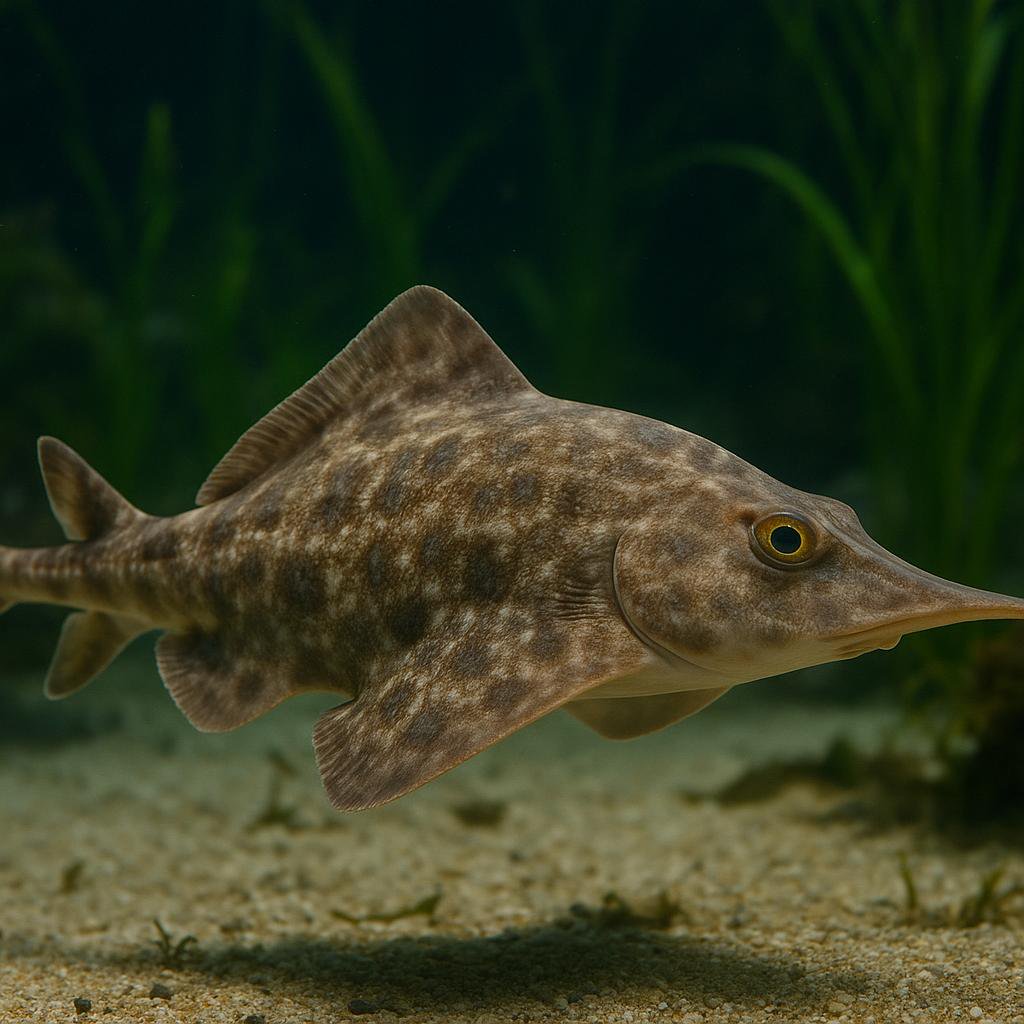
Aleutian skate
Bathyraja aleutica
This is a big, cold-water deep-slope skate from the North Pacific that cruises muddy bottoms and eats chunky benthic prey like crabs and shrimp. The really cool bit is its egg-laying skate life - it does distinct pairing (the classic skate "embrace") and drops those tough egg cases on the seafloor. Not an aquarium fish at all unless you're basically running a public-aquarium-style chilled system.
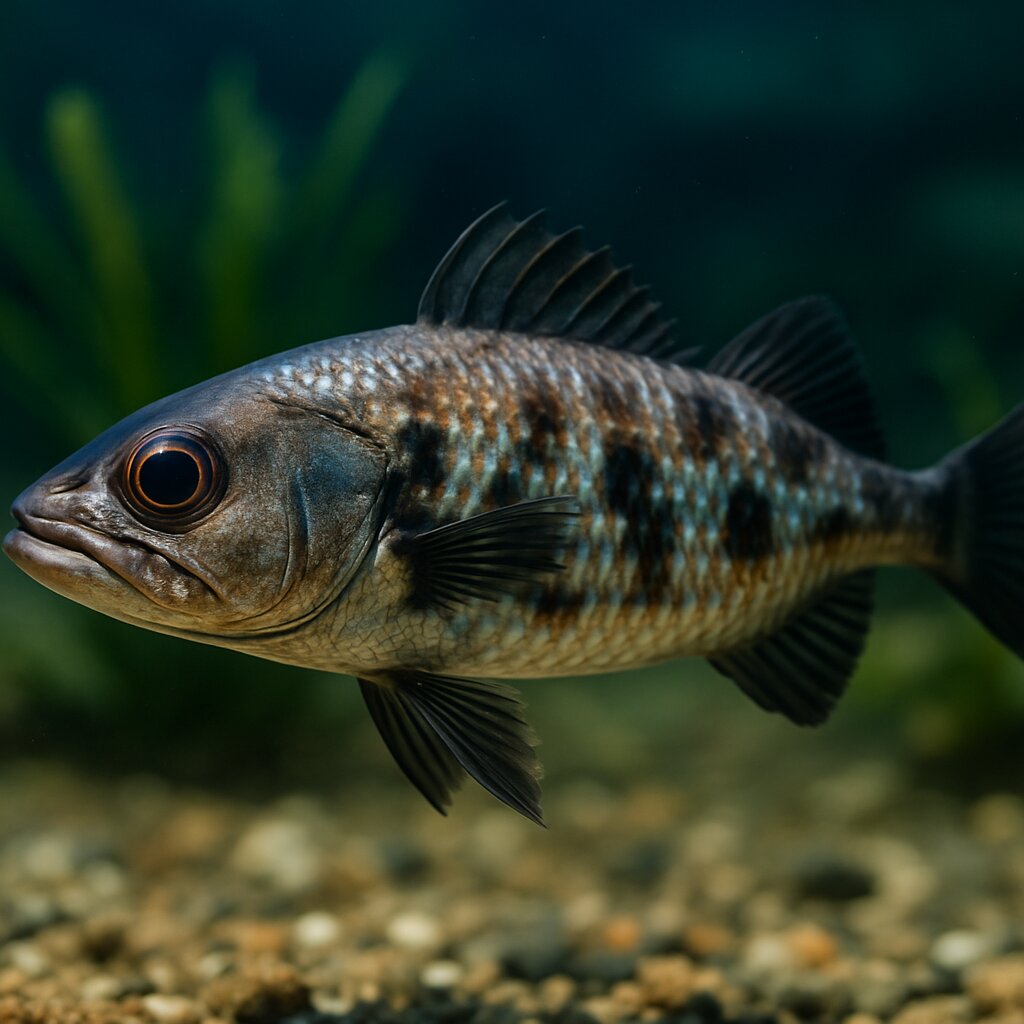
Antarctic dragonfish
Vomeridens infuscipinnis
Deep down around Antarctica, this sleek dragonfish cruises the water column like a little submarine, nearly neutrally buoyant so it can hover above the seafloor. It munches almost exclusively on Antarctic krill and lives in near-freezing water 500-800 m down, so it is a cool species to read about, not one for home tanks.
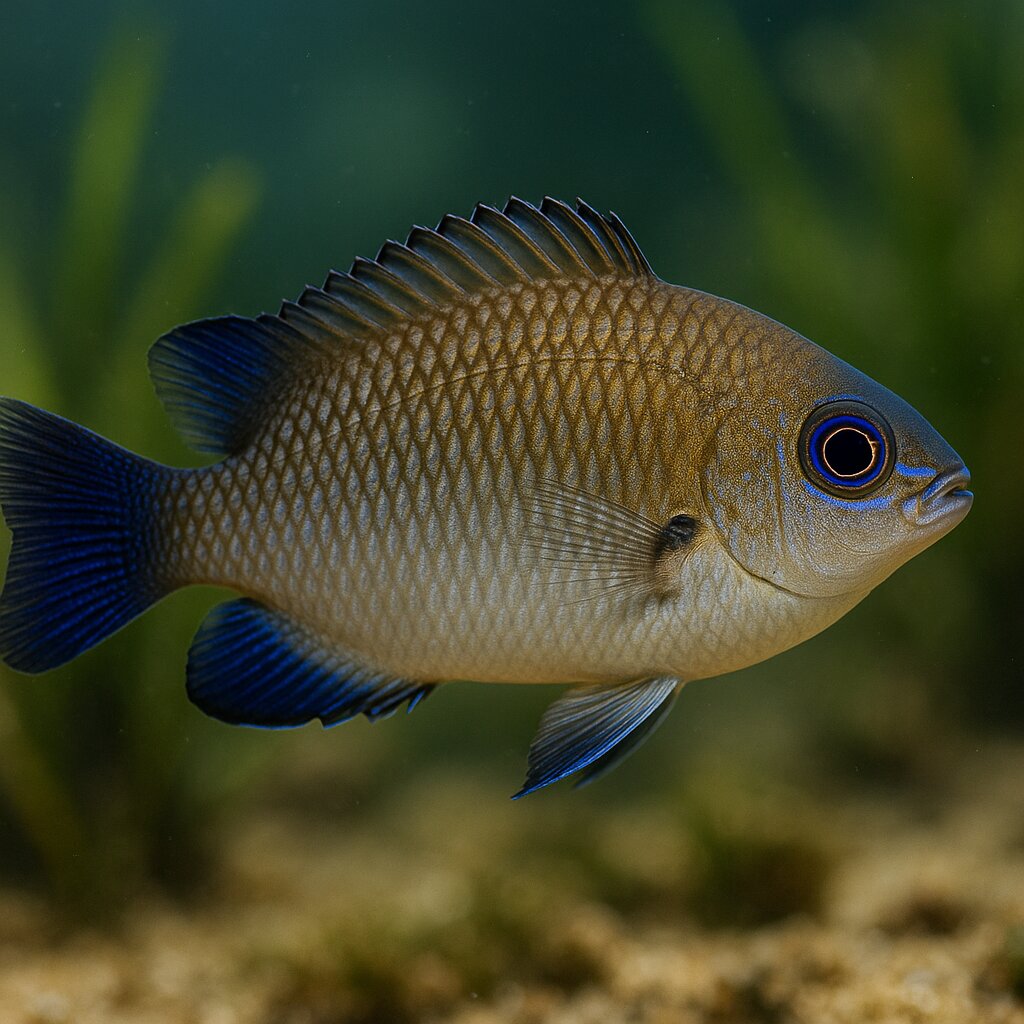
Arabian demoiselle
Neopomacentrus sindensis
A small lyretail damsel from the Persian Gulf and Arabian Sea, it hangs in loose groups around coral heads, rocks, and even pier pilings picking zooplankton from the flow. Think classic damsel toughness with a slightly milder attitude than the real bruisers, plus subtle yellow tail accents. Males clean a patch, get a mate to lay eggs there, and then stand guard fanning the clutch.
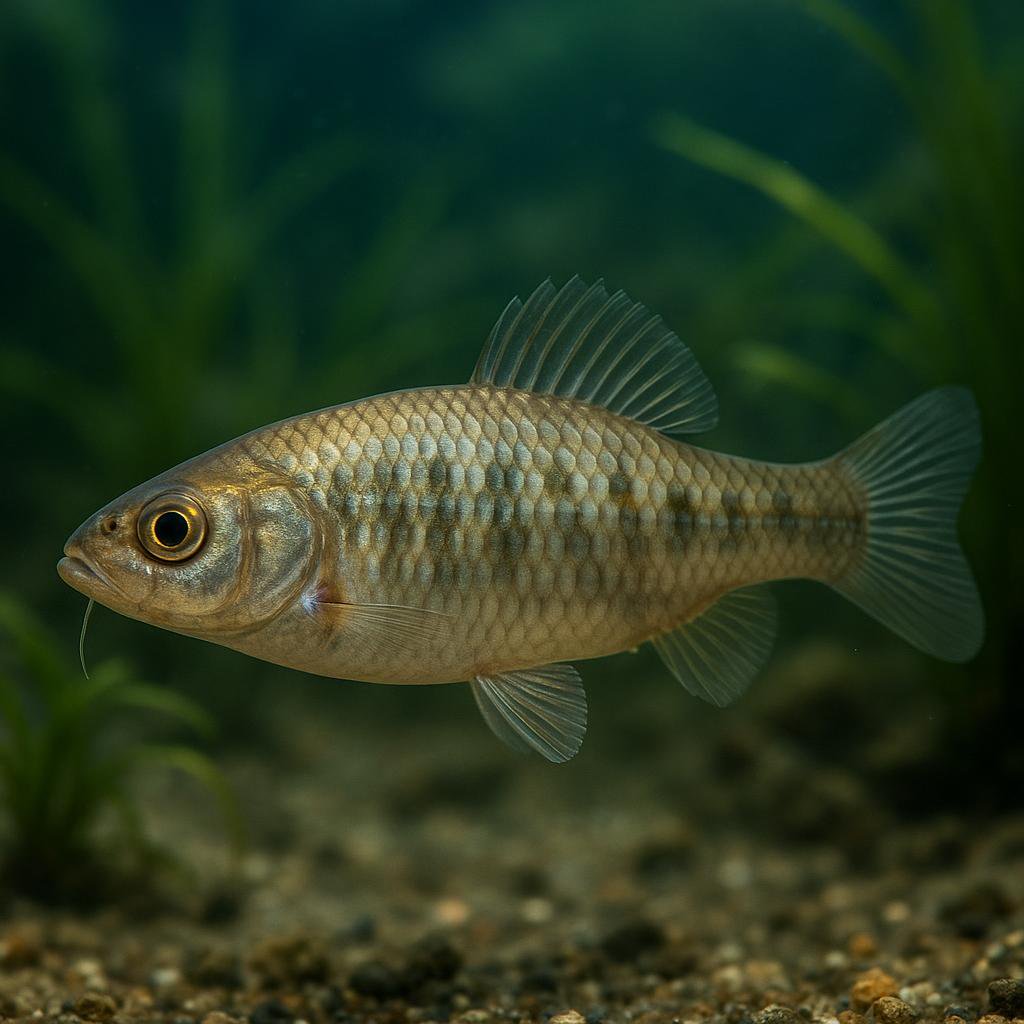
Arabian spiny eel
Notacanthus indicus
Notacanthus indicus is a deep-sea spiny eel (family Notacanthidae; not a true eel) known from the Arabian Sea on the continental slope at roughly ~960–1,046 m depth, with reported maximum length around 20 cm TL; it is a deep-water bycatch species and not established in the aquarium trade.
Arctic rockling
Gaidropsarus argentatus
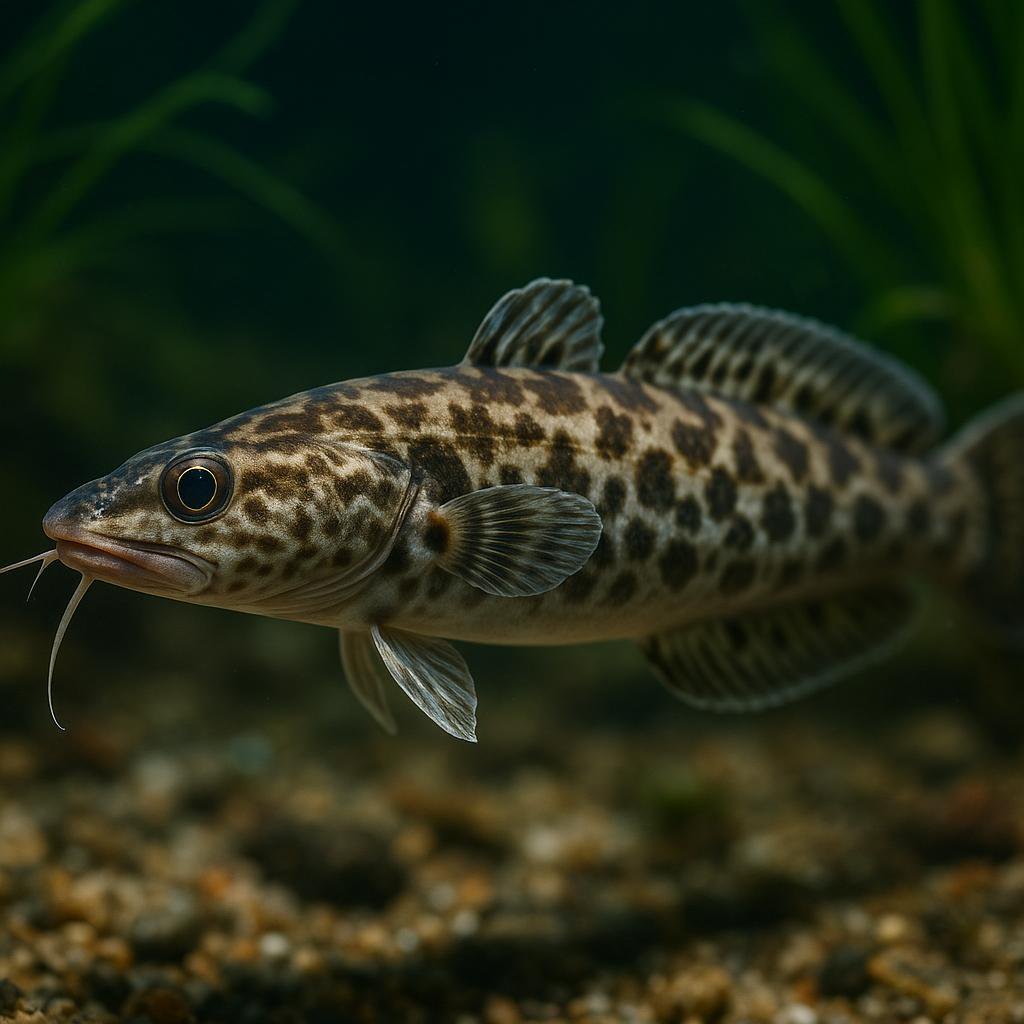
This is a deepwater North Atlantic rockling (a cod relative) that hangs out on soft bottoms way down the slope. It is a cold-water, bottom-hugging predator that snoots around for crustaceans and will also take small fish when it gets the chance.
Looking for other species?