

Search Species
Search for fish species by common or scientific name, or use filters to browse by water type, size, temperament, and difficulty.
Found 528 species
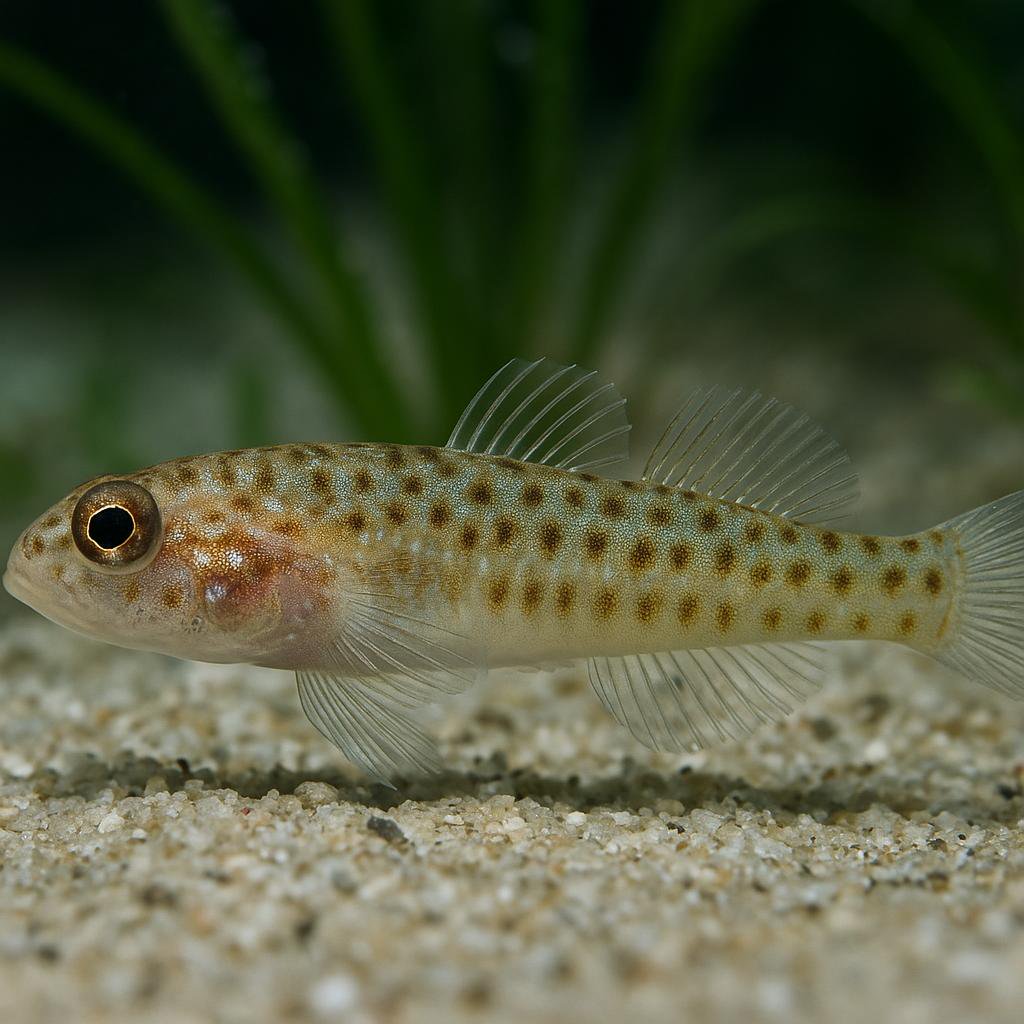
Sand submarine
Limnichthys nitidus
Limnichthys nitidus is a tiny marine sandburrower found on surge-swept, coarse-sand patches near reefs (about 4–20 m), where it buries in sand and may occur in small groups. Aquarium suitability is not well documented in authoritative aquarium references; husbandry requirements are therefore uncertain and should be presented as experimental/rarely-kept rather than as established care.
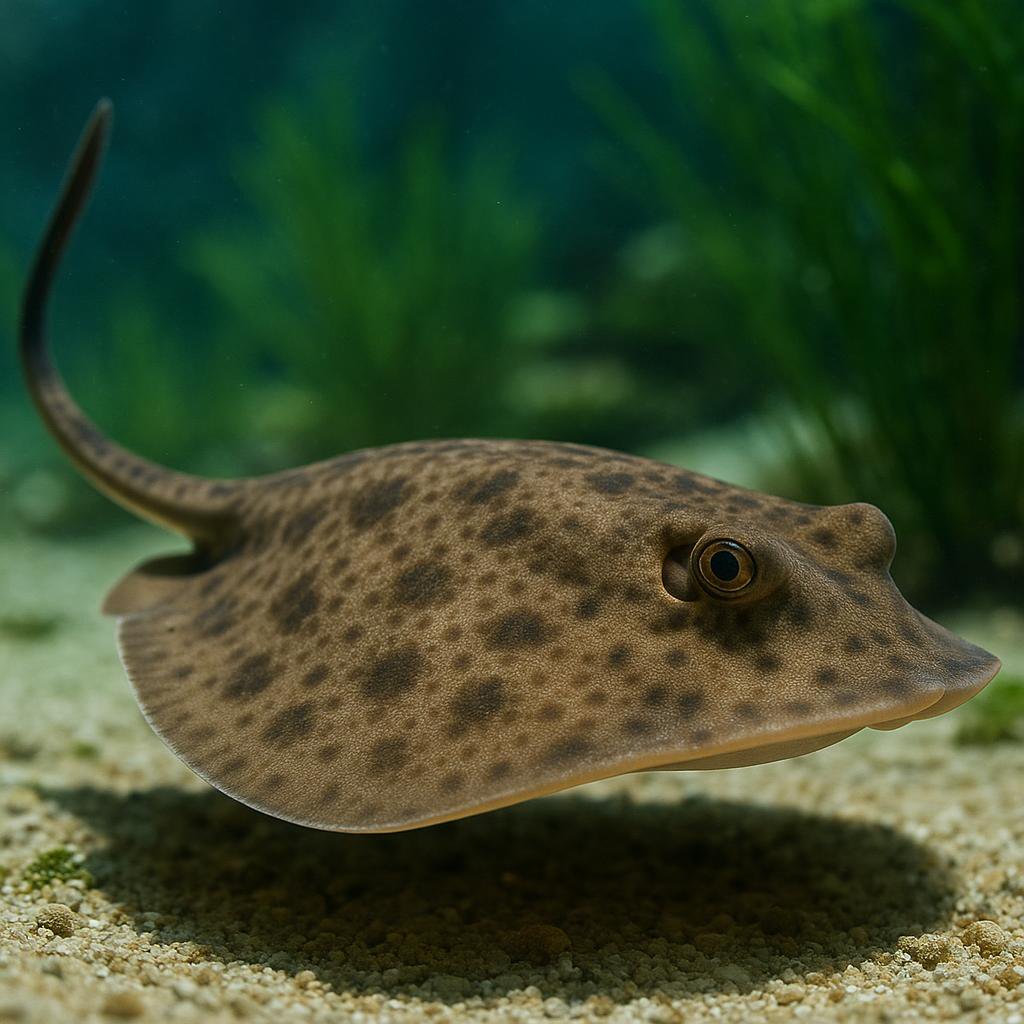
Sandyback stingaree
Urolophus bucculentus
A large offshore stingaree endemic to southeastern Australia, typically found on soft bottoms along the outer continental shelf and upper slope (reported depth range about 65–265 m). Maximum reported length is at least ~80 cm TL (some references report up to ~89 cm TL).
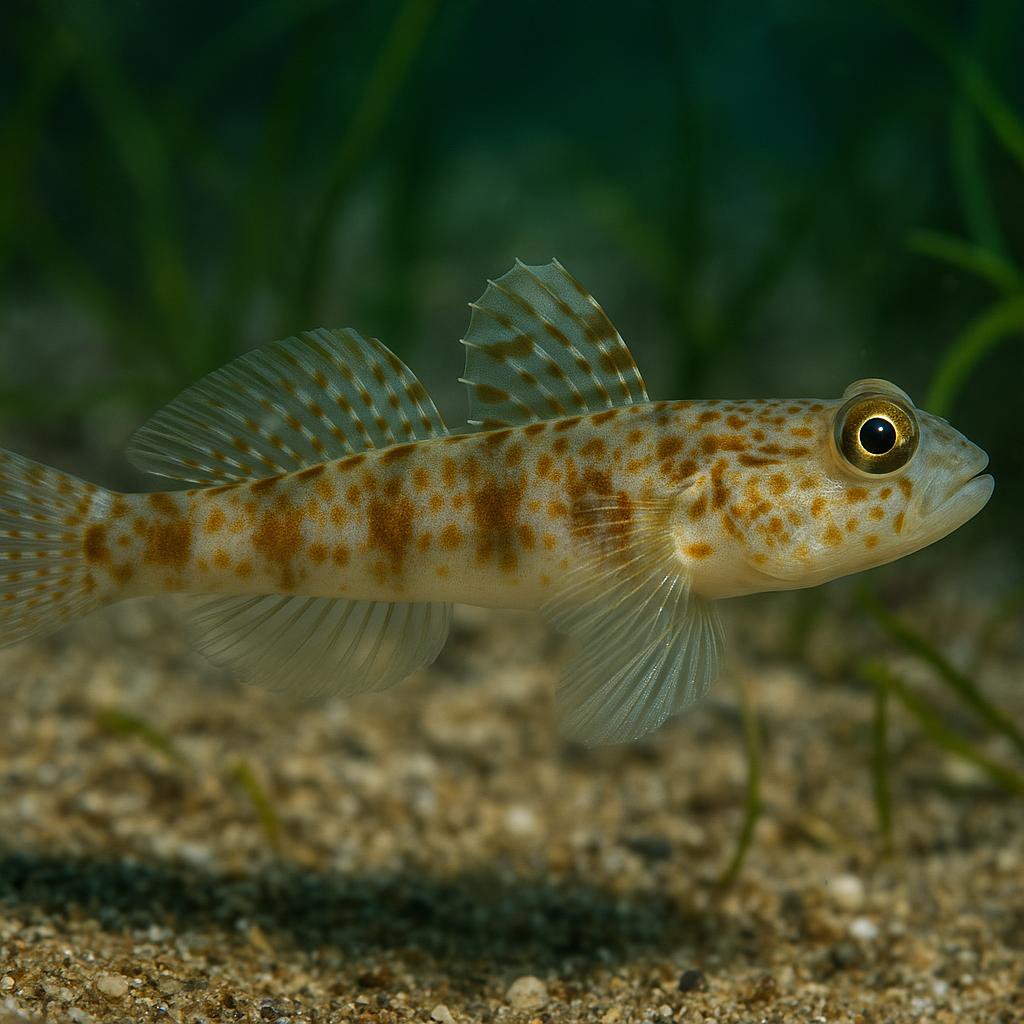
Sanzo's goby
Lesueurigobius sanzi
Sanzo's goby is a small offshore goby from the eastern Atlantic and western Mediterranean that lives out on muddy sand/mud bottoms in fairly deep water. Its whole vibe is a subtle, bottom-hugging demersal fish rather than a rockpool goby, so its "best life" is more about open sandy areas than reefy structure.
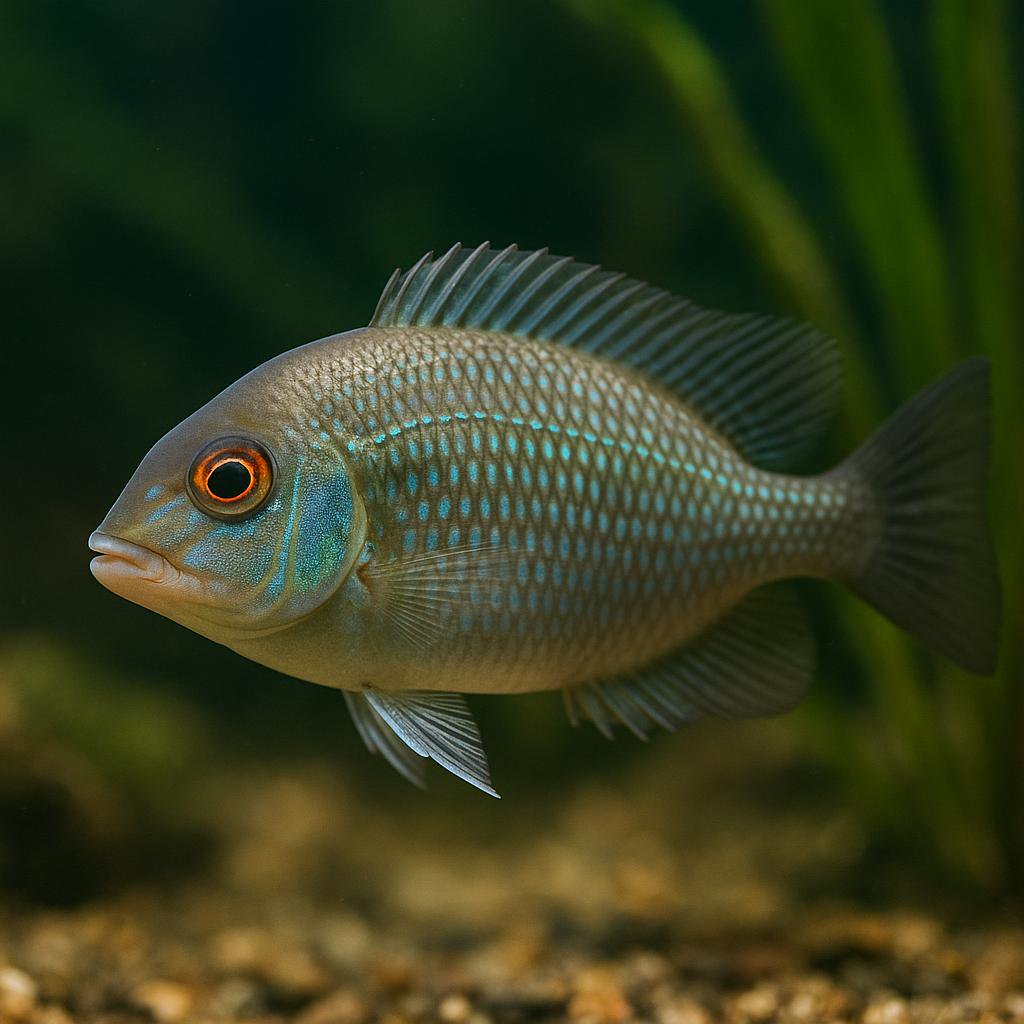
Sargassum triggerfish
Xanthichthys ringens
Xanthichthys ringens is that slick, open-water-ish Atlantic trigger that looks like it got dusted with tiny freckles, then finished off with a red-trimmed tail. In the wild it hangs on deeper reef slopes and the juveniles cruise around floating Sargassum, which is just a cool life story for a trigger. Its vibe is generally calmer than the really nasty trigger species, but it is still a triggerfish with real teeth and opinions once it settles in.
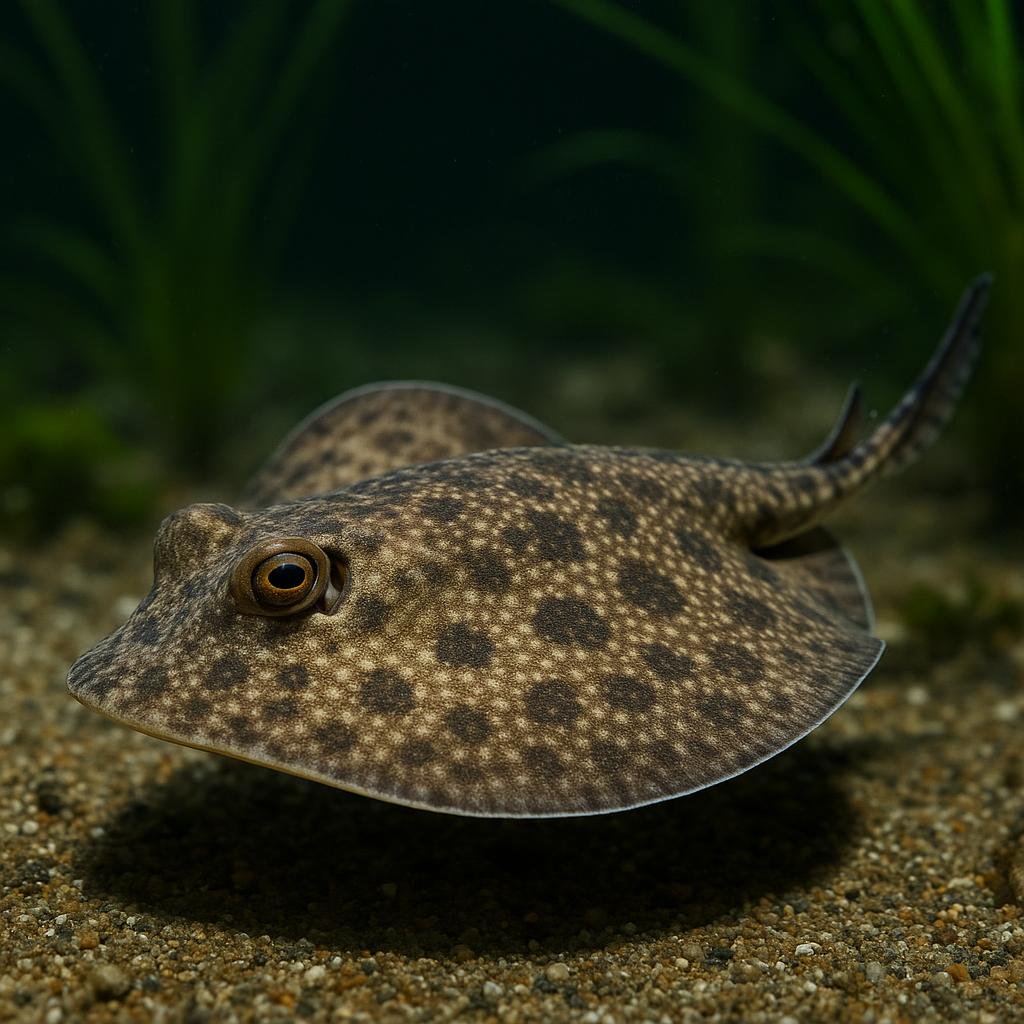
Saw-spined round ray
Urotrygon serrula
Urotrygon serrula is a small round stingray from the Eastern Pacific that spends its time hugging the bottom in coastal waters. It is not really an aquarium species - even though it stays fairly small, it is a marine ray with specialized needs and a venomous spine, so it belongs in professional-scale setups, not a typical home tank.
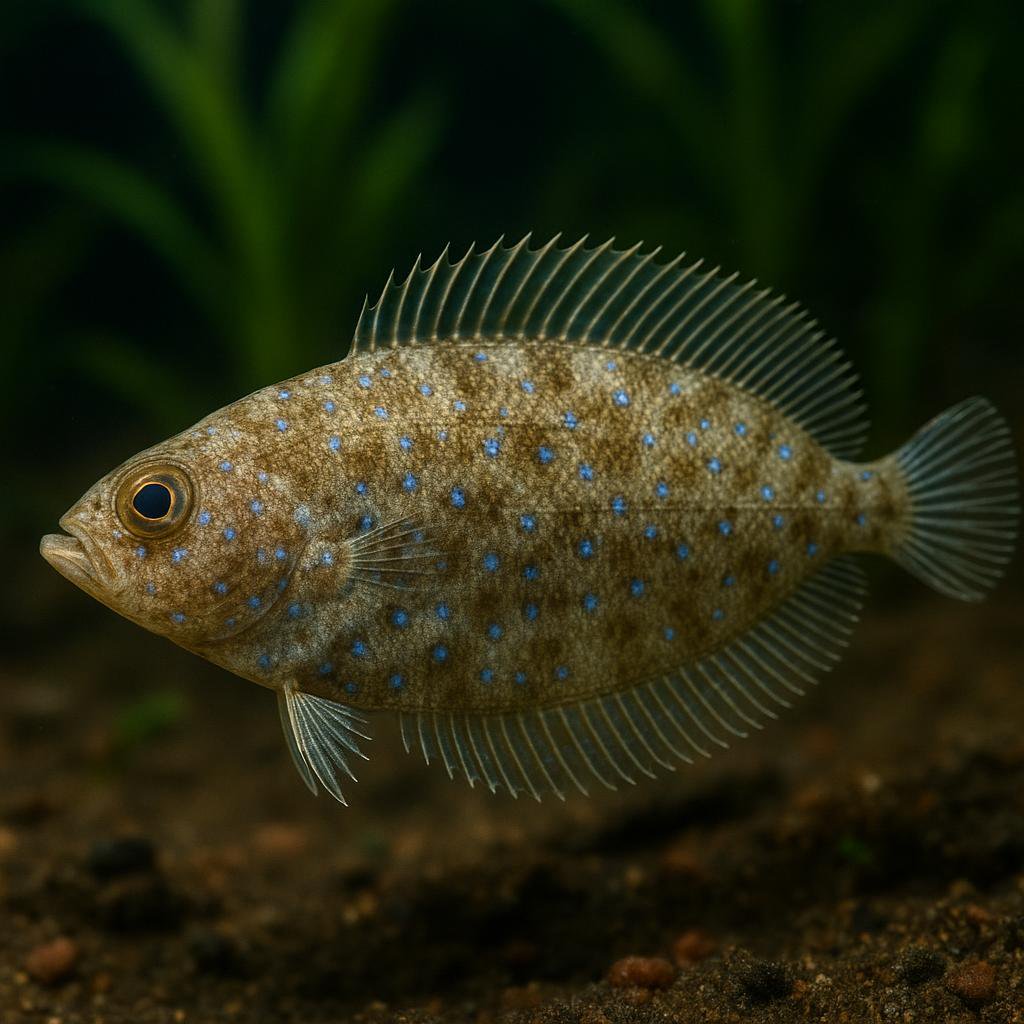
Saya scaldfish
Arnoglossus sayaensis
Arnoglossus sayaensis is a marine lefteye flounder (Bothidae) described from the Saya de Malha Bank in the western Indian Ocean; FishBase lists a maximum size of 14.7 cm SL. It is reported from deep water (about 191–254 m) and is a bottom-dwelling flatfish.
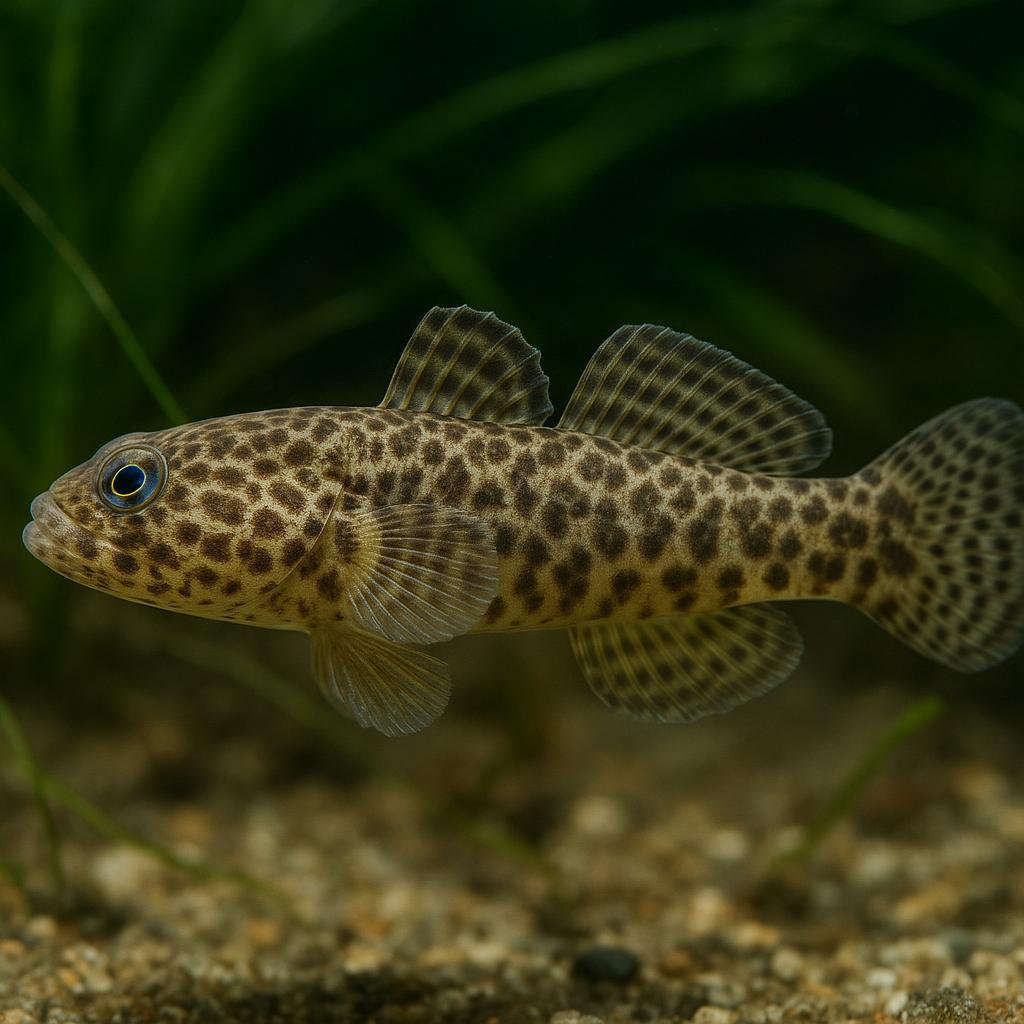
Scale-eyed flounder
Lepidoblepharon ophthalmolepis
Deepwater bathydemersal citharid flounder from the western Pacific, reported from ~310–428 m on mud bottoms. Notable for very large eyes on the right side that are covered with scales. Rare and apparently not marketed; aquarium husbandry is essentially undocumented and this species is not a practical home-aquarium fish.
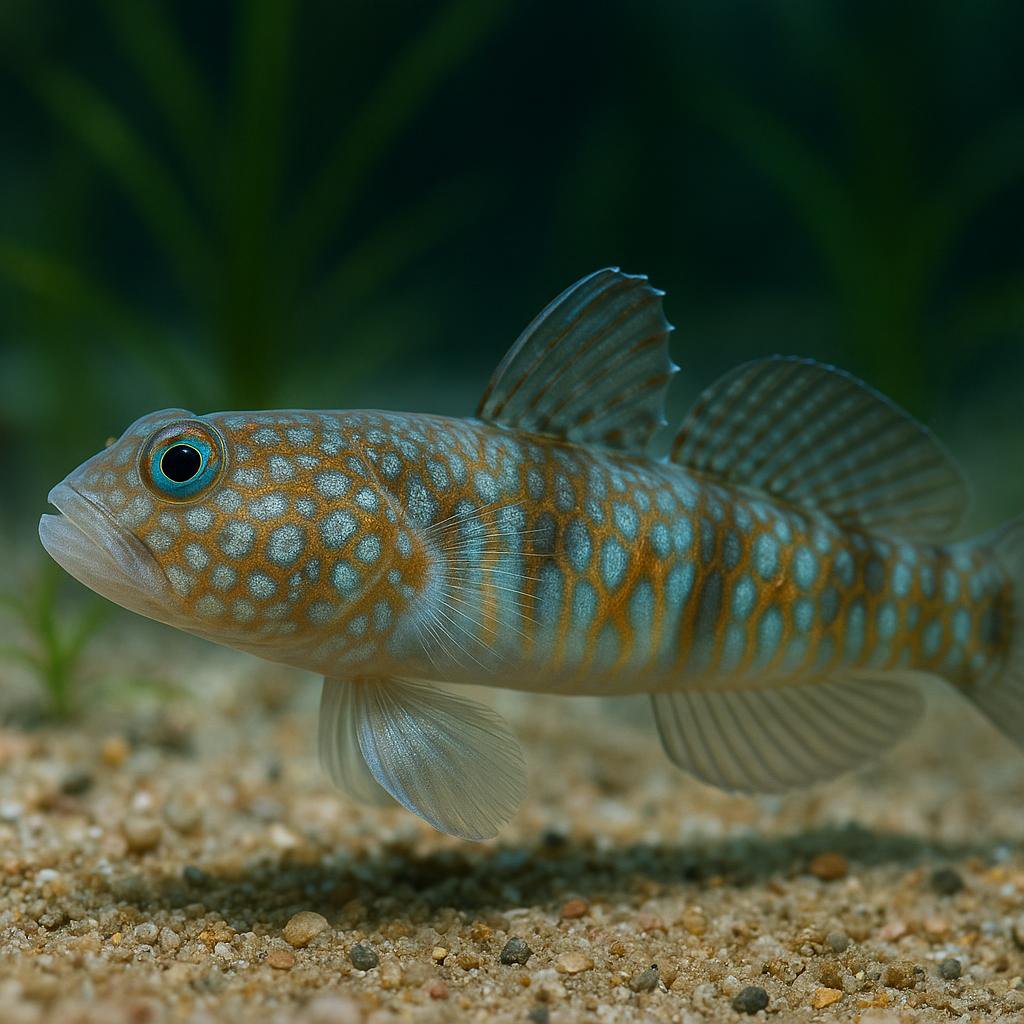
Scalycheek shrimpgoby
Vanderhorstia lepidobucca
This is a tiny shrimp-associated goby described from Sulawesi, Indonesia. Like other Vanderhorstia, it is associated with burrows made by alpheid snapping shrimp (Alpheus spp.), where the goby typically hovers/stands guard near the burrow entrance. Maximum reported size is 4.0 cm SL.
Scaly-headed triplefin
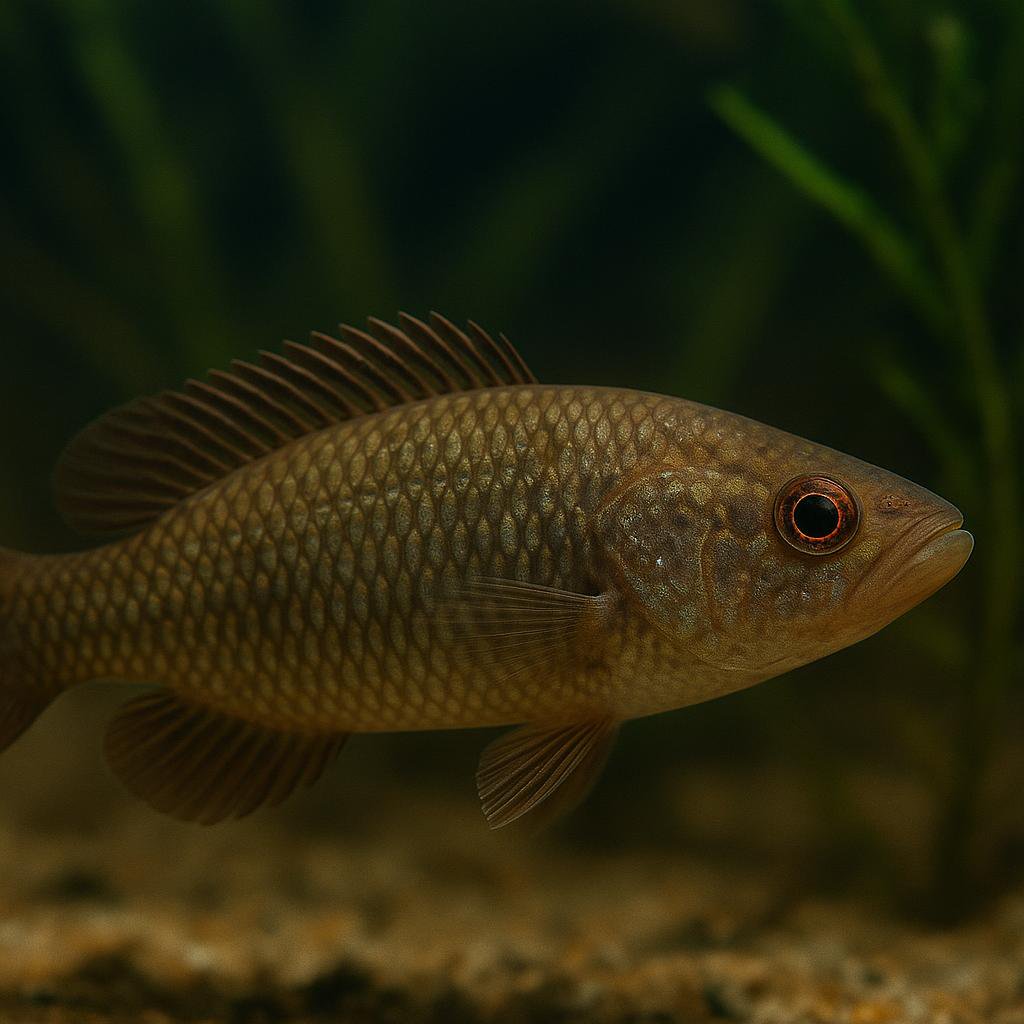
Karalepis stewarti
This is a New Zealand triplefin that hugs rocky reef structure and comes out more at night, so you often spot it perched and watching everything rather than cruising the water column. It tops out around 15 cm and lives in cool-temperate coastal water, picking at tiny crustaceans and mollusks.
Scaly lizardfish
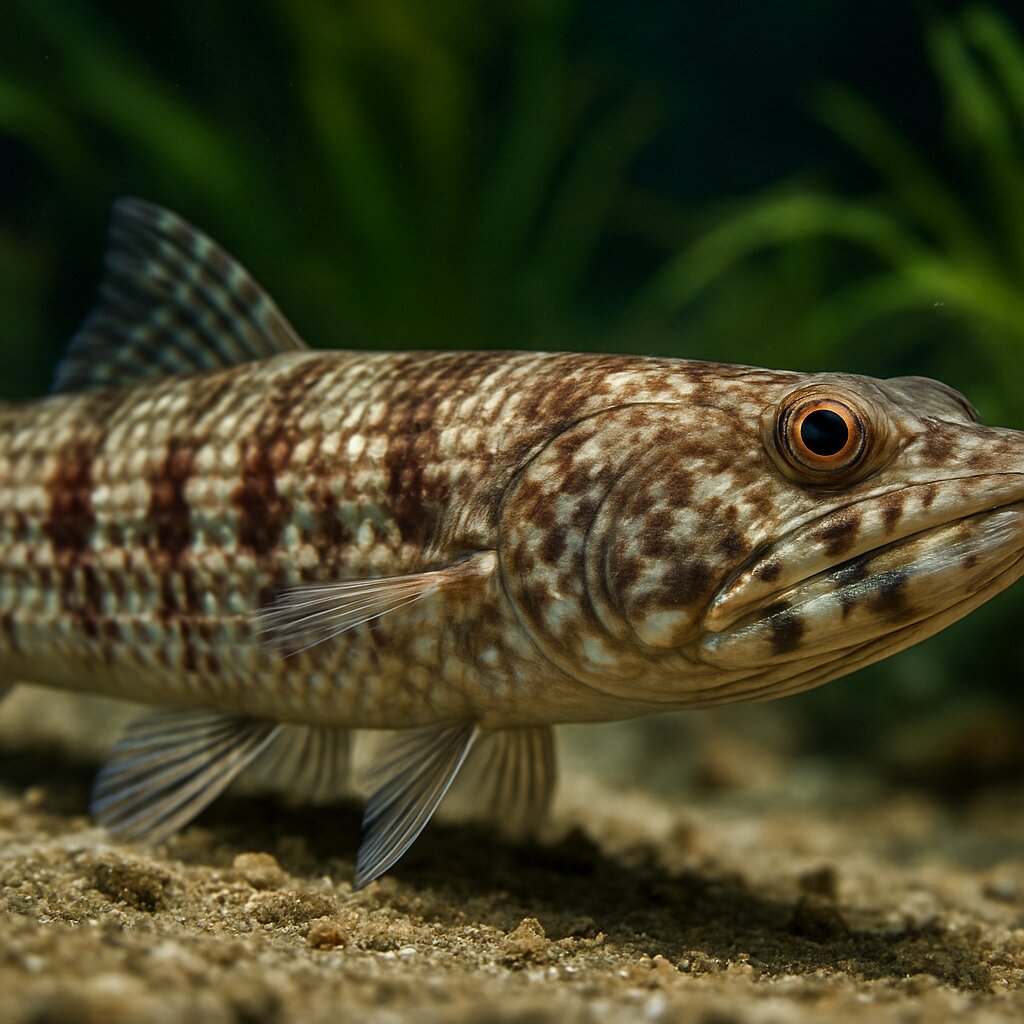
Harpadon squamosus
A long, toothy ambush predator from India’s coastal waters, this lizardfish lies on sand or mud and rockets up to grab passing prey. It grows big for home tanks and is really a fishery species, so if anyone ever tried to keep one it would need a public-aquarium-scale setup and meaty foods.
Scopas tang
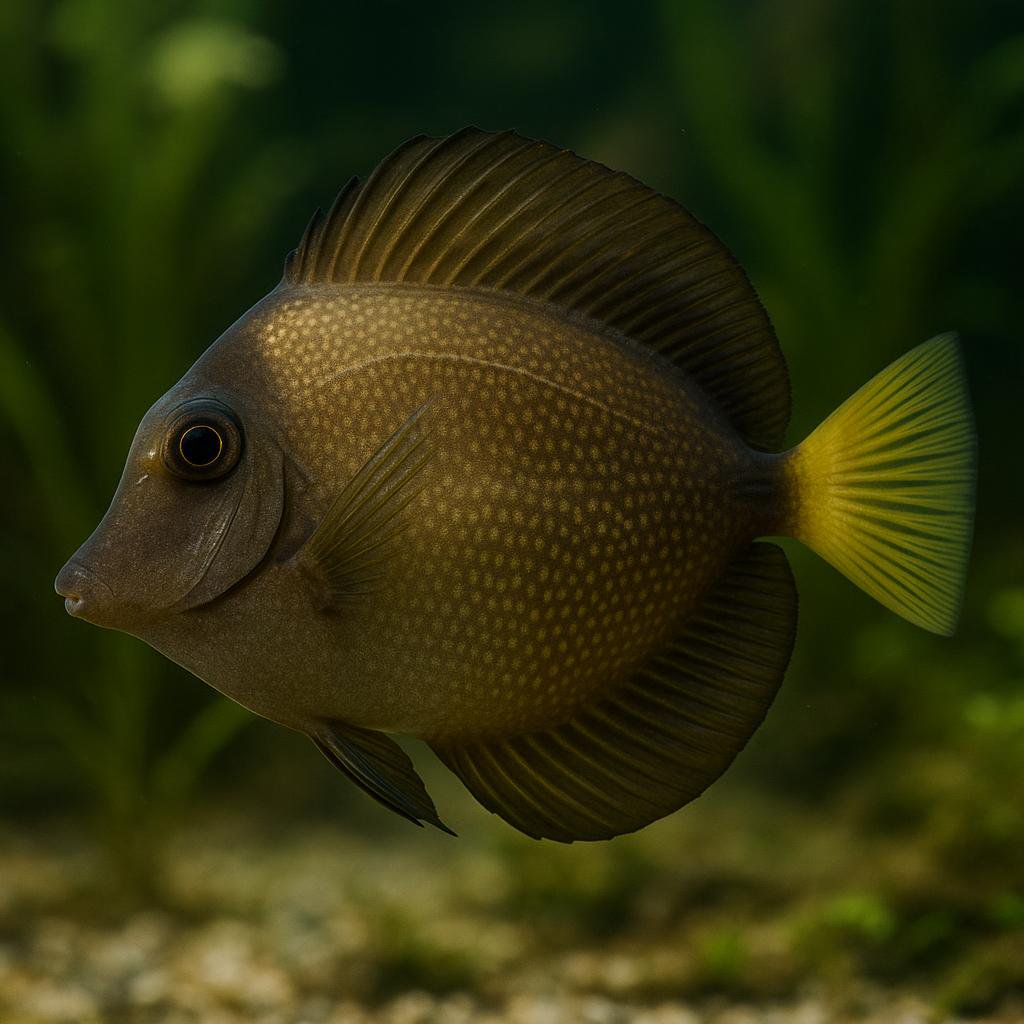
Zebrasoma scopas
Scopas tangs are earthy brown-to-olive Zebrasoma with fine blue‑green lines (becoming dots on the head). They spend the day grazing turf/film algae on rockwork and may become territorial with other tangs in tight quarters. In the wild they occur in small groups and sometimes larger grazing aggregations—behavior that can be echoed in very large reef systems.
Sea goblin
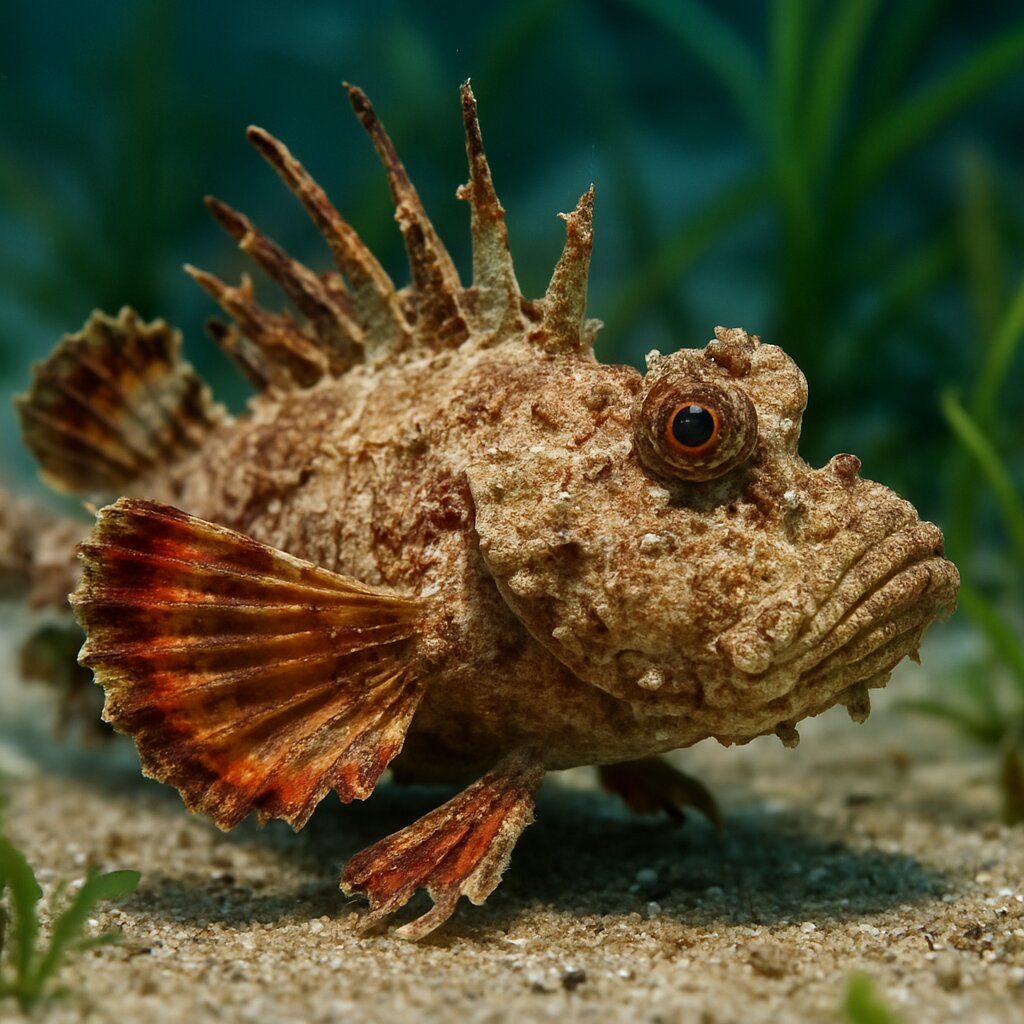
Inimicus didactylus
Picture a grumpy rock that walks on two finger-like fin rays and vanishes under the sand, then explodes out to inhale prey - that is the sea goblin. It is a venomous ambush predator with crazy patterned pectorals it flashes when disturbed, and it usually needs live foods at first.