

Sandyback stingaree
Urolophus bucculentus
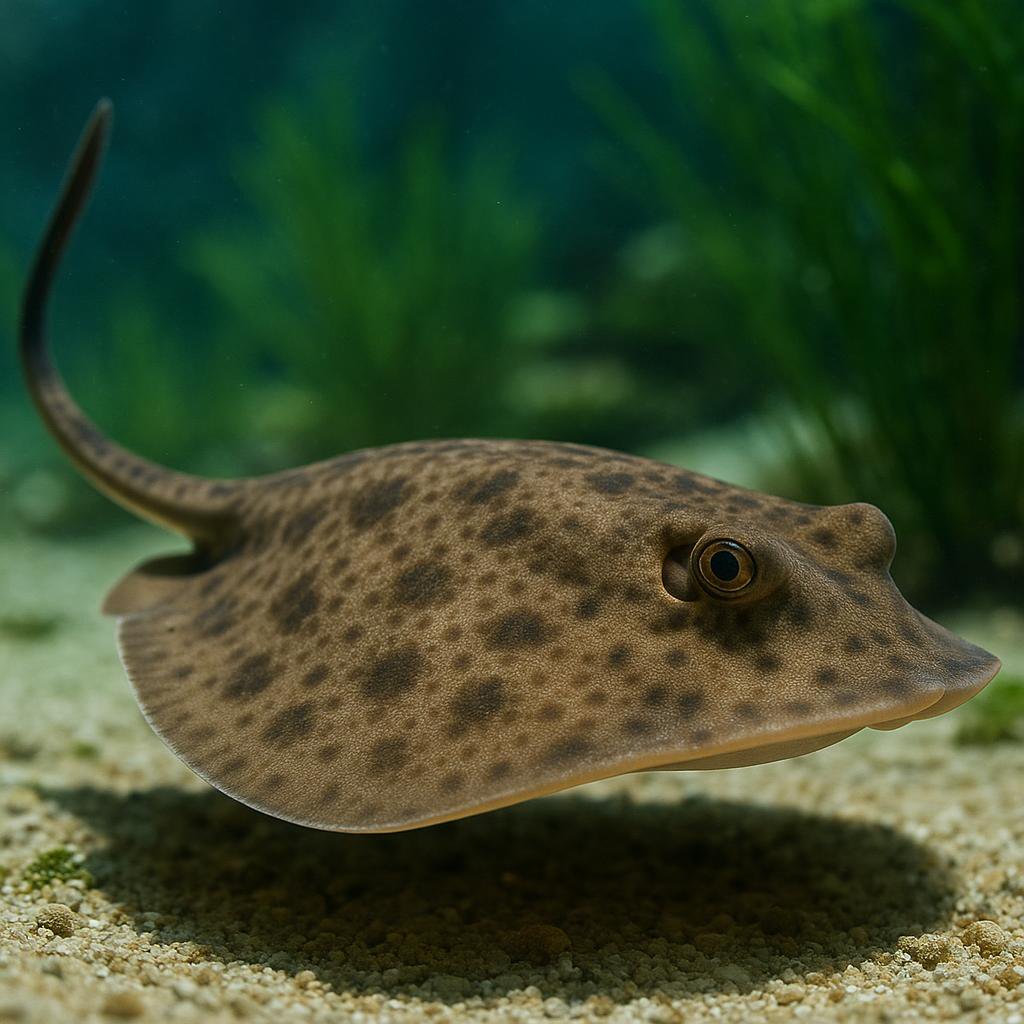
Sandyback stingarees are recognized by their flattened body, broad pectoral fins, and sandy-brown coloration with dark spots for camouflage.
This page includes AI-generated images. Why am I seeing AI images?
About the Sandyback stingaree
A large offshore stingaree endemic to southeastern Australia, typically found on soft bottoms along the outer continental shelf and upper slope (reported depth range about 65–265 m). Maximum reported length is at least ~80 cm TL (some references report up to ~89 cm TL).
Also known as
Quick Facts
Size
at least 80 cm
Temperament
Semi-aggressive
Difficulty
Expert
Min Tank Size
2000 gallons
Lifespan
15-25 years
Origin
Southeastern Australia (Queensland to South Australia, including New South Wales, Victoria, Tasmania)
Diet
Carnivore - benthic crustaceans and other bottom invertebrates
Water Parameters
14.1-20.2°C
7.8-8.4
8-12 dGH
Need a heater for this species?
This species needs 14.1-20.2°C in a 2000 gallon tank. Use our heater calculator to find the right wattage.
Calculate heater sizeCare Notes
- Give it a big footprint, not a tall tank - think 6 x 2 ft minimum for an adult, with wide open sand lanes for cruising and turning.
- Use fine, sugar-sized sand 2-4 in deep; coarse crushed coral will scrape the disc and tail and you will be chasing infections forever.
- This species is an offshore stingaree documented from ~65–265 m depth on soft bottoms along the outer continental shelf/upper slope of southeastern Australia; it is not commonly maintained in home aquaria, so species-specific aquarium targets (e.g., exact salinity/temperature/nitrate numbers) are not well documented for Urolophus bucculentus.
- Feed from tongs on a flat spot so it learns a target - small pieces of shrimp, squid, marine fish, and shell-on prawn, plus live or fresh-thawed fiddler/shore crabs for variety; juveniles eat small meals most days, adults 3-4x/week.
- Soak foods with a vitamin/iodine supplement once or twice a week and rotate prey types, or you will see poor appetite and slow decline that looks like 'mystery ray problems'.
- Tankmates: stick to calm, non-nippy fish that will not steal every bite (big angels and triggers are a pain); avoid puffers, triggers, large wrasses, and anything that bites fins or picks at the ray.
- Watch for belly scuffs, red patches, or curling at the disc edges - those are usually sand/rock injuries or water quality, and they go downhill fast if you do not fix the cause and keep the bottom spotless.
- Breeding is not a casual project - they are livebearers and need a huge, stable setup and a well-conditioned pair; if a female looks pregnant, stop stressing her with netting and rearranging, and be ready to separate newborns from hungry tankmates.
Compatibility
Good Tankmates
- Rabbitfish (Siganus spp.) - generally peaceful, sturdy, and not interested in harassing a bottom-sitter, plus they can handle being around a semi-grumpy ray if the tank has space
- Larger tangs/surgeonfish (Acanthurus, Naso) - fast, confident swimmers that stay up in the water column and usually ignore rays as long as there is plenty of room
- Tough, non-nippy angelfish (medium to large Pomacanthus types) - can work if the angel is not a jerk and you feed well so it is not tempted to investigate the ray
- Other robust bottom-adjacent fish that are not bitey - like larger, well-behaved goatfish (Mulloidichthys/Parupeneus) that sift sand without trying to start stuff
- Big, laid-back groupers or cod-like predators that are not small enough to be eaten and not so huge they see the ray as competition - size match matters a lot here
Avoid
- Small fish you actually like - damsels, chromis, small wrasses, little gobies - the stingaree is an ambush hunter and anything bite-sized that cruises low is basically expensive live food
- Nippy or territorial fish that harass bottom dwellers - triggers, puffers, aggressive wrasses, and especially anything that goes after fins or eyes (they will pick at the ray's disc and stress it out)
- Sharks, other rays, or big pushy bottom predators in cramped quarters - they can outcompete it at feeding time, pin it into corners, and you end up with a stressed ray that stops eating
Where they come from
Sandyback stingarees (Urolophus bucculentus) are Australian coastal rays. Think shallow bays and sandy flats where they can disappear under the substrate with just the eyes showing. If you set the tank up like that kind of habitat, you are already halfway to keeping one successfully.
This is an expert-level animal mostly because of space, filtration, long-term commitment, and how fast things go sideways if water quality or diet slips.
Setting up their tank
Give them floor space, not rock towers. These rays spend their life on the bottom, cruising and burying. A big, open footprint with gentle flow beats a tall show tank every time.
- Tank footprint: as large as you can manage, with lots of open sand. For an adult, you are generally in custom-system territory, not a standard reef tank.
- Substrate: fine sand (sugar-sized to small grain). Skip crushed coral and sharp aragonite chips - they can scrape the disc and underside.
- Rockwork: keep it minimal and locked down. Anything that can shift will eventually shift when a ray digs under it.
- Filtration: oversized skimming plus serious biofiltration. Rays are messy eaters and produce a lot of waste.
- Flow: moderate and indirect. They do not like getting blasted while trying to rest or bury.
- Cover and guards: intake guards are non-negotiable. A ray can pin itself to an intake and get damaged fast.
Never place rock directly on sand where the ray can undermine it. Put rock on the tank bottom or on a stable platform, then add sand around it.
Keep the sand bed clean, but do it with a light touch. I spot-siphon leftover food and obvious waste, and I let the ray do a lot of the sand-turning. If you jam a gravel vac deep into the bed every week, you just stress the animal and kick up nastiness.
Plan your aquascape so you can reach every corner. Rays like to wedge themselves into the one spot you cannot get a net or feeding tongs into.
What to feed them
These rays are all about meaty bottom foods. In captivity, the goal is variety and consistent nutrition, not just stuffing them with one cheap seafood. If you do the diet right, they put on healthy thickness across the disc and keep a good appetite.
- Staples: shrimp (shell off), squid, scallop, marine fish flesh in moderation
- Great additions: clam, mussel, crab pieces, quality frozen marine mixes
- Best for conditioning and picky feeders: live or fresh marine worms where legal and safe (avoid freshwater feeders)
- Supplements: occasional vitamin soak and a source of iodine/trace via quality foods (do not go crazy with additives)
I feed smaller meals more often rather than one huge dump. It keeps the water cleaner and keeps the ray from getting lazy and overweight. Use long tongs and target feed so tankmates do not steal everything before the ray even smells it.
Avoid freshwater feeder fish and cheap oily foods as a main diet. Long term, that is where you start seeing fatty liver issues and a ray that looks full but slowly goes downhill.
How they behave and who they get along with
Sandybacks are generally calm, but they are still rays. They bury, they cruise at dusk, and they will vacuum up anything they can fit in their mouth. The biggest day-to-day issue is not aggression, it is tankmates stressing them out or outcompeting them at feeding time.
- Good tankmates: large, non-nippy fish that do not live on the sand and do not harass the ray
- Bad tankmates: fin nippers, triggers that want to chew, big puffers, overly nosy wrasses, anything that pecks at the eyes or spiracles
- Also risky: small fish and crustaceans you are emotionally attached to (they can become food)
Sting risk is real. Use a container or a large tub for moves, not a net. Keep hands clear under the disc, and do not corner the ray. If you have kids or guests around the tank, have a clear plan for safe maintenance.
One behavior note: burying is normal. A new ray that hides for a while is not automatically a problem. A ray that stays buried all the time, refuses food, or breathes hard is a problem.
Breeding tips
Breeding is not something most hobbyists stumble into with this species. They are livebearers, and pairing adults takes a lot of space, stable long-term conditions, and careful feeding. If you ever do keep a male and female, the best help you can give them is a low-stress system, lots of open sand, and steady nutrition without big swings.
If a female is gravid, avoid rough handling and big rescapes. Stress and abrupt changes are where you can get complications.
Common problems to watch for
- Feeding issues: ray acts interested but spits food out repeatedly (often food is too big, too tough, or the ray is stressed)
- Rapid breathing or hanging in high flow: usually water quality or oxygenation problems
- Scrapes and belly burns: rough substrate, unstable rock, or getting pinned against intakes
- Eye damage: nippy tankmates or abrasive sand
- Weight loss despite eating: internal parasites or a poor diet over time
- Ammonia/nitrite spikes: rays do not tolerate dirty water and the symptoms show fast
My personal rule: if anything looks off, I check water first, then check for leftover food rotting in the sand, then look at social stress. With rays, the basics bite you harder than you expect. Keep test kits current, keep oxygen high, and do not let uneaten food sit.
Copper medications and many harsh treatments can be dangerous for elasmobranchs (sharks and rays). If you need to treat disease, research ray-safe options and use a separate system if possible.
Similar Species
Other marine semi-aggressive species you might be interested in.
Aleutian skate
Bathyraja aleutica
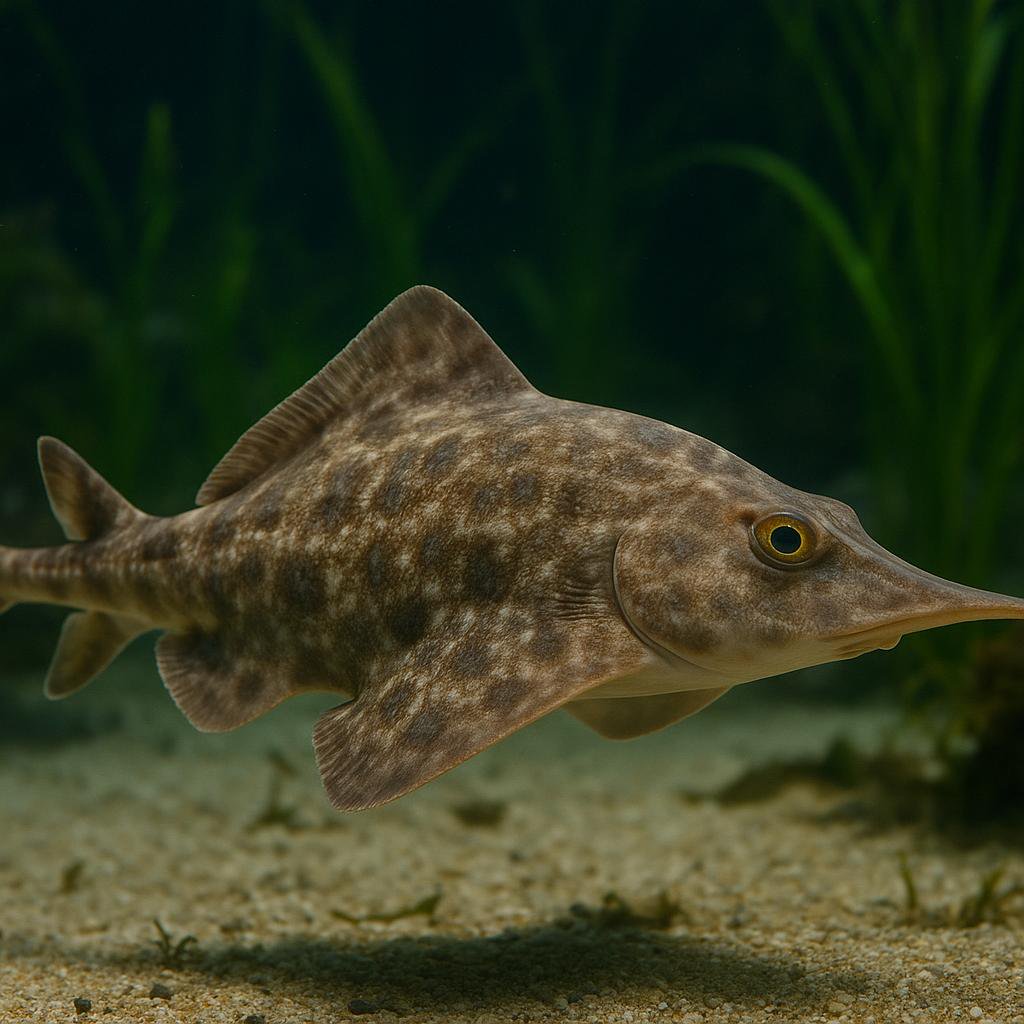
This is a big, cold-water deep-slope skate from the North Pacific that cruises muddy bottoms and eats chunky benthic prey like crabs and shrimp. The really cool bit is its egg-laying skate life - it does distinct pairing (the classic skate "embrace") and drops those tough egg cases on the seafloor. Not an aquarium fish at all unless you're basically running a public-aquarium-style chilled system.
Antarctic dragonfish
Vomeridens infuscipinnis
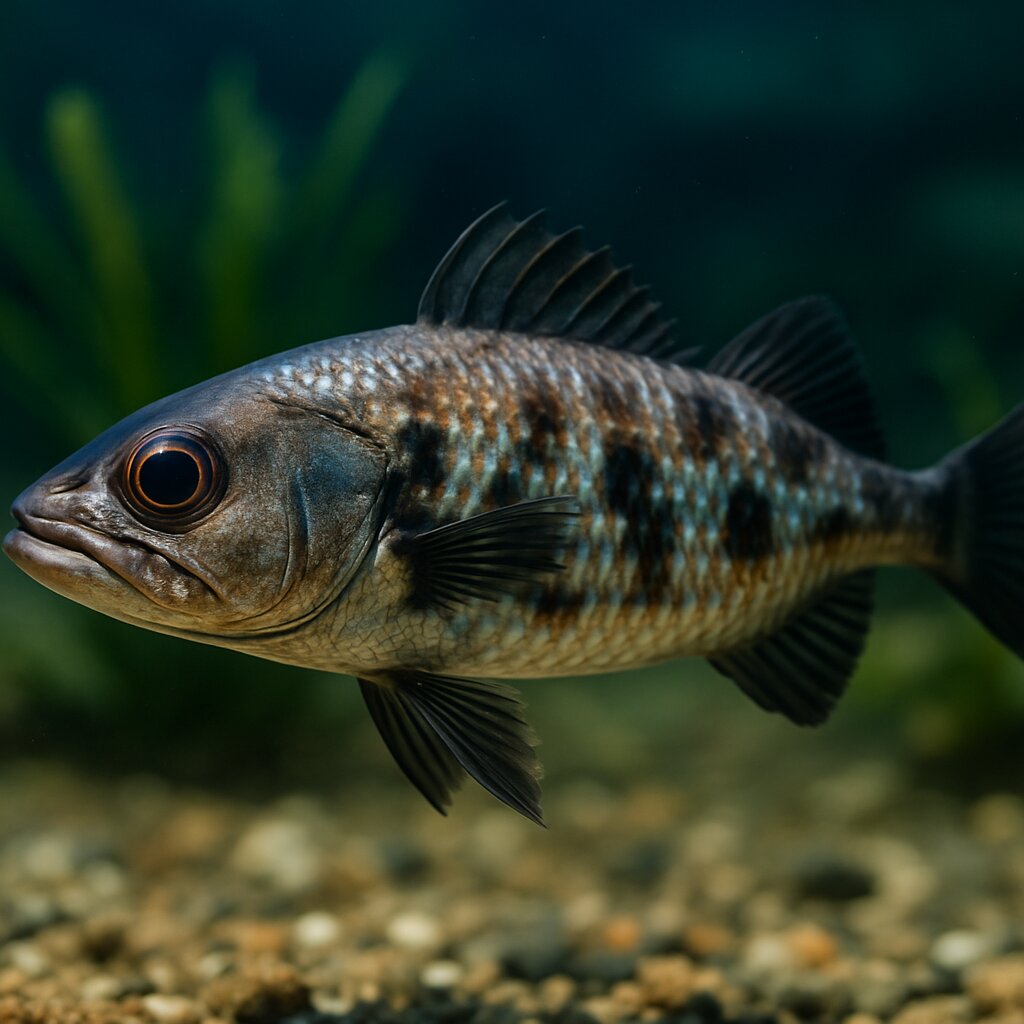
Deep down around Antarctica, this sleek dragonfish cruises the water column like a little submarine, nearly neutrally buoyant so it can hover above the seafloor. It munches almost exclusively on Antarctic krill and lives in near-freezing water 500-800 m down, so it is a cool species to read about, not one for home tanks.
Arabian spiny eel
Notacanthus indicus
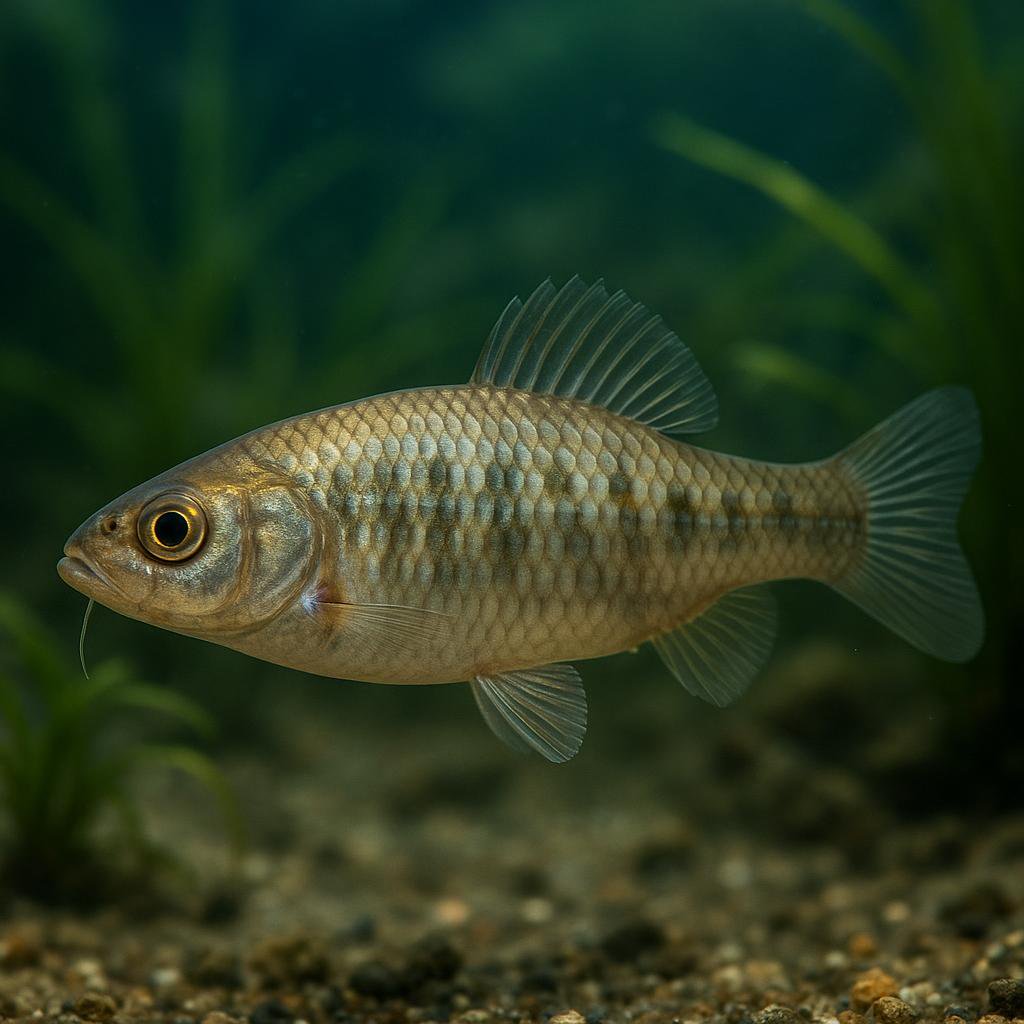
Notacanthus indicus is a deep-sea spiny eel (family Notacanthidae; not a true eel) known from the Arabian Sea on the continental slope at roughly ~960–1,046 m depth, with reported maximum length around 20 cm TL; it is a deep-water bycatch species and not established in the aquarium trade.
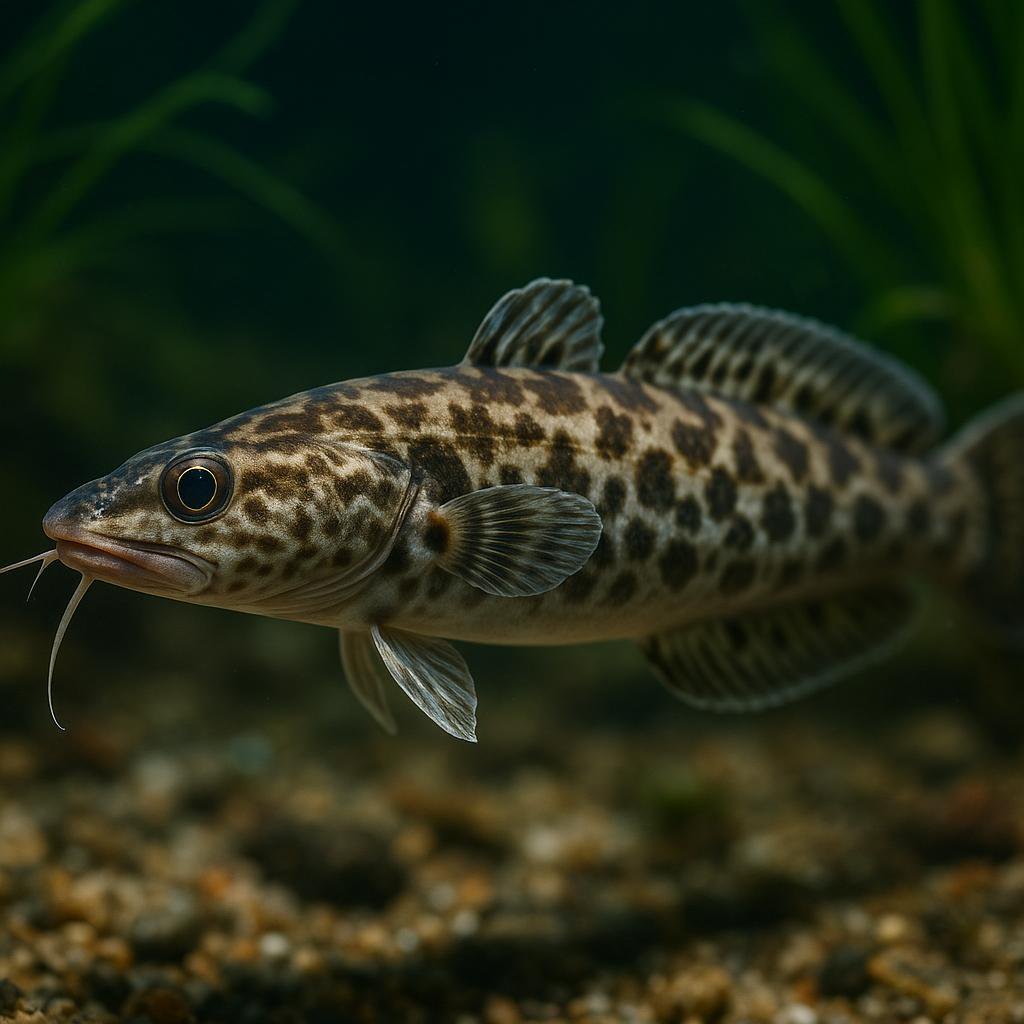
Arctic rockling
Gaidropsarus argentatus
This is a deepwater North Atlantic rockling (a cod relative) that hangs out on soft bottoms way down the slope. It is a cold-water, bottom-hugging predator that snoots around for crustaceans and will also take small fish when it gets the chance.
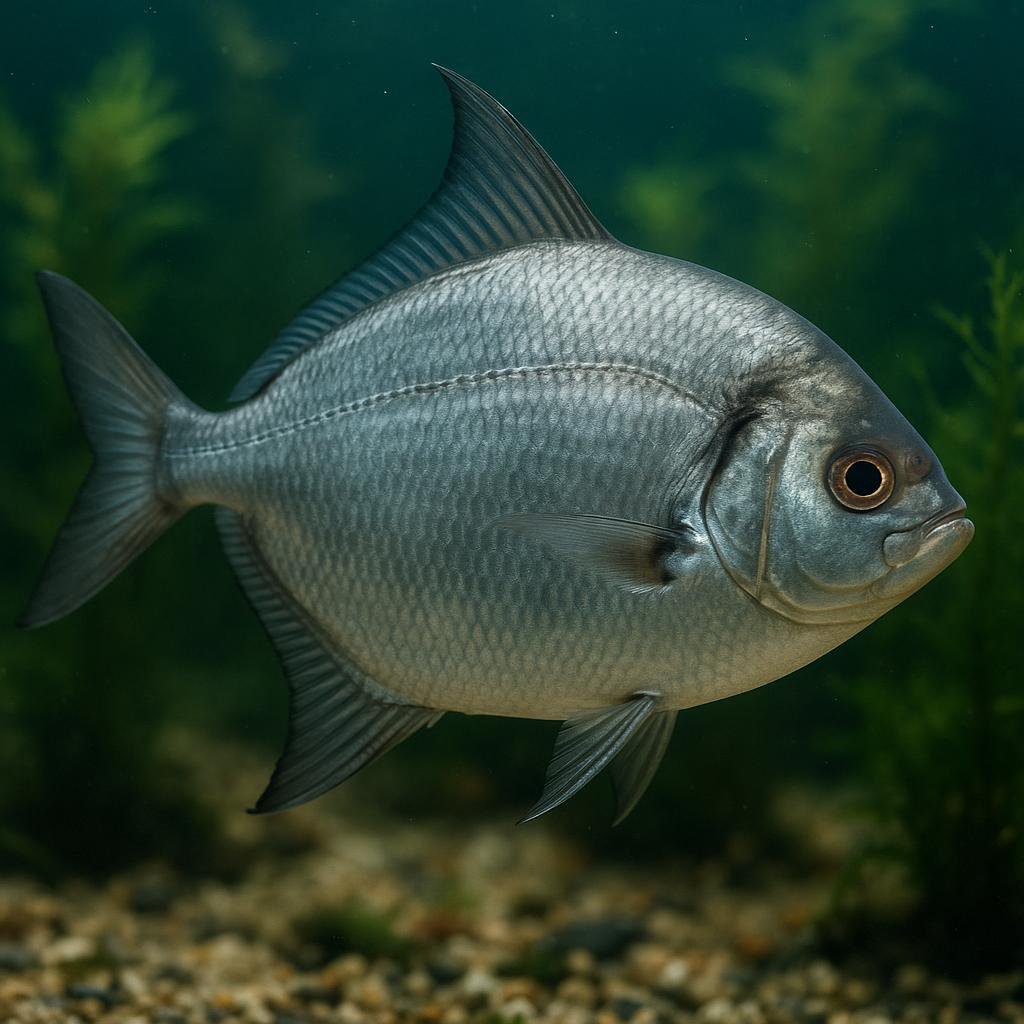
Atlantic pomfret
Brama brama
Brama brama is the Atlantic pomfret (aka Ray's bream) - a deep-bodied, open-ocean pelagic fish that cruises around in small schools and follows water temps. It is a legit big, wild marine species (not an aquarium fish) that eats other small sea critters like fish and squid, and it ranges across a huge chunk of the Atlantic plus parts of the Indian and South Pacific.
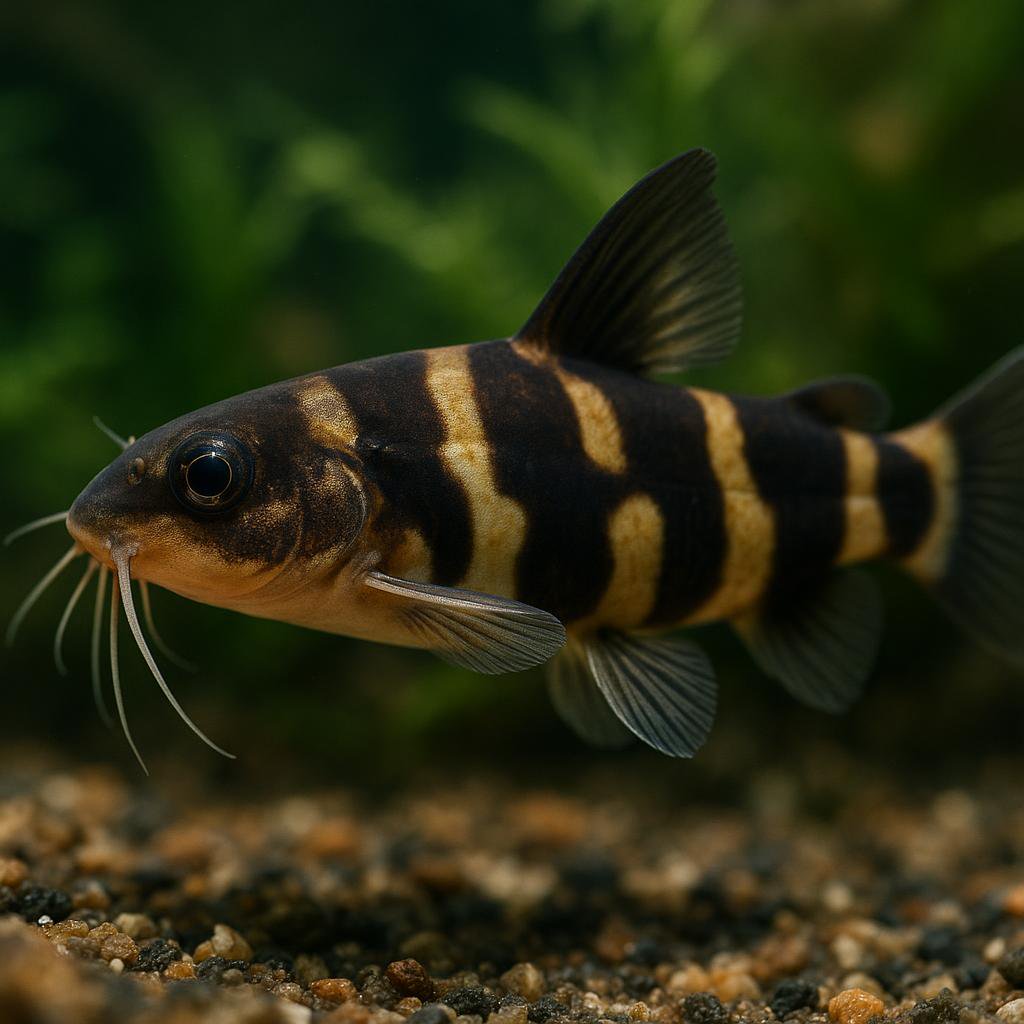
Australian sawtail catshark
Figaro boardmani
Figaro boardmani is a small, deepwater Australian catshark with these cool saw-like ridges of spiny denticles along the tail and a neat pattern of dark saddle bands. It lives way down on the outer continental shelf and slope, so its natural water is cold, dim, and stable - totally not a typical home-aquarium fish. Diet-wise its a predator that goes after fish, crustaceans, and cephalopods.
More to Explore
Discover more marine species.
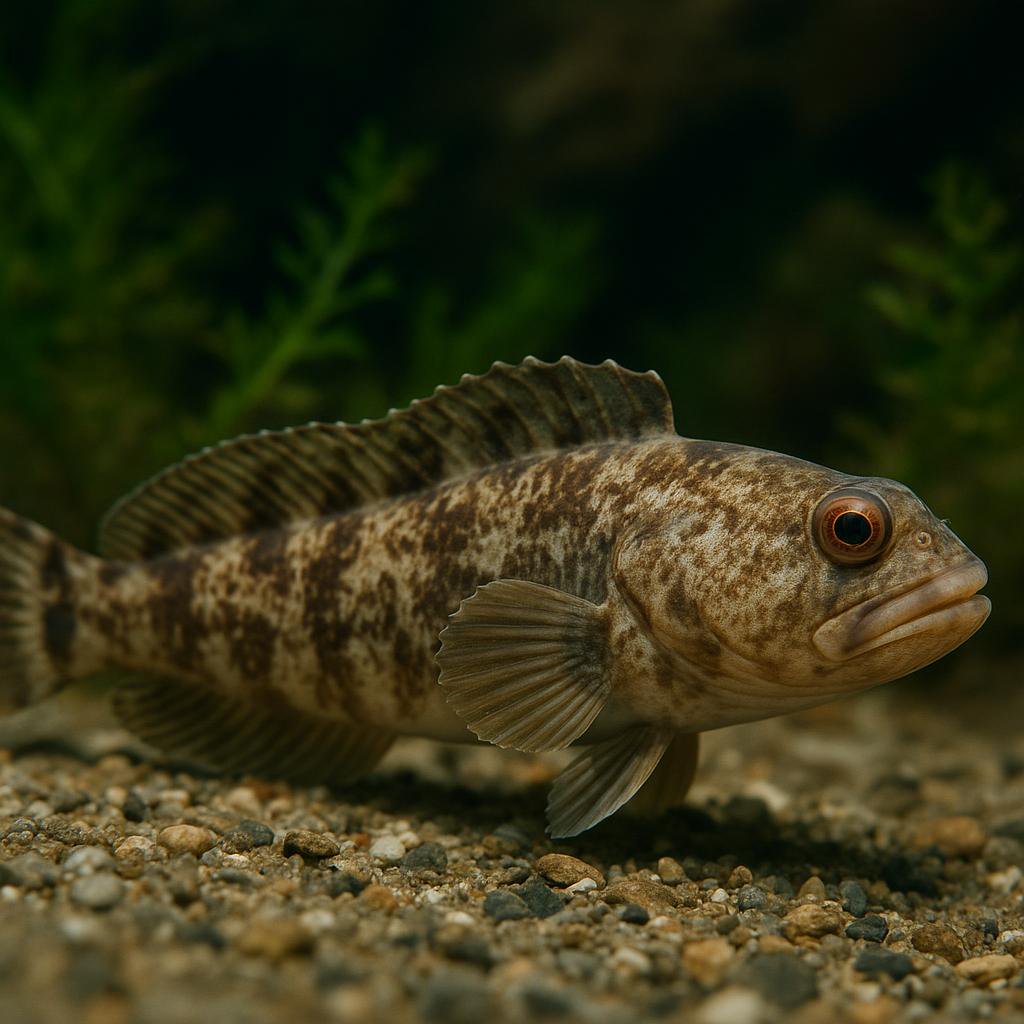
Abe's eelpout
Japonolycodes abei
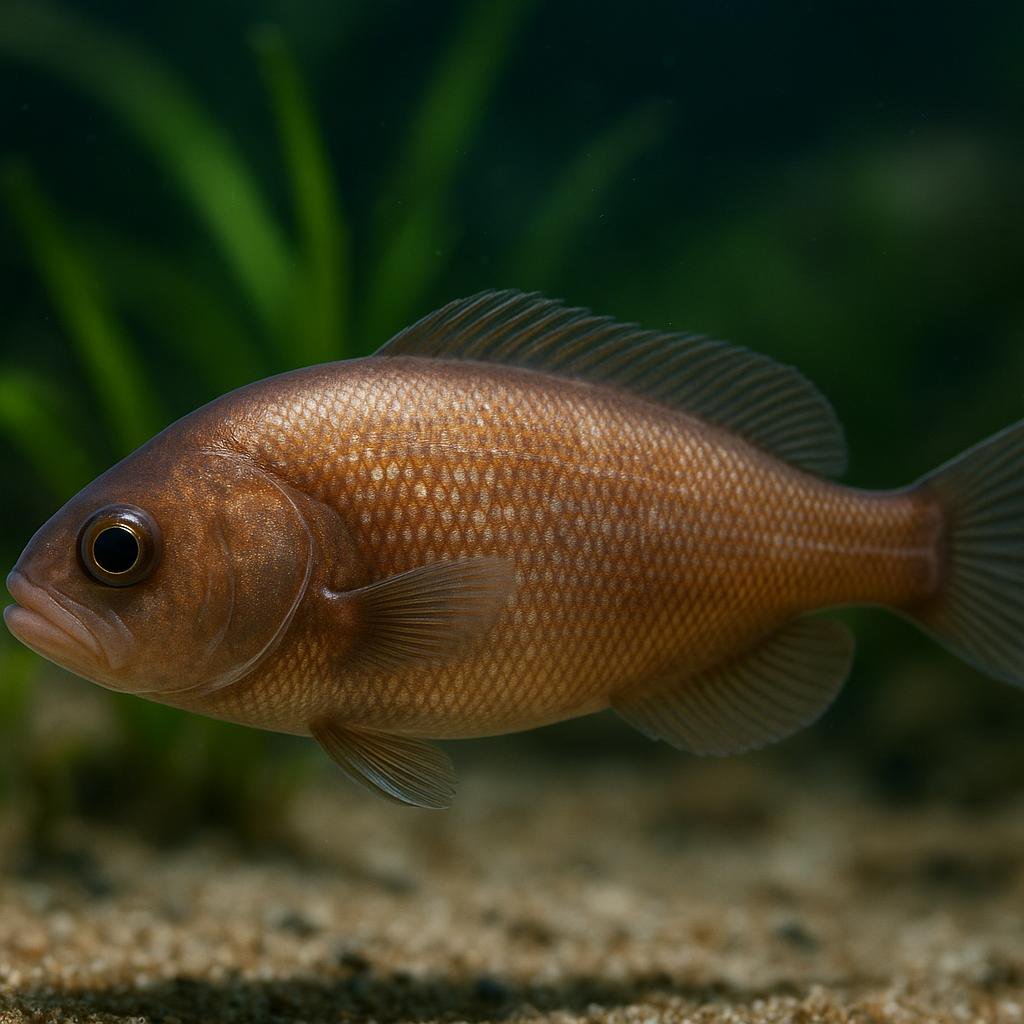
Japonolycodes abei is a temperate, deepwater demersal eelpout (family Zoarcidae) endemic to Japan (Kumano-nada Sea reported; other sources also report Sagami Bay and Tosa Bay). It is the only species in the genus Japonolycodes and occurs roughly 40-300 m depth, making it an uncommon/atypical aquarium species.
Affinis blind cusk-eel
Barathronus affinis
Barathronus affinis is a tiny, super-weird deep-sea blind cusk-eel from the western-central Indian Ocean. It is one of those gelatinous, loose-skinned brotula-type fishes that live way down in the dark and are basically never seen alive, so almost everything we know comes from preserved specimens and taxonomic work.
African red snapper
Lutjanus agennes
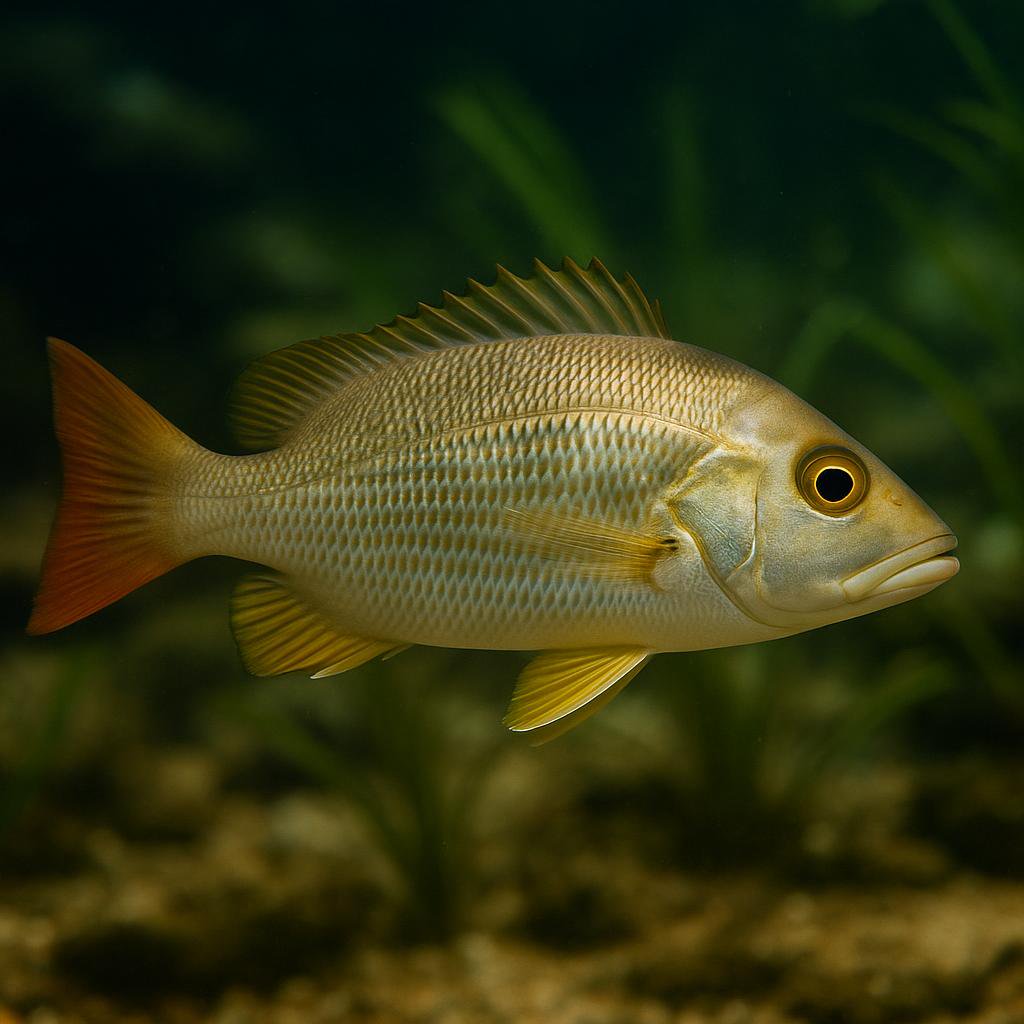
This is a true snapper from West Africa - a big, fast-growing predator that goes from coastal reefs to brackish lagoons and estuaries (especially as a juvenile). Super cool fish in the wild, but it gets absolutely huge and will eat smaller tankmates once it has the mouth for it, so its really more of a public-aquarium scale animal than a home-aquarium fish.
Allis shad
Alosa alosa
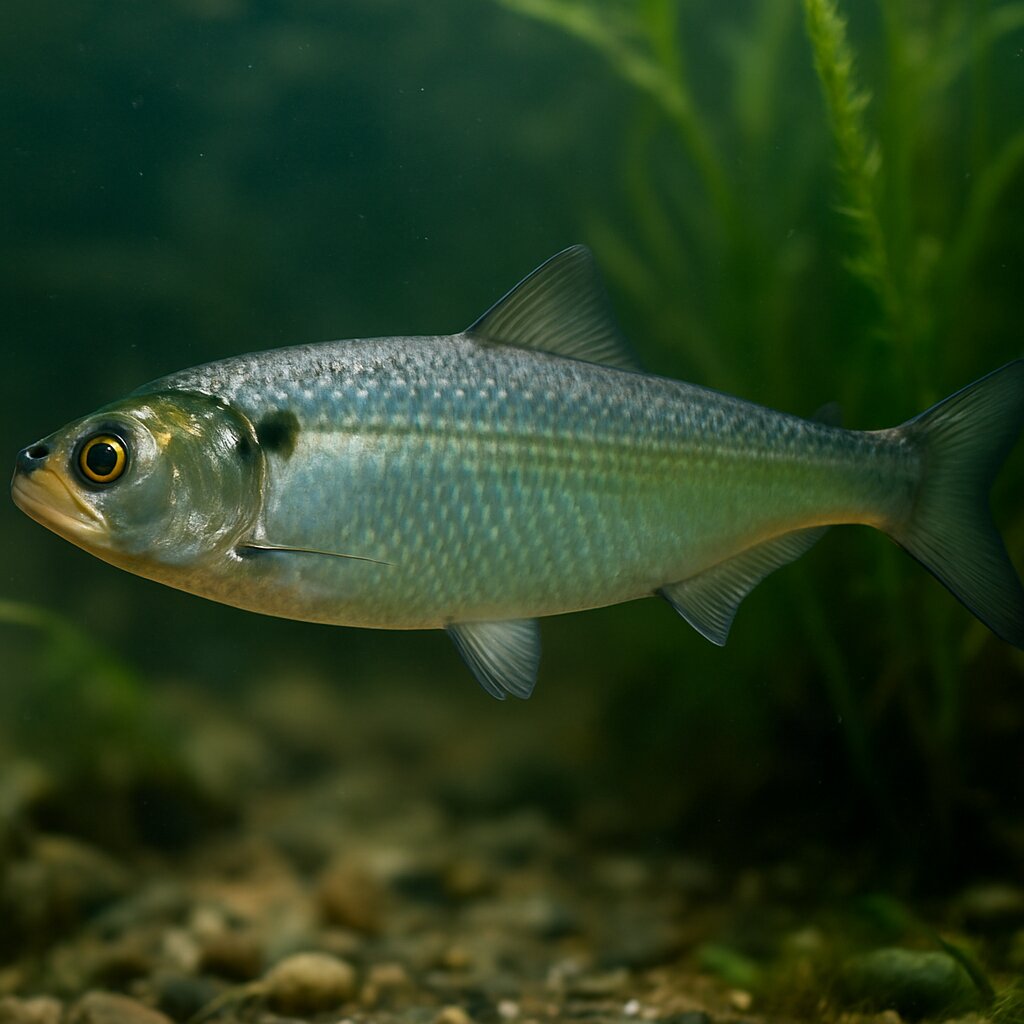
Gorgeous silver, fast-swimming shad that spends most of its life in the sea and then surges up big rivers in noisy, surface-spawning schools. It grows huge for a herring-type fish and needs cool, ultra-oxygenated water and tons of open space, so it is a public-aquarium species rather than a home tank fish.
Annandale's zebra sole
Zebrias annandalei
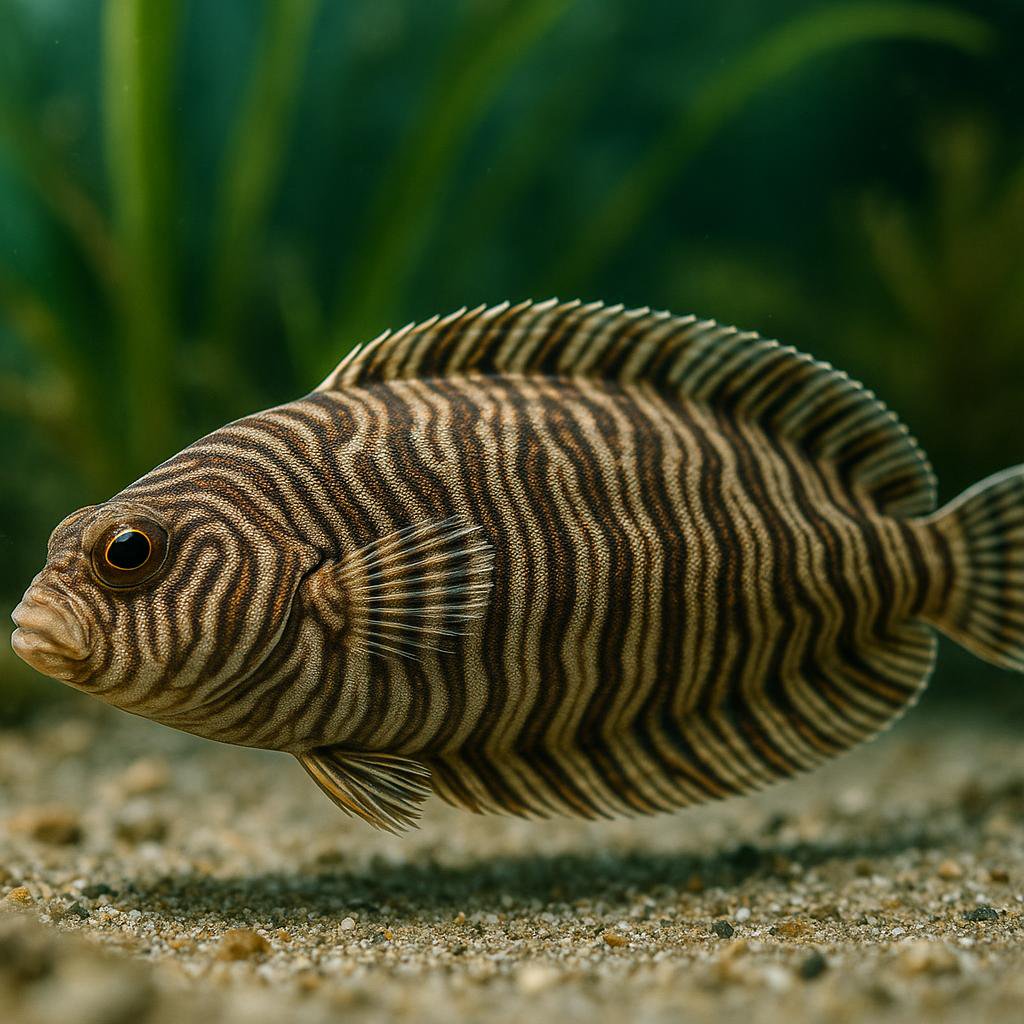
Zebrias annandalei is a small demersal sole from coastal India that inhabits sandy or muddy bottoms and buries for camouflage. It is rarely kept in home aquaria and would require a specialized marine sand-bottom setup and appropriate feeding.
Banded stargazer
Kathetostoma binigrasella
This is a New Zealand stargazer that lives half-buried in sand or mud with its eyes pointed up, waiting to rocket upward and nail passing prey. It has those neat dark saddle-bands across the back (especially as a juvenile), and like other stargazers it is venomous with spines near the gill cover/pectoral area - definitely a look-dont-touch fish.
Looking for other species?