

Sargassum triggerfish
Xanthichthys ringens
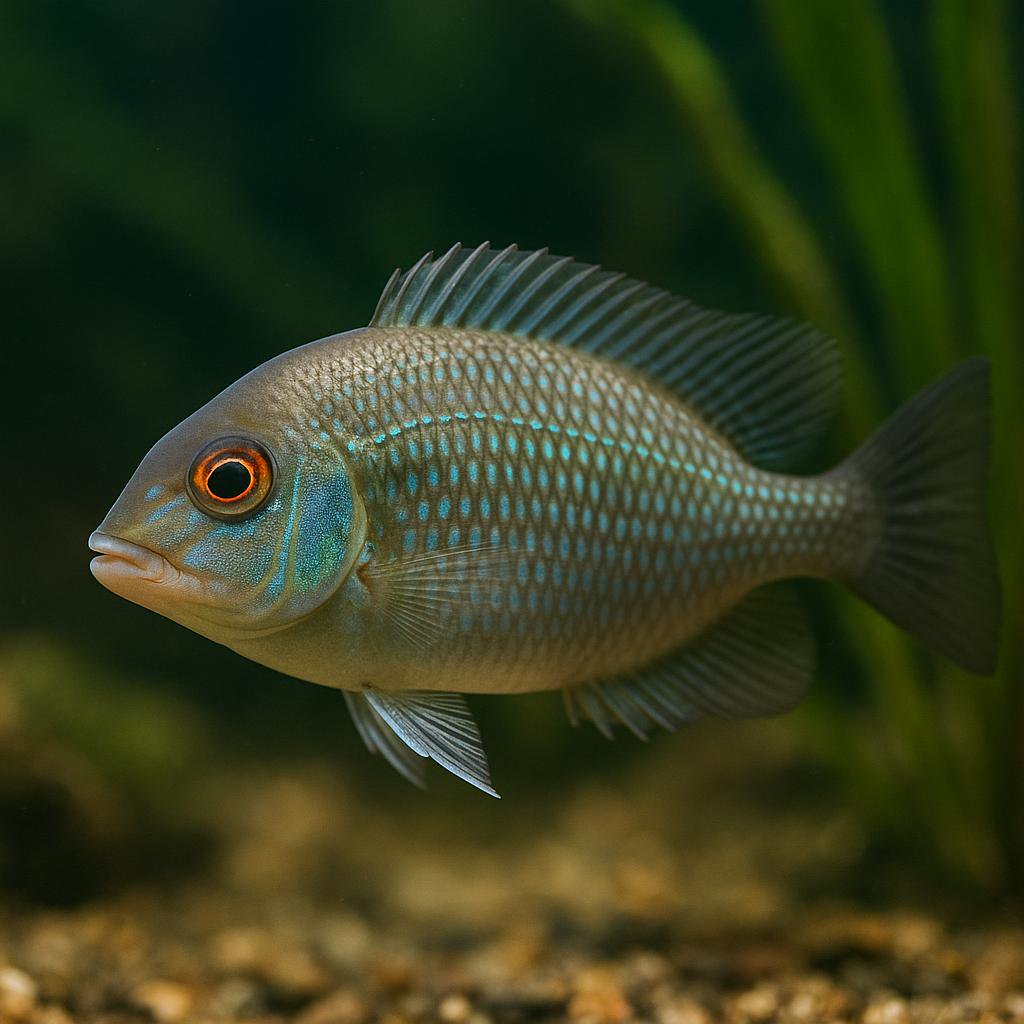
The Sargassum triggerfish features a robust body with a bright yellow-orange hue and distinctive dark blue patches on its fins.
This page includes AI-generated images. Why am I seeing AI images?
About the Sargassum triggerfish
Xanthichthys ringens is that slick, open-water-ish Atlantic trigger that looks like it got dusted with tiny freckles, then finished off with a red-trimmed tail. In the wild it hangs on deeper reef slopes and the juveniles cruise around floating Sargassum, which is just a cool life story for a trigger. Its vibe is generally calmer than the really nasty trigger species, but it is still a triggerfish with real teeth and opinions once it settles in.
Also known as
Quick Facts
Size
9-10 inches
Temperament
Semi-aggressive
Difficulty
Intermediate
Min Tank Size
125 gallons
Lifespan
10-20 years
Origin
Western Atlantic (North Carolina and Bermuda through the Gulf of Mexico to the Lesser Antilles and Brazil)
Diet
Carnivore/invertivore - meaty marine foods (shrimp, clam, squid, mysis), plus crunchy items; in the wild it eats crabs and sea urchins
Water Parameters
22.2-25.6°C
8.1-8.4
8-12 dGH
Need a heater for this species?
This species needs 22.2-25.6°C in a 125 gallon tank. Use our heater calculator to find the right wattage.
Calculate heater sizeCare Notes
- Give it swimming room - think 125g+ for an adult, with open water up front and a big rock pile/caves so it can wedge in to sleep.
- Keep salinity stable (around 1.020-1.025) and temperature stable (22.2-25.6C); use an ATO to prevent evaporation from raising salinity.
- Feed small meaty stuff 2-3 times a day (mysis, chopped shrimp, clam, quality pellets); they are planktivores, so they do better with frequent smaller meals than one big chunk.
- Soak food in vitamins now and then and mix in some crustacean-based items - it helps keep color up and avoids that slow weight loss you sometimes see on new imports.
- They are usually one of the calmer triggers, but they will still harass tiny shrimp and may bully timid fish; pair them with other medium-to-large, confident tankmates and skip super delicate butterflies.
- Reef-safe-ish: most individuals ignore corals, but hungry ones will pick at fleshy LPS and definitely snack on decorative shrimp - dont buy a trigger and expect your cleaner shrimp to live forever.
- Watch for ich/velvet after shipping and treat early; they are hardy once settled, but they can come in skinny and stressed, so quarantine if you can and get them eating fast.
Compatibility
Good Tankmates
- Other Xanthichthys triggers (like blue throat or crosshatch) - usually the easiest trigger buddies since they tend to be more "planktivore chill" than the bitey rock-pickers. Add them similar size and with lots of swim room.
- Medium-large tangs and surgeonfish (yellow, kole, tomini, even a scopas) - they can hold their own, stay busy grazing, and generally ignore the trigger. Introduce with enough rockwork and lanes to cruise.
- Fairy and flasher wrasses - fast, aware, and not worth the trigger's time. They also handle the "semi-aggressive but not a bully 24/7" vibe well in big reefy tanks.
- Big angels that are not pushovers (regal, majestic, blueface) - in a roomy tank they usually settle into a "you do you" arrangement. Feed heavy and keep multiple nori/feeding spots so nobody gets cranky.
- Rabbitfish (foxface, one-spot) - solid, calm tankmates that can take a little posturing and keep swimming. The trigger usually learns quick they are not to be messed with.
- Chromis/anthias groups in a big system - Sargassum triggers are planktivores, so they tend to do fine with open-water schooling fish as long as the fish are not tiny snack-size and you are feeding often.
Avoid
- Hyper-territorial triggers and bruisers (queen trigger, undulated, clown trigger) - they can turn the tank into a fight club, and the Sargassum is not built for nonstop brawling.
- Tiny fish that hang midwater like bite-sized snacks (small gobies, small cardinals, tiny chromis juveniles) - most Sargassums are "pretty good" but they are still triggers, and small tankmates can vanish when they get bold or hungry.
- Slow, delicate, long-finned fish (lionfish, fancy butterflies that mope, long-fin bannerfish) - not always targeted, but the trigger's curiosity and food mode can mean fin-nips and stress over time.
- Small ornamental crustaceans and easy-to-crack cleanup crew (peppermint cleaners, tiny crabs, small shrimp) - even the "reef-friendlier" triggers are coin-flip on shrimp, and crabs/snails are basically toys/food sooner or later.
Where they come from
Sargassum triggerfish (Xanthichthys ringens) are open-water triggers from the western Atlantic and Caribbean. You will see them around reefs and drop-offs where plankton gets pushed along by current. That background explains a lot: they like room to cruise, they do better with flow, and they are way less interested in chewing up your rockwork than the typical "bulldozer" trigger.
Setting up their tank
Give them swimming space first, rock second. I keep the rock in lower piles or along the back and leave a clear "runway" across the front and middle. They will use caves to sleep, but they are not a fish that wants to live wedged in a crevice all day.
- Tank size: I would not do one long-term in under 125 gallons. 180+ feels right for an adult, especially if you want tankmates.
- Aquascape: open layout with a few solid caves and overhangs. Stable rockwork matters because triggers are strong and clumsy when they spook.
- Flow and oxygen: moderate to strong, with lots of surface agitation. They are active and you will notice them breathing heavier in a low-oxygen setup.
- Lid: jumpers. Not constant like wrasses, but one spook at lights-on and they can clear the rim.
- Filtration: they eat like pigs and poop like triggers. Skimmer that actually pulls gunk, and stay on top of mechanical filtration.
If yours hides a lot the first week, do not panic. Mine took a few days to stop doing the "hover in the corner" thing. Keep the room calm, keep the lights a bit lower, and feed small amounts a couple times a day until it starts coming out confidently.
What to feed them
These are planktivores, so think "meaty bits in the water column" more than "hard shells to crunch." They still have triggerfish mouths and will sample stuff, but their default is picking food out of the current.
- Staples: mysis, chopped shrimp, chopped clam, LRS-style mixed frozen, krill (sparingly), quality marine pellets.
- Best behavior feeder foods: small items like calanus, cyclops, finely chopped seafood. They stay in the water and the fish acts more natural.
- Feeding rhythm: 2-3 smaller feedings works better than one big dump. They stay calmer and you get less food blasting into the rocks.
Go easy on oily foods and constant krill. You can put weight on them fast, and triggers with fatty diets tend to get sluggish and look "puffy". Mix it up and keep portions reasonable.
How they behave and who they get along with
As far as triggers go, Xanthichthys are the chill ones. Mine was bold, always in the open, and more interested in following me for food than rearranging the reef. That said, it is still a triggerfish: strong, fast, and not a fan of being bullied.
- Good tankmates: tangs, larger angels, most wrasses, anthias, chromis, larger clownfish, foxfaces, rabbitfish.
- Usually fine: cleaner shrimp can be hit or miss. Some ignore them, some decide they are snacks once they get big.
- Avoid: tiny shrimp and crabs if you are attached to them, very small gobies/blennies in a high-competition tank, and super aggressive triggers.
- Corals: generally reef-safe with corals. They do not usually nip polyps, but they can knock frags over just by being a tank with fins.
If you want the "best odds" reef trigger, look for a female or a younger fish. Big males can get bolder about tasting new things. Not guaranteed either way, but that has matched what I have seen.
Breeding tips
Breeding in home aquariums is not common. In the wild they form pairs and spawn in the water column. You would need a very large system, a well-matched pair, and a lot of patience. The more realistic "breeding-related" note is sexing: males tend to get brighter and may show longer trailing fins, while females stay more subdued.
If you ever try pairing triggers, introduce them young and give them space. Adult introductions can go sideways fast, even with "peaceful" triggers.
Common problems to watch for
Most issues I have seen with this species come down to shipping stress, diet, and being stuck in a tank that is too small or too cramped. They are hardy once settled, but the first couple weeks are where you earn the easy years.
- Ich/velvet sensitivity: they can come in looking fine and then break with spots after a stressful move. Quarantine helps a lot, and they handle copper better than many scaleless fish, but follow a measured plan.
- Refusing food: common right after import. Start with frozen mysis or finely chopped shrimp, feed small amounts, and keep faster fish from stealing everything.
- Beak/teeth issues: less common than in shell-crushing triggers, but still offer varied textures (pellets plus frozen) so the mouth gets normal use.
- Jumping: especially during new introductions, sudden light changes, or if chased.
- Nutrient spikes: heavy feeding plus a big, active fish can push nitrate and phosphate up. If algae suddenly explodes, it is usually the feeding schedule, not the fish being "dirty".
Watch breathing rate. If your trigger is parked in a high-flow spot, breathing hard, or looking "panicky" at the surface, treat it like a real problem: check temperature, oxygenation, and ammonia right away.
Similar Species
Other marine semi-aggressive species you might be interested in.
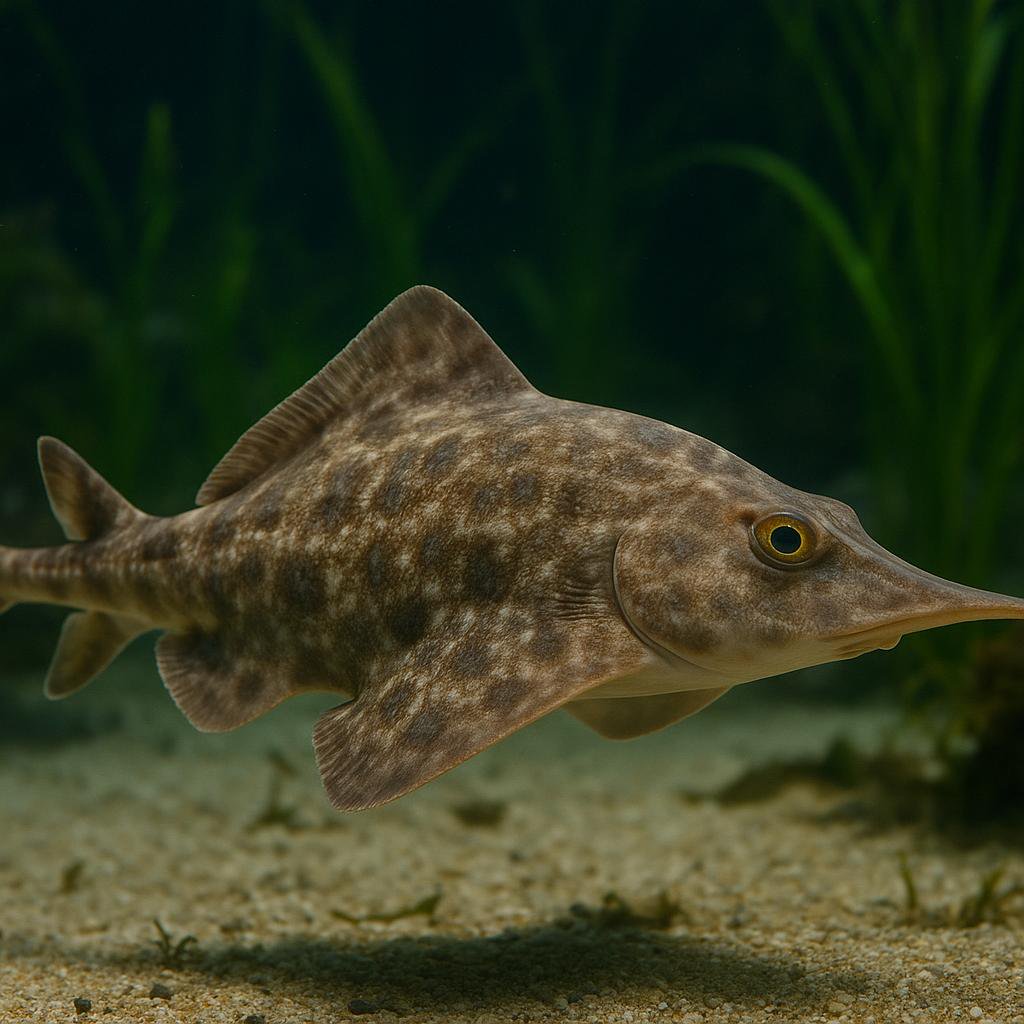
Aleutian skate
Bathyraja aleutica
This is a big, cold-water deep-slope skate from the North Pacific that cruises muddy bottoms and eats chunky benthic prey like crabs and shrimp. The really cool bit is its egg-laying skate life - it does distinct pairing (the classic skate "embrace") and drops those tough egg cases on the seafloor. Not an aquarium fish at all unless you're basically running a public-aquarium-style chilled system.
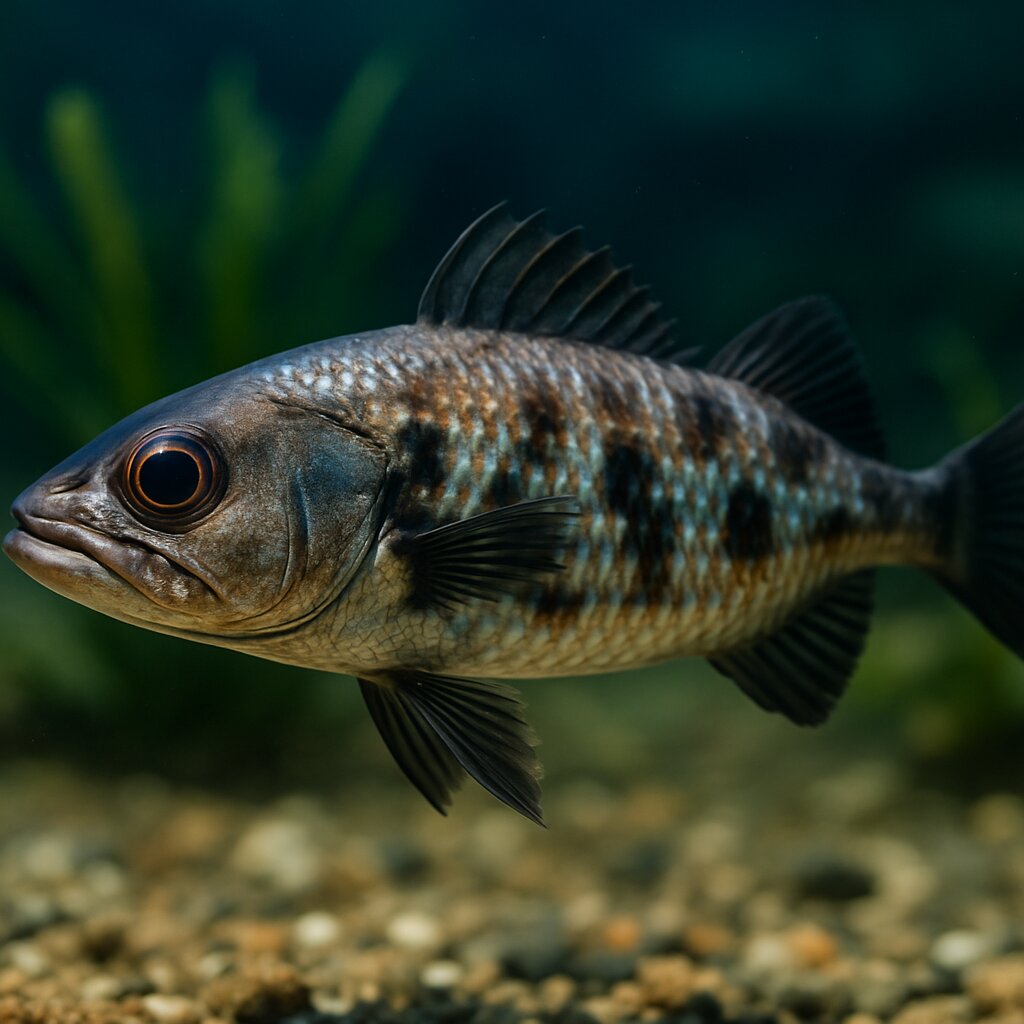
Antarctic dragonfish
Vomeridens infuscipinnis
Deep down around Antarctica, this sleek dragonfish cruises the water column like a little submarine, nearly neutrally buoyant so it can hover above the seafloor. It munches almost exclusively on Antarctic krill and lives in near-freezing water 500-800 m down, so it is a cool species to read about, not one for home tanks.
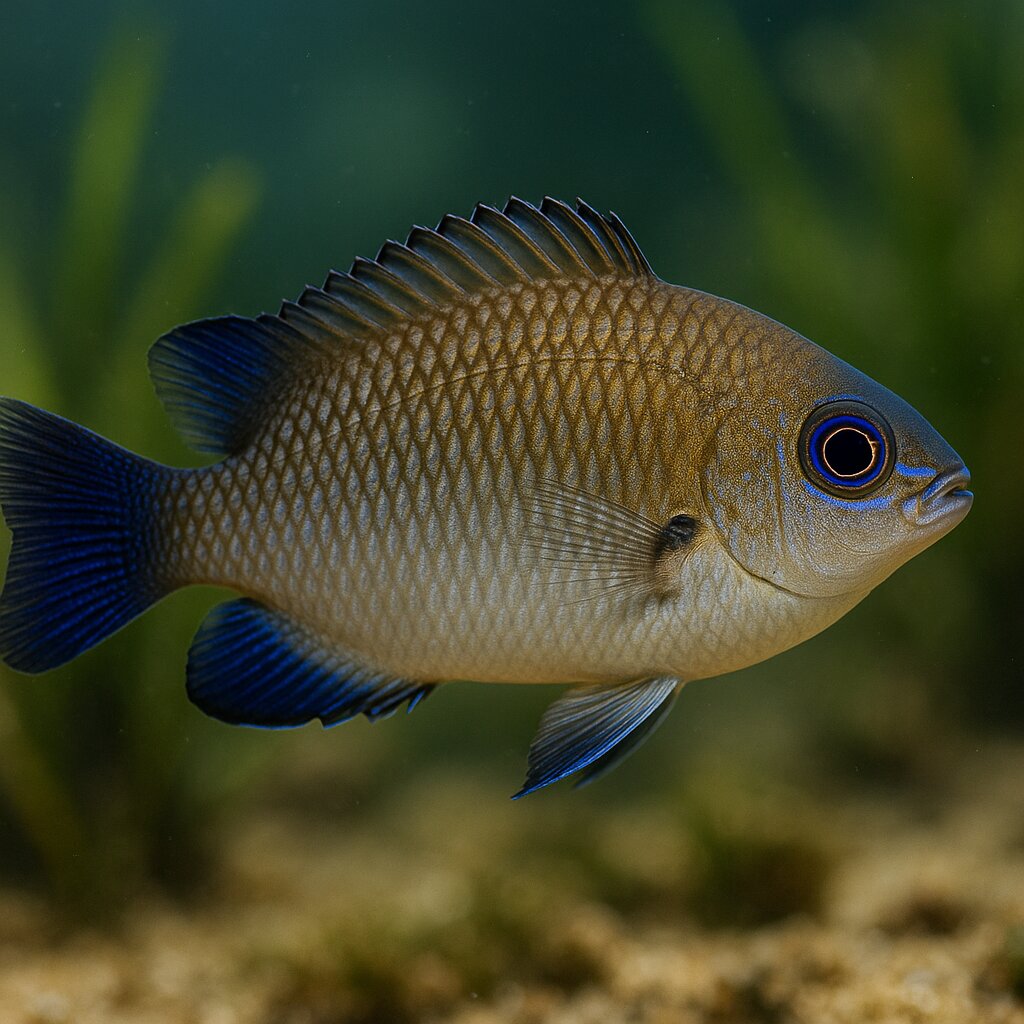
Arabian demoiselle
Neopomacentrus sindensis
A small lyretail damsel from the Persian Gulf and Arabian Sea, it hangs in loose groups around coral heads, rocks, and even pier pilings picking zooplankton from the flow. Think classic damsel toughness with a slightly milder attitude than the real bruisers, plus subtle yellow tail accents. Males clean a patch, get a mate to lay eggs there, and then stand guard fanning the clutch.
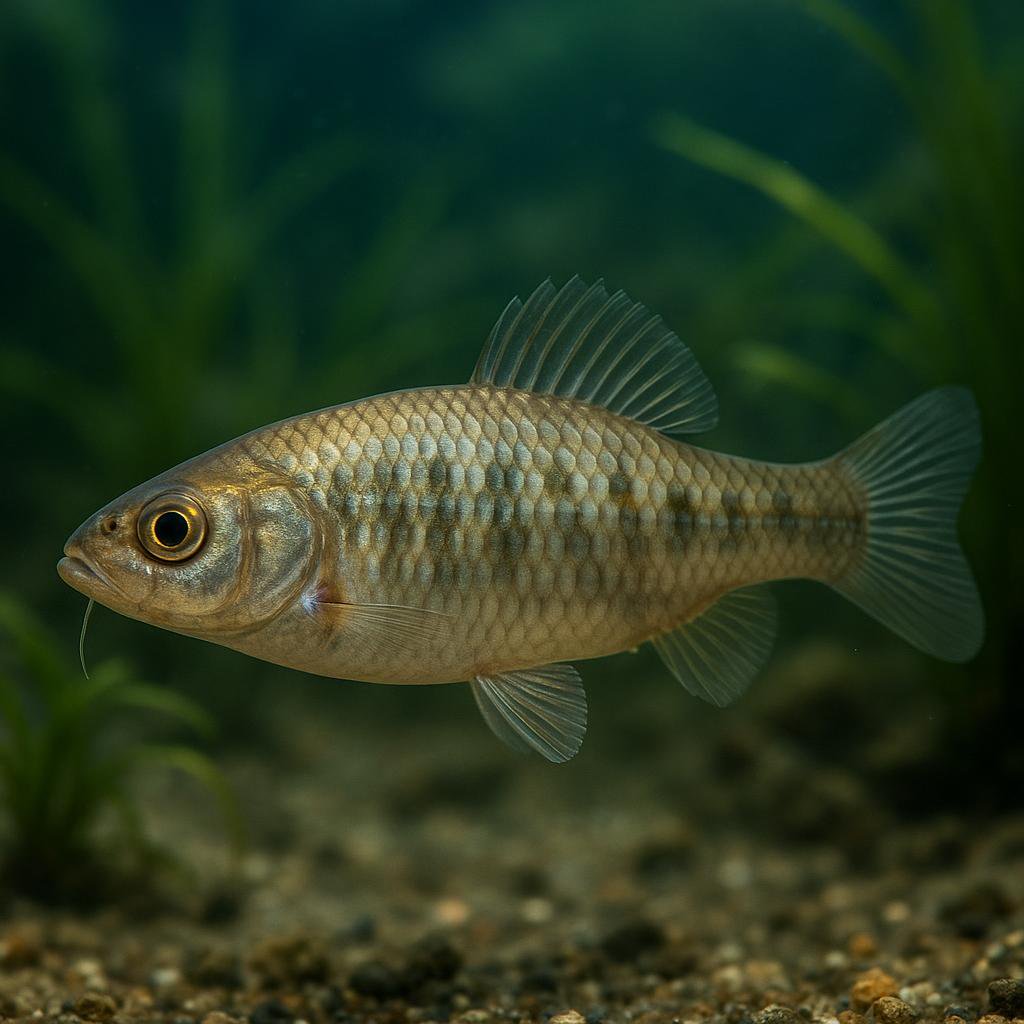
Arabian spiny eel
Notacanthus indicus
Notacanthus indicus is a deep-sea spiny eel (family Notacanthidae; not a true eel) known from the Arabian Sea on the continental slope at roughly ~960–1,046 m depth, with reported maximum length around 20 cm TL; it is a deep-water bycatch species and not established in the aquarium trade.
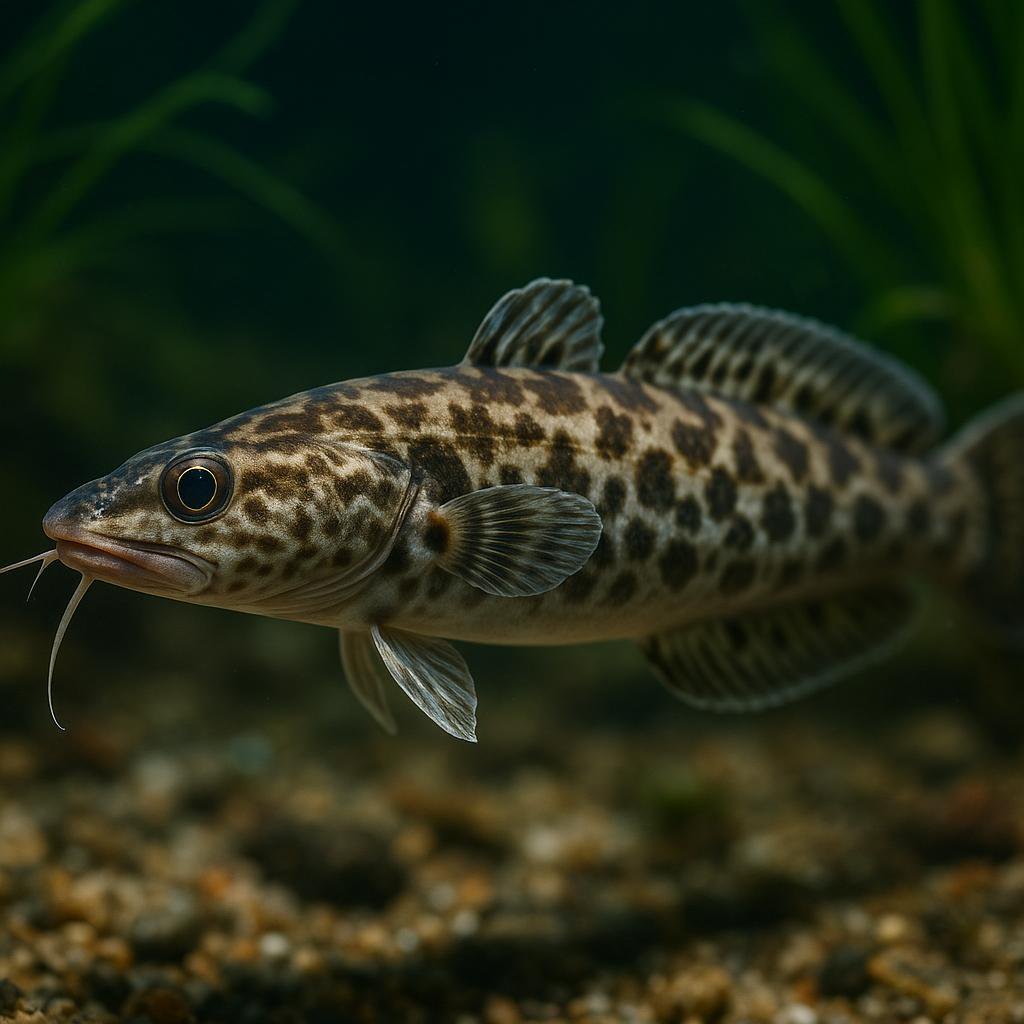
Arctic rockling
Gaidropsarus argentatus
This is a deepwater North Atlantic rockling (a cod relative) that hangs out on soft bottoms way down the slope. It is a cold-water, bottom-hugging predator that snoots around for crustaceans and will also take small fish when it gets the chance.
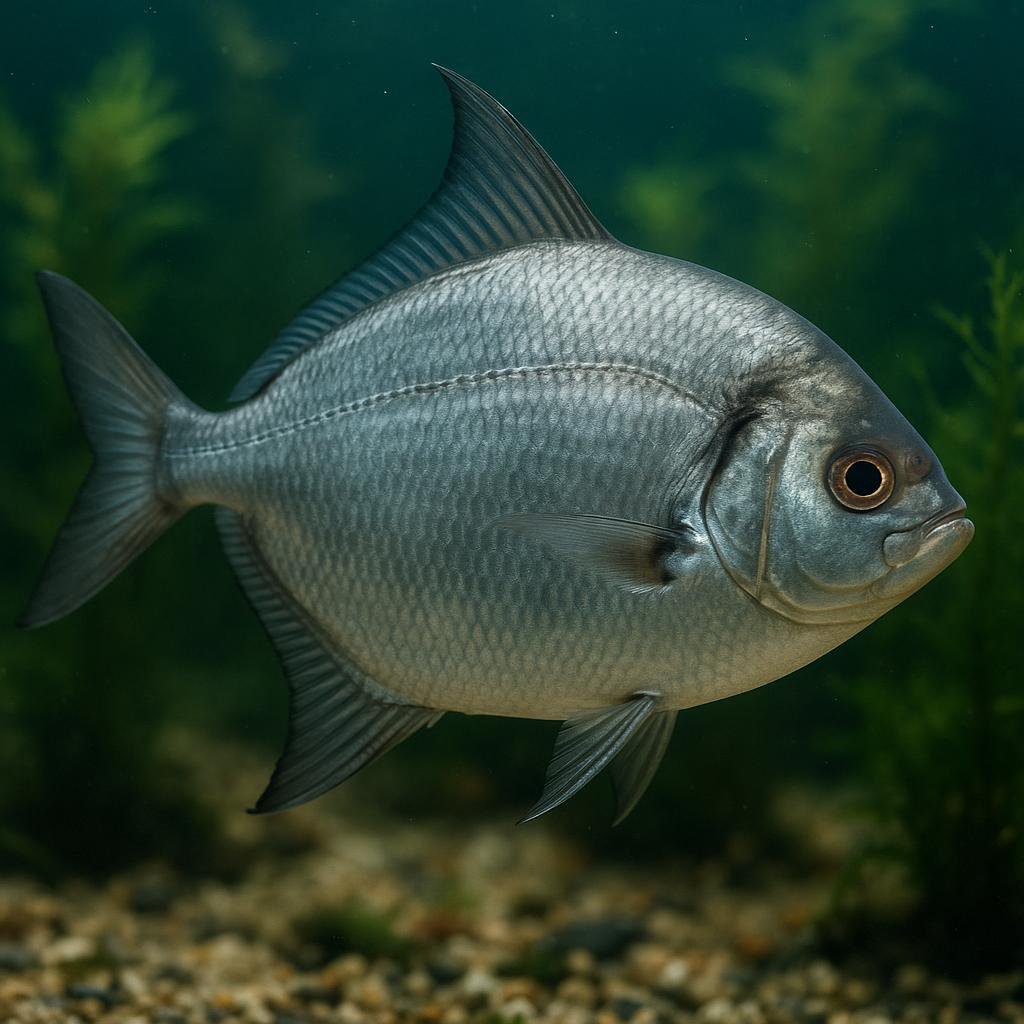
Atlantic pomfret
Brama brama
Brama brama is the Atlantic pomfret (aka Ray's bream) - a deep-bodied, open-ocean pelagic fish that cruises around in small schools and follows water temps. It is a legit big, wild marine species (not an aquarium fish) that eats other small sea critters like fish and squid, and it ranges across a huge chunk of the Atlantic plus parts of the Indian and South Pacific.
More to Explore
Discover more marine species.
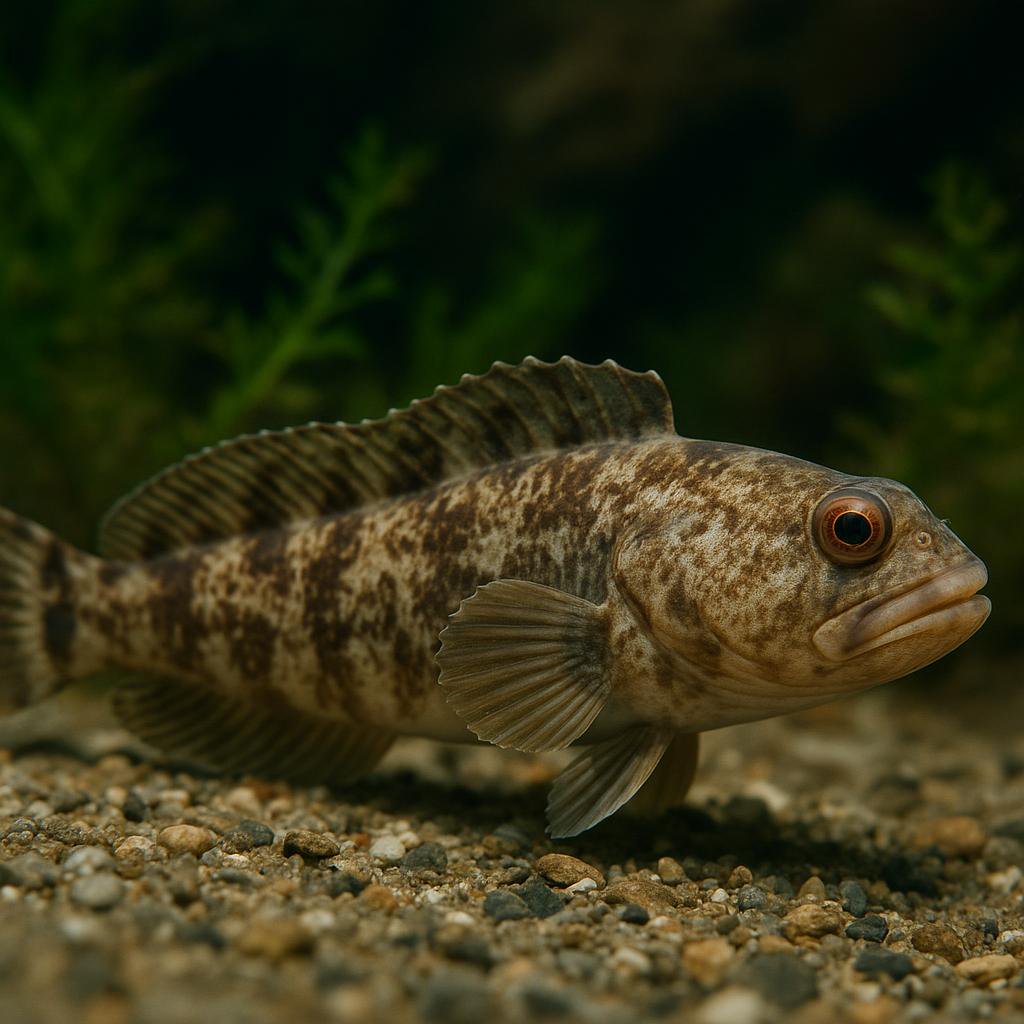
Abe's eelpout
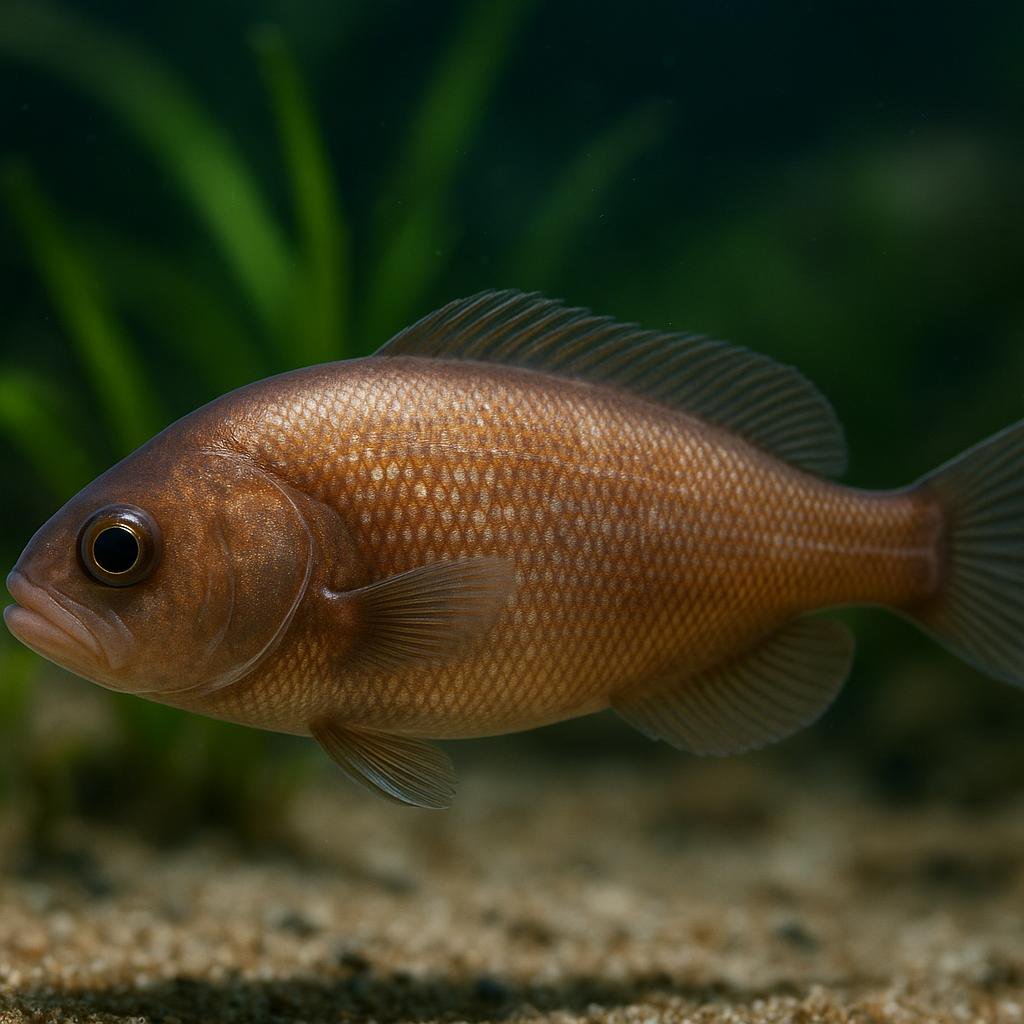
Japonolycodes abei
Japonolycodes abei is a temperate, deepwater demersal eelpout (family Zoarcidae) endemic to Japan (Kumano-nada Sea reported; other sources also report Sagami Bay and Tosa Bay). It is the only species in the genus Japonolycodes and occurs roughly 40-300 m depth, making it an uncommon/atypical aquarium species.
Affinis blind cusk-eel
Barathronus affinis
Barathronus affinis is a tiny, super-weird deep-sea blind cusk-eel from the western-central Indian Ocean. It is one of those gelatinous, loose-skinned brotula-type fishes that live way down in the dark and are basically never seen alive, so almost everything we know comes from preserved specimens and taxonomic work.
African red snapper
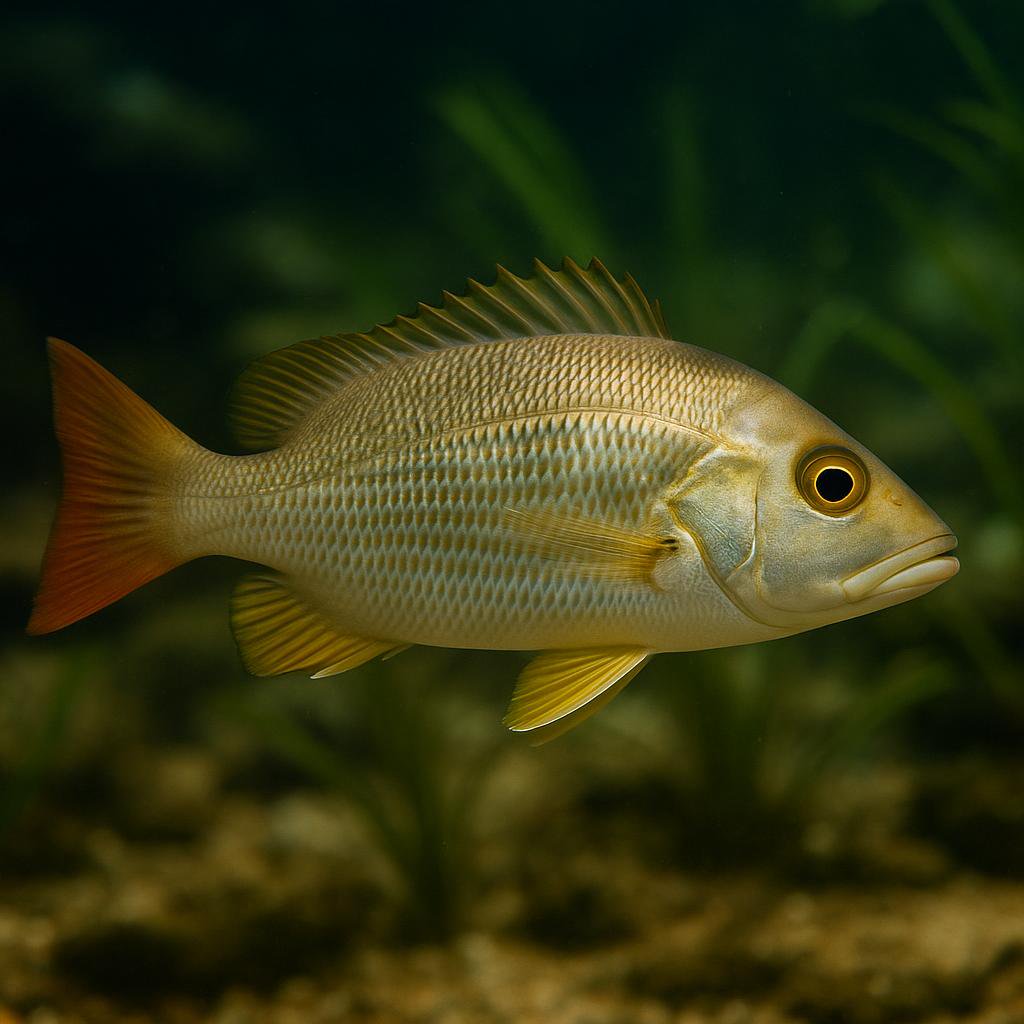
Lutjanus agennes
This is a true snapper from West Africa - a big, fast-growing predator that goes from coastal reefs to brackish lagoons and estuaries (especially as a juvenile). Super cool fish in the wild, but it gets absolutely huge and will eat smaller tankmates once it has the mouth for it, so its really more of a public-aquarium scale animal than a home-aquarium fish.
Allis shad
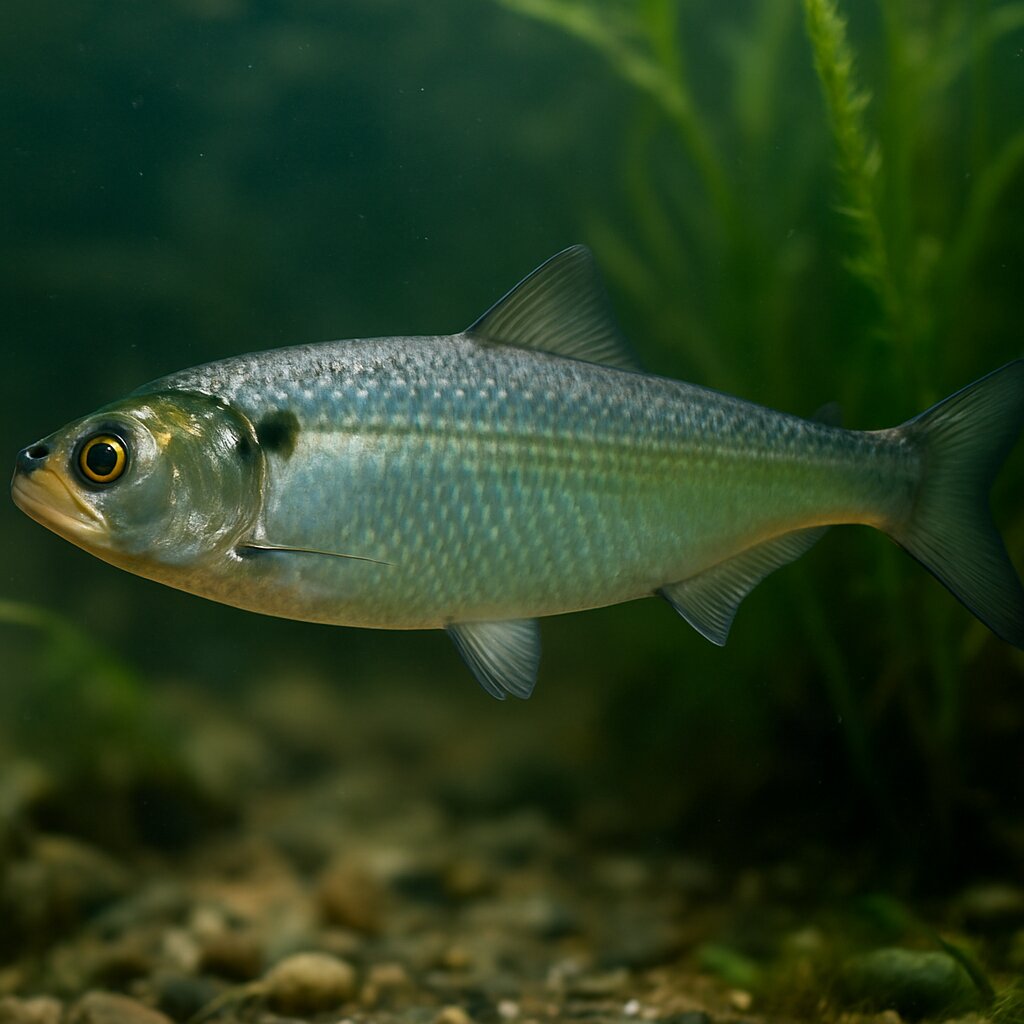
Alosa alosa
Gorgeous silver, fast-swimming shad that spends most of its life in the sea and then surges up big rivers in noisy, surface-spawning schools. It grows huge for a herring-type fish and needs cool, ultra-oxygenated water and tons of open space, so it is a public-aquarium species rather than a home tank fish.
Annandale's zebra sole
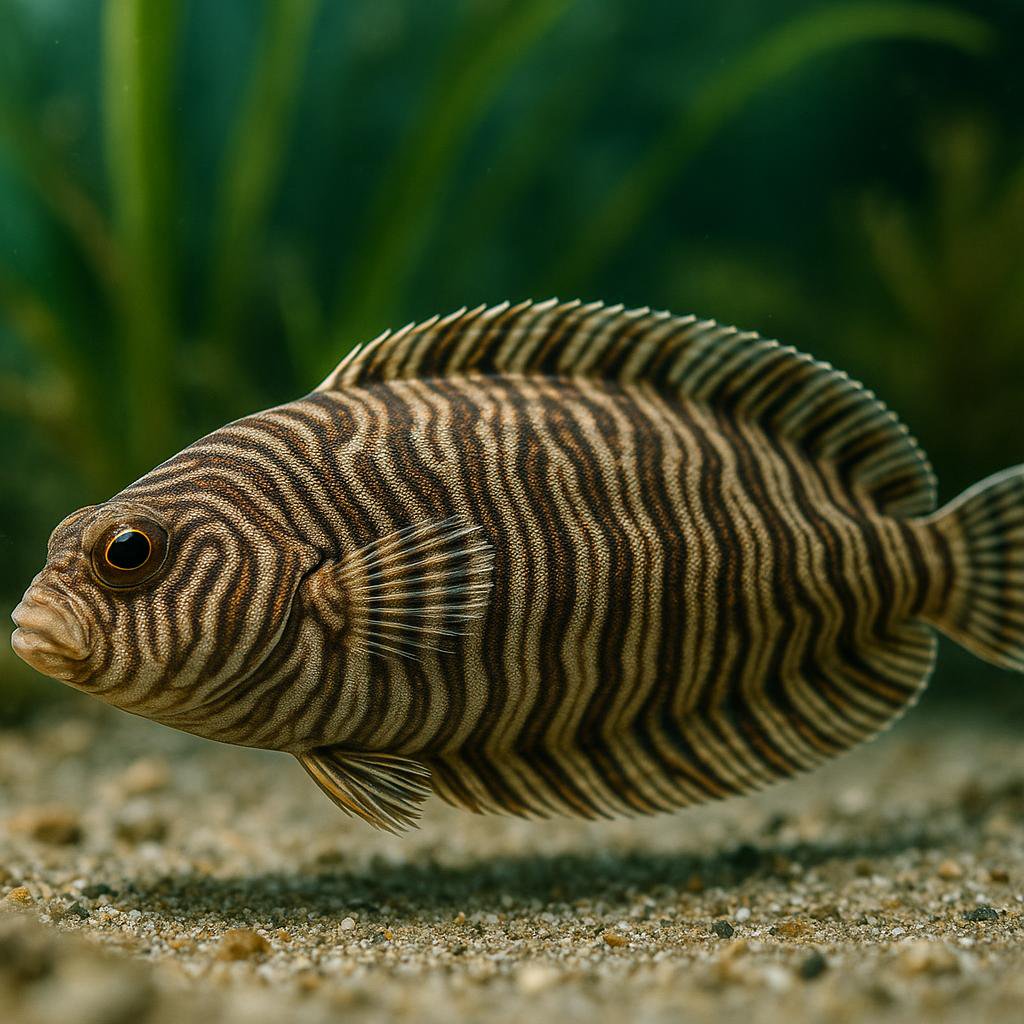
Zebrias annandalei
Zebrias annandalei is a small demersal sole from coastal India that inhabits sandy or muddy bottoms and buries for camouflage. It is rarely kept in home aquaria and would require a specialized marine sand-bottom setup and appropriate feeding.
Australian sawtail catshark
Figaro boardmani
Figaro boardmani is a small, deepwater Australian catshark with these cool saw-like ridges of spiny denticles along the tail and a neat pattern of dark saddle bands. It lives way down on the outer continental shelf and slope, so its natural water is cold, dim, and stable - totally not a typical home-aquarium fish. Diet-wise its a predator that goes after fish, crustaceans, and cephalopods.
Looking for other species?