

Sand submarine
Limnichthys nitidus
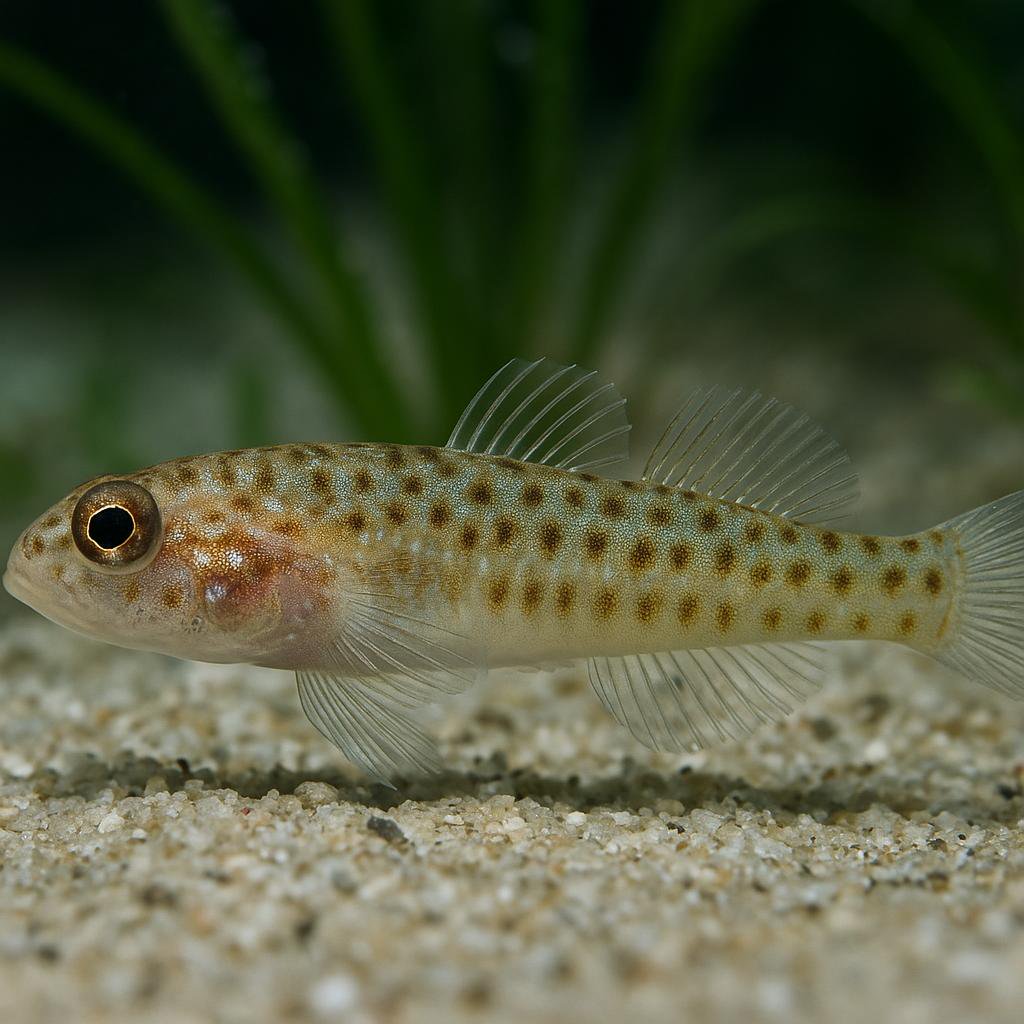
The Sand submarine features a slender, elongated body with a pale sandy coloration and distinctive dark vertical bars along its flanks.
This page includes AI-generated images. Why am I seeing AI images?
About the Sand submarine
Limnichthys nitidus is a tiny marine sandburrower found on surge-swept, coarse-sand patches near reefs (about 4–20 m), where it buries in sand and may occur in small groups. Aquarium suitability is not well documented in authoritative aquarium references; husbandry requirements are therefore uncertain and should be presented as experimental/rarely-kept rather than as established care.
Also known as
Quick Facts
Size
3.5 cm TL
Temperament
Peaceful
Difficulty
Expert
Min Tank Size
20 gallons
Lifespan
unknown
Origin
Indo-Pacific
Diet
Carnivore - small benthic invertebrates (likely tiny crustaceans/worms); would require appropriately sized frozen/live foods
Water Parameters
24-28°C
8-8.4
8-12 dGH
Need a heater for this species?
This species needs 24-28°C in a 20 gallon tank. Use our heater calculator to find the right wattage.
Calculate heater sizeCare Notes
- Provide areas of coarse sand and fine gravel (the natural substrate reported for the species), with enough depth for burying behavior. Avoid sharp substrates that could injure a burying fish.
- Maintain stable marine salinity appropriate for a reef-associated marine fish; species-specific salinity tolerance and sensitivity to salinity swings are not well documented for Limnichthys nitidus.
- This species is reported from surge-swept sand patches subject to currents; any flow recommendation in aquaria should be framed as an attempt to replicate natural conditions rather than a proven “sweet spot.”
- Diet in aquaria is not well documented in the authoritative references reviewed; if kept, it would presumably require appropriately sized, meaty foods, but specific food items and target-feeding technique should be presented as speculative.
- No authoritative evidence found describing aquarium feeding difficulty or starvation risk for Limnichthys nitidus; if included, this should be labeled as anecdotal/precautionary rather than established species care.
- Compatibility/tankmate guidance is not well documented for Limnichthys nitidus in authoritative sources; tankmate recommendations should be presented as general risk management for a tiny, burying fish rather than as proven compatibility rules.
- General sand-bed husbandry risks (detritus buildup/anoxic zones) can apply in marine aquaria, but there is no species-specific documentation found that Limnichthys nitidus is uniquely prone to these issues; consider keeping this as general aquarium husbandry advice rather than species-specific care.
Compatibility
Good Tankmates
- Compatibility for Limnichthys nitidus is not well documented; if attempted, choose peaceful species that do not disturb the sandbed or outcompete a tiny benthic fish.
- Firefish (Nemateleotris). Peaceful, midwater, not pushy at feeding time, and they do not mess with a sand-sleeper.
- Dartfish and other timid planktivore types. As long as the tank is calm and covered, they coexist great.
- Small, peaceful wrasses that are not bullies (think possum wrasses). They cruise the rockwork and leave the sand alone.
- Blennies with good manners (tailspot blenny, bicolor blenny if it is not a jerk in your tank). Generally they perch and graze and do not harass sand fish.
- Calm reef-safe fish like small cardinals (Banggai-type) that are slow and steady feeders and not territorial about the bottom.
Avoid
- Dottybacks (most of them). They love to claim caves and will absolutely pick on a peaceful little sand fish, especially in smaller tanks.
- Aggressive or big territorial wrasses (sixline can go either way, but when it goes bad it goes really bad). They can bully and outcompete it at feeding time.
- Large/predatory fishes may pose a risk to a 3.5 cm sandburrower, but species-specific incompatibilities for Limnichthys nitidus are not well documented.
- Predatory bottom hunters and sand stirrers like larger dottyback-ish predators, some bigger basslets, or anything that digs and charges the sand (they will harass it and steal its hiding spots).
Where they come from
Sand submarines (Limnichthys nitidus) are one of those little marine oddballs that spend most of their lives half-buried, watching the world go by. They show up in sandy, shallow coastal areas where there is gentle flow, lots of fine sand, and small crustaceans everywhere. Think of them as a tiny ambush fish that wants a beach, not a reef wall.
If you buy one and it disappears into the sand on day one, that is not a bad sign. That is basically their love language.
Setting up their tank
This species is labeled expert for a reason. The fish itself is not a monster, but the setup needs to be right or you will never see it feed well, and it will slowly fade. The whole tank is built around the sandbed.
- Tank size: I would not bother under 20-30 gallons, and bigger is easier because the sandbed stays more stable.
- Sand: fine, clean aragonite-style sand. You want it soft enough for easy burying. Avoid sharp crushed coral.
- Depth: aim for 2-4 inches of sand in at least part of the tank. A shallow decorative dusting does not cut it.
- Rockwork: keep rocks stable on the glass or on supports, not sitting on loose sand. These fish dig and can undermine things.
- Flow: moderate, but not a sandstorm. You want food to move, not dunes migrating daily.
- Lighting: they do not care much, but intense reef lighting can encourage algae and cyanobacteria on the sand if nutrients are off.
- Lid: cover the tank. Burrowing fish can still jump when spooked.
New tank + sand-dependent ambush feeder is a bad combo. I have had the best luck introducing them to an established system (months old) with a mature sandbed full of life.
Give them a few quiet spots where the sand is open and gently sloped. They like a place they can bury with just their eyes showing, and a clear line of sight to grab food.
What to feed them
Feeding is the make-or-break piece. Most sand submarines will not chase flakes around the surface. They want small meaty stuff drifting past their face, and they often do better with live or very fresh frozen at first.
- Best starters: live enriched brine shrimp (not plain baby brine forever), live copepods, live mysis if you can get it.
- Frozen once settled: mysis (small pieces), chopped krill (tiny bits), enriched brine, calanus, finely chopped clam or shrimp.
- Frequency: small meals 1-2 times a day beats one big dump. They are built for constant little snacks.
- Target feeding: use a pipette or turkey baster and gently puff food right in front of their bury spot.
I like to feed with pumps turned down for 5-10 minutes. Not off for an hour, just enough so the food does not blow into the overflow before the fish gets a shot at it.
Watch the body shape. A healthy one looks a bit filled-out behind the head and along the belly. If it is getting pinched or hollow, it is not getting enough food even if you are feeding the tank.
How they behave and who they get along with
They are peaceful and shy, with a strong "sit still and ambush" routine. Most of the time you will see eyes, maybe the top of the head, and then a quick dart when food hits the sand.
- Good tankmates: calm community marine fish that will not constantly harass the sandbed.
- Avoid: aggressive feeders (they will steal everything), sand-sifting gobies that keep the fish uprooted, wrasses that dive-bomb the sand, and anything that might pick at exposed eyes/skin.
- Inverts: generally fine, but watch bigger hermits or crabs that bulldoze the fish's favorite bury spot.
- Multiple individuals: possible in larger tanks with lots of open sand, but they can get grumpy if forced to share one prime spot.
If you keep them with fast, greedy eaters, you will think you are feeding plenty and the sand submarine will still starve. This is one of those fish that really shows you who is getting the food.
Breeding tips
Breeding in home aquariums is not something most people pull off, mostly because you rarely see clear courtship and eggs/larvae are easy to miss in a sandy system. If you ever do get a pair that seems settled, you are playing the long game: stable water, heavy feeding, and minimal stress.
- Keep the sandbed healthy (microfauna matters).
- Feed varied meaty foods and include small live foods regularly.
- Watch for seasonal behavior changes: more activity at dusk and more frequent surfacing can be a hint something is going on.
- If larvae ever appear, you will need a separate rearing plan - tiny foods (rotifers/copepod nauplii) and gentle filtration.
If your goal is breeding, plan the whole system around it. If your goal is just to keep one happy, focus on feeding and a mature sandbed first.
Common problems to watch for
Most losses come from slow starvation, sand issues, or stress from the wrong neighbors. They can look "fine" right up until they are not, so you have to pay attention to little clues.
- Starvation: fish stays buried all the time, ignores food, body gets thinner. Fix with target feeding and more frequent small meaty meals.
- Sand too coarse or dirty: fish struggles to bury, gets scrapes, or avoids the sandbed. Swap to finer sand and keep detritus under control.
- Getting outcompeted: tankmates rush food before it reaches the sand. Feed in two places or target feed the sand submarine first.
- Oxygen and flow issues: a stagnant sandbed can get nasty. Keep gentle circulation and do not let debris build up in the bury zone.
- Parasites/skin irritation: a fish that keeps popping out and rubbing may be reacting to irritation. Quarantine is tough with burrowers, but observation and early action help.
- Rockslides: digging under unstable rock is a real hazard.
Do not put heavy rocks on top of loose sand where a burrower can undermine them. Set rock on the glass or on a solid base, then add sand around it.
If you get one eating confidently and the sandbed stays clean and alive, they can be surprisingly hardy. The challenge is getting past the first few weeks and making sure the fish, not just the tank, is actually getting fed.
Similar Species
Other marine peaceful species you might be interested in.
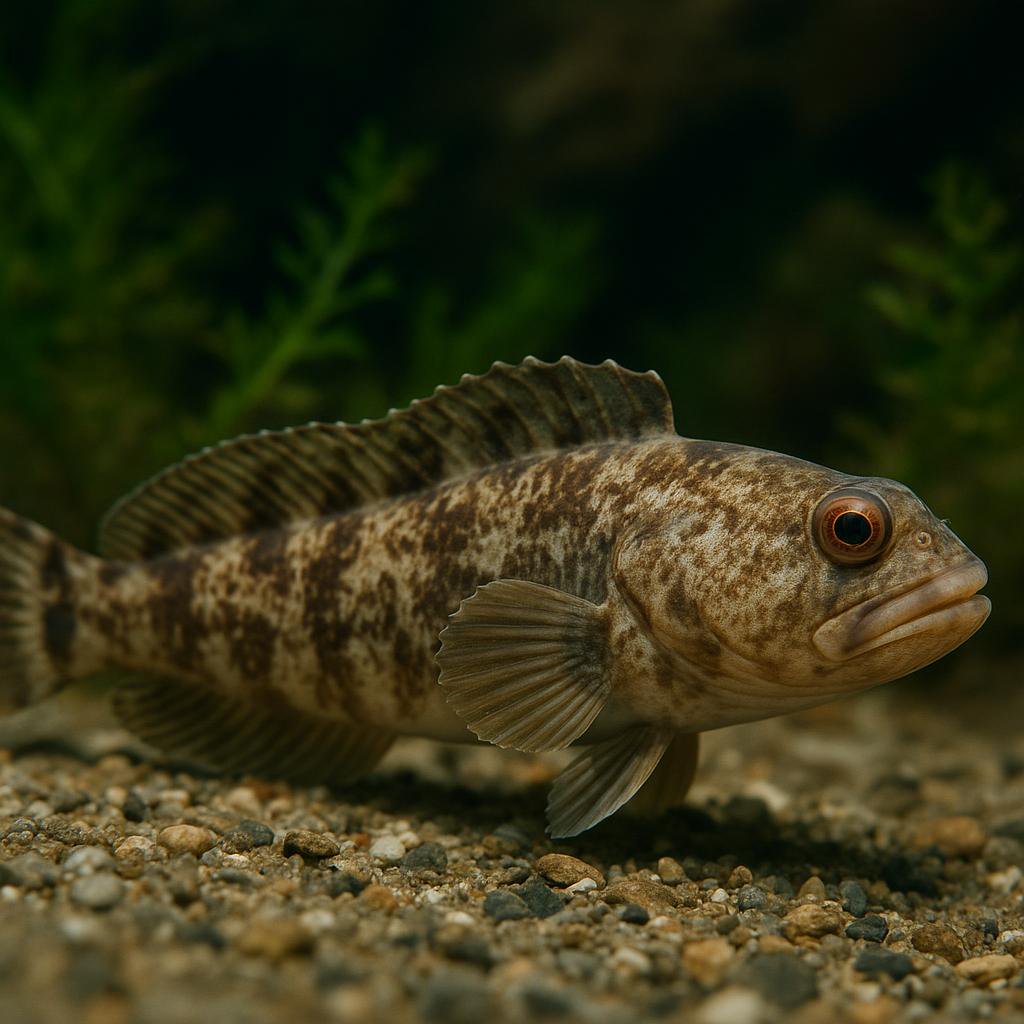
Abe's eelpout
Japonolycodes abei
Japonolycodes abei is a temperate, deepwater demersal eelpout (family Zoarcidae) endemic to Japan (Kumano-nada Sea reported; other sources also report Sagami Bay and Tosa Bay). It is the only species in the genus Japonolycodes and occurs roughly 40-300 m depth, making it an uncommon/atypical aquarium species.
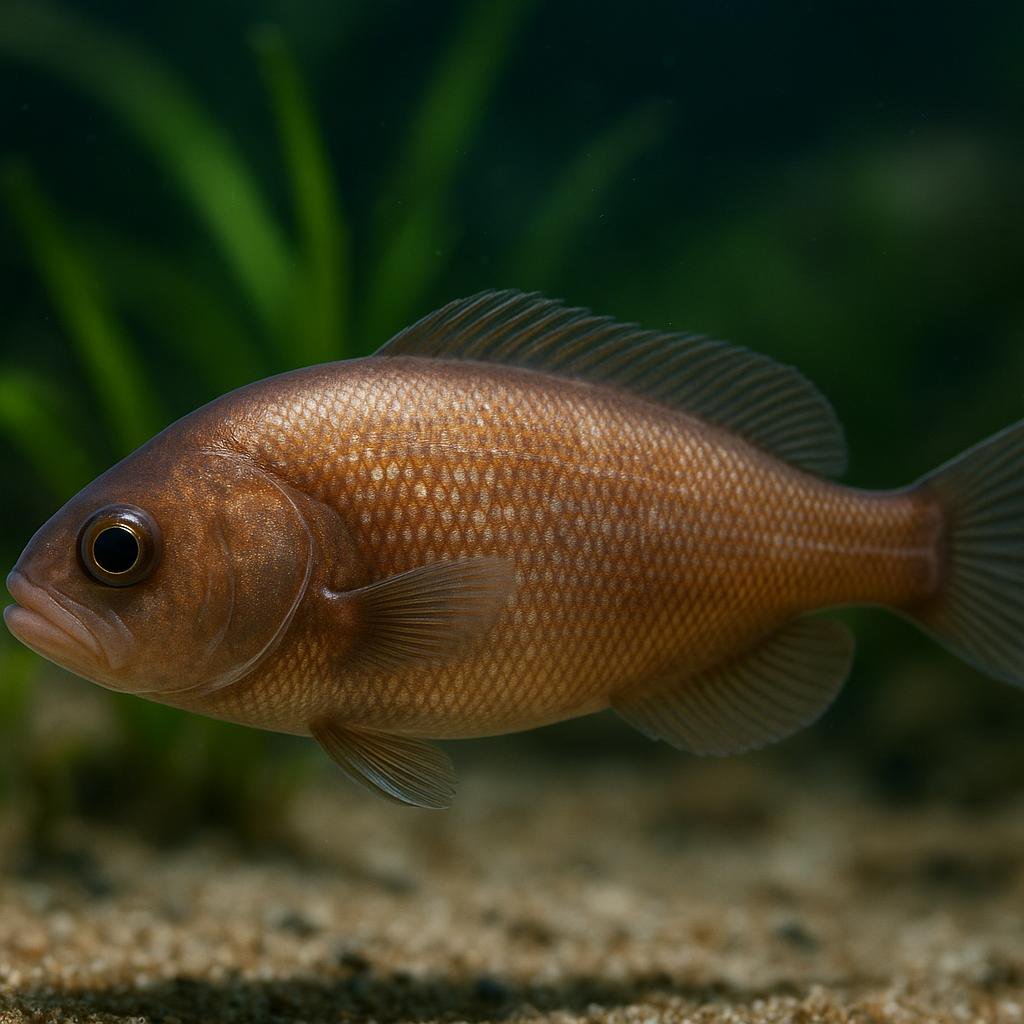
Affinis blind cusk-eel
Barathronus affinis
Barathronus affinis is a tiny, super-weird deep-sea blind cusk-eel from the western-central Indian Ocean. It is one of those gelatinous, loose-skinned brotula-type fishes that live way down in the dark and are basically never seen alive, so almost everything we know comes from preserved specimens and taxonomic work.
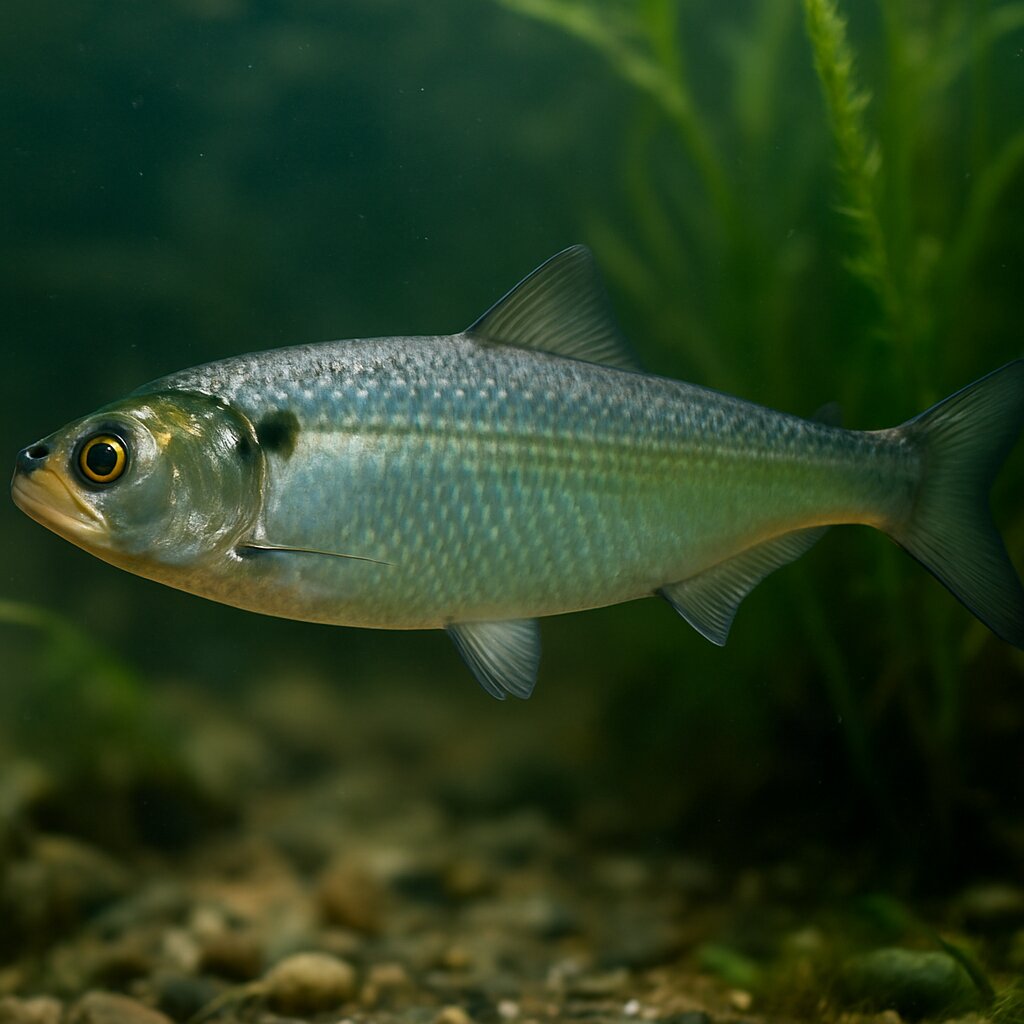
Allis shad
Alosa alosa
Gorgeous silver, fast-swimming shad that spends most of its life in the sea and then surges up big rivers in noisy, surface-spawning schools. It grows huge for a herring-type fish and needs cool, ultra-oxygenated water and tons of open space, so it is a public-aquarium species rather than a home tank fish.
Annandale's zebra sole
Zebrias annandalei
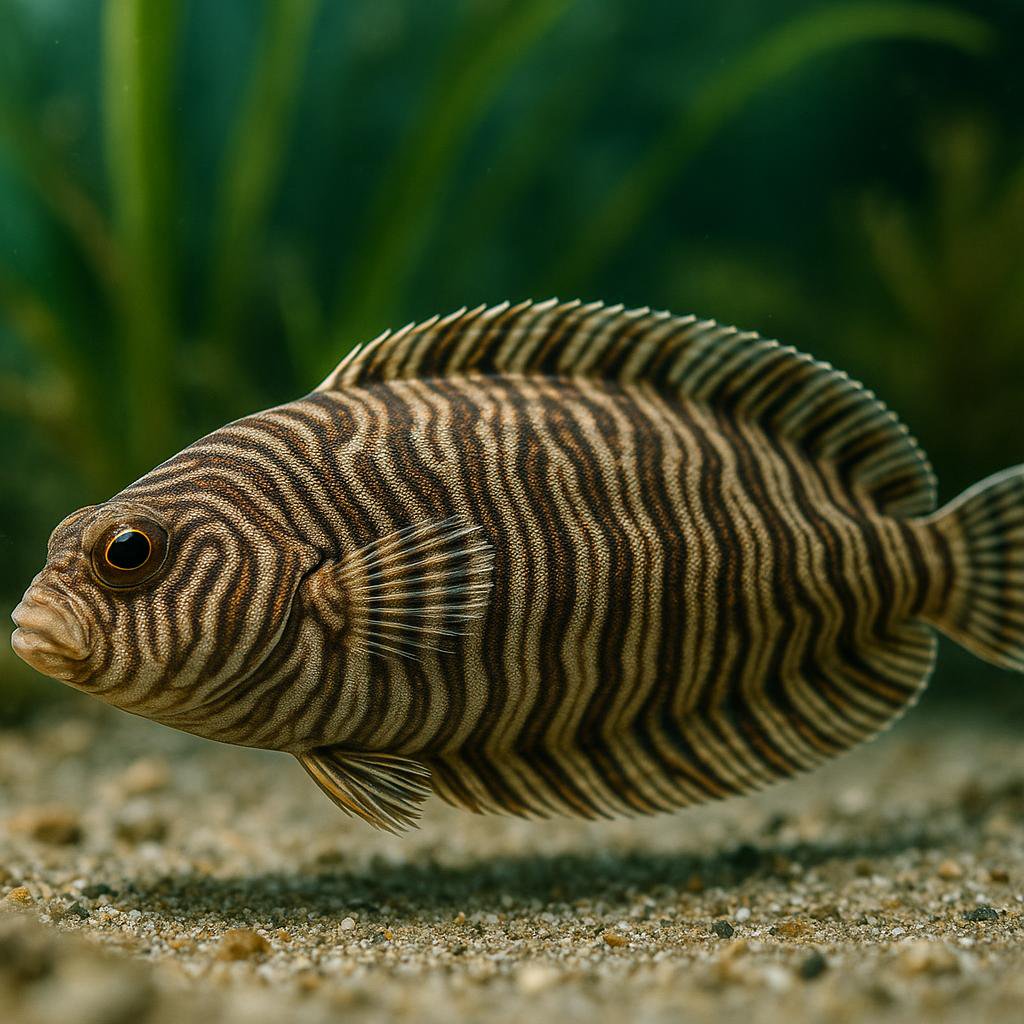
Zebrias annandalei is a small demersal sole from coastal India that inhabits sandy or muddy bottoms and buries for camouflage. It is rarely kept in home aquaria and would require a specialized marine sand-bottom setup and appropriate feeding.
Banggai Cardinalfish
Pterapogon kauderni
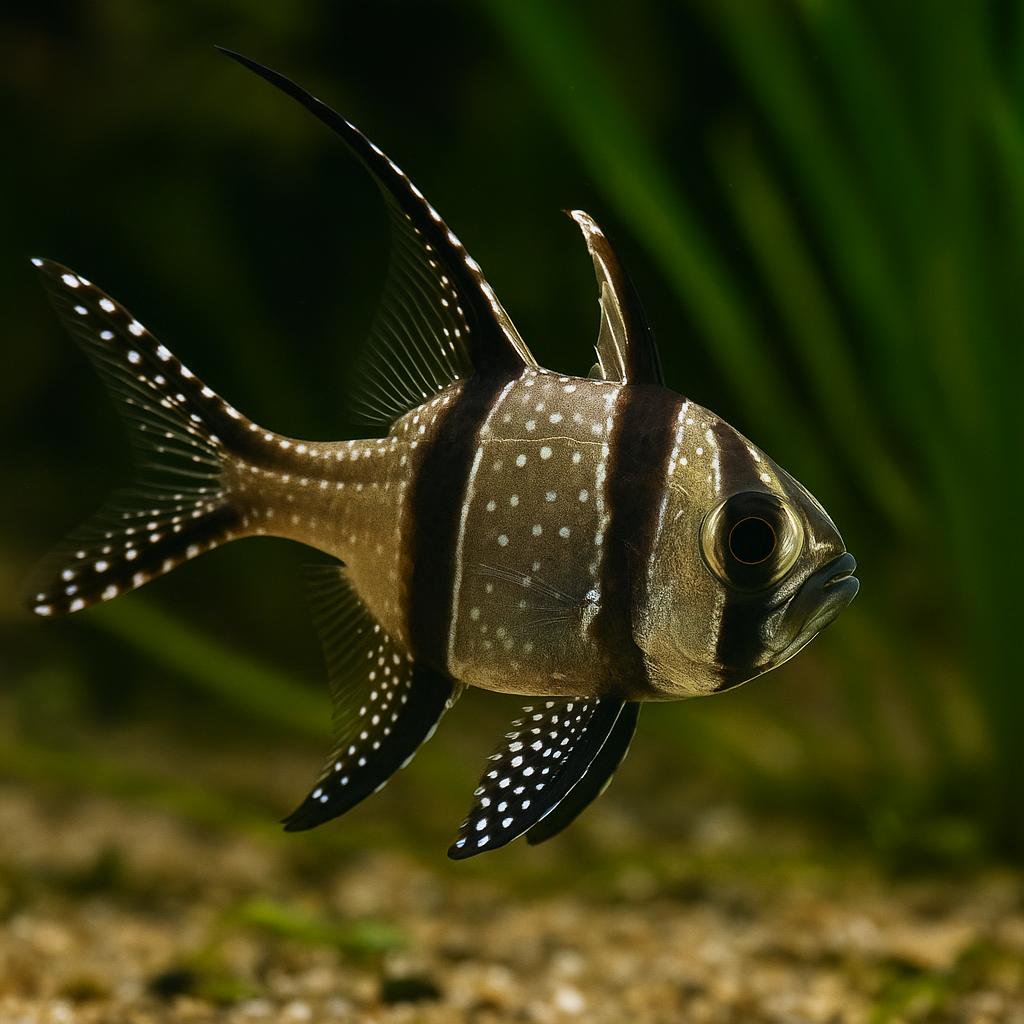
Banggai cardinals just sort of hover like little underwater satellites, and the bold black bars with those long, polka-dotted fins look unreal under reef lighting. They're super chill most of the time, but once a pair forms you'll see real "fish drama," and the male will even mouthbrood the babies like a champ.
Barbedwire-tailed skate
Notoraja martinezi
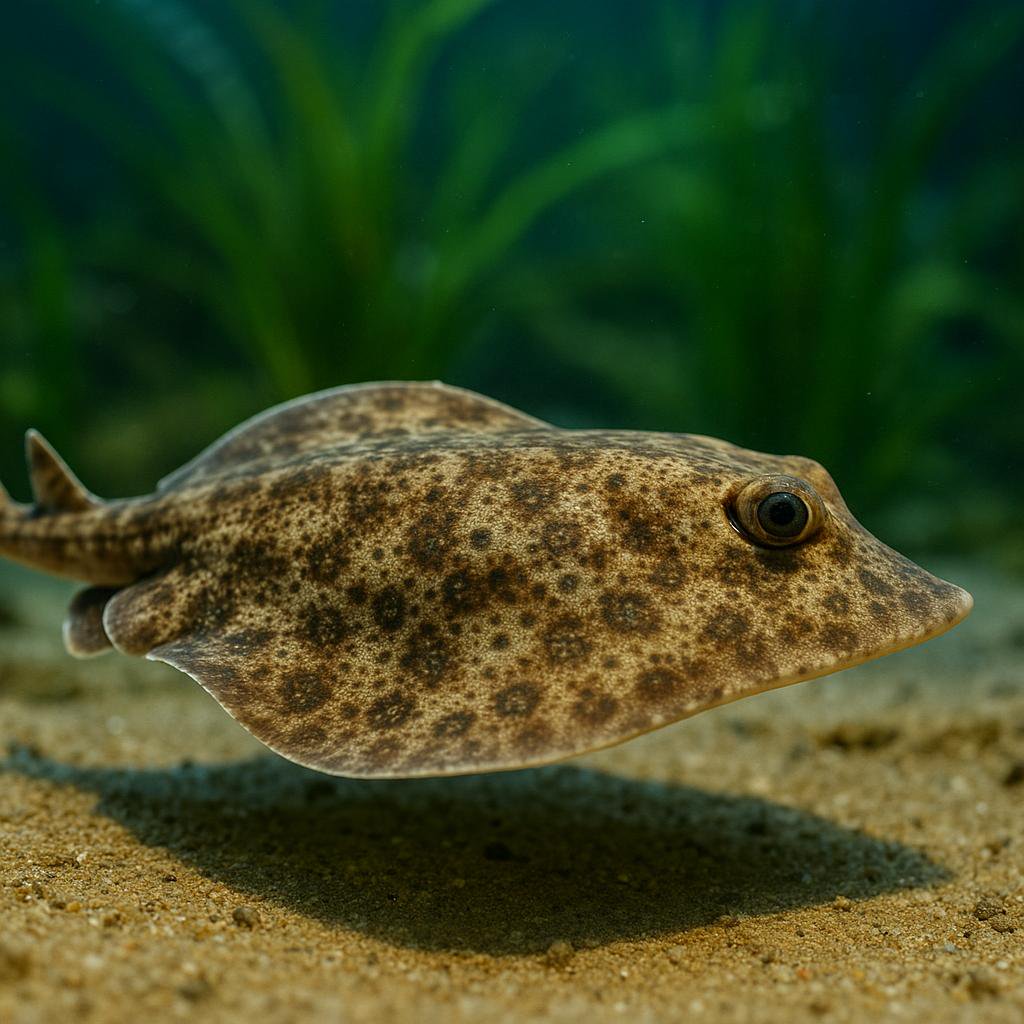
Notoraja martinezi is a deepwater skate from the eastern Pacific (Costa Rica down to Ecuador) that lives way down on soft bottoms. The tail is the giveaway - it is lined with strong, hooked thorns that really do look like barbed wire. This is absolutely not an aquarium fish; it is a cold, high-pressure deep-sea animal with basically no practical home care info because it is not kept in the hobby.
More to Explore
Discover more marine species.
African red snapper
Lutjanus agennes
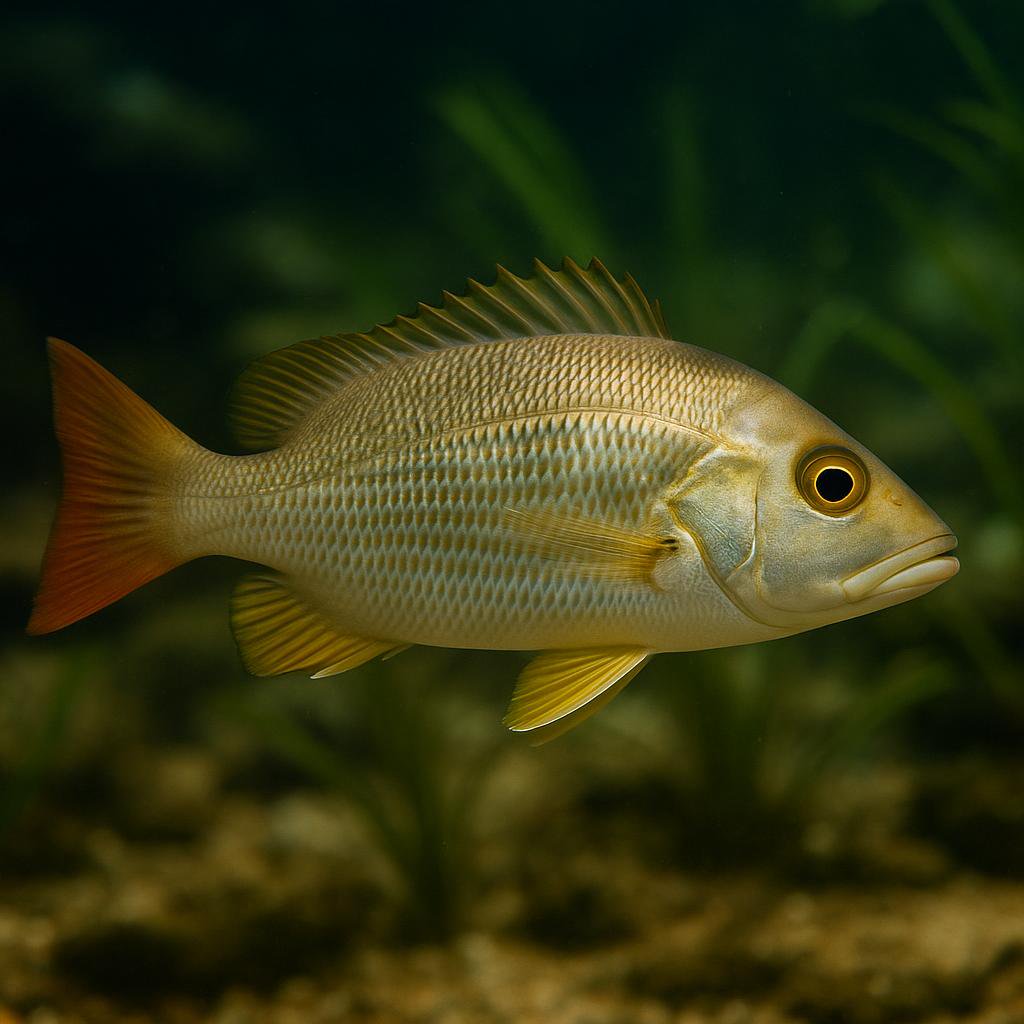
This is a true snapper from West Africa - a big, fast-growing predator that goes from coastal reefs to brackish lagoons and estuaries (especially as a juvenile). Super cool fish in the wild, but it gets absolutely huge and will eat smaller tankmates once it has the mouth for it, so its really more of a public-aquarium scale animal than a home-aquarium fish.
Aleutian skate
Bathyraja aleutica
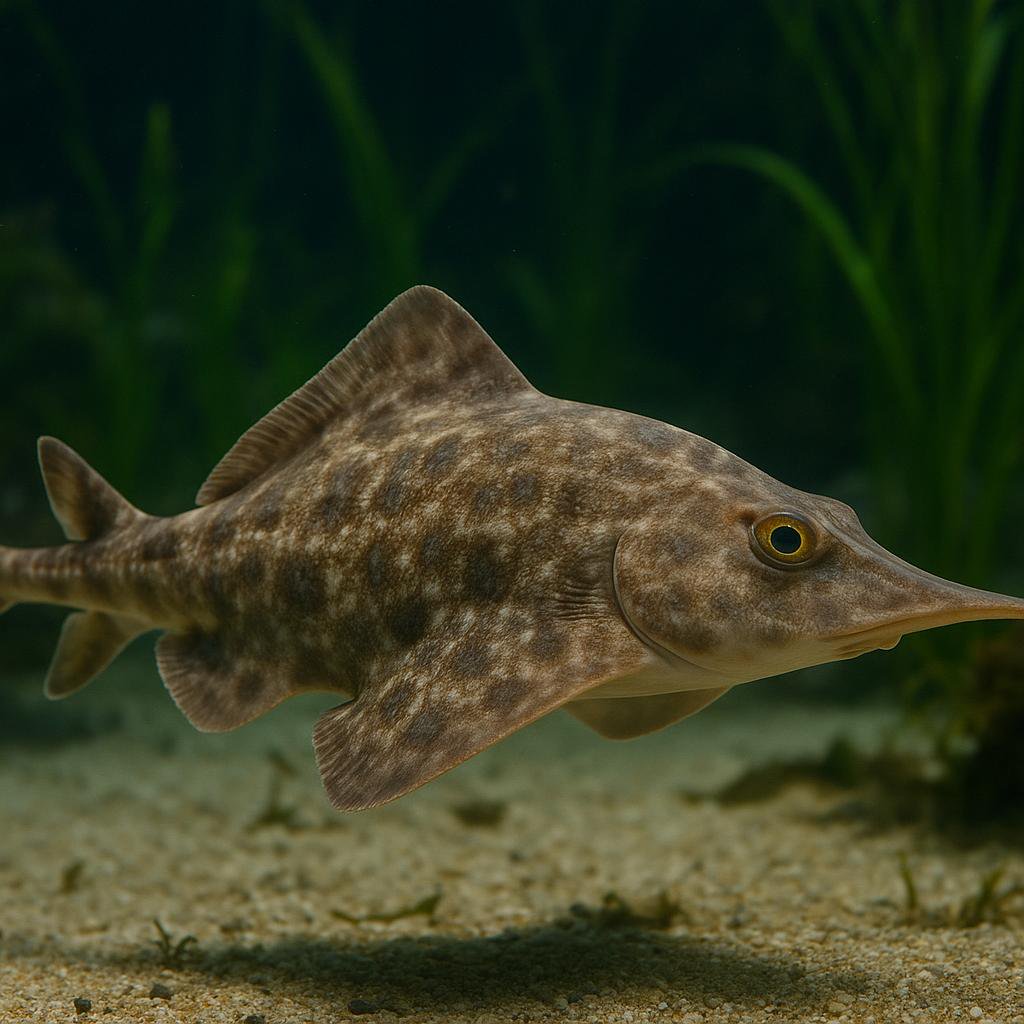
This is a big, cold-water deep-slope skate from the North Pacific that cruises muddy bottoms and eats chunky benthic prey like crabs and shrimp. The really cool bit is its egg-laying skate life - it does distinct pairing (the classic skate "embrace") and drops those tough egg cases on the seafloor. Not an aquarium fish at all unless you're basically running a public-aquarium-style chilled system.
Antarctic dragonfish
Vomeridens infuscipinnis
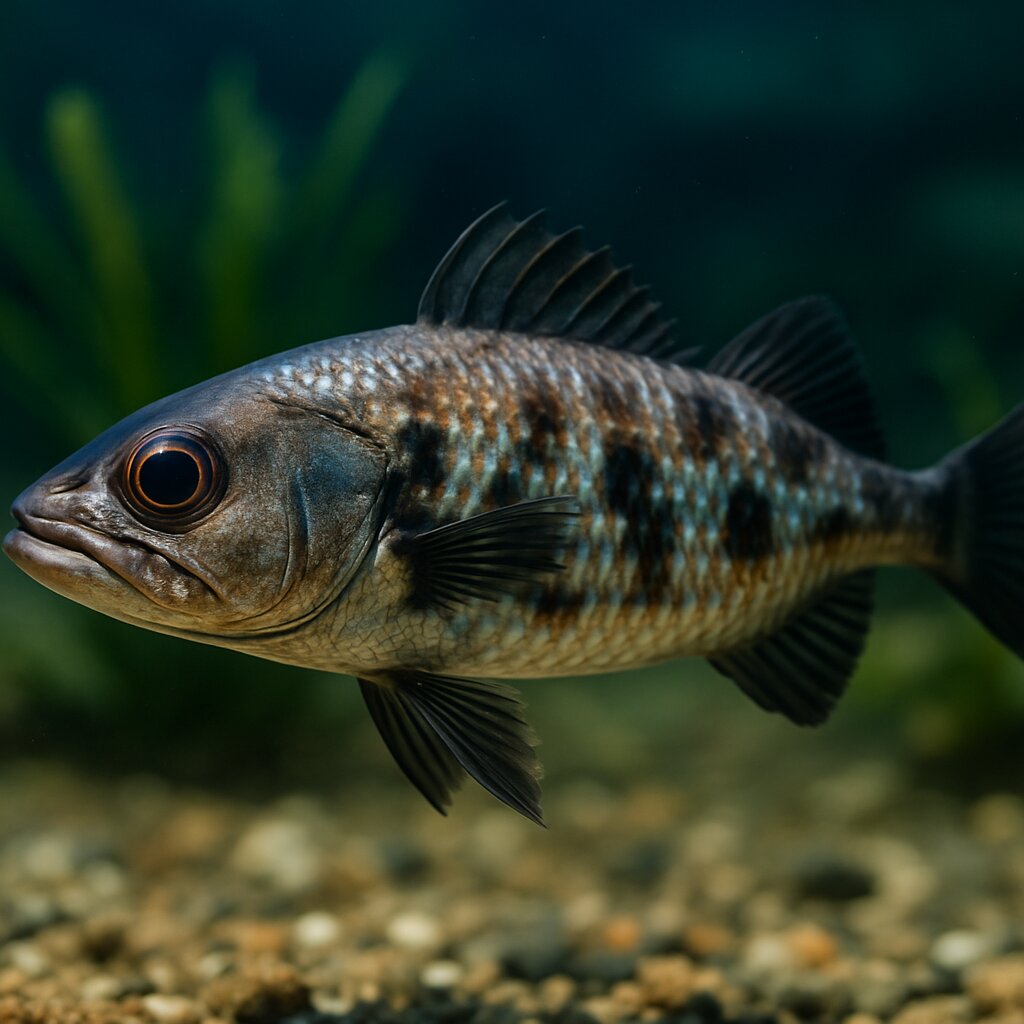
Deep down around Antarctica, this sleek dragonfish cruises the water column like a little submarine, nearly neutrally buoyant so it can hover above the seafloor. It munches almost exclusively on Antarctic krill and lives in near-freezing water 500-800 m down, so it is a cool species to read about, not one for home tanks.
Arabian demoiselle
Neopomacentrus sindensis
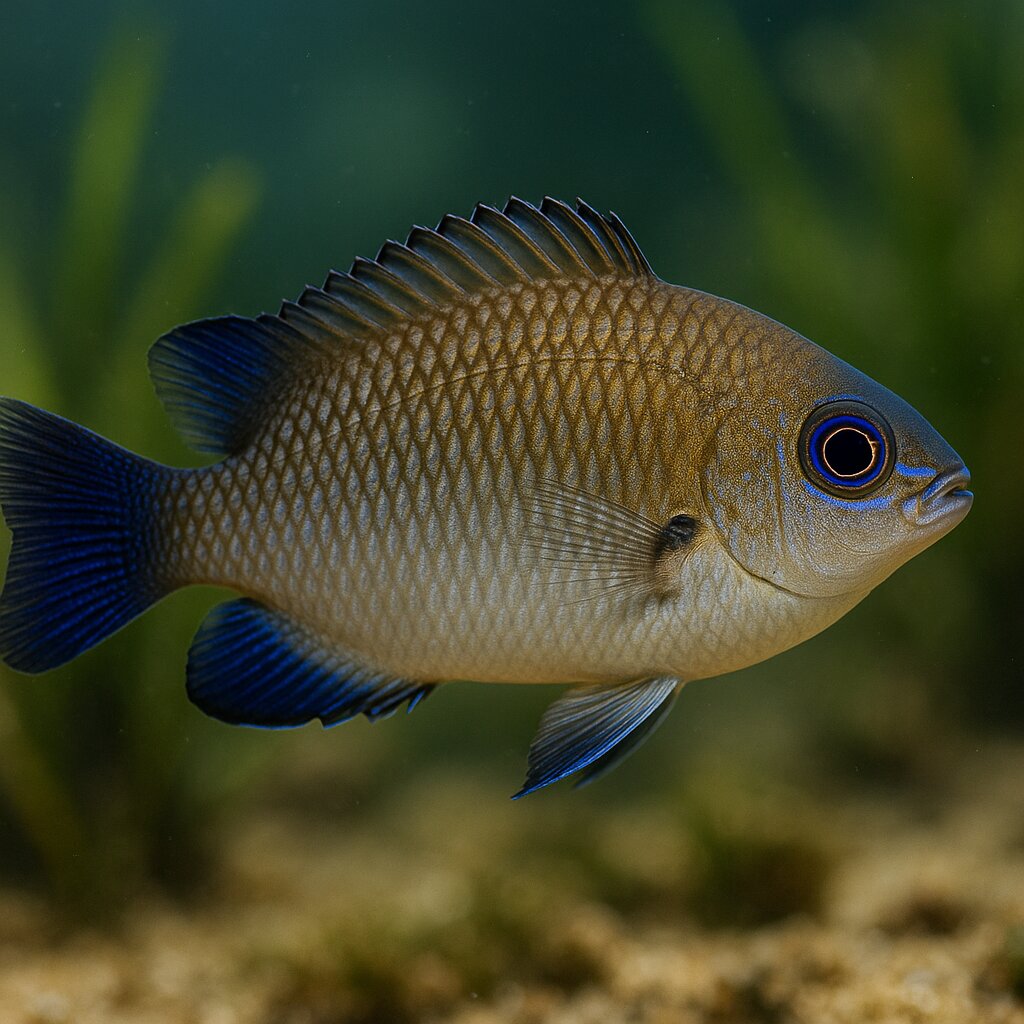
A small lyretail damsel from the Persian Gulf and Arabian Sea, it hangs in loose groups around coral heads, rocks, and even pier pilings picking zooplankton from the flow. Think classic damsel toughness with a slightly milder attitude than the real bruisers, plus subtle yellow tail accents. Males clean a patch, get a mate to lay eggs there, and then stand guard fanning the clutch.
Arabian spiny eel
Notacanthus indicus
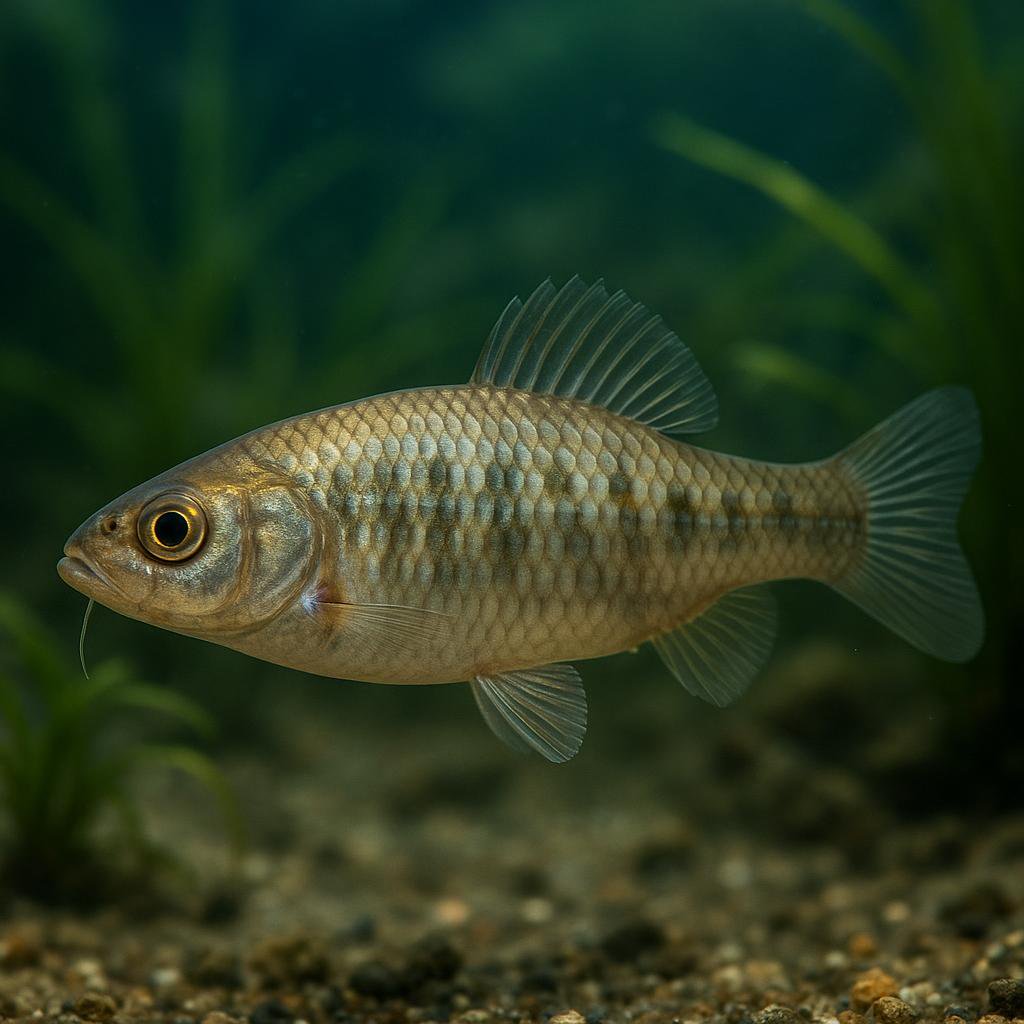
Notacanthus indicus is a deep-sea spiny eel (family Notacanthidae; not a true eel) known from the Arabian Sea on the continental slope at roughly ~960–1,046 m depth, with reported maximum length around 20 cm TL; it is a deep-water bycatch species and not established in the aquarium trade.
Arctic rockling
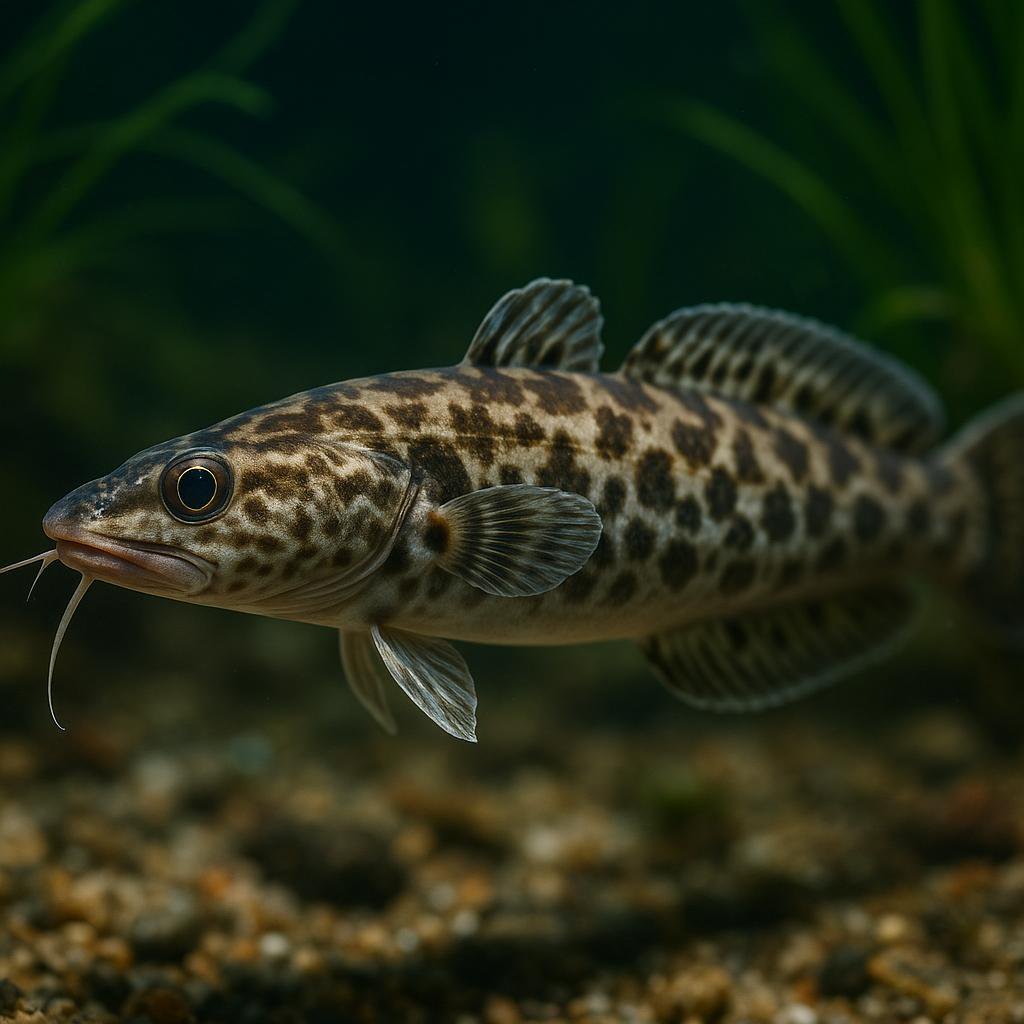
Gaidropsarus argentatus
This is a deepwater North Atlantic rockling (a cod relative) that hangs out on soft bottoms way down the slope. It is a cold-water, bottom-hugging predator that snoots around for crustaceans and will also take small fish when it gets the chance.
Looking for other species?