

Scopas tang
Zebrasoma scopas
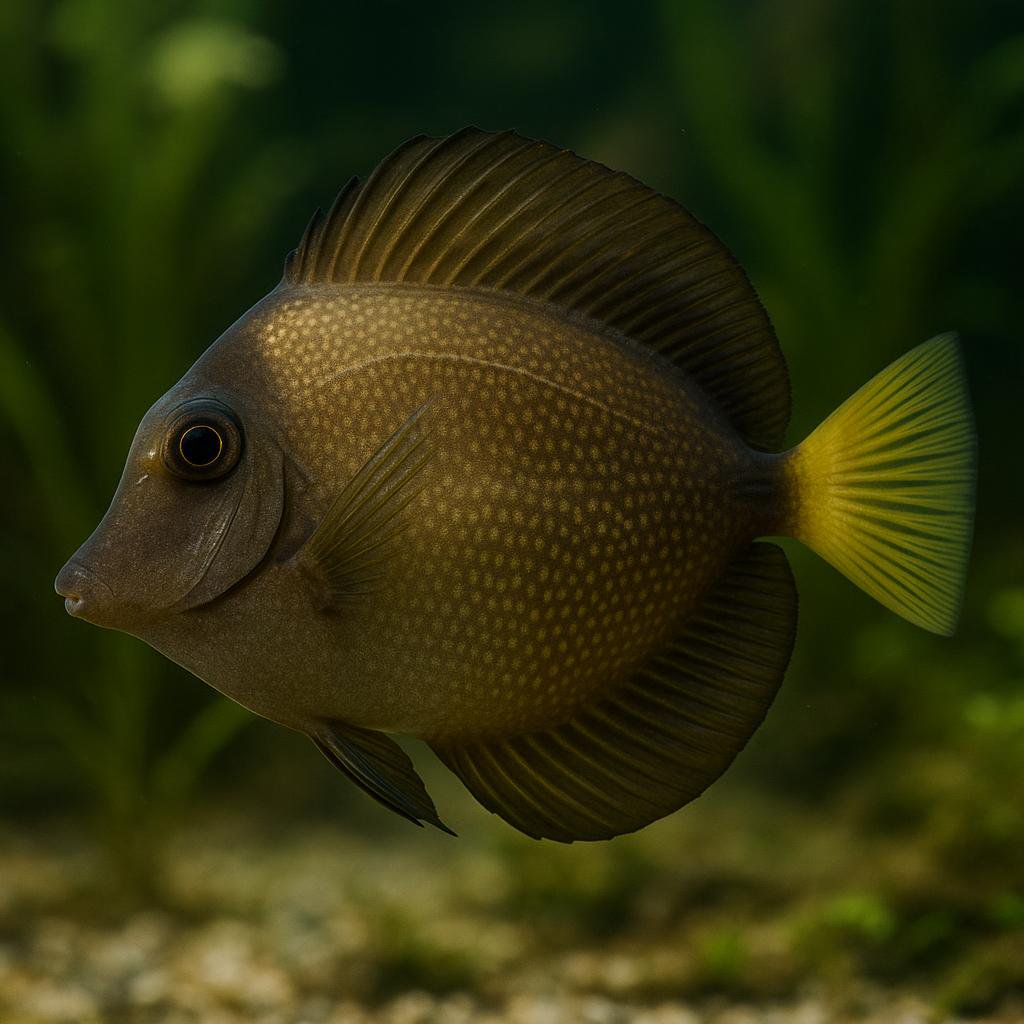
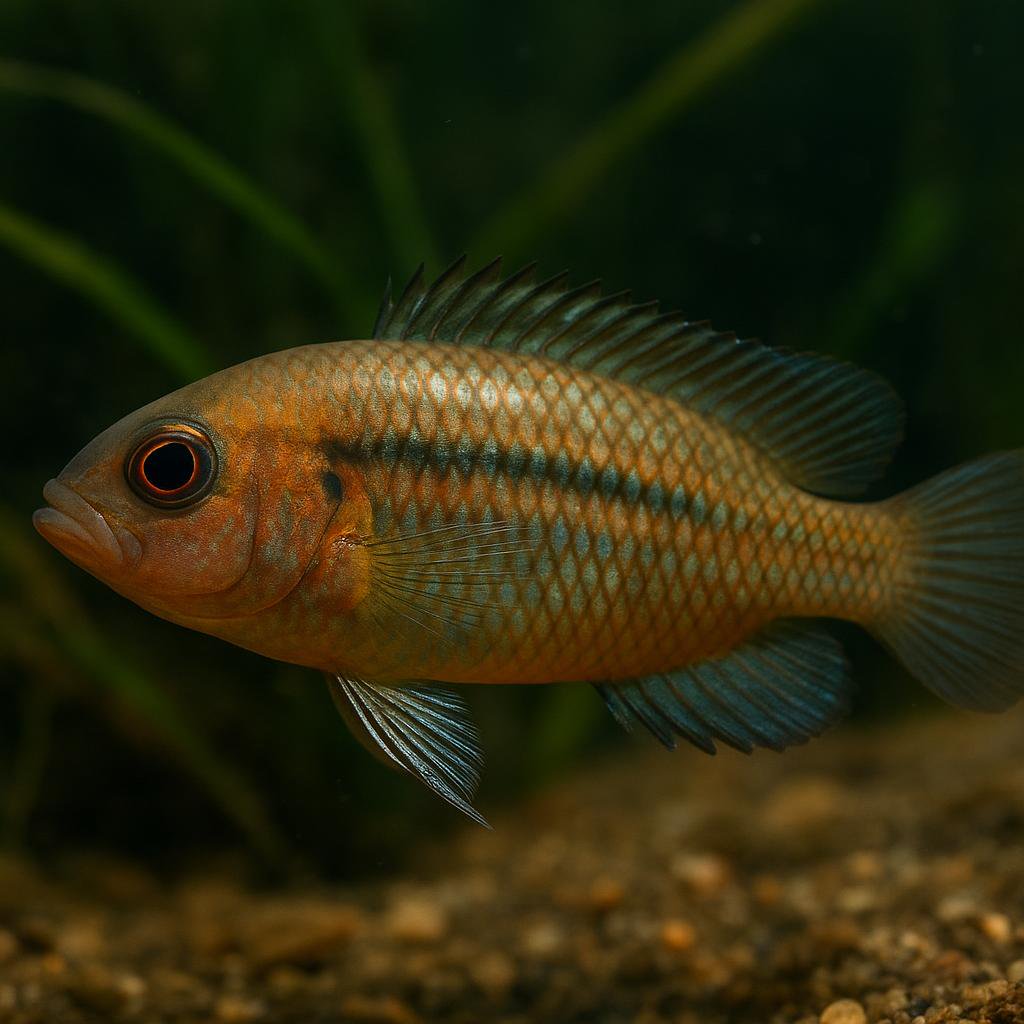
The Scopas tang features a robust body with a brownish-yellow coloration and distinctive light blue highlights along its fins and face.
This page includes AI-generated images. Why am I seeing AI images?
About the Scopas tang
Scopas tangs are earthy brown-to-olive Zebrasoma with fine blue‑green lines (becoming dots on the head). They spend the day grazing turf/film algae on rockwork and may become territorial with other tangs in tight quarters. In the wild they occur in small groups and sometimes larger grazing aggregations—behavior that can be echoed in very large reef systems.
Also known as
Quick Facts
Size
40 cm SL
Temperament
Semi-aggressive
Difficulty
Intermediate
Min Tank Size
125 gallons
Lifespan
20-33 years
Origin
Indo-Pacific
Diet
Herbivore - marine algae/turf algae, nori/algae sheets, spirulina-based foods; will take some meaty frozen foods
Water Parameters
22.2-25.6°C
8.1-8.4
Need a heater for this species?
This species needs 22.2-25.6°C in a 125 gallon tank. Use our heater calculator to find the right wattage.
Calculate heater sizeCare Notes
- Give a Scopas tang real swimming room—plan for at least 125 gallons (larger is easier long term). Provide long open swimming space plus ample rockwork for grazing and weaving.
- Keep specific gravity 1.020–1.025 and temperature 72–78°F (22–26°C); maintain stable pH 8.1–8.4 and good water quality to minimize stress.
- Feed algae first, not last: nori on a clip most days, plus a good herbivore pellet and some mysis/reef blend here and there. If you only feed meaty stuff, they lose weight and start picking at rocks nonstop.
- They can be total jerks to other tangs, especially other Zebrasoma (yellow, purple, sailfin) and similar-shaped fish. If you want multiple tangs, add the Scopas last and use an acclimation box for a few days.
- Reef-safe most of the time, but a hungry one may nip at fleshy LPS or zoas, so keep it well fed and watch new corals. They also mow down film algae, which is nice, but do not expect them to solve a hair algae problem by themselves.
- Quarantine new tangs—members of the family Acanthuridae are notably prone to marine ich (Cryptocaryon) and velvet. Stable, well‑oxygenated, high‑flow systems reduce stress; UV can help manage free‑swimming stages but does not replace quarantine.
- Give them a big, stable hiding spot for lights-out; they wedge into rock and panic if they cannot claim a 'bed.' A scared tang is a scraping tang, so cover overflows and watch for them spooking into powerheads.
- Breeding at home is basically a no-go; they are open-water spawners and the larvae are very hard to raise. Just assume you are buying wild-caught and plan around that.
Compatibility
Good Tankmates
- Clownfish (Ocellaris or Percula) - they mostly just do their own anemone corner thing, and a Scopas tang usually cruises right past them with zero drama
- Fairy or flasher wrasses (Cirrhilabrus/Paracheilinus) - active midwater swimmers, not looking for a fight, and they are fast enough that tang attitude is a non-issue
- Reef-safe dwarf angels like a Coral Beauty or Flame Angel (Centropyge) - similar energy level, can handle a little posturing, and in bigger rockwork they settle into separate lanes pretty well
- Watchman gobies and other sand-sitter gobies (Yellow Watchman, Rainford, etc.) - they stick to the bottom and burrows, so the tang usually ignores them completely
- Blennies (Tailspot, Midas) - lots of personality but generally not pushy, and they occupy rocks and holes while the Scopas does laps
- Bristletooth tangs like a Kole or Tomini (Ctenochaetus) - often works if the tank is roomy and you add them carefully, since they are different enough in shape and feeding style to reduce the 'you are my twin' beef
Avoid
- Other Zebrasoma tangs (Yellow tang, Purple tang, Sailfin tang) - this is the classic problem combo, they see each other as direct competition and the Scopas can turn into a total hall monitor
- Other tangs added after the Scopas (especially similar-bodied ones) - once a Scopas claims the rockwork, it can be a jerk to any new grazer coming in later
- Slow, shy fish that hate getting chased (Firefish, small assessors) - the tang is not a predator, but the constant 'get out of my way' laps can keep these guys pinned and stressed
- Aggressive brawlers that escalate everything (large dottybacks, big damsels) - they poke back, the tang pokes back harder, and now you have a daily slap-fight at feeding time
Where they come from
Scopas tangs (Zebrasoma scopas) come from the Indo-Pacific - places like the Red Sea and across to the central Pacific. You will usually see them cruising reef slopes and lagoons, picking at algae all day. In the wild they are basically busy little lawnmowers that never stop moving.
Setting up their tank
Give a Scopas tang room to swim and plenty of rock to graze. They are not delicate, but they do get stressed if they feel boxed in or if the tank is too bare. I have had the best luck in tanks that have a clear swimming lane across the front and a chunky, mature rockscape behind it.
- Tank size: I would not do one in less than 90 gallons, and 120+ is where they get noticeably calmer
- Rockwork: lots of surface area for algae, plus caves so they can wedge in at night
- Flow and oxygen: moderate to strong flow, good surface agitation, and a skimmer that actually pulls gunk
- Lighting: whatever suits your reef, but stronger light usually means more natural grazing algae for them
- Lid: they are not famous jumpers like wrasses, but a startled tang can launch - covers are cheap insurance
A "mature" tank makes Scopas life easier. If your rocks are sterile-white and you are fighting the first ugly phases, wait a bit or be ready to feed nori hard while the tank grows in.
Acclimation matters more than people think with tangs. Take your time, match salinity, and keep the lights low for the first day. If you can, use an acclimation box for a few days - it helps with both bullying and letting the tang learn where food shows up.
What to feed them
They are algae-first fish, but they are not strict vegetarians. In my tanks, Scopas do best when they get constant greens plus a little meaty stuff for body weight. If you only feed frozen mysis, they can look "full" but still start getting pinched behind the head over time.
- Daily staple: dried nori/seaweed sheets on a clip (I like to offer smaller pieces more often so it stays fresh)
- Good add-ons: spirulina flakes/pellets, quality herbivore pellets, and veggie-heavy frozen blends
- Occasional: mysis, brine plus spirulina, or small amounts of richer frozen foods to keep weight on
- Grazing help: let some natural film algae grow on the rocks and back wall if you can stand it
If you are feeding nori, remove it after a few hours. Old seaweed breaks apart, fouls the water, and tangs will still pick at it like its fine.
How they behave and who they get along with
Scopas are usually hardy and bold once settled, but they can be spicy about territory. They have that classic Zebrasoma attitude: mostly minding their business, then suddenly deciding a similar-shaped fish is a problem. In a bigger tank they are much more reasonable.
- Good tankmates: clownfish, anthias, chromis, most wrasses, gobies, blennies, rabbitfish (in larger systems), and many reef-safe angels in big tanks
- Use caution with: other tangs (especially Zebrasoma like yellow, purple, sailfin), foxfaces in tight quarters, and any new fish that is introduced after the Scopas "claims" the tank
- Reef compatibility: they usually ignore corals, but a hungry tang can nip some LPS or fleshy polyps just because it is tasting everything
Adding another Zebrasoma tang after a Scopas is established is asking for a fight. If you want multiples, add them small, add together, and give them real space.
If aggression pops up, rearranging a bit of rock can help, but feeding and space do more. A well-fed tang that has algae to pick at all day is a lot less likely to go looking for trouble.
Breeding tips
Breeding Scopas tangs at home is not really a practical goal for most of us. Like other tangs, they are broadcast spawners and the larvae are a whole different game (tiny, planktonic, and fussy). You might see spawning behavior in very large systems, but raising the babies is the hard part.
If you ever do see them do a dusk "rush" up the water column, that is often the spawning move. Cool to watch, but do not feel bad if it goes nowhere - it usually does in home tanks.
Common problems to watch for
Most Scopas issues come down to stress plus parasites. Tangs are magnets for marine ich and velvet, and Scopas are no exception. The other common one is lateral line erosion (HLLE), which shows up as pitting around the head and along the lateral line.
- Marine ich: white spots, flashing, scratching, rapid breathing (often worsens after a stressful event)
- Velvet: very fast breathing, dusty sheen, hiding, refusing food (moves quick - treat as an emergency)
- HLLE: pitting/erosion on head and sides, often tied to diet, stress, and water quality
- Aggression injuries: torn fins, scrape marks, fish wedging and hiding because it is being chased
- Starvation in disguise: looks "okay" but gets pinched behind the head or belly stays hollow
If a tang is breathing hard and acting weird, do not wait it out. Velvet can kill fast. Have a plan for a hospital tank and treatment before you buy the fish.
For HLLE, I have seen the biggest improvement from: lots of greens (nori plus spirulina foods), keeping stray voltage and stress down, and running fresh carbon in a way that does not grind it into dust. Also, stable salinity and clean water go a long way with tangs.
Watch the body shape from above. A healthy Scopas has a solid, filled-out look behind the head. If that area starts to look "pinched," increase greens and feeding frequency before it slides downhill.
Similar Species
Other marine semi-aggressive species you might be interested in.
Blackspotted snake eel
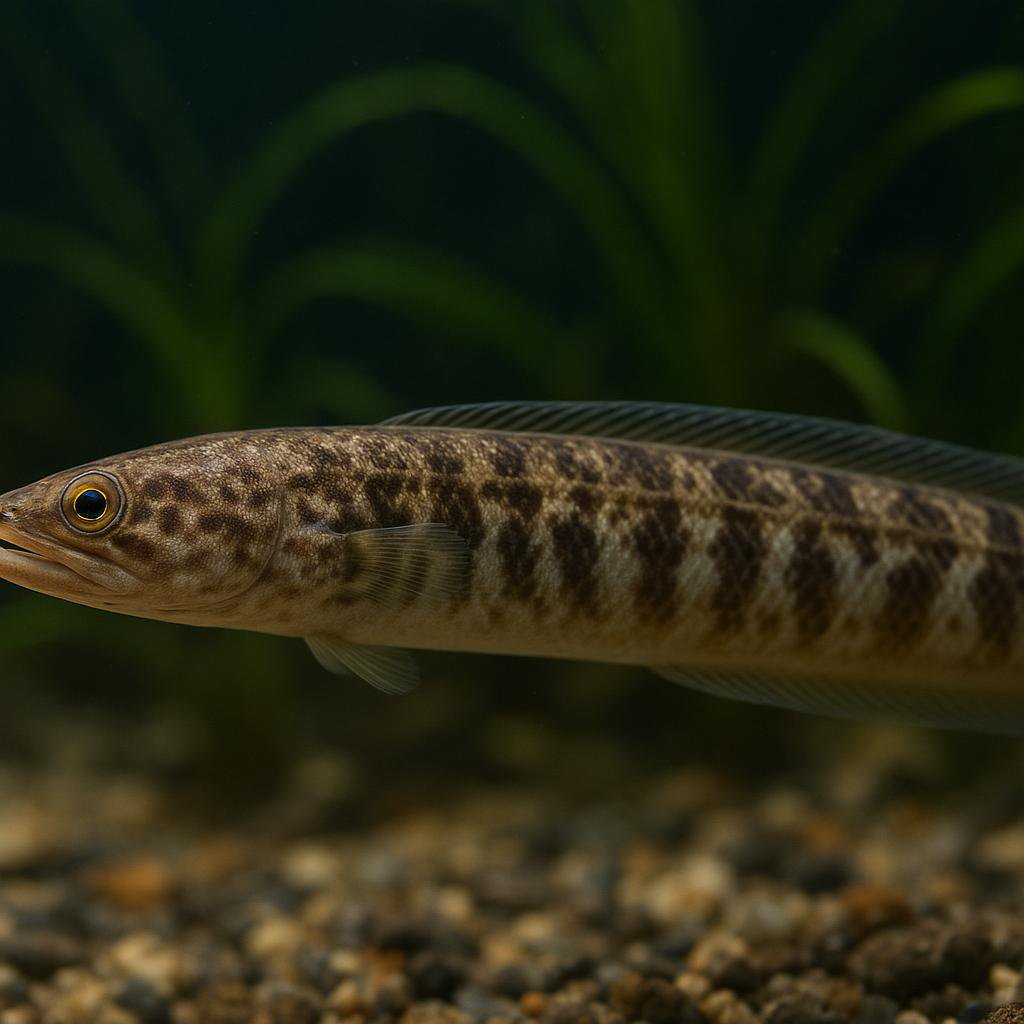
Quassiremus ascensionis
A tropical marine snake eel that buries in soft substrates (sand/mud/gravel) with only the head exposed to ambush prey. Recorded to 71 cm TL and occurs mainly in the western Atlantic (also Brazil) and at Ascension Island; typically found in shallow inshore habitats to ~12 m, including sand and seagrass (turtle grass) areas.
Blue Green Chromis (Green Chromis)
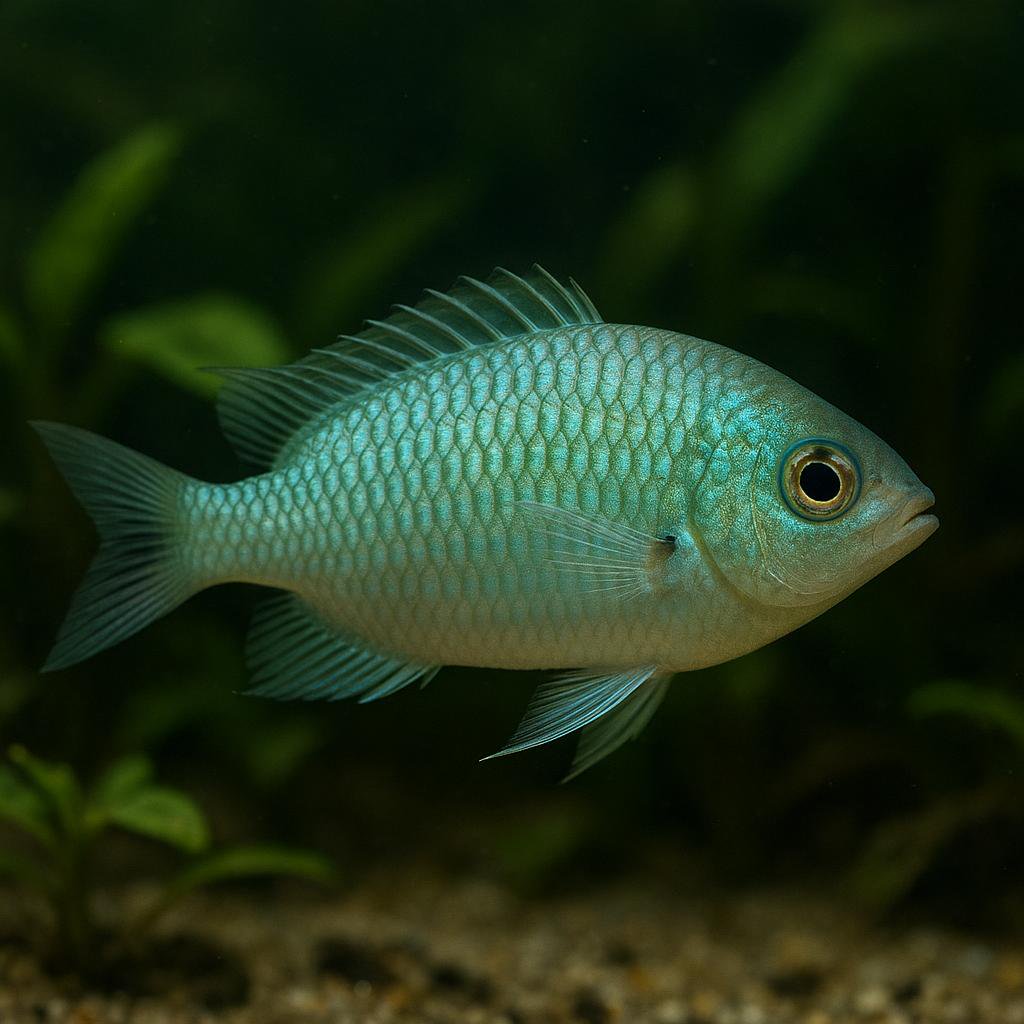
Chromis viridis
Blue Green Chromis are those shimmery little green-blue darts you'll see zipping around the top of a reef tank, always looking like they're catching the light just right. They're super fun in a group because they hover and cruise together, but they've got a bit of a "pecking order" thing going on if the tank's tight or the group's too small.
Blue blanquillo
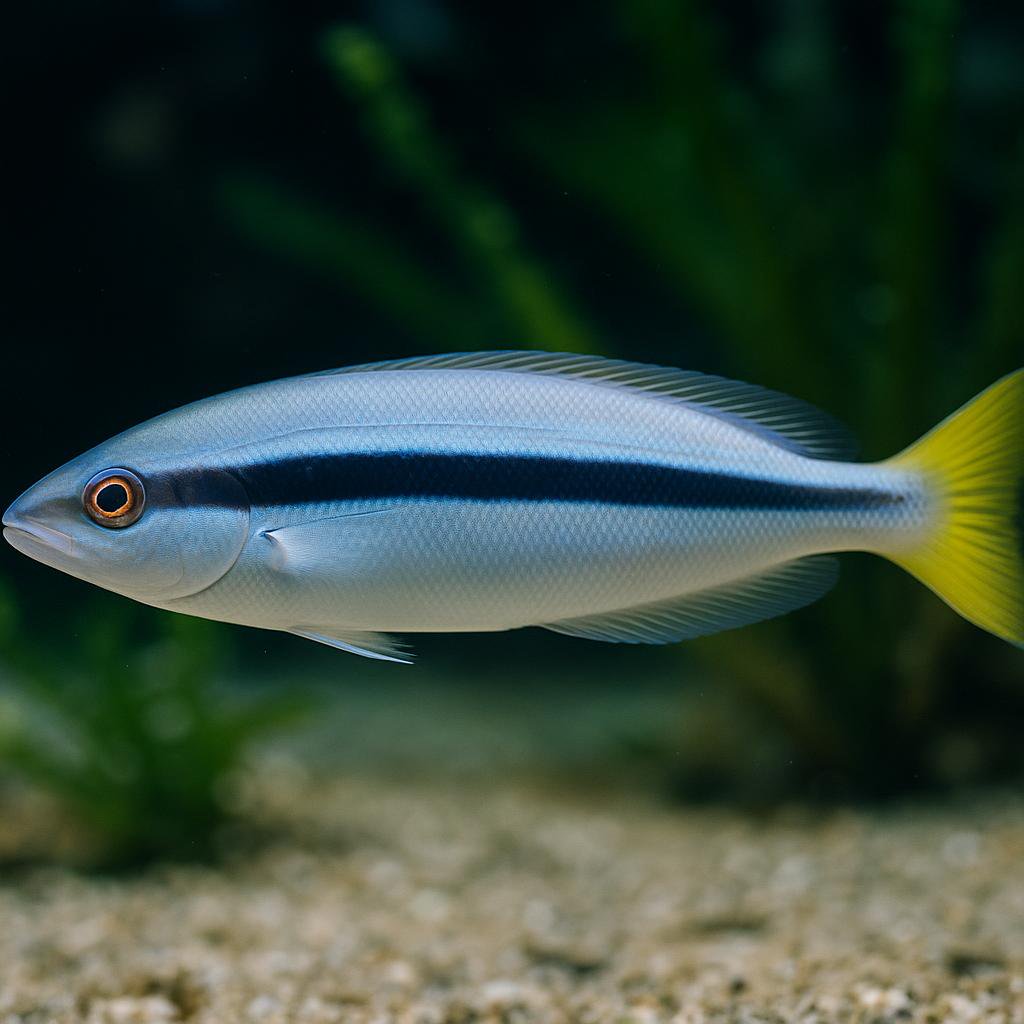
Malacanthus latovittatus
A long, slim tilefish with a bold black side stripe and a blue head that fades down the body. It hovers high above the reef and darts back to a sand-rubble burrow, often living as a monogamous pair; in tanks it is fast, jump-prone, and will eat small crustaceans and tiny fish.
Blueline demoiselle
Chrysiptera caeruleolineata
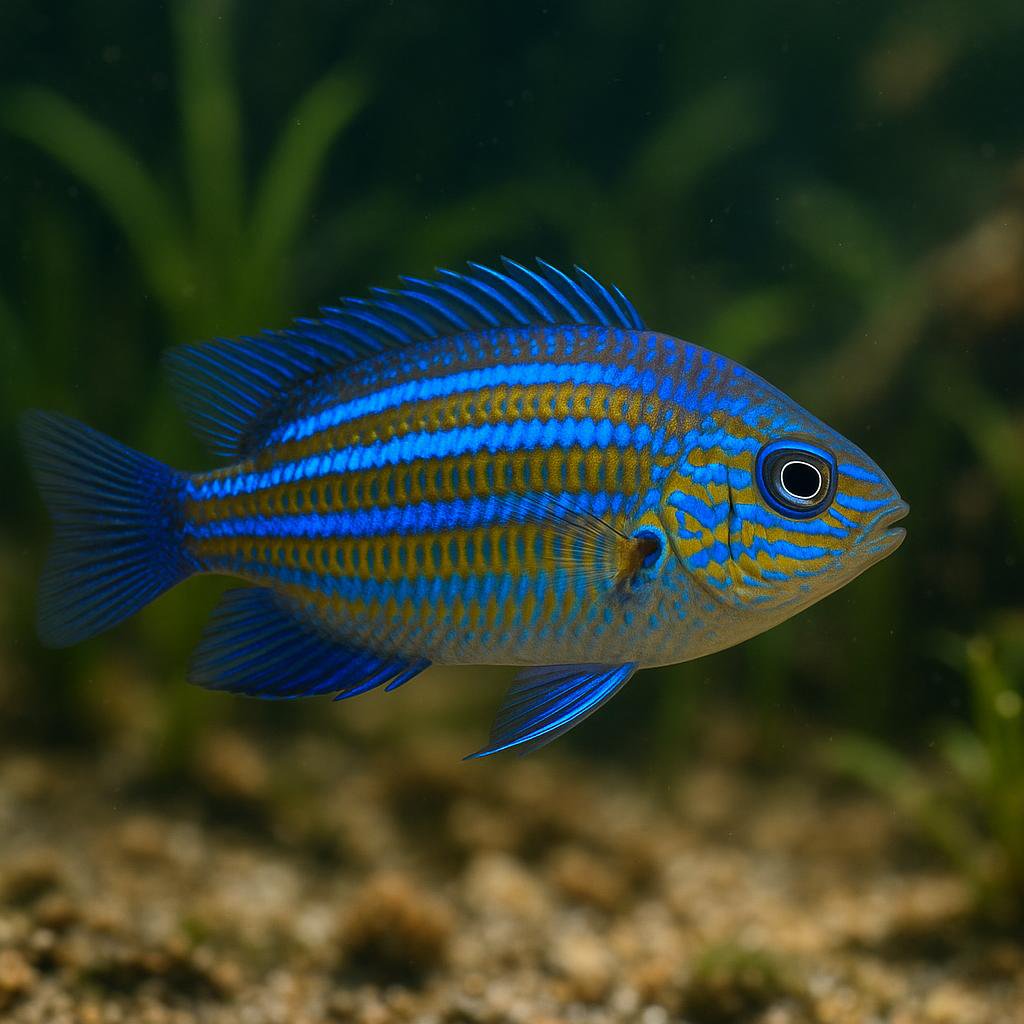
A little reef damsel with a bright electric-blue line riding over a yellow body, it tends to live deeper on rubble slopes and hugs the bottom in small groups. In aquariums it prefers dimmer light, plenty of rock cover, and frequent small feedings of planktony foods; males guard eggs stuck to the substrate.
Bluespotted angelfish
Chaetodontoplus caeruleopunctatus
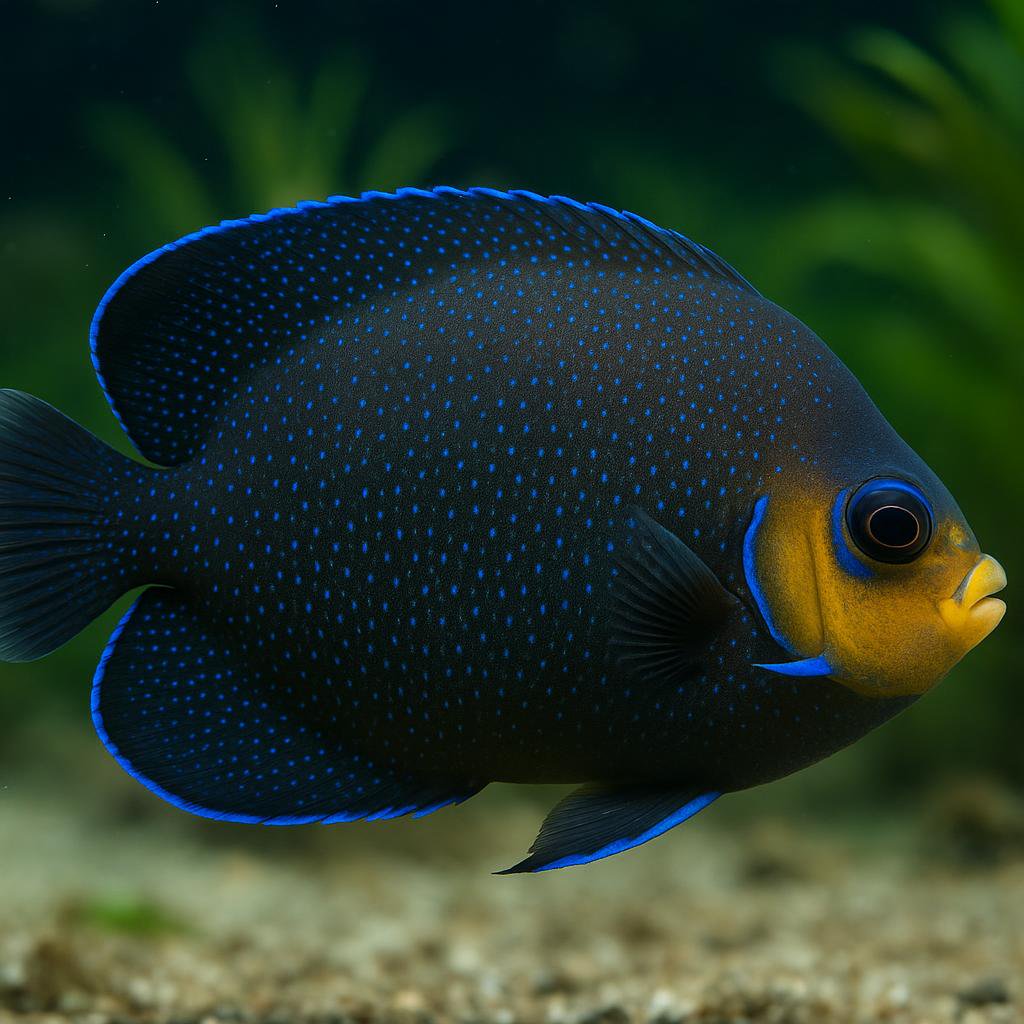
A medium Pomacanthid from the Philippines, it has a dusky body dusted with tiny electric-blue spots and a yellow tail. In the wild it browses sponges and tunicates on deeper reefs, so it thrives only in mature tanks with lots of live rock and frequent feedings.
Broadbarred firefish
Pterois antennata
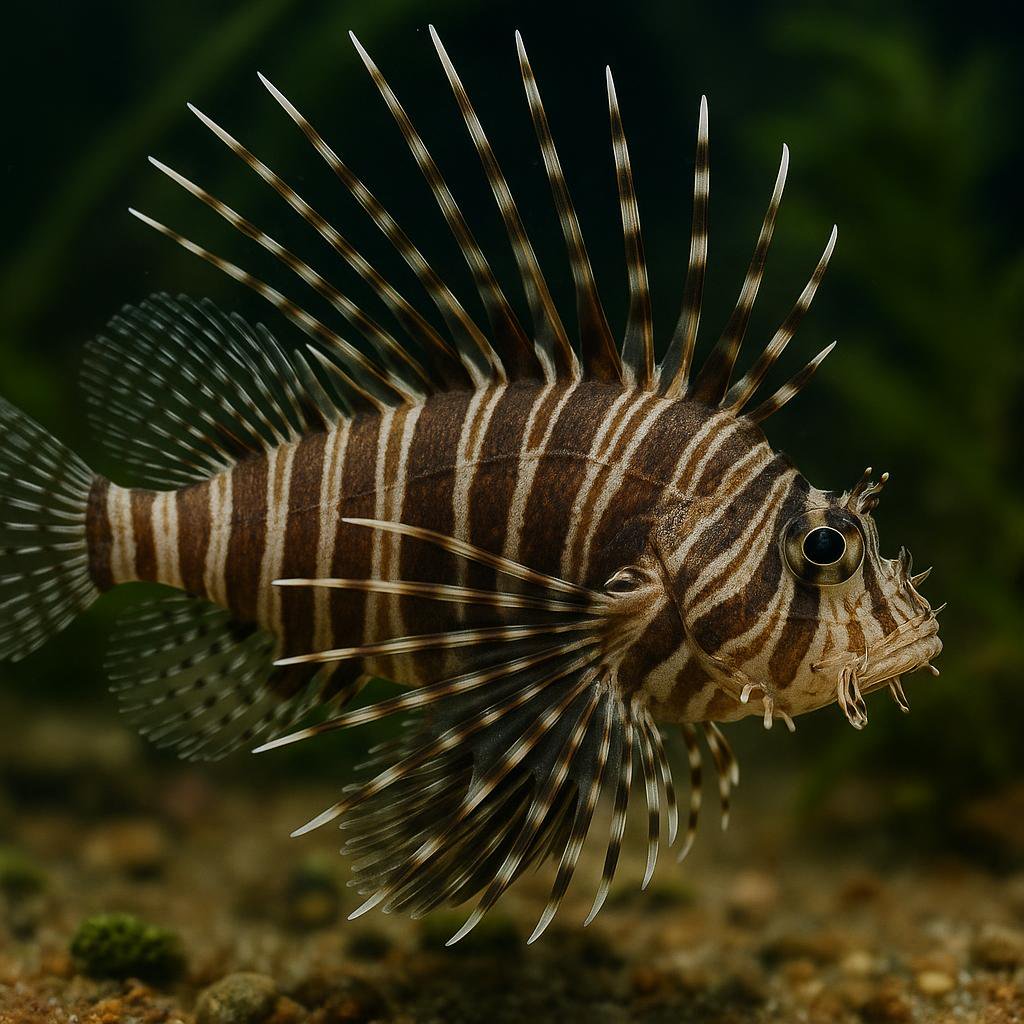
This is the lionfish with the long "antennae" (those banded tentacles above the eyes) and the ragged, spotty fins that make it look extra dramatic under reef lighting. It'll spend the day tucked under ledges and then cruise out at dusk to ambush shrimp, crabs, and any small fish it can fit in its mouth-also worth remembering it's venomous, so you treat it with respect when you're in the tank.
More to Explore
Discover more marine species.
Banggai Cardinalfish
Pterapogon kauderni
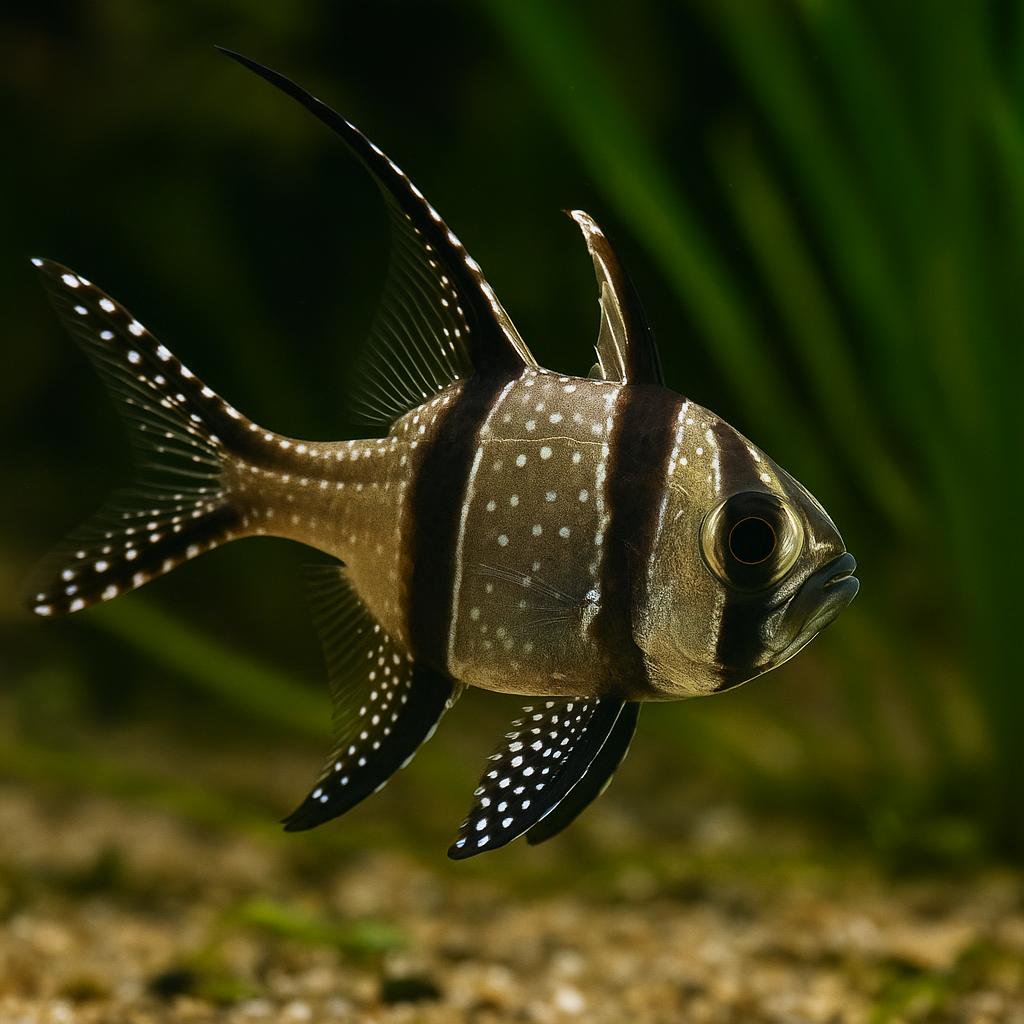
Banggai cardinals just sort of hover like little underwater satellites, and the bold black bars with those long, polka-dotted fins look unreal under reef lighting. They're super chill most of the time, but once a pair forms you'll see real "fish drama," and the male will even mouthbrood the babies like a champ.
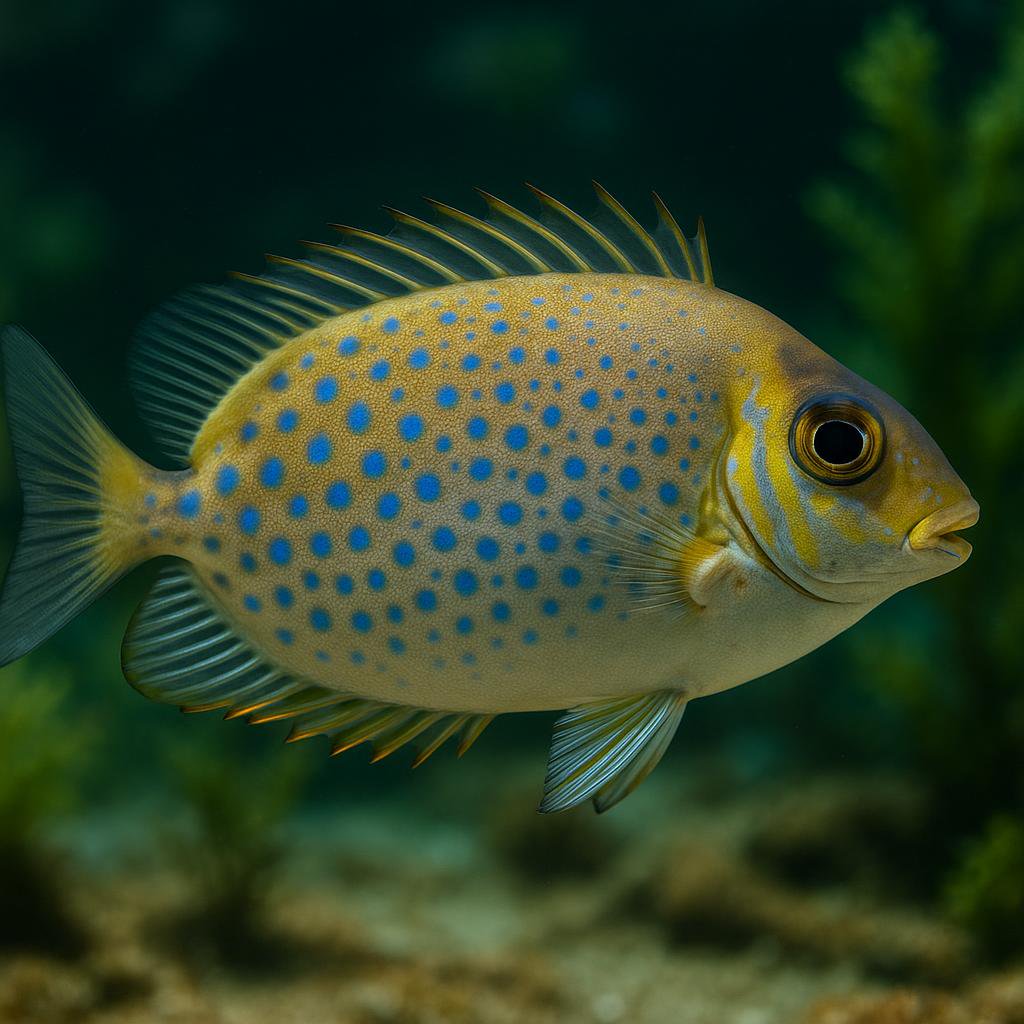
Bicolored foxface
Siganus uspi
A Fiji native with a sharp two-tone look, the bicolored foxface is half deep brown and half yellow with a crisp line between. It spends the day grazing algae and can snap into a mottled camouflage when spooked; those tall dorsal spines are venomous, so other fish usually keep their distance.
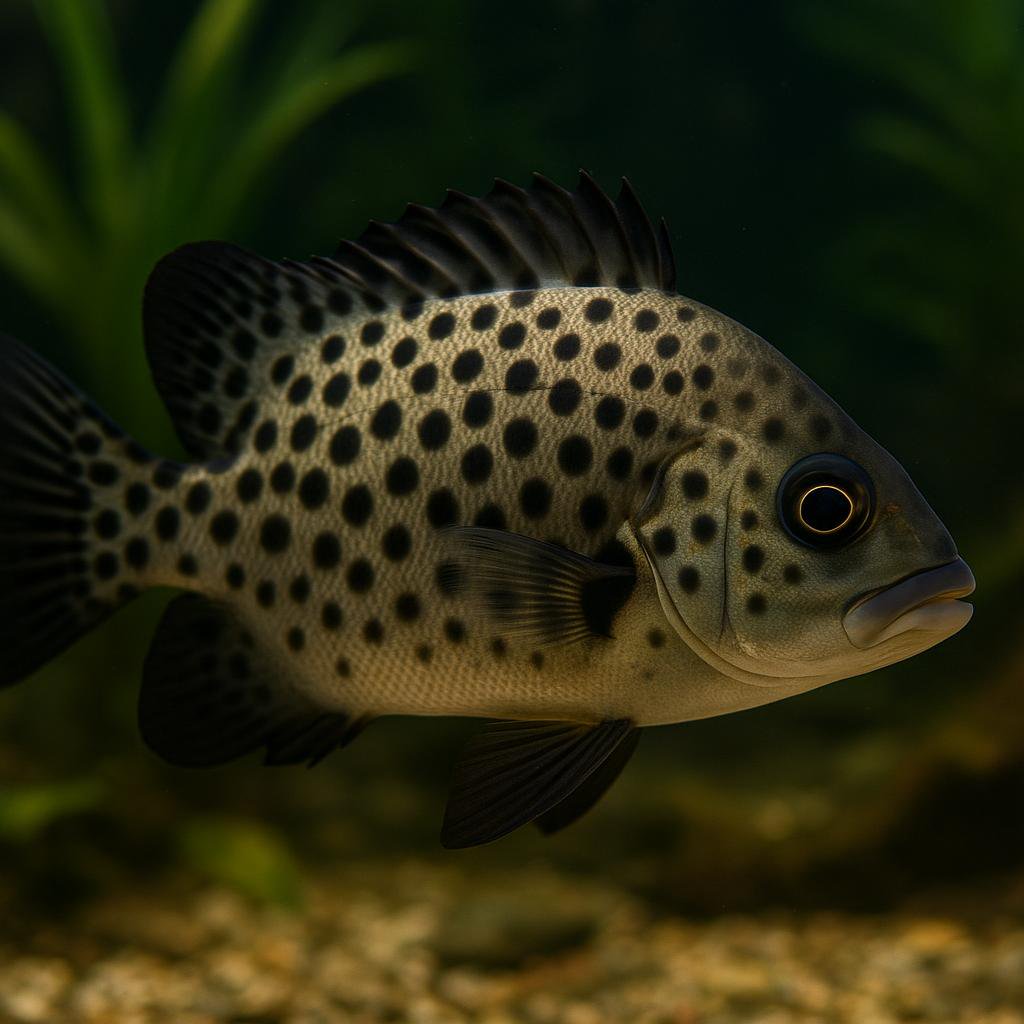
Blackfin slatey
Diagramma melanacrum
A large sweetlips from Southeast Asian reefs with a pale silvery-yellow body sprinkled in dark spots and distinct black pelvic and anal fins. Juveniles linger in silty shallows, while adults rest in small groups on deeper reef walls by day and roam at night to pick off crabs, shrimp, and other invertebrates.
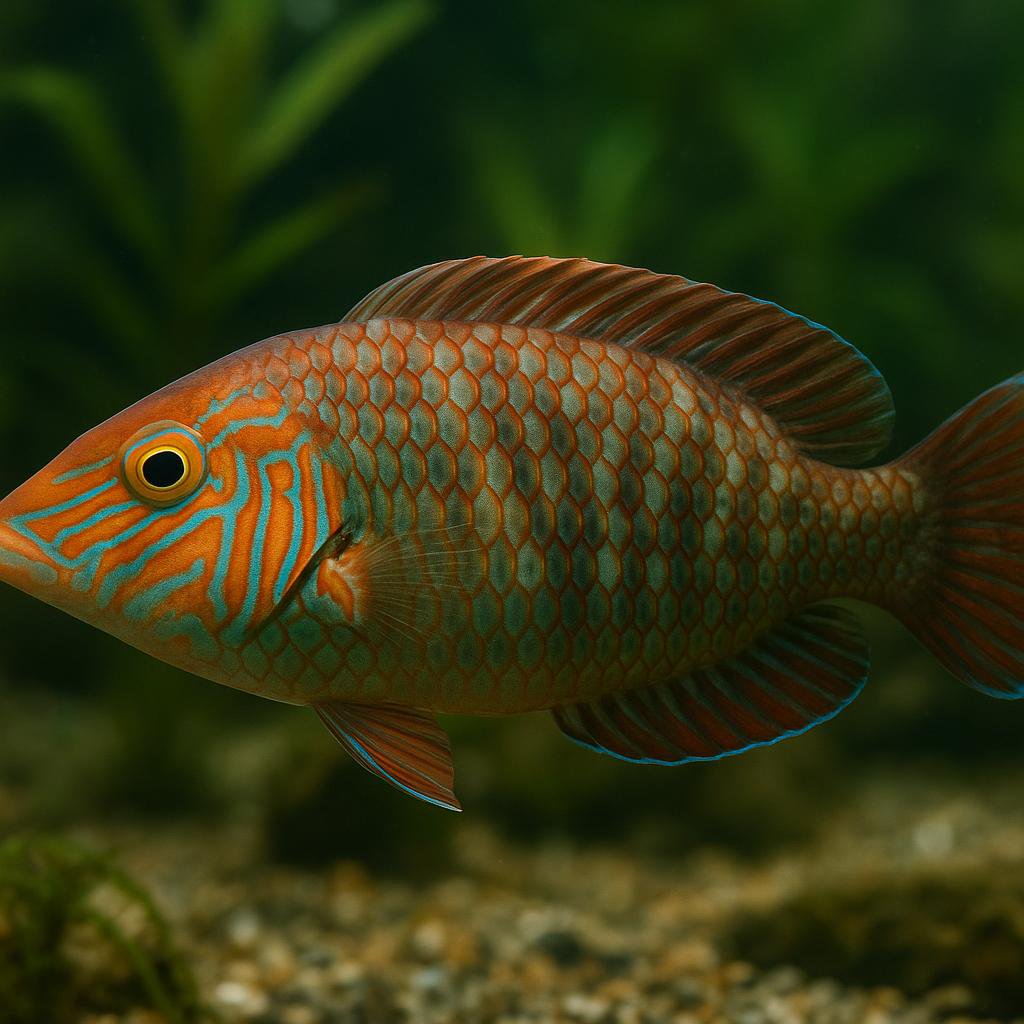
Blackspot razorfish
Iniistius dea
This is one of the coolest "knife-bodied" wrasses - it hangs over open sand and, when it gets spooked or wants to sleep, it literally torpedoes straight into the sand. Give it a deep, fine sand bed and it will act totally different (and way more natural) than a typical rock-hugging reef wrasse. Adults are usually shy and cruisy with tankmates, but they are not forgiving about rough handling or sketchy setups.
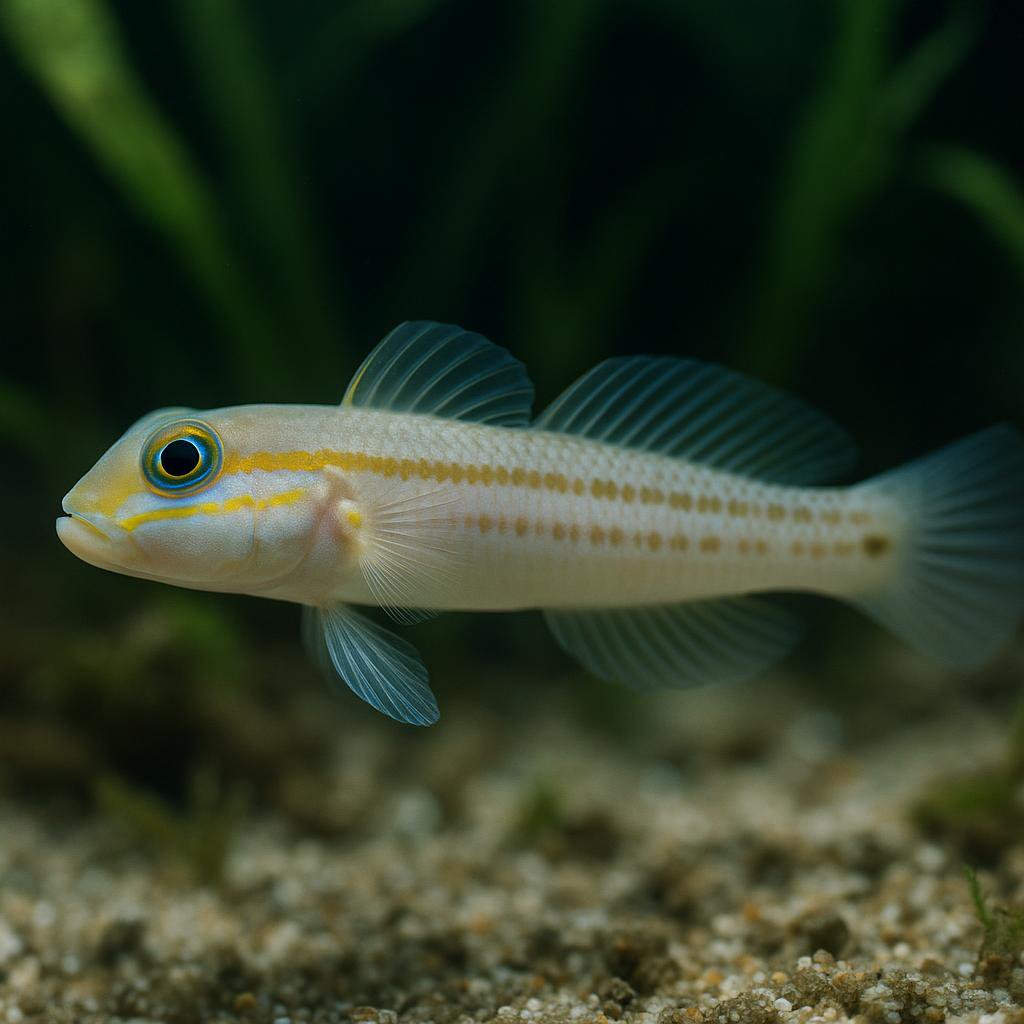
Blueband goby
Valenciennea strigata
This is that classic gold/yellow-headed sand-sifting goby with the little blue cheek stripe-always busy, always rearranging your sandbed. In a reef tank it'll spend the day taking mouthfuls of sand, filtering out tiny critters/foods, then "snowing" clean sand back out, and it'll usually claim a burrow area (often as a pair in the wild). It's super cool behavior-wise, but you really do need a mature tank with a proper sandbed and a lid because they can jump.
Bluespotted dottyback
Pseudochromis persicus
A striking dark-bodied dottyback covered in tiny blue spots from the Persian Gulf and nearby western Indian Ocean reefs. It grows larger than most dottybacks and throws a lot of attitude for its size, staking out caves and defending them hard. Best for roomy marine setups with robust tankmates and plenty of rockwork to break lines of sight.
Looking for other species?