

Sea goblin
Inimicus didactylus
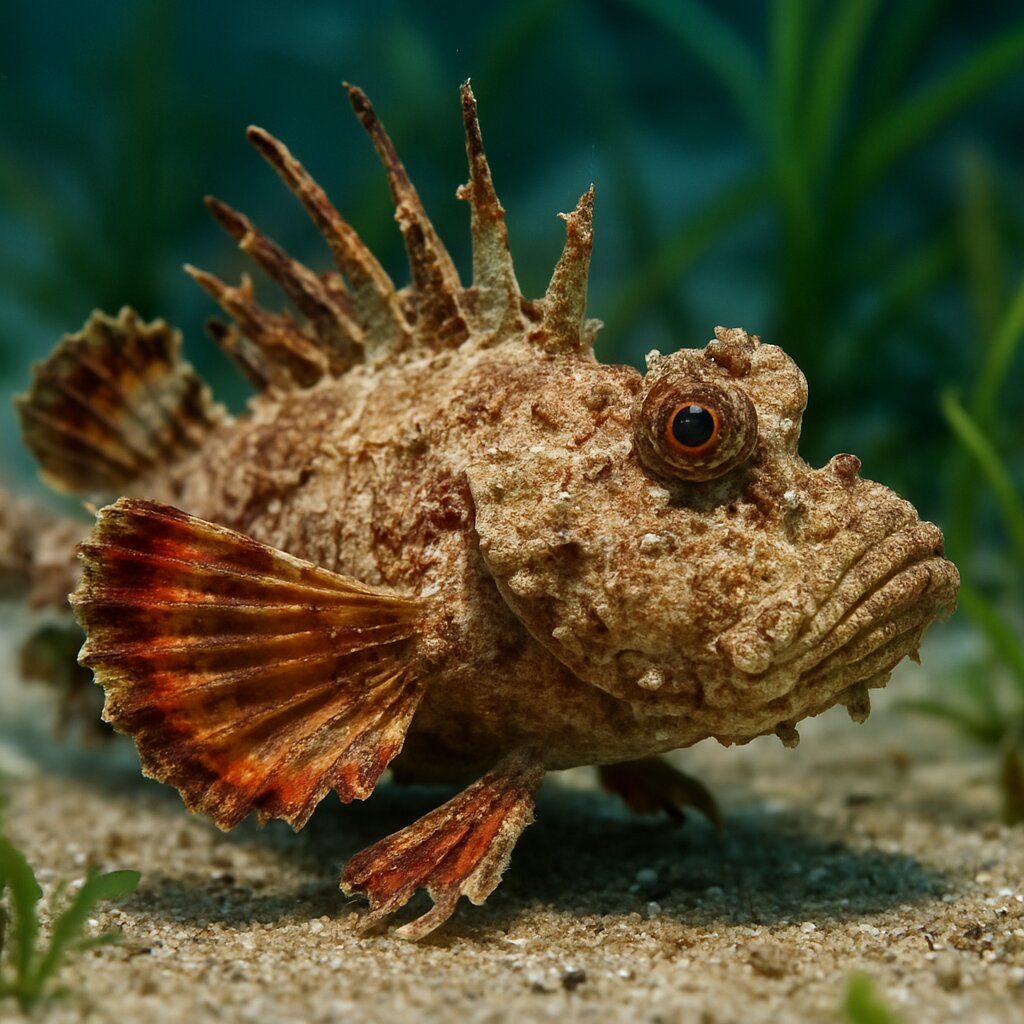
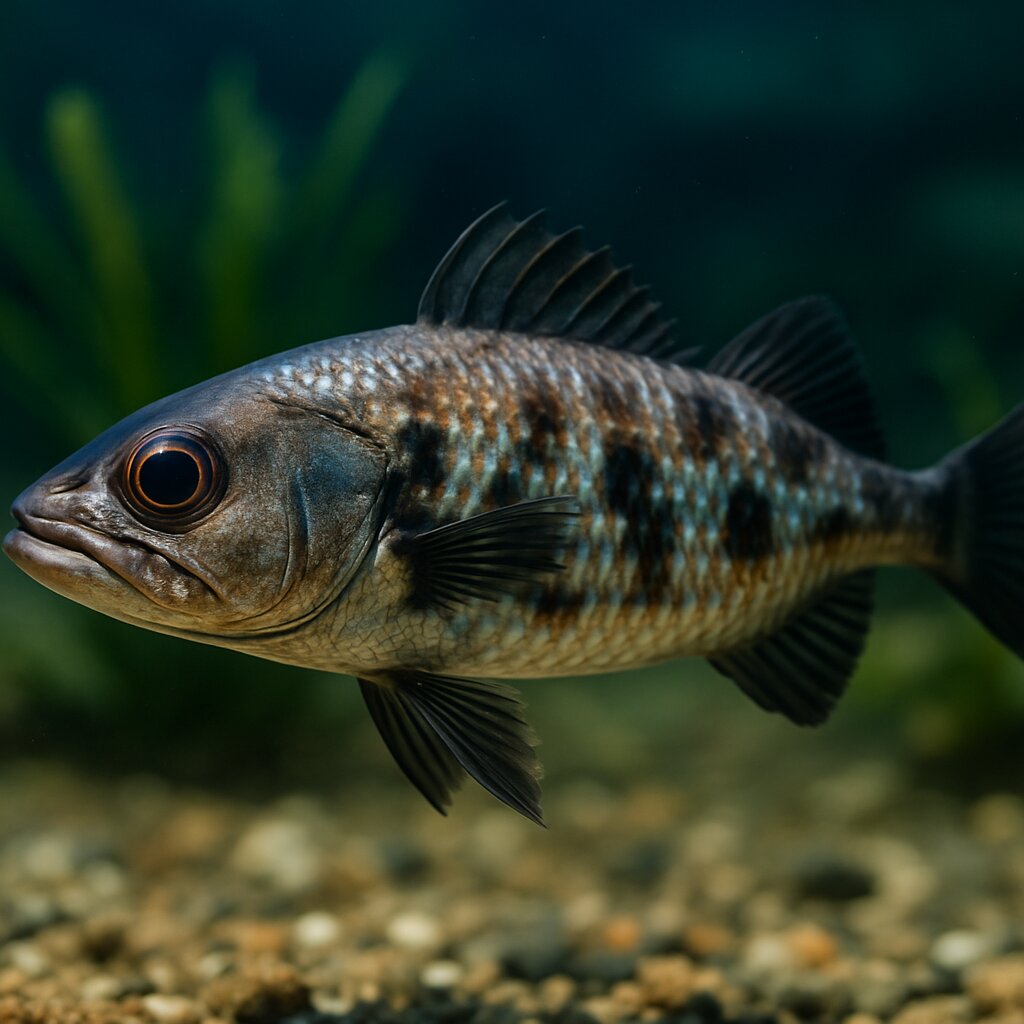
The Sea goblin features a flattened, elongated body with a mottled brown and orange coloration, camouflaging it among sandy substrates.
This page includes AI-generated images. Why am I seeing AI images?
About the Sea goblin
Picture a grumpy rock that walks on two finger-like fin rays and vanishes under the sand, then explodes out to inhale prey - that is the sea goblin. It is a venomous ambush predator with crazy patterned pectorals it flashes when disturbed, and it usually needs live foods at first.
Also known as
Quick Facts
Size
25 cm
Temperament
Aggressive
Difficulty
Expert
Min Tank Size
66 gallons
Lifespan
5-10 years
Origin
Indo-West Pacific
Diet
Carnivore - live shrimp and small fish; may be trained to accept frozen items
Water Parameters
22-27°C
8.1-8.4
7-12 dGH
Need a heater for this species?
This species needs 22-27°C in a 66 gallon tank. Use our heater calculator to find the right wattage.
Calculate heater sizeCare Notes
- Give it a 55+ gal tank with 2-3 inches of fine sand and some rock for shade; it will bury and sit, so leave open sand and keep lighting on the dim side.
- Hold salinity at 1.024-1.026, temp 76-79 F, pH 8.1-8.4; zero ammonia and nitrite, and keep nitrate under about 20 ppm with steady, stable numbers.
- Run low to moderate flow with a quiet spot on the bottom, and guard pump intakes and overflows because they like to park on hardware.
- Start feeding with live salt-safe shrimp or acclimated mollies if it is stubborn, then switch to tongs-fed thawed prawn, squid, or silversides; feed 2-3 times a week and rotate foods.
- Anything bite-sized will vanish, so house with calm, larger tankmates; skip triggers, puffers, and big wrasses that nip or bully slow feeders.
- Venomous spines are no joke - move it with a specimen container, not a net, and keep fingers out of its strike zone during maintenance.
- Not cleanup-crew safe and rough on frags; better in FOWLR or a low-key coral setup where you do not mind it eating shrimp and knocking things over.
- Breeding in home tanks is basically unheard of and sexing is tricky; for quarantine, use observation-first and avoid heavy meds that beat up scaleless fish.
Compatibility
Good Tankmates
- Big tangs and surgeonfish that do laps midwater and leave the sand alone - just target feed the goblin so the tangs do not steal everything
- Foxface and other rabbitfish - chilled herbivores that ignore a sulking bottom ambusher
- Medium to large squirrelfish or soldierfish - nocturnal cruisers that are too big to be a snack and not nippy
- Similar-size lionfish or other scorpionfish - slow and respectful roommates if neither can fit the other in its mouth
- Size-matched moray eels with plenty of caves - they mind their own business and the goblin ignores them
- Sturdy hawkfish like longnose or arc-eye - perchers that will not pick at spines, just manage feeding so the goblin gets its share
Avoid
- Triggers, puffers, and big nippy wrasses - they will chew fins, annoy the goblin, and can get themselves stung
- Groupers and frogfish - mouthy predators that may try to eat the goblin and lose badly
- Anything bite-size or on legs - small fish, shrimp, crabs will get inhaled
- Stingrays and other bottom cruisers - risk of stepping on venomous spines and everyone has a bad day
Where they come from
Sea goblins (Inimicus didactylus) are Indo-Pacific ambush predators. You find them on sandy and muddy flats, seagrass edges, and rubble zones from the Red Sea across to Japan and down to northern Australia. They bury themselves and
look like a lump of reef until a snack wanders by. Those pectoral "fingers" are real - they use them to "walk" and probe the bottom. They are venomous, very still, and very good at disappearing in plain sight.
Common names bounce around: sea goblin, devil stinger, demon stinger. All point to the same scorpionfish with serious venomous spines.
Tank setup
Give them floor space, not height. A 40 breeder (36 x 18 in / 90 x 45 cm) works for one. Bigger is better if you want tankmates.
- Substrate: 2-3 inches of fine aragonite sand. Skip crushed coral and sharp sands; they bury and can scrape themselves.
- Aquascape: Open sand patch front and center. Low rock arches or rubble piles around the edges. Keep rockwork stable.
- Flow: Gentle to moderate with a calm zone. They like to sit out of the blast.
- Lighting: Dim to moderate. They are crepuscular and appreciate shaded spots.
- Lid: Tight-fitting. They are not jumpers, but lids keep food odors in and accidents out.
- Filtration: Strong skimmer and regular mechanical filtration. Feeding is messy.
- Parameters: 76-80 F (24-27 C), 1.023-1.026 SG, pH 8.1-8.4, low ammonia/nitrite, keep nitrate reasonable (<20-30 ppm).
Set up a "burial zone" of extra-soft sand where flow is lowest. They will pick that spot and settle, which keeps the rest of the tank cleaner.
Move them in a container, not a net. Nets snag spines and stress the fish. I use a specimen box or large deli cup inside the tank.
What to feed them
They are ambush predators that learn tongs fast if you are patient. Start with movement, then switch to non-live once they associate the tongs with food.
- Good foods (marine-origin): pieces of shrimp, squid, scallop, silversides, sand eels, lancefish, and live or thawed saltwater shrimp (grass/ghost shrimp acclimated to salt).
- What to skip: goldfish, rosy reds, and feeder guppies. Wrong fats and thiaminase issues long-term.
- Size: bites no larger than the width of the fish's eye-to-eye distance. They can swallow huge prey, but that is how you get regurgitation and injuries.
- Vitamins: soak frozen foods in Selcon or a marine vitamin a couple times a week.
Feeding schedule that has worked for me: juveniles every 2 days, adults every 3-5 days. Watch girth behind the head - a slight, smooth bulge is fine; bowling-ball shape means cut back.
Weaning trick: offer a live shrimp on long tweezers, then freeze the shrimp briefly so it stiffens, then move it with the tongs to mimic swimming. After a week or two they usually hit thawed foods without fuss.
How they behave and who they get along with
Calm, sneaky, and mostly motionless until feeding time or dusk. They will eat any fish or shrimp that fits in their mouth, so plan tankmates by size, not attitude.
- Safe bets: large, non-nippy fish that ignore bottom dwellers (bigger foxfaces, tangs, some peaceful angels), large cardinalfish, some eels. Another scorpionfish can work in a big tank with lots of space and sight breaks.
- Risky: triggers, puffers, big wrasses, and curious hawkfish - they poke and may get stung or harass the goblin.
- Inverts and corals: corals are fine; mobile inverts are snacks. Hermits and snails are usually OK; ornamental shrimp are not.
- Reef note: they sit on corals if placed poorly. Give them a sand pad so they do not bulldoze your frags.
They are venomous. Tankmates that bully or nip may get stung. That is bad for the other fish and your wallet.
Breeding tips
Not something hobbyists are pulling off at home. Sexing is not obvious, courtship is poorly documented, and they likely release eggs that drift. I have not seen a verified captive spawn for this species in standard aquaria.
If you want to experiment in a very large lagoon-style system: condition two adults on rich foods, give them lots of space and gentle flow, run seasonal light and temp swings, and keep a separate larval setup ready. Just set expectations low and enjoy the fish for what it is.
Common problems to watch for
- Refusing food after shipping: start with live saltwater shrimp, then wean. Keep the room quiet and lights low for the first week.
- Sand abrasions: shows up as pale scrapes on the flanks. Usually linked to sharp substrate. Swap to finer sand and keep water clean.
- Overfeeding and regurgitation: too large a meal or feeding too often. Smaller, spaced-out feedings fix this.
- Eye cloudiness: often water quality or mechanical irritation from rough sand. Improve filtration and check flow/sand choice.
- Parasites (flukes, Cryptocaryon): quarantine new arrivals. Prazipro works well for flukes. Use copper only if you are comfortable testing daily; appetite can drop under copper.
- Handling injuries: nets and rough moves break fin rays. Always use a container for transfers.
- Powerhead accidents: not common, but cover strong intakes, especially in small tanks.
Venom safety: dorsal, anal, and pelvic spines are venomous. Keep rigid tools and tongs between you and the fish. If stung, immerse the area in hot-but-tolerable water (about 110-113 F / 43-45 C) for 30-90 minutes and seek medical help immediately. Do not cut the wound or apply a tourniquet.
Have a plan: long tweezers, puncture-resistant gloves, a specimen box for moves, and a labeled first-aid card near the tank. It sounds overkill until the day you need it.
Similar Species
Other marine aggressive species you might be interested in.
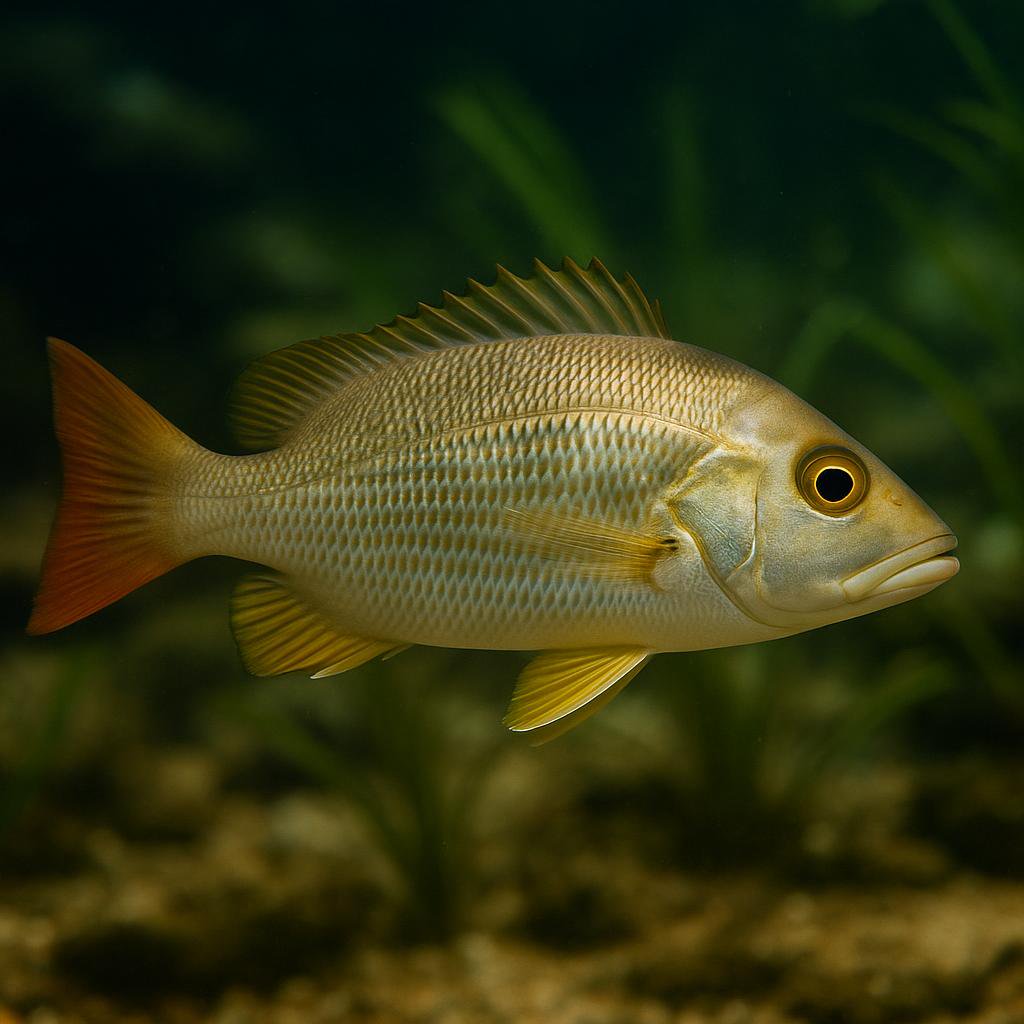
African red snapper
Lutjanus agennes
This is a true snapper from West Africa - a big, fast-growing predator that goes from coastal reefs to brackish lagoons and estuaries (especially as a juvenile). Super cool fish in the wild, but it gets absolutely huge and will eat smaller tankmates once it has the mouth for it, so its really more of a public-aquarium scale animal than a home-aquarium fish.
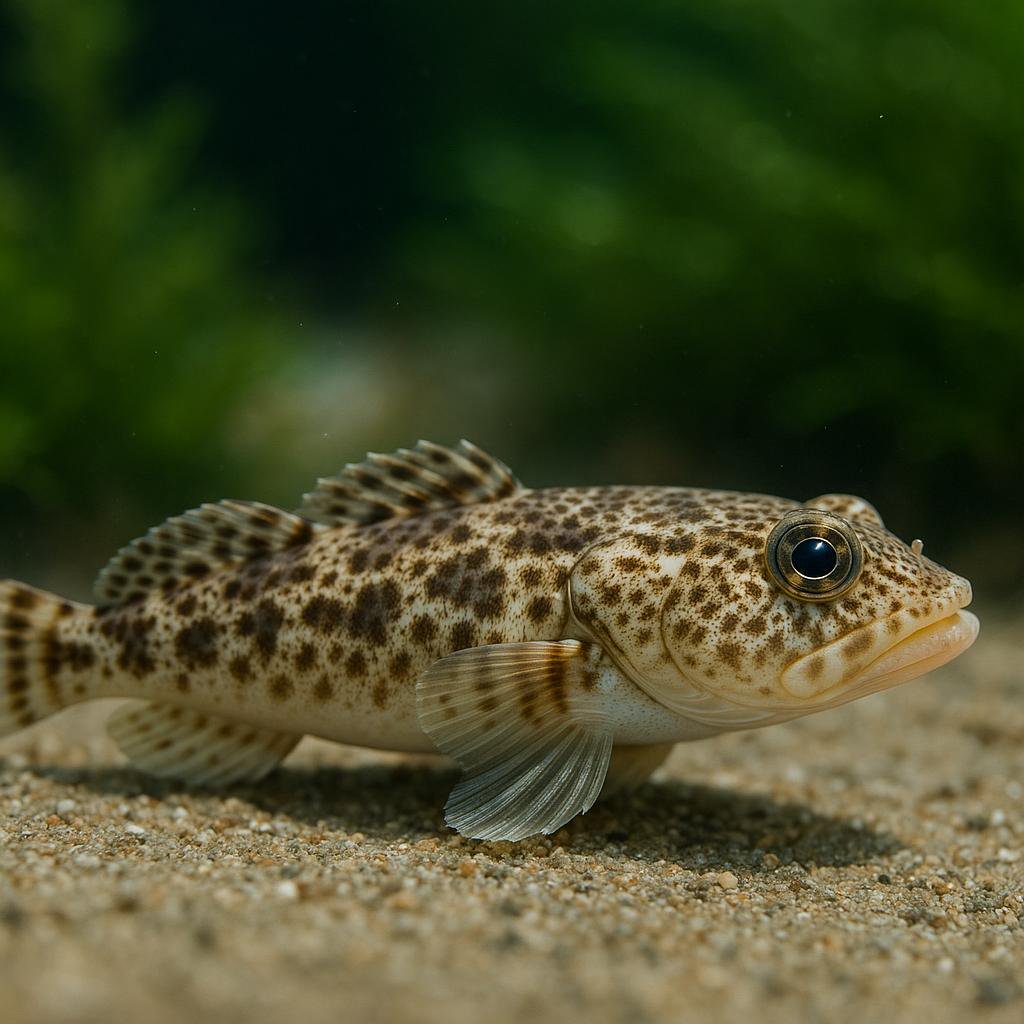
Banded stargazer
Kathetostoma binigrasella
This is a New Zealand stargazer that lives half-buried in sand or mud with its eyes pointed up, waiting to rocket upward and nail passing prey. It has those neat dark saddle-bands across the back (especially as a juvenile), and like other stargazers it is venomous with spines near the gill cover/pectoral area - definitely a look-dont-touch fish.
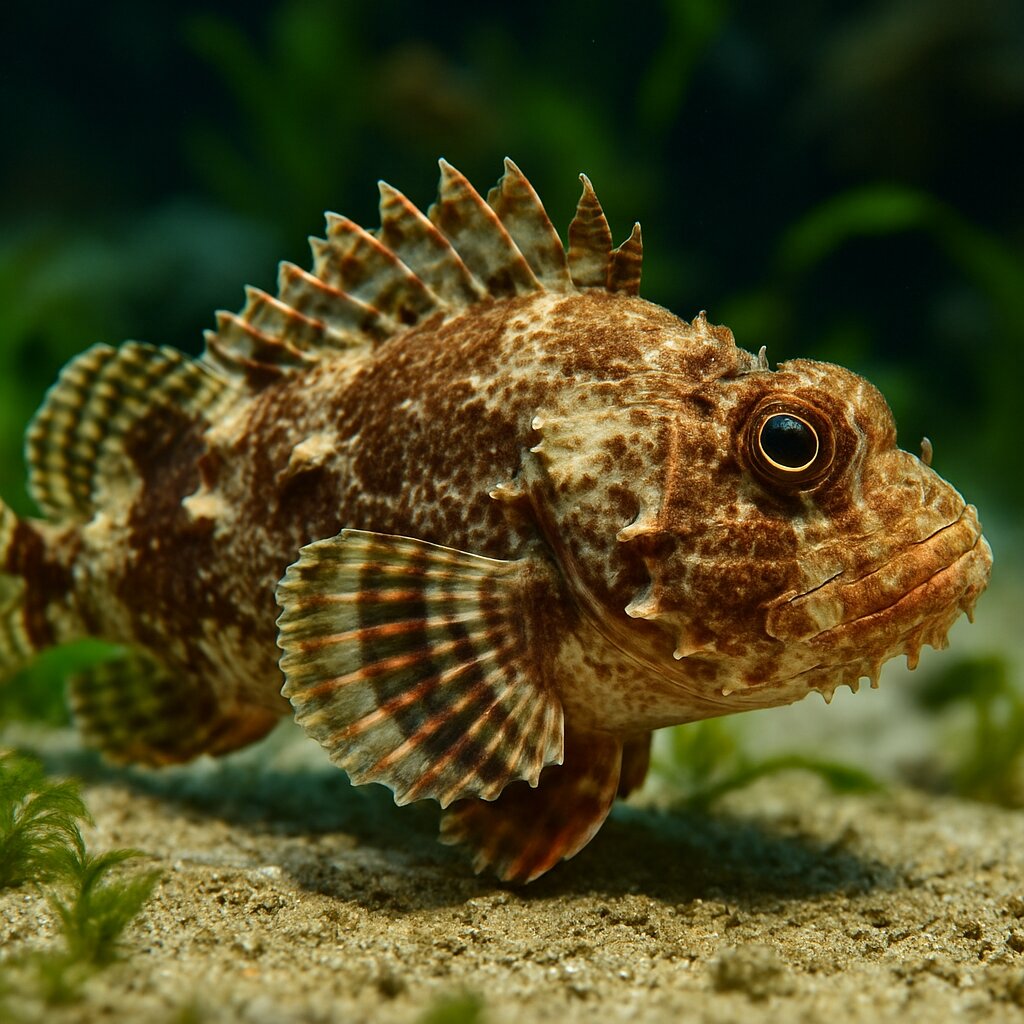
Bandfin scorpionfish
Scorpaenopsis vittapinna
Think tiny ambush predator that vanishes into rubble and coral bits, then flashes a dark band on its pelvic and anal fins when it shifts. It tops out around 3 inches, packs venomous spines, and loves to gulp unsuspecting shrimp and small fish. Super cool to watch once it settles, but it absolutely demands careful handling and smart tankmate choices.
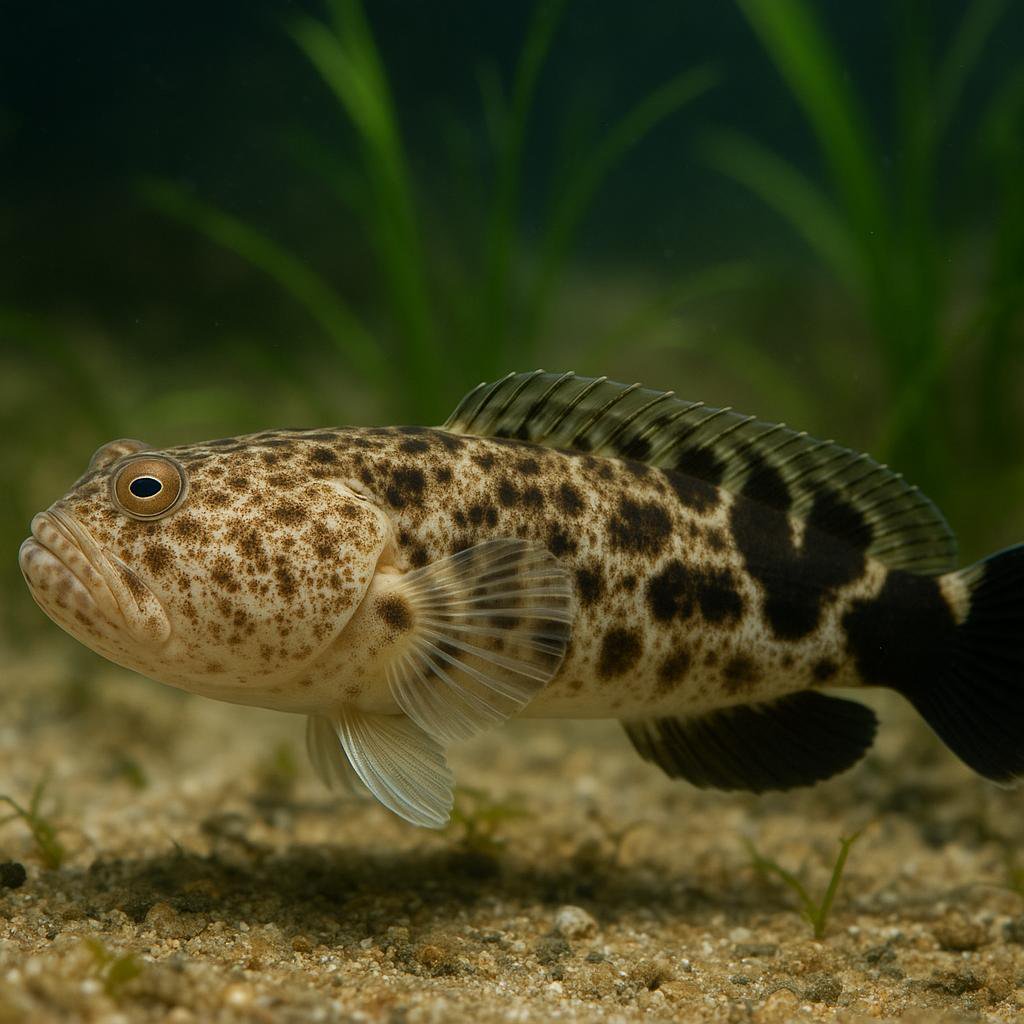
Blackfin stargazer
Ichthyscopus nigripinnis
This is a little sand-sitting stargazer from Australia that likes to lie in wait with its eyes up top and nail passing prey. That black mark on the front part of the dorsal fin is basically its signature. Cool fish, but its more of a wild marine predator than something you set up in a typical home aquarium.
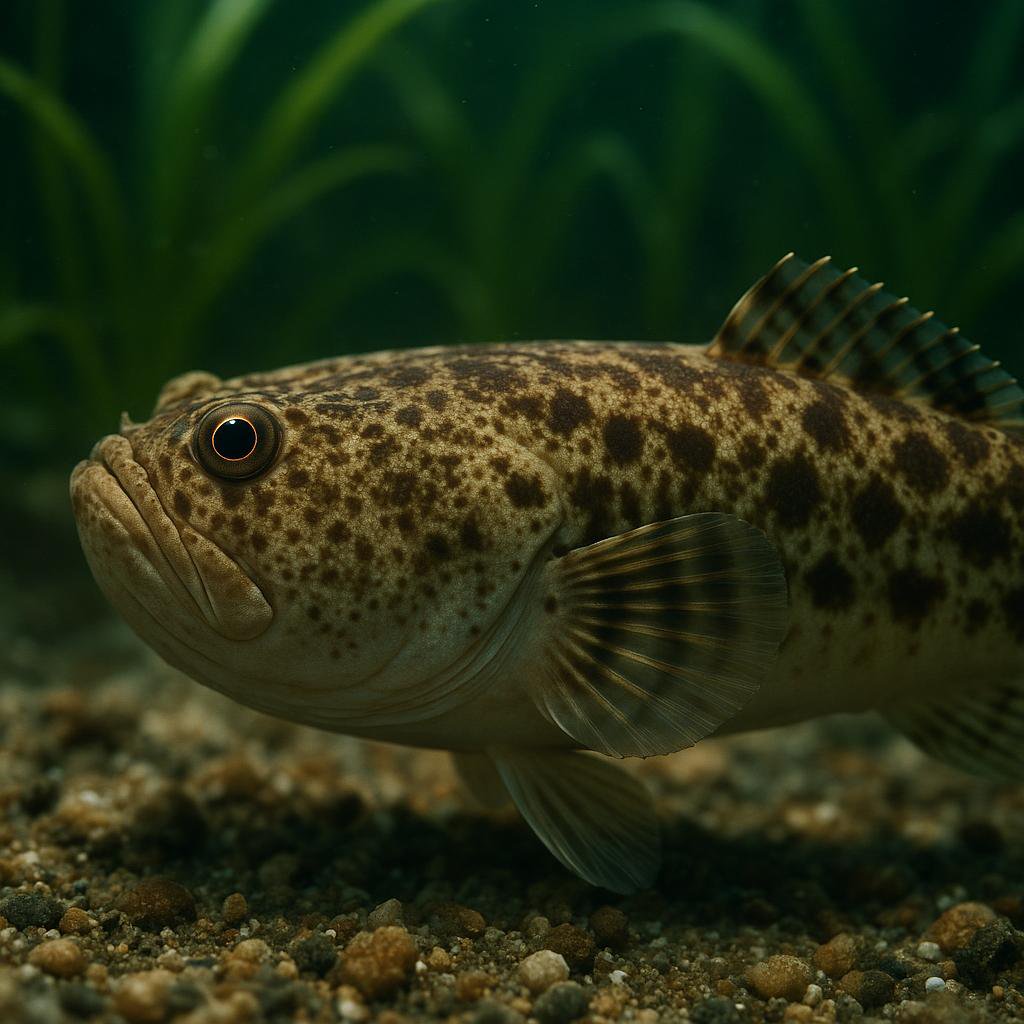
Brownspotted stargazer
Uranoscopus fuscomaculatus
A deep demersal stargazer recorded at 366–389 m that lies buried in sand or mud to ambush prey. Distribution is Southwestern Pacific (Vanuatu and Fiji). Given its deep, cold habitat and specialized requirements, it is not a practical aquarium species.
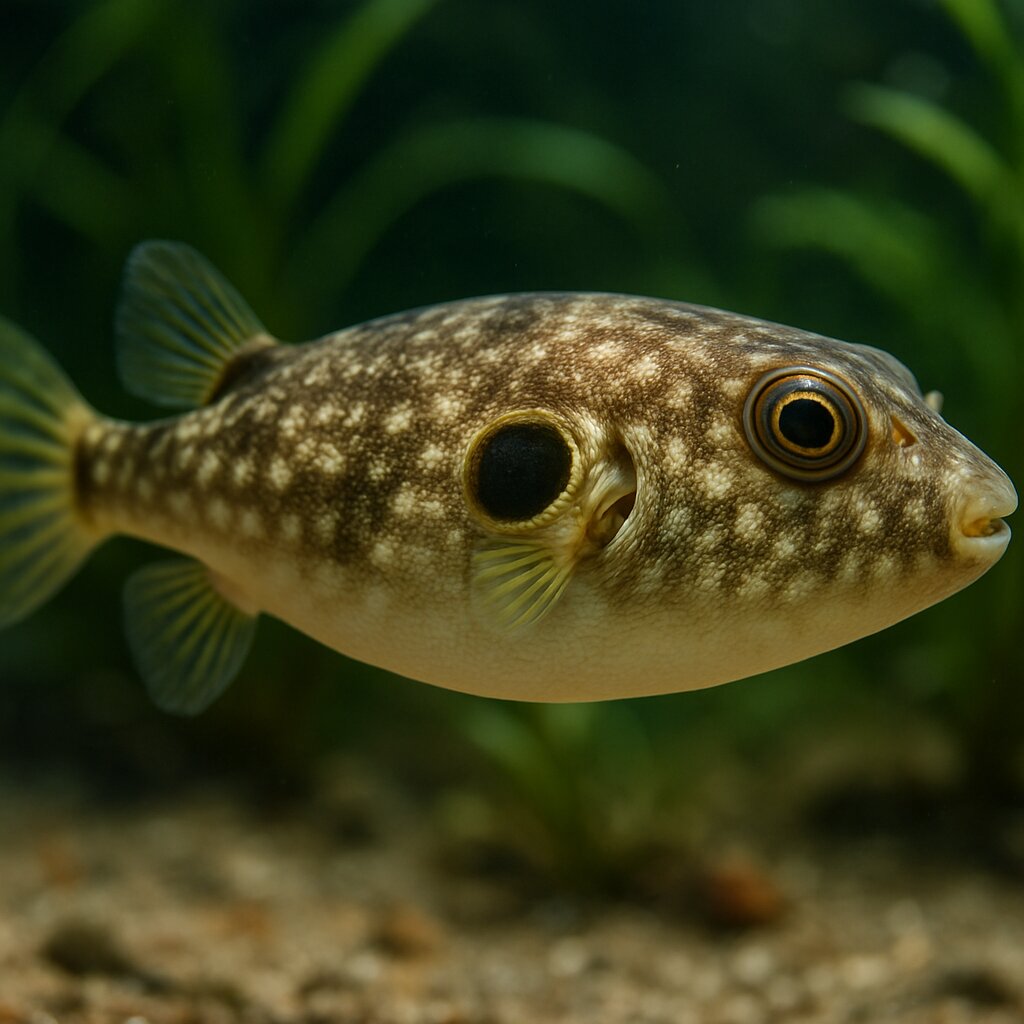
Bullseye puffer
Sphoeroides annulatus
Big personality in a football-shaped body with pale rings along the back that make a bullseye pattern. This is a stout Eastern Pacific puffer that crunches snails and crabs with ease and needs true saltwater and lots of room. Super cool to watch, but it turns nippy with tankmates and grows into a serious, messy eater.
More to Explore
Discover more marine species.
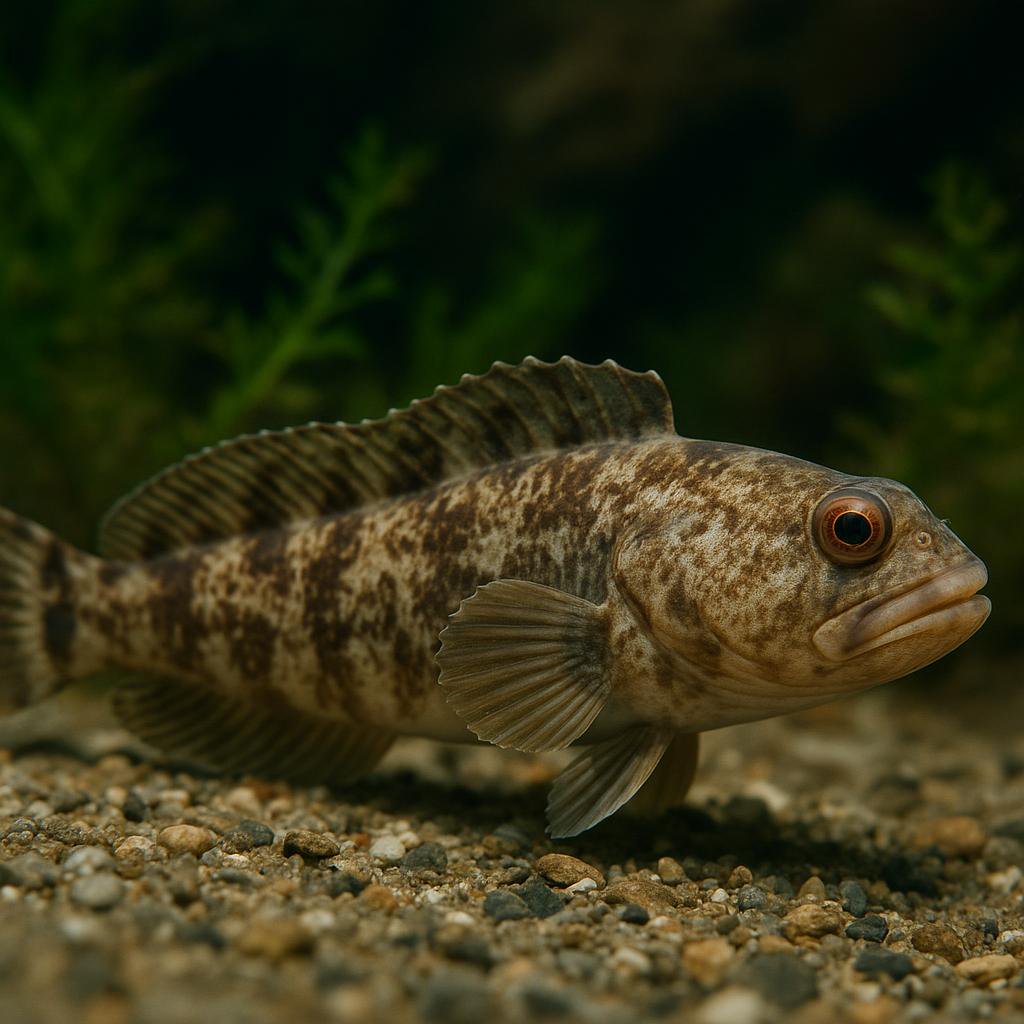
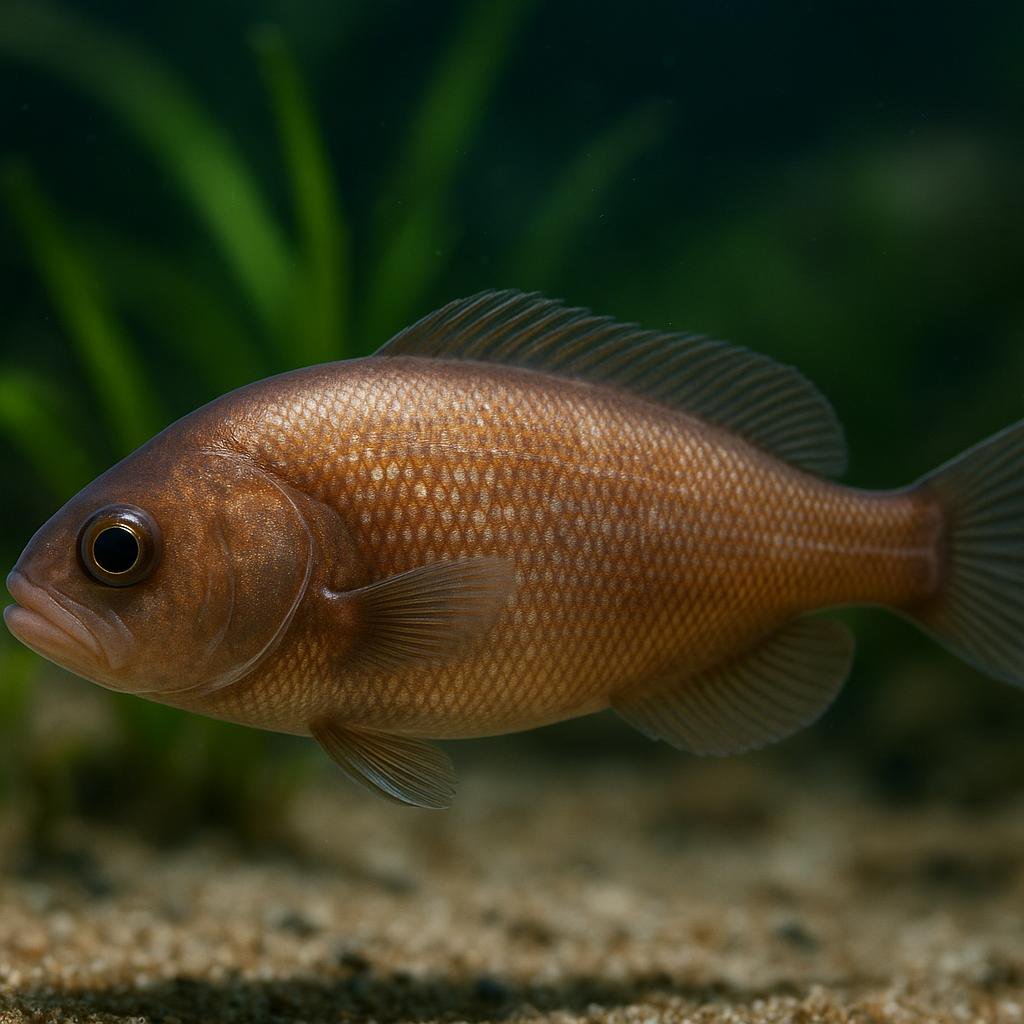
Abe's eelpout
Japonolycodes abei
Japonolycodes abei is a temperate, deepwater demersal eelpout (family Zoarcidae) endemic to Japan (Kumano-nada Sea reported; other sources also report Sagami Bay and Tosa Bay). It is the only species in the genus Japonolycodes and occurs roughly 40-300 m depth, making it an uncommon/atypical aquarium species.
Affinis blind cusk-eel
Barathronus affinis
Barathronus affinis is a tiny, super-weird deep-sea blind cusk-eel from the western-central Indian Ocean. It is one of those gelatinous, loose-skinned brotula-type fishes that live way down in the dark and are basically never seen alive, so almost everything we know comes from preserved specimens and taxonomic work.
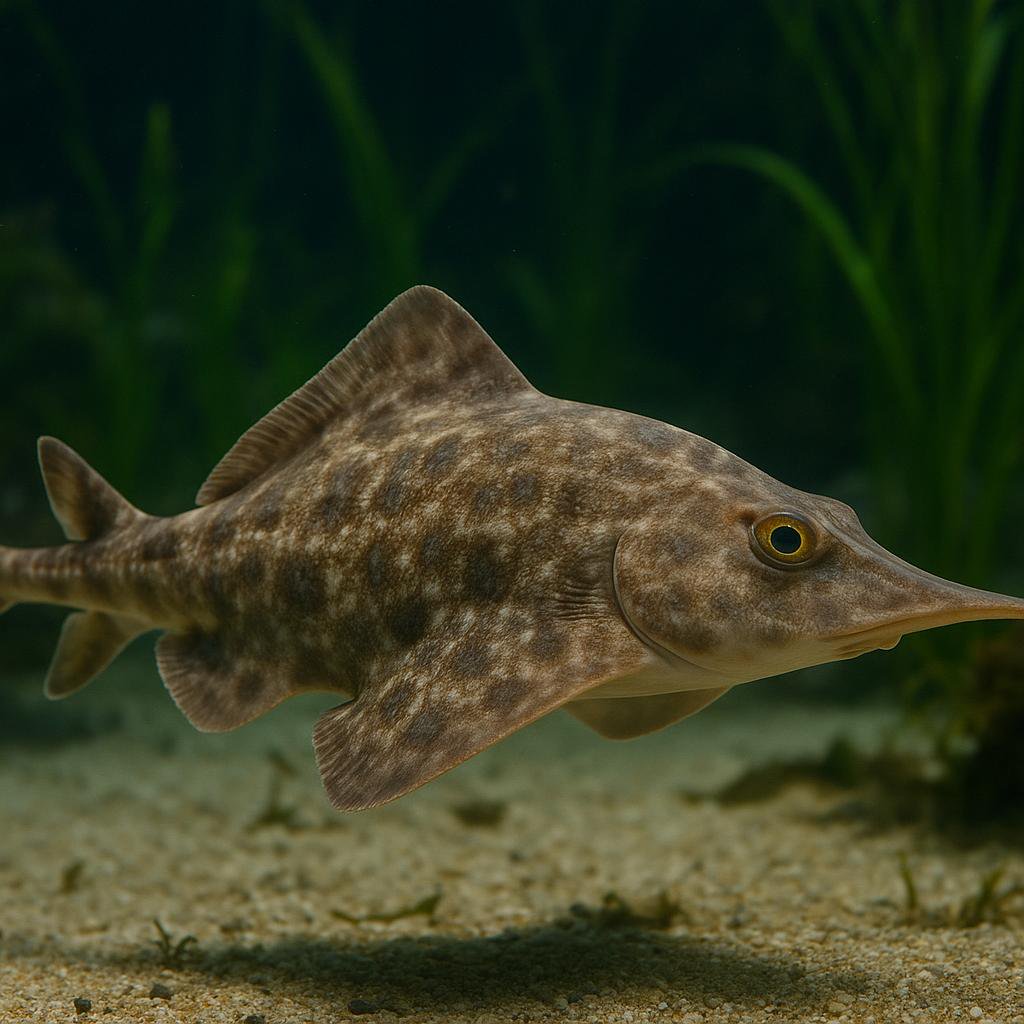
Aleutian skate
Bathyraja aleutica
This is a big, cold-water deep-slope skate from the North Pacific that cruises muddy bottoms and eats chunky benthic prey like crabs and shrimp. The really cool bit is its egg-laying skate life - it does distinct pairing (the classic skate "embrace") and drops those tough egg cases on the seafloor. Not an aquarium fish at all unless you're basically running a public-aquarium-style chilled system.
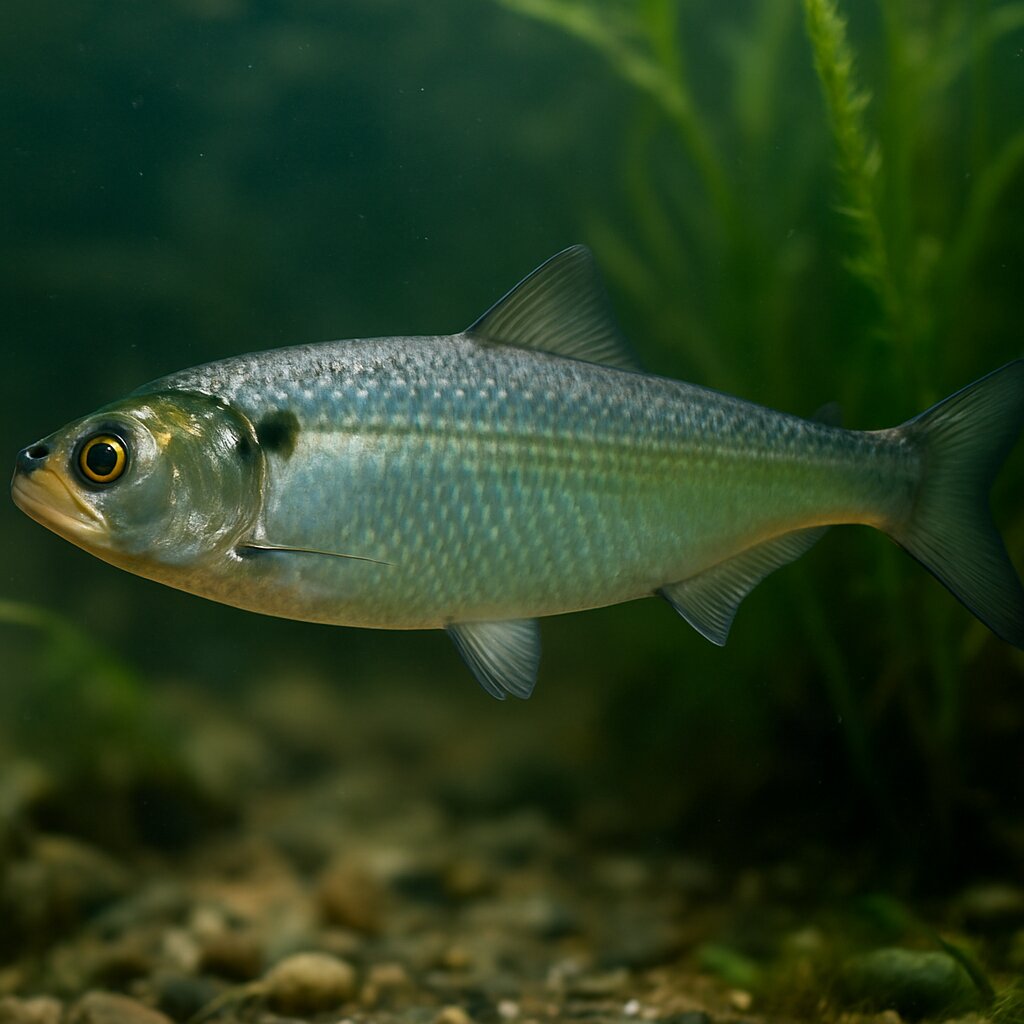
Allis shad
Alosa alosa
Gorgeous silver, fast-swimming shad that spends most of its life in the sea and then surges up big rivers in noisy, surface-spawning schools. It grows huge for a herring-type fish and needs cool, ultra-oxygenated water and tons of open space, so it is a public-aquarium species rather than a home tank fish.
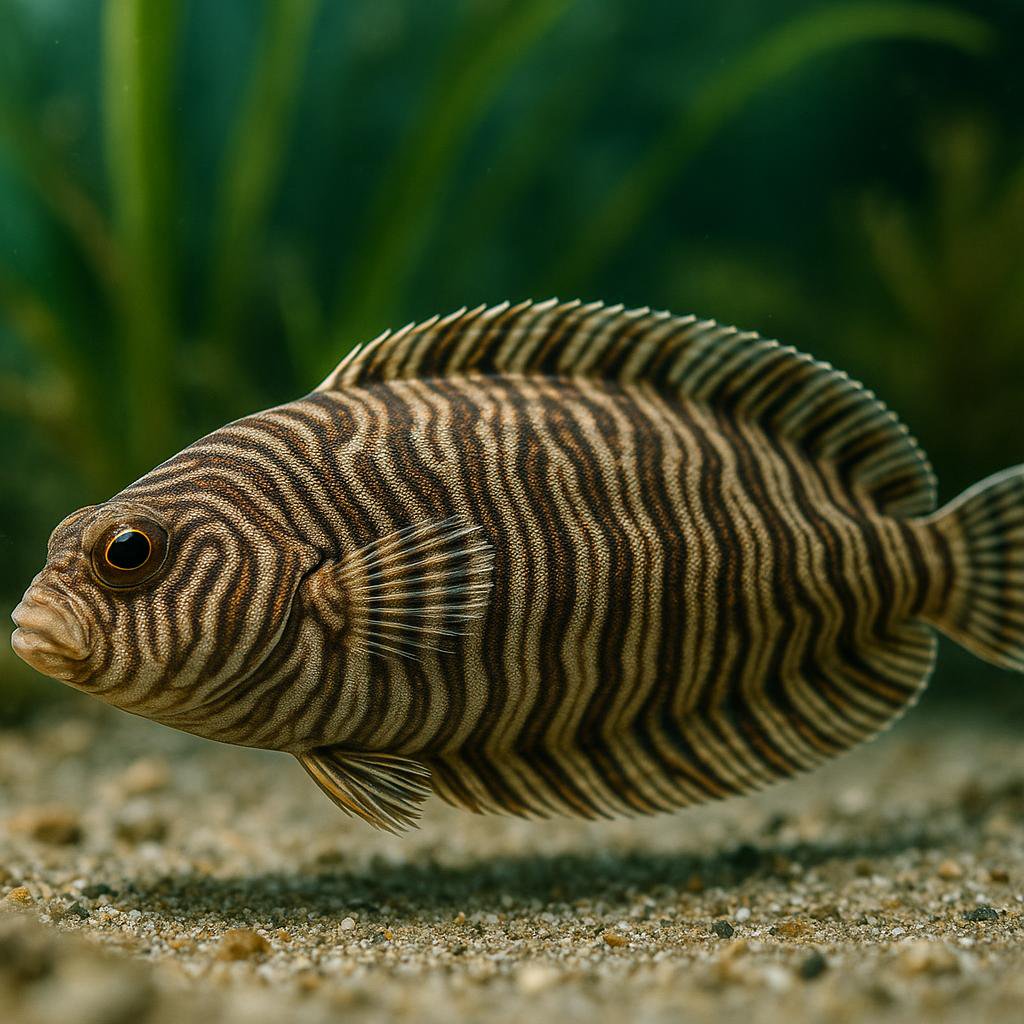
Annandale's zebra sole
Zebrias annandalei
Zebrias annandalei is a small demersal sole from coastal India that inhabits sandy or muddy bottoms and buries for camouflage. It is rarely kept in home aquaria and would require a specialized marine sand-bottom setup and appropriate feeding.
Antarctic dragonfish
Vomeridens infuscipinnis
Deep down around Antarctica, this sleek dragonfish cruises the water column like a little submarine, nearly neutrally buoyant so it can hover above the seafloor. It munches almost exclusively on Antarctic krill and lives in near-freezing water 500-800 m down, so it is a cool species to read about, not one for home tanks.
Looking for other species?