

Search Species
Search for fish species by common or scientific name, or use filters to browse by water type, size, temperament, and difficulty.
Found 541 species
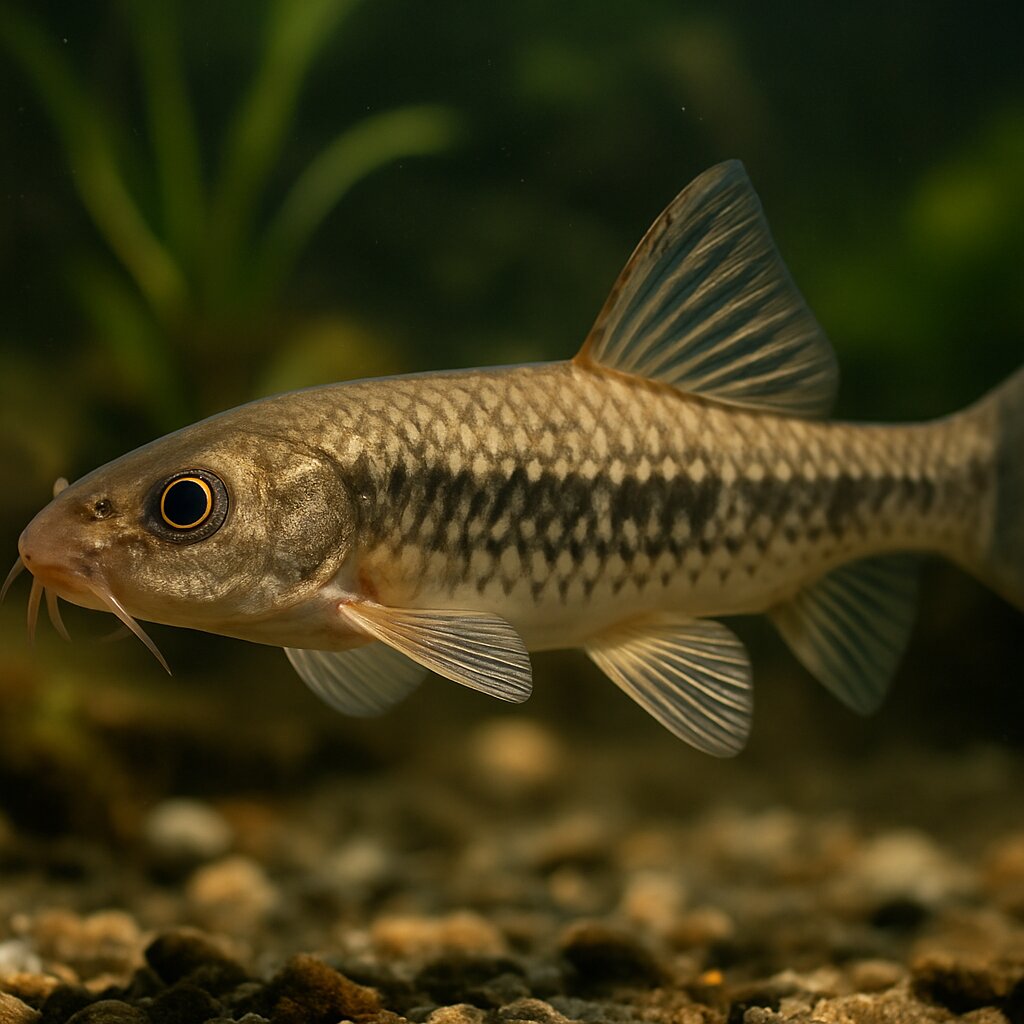
South Caucasian gudgeon
Romanogobio macropterus
A neat little river gudgeon from the Kura-Aras drainages, it hangs out right on the bottom and spends the day nosing through sand and gravel for tiny critters. Keep it cool and well-oxygenated with some current and you will see a lot of busy, natural foraging. It is subtle-looking but super active and fun to watch in a small group.
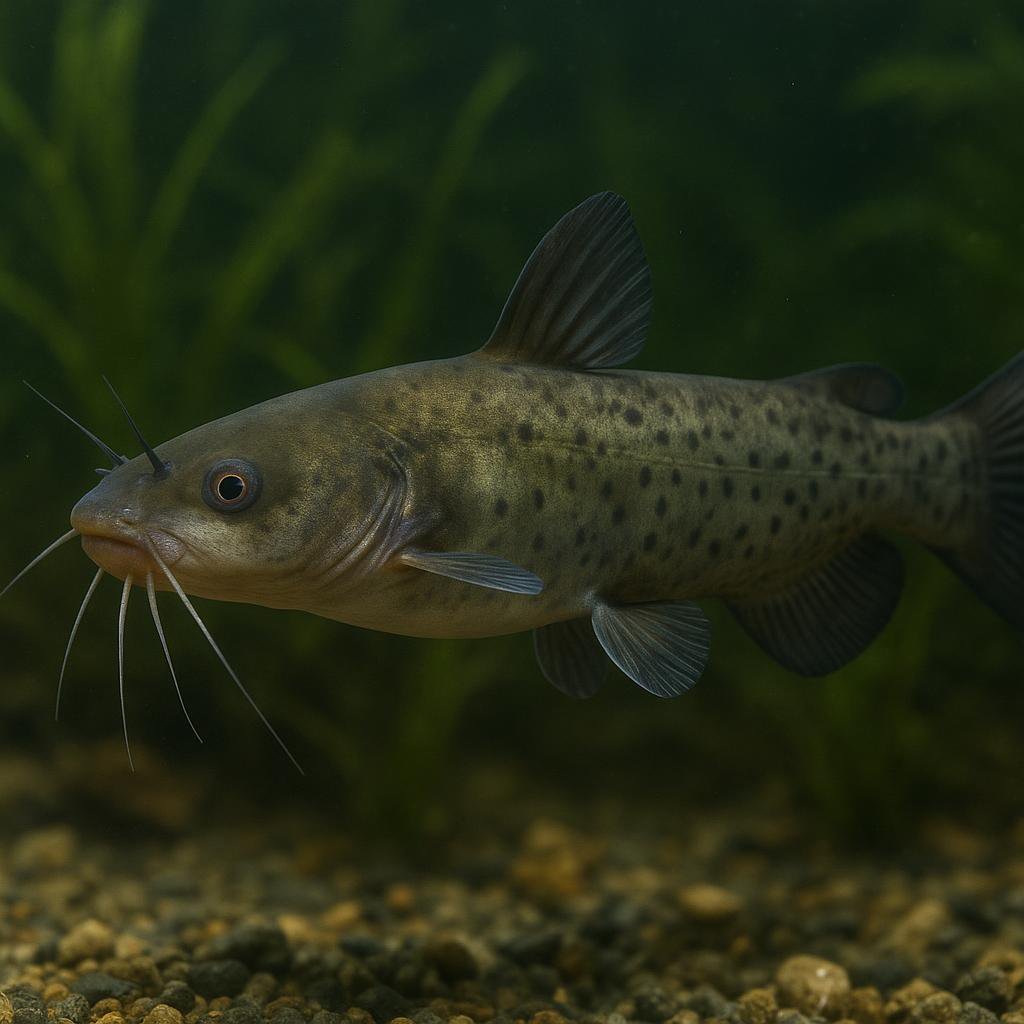
Southern blue catfish
Ictalurus meridionalis
This is basically the tropical cousin in the blue catfish group - a big, bottom-hugging (demersal) river catfish from the Usumacinta region. It gets way too large for normal aquariums, but if you ever see one in person the wide head, whiskers, and bulldozer vibe make it pretty unforgettable.
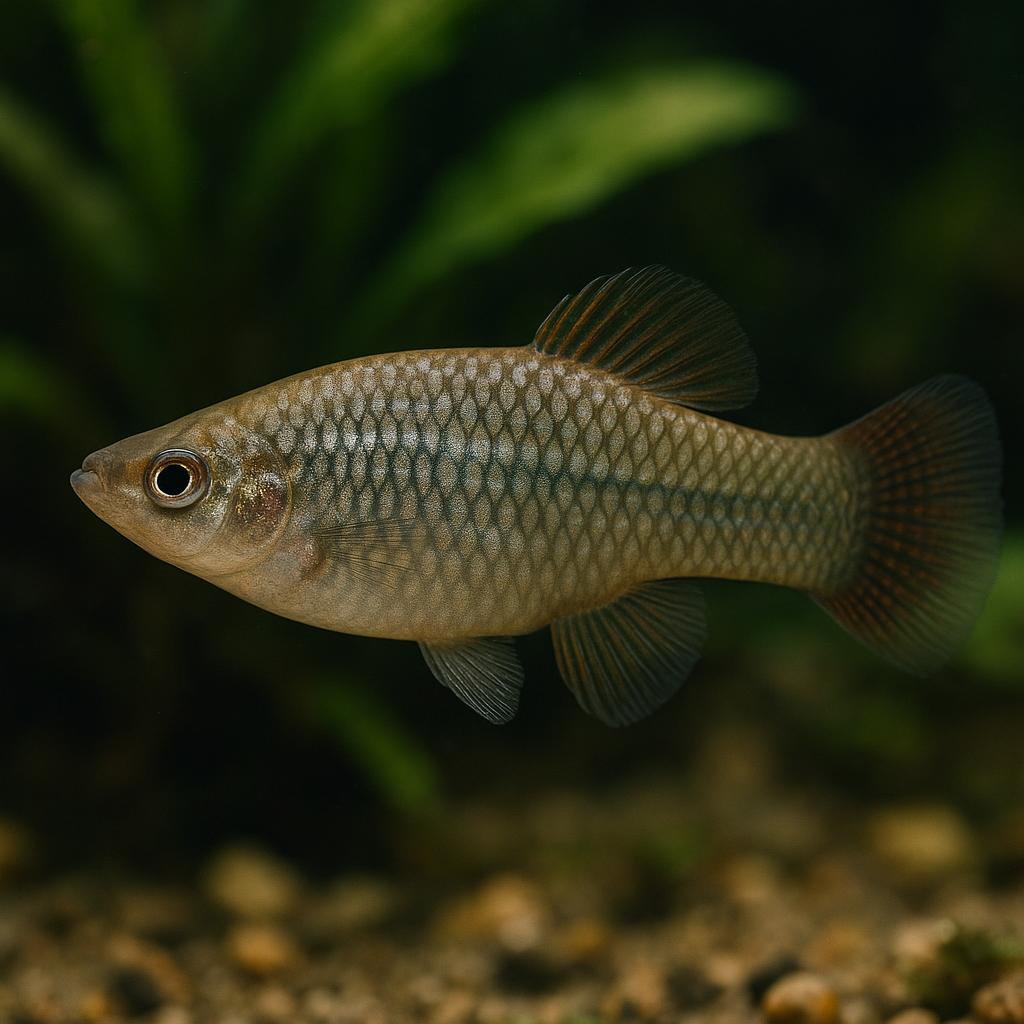
Southern mountain swordtail
Xiphophorus monticolus
Xiphophorus monticolus is a small, wild-type swordtail from Mexico that tends to hang in deeper pools in fast headwater streams with rocks and riffles. Males show a slender sword with darker edging and faint orange striping that can fade as they age, so its charm is more subtle than the gaudy domestic swordtail strains. Its big "gotcha" is that it is not a generic warm, hard-water livebearer - it comes from cooler, cleaner, flowing habitats, so it appreciates lots of oxygen and good maintenance.
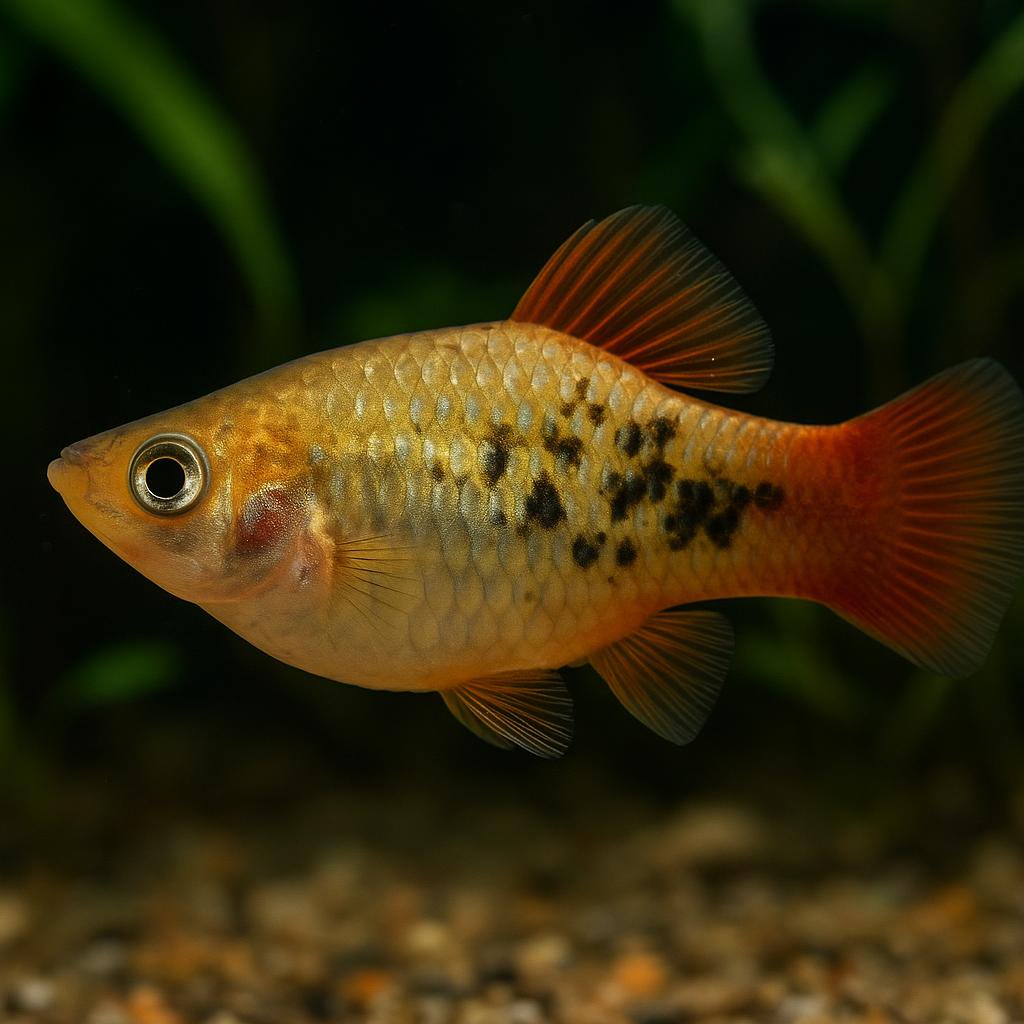
Southern platyfish
Xiphophorus maculatus
This is the classic platy-the little livebearer that's been bred into a ridiculous number of colors, but the wild-type is more of an olive-brown fish with dark blotches. They're super active, always cruising for snacks, and you'll see fun social behavior when you keep them in a small group. Also: if you mix males and females, you'll almost certainly end up with fry-these guys don't waste any time.
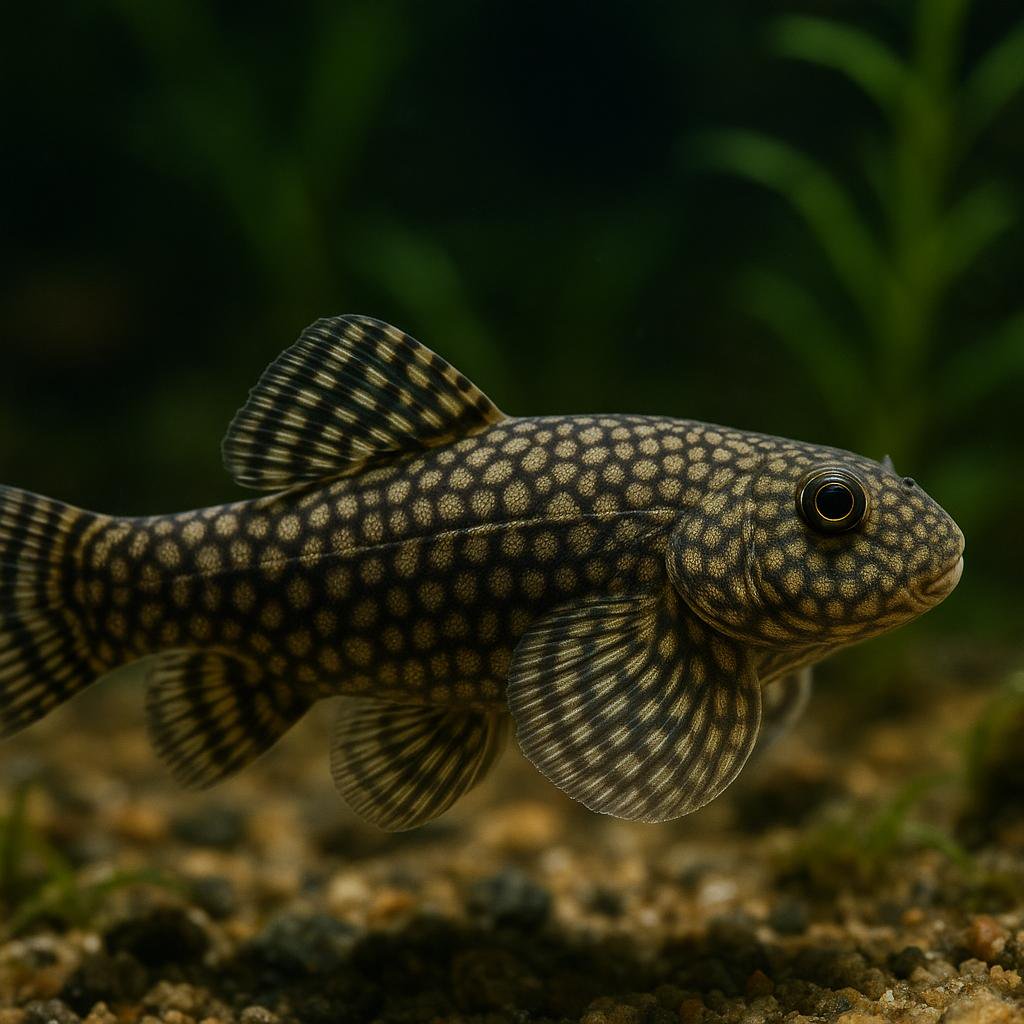
Speckled butterfly loach
Beaufortia polylepis
Beaufortia polylepis is one of those little hillstream loaches that looks like a tiny freshwater stingray with a speckled pattern, and it spends its day suctioned onto rocks grazing biofilm. The big trick with them is not "special water" so much as lots of oxygen and brisk flow - think cool, clean stream vibes, not a warm, still community tank.
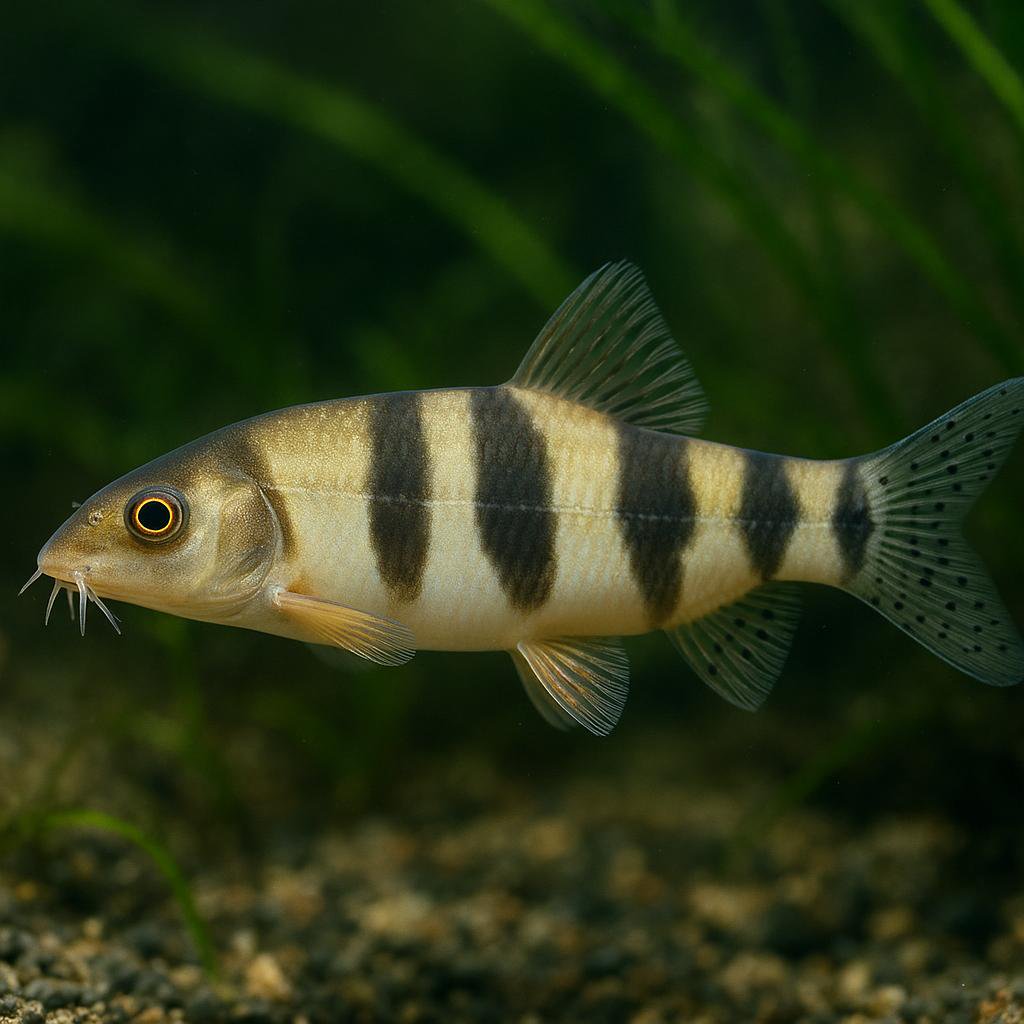
Speckle-tailed loach
Yasuhikotakia caudipunctata
This is one of those super-cool Mekong botiid loaches with a bold dark mark on the caudal peduncle and a tail sprinkled with tiny dots. In a group they get busy sorting out a pecking order, so you will see lots of posturing and chasing, but they are also fun, active fish when they are settled in with plenty of cover and current.
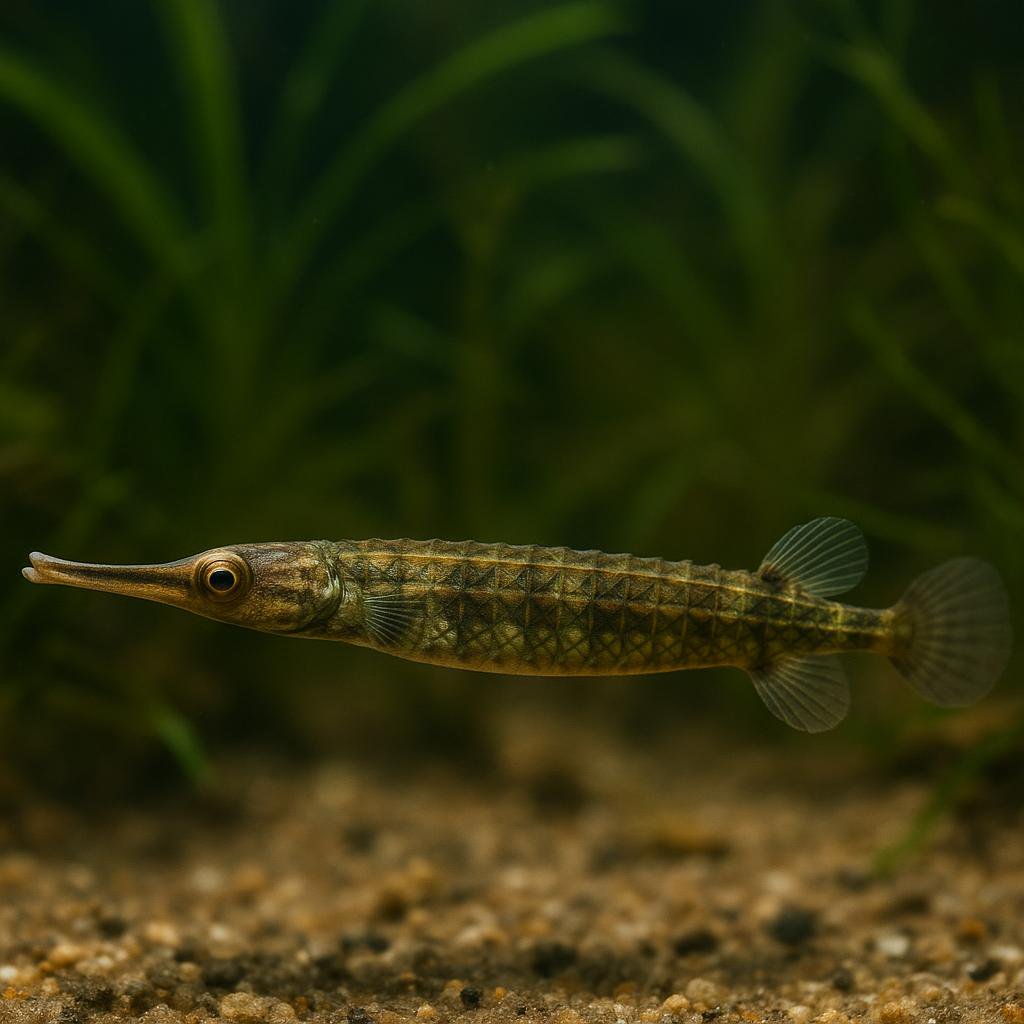
Spinach pipefish
Microphis spinachioides
This is a freshwater pipefish from Papua New Guinea - basically a tiny river cousin of seahorses with that stiff, armored "stick" body and a little tube snout for picking off micro-crustaceans. The really wild part is the males brood the eggs, and the species is so rarely seen in the wild that a lot of info we normally lean on for aquarium care just straight-up is not documented.
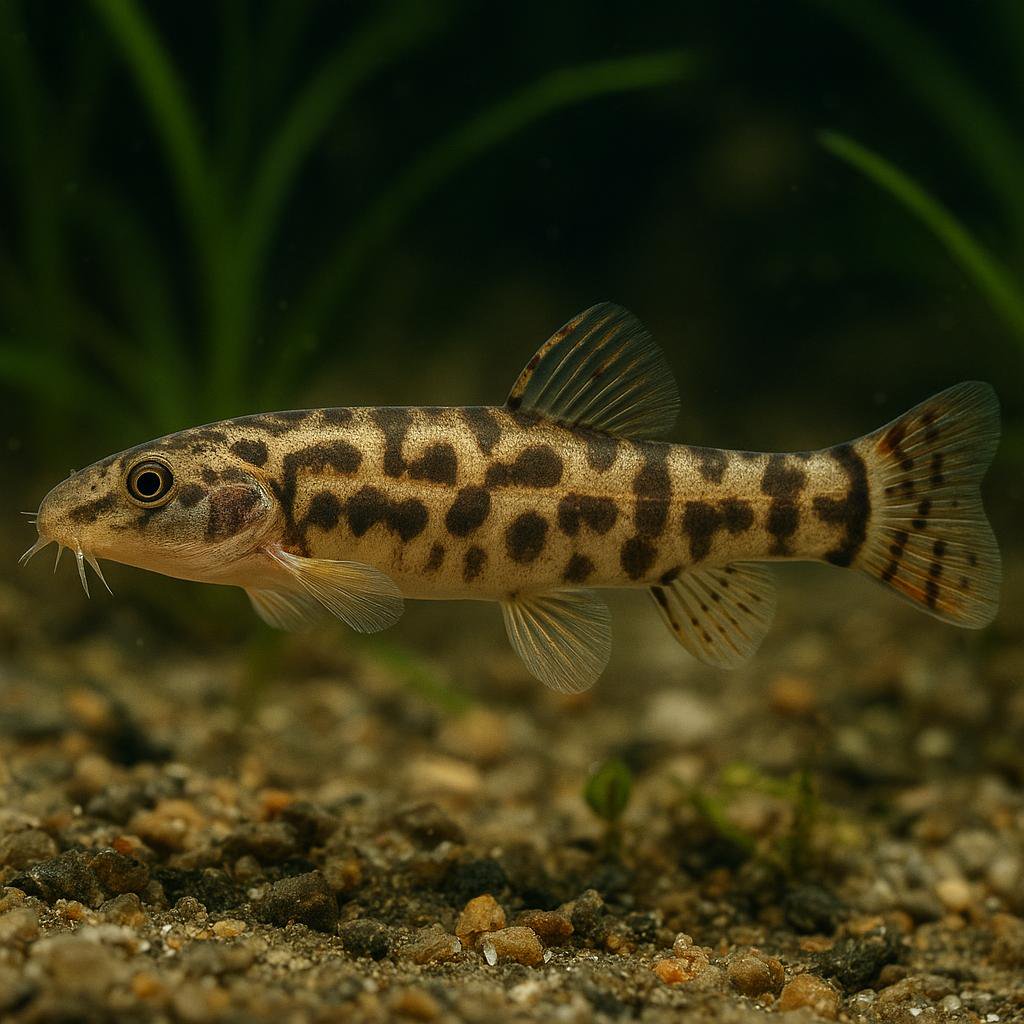
Spindle Yunnan loach
Yunnanilus elakatis
Yunnanilus elakatis is a nemacheilid (stone loach) endemic to Yunnan, China (type locality: Yiliang County). Aquarium-specific husbandry data for this exact species is scarce in major references; when kept, it should be maintained like other small stream-associated stone loaches: high water quality, good oxygenation, and a fine, smooth substrate with cover.
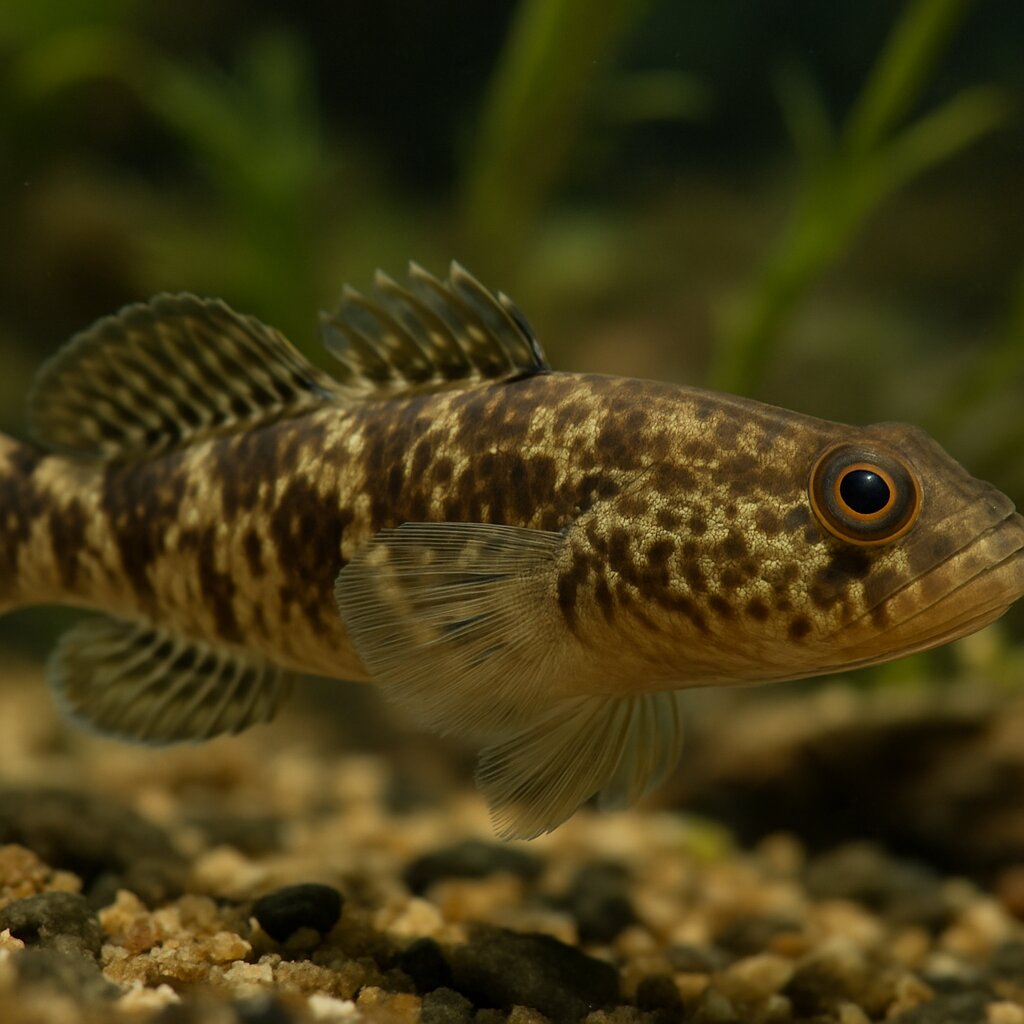
spinycheek sleeper
Eleotris valadei
A neat little sleeper goby from Madagascar and nearby islands, this guy hangs out on the bottom like a bulldog and waits to pounce on bite‑sized prey. It is amphidromous in nature, so adults live in fresh water but the species uses estuaries in its life cycle, and it will absolutely snack on tiny fish or shrimp.
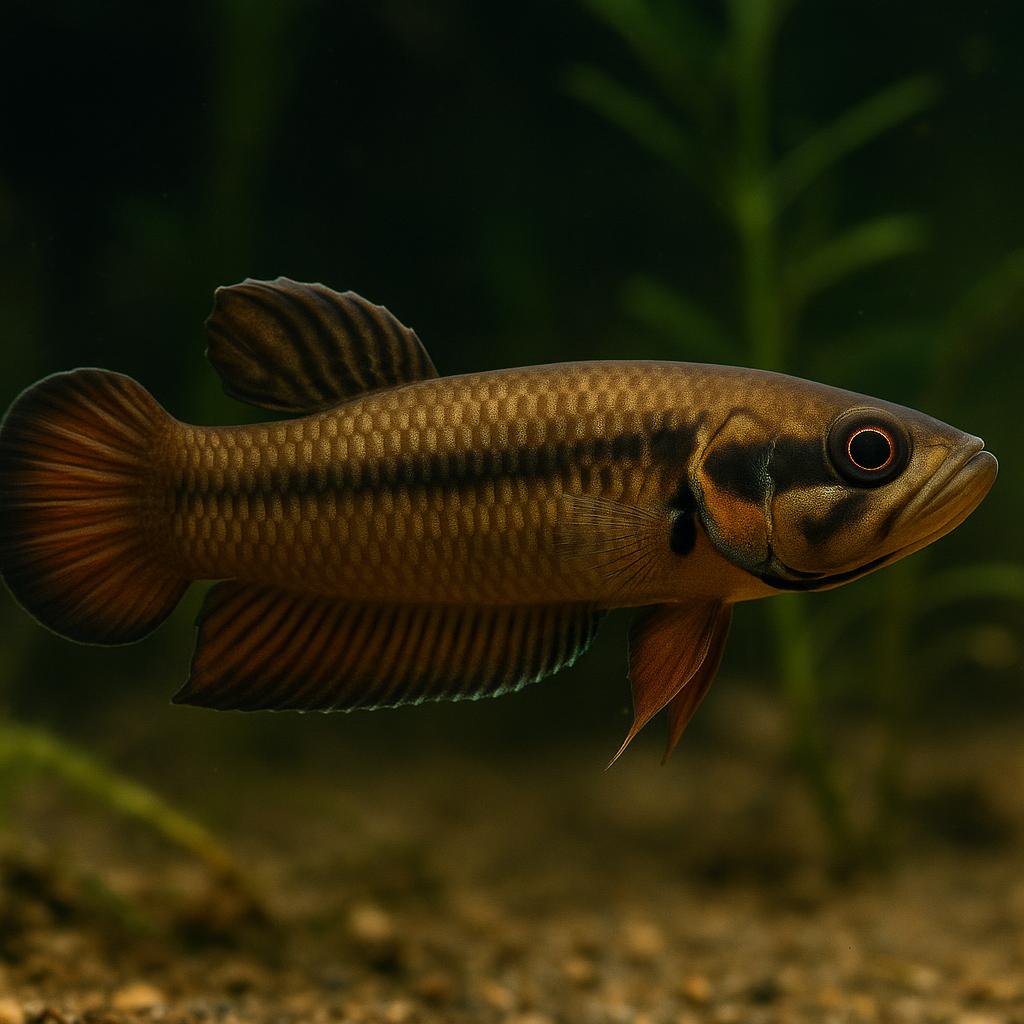
Spotfin betta
Betta macrostoma
This is the famous "Brunei beauty" wild betta - a chunky, orange-red fish with an awesome little eyespot on the dorsal fin and a big attitude-free personality (until you put two males together). The really cool part is breeding: the male is a paternal mouthbrooder, and the pair does that weird "kiss" egg transfer behavior people geek out over.
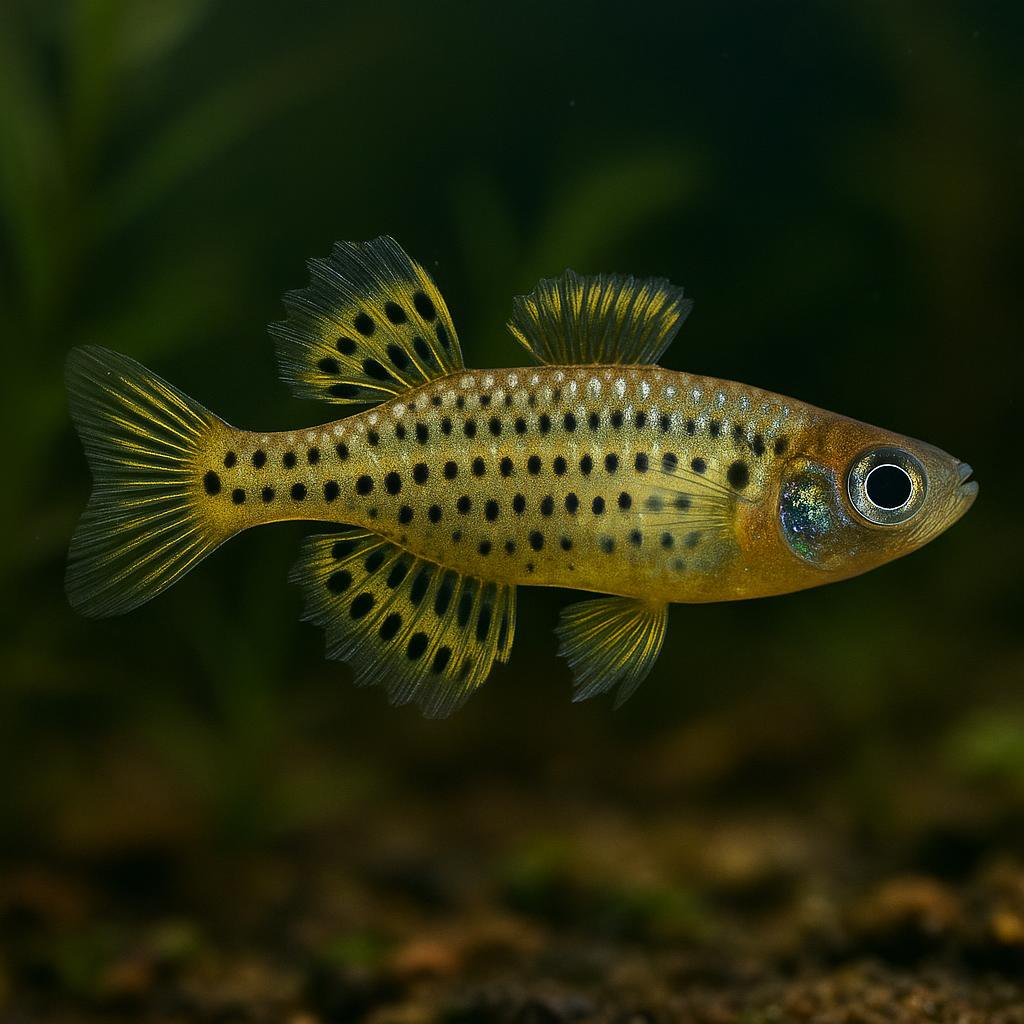
Spotted blue-eye
Pseudomugil gertrudae
This little blue-eye is one of those fish that looks "cute" at first glance, then you notice the electric-blue eyes and the males flashing those spotted fins at each other all day. They're happiest in a planted, kind of shady tank with gentle flow, where they'll cruise in a loose group and do constant mini courtship displays.
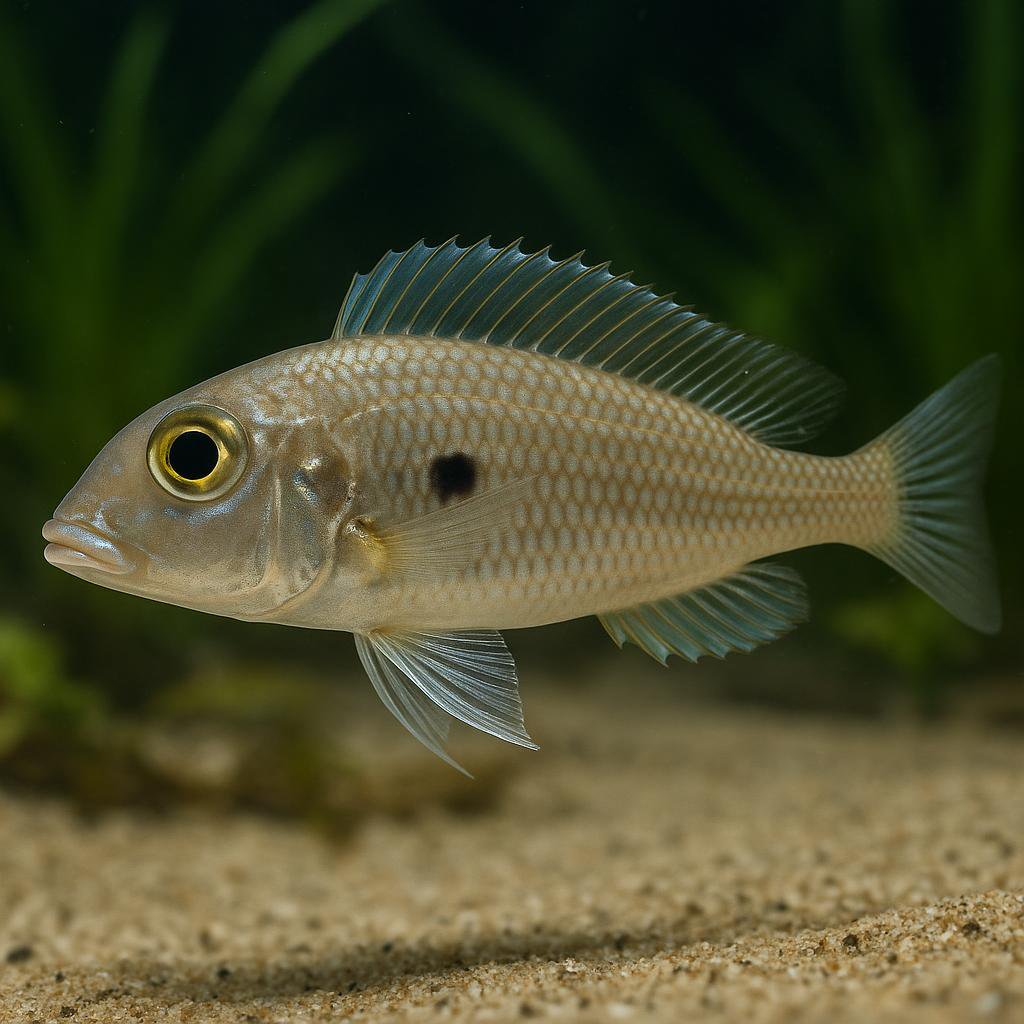
Spottedfin sand cichlid
Xenotilapia spiloptera
Xenotilapia spilopterus is a Lake Tanganyika sand-sifter that spends its day cruising over open sand, scooping mouthfuls and filtering out tasty bits like insect larvae. They are at their best in a small group where you get to watch the schooling vibe, then pairs peel off to mouthbrood when they are ready. Give them fine sand and stable, hard alkaline water and they really settle in.