

Speckle-tailed loach
Yasuhikotakia caudipunctata
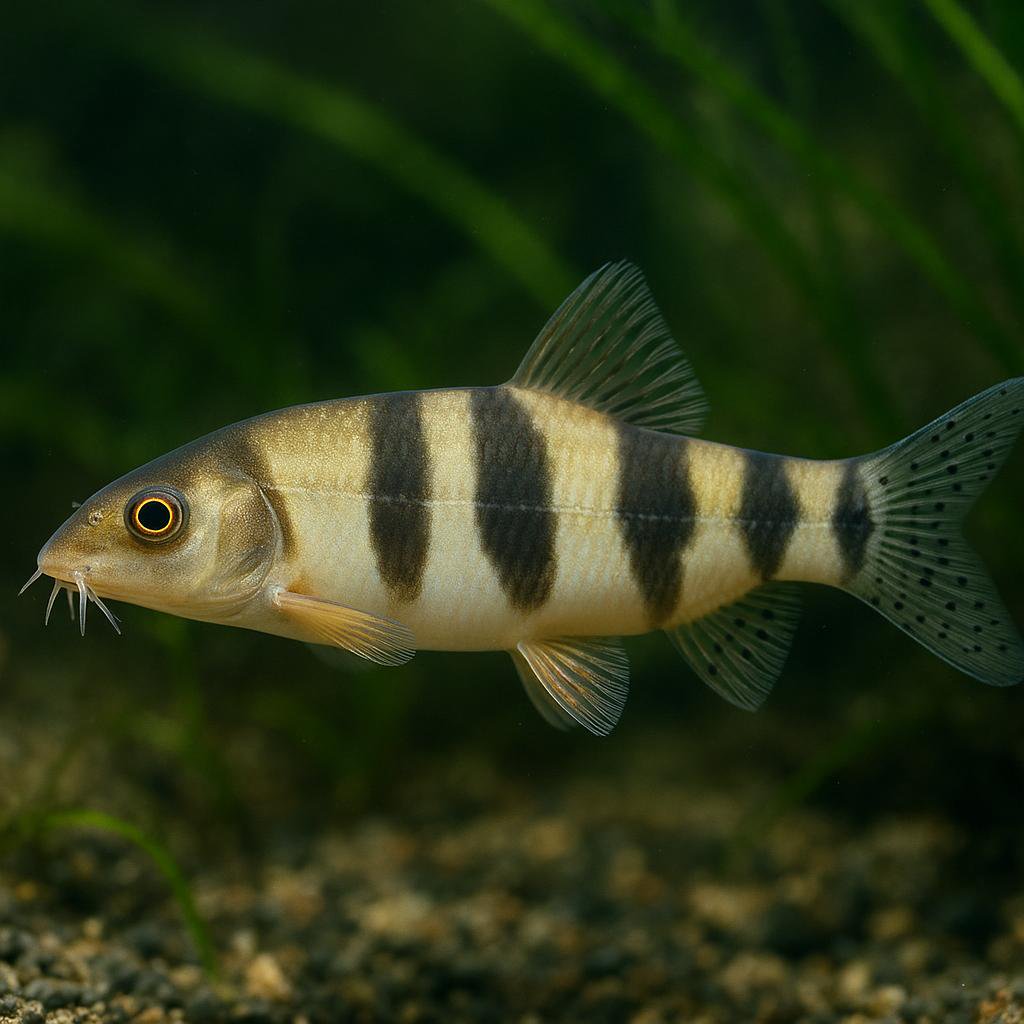
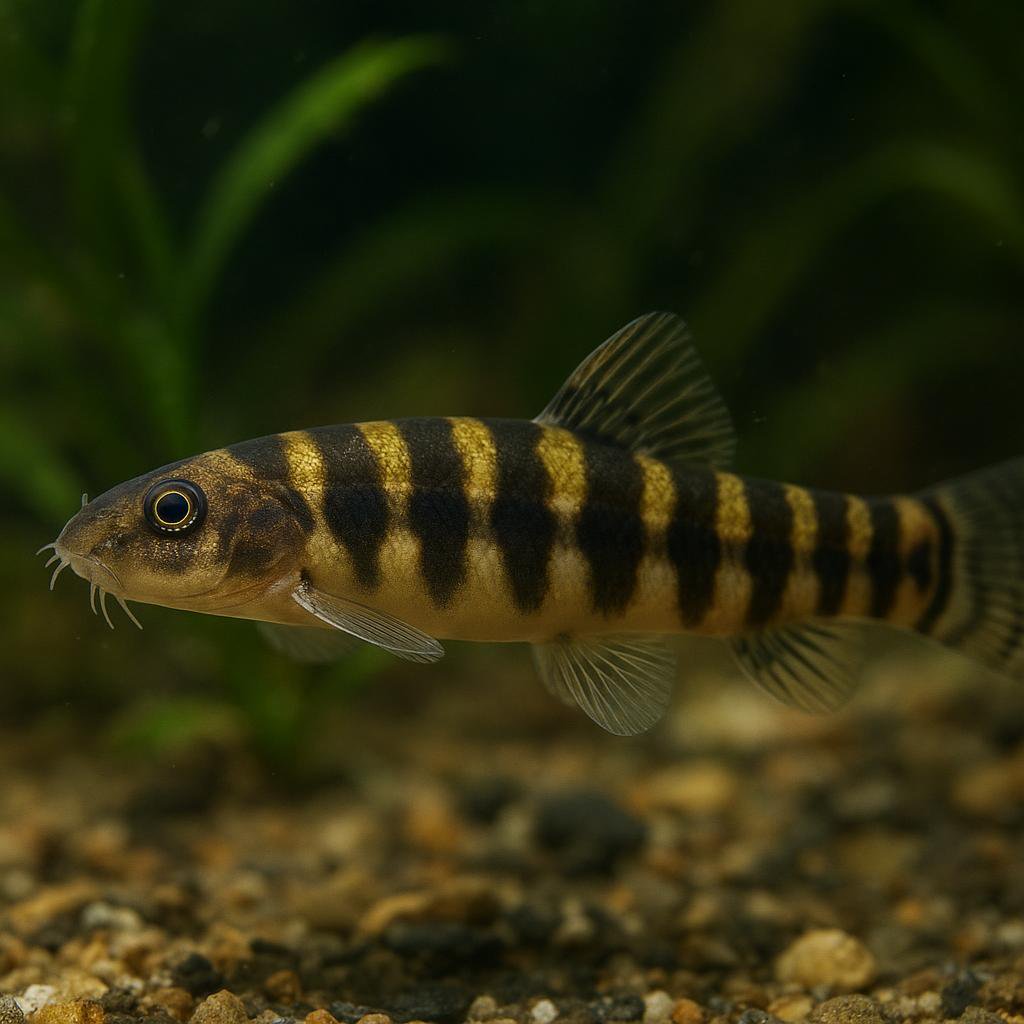
The Speckle-tailed loach exhibits a slender, elongated body with a pattern of dark spots on a light brown to tan background, accented by a long, filamentous tail.
This page includes AI-generated images. Why am I seeing AI images?
About the Speckle-tailed loach
This is one of those super-cool Mekong botiid loaches with a bold dark mark on the caudal peduncle and a tail sprinkled with tiny dots. In a group they get busy sorting out a pecking order, so you will see lots of posturing and chasing, but they are also fun, active fish when they are settled in with plenty of cover and current.
Also known as
Quick Facts
Size
9 cm SL
Temperament
Aggressive
Difficulty
Intermediate
Min Tank Size
42 gallons
Lifespan
8-12 years
Origin
Southeast Asia (Mekong River basin)
Diet
Omnivore - sinking pellets/wafers plus frozen/live foods (worms, insect larvae, crustaceans); will also graze on meaty scraps
Water Parameters
24-30°C
6-7.5
1-12 dGH
Need a heater for this species?
This species needs 24-30°C in a 42 gallon tank. Use our heater calculator to find the right wattage.
Calculate heater sizeCare Notes
- Give them a long tank with strong flow and loads of oxygen - think river vibe with a powerhead/spray bar and lots of hiding spots (rock piles, tubes, driftwood). Keep the substrate sand or very smooth gravel because they spend a lot of time nosing around and can scrape their barbels on sharp stuff.
- They sulk and get skittish solo, so keep a proper group (at least 5-6). In a group they are way bolder, and the little chasing is normal as long as everyone has cover to break line-of-sight.
- Aim around 24-28C (75-82F), pH roughly 6.0-7.5, and keep nitrates low with regular water changes. They really do better with stable, clean water and hate sudden swings.
- Feed like a bottom-feeding omnivore: sinking pellets/wafers as the staple, then rotate in frozen foods (bloodworms, brine shrimp, daphnia) and some veggie stuff (blanched zucchini, spirulina wafers). They are quick and competitive at dinner, so spread food along the bottom so the shy ones get a share.
- Tankmates: other active, not-nippy fish that like similar temps and flow (danios, rasboras, rainbowfish, peaceful barbs) work well. Skip slow long-finned fish and most aggressive cichlids, and don't mix them with tiny shrimp unless you are fine with shrimp becoming snacks.
- They can get pushy with other bottom fish, especially in tight tanks. Provide lots of floor space, strong sight-breaks, and multiple hiding places; consider keeping them either with robust midwater fish or other boisterous loaches rather than timid bottom dwellers.
- Common headaches: they are prone to ich and stress when newly imported, and loaches can react badly to heavy meds. Quarantine if you can, and if you have to treat, start with lower doses and crank up aeration.
- Breeding in home tanks is rare/not reliably reported. Expect increased chasing/sparring during social shifts; if behavior gets too rough, add more caves and sight-breaks and ensure the group has enough space.
Compatibility
Good Tankmates
- Other medium botia-type loaches (same general vibe and size) - keep a little group so the pecking order stays in-house instead of them picking on random tank mates
- Large, fast-moving, free-swimming fish (e.g., larger barbs) in a roomy tank
- Active danios (zebras, pearls, giants) - quick enough to stay out of the way, and they match the constant motion
- Tougher tetras that are not delicate (Buenos Aires, black skirt, lemons) - they do fine as long as the tank is roomy and the loaches have caves to claim
- Rainbowfish (Boesemani, turquoise, dwarf neon rainbows) - good tempo match, confident fish, and they do not sit around asking to get bossed
- Robust gouramis like three-spot/blue or pearl gourami - usually fine if the gourami is not timid and you are not packing the tank too tight
Avoid
- Slow fish with long fancy fins (bettas, fancy guppies, longfin angels) - speckle-tailed loaches get curious and pushy, and fin-nipping turns into a hobby
- Shy bottom sitters that want peace (small cory groups, kuhli loaches) - they get stressed when the speckle-tails start wrestling and charging around the floor
- Tiny nano fish they can bully (tiny rasboras, ember tetras, endlers) - not always eaten, but they get harassed and stay pinned to the corners
Where they come from
Speckle-tailed loaches (Yasuhikotakia caudipunctata) come from Southeast Asia, living in flowing rivers and streams with lots of oxygen, rounded stones, wood, and leaf litter. Think "moving water, things to poke around in" rather than a quiet, planted pond vibe.
That background explains most of their quirks in the aquarium: they like current, they stay busy, and they appreciate hiding spots that feel like crevices in a rocky stream.
Setting up their tank
Give them space and structure. I would not keep this species in a tiny setup - they get active and they do best when they can scoot around and still disappear into cover whenever they feel like it.
- Tank size: 30 gallons is a decent starting point for a small group, but bigger is always easier with their energy level (40-55+ gallons feels more natural).
- Group size: 5-6+ if you can. Singles and pairs can turn into little bullies or nervous wrecks depending on the fish.
- Substrate: sand or smooth small gravel. They spend time on the bottom and will root around.
- Hardscape: rounded rocks, driftwood, and a few tight caves/tubes. Make multiple hides so the bossy one does not claim the only good spot.
- Flow and oxygen: a decent filter, good surface movement, and ideally a powerhead or spray bar to create current.
- Plants: optional. Tough plants (Java fern, Anubias) attached to wood/rock hold up better than delicate stems in their "renovation" zone.
I like to build them a "loach maze": a couple of rock piles plus 2-3 ceramic tubes hidden behind wood. They will use every inch of it, and it cuts down on squabbles fast.
Cover the tank. Loaches are notorious for exploring, and a startled Yasuhikotakia can launch itself through the smallest gap around a filter pipe or lid corner.
Water-wise, aim for clean and stable more than chasing an exact number. Moderate temps and regular water changes go a long way. They are not fans of dirty, low-oxygen water, and they show it quickly with stressy behavior and faded color.
What to feed them
These are eager eaters and pretty much always "on the clock" looking for snacks. In my tanks they do best with a mix of sinking foods plus meaty stuff a few times a week.
- Daily staples: quality sinking pellets or wafers (not just algae wafers - they want protein).
- Frozen foods: bloodworms, brine shrimp, daphnia, chopped mysis.
- Live foods (if you use them): blackworms, live brine, mosquito larvae where legal/safe.
- Extras: blanched zucchini or cucumber sometimes, but think of veg as a side dish, not the main course.
- Snails: they will happily hunt small snails. Useful if you have a pest snail problem, not so great if you are trying to keep decorative snails.
Feed after lights-out once in a while. They will still eat in the daytime, but a dusk feeding lets the shyer ones get their share and keeps the group less pushy.
They are fast and confident at feeding time, so if you keep them with slower bottom fish (like some Corydoras), scatter food across the tank or use a couple of feeding spots.
How they behave and who they get along with
Speckle-tails are classic "botia" style loaches: social, curious, and a little rowdy. You will see chasing, clicking, and little wrestling matches. Most of it is pecking-order stuff, especially in smaller groups.
In a group they usually settle into a rhythm: a few bold leaders, a few followers, and everybody piles into the same cave like clown cars when they want to rest.
- Good tankmates: sturdy, midwater fish that can handle some commotion (danios, larger rasboras, barbs that are not fin-nippy, rainbowfish), plus peaceful larger tetras.
- Works with: other robust loaches if the tank is big and you have lots of hiding spots.
- Use caution with: long-finned fish (they are not guaranteed fin nippers, but the constant bustling can stress long fins), very timid fish, and slow bottom feeders that get outcompeted.
- Avoid: tiny shrimp and very small fish if you do not want "mystery disappearances." They are not piranhas, but they are opportunistic.
If they are getting mean, the fix is usually more friends, more cover, or more space. Rearranging the hardscape can break up a territory claim too.
Breeding tips
Honest take: breeding Yasuhikotakia caudipunctata in a typical home aquarium is uncommon. Most of the ones in the hobby are not tank-bred, and the species does not usually "just spawn" like livebearers or many barbs.
That said, you can still set them up in a way that at least gives you a shot at seeing courtship behavior.
- Keep a real group (6-10 if the tank can handle it).
- Do big, frequent water changes with slightly cooler water during a "rainy season" period and feed heavier with frozen/live foods.
- Provide lots of smooth rockwork and crevices. Some loaches use tight areas as spawning sites in the wild.
- If you ever see eggs, protect them fast. In most community tanks they will get eaten quickly (including by the parents).
Do not chase breeding by swinging parameters around. These loaches react badly to sudden changes, and stability will get you farther than experiments.
Common problems to watch for
Most of the issues I see with speckle-tailed loaches come from three things: not enough group size, not enough oxygen/flow, or a tank that has too many sharp edges.
- Ich and other external parasites: loaches can be sensitive to meds. Raise temperature gradually if appropriate, use extra aeration, and follow medication directions carefully (often a reduced dose works better for loaches).
- Skin and barbels damage: rough gravel and sharp decor can scrape them up. Switch to sand/smooth gravel and remove jagged rocks.
- Bloat/constipation: too much dry food and not enough variety. Add frozen foods, smaller portions, and make sure they are not gorging every meal.
- Aggression stress: small groups or cramped tanks lead to nonstop chasing and hiding. Increase group size, add cover, or upgrade tank.
- New tank syndrome: they do not love unstable tanks. Ammonia/nitrite hits them hard, and they will clamp fins, breathe fast, and hide constantly.
If you see rapid breathing at the surface or "hanging" in the flow all day, check oxygen and water quality right away. Add an airstone and increase surface agitation while you troubleshoot.
One last practical thing: they wedge themselves into tight spots. If you have decor with narrow gaps (like stacked slate), make sure there is either enough room to pass through easily or it is blocked off. It saves you the headache of a stuck loach situation later.
Similar Species
Other freshwater aggressive species you might be interested in.
Arrowhead puffer
Pao suvattii
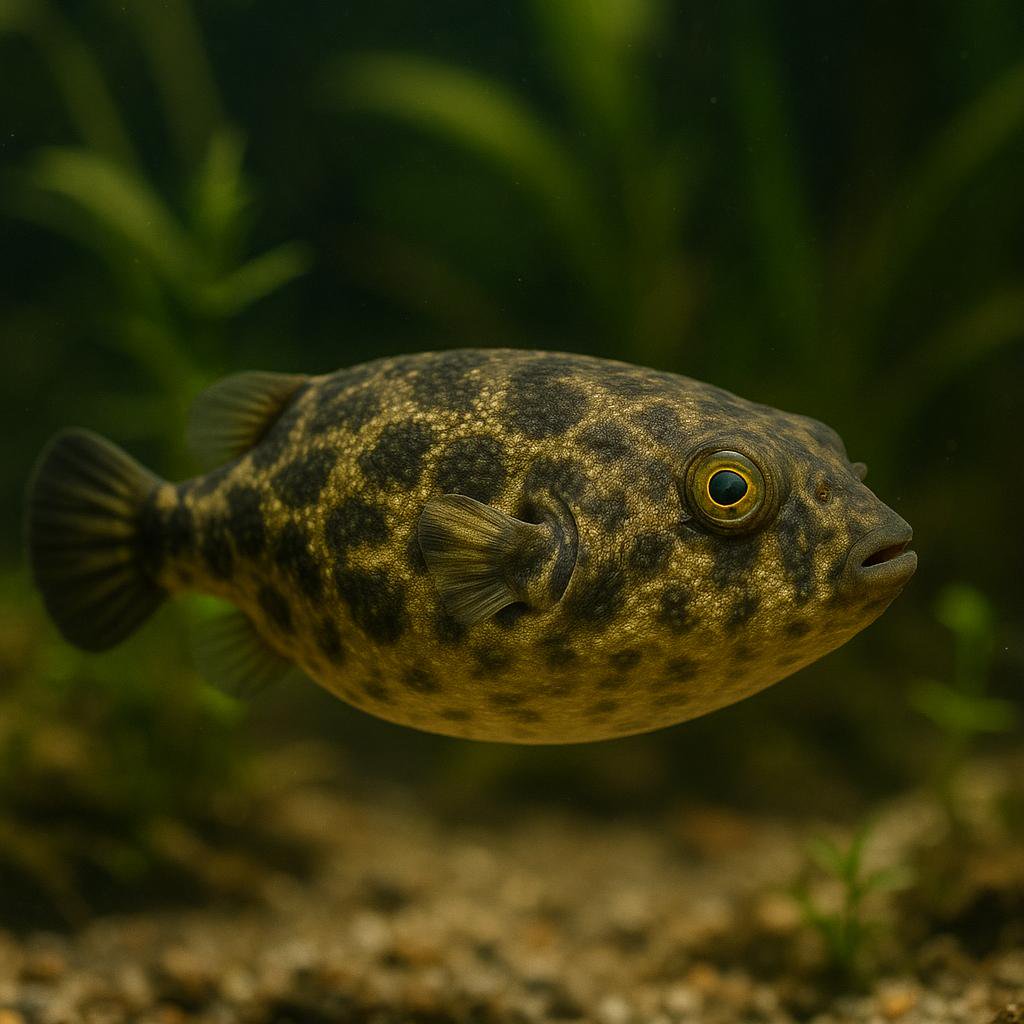
Pao suvattii is that sneaky Mekong puffer that likes to sit low and ambush food, and it has that super recognizable arrow/V pattern on its back. Gorgeous fish with tons of personality, but it is absolutely not a community guy - plan on a solo, species-only setup if you want everybody to stay in one piece.
Blue gularis
Fundulopanchax sjostedti
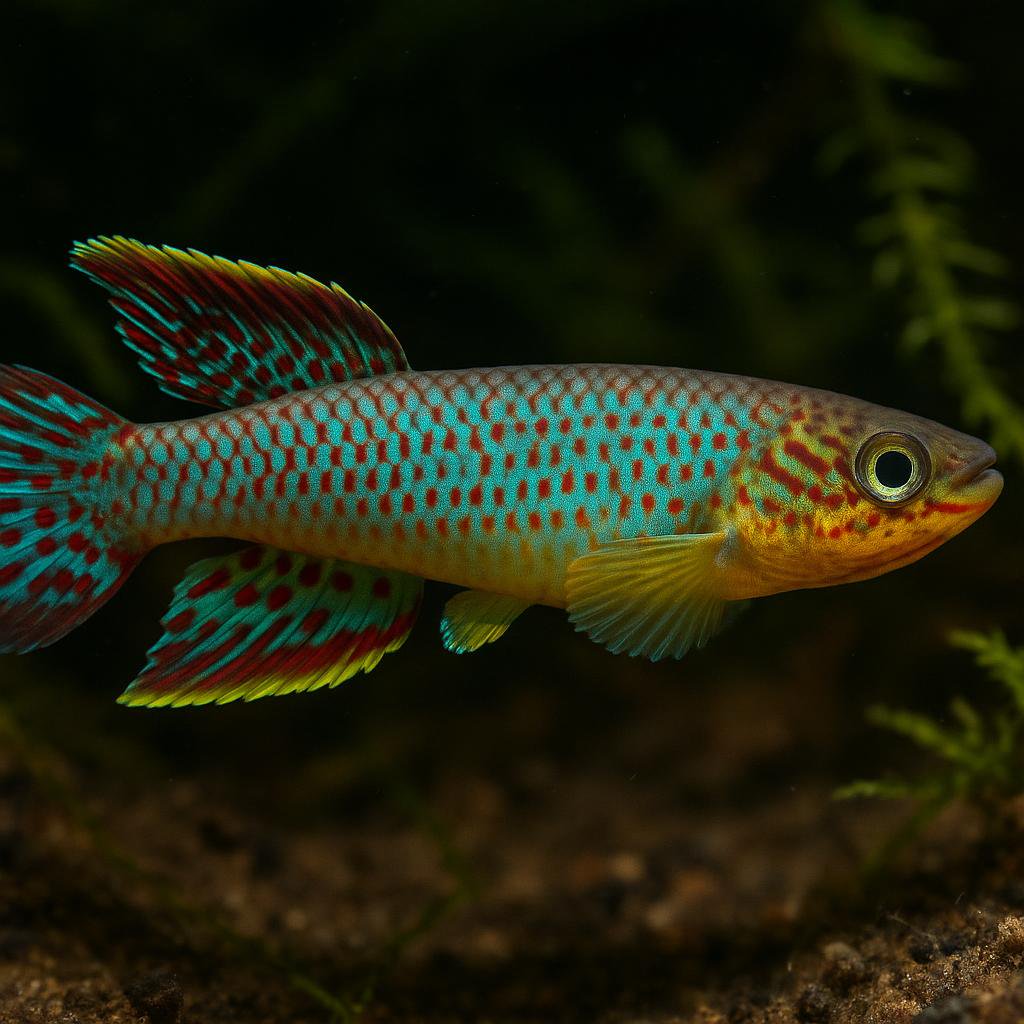
This is the big, flashy West African killifish with the ridiculous triple-point tail and electric blue-green body covered in red spotting. Males can be real attitude machines with each other, but if you give them room, cover, and a tight lid, they make an awesome centerpiece fish that will absolutely demolish live and frozen foods.
Chestnut lamprey
Ichthyomyzon castaneus
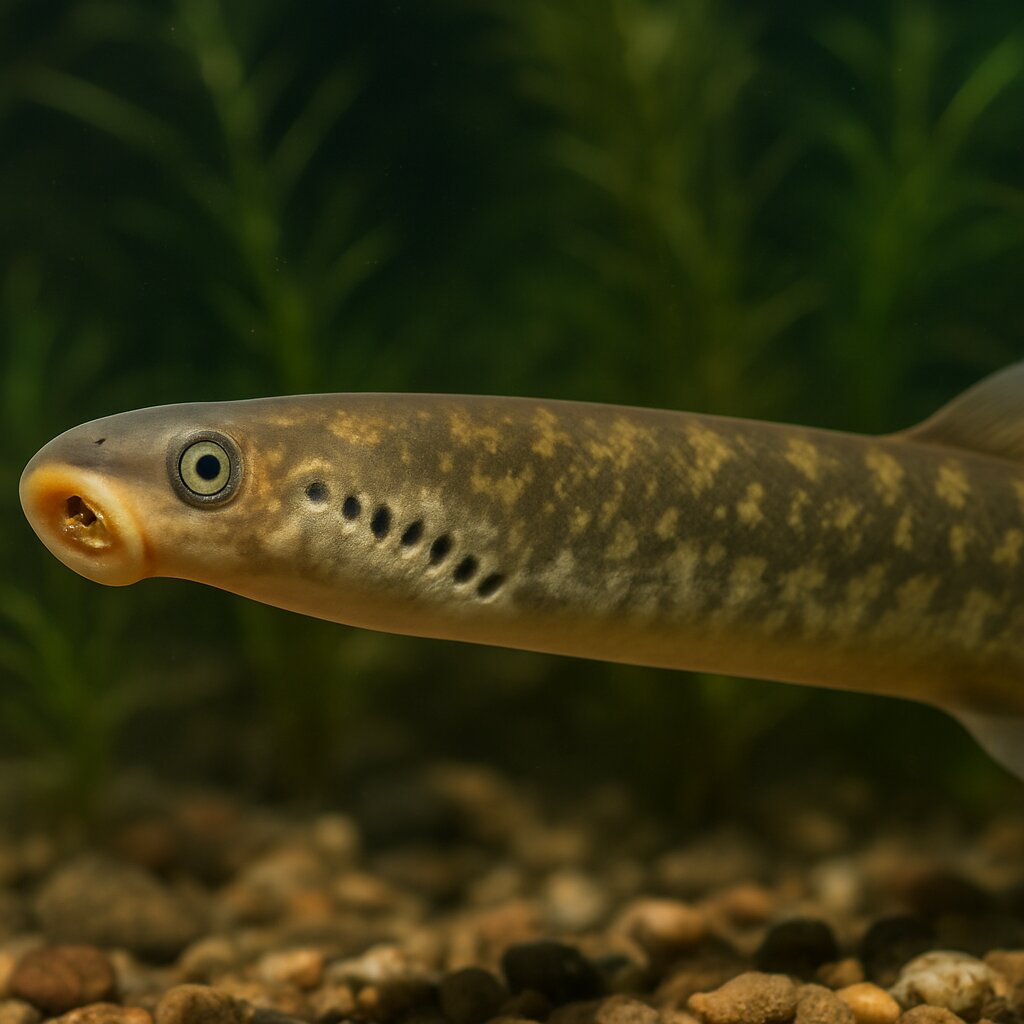
A native North American lamprey that spends 5–7 years as a burrowed, filter‑feeding larva before metamorphosing into a parasitic adult that attaches to fishes and feeds on blood and bodily fluids; adults spawn in spring and die shortly after. It inhabits flowing rivers and some lakes with cool, well‑oxygenated water and is not suitable for community aquaria.
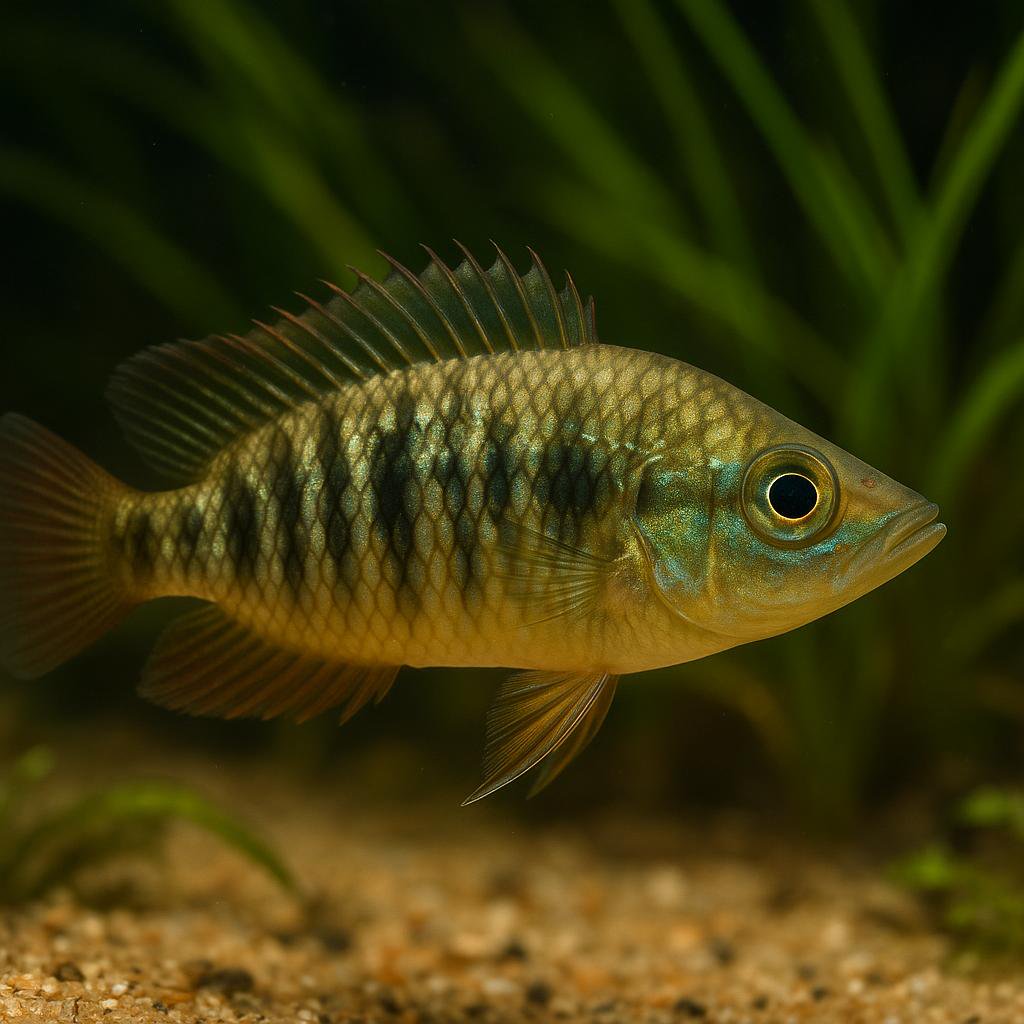
Compressiceps dwarf pike cichlid
Wallaciia compressiceps
This is one of those tiny pike cichlids that looks cute until you watch it start running the tank like a little biting terrier. It stays small, but it is a real predator with a ton of attitude, and it gets especially spicy with its own kind when pairs form.
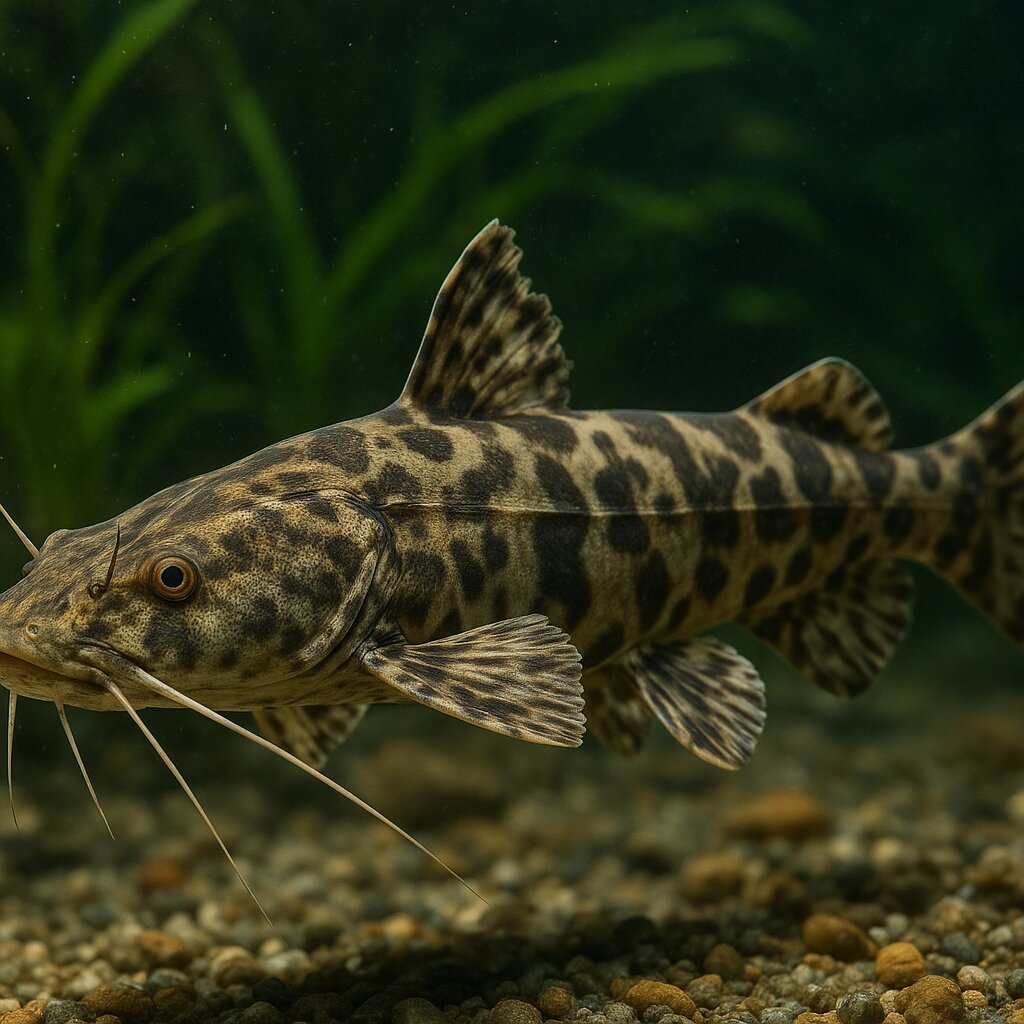
Goonch catfish
Bagarius bagarius
A true river monster with a shovel head and a mouth full of teeth, the goonch is built for blasting around boulder-strewn rapids. It is insanely strong, super predatory, and happiest in cool, fast, highly oxygenated water - think indoor-pond-with-a-river-flow setup, not a regular tank. If you love oddballs with attitude, this one is unforgettable, but it is for experts only.
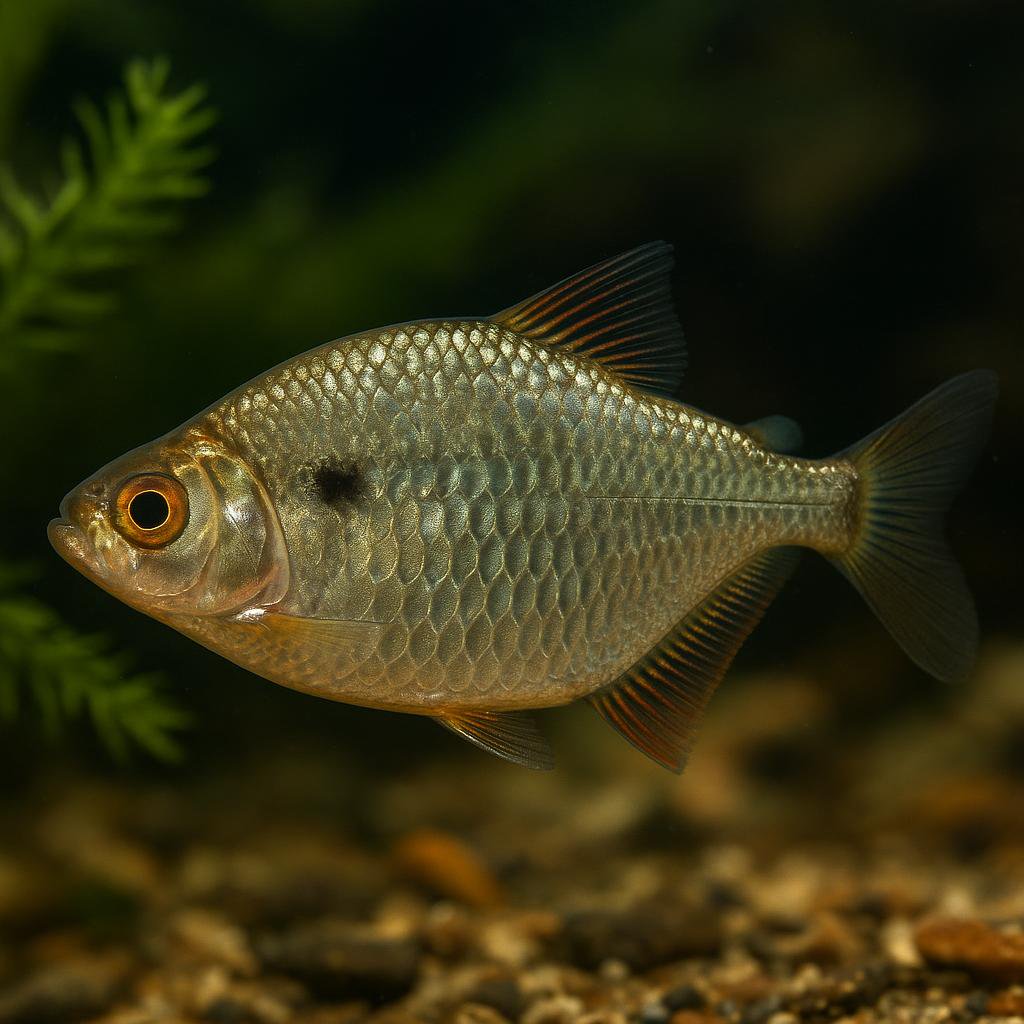
Guatemalan headstander
Roeboides guatemalensis
This is one of those oddball characins that gets lumped in with "predatory tetras" - it is built for nipping scales and mucus off other fish (lepidophagy), which is wild to watch in nature but a headache in a community tank. It is a super active, open-water swimmer, and in aquariums it usually does best treated like a specialty predator/oddity fish rather than a "tetra."
More to Explore
Discover more freshwater species.
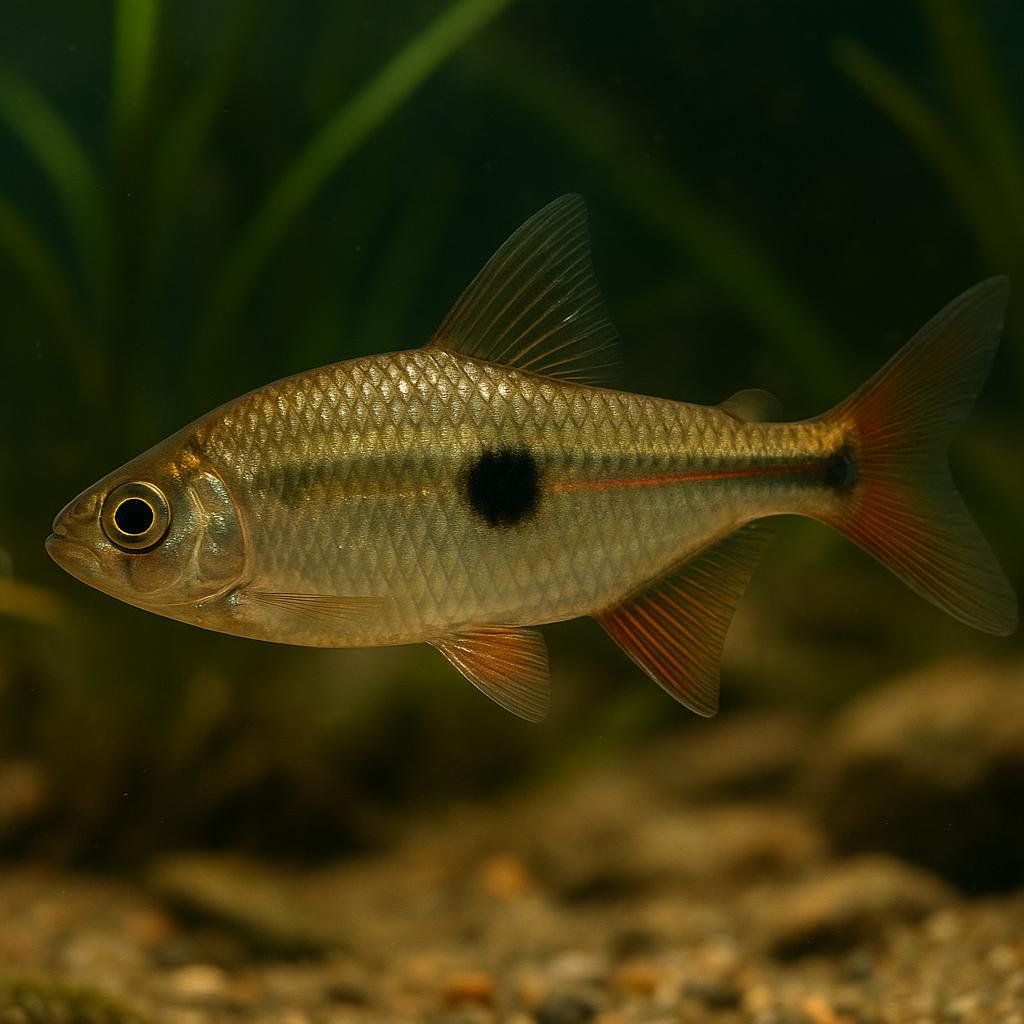
Jupiaba kurua
Small South American characin endemic to the upper rio Curuá (rio Xingu basin, Brazil). Reaches about 8.7 cm SL and inhabits clearwater rivers. Distinguished by dark dots on the bases of many lateral scales and a distinct dark caudal‑peduncle spot. Reported diet indicates omnivory, including aquatic insects, small fishes, and fragments of Podostemaceae and filamentous algae.
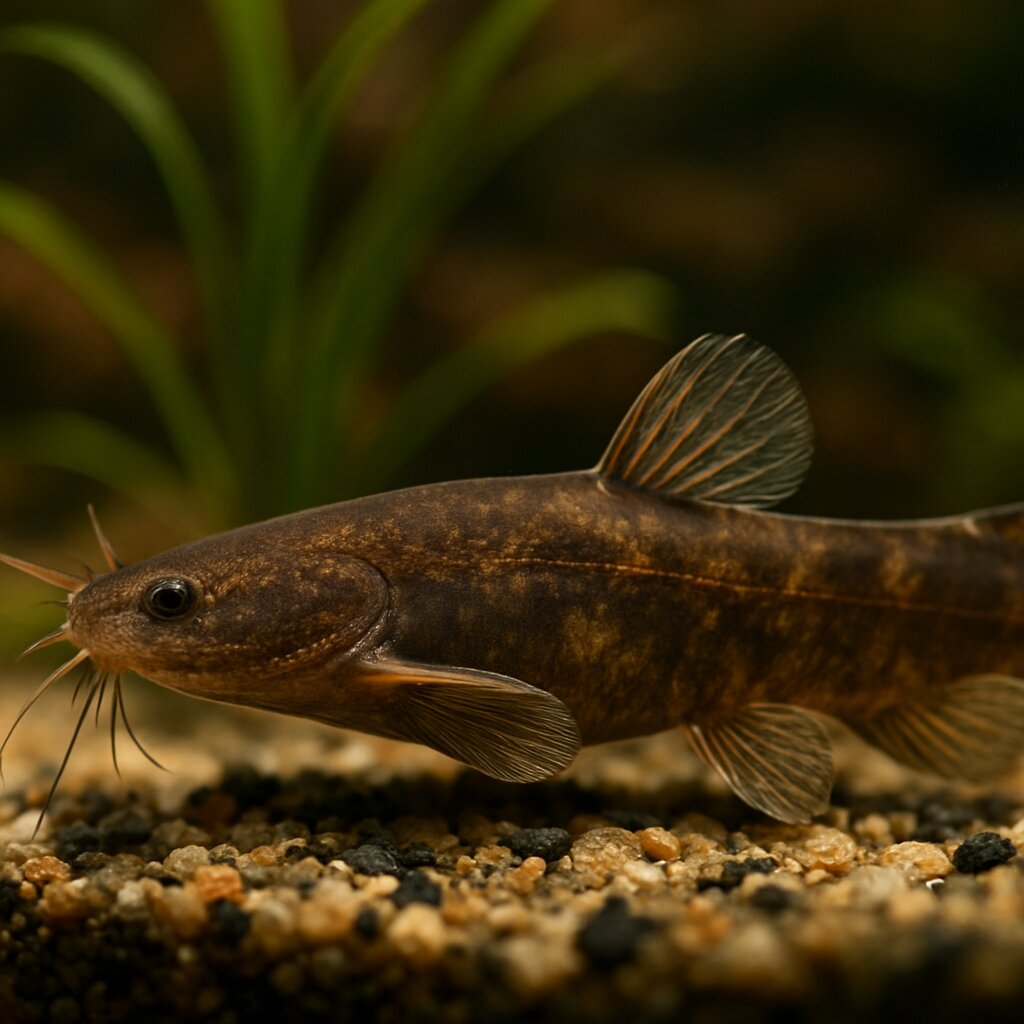
Amphilius dimonikensis
A small loach catfish endemic to the Mpoulou River in the Mayombe (Dimonika Biosphere Reserve), Republic of the Congo. Amphilius dimonikensis has a subtle banded pattern and inhabits fast, clear streams over rock and sand. In aquaria, prioritize strong, well-oxygenated flow with rounded stones and sand to mimic hillstream conditions.
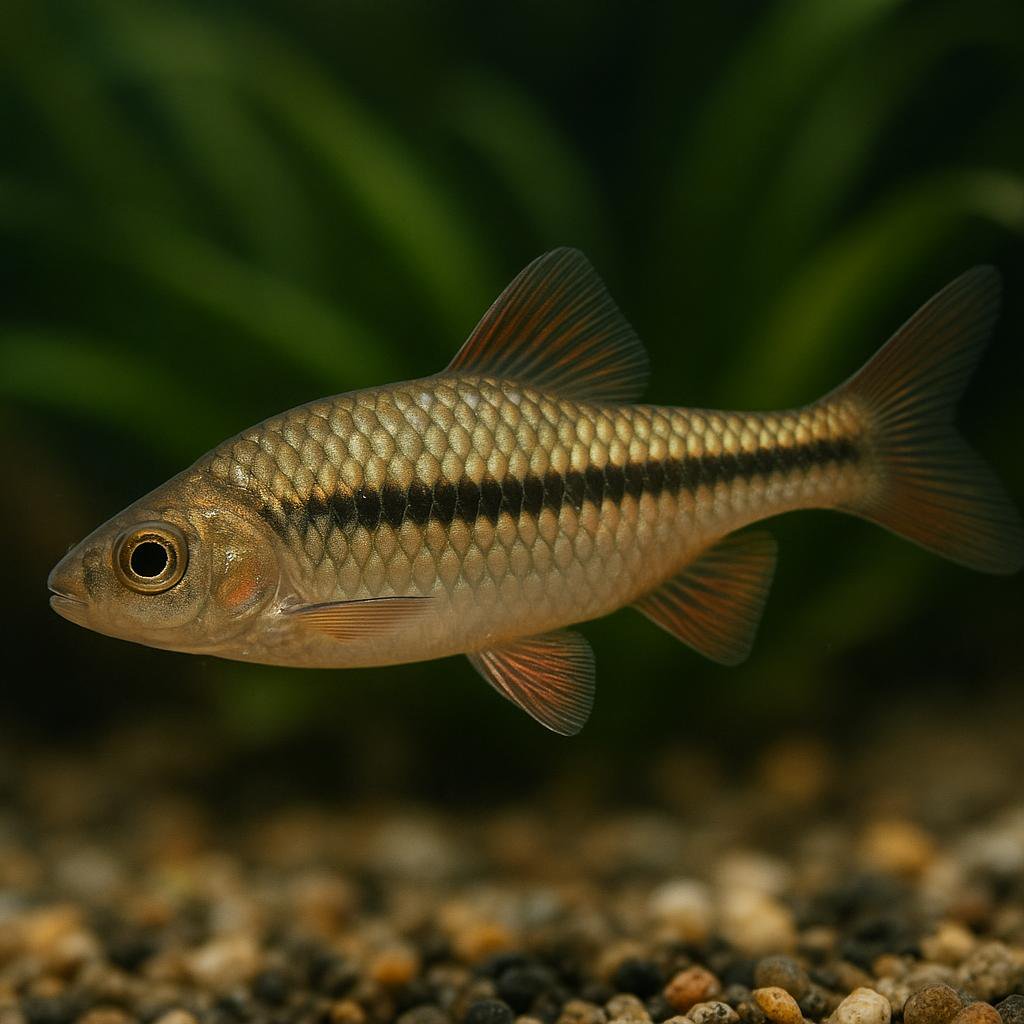
Aboina barb
Enteromius aboinensis
Enteromius aboinensis (the Aboina barb) is a small West African barb with a clean black midline stripe and a little spot right at the base of the tail. It does best when you treat it like a proper schooling fish - keep a decent group and give it plants around the edges with open swimming room in the middle.
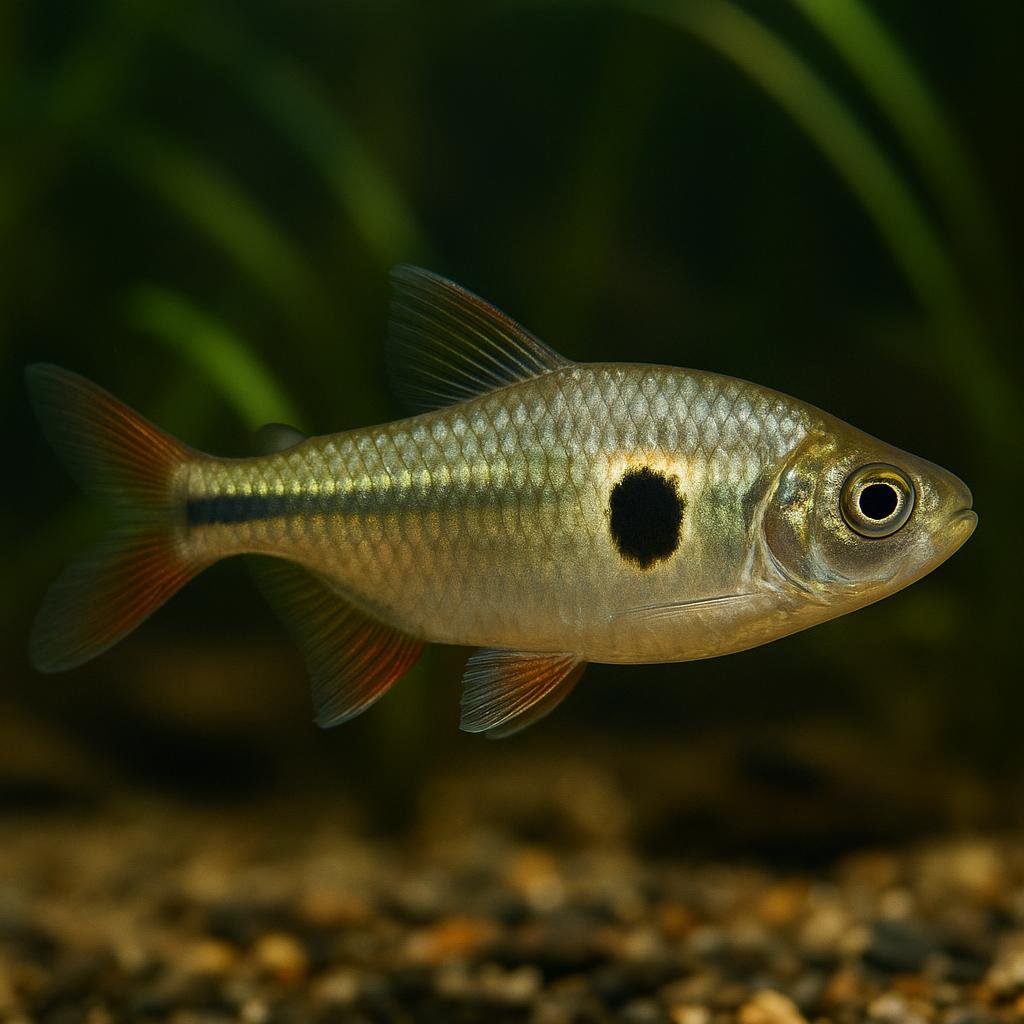
Ajuricaba tetra
Jupiaba ajuricaba
Jupiaba ajuricaba is a South American freshwater characin from the Amazon basin in Brazil (rio Negro, rio Solimões, and rio Tapajós basins). It reaches about 9.5 cm SL and is diagnosed by a narrow dark midlateral stripe, an elongated humeral spot, and an ocellated spot on the upper caudal-fin lobe. Wild specimens have been collected from blackwater forest streams and also oxbow-lake habitats.
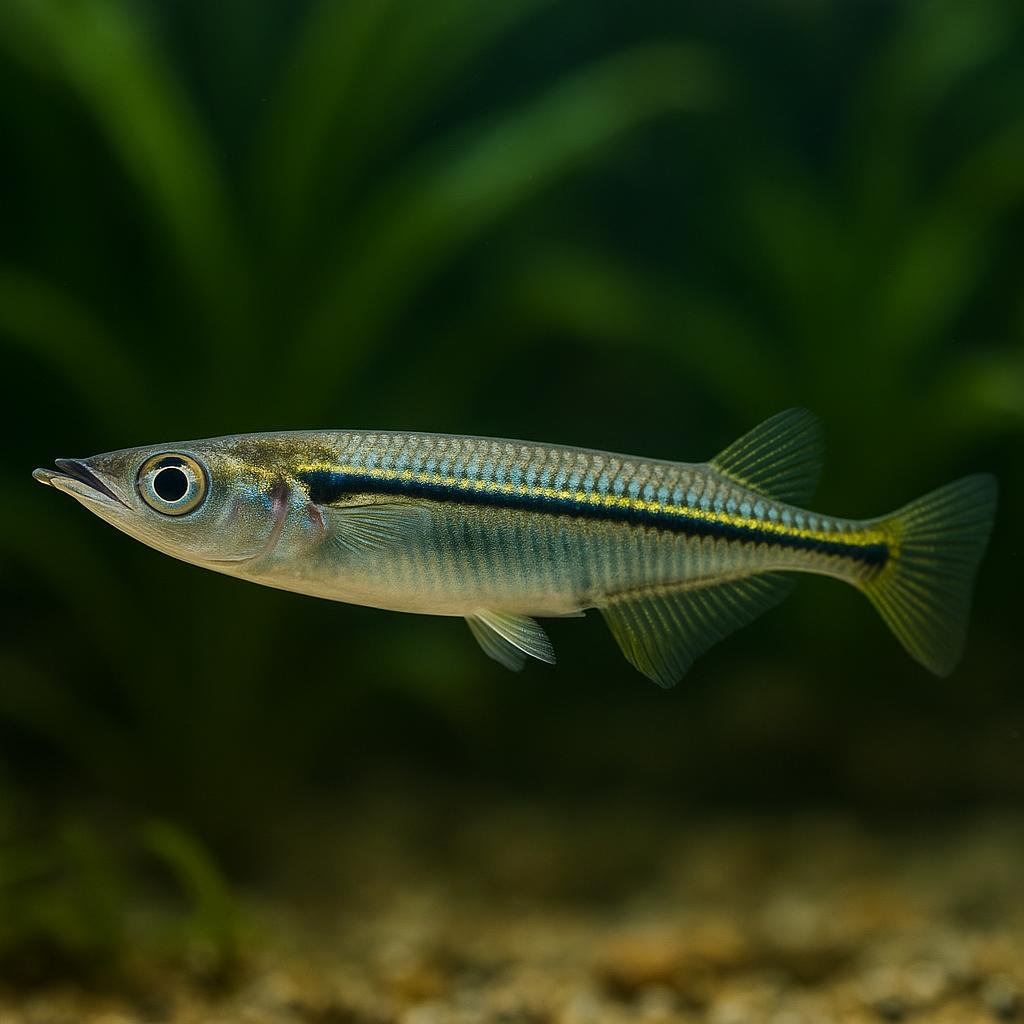
Allen's river garfish
Zenarchopterus alleni
A poorly known freshwater halfbeak endemic to West Papua (Mamberamo River), described from a single specimen (~13 cm SL). Beyond basic habitat/occurrence, little is published about its ecology or aquarium suitability; assume it is a surface-oriented, jump-prone halfbeak only by analogy with related taxa.
Altipedunculata stone loach
Schistura altipedunculata
Schistura altipedunculata is one of those little stream loaches that wants clean, well-oxygenated water and a bunch of rock nooks to claim as home. It is a bottom-hugger that will spend its day scooting from crevice to crevice, and it tends to get a bit spicy with its own kind if you do not give it enough hiding spots.
Looking for other species?