

Search Species
Search for fish species by common or scientific name, or use filters to browse by water type, size, temperament, and difficulty.
Found 83 species
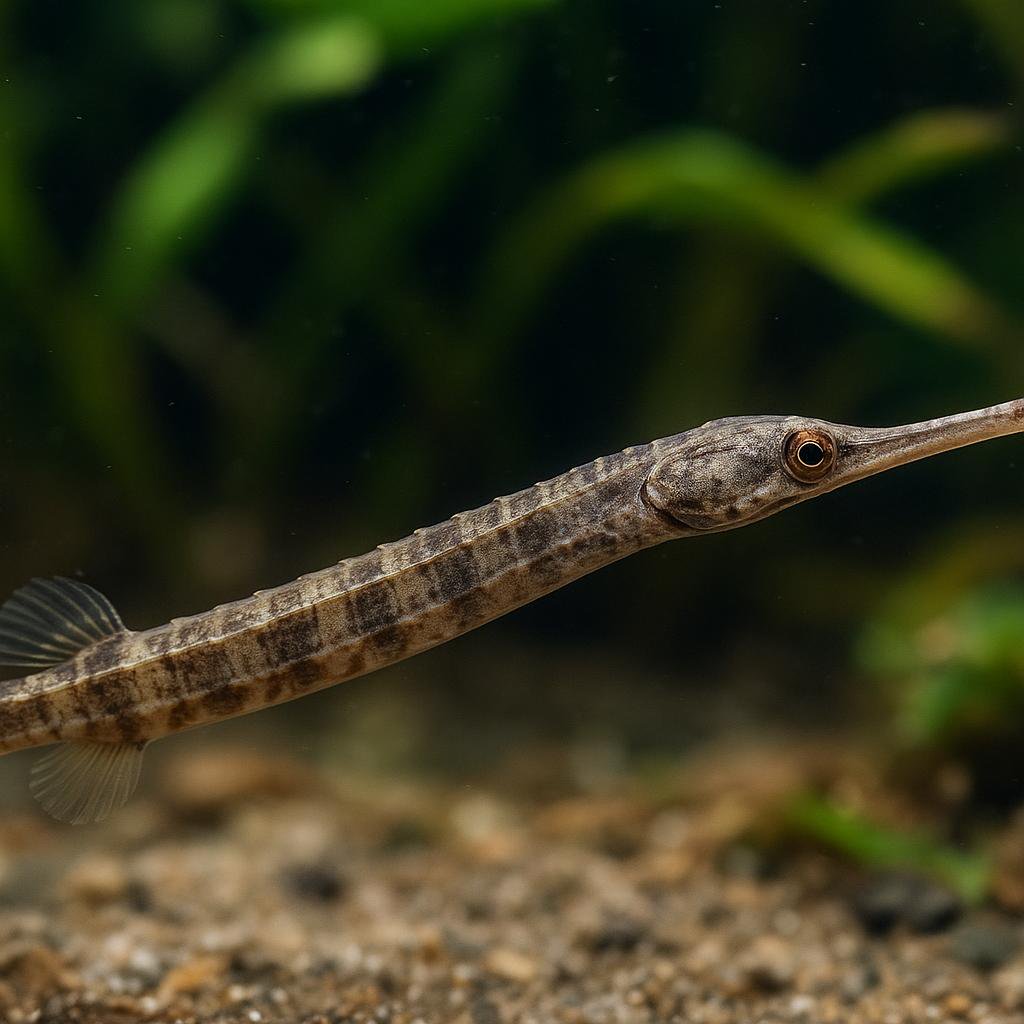
Hairy pipefish
Urocampus carinirostris
This is a tiny, stick-thin pipefish that lives in seagrass and algae beds and uses its prehensile tail to hang on like a little underwater chameleon. The coolest part is the "hairy" fringing (little filaments) all over the body that breaks up its outline, and like other syngnathids the male carries the eggs in a brood pouch under the tail.
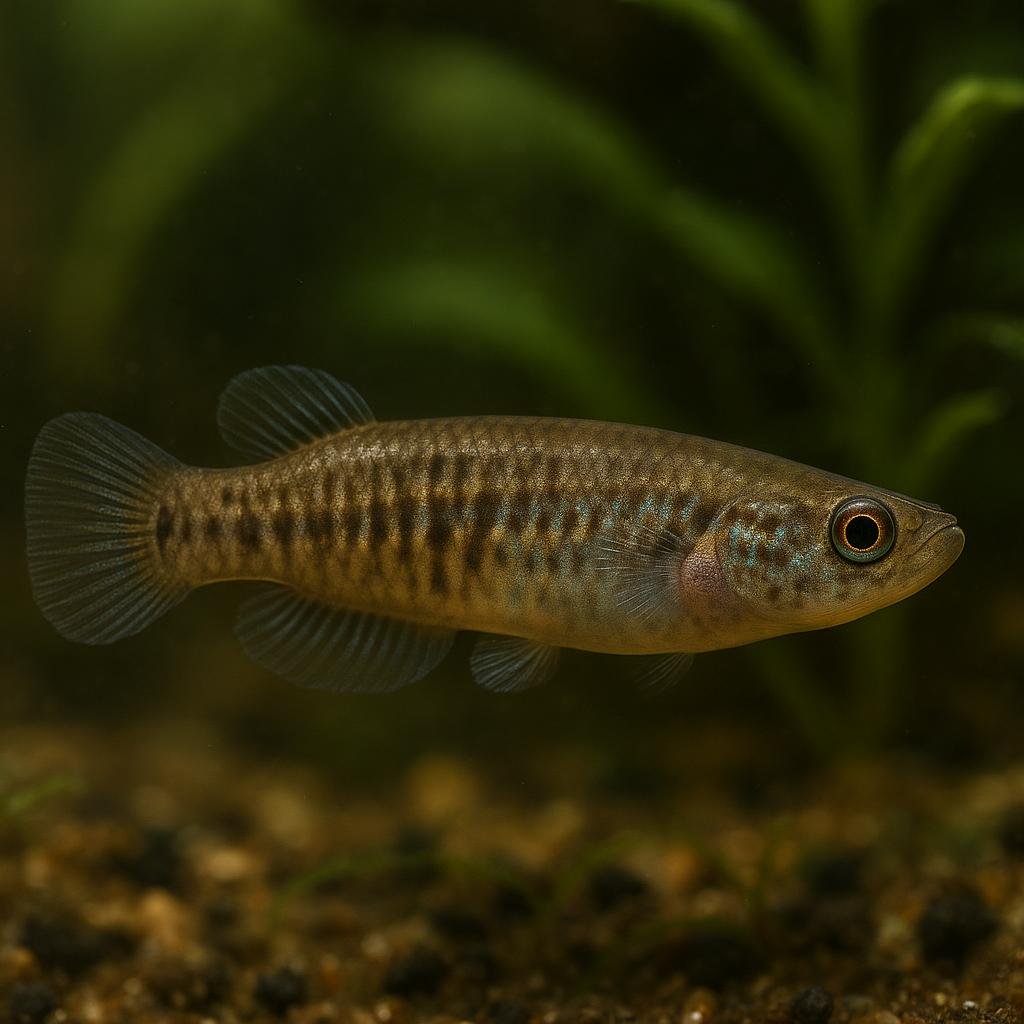
Hermaphroditus mangrove killifish
Kryptolebias hermaphroditus
This is one of those weirdly amazing little mangrove killifish where most individuals are self-fertile hermaphrodites, so a single fish can produce eggs on its own. In the wild its tied to Brazilian mangroves and coastal canals, and it tends to live a pretty secretive, solo life in shallow, mucky, low-oxygen spots.
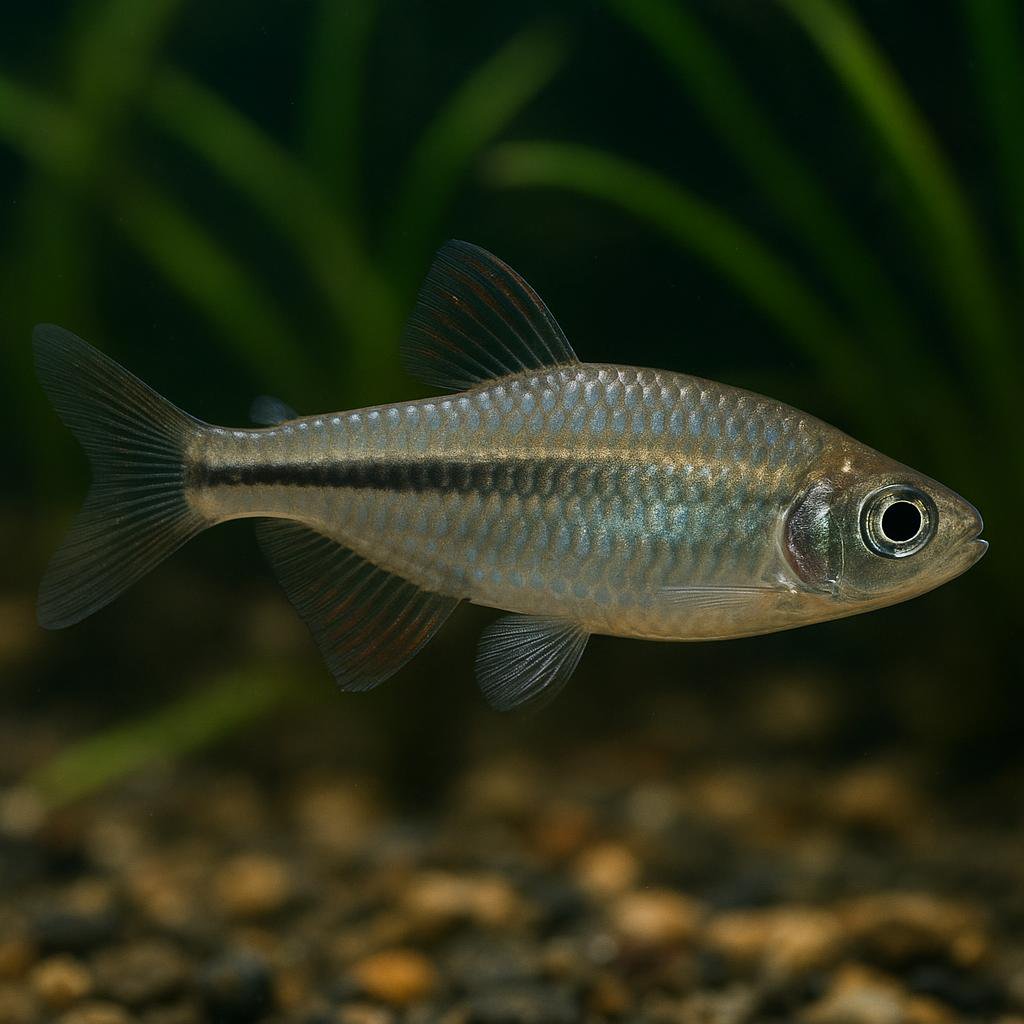
Humpbacked cardinalfish
Yarica hyalosoma
This is a chunky little cardinalfish that hangs out in mangrove creeks and river mouths, often in small groups in shallow, shady water. The look is super distinctive - pale/translucent body, and that bold black spot at the base of the tail - and like a lot of cardinalfish, the males mouthbrood the eggs.
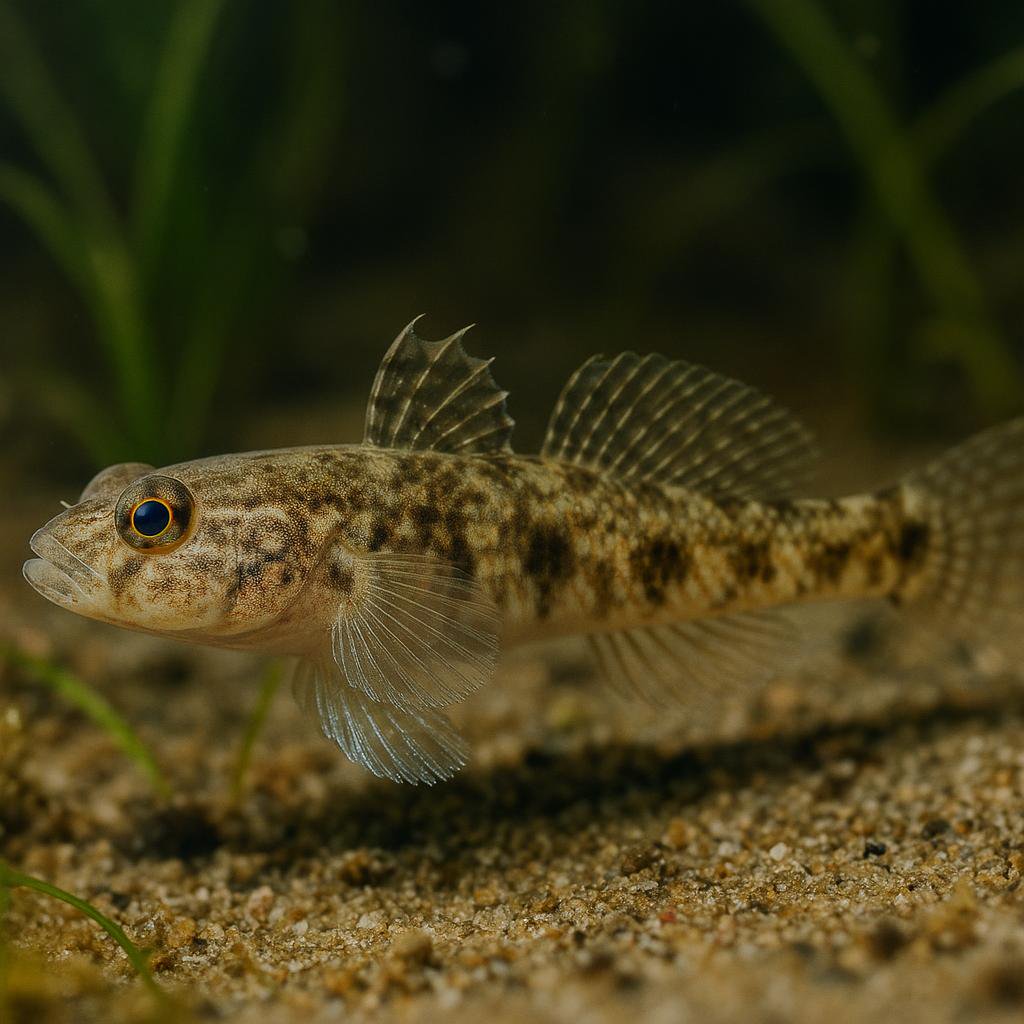
Ilyin goby
Knipowitschia iljini
A tiny, bottom-dwelling goby endemic to the Caspian Sea, recorded from the deeper mid/southern basins. It inhabits stable brackish water around 12–13 ppt and does not occur in fresh water. Because it is a deep, cool-water species, it is essentially absent from the aquarium trade.
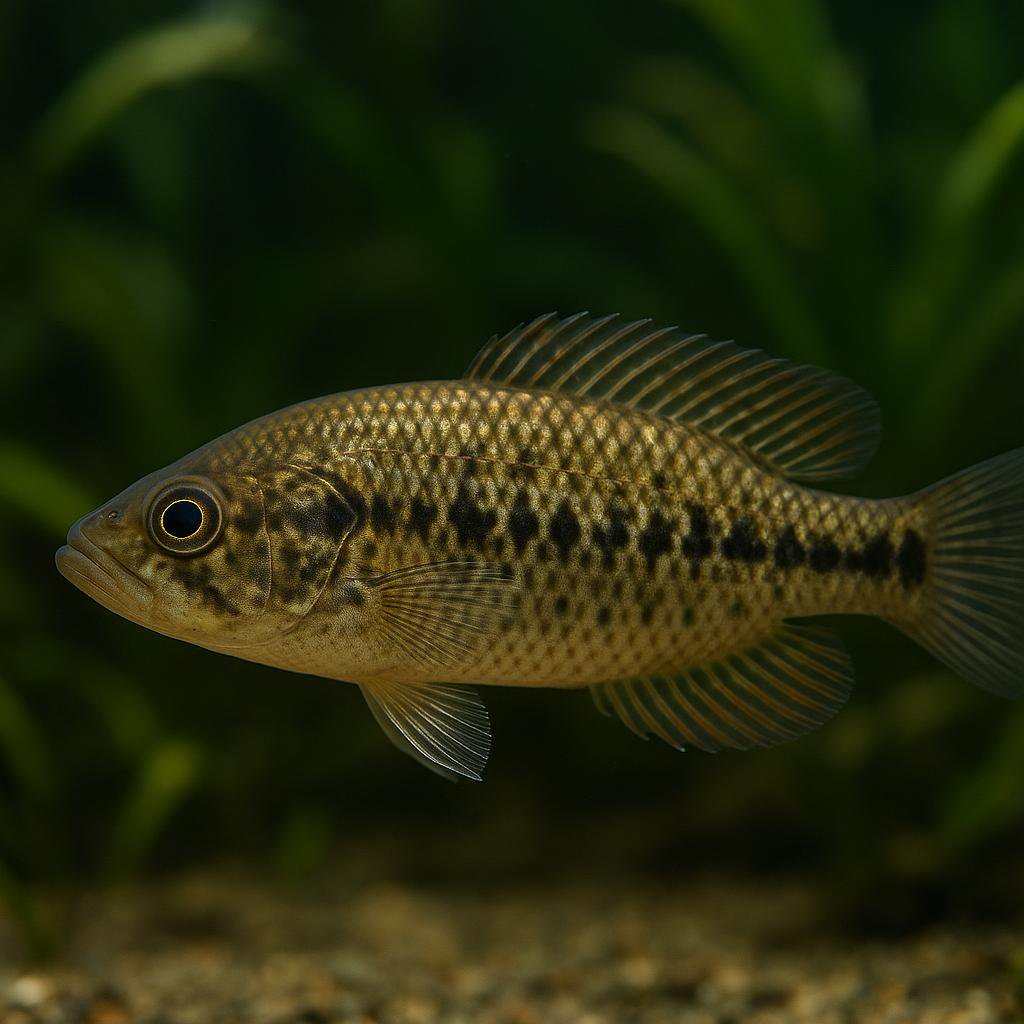
Indian ponyfish
Deveximentum indicium
This is a little ponyfish (slipmouth) from coastal seas and brackish edges, with that classic super-protrusible, upturned mouth they can shoot forward when they feed. Silvery body, some dark facial marking, and it tends to be a schooling, open-water kind of fish rather than a hide-in-the-rocks type.
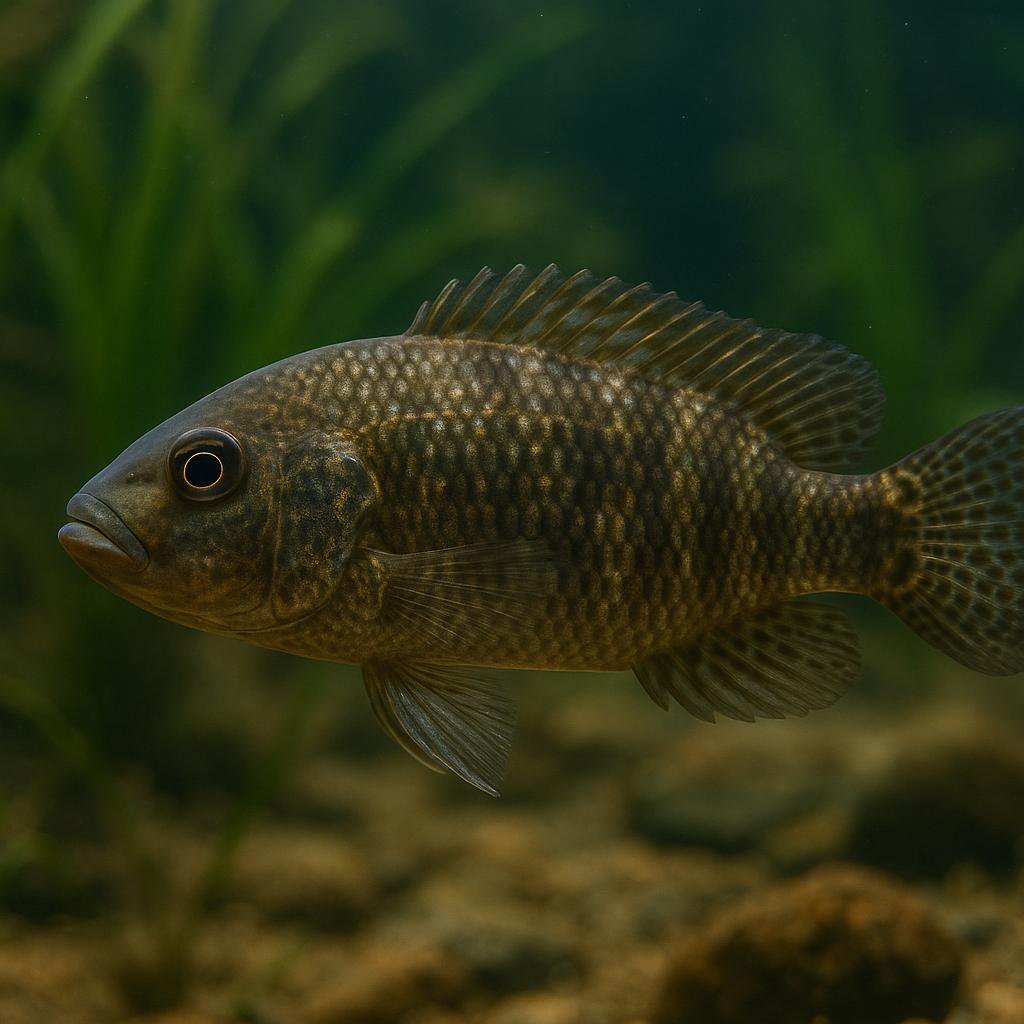
Iranian cichlid
Iranocichla hormuzensis
This is the wild, oddball cichlid from southern Iran that lives in warm, salty streams where most other fish would tap out. It is a maternal mouthbrooder, and adults can go dark with silvery speckling - super cool fish, but not something I'd call forgiving if your water and temps swing around.
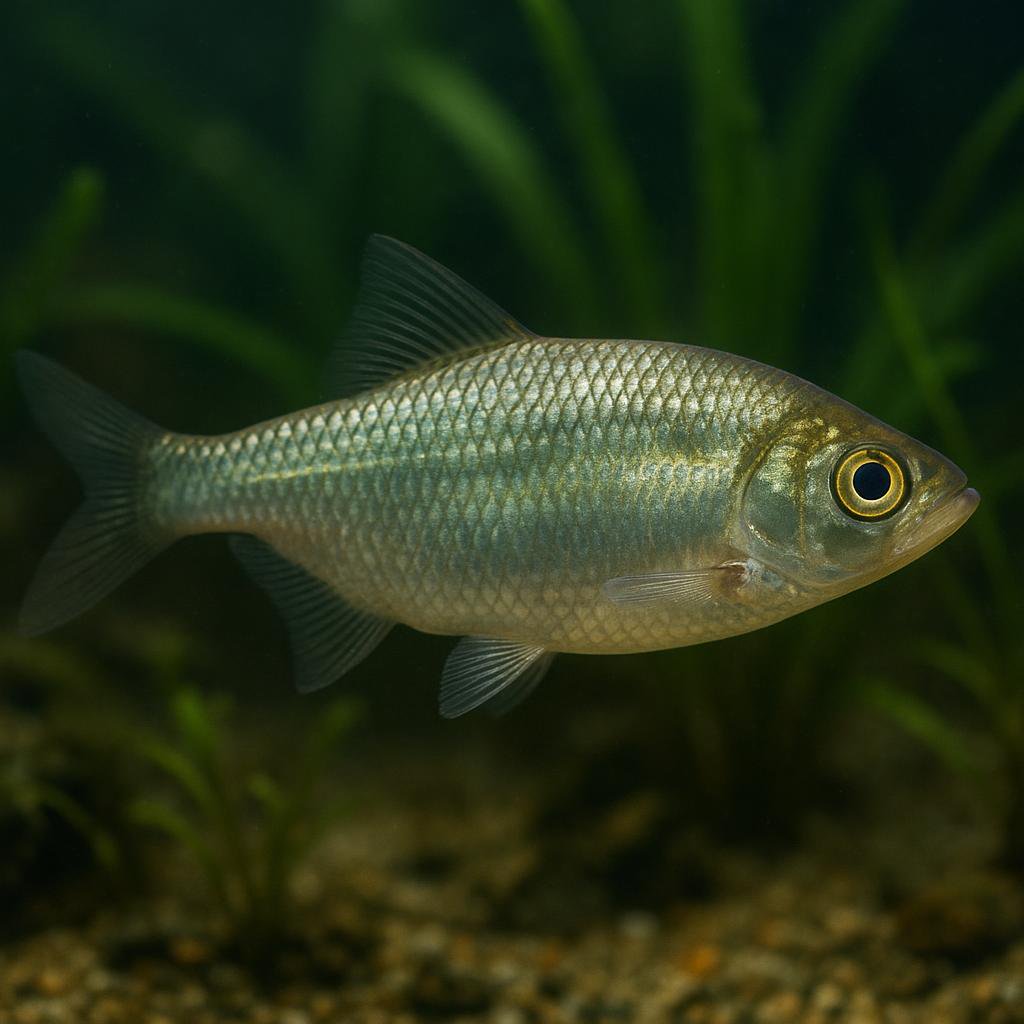
Kampen's ilisha
Ilisha kampeni
Kampen's ilisha is a small, silvery coastal herring-relative that cruises nearshore waters and will also push into rivers when it feels like it. Its whole vibe is fast, open-water, plankton-and-small-fish hunting - not really a cozy planted-tank fish, more like a little pelagic sprinter that wants room and current.
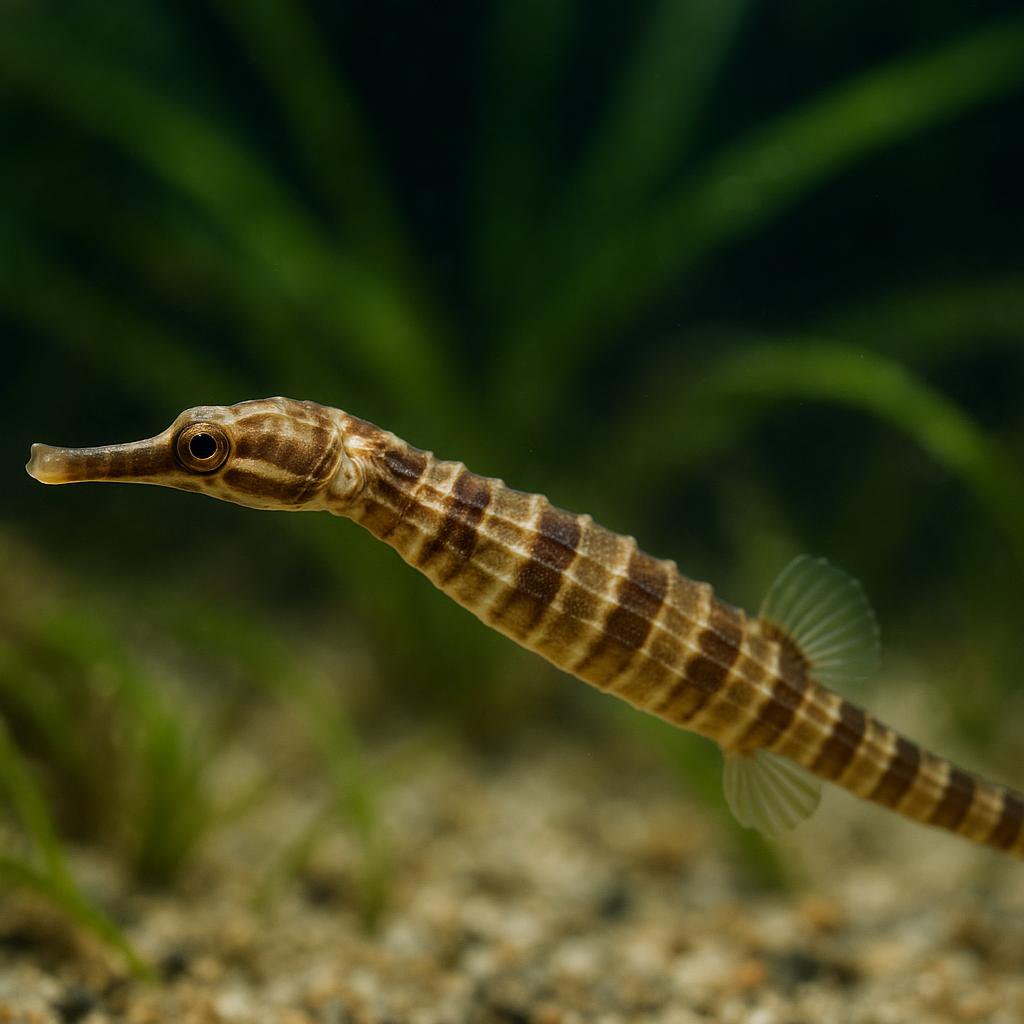
Kaup's pipefish
Enneacampus kaupi
Enneacampus kaupi is a skinny little West African pipefish that likes to lurk through algae and basically cosplay as a piece of vegetation. Its whole vibe is slow, sneaky, and ultra-picky at feeding time - super cool if you enjoy target-feeding and watching hunting behavior up close. It shows up from brackish estuaries and coastal rivers, so a slightly brackish setup is often the safest long-term direction.
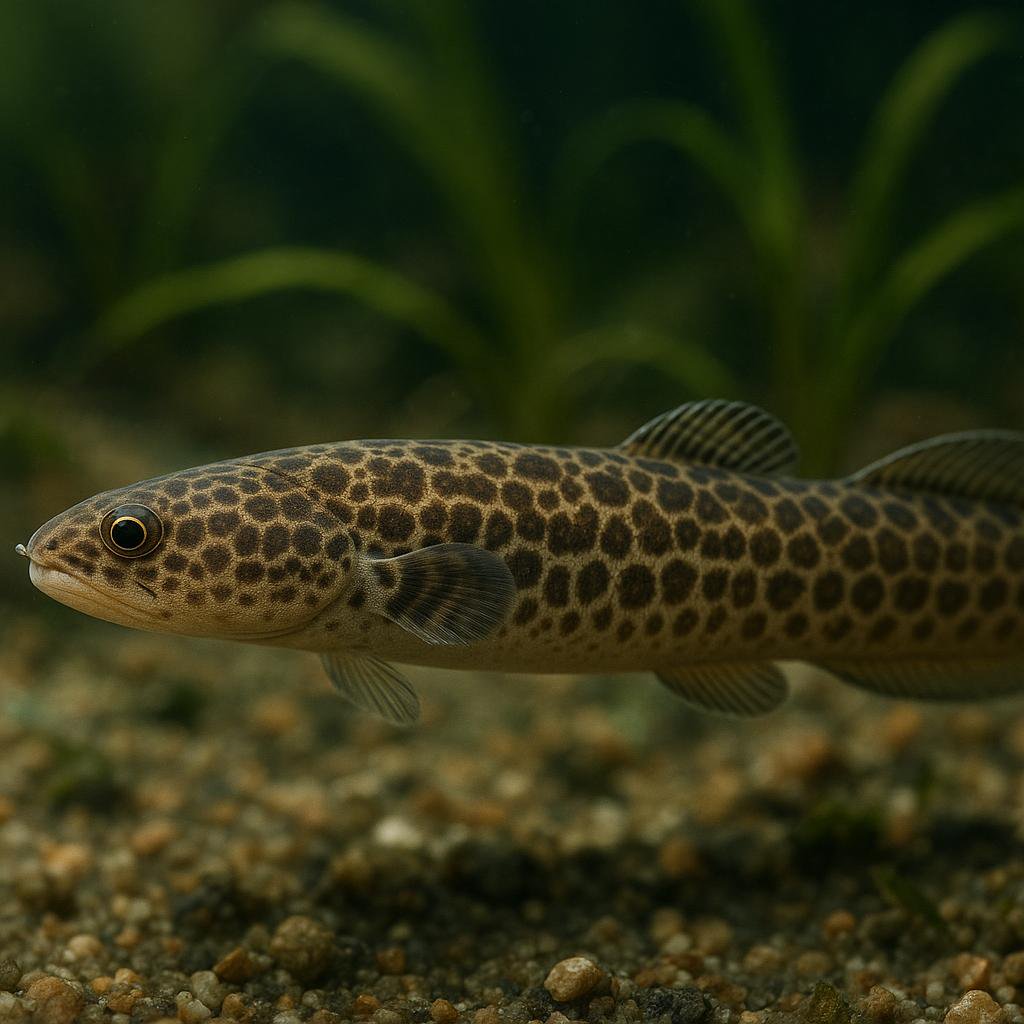
Kaup's snake eel
Yirrkala kaupii
Yirrkala kaupii is a skinny little snake eel that spends a lot of its time down on the bottom, and its whole vibe is more "hide and cruise" than "swim around for show". FishBase lists it as a freshwater-brackish, demersal tropical species from Indonesia and the Philippines, topping out around 35 cm (about 14 inches), so it is not really a standard home-aquarium fish.
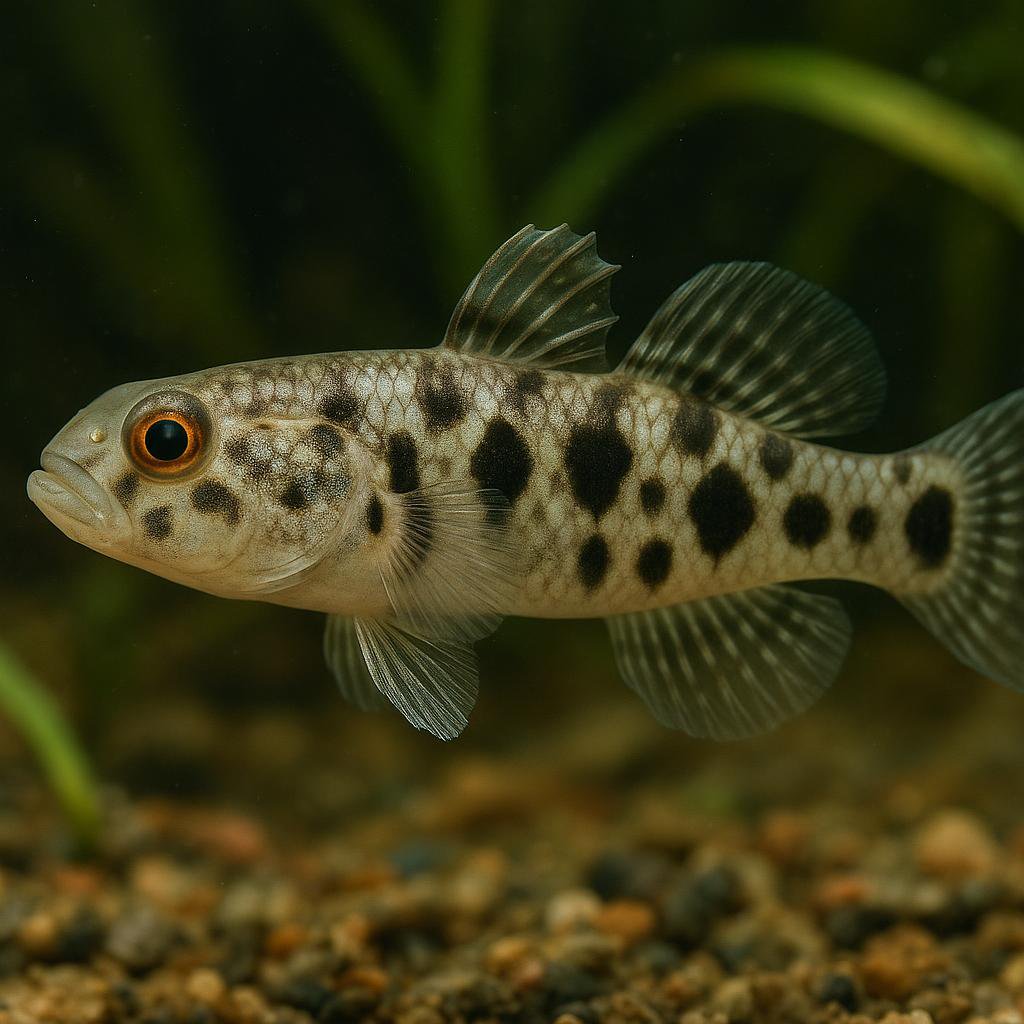
Knight Goby
Stigmatogobius sadanundio
Knight gobies are those chunky, spotty "estuary" gobies that perch on the bottom, scoot between caves, and then suddenly dash out like little predators. They're super fun to watch because they're territorial in a goby way (lots of posturing) and they'll even breed in caves when they're happy. They do best long-term when you treat them like an estuary fish: hard, alkaline water and (often) a bit of salt.
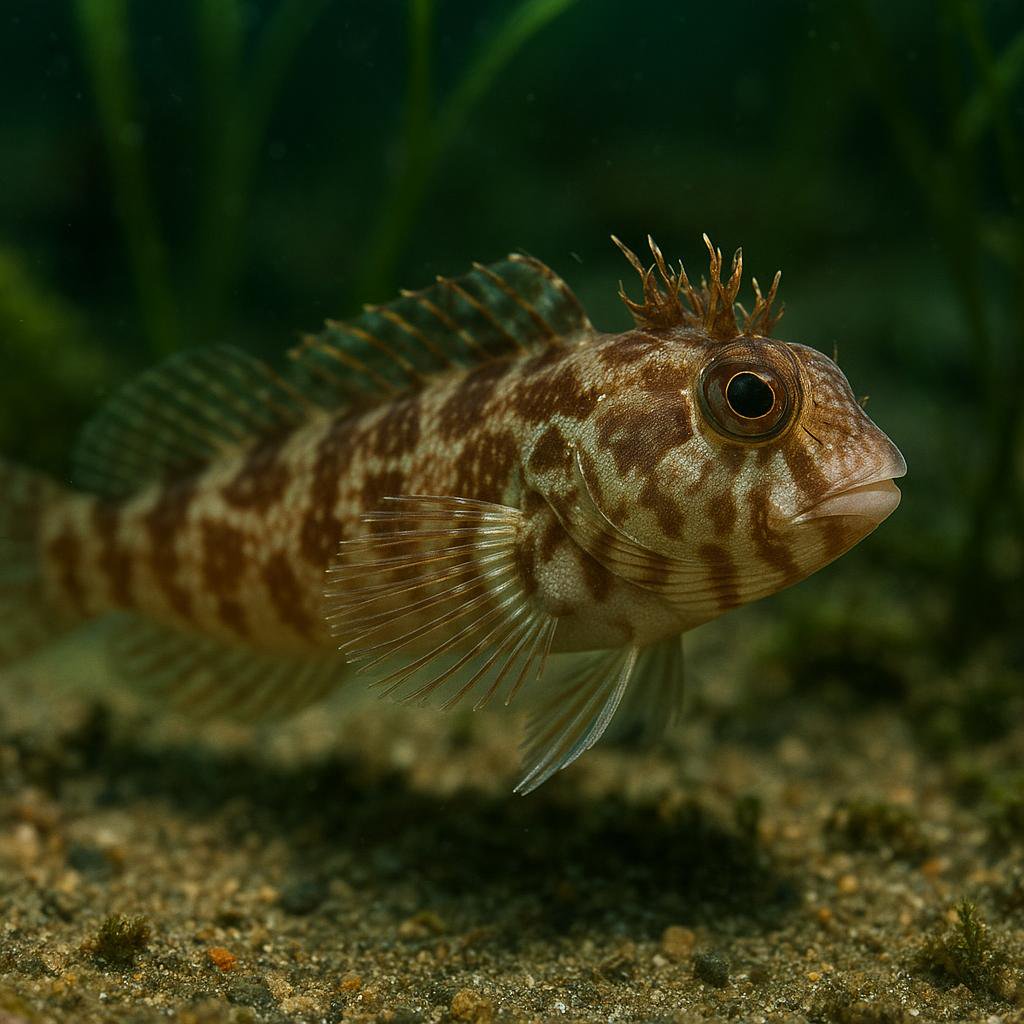
Lang's blenny
Hypleurochilus langi
This is a little West African combtooth blenny that hangs around mangroves and river mouths, and it can handle changing salinity (it is euryhaline). In a tank it would be one of those perch-and-peek fish that wedges into cracks and watches everything, but the big gotcha is it is not a true freshwater fish - it is a brackish-to-marine coastal species.
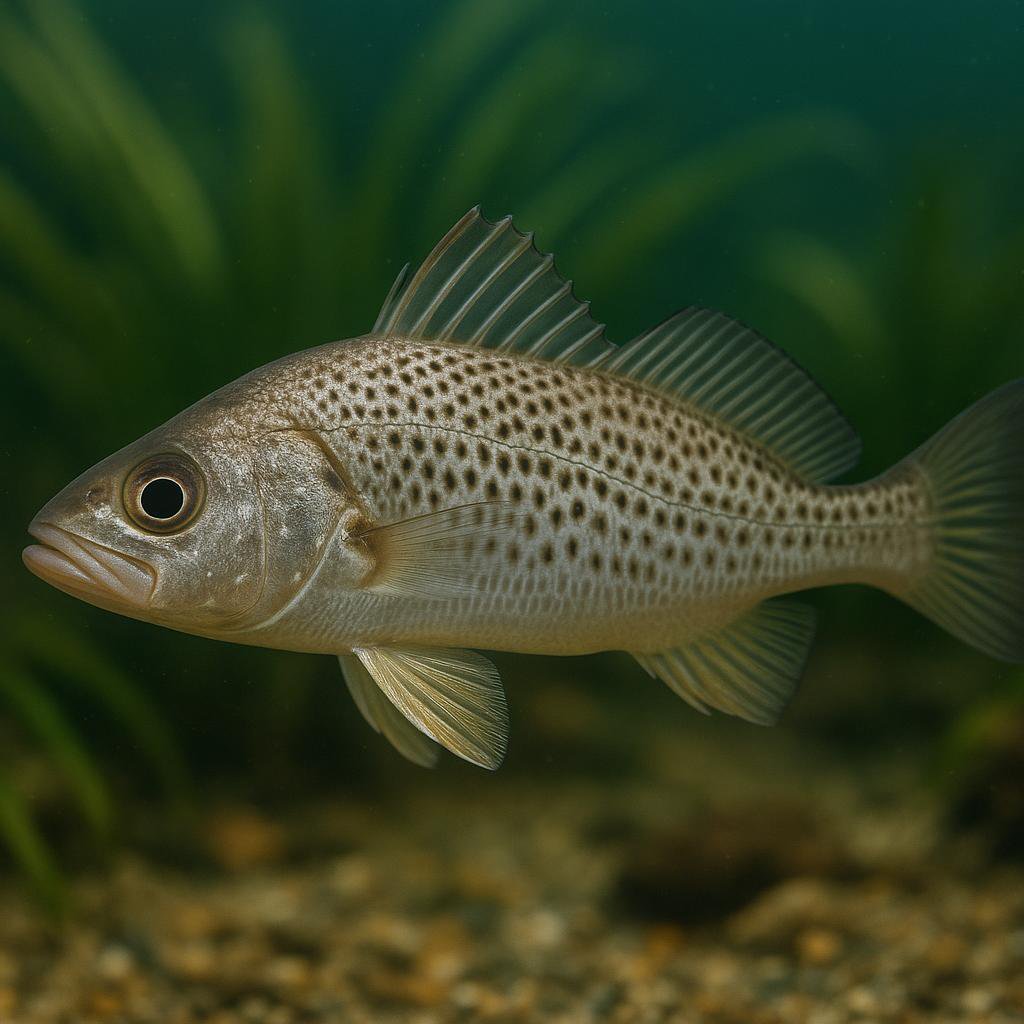
Large-eye croaker
Johnius plagiostoma
Small sciaenid (croaker) from tropical Indo–West Pacific waters. Reported from shallow coastal habitats, estuaries, and rivers, and can occur across marine, brackish, and freshwater conditions. Not a common aquarium species; if kept, it requires a large, open-bottom system and predatory feeding.