

Search Species
Search for fish species by common or scientific name, or use filters to browse by water type, size, temperament, and difficulty.
Found 654 species
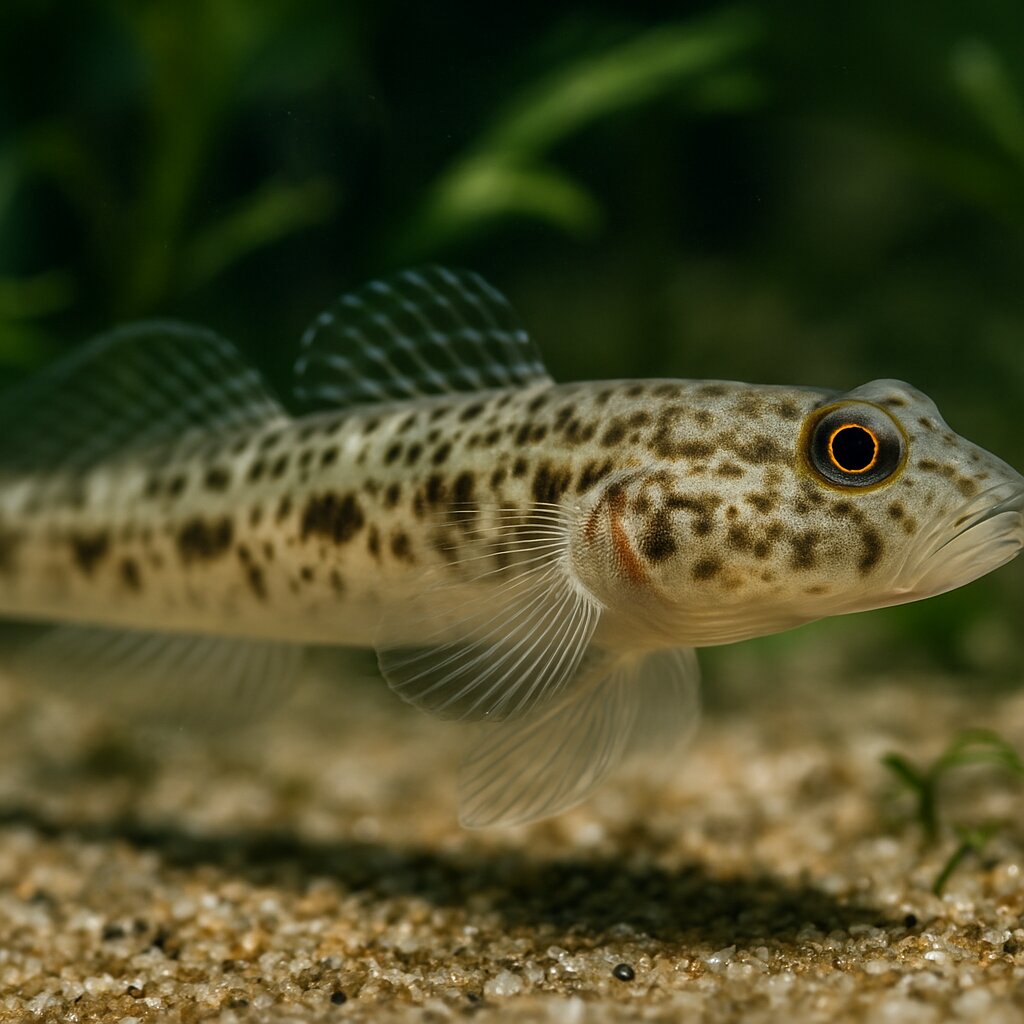
Southern longfin goby
Favonigobius lateralis
Neat little sand-dwelling goby that hangs out in seagrass beds and sandy estuaries around Australia and New Zealand. It perches on the bottom and even shimmies into the sand, so a fine sandy substrate is a must. Keep it in lightly brackish water and it will happily pick at small meaty foods.
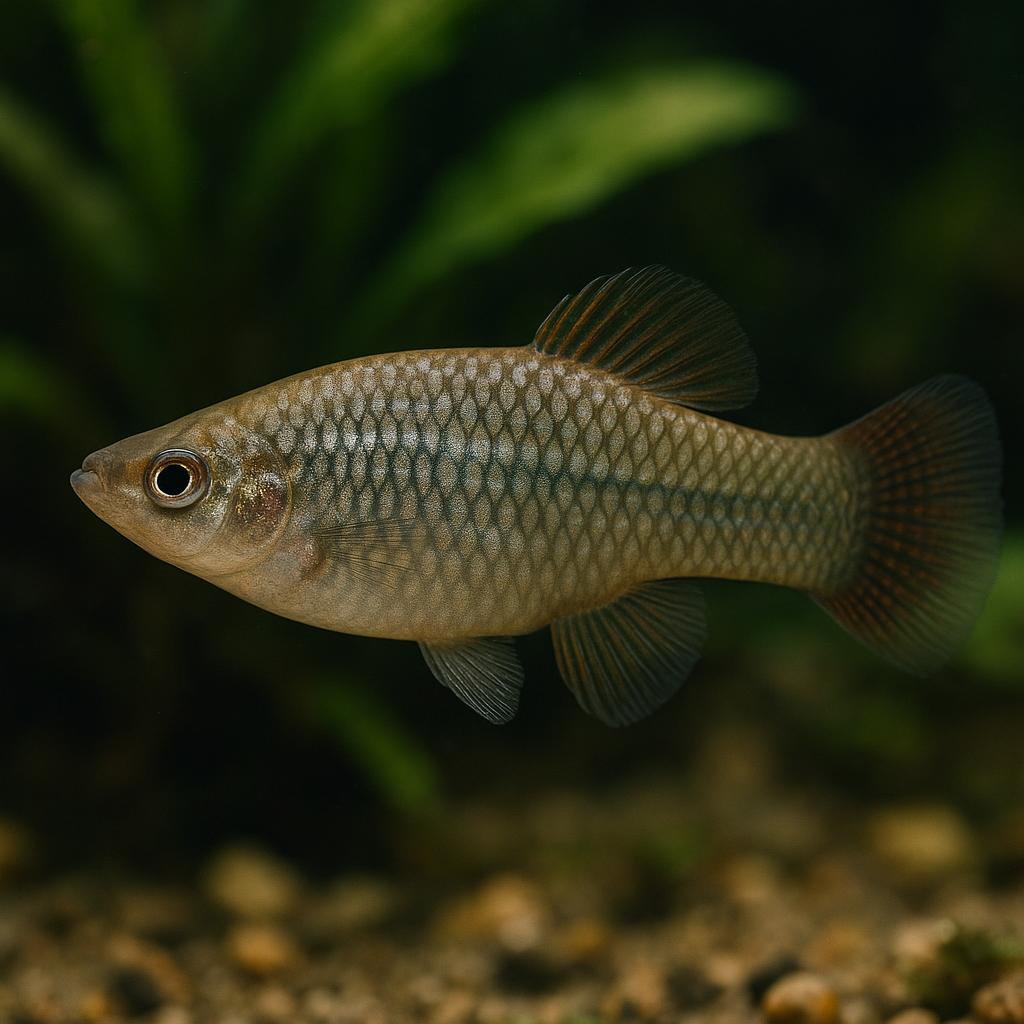
Southern mountain swordtail
Xiphophorus monticolus
Xiphophorus monticolus is a small, wild-type swordtail from Mexico that tends to hang in deeper pools in fast headwater streams with rocks and riffles. Males show a slender sword with darker edging and faint orange striping that can fade as they age, so its charm is more subtle than the gaudy domestic swordtail strains. Its big "gotcha" is that it is not a generic warm, hard-water livebearer - it comes from cooler, cleaner, flowing habitats, so it appreciates lots of oxygen and good maintenance.
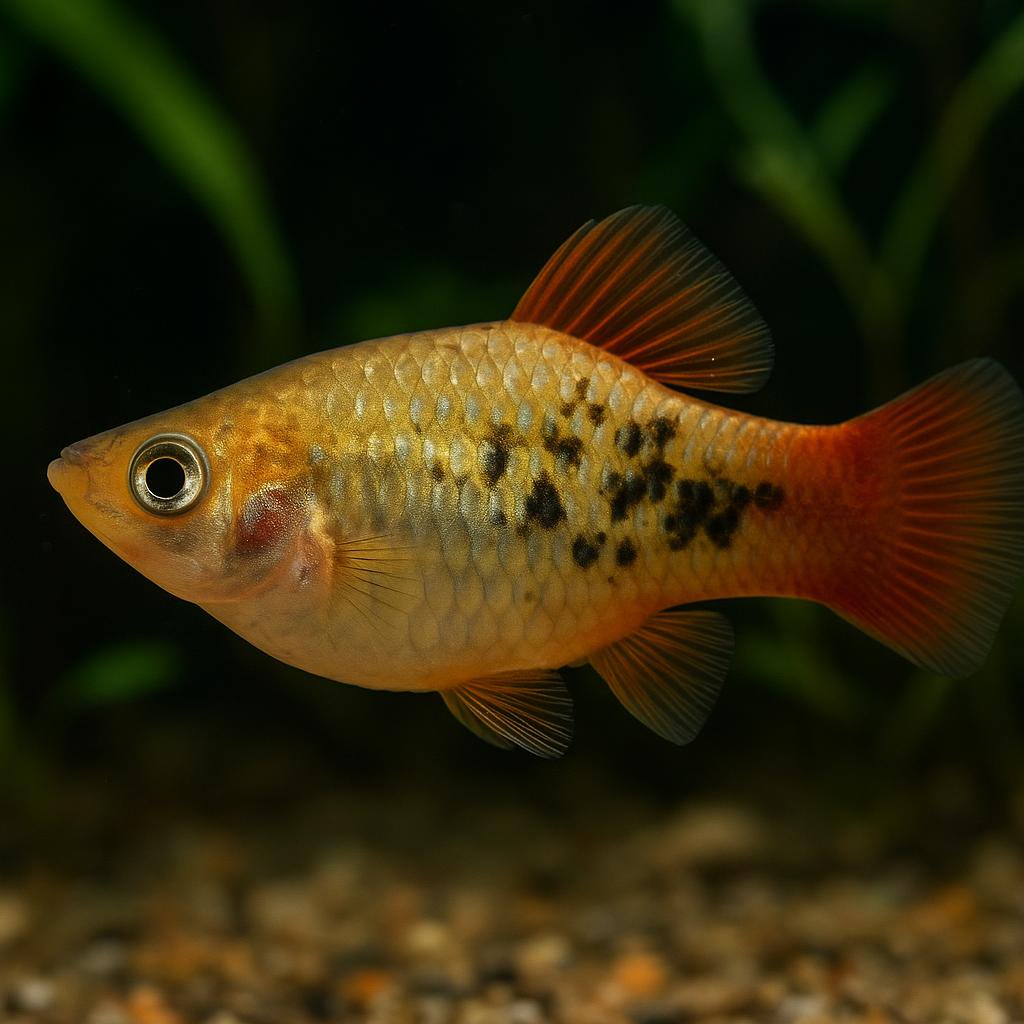
Southern platyfish
Xiphophorus maculatus
This is the classic platy-the little livebearer that's been bred into a ridiculous number of colors, but the wild-type is more of an olive-brown fish with dark blotches. They're super active, always cruising for snacks, and you'll see fun social behavior when you keep them in a small group. Also: if you mix males and females, you'll almost certainly end up with fry-these guys don't waste any time.
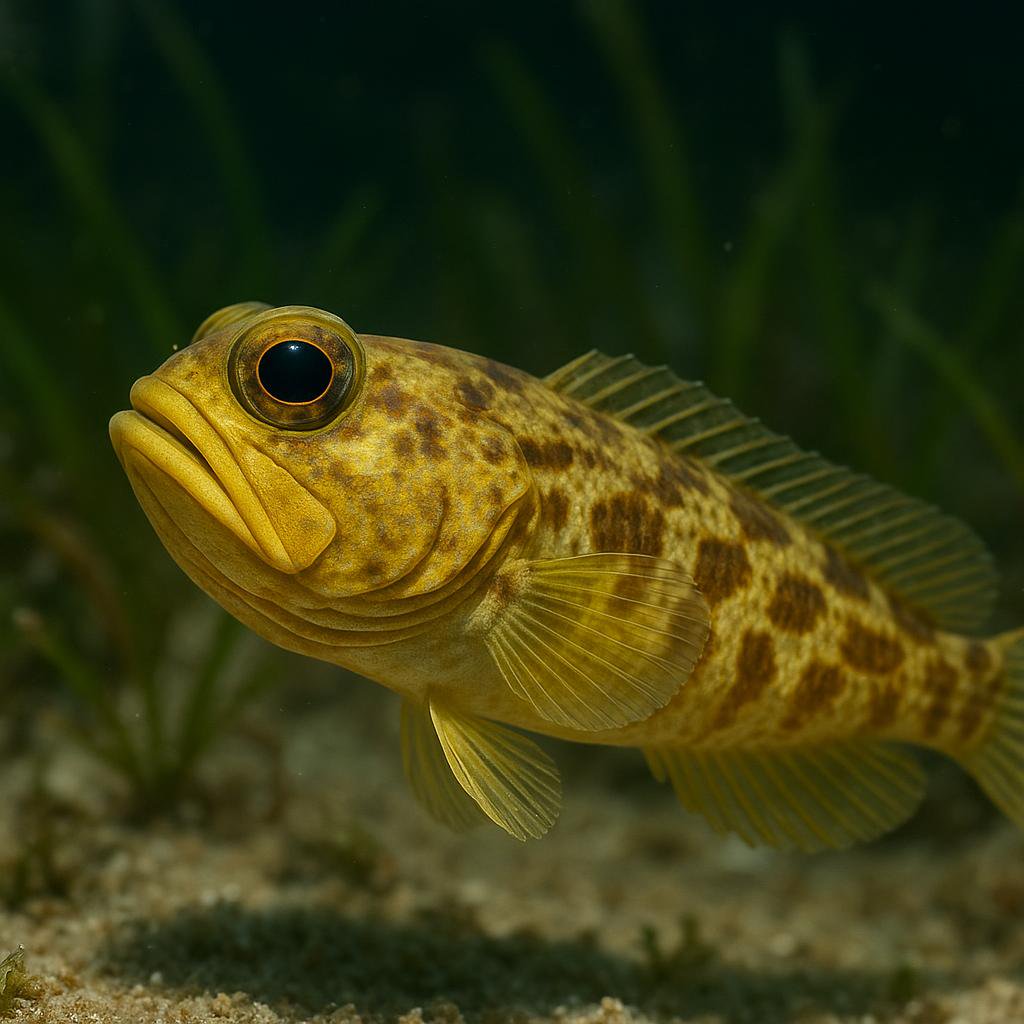
Southern Smiler
Opistognathus jacksoniensis
Australian jawfish found over sand/rubble near reefs where it constructs a burrow. Field references report it from ~20–30 m and often 30–50 m depths, suggesting it may be a deeper/temperate-affiliated species; aquarium care information appears limited compared to commonly kept tropical jawfishes. If attempted, provide deep mixed substrate with rubble/shell for burrow building and a tightly covered aquarium due to jumping risk.
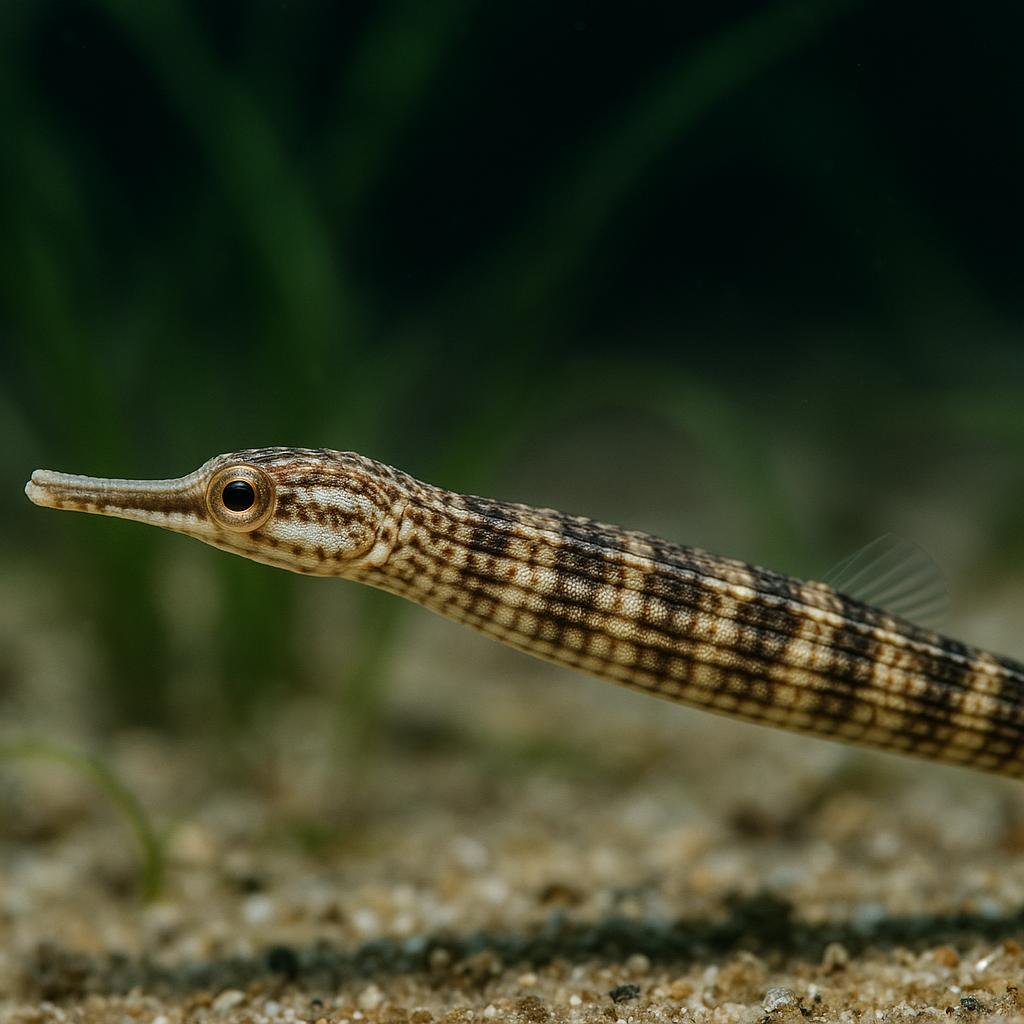
Southwell's pipefish
Siokunichthys southwelli
A tiny tropical marine pipefish from Sri Lanka and the Philippines. Like many syngnathids, it is a slow, deliberate feeder that may require abundant small live foods and low-competition tankmates in captivity.
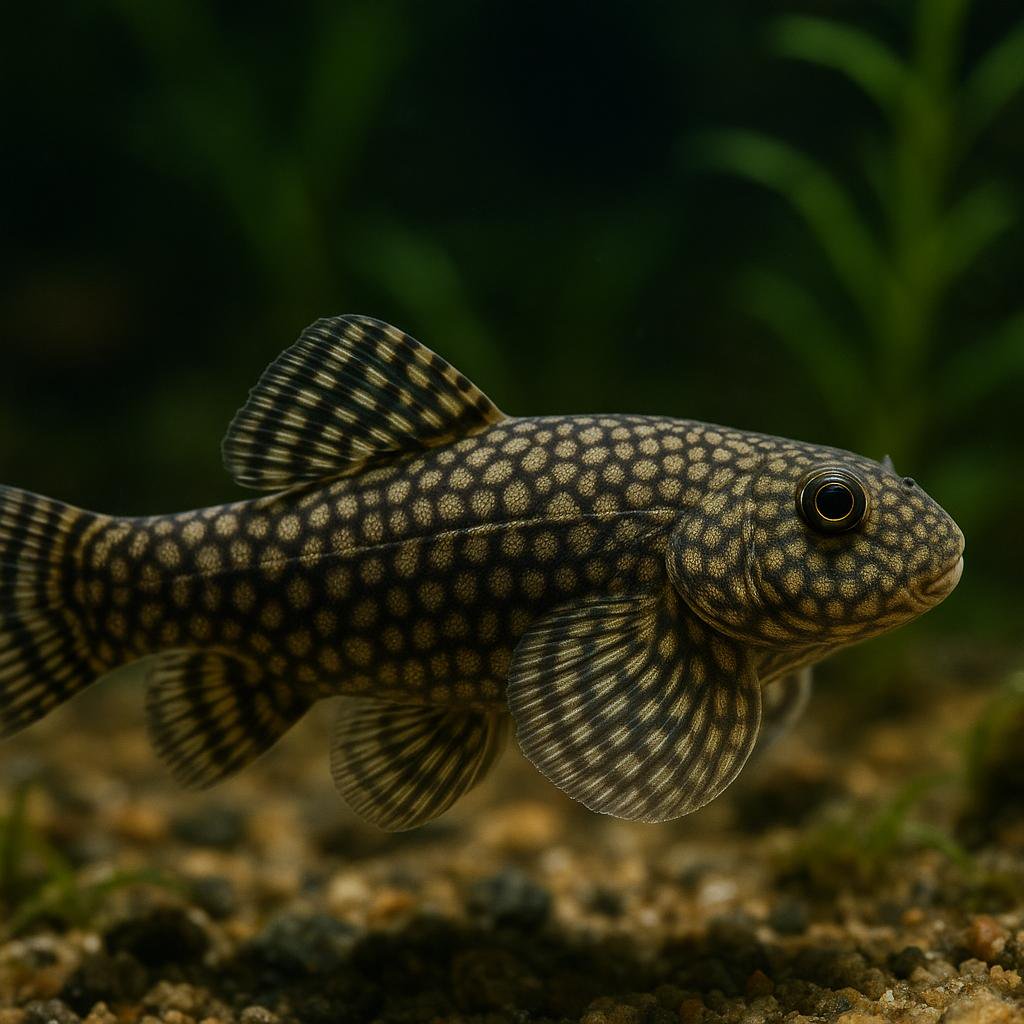
Speckled butterfly loach
Beaufortia polylepis
Beaufortia polylepis is one of those little hillstream loaches that looks like a tiny freshwater stingray with a speckled pattern, and it spends its day suctioned onto rocks grazing biofilm. The big trick with them is not "special water" so much as lots of oxygen and brisk flow - think cool, clean stream vibes, not a warm, still community tank.
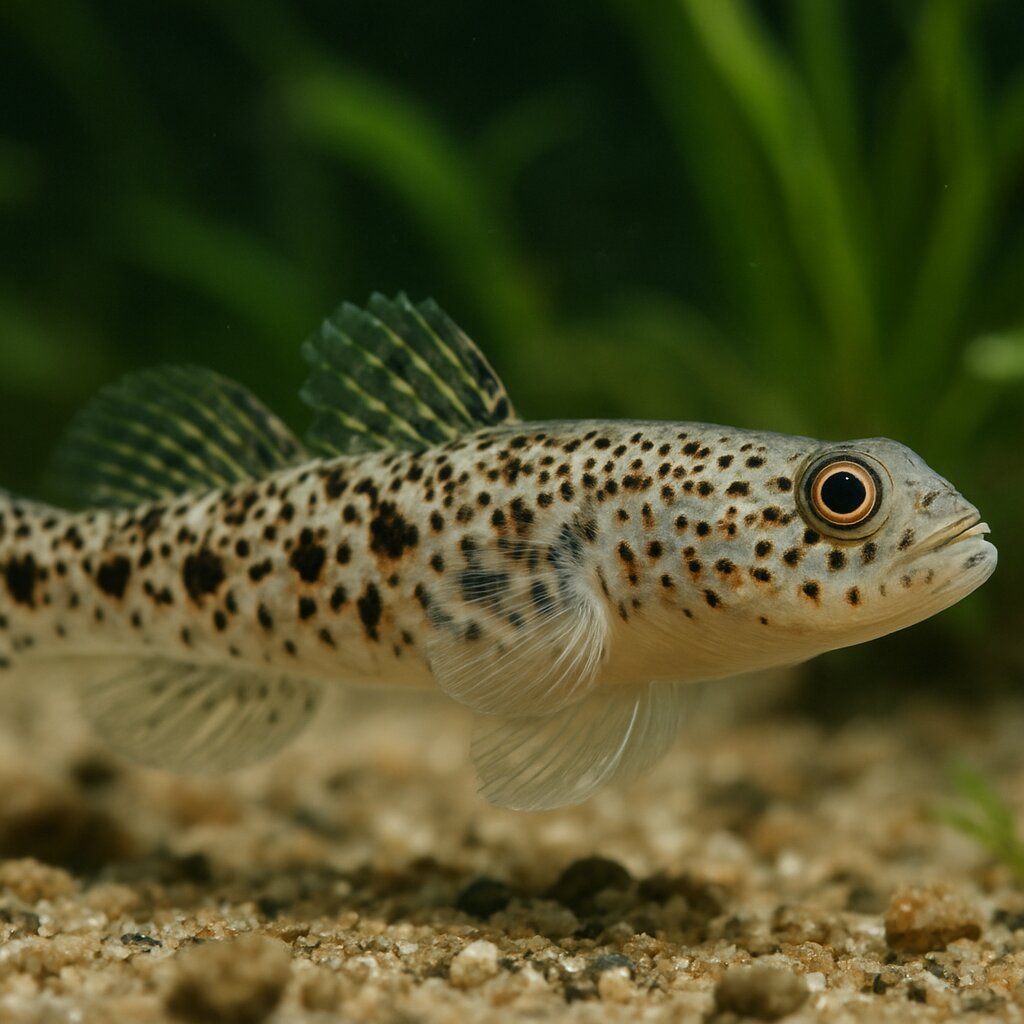
Speckled goby
Redigobius isognathus
A tiny estuary goby with a neat checkered body pattern and a surprisingly big mouth for such a small fish. It hangs out on the bottom, scooting between shells and rocks, and will happily pick at tiny crustaceans and other bite-size foods. Folks sometimes confuse it with the similar R. bikolanus, and it does great in lightly brackish setups with hard, alkaline water.
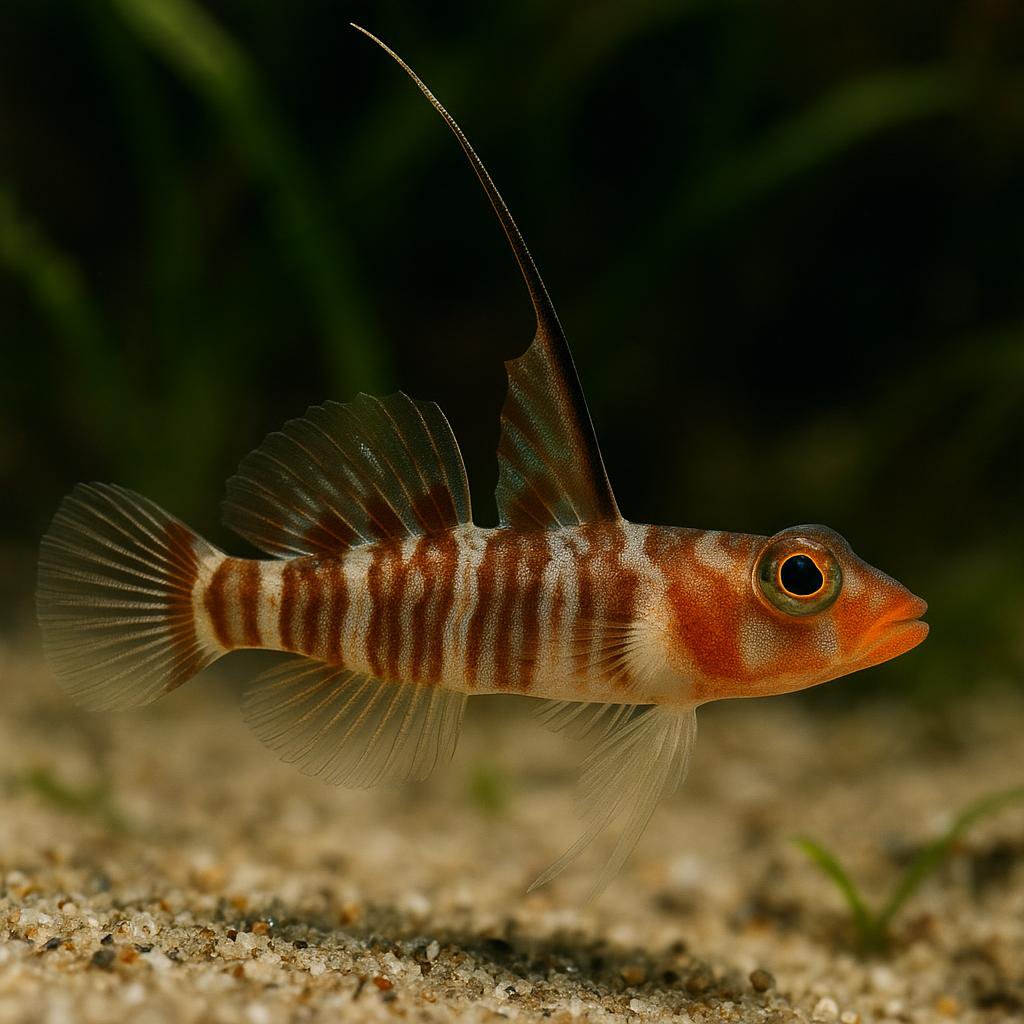
Spikefin goby
Discordipinna griessingeri
This is that tiny little reef goby with the crazy tall first dorsal spines and orange striping that makes it look like a living piece of candy. It spends a lot of time tucked into coral rubble and little crevices, then darts out to grab food, so giving it real hiding spots is the whole game. Also, it gets mixed up in the trade with the wrong name sometimes, so its worth double-checking the label before you buy.
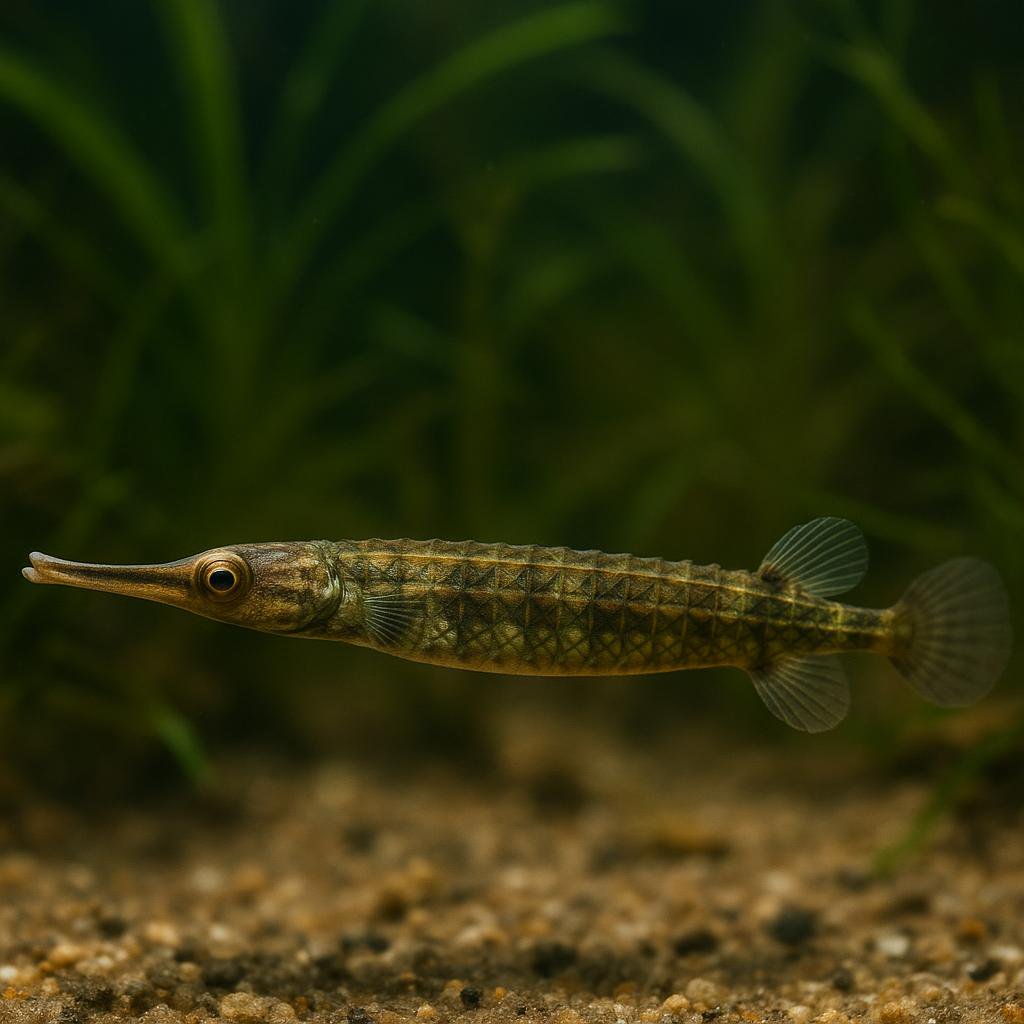
Spinach pipefish
Microphis spinachioides
This is a freshwater pipefish from Papua New Guinea - basically a tiny river cousin of seahorses with that stiff, armored "stick" body and a little tube snout for picking off micro-crustaceans. The really wild part is the males brood the eggs, and the species is so rarely seen in the wild that a lot of info we normally lean on for aquarium care just straight-up is not documented.
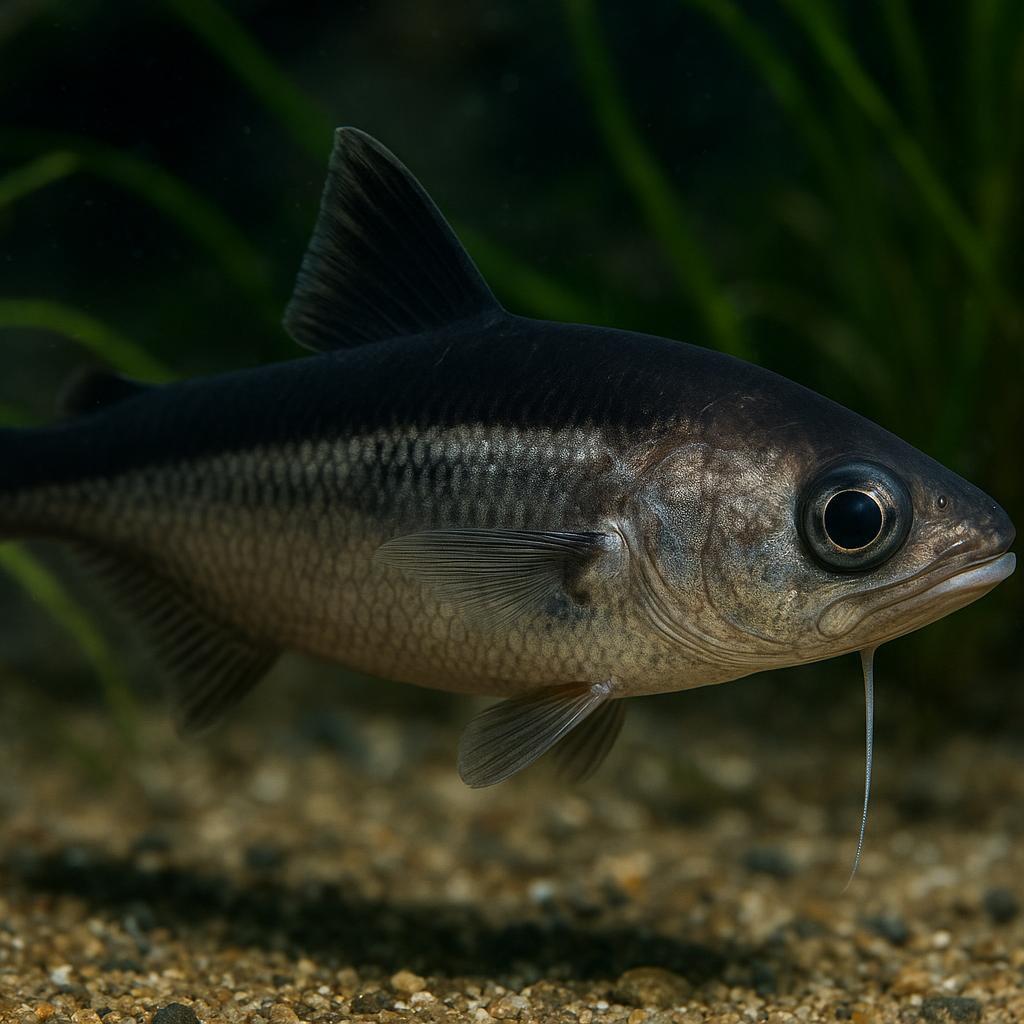
Spinaker grenadier
Ventrifossa nigrodorsalis
This is a deep-sea rattail (grenadier) from the continental slope - long, tapering body, chin barbel, and that cool dark blotch on the first dorsal fin. Its natural home is hundreds of meters down, so its needs are basically the opposite of a typical home aquarium: cold, dark, very high pressure habitat, and a life built around picking off fish and squid in the deep.
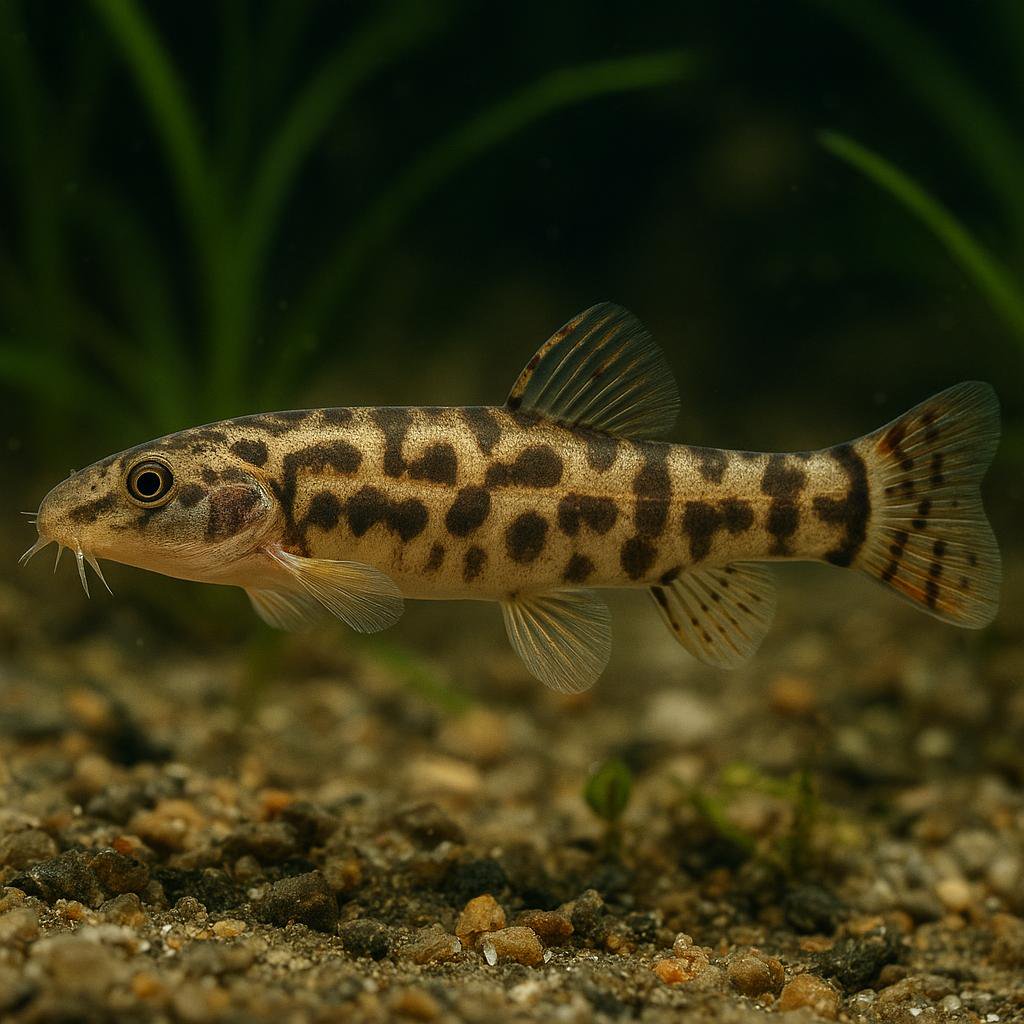
Spindle Yunnan loach
Yunnanilus elakatis
Yunnanilus elakatis is a nemacheilid (stone loach) endemic to Yunnan, China (type locality: Yiliang County). Aquarium-specific husbandry data for this exact species is scarce in major references; when kept, it should be maintained like other small stream-associated stone loaches: high water quality, good oxygenation, and a fine, smooth substrate with cover.
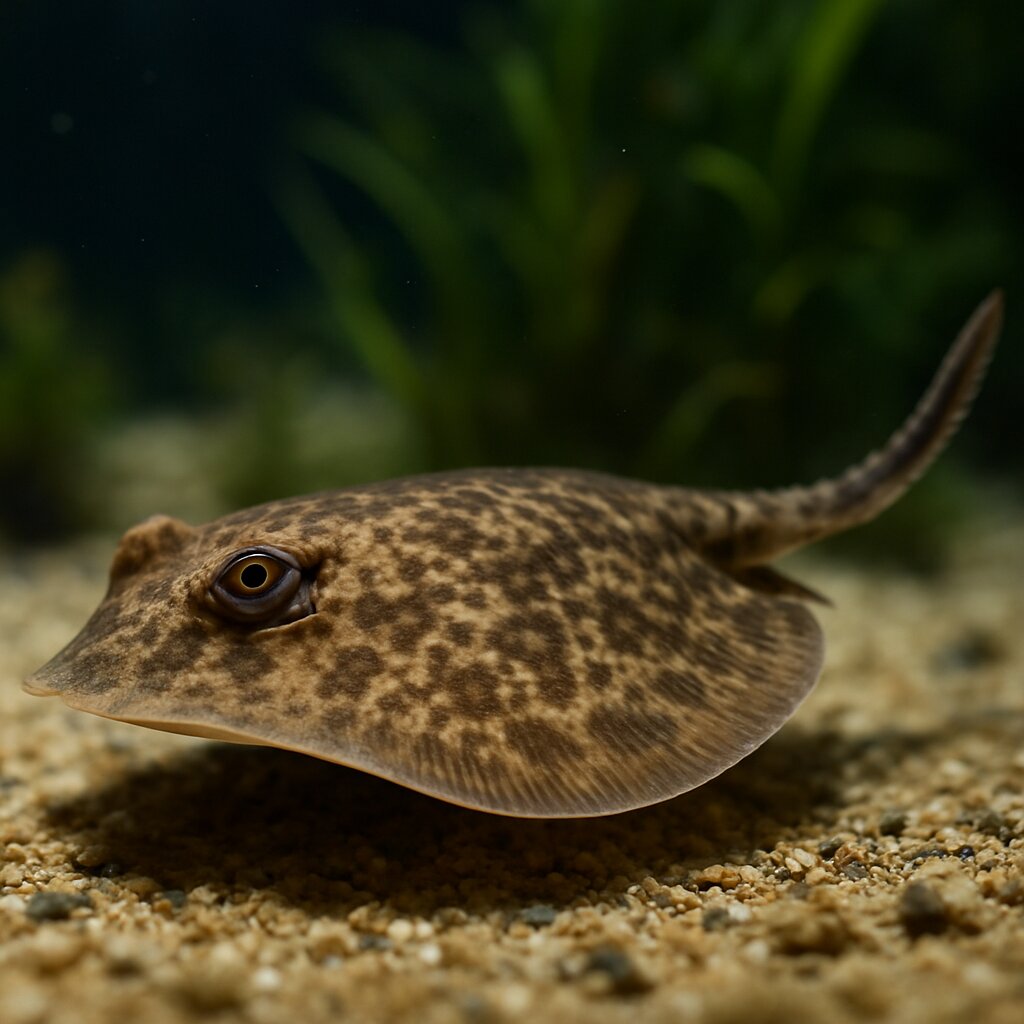
Spine-tailed round ray
Urotrygon caudispinosus
This is a neat little round ray from Peruvian coastal waters that hangs out on sandy bottoms and noses around for crunchy snacks. It likes to bury itself with just the eyes showing, and it does best in cooler saltwater than most reef fish. Awesome to watch, but it really belongs with keepers who can dedicate a huge, chilled tank and meaty foods.