

Spine-tailed round ray
Urotrygon caudispinosus
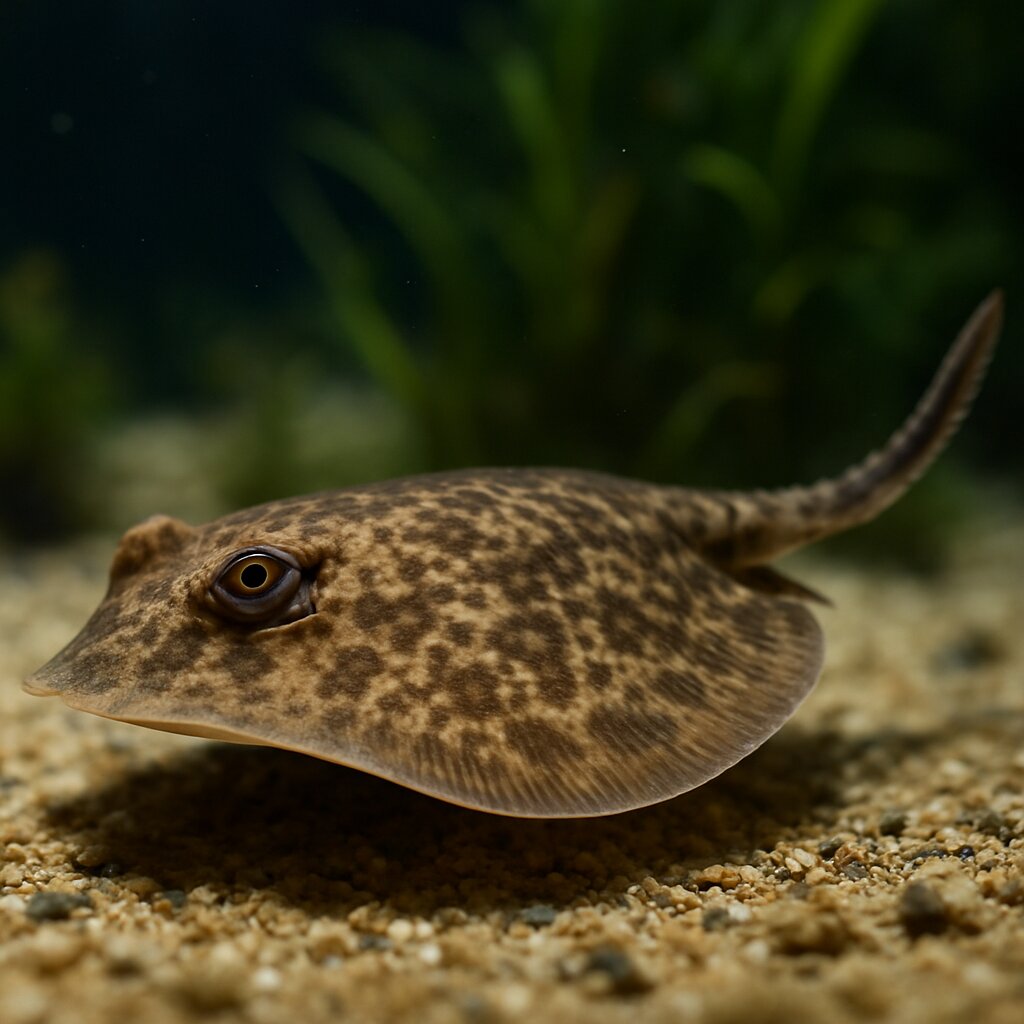
The Spine-tailed round ray features a distinctive tail spine, a circular disc shape, and a mottled brownish-grey coloration on its upper surface.
This page includes AI-generated images. Why am I seeing AI images?
About the Spine-tailed round ray
This is a neat little round ray from Peruvian coastal waters that hangs out on sandy bottoms and noses around for crunchy snacks. It likes to bury itself with just the eyes showing, and it does best in cooler saltwater than most reef fish. Awesome to watch, but it really belongs with keepers who can dedicate a huge, chilled tank and meaty foods.
Also known as
Quick Facts
Size
approx. 26 cm disc width (about 42 cm TL)
Temperament
Peaceful
Difficulty
Expert
Min Tank Size
240 gallons
Lifespan
5-8 years
Origin
Southeast Pacific (Peru)
Diet
Carnivore - crustaceans, polychaete worms, small mollusks and occasional small fish
Water Parameters
17-21°C
8-8.4
300-400 dGH
Need a heater for this species?
This species needs 17-21°C in a 240 gallon tank. Use our heater calculator to find the right wattage.
Calculate heater sizeCare Notes
- Give it a big footprint tank - 6x2 ft (180g+) - with 2-3 in of sugar-fine aragonite; skip crushed coral and keep sharp rock away from the sand zone.
- Shoot for 1.025 SG, 75-78 F, pH 8.1-8.3, zero ammonia/nitrite, and nitrate under 15 ppm; keep oxygen high with strong surface agitation and a beefy skimmer.
- Cover all pump and overflow intakes with foam or mesh and put the heater in the sump; their disc tears and burns super easily.
- Kick-start feeding with live ghost shrimp or small crabs, then switch to tong-fed chopped shrimp, squid, and marine fish; enrich with vitamins/HUFA (Selcon) and do small meals 1-2x daily.
- Drip acclimate 60-90 minutes and never use copper; for flukes/parasites use praziquantel or metronidazole in a sand-bottom QT.
- Tankmates should be calm midwater fish that ignore the bottom; avoid triggers, puffers, big wrasses, lionfish, stinging anemones, and any crustaceans you want to keep.
- It has a venomous tail spine, so move it in a container, not a net, and keep a tight lid since startled rays can climb or jump.
- Breeding is viviparous and not a home project; males bite and harass, so do not pair them unless you have a huge lagoon system and multiple females.
Compatibility
Good Tankmates
- Easygoing clownfish like ocellaris or percula that stick to their own turf and ignore the ray
- Peaceful schooling fish like green chromis that stay midwater and are not nippy
- Cardinalfish such as Banggai or pajama - hoverers that will not bother a sand-snoozing ray
- Fairy and flasher wrasses - active but not pickers, they leave the ray's disc and tail alone
- Bristletooth tangs like kole or tomini that graze rockwork and do not tail-slap or pick at the ray
- Laid-back gobies and blennies that are not heavy burrowers or fin-nippers
Avoid
- Triggers and puffers - notorious nippers that will chew the ray's disc and tail
- Angelfish that nip slime coats, dwarf or large - they tend to pick at rays
- Sixline wrasse, dottybacks, and other hyper pickers that harass bottom dwellers
- Big-mouthed predators like groupers or morays that may try a bite when the ray settles
Where they come from
Spine-tailed round rays are small coastal stingrays from the eastern Pacific, showing up along Central and northern South America on soft sand and muddy bottoms. You find them in shallow bays, estuaries, and near river mouths where the bottom is silty and full of crustaceans. They spend a lot of time buried with just eyes and spiracles showing.
They handle warm water, but many eastern Pacific spots get seasonal cool-ups. They do fine in typical tropical marine temps if oxygen stays high.
Setting up their tank
Footprint matters more than gallons. A single adult is happiest in something like an 8 x 3 ft footprint (around 350-450 gallons). I kept mine in a 7 x 3 ft lagoon-style system and always wished for another foot of length.
- Substrate: 2-3 inches of fine aragonite or sugar-grade sand. No crushed coral, no sharp rubble.
- Aquascape: Keep rock to the back or on a PVC/egg-crate base. Leave a big open runway of sand for cruising and burying.
- Flow: Moderate and broad. Use guarded powerheads or low-mounted returns aimed to keep the surface rippling. Avoid jet streams at sand level.
- Filtration: Big skimmer, big sump, and lots of oxygen. Rays are messy eaters. Plan for 6-10x system turnover through the sump.
- Guards and covers: Heater in the sump, guards on pump intakes, mesh on overflow teeth. Rays wedge into weird places.
- Lighting: Dim to moderate. They get active at dusk; bright reef lighting is fine if you give shaded zones.
- Lid: Tight mesh or acrylic lid. They do not usually jump, but they can surge hard during startles.
Target parameters I have used: 1.023-1.025 sg, pH 8.1-8.3, temp 74-78 F (23-26 C), ammonia/nitrite 0, nitrate under 20 ppm. Keep oxygen high and temp stable. A chiller or solid climate control is worth it in warm rooms.
They have a venomous tail spine. Do your maintenance with a clear acrylic shield between you and the ray, and never corner it with your hands in the tank.
Start them in a mature tank. New sand is fine, but the filtration and biofilm need to be established. They do poorly in recently cycled systems.
What to feed them
Mine switched over to tongs in about a week. The trick was to bury a small piece in the sand, let it sniff it out, then present the next bite right at the snout with long tongs. Once they connect you with food, feeding gets easy.
- Staples: fresh/frozen shrimp, squid strips, scallop, and marine fish like silversides or smelt (in moderation).
- For teeth wear and enrichment: clam or mussel on the half shell, crab legs split so they can work on them.
- Supplements: rotate foods and soak a couple meals a week in a vitamin mix (e.g., Selcon) to avoid B1 issues from thiaminase-heavy items.
- Schedule: juveniles - small meals daily; adults - every other day. Watch body shape more than the calendar.
Use a ceramic feeding tile or a small plate on the sand. It keeps food clean and they learn to sit on the tile at dinner time.
Good body condition looks like a smooth, slightly rounded disc with no hip bones showing and a gentle bulge behind the head after meals. If the tail base starts to look pinched, increase frequency; if they look puffy and lazy, cut portions.
How they behave and who they get along with
They are calm, sand-hugging hunters. Lots of burying, short cruises, then periods of stillness. Most activity is at dawn and dusk. Mine ignored midwater fish and focused on the sand for snacks.
- Good companions: bigger, peaceful swimmers that do not pick at fins, like tangs, rabbitfish that mind their own business, larger wrasses that stay midwater. Keep the vibe chill.
- Risky: angels and butterflies that nip, aggressive wrasses, large groupers that might try a bite, boisterous triggers and puffers (nippers).
- Inverts: crabs, shrimp, small snails are food. Urchins and big conchs usually get left alone, but plan on manual sand maintenance instead of a cleanup crew.
- Other rays: only in very large, wide systems. Males may badger smaller individuals.
Never hand-feed. Tongs only. A startled ray can flick the tail very fast.
Breeding tips
They are livebearers. In home aquariums, breeding is rare and usually accidental in very large lagoons. If you try, you will need a big group to pair off naturally and lots of sand space. Males can pester females, so sight breaks and multiple hides help. Gestation is several months and litters are small. Newborns take tiny pieces of shrimp and chopped clam within a day or two.
Sexing is easy: males have claspers at the tail base, females do not.
Common problems to watch for
- Substrate abrasions: red sores on the disc or tail tip usually come from rough sand or rubble. Switch to finer sand and keep the bed clean.
- Low oxygen stress: heavy breathing, hanging at the surface, or parking under a return. Add surface agitation and check temp.
- Internal parasites or flukes: poor appetite and weight loss. Praziquantel is one of the few treatments rays tolerate well; skip copper and formalin.
- Copper sensitivity: copper meds can kill them. Treat inverts/fish in a separate system if you must use copper.
- Powerhead and overflow injuries: they wedge into intakes and slots. Guard everything that sucks.
- Dental plate overgrowth: if you feed only soft foods, they may struggle to crush prey. Offer clam on the half shell weekly.
- Nutritional gaps: limp posture and poor recovery after meals can be diet-related. Rotate foods and add vitamin soaks.
- Obesity: they beg like puppies. Keep portions reasonable and watch that tail base does not get fat rolls.
No copper medications with rays. If you have to medicate, use a separate hospital setup and stick to ray-safe options under experienced guidance.
Acclimate slowly with a long drip (45-90 minutes), lights off. Move them gently in a container under water, support the disc, and give them a quiet day to settle.
Similar Species
Other marine peaceful species you might be interested in.
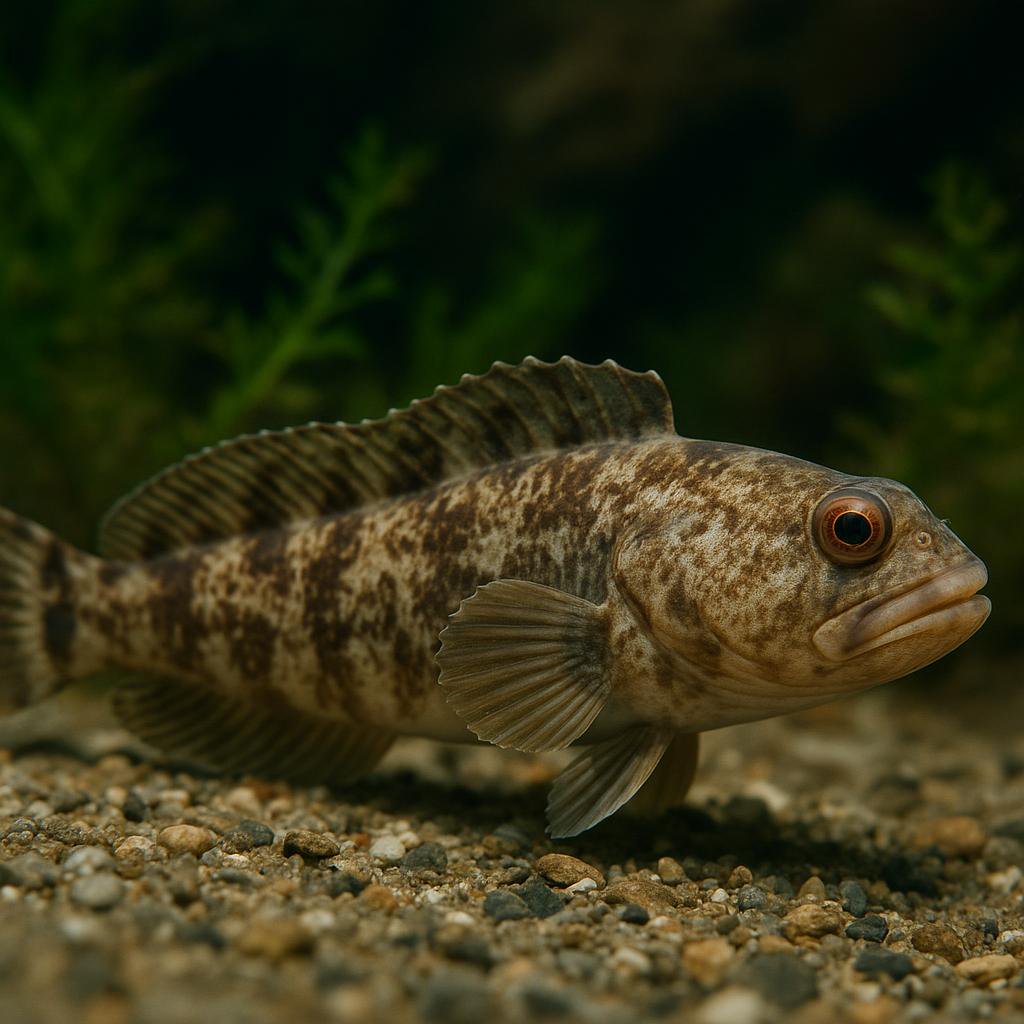
Abe's eelpout
Japonolycodes abei
Japonolycodes abei is a temperate, deepwater demersal eelpout (family Zoarcidae) endemic to Japan (Kumano-nada Sea reported; other sources also report Sagami Bay and Tosa Bay). It is the only species in the genus Japonolycodes and occurs roughly 40-300 m depth, making it an uncommon/atypical aquarium species.
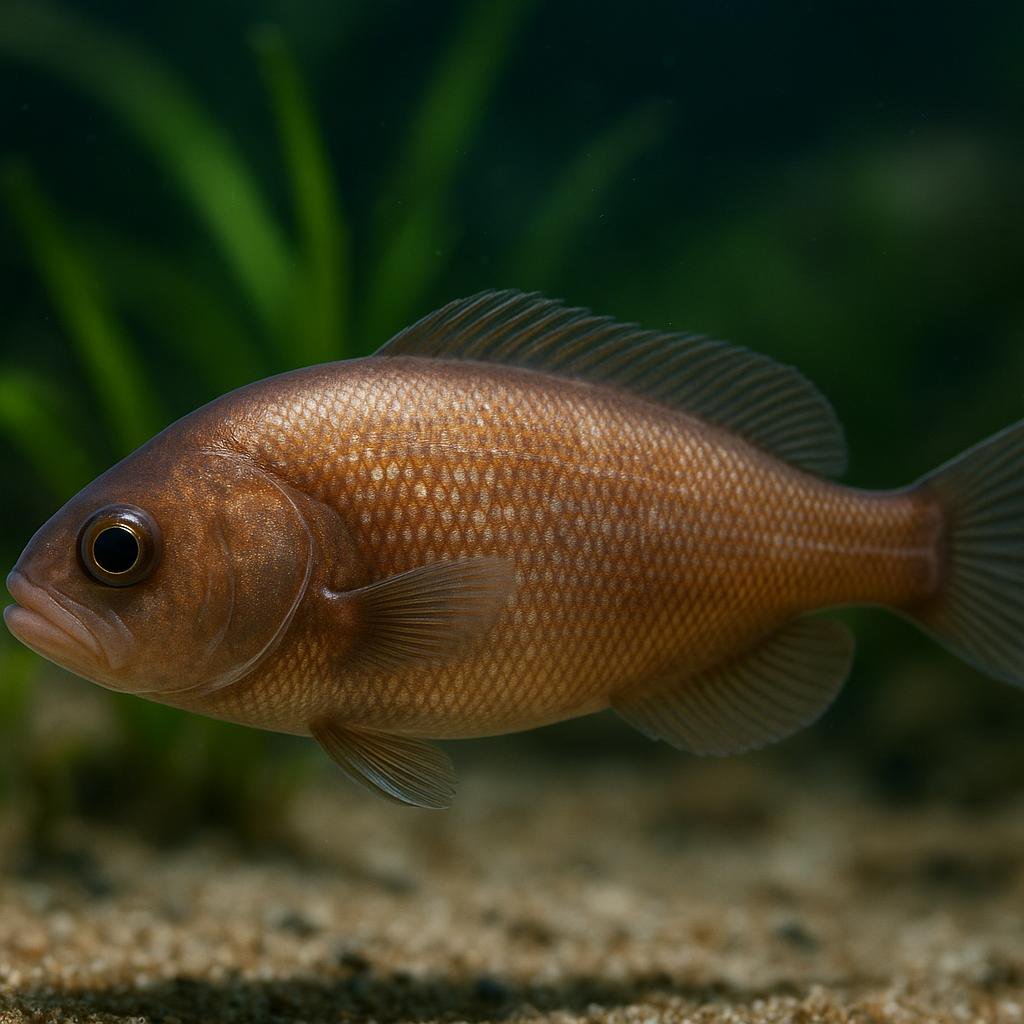
Affinis blind cusk-eel
Barathronus affinis
Barathronus affinis is a tiny, super-weird deep-sea blind cusk-eel from the western-central Indian Ocean. It is one of those gelatinous, loose-skinned brotula-type fishes that live way down in the dark and are basically never seen alive, so almost everything we know comes from preserved specimens and taxonomic work.
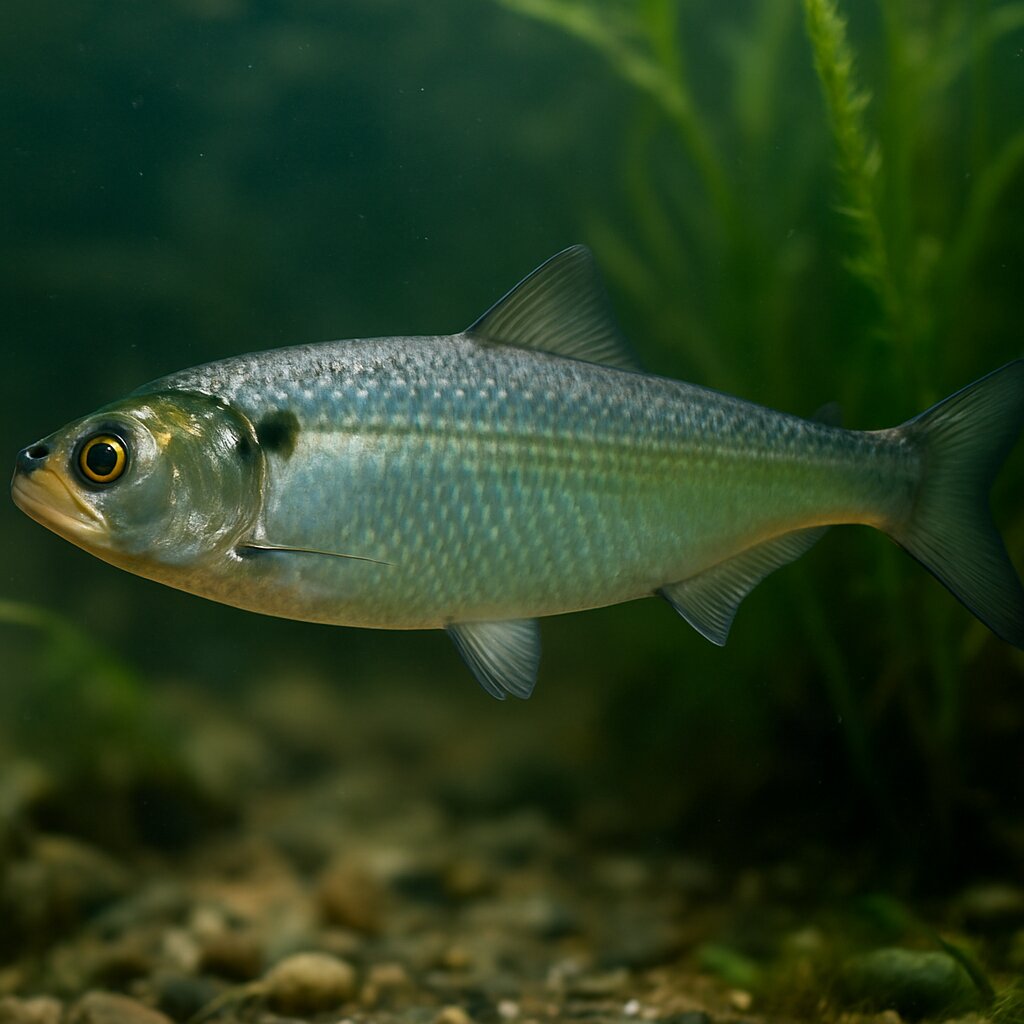
Allis shad
Alosa alosa
Gorgeous silver, fast-swimming shad that spends most of its life in the sea and then surges up big rivers in noisy, surface-spawning schools. It grows huge for a herring-type fish and needs cool, ultra-oxygenated water and tons of open space, so it is a public-aquarium species rather than a home tank fish.
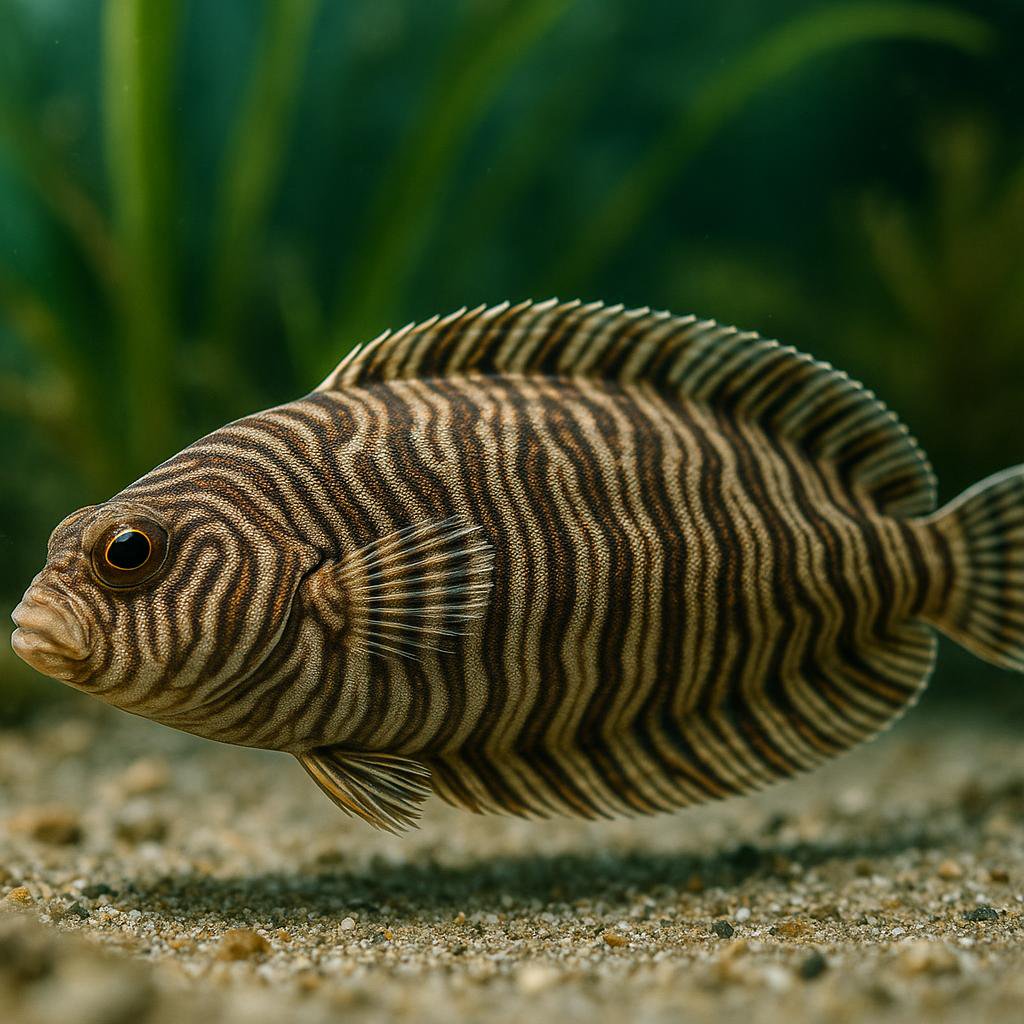
Annandale's zebra sole
Zebrias annandalei
Zebrias annandalei is a small demersal sole from coastal India that inhabits sandy or muddy bottoms and buries for camouflage. It is rarely kept in home aquaria and would require a specialized marine sand-bottom setup and appropriate feeding.
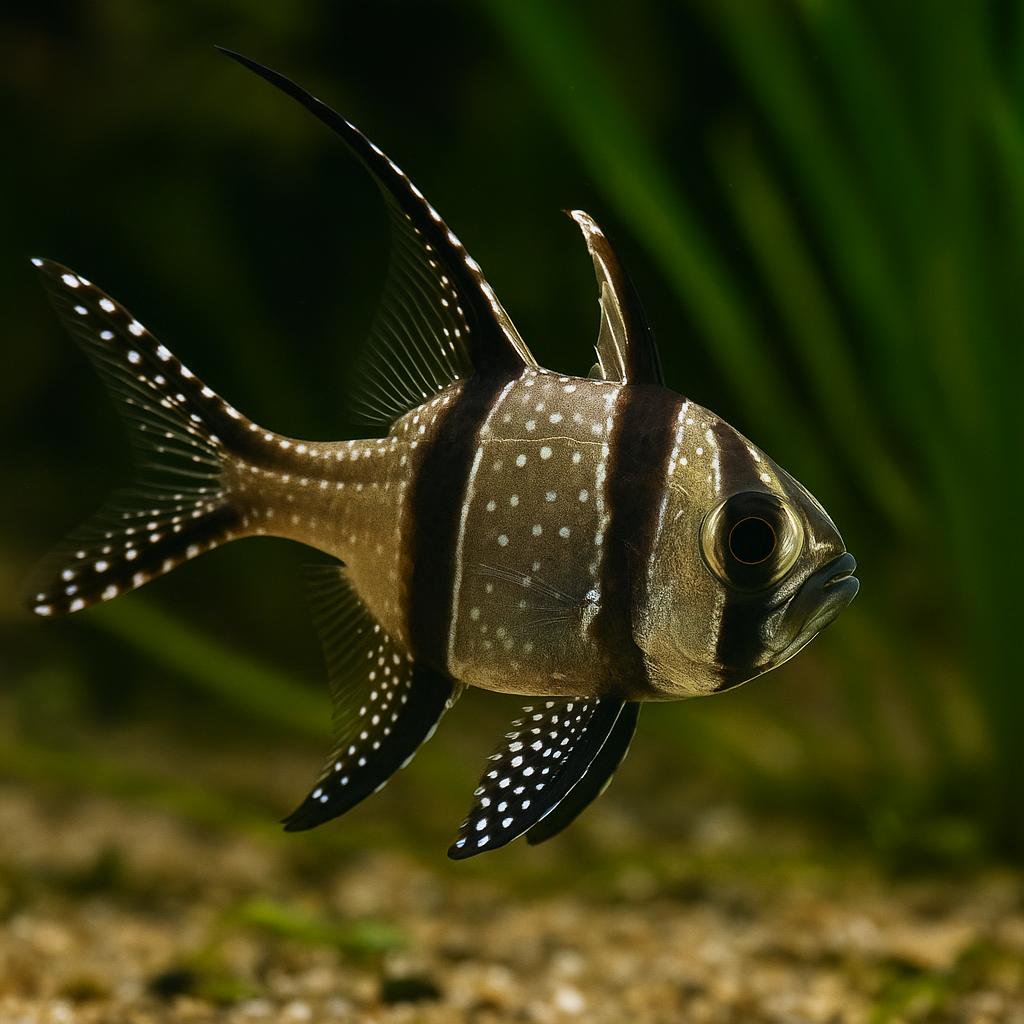
Banggai Cardinalfish
Pterapogon kauderni
Banggai cardinals just sort of hover like little underwater satellites, and the bold black bars with those long, polka-dotted fins look unreal under reef lighting. They're super chill most of the time, but once a pair forms you'll see real "fish drama," and the male will even mouthbrood the babies like a champ.
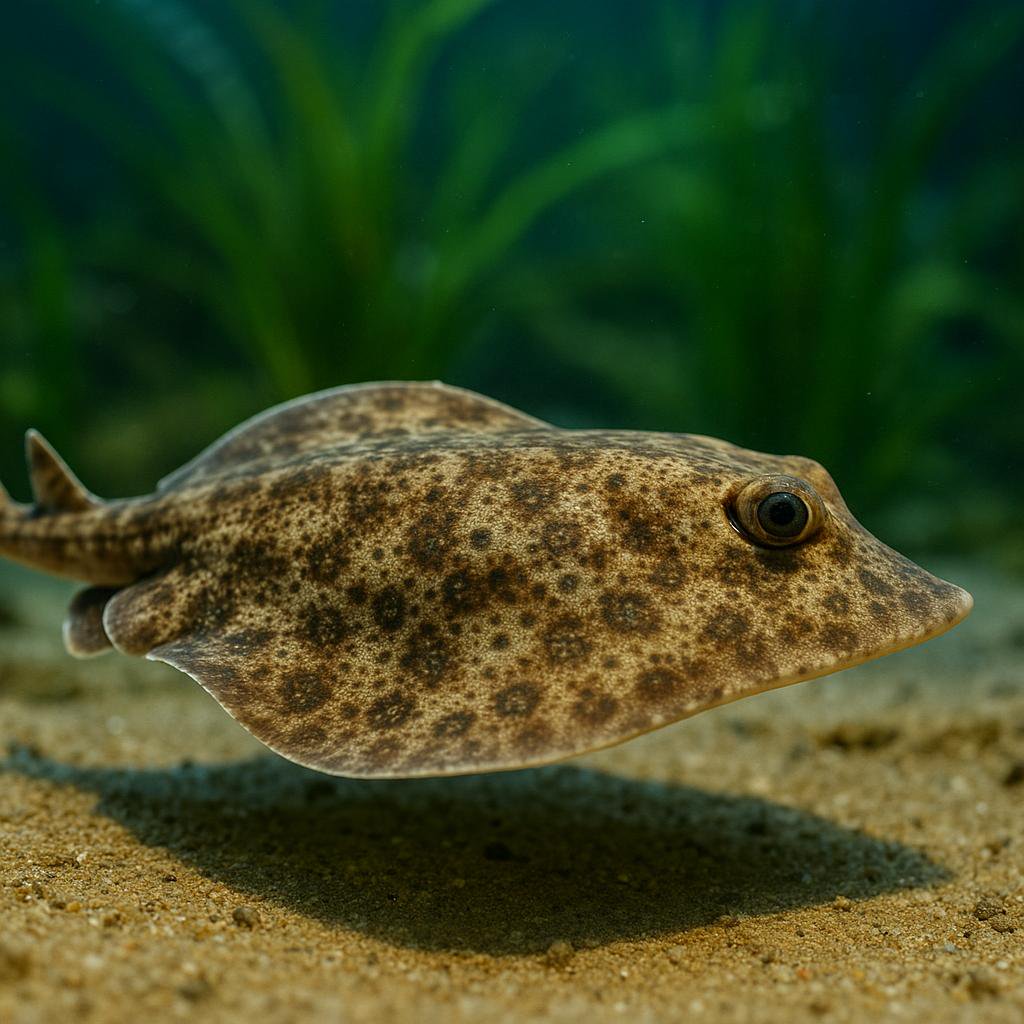
Barbedwire-tailed skate
Notoraja martinezi
Notoraja martinezi is a deepwater skate from the eastern Pacific (Costa Rica down to Ecuador) that lives way down on soft bottoms. The tail is the giveaway - it is lined with strong, hooked thorns that really do look like barbed wire. This is absolutely not an aquarium fish; it is a cold, high-pressure deep-sea animal with basically no practical home care info because it is not kept in the hobby.
More to Explore
Discover more marine species.
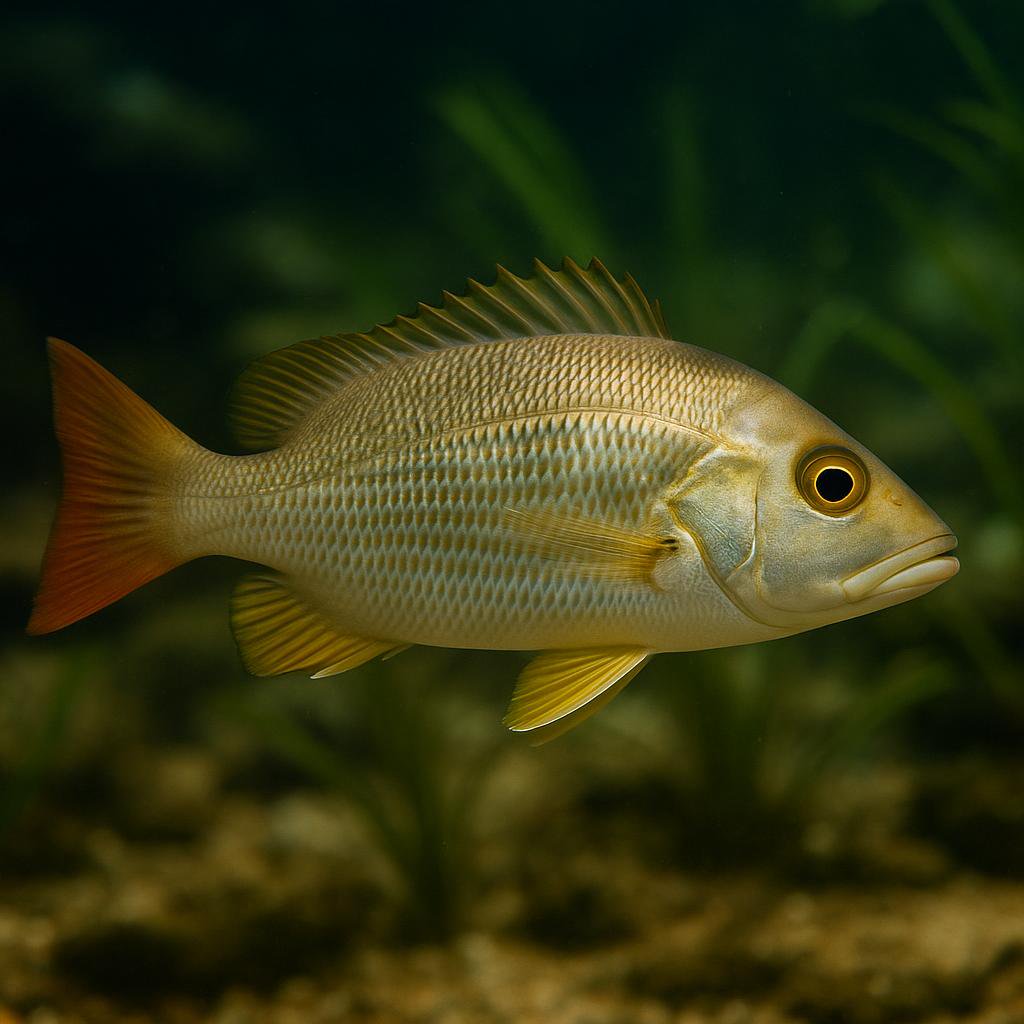
African red snapper
Lutjanus agennes
This is a true snapper from West Africa - a big, fast-growing predator that goes from coastal reefs to brackish lagoons and estuaries (especially as a juvenile). Super cool fish in the wild, but it gets absolutely huge and will eat smaller tankmates once it has the mouth for it, so its really more of a public-aquarium scale animal than a home-aquarium fish.
Aleutian skate
Bathyraja aleutica
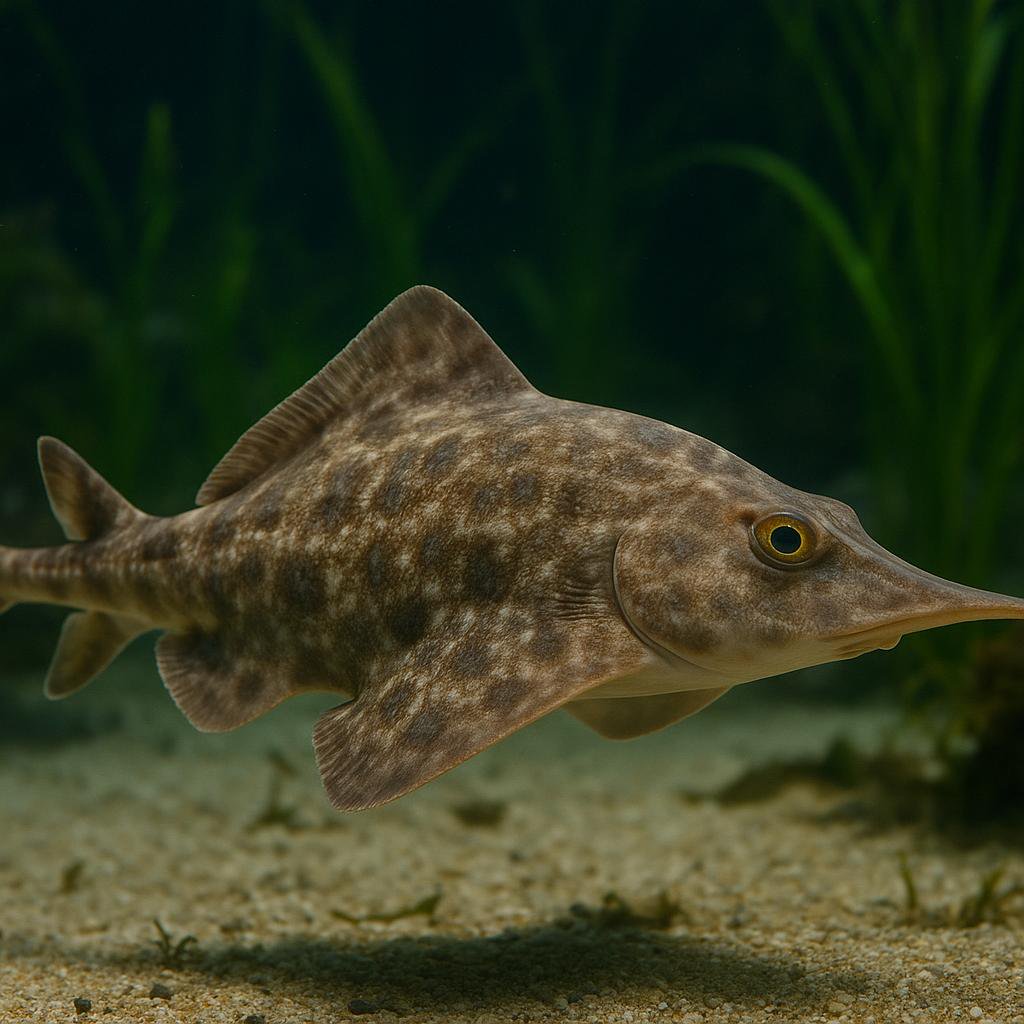
This is a big, cold-water deep-slope skate from the North Pacific that cruises muddy bottoms and eats chunky benthic prey like crabs and shrimp. The really cool bit is its egg-laying skate life - it does distinct pairing (the classic skate "embrace") and drops those tough egg cases on the seafloor. Not an aquarium fish at all unless you're basically running a public-aquarium-style chilled system.
Antarctic dragonfish
Vomeridens infuscipinnis
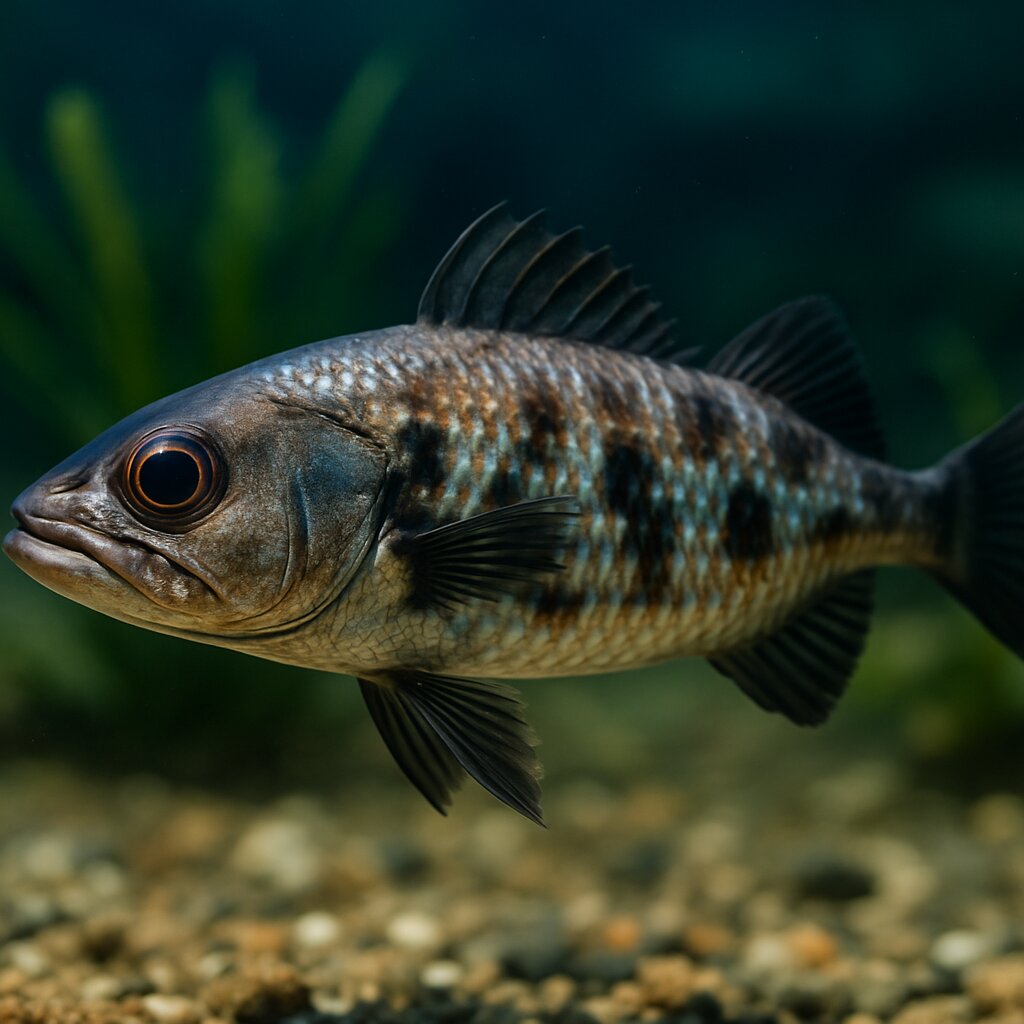
Deep down around Antarctica, this sleek dragonfish cruises the water column like a little submarine, nearly neutrally buoyant so it can hover above the seafloor. It munches almost exclusively on Antarctic krill and lives in near-freezing water 500-800 m down, so it is a cool species to read about, not one for home tanks.
Arabian spiny eel
Notacanthus indicus
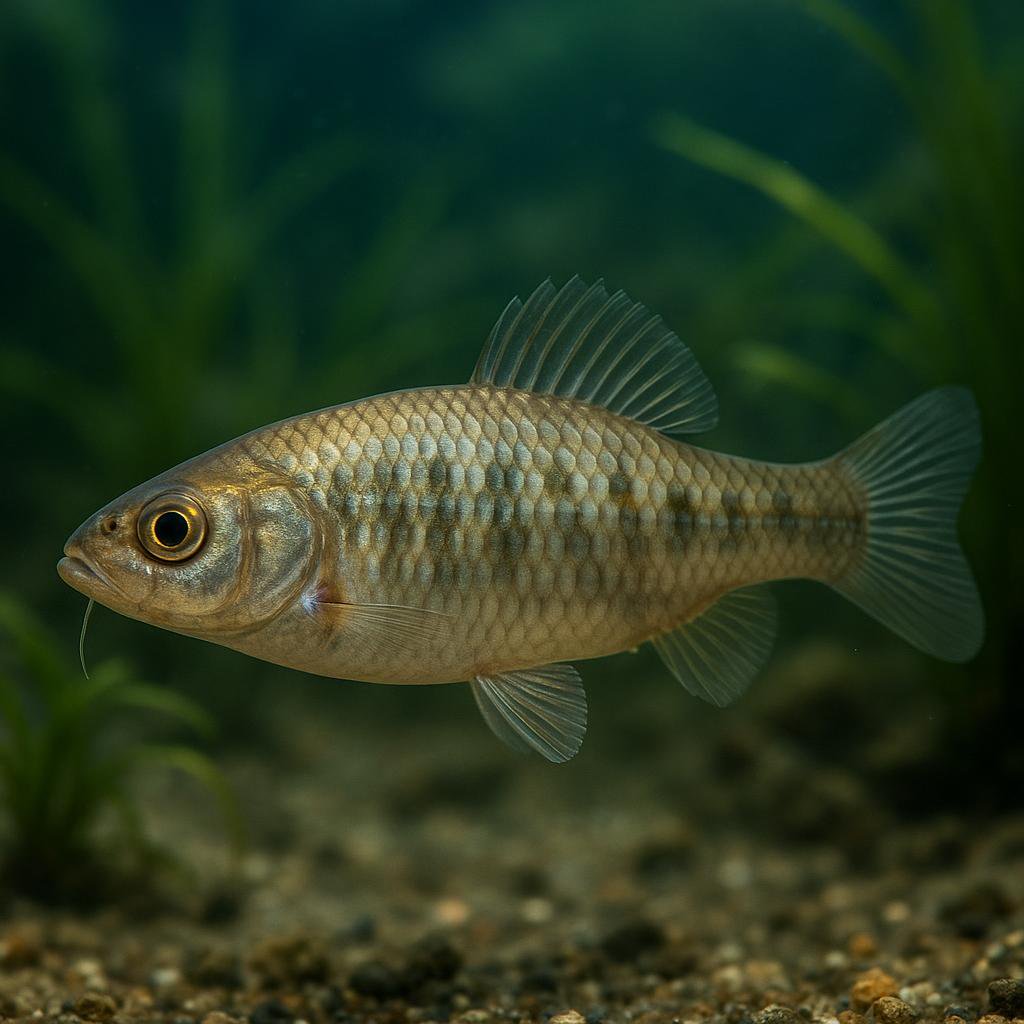
Notacanthus indicus is a deep-sea spiny eel (family Notacanthidae; not a true eel) known from the Arabian Sea on the continental slope at roughly ~960–1,046 m depth, with reported maximum length around 20 cm TL; it is a deep-water bycatch species and not established in the aquarium trade.
Arctic rockling
Gaidropsarus argentatus
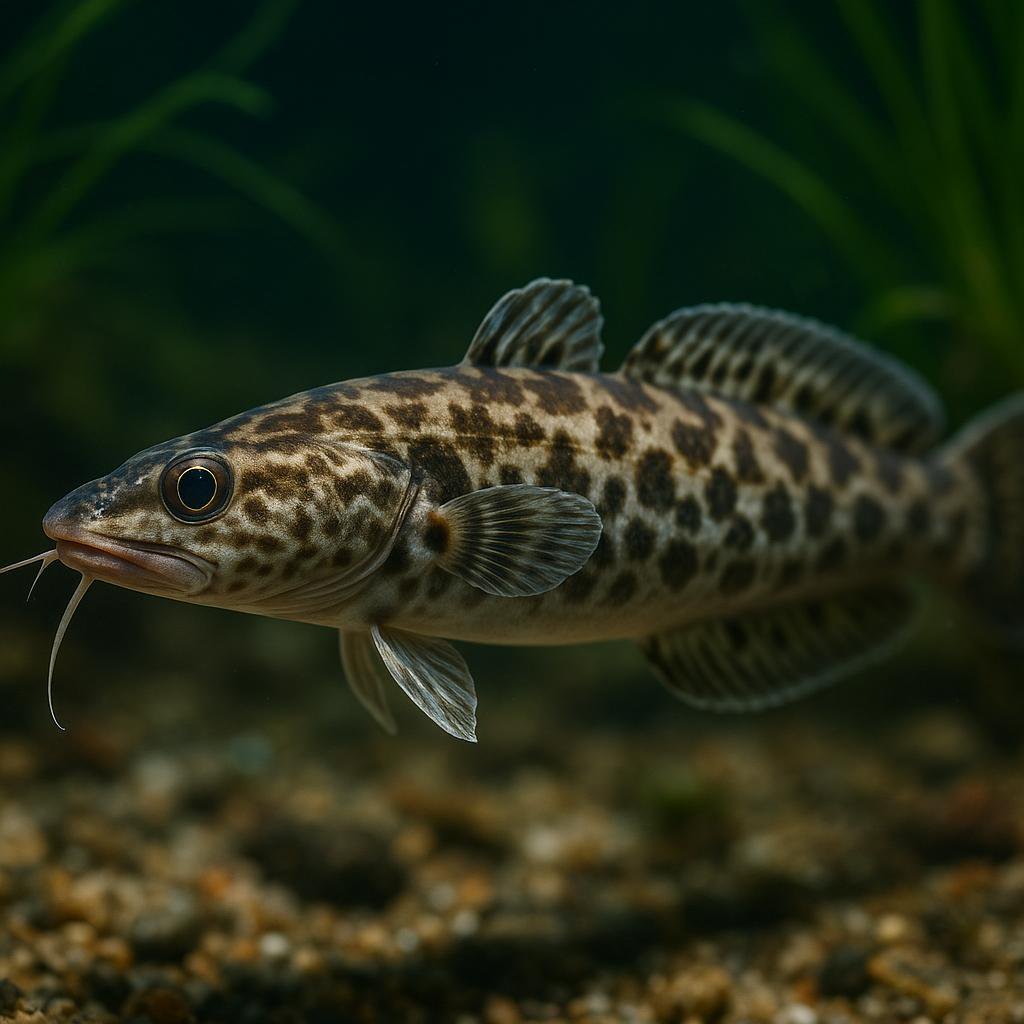
This is a deepwater North Atlantic rockling (a cod relative) that hangs out on soft bottoms way down the slope. It is a cold-water, bottom-hugging predator that snoots around for crustaceans and will also take small fish when it gets the chance.
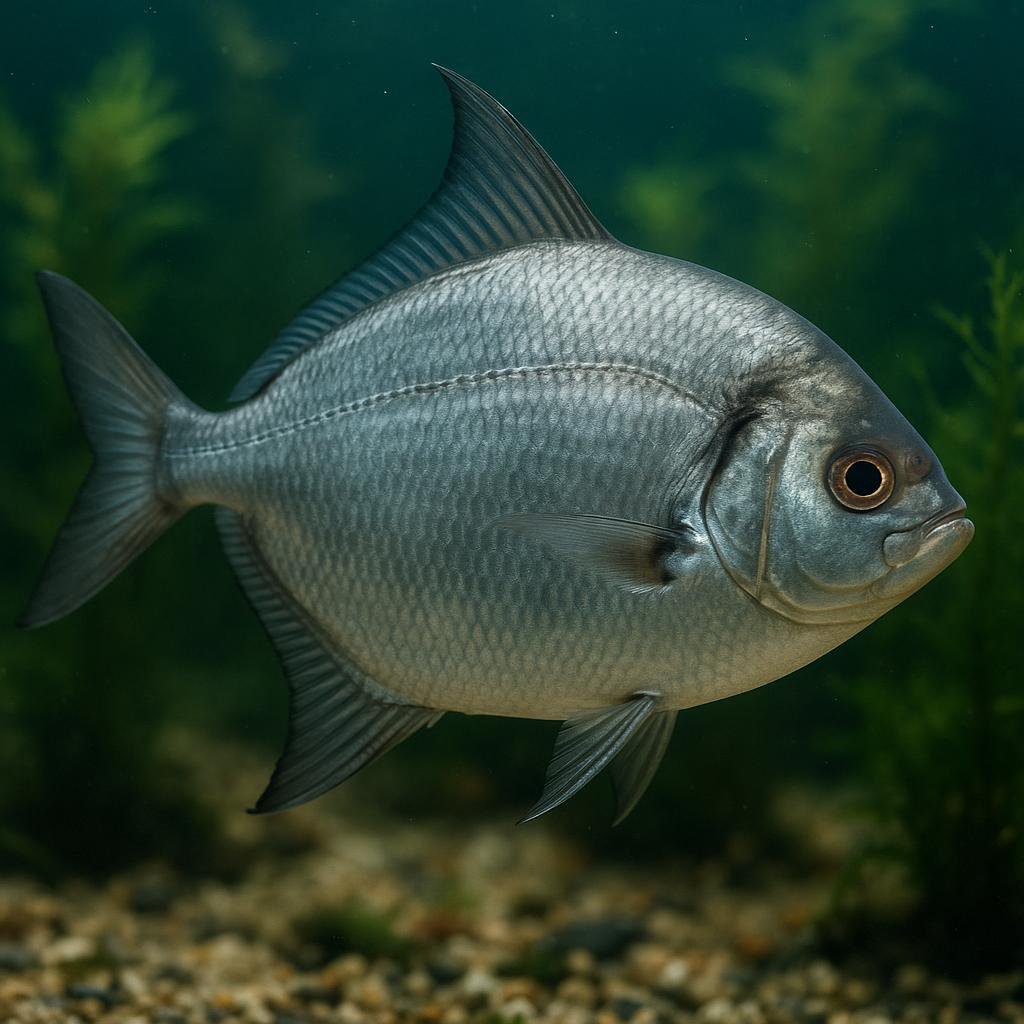
Atlantic pomfret
Brama brama
Brama brama is the Atlantic pomfret (aka Ray's bream) - a deep-bodied, open-ocean pelagic fish that cruises around in small schools and follows water temps. It is a legit big, wild marine species (not an aquarium fish) that eats other small sea critters like fish and squid, and it ranges across a huge chunk of the Atlantic plus parts of the Indian and South Pacific.
Looking for other species?