

Search Species
Search for fish species by common or scientific name, or use filters to browse by water type, size, temperament, and difficulty.
Found 528 species
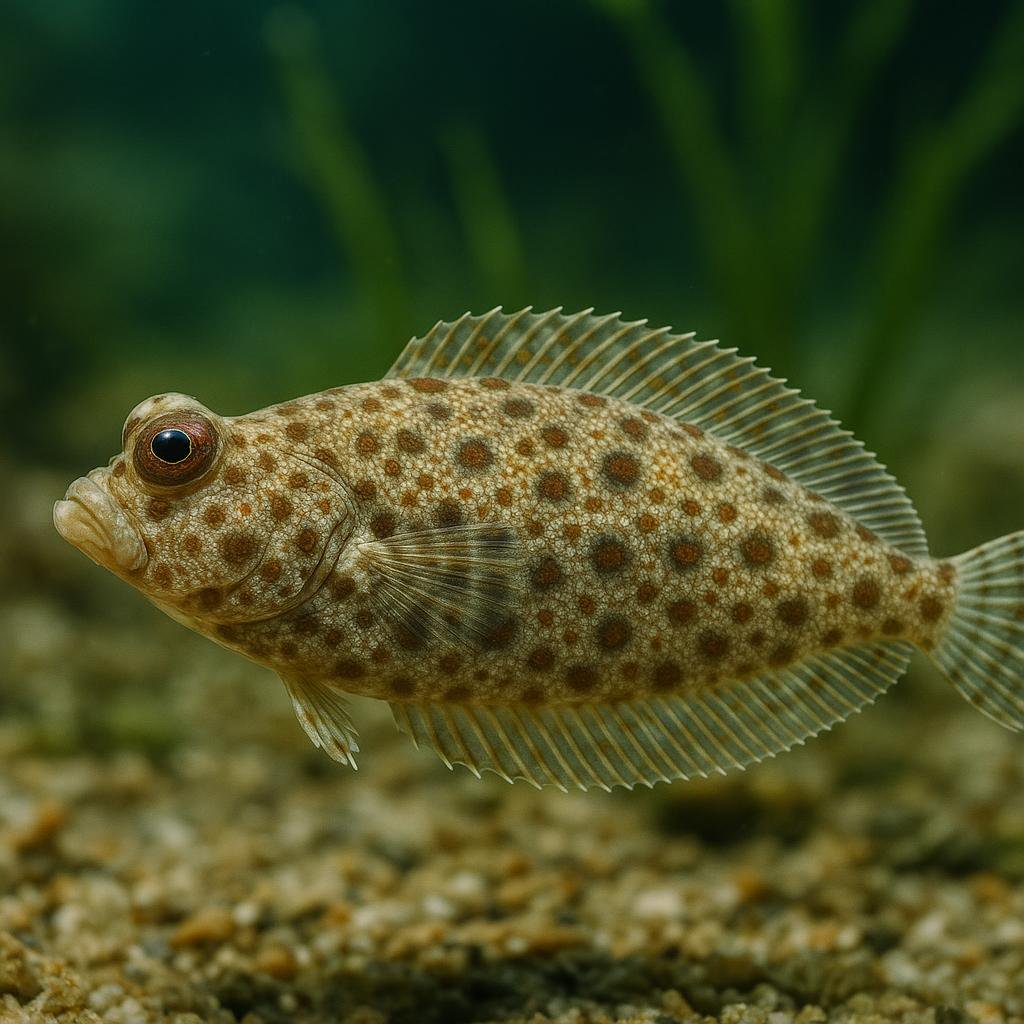
Chikame daruma-garei
Engyprosopon multisquama
This is a small lefteye flounder from sandy-muddy bottoms around Japan and Taiwan. Its vibe is classic flatfish - it buries in the substrate and vanishes until food shows up, and the long, filament-y pectoral fin rays are a neat little detail you do not see on every flounder.
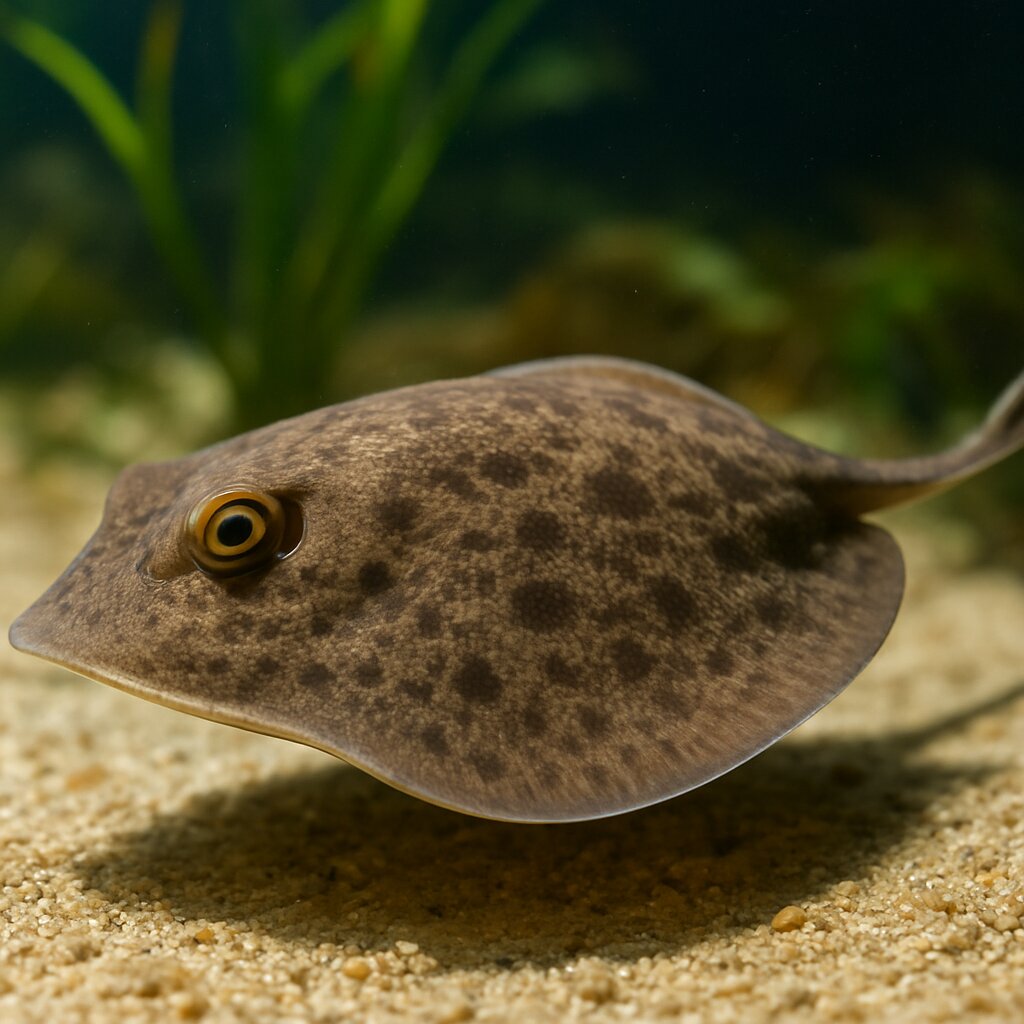
Chilean round ray
Urotrygon chilensis
A tan-brown round ray dusted with small spots that often buries in fine sand with only the eyes and spiracles exposed. Native to the Eastern Pacific (Mexico to Chile), it has a venomous tail spine and belongs in very large, high-oxygen marine systems with a fine sand bed and ample open floor space. Maintain 20–24 °C (68–75 °F) and feed meaty marine foods (shrimp, squid, scallop, fish).
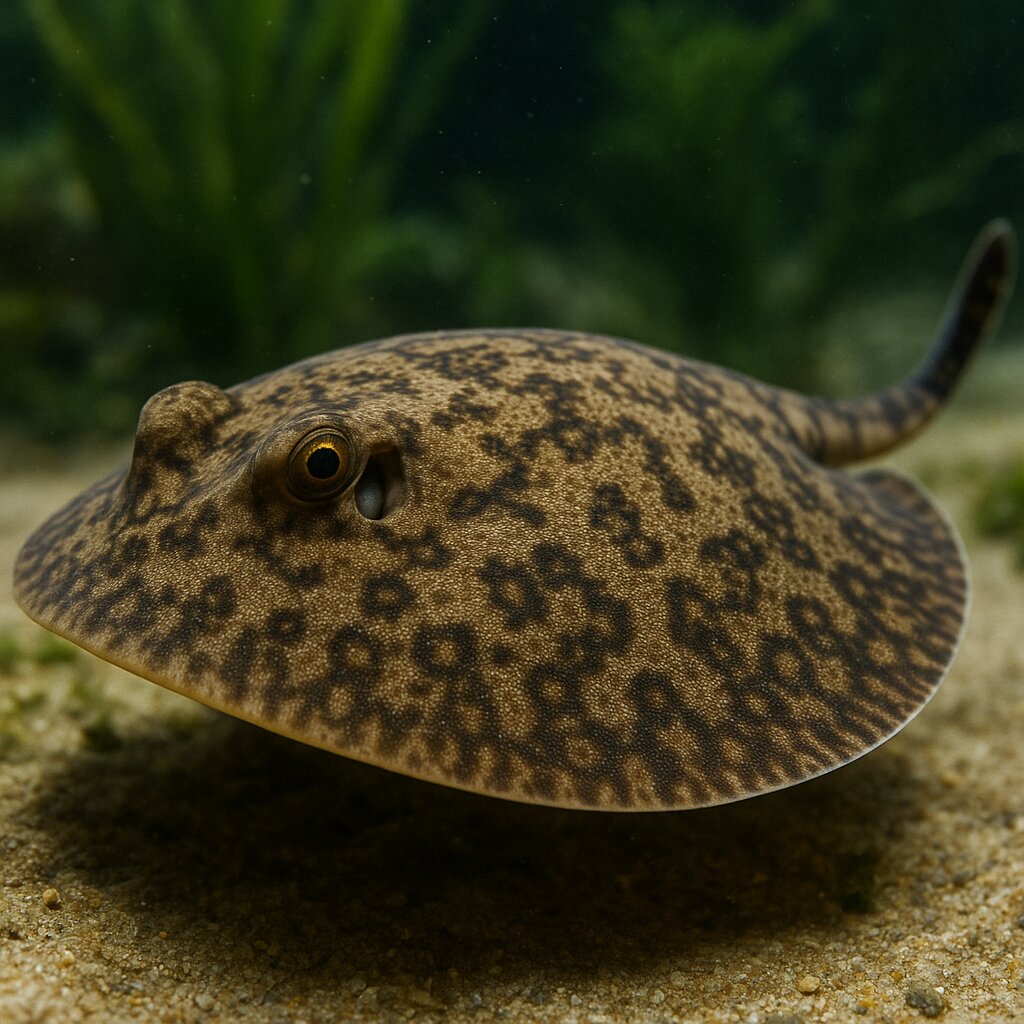
Chilean round stingray
Urobatis marmoratus
A seldom-seen coldwater round ray from Chile, this marbled beauty hugs the sand and will bury itself in a blink. It is actually known from just one confirmed specimen, so if you ever see one, you are looking at a real rarity. Think public-aquarium fish, not a living room pet.
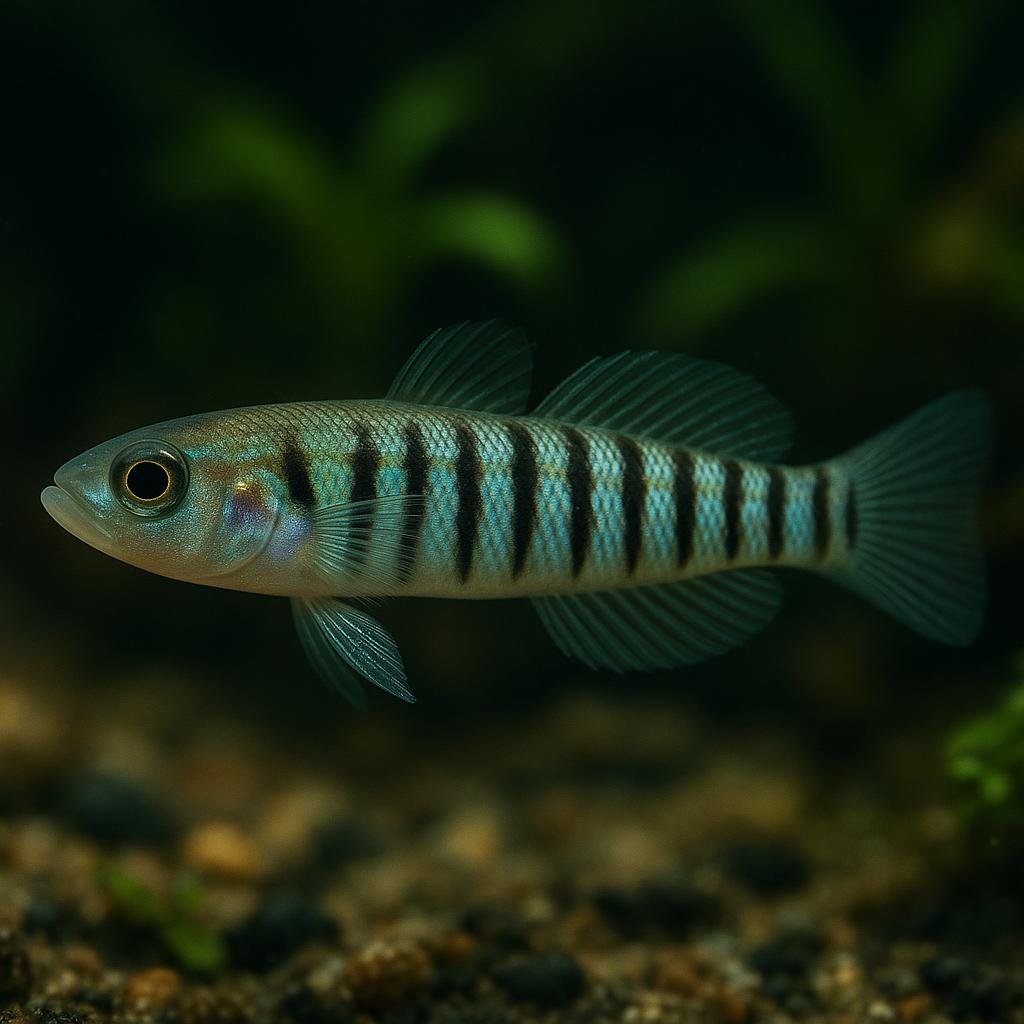
Chinese zebra goby
Ptereleotris zebra
Ptereleotris zebra is one of those slick, torpedo-shaped dartfish that likes to hover in the water column, then instantly zip back into a bolt-hole when it gets spooked. In the wild it hangs out on exposed seaward reefs in groups, often in current, and in a tank the big thing is giving it open swim room plus tight cover because it is absolutely a jumper.
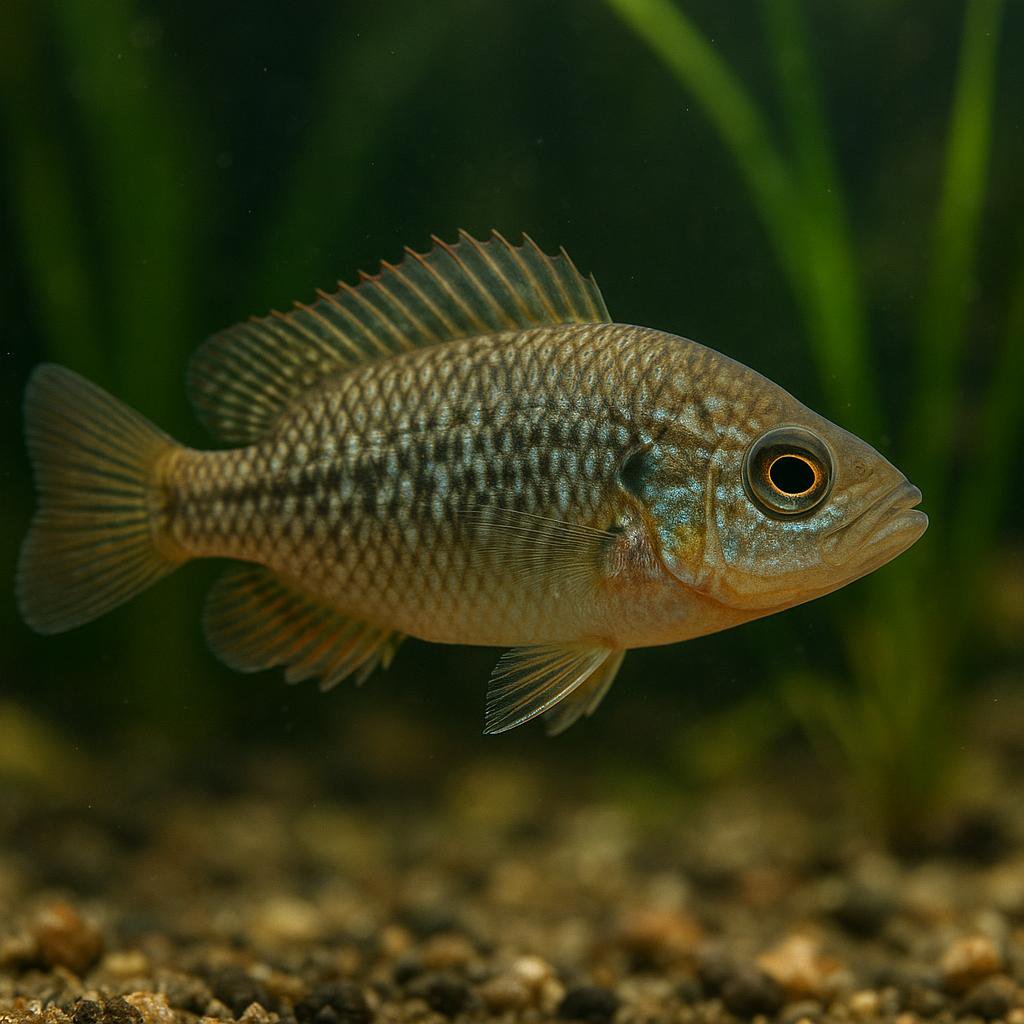
Chingilt
Yirrkala chaselingi
Yirrkala chaselingi is a snake eel (worm eel family) from the western central Pacific. It is one of those secretive, sand-hugging eels that spends a lot of time buried and cruising the bottom, so its "cool factor" is more about the weird eel vibe than being a showy display fish.
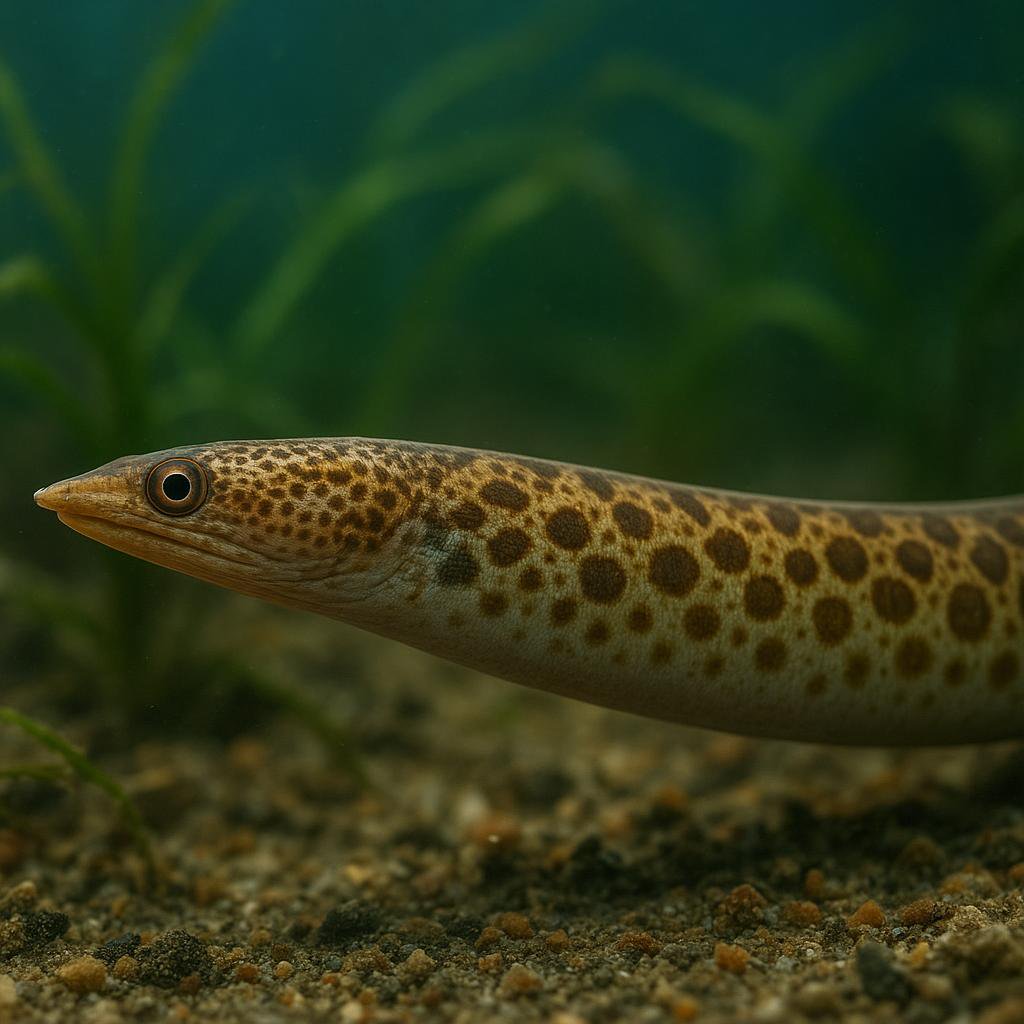
Chiou's snake eel
Xyrias chioui
Xyrias chioui is a marine snake/worm eel (Ophichthidae) described from Taiwan; the holotype was collected over sand bottom at 60–70 m depth, and it has numerous needle-like teeth. Natural history beyond collection/habitat notes is poorly documented in the primary description.
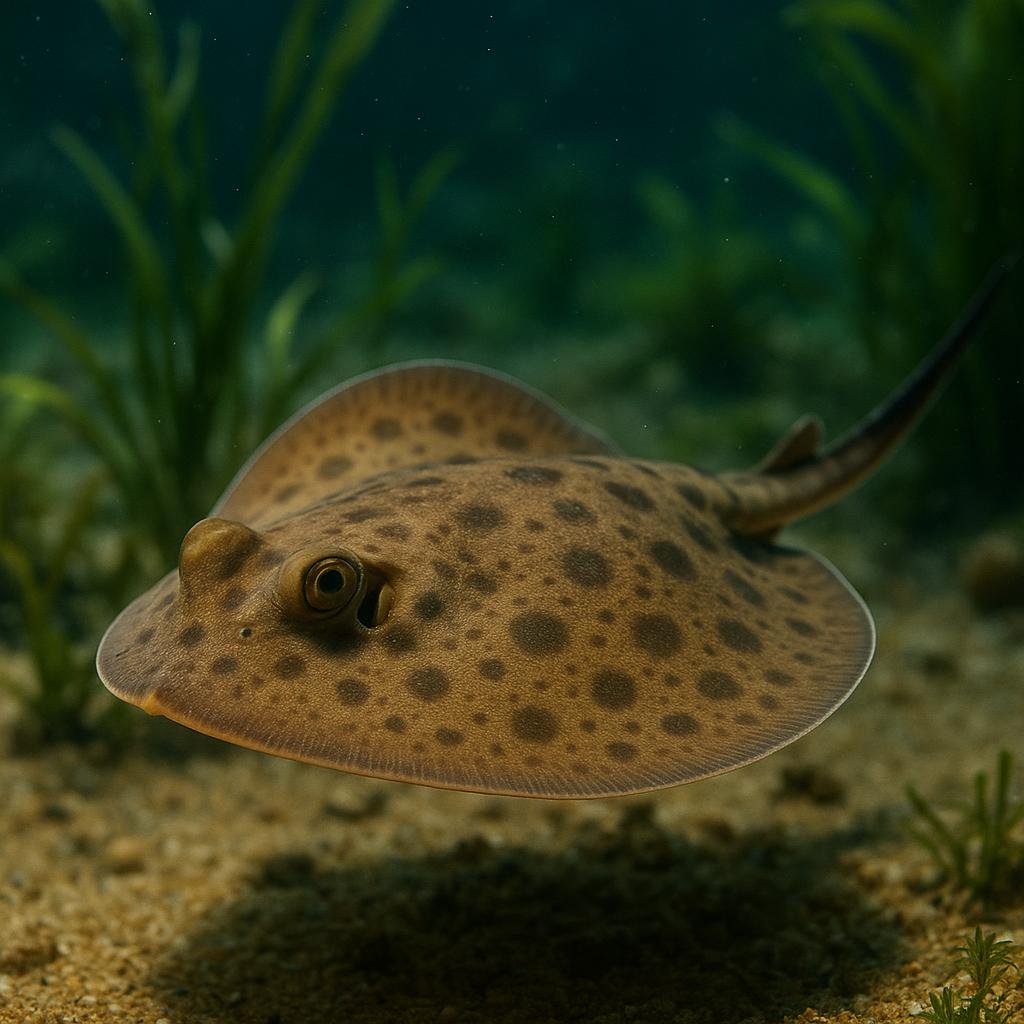
Circular stingaree
Urolophus circularis
This is a small-ish temperate Australian stingray that likes rocky reef and kelp zones, so it tends to stay tucked in and out of sight. The really cool bit is the dorsal pattern - pale spots and rings plus a dark central circle of spots - it looks like someone hand-painted it. Also worth respecting: it has a venomous tail spine, so its "hands-off" by nature.
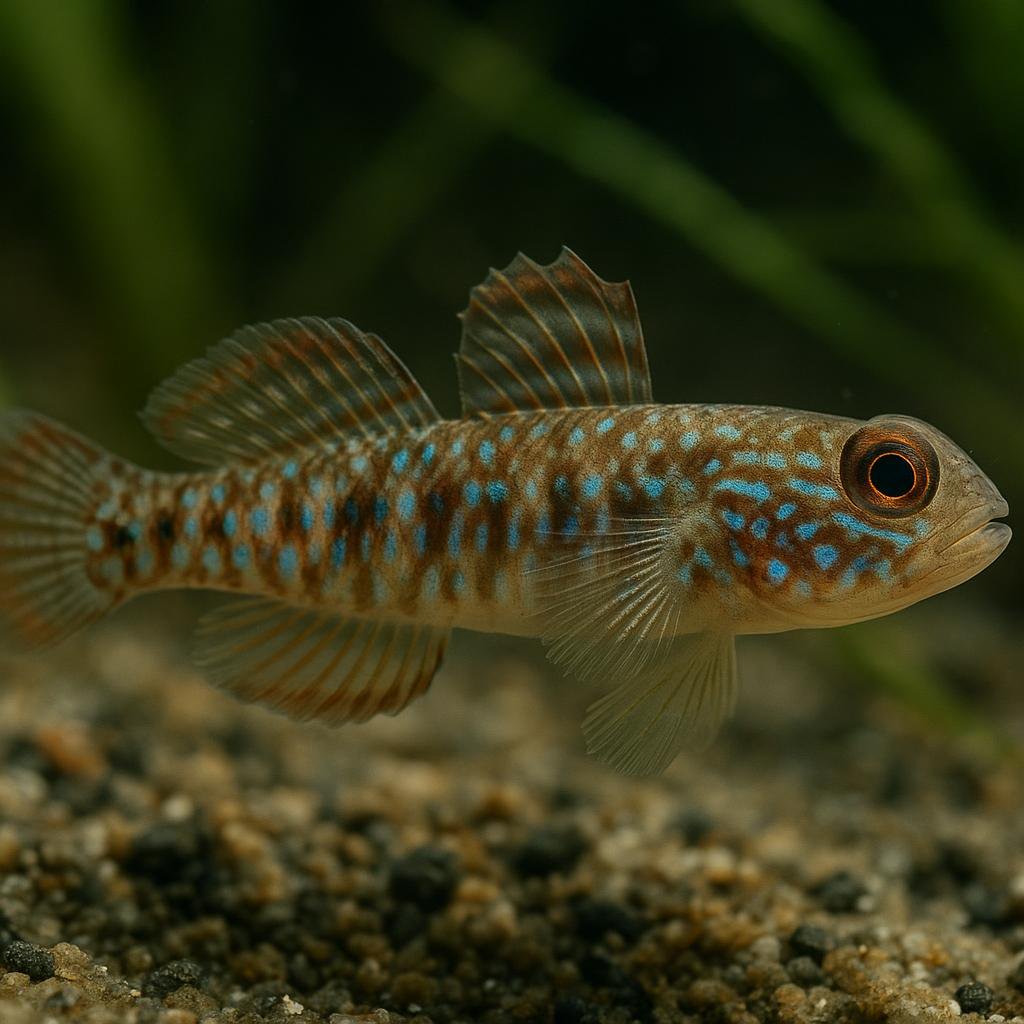
Citrine goby
Bollmannia litura
Bollmannia litura (citrine goby) is a western Atlantic goby associated with soft substrates; published records place it over mud and mixed-mud bottoms at roughly 12.8–71 m depth in the western Caribbean.
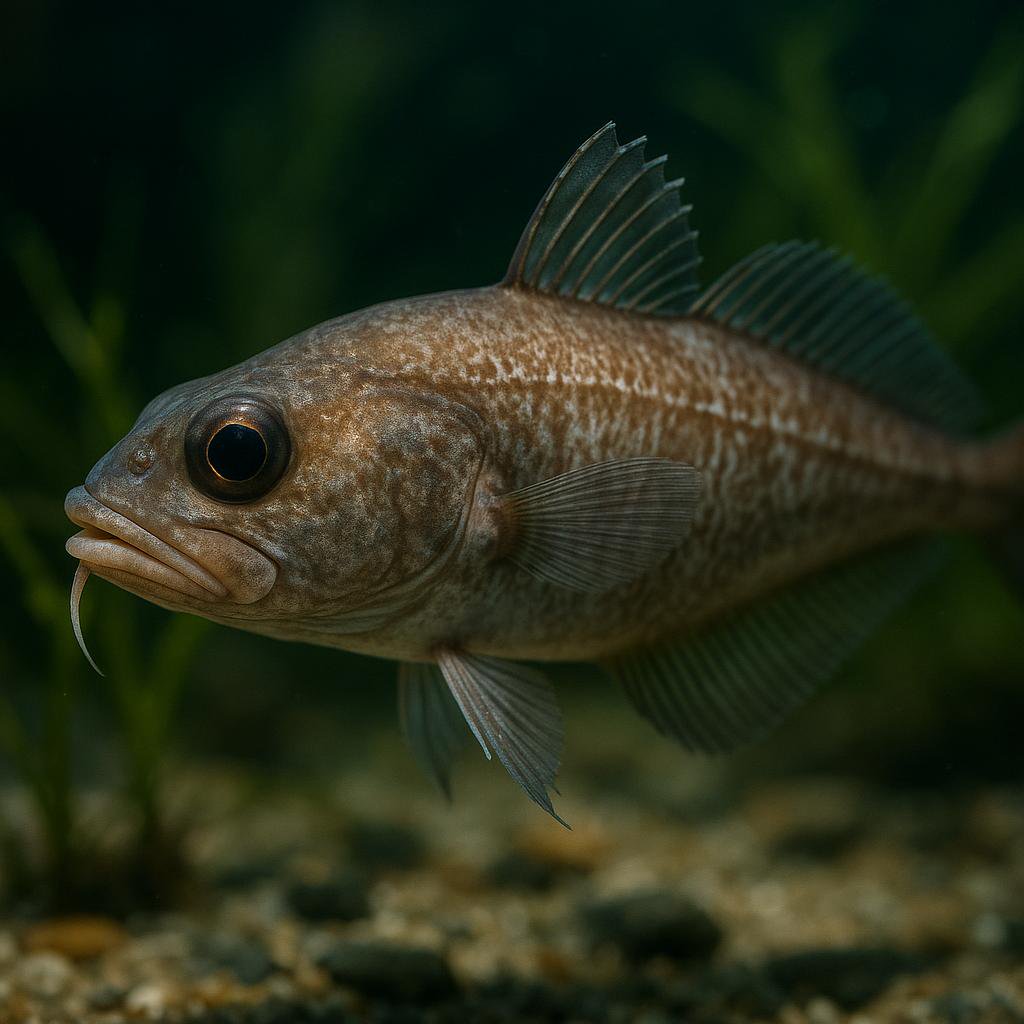
Codheaded rattail
Bathygadus cottoides
This is a true deep-sea rattail that lives way down the continental slope - like 1000+ meters deep. In the wild its cruising cold, dark bottom water from Mozambique over toward Australia and New Zealand, topping out around 24 cm. Neat fish, but its basically impossible to keep long-term in a normal aquarium because it needs near-freezing temps and deepwater conditions.
Comb flounder
Marleyella bicolorata
Marleyella bicolorata is a small, bottom-hugging marine flatfish from the western Indian Ocean that spends its life laid up on sand or mud. Its eyed side is dark with blotches and bars, so it blends in really well, and it can handle cooler-to-warm tropical temps depending on where it settles. This is a deepwater demersal species, so its needs line up way more with a chilled, specialized marine setup than a typical home reef tank.
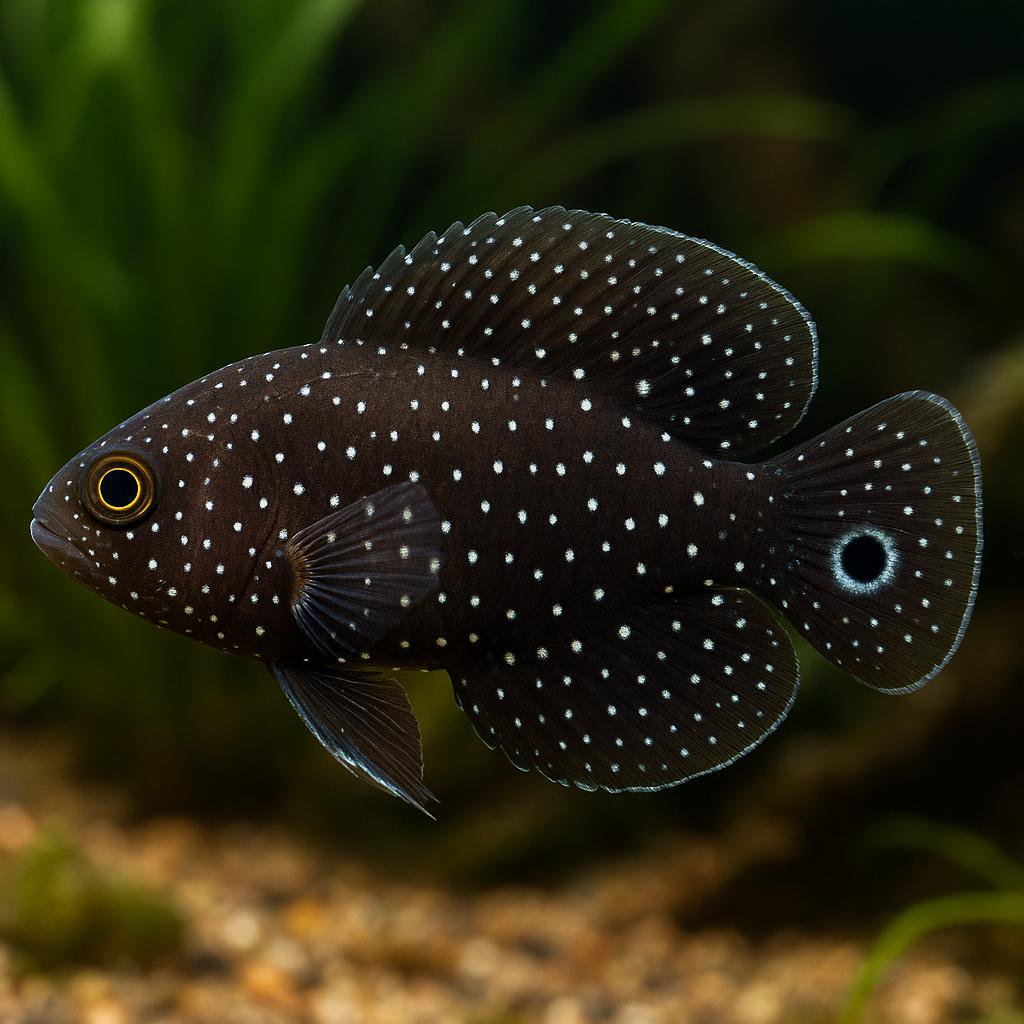
Comet
Calloplesiops altivelis
This is the famous "Marine Betta" look-alike: jet-dark with those starry spots, and that wild fake eye near the back that makes predators bite the wrong end. It's a super shy cave-dweller by day and then turns into a sneaky night hunter, cruising out for crustaceans and small fish.
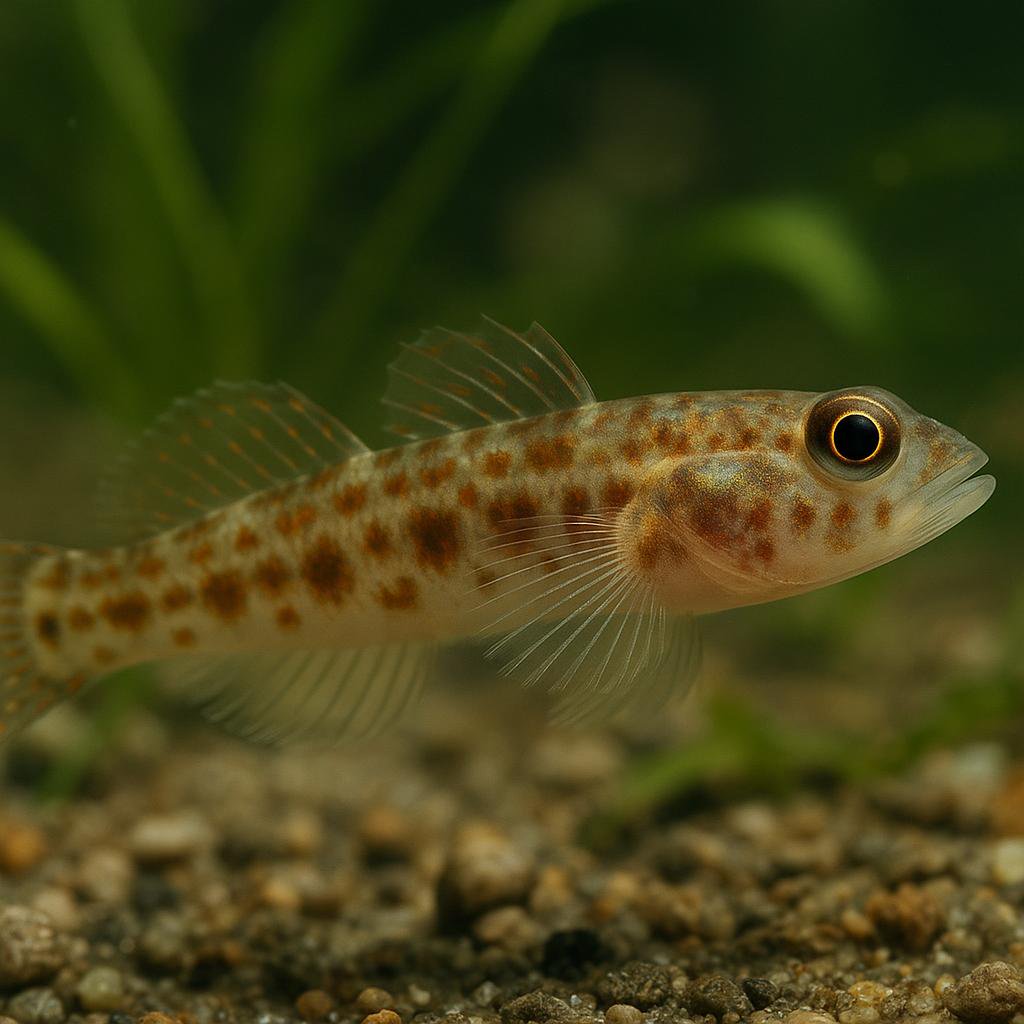
Common fusegoby
Fusigobius neophytus
This is a tiny reef-associated sand goby that hangs out over sand and rubble patches near coral, usually solo or in loose little groups. Its semi-translucent gray body is peppered with fine spots and it blends in amazingly well, then you catch that little black spot on the first dorsal fin and go, oh there it is. In a tank it is all about having sand to perch on and plenty of calm, peaceful neighbors so it is not bullied.