

Günther's karanteen
Crenidens macracanthus
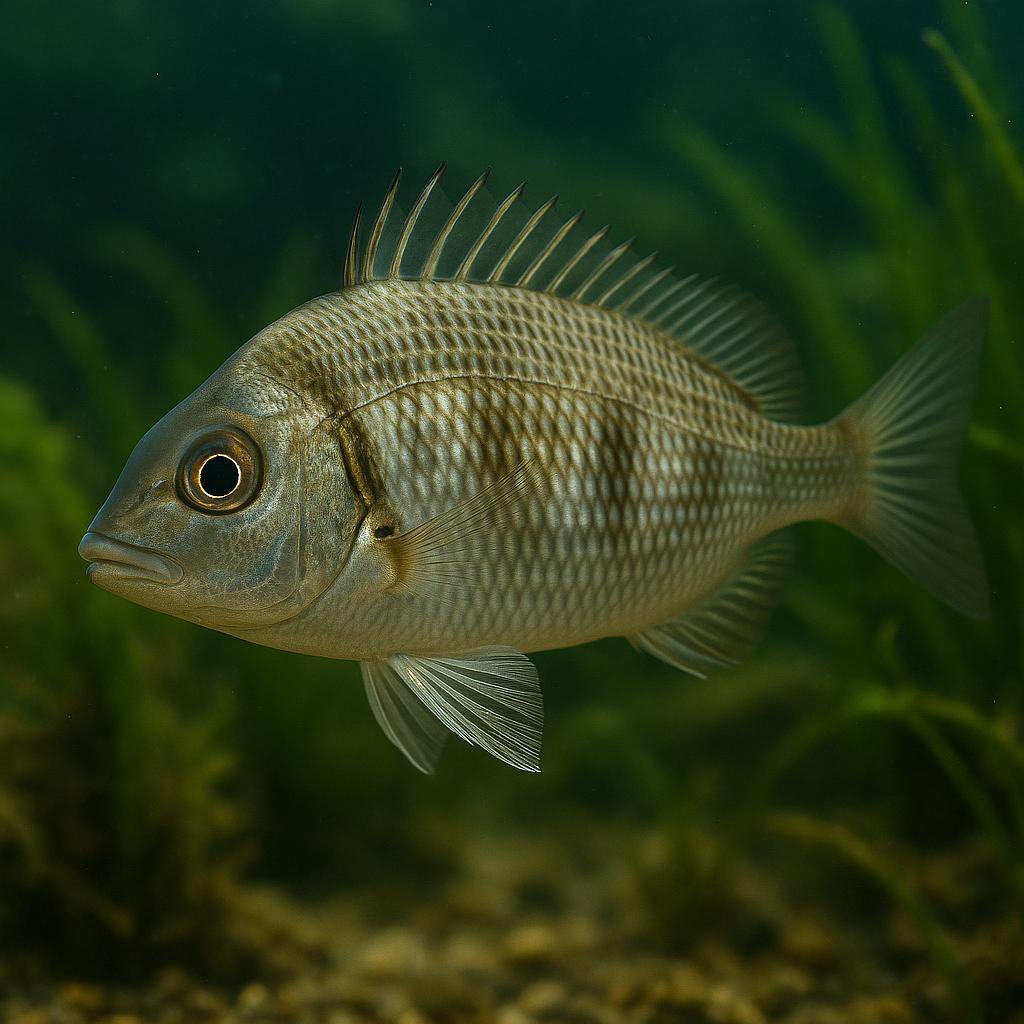
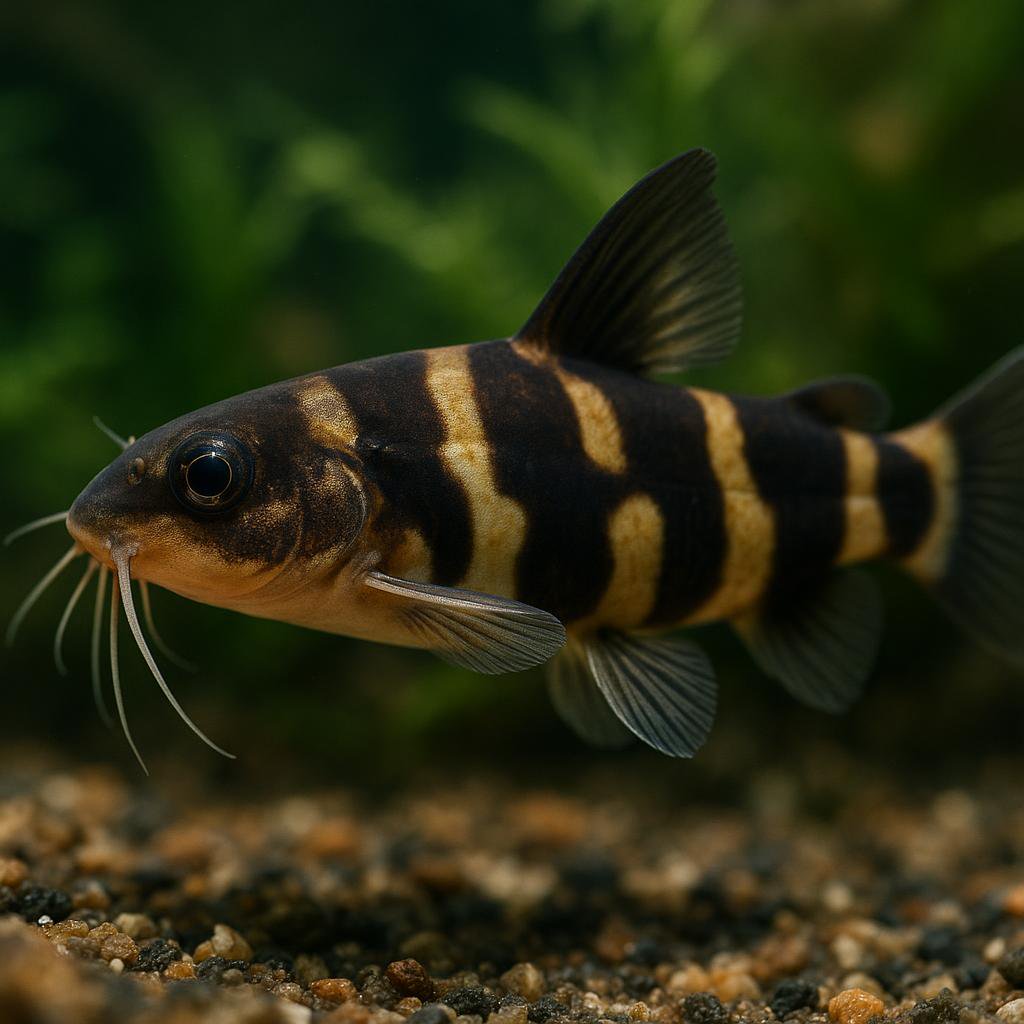
Gunther's karanteen exhibits a slender body with elongated, sharp spines on its dorsal fin and a striking yellow-green coloration with dark bands.
This page includes AI-generated images. Why am I seeing AI images?
About the Günther's karanteen
A small marine sparid (seabream) from the Indian Ocean (FishBase: eastern Indian Ocean-India; also recorded from Pakistan) with distinctive incisor-like teeth; references note its diet is mainly algae and its dentition appears specialized for grazing. Rarely encountered in the aquarium trade; most information is from ichthyological sources rather than hobby care guides.
Also known as
Quick Facts
Size
14.6 cm
Temperament
Semi-aggressive
Difficulty
Expert
Min Tank Size
55 gallons
Lifespan
5-10 years
Origin
Eastern Indian Ocean (India; also recorded from Pakistan)
Diet
Herbivore/omnivore grazer - algae, biofilm, and small benthic invertebrates
Water Parameters
24-28°C
8-8.4
8-12 dGH
Need a heater for this species?
This species needs 24-28°C in a 55 gallon tank. Use our heater calculator to find the right wattage.
Calculate heater sizeCare Notes
- Provide a stable, well-oxygenated marine system appropriate for an active coastal sparid; species-specific aquarium husbandry recommendations for Crenidens macracanthus are not well documented, so observe behavior closely and ensure ample swimming space and shelter.
- Keep salinity stable around 1.024-1.026 and run it like a high-quality reef tank: ammonia/nitrite at zero and nitrate kept low, because they do not shrug off dirty water.
- Diet references for Crenidens macracanthus indicate it feeds mainly on algae; if kept, prioritize algae-based foods and grazing opportunities, and supplement with appropriate marine foods as needed while monitoring body condition.
- This fish can be a food thief and will outcompete shy eaters, so target-feed slower tankmates or use a feeding stick to get food past it.
- Skip tiny fish and small ornamental shrimp/crabs - if it fits in the mouth, it will probably disappear overnight.
- Best tankmates are other robust, similarly sized marine fish that can handle themselves; avoid ultra-territorial bruisers that will stress it into hiding and refusing food.
- Watch for mouth and fin damage from rock-scrapes and fights, and quarantine if you can - external parasites hit hard when the fish is stressed and not eating.
Compatibility
Good Tankmates
- Not well documented; choose tankmates carefully based on how sparids typically behave and keep an eye out for aggression or competition for food.
- Rabbitfish (Siganus). In my experience they are chill but not wimpy, and they do not usually get bullied long-term. Plus, they're quick enough to avoid getting picked on for food.
- Tangs and surgeonfish (Zebrasoma, Ctenochaetus, Acanthurus) in a proper sized tank. They match the vibe - active swimmers, not easily intimidated, and they can dodge a grumpy karanteen.
- Medium hawkfish (like a flame hawkfish) if your tank isn't too small. Hawkfish are bold and usually do fine with semi-aggressive tank mates, just watch any tiny shrimp around them.
- Sturdier damsels and chromis (not the tiny delicate ones). Damsels are basically built for living with pushy fish, and they are quick enough to avoid getting pinned in a corner.
- Larger clownfish pairs (maroon, tomato, big ocellaris) in a tank with space. Clowns can be feisty, so it is more of a 'mutual respect' situation if everyone has territory.
Avoid
- Tiny peaceful fish like firefish, small gobies, and little blennies. Gunther's karanteen can treat bite-sized tank mates like snacks or just harass them nonstop, especially when it settles in.
- Slow, flowy-finned fish like fancy lionfish and longfin butterflies. The karanteen is a fin-nipper and a food hog when it feels like it, and slow movers get stressed fast.
- Super aggressive brawlers like big triggers (queen, titan types) and mean large groupers. Your karanteen is semi-aggressive, but those guys can turn it into a constant beatdown.
Where they come from
Gunther's karanteen (Crenidens macracanthus) shows up around the western Indian Ocean and Red Sea region. Think rocky coastal zones, rubble, and reef edges where there is current and lots of little crustaceans to pick off. They are not a dainty coral-reef show fish - they are built for grabbing and crunching.
This is one of those fish that does fine for a week or two in a dealer tank and then falls apart in a home tank if the setup is even slightly off. Plan like you are keeping a touchy predator, not a hardy community fish.
Setting up their tank
Give them a marine tank that is already settled and boringly stable. These guys react badly to swinging salinity, messy sandstorms, and new-tank uglies. I would not add one to a tank that has not been running smooth for a few months.
They like structure. Build rockwork with caves and shaded breaks so the fish can duck in and out, plus open lanes for cruising. If they feel exposed, they get jumpy and skittish, and that is when they smash their mouths on rock or go off food.
- Tank size: bigger than you think - aim for a tank with real swimming length, not just volume
- Aquascape: rock piles with tight retreats plus open sand/rock flats
- Flow: moderate to strong, but avoid blasting them directly
- Filtration: strong export (skimmer helps a lot) because you will feed meaty foods
- Lid: tight-fitting cover - they can bolt
Do not treat salinity like a suggestion. Keep it steady. If you top off with saltwater by accident or let evaporation run, you can trigger a spiral: stress, refusal to eat, then secondary disease.
What to feed them
They are carnivores with a strong preference for crunchy, marine-based foods. Newly imported fish often ignore flakes and soft mush. The fastest way I have gotten them eating is offering small pieces of shrimp, clam, or squid on feeding tongs, then transitioning to frozen once they understand the routine.
Once they are settled, you can vary the menu a lot, but the theme is the same: high-quality marine meaty foods, not freshwater feeder stuff. They will beg like a puppy, so you have to be the adult in the room and not overdo it.
- Good staples: chopped shrimp, clam, mussel, squid, marine fish flesh (sparingly)
- Frozen options: mysis, krill (small pieces), mixed marine blends
- Useful add-ons: vitamin/omega soak 1-2x per week if the fish is new or picky
- Feeding rhythm: smaller portions more often beats one huge dump
If yours is being stubborn, try feeding right at lights-down and keep the room quiet. I have had individuals that would only take the first few meals in low light, then they got confident.
How they behave and who they get along with
They are alert, somewhat wary fish that can flip into pushy mode once established. Expect a predator mindset: if it fits, it might get tested. They also have that "spiky, armored" vibe and are not afraid to hold their ground in a rocky corner.
Tankmates should be sized appropriately and not overly delicate. Fast, midwater fish can work if the tank is big enough. Slow, shy fish tend to get bullied or outcompeted at feeding time.
- Generally OK: robust wrasses, larger damsels, sturdy rabbitfish, similar-sized hardy reef fish (in big systems)
- Risky: tiny gobies/blennies, ornamental shrimp and small crabs, slow hoverers, long-finned "easy target" fish
- Inverts: assume shrimp and small crabs are snacks unless proven otherwise
They are very capable of eating cleaner shrimp, peppermint shrimp, and small ornamental crabs. Even if it coexists for months, a hungry day can change that.
Breeding tips
Breeding in home aquariums is not something you see often with this species. In the wild they are likely substrate spawners like a lot of coastal marine fish, but getting a compatible pair, dialing in seasonal cues, and then raising tiny marine larvae is the real mountain here.
If you ever do get two that settle and tolerate each other, the best you can do is give them space, stable conditions, and lots of food variety. Watch for paired cruising and territory guarding. If eggs show up on rock, expect the parents to get defensive.
Larval rearing would likely require a dedicated setup with live foods (rotifers, copepods) and a plan for weaning. This is advanced marine breeding territory.
Common problems to watch for
The big one is the slow decline after purchase: the fish looks fine, then stops eating, then you notice ragged fins or heavy breathing. That pattern usually traces back to stress plus unstable water, followed by parasites or bacterial issues taking advantage.
- Refusing food: often stress, bullying, or too much activity around the tank
- Scratching/flashing: external parasites are common on wild-caught fish
- Fast breathing: gill irritation from parasites, ammonia/nitrite spikes, or low oxygen
- Mouth injuries: bolting into rockwork or glass when spooked
- Bloat/constipation: from big meals of rich food - feed smaller portions
Quarantine is your friend with this species. A calm QT with stable salinity and oxygen buys you time to get them eating and spot parasite issues before they hit the display.
One last practical thing: keep a close eye on who gets to the food. If you have aggressive eaters (tangs, big wrasses), use tongs to target-feed the karanteen and spread food across the tank. A fish that misses meals in week one is the fish you will be treating in week three.
Similar Species
Other marine semi-aggressive species you might be interested in.
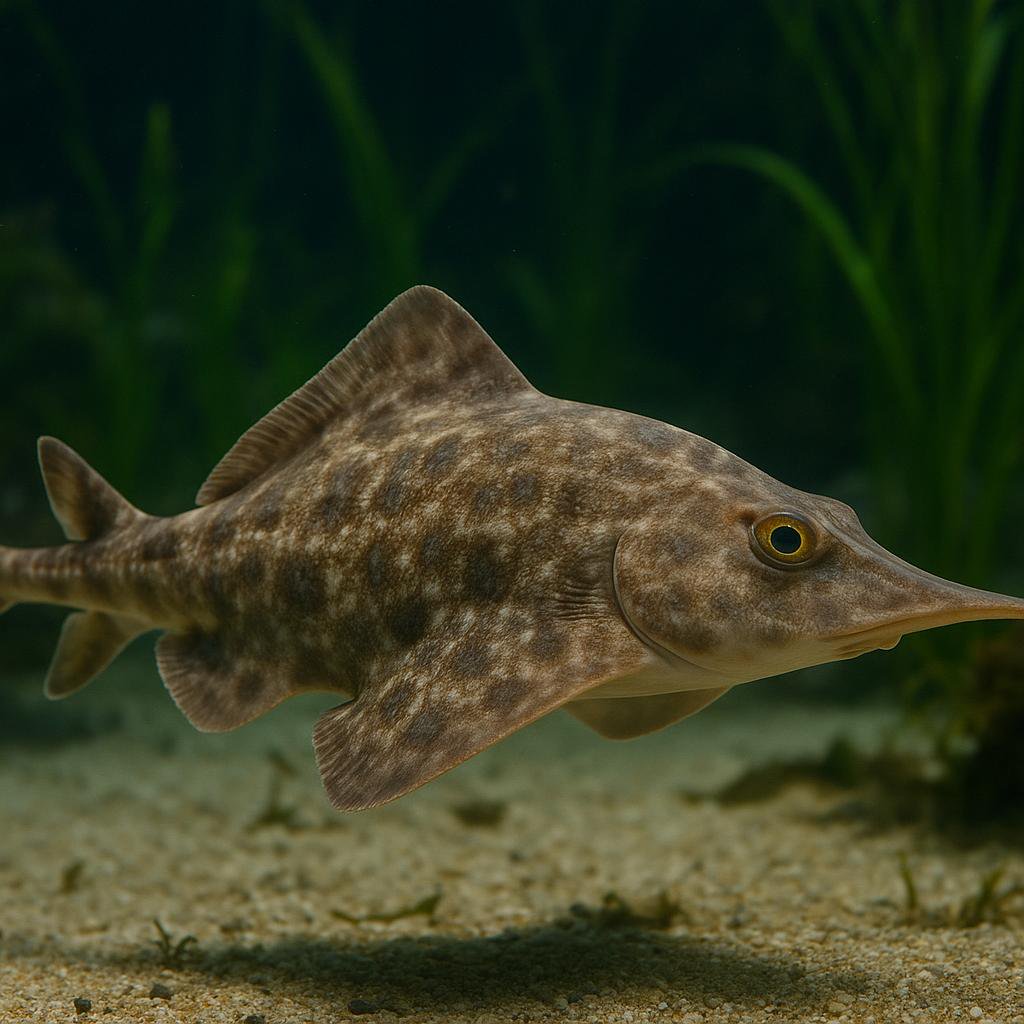
Aleutian skate
Bathyraja aleutica
This is a big, cold-water deep-slope skate from the North Pacific that cruises muddy bottoms and eats chunky benthic prey like crabs and shrimp. The really cool bit is its egg-laying skate life - it does distinct pairing (the classic skate "embrace") and drops those tough egg cases on the seafloor. Not an aquarium fish at all unless you're basically running a public-aquarium-style chilled system.
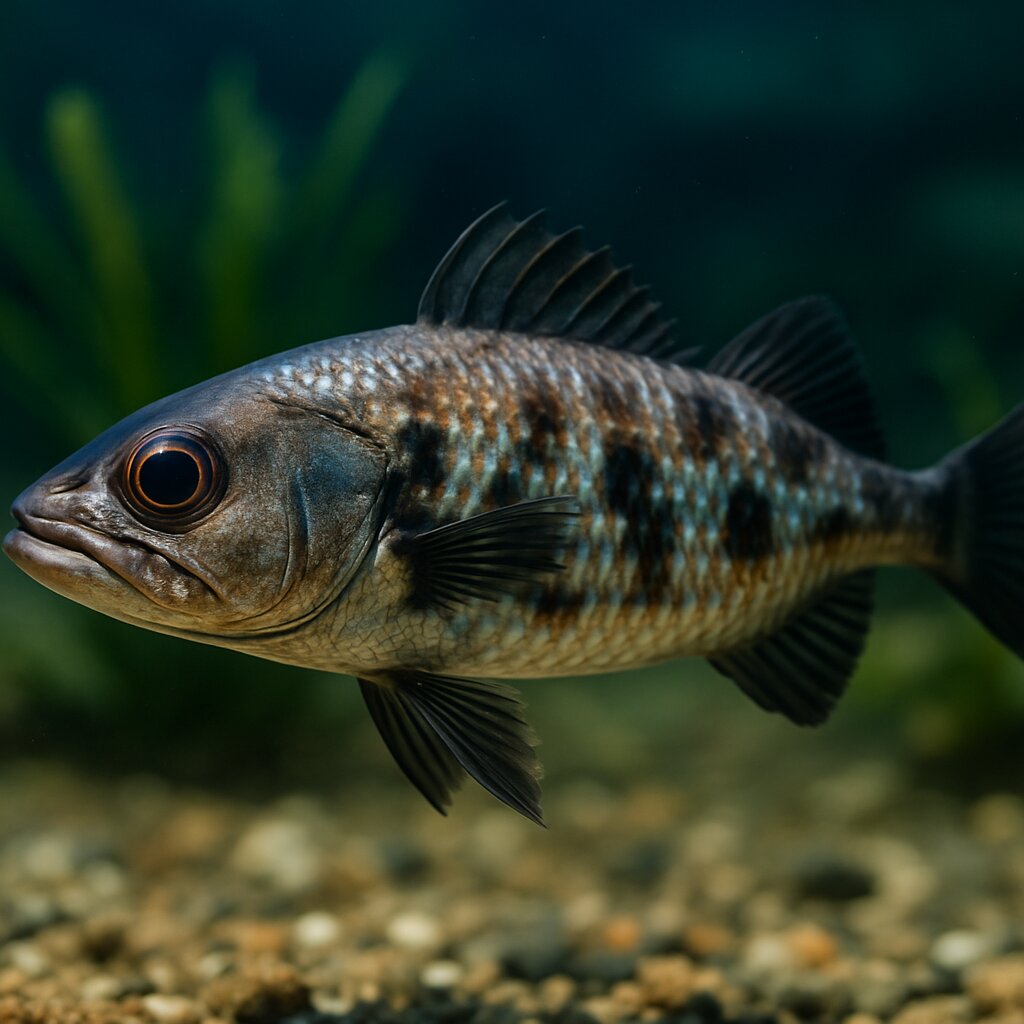
Antarctic dragonfish
Vomeridens infuscipinnis
Deep down around Antarctica, this sleek dragonfish cruises the water column like a little submarine, nearly neutrally buoyant so it can hover above the seafloor. It munches almost exclusively on Antarctic krill and lives in near-freezing water 500-800 m down, so it is a cool species to read about, not one for home tanks.
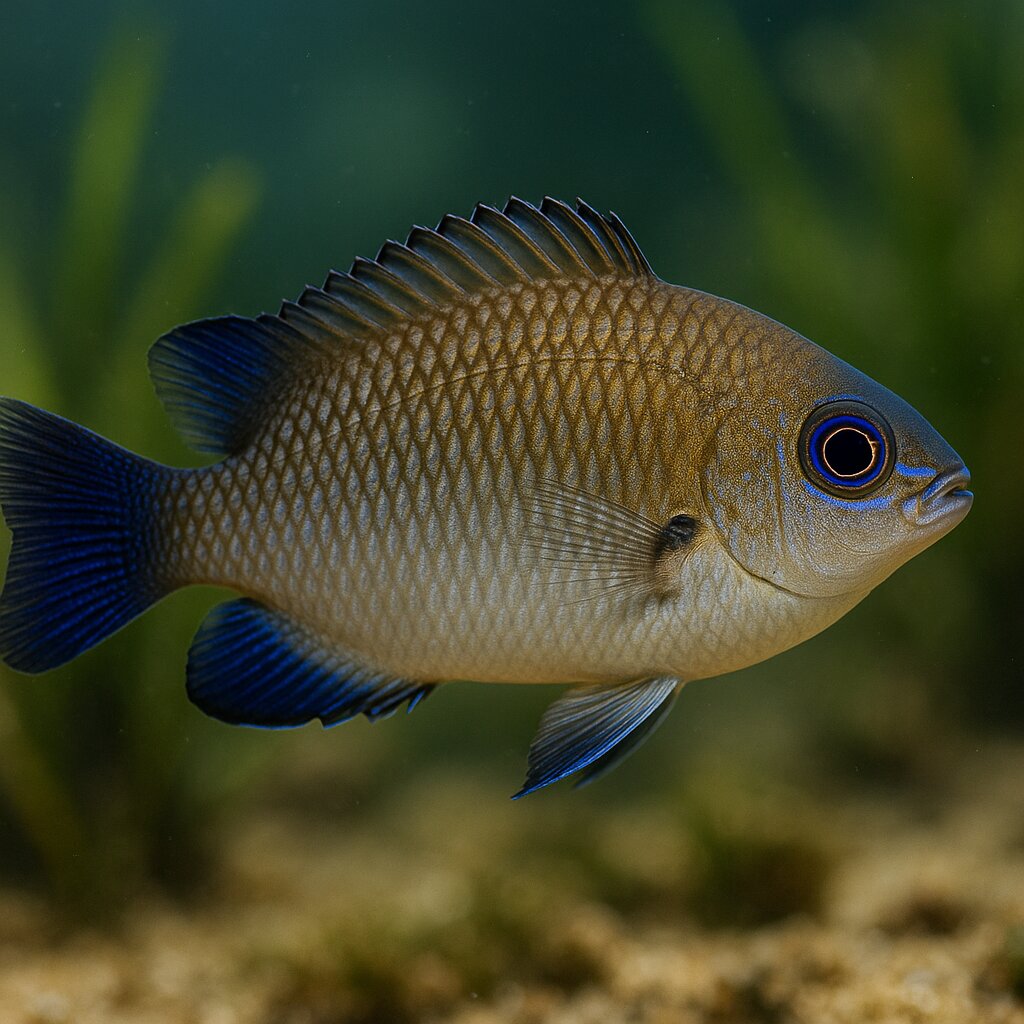
Arabian demoiselle
Neopomacentrus sindensis
A small lyretail damsel from the Persian Gulf and Arabian Sea, it hangs in loose groups around coral heads, rocks, and even pier pilings picking zooplankton from the flow. Think classic damsel toughness with a slightly milder attitude than the real bruisers, plus subtle yellow tail accents. Males clean a patch, get a mate to lay eggs there, and then stand guard fanning the clutch.
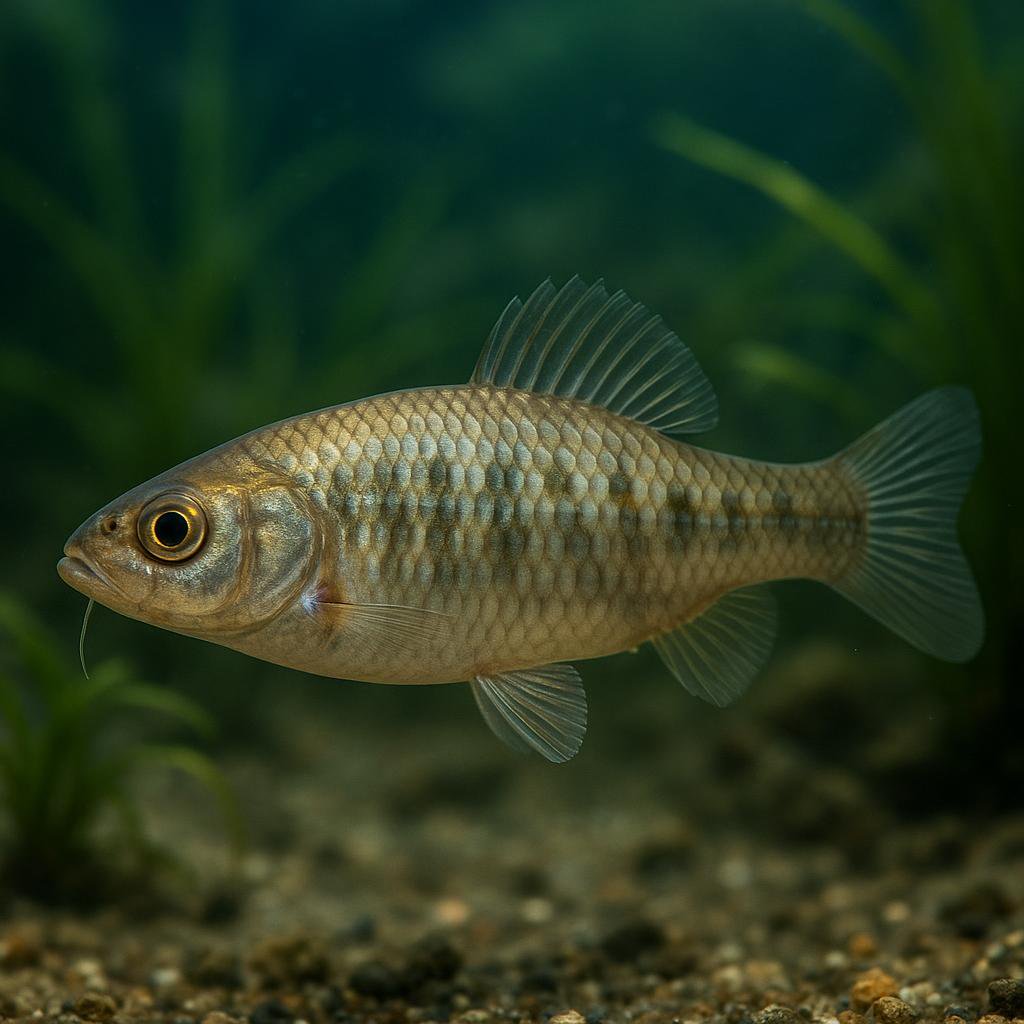
Arabian spiny eel
Notacanthus indicus
Notacanthus indicus is a deep-sea spiny eel (family Notacanthidae; not a true eel) known from the Arabian Sea on the continental slope at roughly ~960–1,046 m depth, with reported maximum length around 20 cm TL; it is a deep-water bycatch species and not established in the aquarium trade.
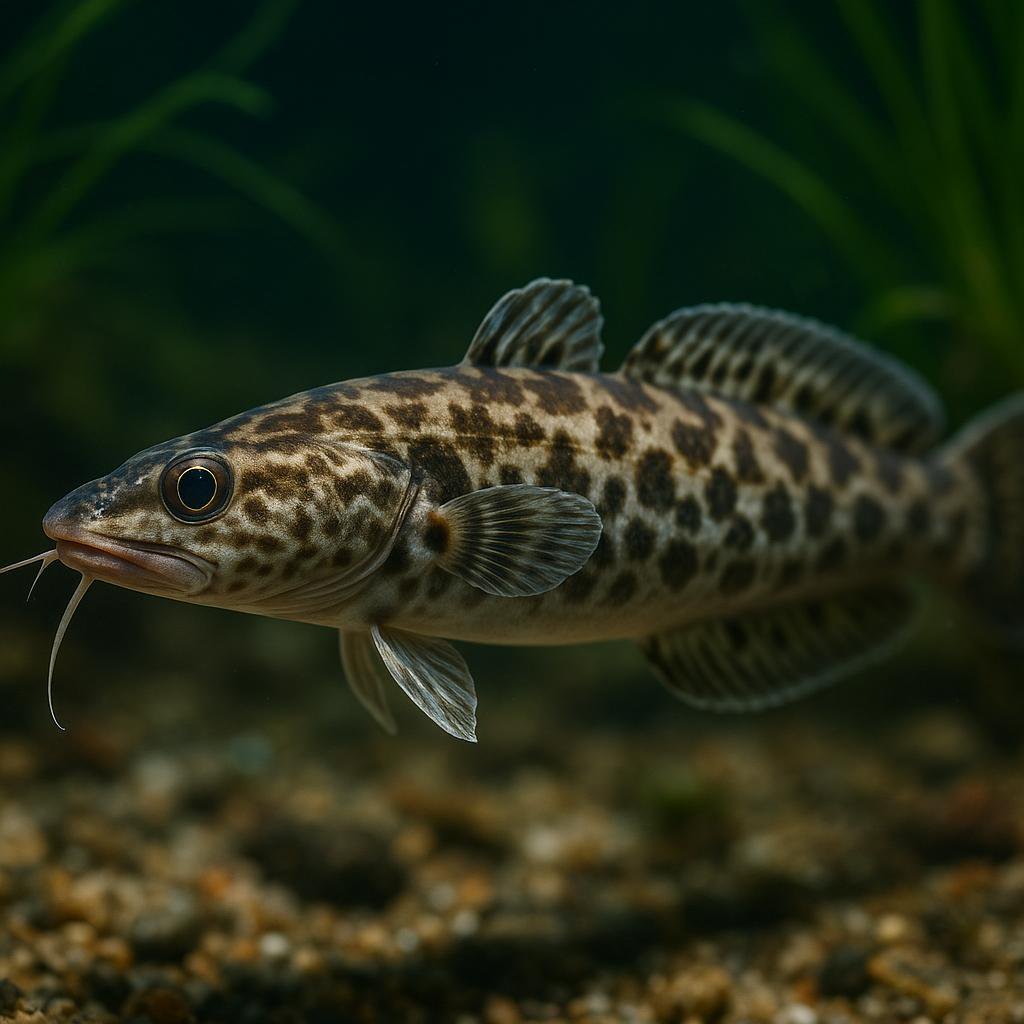
Arctic rockling
Gaidropsarus argentatus
This is a deepwater North Atlantic rockling (a cod relative) that hangs out on soft bottoms way down the slope. It is a cold-water, bottom-hugging predator that snoots around for crustaceans and will also take small fish when it gets the chance.
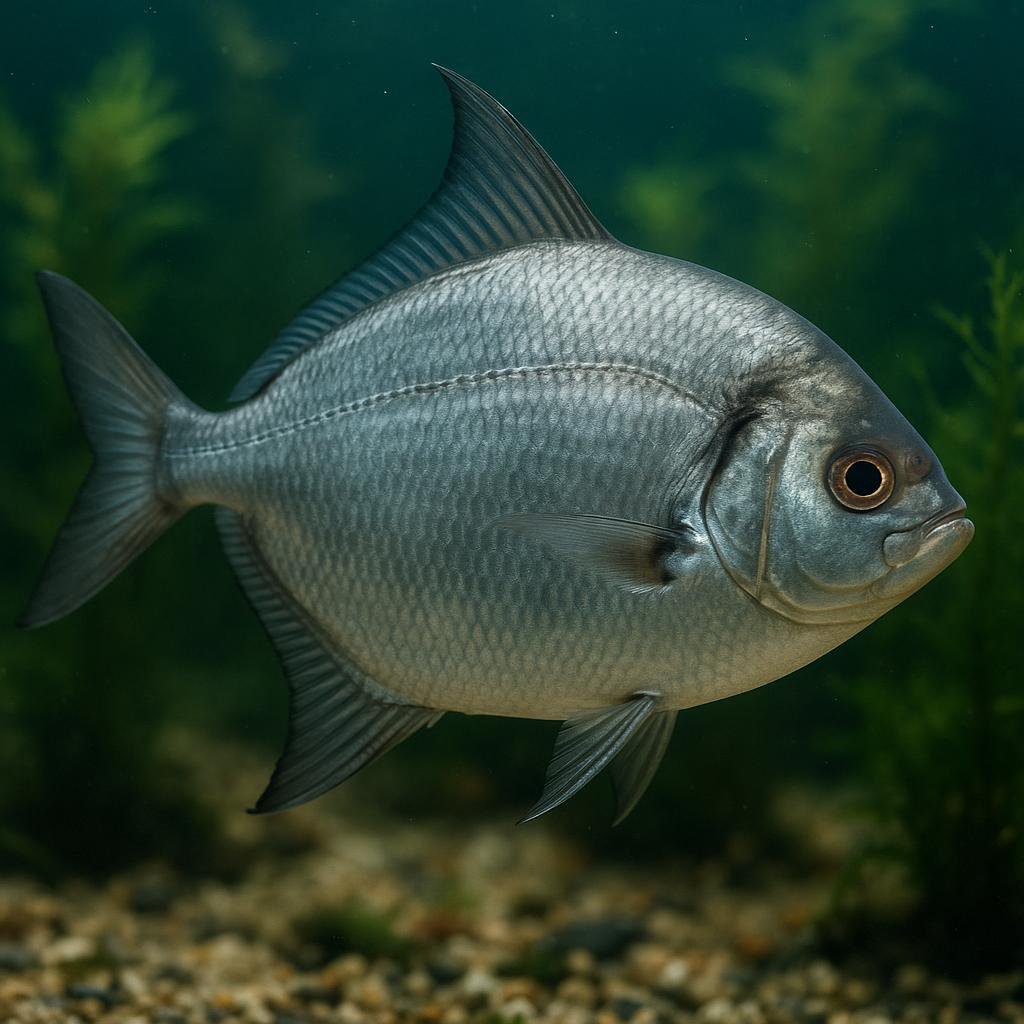
Atlantic pomfret
Brama brama
Brama brama is the Atlantic pomfret (aka Ray's bream) - a deep-bodied, open-ocean pelagic fish that cruises around in small schools and follows water temps. It is a legit big, wild marine species (not an aquarium fish) that eats other small sea critters like fish and squid, and it ranges across a huge chunk of the Atlantic plus parts of the Indian and South Pacific.
More to Explore
Discover more marine species.
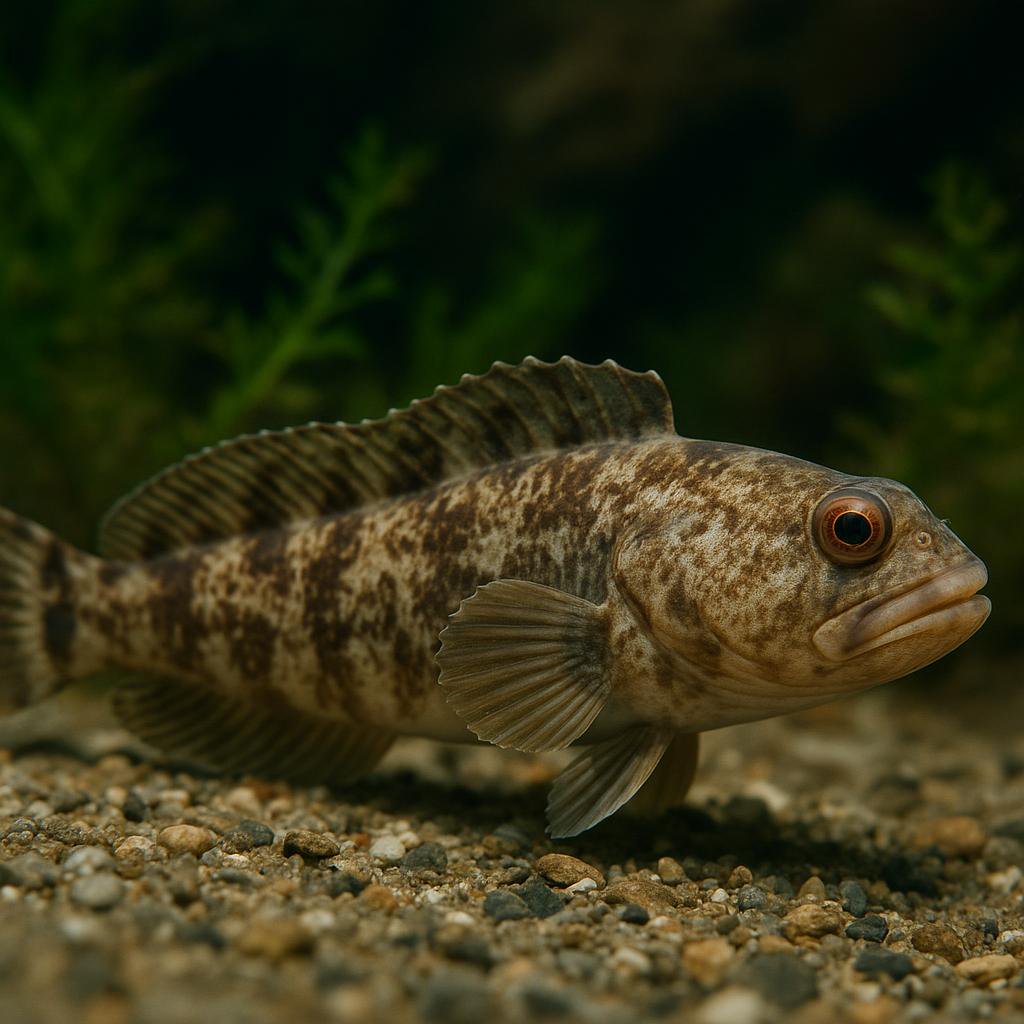
Abe's eelpout
Japonolycodes abei
Japonolycodes abei is a temperate, deepwater demersal eelpout (family Zoarcidae) endemic to Japan (Kumano-nada Sea reported; other sources also report Sagami Bay and Tosa Bay). It is the only species in the genus Japonolycodes and occurs roughly 40-300 m depth, making it an uncommon/atypical aquarium species.
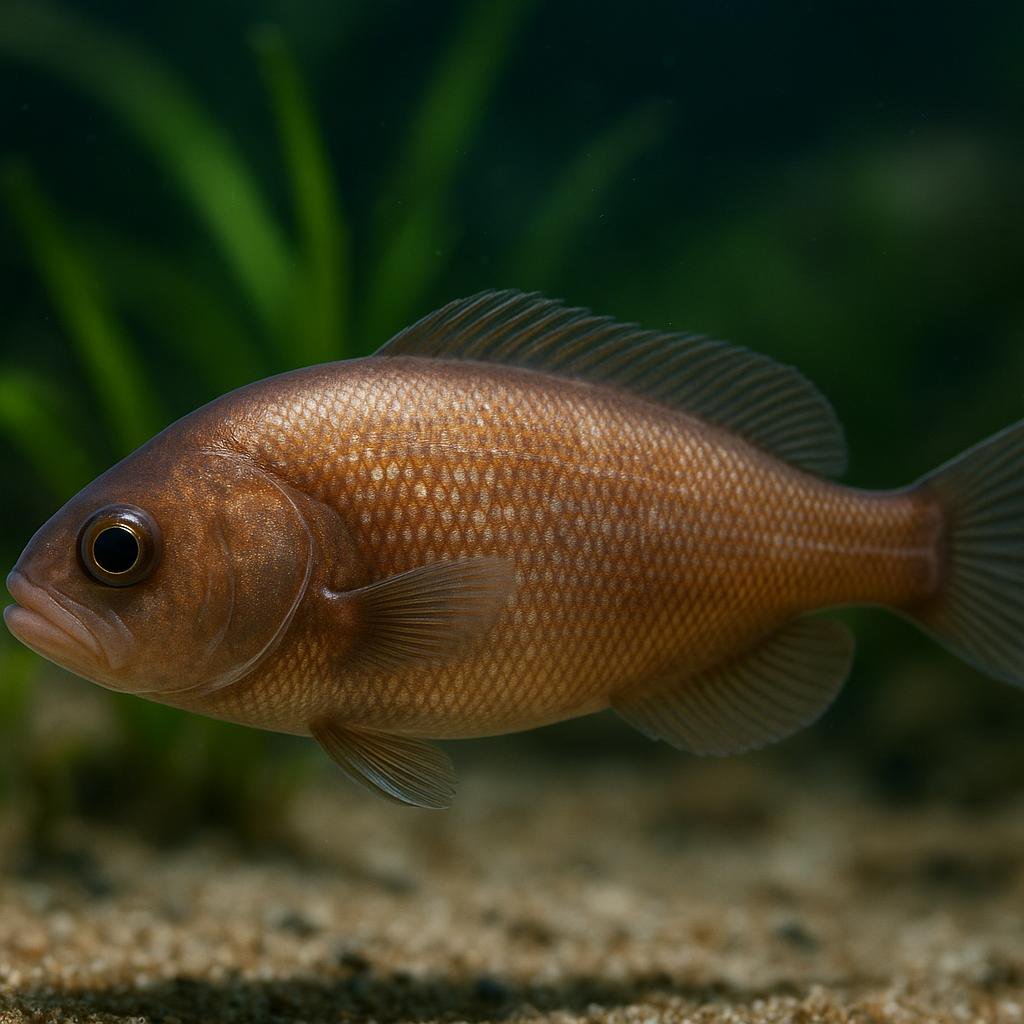
Affinis blind cusk-eel
Barathronus affinis
Barathronus affinis is a tiny, super-weird deep-sea blind cusk-eel from the western-central Indian Ocean. It is one of those gelatinous, loose-skinned brotula-type fishes that live way down in the dark and are basically never seen alive, so almost everything we know comes from preserved specimens and taxonomic work.
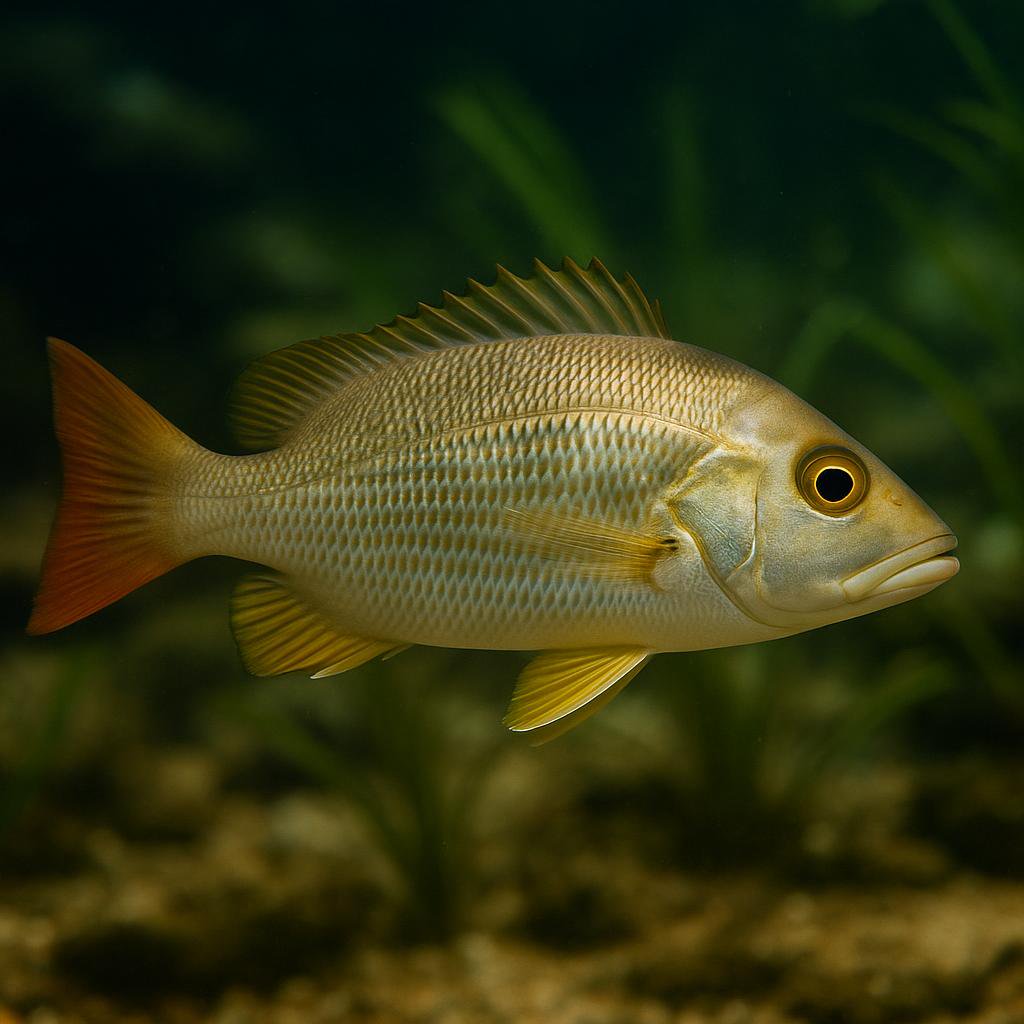
African red snapper
Lutjanus agennes
This is a true snapper from West Africa - a big, fast-growing predator that goes from coastal reefs to brackish lagoons and estuaries (especially as a juvenile). Super cool fish in the wild, but it gets absolutely huge and will eat smaller tankmates once it has the mouth for it, so its really more of a public-aquarium scale animal than a home-aquarium fish.
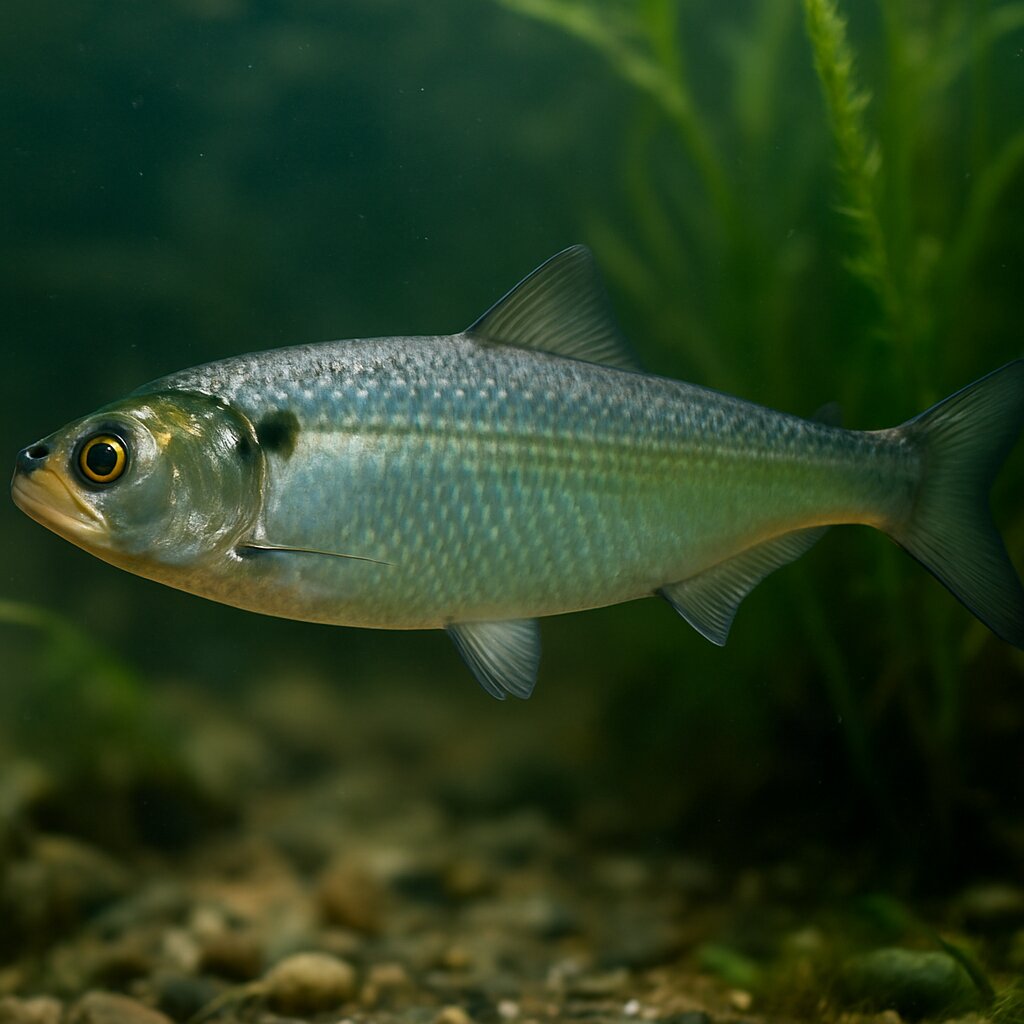
Allis shad
Alosa alosa
Gorgeous silver, fast-swimming shad that spends most of its life in the sea and then surges up big rivers in noisy, surface-spawning schools. It grows huge for a herring-type fish and needs cool, ultra-oxygenated water and tons of open space, so it is a public-aquarium species rather than a home tank fish.
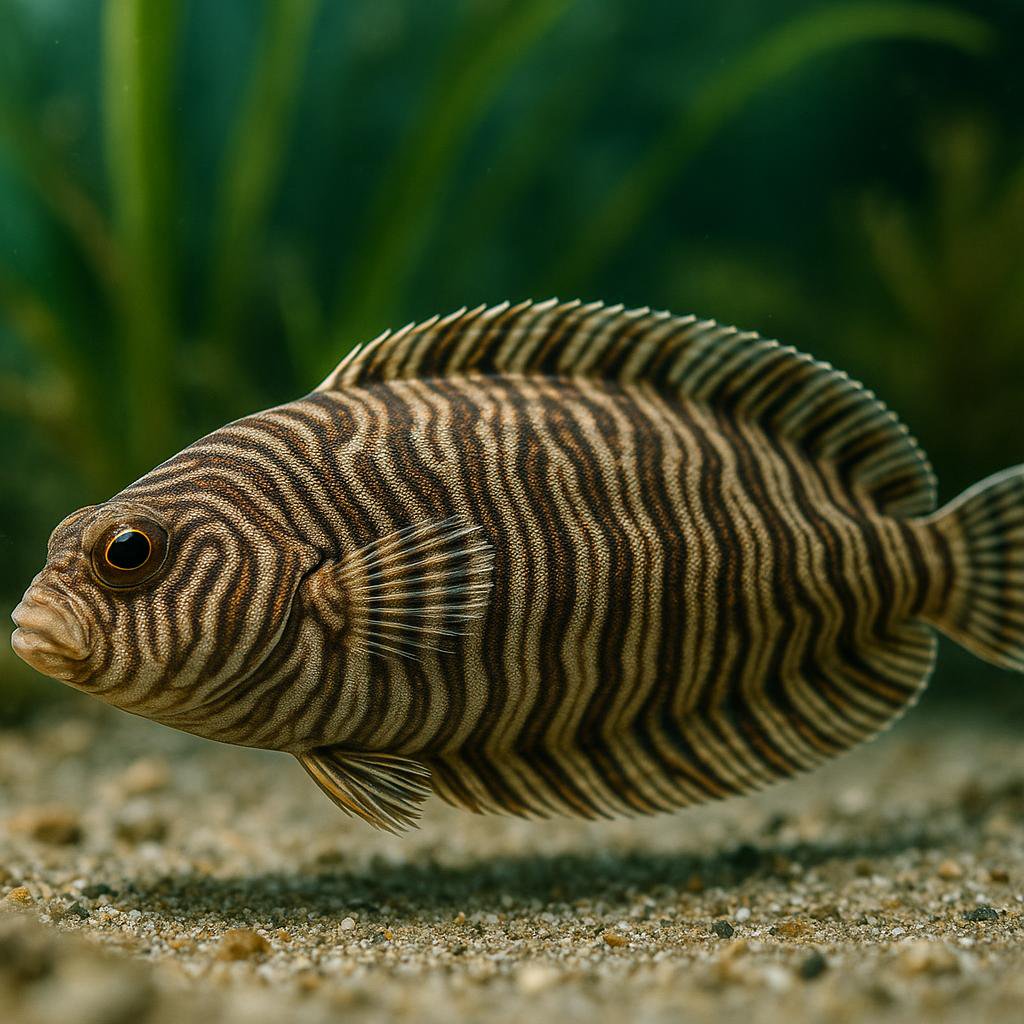
Annandale's zebra sole
Zebrias annandalei
Zebrias annandalei is a small demersal sole from coastal India that inhabits sandy or muddy bottoms and buries for camouflage. It is rarely kept in home aquaria and would require a specialized marine sand-bottom setup and appropriate feeding.
Australian sawtail catshark
Figaro boardmani
Figaro boardmani is a small, deepwater Australian catshark with these cool saw-like ridges of spiny denticles along the tail and a neat pattern of dark saddle bands. It lives way down on the outer continental shelf and slope, so its natural water is cold, dim, and stable - totally not a typical home-aquarium fish. Diet-wise its a predator that goes after fish, crustaceans, and cephalopods.
Looking for other species?