

Gulf hake
Urophycis cirrata
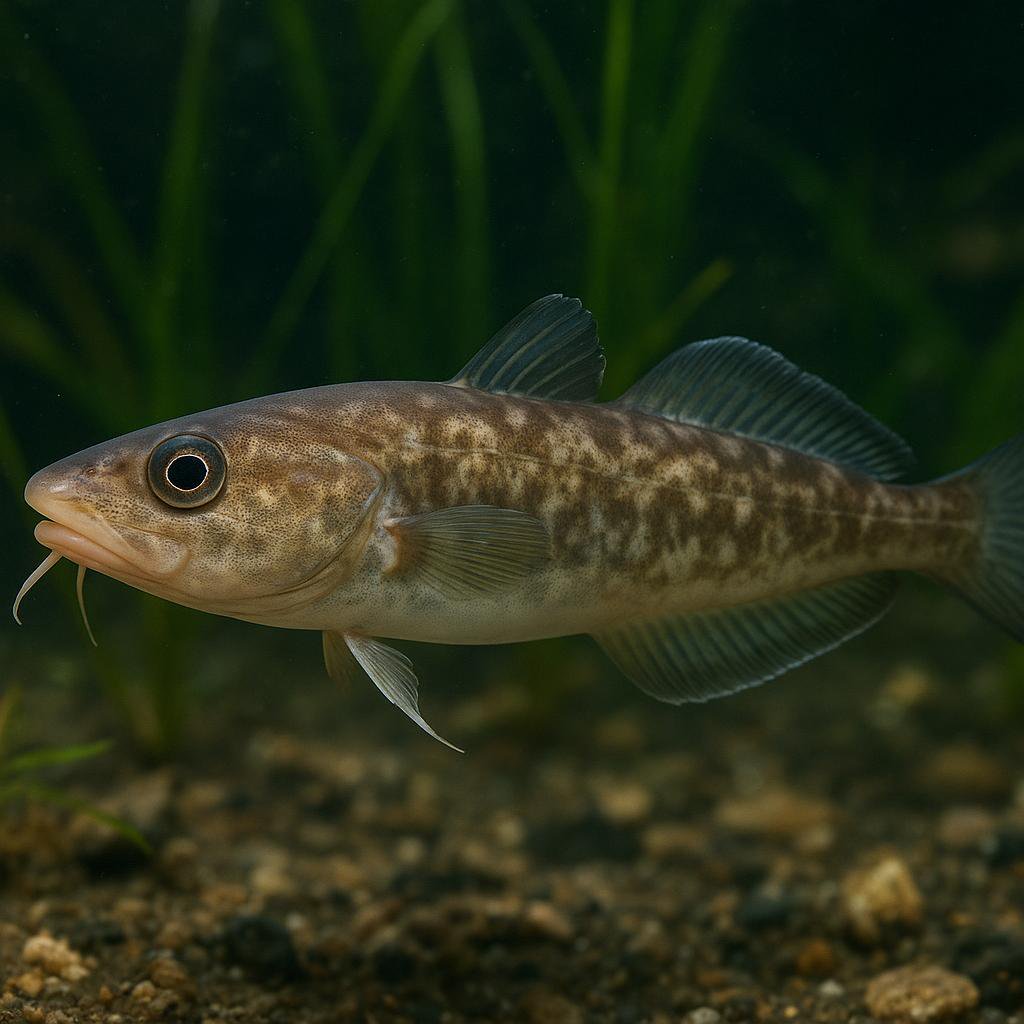
Gulf hake exhibits a slender, elongated body with a brownish-gray coloration and distinctive long, pointed fins.
This page includes AI-generated images. Why am I seeing AI images?
About the Gulf hake
Urophycis cirrata is a deep-water phycid hake from the western Atlantic, and it has that classic "cod-family" look with a little chin barbel and long, feeler-like pelvic rays. Its whole vibe is muddy-slope bottom dweller, cruising around in colder water way deeper than any normal home aquarium is built to handle.
Also known as
Quick Facts
Size
66 cm
Temperament
Semi-aggressive
Difficulty
Expert
Min Tank Size
300 gallons
Lifespan
up to 14 years
Origin
Western Atlantic (Florida and Gulf of Mexico south to northern South America and possibly to Rio de Janeiro, Brazil)
Diet
Carnivore - bottom-feeding predator on fish and crustaceans (meaty frozen foods)
Water Parameters
8.7-16.9°C
7.8-8.4
8-12 dGH
Need a heater for this species?
This species needs 8.7-16.9°C in a 300 gallon tank. Use our heater calculator to find the right wattage.
Calculate heater sizeCare Notes
- Give it a big, long tank with a tight lid - they cruise and bolt when spooked. Build a couple of dim caves and overhangs, because they settle way faster when they can wedge in and chill.
- Sand or very fine rubble is your friend; sharp rock and coarse gravel will chew up their belly and fins when they rest on the bottom. Keep rockwork stable because they will shove into gaps and can topple loose stacks.
- Run it like a cool-temperate marine setup, not tropical reef: 50-65F (10-18C) is the comfort zone, and warm water stresses them out fast. Salinity around 1.023-1.026 and strong oxygenation matter a lot since coolwater fish hate stale, low-O2 water.
- Feed meaty marine foods after lights-down - they are way bolder at dusk and night. Mix chopped shrimp, squid, clam, and silversides, and use tongs so you can target-feed and keep them from swallowing sand.
- Tankmates need to be calm, coolwater, and too big to fit in its mouth - anything small will eventually look like food. Skip aggressive pickers (triggers, big wrasses) and fin-nippers because they stress easily and stop eating.
- Watch for bloat and regurgitation if you overdo large, fatty chunks; smaller portions more often works better than one huge meal. If it starts refusing food, check temp creep and dissolved oxygen before you start throwing meds at it.
- Breeding in home tanks is basically a no - they are seasonal spawners and you would need big space, temp cycling, and planktonic larval rearing. If you want to try anything, focus on seasonal cooling/photoperiod changes and conditioning with lots of varied seafood, but keep expectations low.
Compatibility
Good Tankmates
- Other medium, chunky coldwater-ish fish that can handle a pushy neighbor - think Atlantic cod-type relatives or similar sized sculpins. The big rule is: not small enough to be swallowed, and not delicate.
- Adult sea robins - they cruise the bottom but stay pretty armored and self-confident. They usually do fine as long as the tank is roomy and everyone gets fed well.
- Skates or small catsharks (like smoothhound-size juveniles) in a big system. They are tough, not bite-sized, and mostly ignore the hake. Give them lots of floor space and keep sharp decor to a minimum.
- Bigger, non-nippy wrasses from temperate setups (or other sturdy midwater fish) that are too large to be hunted. You want confident swimmers that will not hover right in the hake's face at feeding time.
- Tough bottom fish like larger toadfish or eel-like species that can stand their ground. These pairings work best with plenty of caves so everyone has a spot and the hake is not defending the whole bottom.
Avoid
- Small fish of any kind - sand eels, juvenile anything, little baitfish, small gobies/blennies. Gulf hake are basically built to inhale stuff, and if it fits in the mouth it is food, not a roommate.
- Slow, delicate, fancy-finned fish (or anything that likes to hover) - they get stressed and can get ragged from bullying or just being outcompeted at feeding time.
- Hyper-aggressive, bitey tankmates like big triggerfish-style bruisers (or anything that goes for eyes and fins). Even if the hake can defend itself, constant drama ends with infections and shredded fins.
Where they come from
Gulf hake (Urophycis cirrata) is a cold-temperate Atlantic fish from the western North Atlantic. You see them off the US East Coast, usually hanging around deeper water, soft bottoms, and structure where they can sit tight and ambush food. They are not a typical home-aquarium species, and there is a reason: you are basically trying to run a small public-aquarium style coldwater predator setup at home.
Plan for coldwater marine. If you cannot run a stable chiller 24/7 (and deal with the power bill), skip this species.
Setting up their tank
Think of them like a bottom-oriented, structure-loving predator that wants room to turn and a place to disappear. They spend a lot of time parked on or near the bottom, then they lunge. Most problems I have seen with hake in captivity come from tanks that are too warm, too bright, too small, or too bare.
- Tank size: big footprint beats tall. I would not even consider an adult in anything under a 180g, and larger is better if you are keeping tankmates.
- Temperature: cold. Aim roughly in the 45-55F range (7-13C) depending on what your animal is acclimated to. Keep it steady.
- Salinity: normal marine (around 1.024-1.026). Stability matters more than chasing a number.
- Filtration: heavy duty. Oversized skimmer, lots of bio media, and serious flow - but do not blast the fish off the bottom.
- Lighting: dim to moderate. They do not need reef lighting and they act more natural without it.
- Cover: tight lid. They can spook and launch, and open-top coldwater systems lose a lot of cooling to evaporation anyway.
For decor, give them caves, overhangs, and broken line-of-sight spots. I like a mix of rockwork that is stable (epoxy or rods if needed) plus some open sand so they can post up and watch. Do not stack rocks on loose sand and call it good. A big fish hitting the glass at night can shift things.
Build hiding spots that are wide and low, not tall and narrow. They prefer sliding under something like a ledge rather than wedging into a tiny hole.
Never run them warm to "make it easier". Warm water plus heavy feeding is a fast track to low oxygen, bacterial issues, and a stressed fish that refuses food.
What to feed them
They are meaty-food fish. In the wild they are opportunistic predators, taking fish, shrimp, and other crustaceans. In captivity, you want a varied, marine-based diet and you want to avoid turning them into a picky "only live feeders" fish.
- Staples: thawed silversides, smelt, lancefish, chopped marine fish fillet (not freshwater), squid strips, shrimp, and chunks of clam or scallop.
- Rotation foods: krill (not as the only food), crab pieces, and larger mysis for smaller individuals.
- Avoid: goldfish/rosy reds and other freshwater feeders (fatty acid problems), and oily grocery-store fish as a constant staple.
Most individuals will take tongs once they settle. I start with smaller pieces and keep the movement slow, like a crustacean creeping. Once they connect "tongs = dinner" your life gets easier and you are not dumping food all over the sand.
Soak occasional meals in a vitamin supplement made for marine predators, especially if you are leaning on frozen foods. It helps hedge against long-term deficiencies.
Feeding schedule depends on size. Juveniles do well with smaller meals more often. Adults can be 2-3 good feedings per week. The easiest way to wreck water quality is to feed like it is a grouper tank and then act surprised when nitrate and gunk explode.
How they behave and who they get along with
Gulf hake is not a community fish. They are calm a lot of the time, but they are still a predator with a big mouth and a fast lunge. If it can fit, it is food. If it cannot fit, it still might get bitten during a feeding frenzy.
- Best kept: species-only, or with other coldwater fish too large to swallow and not inclined to nip fins.
- Bad tankmates: small fish, slow or delicate fish, and anything that hangs out on the bottom and cannot defend itself.
- Inverts: expect losses. Shrimp and crabs are basically expensive snacks.
They are also a bit skittish in bright tanks or high traffic rooms. Give them cover and keep sudden movements down, especially during the first few weeks. Once settled, they get bolder and will meet you at the glass when they learn your schedule.
If you keep multiple predators together, feed with tongs and spread food out. A single "feeding spot" is how you get face bites and lip damage.
Breeding tips
Breeding Gulf hake in a home aquarium is in the "nice dream" category. In nature they are seasonal spawners and likely need a temperature and photoperiod cycle, a lot of swimming room, and the right social setup. Even if you got eggs, rearing marine larvae is its own hobby that usually means live plankton cultures and dedicated larval systems.
If you want to try anyway, the most realistic first step is running a seasonal cycle: slowly cool and warm across the year and adjust day length. Many coldwater species respond to that even if they do not spawn.
Common problems to watch for
Most issues come from temperature mistakes, oxygen/filtration falling behind heavy feeding, and rough handling. They are tough in some ways, but they do not forgive chronic stress.
- Heat creep: summer room temps or pumps can push a cold system up faster than you think. Watch your temp trend, not just the number at one moment.
- Low oxygen: warm spikes plus dirty water equals gasping and lethargy. Coldwater systems still need strong aeration and surface agitation.
- Refusing food after arrival: very common. Dim the tank, offer smaller pieces, and do not keep "testing" with a bunch of different foods that rot in the sand.
- Mouth and snout damage: from spooking into glass or from aggressive feeding with tankmates. Use a calmer setup and tong-feed.
- Parasites: wild-caught fish can bring hitchhikers. Quarantine is not optional with a fish like this.
Be careful with medications in coldwater marine systems. Dosing charts are usually written with tropical temps in mind, and oxygen drops can get ugly fast. If you medicate, crank aeration and watch the fish constantly.
One last practical thing: keep your sandbed clean. Big meaty foods plus a bottom sitter equals leftovers getting buried. I like a siphon pass after feedings (or the next morning) and I run mechanical filtration I can actually clean often. If your tank starts smelling "fishy" between maintenance days, you are already behind.
Similar Species
Other marine semi-aggressive species you might be interested in.
Aleutian skate
Bathyraja aleutica
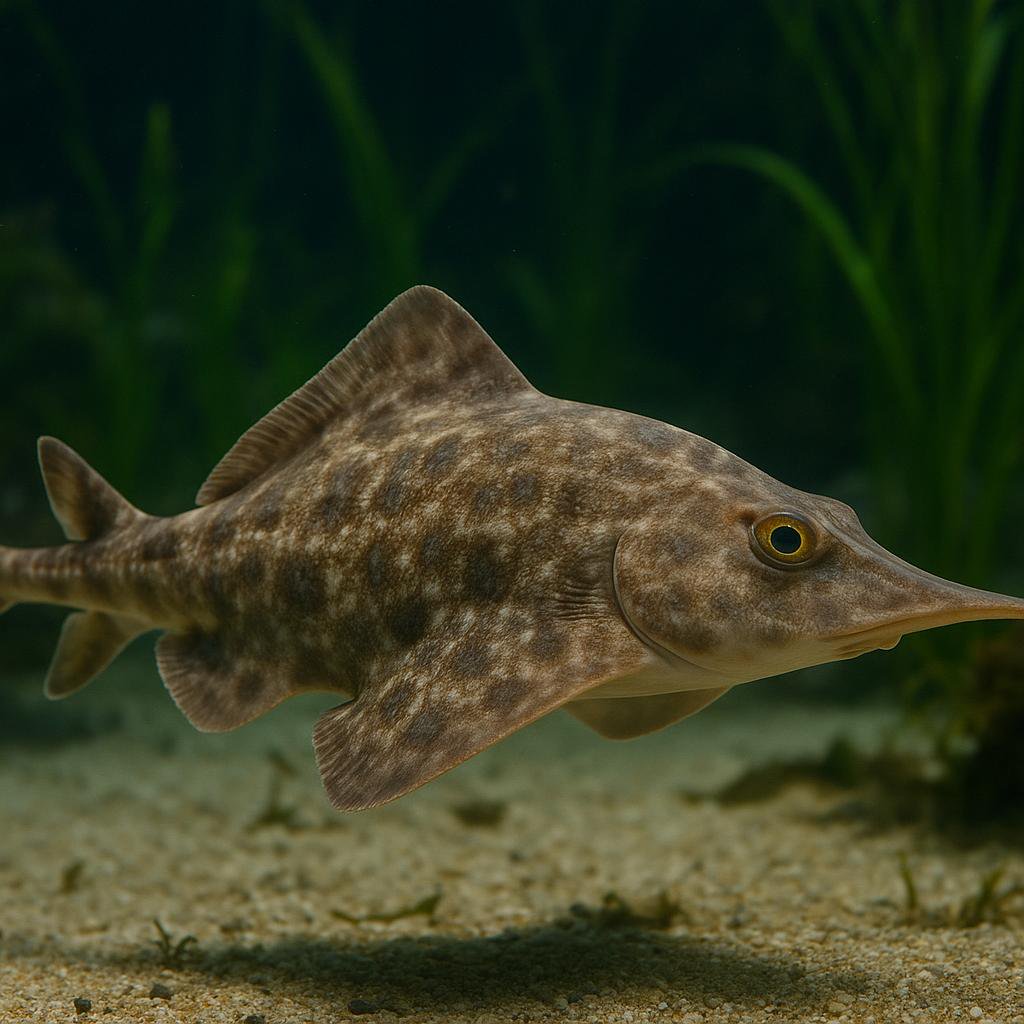
This is a big, cold-water deep-slope skate from the North Pacific that cruises muddy bottoms and eats chunky benthic prey like crabs and shrimp. The really cool bit is its egg-laying skate life - it does distinct pairing (the classic skate "embrace") and drops those tough egg cases on the seafloor. Not an aquarium fish at all unless you're basically running a public-aquarium-style chilled system.
Antarctic dragonfish
Vomeridens infuscipinnis
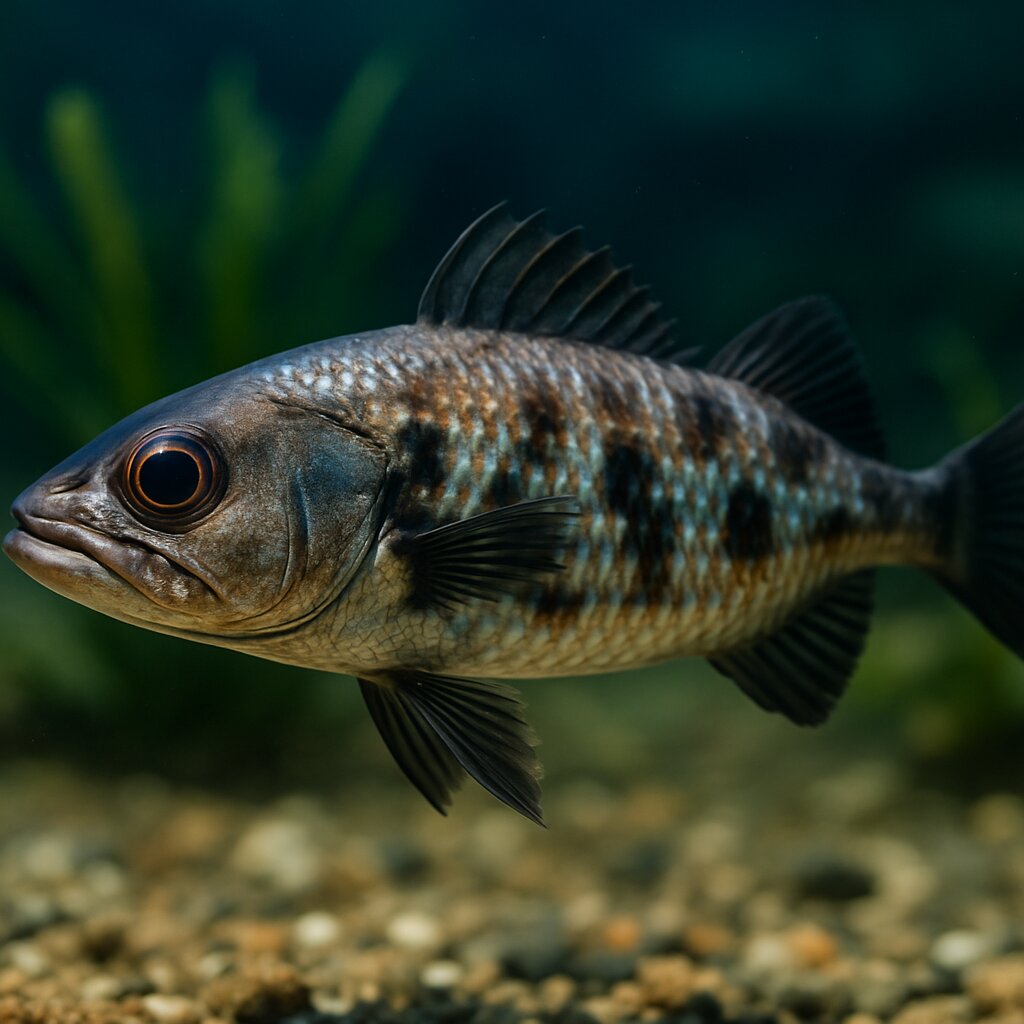
Deep down around Antarctica, this sleek dragonfish cruises the water column like a little submarine, nearly neutrally buoyant so it can hover above the seafloor. It munches almost exclusively on Antarctic krill and lives in near-freezing water 500-800 m down, so it is a cool species to read about, not one for home tanks.
Arabian spiny eel
Notacanthus indicus
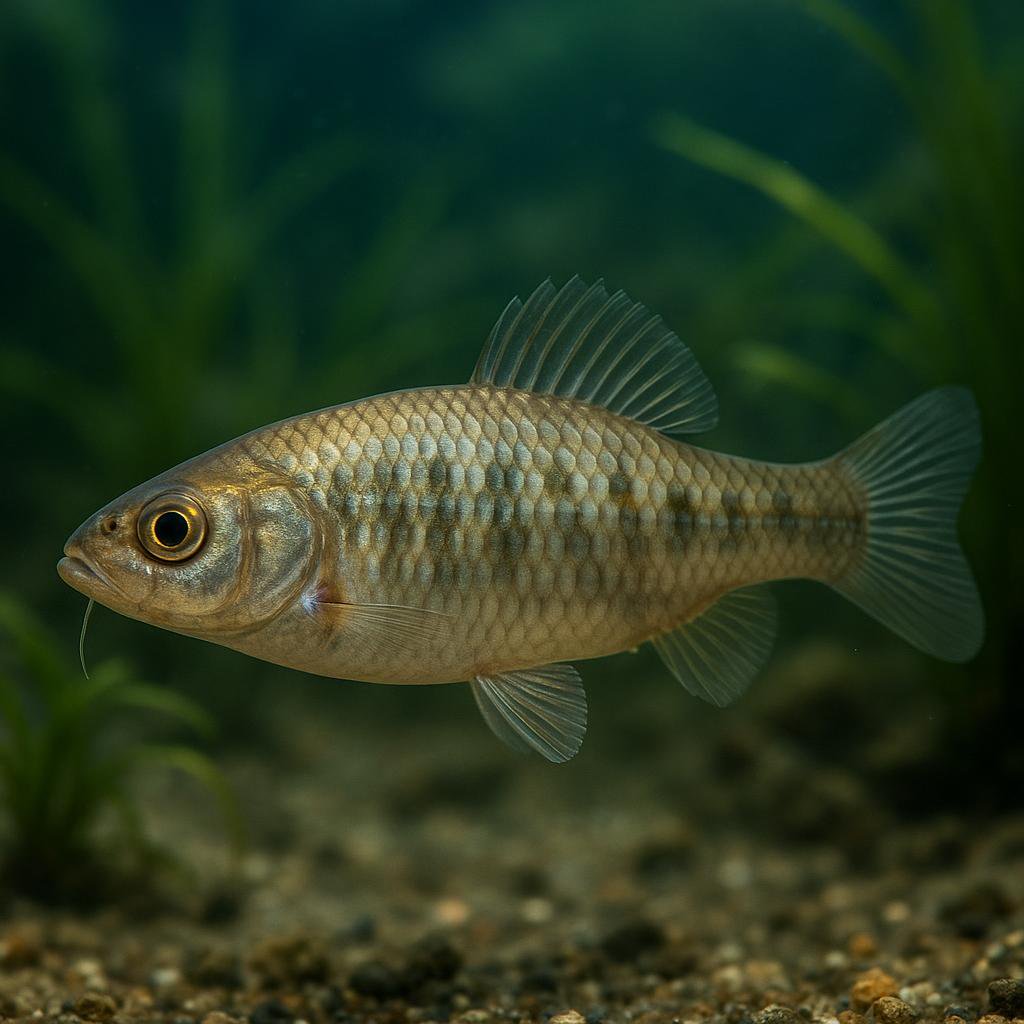
Notacanthus indicus is a deep-sea spiny eel (family Notacanthidae; not a true eel) known from the Arabian Sea on the continental slope at roughly ~960–1,046 m depth, with reported maximum length around 20 cm TL; it is a deep-water bycatch species and not established in the aquarium trade.
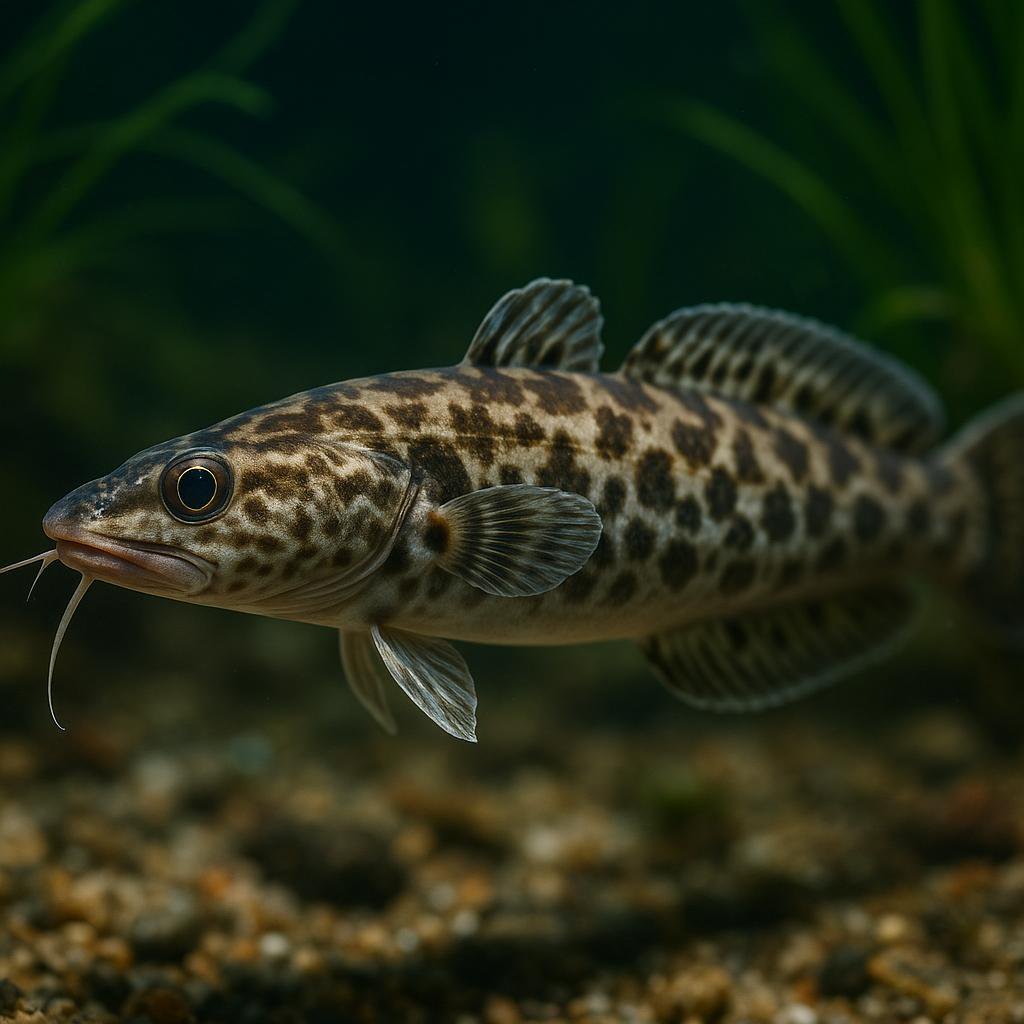
Arctic rockling
Gaidropsarus argentatus
This is a deepwater North Atlantic rockling (a cod relative) that hangs out on soft bottoms way down the slope. It is a cold-water, bottom-hugging predator that snoots around for crustaceans and will also take small fish when it gets the chance.
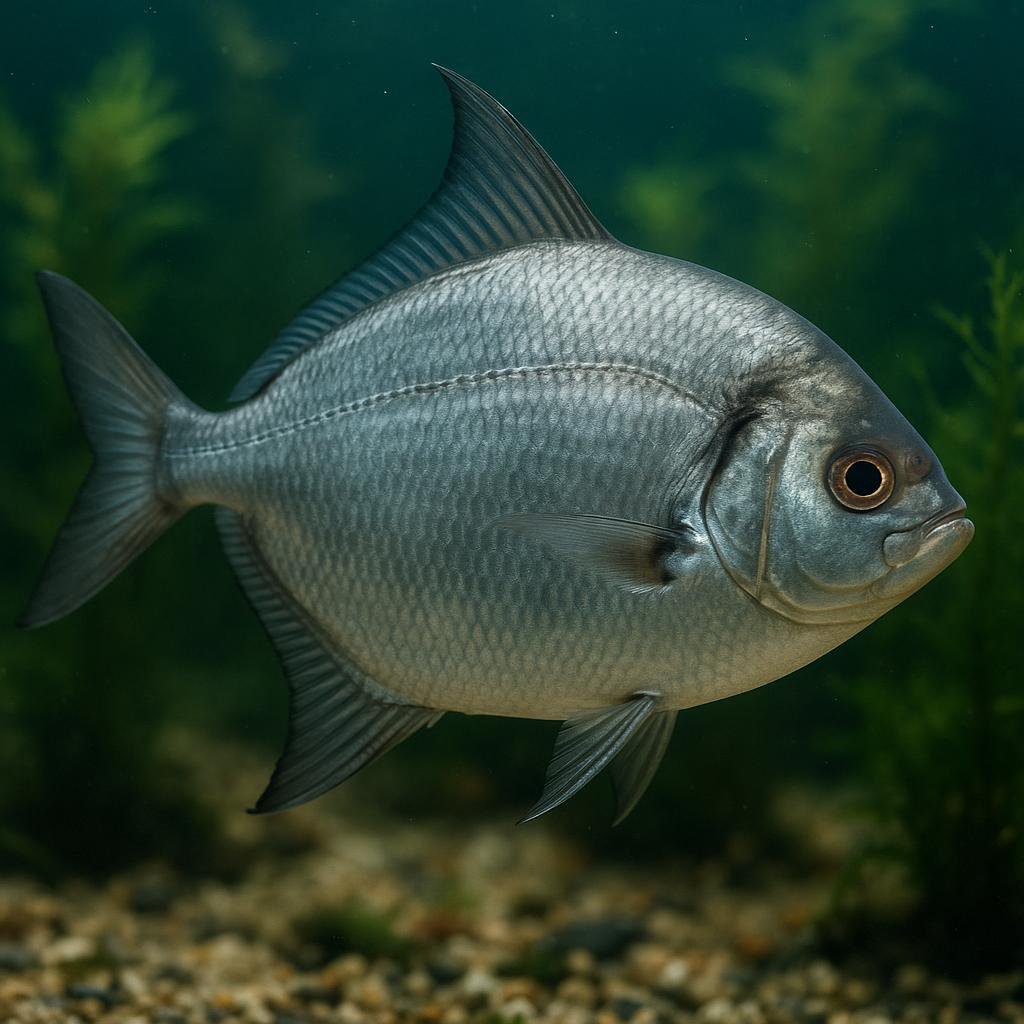
Atlantic pomfret
Brama brama
Brama brama is the Atlantic pomfret (aka Ray's bream) - a deep-bodied, open-ocean pelagic fish that cruises around in small schools and follows water temps. It is a legit big, wild marine species (not an aquarium fish) that eats other small sea critters like fish and squid, and it ranges across a huge chunk of the Atlantic plus parts of the Indian and South Pacific.
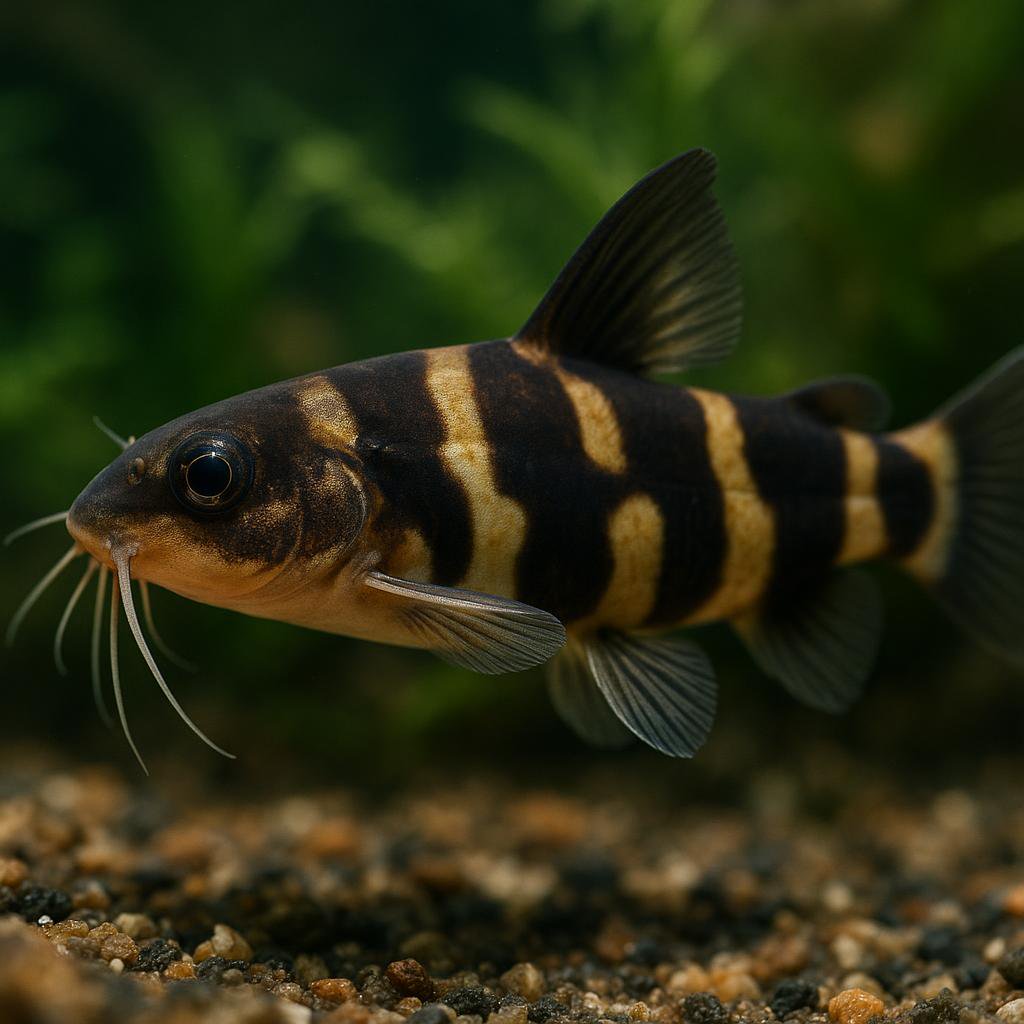
Australian sawtail catshark
Figaro boardmani
Figaro boardmani is a small, deepwater Australian catshark with these cool saw-like ridges of spiny denticles along the tail and a neat pattern of dark saddle bands. It lives way down on the outer continental shelf and slope, so its natural water is cold, dim, and stable - totally not a typical home-aquarium fish. Diet-wise its a predator that goes after fish, crustaceans, and cephalopods.
More to Explore
Discover more marine species.
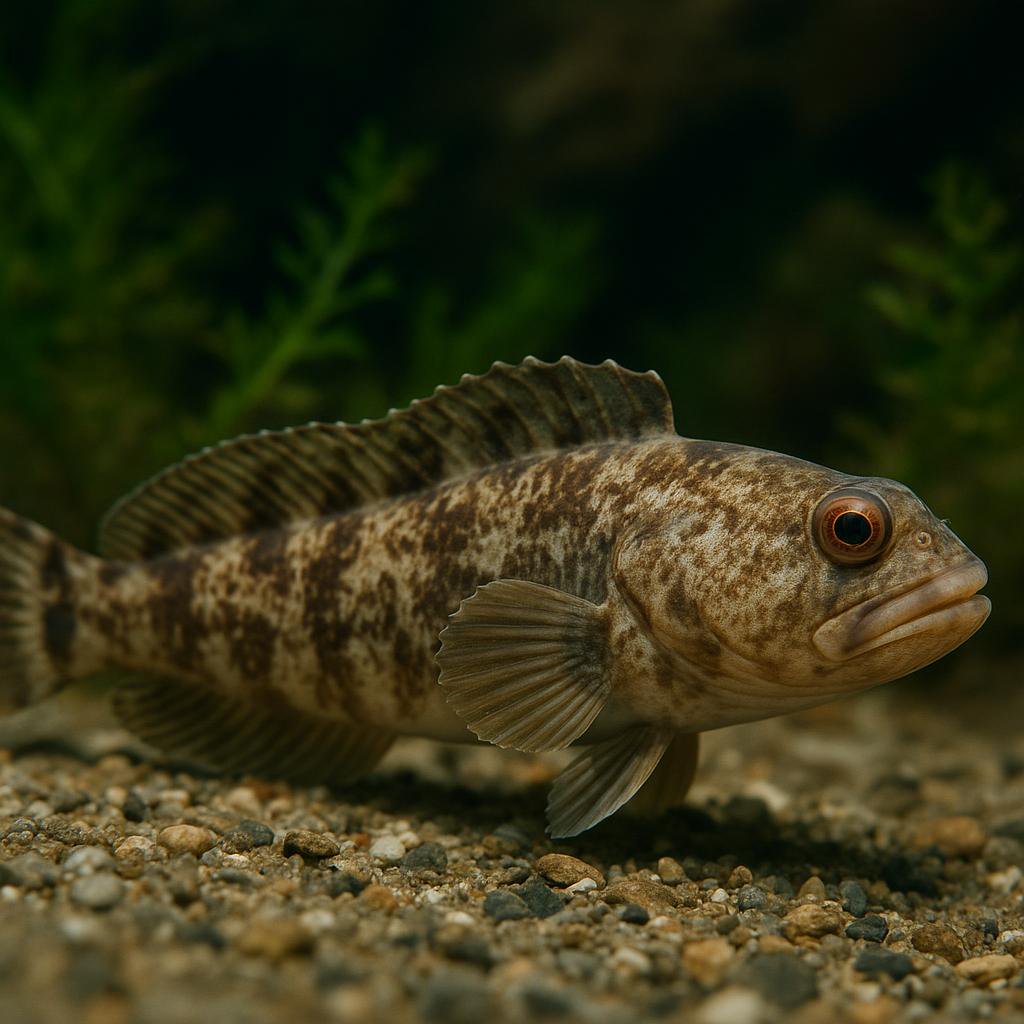
Abe's eelpout
Japonolycodes abei
Japonolycodes abei is a temperate, deepwater demersal eelpout (family Zoarcidae) endemic to Japan (Kumano-nada Sea reported; other sources also report Sagami Bay and Tosa Bay). It is the only species in the genus Japonolycodes and occurs roughly 40-300 m depth, making it an uncommon/atypical aquarium species.
Affinis blind cusk-eel
Barathronus affinis
Barathronus affinis is a tiny, super-weird deep-sea blind cusk-eel from the western-central Indian Ocean. It is one of those gelatinous, loose-skinned brotula-type fishes that live way down in the dark and are basically never seen alive, so almost everything we know comes from preserved specimens and taxonomic work.
African red snapper
Lutjanus agennes
This is a true snapper from West Africa - a big, fast-growing predator that goes from coastal reefs to brackish lagoons and estuaries (especially as a juvenile). Super cool fish in the wild, but it gets absolutely huge and will eat smaller tankmates once it has the mouth for it, so its really more of a public-aquarium scale animal than a home-aquarium fish.
Allis shad
Alosa alosa
Gorgeous silver, fast-swimming shad that spends most of its life in the sea and then surges up big rivers in noisy, surface-spawning schools. It grows huge for a herring-type fish and needs cool, ultra-oxygenated water and tons of open space, so it is a public-aquarium species rather than a home tank fish.
Annandale's zebra sole
Zebrias annandalei
Zebrias annandalei is a small demersal sole from coastal India that inhabits sandy or muddy bottoms and buries for camouflage. It is rarely kept in home aquaria and would require a specialized marine sand-bottom setup and appropriate feeding.
Banded stargazer
Kathetostoma binigrasella
This is a New Zealand stargazer that lives half-buried in sand or mud with its eyes pointed up, waiting to rocket upward and nail passing prey. It has those neat dark saddle-bands across the back (especially as a juvenile), and like other stargazers it is venomous with spines near the gill cover/pectoral area - definitely a look-dont-touch fish.
Looking for other species?