

Antarctic dragonfish
Vomeridens infuscipinnis
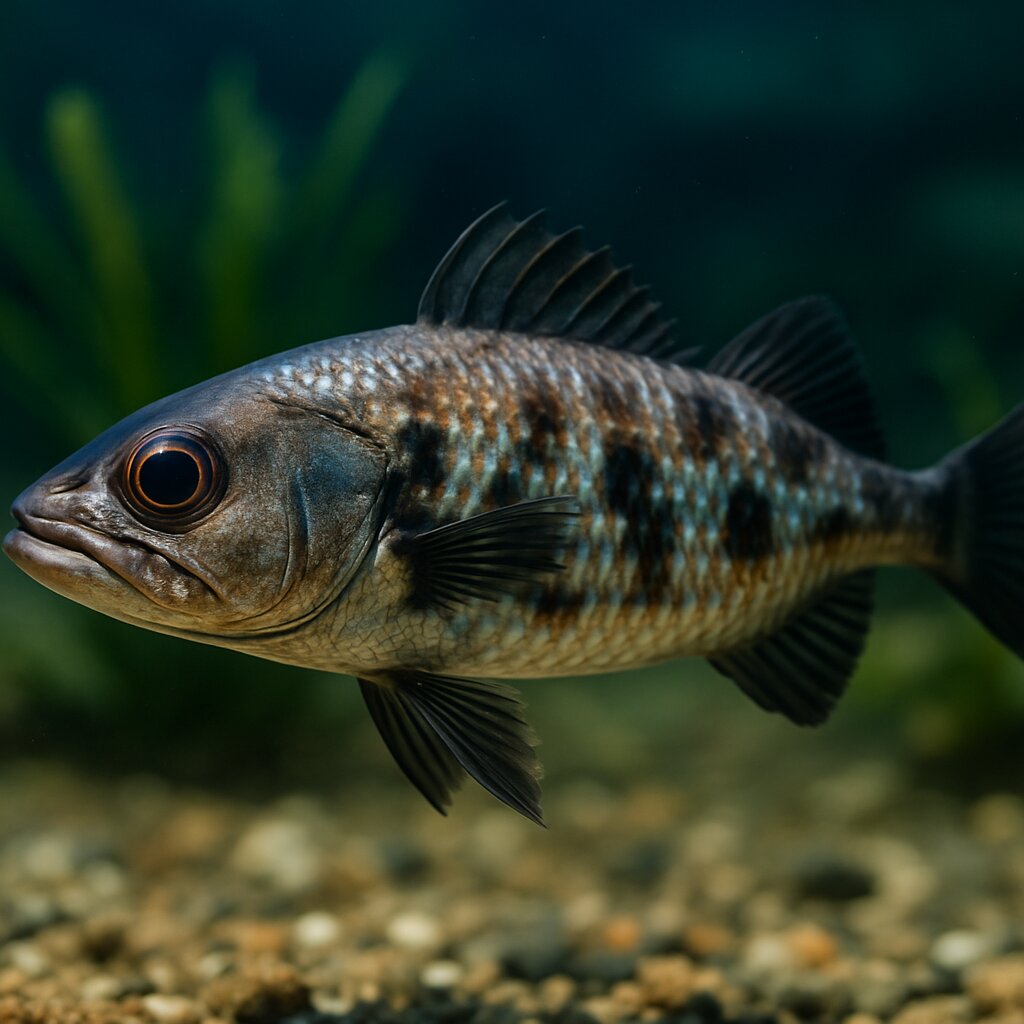
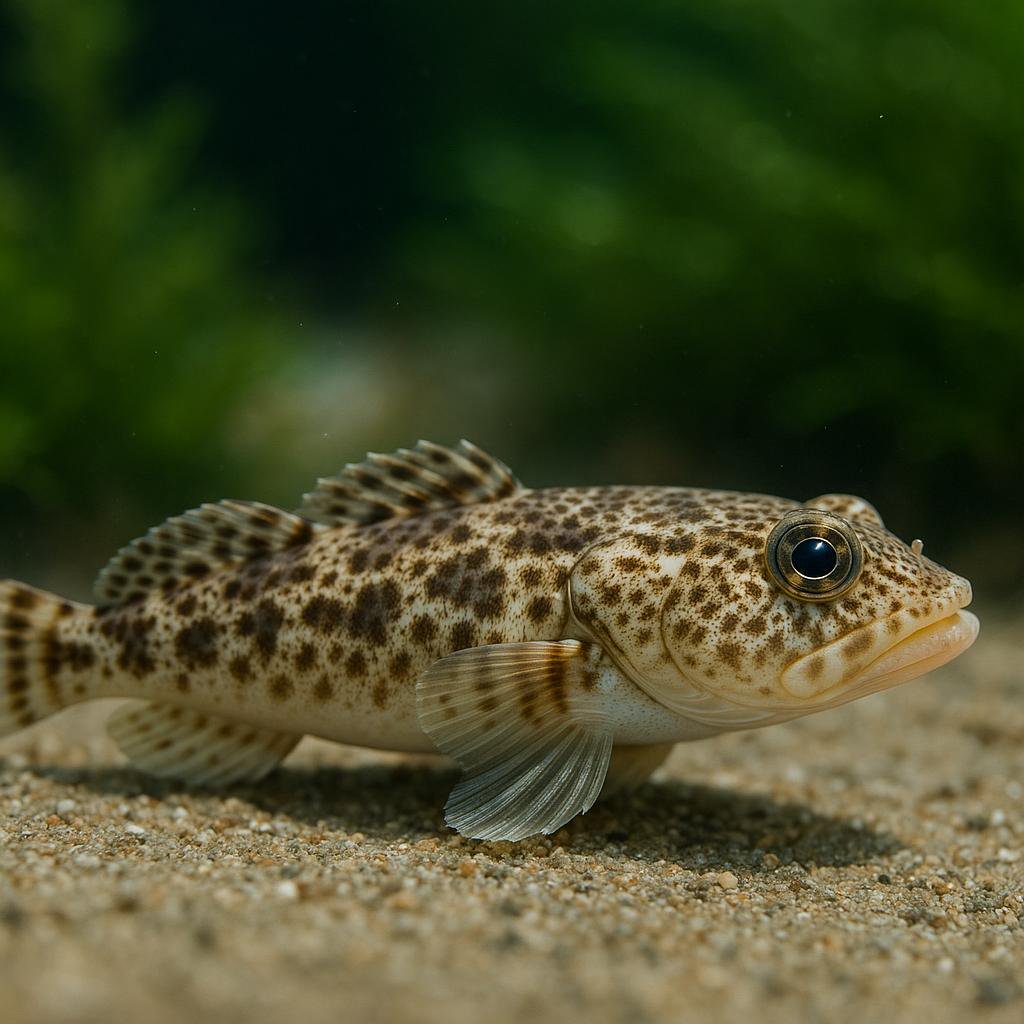
Antarctic dragonfish exhibit a dark brown to black body with elongated fang-like teeth and a prominent, elongated dorsal fin.
This page includes AI-generated images. Why am I seeing AI images?
About the Antarctic dragonfish
Deep down around Antarctica, this sleek dragonfish cruises the water column like a little submarine, nearly neutrally buoyant so it can hover above the seafloor. It munches almost exclusively on Antarctic krill and lives in near-freezing water 500-800 m down, so it is a cool species to read about, not one for home tanks.
Quick Facts
Size
22 cm (8.7 inches) SL
Temperament
Semi-aggressive
Difficulty
Expert
Min Tank Size
0 gallons
Lifespan
unknown
Origin
Antarctica - Southern Ocean (Weddell and Ross seas, South Orkney Islands, Antarctic Peninsula)
Diet
Carnivore - primarily Antarctic krill (Euphausia superba)
Water Parameters
-2--1.8°C
8-8.2
324-419 dGH
Care Notes
- Run a serious chiller and hold 0-2 C at 34-35 ppt (1.026-1.027 SG); use two chillers and a temp alarm so a failure does not warm the tank into danger.
- House a single fish in 300-500 L with lots of floor space, dim light, and gentle, even flow; they are benthic and spook under bright LEDs.
- Go big on filtration and oxygen: mature biofilter, strong skimmer, and heavy aeration; at near-freezing, bacteria are slow, so keep ammonia and nitrite at 0 and nitrate under 10 ppm.
- Tong-feed thawed Antarctic krill, mysis, squid strips, and small marine fish 3-4 times per week; start with live saltwater shrimp if it will not eat, and siphon leftovers within minutes.
- Tankmates are basically a no; they will eat small fish and crustaceans, and anything temperate or tropical will crash at these temps.
- Pre-chill new saltwater to match and never add ice; ice contacting skin or gills can injure these antifreeze-protein fish.
- They lack a swim bladder and rest on the bottom, so use soft sand and rounded rock, and guard pump intakes to prevent snout and belly scrapes.
- Breeding in home tanks is essentially unreported; they are seasonal demersal spawners, and without Antarctic light and temp cycles you are unlikely to see eggs.
Compatibility
Good Tankmates
- Similar-sized Antarctic rockcods (Trematomus spp. like T. bernacchii or T. newnesi) that stick to their rocks and are not hyper-dominant
- Antarctic eelpout (Lycodichthys dearborni) of comparable size - cave huggers that do not fuss with midwater hunters
- Plunderfish and other bathydraconids of similar size (Artedidraco, Pogonophryne) with lots of hides and low light
- Calm, robust notothenioids that mind the bottom and do not nip, like Pagothenia or Nototheniops, sized too big to be a mouthful
- Another Vomeridens of the same size in a big, chilled tank with sight breaks - works as a loose pair if neither is starving
Avoid
- Anything snack-size, especially Antarctic silverfish (Pleuragramma antarctica) and juvenile notothenioids - they will vanish at lights out
- Pushy alpha rockcods like big Notothenia coriiceps that boss the whole tank and steal food
- Delicate icefish (Chaenocephalus aceratus and other channichthyids) - slow, easily stressed, and outcompeted by a semi-aggressive hunter
- Warmwater or even temperate marine fish (wrasses, damsels, hawkfish) - wrong temps and way too fast for a 0-2 C, low-light setup
Where they come from
Antarctic dragonfish (Vomeridens infuscipinnis) live on the cold continental shelf around Antarctica, usually over sand and rubble in near-freezing seawater. Think dim light, slow life, and long seasons of dark and twilight. They are part of the notothenioid group with natural antifreeze proteins in their blood.
Different from the deep-sea 'dragonfishes' you see with glowing lures. This one is an Antarctic shelf fish, slender and bottom-oriented, not a midwater predator.
Setting up their tank
Be honest with yourself: this is a project for people who already run coldwater systems or have access to lab-grade gear. I have kept this species, and the life support is the whole game. Heat is your enemy, redundancy is your friend.
- Tank: 180-240 gallons for a single adult; long footprint with tight lids (they can startle-jump).
- Chiller: 1-2 HP commercial unit, plumbed on a closed loop. Target 0-2 C. Have a backup plan.
- Controls and safety: dedicated temperature controller with high/low alarms, GFCI, battery or generator backup.
- Filtration: oversized skimmer, large biofilter (moving bed or big sump media), and strong aeration. Cold water holds oxygen, but fish still demand high O2.
- Flow: gentle across the bottom with slack areas. 4-6x turnover is fine; avoid blasting them.
- Salinity and chemistry: 34-35 ppt, pH about 8.0-8.2, nitrate as low as you can keep it. Keep it stable.
- Lighting: dim and diffuse. They do better under low light with a dusk/dawn ramp.
Aquascape with stable rock piles and open sand or fine rubble. They like to sit and watch the world. Leave clear glide paths along the bottom. Keep surfaces smooth to prevent snags during startle runs.
Cycling at 0-2 C takes ages. Do a long, patient fishless cycle with pure ammonia and lots of biomedia. Expect 8-12+ weeks. Seed from an established cold system if you can; warm-water bacteria will not carry the load here.
Redundancy saves fish. Two return pumps, two heaters disabled but available for anti-freeze events, two temp probes, and an independent temp alarm you can hear from another room. Insulate your sump and chiller lines to stop heat creep.
What to feed them
They are deliberate predators that key on movement. Mine took to tong-fed food after a week of settling in. Offer food right in front of them and give them time to line up the strike.
- Primary: krill (Euphausia), PE mysis, marine amphipods.
- Also accepted: finely cut marine fish, sand lance, squid strips, and prawn pieces.
- Occasional live: coldwater mysids or shore shrimp to start finicky eaters.
Feed small portions 2-3 times per week at 0-2 C. Their metabolism is slow. Thaw frozen foods in chilled saltwater, not warm tap. I soak pieces in a vitamin/iodine mix once a week to round out nutrition. Remove leftovers within 10 minutes; cold systems process waste slowly.
If a new fish will not eat: drop the lights, reduce flow near its perch, present a single moving mysid on forceps, and wait. Many will only strike once they feel unobserved. Feeding at dusk works best for me.
How they behave and who they get along with
Bottom-oriented, calm, and a bit spooky. They sit, then rocket a short distance if startled. Not bullying, not social either. Mine ignored other fishes unless a faster tankmate tried to outcompete at feeding time.
- Best plan: species-only tank.
- Possible companions (if you can source them legally): other slow Antarctic notothenioids of similar size and temperament.
- Avoid: anything tropical or even temperate. At 0-2 C they will not survive. Also avoid hyperactive predators that steal food.
Do not mix Antarctic fish with 8-12 C temperate species. The middle ground pleases nobody. Pick a true polar setpoint and stick to it.
Breeding tips
I have not seen captive breeding, and I do not know anyone who has with this species. In the wild, notothenioids tend to lay large demersal eggs in winter with strong seasonal cues, sometimes with male egg guarding. If you are determined to experiment, set expectations appropriately.
- Run a strong seasonal photoperiod: months of short days, then a gradual spring ramp.
- Keep them lean in winter, feed up slightly in late winter as daylight increases.
- Provide broad flat rocks and sheltered cavities for potential egg sites.
- Maintain near-zero disturbance and ultra-stable temperature through the dark period.
Common problems to watch for
- Temperature creep: rooms warm up, chillers lag. Above 4-5 C for long stretches leads to stress and refusal to feed.
- Ammonia spikes: cold biofilters react slowly. Test often, feed lightly, and change water with pre-chilled, aerated saltwater.
- Oxygen dips: heavy feeding or a skimmer outage can drop O2. Keep redundant aeration in the sump.
- Shipping trauma and anorexia: these fish may go a week or more without eating after transit. Dim the lights and let them settle.
- Infections: small scrapes can fungus at low temps. I isolate and treat in a separate chilled QT with improved flow and very clean water. Go slow with meds; many act differently in cold systems.
- Equipment failure: a dead chiller can end the project. Keep spare pumps, vinyl tubing, and a plan to ice-bath the sump in an emergency.
Never do warm water changes. Pre-chill your new saltwater to tank temp, aerate it hard, and match salinity closely. A 2-3 C jump can be worse than a small nitrate rise.
Legal and ethical note: Antarctic fish are heavily regulated. Source only with proper documentation, and be prepared to house them long-term. Rehoming options are limited at best.
Similar Species
Other marine semi-aggressive species you might be interested in.
Aleutian skate
Bathyraja aleutica
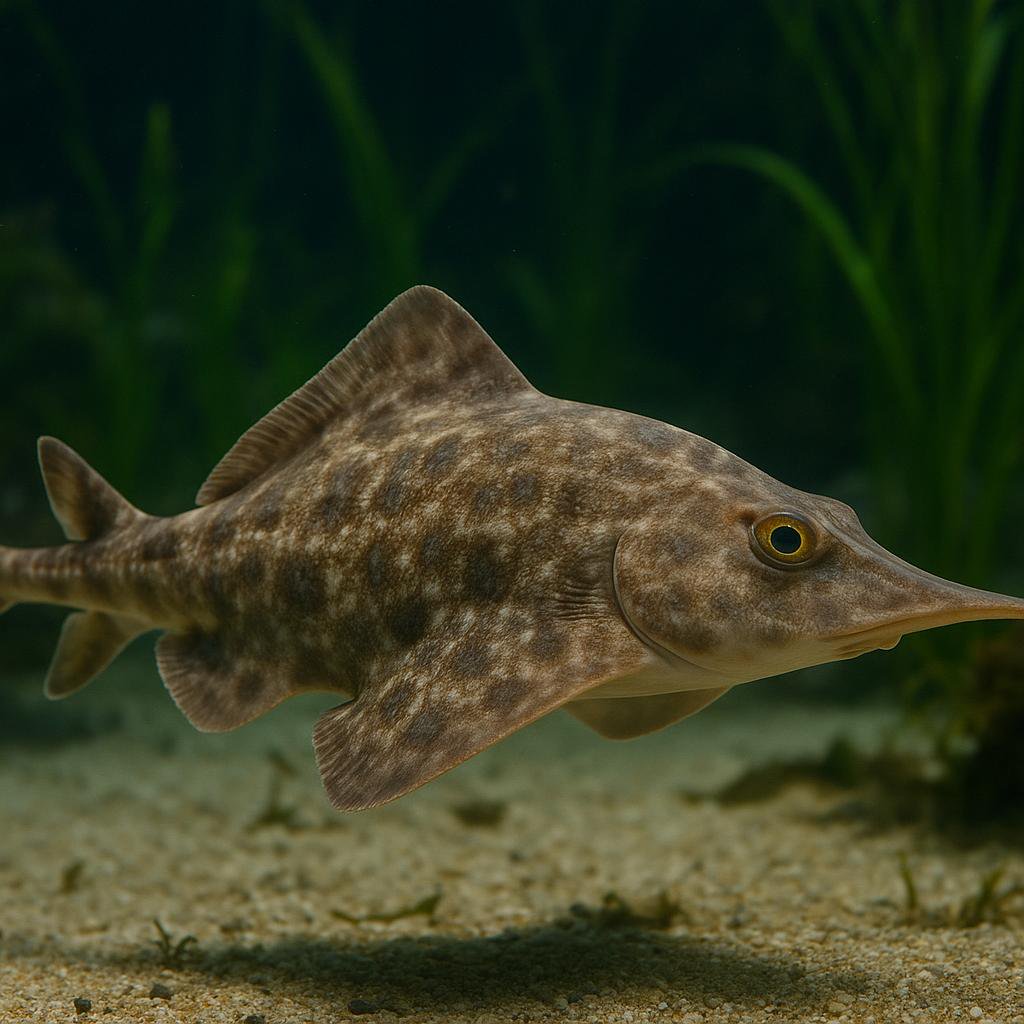
This is a big, cold-water deep-slope skate from the North Pacific that cruises muddy bottoms and eats chunky benthic prey like crabs and shrimp. The really cool bit is its egg-laying skate life - it does distinct pairing (the classic skate "embrace") and drops those tough egg cases on the seafloor. Not an aquarium fish at all unless you're basically running a public-aquarium-style chilled system.
Arabian spiny eel
Notacanthus indicus
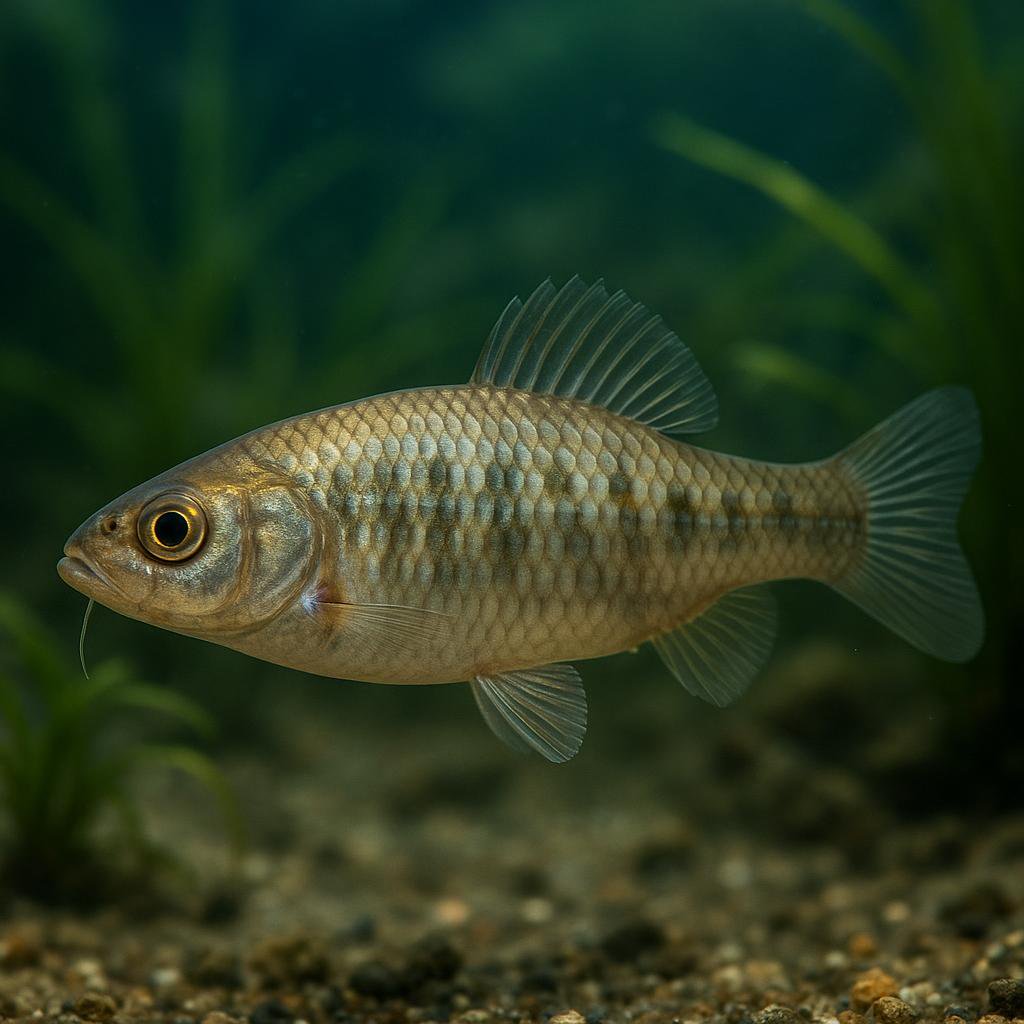
Notacanthus indicus is a deep-sea spiny eel (family Notacanthidae; not a true eel) known from the Arabian Sea on the continental slope at roughly ~960–1,046 m depth, with reported maximum length around 20 cm TL; it is a deep-water bycatch species and not established in the aquarium trade.
Arctic rockling
Gaidropsarus argentatus
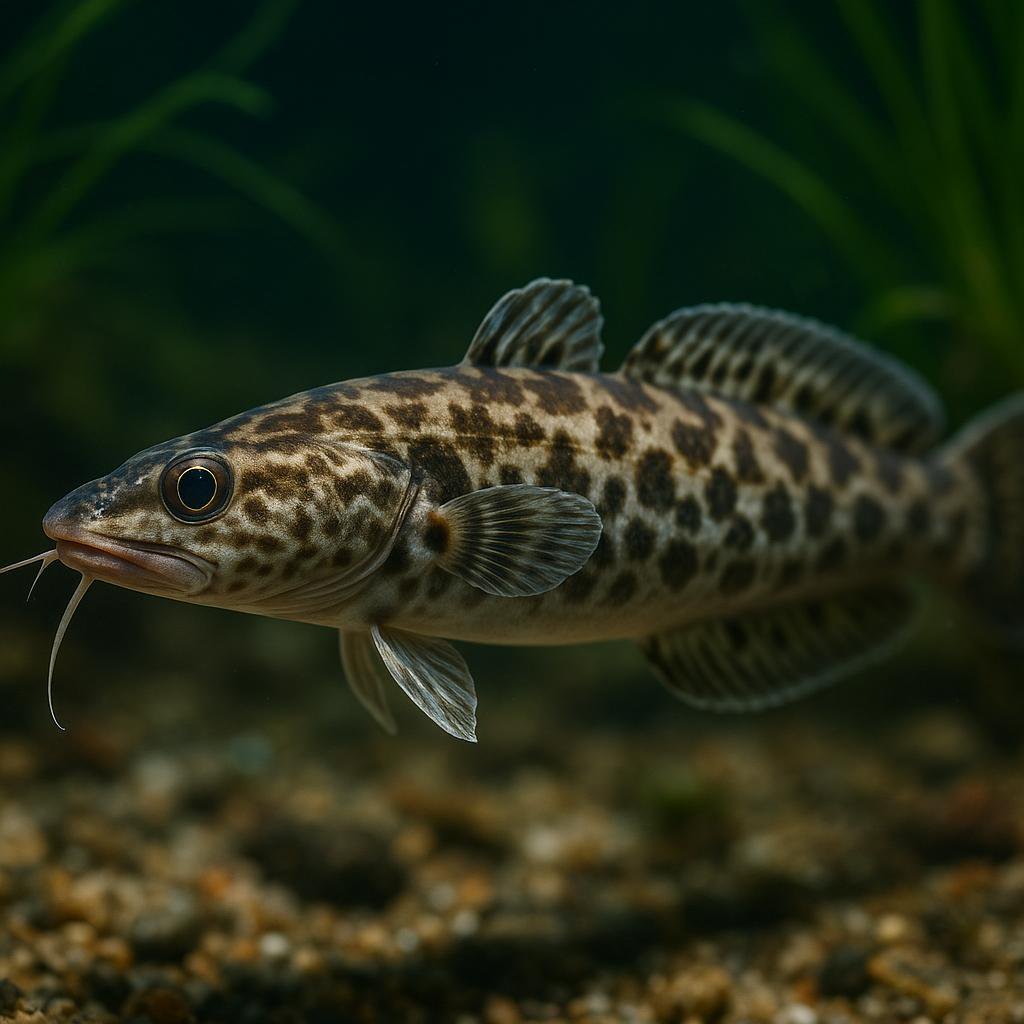
This is a deepwater North Atlantic rockling (a cod relative) that hangs out on soft bottoms way down the slope. It is a cold-water, bottom-hugging predator that snoots around for crustaceans and will also take small fish when it gets the chance.
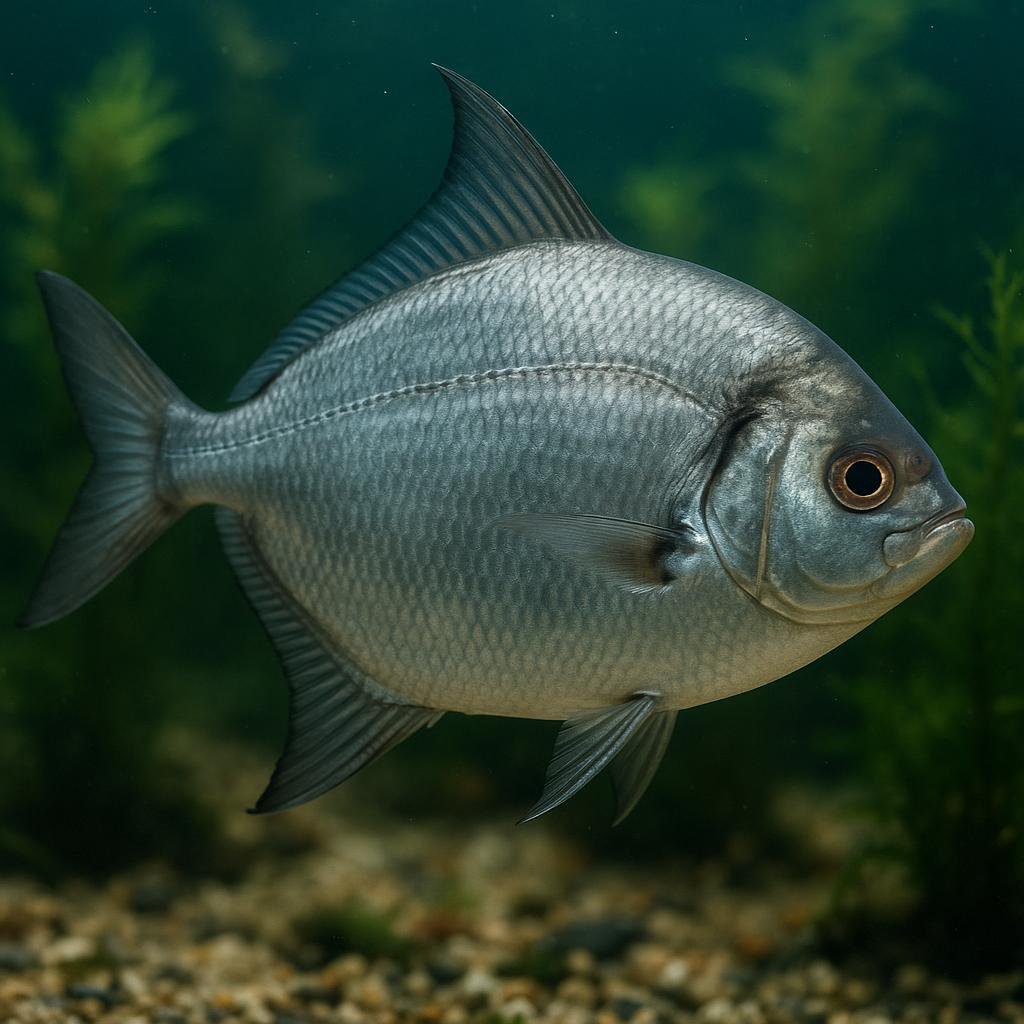
Atlantic pomfret
Brama brama
Brama brama is the Atlantic pomfret (aka Ray's bream) - a deep-bodied, open-ocean pelagic fish that cruises around in small schools and follows water temps. It is a legit big, wild marine species (not an aquarium fish) that eats other small sea critters like fish and squid, and it ranges across a huge chunk of the Atlantic plus parts of the Indian and South Pacific.
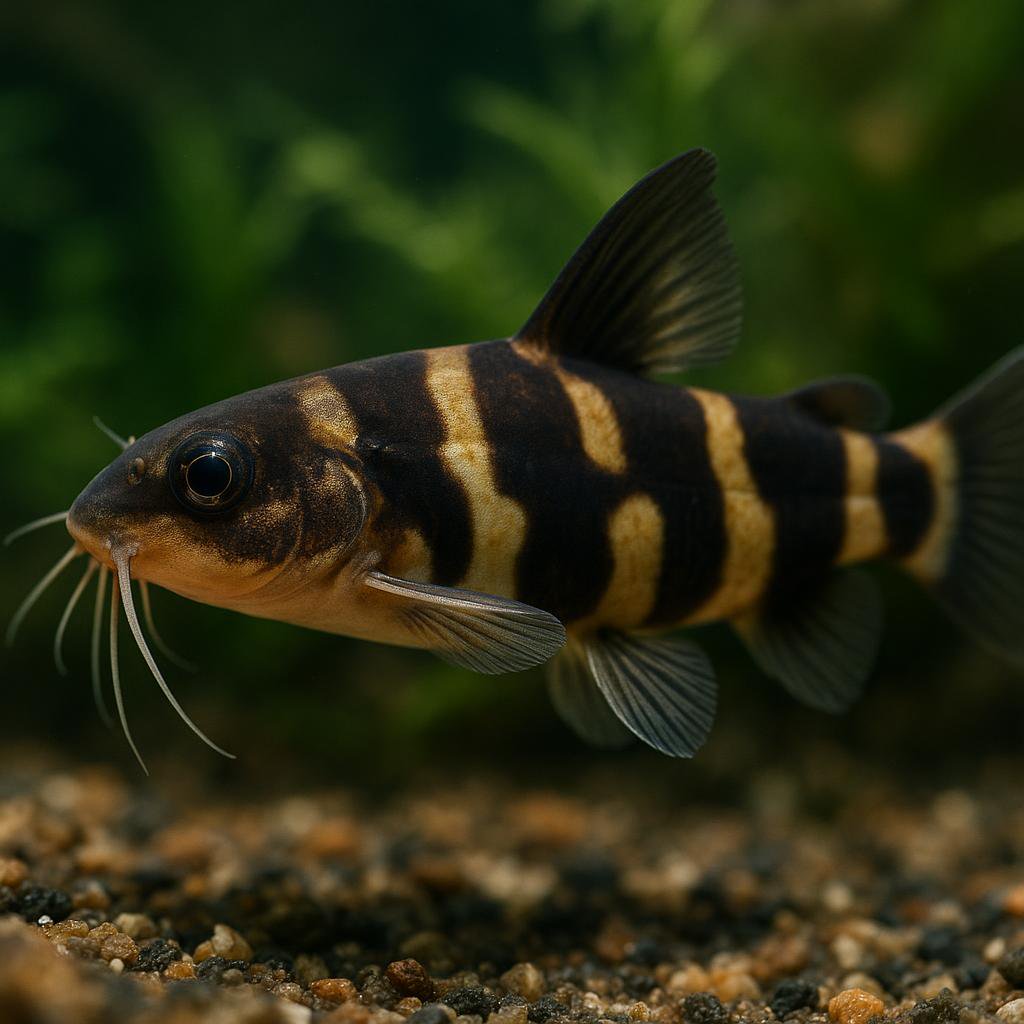
Australian sawtail catshark
Figaro boardmani
Figaro boardmani is a small, deepwater Australian catshark with these cool saw-like ridges of spiny denticles along the tail and a neat pattern of dark saddle bands. It lives way down on the outer continental shelf and slope, so its natural water is cold, dim, and stable - totally not a typical home-aquarium fish. Diet-wise its a predator that goes after fish, crustaceans, and cephalopods.
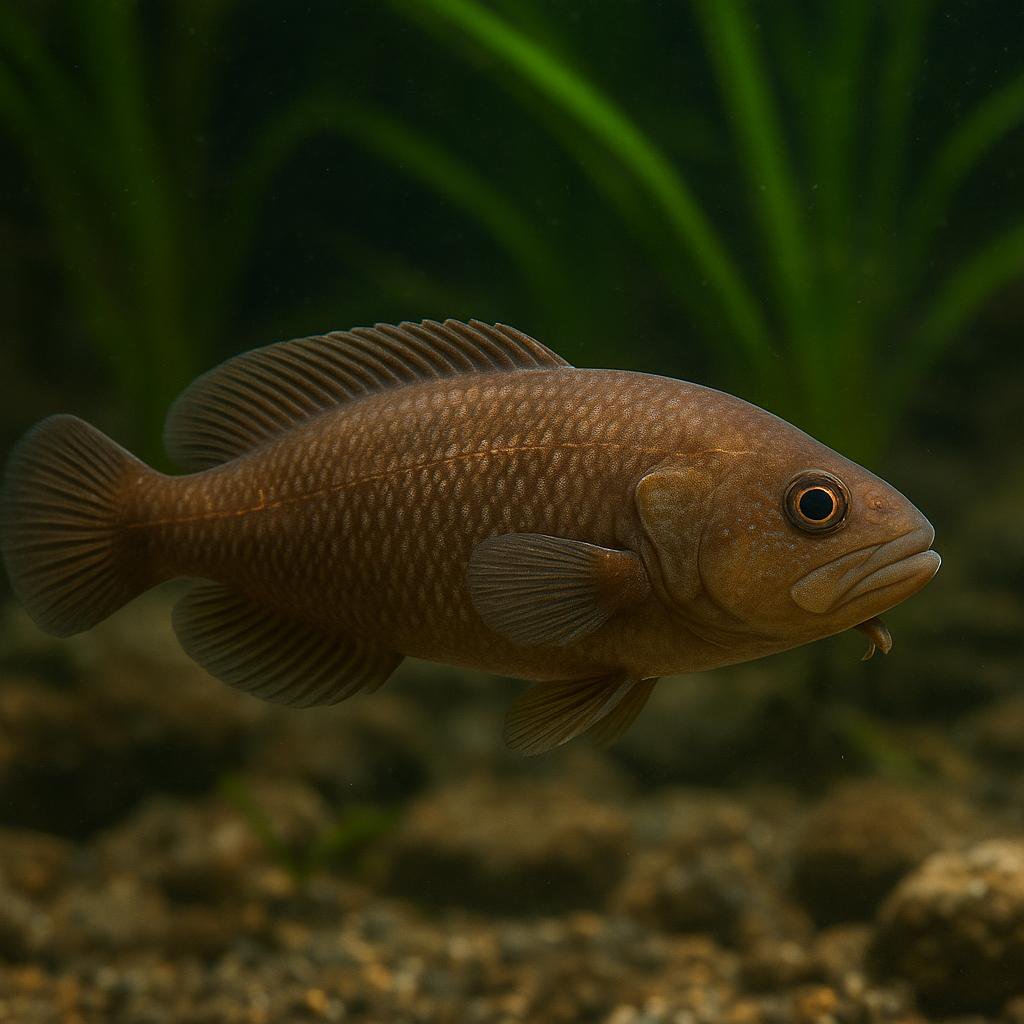
Barbados vent eelpout
Thermarces pelophilum
This is a deep-sea eelpout that was collected at cold seeps off Barbados - think pitch-black, high-pressure ocean bottom, not an aquarium fish. It tops out around 12.4 cm and basically lives in a world of mud, methane, and seep life, which is a pretty wild niche for a fish.
More to Explore
Discover more marine species.
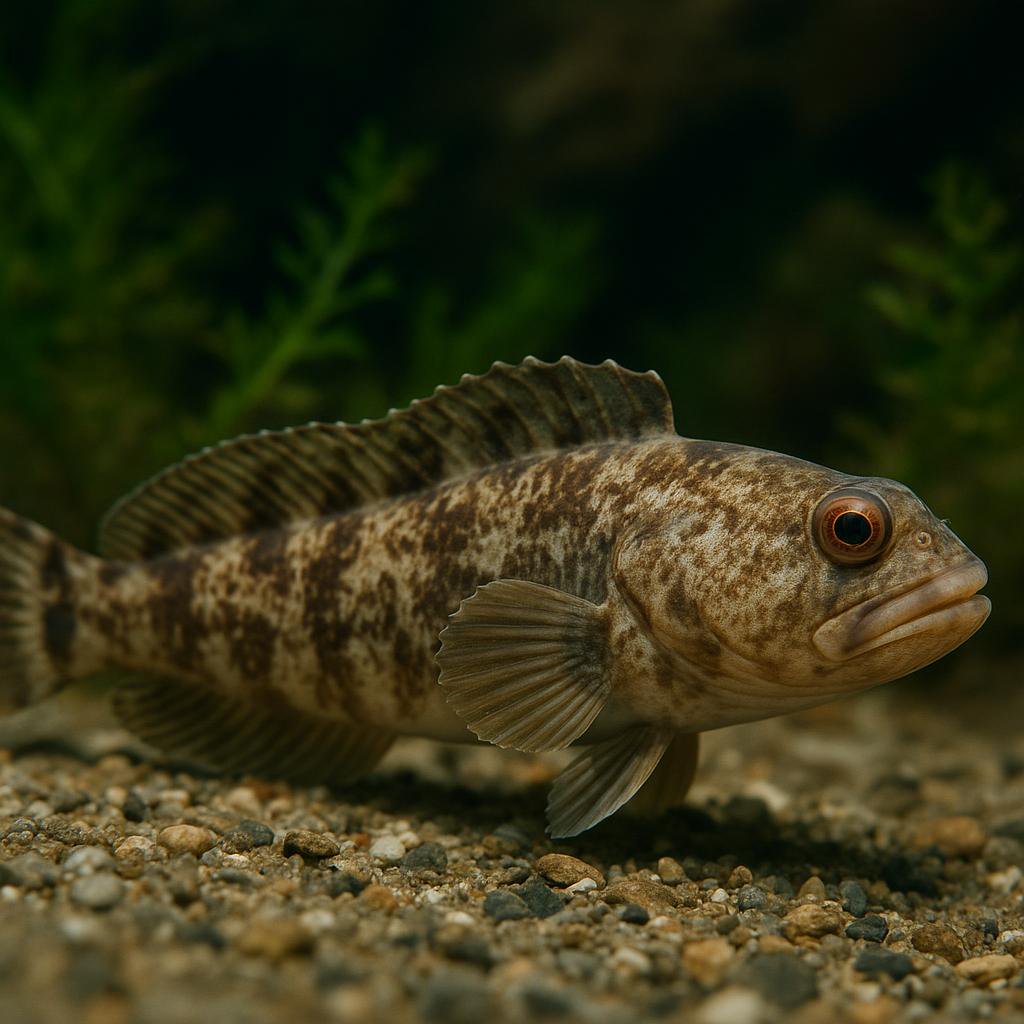
Abe's eelpout
Japonolycodes abei
Japonolycodes abei is a temperate, deepwater demersal eelpout (family Zoarcidae) endemic to Japan (Kumano-nada Sea reported; other sources also report Sagami Bay and Tosa Bay). It is the only species in the genus Japonolycodes and occurs roughly 40-300 m depth, making it an uncommon/atypical aquarium species.
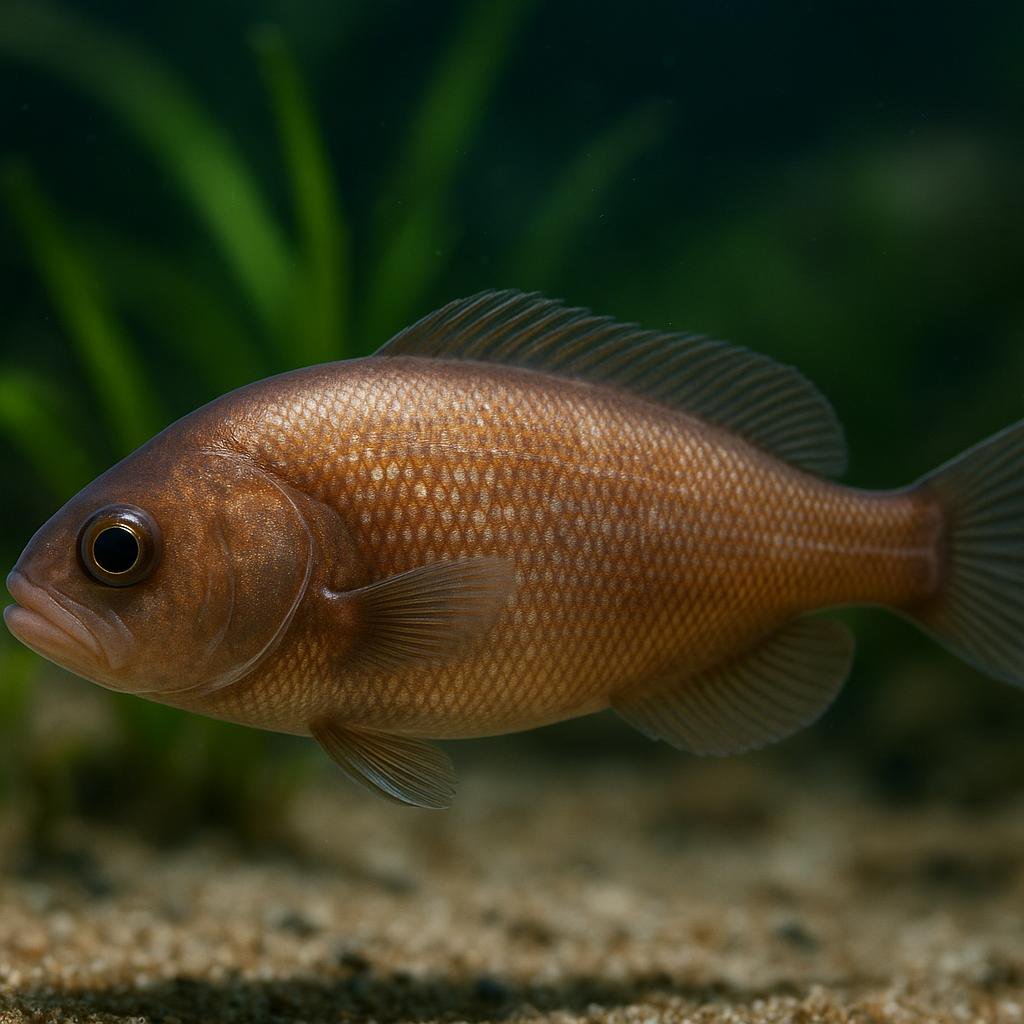
Affinis blind cusk-eel
Barathronus affinis
Barathronus affinis is a tiny, super-weird deep-sea blind cusk-eel from the western-central Indian Ocean. It is one of those gelatinous, loose-skinned brotula-type fishes that live way down in the dark and are basically never seen alive, so almost everything we know comes from preserved specimens and taxonomic work.
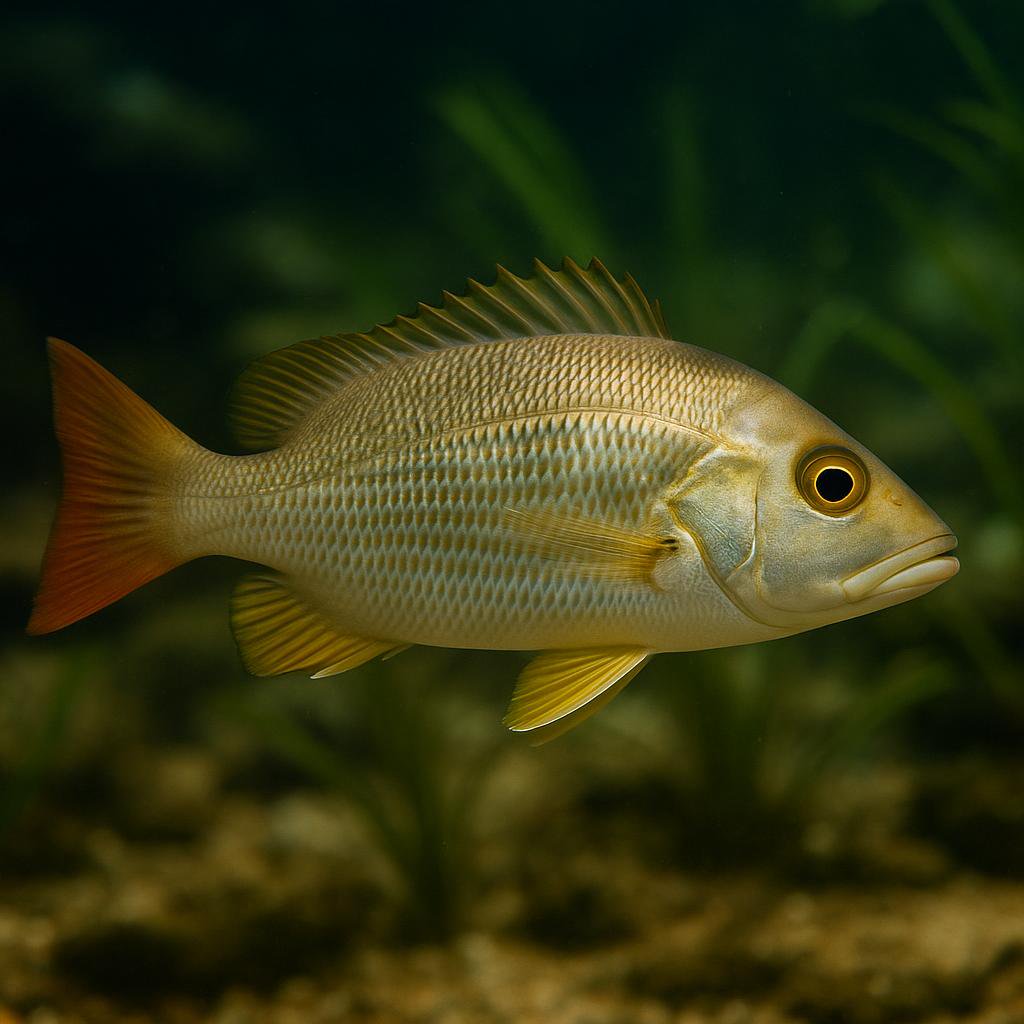
African red snapper
Lutjanus agennes
This is a true snapper from West Africa - a big, fast-growing predator that goes from coastal reefs to brackish lagoons and estuaries (especially as a juvenile). Super cool fish in the wild, but it gets absolutely huge and will eat smaller tankmates once it has the mouth for it, so its really more of a public-aquarium scale animal than a home-aquarium fish.
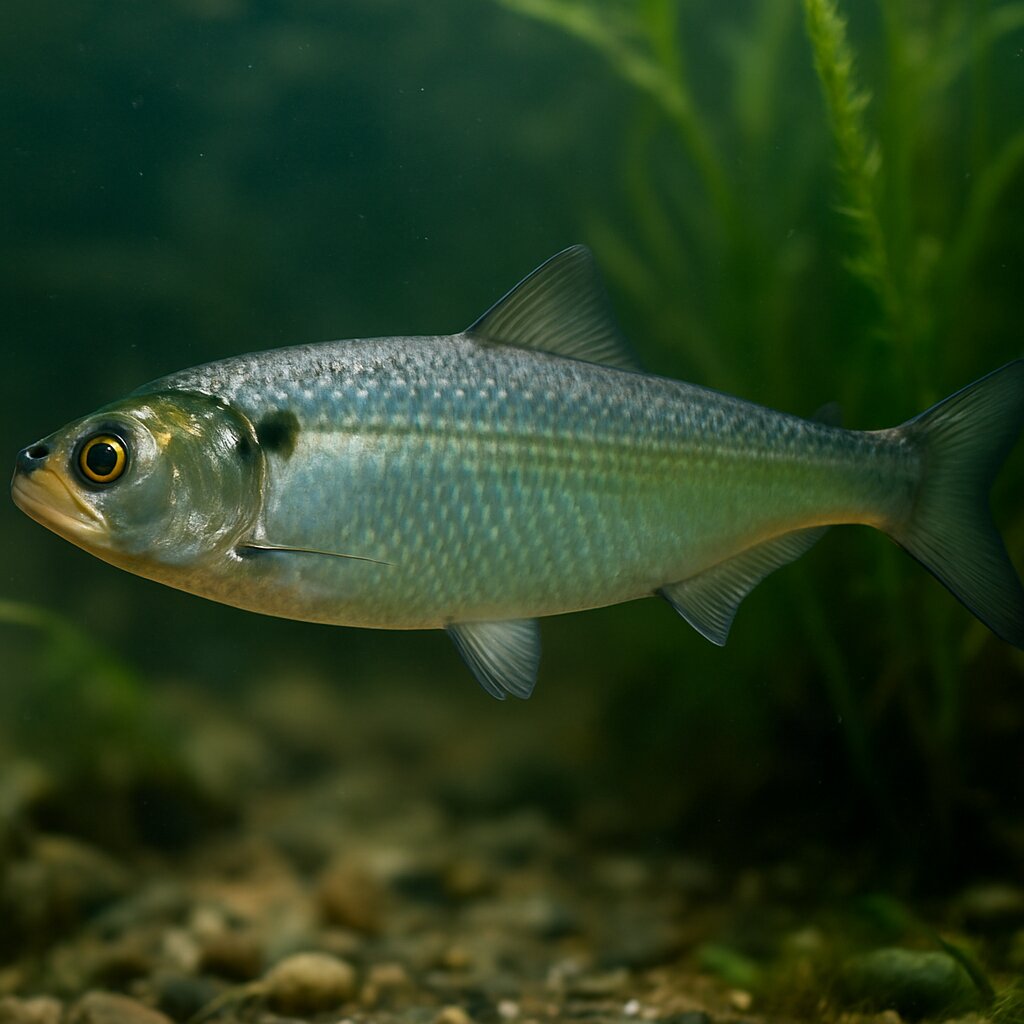
Allis shad
Alosa alosa
Gorgeous silver, fast-swimming shad that spends most of its life in the sea and then surges up big rivers in noisy, surface-spawning schools. It grows huge for a herring-type fish and needs cool, ultra-oxygenated water and tons of open space, so it is a public-aquarium species rather than a home tank fish.
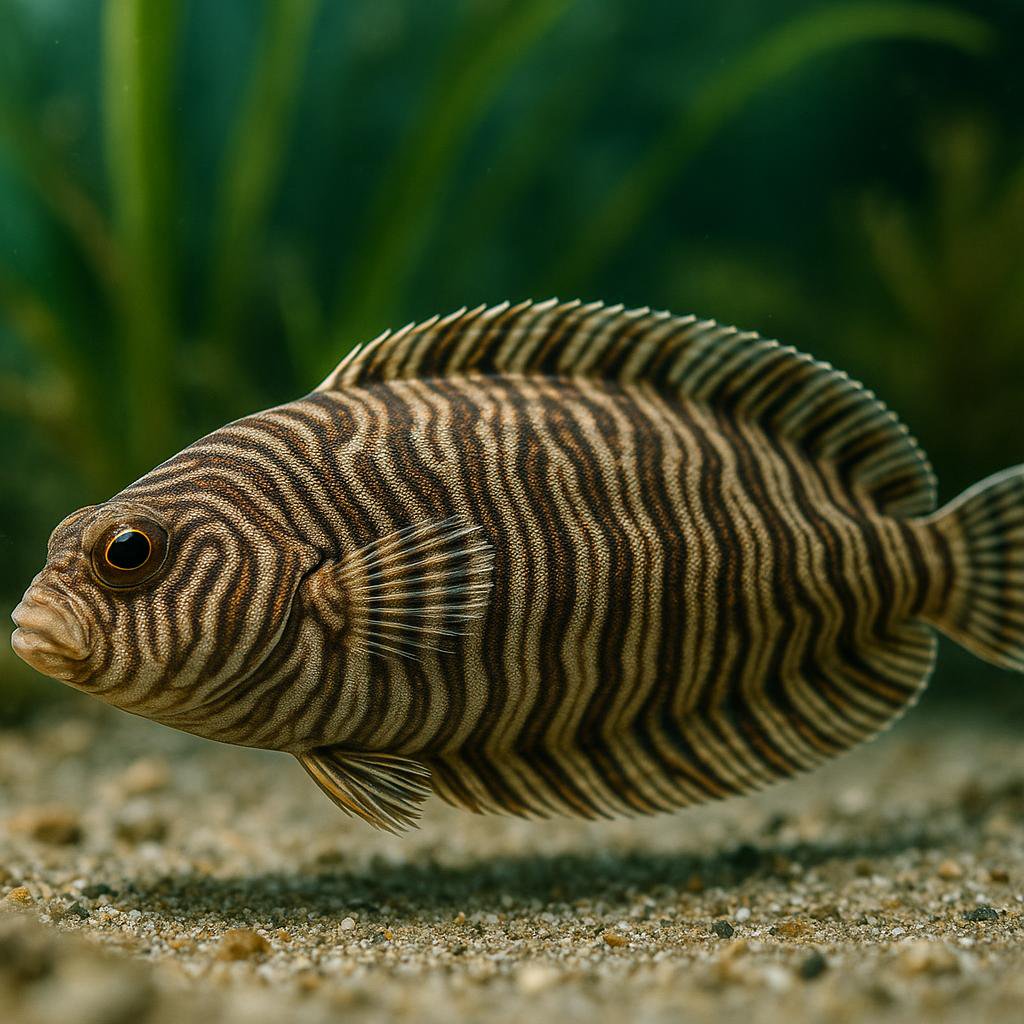
Annandale's zebra sole
Zebrias annandalei
Zebrias annandalei is a small demersal sole from coastal India that inhabits sandy or muddy bottoms and buries for camouflage. It is rarely kept in home aquaria and would require a specialized marine sand-bottom setup and appropriate feeding.
Banded stargazer
Kathetostoma binigrasella
This is a New Zealand stargazer that lives half-buried in sand or mud with its eyes pointed up, waiting to rocket upward and nail passing prey. It has those neat dark saddle-bands across the back (especially as a juvenile), and like other stargazers it is venomous with spines near the gill cover/pectoral area - definitely a look-dont-touch fish.
Looking for other species?