

none
Dysomma fuscoventralis
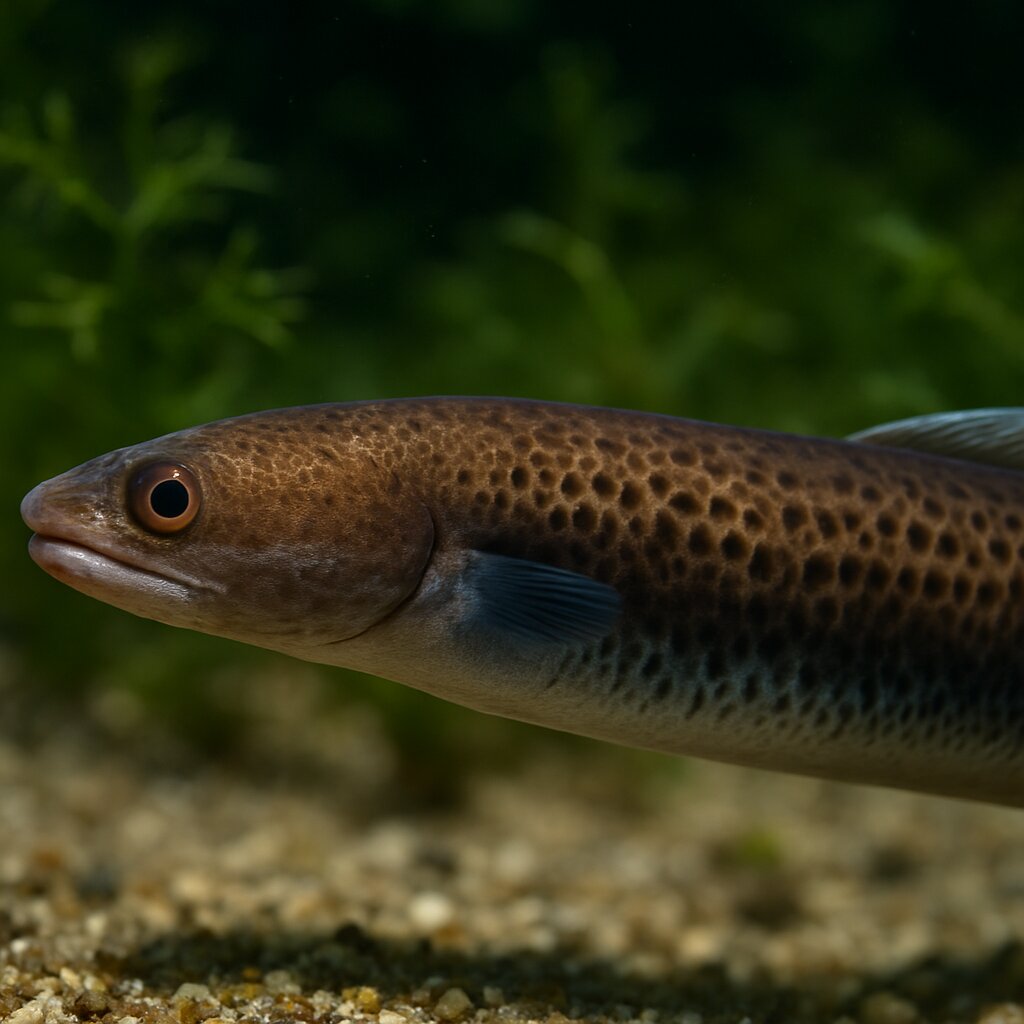
Dysomma fuscoventralis is characterized by its slender body, dark brown to gray coloration, and distinctive, flattened head.
This page includes AI-generated images. Why am I seeing AI images?
About the none
A deep Red Sea cutthroat eel that lives way below normal diving depths, so it is very much a look-dont-keep species. Adults get to around 26 cm and likely snack on small fishes and crustaceans in the dark. If you are planning a tank, skip this one - you just cant recreate true deep-water conditions at home.
Quick Facts
Size
26 cm
Temperament
Aggressive
Difficulty
Expert
Min Tank Size
0 gallons
Lifespan
unknown
Origin
Red Sea (Western Indian Ocean)
Diet
Carnivore - small fishes and crustaceans
Water Parameters
21.6-21.8°C
7.8-8.2
350-380 dGH
Care Notes
- Give it a long, dim tank with a wide footprint and 4-6 inches of fine sand or mud for burrowing; set rock directly on the glass so burrows do not collapse the scape.
- Seal every gap in the lid and cover overflows - these eels will climb cords and find pinholes.
- Run full-strength seawater at SG 1.025-1.026, pH 8.1-8.3, nitrate under 10 ppm, and keep it cool and low light at 20-23 C with strong aeration; avoid blasting flow over the burrow.
- Feed at lights-out with tongs using squid strips, silversides, or prawn; if it refuses, start with live ghost shrimp and wean to frozen over a week or two.
- 2-3 small, dense meals per week is plenty; if it spits food or regurgitates, cut portions and lengthen the gap between feeds.
- Best kept solo or with large, calm fish that ignore it; skip crustaceans, small fish, triggers, puffers, big wrasses, and other eels.
- Watch for refusal to feed, rapid breathing, or mouth abrasions; dim the tank, check temp and oxygen, and use food-soaked praziquantel if you suspect worms while avoiding copper on scaleless eels.
- You will not breed this species in a tank - oceanic spawners with a leptocephalus larval stage.
Compatibility
Good Tankmates
- Big tangs and rabbitfish that cruise midwater and dont sleep at the eels front door
- Large angels (Pomacanthus or Holacanthus) that are too stout to be swallowed and ignore the cave
- Fast, sturdy wrasses like Thalassoma and harlequin tusk that keep moving and dont poke into the eels cave
- Adult squirrelfish or soldierfish that are beefy enough not to fit in the mouth - go with larger species only
- Big hogfish and other Bodianus types that stick to the water column and can handle an occasional stare-down
Avoid
- Anything bite-size or crunchy - gobies, blennies, chromis, small wrasses, shrimp, and crabs - all snacks
- Slow fish with fancy fins or that perch at night - mandarins, scorpionfish, and lionfish - too easy to ambush or dangerous if swallowed
- Other eels or snake-like fish that want the same caves - they scrap and one ends up missing chunks
- Nippy bullies like triggers, big puffers, and mean dottybacks - they go for eyes and stress the eel into hiding
Where they come from
Dysomma fuscoventralis is a deepwater cutthroat eel from the Indo-West Pacific. Think outer continental shelf and upper slope, soft bottoms, dim light, and colder water than reef fish ever see. They spend most of their time buried in mud or fine sand with just the head sticking out, waiting for something edible to pass by.
These eels are rare in the hobby and often misidentified. Photos before purchase help. If yours was collected deep, plan for cooler water and very low light.
Setting up their tank
Treat this as a species tank project. Your goal is a quiet, dim, sandy burrow world with rock that's locked down and zero escape routes.
- Footprint and volume: At least a 4 ft tank (75-120 gal) with lots of floor space. Bigger is better for stable temps and oxygen.
- Substrate: 4-6 in of fine, sugar-grain aragonite. No coarse gravel. Add several lengths of PVC (1.5-2x the eel's body diameter) buried at angles as starter burrows.
- Rockwork: Place rock on the bare bottom first, then add sand around it so burrowing cannot topple structures.
- Lid and overflows: Tight, weighted lid. Cover every gap, overflow teeth, and powerhead intake with fine mesh. Eels are escape artists.
- Lighting: Keep it very dim. Red light works for observation at night.
- Temperature: Plan on cool water. A chiller is your friend. Target 18-22 C (64-72 F) unless you have proof the fish came from shallow, warmer water.
- Filtration and oxygen: Oversized skimmer, strong aeration, and vigorous surface agitation. These fish like high O2 and very clean water.
- Flow: Gentle along the bottom. Avoid blasting the sand bed.
- Water parameters: SG 1.024-1.026, pH 8.0-8.3, ammonia/nitrite 0, nitrate preferably under 20 ppm.
Powerheads and overflows are eel magnets. A single uncovered intake can be fatal. Double up on guards and mesh.
Quarantine first. A large tote or tank with a buried PVC maze and a bowl of fine sand works well. Keep it dark, feed at night, and only move the eel once it's eating consistently.
What to feed them
Wild diet is small fishes, shrimp, and worms. Most won't take pellets. Start with movement and scent, then wean to frozen.
- Starter foods: Live ghost/grass shrimp, small saltwater crabs, or live blackworms (rinsed well) can trigger a strike.
- Staples to switch to: Silversides, lancefish/sandeels, squid strips, prawn/shrimp, clam, and bits of marine fish. Use tongs and wiggle near the burrow entrance after lights out.
- Feeding rhythm: 2-3 times per week. Offer until the belly looks gently rounded, not stuffed. They regurgitate if overfed or stressed.
- Tricks: Soak food in clam juice or a drop of garlic to get interest. Start with thin strips; increase size as the eel learns the routine.
- Supplements: Rotate foods and add a marine vitamin a couple times a week. Avoid goldfish/feeder minnows (thiaminase and disease). Remove leftovers quickly.
How they behave and who they get along with
Expect a stealth ambush predator that spends 90% of the day buried. They key in on scent and movement, then shoot out, grab, and back into the burrow.
- Temperament: Shy with people, decisive with food. Anything that fits in the mouth is food.
- Tankmates: Safest plan is a species-only setup. If you must try companions, pick large, calm, midwater fish that ignore the eel and cannot be swallowed. No small fish, ornamental shrimp, or crabs.
- Other eels: Mixed results. Provide multiple burrows and line-of-sight breaks if housing more than one. Be ready to separate.
Low light and low traffic around the tank make a huge difference. These eels are much bolder in a quiet room with a dusk/dawn schedule.
Breeding tips
Not a home-aquarium project. Like other cutthroat eels, they spawn in the ocean and produce leptocephalus larvae that drift for months. There are no verified captive breedings or rearing records.
Common problems to watch for
- Refusing food: Very common early on. Go darker, try live shrimp at night, and reduce traffic. Scent frozen food and gradually replace live.
- Escapes: They climb silicone seams and push lids. Add weight to lids and block every cable gap.
- Mouth and snout abrasions: From ramming glass or coarse substrate. Use fine sand and cover reflective ends/sides for the first weeks.
- Warm-water stress: Fast breathing, restless pacing, and surface gulping. If the fish was collected deep, temperatures in the low 20s C may already be too warm. Use a chiller and boost aeration.
- Barotrauma and capture damage: Deepwater fish often arrive compromised. A long, quiet quarantine and pristine water give the best odds.
- Medication sensitivity: Like other scaleless eels, they can react badly to harsh copper or formalin levels. If treatment is needed, use eel-safe dosages and favor praziquantel or metronidazole under guidance.
- Infections/parasites: Watch for cloudy eyes, reddened mouth, or stringy white feces. Address quickly in QT with targeted meds and big water changes.
This is an expert-only animal with high loss rates in the trade, especially if taken from deep water. If you already have one, commit to cool, dim, oxygen-rich conditions and very tight lids. If you are still deciding, consider passing unless you can provide a chilled, species-only setup.
Similar Species
Other marine aggressive species you might be interested in.
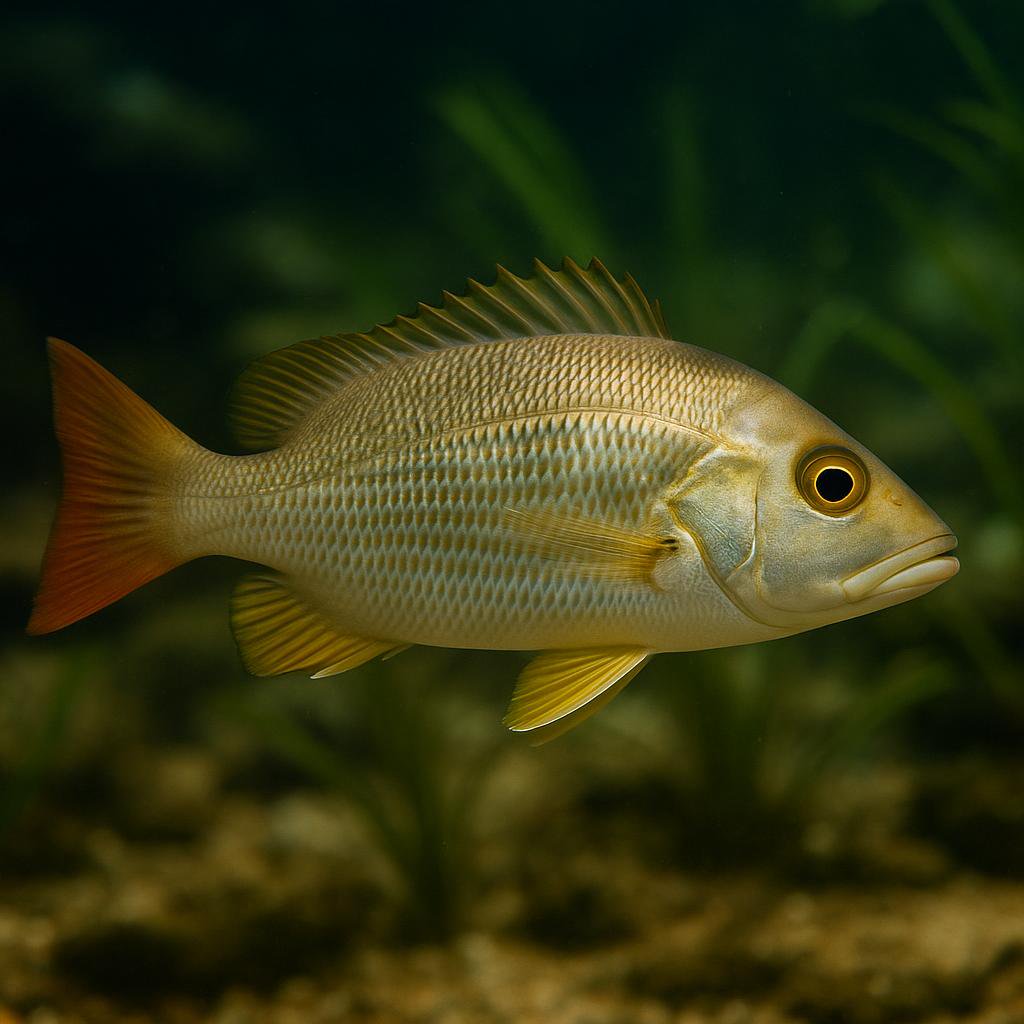
African red snapper
Lutjanus agennes
This is a true snapper from West Africa - a big, fast-growing predator that goes from coastal reefs to brackish lagoons and estuaries (especially as a juvenile). Super cool fish in the wild, but it gets absolutely huge and will eat smaller tankmates once it has the mouth for it, so its really more of a public-aquarium scale animal than a home-aquarium fish.
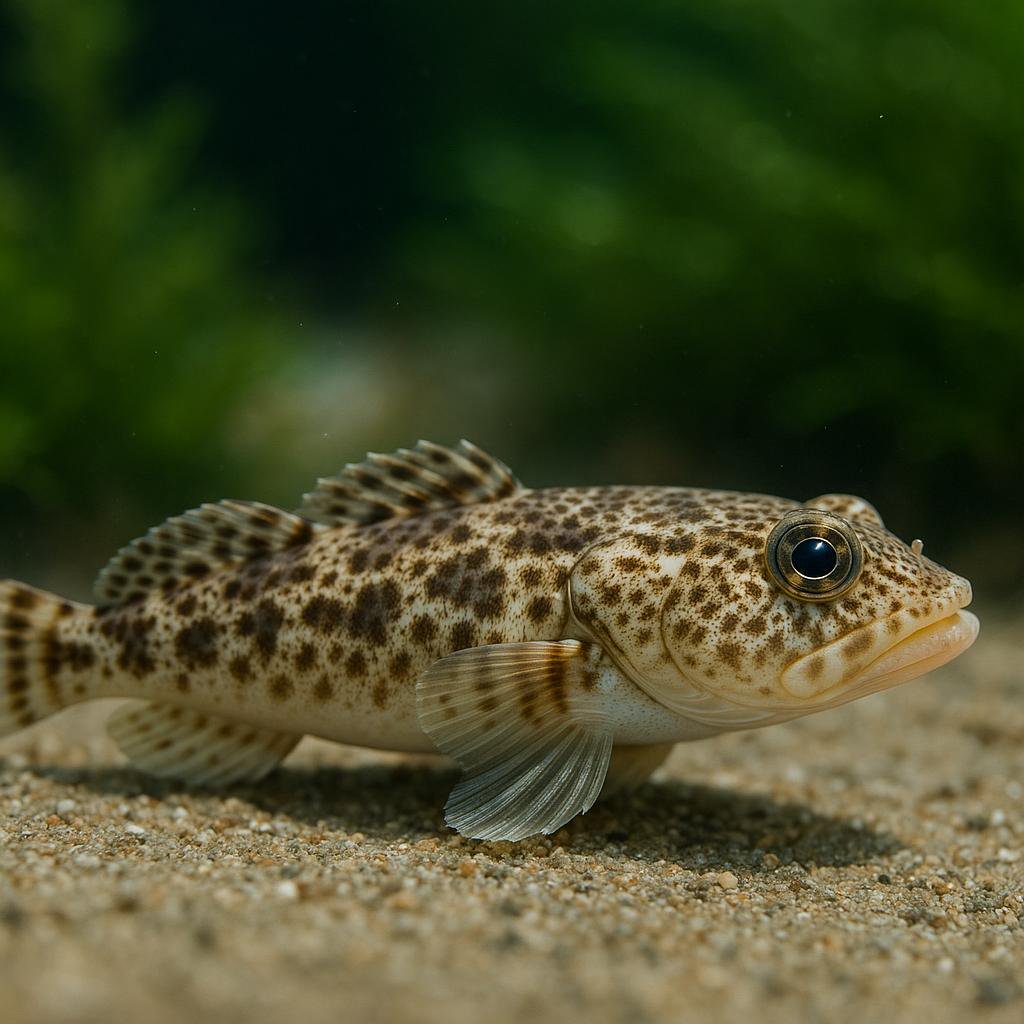
Banded stargazer
Kathetostoma binigrasella
This is a New Zealand stargazer that lives half-buried in sand or mud with its eyes pointed up, waiting to rocket upward and nail passing prey. It has those neat dark saddle-bands across the back (especially as a juvenile), and like other stargazers it is venomous with spines near the gill cover/pectoral area - definitely a look-dont-touch fish.
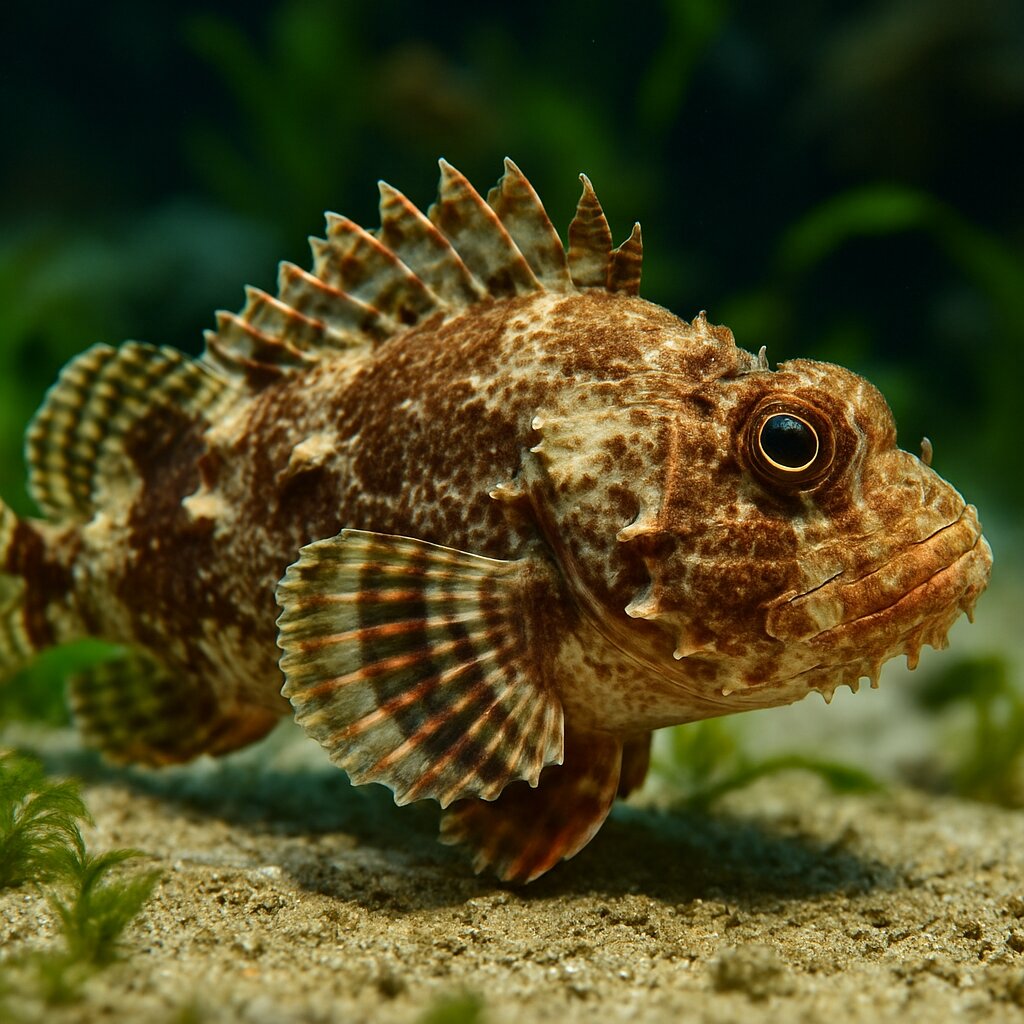
Bandfin scorpionfish
Scorpaenopsis vittapinna
Think tiny ambush predator that vanishes into rubble and coral bits, then flashes a dark band on its pelvic and anal fins when it shifts. It tops out around 3 inches, packs venomous spines, and loves to gulp unsuspecting shrimp and small fish. Super cool to watch once it settles, but it absolutely demands careful handling and smart tankmate choices.
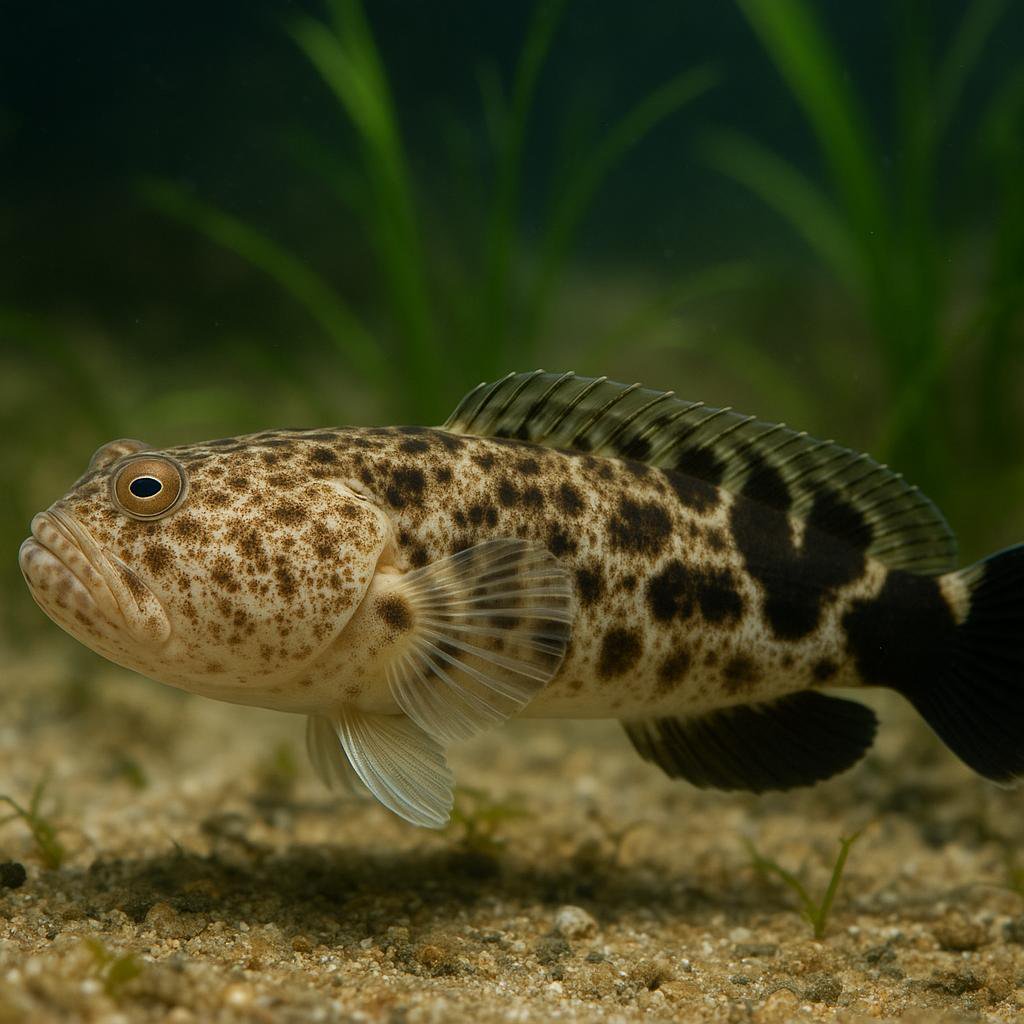
Blackfin stargazer
Ichthyscopus nigripinnis
This is a little sand-sitting stargazer from Australia that likes to lie in wait with its eyes up top and nail passing prey. That black mark on the front part of the dorsal fin is basically its signature. Cool fish, but its more of a wild marine predator than something you set up in a typical home aquarium.
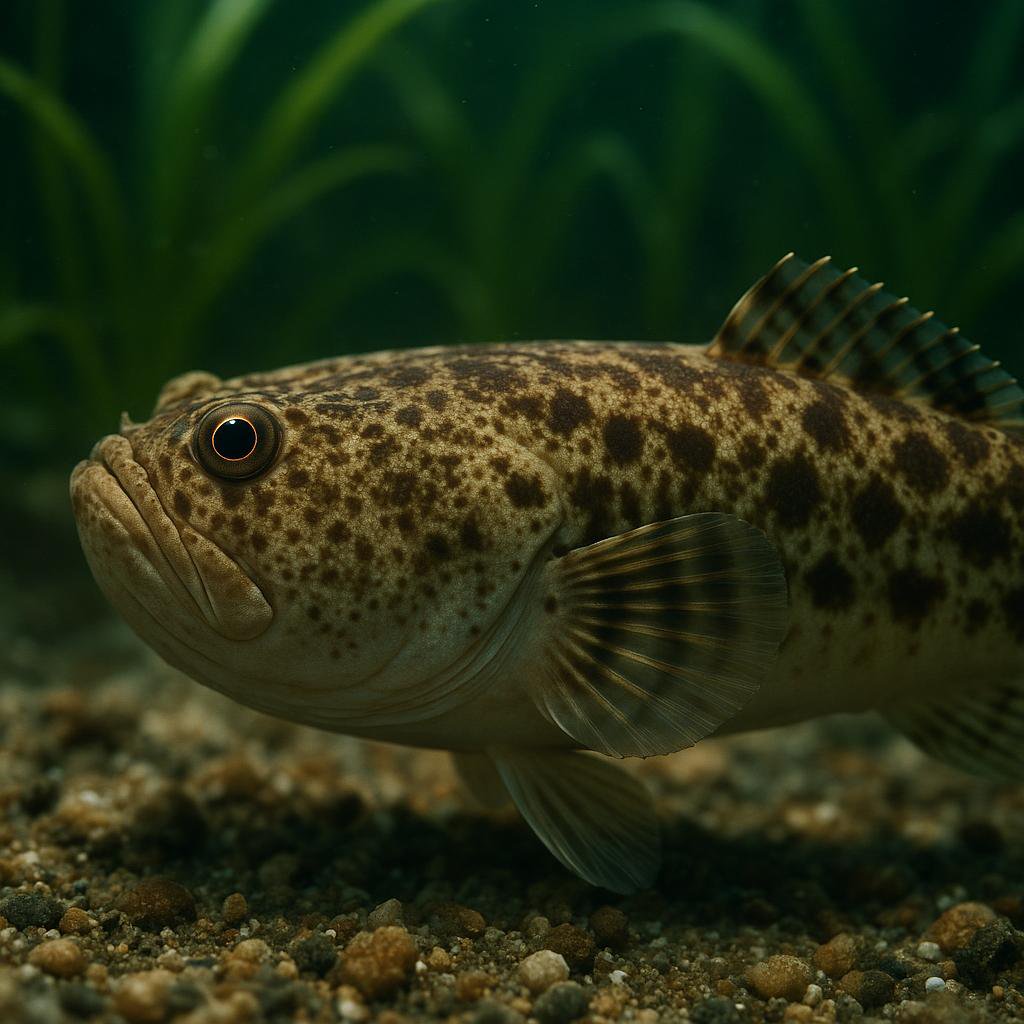
Brownspotted stargazer
Uranoscopus fuscomaculatus
A deep demersal stargazer recorded at 366–389 m that lies buried in sand or mud to ambush prey. Distribution is Southwestern Pacific (Vanuatu and Fiji). Given its deep, cold habitat and specialized requirements, it is not a practical aquarium species.
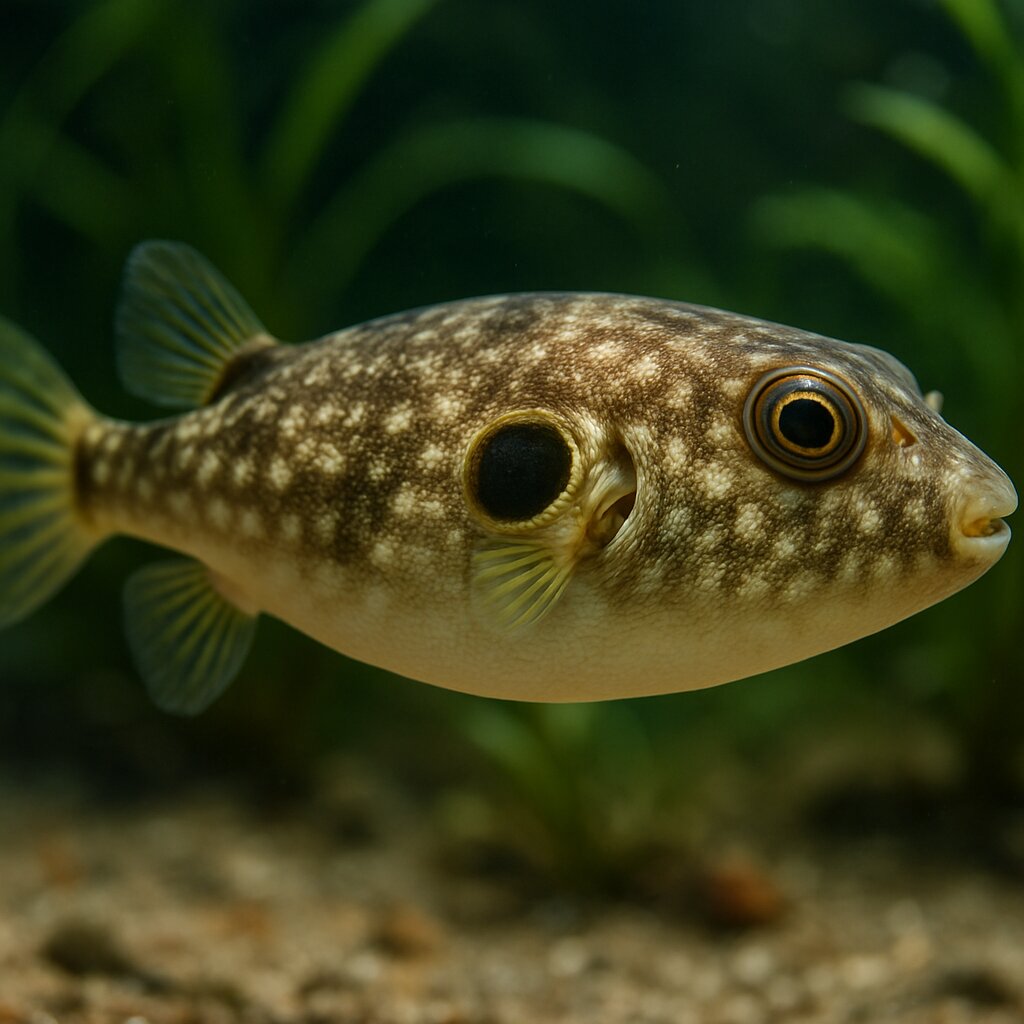
Bullseye puffer
Sphoeroides annulatus
Big personality in a football-shaped body with pale rings along the back that make a bullseye pattern. This is a stout Eastern Pacific puffer that crunches snails and crabs with ease and needs true saltwater and lots of room. Super cool to watch, but it turns nippy with tankmates and grows into a serious, messy eater.
More to Explore
Discover more marine species.
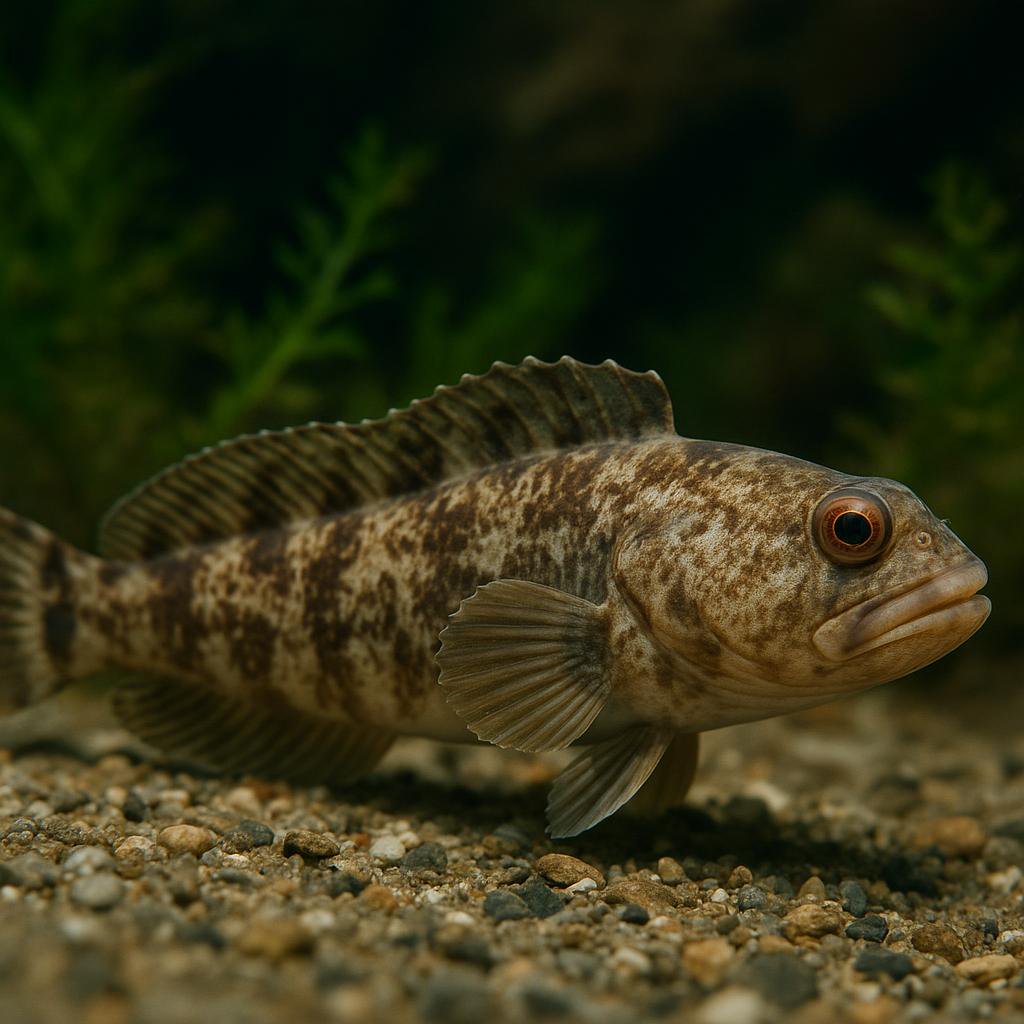
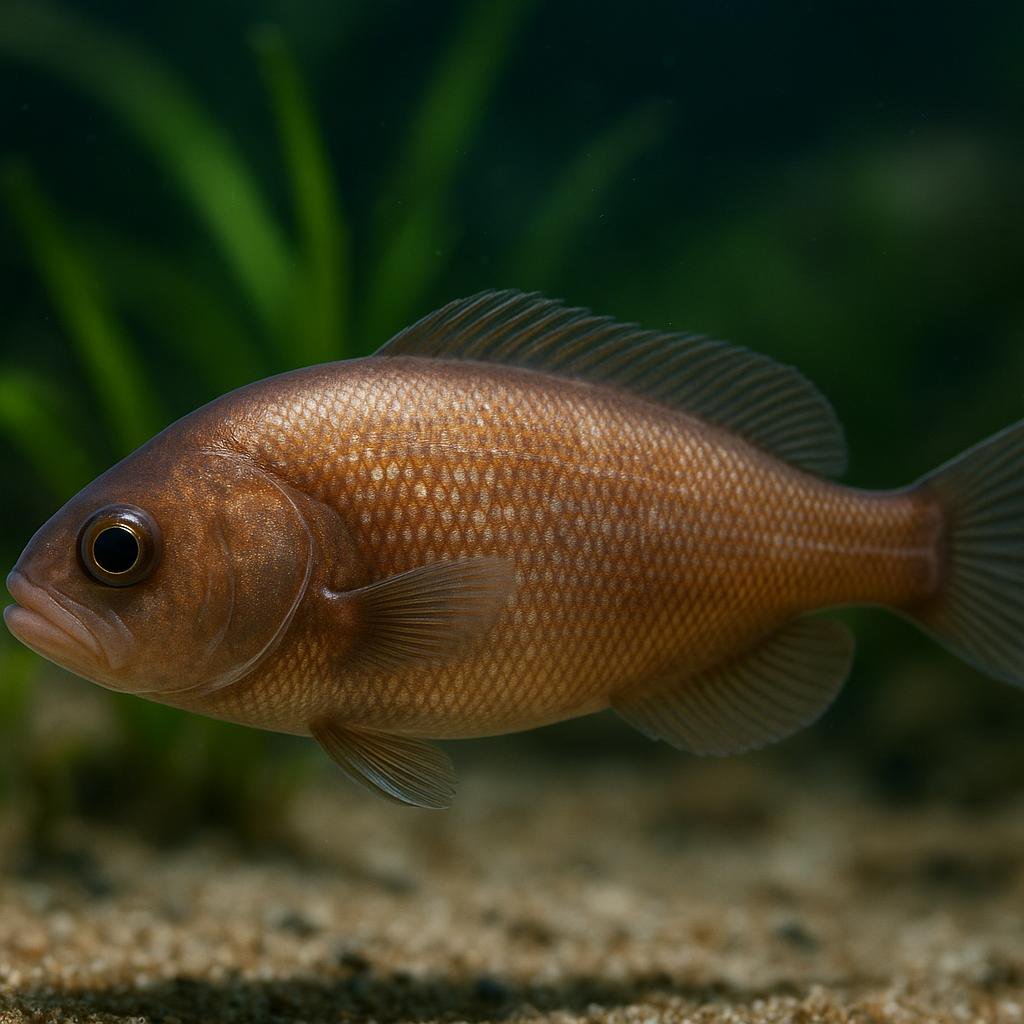
Abe's eelpout
Japonolycodes abei
Japonolycodes abei is a temperate, deepwater demersal eelpout (family Zoarcidae) endemic to Japan (Kumano-nada Sea reported; other sources also report Sagami Bay and Tosa Bay). It is the only species in the genus Japonolycodes and occurs roughly 40-300 m depth, making it an uncommon/atypical aquarium species.
Affinis blind cusk-eel
Barathronus affinis
Barathronus affinis is a tiny, super-weird deep-sea blind cusk-eel from the western-central Indian Ocean. It is one of those gelatinous, loose-skinned brotula-type fishes that live way down in the dark and are basically never seen alive, so almost everything we know comes from preserved specimens and taxonomic work.
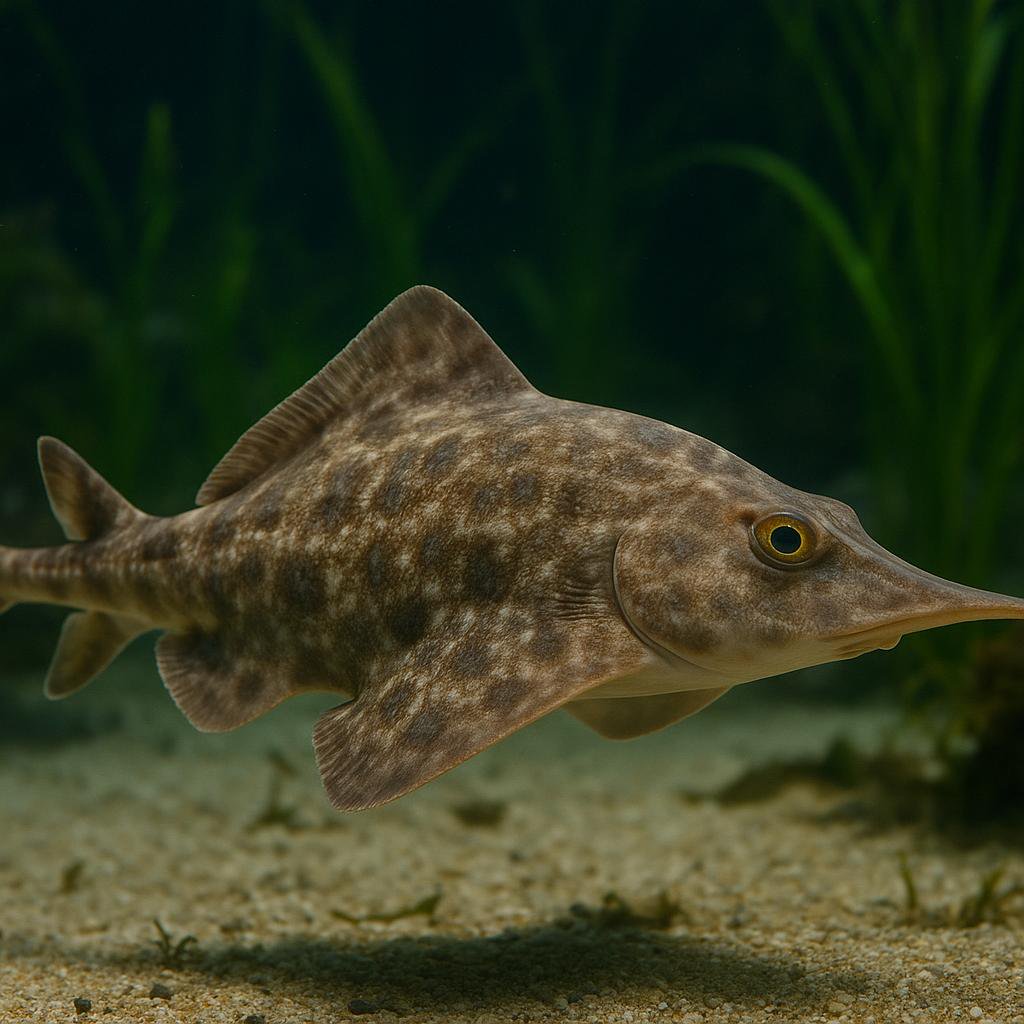
Aleutian skate
Bathyraja aleutica
This is a big, cold-water deep-slope skate from the North Pacific that cruises muddy bottoms and eats chunky benthic prey like crabs and shrimp. The really cool bit is its egg-laying skate life - it does distinct pairing (the classic skate "embrace") and drops those tough egg cases on the seafloor. Not an aquarium fish at all unless you're basically running a public-aquarium-style chilled system.
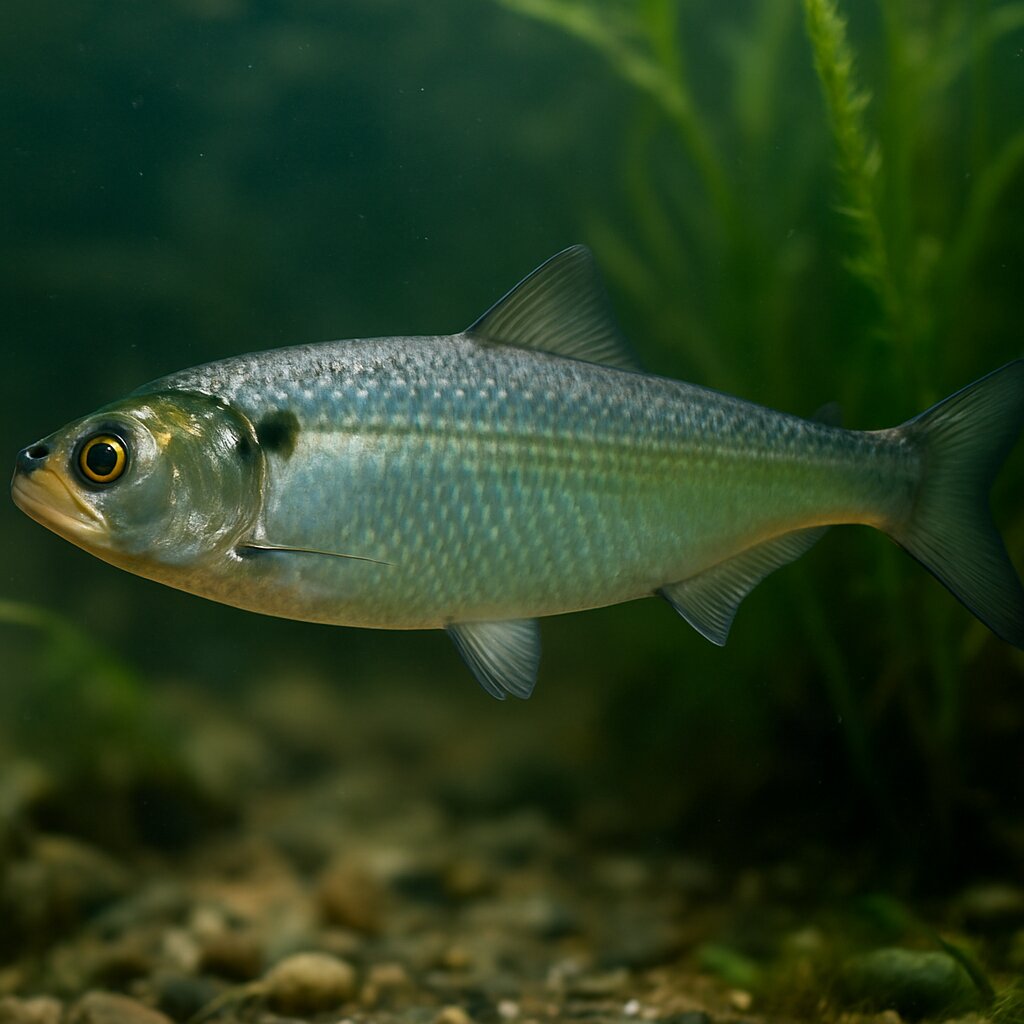
Allis shad
Alosa alosa
Gorgeous silver, fast-swimming shad that spends most of its life in the sea and then surges up big rivers in noisy, surface-spawning schools. It grows huge for a herring-type fish and needs cool, ultra-oxygenated water and tons of open space, so it is a public-aquarium species rather than a home tank fish.
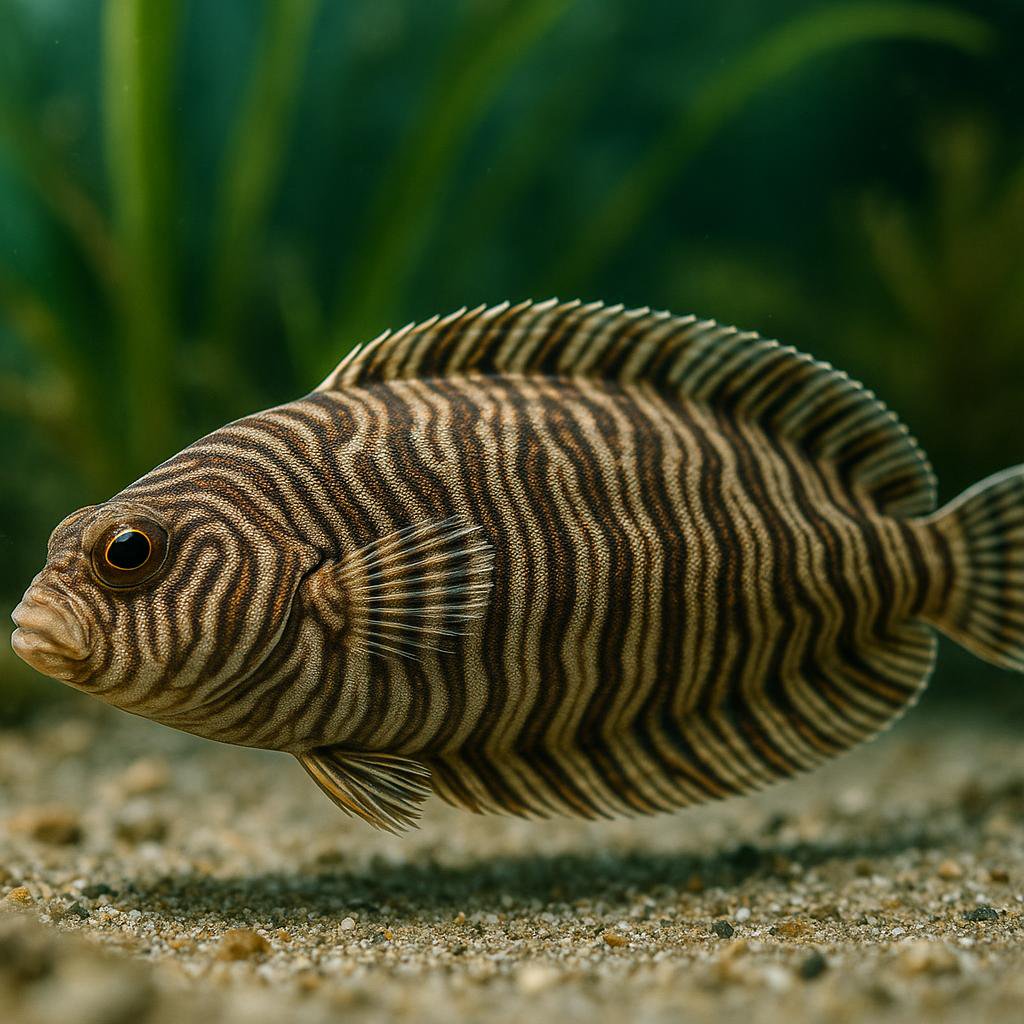
Annandale's zebra sole
Zebrias annandalei
Zebrias annandalei is a small demersal sole from coastal India that inhabits sandy or muddy bottoms and buries for camouflage. It is rarely kept in home aquaria and would require a specialized marine sand-bottom setup and appropriate feeding.
Antarctic dragonfish
Vomeridens infuscipinnis
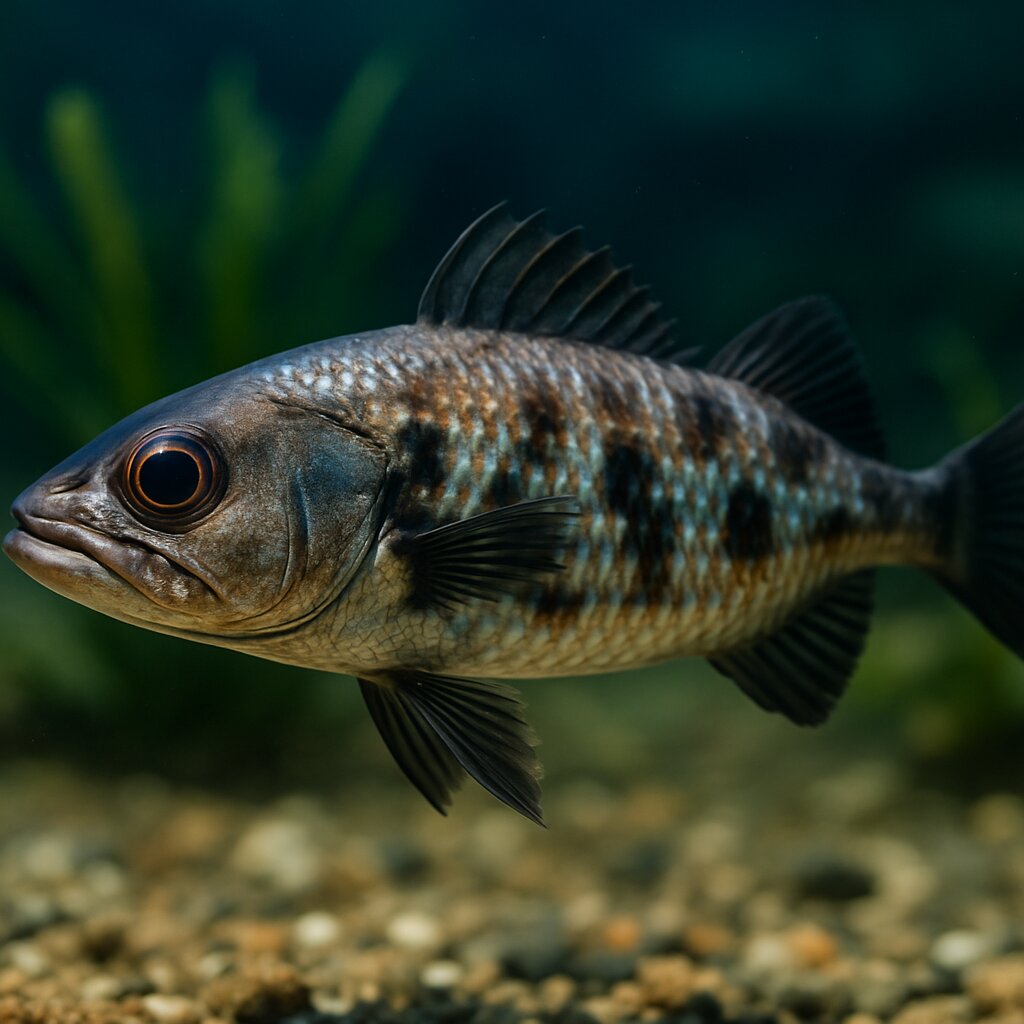
Deep down around Antarctica, this sleek dragonfish cruises the water column like a little submarine, nearly neutrally buoyant so it can hover above the seafloor. It munches almost exclusively on Antarctic krill and lives in near-freezing water 500-800 m down, so it is a cool species to read about, not one for home tanks.
Looking for other species?