

Bullseye puffer
Sphoeroides annulatus
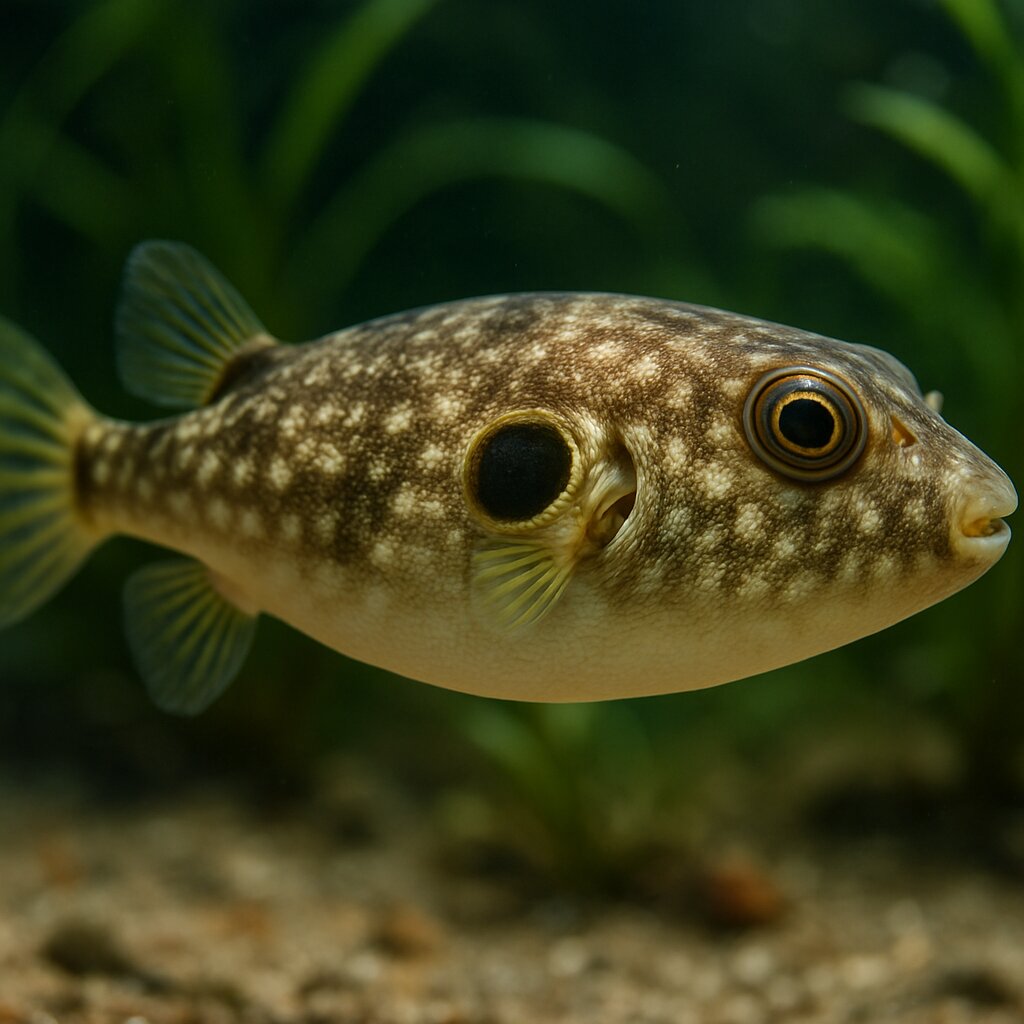
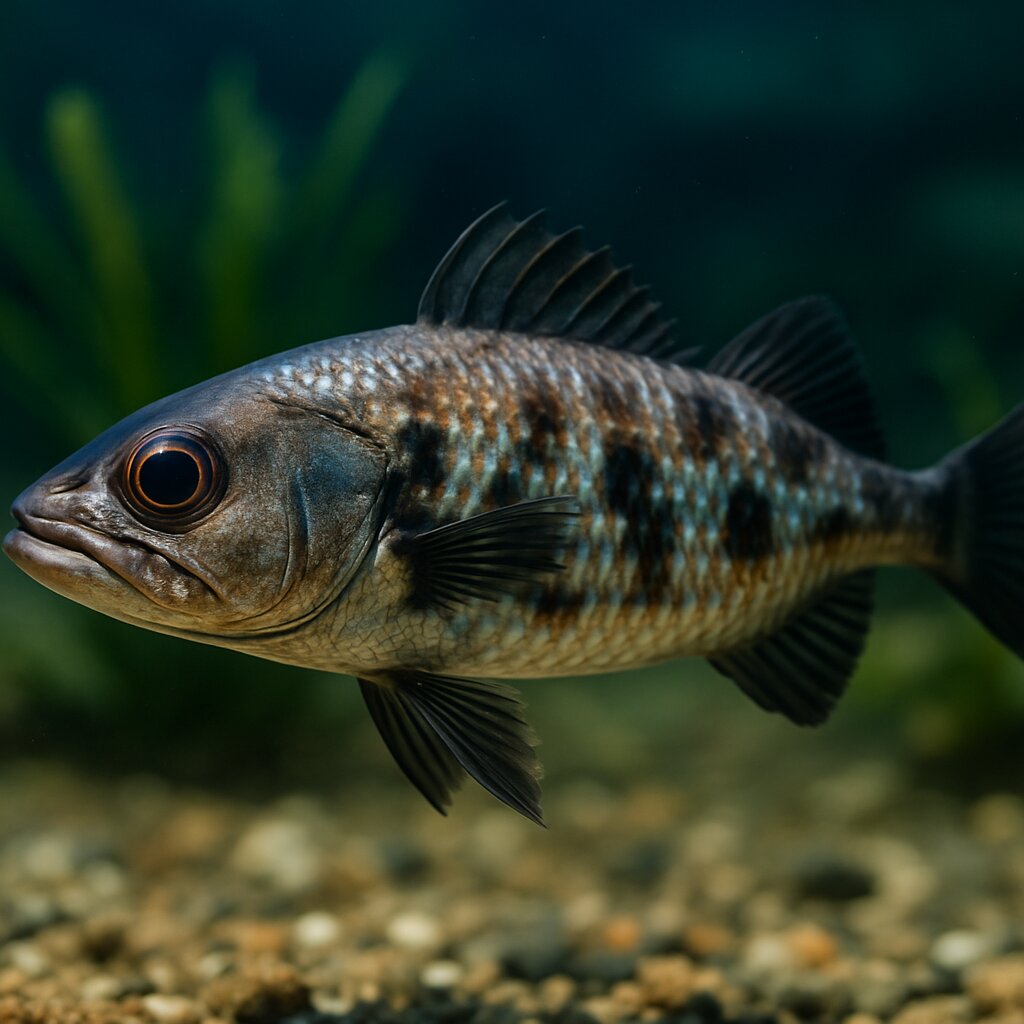
The Bullseye puffer exhibits a distinctive pattern of dark spots and bands on its light-colored body, with a rounded shape and protruding beak.
This page includes AI-generated images. Why am I seeing AI images?
About the Bullseye puffer
Big personality in a football-shaped body with pale rings along the back that make a bullseye pattern. This is a stout Eastern Pacific puffer that crunches snails and crabs with ease and needs true saltwater and lots of room. Super cool to watch, but it turns nippy with tankmates and grows into a serious, messy eater.
Also known as
Quick Facts
Size
17 inches
Temperament
Aggressive
Difficulty
Advanced
Min Tank Size
150 gallons
Lifespan
10-15 years
Origin
Eastern Pacific
Diet
Carnivore - crustaceans, mollusks, meaty frozen foods; will eat inverts
Water Parameters
22-26°C
8.1-8.4
300-400 dGH
Need a heater for this species?
This species needs 22-26°C in a 150 gallon tank. Use our heater calculator to find the right wattage.
Calculate heater sizeCare Notes
- Start with at least 180 gallons and a 6x2 ft footprint. Give them open swim space, caves, a tight lid, strong surface agitation, and an oversize skimmer.
- Run 1.023-1.026 SG, 72-76 F, pH 8.1-8.4, zero ammonia/nitrite, and keep nitrate under 20. They hate swings, so top off daily and match temp and salinity on water changes.
- Feed varied meaty foods heavy on hard shells: clams on the half shell, mussels, crab legs, shrimp with shell, and squid. Juveniles eat small portions daily; adults every other day to keep weight and water quality in check.
- Their beak never stops growing, so make crunchy shell-on meals a weekly thing. If the teeth overgrow, eating stops and you may need a careful trim as a last resort.
- Not reef safe and all inverts are snacks; they may nip soft corals too. Choose big, fast tankmates like tangs, rabbitfish, and sturdy wrasses, and skip triggers, slow fish, and anything bite-sized or long-finned.
- Never net or lift them into air; move in a container underwater so they do not gulp air. If one puffs with air, keep it submerged and gently tilt to help the air out.
- Quarantine 4-6 weeks and deworm with food-soaked praziquantel and/or metronidazole because wild puffers often carry internal parasites. They are scaleless and touchy with copper, so medicate in QT with care and a test kit.
- Breeding in home tanks basically does not happen, and sexing them is guesswork. Plan on this being a long-term pet, not a breeding project.
Compatibility
Good Tankmates
- Big, fast tangs (Zebrasoma, Acanthurus, Naso) that can handle attitude - add them first and give lots of open water
- Tough large angels (Pomacanthus or Holacanthus) - quick, sturdy, and not easy targets
- Harlequin tusk and other big, busy wrasses (Thalassoma types) - no flowy fins to nip and always on the move
- Rabbitfish/foxface (Siganus) - fast, spiny, and usually ignored by a well fed puffer
- Stout groupers of similar size (Cephalopholis, Epinephelus) in a very large tank - everyone minds their own business
- Chunky moray eels like snowflake or zebra moray - different niche and generally fine if the puffer is fed and there are solid hideouts
Avoid
- Lionfish, batfish, and other slow, long-finned fish - puffers love to shred fins and will test those spines
- Boxfish and cowfish - similar body type and big toxin risk if the puffer harasses them
- Other puffers or porcupinefish - jaw wars and constant nipping turn into expensive vet visits
- Tiny or timid fish (gobies, mandarins, chromis) - they get bullied or picked at
Where they come from
Bullseye puffers are an Eastern Pacific fish, running from the Gulf of California down past Peru and out to the Galapagos. You usually find them cruising sandy flats, seagrass, and protected surf zones, poking around for crunchy snacks. They can handle some brackish influence near estuaries, but for home tanks you want full marine.
Tank setup
Give them room. An adult bullseye puffer gets big and bulky, and they are messy eaters. I would not plan anything under a 240 gallon with a long footprint (7-8 feet). You can start a juvenile smaller, but upgrading creeps up faster than you think.
- Substrate: fine sand, 1-2 inches. They like to root around and may partially bury.
- Aquascape: sturdy rock islands with open lanes. Add a couple of PVC or rock caves for naps.
- Flow: moderate and rolling, with a calm zone so they can loaf without getting blasted.
- Lid: tight-fitting. They can launch if spooked.
- Mature system: aim for a well-cycled, stable tank 6+ months old.
Filtration is your best friend. Big skimmer, generous mechanical filtration, and frequent filter sock changes. Plan water changes around the mess their meals create.
- Temp 74-78 F (23-26 C)
- Salinity 1.023-1.026
- pH 8.0-8.4, alkalinity 8-10 dKH
- Ammonia and nitrite 0, nitrate kept reasonable (under ~30 ppm is a good goal)
- High oxygenation (strong surface agitation or skimmer)
Not reef safe. They sample corals and will absolutely demolish snails, crabs, shrimp, urchins, and clams.
Feeding
Think crunchy. Their beak never stops growing, so you want foods that make them work for it. I feed smaller portions but with tough shells to keep the teeth in check.
- Clams or mussels on the half shell
- Raw shrimp with shell (rotate, do not make it the only staple)
- Crab legs or pieces of crab shell
- Snails (you can culture inexpensive feeder snails in a separate tank)
- Pieces of squid, scallop, and fish flesh as variety items
Rinse frozen foods after thawing. I dose a vitamin/iodine supplement a few times a week to head off HLLE and general deficiencies. Avoid feeder fish.
- Juveniles: small meals daily.
- Adults: every other day is fine. Overfeeding leads to fatty liver and a lazy, constipated puffer.
Offer clams on the half shell on a feeding tile or dish. It keeps the mess contained and gives them a nice grinding session for their beak.
Many common seafoods (smelt, silversides, some shrimp) are high in thiaminase. Rotate foods and use a vitamin soak so you do not run into B1 deficiency over time.
Behavior and tankmates
They are puppy-dog curious, recognize you, and will beg. Also, they have a serious bite. Use tongs for feeding.
- Keep one per tank. They get pushy with their own kind and similar-shaped fish.
- Tankmates that usually work: larger tangs, robust angels, big wrasses, rabbitfish, foxface, some groupers. Personalities vary.
- Tankmates to avoid: small fish, ornamental shrimp, gobies, slow fancy-finned fish, and inverts of any kind.
- Triggers are a gamble. Sometimes fine, sometimes a toothy feud.
They explore with their mouth. Anything that looks biteable will get tested. Give them room so they do not fixate on a neighbor.
Breeding
Not something hobbyists pull off at home. Wild bullseye puffers spawn inshore; eggs and larvae are tiny and need specialized live foods and greenwater rearing. Sexing them visually is not straightforward. If you are curious, focus instead on long-term solo care and interaction. They make great wet pets.
Common problems to watch for
- Internal parasites: very common in wild-caught puffers. Quarantine and treat with praziquantel and/or metronidazole. Watch for white, stringy feces and poor appetite.
- Ich/velvet: quarantine new arrivals. Puffers are sensitive to harsh meds. If you use copper, ramp slowly and test often, or use chloroquine under guidance. Tank transfer method works for ich. Do not medicate the display.
- Beak overgrowth: if they stop cracking shells or drop food, the teeth may be too long. Increase hard foods. In bad cases, experienced hands or a vet can trim the beak. Do not try it blind.
- Bacterial scrapes: they bump rocks and can scuff their mouth or body. Clean water and observation usually handle it; antibiotics in QT if it worsens.
- Nutrient creep: heavy feeding spikes nitrate and phosphate. Big skimmer, regular water changes, and a refugium help.
- Obesity/constipation: skip days between feeds for adults and give fibrous, shell-on items.
Never move a puffer in a net or let it gulp air. Use a container and keep it submerged. If it inflates, stay calm and keep it under water until it relaxes.
Puffers contain potent toxins. Do not handle with bare hands during feeding. If the fish dies, remove it promptly to avoid a crash.
Quarantine new puffers for 4-6 weeks. Deworm, observe, and get them eating a variety of foods before they go into the display.
Similar Species
Other marine aggressive species you might be interested in.
African red snapper
Lutjanus agennes
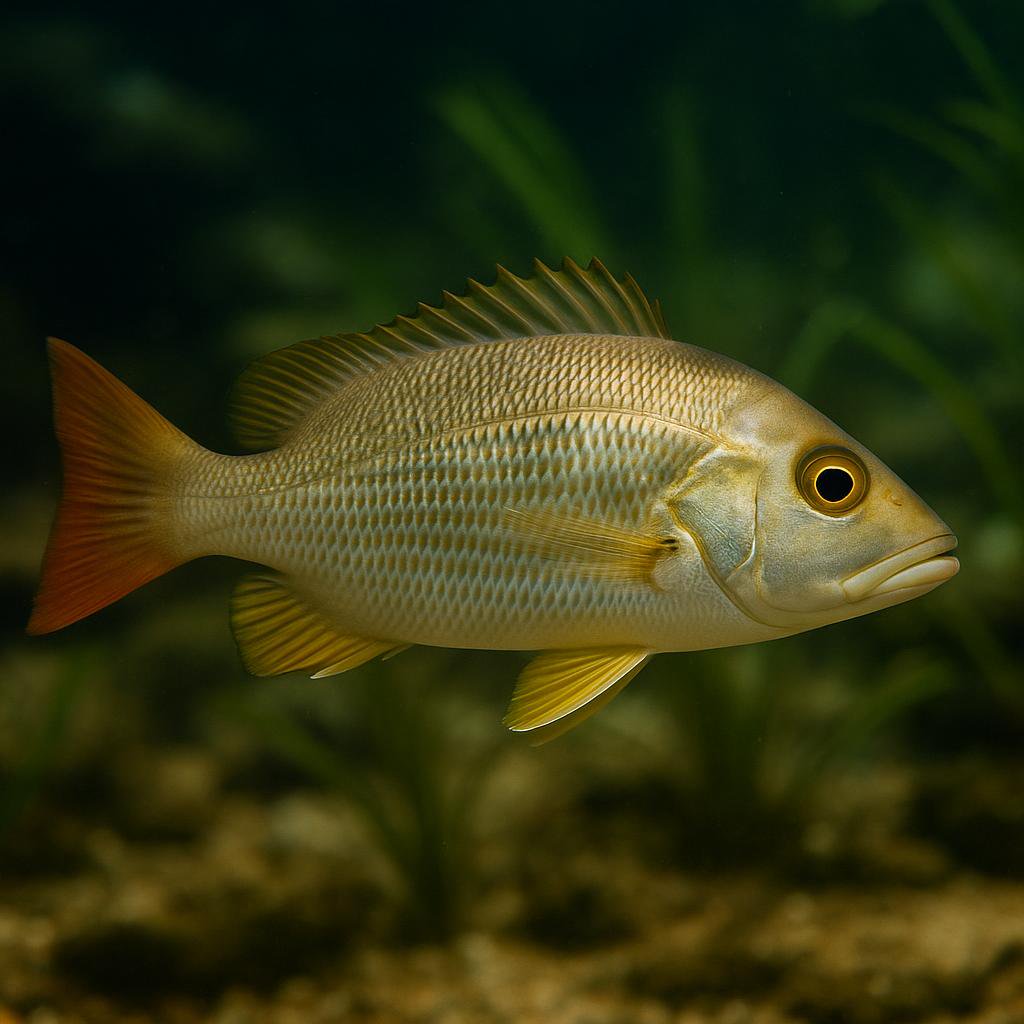
This is a true snapper from West Africa - a big, fast-growing predator that goes from coastal reefs to brackish lagoons and estuaries (especially as a juvenile). Super cool fish in the wild, but it gets absolutely huge and will eat smaller tankmates once it has the mouth for it, so its really more of a public-aquarium scale animal than a home-aquarium fish.
Banded stargazer
Kathetostoma binigrasella
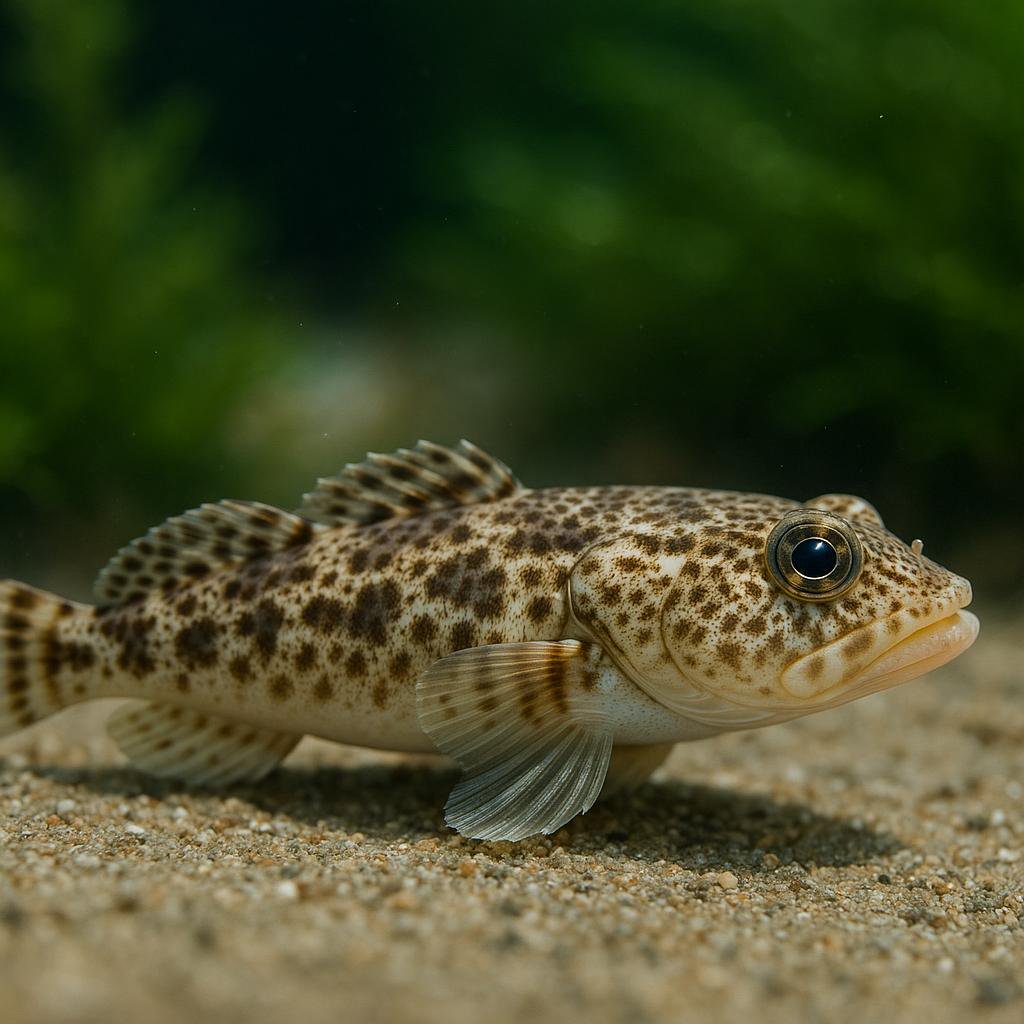
This is a New Zealand stargazer that lives half-buried in sand or mud with its eyes pointed up, waiting to rocket upward and nail passing prey. It has those neat dark saddle-bands across the back (especially as a juvenile), and like other stargazers it is venomous with spines near the gill cover/pectoral area - definitely a look-dont-touch fish.
Bandfin scorpionfish
Scorpaenopsis vittapinna
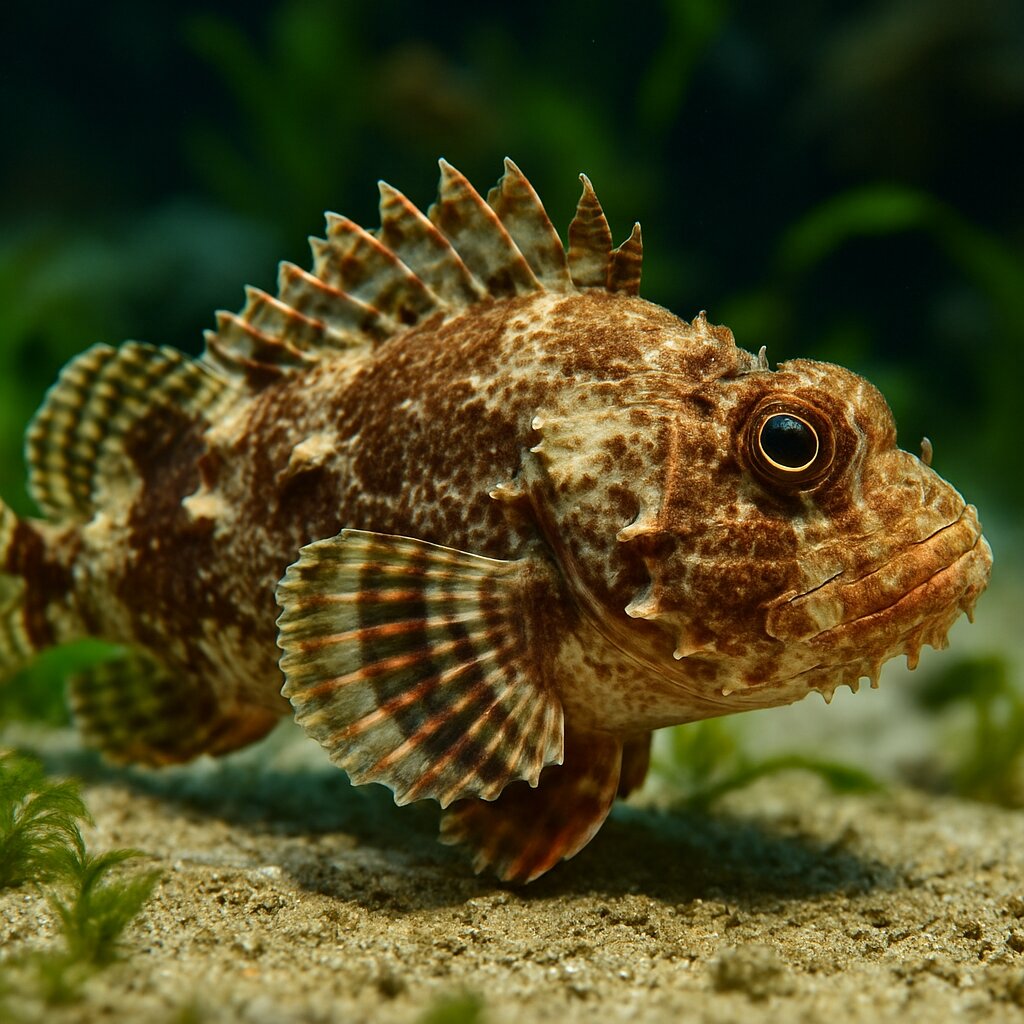
Think tiny ambush predator that vanishes into rubble and coral bits, then flashes a dark band on its pelvic and anal fins when it shifts. It tops out around 3 inches, packs venomous spines, and loves to gulp unsuspecting shrimp and small fish. Super cool to watch once it settles, but it absolutely demands careful handling and smart tankmate choices.
Blackfin stargazer
Ichthyscopus nigripinnis
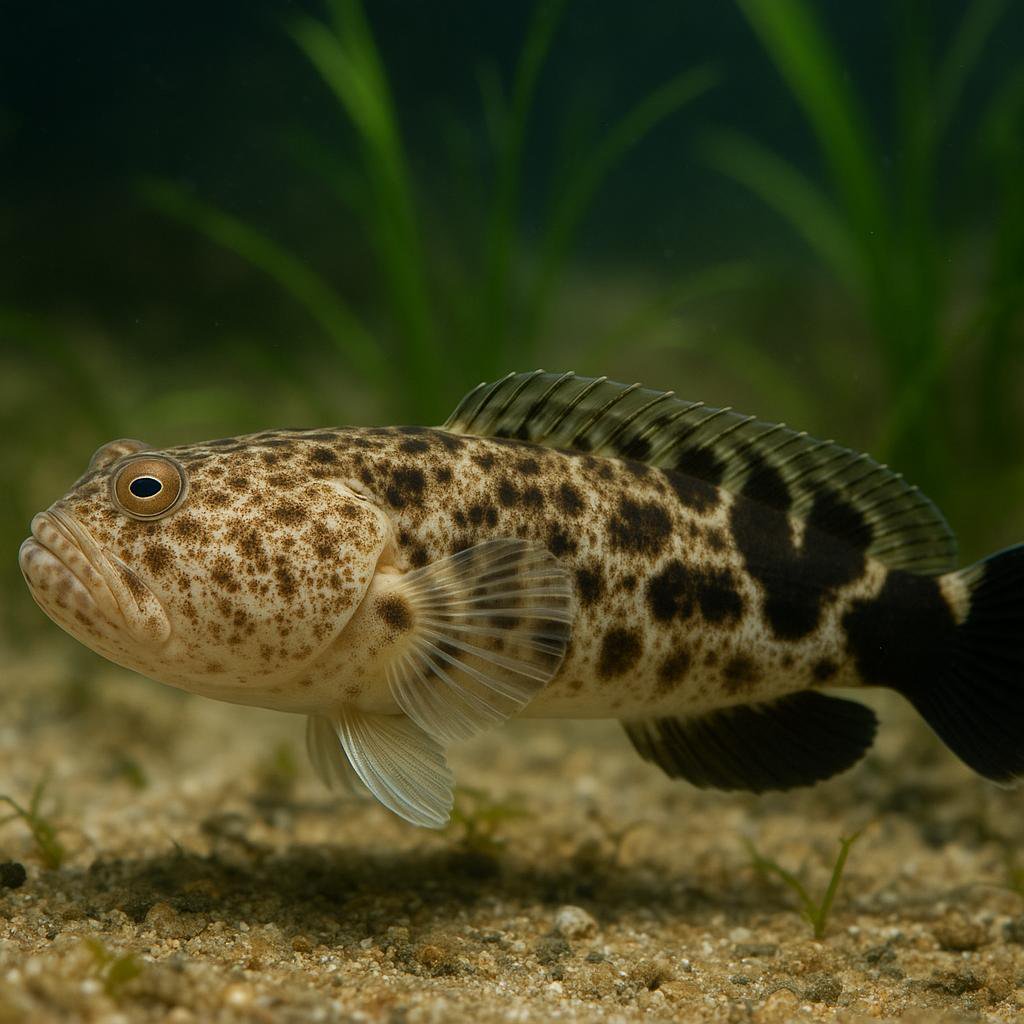
This is a little sand-sitting stargazer from Australia that likes to lie in wait with its eyes up top and nail passing prey. That black mark on the front part of the dorsal fin is basically its signature. Cool fish, but its more of a wild marine predator than something you set up in a typical home aquarium.
Brownspotted stargazer
Uranoscopus fuscomaculatus
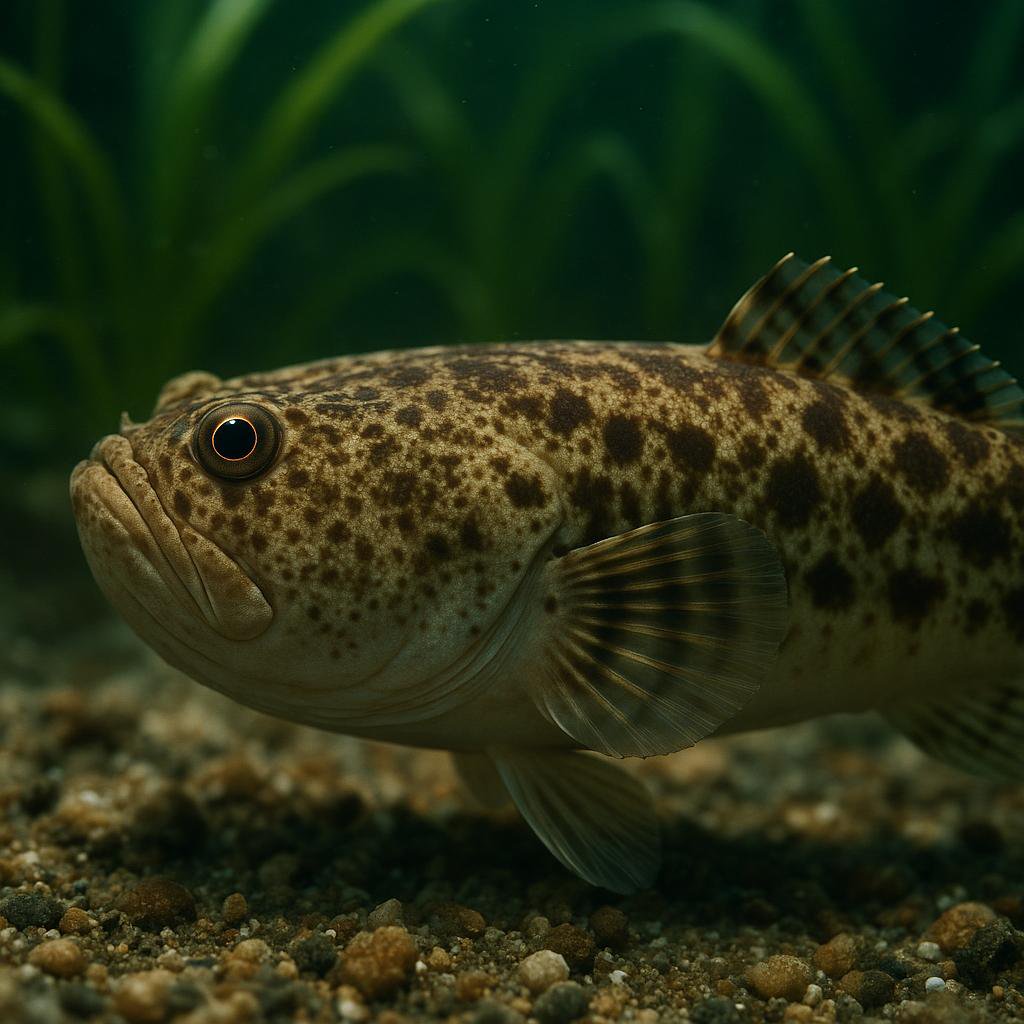
A deep demersal stargazer recorded at 366–389 m that lies buried in sand or mud to ambush prey. Distribution is Southwestern Pacific (Vanuatu and Fiji). Given its deep, cold habitat and specialized requirements, it is not a practical aquarium species.
Decorated dragonfish
Eustomias decoratus
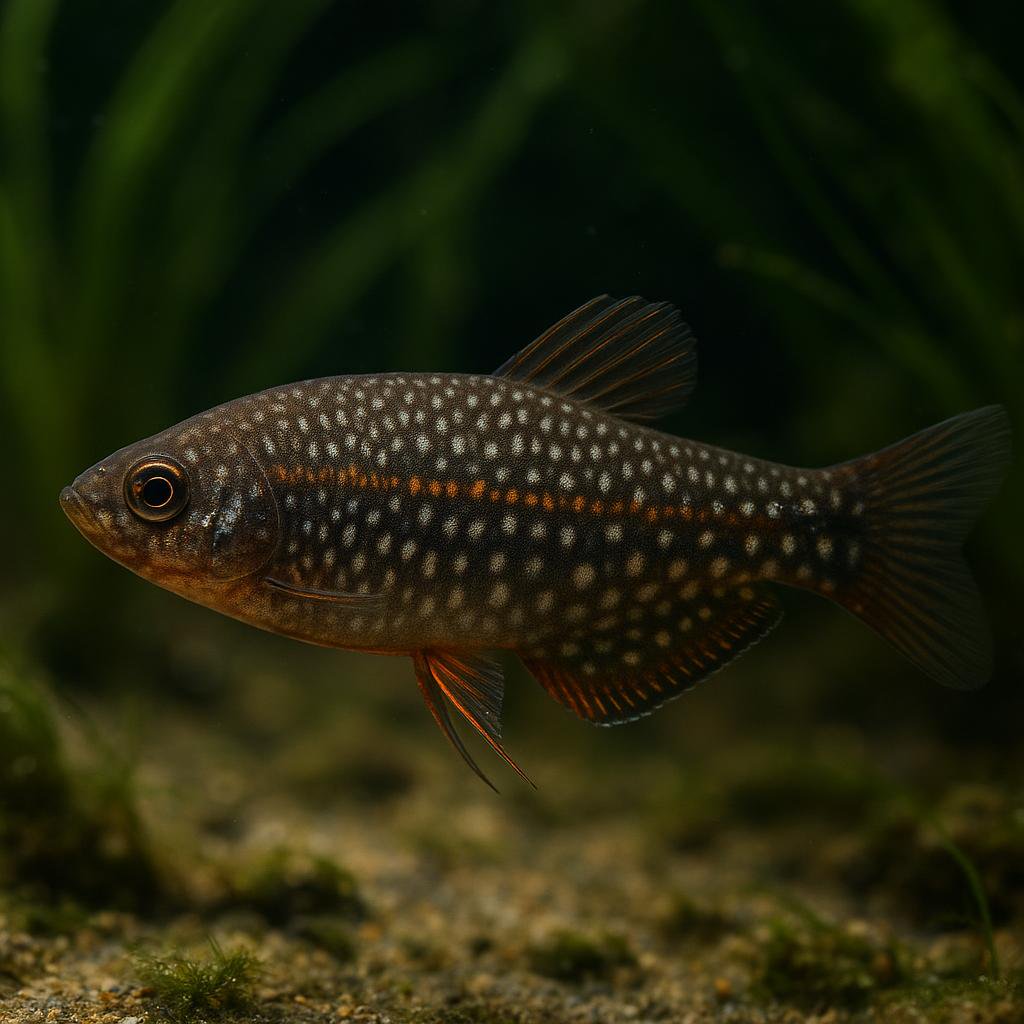
Eustomias decoratus is a deep-sea dragonfish (family Stomiidae) from the western central Atlantic around Bermuda. Like other Eustomias, it is a pelagic predator built for the dark - long body, big mouth, and a chin barbel used in hunting and signaling. This is absolutely not an aquarium species in any normal sense, since its real habitat is open ocean at depth and it will not tolerate typical captive conditions.
More to Explore
Discover more marine species.
Abe's eelpout
Japonolycodes abei
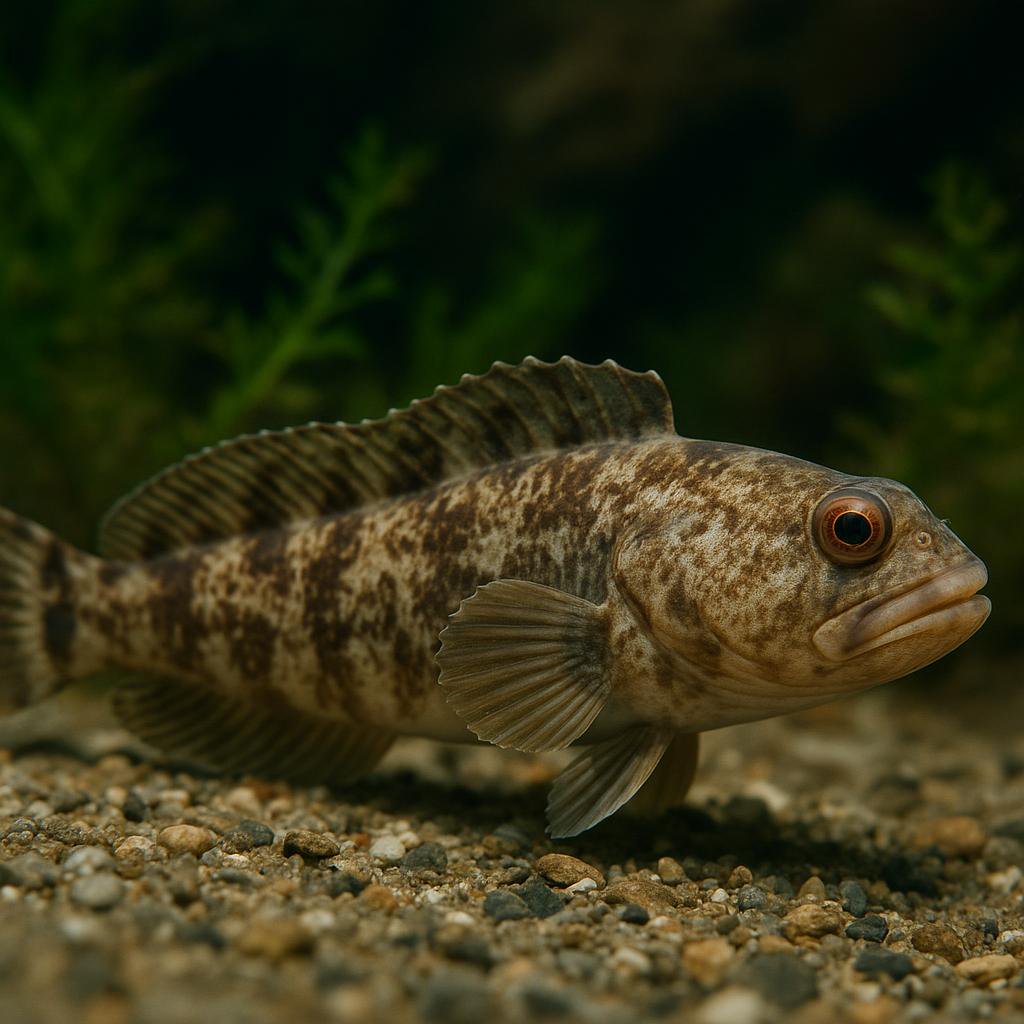
Japonolycodes abei is a temperate, deepwater demersal eelpout (family Zoarcidae) endemic to Japan (Kumano-nada Sea reported; other sources also report Sagami Bay and Tosa Bay). It is the only species in the genus Japonolycodes and occurs roughly 40-300 m depth, making it an uncommon/atypical aquarium species.
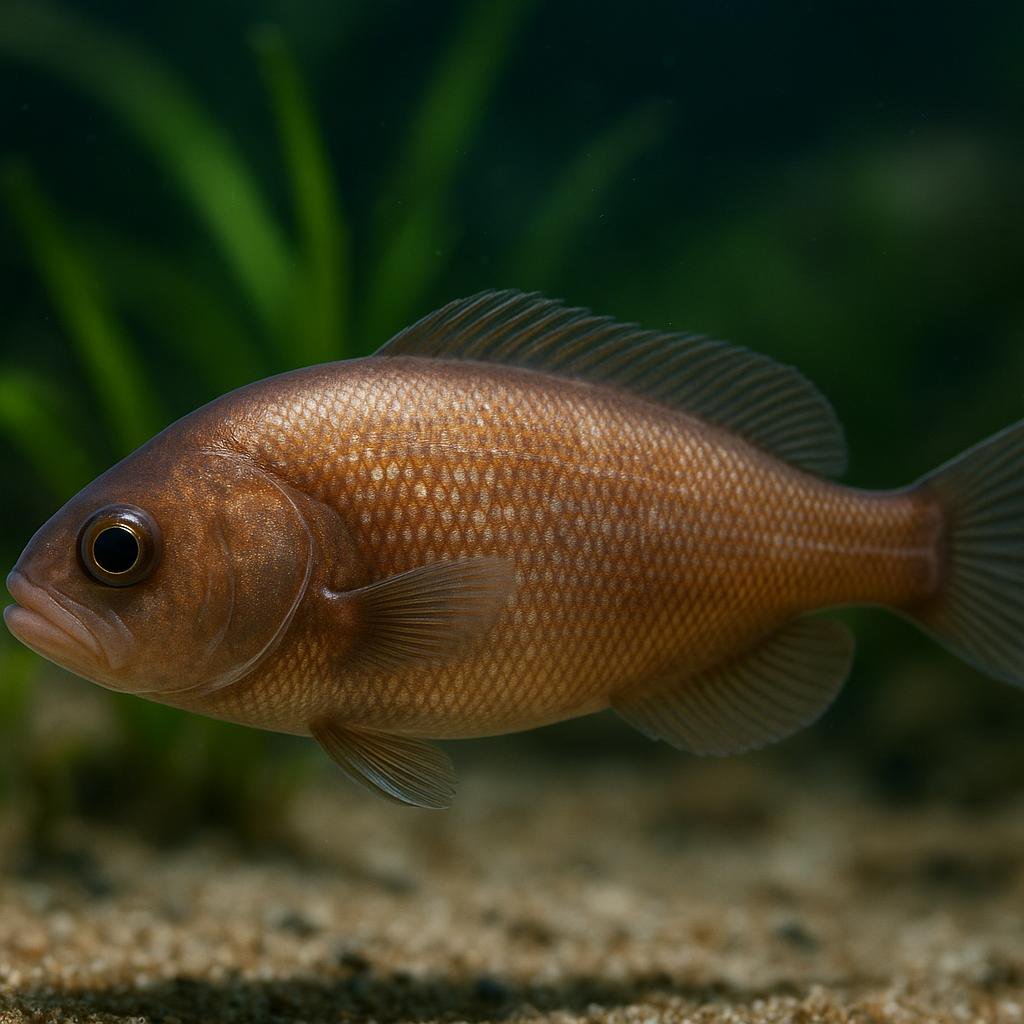
Affinis blind cusk-eel
Barathronus affinis
Barathronus affinis is a tiny, super-weird deep-sea blind cusk-eel from the western-central Indian Ocean. It is one of those gelatinous, loose-skinned brotula-type fishes that live way down in the dark and are basically never seen alive, so almost everything we know comes from preserved specimens and taxonomic work.
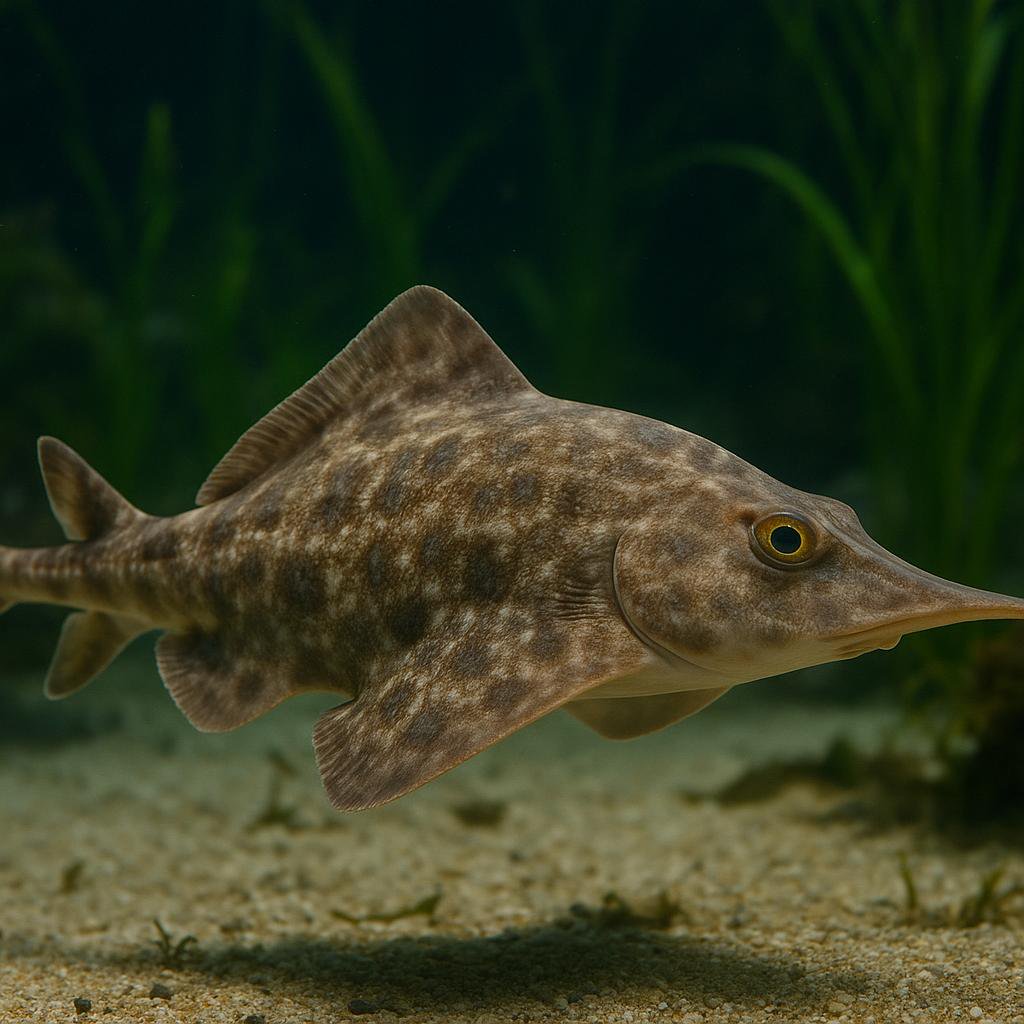
Aleutian skate
Bathyraja aleutica
This is a big, cold-water deep-slope skate from the North Pacific that cruises muddy bottoms and eats chunky benthic prey like crabs and shrimp. The really cool bit is its egg-laying skate life - it does distinct pairing (the classic skate "embrace") and drops those tough egg cases on the seafloor. Not an aquarium fish at all unless you're basically running a public-aquarium-style chilled system.
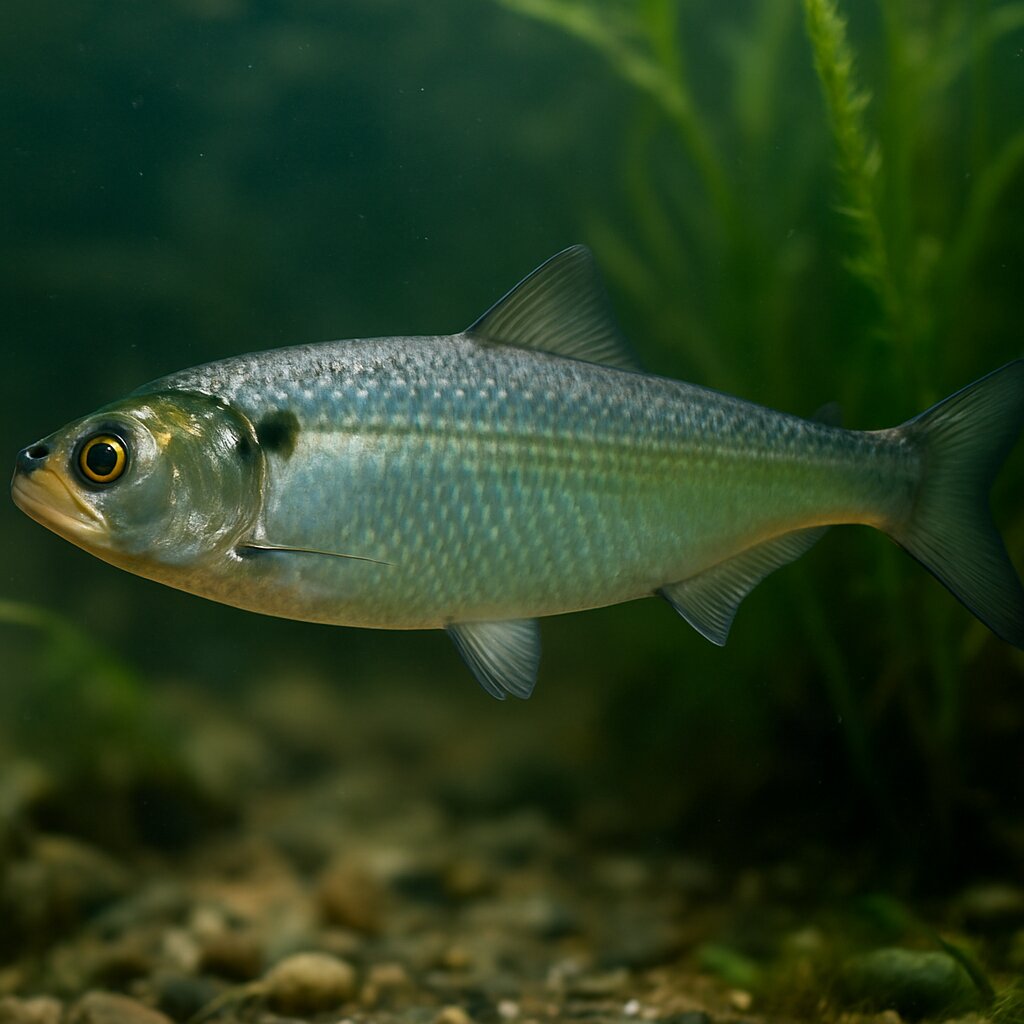
Allis shad
Alosa alosa
Gorgeous silver, fast-swimming shad that spends most of its life in the sea and then surges up big rivers in noisy, surface-spawning schools. It grows huge for a herring-type fish and needs cool, ultra-oxygenated water and tons of open space, so it is a public-aquarium species rather than a home tank fish.
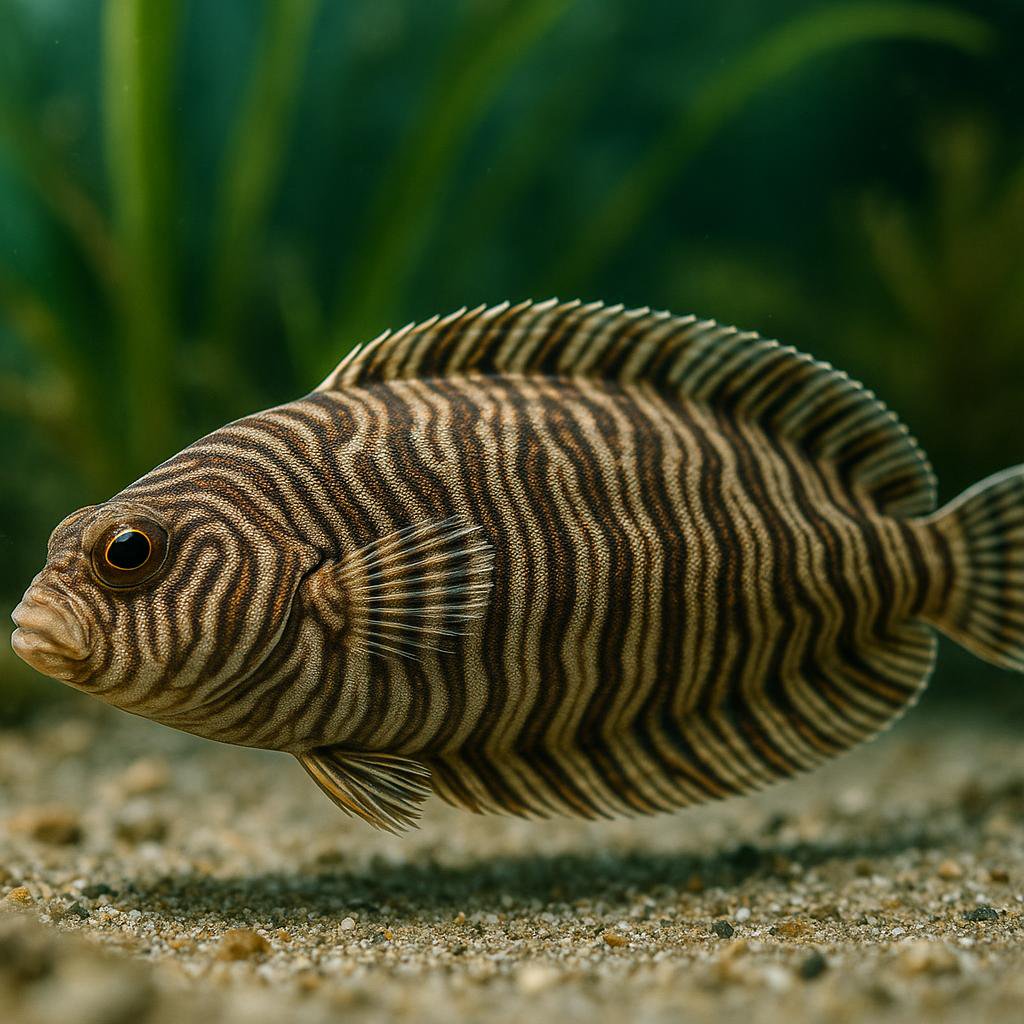
Annandale's zebra sole
Zebrias annandalei
Zebrias annandalei is a small demersal sole from coastal India that inhabits sandy or muddy bottoms and buries for camouflage. It is rarely kept in home aquaria and would require a specialized marine sand-bottom setup and appropriate feeding.
Antarctic dragonfish
Vomeridens infuscipinnis
Deep down around Antarctica, this sleek dragonfish cruises the water column like a little submarine, nearly neutrally buoyant so it can hover above the seafloor. It munches almost exclusively on Antarctic krill and lives in near-freezing water 500-800 m down, so it is a cool species to read about, not one for home tanks.
Looking for other species?