

Yellowcheek carp
Elopichthys bambusa
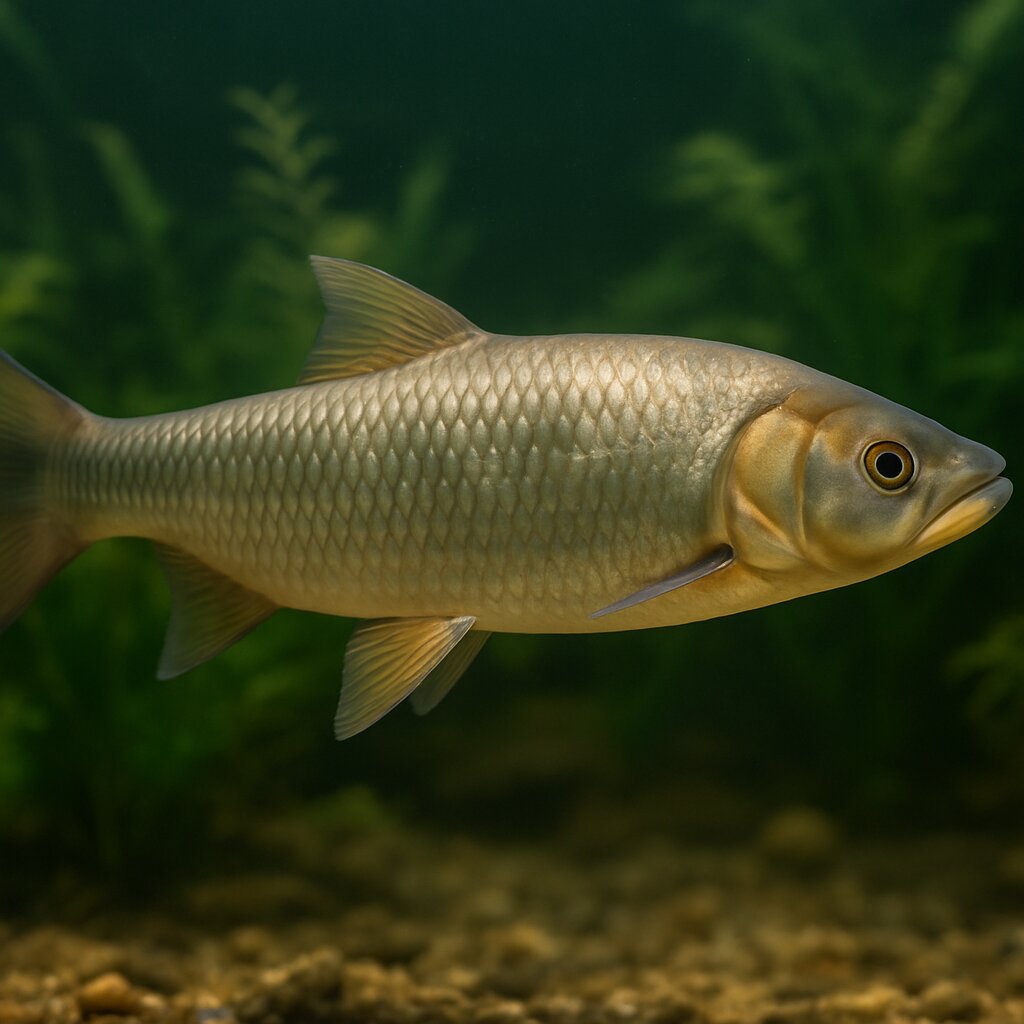
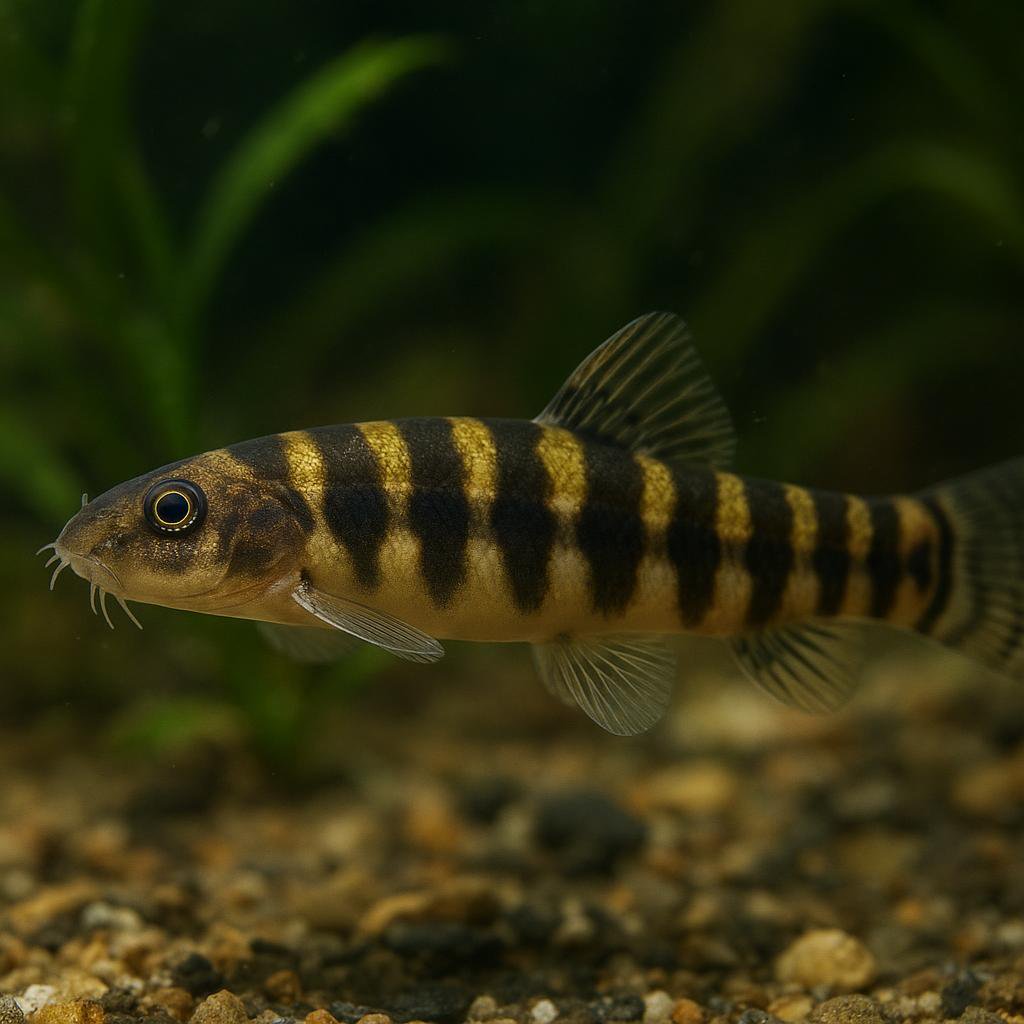
The Yellowcheek carp features a distinctive yellowish stripe along its cheek and a streamlined body with a silvery hue.
This page includes AI-generated images. Why am I seeing AI images?
About the Yellowcheek carp
Massive, torpedo-shaped predator from East Asia that cruises big rivers and lakes and inhales smaller fish like a vacuum. Juveniles look harmless, but this thing grows into a legit river monster, so think pond-scale water and serious filtration if you ever see one for sale.
Also known as
Quick Facts
Size
200 cm
Temperament
Aggressive
Difficulty
Expert
Min Tank Size
3000 gallons
Lifespan
15-25 years
Origin
East Asia
Diet
Carnivore - primarily fish; will take meaty foods like whole fish and prawns
Water Parameters
10-20°C
7-7.5
10-20 dGH
Need a heater for this species?
This species needs 10-20°C in a 3000 gallon tank. Use our heater calculator to find the right wattage.
Calculate heater sizeCare Notes
- Plan for an indoor pond, not a tank: a grown yellowcheek hits 3-4 ft and needs 3000+ liters with an 8-10 ft straight run.
- They are river torpedoes - give heavy flow and high oxygen. Shoot for 8-12x turnover, big powerheads, and a tight, weighted lid because they launch.
- Keep it cool: 18-24 C, pH 6.5-7.8, hardness 5-20 dGH. Ammonia/nitrite must be zero and nitrate under 20 mg/L or they go off food and gasp.
- Aquascape for speed, not looks: open water, rounded boulders, sand or bare bottom so they do not scalp themselves when they bolt. Dim the lights and cover side panes to cut reflections and spooking.
- Predator diet: start with live to get it feeding, then switch to thawed fish strips, prawns, and earthworms; avoid goldfish/rosies due to thiaminase and pathogens. Adults eat every 2-3 days, juveniles daily, and keep portions modest to prevent fatty liver.
- Tankmates are risky - anything under half its length is food. If you try, stick to equally massive, fast, non-spiny fish and be ready to separate on a moment's notice.
- Quarantine new arrivals and never use feeder fish from the store; this species picks up parasites fast. Add extra aeration during heat waves or after big meals to prevent surface piping.
- Breeding at home is a no-go; they are migratory flood spawners. If you want more, look for farmed juveniles and skip wild-caught.
Compatibility
Good Tankmates
- Huge, fast river barbs like adult mahseer (Tor spp.) - similar attitude, love big flow, and too bulky to be a snack once grown
- Big tinfoil barbs (Barbonymus spp.) in a solid group - tough dithers that spread the heat so the yellowcheek does not fixate on one fish
- Large arowana (18-24 in plus) in a truly massive tank - topwater bruisers that hold their space if sizes are well matched
- Florida or spotted gar of comparable length - armored, surface oriented, and generally ignored once everyone is big
- Iridescent sharks and other big, fast pangasius cats - bullet-shaped sprinters that keep up with the pace and do not fit in the mouth
- Fully grown pacu (Piaractus/Colossoma) - deep-bodied plates that are hard to swallow and unfazed by boisterous midwater traffic
Avoid
- Anything bite-size or mid-size community fish - tetras, rasboras, smaller barbs, rainbows - the yellowcheek will absolutely treat them as food
- Slow or fancy-finned fish - angels, discus, fancy goldfish - they get battered by the current and clipped by a charging carp
- Other apex brawlers like snakeheads (Channa spp.) or big Central American cichlids (dovii, flowerhorn) - usually ends in bruises or bodies
- Stingrays and other delicate bottom sitters - the carp will nose, ram, and outcompete them at feeding time
Where they come from
Yellowcheek carp (Elopichthys bambusa) are big, fast, fish-eating cyprinids from large rivers and floodplain lakes in East Asia. Think Yangtze, Pearl, and Amur drainages. They are built like torpedoes for open water and long runs, not for tight, decorated tanks.
Setting up their tank
Straight talk: this is a public-aquarium-scale fish. Adults push 1 m+ and are lightning fast. If you do not have an indoor pond or a truly massive tank, pass on this species. They grow quickly and spook hard.
- Footprint first: bare minimum for a subadult is around 3000-4000 L (800-1000 gal) with a 3.5-4 m length (12-13 ft). Adults belong in 6000-10,000+ L (1600-2600+ gal) and 4.5-6 m (15-20 ft) of uninterrupted swim space.
- Temperature: 18-24 C (64-75 F). They handle seasonal cool-downs if done gradually.
- pH: 6.8-7.6. Hardness: low to mid range. Stability beats chasing a number.
- Turnover: 8-12x hourly total circulation with heavy aeration. They burn oxygen like sports cars burn fuel.
- Filtration: big sump or multiple canisters, plus mechanical prefilters you can rinse often. Expect heavy waste.
Secure, tight lid and padding matter. Yellowcheeks spook and launch. Use polycarbonate lids with weights or locks. Line the perimeter and any braces with closed-cell foam to prevent snout damage if they bolt.
- Keep the scape open. Long, clear lanes with rounded rock or bare-bottom.
- Avoid sharp wood and pointy decor. Anything they can spear their face on will become a problem.
- Use dark background and moderate lighting to calm them.
- Strong linear flow helps them settle. A river-manifold layout or gyre pumps aimed the length of the tank works well.
Set powerheads to create a steady runway current. They cruise into the flow and waste less energy turning. Feed into the current so food presents naturally.
What to feed them
They are fish eaters. New arrivals may only chase live prey, but you can train them to take dead foods and big carnivore pellets. Your goal is clean, safe, consistent meals.
- Staples: strips of low-fat fish fillet (tilapia, pollock, cod), market shrimp, and high-quality carnivore pellets (Hikari Massivore, Northfin Jumbo, similar).
- Occasional: squid, smelt alternatives with low thiaminase, and vitamin-soaked offerings (Selcon, Vitachem) if you use a lot of frozen fish.
- Feeding method: use long tongs; cut fillets into finger-length strips; let the current carry the food. 1 solid meal every 24-48 hours is plenty for subadults and adults.
Skip feeder goldfish/rosies. They bring parasites and are high in thiaminase, which can cause vitamin B1 deficiency. If you must use live food for training, quarantine for 4+ weeks, deworm, and switch to frozen/fillet as soon as they start taking it.
Watch body condition more than appetite. These fish will overeat and then spit or regurgitate hours later. Remove leftovers right away to keep the water clean.
How they behave and who they get along with
Yellowcheeks are high-strung sprinters. Sudden movement outside the tank, a slamming door, or lights snapping on can send them rocketing. Give them room, flow, and calm surroundings.
- Tankmates: safest plan is solo in a huge system. If you try companions, they need to be too big to swallow, quick, and non-nippy.
- Shortlist that can work in truly massive setups: large mahseer (Tor spp.), giant tinfoil-type barbs (Barbonymus schwanenfeldii at adult size), very large, placid catfish that will not harass or outcompete. Even then, watch closely.
- Anything under 1/3 to 1/2 of the carp's length is at real risk of being eaten. They also attempt overly large prey and can choke.
Mixing with slow, surface hunters like arowana or territorial bruisers is asking for collisions and injuries. Fast water plus two skittish torpedoes usually ends in a split lip or worse.
Breeding tips
Not a home project. Yellowcheek carp are migratory spawners that use long river runs and seasonal cues. Commercial farms use hormone induction and huge ponds. If someone tells you they bred theirs in a 300-gallon tank, smile and walk away.
Common problems to watch for
- Snout and jaw injuries from bolting into lids or braces. Keep edges padded and waterline a bit below the frame. Treat wounds promptly to prevent fungus.
- Oxygen dips. Big body, big demand. Run redundant air and surface agitation, especially in warm weather.
- Ammonia mini-spikes after heavy feeds. Over-filter, prefilter, and stick to a water-change routine.
- Refusing non-live food. Use current and tongs to animate strips; scent with shrimp; fast 2-3 days between attempts.
- Parasites from feeder fish. Quarantine everything wet. Deworm with praziquantel/levamisole in a hospital tank if needed.
- Mouthful mishaps. They sometimes grab decor or too-large prey and panic. Keep decor minimal and supervise feedings.
Water-change rhythm that works: 30-50% two to three times per week in heavy feeding phases. Aim to keep nitrate under 20-40 ppm. Rinse mechanical prefilters every 2-3 days.
Have a real hospital setup ready: big bare tank or tub (300-500 L), mature sponge filters, heater/chiller control, and a lid. Treat injuries quickly and keep water pristine.
Ethics and legality: this species gets enormous and is a known game/food fish in its native range. Never release it to local waters. Check your local regs before buying, and only keep it if you already have long-term space for an adult.
Similar Species
Other freshwater aggressive species you might be interested in.
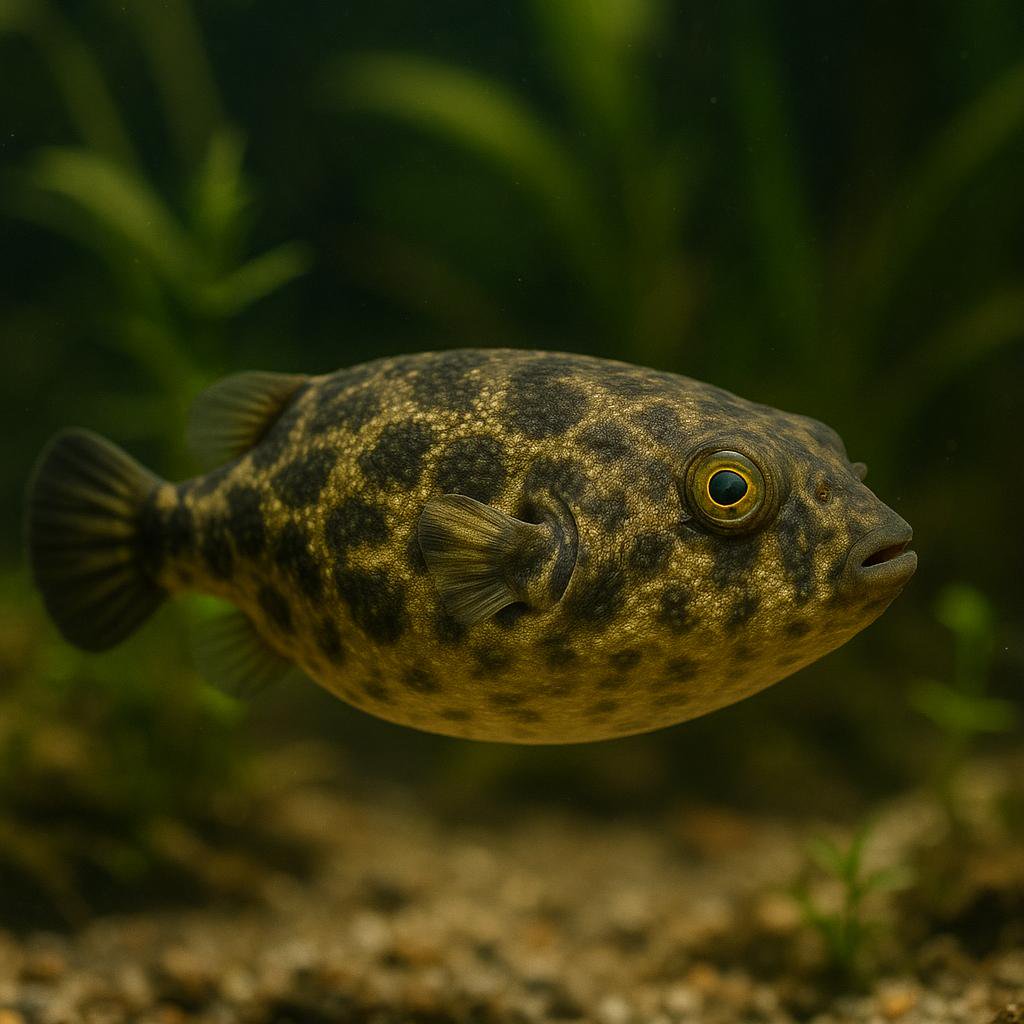
Arrowhead puffer
Pao suvattii
Pao suvattii is that sneaky Mekong puffer that likes to sit low and ambush food, and it has that super recognizable arrow/V pattern on its back. Gorgeous fish with tons of personality, but it is absolutely not a community guy - plan on a solo, species-only setup if you want everybody to stay in one piece.
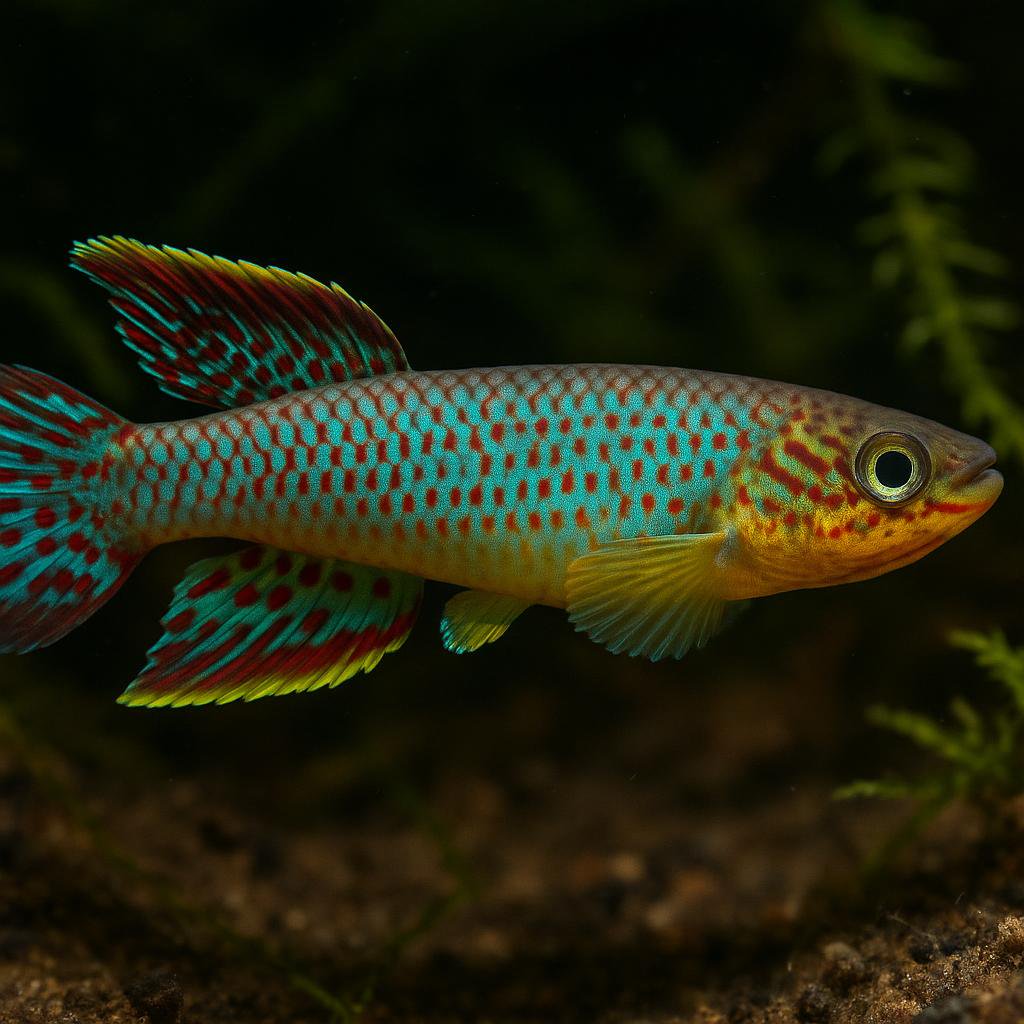
Blue gularis
Fundulopanchax sjostedti
This is the big, flashy West African killifish with the ridiculous triple-point tail and electric blue-green body covered in red spotting. Males can be real attitude machines with each other, but if you give them room, cover, and a tight lid, they make an awesome centerpiece fish that will absolutely demolish live and frozen foods.
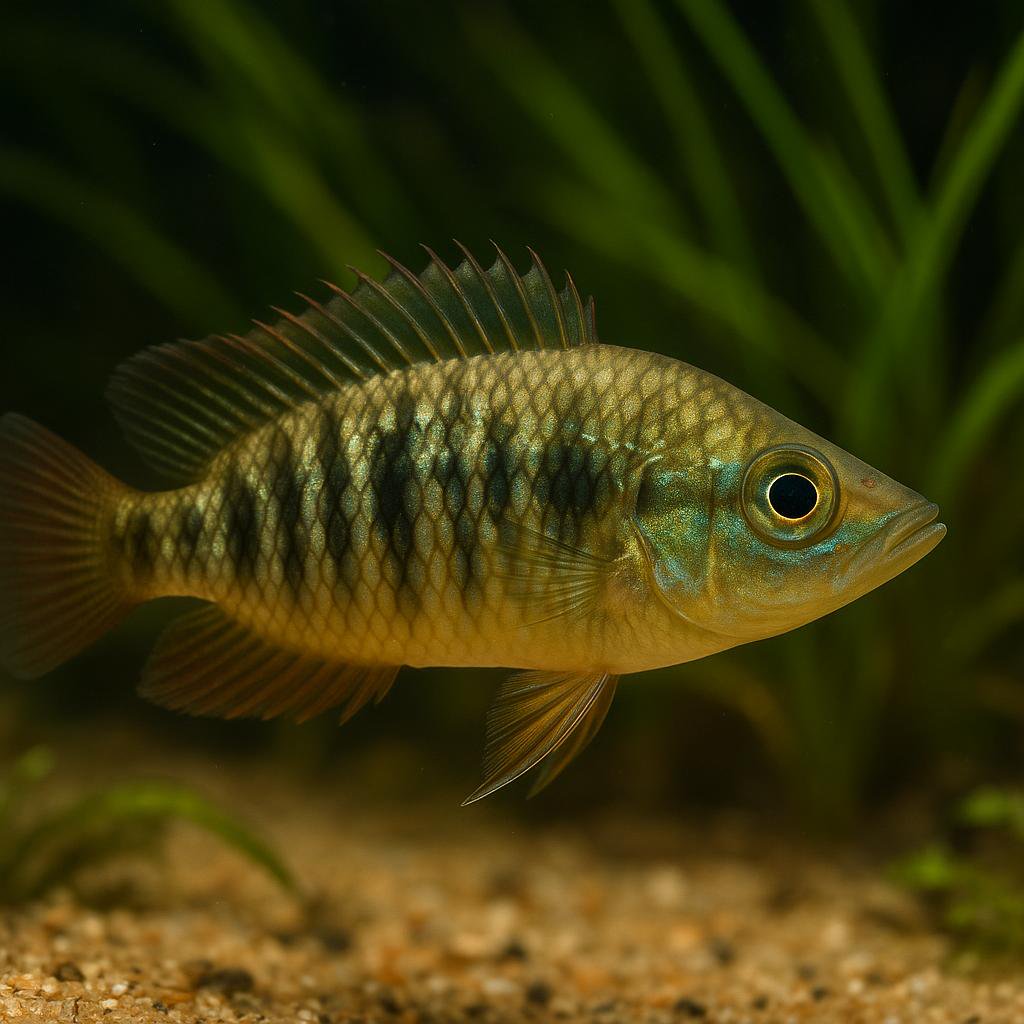
Compressiceps dwarf pike cichlid
Wallaciia compressiceps
This is one of those tiny pike cichlids that looks cute until you watch it start running the tank like a little biting terrier. It stays small, but it is a real predator with a ton of attitude, and it gets especially spicy with its own kind when pairs form.
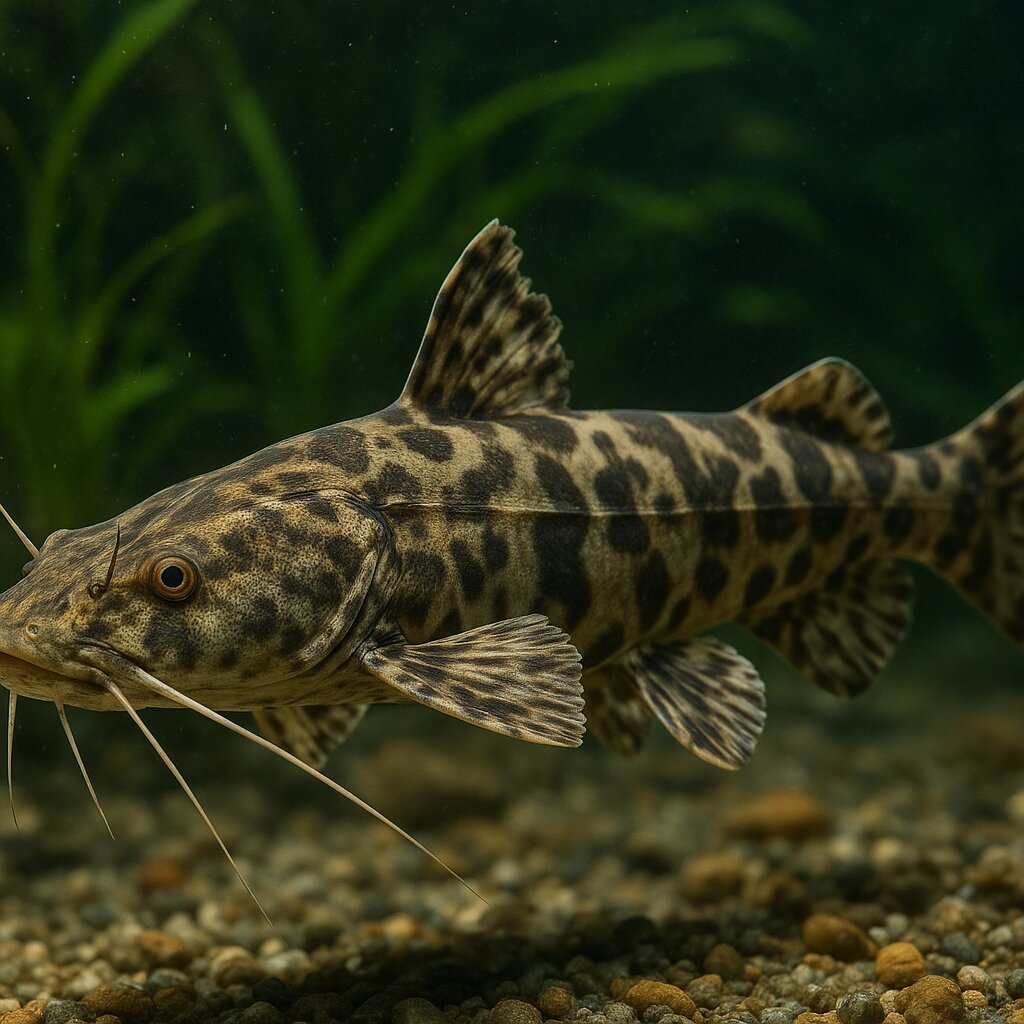
Goonch catfish
Bagarius bagarius
A true river monster with a shovel head and a mouth full of teeth, the goonch is built for blasting around boulder-strewn rapids. It is insanely strong, super predatory, and happiest in cool, fast, highly oxygenated water - think indoor-pond-with-a-river-flow setup, not a regular tank. If you love oddballs with attitude, this one is unforgettable, but it is for experts only.
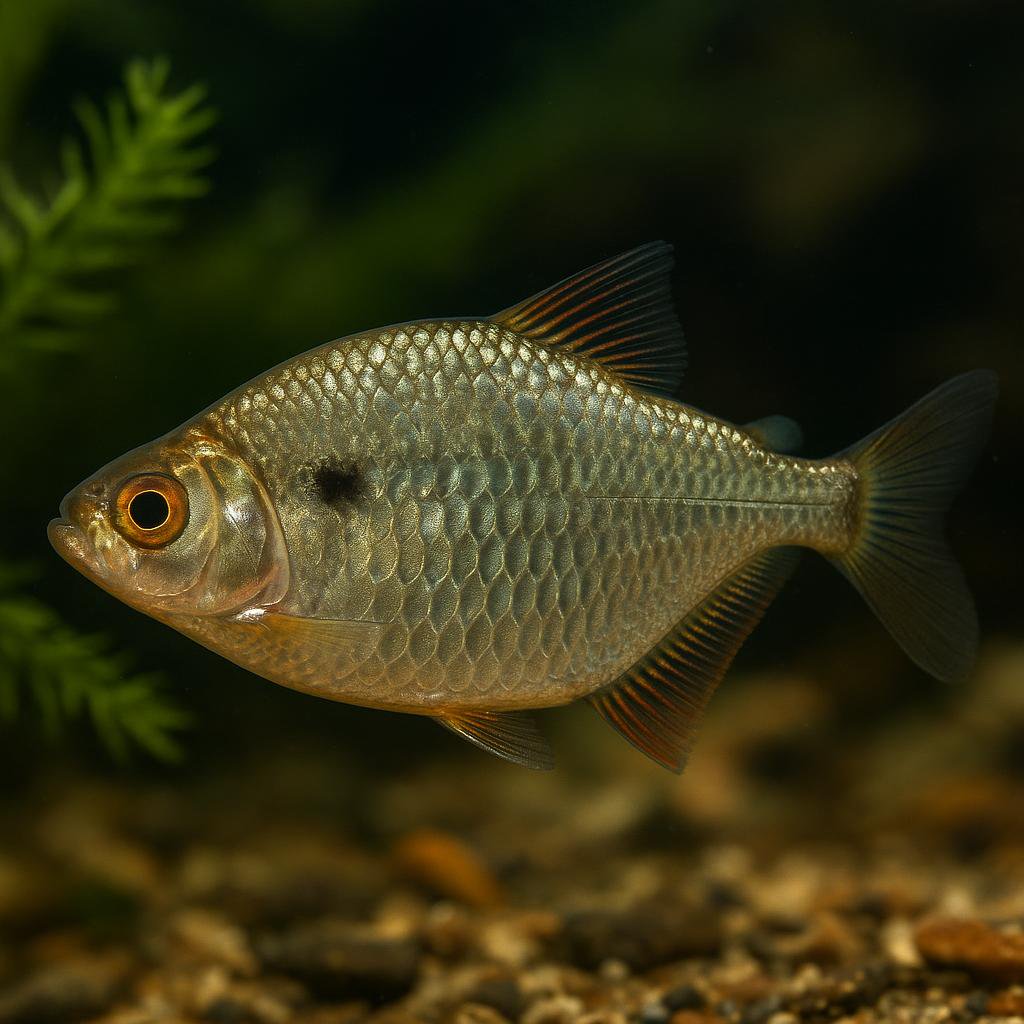
Guatemalan headstander
Roeboides guatemalensis
This is one of those oddball characins that gets lumped in with "predatory tetras" - it is built for nipping scales and mucus off other fish (lepidophagy), which is wild to watch in nature but a headache in a community tank. It is a super active, open-water swimmer, and in aquariums it usually does best treated like a specialty predator/oddity fish rather than a "tetra."
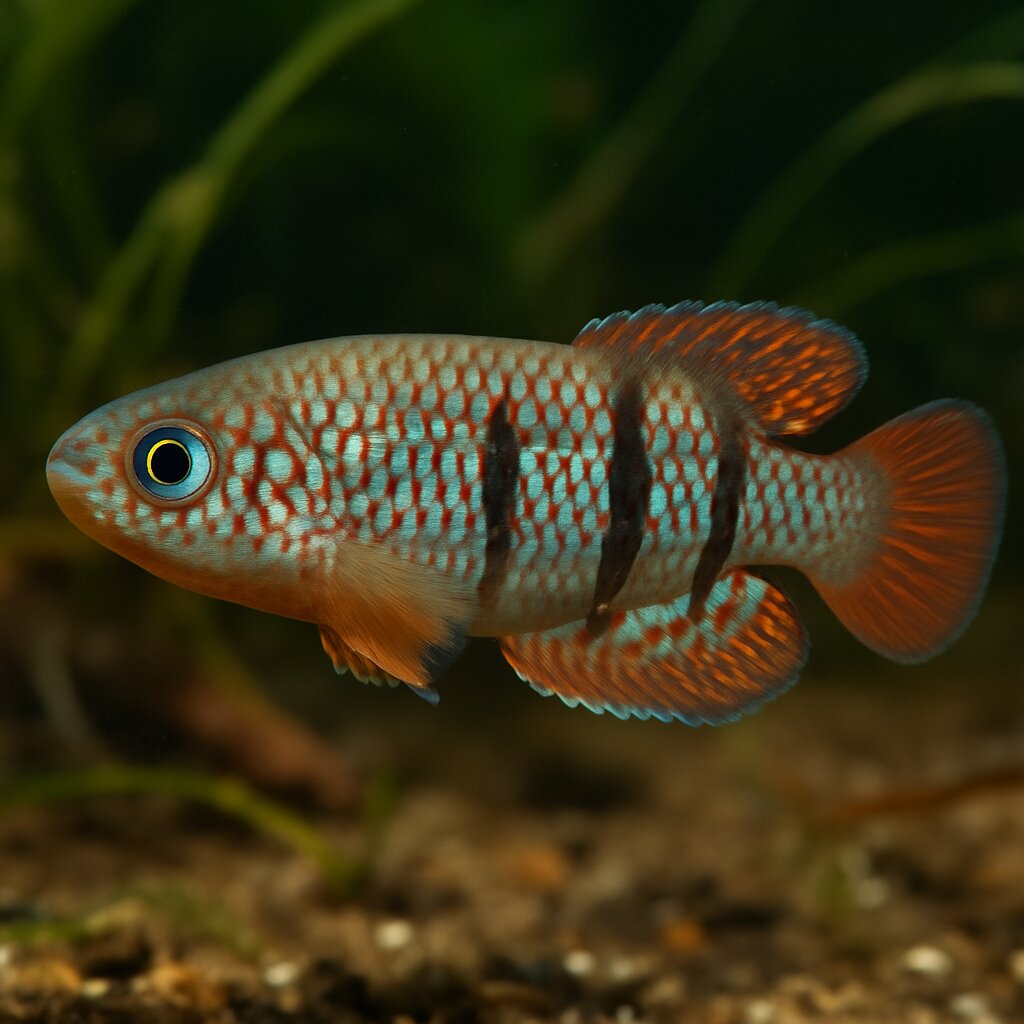
Hypsolebias trifasciatus
Hypsolebias trifasciatus
Tiny but flashy, this annual killi lights up with a blue body and bold yellow-and-black striping on the anal fin. It comes from shallow seasonal pools in northeastern Brazil, so it likes soft, warm water and will bury eggs in a peat or mud-like substrate. Males have big attitudes for such small fish, so plan for line-of-sight breaks or keep a single pair.
More to Explore
Discover more freshwater species.
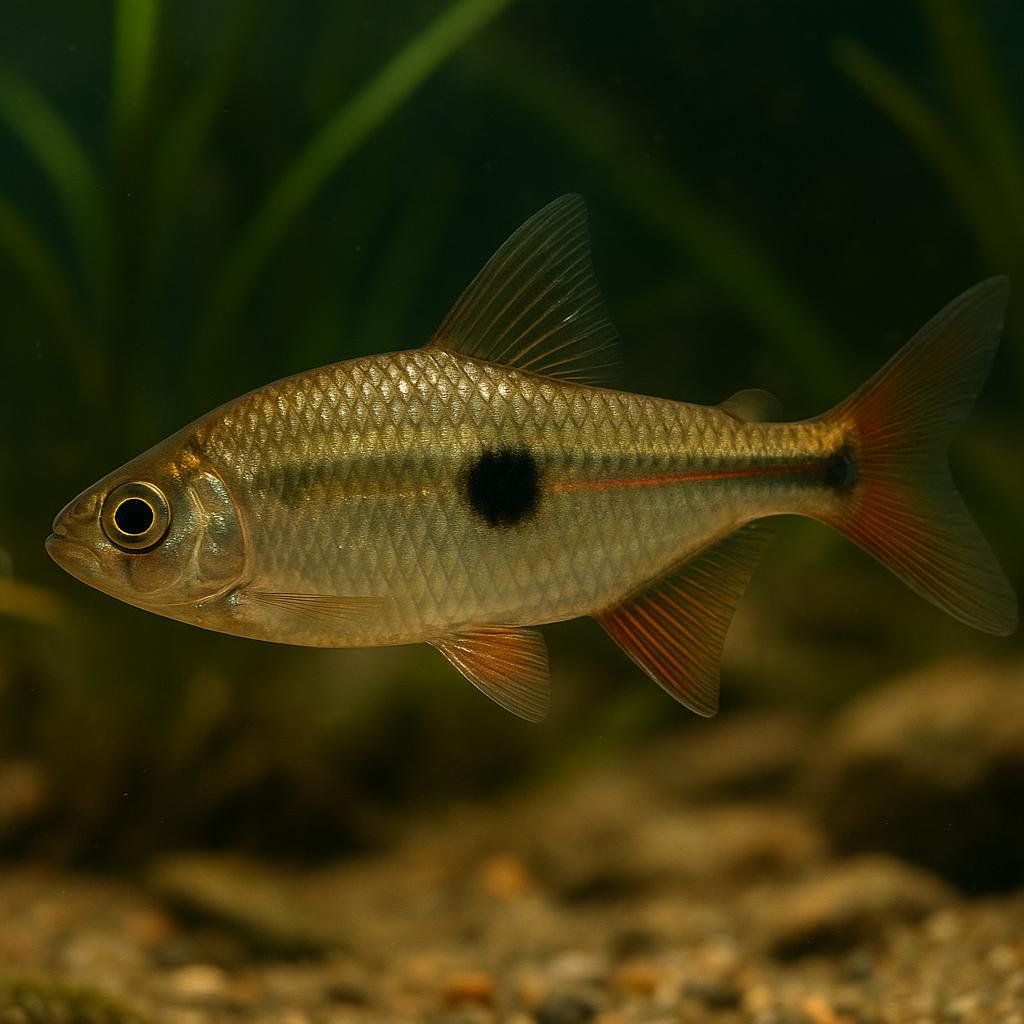
Jupiaba kurua
Small South American characin endemic to the upper rio Curuá (rio Xingu basin, Brazil). Reaches about 8.7 cm SL and inhabits clearwater rivers. Distinguished by dark dots on the bases of many lateral scales and a distinct dark caudal‑peduncle spot. Reported diet indicates omnivory, including aquatic insects, small fishes, and fragments of Podostemaceae and filamentous algae.
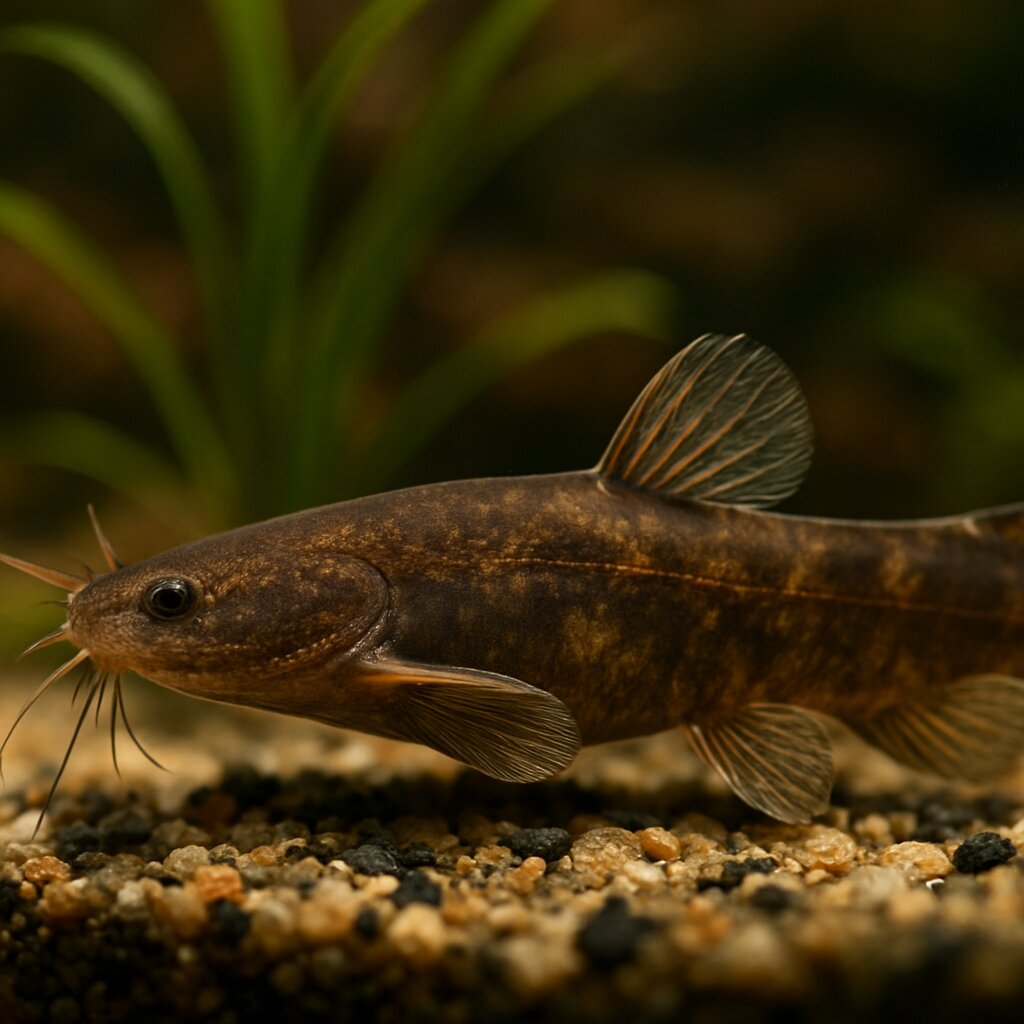
Amphilius dimonikensis
A small loach catfish endemic to the Mpoulou River in the Mayombe (Dimonika Biosphere Reserve), Republic of the Congo. Amphilius dimonikensis has a subtle banded pattern and inhabits fast, clear streams over rock and sand. In aquaria, prioritize strong, well-oxygenated flow with rounded stones and sand to mimic hillstream conditions.
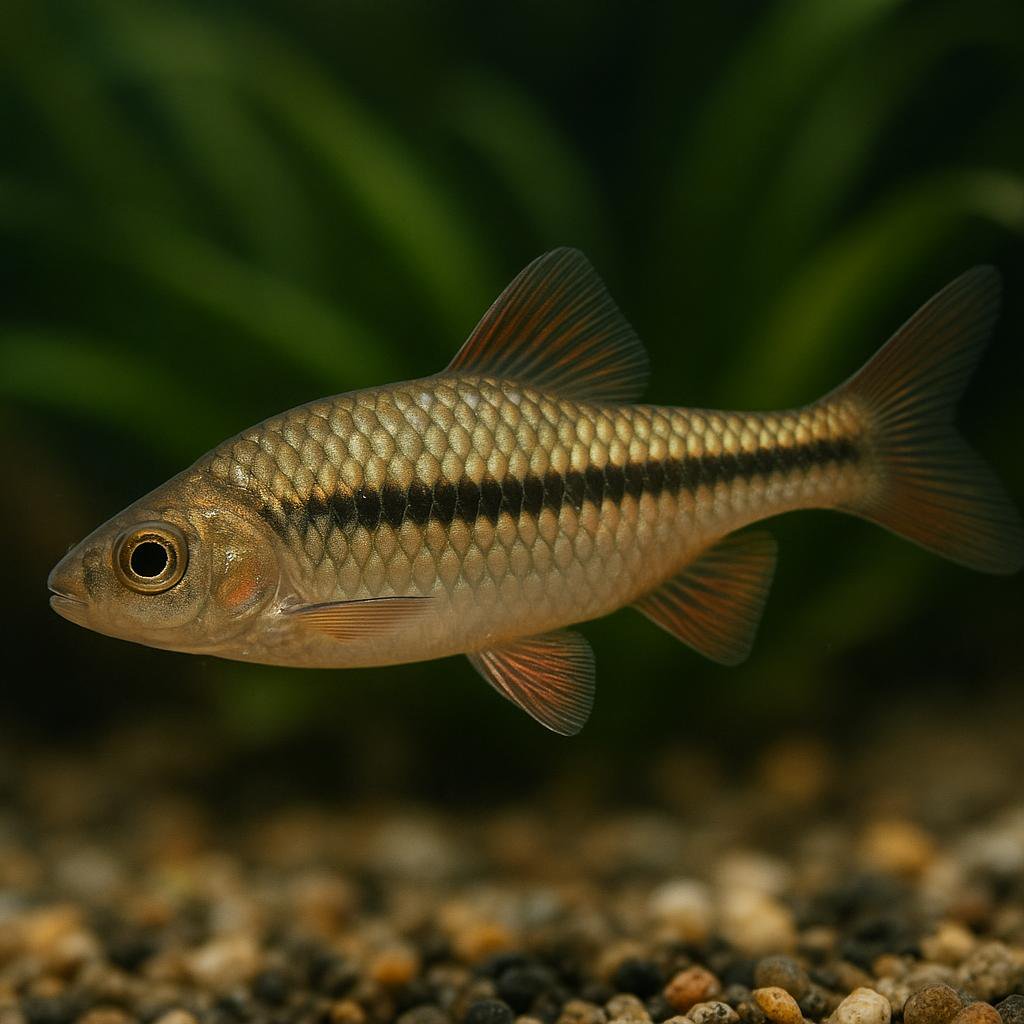
Aboina barb
Enteromius aboinensis
Enteromius aboinensis (the Aboina barb) is a small West African barb with a clean black midline stripe and a little spot right at the base of the tail. It does best when you treat it like a proper schooling fish - keep a decent group and give it plants around the edges with open swimming room in the middle.
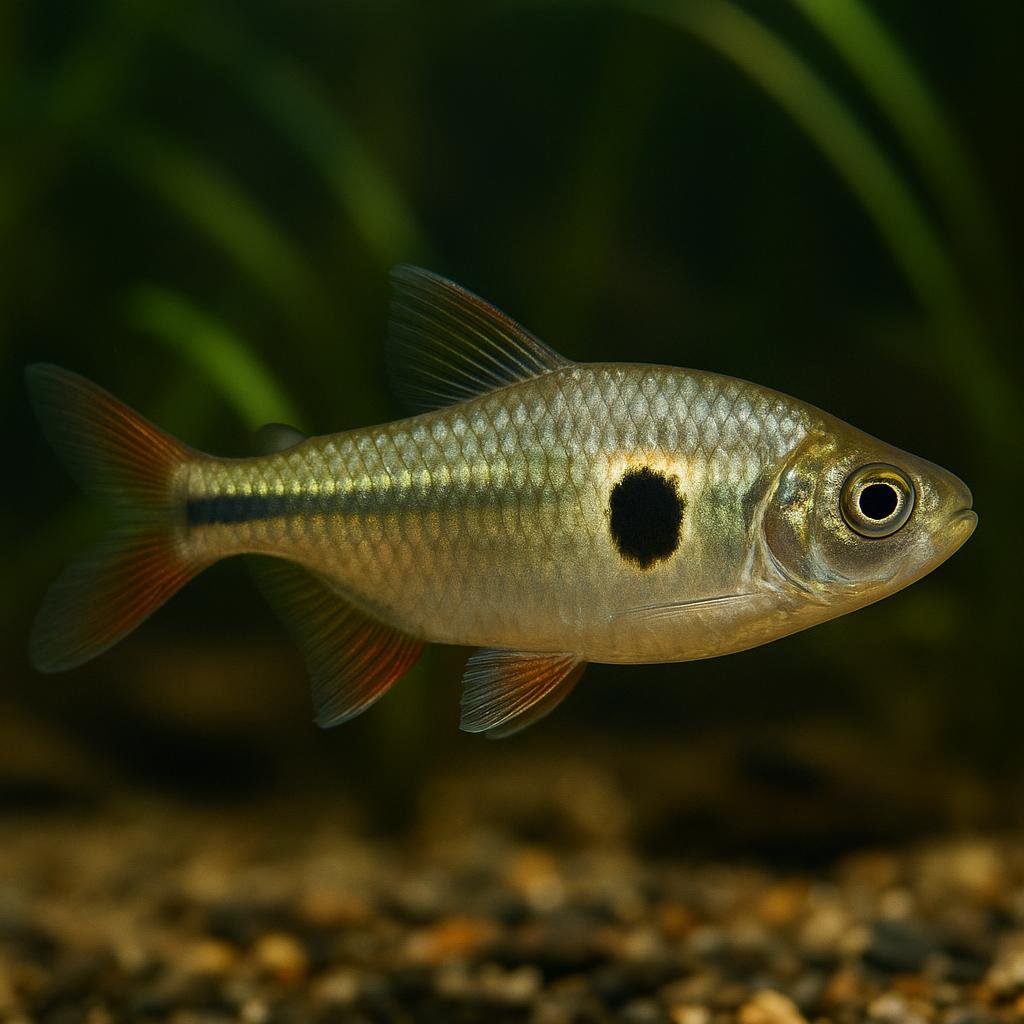
Ajuricaba tetra
Jupiaba ajuricaba
Jupiaba ajuricaba is a South American freshwater characin from the Amazon basin in Brazil (rio Negro, rio Solimões, and rio Tapajós basins). It reaches about 9.5 cm SL and is diagnosed by a narrow dark midlateral stripe, an elongated humeral spot, and an ocellated spot on the upper caudal-fin lobe. Wild specimens have been collected from blackwater forest streams and also oxbow-lake habitats.
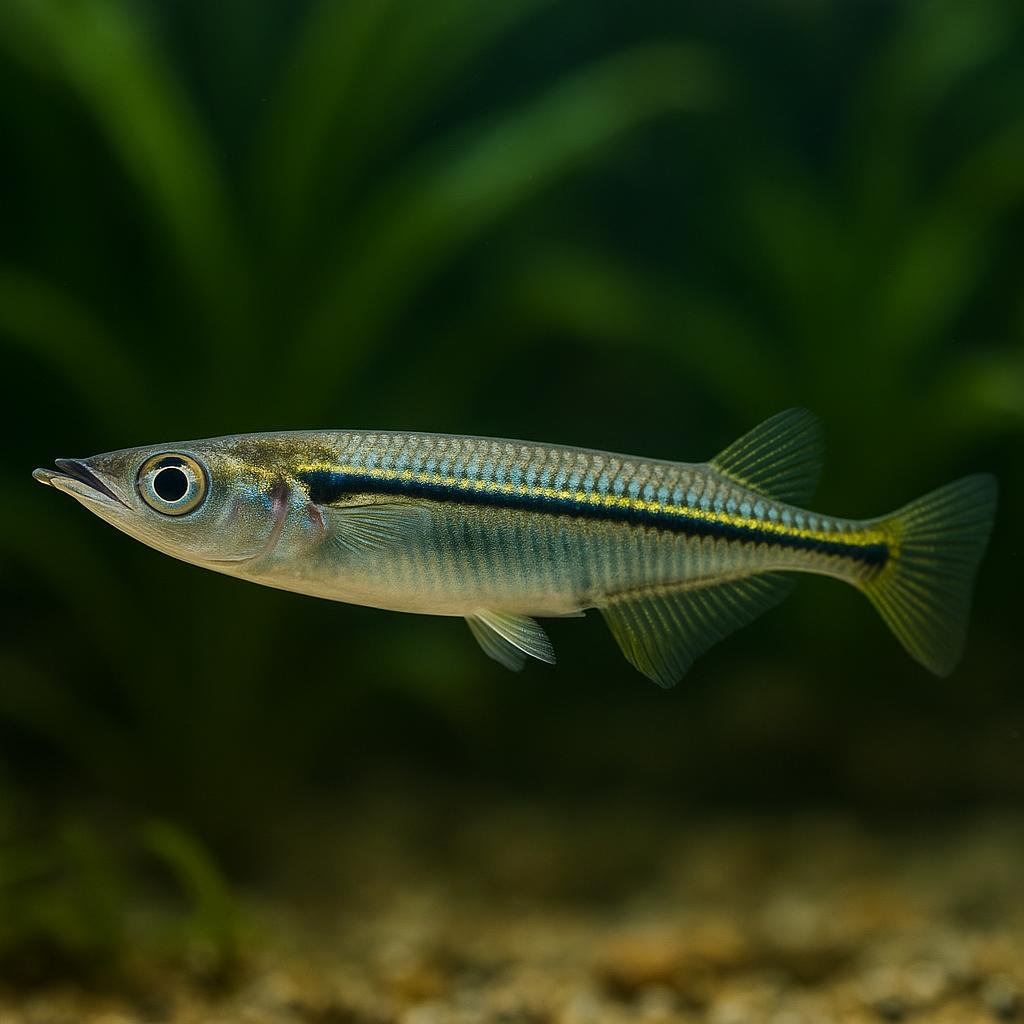
Allen's river garfish
Zenarchopterus alleni
A poorly known freshwater halfbeak endemic to West Papua (Mamberamo River), described from a single specimen (~13 cm SL). Beyond basic habitat/occurrence, little is published about its ecology or aquarium suitability; assume it is a surface-oriented, jump-prone halfbeak only by analogy with related taxa.
Altipedunculata stone loach
Schistura altipedunculata
Schistura altipedunculata is one of those little stream loaches that wants clean, well-oxygenated water and a bunch of rock nooks to claim as home. It is a bottom-hugger that will spend its day scooting from crevice to crevice, and it tends to get a bit spicy with its own kind if you do not give it enough hiding spots.
Looking for other species?