

Guatemalan headstander
Roeboides guatemalensis
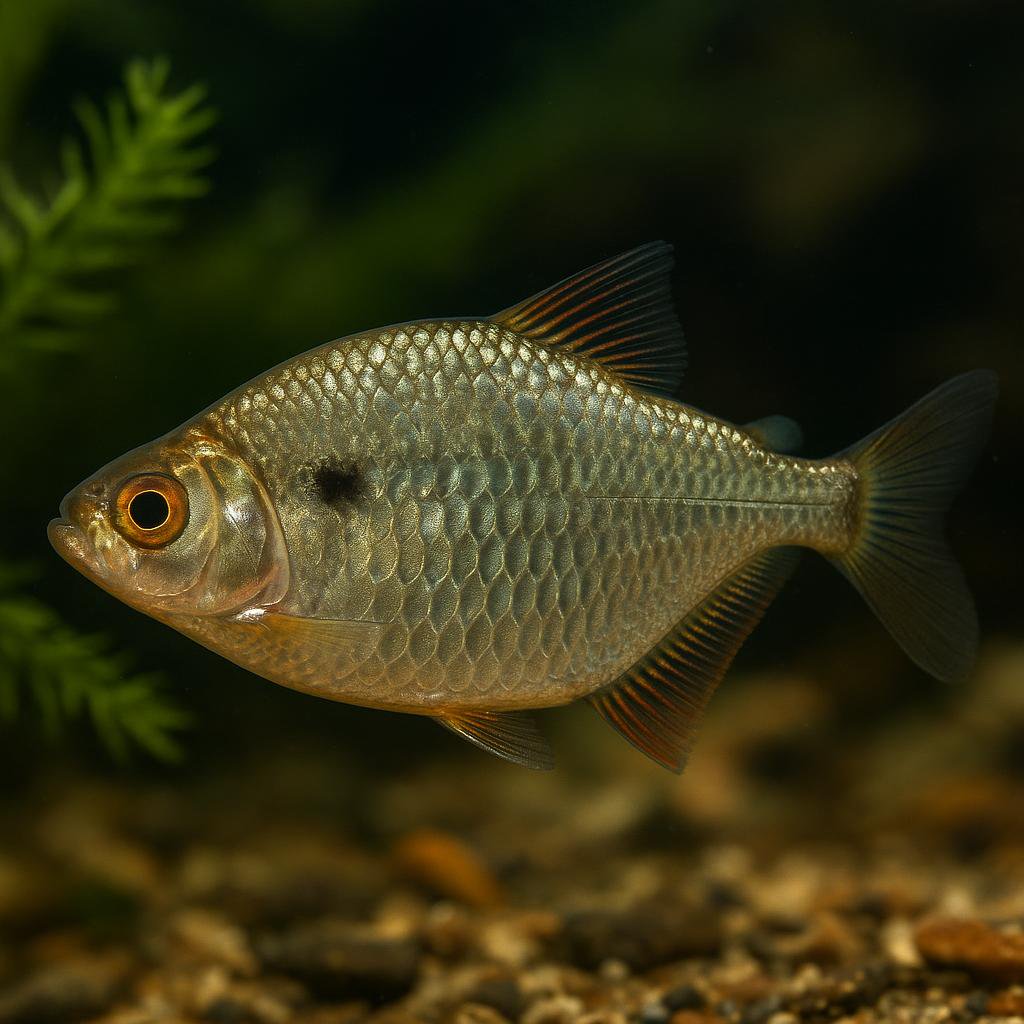
The Guatemalan headstander features a streamlined body with vibrant green and gold hues and distinctive, elongated dorsal and anal fins.
This page includes AI-generated images. Why am I seeing AI images?
About the Guatemalan headstander
This is one of those oddball characins that gets lumped in with "predatory tetras" - it is built for nipping scales and mucus off other fish (lepidophagy), which is wild to watch in nature but a headache in a community tank. It is a super active, open-water swimmer, and in aquariums it usually does best treated like a specialty predator/oddity fish rather than a "tetra."
Quick Facts
Size
13 cm SL
Temperament
Aggressive
Difficulty
Expert
Min Tank Size
55 gallons
Lifespan
5-8 years
Origin
Central America
Diet
Specialized carnivore (lepidophagous) - naturally feeds on fish scales/mucus; in captivity would need meaty frozen/large prepared foods but may still harass tankmates
Water Parameters
24-28°C
6.5-7.5
4-15 dGH
Need a heater for this species?
This species needs 24-28°C in a 55 gallon tank. Use our heater calculator to find the right wattage.
Calculate heater sizeCare Notes
- Give them a long tank with real current - think river vibes: powerhead or strong filter return, plus open swimming space and some rock/wood breaks so they can get out of the flow.
- Keep water warm-ish and clean: 24-28C (75-82F), pH about 6.5-7.5, and moderate hardness; they go downhill fast in old water so plan on big, regular water changes.
- Lid is non-negotiable - headstanders spook and rocket straight up when the lights flip on or you walk by.
- Feed like they are a little predator: small fish, shrimp, insects, and meaty frozen (bloodworms, mysis, chopped prawn); they do best with smaller portions 1-2 times a day instead of one huge dump.
- Do not keep them with slow fish, long fins, or anything tiny enough to be a snack - they are famous for scale-nipping and will harass peaceful tankmates.
- Best tankmates are fast, sturdy midwater fish (big tetras, larger barbs, robust cichlids that are not delicate) and tough bottom fish; keep them in a group if your tank is big so the attitude spreads out.
- Watch for beat-up fins and missing scales on other fish - that is your early warning sign they are getting bored or underfed, and more flow, more space, and more meaty food usually helps.
Compatibility
Good Tankmates
- Big, sturdy Central American cichlids that can take some attitude (think Jack Dempsey types) - they usually ignore the headstander once everyone has space and hides
- Severums and other medium-large, thick-bodied cichlids - not too delicate, not usually fin targets, and they hold their ground without being nonstop murdery
- Tough midwater dither fish that are fast and not bite-sized (silver dollars, larger barbs) - they keep things busy so the headstander is less focused on one victim
- Armored bottom crew like bigger plecos (common/sailfin/bristlenose) - the headstander might posture but those guys just glue themselves to wood and do not care
- Synodontis catfish (medium to large) - they are confident, spiny, and mostly nocturnal so they do not spend all day getting in the headstander's face
- Large, peaceful bottom dwellers like adult hoplo catfish - chunky, chill, and not the type to get bullied into a corner
Avoid
- Small community fish like neons, rummynose, guppies - these headstanders are fast and bitey and will treat little fish like snacks or stress toys
- Slow fish with fancy fins (angelfish, long-fin livebearers, bettas) - fin damage city, and once they learn to nip they do not forget
- Other Roeboides/headstanders unless the tank is huge - in normal home tanks they tend to scrap and harass each other hard
- Super timid bottom dwellers (corydoras, small loaches) - they get chased off food and stressed out, even if they do not get outright killed
Where they come from
Guatemalan headstanders (Roeboides guatemalensis) are Central American characins from river systems around Guatemala and nearby regions. Think warm, moving water with lots of structure - rocks, roots, and edge cover - and a steady supply of smaller fish to pick on.
If youre used to peaceful tetras, reset your expectations. Roeboides are predatory characins with a reputation for taking scales and fins, especially in tight quarters.
Setting up their tank
Give them a long tank with current. Mine were night-and-day better in a 4 foot footprint than in a taller tank with the same gallons. They like to cruise and posture, and the extra run reduces nonstop chasing.
- Tank size: I would not keep a group in less than a 75 gallon. Bigger is easier with these.
- Filtration: strong canister or sump-style turnover, plus a powerhead to create a clear flow direction.
- Flow: moderate to strong. They sit at angles and play in the current, and it keeps them active.
- Scape: open swimming lanes with breaks of wood/rock. They use cover to break line-of-sight, which cuts aggression.
- Substrate: sand or smooth gravel. Theyre fast and can scrape themselves on sharp stuff.
- Lighting: not picky, but floating plants or shaded zones help them feel less exposed.
Water-wise, aim for clean and stable more than chasing a magic number. Warm tropical freshwater suits them. I kept mine in the mid-70s to low-80s F without drama, as long as ammonia and nitrite stayed at zero and nitrates stayed reasonable.
Tight lids matter. A startled headstander can launch. Also cover intake guards - they will spar and chase and can get pinned against an intake.
What to feed them
Theyre not algae headstanders. Roeboides are meat-eaters that do best with a high-protein diet and variety. If you only feed flakes, they stay skinny and way too interested in tankmates.
- Staples: quality carnivore pellets and sticks sized for their mouth (they strike hard, so sinking is fine).
- Frozen: mysis, krill, chopped shrimp, bloodworms (as a treat), and good mixed predator blends.
- Fresh: chopped prawn or fish fillet occasionally (small portions, rinse well).
- Live: guppies or feeder fish are a bad habit in my experience (disease risk and it trains them to hunt everything). If you do live foods, use live blackworms or cultured foods you trust.
Feed smaller meals 1-2 times a day instead of one big dump. A well-fed group is still spicy, but theyre less likely to go into full-time harassment mode.
How they behave and who they get along with
Theyre called headstanders for a reason - youll see them angle down and hold odd positions, especially in current or when sizing each other up. They are active, alert, and not shy once settled.
The big thing: they can be fin nippers and scale eaters. Some individuals are worse than others, but you have to plan like youll get the spicy one.
- Best kept: in a group (6+) if the tank is large. A small group in a small tank turns into constant bullying.
- Good tankmates: robust, quick fish that dont have long fins and arent bite-sized. Think larger barbs, tough cichlids that arent slow, and some medium-large catfish.
- Risky tankmates: angelfish, discus, gouramis, slow fancy fish, long-finned anything, and most peaceful tetras.
- Will be eaten: tiny fish and thin-bodied juveniles that fit in their mouth.
Do not mix them with expensive slow show fish unless youre okay with shredded fins or missing scales. Even if they behave for months, one bad week can change the whole tank.
Aggression management is basically: space, current, and line-of-sight breaks. If you can set up two main territories with a big piece of wood or rockwork in between, you will see less nonstop sparring.
Breeding tips
Breeding Roeboides in home aquariums is not something most hobbyists pull off, and I never had a reliable spawn. Theyre not like common tetras that casually scatter eggs in a planted tank and surprise you.
If you want to try anyway, the closest route is a dedicated breeding setup with a conditioned group, heavy feeding, and a seasonal cue approach (big cool-water changes followed by warmer, heavier feeding). Youd also want a way to separate adults from eggs immediately because they wont babysit.
If your goal is breeding projects, pick a different characin. If your goal is keeping a challenging predator-characin as a display fish, this is the lane theyre in.
Common problems to watch for
- Fin damage and missing scales on tankmates: usually aggression or hunger. Fix stocking, space, and feeding before you reach for meds.
- Mouth injuries: they hit food hard and spar. Watch for split lips or fuzzy patches that turn into infections.
- Ich and stress outbreaks after new additions: they dont love sudden changes. Quarantine new fish and keep the tank stable.
- Skin scrapes from chasing: sharp decor and rough gravel make this worse. Smooth surfaces help a lot.
- Bloat/constipation: too many dry foods without variety. Mix in frozen and dont overfeed.
Quarantine is your friend with this species. Between their high activity and occasional scuffles, minor wounds happen, and parasites or bacteria take advantage fast in a dirty or unstable tank.
If you keep the water clean, give them room, and feed them like the predators they are, theyre fascinating fish. Just go in with eyes open: theyre an expert-level personality, not a community fish centerpiece.
Similar Species
Other freshwater aggressive species you might be interested in.
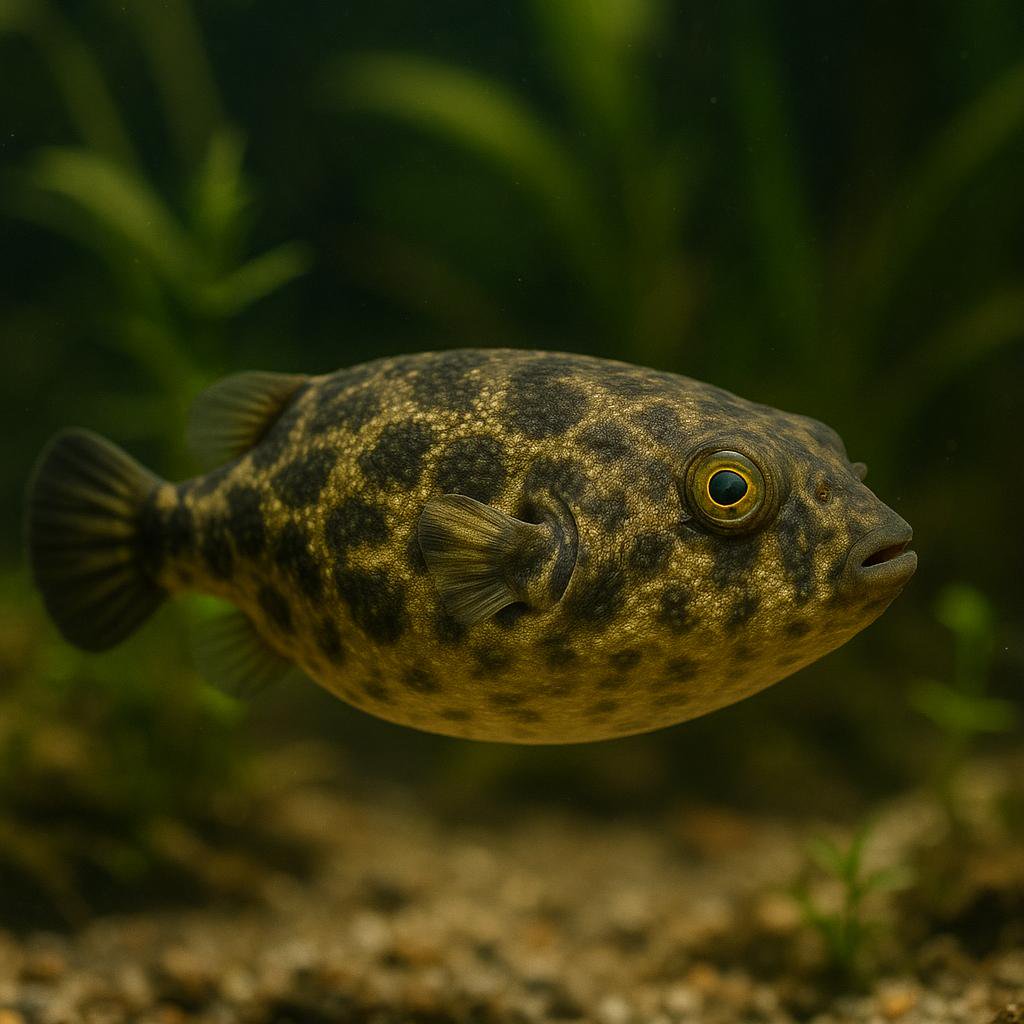
Arrowhead puffer
Pao suvattii
Pao suvattii is that sneaky Mekong puffer that likes to sit low and ambush food, and it has that super recognizable arrow/V pattern on its back. Gorgeous fish with tons of personality, but it is absolutely not a community guy - plan on a solo, species-only setup if you want everybody to stay in one piece.
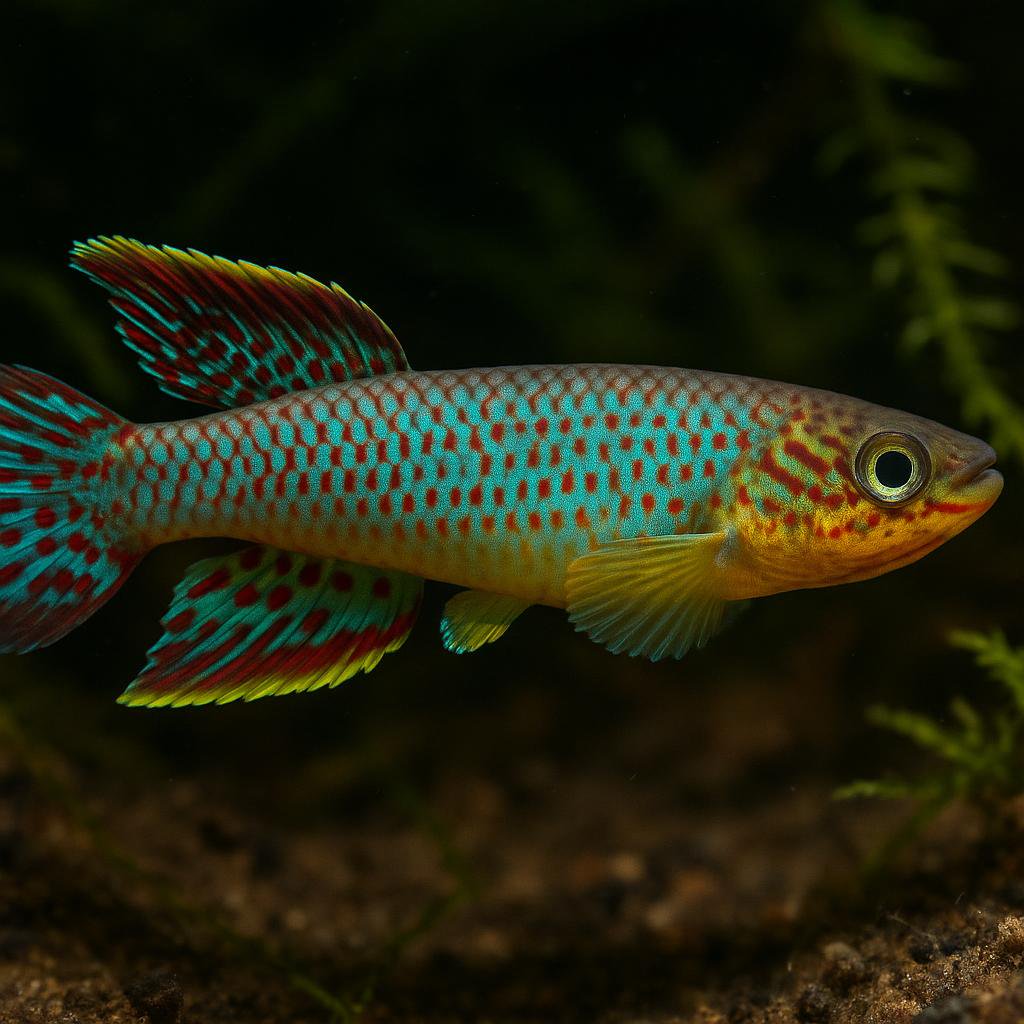
Blue gularis
Fundulopanchax sjostedti
This is the big, flashy West African killifish with the ridiculous triple-point tail and electric blue-green body covered in red spotting. Males can be real attitude machines with each other, but if you give them room, cover, and a tight lid, they make an awesome centerpiece fish that will absolutely demolish live and frozen foods.
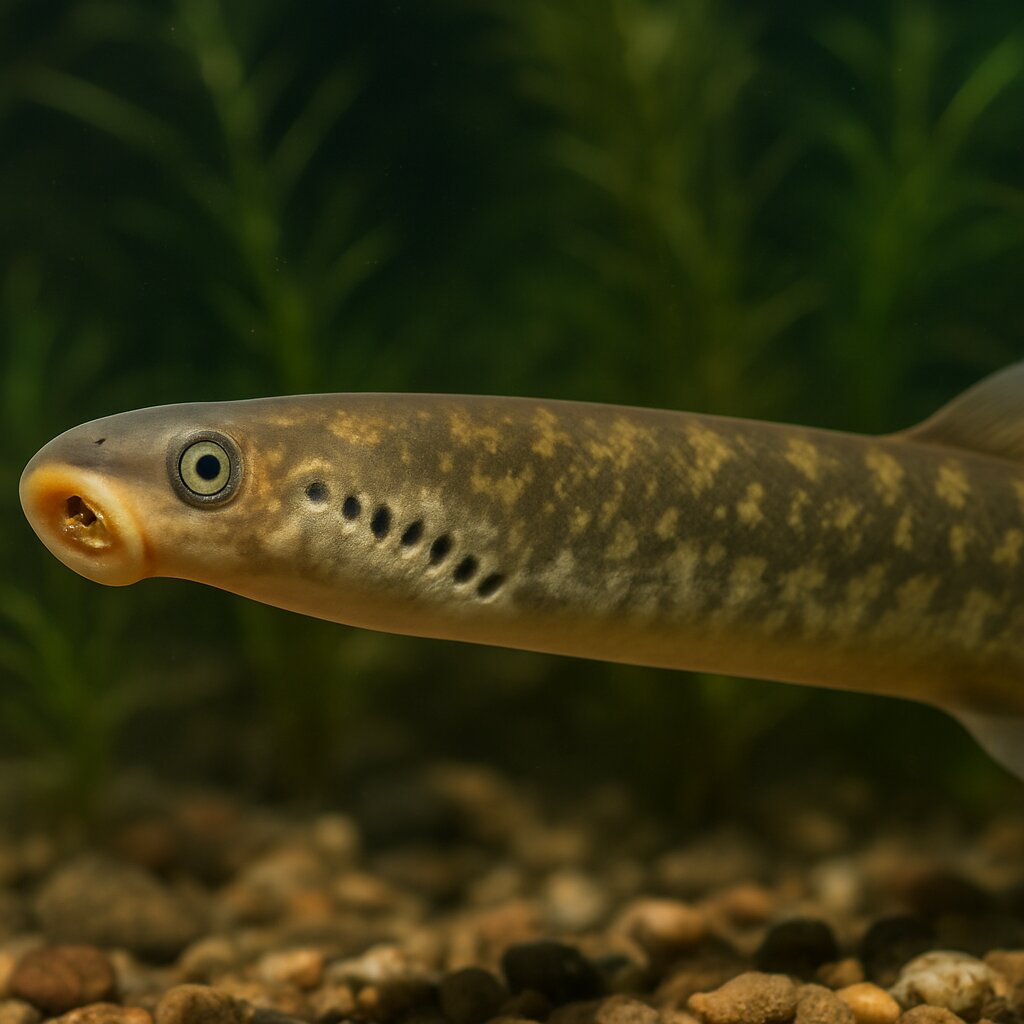
Chestnut lamprey
Ichthyomyzon castaneus
A native North American lamprey that spends 5–7 years as a burrowed, filter‑feeding larva before metamorphosing into a parasitic adult that attaches to fishes and feeds on blood and bodily fluids; adults spawn in spring and die shortly after. It inhabits flowing rivers and some lakes with cool, well‑oxygenated water and is not suitable for community aquaria.
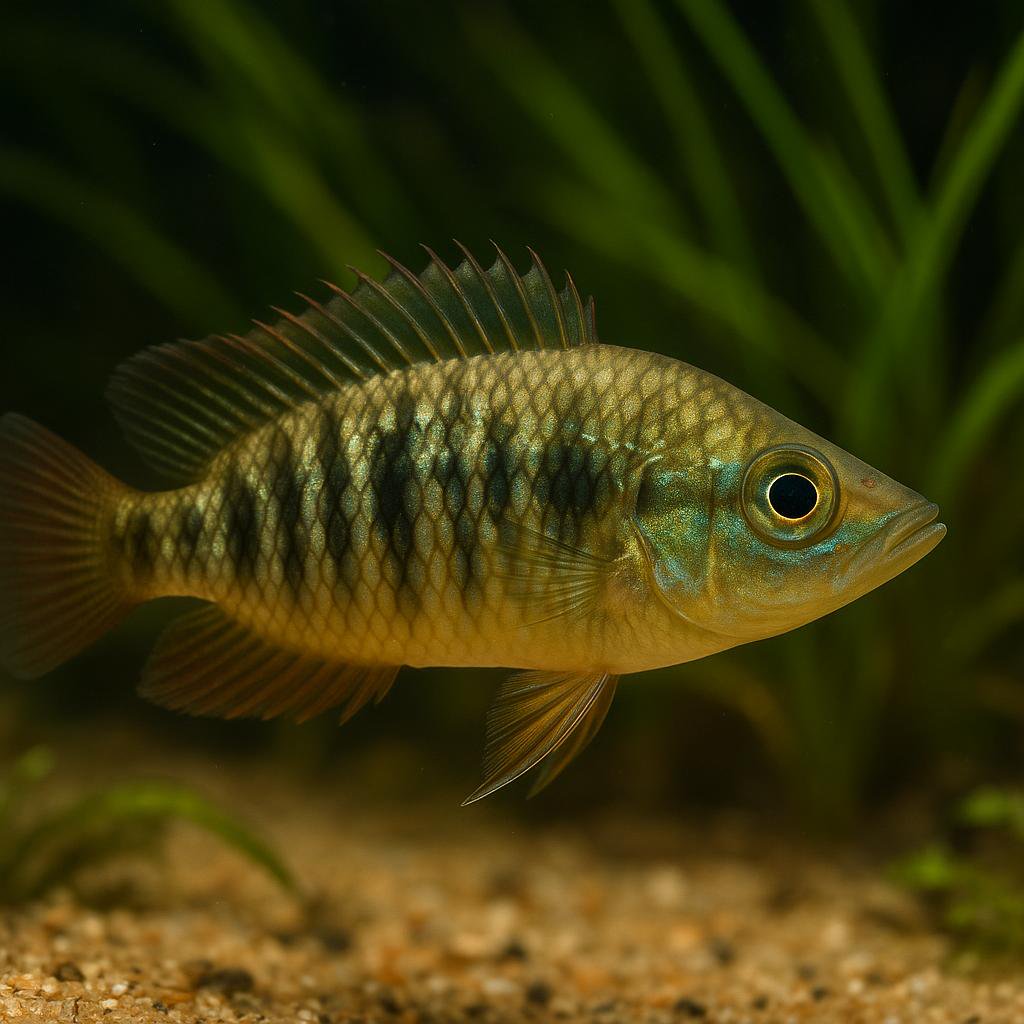
Compressiceps dwarf pike cichlid
Wallaciia compressiceps
This is one of those tiny pike cichlids that looks cute until you watch it start running the tank like a little biting terrier. It stays small, but it is a real predator with a ton of attitude, and it gets especially spicy with its own kind when pairs form.
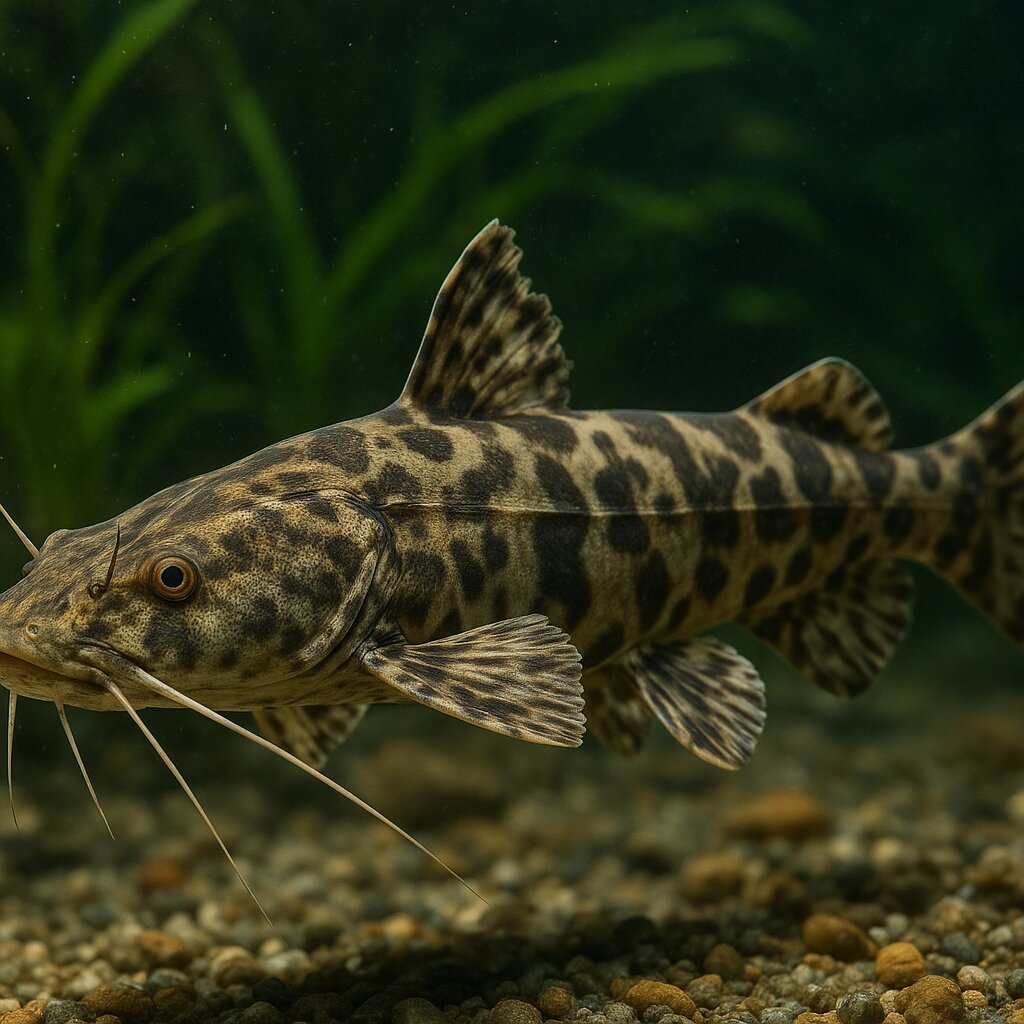
Goonch catfish
Bagarius bagarius
A true river monster with a shovel head and a mouth full of teeth, the goonch is built for blasting around boulder-strewn rapids. It is insanely strong, super predatory, and happiest in cool, fast, highly oxygenated water - think indoor-pond-with-a-river-flow setup, not a regular tank. If you love oddballs with attitude, this one is unforgettable, but it is for experts only.
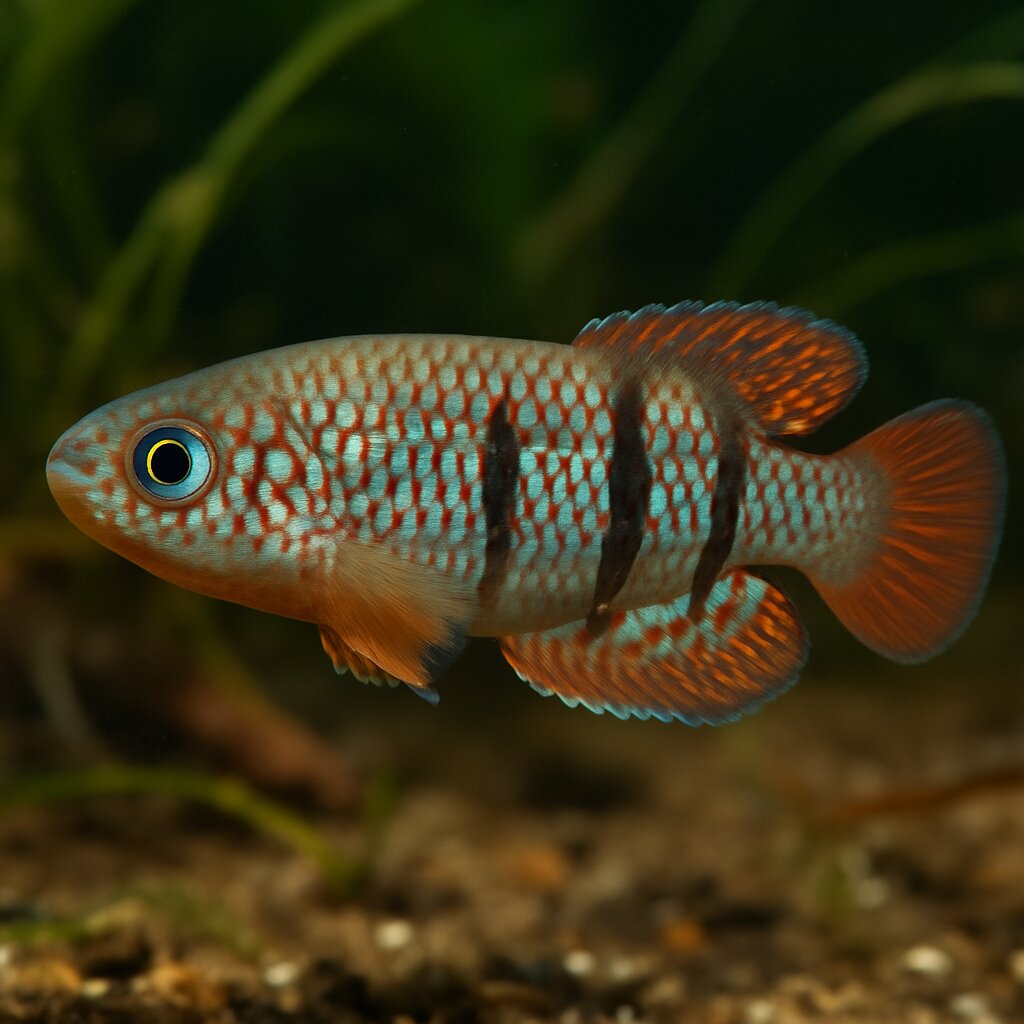
Hypsolebias trifasciatus
Hypsolebias trifasciatus
Tiny but flashy, this annual killi lights up with a blue body and bold yellow-and-black striping on the anal fin. It comes from shallow seasonal pools in northeastern Brazil, so it likes soft, warm water and will bury eggs in a peat or mud-like substrate. Males have big attitudes for such small fish, so plan for line-of-sight breaks or keep a single pair.
More to Explore
Discover more freshwater species.
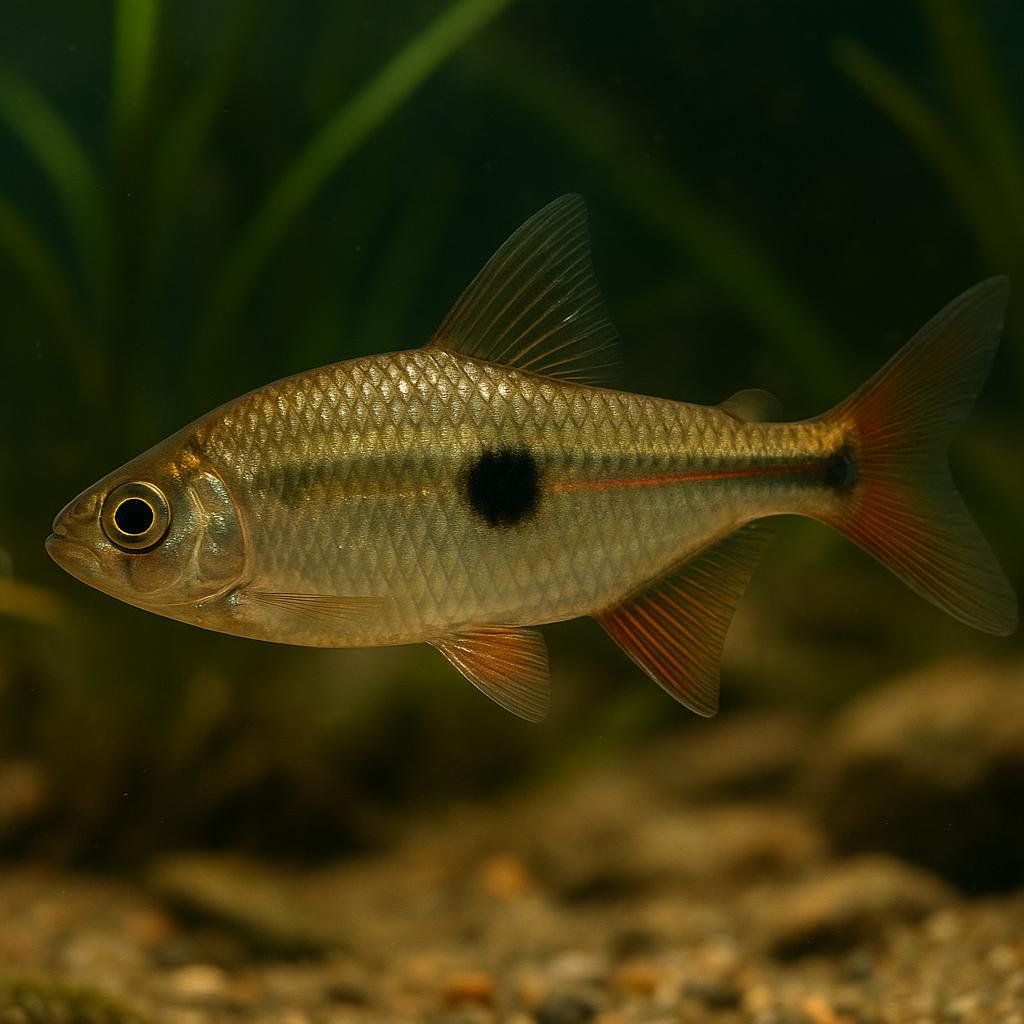
Jupiaba kurua
Small South American characin endemic to the upper rio Curuá (rio Xingu basin, Brazil). Reaches about 8.7 cm SL and inhabits clearwater rivers. Distinguished by dark dots on the bases of many lateral scales and a distinct dark caudal‑peduncle spot. Reported diet indicates omnivory, including aquatic insects, small fishes, and fragments of Podostemaceae and filamentous algae.
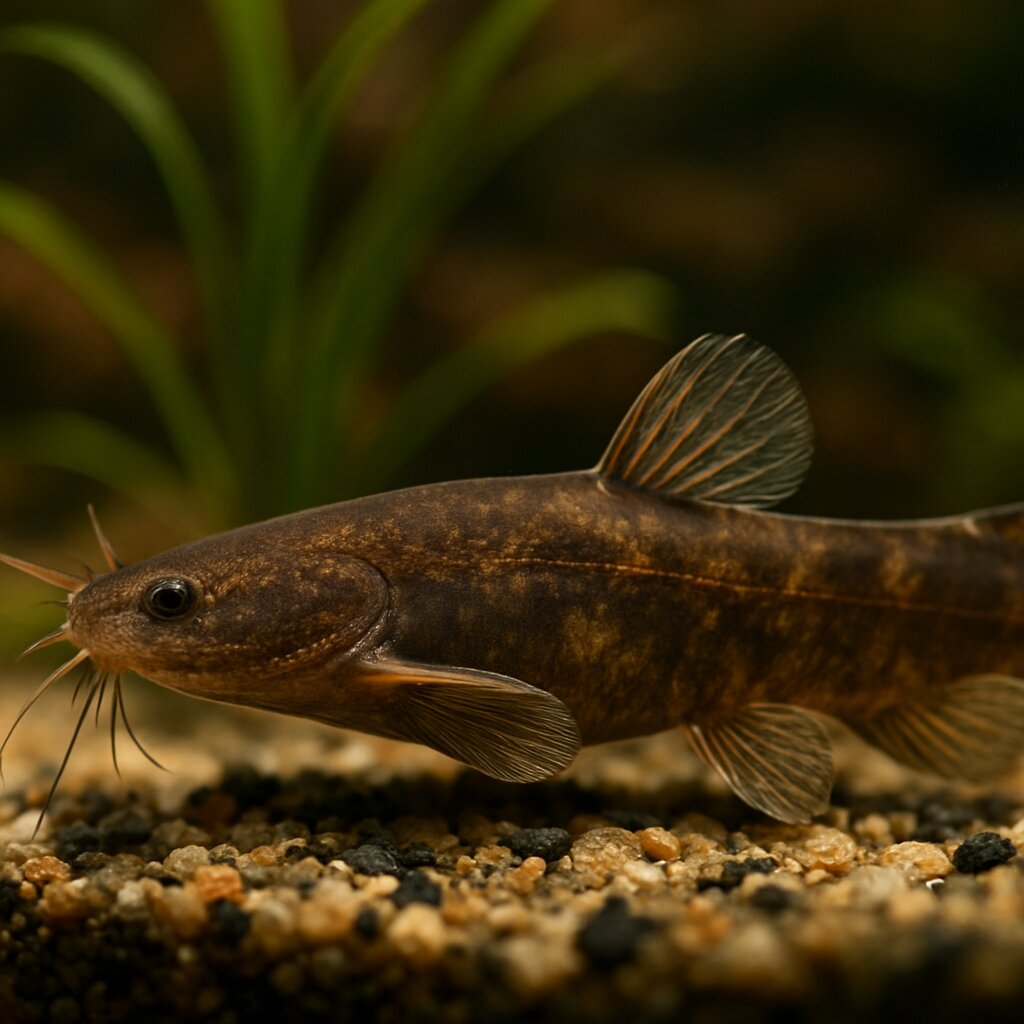
Amphilius dimonikensis
A small loach catfish endemic to the Mpoulou River in the Mayombe (Dimonika Biosphere Reserve), Republic of the Congo. Amphilius dimonikensis has a subtle banded pattern and inhabits fast, clear streams over rock and sand. In aquaria, prioritize strong, well-oxygenated flow with rounded stones and sand to mimic hillstream conditions.
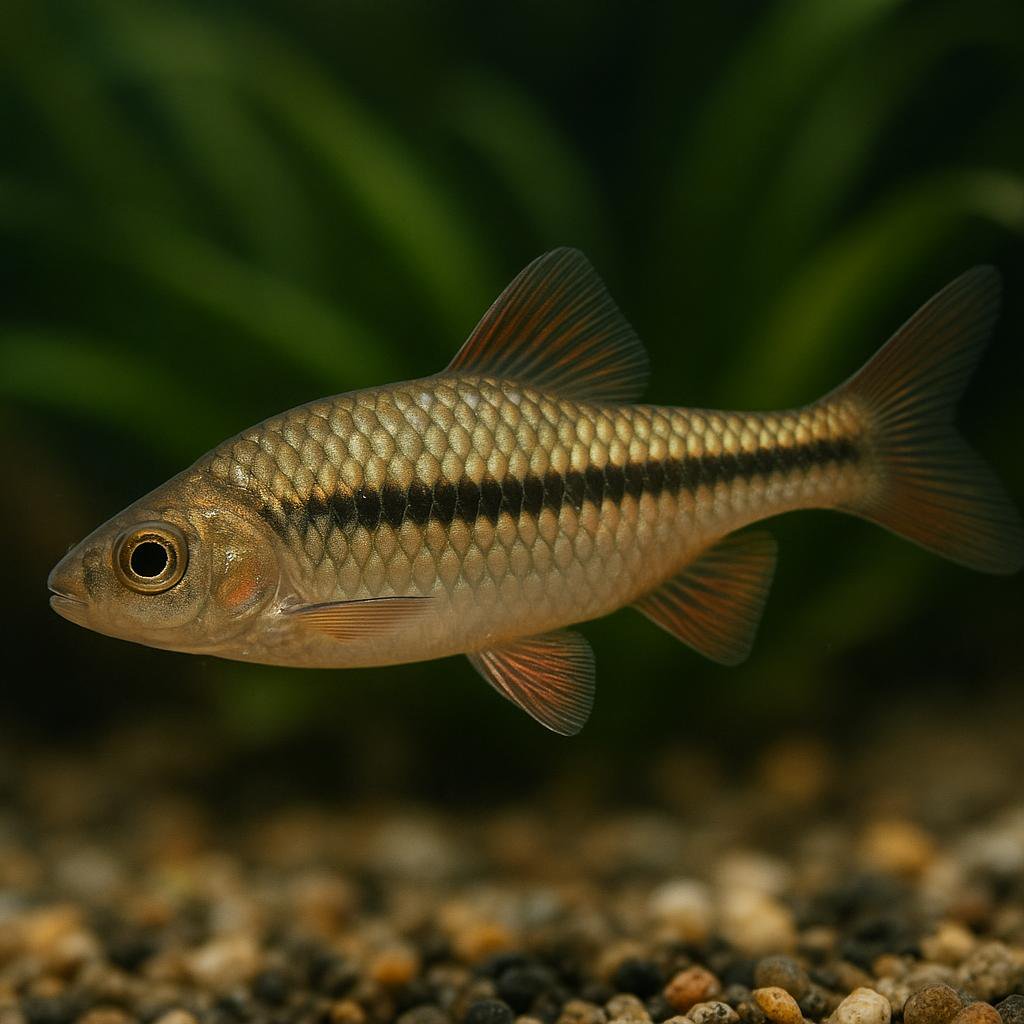
Aboina barb
Enteromius aboinensis
Enteromius aboinensis (the Aboina barb) is a small West African barb with a clean black midline stripe and a little spot right at the base of the tail. It does best when you treat it like a proper schooling fish - keep a decent group and give it plants around the edges with open swimming room in the middle.
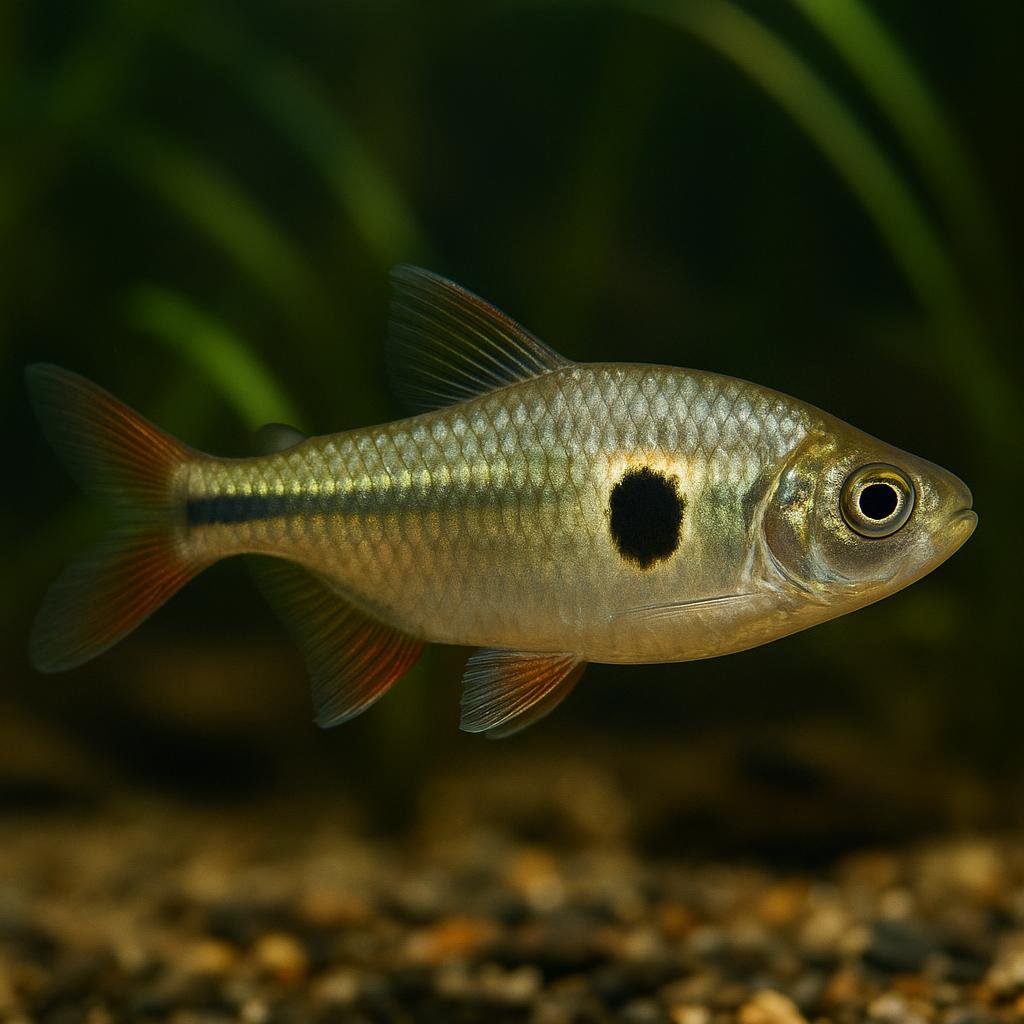
Ajuricaba tetra
Jupiaba ajuricaba
Jupiaba ajuricaba is a South American freshwater characin from the Amazon basin in Brazil (rio Negro, rio Solimões, and rio Tapajós basins). It reaches about 9.5 cm SL and is diagnosed by a narrow dark midlateral stripe, an elongated humeral spot, and an ocellated spot on the upper caudal-fin lobe. Wild specimens have been collected from blackwater forest streams and also oxbow-lake habitats.
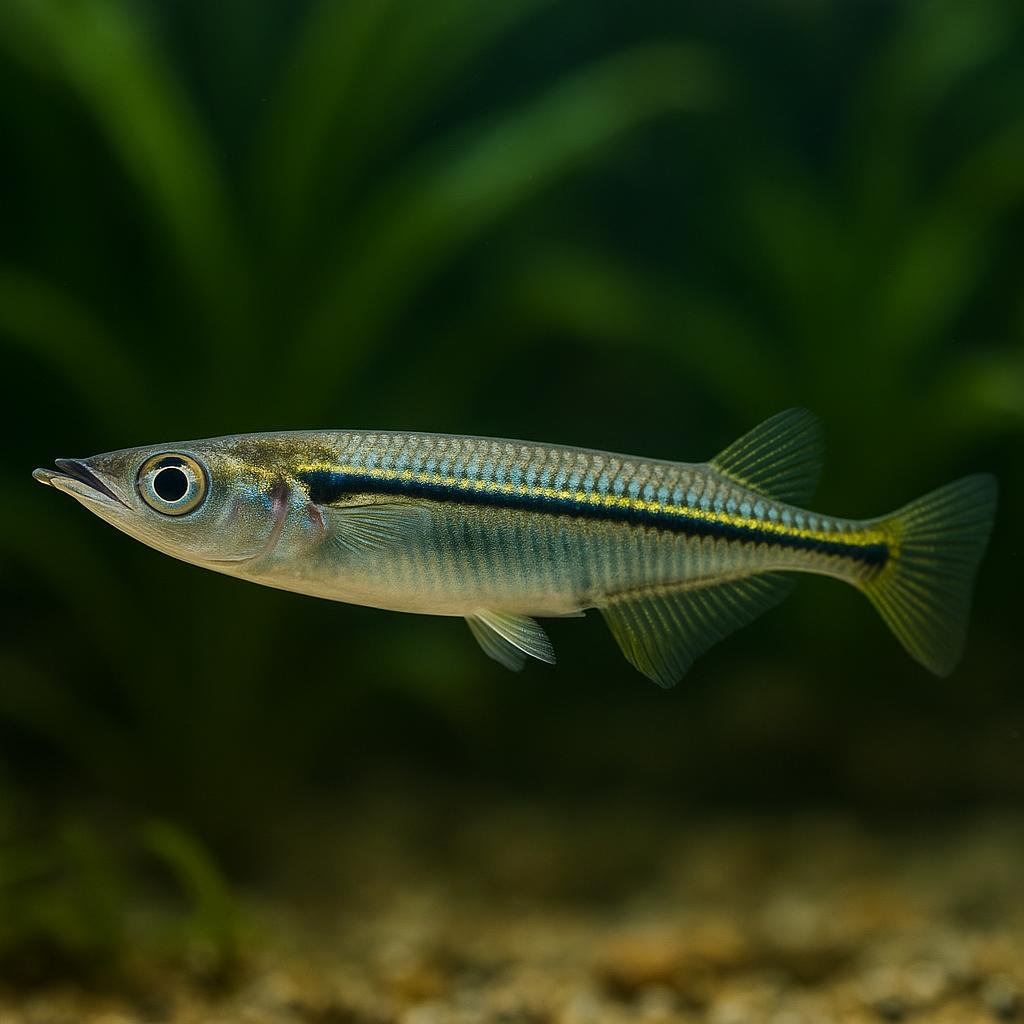
Allen's river garfish
Zenarchopterus alleni
A poorly known freshwater halfbeak endemic to West Papua (Mamberamo River), described from a single specimen (~13 cm SL). Beyond basic habitat/occurrence, little is published about its ecology or aquarium suitability; assume it is a surface-oriented, jump-prone halfbeak only by analogy with related taxa.
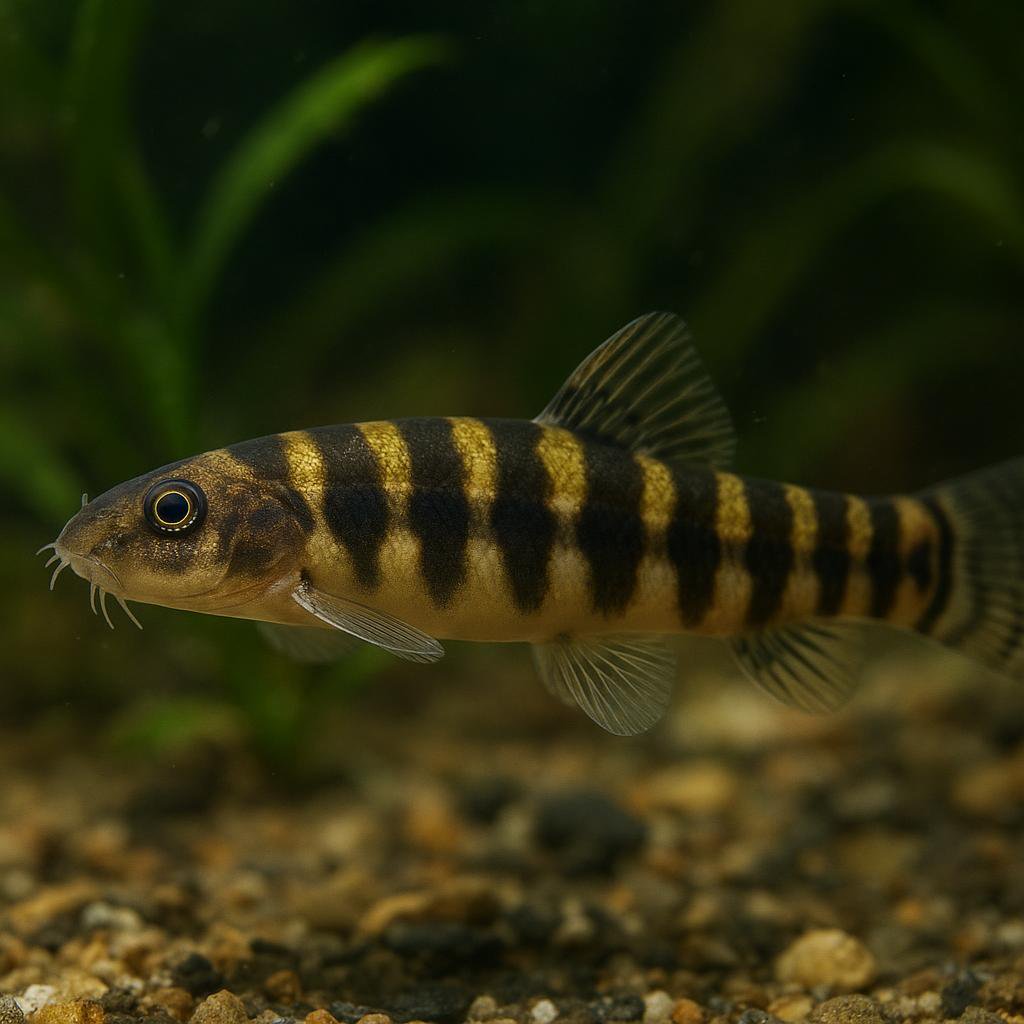
Altipedunculata stone loach
Schistura altipedunculata
Schistura altipedunculata is one of those little stream loaches that wants clean, well-oxygenated water and a bunch of rock nooks to claim as home. It is a bottom-hugger that will spend its day scooting from crevice to crevice, and it tends to get a bit spicy with its own kind if you do not give it enough hiding spots.
Looking for other species?