

Sharpnose sevengill shark
Heptranchias perlo
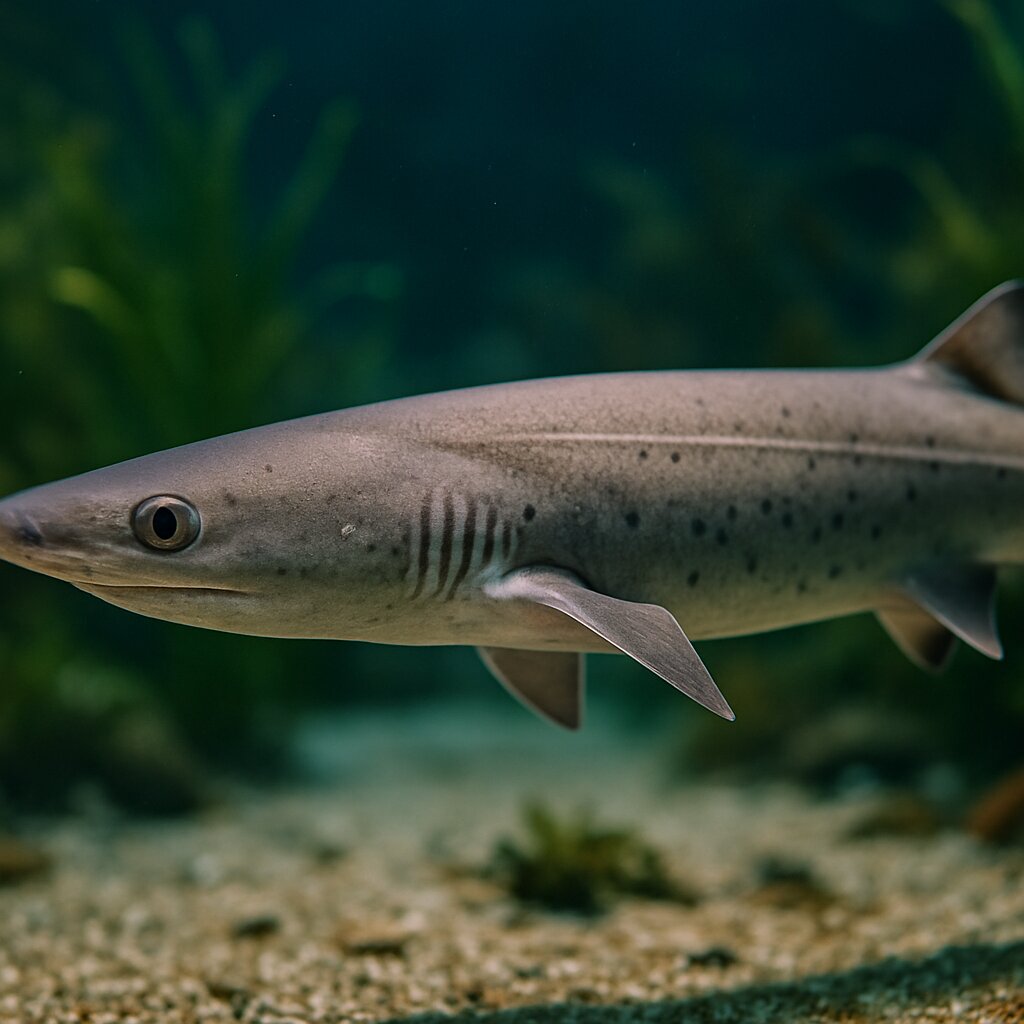
Sharpnose sevengill sharks possess a slender body with a pointed snout and seven gill slits, exhibiting a brownish-gray coloration with lighter spots.
This page includes AI-generated images. Why am I seeing AI images?
About the Sharpnose sevengill shark
A deepwater sevengill with big green eyes and a narrow snout, this shark cruises outer shelves picking off squid, crustaceans, and small fishes. It reaches about 1.4 m and looks wild under lights because its eyes glow green. Super cool animal, but strictly a public aquarium species, not a home tank fish.
Also known as
Quick Facts
Size
140 cm
Temperament
Aggressive
Difficulty
Expert
Min Tank Size
10000 gallons
Lifespan
unknown
Origin
Circumglobal - tropical and temperate oceans
Diet
Carnivore - small fishes, crustaceans, squid and cuttlefish
Water Parameters
8.5-18.7°C
7.8-8.4
20-40 dGH
Need a heater for this species?
This species needs 8.5-18.7°C in a 10000 gallon tank. Use our heater calculator to find the right wattage.
Calculate heater sizeCare Notes
- Plan on public-aquarium space: 10,000-30,000 liters (2,600-8,000 gal) in an oval/round tank at least 1 m deep, with smooth walls and fine sand. Keep lighting dim; they are a deepwater shark.
- Run a chiller and keep 8-12 C; SG 1.025-1.026, pH 8.1-8.4. Push dissolved O2 high with strong skimming/aeration and a steady circular current, not blasting flow.
- Ammonia and nitrite must stay at 0; nitrate under 10-20 ppm. Oversize the biofilter and do big, regular water changes to keep up with shark-scale waste.
- Feed 2-3 times a week at dusk with tongs: mixed marine fish, squid, and shrimp cut to bite-size. Rotate foods, avoid freshwater feeders, and use a vitamin soak heavy on thiamine plus a bit of iodine to prevent goiter.
- House it alone or with equally large, coldwater, non-nippy elasmobranchs only; most teleosts become snacks. Skip triggers, wrasses, warmwater sharks, and anything that picks fins.
- They rub and bruise easily, so keep decor minimal and surfaces smooth; never grab the tail. Use soft slings, not nets, and keep a tight lid because they can bolt upward when startled.
- Heat and low O2 are the fast killers - if water creeps above 14-16 C or you see surface gulping, drop the temp and add aeration immediately. Watch for snout abrasions turning white or fuzzy and get an elasmobranch-safe antibiotic plan from a vet; never use copper.
- They are ovoviviparous, but captive breeding is basically unheard of. Many wild-caught sharpnoses crash from capture or decompression damage, so unless you can source decompressed animals and run a serious coldwater system, pick a different shark.
Compatibility
Good Tankmates
- A species-only setup - just the sharpnose sevengill in a huge, chilled, round tank. This is the one combo that actually works long term.
- Same-size conspecific kept short term in a public-aquarium-scale system, very well fed, with eyes on it at all times. The moment you see posturing or bite marks, separate.
- Big, super fast, cold-temperate schooling fish that are too large to swallow, like adult mackerel or bonito, in an enormous chilled oval. Even then, expect the odd strike and have a backup plan.
- Hefty coldwater demersals like full-grown cod or pollock, only in vast exhibits with tons of open water and heavy feeding. Works sometimes, but monitor for nighttime ambushes.
Avoid
- Anything nippy or aggressive like triggers and puffers. They hammer fins, stress the shark, and most are too warmwater for this species anyway.
- Spiny or venomous fish such as lionfish, scorpionfish, rabbitfish, or spiny dogfish. The shark will mouth them and get nailed or impaled.
- Slow fish with fancy fins or bulky profiles - groupers, angelfish, frogfish. Easy targets once the lights go low.
- Other sharks and rays. Sixgills, broadnose sevengills, thorny rays, or warmwater species like blacktips or epaulettes. You get dominance fights, spine injuries, or temp mismatches.
Where they come from
Sharpnose sevengills are deepwater cowsharks. They cruise continental slopes in temperate and tropical oceans, usually a few hundred meters down and sometimes past 1,000 m. Think cold, dim, and quiet. They come up higher in the water column at night to hunt small fish and squid, then drop back into the dark. That deepwater background is the main reason they are so tricky in captivity.
Hard truth: most sharpnose sevengills do poorly in private systems. Collection from depth, decompression, transport, and warm holding tanks kill many before they ever reach you. If you are not set up like a public aquarium, pass on this species.
Setting up their tank
I kept mine in a chilled, round system and would not do it any other way. They pace and nose into corners if you give them rectangles. Round or oval is the move.
- Footprint and volume: minimum 25,000-30,000 L (6,500-8,000 gal) for a juvenile/subadult. 50,000 L+ is better. Aim for a 4-6 m diameter round tank, 1-1.5 m deep.
- Shape and surfaces: round tank or an oval raceway with rounded ends. No sharp corners. Smooth walls and a soft sand bottom (rounded aragonite). Skip live rock piles.
- Temperature: 8-14 C (46-57 F). They stress fast above 16 C. Use redundant titanium chillers and avoid swings bigger than 1 C per day.
- Oxygen and flow: high oxygen, gentle laminar current. Big protein skimmer, degassing, and an oxygen cone or fine diffusers. Keep microbubbles out of the display.
- Water quality: SG 1.025-1.026, pH 8.0-8.3, zero ammonia/nitrite, nitrate under ~25 mg/L. Stable beats perfect.
- Lighting: very dim. They hate bright white light. I use dim red for viewing at night.
- Lids and safety: tight cover and secure overflows. They are stronger than they look.
Black out the lower half of the viewing panel or use anti-reflection film. It cuts down on nose abrasion from glass-charging.
Filtration needs to be outsized. Think big wet-dry or moving bed biofilter, serious mechanical prefiltration, and a skimmer you would normally put on a full reef system. Plan for backup power, alarms, and spares for every pump that matters.
Handling: no nets. Use a soft stretcher in water, keep the skin wet, and minimize air. Even a small sevengill can injure you. Hands out of the tank during feeding.
What to feed them
They are squid-and-fish specialists. Mine took food on a stick after a week of lights-down nights and patience.
- Staples: squid and cuttlefish strips, sand eels/lancefish, smelt, mackerel chunks. Rotate items.
- Supplements: soak foods in a marine vitamin mix (with B1/thiamine), plus HUFA (Selcon-type). Add iodine periodically to avoid goiter.
- Avoid: exclusively oily baitfish (thiaminase issues) and freshwater feeder fish. Cooked foods are a no.
- Frequency and amount: juveniles 2-3 small feeds per week; adults 1-2. Roughly 1-2% body weight per week, adjust to body condition.
- Technique: long acrylic feeding stick or tongs. Present just in front of the snout and let them take it cleanly. No tug-of-war.
If they refuse food: go darker, cooler, and quieter. Try fresh squid first, then switch to a rotation. Feeding right after lights out works best.
How they behave and who they get along with
Sharpnose sevengills are mostly nocturnal cruisers. They are calm until they are not, and bright light or tight spaces make them frantic. Mine settled once the room stayed dim and the current was steady.
- Temperament: shy, light-sensitive, and very bump-prone. They nose walls if stressed.
- Tankmates: I do not recommend any. Anything small is food. Other large sharks or rays will stress them or get harassed.
- Activity: more active at night. Expect laps around the perimeter with pauses on the bottom if the current is mild.
- Human interaction: keep it minimal. They feed better and injure less with less traffic in the room.
Breeding tips
Realistically out of reach in private setups. They are aplacental viviparous (livebearers) with decent litter sizes, and they need massive space, seasonal cues, and multiple compatible adults. Even public aquariums rarely attempt it. If you ever ended up with a gravid female from the wild, dim light, very low stress, and excellent water are all you can offer.
Common problems to watch for
- Capture/decompression damage: exophthalmia, gas under the skin, odd buoyancy. Survival is poor if collected too fast from depth. Buy only from sources that decompress deepwater sharks properly.
- Rostrum abrasions: from glass-charging or hard decor. Round the layout, dim the room, and pad any intake grates.
- Heat stress: panting, frantic pacing, refusals to feed above 16 C. You need more chiller, not more air stones.
- Feeding strikes: often lighting or temperature related. Try squid at night with red light. Keep the room quiet for a week.
- Parasites and meds: copepods on gills/fins and flukes happen. Sharks are copper-sensitive; do not dose copper. Work with a vet for safe treatments.
- Ammonia and microbubbles: both burn gills. Keep NH3 near zero and stop bubbles from the sump reaching the display.
- Vitamin deficiencies: thiamine deficiency causes twitching or loss of coordination. Rotate diet and use vitamin soaks.
- Stray voltage: sharks feel it. Use GFCI and a titanium ground probe.
Legal and ethical check: these are wild, deepwater sharks with poor capture survival. Know your local laws and strongly consider leaving them to public aquariums with decompression-capable collectors and huge chilled systems.
Quarantine in a dim, round tank with mature biofilter and lots of oxygen. Let them settle for at least a few weeks before moving to the display.
Similar Species
Other marine aggressive species you might be interested in.
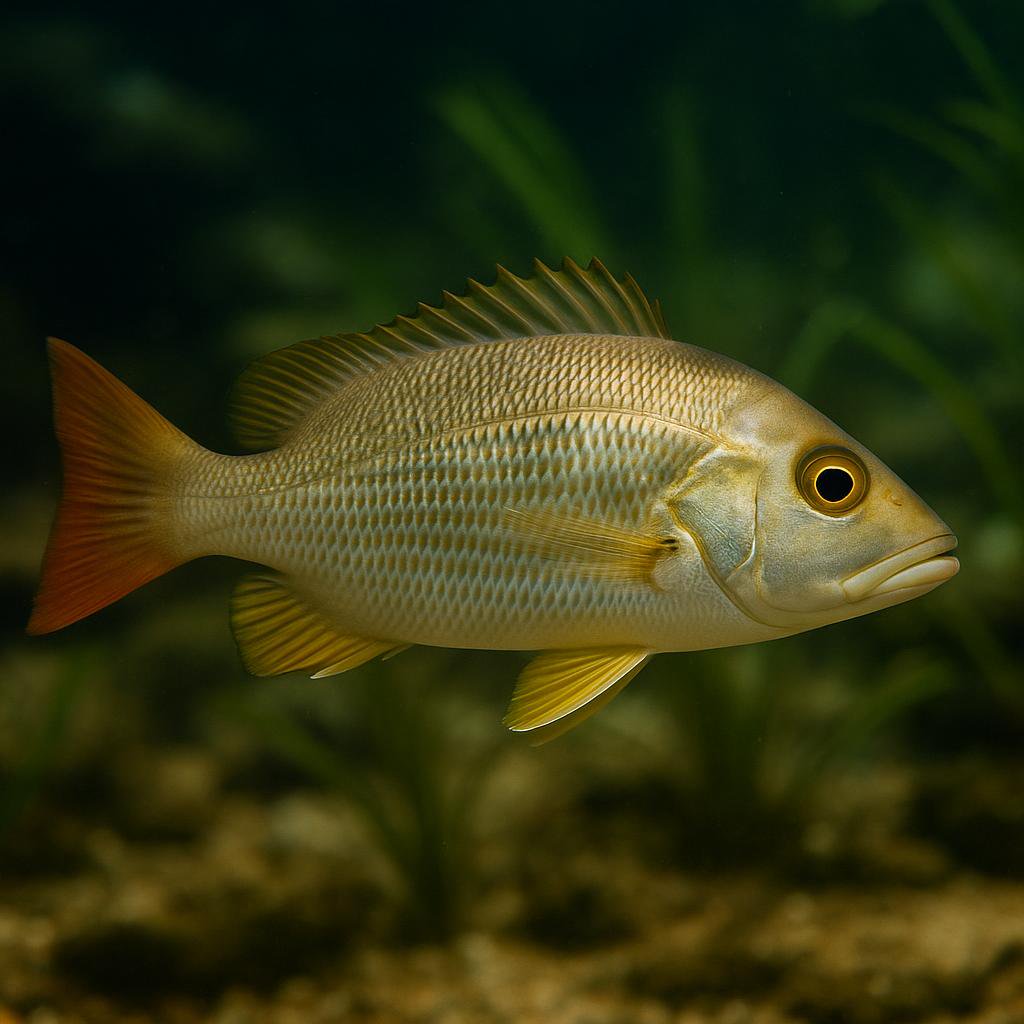
African red snapper
Lutjanus agennes
This is a true snapper from West Africa - a big, fast-growing predator that goes from coastal reefs to brackish lagoons and estuaries (especially as a juvenile). Super cool fish in the wild, but it gets absolutely huge and will eat smaller tankmates once it has the mouth for it, so its really more of a public-aquarium scale animal than a home-aquarium fish.
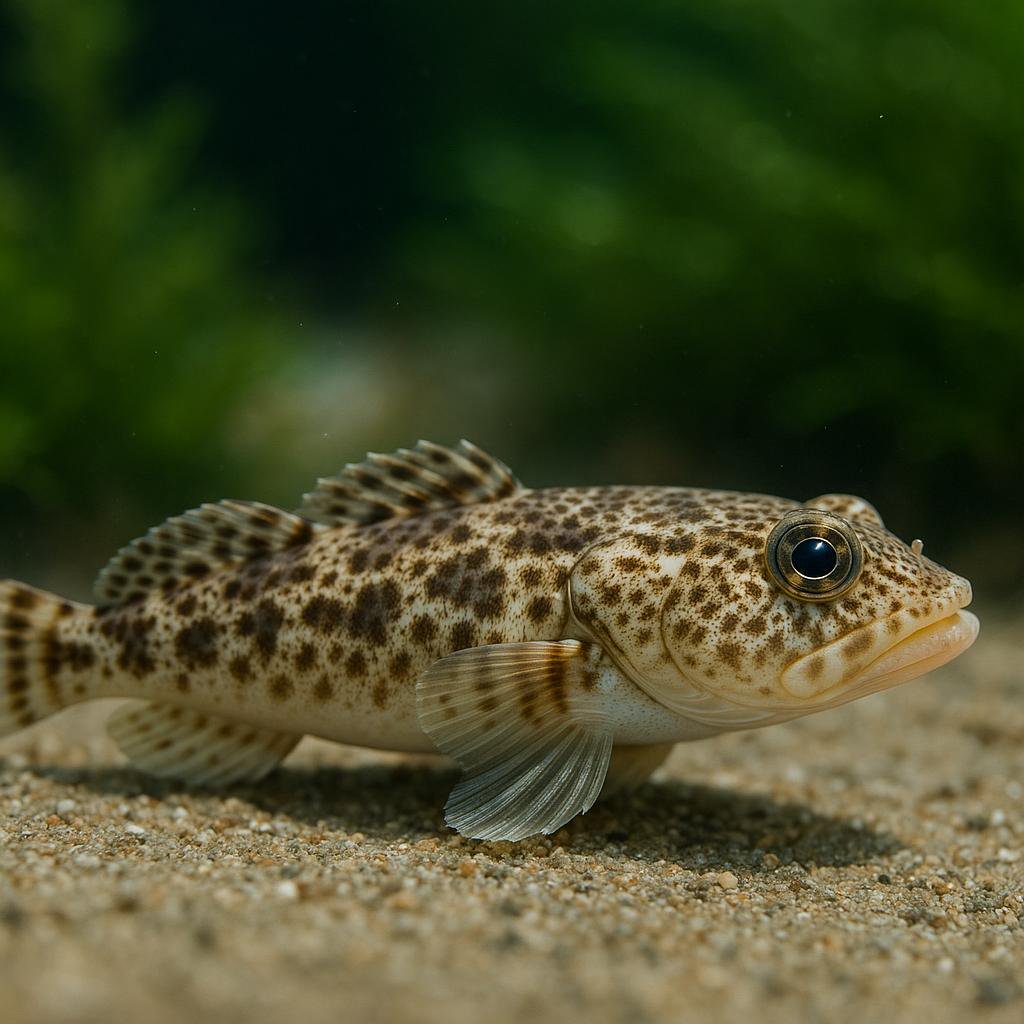
Banded stargazer
Kathetostoma binigrasella
This is a New Zealand stargazer that lives half-buried in sand or mud with its eyes pointed up, waiting to rocket upward and nail passing prey. It has those neat dark saddle-bands across the back (especially as a juvenile), and like other stargazers it is venomous with spines near the gill cover/pectoral area - definitely a look-dont-touch fish.
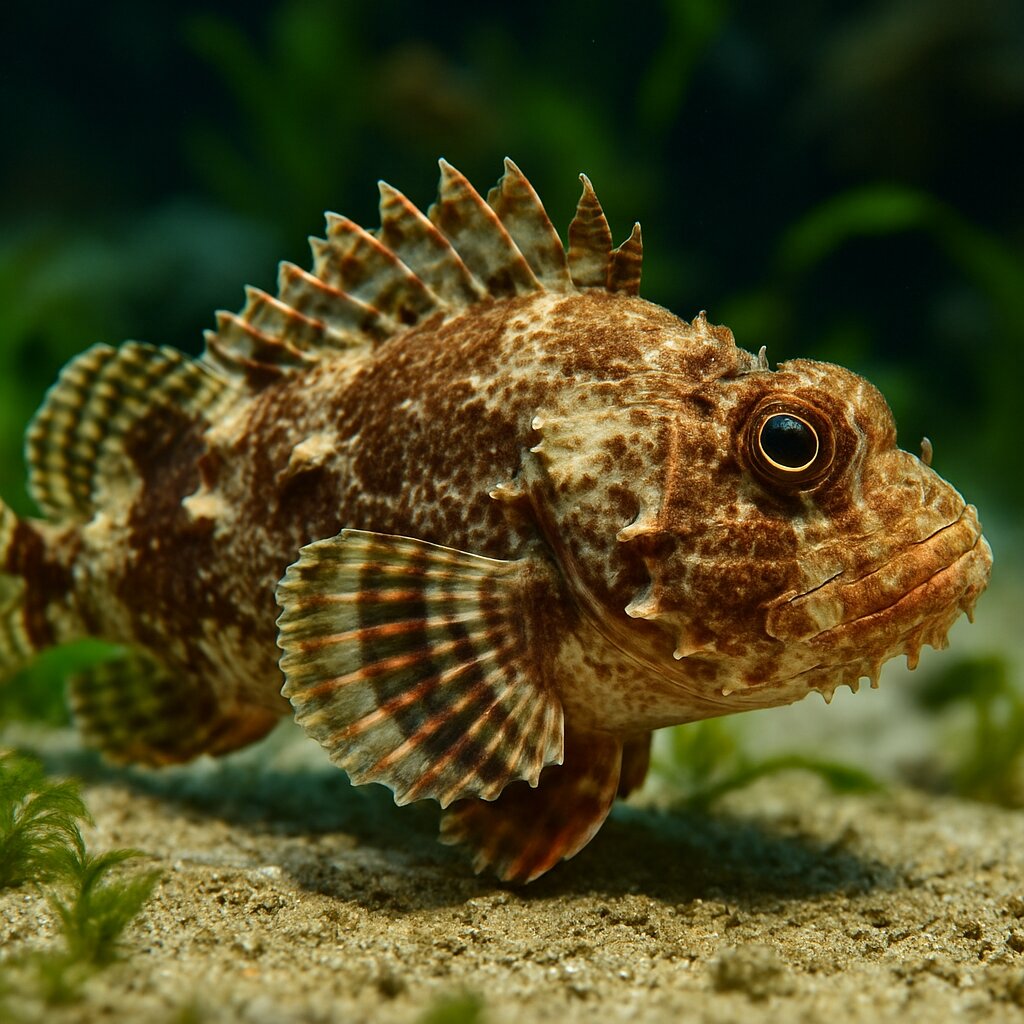
Bandfin scorpionfish
Scorpaenopsis vittapinna
Think tiny ambush predator that vanishes into rubble and coral bits, then flashes a dark band on its pelvic and anal fins when it shifts. It tops out around 3 inches, packs venomous spines, and loves to gulp unsuspecting shrimp and small fish. Super cool to watch once it settles, but it absolutely demands careful handling and smart tankmate choices.
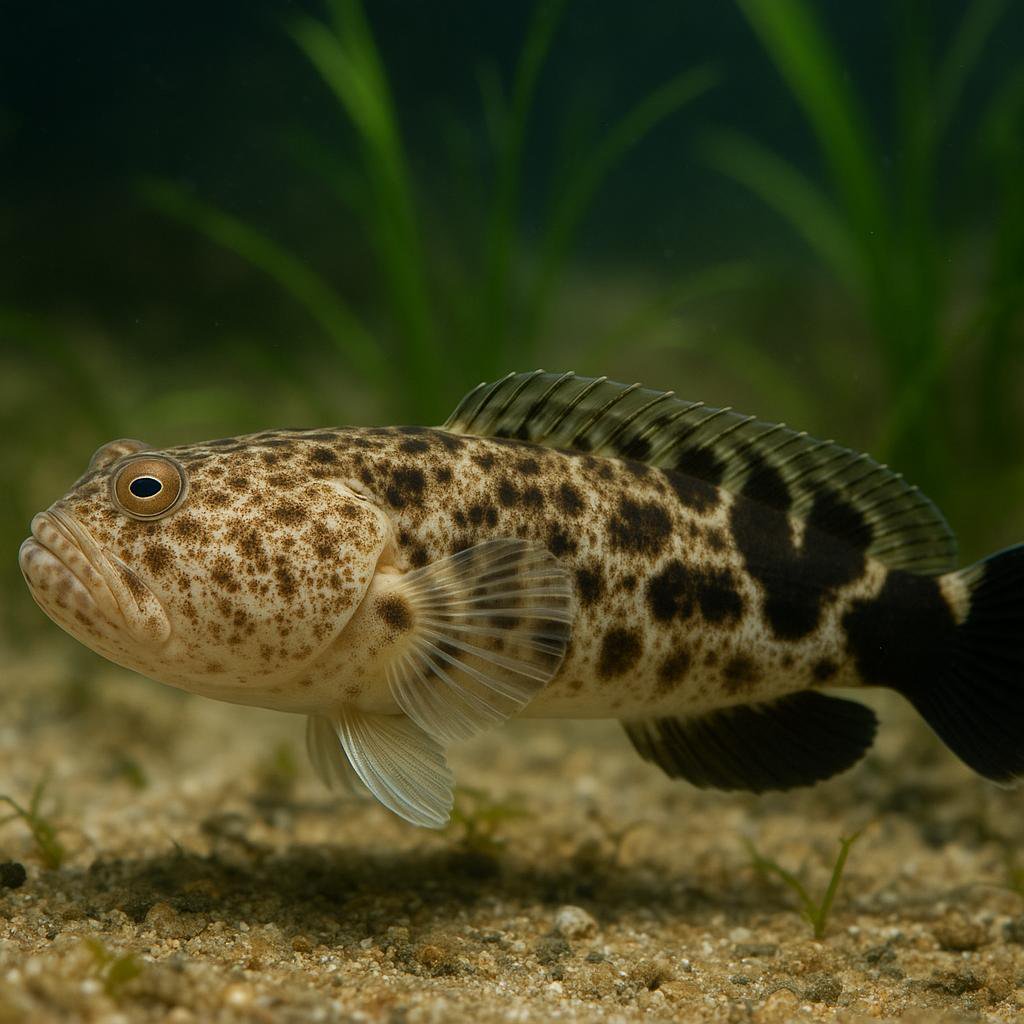
Blackfin stargazer
Ichthyscopus nigripinnis
This is a little sand-sitting stargazer from Australia that likes to lie in wait with its eyes up top and nail passing prey. That black mark on the front part of the dorsal fin is basically its signature. Cool fish, but its more of a wild marine predator than something you set up in a typical home aquarium.
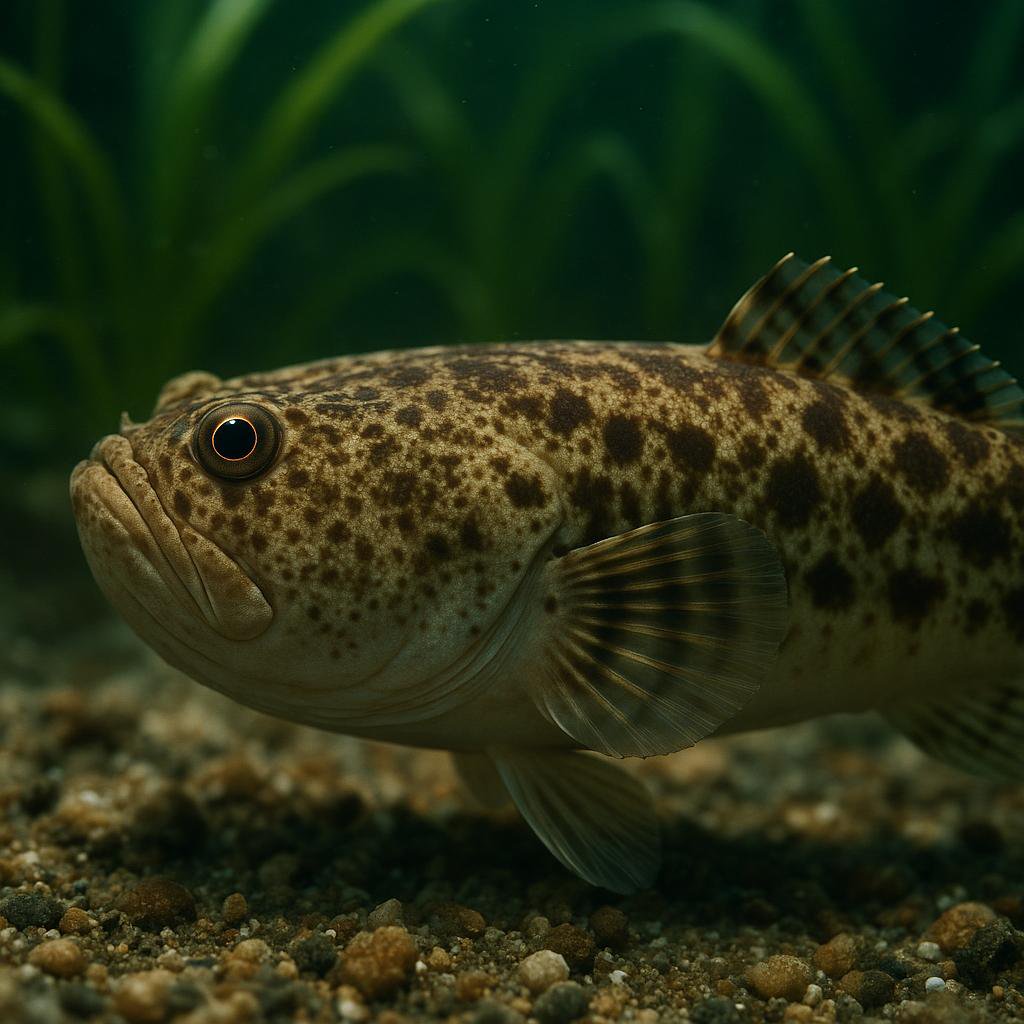
Brownspotted stargazer
Uranoscopus fuscomaculatus
A deep demersal stargazer recorded at 366–389 m that lies buried in sand or mud to ambush prey. Distribution is Southwestern Pacific (Vanuatu and Fiji). Given its deep, cold habitat and specialized requirements, it is not a practical aquarium species.
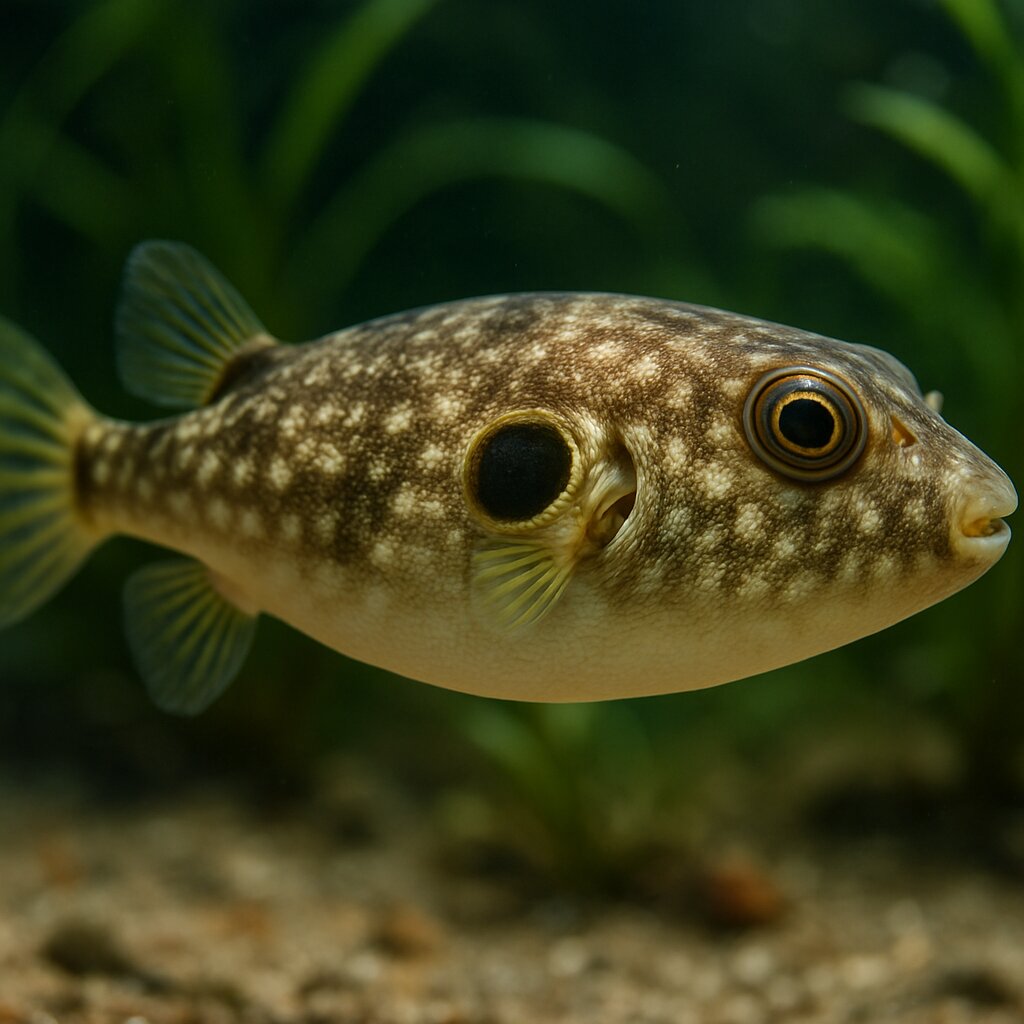
Bullseye puffer
Sphoeroides annulatus
Big personality in a football-shaped body with pale rings along the back that make a bullseye pattern. This is a stout Eastern Pacific puffer that crunches snails and crabs with ease and needs true saltwater and lots of room. Super cool to watch, but it turns nippy with tankmates and grows into a serious, messy eater.
More to Explore
Discover more marine species.
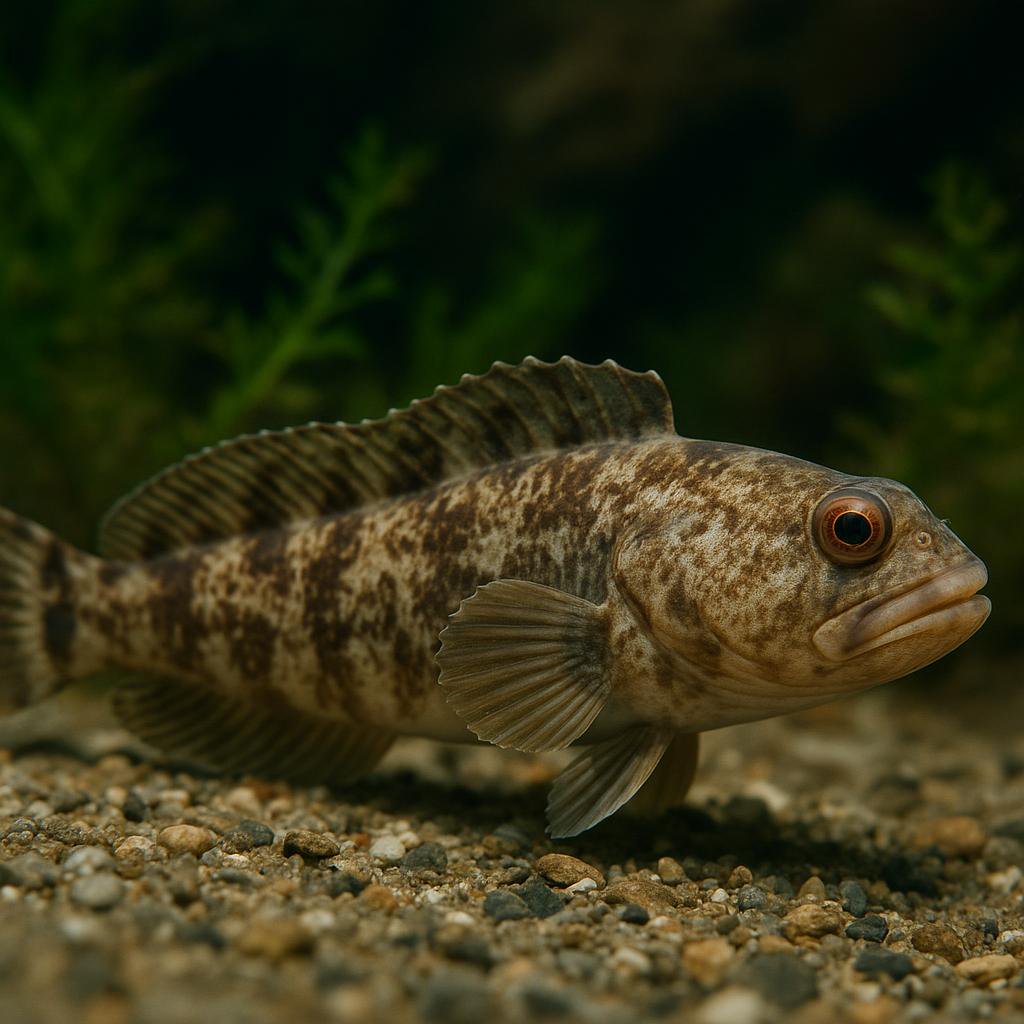
Abe's eelpout
Japonolycodes abei
Japonolycodes abei is a temperate, deepwater demersal eelpout (family Zoarcidae) endemic to Japan (Kumano-nada Sea reported; other sources also report Sagami Bay and Tosa Bay). It is the only species in the genus Japonolycodes and occurs roughly 40-300 m depth, making it an uncommon/atypical aquarium species.
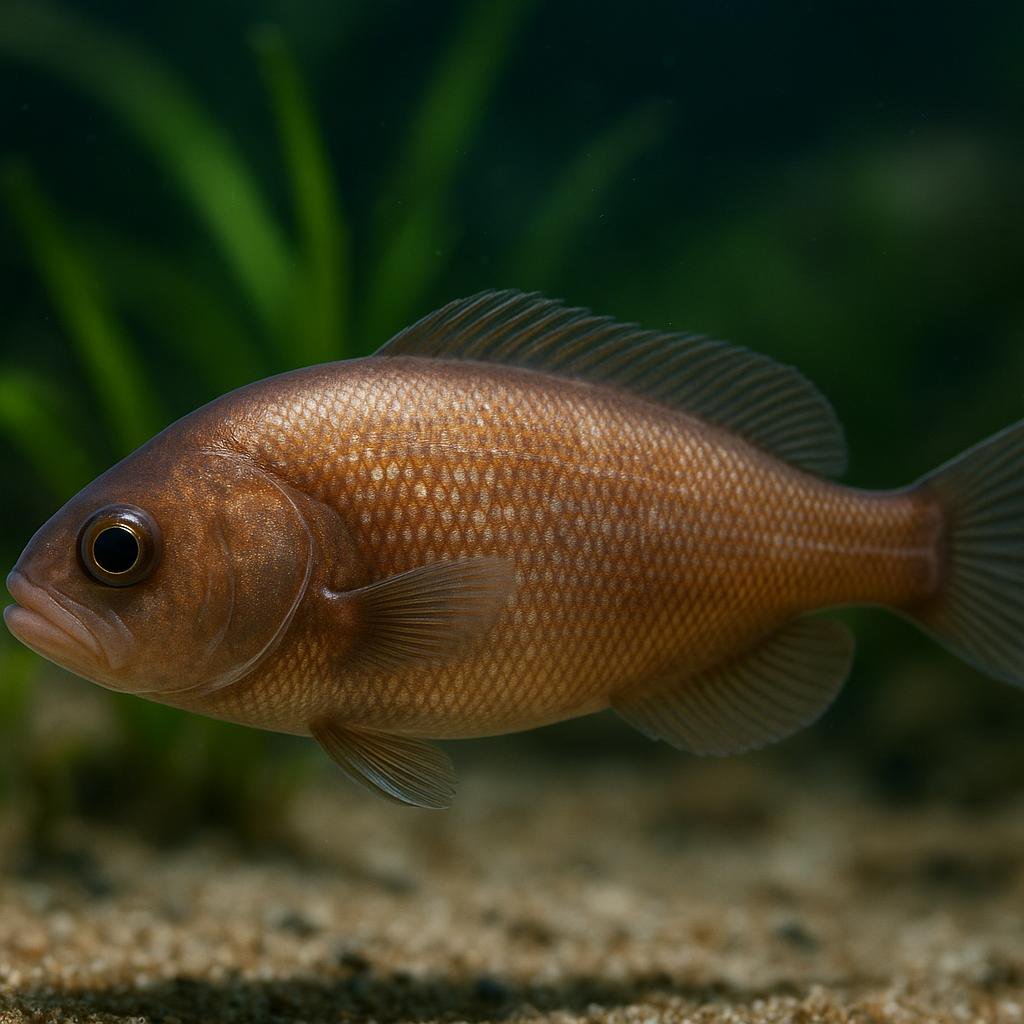
Affinis blind cusk-eel
Barathronus affinis
Barathronus affinis is a tiny, super-weird deep-sea blind cusk-eel from the western-central Indian Ocean. It is one of those gelatinous, loose-skinned brotula-type fishes that live way down in the dark and are basically never seen alive, so almost everything we know comes from preserved specimens and taxonomic work.
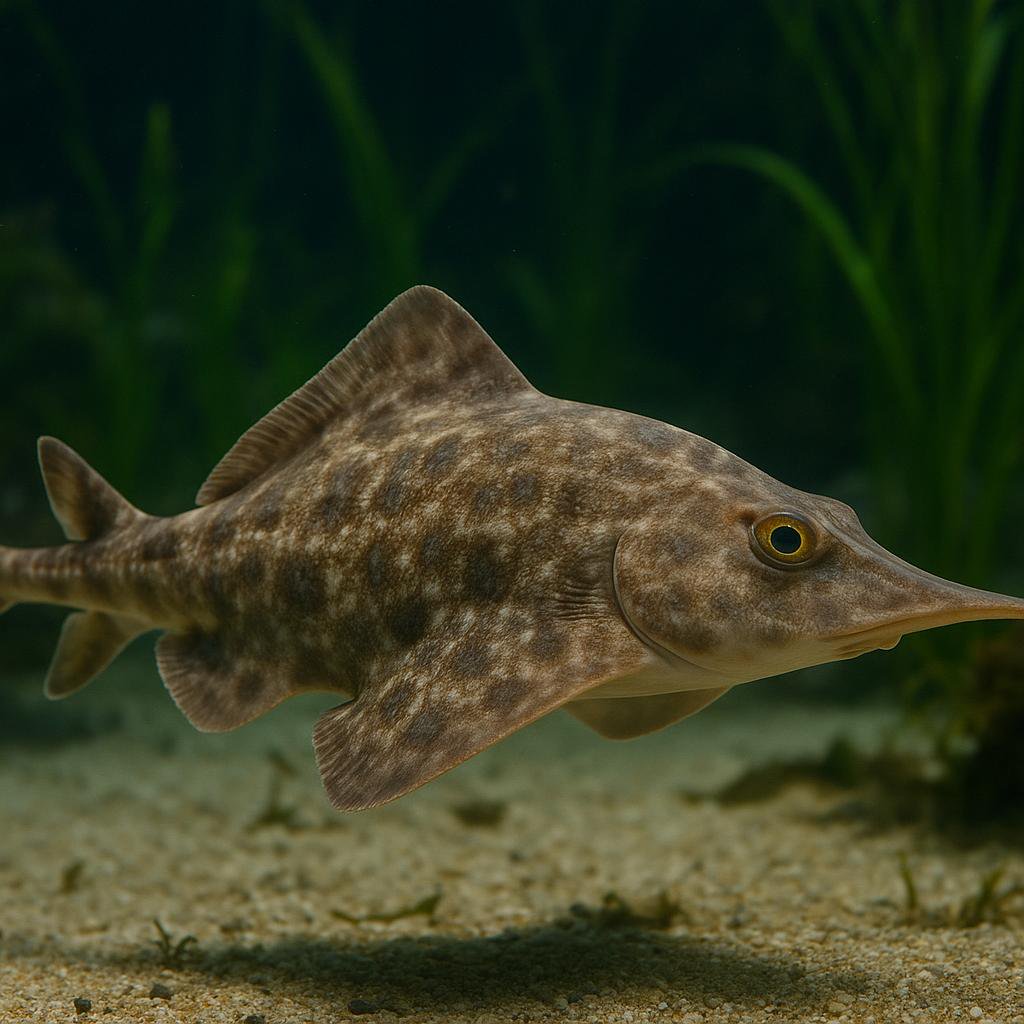
Aleutian skate
Bathyraja aleutica
This is a big, cold-water deep-slope skate from the North Pacific that cruises muddy bottoms and eats chunky benthic prey like crabs and shrimp. The really cool bit is its egg-laying skate life - it does distinct pairing (the classic skate "embrace") and drops those tough egg cases on the seafloor. Not an aquarium fish at all unless you're basically running a public-aquarium-style chilled system.
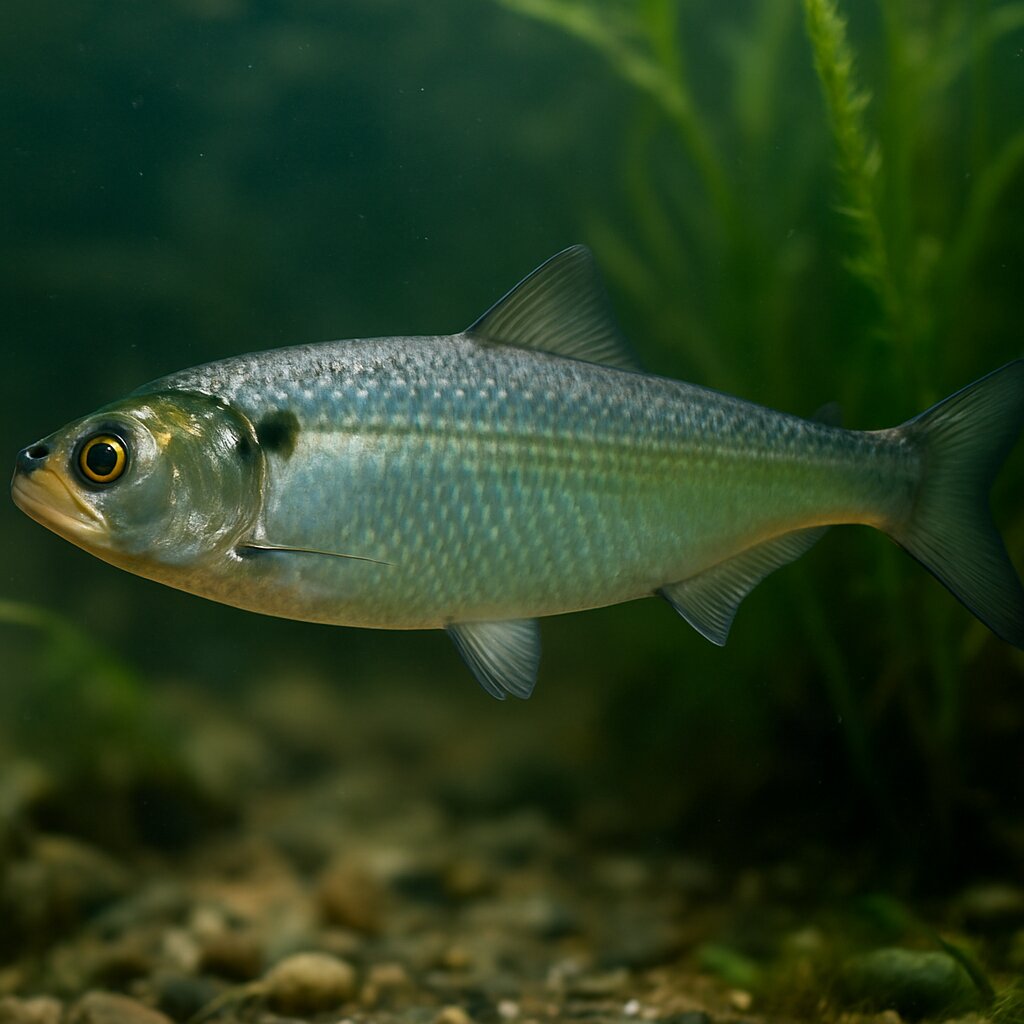
Allis shad
Alosa alosa
Gorgeous silver, fast-swimming shad that spends most of its life in the sea and then surges up big rivers in noisy, surface-spawning schools. It grows huge for a herring-type fish and needs cool, ultra-oxygenated water and tons of open space, so it is a public-aquarium species rather than a home tank fish.
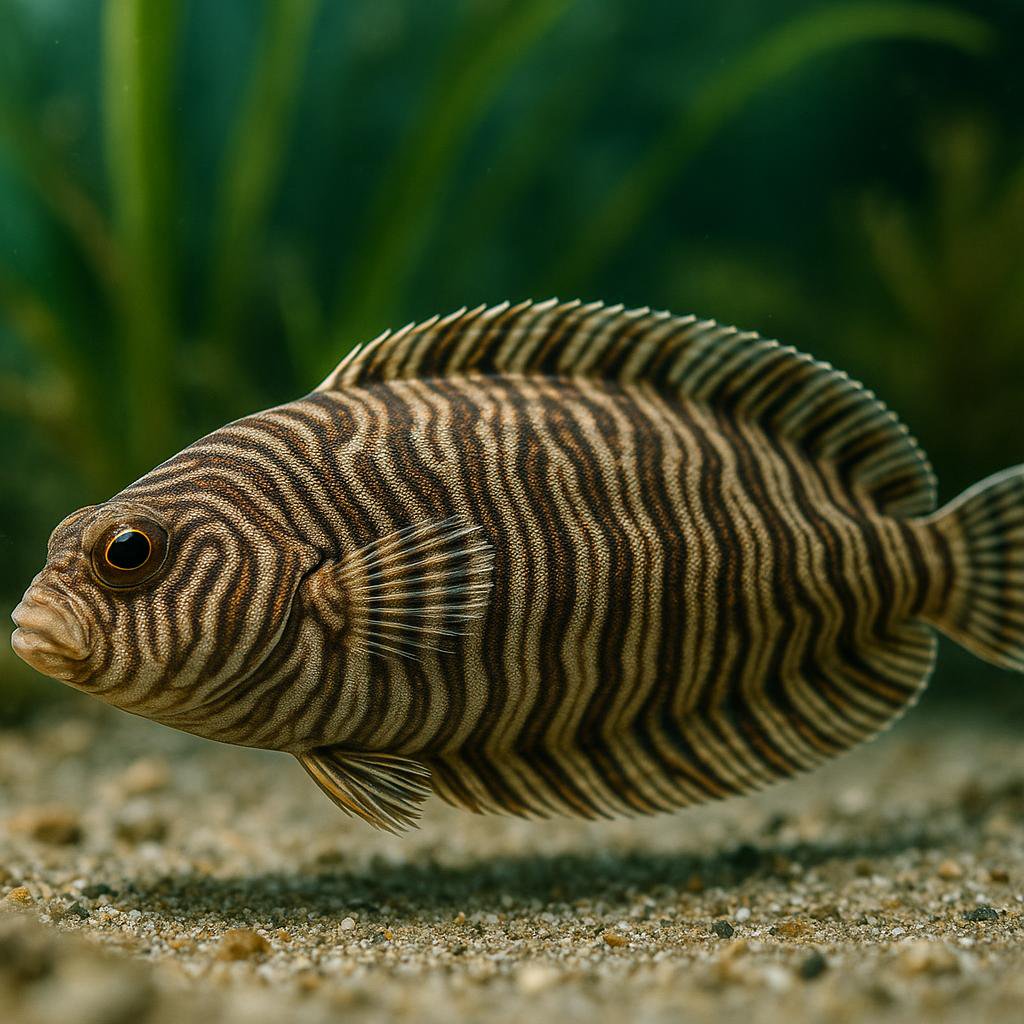
Annandale's zebra sole
Zebrias annandalei
Zebrias annandalei is a small demersal sole from coastal India that inhabits sandy or muddy bottoms and buries for camouflage. It is rarely kept in home aquaria and would require a specialized marine sand-bottom setup and appropriate feeding.
Antarctic dragonfish
Vomeridens infuscipinnis
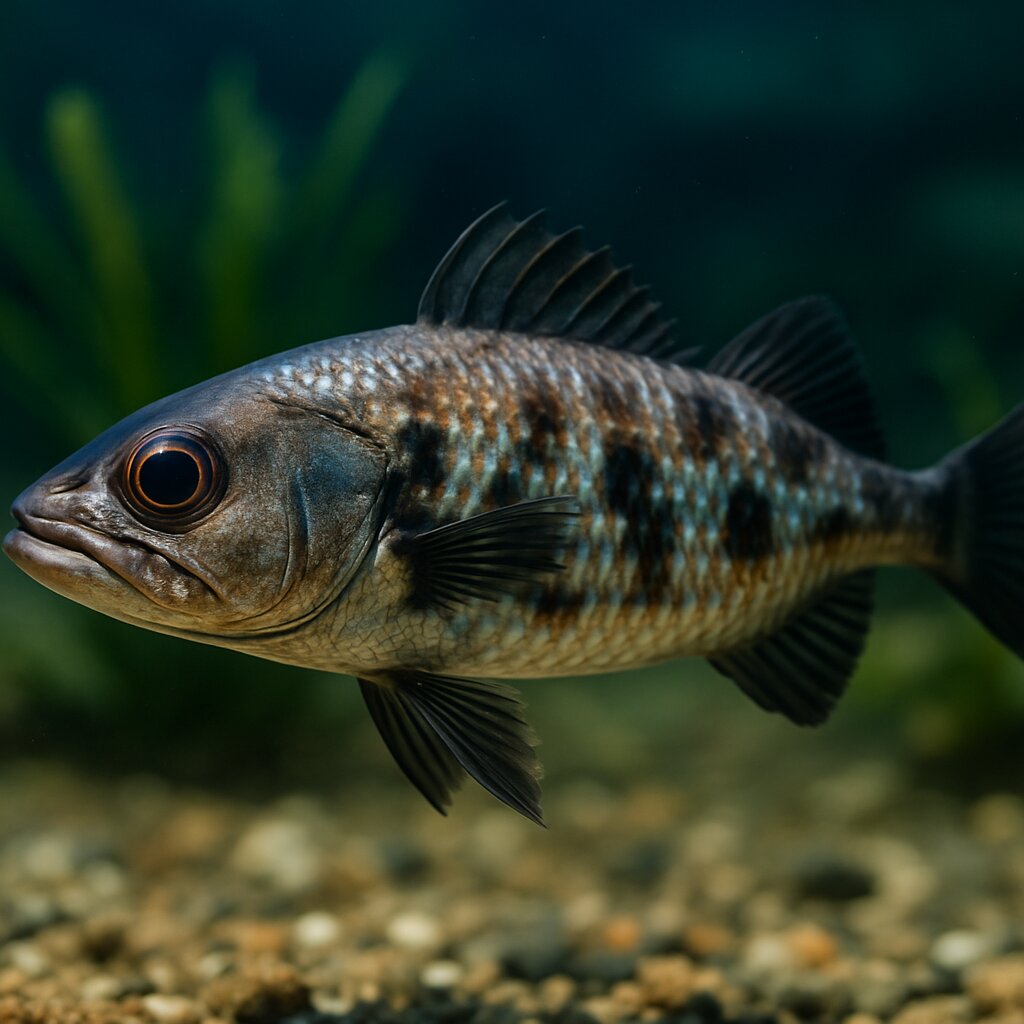
Deep down around Antarctica, this sleek dragonfish cruises the water column like a little submarine, nearly neutrally buoyant so it can hover above the seafloor. It munches almost exclusively on Antarctic krill and lives in near-freezing water 500-800 m down, so it is a cool species to read about, not one for home tanks.
Looking for other species?