

Chestnut lamprey
Ichthyomyzon castaneus
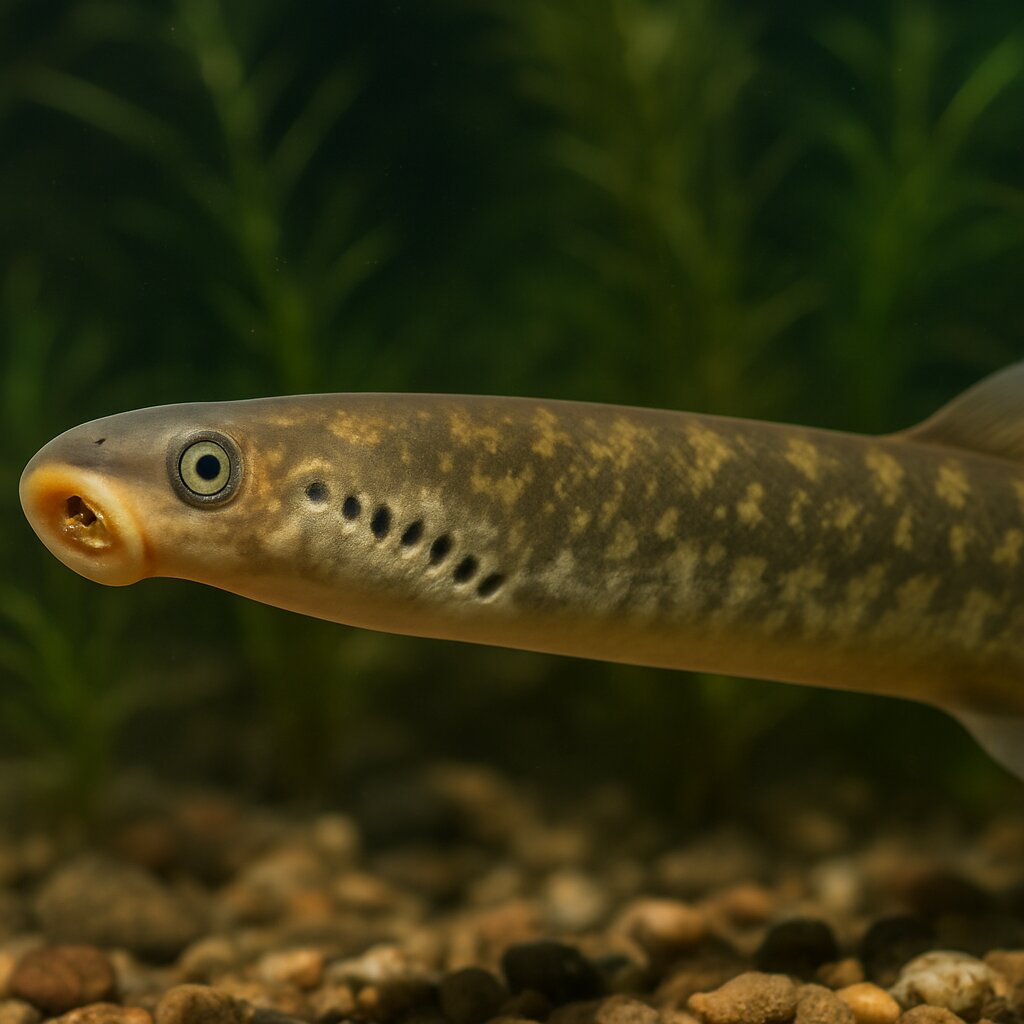
Chestnut lampreys have a slender, eel-like body, with a brownish to olive-green coloration and a distinctive series of dark, blotchy markings.
This page includes AI-generated images. Why am I seeing AI images?
About the Chestnut lamprey
A native North American lamprey that spends 5–7 years as a burrowed, filter‑feeding larva before metamorphosing into a parasitic adult that attaches to fishes and feeds on blood and bodily fluids; adults spawn in spring and die shortly after. It inhabits flowing rivers and some lakes with cool, well‑oxygenated water and is not suitable for community aquaria.
Also known as
Quick Facts
Size
15 inches (38 cm)
Temperament
Aggressive
Difficulty
Expert
Min Tank Size
75 gallons
Lifespan
6-9 years
Origin
North America
Diet
Parasitic carnivore as adult - blood and tissue from host fish; larvae are filter-feeding detritivores
Water Parameters
10-24°C
6.5-8
3-15 dGH
Need a heater for this species?
This species needs 10-24°C in a 75 gallon tank. Use our heater calculator to find the right wattage.
Calculate heater sizeCare Notes
- Check local regulations before keeping chestnut lamprey; legal status varies by jurisdiction and some populations are protected (e.g., listed as Threatened in Iowa and Special Concern in parts of Canada).
- Run a long river tank with heavy flow and tons of oxygen, dim light, and a tight lid; use powerheads or a river manifold to push water along the length.
- Provide juveniles (ammocoetes) with a fine, stable sand–silt bed for burrowing; adults favor flowing habitats with rocky/weedy substrates and should have smooth refuges and protected intakes.
- Keep it cool and clean: aim for 60–72 F (15.5–22 C) with strong current and high oxygen to reflect river conditions; maintain 0 ammonia/nitrite and low nitrate, using well‑oxygenated, temperature‑matched water for changes.
- Feeding is the critical challenge: adults are obligate parasites on live fish hosts in nature; long‑term maintenance without live hosts is unproven and often unsuccessful. Ethical and welfare concerns make this species generally unsuitable for private aquaria.
- Do not do community tanks; they will attach to other fish and leave nasty wounds. If you must try tankmates, only use robust coldwater species you are willing to lose.
- They are jumpy escape artists, so seal every gap around lids, filters, and cables. Handle with wet hands or a specimen container, not a coarse net.
- Lampreys are highly sensitive to certain chemicals (e.g., lampricides such as TFM are lethal at low concentrations); prioritize environmental corrections (cooler water, strong aeration/flow, large water changes) over medication. Captive breeding is impractical; adults die after spawning, and larvae require years buried in fine sediments.
Compatibility
Good Tankmates
- Keep it solo — best outcome; adults are parasitic and will wound fish hosts.
- Big nerite or mystery snails - usually ignored since the lamprey targets fish, not shells
- Another chestnut lamprey of similar size, only in a huge, high-flow setup and kept stuffed with fish strips to curb rasping - still watch them
- Large, fast native rough fish you accept might get scarred - common carp, bigmouth buffalo, big suckers - river tank with heavy current
- Adult, sturdy sunfish or smallmouth bass in public-aquarium scale systems only, tons of flow and constant feeding - still a gamble
Avoid
- Slow or fancy fish like goldfish, koi, bettas, angelfish - sitting ducks, they get nailed at night
- Community fish like tetras, rasboras, livebearers, gouramis - small and chill, easy targets for a latch-on
- Bottom dwellers like plecos, loaches, corys, and most catfish - they rest where the lamprey hunts; catfish spines can also injure the lamprey
- Any fish species — the adult phase is parasitic and will attach to hosts, causing wounds and potential secondary infections.
Where they come from
Chestnut lampreys are a native North American river fish, not the invasive sea lamprey everyone hears about. You find them across the Mississippi River basin and connected drainages, where cool, clear streams roll into bigger rivers. Adults cruise deeper runs and lakes to feed, then head back to gravelly riffles in spring to spawn.
Check your local laws before you collect or buy one. Chestnut lampreys are native in many places and sometimes protected. A permit may be required to keep or transport them.
Setting up their tank
I kept an adult in a 75-gallon coldwater river setup. The two things that matter most are cold, oxygen-rich water and a steady current. If you can nail those, you are halfway there.
- Tank size: 55-75 gallons for one adult. Go bigger if you add a sand refugium for larvae.
- Temperature: 48-64 F (9-18 C) most of the year. Try not to let it sit above 68 F (20 C). A chiller makes life easier.
- Flow: Strong, laminar current. Aim for 6-10x turnover with a canister filter plus a powerhead. Lots of surface agitation.
- Substrate: Rounded river stones and gravel with open patches. Adults wedge under rocks; they do not burrow like larvae.
- For larvae (if you keep them): a separate tray or refugium with 2-4 inches of fine sand-mud mix and gentle through-flow.
- Decor: Smooth cobbles, slate stacks, and driftwood. No sharp edges around the intake. They rasp with a soft mouth.
- Filtration: Oversized canister with prefilter sponges. Meaty feeds foul water fast, so overbuild the biofilter.
- Lid: Tight-fitting with blocks around cables. Lampreys are escape artists and will follow trickles right out.
- Lighting: Dim. They are more active at dusk or with blue moonlights.
If you lose flow, you lose the fish. I run a small battery backup on a powerhead to keep oxygen moving during outages.
Cycle the tank fully and keep it mature. I did 25-40% weekly water changes, more after heavy feeds. Keep pH stable in the 6.8-8.0 range and avoid sudden swings.
What to feed them
Adults are parasitic in the wild, which is why this species is a challenge in aquaria. You do not need to give them live hosts. Mine took hand-fed strips of fish and shellfish. The trick is letting them latch on and rasp without the food skittering away.
- Good staples: tilapia or salmon fillet, smelt, shrimp, squid rings, nightcrawlers. Rinse well and use small, firm strips.
- Presentation: hold with tongs near the mouth; once the disc latches, keep it steady for several minutes.
- Schedule: 2-3 times per week for adults. Offer until they stop rasping strongly.
- Supplements: a tiny smear of vitamin-fish oil on fillet once a week helped condition mine.
- For larvae: they filter-feed. Use green water, spirulina powder slurries, or a tiny pinch of baker's yeast in a separate sand tray with gentle flow. Go very light to avoid fouling.
Do not let an adult feed on tankmates. Besides the ethics, you risk wounds, infections, and a lot of drama. Also, remove uneaten meaty food quickly or your water will go sideways.
How they behave and who they get along with
They are calm but purposeful. Mine spent days tucked under a rock in the current, then went exploring after lights down. They climb glass and cords with shocking skill, so that lid really matters.
- Tankmates: best kept alone. Any fish is a potential host.
- Inverts: tough snails and freshwater mussels usually get ignored, but strong flow can be rough on them.
- Handling: use wet hands or a soft container. Nets snag their skin and gill openings.
- Activity: more active in cool water and dusk lighting. Warmer temps make them restless and stressy.
Breeding tips
They have a long, staged life cycle. Larvae (ammocoetes) live burrowed in fine sediment for several years filtering tiny particles. After metamorphosis, they become parasitic adults for a year or two, then spawn in spring on clean gravel riffles and die. Pulling that off indoors is way beyond normal fishroom work.
- To even try, you'd need seasonal cooling and warming, a strong current over clean gravel, and a group to build a nest.
- Adults do not eat while spawning and die afterward.
- Raising larvae requires a dedicated sand bed with gentle flow and very light, frequent microfeeds. Water quality is the hurdle.
If a larva you collected starts to metamorphose (eyes develop, oral disc forms), be ready to shift it to the adult setup and introduce meaty foods within a few days. Some newly transformed individuals take a week to accept food.
Common problems to watch for
- Overheating: anything above 68-70 F for long stretches is rough on them.
- Low oxygen: they wilt fast without strong flow. Keep intakes clean and powerheads serviced.
- Escapes: gaps around cables or canister returns are classic exit routes.
- Starvation after metamorphosis: newly transformed lampreys may refuse food at first. Offer small, fresh strips daily and keep the room quiet.
- Mouth abrasions and fungus: rough rocks or dirty food can cause issues around the oral disc. Swap to smoother decor and pristine food handling.
- Water quality swings: meaty feeds spike ammonia. Use prefilters, big water changes, and test often.
- Legal and ethical headaches: some regions restrict transport or release. Never move them between watersheds.
Wild-caught individuals can carry parasites. Quarantine is smart, and wash hands and tools after tank work. If you see rapid decline or lesions, a fish vet is worth contacting.
Keep a feeding log. Note what they took and how long they rasped. It helps you spot appetite dips early and adjust before weight is lost.
Similar Species
Other freshwater aggressive species you might be interested in.
Arrowhead puffer
Pao suvattii
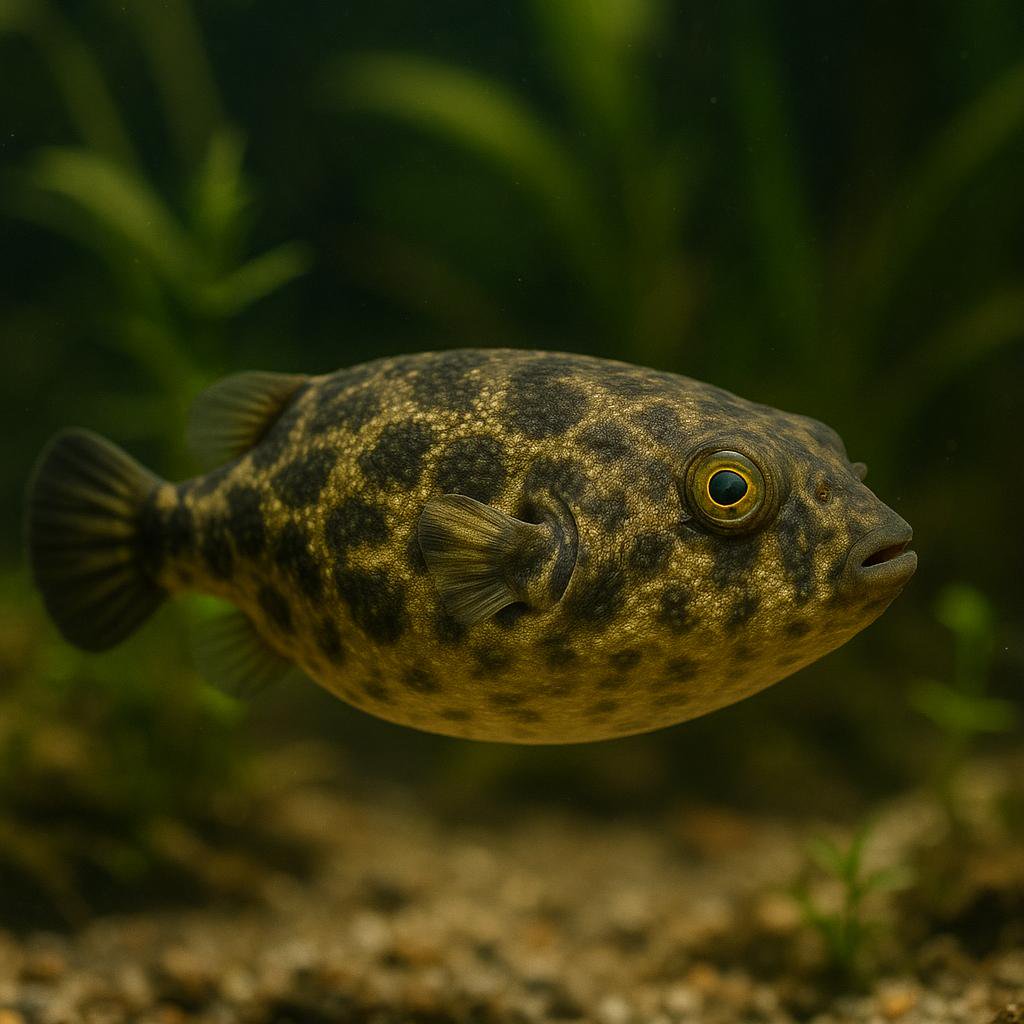
Pao suvattii is that sneaky Mekong puffer that likes to sit low and ambush food, and it has that super recognizable arrow/V pattern on its back. Gorgeous fish with tons of personality, but it is absolutely not a community guy - plan on a solo, species-only setup if you want everybody to stay in one piece.
Blue gularis
Fundulopanchax sjostedti
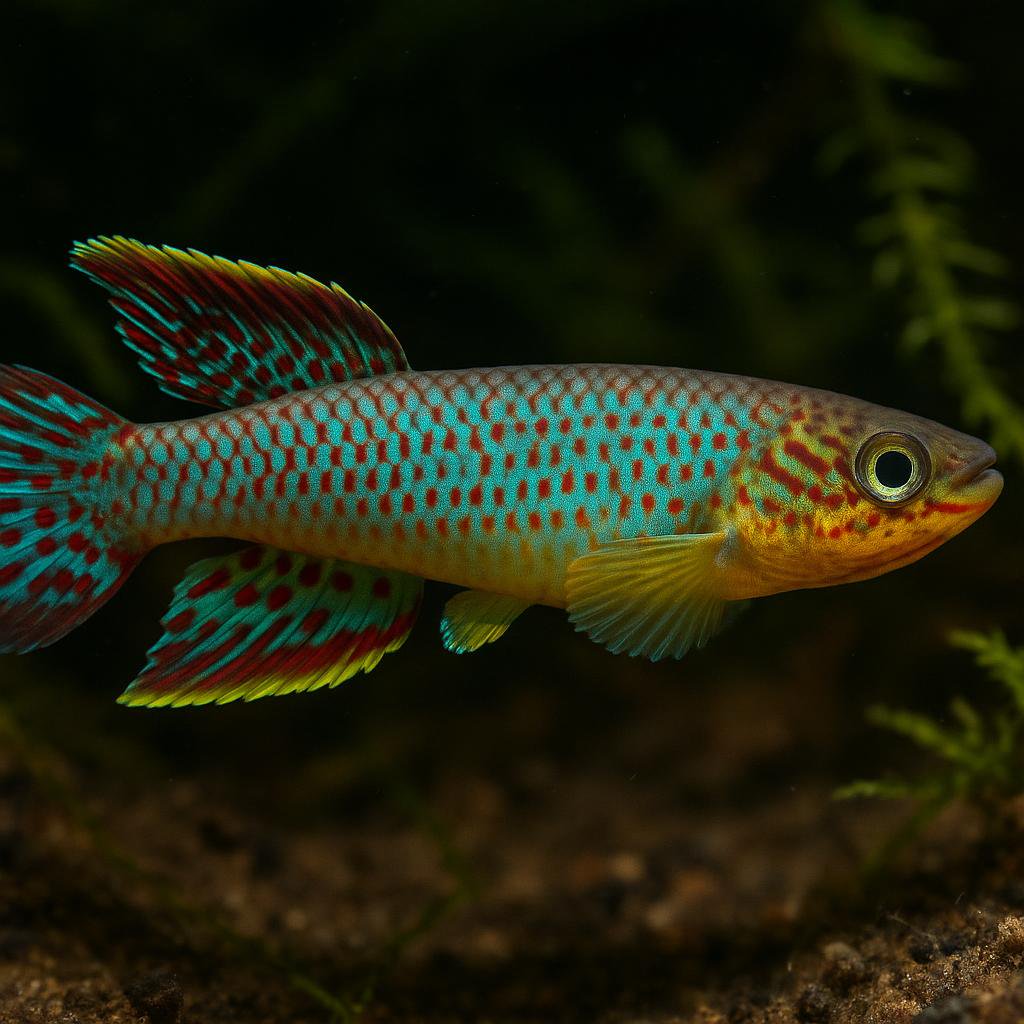
This is the big, flashy West African killifish with the ridiculous triple-point tail and electric blue-green body covered in red spotting. Males can be real attitude machines with each other, but if you give them room, cover, and a tight lid, they make an awesome centerpiece fish that will absolutely demolish live and frozen foods.
Compressiceps dwarf pike cichlid
Wallaciia compressiceps
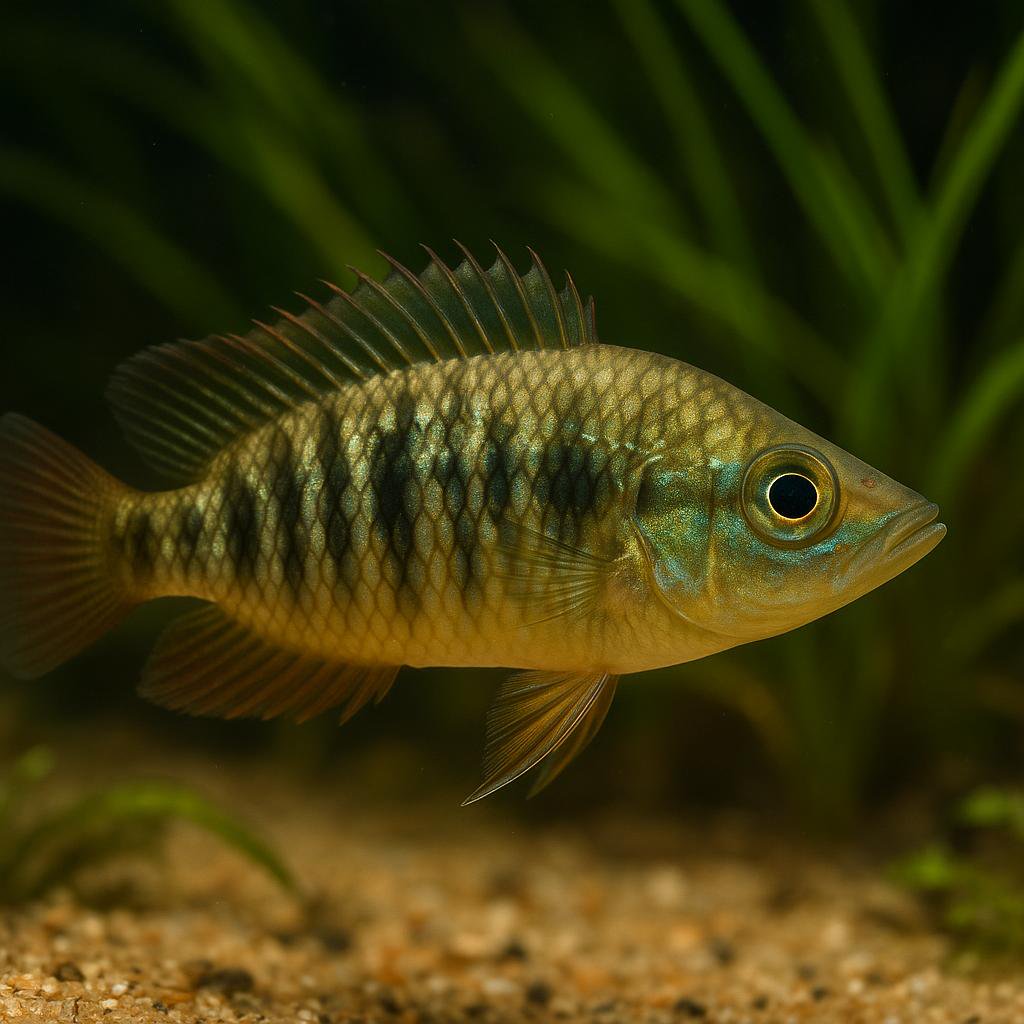
This is one of those tiny pike cichlids that looks cute until you watch it start running the tank like a little biting terrier. It stays small, but it is a real predator with a ton of attitude, and it gets especially spicy with its own kind when pairs form.
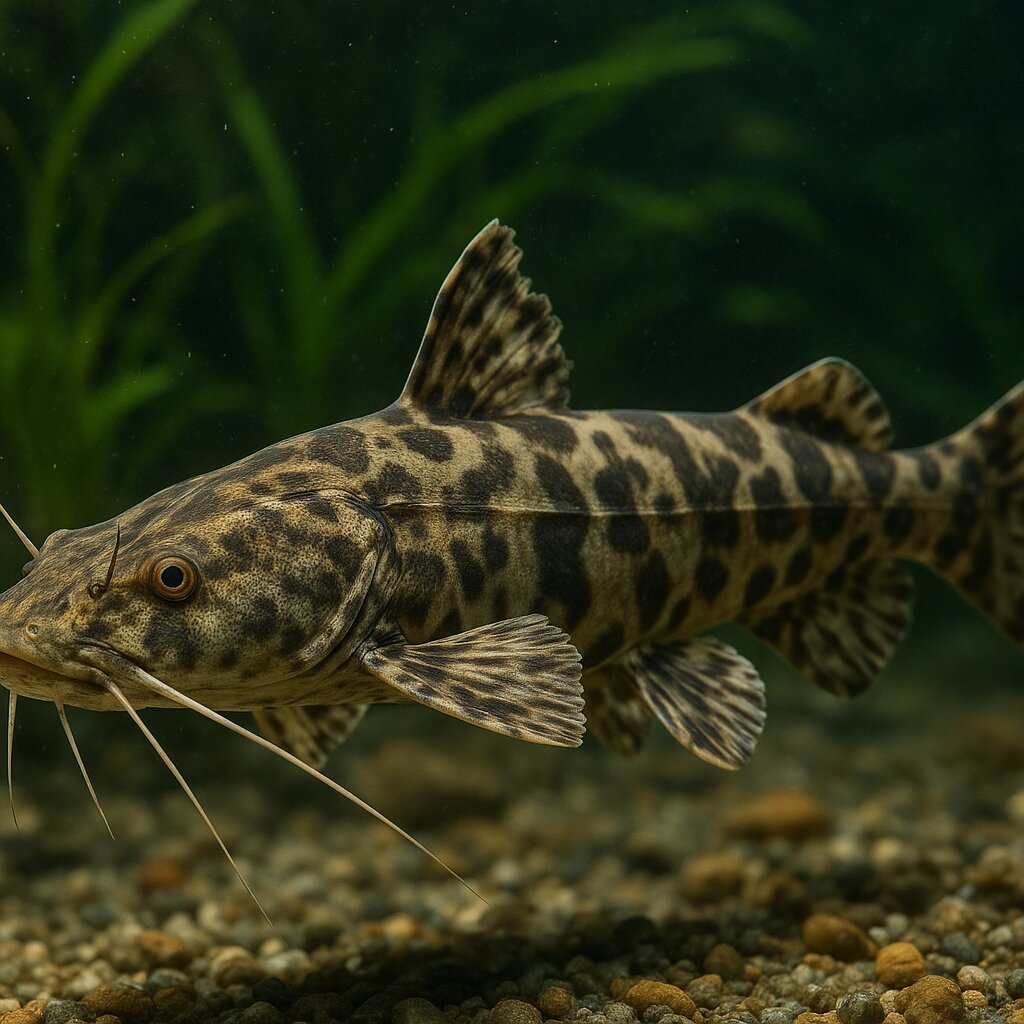
Goonch catfish
Bagarius bagarius
A true river monster with a shovel head and a mouth full of teeth, the goonch is built for blasting around boulder-strewn rapids. It is insanely strong, super predatory, and happiest in cool, fast, highly oxygenated water - think indoor-pond-with-a-river-flow setup, not a regular tank. If you love oddballs with attitude, this one is unforgettable, but it is for experts only.
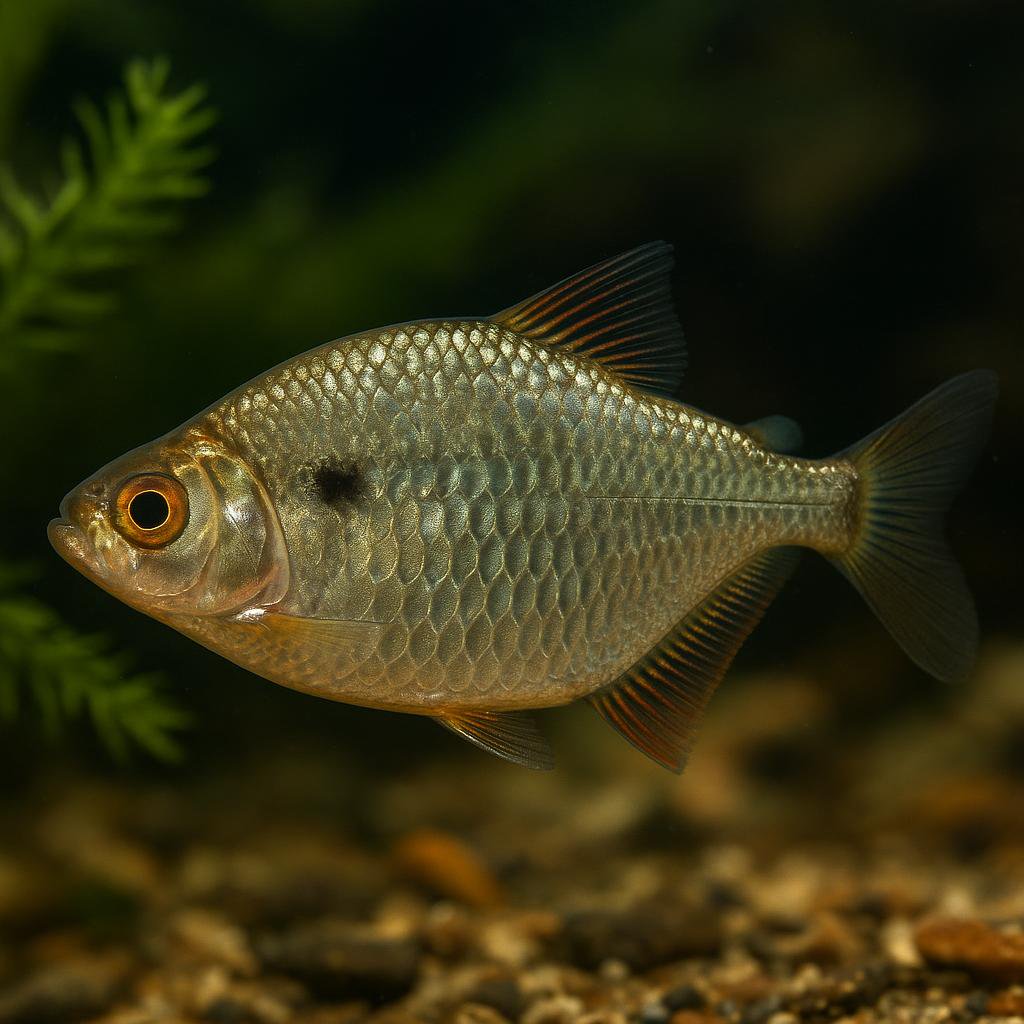
Guatemalan headstander
Roeboides guatemalensis
This is one of those oddball characins that gets lumped in with "predatory tetras" - it is built for nipping scales and mucus off other fish (lepidophagy), which is wild to watch in nature but a headache in a community tank. It is a super active, open-water swimmer, and in aquariums it usually does best treated like a specialty predator/oddity fish rather than a "tetra."
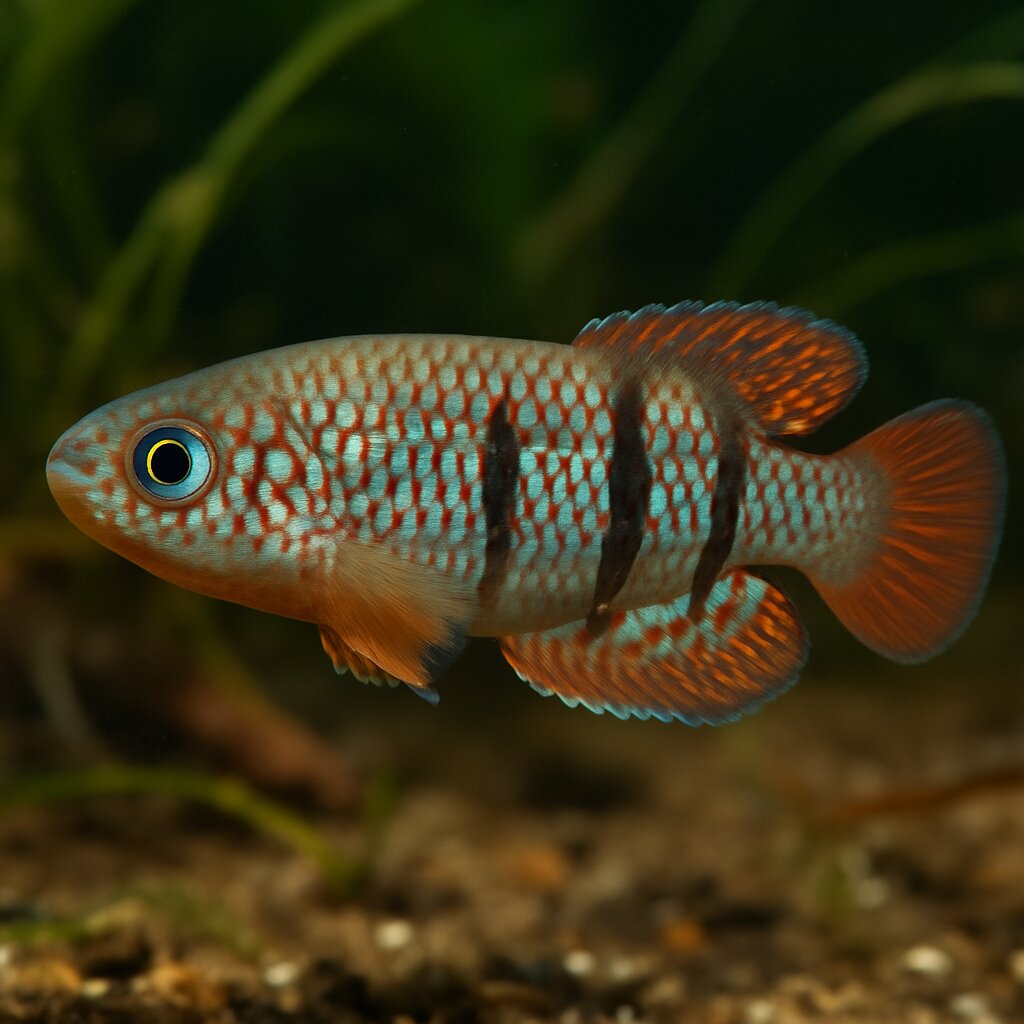
Hypsolebias trifasciatus
Hypsolebias trifasciatus
Tiny but flashy, this annual killi lights up with a blue body and bold yellow-and-black striping on the anal fin. It comes from shallow seasonal pools in northeastern Brazil, so it likes soft, warm water and will bury eggs in a peat or mud-like substrate. Males have big attitudes for such small fish, so plan for line-of-sight breaks or keep a single pair.
More to Explore
Discover more freshwater species.
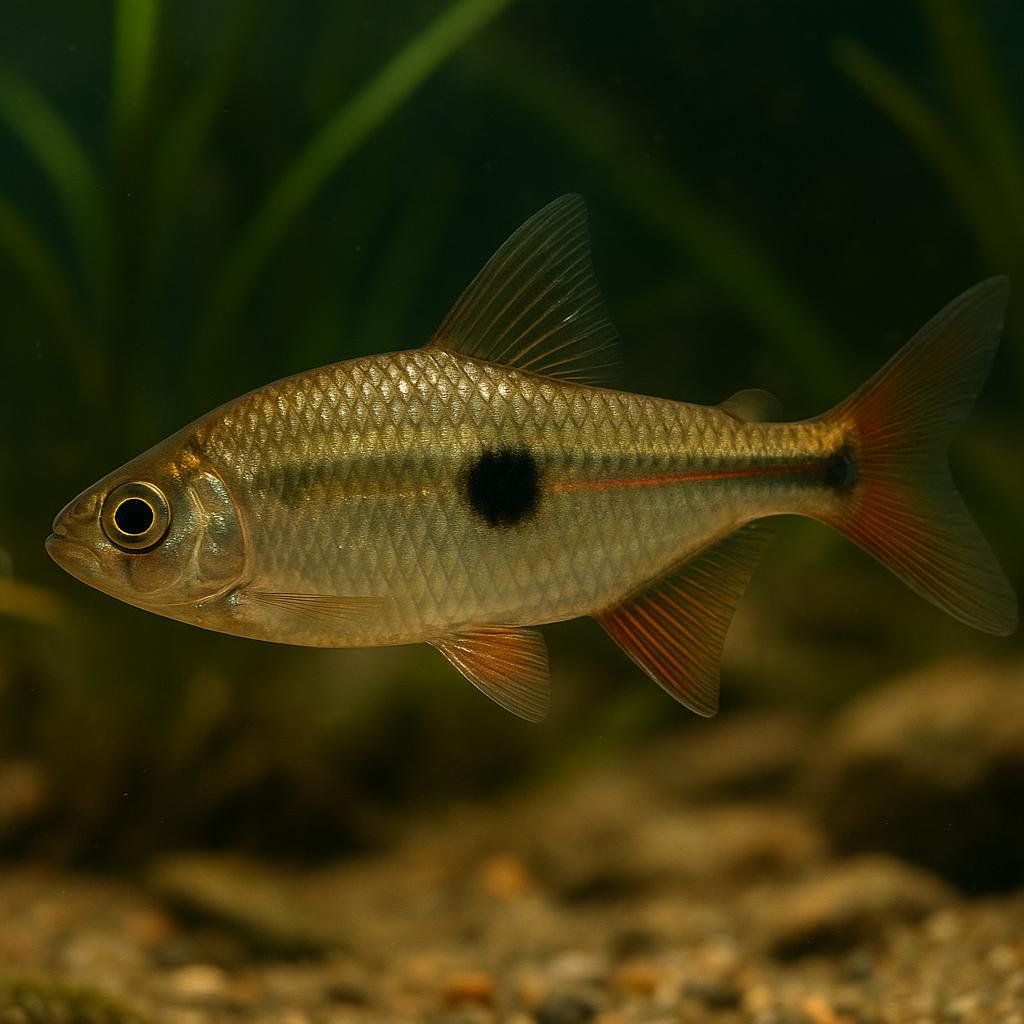
Jupiaba kurua
Small South American characin endemic to the upper rio Curuá (rio Xingu basin, Brazil). Reaches about 8.7 cm SL and inhabits clearwater rivers. Distinguished by dark dots on the bases of many lateral scales and a distinct dark caudal‑peduncle spot. Reported diet indicates omnivory, including aquatic insects, small fishes, and fragments of Podostemaceae and filamentous algae.
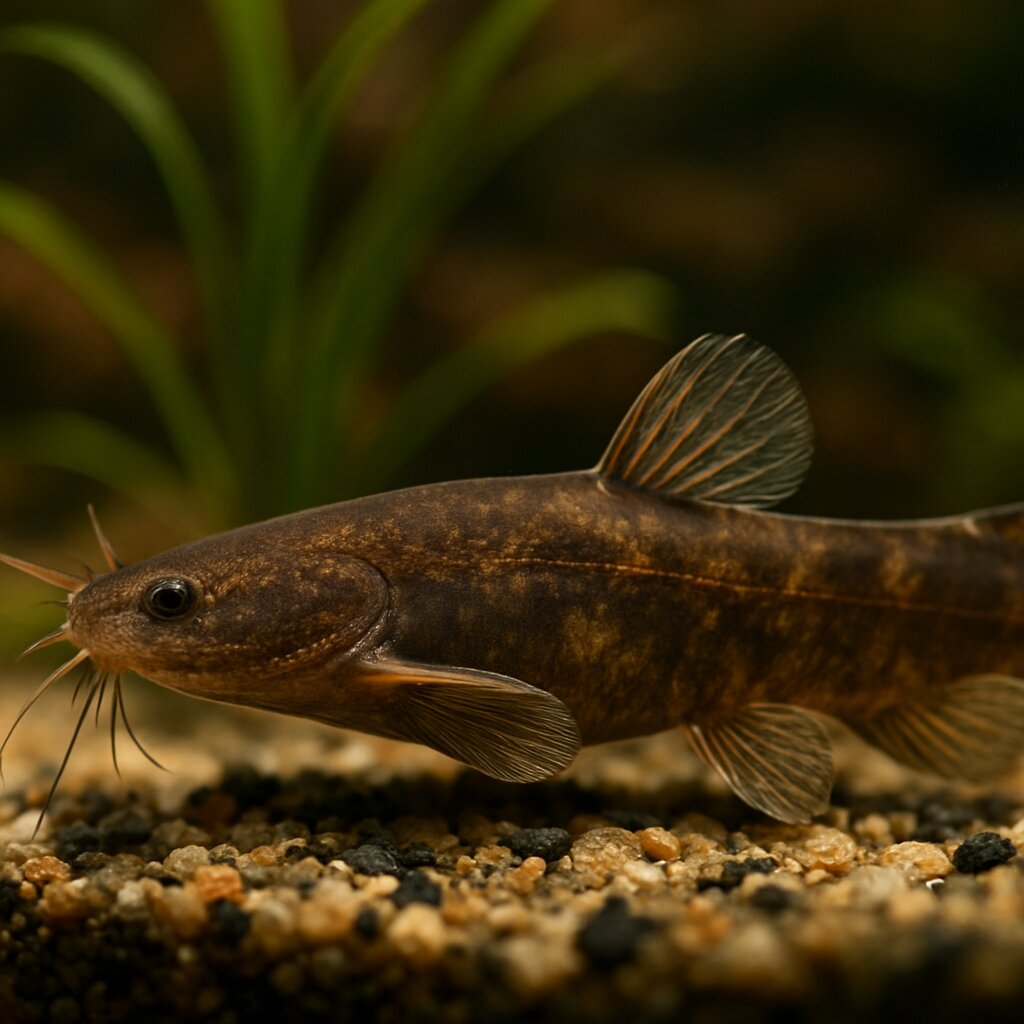
Amphilius dimonikensis
A small loach catfish endemic to the Mpoulou River in the Mayombe (Dimonika Biosphere Reserve), Republic of the Congo. Amphilius dimonikensis has a subtle banded pattern and inhabits fast, clear streams over rock and sand. In aquaria, prioritize strong, well-oxygenated flow with rounded stones and sand to mimic hillstream conditions.
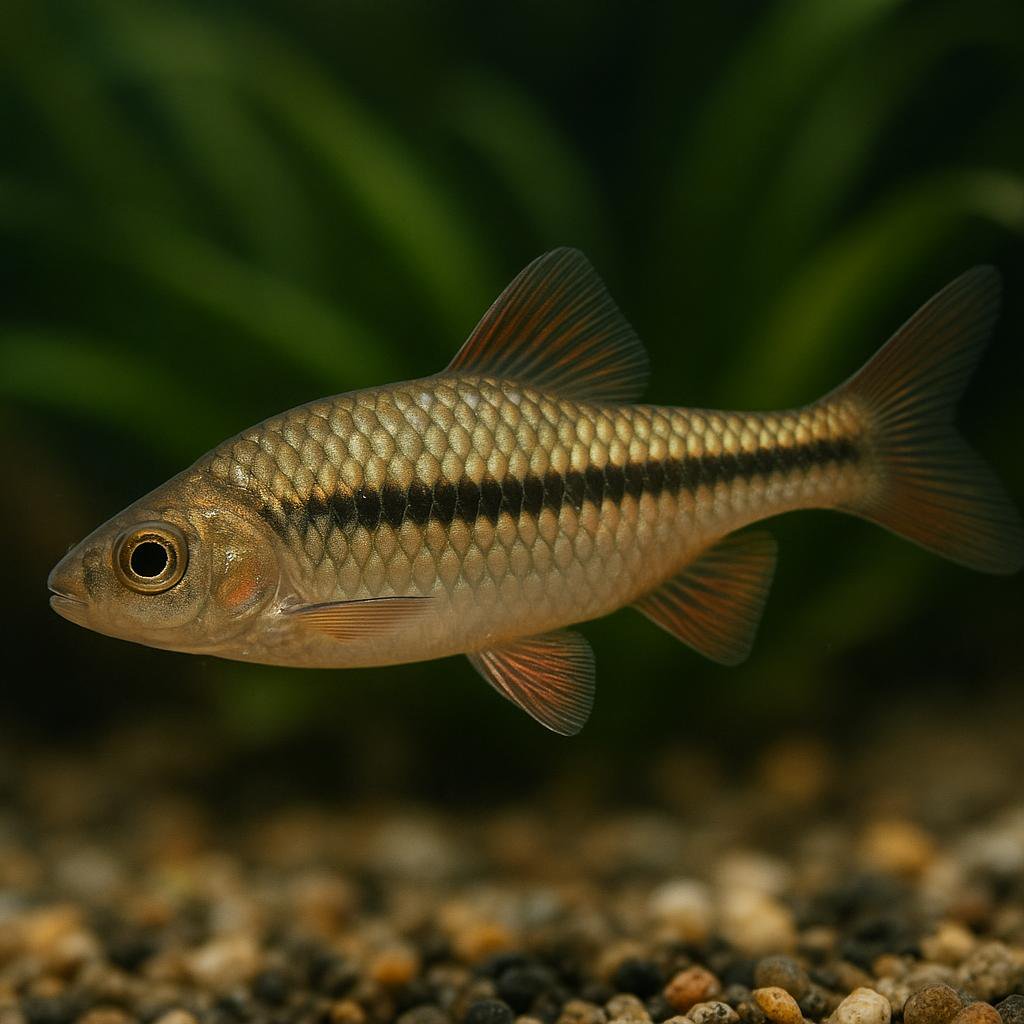
Aboina barb
Enteromius aboinensis
Enteromius aboinensis (the Aboina barb) is a small West African barb with a clean black midline stripe and a little spot right at the base of the tail. It does best when you treat it like a proper schooling fish - keep a decent group and give it plants around the edges with open swimming room in the middle.
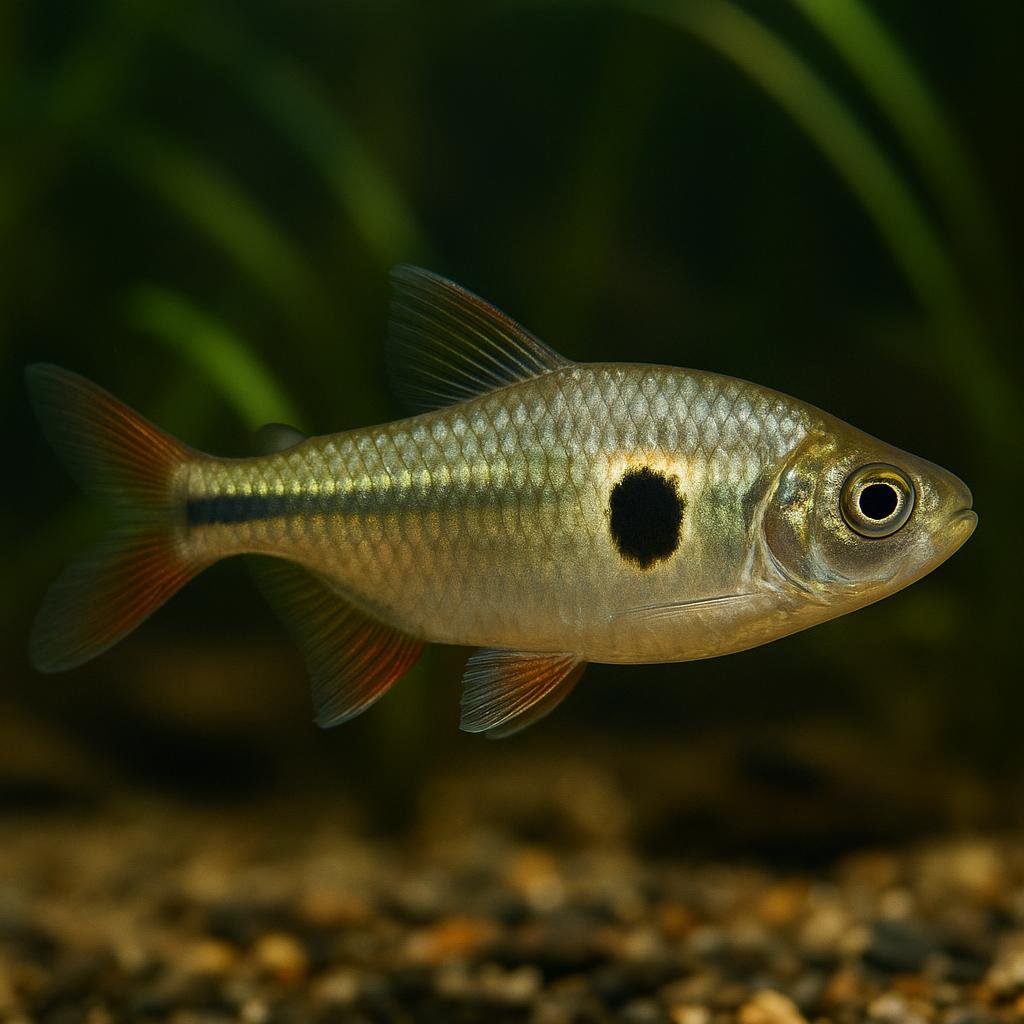
Ajuricaba tetra
Jupiaba ajuricaba
Jupiaba ajuricaba is a South American freshwater characin from the Amazon basin in Brazil (rio Negro, rio Solimões, and rio Tapajós basins). It reaches about 9.5 cm SL and is diagnosed by a narrow dark midlateral stripe, an elongated humeral spot, and an ocellated spot on the upper caudal-fin lobe. Wild specimens have been collected from blackwater forest streams and also oxbow-lake habitats.
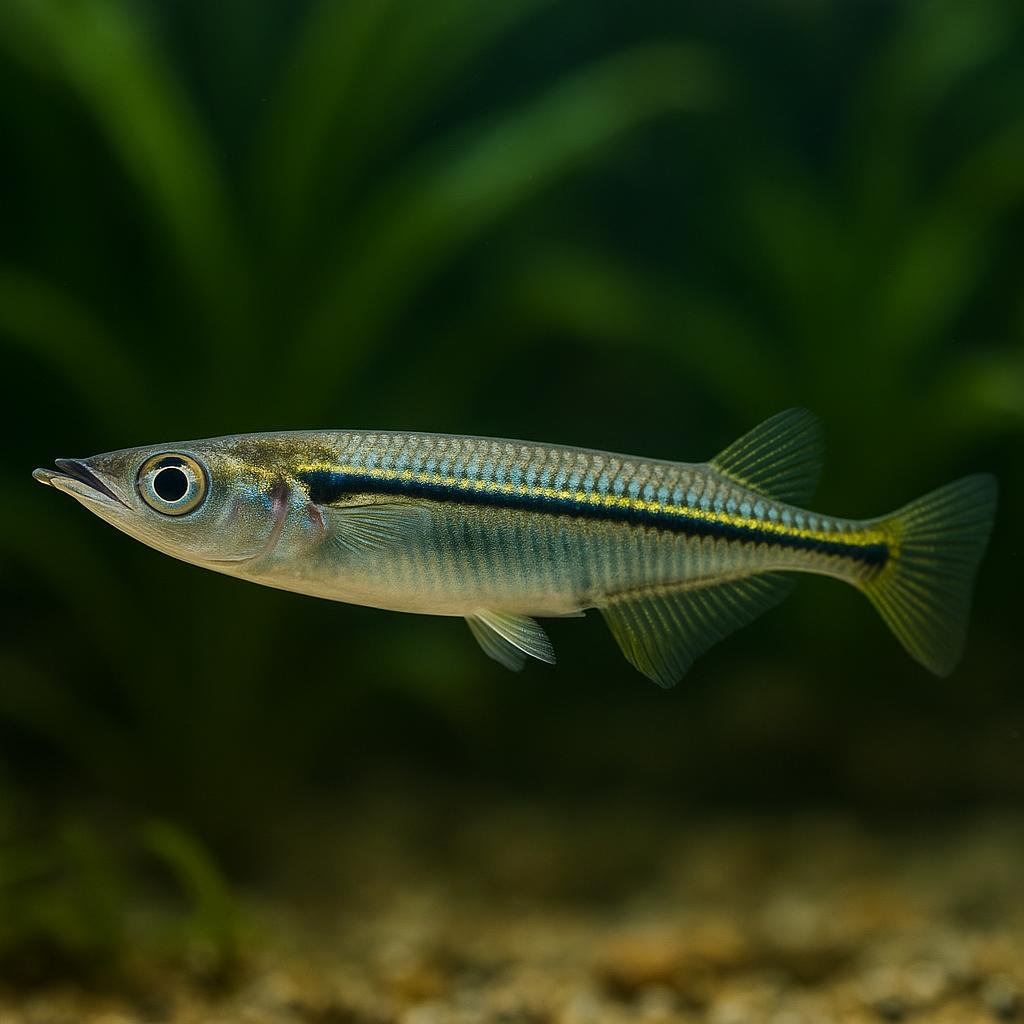
Allen's river garfish
Zenarchopterus alleni
A poorly known freshwater halfbeak endemic to West Papua (Mamberamo River), described from a single specimen (~13 cm SL). Beyond basic habitat/occurrence, little is published about its ecology or aquarium suitability; assume it is a surface-oriented, jump-prone halfbeak only by analogy with related taxa.
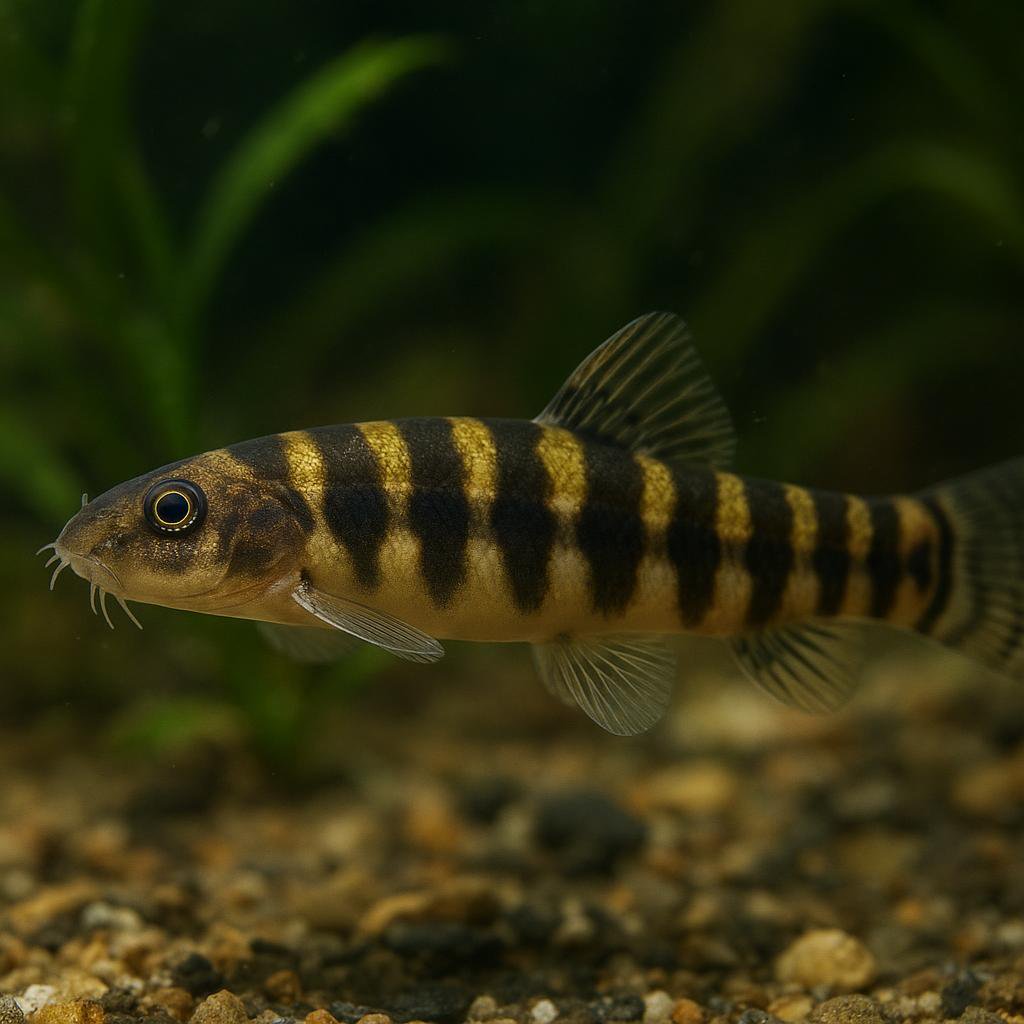
Altipedunculata stone loach
Schistura altipedunculata
Schistura altipedunculata is one of those little stream loaches that wants clean, well-oxygenated water and a bunch of rock nooks to claim as home. It is a bottom-hugger that will spend its day scooting from crevice to crevice, and it tends to get a bit spicy with its own kind if you do not give it enough hiding spots.
Looking for other species?