

Spotted Stargazer
Ichthyscopus sannio
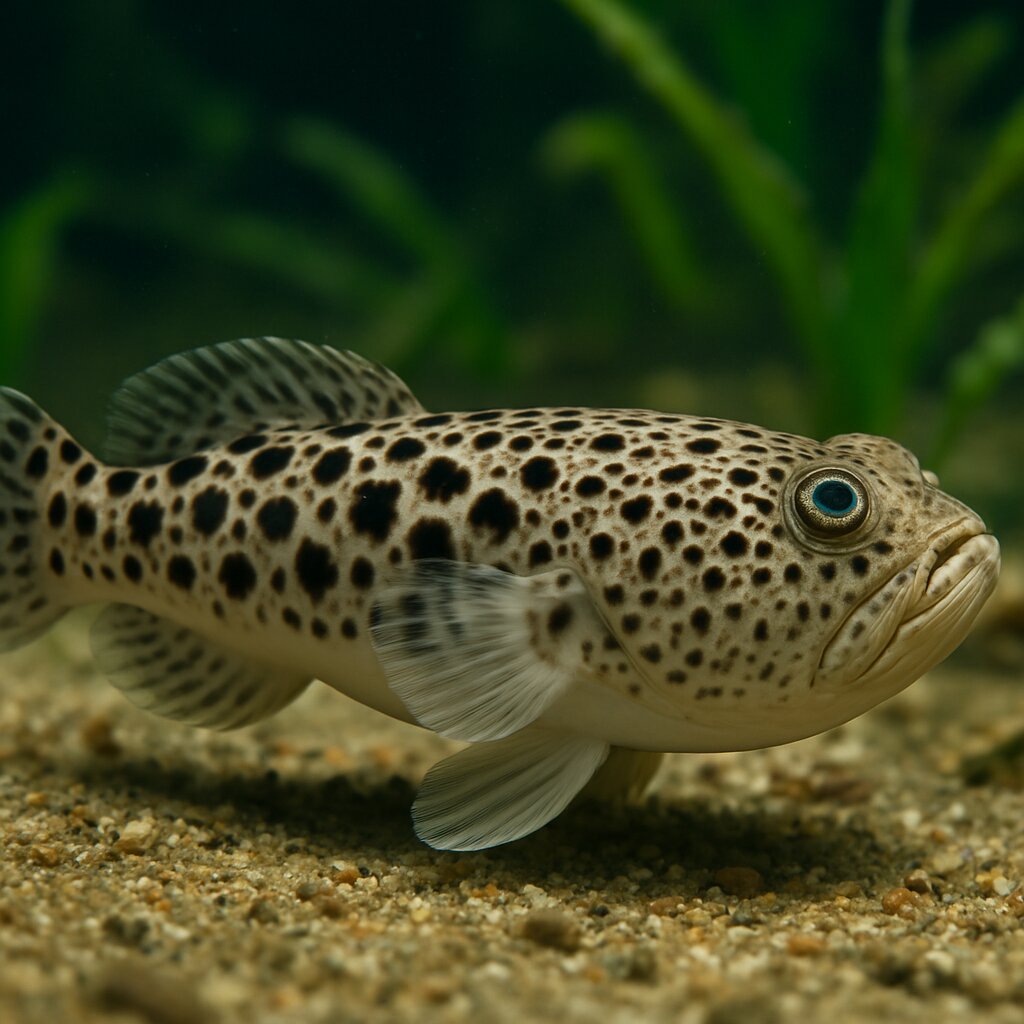
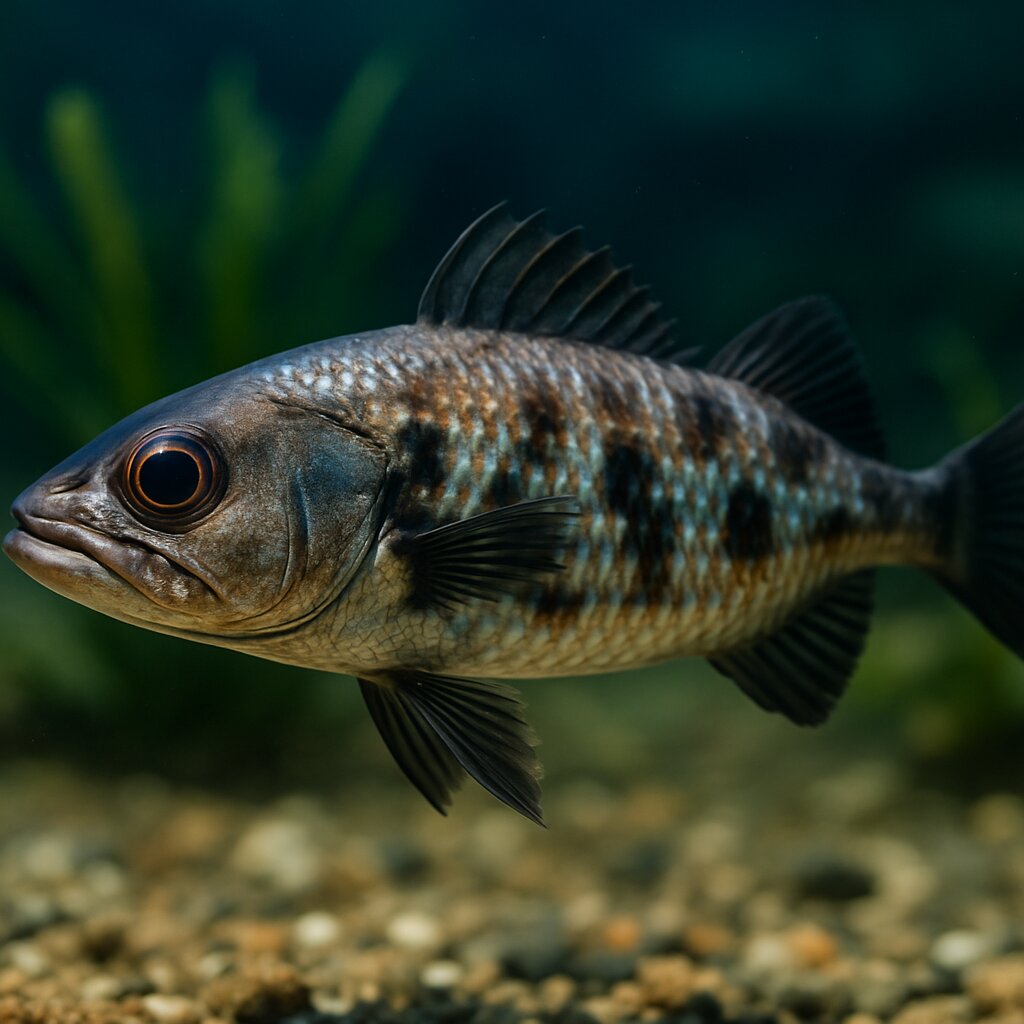
The Spotted Stargazer features a flattened body, mottled brown and white coloration, and prominent eyes positioned on top of its head.
This page includes AI-generated images. Why am I seeing AI images?
About the Spotted Stargazer
This is that big burrowing stargazer from eastern Australia that hides in the sand with just its eyes and upturned mouth peeking out. It is a serious ambush predator that inhales fish and crustaceans whole, so it needs a huge sandy tank and tankmates it cannot fit in its mouth.
Also known as
Quick Facts
Size
65 cm
Temperament
Aggressive
Difficulty
Expert
Min Tank Size
300 gallons
Lifespan
5-8 years
Origin
Australia
Diet
Carnivore - fishes and crustaceans; accepts meaty frozen foods but will eat smaller tankmates
Water Parameters
24.2-27.5°C
8-8.4
300-400 dGH
Need a heater for this species?
This species needs 24.2-27.5°C in a 300 gallon tank. Use our heater calculator to find the right wattage.
Calculate heater sizeCare Notes
- Give it a 4x2 ft footprint and 4-6 inches of fine sugar-grade sand so it can bury; set rock directly on the glass so digging cannot topple it.
- Run salinity 1.024-1.026, temp 22-25 C, pH 8.1-8.4, and keep ammonia and nitrite at 0 with strong skimming; use gentle to moderate flow across the sand so it can breathe while buried.
- Kickstart feeding with live marine shrimp or baitfish, then switch to tong-fed thawed prawns, squid, and silversides; adults eat 2-3 times weekly, juveniles every other day.
- Skip feeder goldfish and rosy reds; stick to marine-based foods and add a vitamin soak once a week to avoid thiamine issues.
- Tankmates should be big, fast midwater fish it cannot swallow; no crustaceans, gobies, jawfish, small wrasses, or eels, and avoid lions, scorpions, and triggers.
- Venomous shoulder spines are real, so move it with a container (not a net), keep hands out of the sand, and guard powerhead and overflow intakes so it does not bury into them.
- Quarantine 4+ weeks and deworm with praziquantel; use QT time to wean it onto dead foods with a feeding stick.
- Expect sand plumes and rearranged substrate; keep corals off the sand and run lower lighting because they dislike bright tanks and will hide harder under glare.
Compatibility
Good Tankmates
- Big, alert midwater grazers like tangs and other surgeonfish - they stay off the sand and are too tall to swallow
- Large angels (Pomacanthus/Holacanthus) that cruise rockwork and ignore the stargazer's burrow
- Rabbitfish and foxfaces - quick, spiny, and not interested in pestering a buried ambush predator
- Chunky butterflyfish (adult Chaetodon/Forcipiger) that sleep in rock and are way too big to be gulped
- Squirrelfish and soldierfish (Holocentrus/Sargocentron) that hang midwater and are prickly enough to deter a bite
- Harlequin tusk and other big wrasses that bed down in rock, not sand, and are bold but not nippy
Avoid
- Small or slow fish that sleep near the bottom - gobies, mandarins, firefish, small clowns, cardinals - they are lights-out snacks
- Sand-burying wrasses and jawfish that compete for the same sand bed and get nailed when they tuck in
- Nippy or beak-y bullies like triggers and puffers that will harass or bite at a resting stargazer
- Other ambush predators like lionfish and scorpionfish - cross-predation risk and bad outcomes if someone tries a taste
Where they come from
Spotted stargazers are sand-burrowing ambush predators from the Indo-West Pacific. Think northern Australia up through Indonesia and the Philippines, hanging out on open sandy bottoms from shallow surf zones down to moderate depths. They live half-buried, waiting for something edible to wander past.
Setting up their tank
This fish has venomous spines. Do not net or hand-handle. Use a container to move it. If you get stung, seek medical help immediately.
If you have not kept burrowing predators before, this one will test your planning. The whole setup revolves around deep, fine sand and a footprint that lets it bury without bumping into rockwork.
- Tank size: 75-120 gallons for a single adult, with a long footprint (4 ft or more). Bigger is better.
- Substrate: 4-6 inches of sugar-fine aragonite sand. No crushed coral, no coarse shells. Coarse stuff will scratch eyes and gills.
- Rockwork: Build rock on the bare glass or on eggcrate, then add sand. They excavate under rocks and can cause collapses if the base sits on sand.
- Flow and oxygen: Moderate surface agitation and strong gas exchange, but deflect flow so you are not blasting the sand bed.
- Lighting: Keep it on the dimmer side. They spend a lot of time buried and do not appreciate stadium lighting.
- Covers and guards: Tight lid. Guard heater and pump inlets so the fish cannot get burned or sucked in while buried.
- Filtration: Big skimmer and oversized mechanical filtration. They are messy eaters and big protein dumpers.
- Parameters: 1.024-1.026 SG, 72-79 F (22-26 C), pH 8.1-8.4, alk 8-10 dKH, nitrate under 20 ppm if you can manage it.
Quarantine with a tub of fine sand. Bare-bottom QT stresses burrowers and leads to rubbing injuries. Move the fish in a container, not a net.
What to feed them
They are sit-and-wait fish eaters. Getting them onto prepared foods is the whole game. Once they learn the routine, they are surprisingly easy to keep fed.
- Staples: Silversides cut to size, marine fish fillet pieces, squid strips, raw shrimp. All saltwater-sourced if possible.
- Training: Start with a feeding stick or long tweezers. Wiggle the food near the mouth while it is buried. They will vacuum it up.
- Frequency: Juveniles every other day, adults 2 times per week. Big meals, not snacks. They pack on fat if you feed daily.
- Supplements: Soak foods in a vitamin mix and occasional omega-3 enrichment to avoid nutritional gaps.
- Avoid: Freshwater feeder fish (parasites, thiaminase), oily baits that foul the water, and live crustaceans you want to keep. They will eat your cleanup crew.
If a new fish refuses dead food, you can use a small live marine fish (like a salt-acclimated molly) as a short-term bridge. Get it switched to frozen ASAP to avoid dependency and disease risk.
Behavior and tankmates
Picture a buried landmine with eyes. They mostly sit still, then explode forward when something edible gets close. They are not social and do not need friends.
- Temperament: Ambush predator, not a chaser. Calm most of the time.
- Territory: Will bicker with similar burrowers or another stargazer. Keep one per tank unless you have a huge system and a backup plan.
- Tankmates: Only large, robust fish that will not fit in the mouth and will not harass it. Think big tangs or large angels with some street smarts. Avoid eels that compete for the same holes.
- Not safe with: Small fish, gobies, blennies, wrasses, ornamental shrimp, crabs, snails. If it moves and fits, it is lunch.
- Activity: Mostly crepuscular and nocturnal. You will see a pair of eyes and a mouth sticking out of the sand during the day.
Some stargazers in other genera can produce electric discharges. Ichthyscopus sannio is not one of those, but the spines are venomous. Treat it with the same respect.
Breeding
Realistically, you are not breeding this fish at home. They are broadcast spawners with pelagic eggs and larvae that need huge volumes and seasonal cues. Sexual differences are not obvious, and pairing is risky in typical aquariums.
Problems to watch for
- Refusing food: Common in the first weeks. Try night feedings with room lights off and tank lights dimmed. Use movement to trigger the strike.
- Eye and skin abrasion: Happens with coarse substrate. If you see cloudiness or scrapes, upgrade to finer sand and keep water pristine.
- Internal parasites: Wild-caught fish often carry them. Prophylactic deworming in QT with praziquantel and metronidazole usually helps.
- Bacterial infections: Sand scratches can get infected. Watch for redness around the mouth or spines; improve water quality and treat promptly.
- Rock collapses: They tunnel. Build rock on the glass, not on sand.
- Low oxygen: A buried fish in a low-O2 tank is a problem waiting to happen. Run strong aeration and surface agitation.
- Filter and pump damage: They can kick sand everywhere. Use foam prefilters on intakes and keep powerheads aimed up and away from the bed.
- Overfeeding and water fouling: Big meaty meals spike nutrients. Stay on top of skimming and mechanical filtration, and do regular water changes.
Use a feeding stick and a spot you clean regularly. I target-feed over a ceramic tile set on the sand so extra food is easy to siphon away.
Similar Species
Other marine aggressive species you might be interested in.
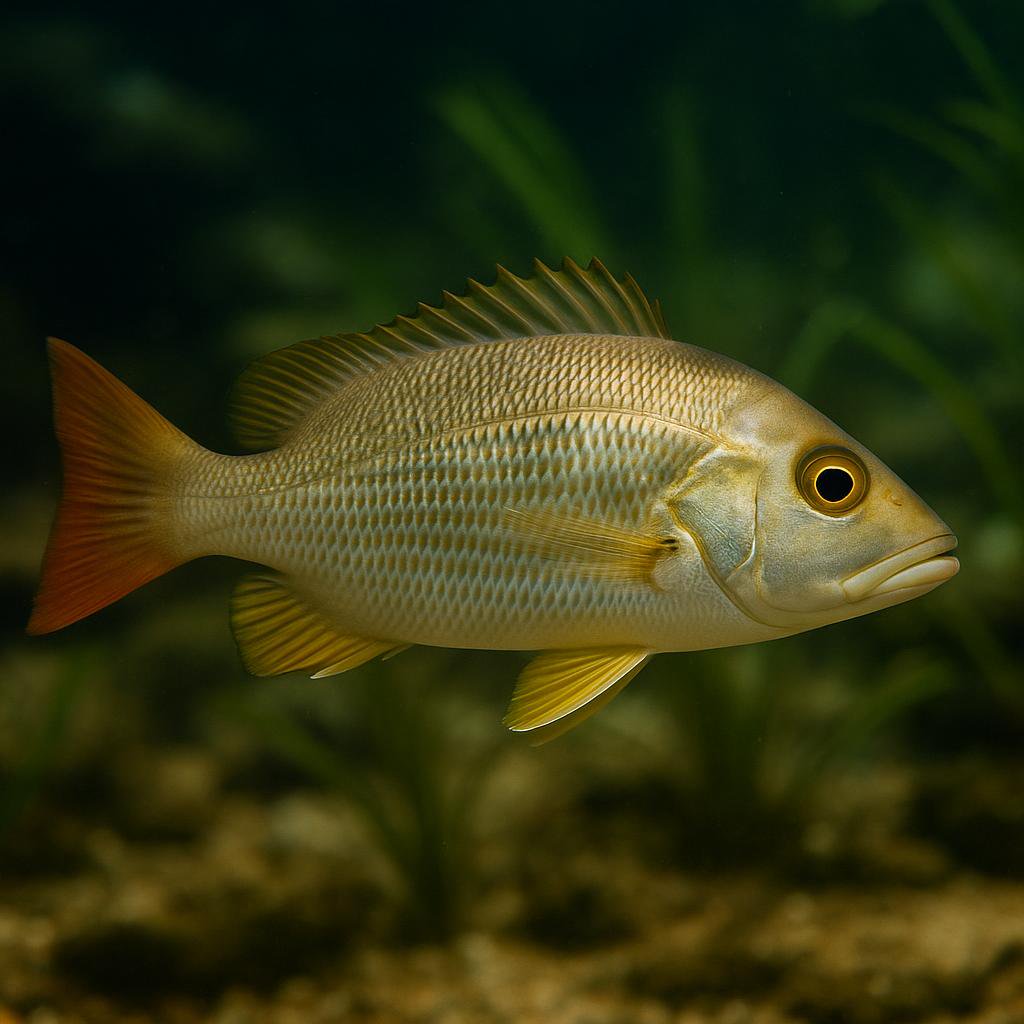
African red snapper
Lutjanus agennes
This is a true snapper from West Africa - a big, fast-growing predator that goes from coastal reefs to brackish lagoons and estuaries (especially as a juvenile). Super cool fish in the wild, but it gets absolutely huge and will eat smaller tankmates once it has the mouth for it, so its really more of a public-aquarium scale animal than a home-aquarium fish.
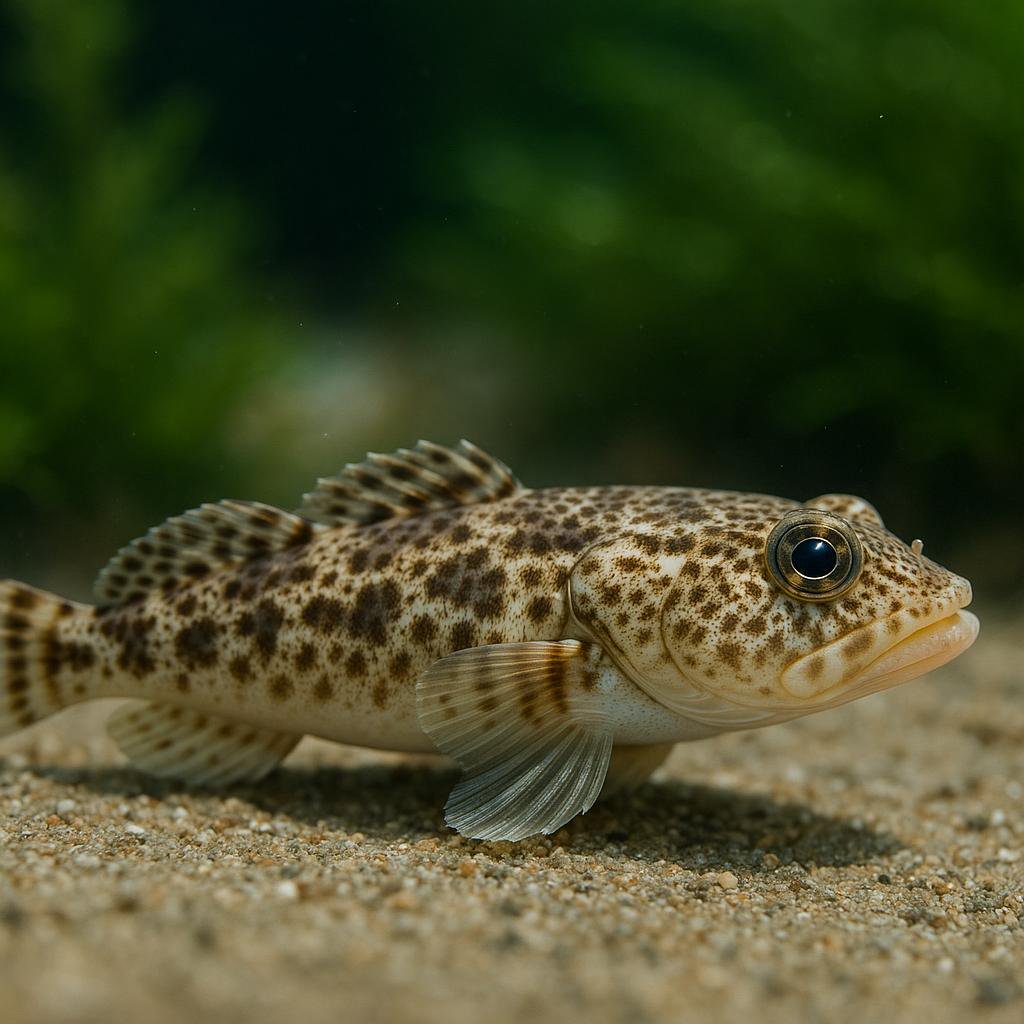
Banded stargazer
Kathetostoma binigrasella
This is a New Zealand stargazer that lives half-buried in sand or mud with its eyes pointed up, waiting to rocket upward and nail passing prey. It has those neat dark saddle-bands across the back (especially as a juvenile), and like other stargazers it is venomous with spines near the gill cover/pectoral area - definitely a look-dont-touch fish.
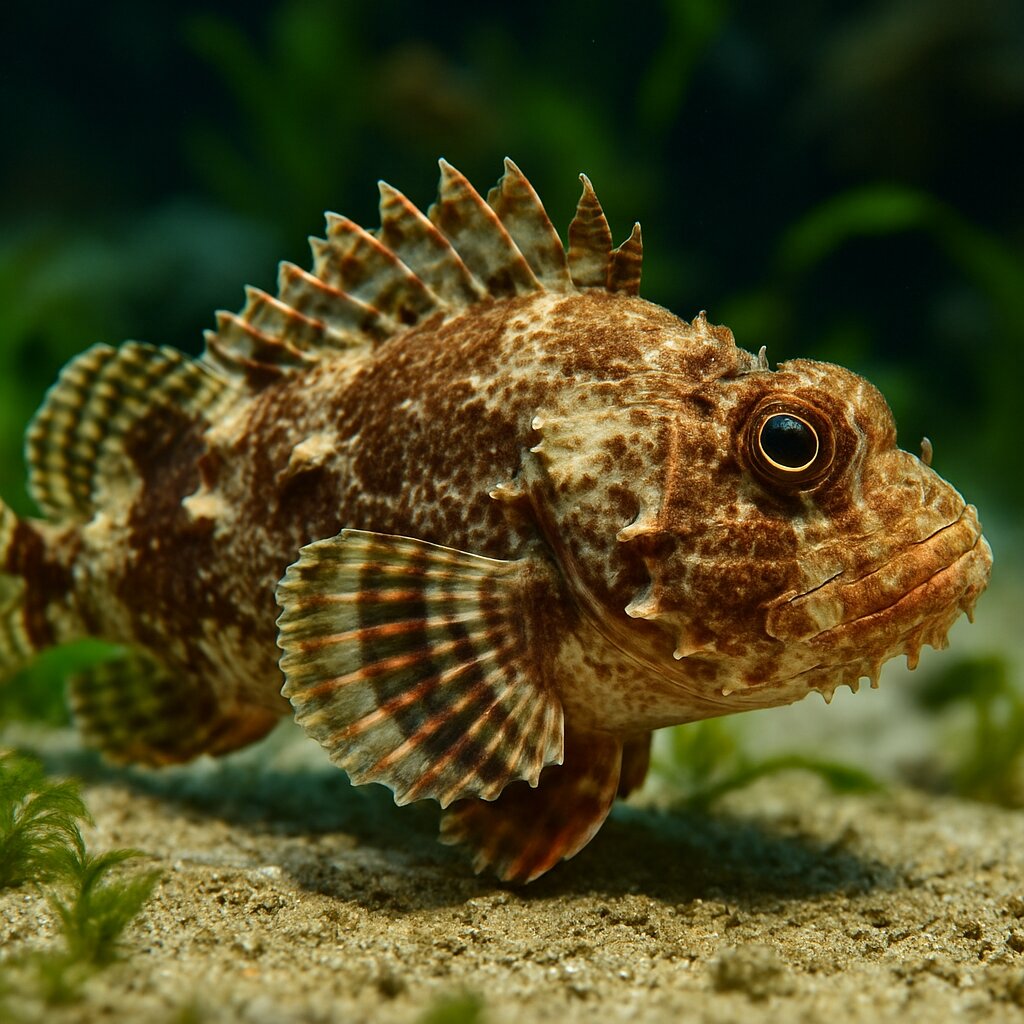
Bandfin scorpionfish
Scorpaenopsis vittapinna
Think tiny ambush predator that vanishes into rubble and coral bits, then flashes a dark band on its pelvic and anal fins when it shifts. It tops out around 3 inches, packs venomous spines, and loves to gulp unsuspecting shrimp and small fish. Super cool to watch once it settles, but it absolutely demands careful handling and smart tankmate choices.
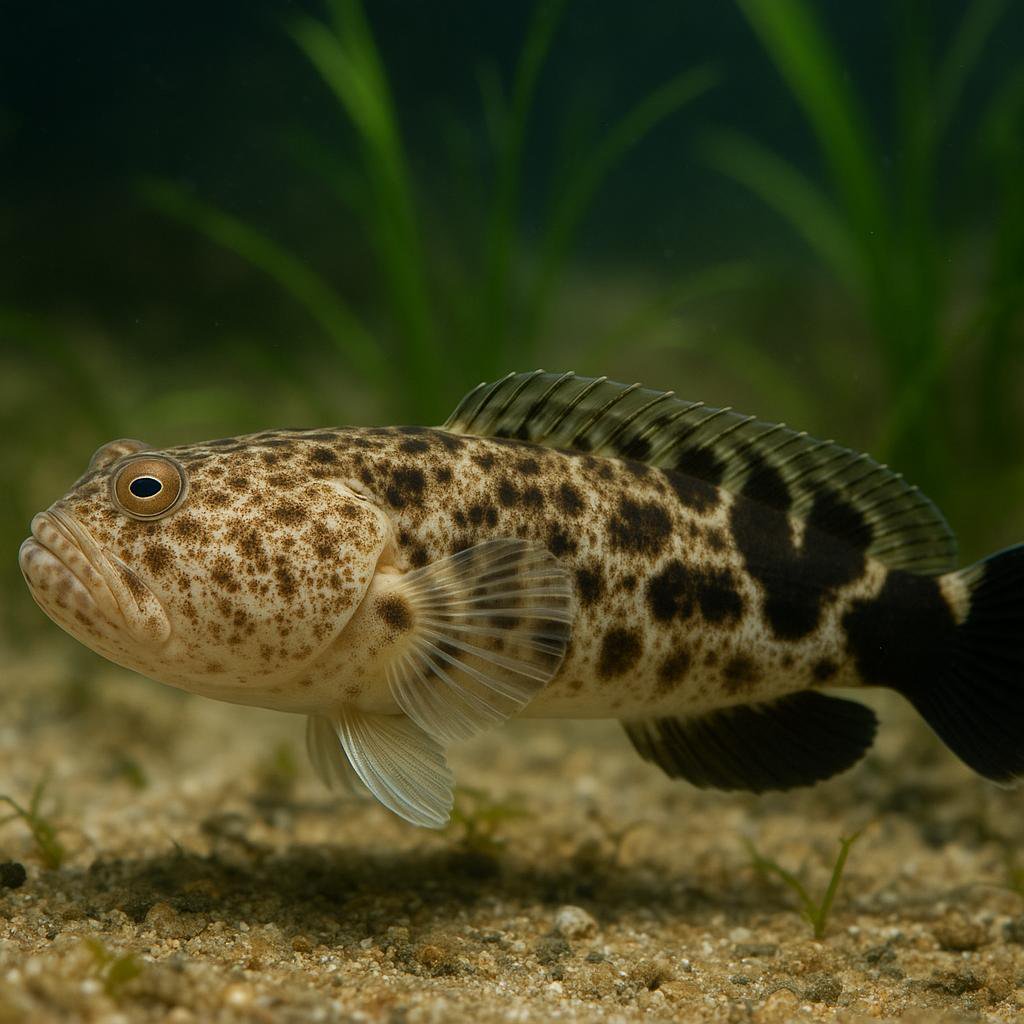
Blackfin stargazer
Ichthyscopus nigripinnis
This is a little sand-sitting stargazer from Australia that likes to lie in wait with its eyes up top and nail passing prey. That black mark on the front part of the dorsal fin is basically its signature. Cool fish, but its more of a wild marine predator than something you set up in a typical home aquarium.
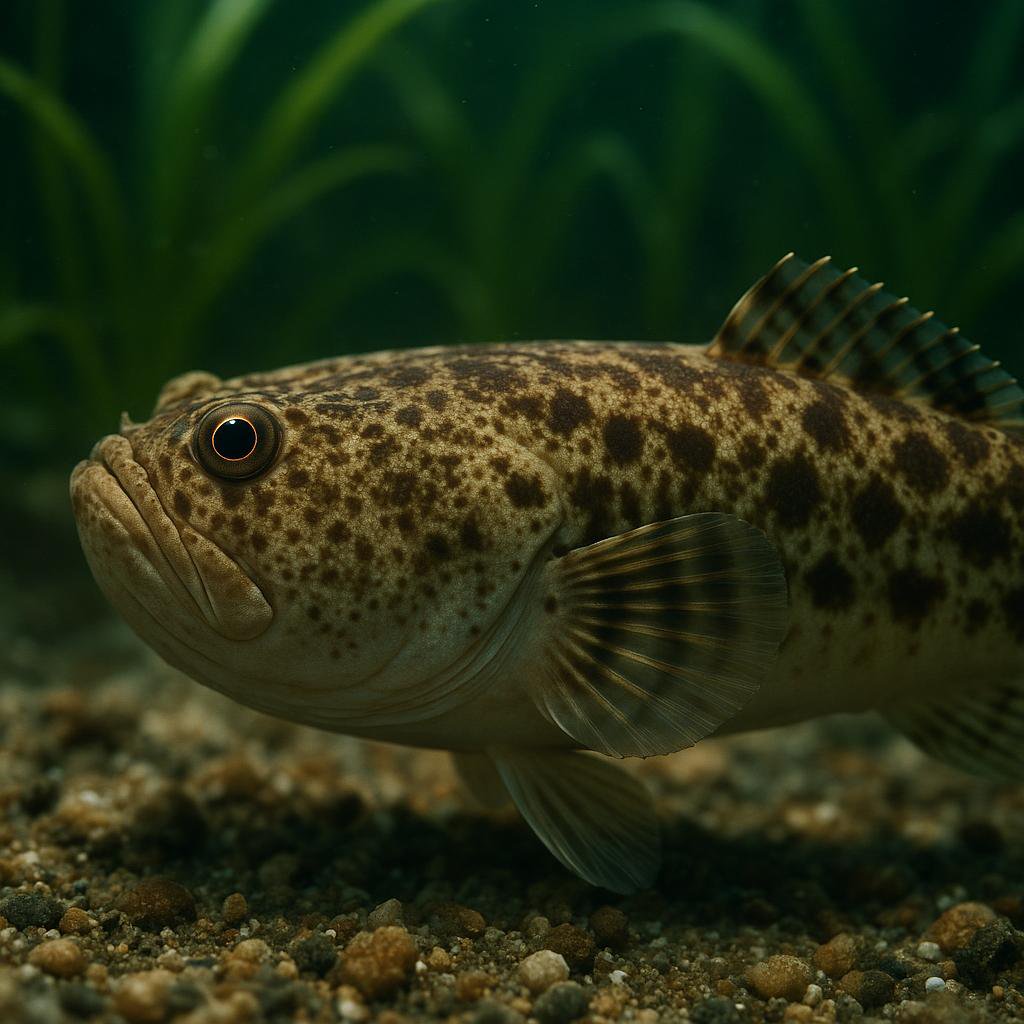
Brownspotted stargazer
Uranoscopus fuscomaculatus
A deep demersal stargazer recorded at 366–389 m that lies buried in sand or mud to ambush prey. Distribution is Southwestern Pacific (Vanuatu and Fiji). Given its deep, cold habitat and specialized requirements, it is not a practical aquarium species.
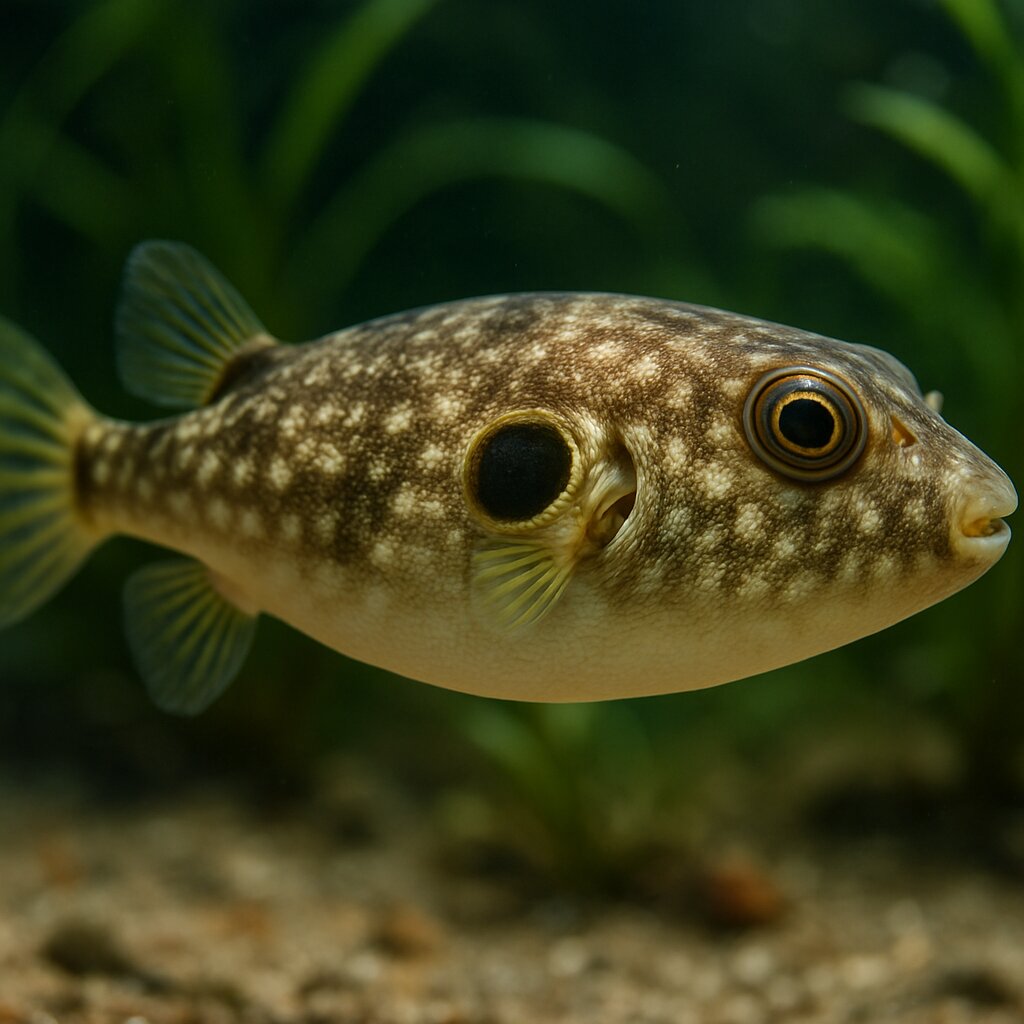
Bullseye puffer
Sphoeroides annulatus
Big personality in a football-shaped body with pale rings along the back that make a bullseye pattern. This is a stout Eastern Pacific puffer that crunches snails and crabs with ease and needs true saltwater and lots of room. Super cool to watch, but it turns nippy with tankmates and grows into a serious, messy eater.
More to Explore
Discover more marine species.
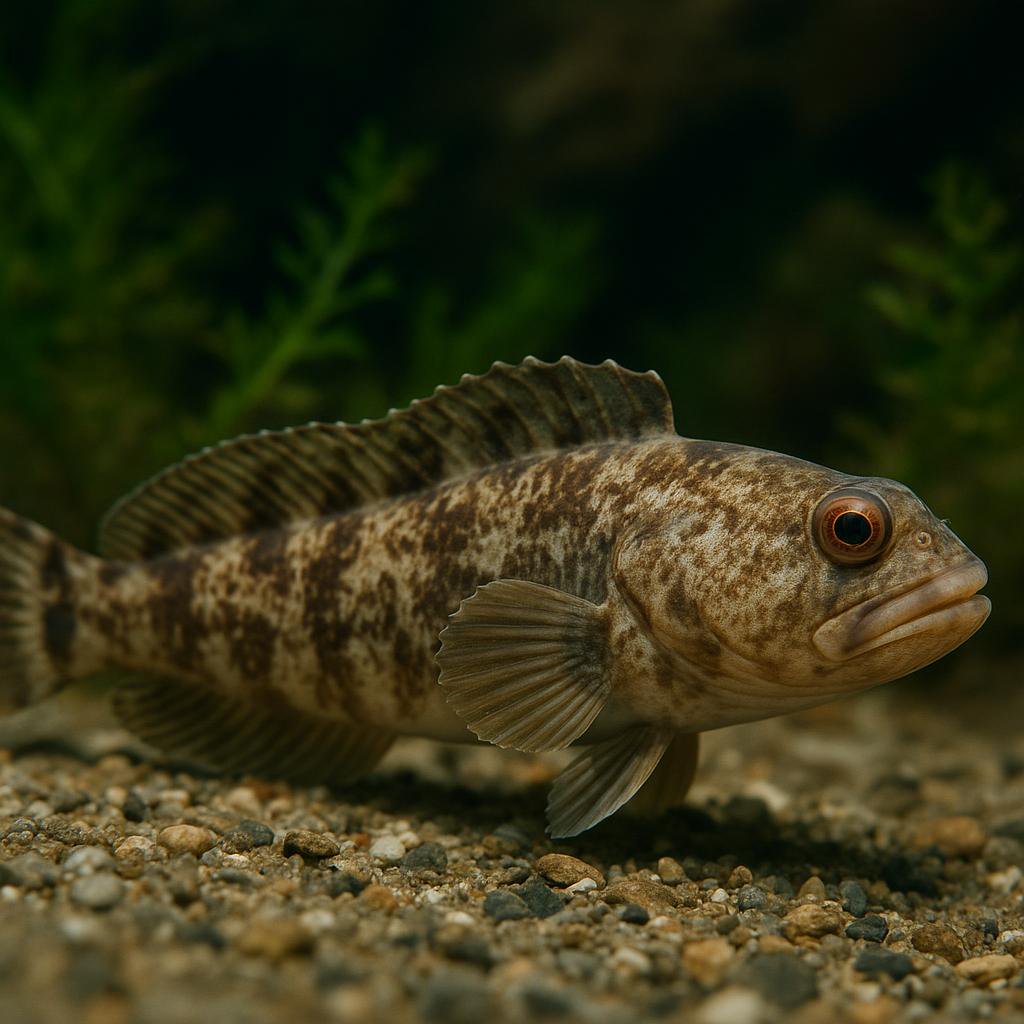
Abe's eelpout
Japonolycodes abei
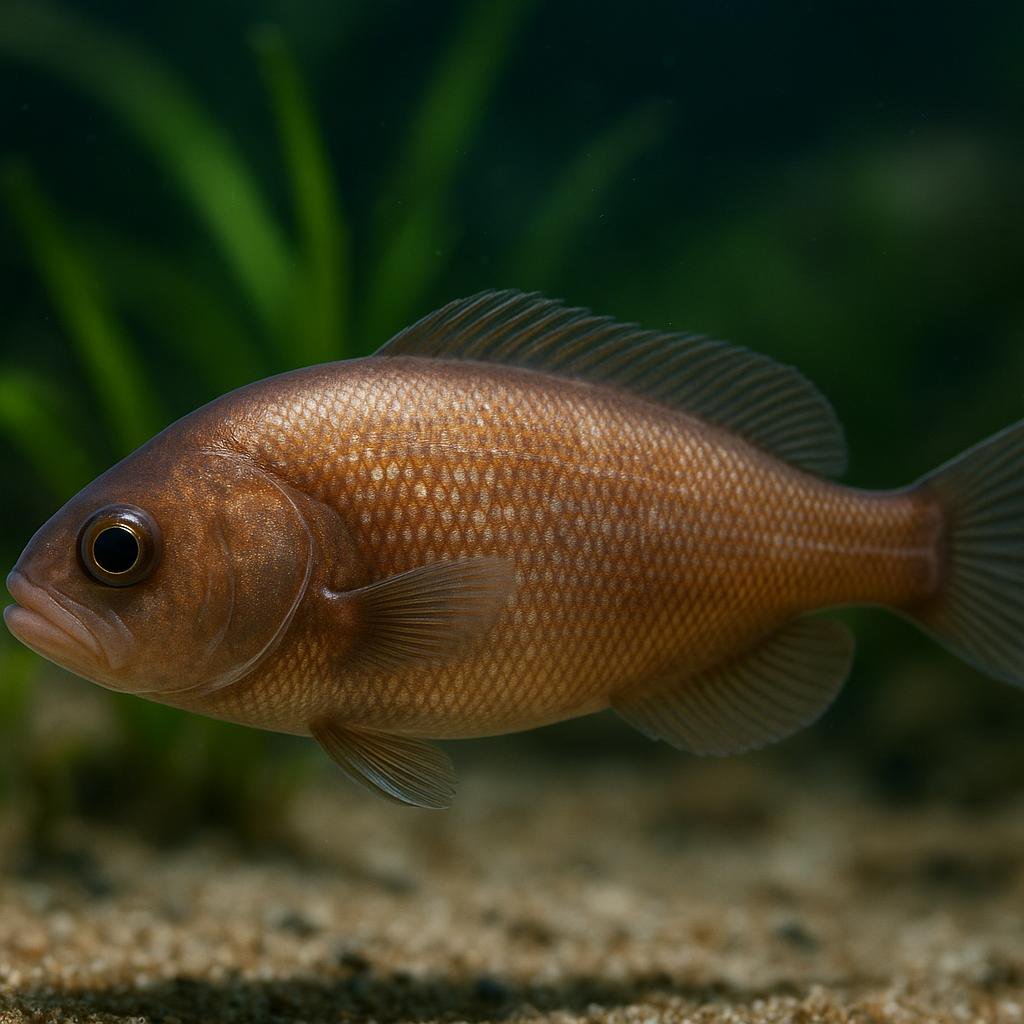
Japonolycodes abei is a temperate, deepwater demersal eelpout (family Zoarcidae) endemic to Japan (Kumano-nada Sea reported; other sources also report Sagami Bay and Tosa Bay). It is the only species in the genus Japonolycodes and occurs roughly 40-300 m depth, making it an uncommon/atypical aquarium species.
Affinis blind cusk-eel
Barathronus affinis
Barathronus affinis is a tiny, super-weird deep-sea blind cusk-eel from the western-central Indian Ocean. It is one of those gelatinous, loose-skinned brotula-type fishes that live way down in the dark and are basically never seen alive, so almost everything we know comes from preserved specimens and taxonomic work.
Aleutian skate
Bathyraja aleutica
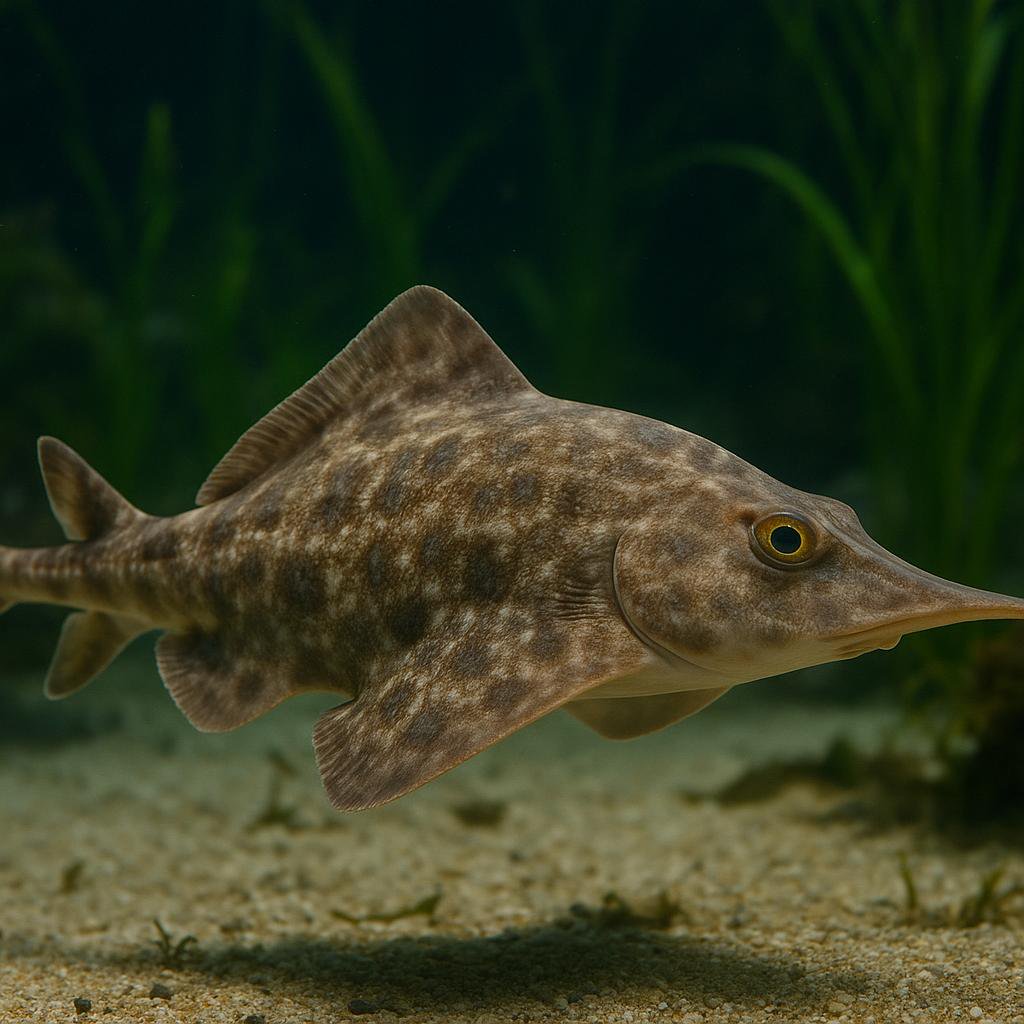
This is a big, cold-water deep-slope skate from the North Pacific that cruises muddy bottoms and eats chunky benthic prey like crabs and shrimp. The really cool bit is its egg-laying skate life - it does distinct pairing (the classic skate "embrace") and drops those tough egg cases on the seafloor. Not an aquarium fish at all unless you're basically running a public-aquarium-style chilled system.
Allis shad
Alosa alosa
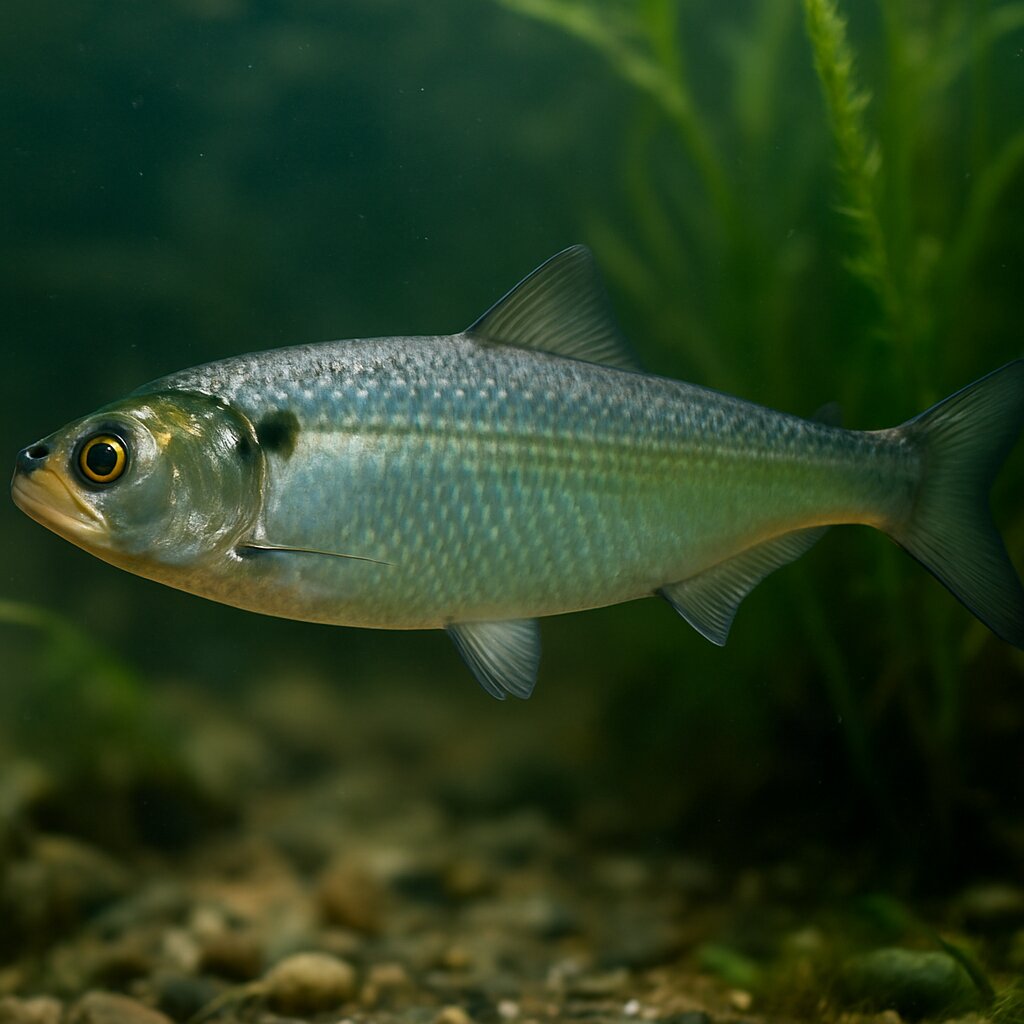
Gorgeous silver, fast-swimming shad that spends most of its life in the sea and then surges up big rivers in noisy, surface-spawning schools. It grows huge for a herring-type fish and needs cool, ultra-oxygenated water and tons of open space, so it is a public-aquarium species rather than a home tank fish.
Annandale's zebra sole
Zebrias annandalei
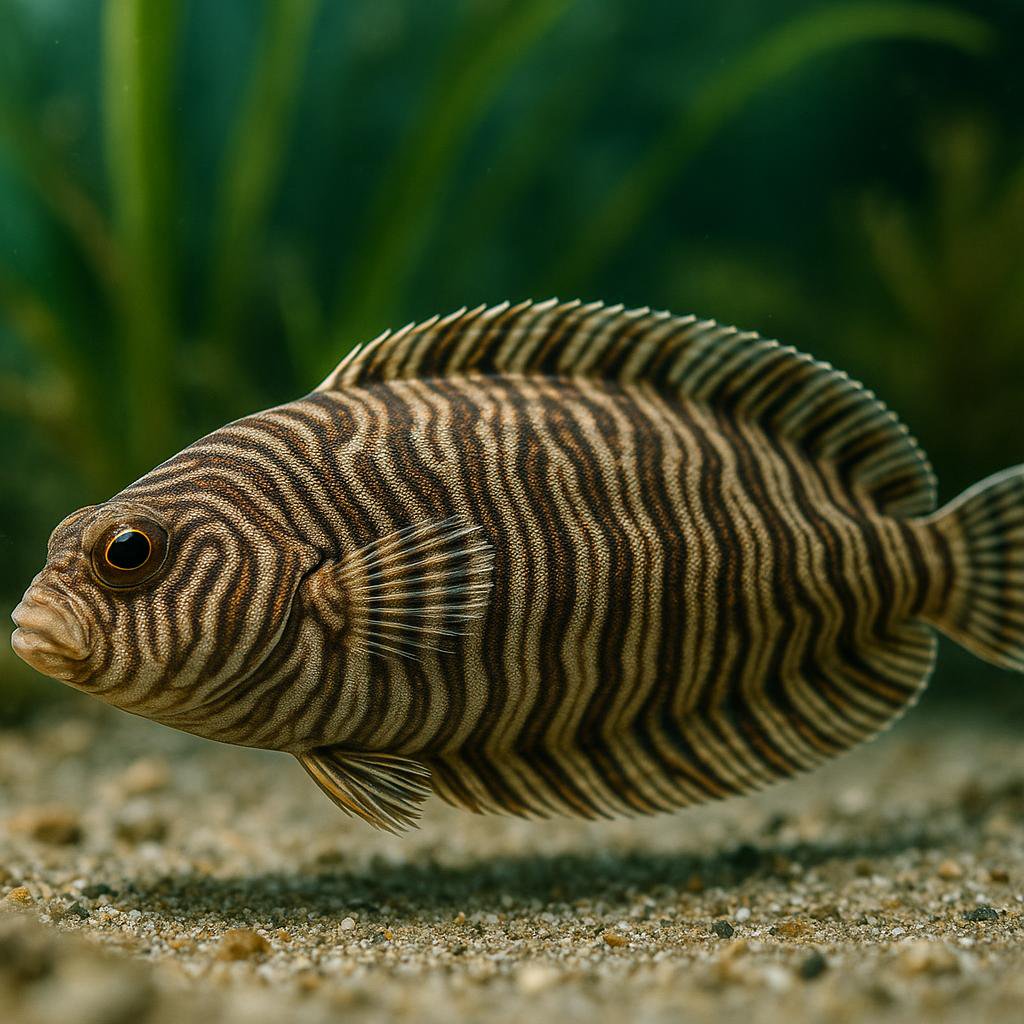
Zebrias annandalei is a small demersal sole from coastal India that inhabits sandy or muddy bottoms and buries for camouflage. It is rarely kept in home aquaria and would require a specialized marine sand-bottom setup and appropriate feeding.
Antarctic dragonfish
Vomeridens infuscipinnis
Deep down around Antarctica, this sleek dragonfish cruises the water column like a little submarine, nearly neutrally buoyant so it can hover above the seafloor. It munches almost exclusively on Antarctic krill and lives in near-freezing water 500-800 m down, so it is a cool species to read about, not one for home tanks.
Looking for other species?