

Southern opah
Lampris immaculatus
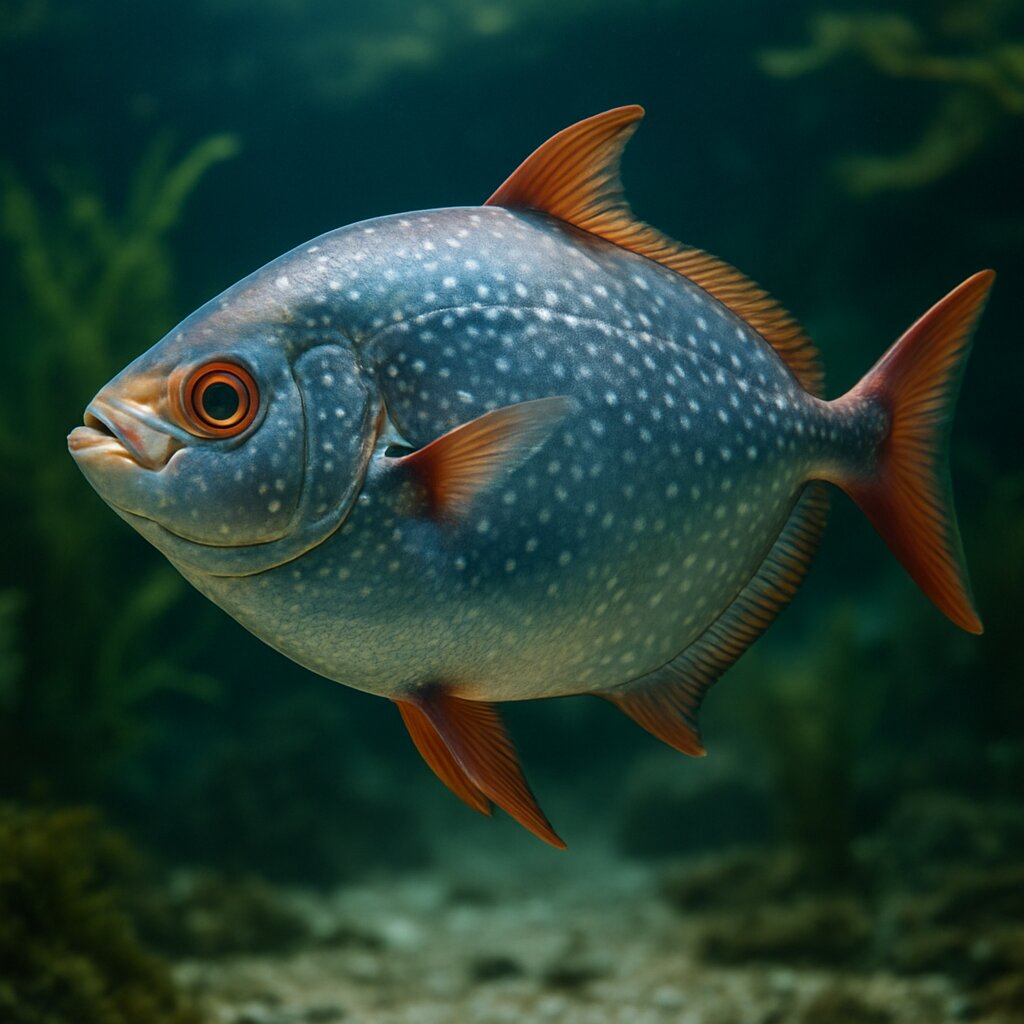
The Southern opah features a distinctive, deep-bodied shape with vibrant blue and silver coloration and a large, fan-like tail.
This page includes AI-generated images. Why am I seeing AI images?
About the Southern opah
A stunning, round-bodied ocean wanderer with bright red fins, the southern opah looks like a giant metallic coin cruising the cold southern seas. It hangs out deep and cool, munching squid, small fish, and krill, and sometimes even follows fishing boats for an easy meal. Gorgeous fish, but truly a public-aquarium-only species, not a home tank candidate.
Also known as
Quick Facts
Size
110 cm (43 inches)
Temperament
Aggressive
Difficulty
Expert
Min Tank Size
10000 gallons
Lifespan
3-6 years
Origin
Southern Ocean
Diet
Carnivore - squid, mesopelagic fishes, krill
Water Parameters
2-12°C
8-8.4
20-40 dGH
Need a heater for this species?
This species needs 2-12°C in a 10000 gallon tank. Use our heater calculator to find the right wattage.
Calculate heater sizeCare Notes
- Think public-aquarium scale: a round, uninterrupted raceway or donut tank with no corners - 200,000 L+ for a subadult, way more for an adult.
- Keep it cold and gassed up: 8-12 C, 34-35 ppt, pH 8.0-8.3, and dissolved O2 above 8 mg/L at all times. Zero ammonia and nitrite, keep nitrate under 20 ppm with massive biofiltration and ozone or UV polishing.
- Current matters: set a steady circular laminar flow so it cruises without smacking walls - use diffused inlets and pad any contact points with smooth liners.
- Go dim and plain: blue background, low light, no decor, and cover glass to kill reflections that trigger panic runs and nose or eye scrapes.
- Feed small frequent meals 3-6x daily of thawed squid, mackerel, capelin, and prawn tossed into the flow so it chases and swallows midwater. Soak food in marine vitamins and HUFA, and do not rely on smelt or other thiaminase-heavy fish long term.
- Handle like glassware: no nets, use a soft vinyl sling and keep it in water during moves; during acclimation, blackout the tank and keep temps rock steady.
- Tankmates are basically a no: keep it solo or with other huge, calm pelagics only; avoid tunas, sharks, jacks, billfish, and anything bitey or bite-sized.
- No one has bred Southern opah in tanks; expect zero reproductive behavior, so the whole game is long-term display health, not spawning.
Compatibility
Good Tankmates
- Another opah of similar size, but only in a truly huge, chilled, high-oxygen pelagic system with strong circular flow and nonstop feeding - they usually keep to their lanes if space and food are generous
- Big yellowtail/amberjack types (Seriola lalandi and other large carangids) - fast, cool-temperate sprinters that will not fit in its mouth and can handle the pace
- Juvenile but sturdy tunas like albacore or southern bluefin in an open-ocean exhibit - similar speed and body mass, low bullying when everyone is stuffed with food
- Bonito, skipjack, and large mackerels that school tight midwater - way too quick to single out and happy in chilled, high-flow systems
Avoid
- Anything small or ornamental (reef fish, baitfish, squid-sized schooling fish) - it will treat them as snacks the minute they slow down
- Slow or fancy-finned swimmers (lionfish, scorpionfish, big angels, butterflies) - they get battered by the current and hassled until they crash
- Bottom sitters and territorial bruisers (groupers, big snappers, hogfish) - they cannot keep up and will either get outcompeted or start biting
- Sharks that sample tankmates (sand tigers, big requiems, anything bitey) - high risk of test bites and constant chasing in open water
Where they come from
Southern opah cruise the open Southern Hemisphere, from cool-temperate to subantarctic waters. Think big, blue, and empty: offshore, far from reefs, often 50-400 m down. They are built for long, steady swimming in chilly water, picking off squid and small fishes in the dim midwater.
Setting up their tank
I helped care for a rescued opah in a public aquarium pelagic exhibit. I would not try this at home. If you are not working with a professional team and a million-liter system, look at the alternatives at the end.
- Space and shape: Round or oval tank, no corners, continuous smooth wall. Think 15-20 m across and 5-8 m deep, bare interior. Any hard edge becomes a nose-scraper.
- Temperature: Chilled 8-12 C for Southern opah. Big chillers and redundancy. Opah handle cool water but hate swings.
- Flow: Strong, mostly laminar current so the fish can cruise without fighting turbulence. Multiple variable-speed pumps to keep the gyre smooth.
- Oxygen: Near saturation at all times. High gas exchange, degassing towers, and backup O2 on a controller.
- Lighting: Dim, blue spectrum. Overhead light spill and reflections trigger panic runs, so baffles and dark lids help.
- Life support: Industrial-scale mechanical + bio + foam fractionation + ozone/UV. Heavy feeding means heavy export.
- Interior finish: Polished, uninterrupted acrylic. No protrusions, intakes guarded, and a soft vinyl lip at the waterline.
- Access: Wide, low-stress transfer doors. Moving an opah is a team job with custom slings and a plan.
Corners and reflections cause full-speed wall strikes. Black out bright room lights, soften overhead glare, and test sightlines from the fish's eye level before stocking.
These are constant swimmers with a high metabolism in cold water. Temperature stability and oxygen are non-negotiable. Put chillers and O2 on backup power.
What to feed them
Wild opah eat squid, small fishes, and crustaceans. In human care, getting them to accept prepared foods is half the battle. Start with foods that move, then shift to clean, enriched seafood once they are eating confidently.
- Starter options: Live or freshly killed baitfish presented in the current so they glide naturally. Small squid pieces work well.
- Staples once trained: Squid strips, sand lance, capelin, herring, mackerel chunks cut to thumb-size or smaller.
- Variety: Rotate cephalopod and fish to avoid fatty liver and boredom. Avoid only oily fish day after day.
- Supplements: Soak in high-quality marine vitamins with HUFA and extra thiamine (B1), since many frozen baitfish are thiaminase-heavy.
- Feeding style: Multiple small feeds. Use the gyre to carry food past the fish at mouth height. Tongs or broadcast works once they are keyed in.
- Hygiene: Thaw in the fridge, rinse gently, and discard mushy pieces. Keep the skimmer happy.
Cut squid into thin, aerodynamic pieces so they track with the current instead of tumbling. If the fish starts spitting food, go smaller and slow the feed so it is not gulping air at the surface.
How they behave and who they get along with
Opah are steady cruisers. They are curious but spook fast if something flashes or booms. They are not bullies, but they will eat bite-sized fish that drift in front of them. Crowd them and they pinball.
- Best kept: As a single showcase animal in a large, low-clutter pelagic tank.
- Possible tankmates (institutional setups only): Other large, fast, non-nippy pelagics that like cool water and will not see the opah as food or a target. Stock lightly to reduce traffic.
- Avoid: Sharks that investigate with their mouth, ramming tunas/bonitos, and any small schooling fish you cannot afford to lose.
- Feeding competition: Give the opah its own lane and timing so quicker fish do not strip every pass.
Keep the room quiet during maintenance. A dropped tool will have an opah circling hard for minutes. Soft-close everything.
Breeding tips
There are no confirmed captive breedings of Southern opah. They are broadcast spawners in the open ocean with microscopic eggs and long, drifting larval phases. This is not a realistic project under aquarium conditions.
Common problems to watch for
- Nose and fin abrasions: Usually from chasing reflections or sudden starts. Darken the backdrop, kill glare, and pad the upper lip of the viewing window.
- Refusal to feed after transfer: Start with movement in the current, keep people out of sightlines, and try squid first.
- Temperature and oxygen dips: These show up as frantic surface laps or listless cruising. Put alarms on chillers and O2.
- Digestive upsets: Big, oily chunks lead to regurgitation. Cut smaller, rinse, and slow the feed rate.
- External parasites from raw seafood: Source clean product and run periodic scrapes if you have the staff and scope. Treat in a hospital system, not display.
- Vitamin deficiencies (especially B1): Use a reliable supplement program. Neurological wobble can creep up on you if you slack here.
- Impact stress: Plan every net or sling move. Clear the path, dim the lights, and keep durations short.
Live-caught opah rarely survive capture and transport. Unless you are at a public aquarium with a pelagic program, skip this species. It is not a home-aquarium fish.
Want that big, silvery open-water look in a realistic setup? Try a school of lookdowns (warm water) in a large, rounded tank, or hardy jacks in the right-sized system. You get the vibe without the heartbreak.
Similar Species
Other marine aggressive species you might be interested in.
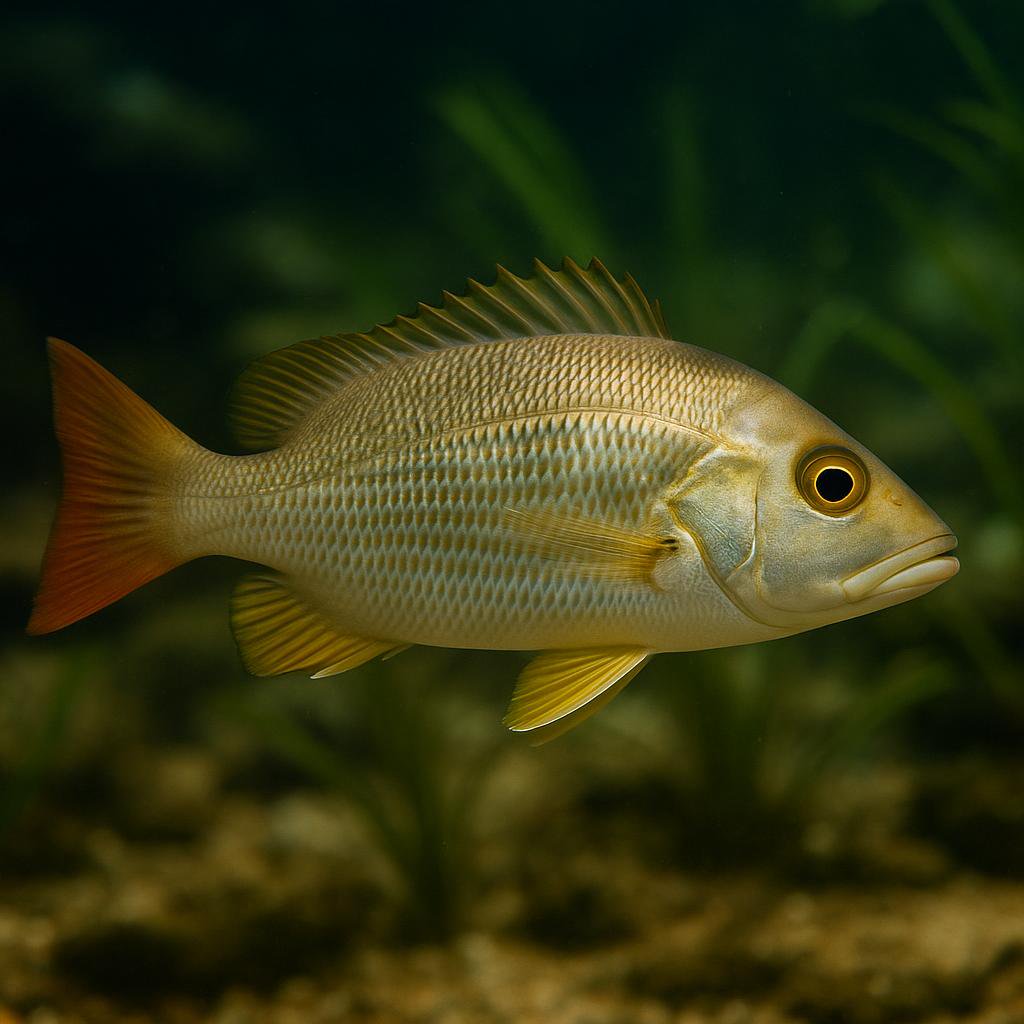
African red snapper
Lutjanus agennes
This is a true snapper from West Africa - a big, fast-growing predator that goes from coastal reefs to brackish lagoons and estuaries (especially as a juvenile). Super cool fish in the wild, but it gets absolutely huge and will eat smaller tankmates once it has the mouth for it, so its really more of a public-aquarium scale animal than a home-aquarium fish.
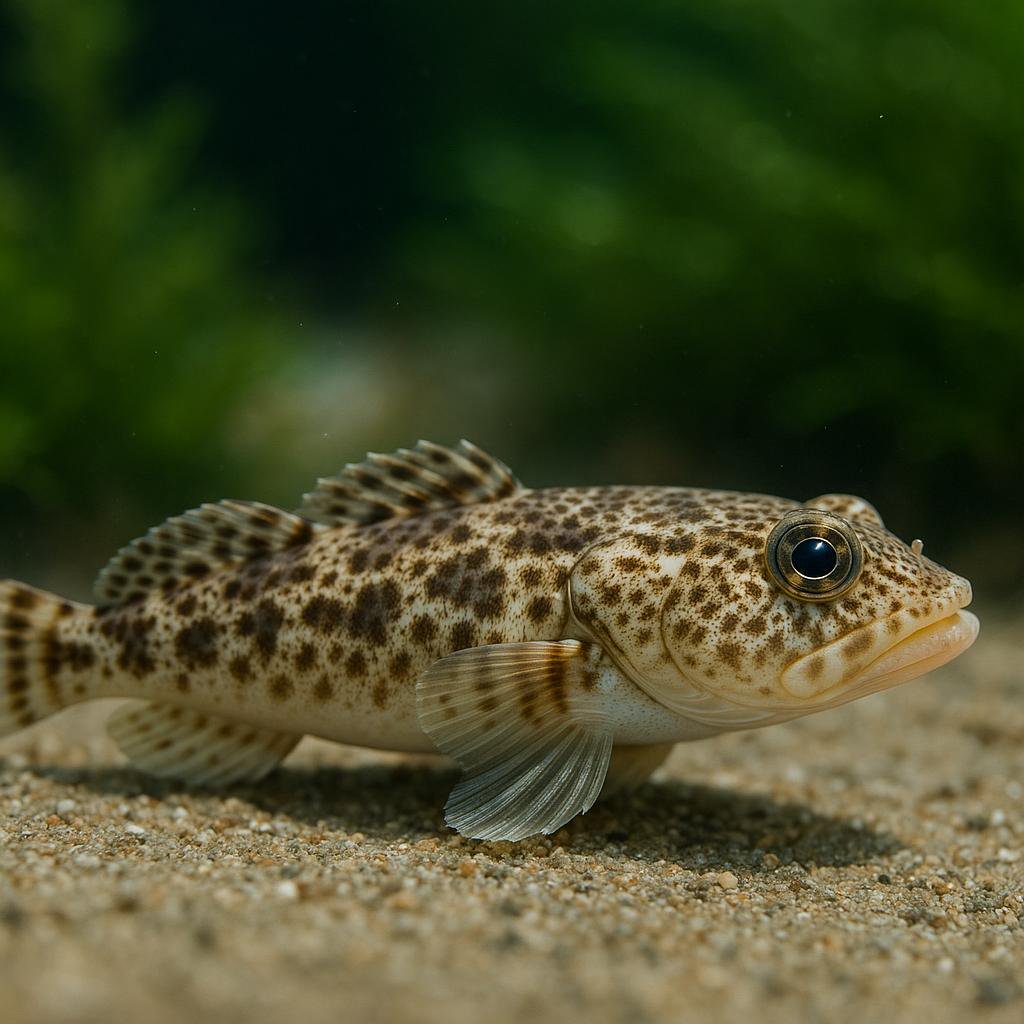
Banded stargazer
Kathetostoma binigrasella
This is a New Zealand stargazer that lives half-buried in sand or mud with its eyes pointed up, waiting to rocket upward and nail passing prey. It has those neat dark saddle-bands across the back (especially as a juvenile), and like other stargazers it is venomous with spines near the gill cover/pectoral area - definitely a look-dont-touch fish.
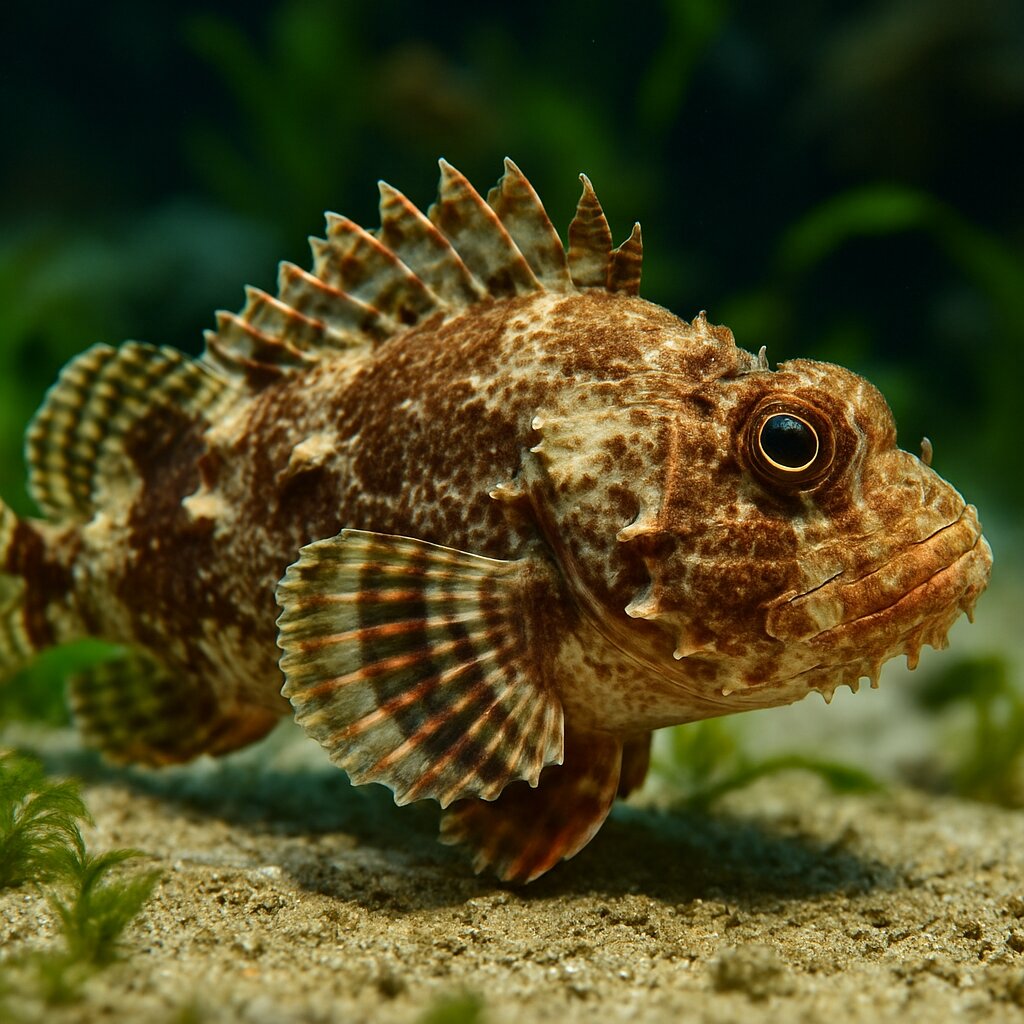
Bandfin scorpionfish
Scorpaenopsis vittapinna
Think tiny ambush predator that vanishes into rubble and coral bits, then flashes a dark band on its pelvic and anal fins when it shifts. It tops out around 3 inches, packs venomous spines, and loves to gulp unsuspecting shrimp and small fish. Super cool to watch once it settles, but it absolutely demands careful handling and smart tankmate choices.
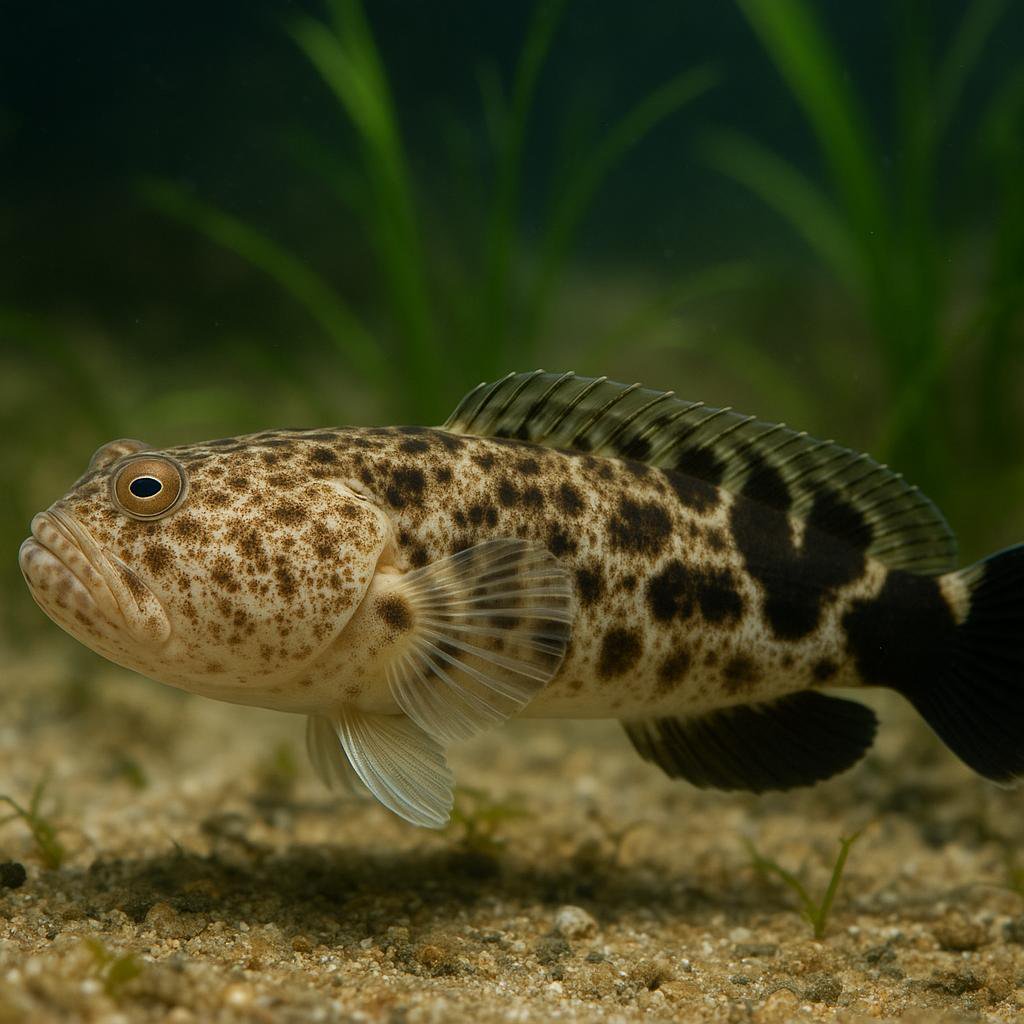
Blackfin stargazer
Ichthyscopus nigripinnis
This is a little sand-sitting stargazer from Australia that likes to lie in wait with its eyes up top and nail passing prey. That black mark on the front part of the dorsal fin is basically its signature. Cool fish, but its more of a wild marine predator than something you set up in a typical home aquarium.
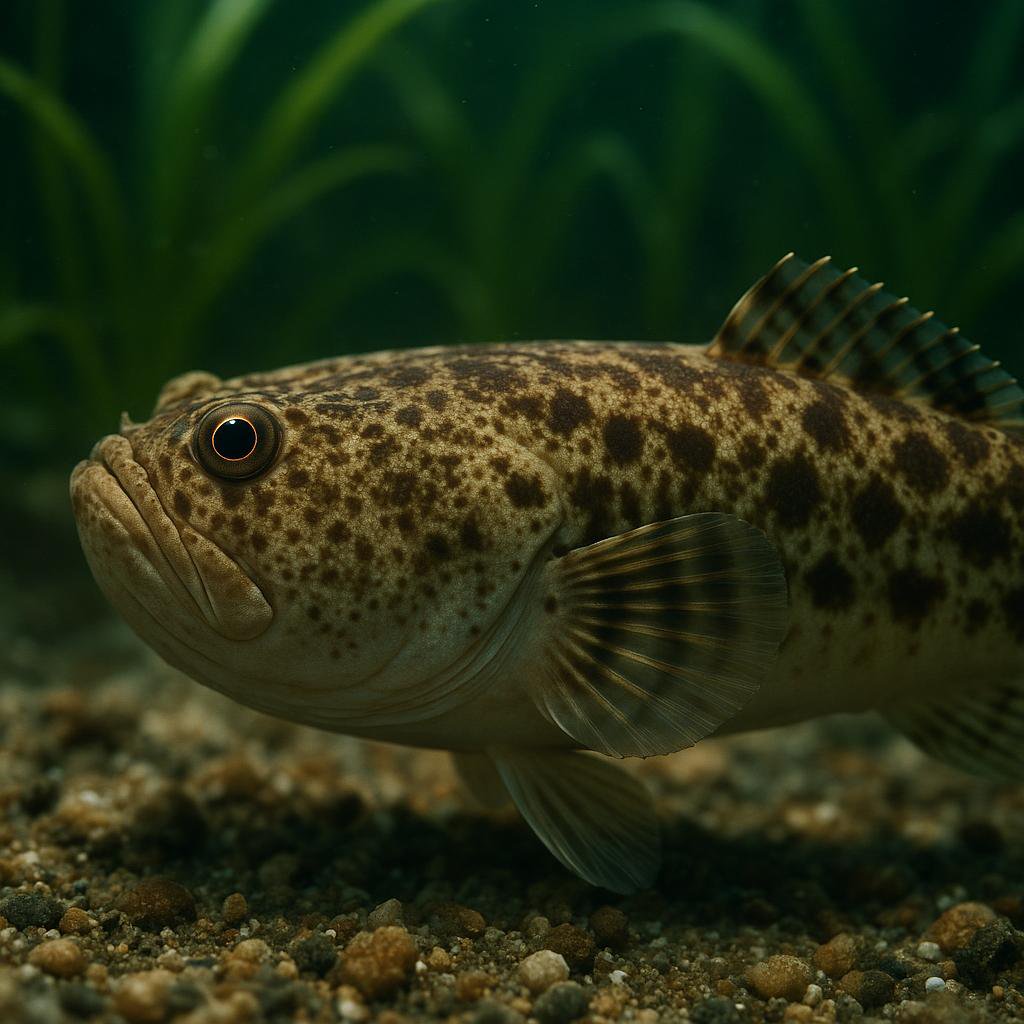
Brownspotted stargazer
Uranoscopus fuscomaculatus
A deep demersal stargazer recorded at 366–389 m that lies buried in sand or mud to ambush prey. Distribution is Southwestern Pacific (Vanuatu and Fiji). Given its deep, cold habitat and specialized requirements, it is not a practical aquarium species.
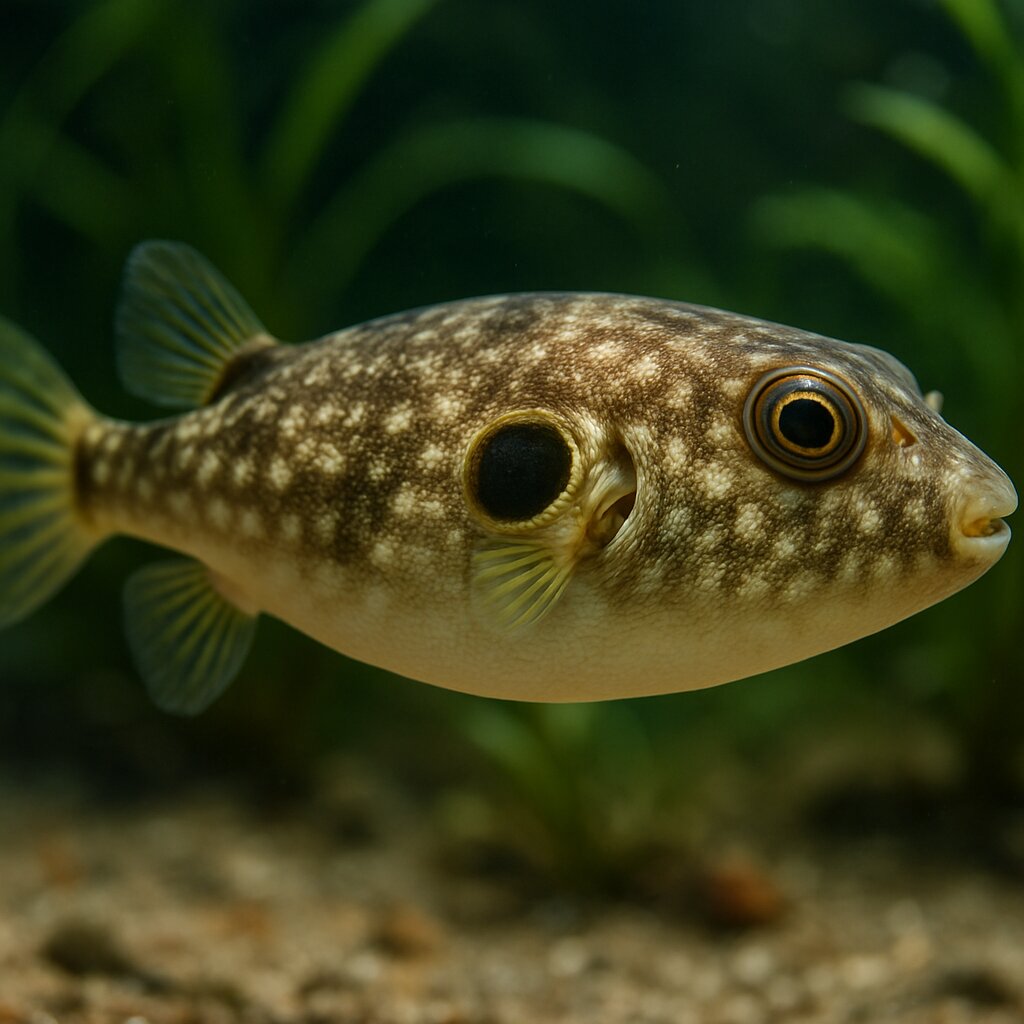
Bullseye puffer
Sphoeroides annulatus
Big personality in a football-shaped body with pale rings along the back that make a bullseye pattern. This is a stout Eastern Pacific puffer that crunches snails and crabs with ease and needs true saltwater and lots of room. Super cool to watch, but it turns nippy with tankmates and grows into a serious, messy eater.
More to Explore
Discover more marine species.
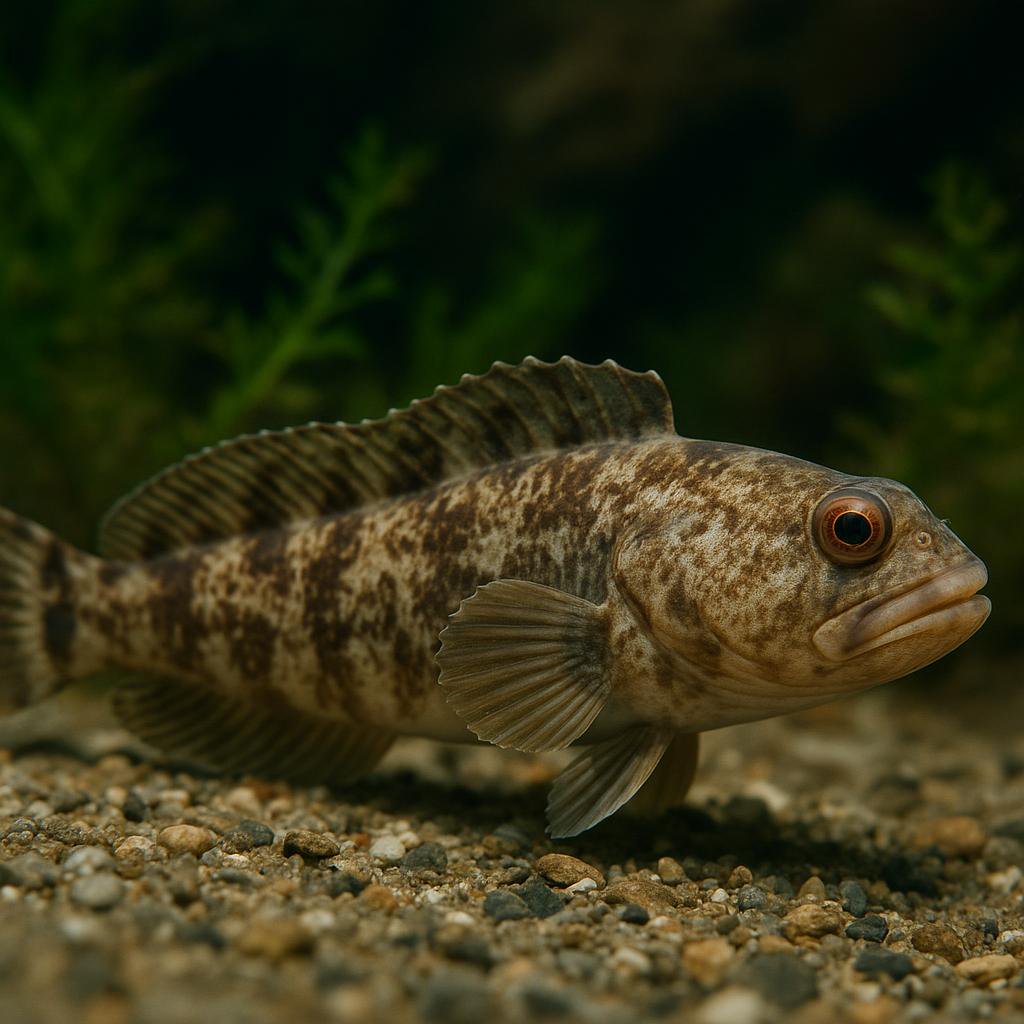
Abe's eelpout
Japonolycodes abei
Japonolycodes abei is a temperate, deepwater demersal eelpout (family Zoarcidae) endemic to Japan (Kumano-nada Sea reported; other sources also report Sagami Bay and Tosa Bay). It is the only species in the genus Japonolycodes and occurs roughly 40-300 m depth, making it an uncommon/atypical aquarium species.
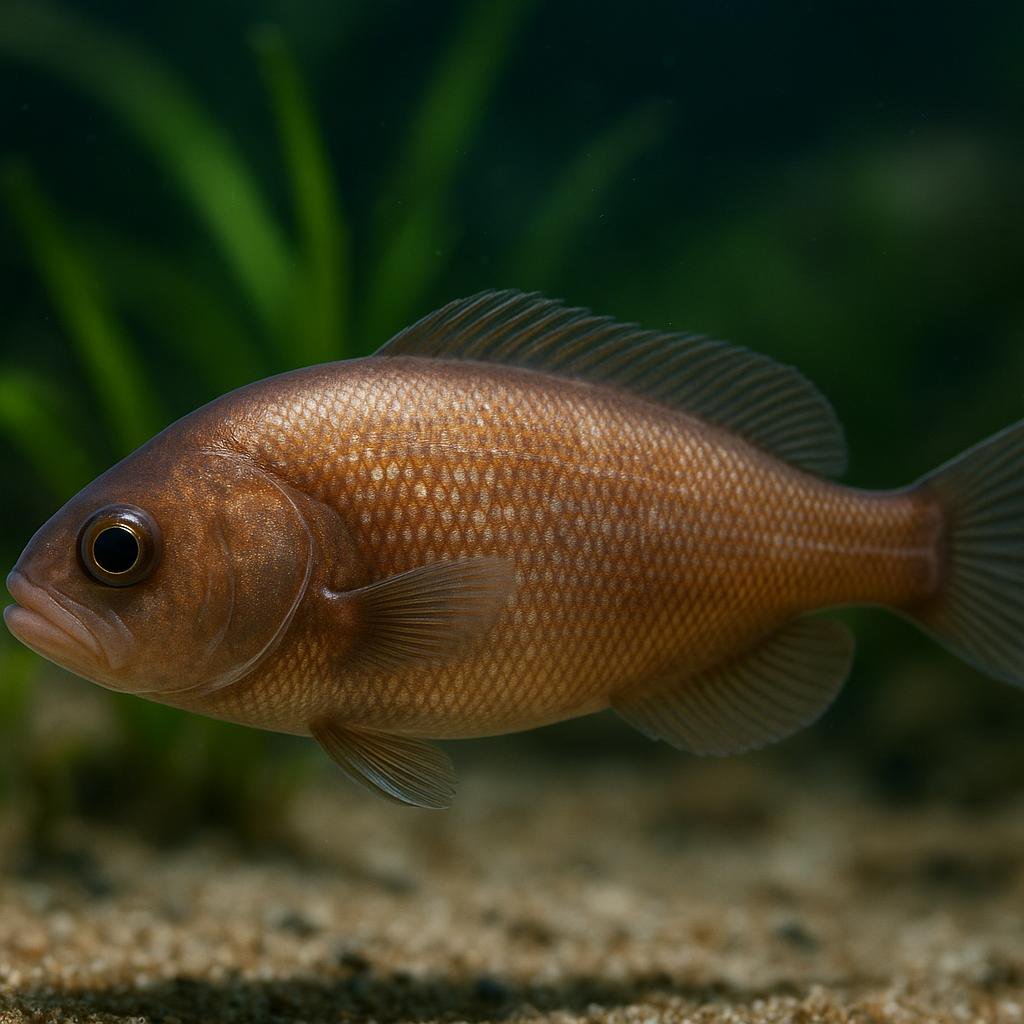
Affinis blind cusk-eel
Barathronus affinis
Barathronus affinis is a tiny, super-weird deep-sea blind cusk-eel from the western-central Indian Ocean. It is one of those gelatinous, loose-skinned brotula-type fishes that live way down in the dark and are basically never seen alive, so almost everything we know comes from preserved specimens and taxonomic work.
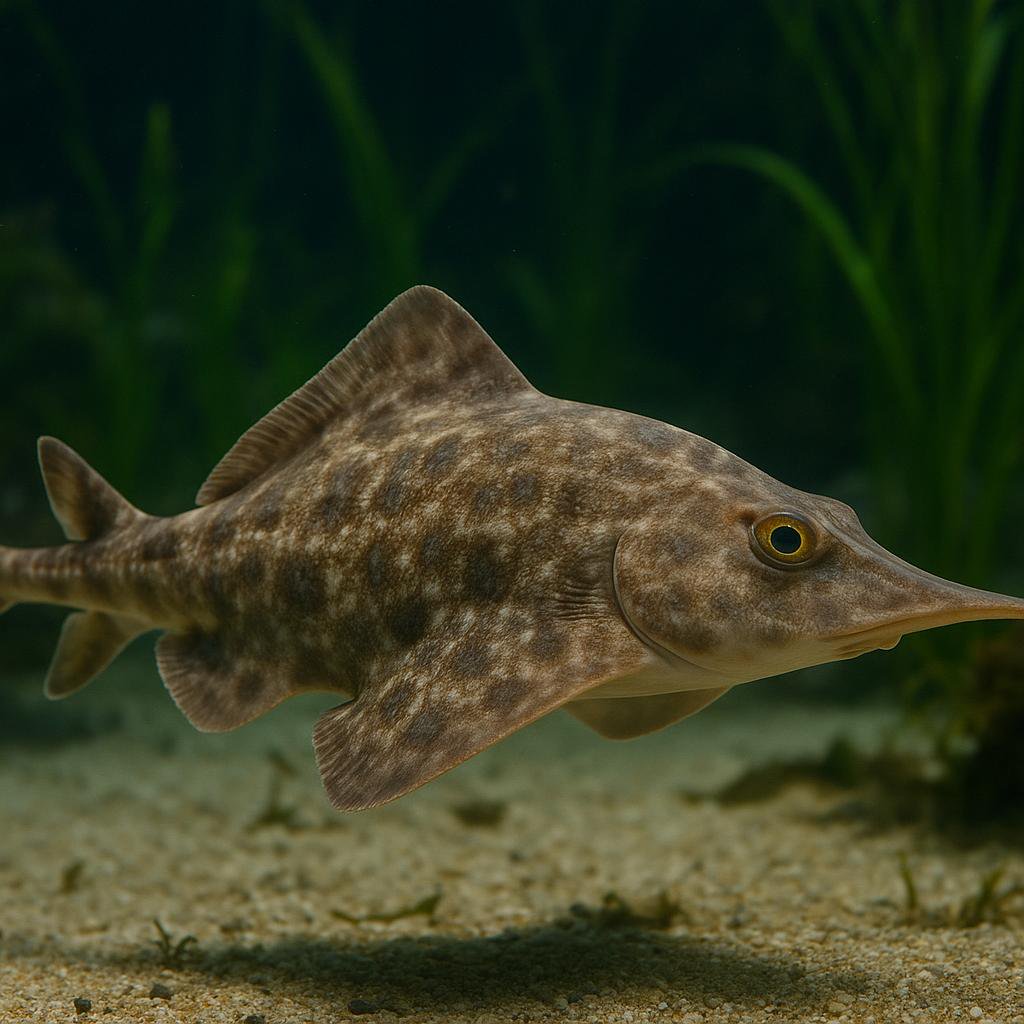
Aleutian skate
Bathyraja aleutica
This is a big, cold-water deep-slope skate from the North Pacific that cruises muddy bottoms and eats chunky benthic prey like crabs and shrimp. The really cool bit is its egg-laying skate life - it does distinct pairing (the classic skate "embrace") and drops those tough egg cases on the seafloor. Not an aquarium fish at all unless you're basically running a public-aquarium-style chilled system.
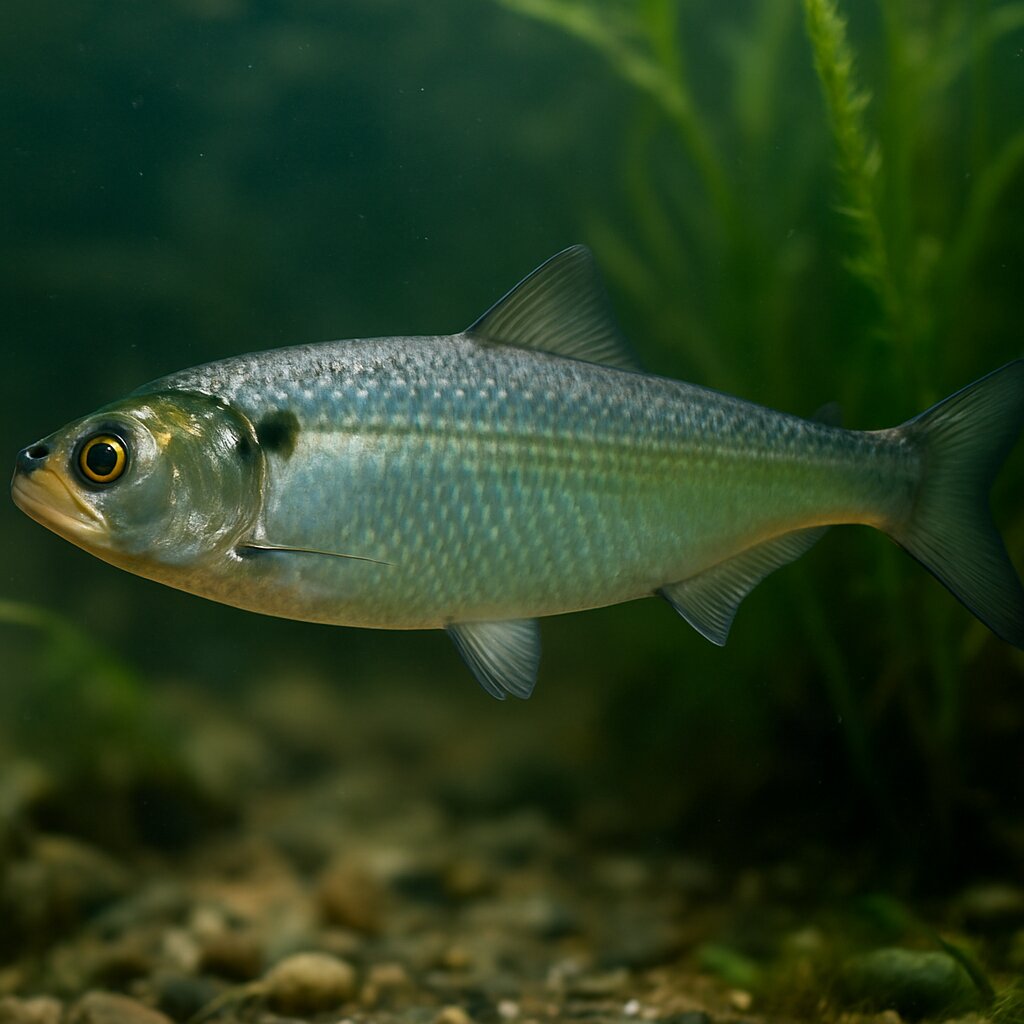
Allis shad
Alosa alosa
Gorgeous silver, fast-swimming shad that spends most of its life in the sea and then surges up big rivers in noisy, surface-spawning schools. It grows huge for a herring-type fish and needs cool, ultra-oxygenated water and tons of open space, so it is a public-aquarium species rather than a home tank fish.
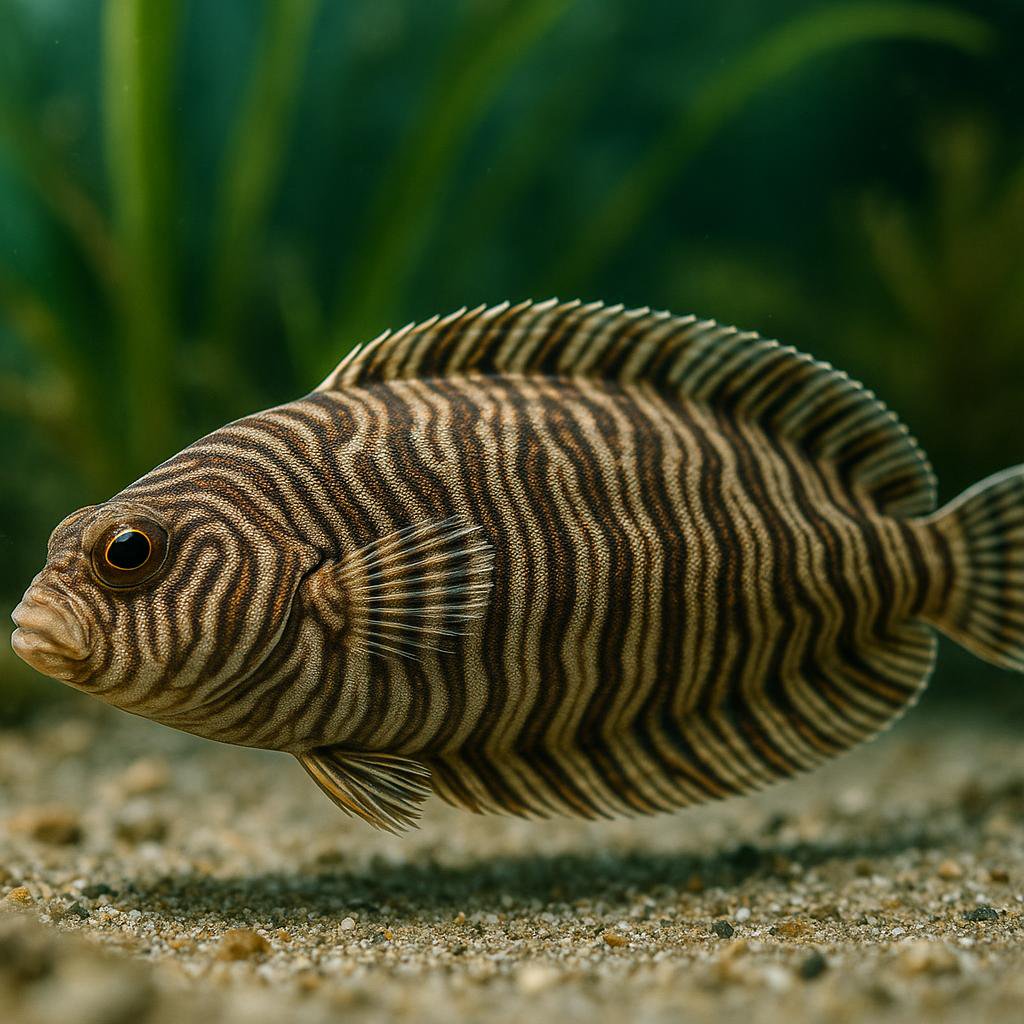
Annandale's zebra sole
Zebrias annandalei
Zebrias annandalei is a small demersal sole from coastal India that inhabits sandy or muddy bottoms and buries for camouflage. It is rarely kept in home aquaria and would require a specialized marine sand-bottom setup and appropriate feeding.
Antarctic dragonfish
Vomeridens infuscipinnis
Deep down around Antarctica, this sleek dragonfish cruises the water column like a little submarine, nearly neutrally buoyant so it can hover above the seafloor. It munches almost exclusively on Antarctic krill and lives in near-freezing water 500-800 m down, so it is a cool species to read about, not one for home tanks.
Looking for other species?